Accent Walls Entryway Elegance for 2026
The entryway is arguably the most crucial area of your home. It acts as your home’s handshake, setting the immediate tone for your entire interior design style and overall home decor style.
If you aim to make a powerful, bold statement, an accent wall is the most effective and affordable solution available. This simple change transforms a small space from a simple pass-through into a stunning, intentional focal point.
You need to ensure this transitional area reflects sophistication and confidence. Designers like Jeffry Weisman and Gilmore emphasize that the first impression is everything, proving that even a small space requires serious design consideration.
This comprehensive guide delivers expert, actionable accent wall ideas, tailored specifically for entryways. We focus on achieving maximum visual interest using materials ranging from geometric wallpaper to deep saturated colors, ensuring you elevate your space with lasting elegance throughout 2026.
Why Your Entryway Demands a Visual Interest Focal Point
The entryway is where first impressions are solidified. To command attention and establish your overall home decor style instantly, you must create a compelling focal point.
Choosing the best placement for your accent wall designs is critical. In an entryway, this choice is almost always straightforward: select the wall surface that draws the initial attention upon entry.
This surface is typically the wall directly opposite the door or the longest continuous wall immediately visible. This placement ensures the accent walls guide the eye and introduce the primary color scheme of the home.
An entryway accent wall serves a sophisticated function. It transforms the space from a simple pass-through into a curated introduction, establishing visual interest immediately.
Intentionality Over Trend: The Designer’s Mandate
The goal of any accent wall must be intentional. It must serve a clear purpose, to highlight specific architectural features, frame an archway, or showcase a significant gallery wall or piece of art. It should never exist merely as a random block of paint colors or a fleeting trend.
Designers like Gilmore and Chiprut consistently emphasize that purpose must always supersede trend. When considering your accent wall ideas, ask yourself: What specific element am I drawing attention to? If the answer is just “the color,” you may be missing the required visual interest.
This deliberate approach is essential for creating a true visual center point, maximizing the impact of even a budget-friendly update. Even in small space environments like foyers or mudrooms, a well-executed design can make the area feel larger and more curated.
Selecting the Main Viewing Surface
To maximize the impact of your accent walls, select the main viewing surface where the eye naturally lands. This is crucial for guiding traffic and establishing the rhythm of the home. If you have an unusual wall angle or interesting architectural features, the accent wall should highlight these components.
The best accent walls create a powerful, bold statement by integrating texture or depth. Whether you choose peel and stick wallpaper, geometric wallpaper, or decide on painting a design, the focus should be on creating a lasting impression that aligns with your interior design philosophy and overall home decor style.
This strategy of intentional placement is why the accent wall remains an effective and affordable solution for transforming transitional spaces.
Trending Materials and Textured Surfaces for 2026
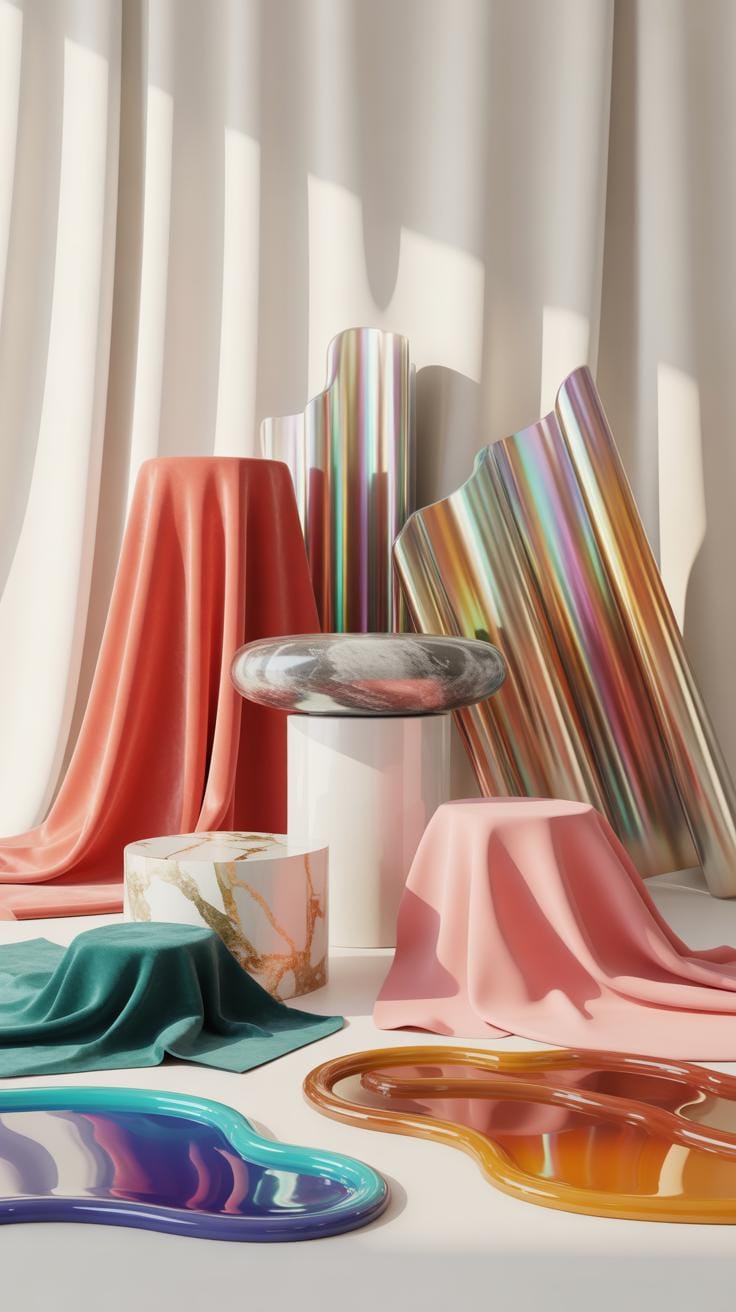

To truly elevate your entryway, you must move beyond standard flat paint. The most compelling accent wall designs incorporate depth, dimension, and undeniable visual interest through high-quality materials.
The popularity of textured surfaces continues to grow, integrating natural elements and intricate paneling to deliver a refined, expert look.
Integrating Natural and Organic Wall Coverings
For a sophisticated, nature-inspired aesthetic, consider integrating organic materials. A prime example is grasscloth wallpaper.
Grasscloth adds incredible texture and warmth, providing a rich, subtle effect without requiring a disruptive pattern or a huge pop of color.
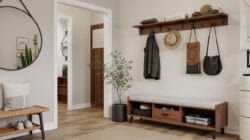
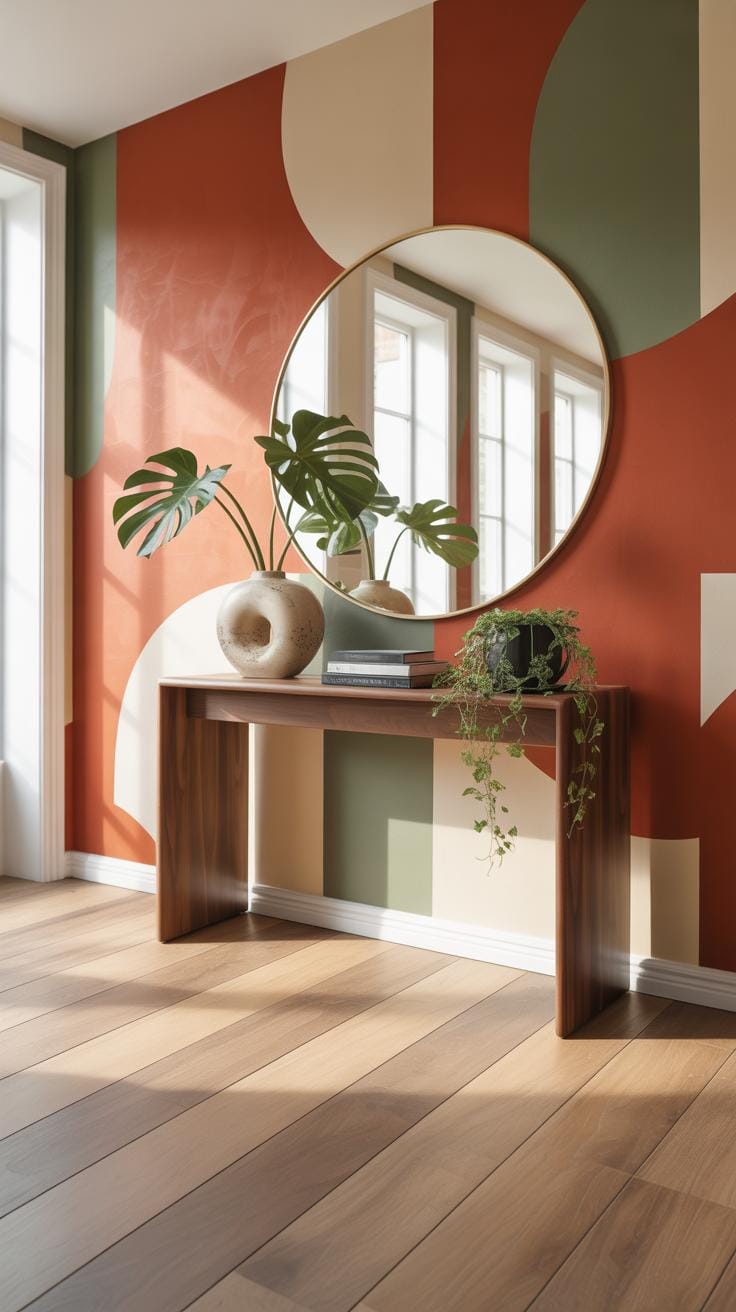
It pairs beautifully with the trending moody earthy tones we see dominating 2026 interior design, such as olive, moss greens, and deep rust reds.
Alternatively, if you seek a softer, temporary solution, a large Fabric panel stretched across a frame offers a high-impact, easy-to-update look suitable for a small space or a rental property.
Designing with High-Impact Tiled Walls
For those seeking the ultimate permanent installation, a tiled wall offers unmatched durability and high style, transforming the entryway into a luxurious statement.
Think beyond standard subway tiles. Consider three-dimensional ceramic tiles or even patterned materials that anchor your entire aesthetic.
Designers like Fisher Weisman Brugioni demonstrate the power of tile. In a memorable project in San Miguel de Allende, Mexico, designer Jeffry Weisman utilized a wall tiled in a classic Moorish pattern, recolored for a contemporary feel.
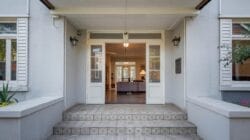
This stunning tiled wall set off a magnificent copper bathtub, illustrating perfectly how a tiled surface can define a luxurious space and establish a powerful focal point.
Color Strategy: Embracing Deep Saturated Hues
Choosing the right color scheme is essential for a successful accent wall. For 2026, the trend favors deep saturated colors and nature-inspired palettes over bright, primary shades.
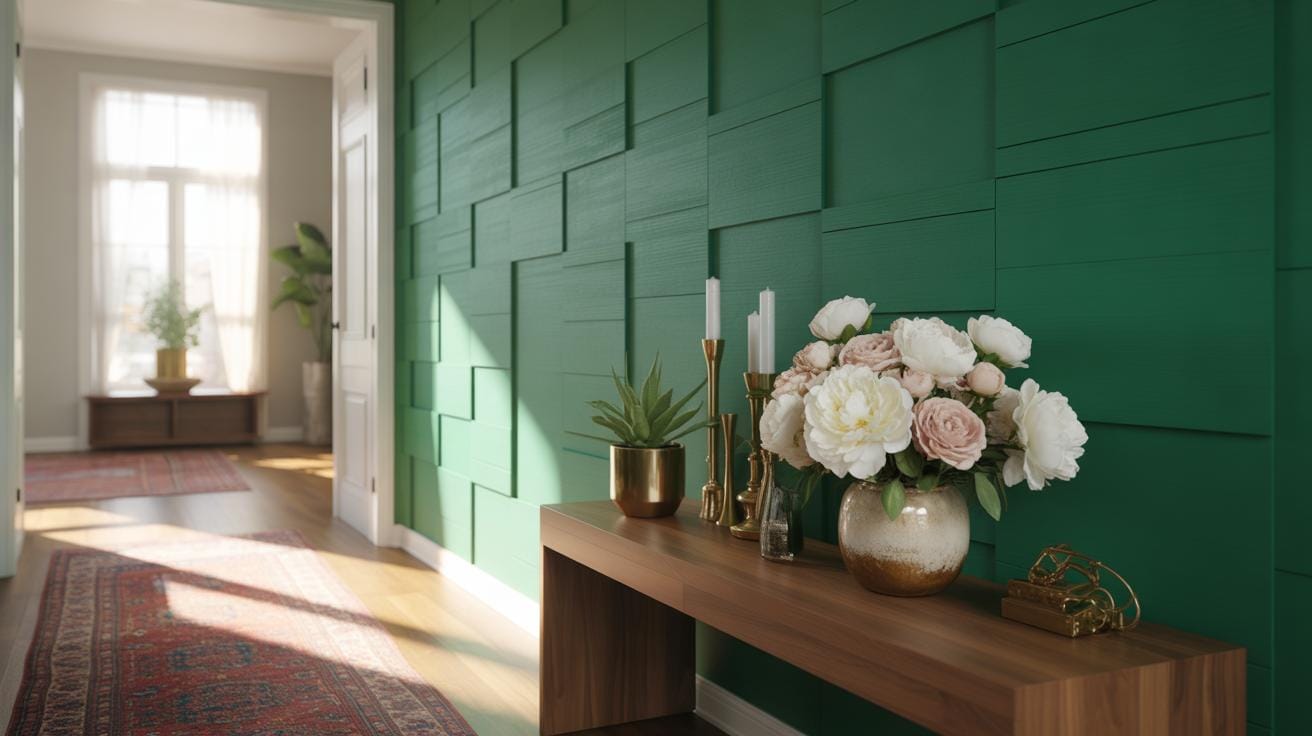
You can create a dramatic focal point instantly by opting for a darker accent wall, such as a deep navy, emerald green, or charcoal gray.
This choice provides necessary contrast against lighter surrounding walls, ensuring the accent wall truly commands attention and elevates your home decor style.
Using these deep saturated colors is a confident move that ensures your entryway feels intentional and modern.
The Timelessness of Accent Walls: Design Rules for 2026
While some trends, like aggressive chevron patterns or random color blocks, may feel outdated, expert interior design confirms that accent walls remain stylish when used purposefully.

The key is intentionality. Your accent wall should serve a function: highlighting architecture, framing a piece of art, or defining a transitional space.
Avoid simply painting a random wall a different color. Instead, use the accent wall as a backdrop for a gallery wall or to emphasize an architectural feature like a niche or archway.
When done correctly, accent walls are not a trend but a powerful tool for visual interest.
DIY Accent Wall Ideas: Molding and Temporary Solutions
If you are looking for a high-impact, budget-friendly way to create a DIY accent wall, architectural details are your answer.
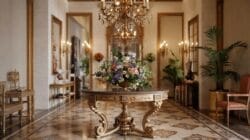
Classic molding styles remain timeless. High vertical paneling, such as square board and batten, is a current trend that adds architectural interest and structure, making even a small space feel grand.
For a truly affordable solution that requires minimal commitment, explore temporary wall covering options.
A Peel-and-stick geometric wallpaper mural provides a vibrant pattern and is the perfect budget-friendly choice for renters or those who frequently update their decor.
This allows you to create visual interest using modern geometric shapes without the long-term commitment of traditional wallpaper paste or the hassle of painting a design.
Strategic Color Psychology Mastering Deep Saturated Hues
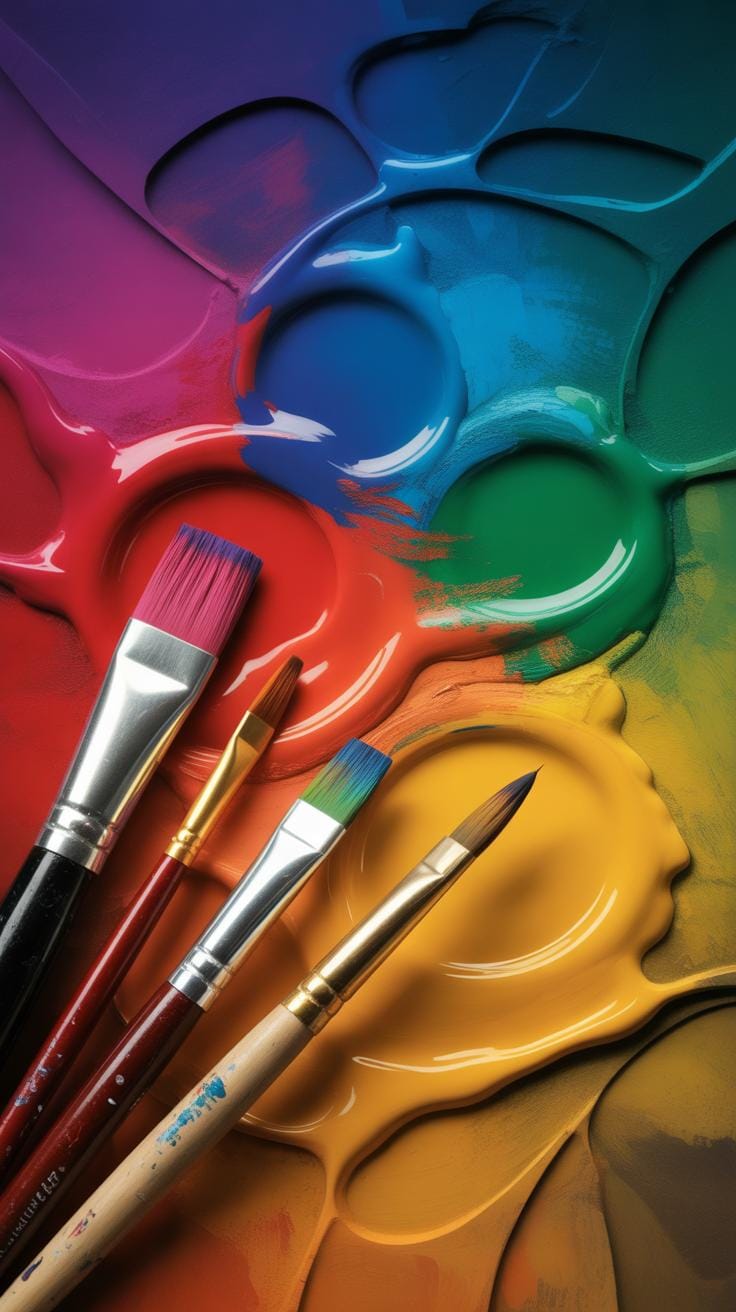
To finalize your accent wall designs, selecting the right paint colors is paramount. For 2026, the interior design landscape overwhelmingly favors depth and saturation, moving beyond simple pastels.
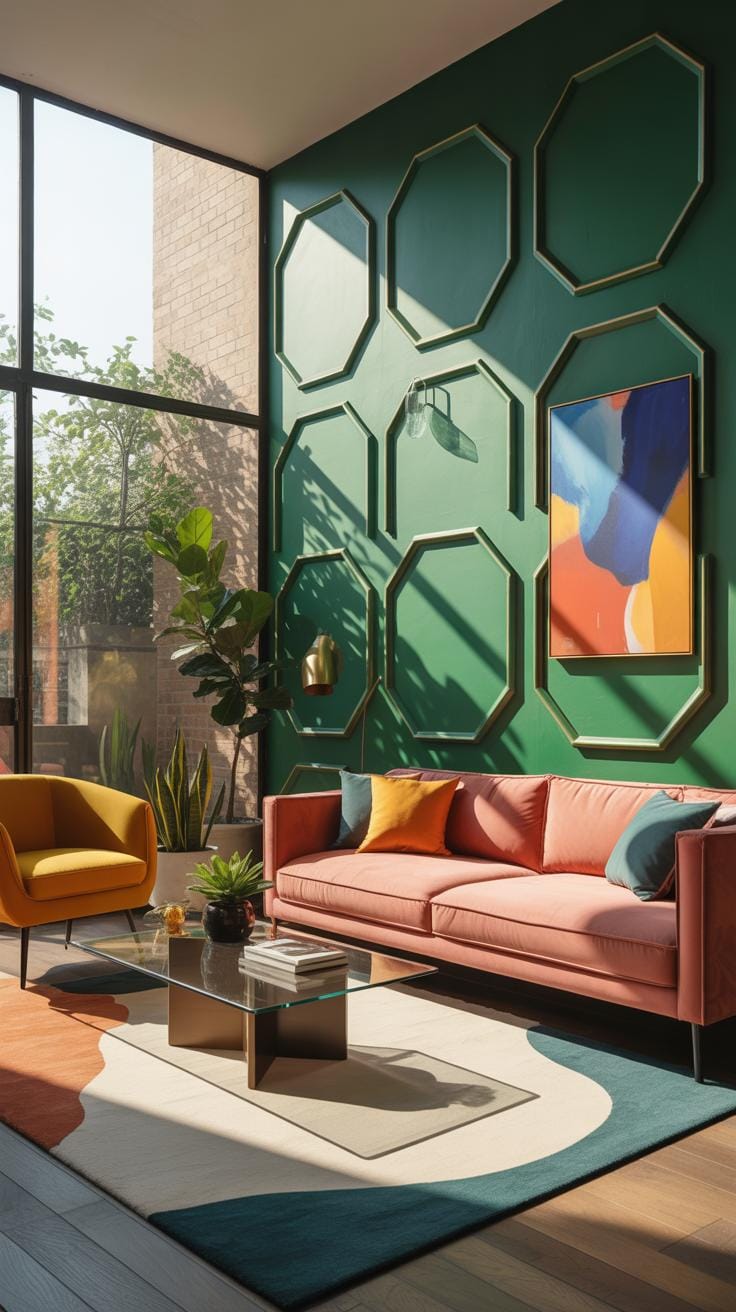
Embrace deep saturated colors like classic navy, rich deep blue, or sophisticated emerald green. These selections instantly establish a dramatic backdrop and provide necessary contrast, allowing surrounding elements, such as trim or a gallery wall, to truly achieve a strong pop of color.
The prevailing trend leans heavily into nature-inspired palettes. Incorporate moody earthy tones such as olive, moss greens, rich teal, and sophisticated rust reds. These shades bring grounded warmth and elegance to your home decor style.
The strategic application is key: utilize a darker accent wall in your small space entryway. Paired with lighter, neutral surroundings, this contrast instantly creates significant visual interest and a powerful focal point.
Avoid the common pitfall of selecting a color that clashes with your overall color scheme. Remember, your accent choice must complement the adjacent rooms, ensuring the entrance seamlessly flows into the rest of your home, delivering that professional, bold statement.
Expert Insights Are Accent Walls Still Stylish
The question of accent wall longevity is frequent in interior design discussions. Experts like Beitler and Brown routinely confirm that accent walls remain a powerful, affordable solution, provided they are executed with intention and superior materials.
You need to transform the concept from a random color block, which defined the early 2000s, into an intentional, sophisticated focal point.
The key to avoiding a dated look is material choice. A simple painted wall is always classic, but elevation is necessary to truly transform the space.
The difference between a dated accent wall and a timeless feature wall lies in material and intention. As designer Gage notes, incorporating texture, molding, or high-quality wallpaper elevates the concept entirely.
The consensus among firms like Papier and Goldberg is that the modern accent wall should highlight an existing architectural feature or mimic the effect of substantial furniture, such as a large console table or bench. This strategic placement enhances your overall home decor style.
Timeless Materials: Texture, Molding, and Depth
To ensure your accent wall remains timeless, focus on textured surfaces and materials that add depth and visual interest. We are moving far beyond just a simple pop of color.
For 2026, the trend strongly favors incorporating materials like luxurious grasscloth wallpaper, which adds immediate warmth, or high vertical paneling and classic board and batten molding. These materials provide a high-end finish that pure paint cannot replicate.
Designers like Jeffry Weisman and firms such as Fisher Weisman Brugioni often utilize layered textures, integrating elements like Moorish pattern tile or a subtle tone-on-tone paint scheme to ensure the design feels rich and complex, whether in San Francisco or San Miguel de Allende, Mexico.
Color Psychology and Avoiding Dated Trends
While some trends, like aggressive chevron patterns or overly bright red accent walls, are considered outdated by experts like O’Gara, the concept of the darker accent wall remains vital. Embrace the current preference for deep saturated colors and moody earthy tones, such as olive, moss greens, teal, and rust reds.
These colors provide the necessary contrast to create a dramatic backdrop and are crucial for successful accent wall designs. If you are looking for a budget-friendly DIY accent wall option, consider applying paint using a geometric pattern or installing a temporary covering like peel-and-stick geometric wallpaper mural or a high-quality fabric panel.
Whether you choose paint or a textured material, the wall must serve a deliberate function, perhaps anchoring a gallery wall, framing a unique architectural detail, or drawing the eye toward a statement piece like a copper bathtub. This intentionality, championed by designers like Gilmore and Chiprut, is what makes an accent wall a sophisticated design choice rather than a dated mistake.
DIY vs Professional Methods for Accent Walls
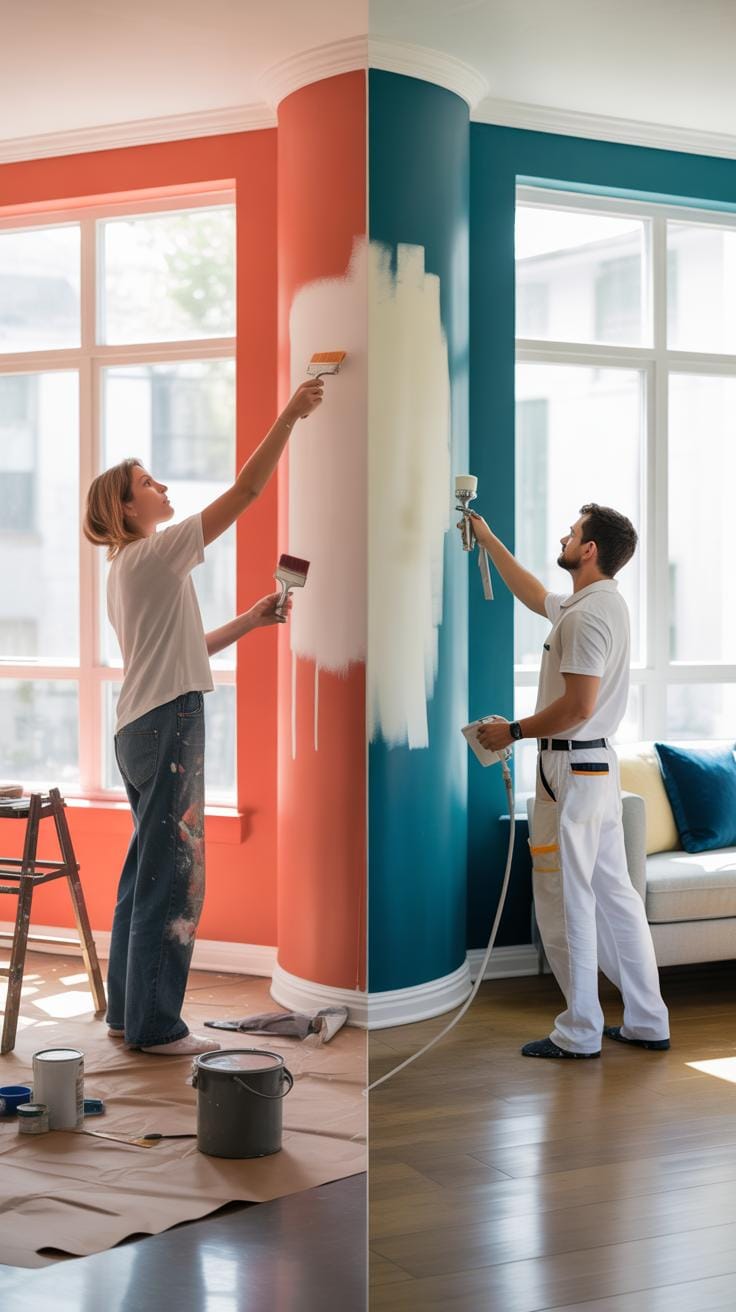
Deciding whether to tackle your entryway accent wall as a DIY accent wall project or hire a professional relies on three factors: complexity, budget, and the desired finish.
Simple applications, such as applying a single paint color or installing peel and stick wallpaper, are highly accessible for most enthusiasts. This allows you to achieve a dramatic pop of color or pattern in a small space quickly.
However, installation of complex textured surfaces, custom molding (like square board and batten), or intricate tiled wall work often requires specialized skill and precision tools. Experts like Gilmore and Chiprut often note that precision is key to longevity in high-traffic areas, transforming the space into a true focal point.
Here is a comparison of common accent wall methods:
Simple Paint Color Application
- Complexity: 1 (Easy)
- Cost: Budget-Friendly
- Time: 1 Day
- Best For: Pop of color, small space application
Peel and Stick Wallpaper
- Complexity: 2
- Cost: Affordable Solution
- Time: 1 Day
- Best For: Temporary housing suitability, geometric patterns
Gallery Wall Hanging
- Complexity: 2
- Cost: Variable (depends on art cost)
- Time: Half Day
- Best For: Showcasing existing home decor style and collections
Board and Batten Paneling
- Complexity: 3
- Cost: Mid-Range
- Time: 2 Days
- Best For: Adding structure, texture, and visual interest
Tile or Stone Application
- Complexity: 5 (Hard)
- Cost: High
- Time: 3+ Days
- Best For: Permanent, high-impact, durable focal point
Trending Materials for High-Impact Accent Wall Designs
When aiming for maximum visual interest, material choice is paramount. The current trend favors elevated textured surfaces. Consider grasscloth wallpaper, which adds immediate warmth and depth, or using a fabric panel for a luxurious, sound-dampening effect, a technique often utilized by designers like Jeffry Weisman.
While simple paint is the most budget-friendly option, you can mimic the effect of expensive finishes. For instance, installing a high vertical paneling system or using peel-and-stick geometric wallpaper mural designs can provide high sophistication without permanent commitment.
Budget-Friendly Accent Wall Ideas: Paint and Art
If you are working with a tight budget, paint remains your strongest ally for creating a powerful focal point. You can achieve a high-end look by using techniques that mimic the effect of expensive materials.
For example, creating a large-scale stripe or block pattern using two closely related paint colors adds depth without the cost of materials like wood or tile. This application of painting a design is an excellent affordable solution for any home decor style.
Another excellent, affordable solution is hanging a carefully curated gallery wall arrangement. A thoughtfully curated collection of framed art or photos instantly creates a rich, layered look, transforming a blank wall into a dynamic centerpiece, allowing you to make a bold statement.
Selecting the Perfect Color Scheme: Moody Earthy Tones for 2026
The biggest mistake in accent wall ideas is choosing a random color block. Your color scheme must be intentional. For 2026 interior design, the trend leans heavily toward nature-inspired, deep saturated colors and moody earthy tones, moving away from outdated trends like red accent walls or chevron patterns.
Designers like O’Gara and Smith recommend shades such as olive green, moss, teal, and rust reds. A darker accent wall paired with lighter surrounding walls is highly effective in creating a dramatic focal point, especially in a small space or entryway.
Remember, the accent wall should guide the eye. Choosing a rich, deep hue creates instant architectural depth, providing the elegance sought by clients of firms like Fisher Weisman Brugioni.
Design Rules and Considerations for Accent Wall Designs
The most important rule for successful accent wall designs is purposefulness. The wall should serve a function, whether highlighting a console table, framing a piece of art, or simply guiding visitors deeper into the home.
Avoid placing accent walls randomly. Competitors consistently advise choosing the wall that draws initial attention upon entering the room. For the entryway, this is typically the wall you face directly or the longest unobstructed surface.
The material and color must match the room’s overall home decor style. While geometric shapes are popular, ensure the pattern doesn’t feel overly dated, like some early 2010s trends. Focus instead on classic elements like minimalist molding or subtle tone-on-tone schemes.
Integrating Critical Architectural Details
An accent wall is more than just a pop of color; it must enhance existing architecture or create the illusion of structure where none exists. This is critical when designing for small space areas, such as narrow entry halls or powder rooms.
Accent walls should always serve a specific function or highlight architectural features rather than being random color blocks.
In limited area rooms, a bold statement material delivers powerful visual interest without overwhelming the scale. For instance, the striking Moorish pattern tile favored by Jeffry Weisman in his San Francisco projects demonstrates how dramatic texture can define a space.
Designers Smith and Robbins frequently emphasize using materials that contrast sharply with the surrounding drywall. This strong contrast immediately establishes the wall as the home decor style focal point.
Designing for Impact in Small Spaces
When designing a small space, use the accent wall as an experimental canvas. This is your chance to try a pattern or texture you might find daunting in a larger living area.
A small entryway is the ideal location for deep saturated colors or intricate patterns, such as a bold geometric wallpaper.
This approach creates an eye-catching surprise right at the threshold, immediately introducing personality and sophisticated home decor style.
The key is selecting the main viewing surface carefully. Ensure the accent wall designs are fully visible the moment guests step inside, maximizing the visual interest and impact of your bold statement.
Whether you choose a DIY accent wall method or hire a professional, the strategic placement of this focal point is paramount to successful interior design.
Choosing Materials: Texture, Tile, and Wallpaper
The materials you select heavily influence the overall feel of your entryway. Current trends favor textured surfaces that add depth and warmth, moving beyond simple paint colors.
Consider the application of grasscloth wallpaper, a material that provides beautiful texture and a subtle, earthy appeal. Alternatively, installing high vertical paneling with wallpaper inserts is a trending look for 2026.
For a durable and high-impact look, consider a tiled wall. While more intensive than painting a design, a tiled wall offers unparalleled visual interest, especially when mimicking the complexity of the Moorish pattern tile used by Jeffry Weisman.
For budget-friendly options, peel and stick wallpaper is highly effective. You can achieve the look of complex geometric wallpaper or textured surfaces without the permanent commitment or high cost.
The Power of Color: Deep Saturated Hues
Color choices for accent walls have evolved toward moody earthy tones and deep saturated colors. For 2026, nature-inspired hues like olive green, moss green, teal, and rust reds are highly popular.
A darker accent wall immediately creates a strong focal point. If your entryway is small, using a deep saturated color like navy or emerald green draws the eye inward, making the space feel intentional rather than cramped.
Designers often recommend using darker accent wall paint colors with lighter surrounding walls to ensure maximum contrast and visual separation.
Avoid dated looks like overly bright primary color blocks or chevron patterns. Instead, lean into sophisticated, layered tone-on-tone schemes or rich, moody earthy tones that complement your overall home decor style.
Intentionality: Design Rules for Timeless Accent Walls
While some argue that accent walls are a dated trend, interior design experts agree they remain stylish when they are intentional and contextually appropriate. The goal is always to create a visual center point that enhances the room’s function.
Never choose a wall randomly. Place the accent wall where it naturally draws initial attention, such as the wall directly facing the front door or the wall behind a key piece of furniture.
Accent walls should guide the eye and highlight existing architectural features, such as an interesting archway or a prominent staircase. This purposeful placement ensures your accent wall is a sophisticated design choice, not just a random pop of color.
For a truly budget-friendly DIY accent wall, hanging a curated gallery wall or using a fabric panel or tapestry can provide the necessary texture and personality without the commitment of painting a design or installing paneling.
Common Misconceptions and Design Pitfalls

While an accent wall is an affordable solution to create a stunning focal point, many homeowners fall prey to common design pitfalls.
The first major misconception is that every room requires an accent wall, or that the accent wall must always be the darkest wall in the space. The reality, confirmed by top interior design experts, is that accent walls must always be purposeful.
You must avoid choosing a wall that is broken up by too many doors, windows, or large built-ins. This disruption instantly breaks the visual flow, making the accent look random rather than intentional.
Furthermore, maintain focus and elegance, especially in smaller entryways, by limiting yourself to one primary accent wall per room, a rule often emphasized by designers like O’Gara.
Strategic Placement: Choosing Your Focal Point
The placement of your accent wall is paramount. It should not be an afterthought or a random pop of color. Instead, select the wall that naturally draws the eye upon entry, enhancing the overall home decor style.
In an entryway, this is typically the wall visible directly opposite the front door, or the longest uninterrupted surface. The goal is to maximize visual interest and guide visitors into the main living space.
Accent walls should serve a specific function, highlighting architectural features like archways, or acting as a backdrop for a key piece of furniture or a stunning gallery wall display.
Avoiding Dated Looks: Contemporary Color Trends
To ensure your accent wall ideas remain fresh and do not feel dated, move decisively away from high-contrast primary colors or overly glossy paint finishes that were popular in the early 2000s.
Contemporary color trends for 2026 favor subtle, deep saturated colors and natural, moody earthy tones. Think olive, moss, teal, or rust reds. These nature-inspired hues provide depth without overwhelming a small space.
For a sophisticated look, utilize tone-on-tone application, where the accent wall features a slightly deeper shade of the surrounding paint colors. This creates depth and texture while maintaining a cohesive color scheme.
If you choose a darker accent wall, ensure you incorporate sufficient layered lighting (recessed lighting, sconces, or table lamps) to keep the space feeling welcoming and expansive, not cave-like.
The Power of Textured Surfaces and Materials
A simple coat of paint is often the most budget-friendly solution, but incorporating texture instantly elevates the design and adds significant visual interest. Designers consistently recommend moving beyond flat paint to textured surfaces.
Popular materials for sophisticated accent wall designs include grasscloth wallpaper, which adds natural warmth and tactile depth, or classic vertical paneling (like board and batten molding) painted in a deep saturated color.
For a bold statement in a limited area room, consider incorporating materials usually reserved for high-end installations. The expertise of firms like Fisher Weisman Brugioni in blending bold elements, such as utilizing a copper bathtub in a traditional setting, demonstrates the power of thoughtful material integration.
Alternatively, a tiled wall using Moorish pattern tile, or even a simple fabric panel installation, can mimic the effect of high-end millwork, adding texture and defining the focal point.
DIY Accent Wall: Budget-Friendly Impact
Creating a stunning accent wall does not require professional installation or a massive budget. Many impactful accent wall ideas fall squarely into the do-it-yourself wall design category.
Painting a design, such as subtle stripes or an abstract geometric pattern, is the most affordable solution. This allows you to experiment with your color scheme without significant cost.
For high impact with low commitment, especially suitable for temporary housing, utilize peel and stick wallpaper. Peel-and-stick geometric wallpaper murals or temporary wall covering in deep saturated colors offer a quick way to create a bold statement.
Another excellent DIY accent wall option is creating a curated gallery wall. Hanging a gallery arrangement of framed art or photography provides visual interest and texture while keeping installation costs low.
Whether you opt for a DIY accent wall or a complex installation, remember that the overall effect must feel cohesive with your furniture and existing home decor style, not like a random afterthought.
Frequently Asked Questions

Following the discussion on common misconceptions, many homeowners still have questions about the longevity and best application of accent walls. We consulted leading designers, including those featured in Architectural Digest, to provide definitive answers that empower you to design smarter.
Are Accent Walls Still Stylish in 2026, or Should I Avoid the Trend?
This is the most common question we encounter. The short answer is yes, accent walls remain a powerful tool in interior design, provided they are purposeful, not just random blocks of color. The dated look comes from unintentional placement or reliance on outdated trends like color drenching or basic chevron patterns.
Designers like Jeffry Weisman of Fisher Weisman Brugioni emphasize that the goal is not merely a ‘pop of color’ but creating a cohesive home decor style. If the wall highlights an architectural feature or serves as a backdrop, it is timeless. If it’s just a random bold statement, it risks feeling like a passing trend.
Expert consensus confirms that while the application has evolved, moving away from bright primary colors to deeper, more textured hues, the concept of using a focal point to anchor a room is fundamental. Focus on creating visual interest that complements, rather than competes with, the rest of your small space or grand entryway.
What Materials and Textures are Trending for Accent Wall Designs?
The current trend favors depth and texture over flat color. Forget simple painting a design; designers are using layered materials to create sophisticated focal points. Textured surfaces are key for 2026, including natural materials like Grasscloth wallpaper, which adds immediate warmth and tactile interest.
Molding is also hugely popular. High vertical paneling creates drama and height, especially effective in a small space entryway. If you are looking for a DIY accent wall, consider installing simple square board and batten or using a high-quality Peel-and-stick geometric wallpaper mural for maximum visual impact without the commitment of traditional installation.
Whether you choose a tiled wall, a Fabric panel, or geometric wallpaper, ensure the material aligns with the overall elegance of your home decor style. This intentional use of textured surfaces elevates the accent wall from affordable solution to luxury design feature.
How Do I Select the Right Wall for My Entryway Focal Point?
Effective placement is crucial. You must choose the wall that naturally draws the eye upon entry. This is the primary rule for creating a successful focal point, whether you are designing an entryway or a bedroom accent wall.
Avoid walls that are broken up by multiple doors or windows, as this interrupts the visual flow. For an entryway, the ideal placement is often the wall directly facing the main door or the longest continuous wall immediately visible.
Designers like Gilmore, Chiprut, and Beitler often advise using the accent wall to highlight existing architectural features, such as an archway or a console table setup, ensuring the accent wall designs serve a purpose beyond just color.
What are the Trending Color Choices for a Modern Accent Wall in 2026?
The era of stark, contrasting primary colors is over. Current trends favor moody earthy tones and deep saturated colors inspired by nature. For 2026, this includes hues like olive green, moss, deep teal, and rust reds.
A darker accent wall remains the most effective way to create depth and sophistication. When selecting paint colors, look for hues that provide significant contrast to the surrounding walls but still fit within your overall color scheme.
For example, using a deep navy or emerald green provides a dramatic backdrop for art. This approach ensures the accent wall acts as a sophisticated anchor rather than just a random pop of color, making your bold statement feel intentional.
What are the Most Affordable DIY Accent Wall Ideas?
Creating a stunning accent wall does not require a massive budget. Painting remains the most affordable solution. You can elevate simple paint by choosing deep saturated colors or attempting simple geometric patterns like stripes or color blocking, a popular DIY accent wall technique.
For a budget-friendly, yet high-impact solution, consider a gallery wall. A thoughtfully curated arrangement of frames and mirrors provides immense visual interest and acts as a strong focal point without needing special materials.
Peel and stick wallpaper is another excellent DIY option, particularly for renters. You can use it to mimic high-end textures or complex patterns, such as the Moorish pattern tile, creating a luxury look on a budget.
Are There Specific Design Rules I Must Follow to Ensure the Wall is Purposeful?
Yes, purposefulness is the defining factor between a successful and a dated accent wall. The wall must justify its existence. It should serve a function, either highlighting a piece of furniture, anchoring the room, or defining a zone.
Interior design experts, including those working on projects from San Francisco to San Miguel de Allende, Mexico, stress that the accent wall should harmonize with the home decor style. It should not look like an afterthought or a random color block.
If you have a large piece of art, the accent wall should be the backdrop. If you have a unique feature like an antique console table or a stunning built-in, the accent wall should frame it, using texture or deep saturated colors to draw the eye and establish the focal point.
How Many Accent Walls Can I Have in One Room?
In almost all cases, you should limit yourself to one accent wall per room, especially in smaller entryways. The purpose of an accent wall is to create a single, powerful focal point.
Attempting to use two or more accent walls in the same space diminishes the impact of both, creating visual chaos rather than visual interest. If you want more color, incorporate the complementary paint colors through trim, ceilings, or accessories, keeping the main accent wall as the singular bold statement.
For large, open-concept spaces, you might define separate zones (like a dining area and a living area) with two distinct accent walls, but ensure they are visually separated and serve different functions within the overall color scheme.
Conclusion
Transforming your entryway with an accent wall is highly effective for 2026. This focal point sets the tone for your entire home immediately. It creates an impression of sophistication and intentional style. Choose deep saturated colors like emerald or navy for maximum impact. Textured surfaces such as grasscloth add warmth and visual interest. Architectural details like board and batten provide timeless elegance. The key is purposeful execution that serves a clear design function. Highlight architectural features, frame artwork, or anchor the space. Avoid random color blocks and embrace nature-inspired moody earthy tones. This approach ensures your design remains timeless rather than trendy.
Accent walls offer versatility across all budget levels and skill ranges. Affordable DIY solutions include peel and stick wallpaper options. Gallery wall arrangements provide impact without permanent commitment. High-end installations feature tiled walls or custom molding work. The most successful designs prioritize intentionality over impulse. Focus on texture over flatness and cohesion with your decor style. Let expert insights and trending materials guide your choices. With careful planning and strategic color selection, you’ll succeed. Your entryway accent wall will deliver a powerful, bold statement. It welcomes guests and elevates your home’s elegance beyond 2026.