
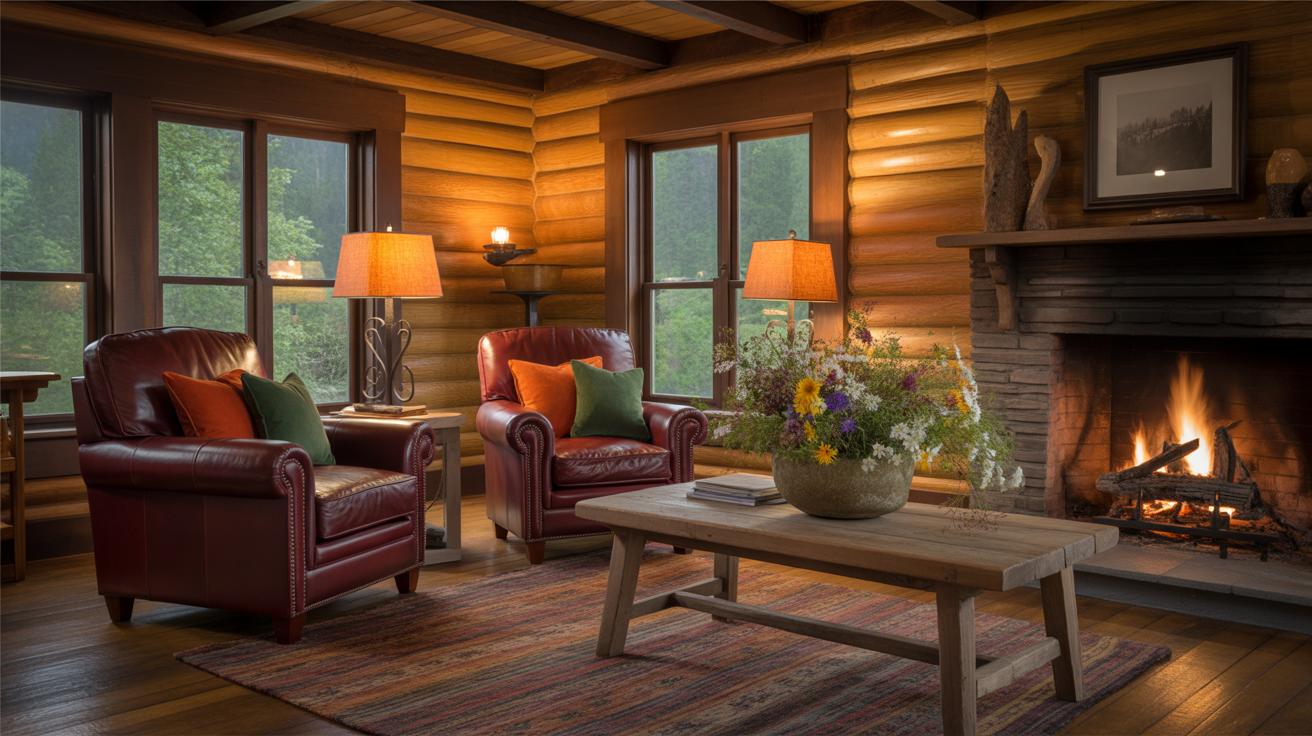
What Makes a Cabin Interior Feel Warm
Cozy Cabin Interior Ideas For Warm And Inviting Cabin Interiors help you transform a simple cabin into a relaxing retreat. You can create a space that feels warm and welcoming by selecting the right materials, colors, and furniture. These ideas focus on combining comfort and style to suit the cabin environment and make the interior cozy and practical.
Through this article, you will explore practical ways to set up your cabin with inviting decor, clever use of space, and a warm ambiance. These tips will help you create a cabin interior that feels like a home away from home, perfect for relaxing or entertaining guests.
Selecting Cabin Interior Wood Types
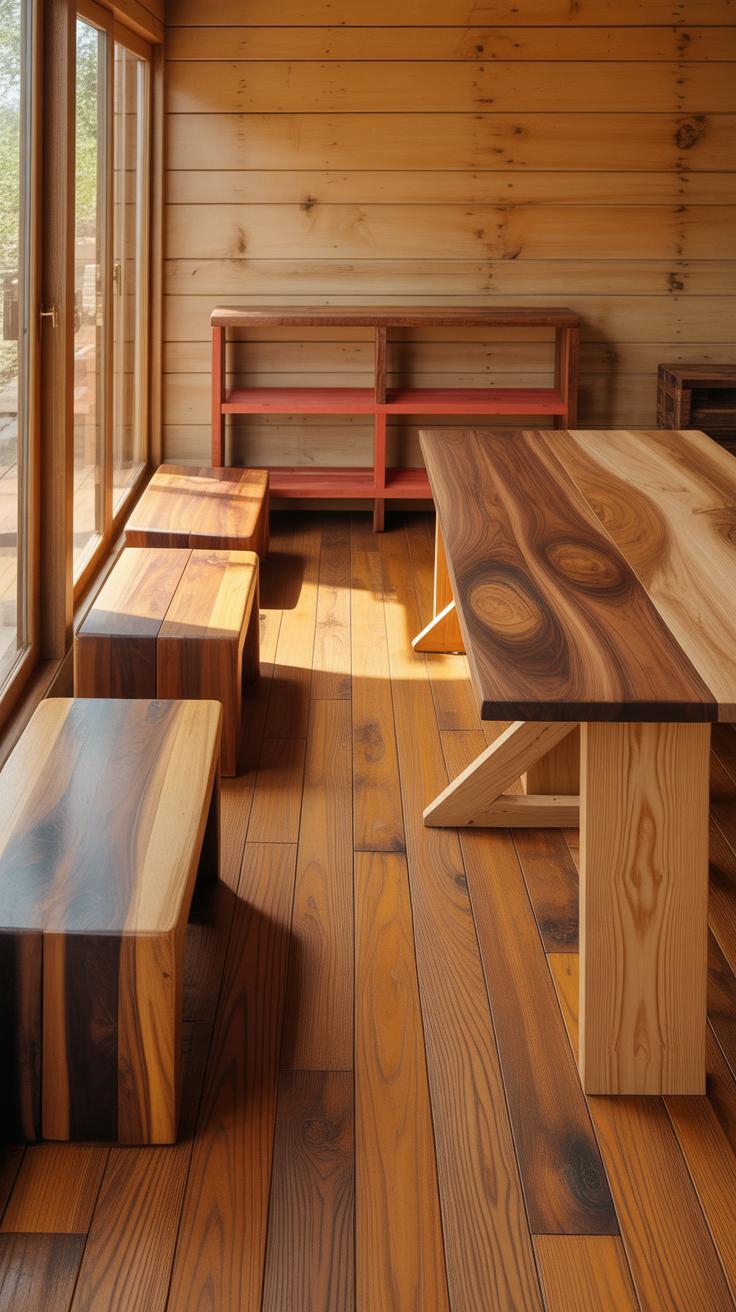
When choosing wood for your cabin interior, pine, cedar, and reclaimed wood tend to be the go-to options. Pine is quite common, mainly because it’s affordable and widely available. It offers a light color and smooth grain, which can brighten up your cabin, though it can be a bit softer and prone to dents compared to others.
Cedar stands out due to its natural resistance to insects and decay. It brings a warm reddish tone and a pleasant aroma that many find inviting. Though a bit pricier than pine, its durability often justifies the cost.

Reclaimed wood is something else entirely. It adds character to a space through its aged, weathered look and often unique grain patterns. Plus, it’s environmentally friendly since it involves reusing materials, which is appealing if sustainability matters to you.
Benefits Of Cedar In Cabins
Cedar’s appeal in cabins largely comes from its natural properties. One big plus is its insect resistance — those oils in cedar act as a natural repellent, helping keep bugs at bay without any extra chemicals. That’s a real benefit if you’re somewhere prone to pests.
Aside from that, cedar’s aroma is not just pleasant but also somewhat calming. This fragrance comes from the wood’s oils and has been linked to stress reduction for some people. A subtle bonus, but it sure can make a cabin feel cozy in a way that’s a bit hard to pin down.
Using Reclaimed Wood For Character
Reclaimed wood can make your cabin truly unique. Each plank has a story, and the marks, nail holes, and grain patterns tell of past lives in barns, warehouses, or old homes. Using it connects your new space to history, almost like an ongoing narrative.
Besides its aesthetic allure, reclaimed wood is sturdy. It often comes from old-growth trees, which grew slower and thus produced denser, stronger timber. It resists warping better, too. And if you’re environmentally conscious, reusing wood helps reduce demand for new lumber, which feels good.
Setting Warm Cabin Color Palettes

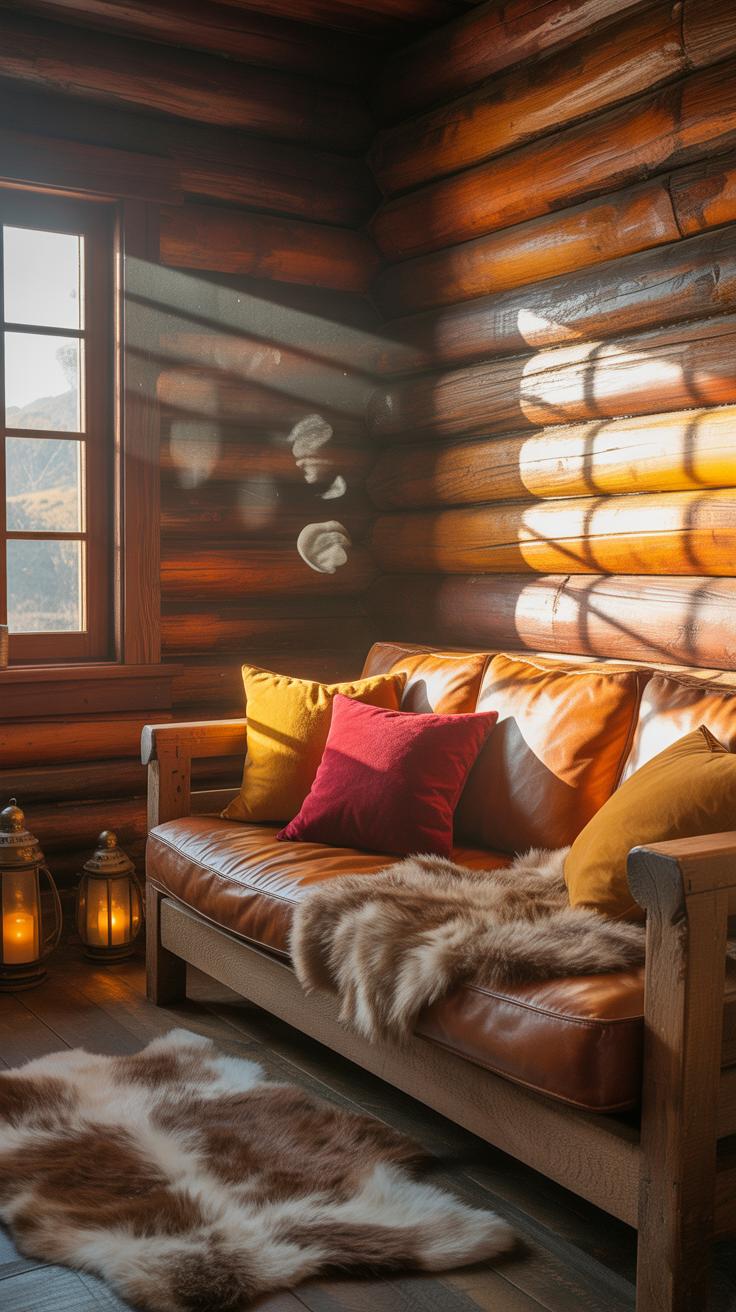
Choosing the right warm color palette for your cabin interior can feel like picking the perfect mood. Earthy browns, warm reds, and soft yellows tend to dominate these cozy spaces, shaping not just the look but the very feeling of the room. Browns, resembling the natural wood around us, ground a space and make it feel safe and familiar. Warm reds add a touch of vibrancy, almost like a gentle heartbeat within the room. Soft yellows, when used thoughtfully, bring a subtle brightness without overwhelming the senses.
These colors work in layers, affecting how big or small a room feels. Darker browns pull the space inward, making bigger rooms more intimate. Meanwhile, yellows can open things up, lending airiness to smaller nooks without losing warmth. It’s a balancing act, and sometimes what works in theory feels different once the light hits the walls. So, don’t hesitate to sample and live with the colors for a bit before committing.
How Warm Colors Affect Cabin Mood
Warm colors have this curious power to affect us emotionally. Psychologically speaking, hues like browns and reds often invoke feelings of comfort and security. This might be why cabins with warm interiors seem so inviting—there’s a sense of belonging that just settles over you. You might picture yourself sinking into a soft chair by a fire, a mug of something hot in hand. Yet, this effect isn’t just about nostalgia; it’s also about how our brains associate warmth with safety and relaxation.
Interestingly, these colors can sometimes feel both energizing and calming, which is a bit contradictory but quite natural, if you think about it. We’re drawn to warm spaces for comfort, but we also want them lively enough to not feel dull. So, the trick is not to overdo it. If everything is deep red, for instance, it might feel a bit too intense after a while.
Pairing Warm Colors With Natural Elements

Combining warm colors with natural materials is where things really get layered and interesting. Imagine a deep brown wall paired with raw wood beams or a stone fireplace—there’s a synergy there that amplifies the sense of warmth. The rough texture of stone or wood contrasts softly with the smooth painted surfaces, creating a tactile richness that’s easy to feel but hard to put into words.
Soft yellows can highlight these natural features without competing with them. For example, yellow cushions on a wooden bench or a warm red rug on a stone floor can bring out the subtle tones in those materials. These combinations don’t just make the cabin look cozy—they invite you to touch, sit, and linger.
So, when you’re setting out to create your cabin’s interior, think of these warm colors as more than just paint or fabric choices. They’re tools to carve out a mood, a feeling, a space where comfort isn’t just seen but deeply felt.
Furnishing For Comfort And Space
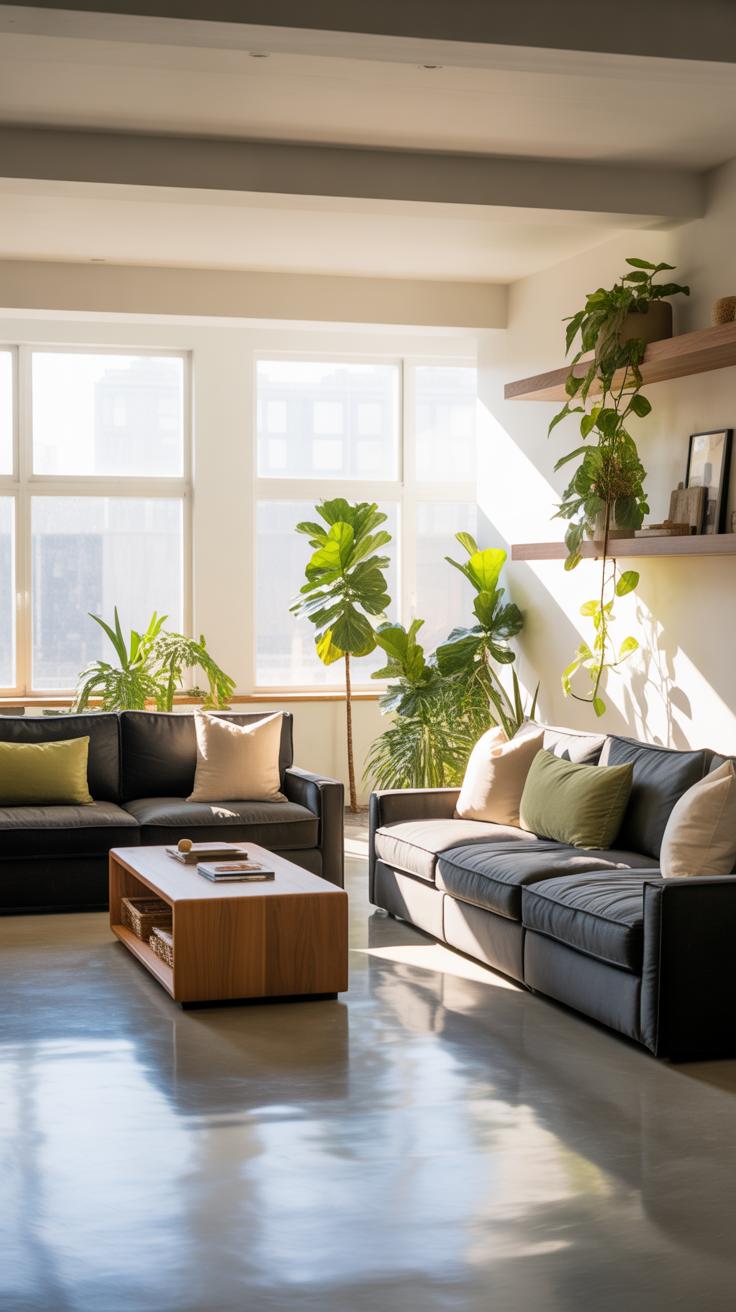
When selecting furniture for a cabin, it’s tricky to find pieces that feel both comfortable and don’t crowd the room. You want couches and chairs that invite you to sit awhile, but cabins often don’t have the luxury of sprawling layouts. So, it’s about striking a balance—picking items that don’t overwhelm the space.
Versatile pieces, like sleeper sofas, are often lifesavers. They work as a couch by day and transform into beds by night—great for hosting overnight guests without dedicating a whole room to sleeping. Storage ottomans are another smart choice: they offer seating while hiding blankets or board games inside. These dual-function items can save you from clutter and keep things neat without sacrificing coziness.

Still, there’s a catch. Sometimes you want a big, cushy armchair to sink into, but that might eat up space better used for walking around or socializing. It’s a bit of a puzzle—what’s worth the extra inches, and what might feel cramped? Experimenting with different furniture sizes and mixes can lead to a comfortable, practical cabin setup that suits your own rhythm of living.
Choosing Multi Functional Furniture
One of the cabin design’s silent heroes is multi-functional furniture. In small spaces, every item should ideally wear more than one hat. For instance, tables with built-in shelves or beds with drawers underneath offer extra storage without needing additional pieces.
Think about how many activities you want to fit into your cabin. Can your dining table double as a workspace? Could a bench near the doorway hold shoes and double as a seat? Such pieces reduce clutter and give you room to breathe.
That said, multi-functional does not always mean comfortable. Some convertible furniture sacrifices softness or durability. It’s a balance again, and sometimes the best choice is to mix dedicated comfy pieces with those clever multiuses depending on your lifestyle.
Arranging Furniture To Maximize Space
Furniture layout can make or break a cabin’s feel. You want clear paths for walking so the space doesn’t feel cramped. Pushing bulky items up against walls frees up central areas but can sometimes isolate seating spots.
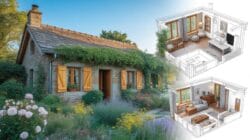
Another idea is grouping sofas and chairs to promote conversation, facing inward rather than scattering them by walls. It draws people together naturally. Low-profile furniture can help too—anything that keeps sightlines open keeps the room feeling airier.
Don’t forget about little extras like side tables that can move around or stools that tuck under counters. Flexibility in placement allows the space to function for different occasions, whether it’s a quiet night in or a small gathering.
Lighting Strategies For Cozy Cabins

Using Natural Light In Cabins
Natural light is a great foundation for cozy cabin interiors. Placement of windows matters a lot. Windows facing south, if possible, bring in sunlight throughout the day, softening the feel of the room. Perhaps one large picture window can frame an outdoor view — it does more than brighten a space; it invites nature inside. Smaller windows clustered thoughtfully can add interest while still letting daylight pour in.
Window treatments can be tricky. Heavy drapes might block too much light, but thin sheer curtains filter sunlight nicely and preserve privacy. Wooden blinds or woven shades have a warm texture that matches cabin decor and let you control light levels easily. Think about how the light changes during the day and how your choice of treatments can either enhance or diminish that effect.
Layering Artificial Lighting
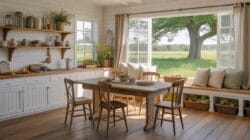
Artificial lights should never be all or nothing in a cabin. Layering different light sources creates both atmosphere and functionality. You might start with warm-toned overhead lights for general illumination, then add floor or table lamps for softer pools of light when you want to wind down. Task lighting, like adjustable reading lamps near the sofa or bed, adds practicality without sacrificing comfort.
Using a mix of dimmable bulbs gives you control over mood and brightness. For instance, pendant lights over a dining table can provide focused light but be turned down low for a relaxed dinner. Wall sconces can fill in shadows gently, avoiding harsh contrasts. This approach means your cabin can be bright and lively one moment, then calming and intimate the next.
As you plan lighting, consider how each piece works alone and together. Lighting isn’t just about visibility—it shapes how you feel in the space. What do you want to see clearly? When? Where do you want softer shadows? Getting that balance might take some trial, but it’s worth it to make your cabin truly inviting.
Adding Textiles For Soft Touch
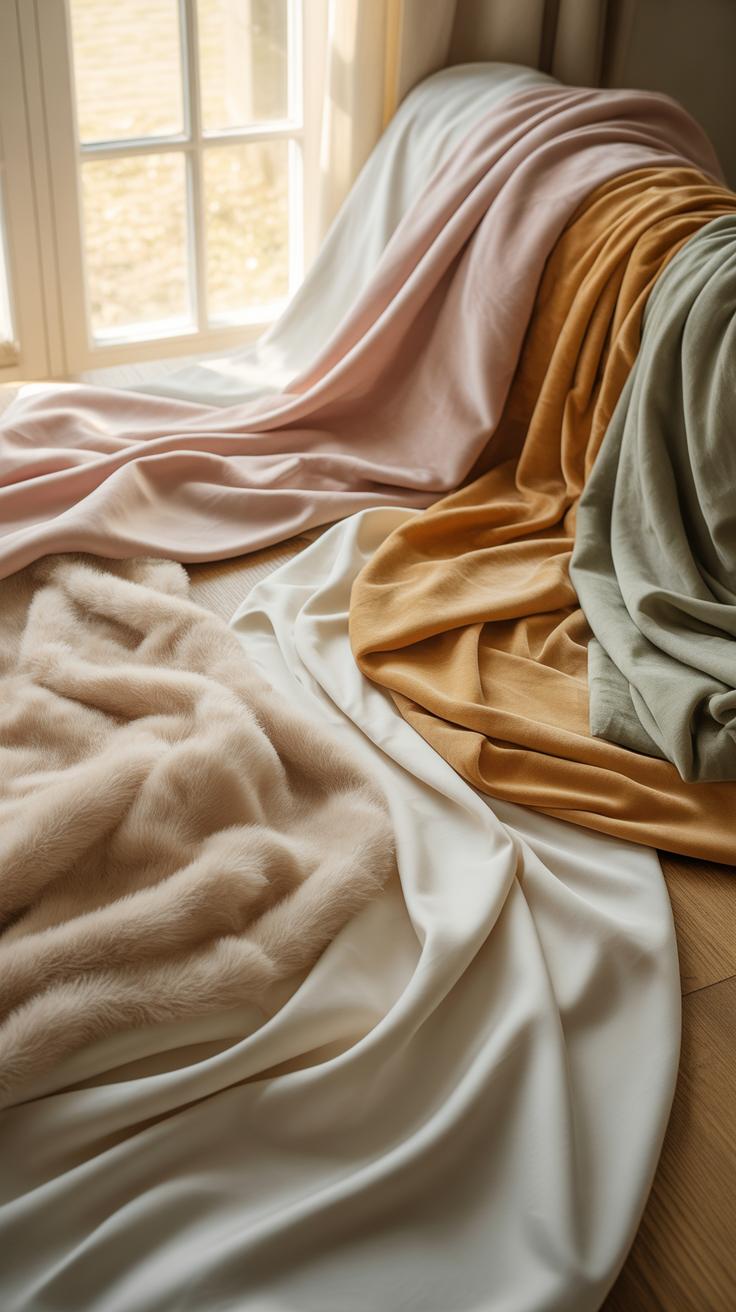
Textiles are a key way to bring comfort and a splash of color to cabin interiors. Think rugs, curtains, throws, and pillows — they add softness and warmth that wood and stone alone can’t provide. I remember visiting a cabin where the cozy throws and wool pillows made the space feel like a warm hug, even though it was snowing outside.
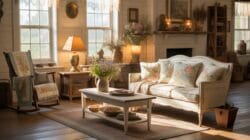
Materials like wool and cotton really suit cabins well. Wool, for instance, holds heat and feels comforting underfoot. Its natural crimp traps air, helping keep rooms warmer. Cotton, on the other hand, offers a lighter, breathable texture that’s great for layering or mixing with wool.
When you choose rugs, durability is key because cabin floors get lots of traffic. Look for rugs that are tightly woven, can withstand wear, and don’t show dirt easily. Also, consider the backing; a non-slip one can be handy to prevent slipping on wooden floors.
- High-quality wool rugs can be both durable and cozy.
- Flatweave or low-pile rugs handle foot traffic better than fluffy ones.
- Rugs with natural fibers tend to be resilient and easy to clean.
Textile colors should enhance the cabin’s warmth but not overpower the natural tones. Think soft earth tones, muted reds, deep greens, or subtle blues. These shades blend well with shades of wood and stone without clashing or feeling too bright. It’s tempting to go bold, but sometimes the quiet tones create a more inviting and relaxed space.
Organizing Cabin Storage Efficiently
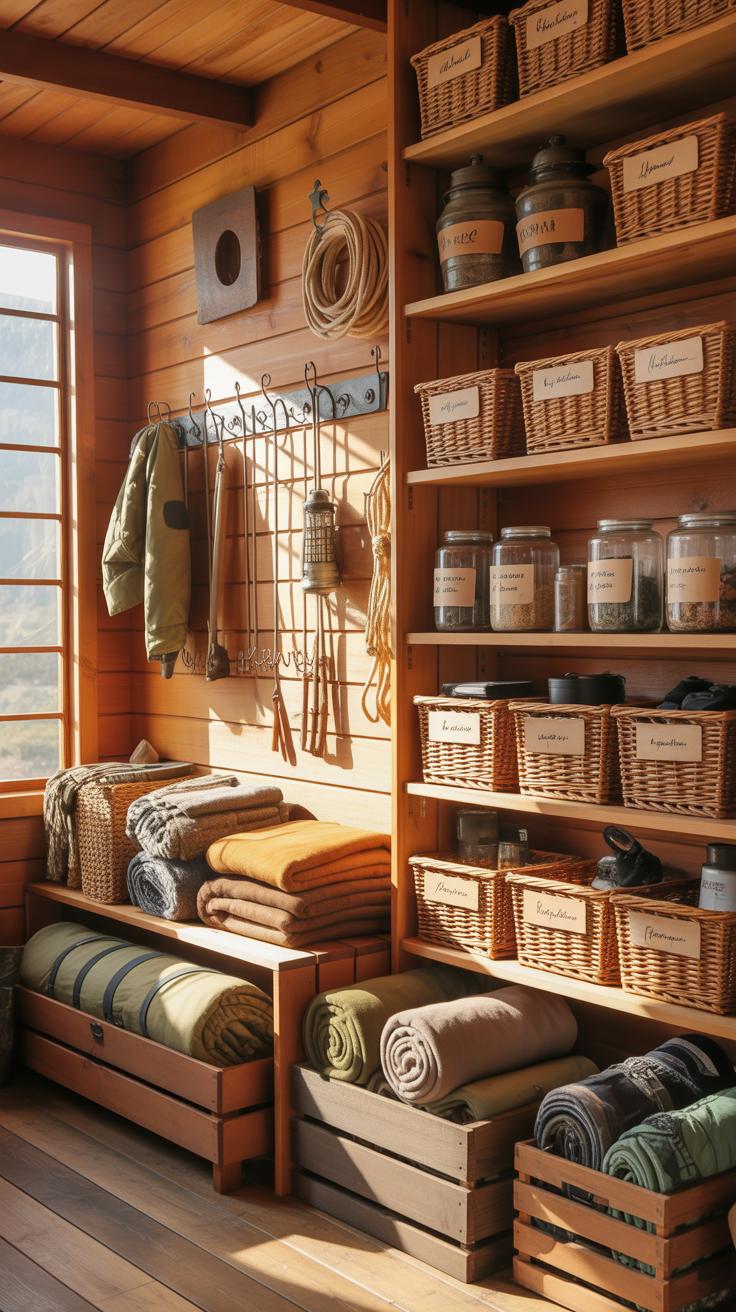
Smart Storage Solutions for Small and Medium Cabin Spaces
When space is tight, clever storage can feel like a lifesaver. Think about built-in shelves. These aren’t just for books or knickknacks—they can slot into nooks or above door frames, using what might otherwise be lost space. Sometimes you don’t need big flashy storage; small, tucked-away shelves can hold everyday essentials without crowding your room.

Under-bed storage is another game-changer. It’s surprising how much you can stow beneath that simple piece of furniture. Sliding bins or drawers work well—for clothes, shoes, or even extra bedding. The trick is picking containers that slide out easily, so you don’t have to pull out the whole bed frame.
Multi-use furniture feels practical, even if it can take a bit of hunting. A bench that opens up for blankets or a coffee table with hidden compartments keeps clutter out of sight. These pieces sometimes feel like a puzzle—but once you get them, your space breathes a little easier.
Using Vertical Space For Storage
Walls aren’t just for decoration. They’re prime real estate for shelves and hooks, especially in cabins where floor space can be limited. Putting up a couple of sturdy shelves transforms a blank wall into a spot for mugs, lanterns, or pantry items. Hooks can keep coats, hats, or cooking tools off counters and chairs.
This approach frees up the floor, making the room feel less cramped. You might wonder if it makes the space too busy, but carefully chosen storage can balance neatness with charm. Plus, it keeps things you need within easy reach, which is handy when you’re in a cozy yet clutter-prone environment.
Storage Furniture Ideas
Furniture that doubles as storage feels like a smart investment. Ottomans with internal space are great—store blankets or magazines inside. Beds with built-in drawers can replace bulky dressers. Even dining tables sometimes come with shelves underneath for cookbooks or extra tableware.
You might spot trunks used as coffee tables, which serve double duty with hidden storage. Chairs with pockets sewn in the sides are small but useful for stashing remotes or reading glasses. Considering furniture with extra storage lets your cabin remain comfortable without feeling crowded by clutter.
Decorating With Natural Cabin Elements
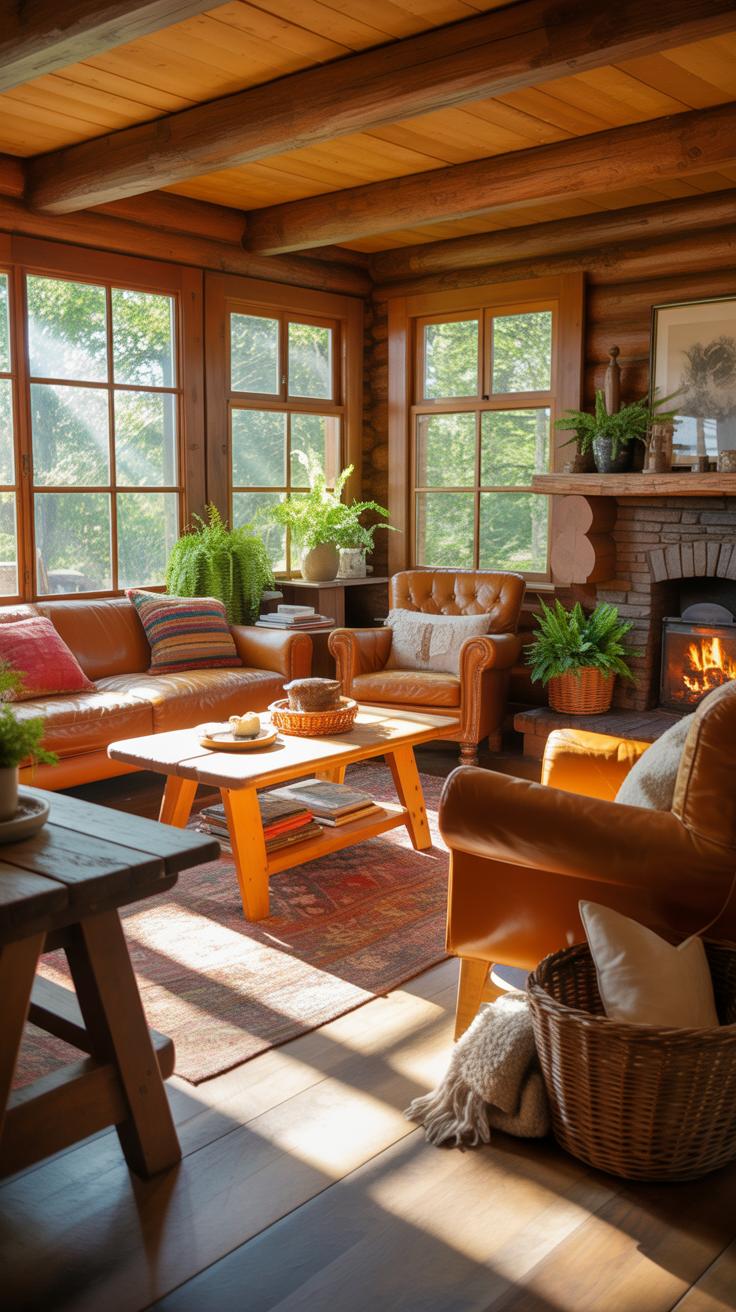
Bringing natural elements indoors is a classic way to create that cozy cabin vibe. Think about stone, antlers, and plants as your go-to materials. They not only add personality but also connect your space to the outdoors in a subtle, earthy way. Using real stone — maybe in a fireplace surround or a feature wall — instantly adds texture and a rustic feeling that wood alone can’t provide. It’s tactile, rugged, and lends a grounded atmosphere.
Antlers, well, they serve as more than just decorative curiosities. Mounted antlers or chandeliers crafted from them bring a raw, organic edge to the space. They remind visitors of wildlife and wilderness, evoking that characteristic cabin spirit. Just be mindful to source ethically or consider replicas to keep the decor guilt-free.
Indoor plants, on the other hand, breathe life into cabins—literally. You might explore ferns, spider plants, or even snake plants, all of which handle the often lower light and fluctuating cabin temperatures well. They’re low maintenance too — a blessing when you’re not always around. A few well-placed pots can soften the room and introduce refreshing greenery without feeling like you’ve turned your cabin into a greenhouse.
It’s interesting how these elements, though simple, create harmony and invite nature inside. Do you lean more towards stone’s tactile weight or the lively touch of plants? Maybe it’s the juxtaposition of both that makes a cabin feel truly warm and welcoming.
Creating A Cabin Kitchen Space
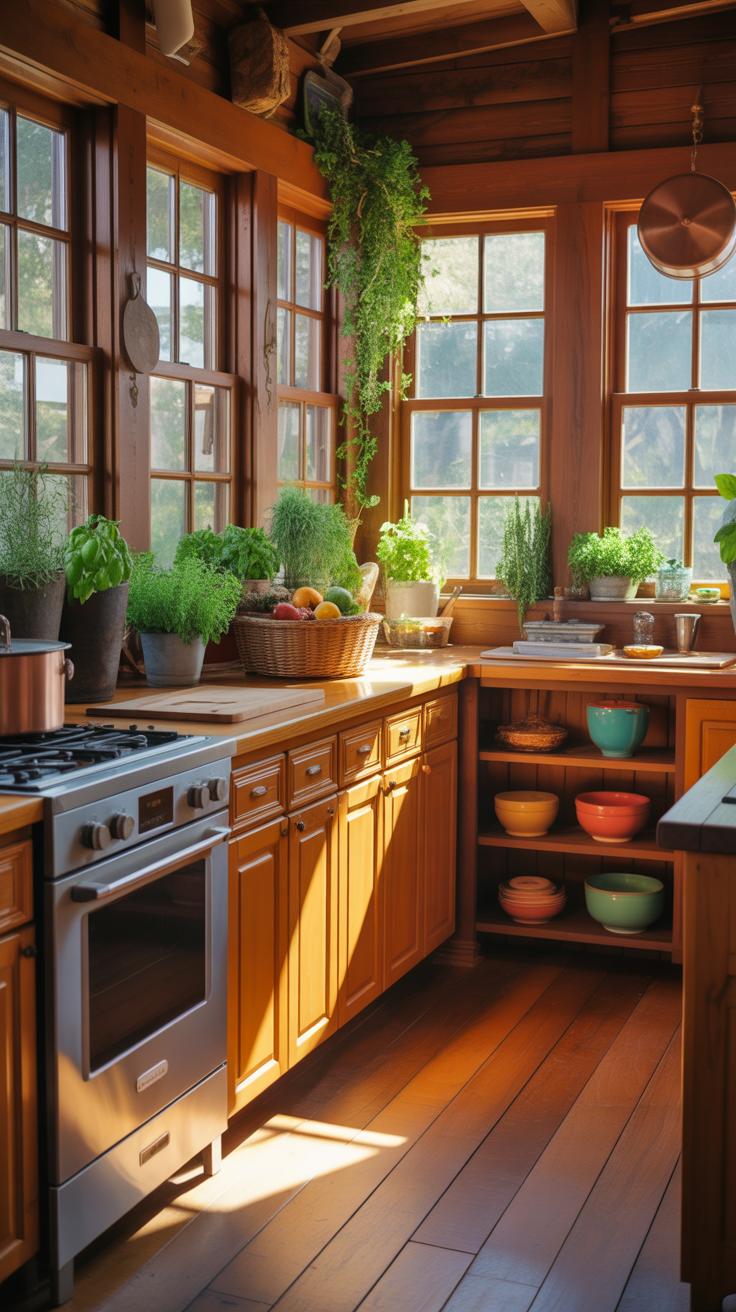
Designing a kitchen in a cabin can be a bit of a puzzle, especially when space is tight. You want it to feel cozy, functional, and not cramped—although sometimes those lines blur, as small spaces bring their own charm. I think one of the best starting points is to focus on appliances that fit the scale of your kitchen. Compact refrigerators, slim dishwashers, and two-burner stoves can save precious counter and floor space without making you feel like you’re giving up too much.
Open shelving is another feature that suits the cabin vibe and keeps things practical. It’s convenient to have your mugs, plates, or spices visible and within reach, but it requires keeping things tidy since everything’s on display. Wood shelves, especially those that look roughly hewn or reclaimed, add warmth and texture. Instead of heavy upper cabinets, think about simple fixtures—vintage-style knobs or matte black pulls—that make a statement without overwhelming the space.
Wood cabinets really anchor a rustic kitchen. I’ve noticed that simple, flat-panel doors or even beadboard styles feel natural in cabins, reflecting the outdoors just enough without trying too hard. Mixed with modern touches—like stainless steel appliances or concrete countertops—you create a space that’s inviting but not old-fashioned. Maybe it feels a bit contradictory, but I guess that’s what makes a cabin kitchen feel uniquely yours.
- Opt for space-saving appliances designed for smaller kitchens—consider energy use and functionality.
- Use open shelving with wood tones that complement your cabin’s overall décor.
- Keep fixtures simple; think understated hardware and sinks that blend with natural materials.
- Combine rustic elements like wood cabinets with modern appliances to keep the kitchen fresh.
Everyone’s needs differ, and sometimes it’s tempting to cram in every gadget. But, perhaps it’s better to prioritize what you really use. What kitchen tools would you keep if you could choose only a few? That thought alone shapes how comfortable and warm your cabin kitchen can be.
Maintaining Cabin Interior Over Time
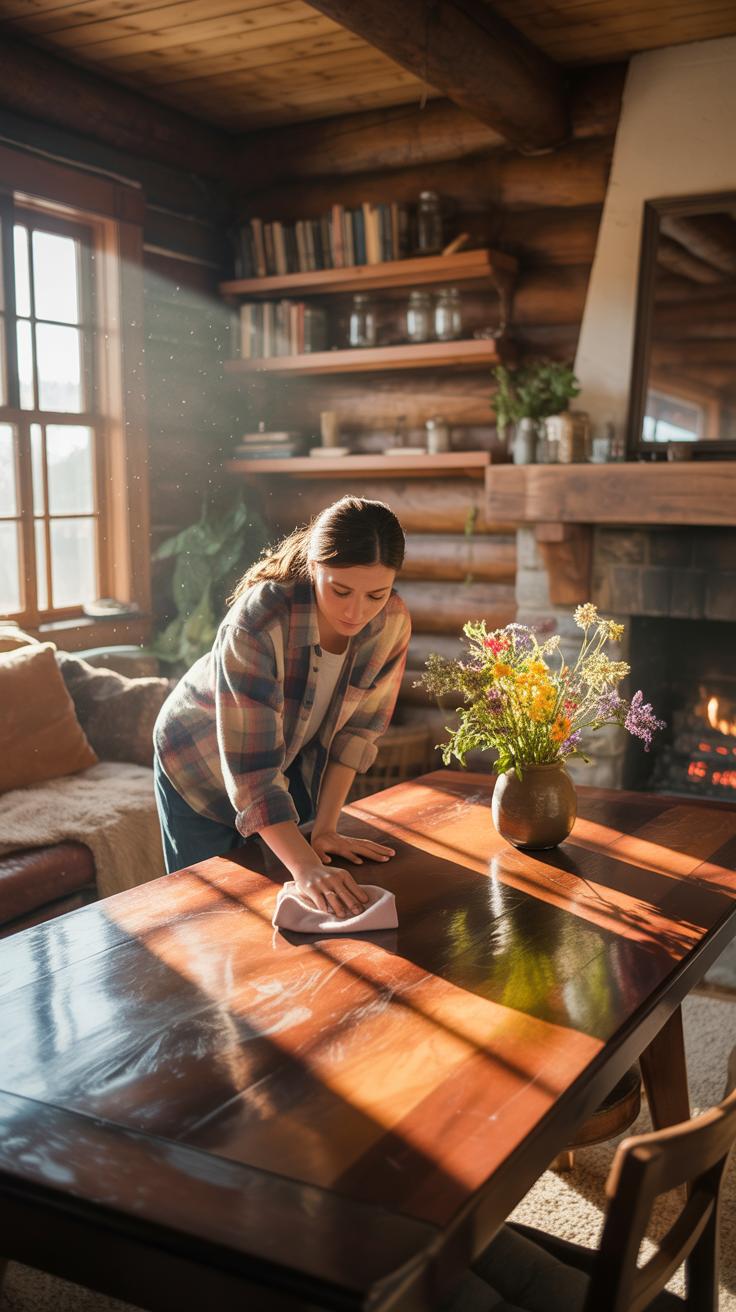
Keeping your cabin interior looking good over time is a bit of a commitment, but it really pays off. Natural materials like wood, which are common in cabins, need some extra attention. Wood surfaces can get tricky with temperature changes and moisture. So, cleaning them gently and regularly is key. You might want to avoid harsh cleaners, and instead use mild soap and water, or special wood-friendly products. Let me tell you, a soft cloth works wonders for wiping down wood walls and furniture without scratching the surface.
Preservation isn’t just about cleaning. It means protecting the wood from drying out or absorbing too much moisture. Sometimes, applying a wood conditioner or oil can bring life back to dull surfaces. But, don’t overdo it—too much oil and the wood can get sticky or attract dust, which is counterproductive.
Protecting Wood Surfaces
Wood is vulnerable. Sunlight, cold, heat, and humidity all have roles in its wear and tear. For floors, regular sweeping to remove grit that can cause scratches is essential, followed by damp mopping with a well-wrung mop. Avoid saturating wood floors with water. For walls and furniture, dust is the main enemy—dusting weekly keeps them from looking dull. Using a vacuum with a soft brush attachment can help clean crevices.
Think about applying a protective finish to wood surfaces. Varnishes, waxes, or sealants can add a layer of defense against humidity and spills. Yet, every cabin is different, so test finishes on an inconspicuous spot first. And yes, sometimes I get confused about which finish to use because certain coatings might make the wood look artificial, which defeats the cozy natural vibe.
Seasonal Cabin Interior Maintenance
Seasons bring their own set of challenges for cabin interiors. Getting ready for winter means checking windows and doors for drafts, and maybe reapplying weather stripping. Also, consider moving any moisture-sensitive decor or furniture away from heating vents. I tend to cover furniture that I’ll leave unused to avoid dust buildup.
When summer comes, you might want to open windows more often to air out the cabin and ward off mustiness. But remember, humidity can rise in summer. Using a dehumidifier or silica packs can help keep wood from swelling or warping. Here’s a rough checklist for seasonal care:
- Inspect wood surfaces for signs of wear or damage
- Clean and dust thoroughly
- Apply conditioners or protective coatings as needed
- Check and maintain HVAC and ventilation
- Inspect and replace weather stripping
- Protect furniture and fabric from moisture and dust
Adopting these steps can be a bit of a chore, but it does extend the life of your cabin’s interior charm. Do you ever wonder, though, if some of this maintenance is more about habit than necessity? Sometimes I feel like a bit of maintenance is a way to keep connected to the cabin itself.
Balancing Modern And Rustic Cabin Styles
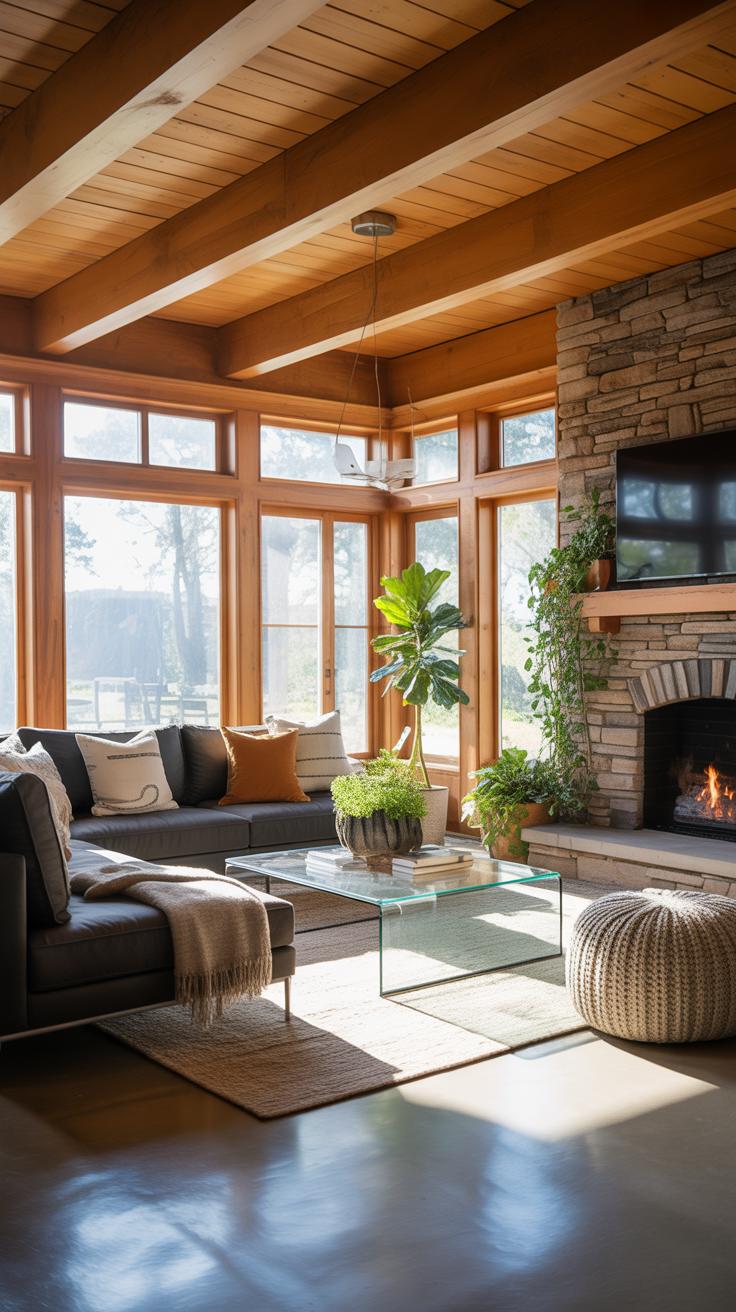
When you think of cabin interiors, the image often splits between rustic charm and modern sleekness. Rustic cabin style is about raw nature inside your home—exposed beams rough around the edges, natural stone fireplaces that feel like they’ve been there forever, and the warmth of foxed wood that tells a story with each knot and grain. It’s almost like having a piece of untouched wilderness within your four walls.
On the flip side, modern touches bring in clean lines and simplicity—think minimalist furniture that doesn’t detract from the rustic foundation but instead elevates it. Lighting plays a huge role here: streamlined fixtures with subtle metallic hues can brighten a room without making it cold. Finishes like matte black or brushed nickel give an updated feel that still respects the organic backdrop.
Finding a balance isn’t just about mixing old and new randomly. You want to preserve the rugged authenticity while adding elements that make the space functional and fresh. Imagine a heavy wooden dining table paired with contemporary chairs that have clean shapes and neutral fabrics. Or a traditional stone hearth outfitted with smart, embedded lighting to highlight its texture. It’s a dialogue—one style setting the stage and the other adding a whisper of contrast.
Incorporating modern furniture can sometimes risk diluting the rustic vibe, so choosing pieces with natural materials like leather or linen keeps the warmth alive. Think beyond just looks: tactile experiences matter, like the softness of cushions or the cool smoothness of a metal lamp base balancing out rough wood surfaces. It’s a bit like walking a tightrope, but when done right, this balance creates a cabin that’s inviting without feeling outdated or overly trendy.
Do you lean more towards the stark minimalism of modern interiors, or do you cherish the unpredictable textures of rustic design? Maybe blending both styles allows for a personal touch that neither could achieve alone.
Conclusions
Designing a cozy cabin interior involves a thoughtful choice of materials, furniture, and layout. It is important to focus on warmth, comfort, and functionality to create a space that suits the cabin lifestyle. Using natural materials like wood and soft textiles can add charm and comfort. The right lighting and thoughtful decor will complete the cozy feel.
By applying these practical ideas, you can enjoy a cabin that is both welcoming and efficient. Your cabin interior will reflect your personal style while making the most of the cabin’s unique environment. The result is a comfortable space ideal for unwinding and enjoying nature.