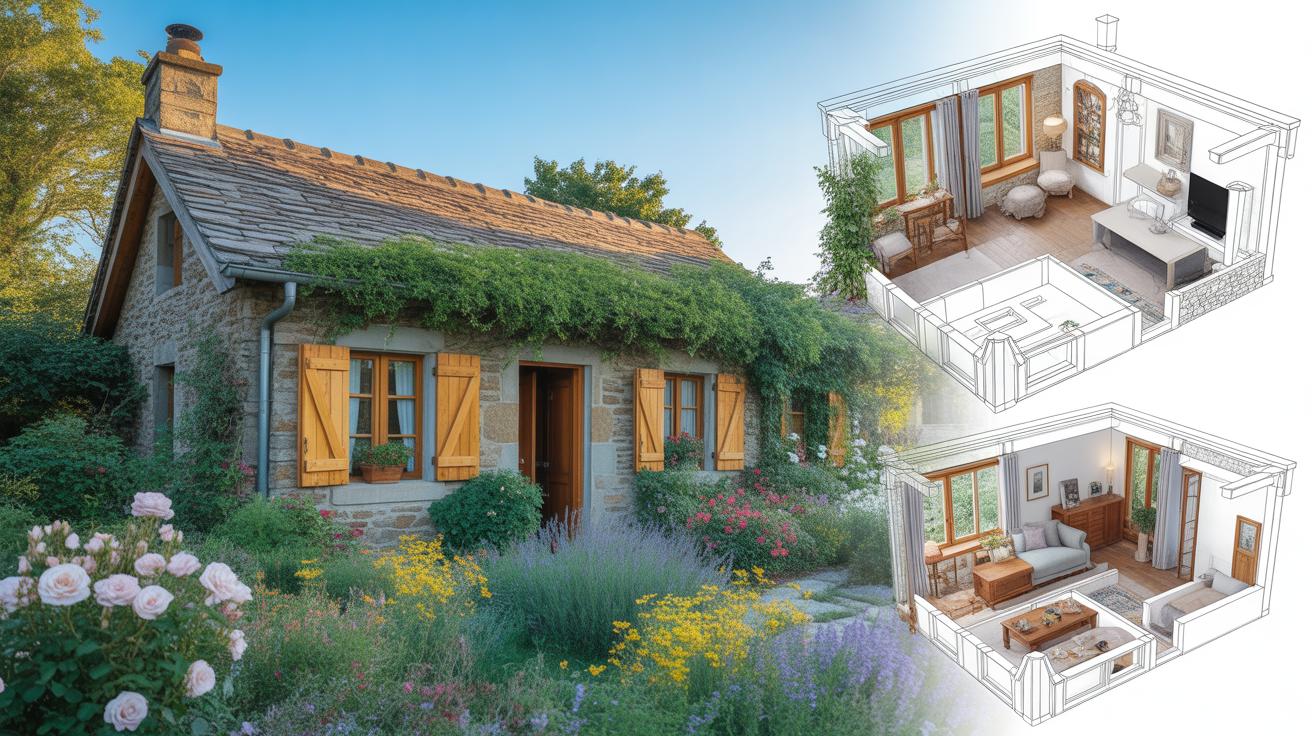
Why Cottage Floor Plans Suit Cozy Living
Cottage floor plans offer a unique way to design a cozy living space. These plans combine charm with practical layouts to fit various lifestyles and family sizes. Whether you want a small getaway or a larger living area, cottage designs can inspire your dream home.
This article covers what cottage floor plans are, key design features, how to choose a suitable layout, and comparisons between different types of cottages. Follow these guidelines to create a home that feels warm and welcoming.
How To Pick Cottage Floor Plans
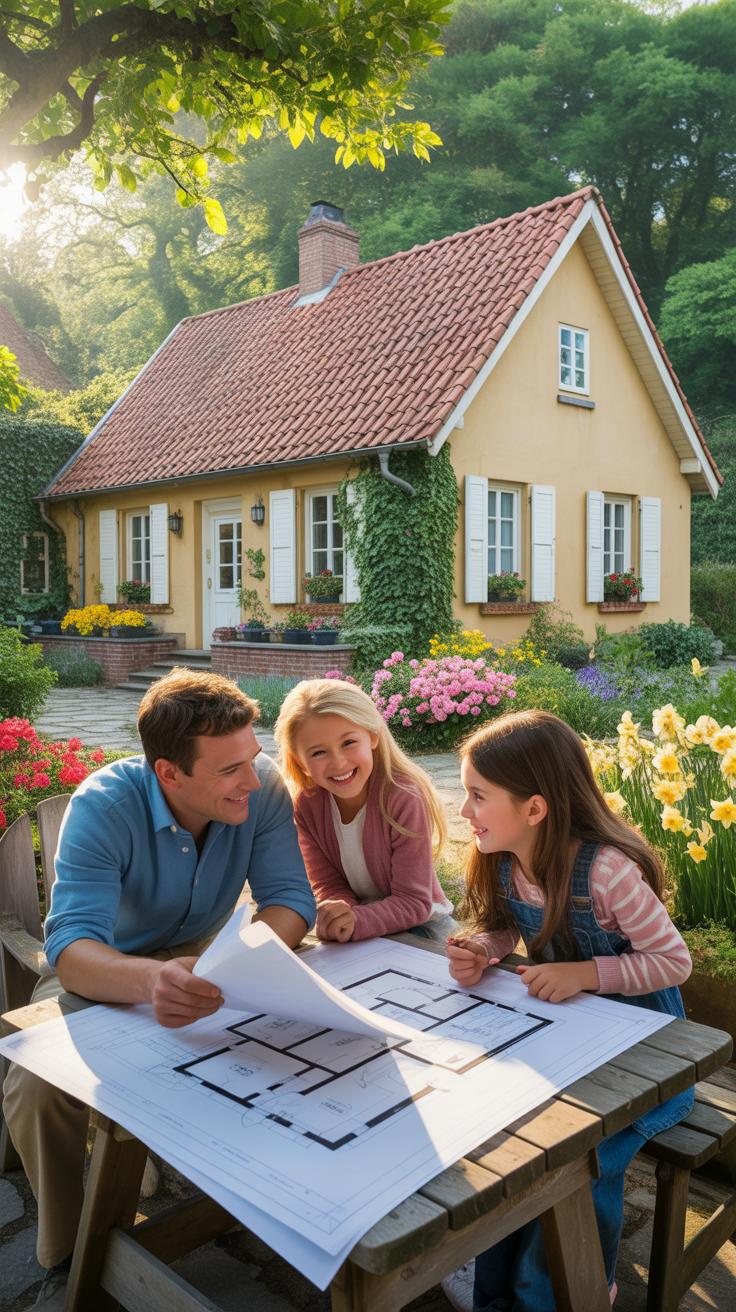
Choosing the right cottage floor plan starts with thinking about your daily life. What do you need in your living space? Maybe you want a big kitchen because you enjoy cooking. Or perhaps you need extra bedrooms for family visits. Make a list of your must-haves and nice-to-haves.
Measuring your space carefully is key. Walk around the land or existing structure, mark the dimensions, and imagine how furniture will fit. It helps to sketch rough layouts on graph paper or use online tools. Don’t forget to think ahead — if your family might grow or your needs change, a flexible plan can save hassle later.

Budget sets boundaries but also guides creativity. Know your maximum spend and keep a little aside for surprises. Sometimes a simpler layout can save costs without giving up charm. Weigh the trade-offs between size, features, and finishes thoughtfully.
When you pick a floor plan style, try to connect it with your lifestyle. If you value cozy, intimate spaces, a small, efficient cottage might suit. If you entertain often, open living areas could be ideal. Your preferences for light, privacy, and flow all matter, so don’t overlook them.
Design Elements In Cottage Layouts
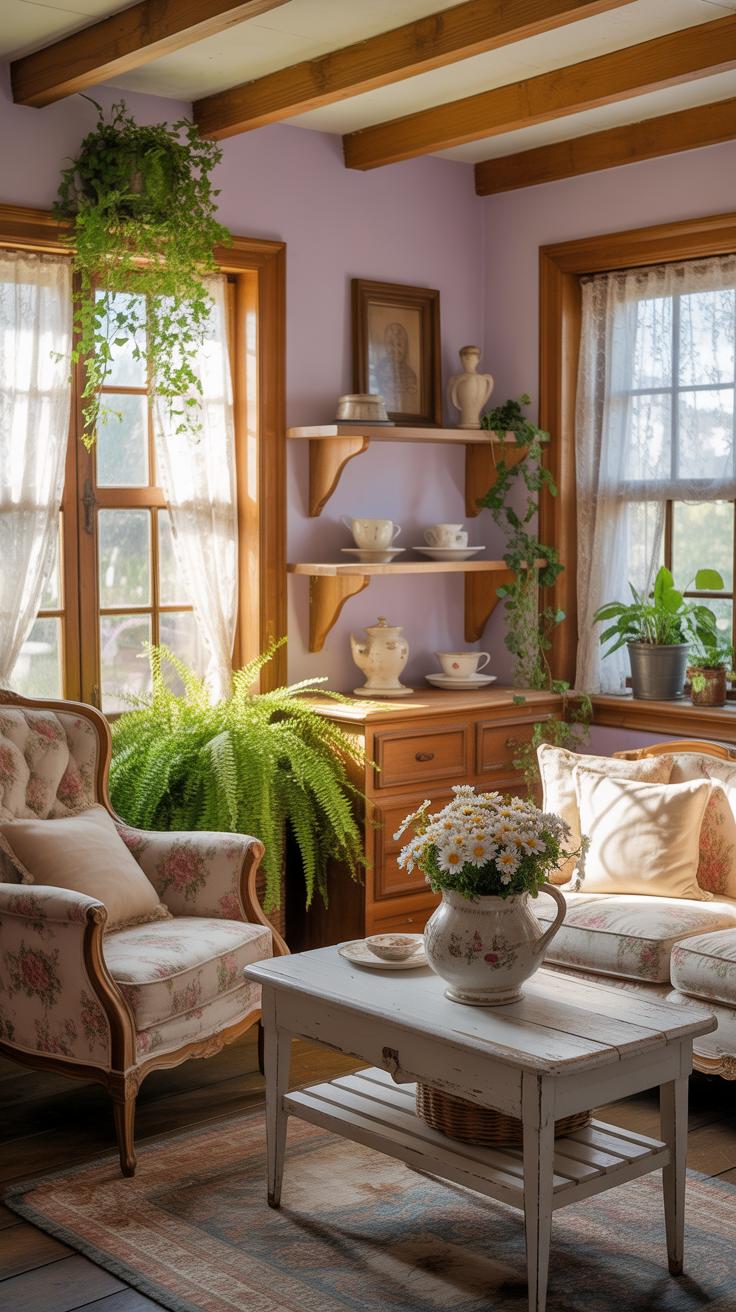
Cottage floor plans often include key design features that shape the overall living experience inside the home. A common feature is the arrangement of rooms — typically, living areas like the kitchen and sitting room are centralized, while bedrooms are positioned more privately, often at the corners or rear of the layout. This creates a natural flow and separation between social and private spaces.
Windows play a crucial role. You’ll frequently find larger, well-placed windows in the living areas to invite abundant natural light. This not only brightens the space but can help with ventilation — a breath of fresh air feels especially valuable in smaller, cozy cottages. Porches also have a strategic place, often wrapping the front or sides, providing outdoor living areas that extend the usable space and connect the cottage to its surroundings.

These elements aren’t just decorative; they influence comfort and functionality. Thoughtful room placement prevents rooms from feeling cramped or disconnected. Well-positioned windows and porches enhance light and air movement, making the cottage feel open despite often modest square footage.
Room Placement And Flow
In many cottages, rooms are arranged to promote ease in movement and to maximize usable space. Commonly, the kitchen and living room share an open-plan or semi-open design, allowing for easy interaction and flow, perfect for gatherings or family time. Bedrooms usually lie off hallways or in quieter parts of the house to offer privacy and reduce noise disturbance.
You might see floor plans where the entry leads directly into a warm living area, with bedrooms branching off to one side — this keeps the home’s heart accessible while ensuring restful spaces don’t get overlooked. Sometimes, a small, centralized hallway helps connect rooms efficiently without wasting space.
Natural Light And Ventilation
Windows in cottages aren’t placed haphazardly. Designers consider the path of sunlight and prevailing winds carefully. For instance, south-facing windows are common to bring in warmth and daylight through much of the day. Cross-ventilation is encouraged by aligning windows on opposite walls so air can flow through, keeping the home cool without much reliance on mechanical systems.
These openings serve more than function; they link the indoors with nature. Imagine sitting near a well-placed window, catching gentle breezes and having a view of the garden or porch. Such details enhance your daily experience. But sometimes, compromises are necessary — a room might benefit from light but lack an opposing window for ventilation, making it a thing to consider when choosing or designing your cottage.
Small Cottages Versus Large Cottages
Benefits Of Compact Cottages
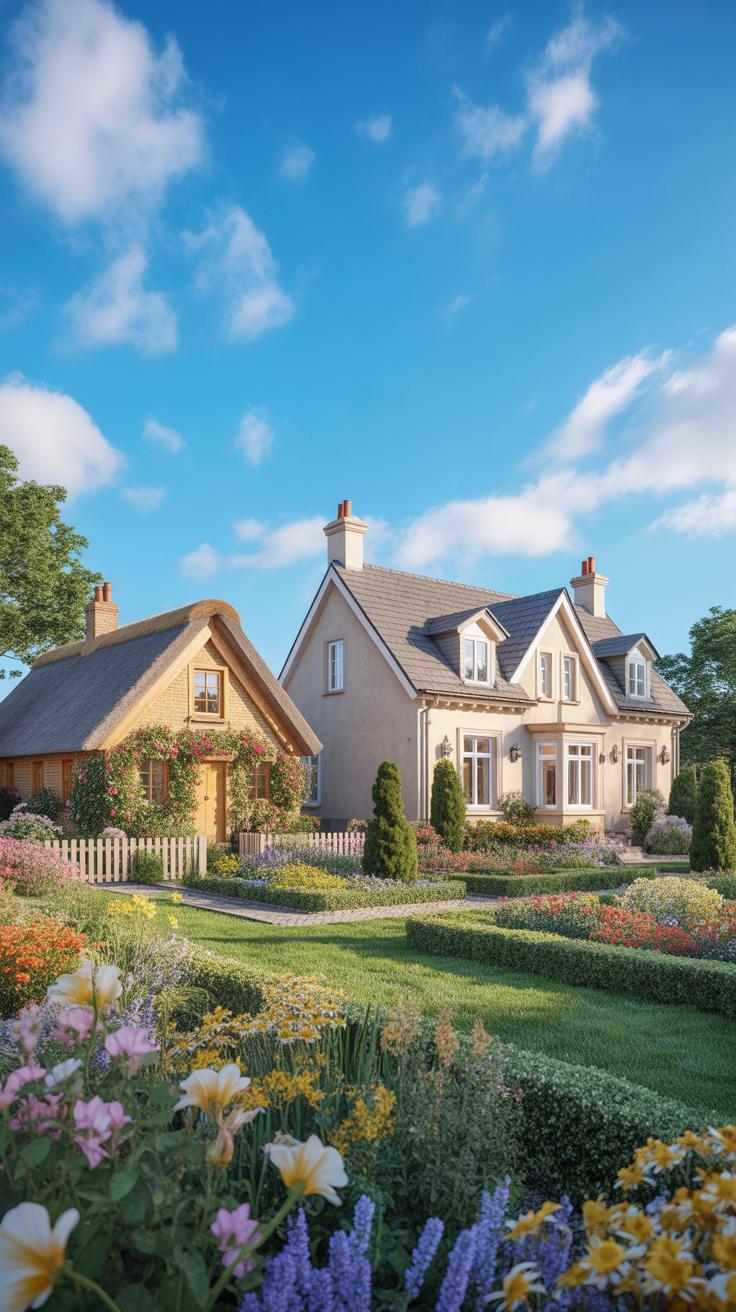
Small cottage floor plans often come with the charm of simplicity that’s hard to match. Their size means upkeep is usually easier—you won’t find yourself elbow-deep in constant maintenance. This can be especially appealing if you want a second home or a weekend getaway that feels relaxing rather than taxing.
The cozy atmosphere these compact cottages provide is another point worth considering. Smaller spaces naturally bring people closer, creating a more intimate and warm environment. It’s like every corner of the house invites togetherness, which can be perfect for couples or solo dwellers. Think of a one-bedroom cottage with a snug living room, fireplace, and a kitchen designed for simple cooking.
But then again, the small size limits expansion or flexibility. If you’re someone who envisions hosting guests often or just having more breathing room, compact cottages might feel a bit confining after a while.
Roomier Layouts For Bigger Families
On the other hand, larger cottages cater well to families or those who want flexible spaces. Having extra bedrooms means kids can have their own rooms, or guests can stay comfortably without cramping your style. Plus, more square footage allows for separate rooms dedicated to hobbies, work, or storage—which might be a necessity if you live there year-round.
Think of a three or four-bedroom cottage with a sizable kitchen and multiple living areas. Such layouts can adapt to changing family needs, like turning a guest room into an office or crafting a playroom for youngsters. Although these plans require more upkeep, they provide that broad canvas to design living spaces that feel tailored to your life.
Still, bigger isn’t always better. The extra space may sometimes feel underutilized or overwhelming to manage, especially if your lifestyle is on the quieter side.
Checklist For Cottage Floor Plan Features
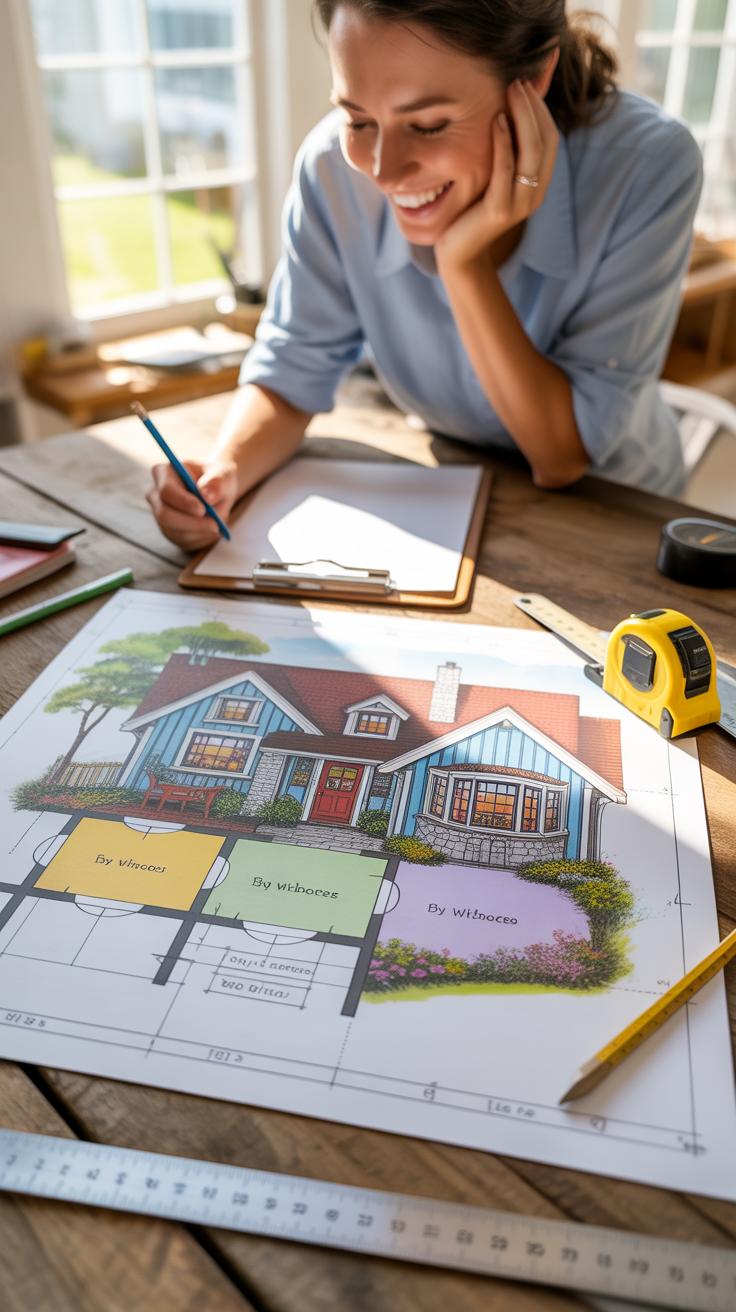
When choosing your ideal cottage floor plan, it helps to have a clear checklist to avoid missing what matters most in everyday life. Think storage: closets, cabinets, shelves — these should be cleverly integrated without making the space feel cramped. You’ll be surprised how much difference a well-planned pantry or linen closet makes.
The kitchen often shapes your daily routine. Look for layouts that offer enough counter space and room for movement. Is there space for a small breakfast nook or an island? Consider how close the kitchen is to living and dining areas—proximity here can affect how comfortable your interactions feel.
Sleeping areas deserve attention not only for size but also for privacy and natural light. Are bedrooms grouped together or separated? Sometimes, a little distance from common areas helps with quiet. And of course, extra storage like under-bed drawers or walk-in closets can be a lifesaver.
Essential Living Spaces To Include
Every cottage benefits from a few key rooms. The living room’s role is obvious — a spot for relaxing and gathering. A modest kitchen, as mentioned, tailored to your cooking habits. Bedrooms for rest, yes, but also consider a flexible room — think guest space or home office. Bathrooms should be functional but don’t need to be overly large.
Many find utility or mud rooms invaluable, especially in rural or colder climates where you want to keep clutter and dirt at bay. Storage spaces, not just closets but seasonal storage too, matter a lot when living cozy doesn’t mean cramped.
Extra Features That Add Value
Adding a porch can extend your living space outdoors, perfect for morning coffee or evening chats. Fireplaces, though not essential, do contribute a cozy charm, and can even serve as supplementary heating—especially in cooler months. Multi-purpose rooms also give you flexibility as your needs evolve over time.

Sometimes, small extras like built-in bookcases or window seats speak volumes in comfort without hogging space. Think about how these touches might fit your lifestyle. Do these additions feel like luxuries, or practical enhancements you wouldn’t want to give up? It’s a balance worth considering carefully.
Common Mistakes When Choosing Plans

Overlooking Practical Needs
One frequent mistake when picking cottage floor plans is underestimating the importance of practical elements. For instance, storage space often takes a backseat to aesthetic appeal. People might get captivated by charming designs but later scramble to find places for everyday items. Think about closets, pantry space, or subtle nooks for essentials. A room size that looks fine on paper may feel cramped once furniture is in place. I’ve seen cases where bedrooms or living areas were just too small for comfortable use, and that nagging discomfort sticks around.
Ignoring Future Changes
Another oversight is failing to plan for future shifts—maybe your family grows, or your lifestyle changes. Cottage plans that suit a couple might suddenly feel tight when kids arrive or if you have visiting guests. What about aging in place? It might seem far off but considering wider doorways or flexible spaces can save hassle later. It’s tricky—what you want now may not match your needs in five or ten years. Balancing current desires with future possibilities is tough but worth pondering before settling on a layout.
Examples Of Popular Cottage Designs
Traditional Cottage Style
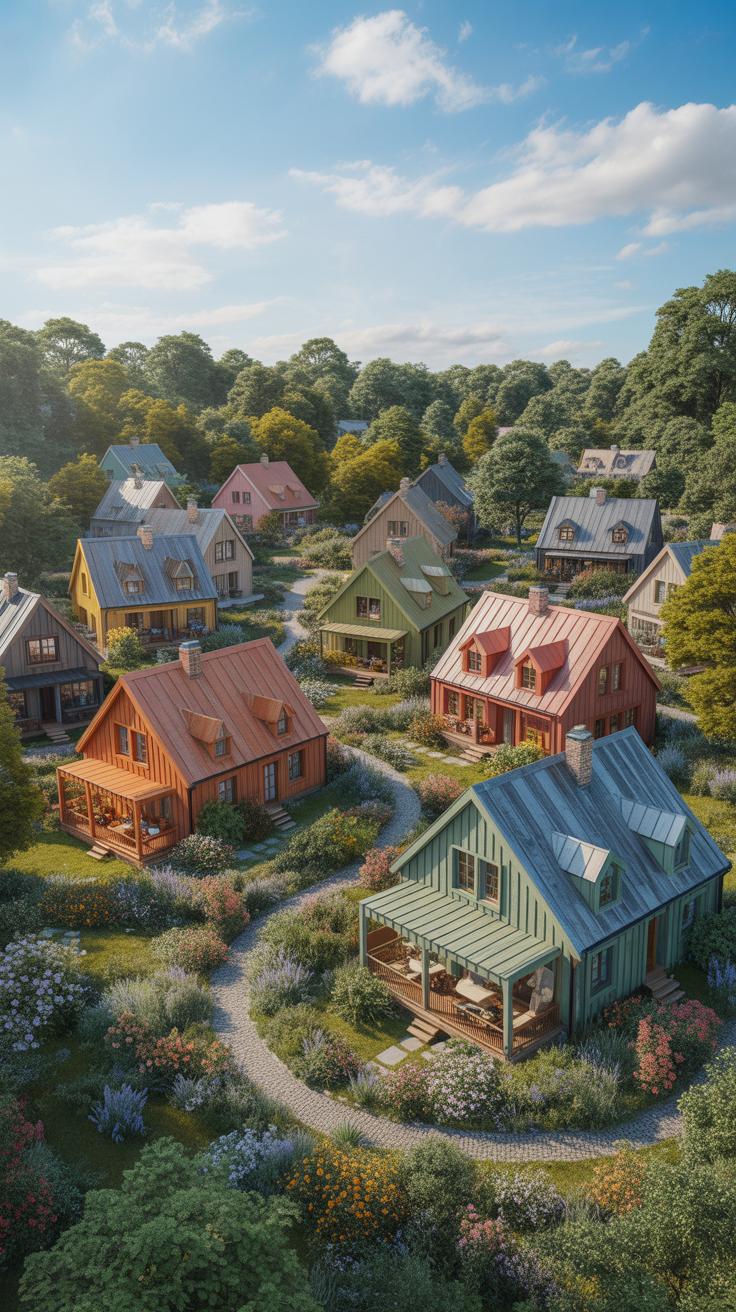
The traditional cottage floor plan emphasizes simplicity and charm. Typically, these homes feature a compact, rectangular layout that promotes cozy living. You often find a central living area flanked by a dining nook and a small kitchen, all nestled under a pitched roof with dormer windows. The floor plan may include a couple of bedrooms and a modest bathroom, thoughtfully arranged to maximize space efficiency.
Materials matter here. Wood siding, stone accents, and shingles create that inviting, lived-in feel. Interiors often boast exposed beams or a fireplace, anchoring the home’s warm aesthetic. This type of layout works well in rural or woodland settings where the structure blends harmoniously with nature. Although the layout is straightforward, it offers a timeless appeal that’s hard to beat.
Modern Cottage Variations
Modern cottage floor plans shake things up a bit. They keep the cozy essence but add clean lines and open spaces. Think: vaulted ceilings, expansive windows, and minimalist interiors. These designs tend to blur indoor and outdoor living with decks and patios flowing seamlessly from the main rooms.
Interestingly, modern materials like steel and glass mix with traditional elements such as wood to create a fresh yet comfortable atmosphere. Often, these cottages feature flexible layouts—open-concept living and multipurpose rooms adapt as your needs change. They suit suburban or lakeside plots where homeowners enjoy a blend of quaint charm and contemporary convenience. Sometimes, they might feel a bit too sleek for those craving old-world cottage vibes, but for many, it’s a compelling compromise.
Cost Factors For Cottage Floor Plans
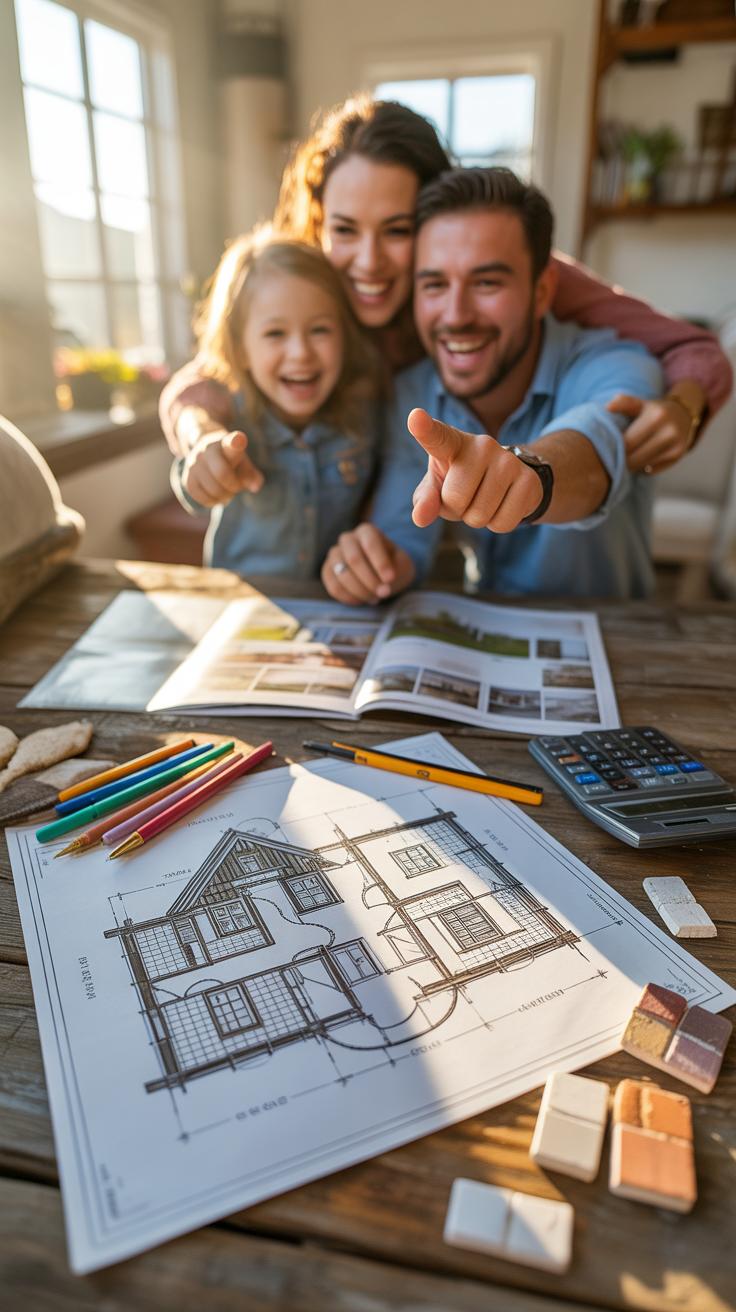
When you look at cottage floor plans, understanding the costs tied to complexity and size is key. It’s not just about picking a pretty layout; the details of the plan can really move your budget. For example, a simple, one-story cottage with a compact floor plan usually costs less than something with multiple levels, intricate roof lines, or many nooks and crannies.
Material and labor expenses fluctuate depending on your design’s demand. Common materials like wood and moderate finishes keep things more affordable, but adding stone facades, custom windows, or high-end craftsmanship can push costs up swiftly. Labor rates also vary—more complex projects need specialized skills and longer hours, which means you pay more.
Larger floor plans generally mean bigger expenses. More square footage calls for more supplies: lumber, drywall, insulation, and so forth. Plus, extra rooms mean longer construction time, which hikes up labor costs. Yet, your budget can be influenced by choices beyond size, like efficient design or contractor experience. So, is a larger cottage always a cost-burden? That depends on how the layout is managed and where you decide to economize.
How To Customize Cottage Floor Plans
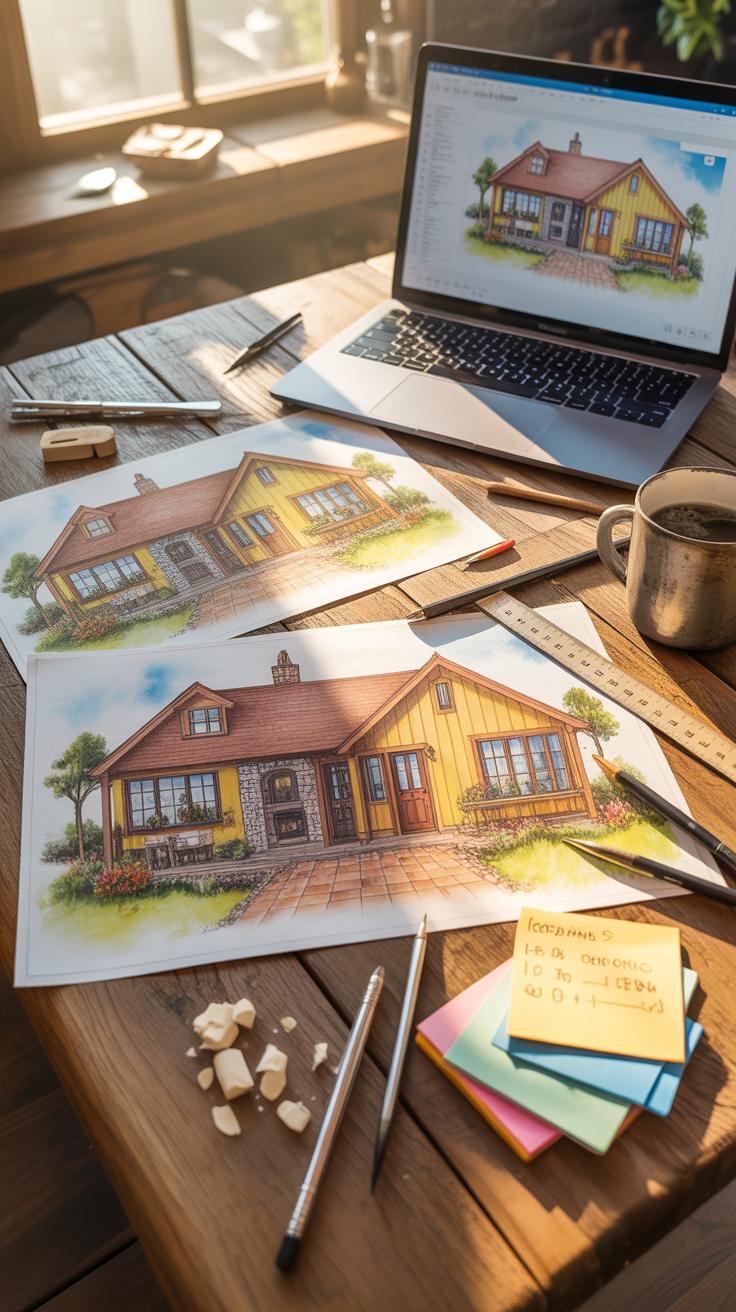
When you look at a cottage floor plan, you might like the general idea but find it doesn’t quite match your daily life or the site you’ve chosen. Changing these plans isn’t just about drawing new walls—it’s about rethinking how your spaces live and work. Maybe you need a bigger kitchen because you love cooking, or perhaps the bedrooms feel cramped for guests. You could consider shifting a wall or two to open things up. Sometimes taking down a partition can make the whole place breathe easier.
Think about the flow and function. Does it feel right to you? If not, small tweaks like enlarging a room can make a difference, but remember that eliminating too many walls might affect the home’s coziness or even its structure. So, it’s always a balance—you want open space but not at the cost of comfort or privacy. Experiment mentally with different layouts. Could knocking down a wall between the living room and kitchen give you a more inviting environment? Or would that lose the charm of separate rooms that define a cottage feel?

Adding features such as porches or more storage can also transform your cottage. Imagine a wrapped porch that extends your living space outdoors or built-in shelves to keep things tidy. These aren’t just decorative extras; they make your home more livable and suited to your lifestyle. Sometimes these additions come from site conditions—for example, a sloped lot might call for a raised porch, or a small yard might benefit from vertical storage solutions.
- Look at your lifestyle needs first—who will use which space and how often.
- Think about the site conditions—sun, wind, views—that might suggest certain additions like porches or patios.
- Be mindful of how structural changes impact the home’s overall feel and function.
- Consider adding storage cleverly to reduce clutter without compromising charm.
It’s worth asking yourself: do you want these changes to enhance everyday comfort, or are you aiming for a striking aesthetic? Both are valid, but sometimes what’s practical and what looks good don’t match perfectly. That’s where personal judgment and some trial-and-error come into play, because your perfect cottage might need a little bit of both.
Timeline For Planning And Building
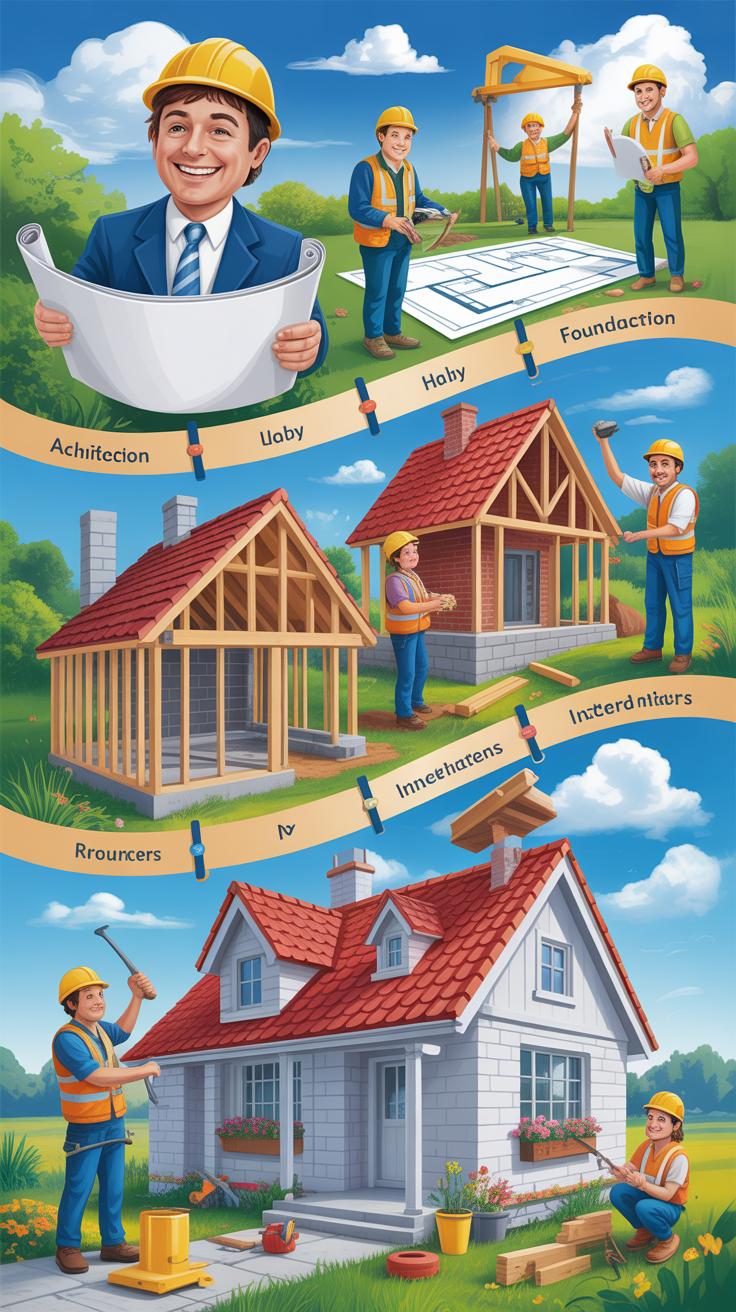
Picking out a cottage floor plan can be an exciting first step, but the path to finishing your cozy retreat isn’t always straightforward. Most projects span several months, sometimes a year or more, depending on complexity and local factors. Typically, you might spend a few weeks exploring and finalizing your design before moving into permit applications, which can take several more weeks or sometimes months if reviews or inspections are involved.
Once permits are in hand, construction usually kicks off within a month but can stretch over several seasons, especially if weather or supply hiccups occur. It’s worth thinking about how each phase unfolds and influencing factors like contractor availability or material delivery times.
Stages From Design To Groundbreaking
The journey from a rough sketch to breaking ground involves many steps. First, you refine your floor plan idea, making sure it fits your lifestyle and property limits. Next, detailed architectural plans get drawn up, often with input from engineers or builders, tweaking things to meet building codes and energy rules.
Permits come next. Applying for them means submitting your plans to local authorities for approval. This step can be surprisingly slow, depending on the area’s bureaucratic demands. Sometimes anticipation builds here—it’s hard to move forward without these green lights.
Tips To Speed Up The Process
If I were to guess, one key tip would be staying organized and proactive. Keep close contact with your architect and builder, and don’t hesitate to follow up on permit statuses frequently. The right choice of a reputable contractor can trim days or weeks off the schedule due to their familiarity with local codes.
Also, prepare for unexpected obstacles. Ordering materials early can help avoid delays, but be cautious not to over-purchase. And consider scheduling inspections strategically—you might move your project along faster by aligning them promptly once each phase wraps up.
Tools To Visualize Your Cottage Plan
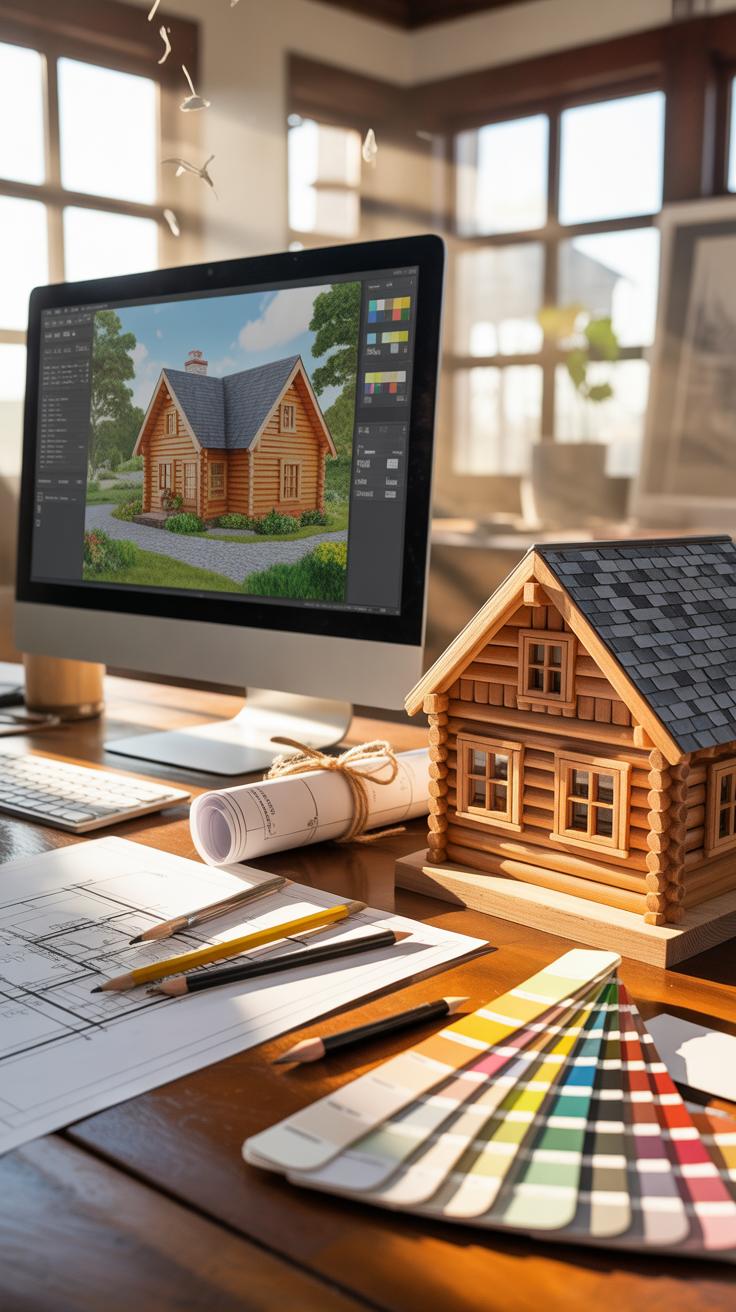
Choosing the right tool to visualize your cottage floor plan can make a big difference as you design. There are practical tools that help you get a clearer picture—literally—of how your space will look and feel.
Using Online Floor Plan Software
Many online floor plan tools let you draft and tweak layouts with relative ease. Think about software like SketchUp, Roomstyler, or even dedicated apps such as HomeByMe. These platforms often offer drag-and-drop features for walls, furniture, and other details, so you can see changes as you make them.
What often surprises me is how quickly you can develop a sense of space through these digital models. You can experiment with different room sizes or window placements, and the software recalculates dimensions instantly. But, depending on your comfort with technology, some tools might feel a bit overwhelming initially.
Physical Models And Sketches
There’s something about making a physical model or just sketching your cottage on paper—it connects you differently to the space. I find that building a simple three-dimensional model with foam board or cardboard forces you to consider spatial relationships and flow in a way a screen sometimes can’t convey.
Sketching, even rough outlines, can reveal awkward corners or cramped spots that digital plans might gloss over. Plus, these tangible methods make it easier to share your ideas with family or builders who might not be as tech-savvy—sometimes the best feedback comes from just showing a rough model or drawing and watching reactions.
Have you tried mixing these approaches? Sometimes blending online tools with physical sketches clarifies your vision better than sticking to one method. A combination might be worth considering as you refine your ideal cottage layout.
Conclusions
Cottage floor plans provide a wide range of options for comfortable and functional living. By understanding layout features and comparing sizes, you can pick a plan that fits your needs and style.
Use the tips and examples discussed to design a cottage that maximizes space while keeping a cozy atmosphere. Your ideal cottage home starts with the right floor plan choice.