
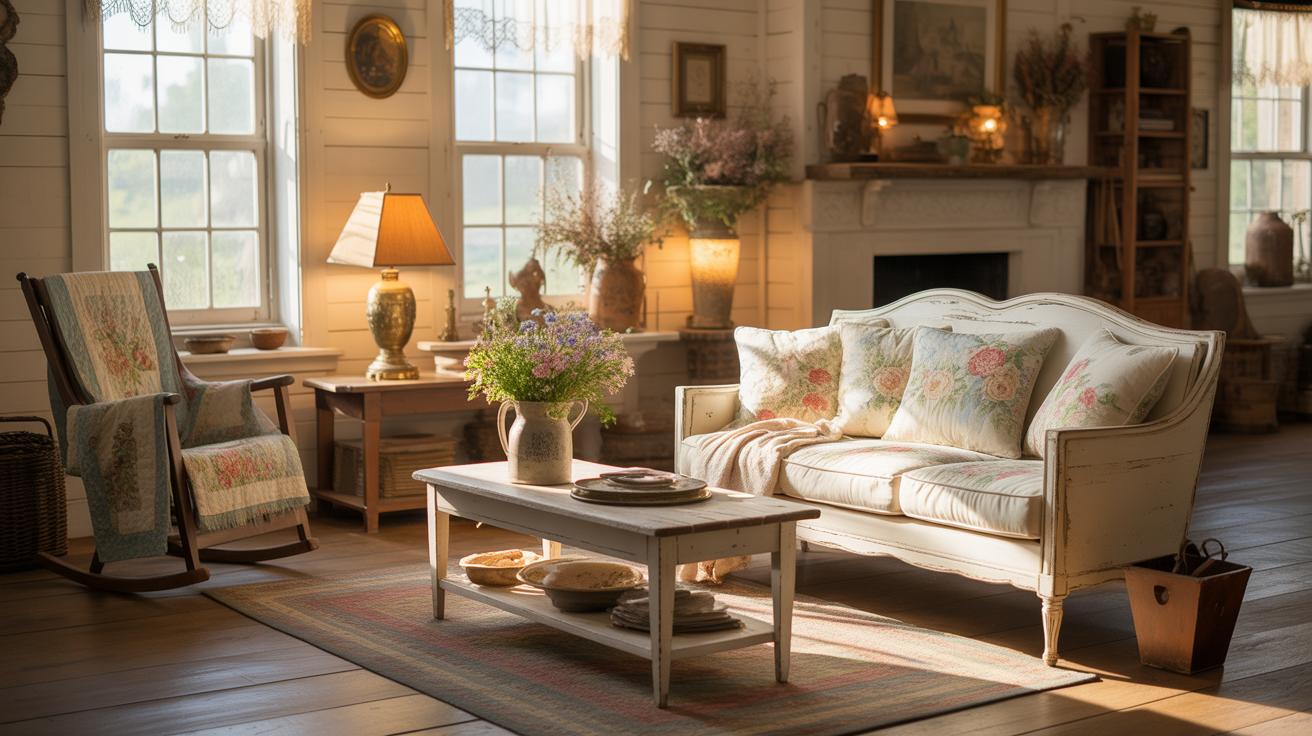
What Defines a Country Living Room
The country living room is a place where comfort meets tradition. Introducing classic country style furniture creates a warm space that welcomes you and your guests. This style focuses on simple designs and natural materials that fit well in a cozy home.
This article will guide you through how to choose furniture and set up your country living room. It will show you the best ideas for furniture that lasts and fits the country style. You’ll also learn how to arrange it to make your space functional and inviting.
Choosing Timeless Furniture Pieces
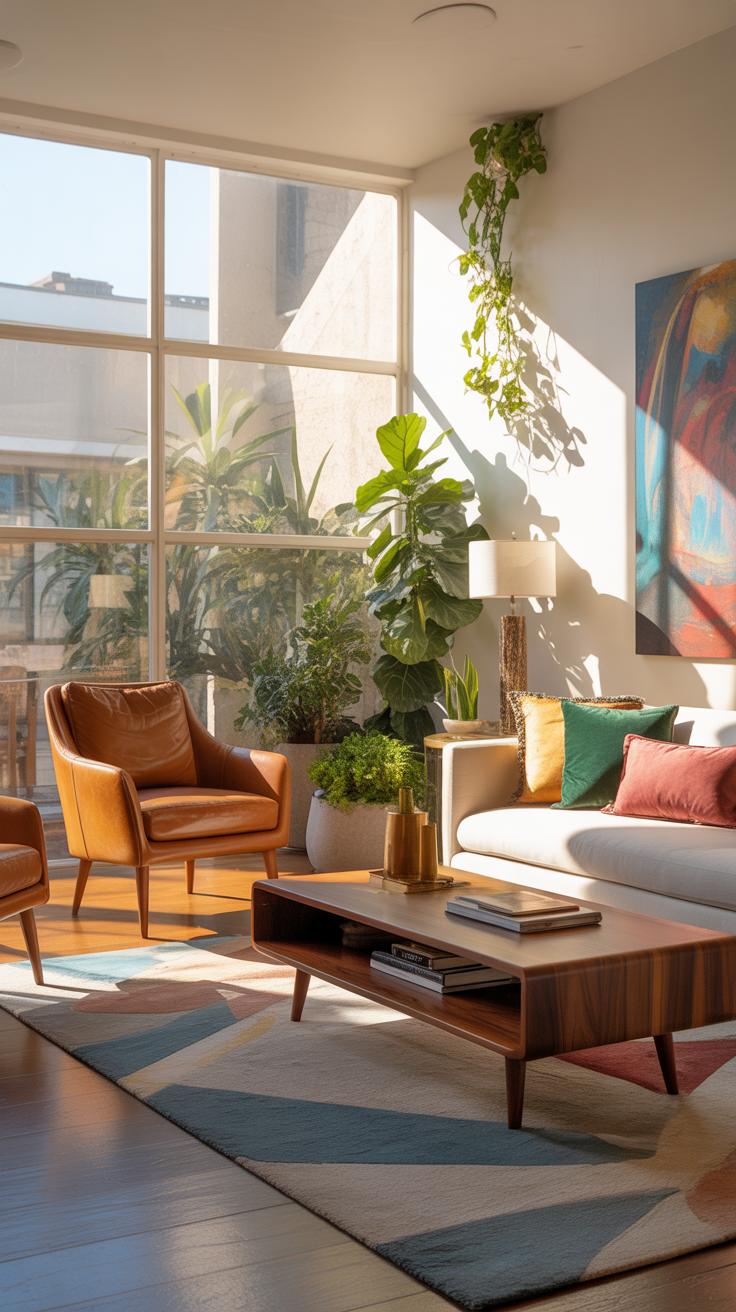
Picking classic country style furniture for your living room requires a bit of thought. You want pieces that don’t just look good now but will last and fit naturally into the mood of the room as time goes on. It’s not just about style—materials and durability really matter. Solid wood is usually the go-to because it stands the test of time, and its natural grain adds a warmth that’s hard to replicate with other materials.
The design usually leans towards simplicity—lines that are straightforward and forms that feel inviting rather than overly formal or intricate. You might opt for pieces with a rustic finish, like distressed pine or oak, which show little imperfections and give a lived-in charm. There’s also something comforting about soft, tactile fabrics draped over chairs or couches, which soften the room and invite relaxation.

Durability matters because country living rooms often host a lot of daily life—family, pets, and gatherings. So, furniture that resists wear but still ages nicely is what you should keep an eye out for. In a way, the furniture should tell a story, but only one that you want to live with for years.
Wooden Furniture in Country Style
Wood plays a starring role in country living rooms—almost like the backbone of the aesthetic. Different woods have different personalities; pine, for example, is common for its availability and affordable rustic look, while oak offers strength and a slightly more formal appeal. Cherry and walnut, although richer, tend to be used in smaller quantities or as accent pieces because they’re pricier.
Finishes matter too. Rough-hewn or distressed finishes add character, making the furniture feel handmade or handed down through generations, even if it’s quite new. Classic items like wooden rocking chairs, sturdy coffee tables, and cabinetry with visible grains instantly bring the country vibe alive. Sometimes, an unfinished look is preferable, helping the wood breathe and keeping the atmosphere casual.
Textiles and Upholstery Choices
The choice of fabrics can make or break how “country” your living room feels. Natural fibers like cotton, linen, and wool are preferred because they breathe better and last longer than synthetics. Textured weaves or even homespun-like materials work well, giving a tactile dimension to chairs and sofas.
Color palettes generally avoid flashy or synthetic tones. Instead, think muted blues, earthy greens, soft reds, or faded yellows—colors that echo nature or past eras. Patterns are usually simple: plaids, florals, checks, or stripes that don’t scream for attention but add life and depth. Mixing these patterns gently can create a homely feel, but it’s best not to go overboard.

So, when you’re considering upholstery for your country style furniture, ask yourself if the fabric speaks to comfort and simplicity without being too fragile or fussy. After all, the point is to enjoy your living room, not treat it like a museum.
Organizing Your Living Room Setup
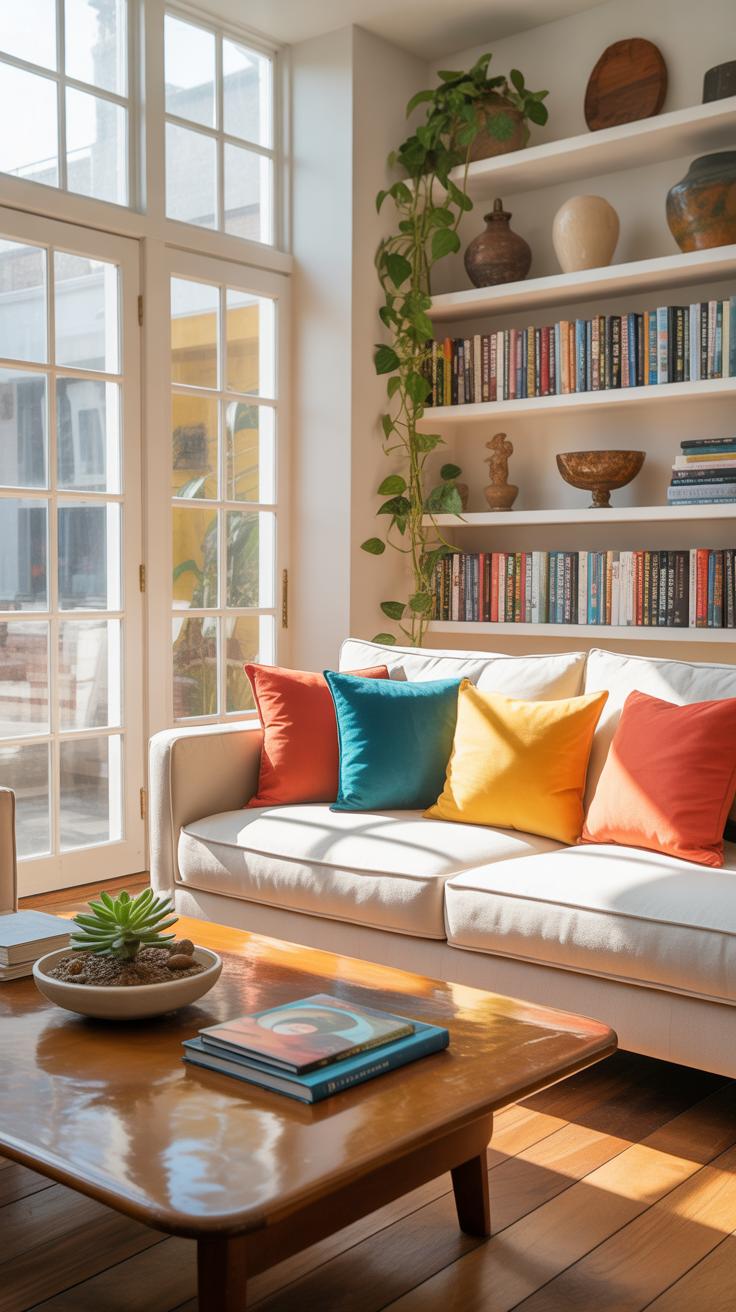
When arranging furniture in a country-style living room, think about how each piece serves both comfort and space. You want the room to feel open but not empty. The classic approach is to place key pieces like sofas and armchairs with enough space to move freely, yet close enough to encourage conversation. It’s sort of a balancing act—you might find that moving a chair just a few inches changes the whole room’s vibe.
Here are some layout ideas that seem to work well:
- Place the sofa as a focal point, perhaps facing a fireplace or large window.
- Arrange chairs opposite or adjacent to the sofa to create natural conversation clusters.
- Keep pathways clear, allowing easy movement without feeling cramped.
- Consider separate zones—one for relaxing, maybe a reading nook, and another for social gatherings.
Notice how sometimes less furniture can actually invite more relaxation, rather than stuffing the room too full. It’s a bit like giving the room breathing space.
Creating A Cozy Seating Area
Getting everyone to chat comfortably starts with couch and chair placement. A semicircular arrangement often works well—it pulls people in while leaving room for personal space. Think about angles, too. A slight turn of a chair toward the sofa, instead of straight on, somehow feels more inviting.
Throw in a couple of small stools or ottomans—easy to move around and perfect for extra seating without crowding. Also, don’t overlook lighting here; a soft overhead light or table lamps can set a relaxed mood that invites lingering conversations. That warm, easy feeling usually means you got the seating right.
Using Rugs And Accessories
Rugs can anchor your seating area and add warmth underfoot, important for country style settings. Look for natural fibers like wool or jute, which blend well with classic country textures. Patterns don’t have to be bold—subtle plaids or florals often do the trick nicely.
Accessories are your chance to sprinkle in personality. Think wooden bowls, wrought iron candle holders, or vintage pottery. These give rooms a lived-in feel without overwhelming the senses. Don’t be shy about mixing old with new; that little unpredictability adds charm.
While you may be tempted to decorate every surface, remember that space still matters—sometimes accessories are best when sparse but meaningful. Finding the right balance can take a bit of trial and error, but it pays off when your space feels genuinely welcoming.
Country Decor Vs Modern Trends
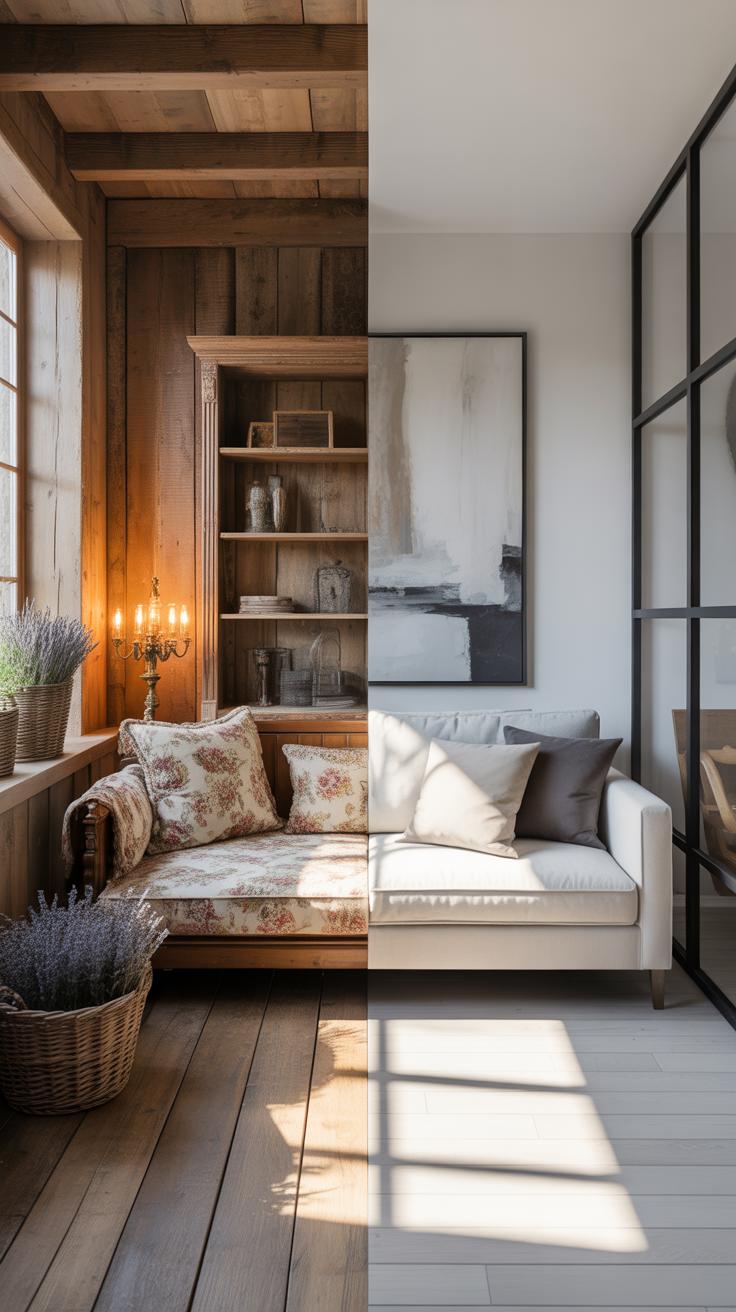
Simplicity Vs Minimalism
Country style favors a simple, rustic feel, often with handcrafted furniture and cozy details. Think wooden rocking chairs, quilts with traditional patterns, and shelves lined with ceramics. On the flip side, modern minimalism strips things down to bare essentials—sleek lines, open space, and clutter-free zones. It’s about function over form, while country makes space for charm and character.

For example, a country living room might have a big, worn-in farmhouse dining table accompanied by a comfy, fabric-upholstered armchair. Meanwhile, modern might opt for a glass or metal table and a minimalist leather chair—less fuss, more statement. There’s something… grounding about country simplicity. It feels slower-paced, maybe less polished but more lived-in.
Warmth Vs Cool Tones
Color palettes in country decor tend to lean warm. Think earth tones—browns, soft reds, muted yellows. These hues invite you in and make you linger. It’s warm, sometimes a bit nostalgic. Modern styles go for cooler tones—grays, whites, blues. They convey a clean, sharp vibe but can sometimes feel a bit distant or sterile.
Why does country stick around? Perhaps we crave that tactile warmth it offers, especially when the world around us is buzzing with tech and speed. The colors, the textures—they wrap you in comfort, like a memory you want to hold on to.
Cost Breakdown For Country Living Rooms
Furnishing a country living room can feel like a balancing act between style and price. You might find that raw materials, craftsmanship, and brand significantly shape costs, and sometimes it’s not obvious where your money goes.

Furniture prices vary widely, from around $300 for smaller pieces like side tables to over $1,000 for sturdy, handcrafted wood sofas or armoires. Fabrics also differ—a simple cotton slipcover might cost $20 per yard whereas high-quality linen or wool blends hover around $50 or more per yard. Accessories like lamps, rugs, and throw pillows usually range between $30 and $200, depending on materials and design.
Shopping smartly means hunting for sales, vintage stores, or even DIY opportunities. Maybe you’ll repurpose an old trunk or reupholster chairs rather than buying new outright. It turns out, patience can pay off—and quality can be had without paying top dollar.
Furniture Costs And Quality
The quality of materials directly affects what you pay for country furniture. Solid wood items, like oak or pine, generally last longer but cost more upfront—expect to pay $500 and up for a good coffee table or dresser. Particleboard or MDF pieces lower costs but wear faster and may look less authentic. For a classic look, invest in key pieces such as a dining table or sofa frame in solid wood, while lighter items can be budget versions.
The craftsmanship also counts. Hand-carved details add charm and increase costs. Sometimes, you might splurge on a statement piece and choose simpler designs elsewhere. This mix can create a genuine, collected feel.
Budget-Friendly Country Decor Tips
Decorating on a budget doesn’t mean sacrificing style. Here are some practical ideas:
- Look for secondhand finds that just need a coat of paint or fresh fabric.
- Use natural, affordable fabrics like cotton or burlap for curtains and cushions.
- Focus on layering textures—wood, wool, metal—to create depth without costly items.
- Shop local markets or craft fairs for unique, inexpensive accessories.
- Replace costly lampshades or throw pillows regularly to refresh the room without major investment.

It’s surprising how these simple steps can still capture the warm, inviting essence of country living while keeping spending in check. What small tweak might you start with first?
Setting Up Lighting For A Country Room
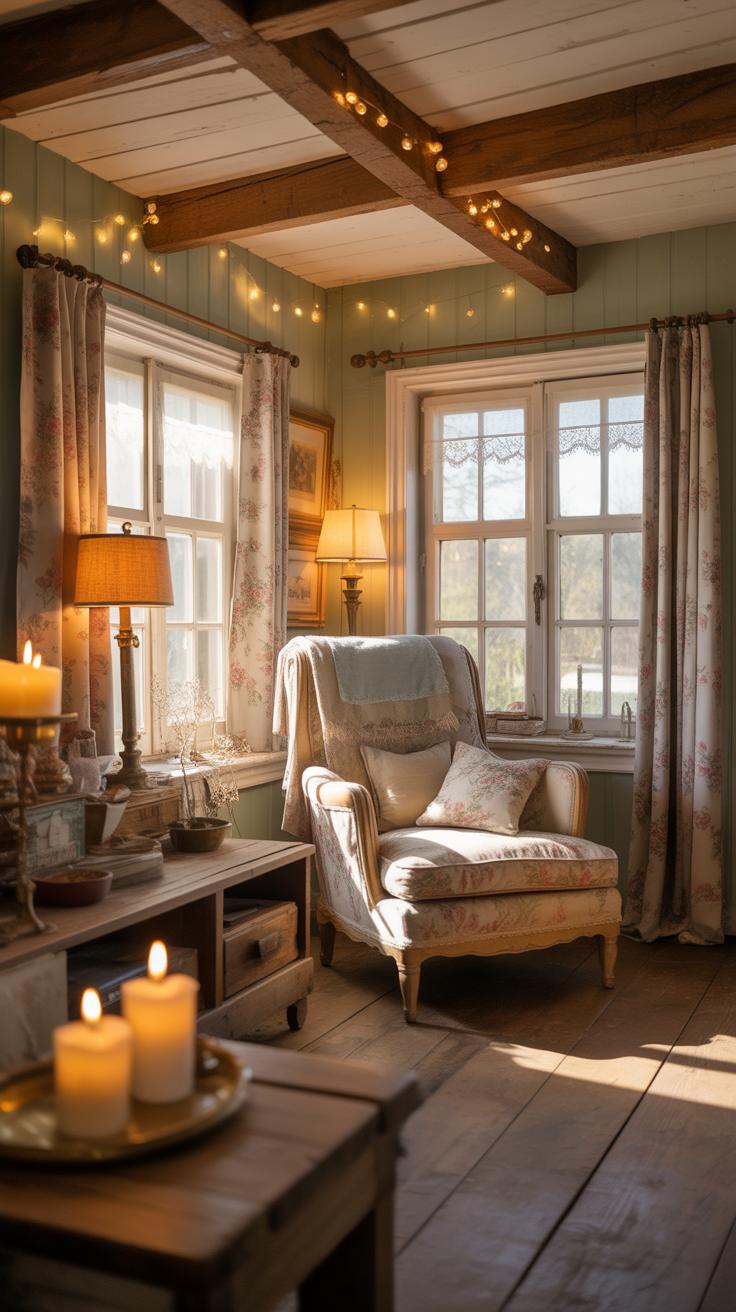
Lighting in a country living room should feel relaxed and homey, inviting you to settle in rather than dazzle you. Soft, warm lighting tends to work best, casting a gentle glow that complements the rustic charm of country furniture. Think about bulbs with a warm color temperature around 2700K to 3000K – they lean towards yellow, like a cozy afternoon sun, and instantly soften the mood.
When you’re choosing lamps and fixtures, a few styles really seem to fit the country vibe. Wrought iron or aged brass finishes evoke a sense of history and simplicity. You could opt for classic lantern-style pendants or lamps with linen or burlap shades, which subtly diffuse light and add texture. These materials tend to stay true to the understated, slightly imperfect nature of classic country style.
Positioning your lights is just as key. Try layering your sources: overhead lighting sets the scene, but table lamps or sconces create intimate pockets of light that feel inviting. Place a floor lamp near a comfy armchair or a table lamp on a sideboard to provide that soft glow without overpowering the space. It’s a bit like choreographing a quiet dance – you want the room bathed in gentle light, but you don’t want it to feel staged or too bright.
Checklist For Country Room Accessories
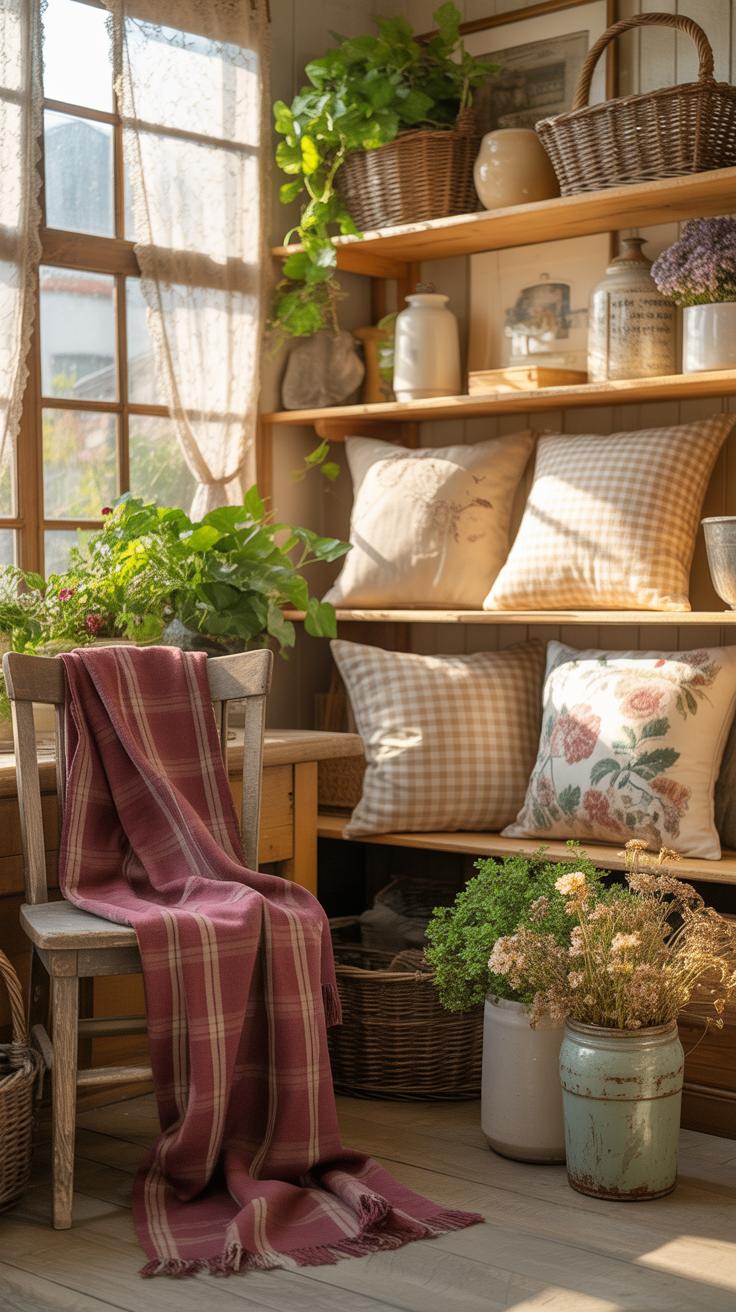
When dressing your country living room, consider these essentials that truly highlight the style:
- Throw pillows with plaids or florals – they add warmth and a lived-in feel.
- Curtains in natural fabrics like cotton or linen, preferably in soft hues or simple patterns.
- Vases made from ceramics or distressed metals, filled with wildflowers or greenery.
- Wall art featuring pastoral scenes, vintage prints, or handcrafted wooden signs.
Each detail supports the overall theme by echoing simplicity and a connection to nature, which are central to the classic country style. These accessories don’t just fill space—they contribute stories and textures, making the room inviting.
Choosing Rustic Accessories
Rustic touches might include wrought iron candle holders, woven baskets, or weathered wooden trays. When selecting, think about the furniture finish—if it’s a warm pine, opt for accessories that complement that tone rather than clash with it. Too shiny or modern items can feel out of place.
Matching pieces doesn’t mean everything must be identical, but harmony and a well-worn look matter. Sometimes, I’ve found a single carefully chosen rustic lantern or a grain sack pillow transforms the space remarkably.
Balancing Decoration With Space
It’s easy to go overboard. The key is to keep enough breathing room so the room feels open, not cluttered. For example, if you have a large wooden table, don’t smother it with too many vases or knickknacks.

Spacing matters—group smaller items in odd numbers and spread them across the room to maintain flow. Sometimes less is more, even in a room that seeks to feel cozy. Think about what draws the eye first and what supports that focal point.
How To Care For Country Furniture
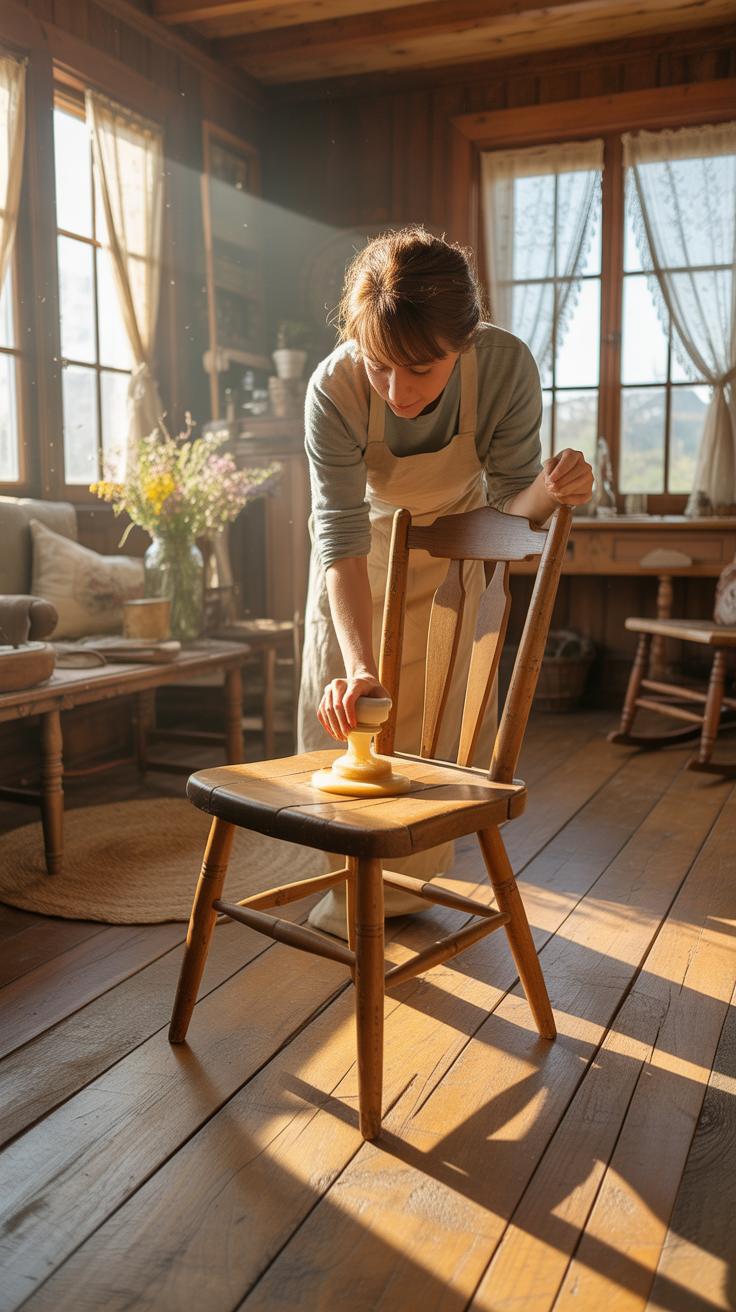
Caring for country style furniture demands attention, but it’s not as daunting as it might seem. The wood in these pieces tells a story, so keeping it in good shape can really extend its life—maybe even beyond what you’d expect. You can’t just wipe and forget; routine care is key. Think of it as a gentle ritual, polishing your furniture’s soul.
Cleaning Wooden Surfaces
When cleaning wooden furniture, mild methods are best. Avoid harsh chemicals that can strip natural oils. A soft cloth slightly dampened with water or a bit of gentle soap does the trick. After cleaning, drying immediately is crucial—wood doesn’t like lingering moisture. Buff the surface with a dry cloth to avoid streaks or water spots.
Polishing isn’t always necessary, but when you do, choose a wax or polish with natural ingredients. Too much polish can build up and attract dust, so less is often more. I found that polishing every few months keeps the wood looking fresh without overdoing it.
Repairing Small Damages
Minor scratches and dents happen, especially with everyday use. Don’t fret too much. For small scratches, rubbing a walnut or blending pencil over the mark can mask them pretty well. Dents may improve with a bit of steam—gently applying a damp cloth and a warm iron can help the wood fibers swell back.
Upholstery wear is another common pain point. If the fabric is worn but not torn, a good cleaning might restore some life. For small tears, fabric glue or patches work as a temporary solution, though eventually, reupholstering may be needed. Fixing these issues promptly prevents bigger problems later.
In the end, thoughtful care extends your furniture’s lifespan, making each piece not just a part of your home, but a witness to your day-to-day life.
Examples Of Country Living Rooms
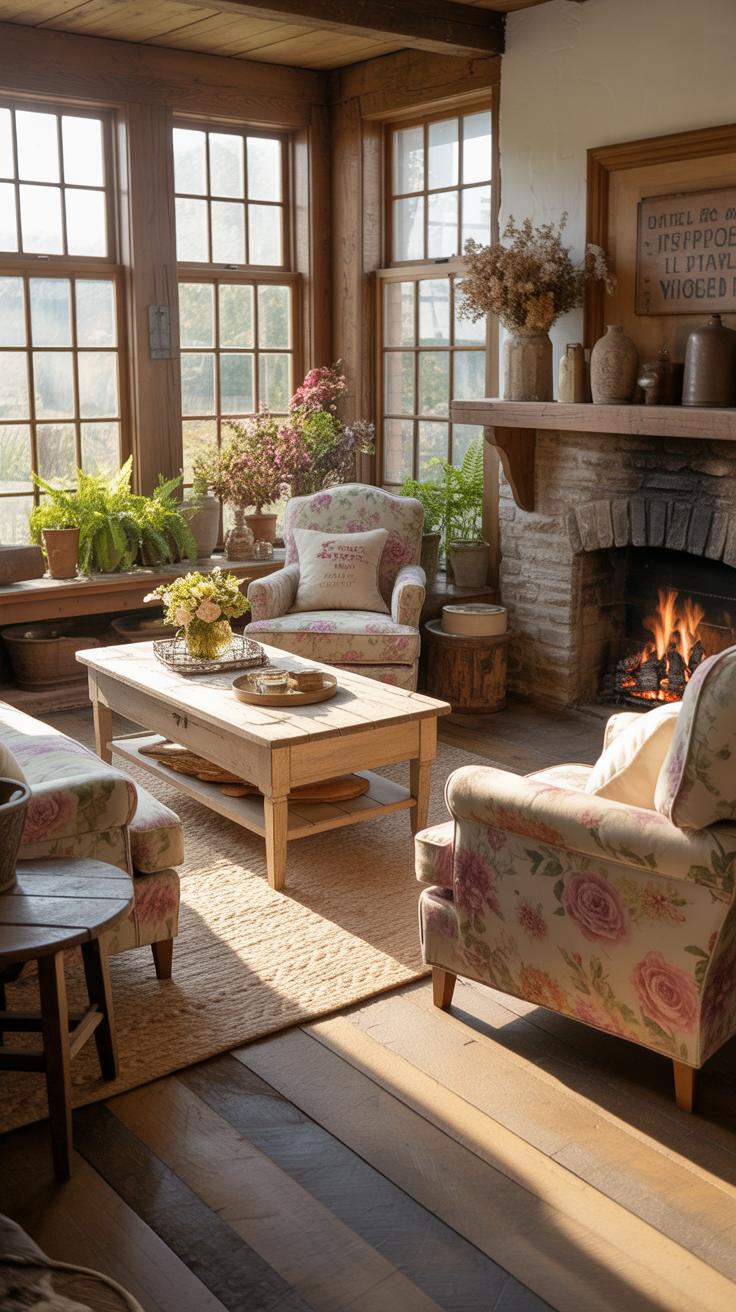
Take a moment to picture three distinct country living rooms that capture the essence of classic country style—each quite unique in its own right. First, consider a French country style room. This one embraces soft, muted colors like cream, lavender, and rustic gold. Furniture here is elegant yet comfortable: think carved wooden chairs with floral upholstery, gently distressed cabinets, and a touch of wrought iron in lighting fixtures. Natural materials abound—stone or terracotta flooring, linen curtains, and a couple of vintage pottery pieces scattered about. It’s cozy but light, inviting, and easy to imagine spending quiet afternoons here.
Shift your attention to an American rustic living room, where ruggedness meets warmth. Large, plush leather sofas dominate, accompanied by sturdy wooden coffee tables with rough hewn edges. There’s a stone fireplace as the focal point, perfect for those long winter evenings. Accessories might include antler chandeliers, animal hides, and woven throws. The color palette tends to be earthy—deep browns, forest greens, and ochres. Unlike the French style’s airiness, this space feels grounded, robust, and unpretentious.
These examples show how different country styles interpret farmhouse comfort differently. Your own living room might borrow just a hint from each or lean boldly in one direction. Which one resonates with you, I wonder? Would you go for the subtle charm of French country or the sturdy honesty of American rustic?
Steps To Create Your Country Living Room
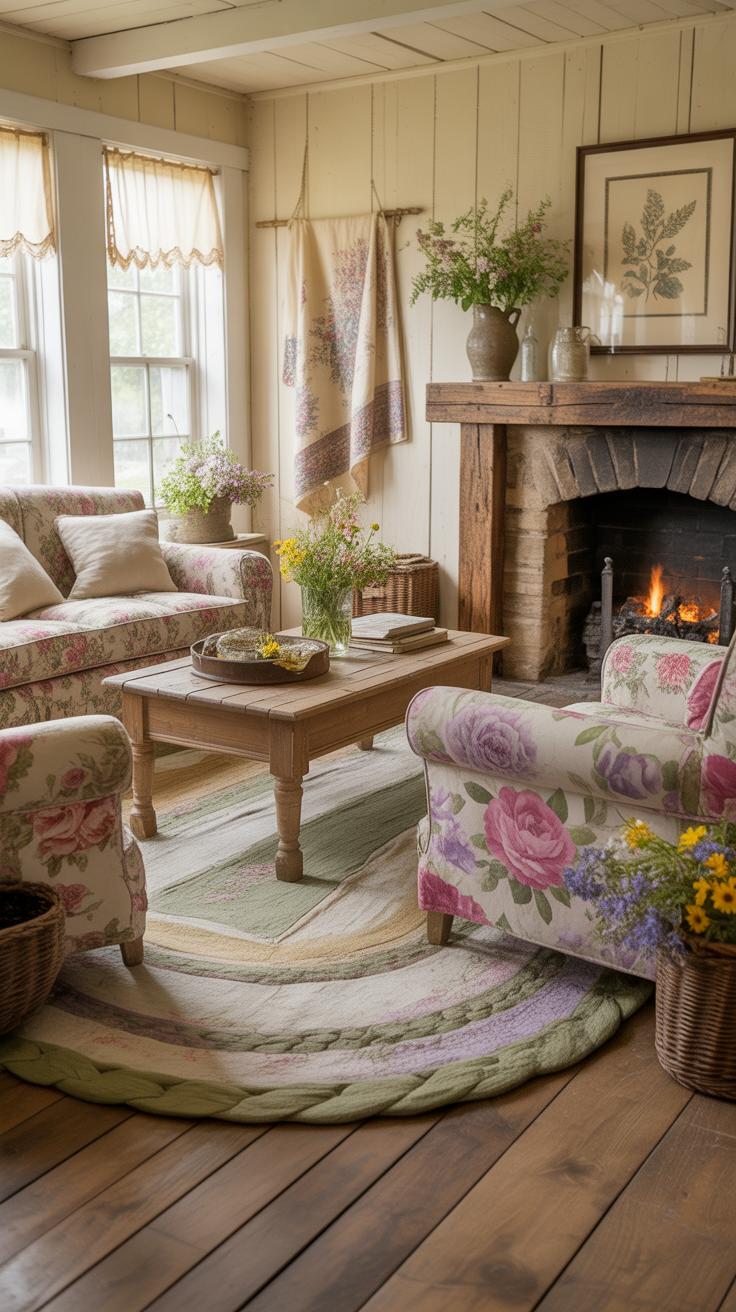
Planning Your Space And Budget
Start by really thinking about your room: what size is it? Is the shape awkward? Do you want a cozy nook or a more open, airy feel? Measuring carefully matters here—don’t guess. Then, consider your budget. It helps to set a clear limit early so you don’t get caught up in things that look nice but break the bank.
Next, reflect on your style preferences. Classic country can have many faces: rustic wood, soft textiles, vintage pieces. Are you drawn to a brighter palette or deeper, warmer tones? Pinning down the vibe before you buy anything will save you a lot of headaches later.
Final Setup And Decoration
Once the furniture is in place, take a moment to look at the flow. Is there room to move? Does everything feel balanced, or maybe a little lived-in? It’s okay if it’s not perfect at first. Furniture can be rearranged, and sometimes a slight shift makes all the difference.
Now comes the fun part—decorating. Add rugs, cushions, and throws that speak to country charm. Think about natural materials like linen or wool, and patterns like checks or florals. Accessories help, too: maybe mason jars, a few antique finds, or family photos in wooden frames. Layering these details creates warmth.
Remember, a country living room isn’t about being flawless but feeling welcoming and relaxed. Trust your instincts as you make it your own space.
Conclusions
The country living room blends comfort and classic design to create a welcoming space. By choosing the right furniture and arrangement, your living room can become a place for relaxing and spending time with loved ones. Simple choices in natural materials can make a big difference in feel and durability.
Following the ideas here helps you build a beautiful country living room. Use classic furniture styles and thoughtful setup to make your space both practical and warm. Country style can work for any home, giving your living room a timeless touch.