
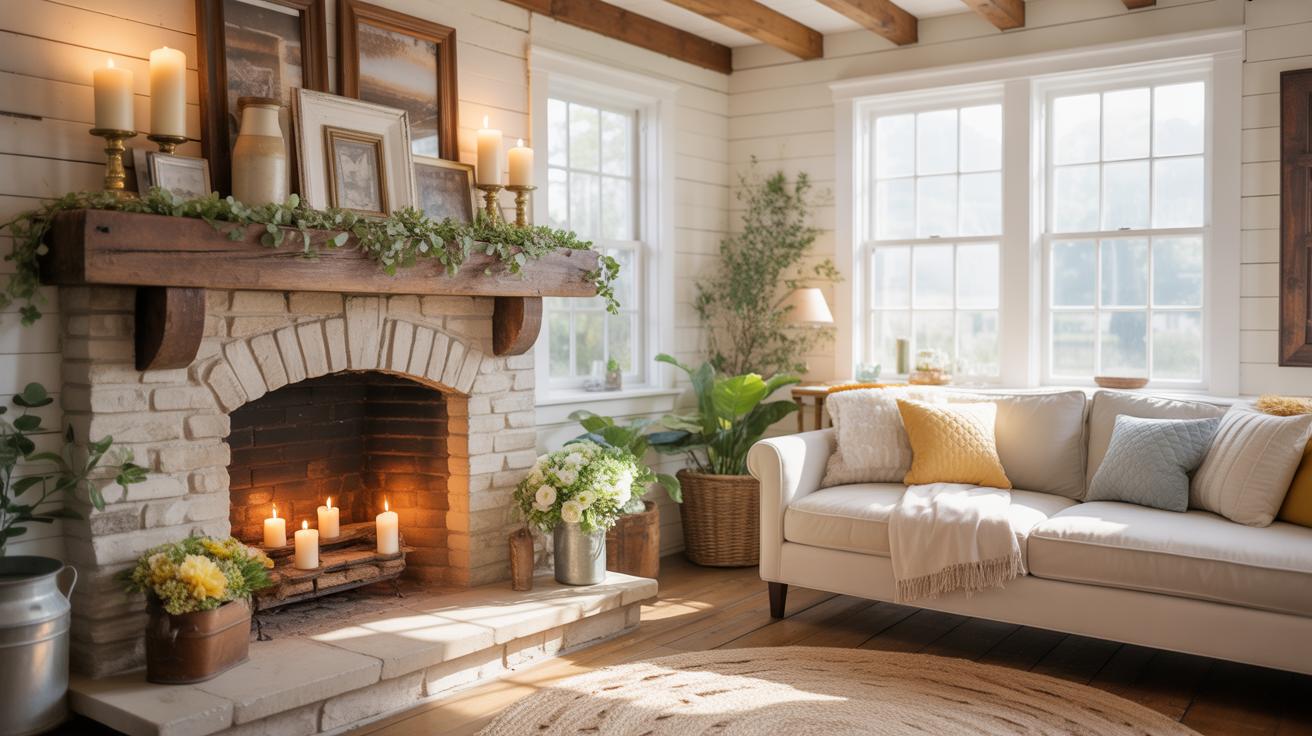
Why a Wooden Mantel Suits a Farmhouse Fireplace
Creating a warm and inviting atmosphere in your farmhouse starts with the perfect fireplace. Farmhouse fireplaces are known for their rustic charm and welcoming feel. A wooden mantel can add natural beauty and style to this focal point. This article presents various farmhouse fireplace ideas with a focus on wooden mantel designs to inspire your home improvement plans.
We will cover styles, practical installation tips, decoration ideas, maintenance advice, and comparisons with other types of fireplaces. Whether you want to build a new fireplace or update an existing one, these ideas will help you choose the best design to fit your farmhouse style and meet your needs.
Popular Farmhouse Fireplace Styles
Classic Stone And Brick Designs
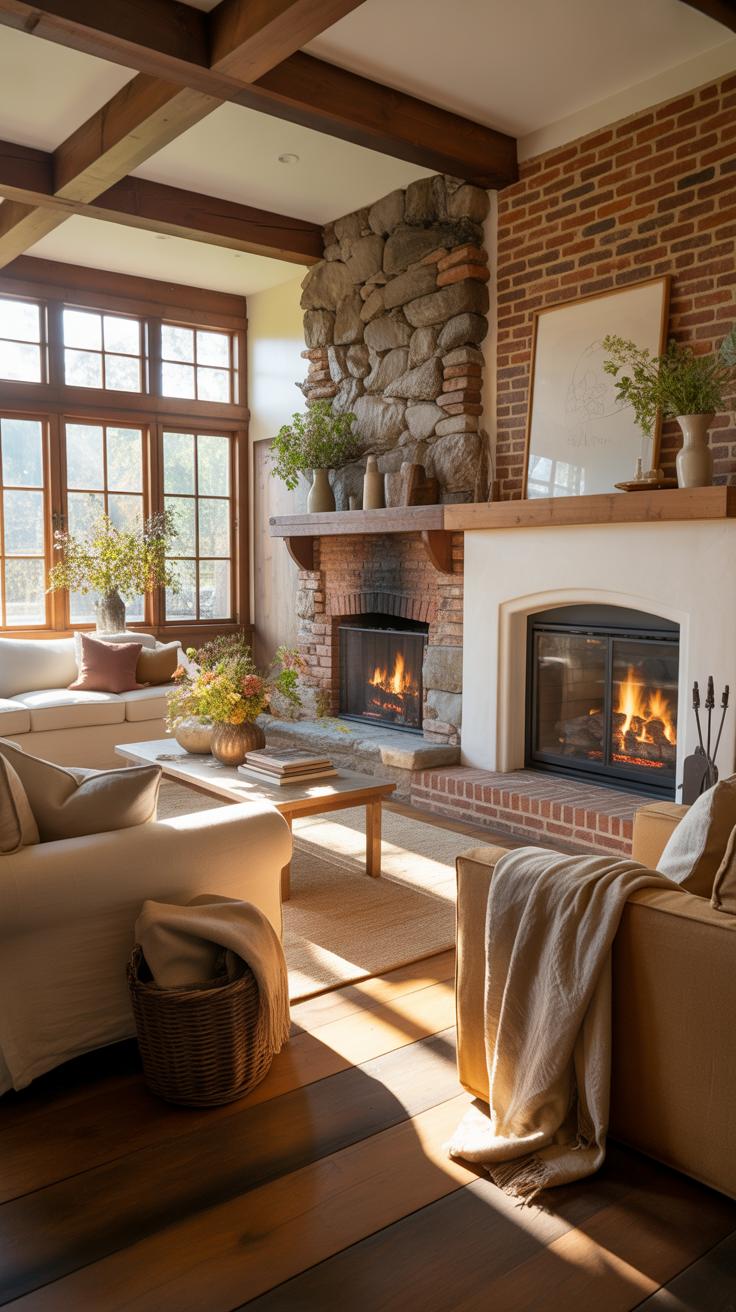
Stone and brick fireplaces often bring that unmistakable farmhouse feel. Their rugged textures and earthy tones create a sense of grounded warmth. Stone fireplaces, with their rough-hewn surfaces and irregular shapes, offer a look that feels genuine, you know? Brick, on the other hand, leans a bit more structured. It’s about sturdy rectangular lines and older, sometimes slightly worn bricks that hint at stories from the past.
Wooden mantels here play a vital role. Whether large beams or slimmer, carved pieces, their wood grain and natural hues bring softness to the solidity of stone and brick. They’re not just a shelf; they’re a bridge between the rawness of the fireplace and the coziness of the room.
Modern Farmhouse Fireplace Trends
Contemporary farmhouse fireplaces tend to favor clean lines and neutral palettes but still somehow manage to hold onto that inviting vibe. Think smooth plaster or painted brick surrounds, paired with sleek wooden mantels that might be distressed or polished. It’s like bringing farmhouse tradition into a cleaner, simpler era. I’ve noticed these mantels often stretch wider, almost like they’re making a low-key statement without trying too hard.

It’s interesting how wood is used to soften the modern minimalism. The mantle’s warmth counters the cooler, streamlined materials. Sometimes it feels a bit of a balancing act—too modern and you risk losing farmhouse charm; too rustic and you might tip into cliché. But with the right wooden mantel, these newer styles can be both fresh and familiar, cozy yet sophisticated.
How To Pick A Wooden Mantel
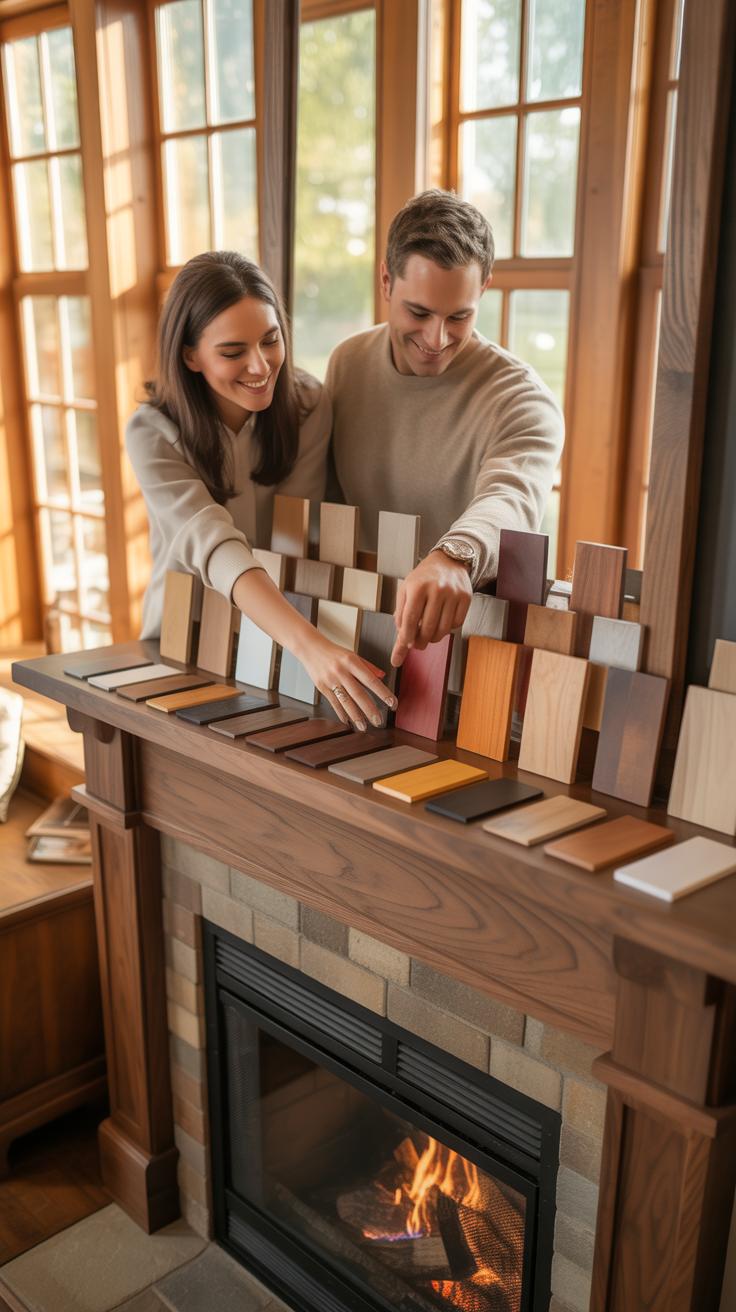
Choosing the right wooden mantel for your farmhouse fireplace can be a bit tricky. You want something that not only suits the room but also lasts through the years. Wood types play a big role here. Common options include oak, pine, and walnut. Oak is sturdy and has a classic grain that fits many farmhouse settings. Pine is softer and often cheaper, but it dents easily—so if your kids tend to roughhouse, maybe think twice. Walnut tends to be pricier but offers a rich, dark tone that adds warmth.
Size matters too. Your mantel shouldn’t overpower the fireplace but complement it. If you have a wide fireplace, go for a broader mantel. A slim fireplace needs something more delicate. Visually, the mantel should feel balanced with the room. Is your living space cozy and small? A chunky, oversized mantel might feel out of place.
Style also counts—and farmhouse styles vary. Rough-hewn beams give a rustic vibe. Smooth, polished mantels lean toward the modern farmhouse look. You could even consider reclaimed wood for a sense of history. Finish options are broad, from natural stains that show off the grain to painted mantels for a cleaner look.

At the end of the day, ask yourself: what story do you want your fireplace to tell? Sometimes, a bit of imperfection—say, a knot or two in the wood—adds character rather than detracting from it. So think about durability, yes, but also how the mantel fits into your everyday life and style. It’s part practical, part emotional, which makes the choice a little complex but rewarding.
Installation Steps For Mantels
Preparing The Fireplace Wall
Before you even think about nailing in your wooden mantel, take a moment to check the fireplace wall. It’s not always obvious, but if the wall surface isn’t clean and solid, your mantel might not hold up well over time. You want to remove any dust, loose plaster, or chipped paint. Sometimes, this means a bit of sanding or patching holes to get a smooth, stable surface. Oh, and mull over the idea — is your wall made of brick, stone, or drywall? Because each one calls for slightly different preparation. Drywall might need wall anchors; brick could require a masonry drill. On the other hand, if you skip this step, your mantel installation could be less secure than you expect.
Securing The Wooden Mantel Properly
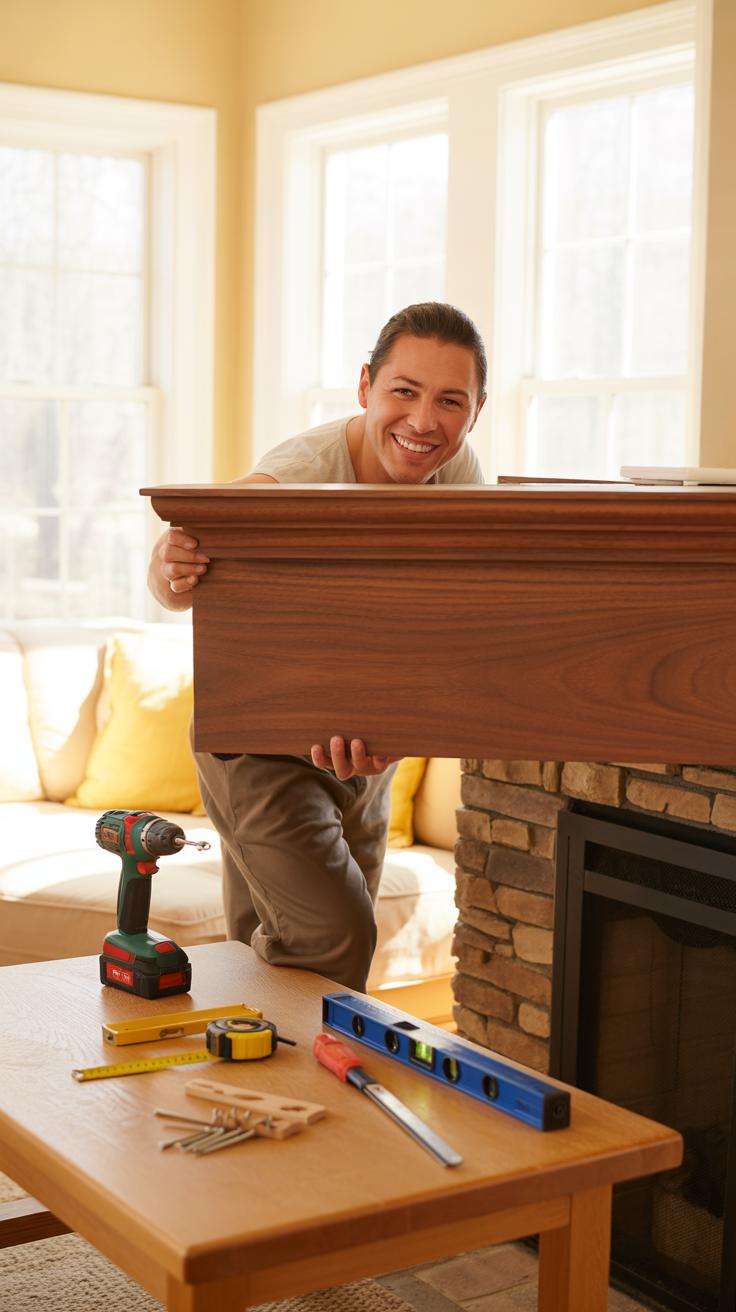
Let’s talk about anchoring the mantel. The key things here are the right hardware and technique. Generally, lag bolts are a solid choice, especially for heavy wooden mantels. You want to find the studs in the wall first — a stud finder becomes your best friend. Then drill pilot holes into the stud, so the bolts have something firm to bite into. If your wall surface is brick or stone, use masonry anchors or expansion bolts; these hold better than regular screws on such surfaces. Applying construction adhesive behind the mantel can add an extra layer of security, though it’s the screws or bolts that really do the heavy lifting.
Make sure to have someone hold the mantel steady as you work — this step needs precision and care. Measure twice, drill once, as the saying goes. Also, consider the mantel’s weight and the heat exposure. Wood can expand or contract slightly, so avoid over-tightening the bolts and causing splits. Perhaps it’s a bit of trial and error here. But getting this right makes your farmhouse fireplace a cozy focal point that lasts.
Decorating The Fireplace Space
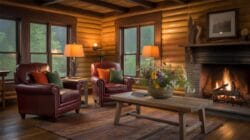
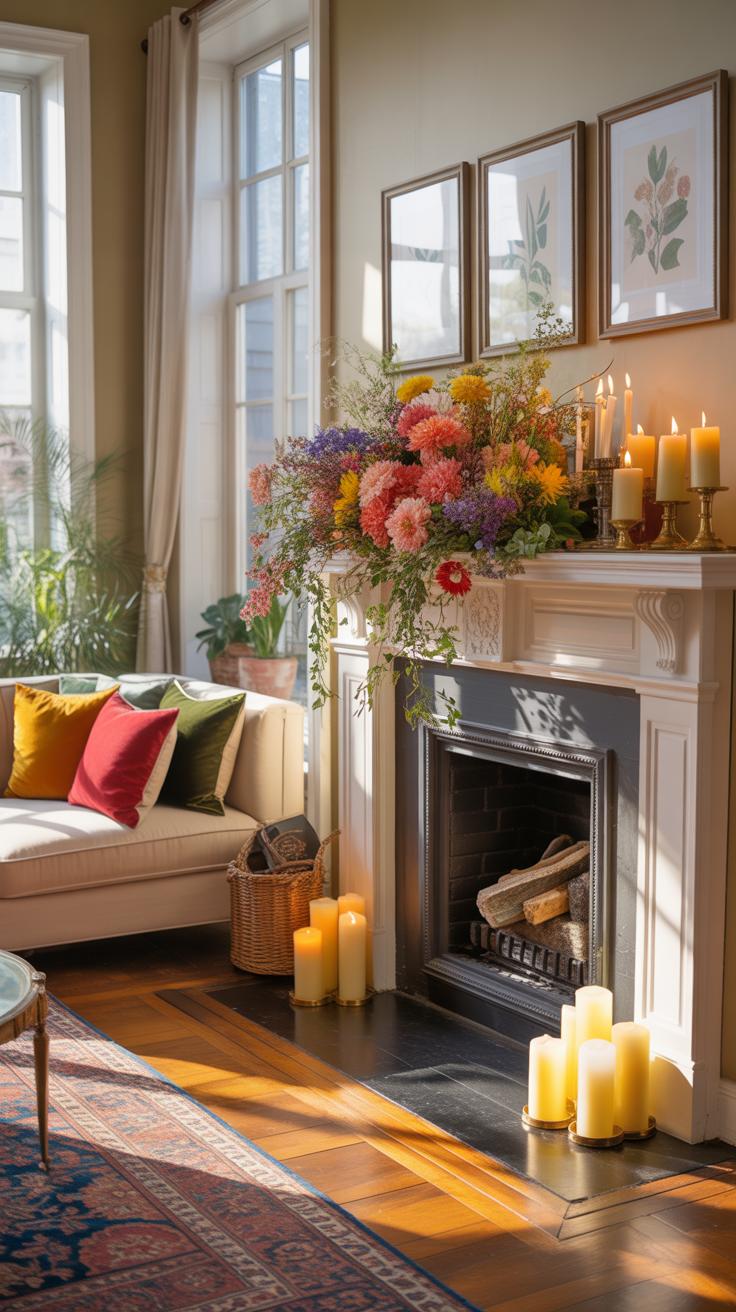
The fireplace in a farmhouse setting often serves as the heart of the home, so decorating around it requires a careful touch to keep that cozy vibe alive. The wooden mantel is a natural focal point, and it’s tempting to go a little overboard—but restraint usually brings better results. I’ve found that mixing a couple of meaningful items, like family photos in simple frames and a few rustic accents, creates warmth without clutter. You might want to add some greenery—think eucalyptus or a bunch of pine branches laid gently across the mantel. It doesn’t have to be perfect, just casually arranged, almost as if nature herself dropped it there.
When it comes to the area surrounding the fireplace, think about texture. A woven basket with firewood, or a chunky knit throw draped casually nearby, can enrich the space without feeling forced. You could lean a vintage mirror or a painting against the wall to add dimension, but be careful not to overshadow the wood’s natural charm. The goal is to invite attention without competing with the fireplace itself.
Seasonal And Themed Decorations
Seasonal decorating on a wooden mantel can refresh a room without major effort. In spring, I like to swap in light, pastel-hued vases or small bouquets of tulips and daffodils. Summer calls for something simple—perhaps some seashells or driftwood collected from a trip, which blend nicely with the wood mantle’s texture. Come autumn, berry garlands or miniature pumpkins work well, but avoid cluttering the space; the wood mantel’s grain is subtle and deserves to be part of the show.
Winter invites deeper colors and warmth. Candles in rustic holders, paired with pinecones or sprigs of holly, can transform the mantel into a welcoming winter vignette. It’s about layering without overcrowding. You might find it tricky to balance holiday cheer and simplicity, but a few well-chosen pieces speak louder than a dozen mismatched trinkets. And, honestly, sometimes less is more.
Enhancing With Lighting And Art
Lighting can make or break the atmosphere around a farmhouse fireplace. Soft, warm lighting highlights the wood’s texture and the room’s cozy mood. Consider placing small lamps with shades that create a gentle glow on either end of the mantel or installing subtle LED strips discreetly behind the mantel’s edge. Fairy lights, while often associated with whimsy, can actually work well if used sparingly and woven through greenery or simple decor.

Art pieces should complement the natural, rustic feel—not compete with it. A landscape painting or a muted, abstract print can add interest and draw the eye upward. Personally, I’ve seen success with framed vintage botanical prints or black-and-white sketches that add character without overwhelming. Remember, the goal is to play up the fireplace’s inviting warmth, so avoid anything too bold or modern that shifts focus away from the hearth.
Cleaning And Maintenancing Your Fireplace

Keeping a farmhouse fireplace and its wooden mantel clean isn’t just about looks; it’s about care that preserves their charm and functionality over time. You might find it a bit tricky to balance thorough cleaning while avoiding damage to that natural wood finish.
Safe Cleaning Methods For Wood
Wooden mantels demand gentle handling. Often, a soft, damp cloth is enough to wipe away dust. Abrasive tools or harsh chemicals? Best avoided. You could use a mild soap diluted in water if stubborn grime appears, but never soak the wood. Thinking about polishing? Choose wax-based or oil-based products meant specifically for wood—these help maintain that warm, natural glow.
Occasionally, inspect for small cracks or chips in the wood. Addressing these early on with wood filler or touch-up markers can prevent bigger issues later. And yes, protecting the mantel from prolonged exposure to direct heat or sunlight helps keep it looking its best.
Fireplace Component Upkeep

Your fireplace isn’t just for looks — its structure needs regular checking for safety and performance. Creosote buildup inside the chimney can pose fire risks; scheduling an annual professional chimney sweep is a wise move.
Don’t forget to examine the firebox for cracks and the damper for smooth operation. Even the hearth deserves a glance to ensure no loose tiles or bricks have appeared, which could turn hazardous. If you notice anything unusual, it’s worth consulting a specialist sooner rather than later.
Overall, maintenance is about consistent care—a bit of attention now can save headaches later, and keep that cozy farmhouse hearth inviting season after season.
Comparing Wood Mantels And Other Materials
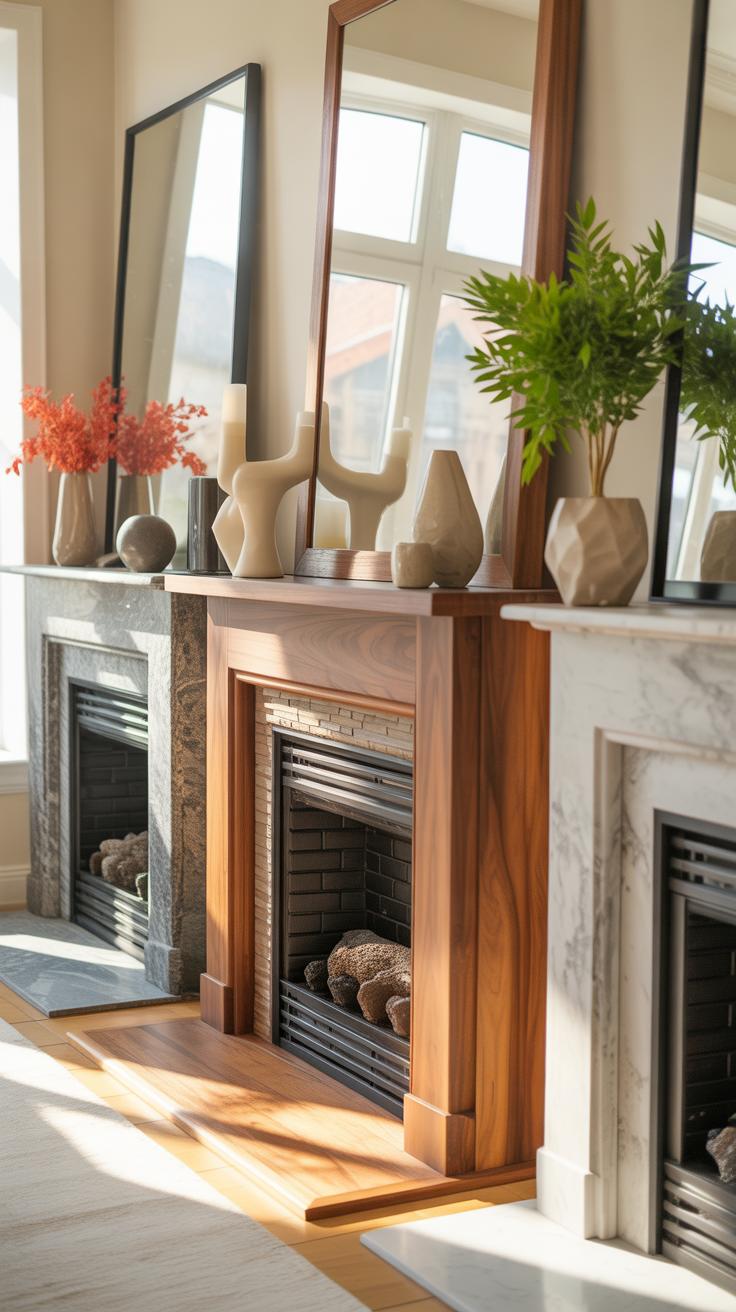
When you think about wooden mantels, they often bring a warmth and natural charm that’s hard to match. Wood feels inviting, with grain patterns that add subtle character. Stone mantels, on the other hand, offer solid permanence. They can make a fireplace feel more monumental, but sometimes that can come off as a bit cold or imposing. Metal mantels might be sleek and modern, but they don’t always blend well in a cozy farmhouse setting.
Visually, wood often carries a more rustic or traditional vibe. You get a variety of finishes—it can be raw, stained, painted, or distressed for that worn look. Stone tends to be heavier visually, with textures like rough-cut or polished surfaces providing quite different feels. Metal’s smooth and reflective surfaces can feel industrial or contemporary, which may conflict with the soft farmhouse warmth you might want.
Cost-wise, wood mantels typically come in a broad range, depending on the type of wood and craftsmanship. They are generally more affordable than stone but less so than some metals. Stone mantels often come with high installation costs due to weight and labor involved. Wood is easier to maintain and repair, whereas stone can chip or crack and metal can dent or rust if not properly cared for. Asking which material lasts longer is tricky; stone is durable but less forgiving, wood needs upkeep but can be refinished, and metal depends heavily on the finish and environment.
If you’re debating, think about whether you prioritize warmth and tradition or sleek durability and grandeur. Each material has its quirks, and your choice often depends on the overall mood you want to create around your fireplace.
Common Installation Mistakes To Avoid

Installing a wooden mantel on your farmhouse fireplace might seem straightforward. Yet, I’ve seen many overlook key details that can cause trouble down the line.
Incorrect Measurements And Mounting

One slip-up is not measuring twice—or maybe even not measuring at all. A mantel too big or too small looks off and can feel unstable. Mounting it too high or too low shifts the room’s balance, sometimes making the fireplace the wrong focal point. I recall a friend who mounted her mantel an inch too low—at first it seemed fine, but soon it just looked awkward, disrupting the cozy vibe she aimed for. So, don’t rush the tape measure.
Using Wrong Fasteners Or Materials
What about fasteners—do you go with what’s on hand, or think it through? Using nails instead of screws, or the wrong kind of anchors for your wall type, often leads to a mantel that’s simply not secure. The wood might sag or worse, fall. My own experience taught me that heavier mantels demand heavy-duty anchors and screws. Seems obvious, yet it’s easy to skimp here and regret it later. Remember, a solid setup means a safe setup.
Simple care in these details saves frustration—and maybe an emergency clean-up. Is it always worth trying a DIY? Sometimes yes, but other times calling a pro for advice or a double-check might just be smart.
Planning Fireplace Lighting And Ambiance
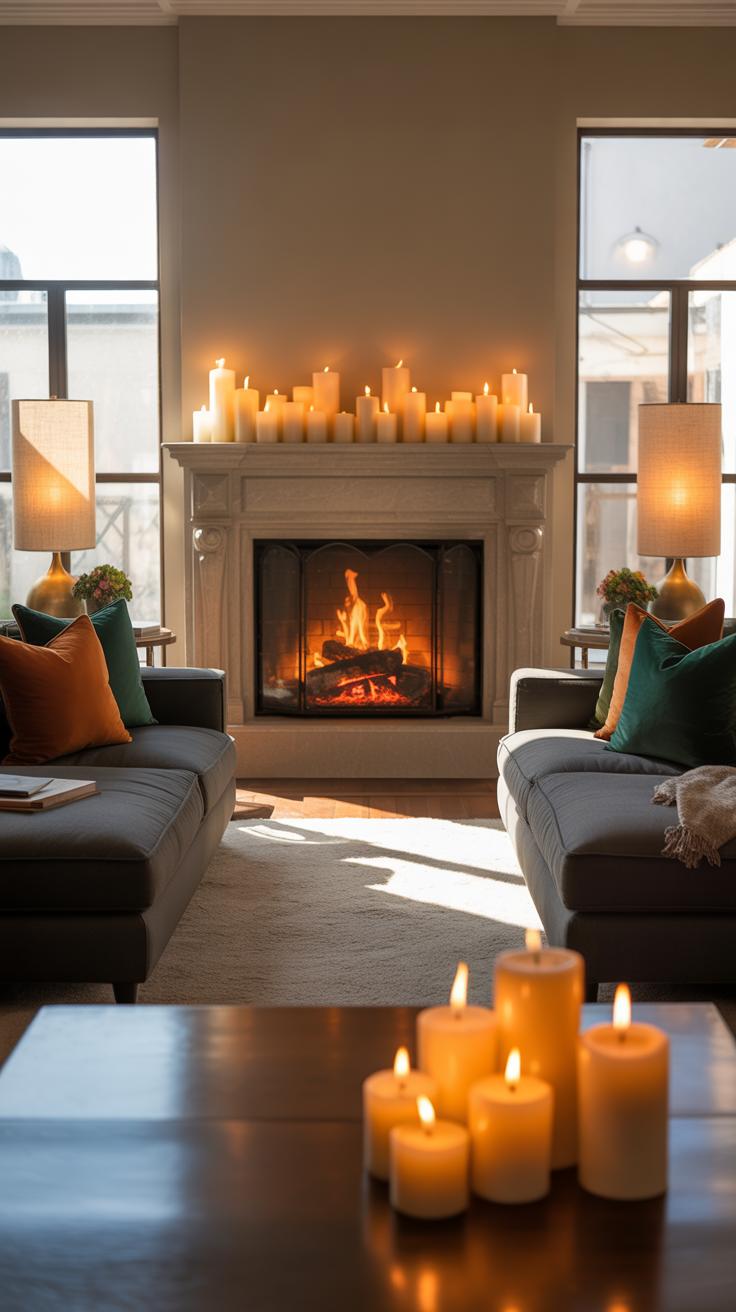
When you think about lighting around a farmhouse fireplace, what comes to mind? Soft glows that highlight the warmth without overwhelming it, maybe? The goal is to find lighting that adds to the cozy vibe but also serves a practical role. You want to be able to see your book, chat comfortably with friends, and still enjoy the flicker of the fire.

The lighting should gently accentuate the wooden mantel and stone or brick features often found in farmhouse fireplaces. Think about layering light sources — not just one overhead fixture. Combining different types of lights creates subtle shadows and depth that emphasize the fireplace as a room’s focal point.
Types Of Lighting Fixtures
There are a few lighting kinds that tend to work well around these spaces. For example:
- Wall sconces: Mounted on either side of the mantel, they highlight the wood’s texture and create a balanced look.
- Recessed lighting: When placed strategically in the ceiling, these lights can softly illuminate the area without stealing attention from the fire.
- Table or floor lamps: These add an inviting glow and can be moved around based on need or mood.
- Accent LED strips: For a modern touch, subtle LEDs nestled under the mantel can add atmosphere without glare.
It’s tricky because too much light washes out the fire’s charm. Too little, and you might stumble or strain your eyes.
Arranging Lights For Best Effect
Placement is everything here. Lights pointing upward can dramatize the mantel’s wood grain and the chimney’s brickwork. Meanwhile, side lighting softens shadows and avoids harsh contrasts.
One tip? Avoid positioning bright lights directly in your line of sight when sitting near the fireplace. Instead, aim for indirect illumination that feels relaxing.
Also, pairing dimmable fixtures gives you control over the mood. Flickering firelight plus adjustable lamps? That’s a combination worth experimenting with. It might take some trial and error, but a well-lit fireplace area makes your home feel instantly welcoming and lived-in.
Budget Planning For Fireplace Projects

Setting a budget for a farmhouse fireplace project can feel a bit tricky. You want to capture that rustic charm without overspending, but it’s not always clear where the money really goes. Typically, materials like wood for the mantel, stone or brick for the surround, and finishing touches will eat up a significant part of the budget.
Labor costs vary depending on where you live and the complexity of the installation. For instance, custom woodwork or stone masonry needs skilled craftsmen, and their rates can add up quickly. A simple upgrade might cost a few hundred dollars, while a full remodel could reach into the thousands.
To keep costs manageable, you might consider sourcing wood from reclaimed materials or opting for less expensive yet durable stone alternatives. Another idea is to do some of the prep work yourself, like demolition or painting. It might take extra time, sure, but it can really help reduce the labor bill.
Balancing cost and quality means being selective with what you invest in. Maybe the mantel is your splurge item, while the surround is simpler. Or you pick a mid-grade material that holds up well without looking cheap. It’s about choices that reflect your priorities and style—knowing when to save and when to spend.
Real Life Farmhouse Fireplace Examples
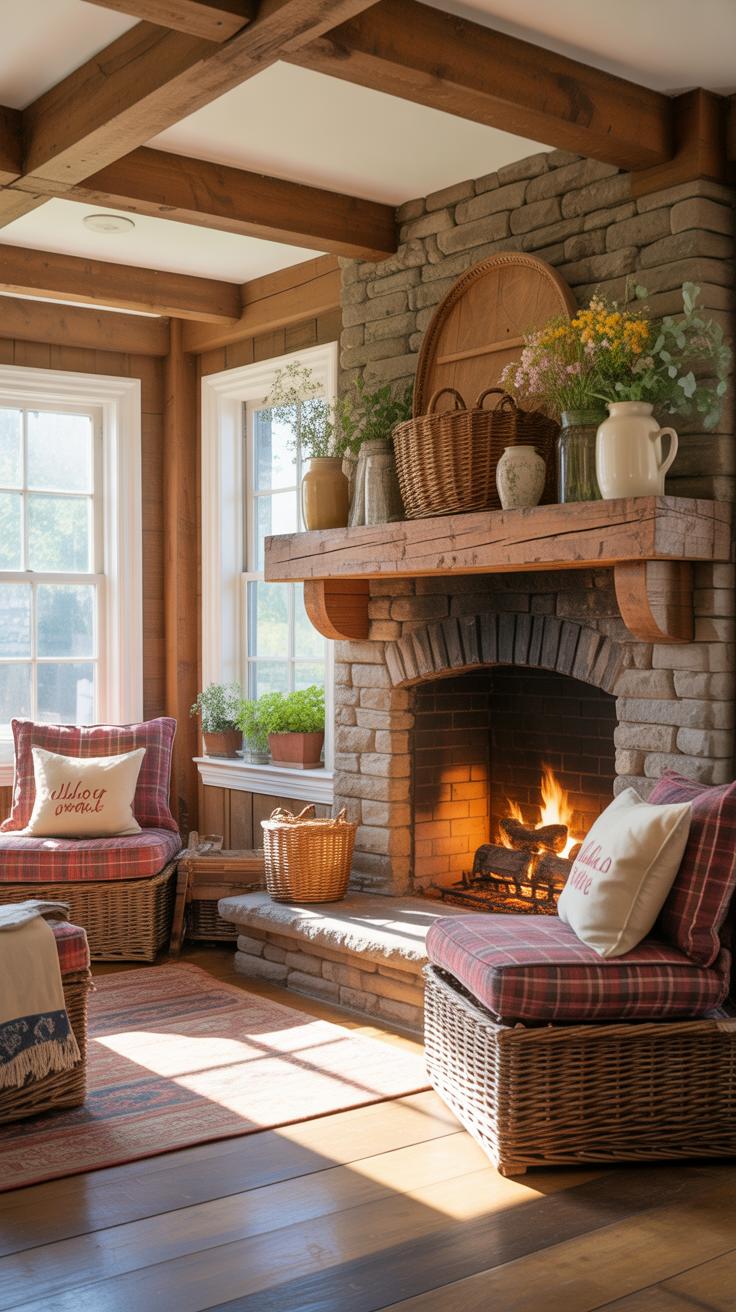
I’ve come across several real homes that exhibit the charm of farmhouse fireplaces with wooden mantels. One example is a cozy living room where a thick, reclaimed wood mantel frames a stone fireplace. The wood shows its knots and grain proudly, making the mantel the focal point of the room without seeming too polished or formal. Around it, simple built-in shelves hold vintage pottery and worn leather-bound books. The rough textures combine with soft, neutral walls to create a space that feels both lived-in and inviting.
Another example features a whitewashed brick fireplace topped by a chunky, distressed wooden mantel. It’s paired with farmhouse chairs with linen cushions that subtly reflect traditional design ideals. What struck me was the mantel’s imperfect edges, which add a subtle rustic note and prevent the setup from feeling overly staged or manufactured.
Rustic And Traditional Setups
Traditional farmhouse fireplaces often feature substantial wooden mantels made from oak, pine, or reclaimed barn wood. These mantels are typically straightforward—broad, horizontal beams sometimes with rough-hewn marks or chiseled grooves. They anchor fireplaces built with natural stone or classic brick in earth tones, grounded in materials that speak to farming heritage and manual labor.
Features include:
- Hand-carved wooden details that, while simple, suggest craftsmanship.
- Square or rectangular shapes rather than ornate curves, emphasizing function.
- Firebox surrounds sometimes accented with tile or metal, but without too much shine.
This style celebrates utility and warmth. You might find a wrought iron fireplace toolset nearby or a stack of firewood displayed in a practical, almost utilitarian way. It’s a style that doesn’t fuss much but is quietly enduring.
Modern Rustic Combination Designs
You may wonder how modern elements blend with rustic in farmhouse fireplaces. Well, these designs often pair clean-lined mantels of light or medium-tone wood with neutral fireplaces made from minimalist materials—think smooth concrete or matte tile.
Some of these setups include:
- Streamlined mantels with subtle, almost invisible grain patterns.
- A fireplace surround painted soft gray or off-white, creating a tension between old and new.
- Incorporation of glass doors or metal inserts for a contemporary touch.
It’s a bit of a balancing act, really. The rustic wood tempers the crisp modern elements, while the clean finishes prevent the space from feeling too old-fashioned or fussy. I’ve seen this style in homes where rustic exposed beams meet industrial lighting, a combination that feels both deliberate and relaxed—like the homeowners want tradition, but not at the cost of freshness.
Conclusions
Farmhouse fireplaces with wooden mantels bring character and comfort to your home. Selecting the right design involves considering your home’s style, available space, and your personal taste. Regular maintenance keeps your fireplace safe and enhances its appearance over time.
By exploring styles, installation methods, and decorating tips, you can create a cozy and beautiful fireplace that suits your farmhouse perfectly. This focus on practical solutions ensures your fireplace remains a cherished feature in your home for years to come.