
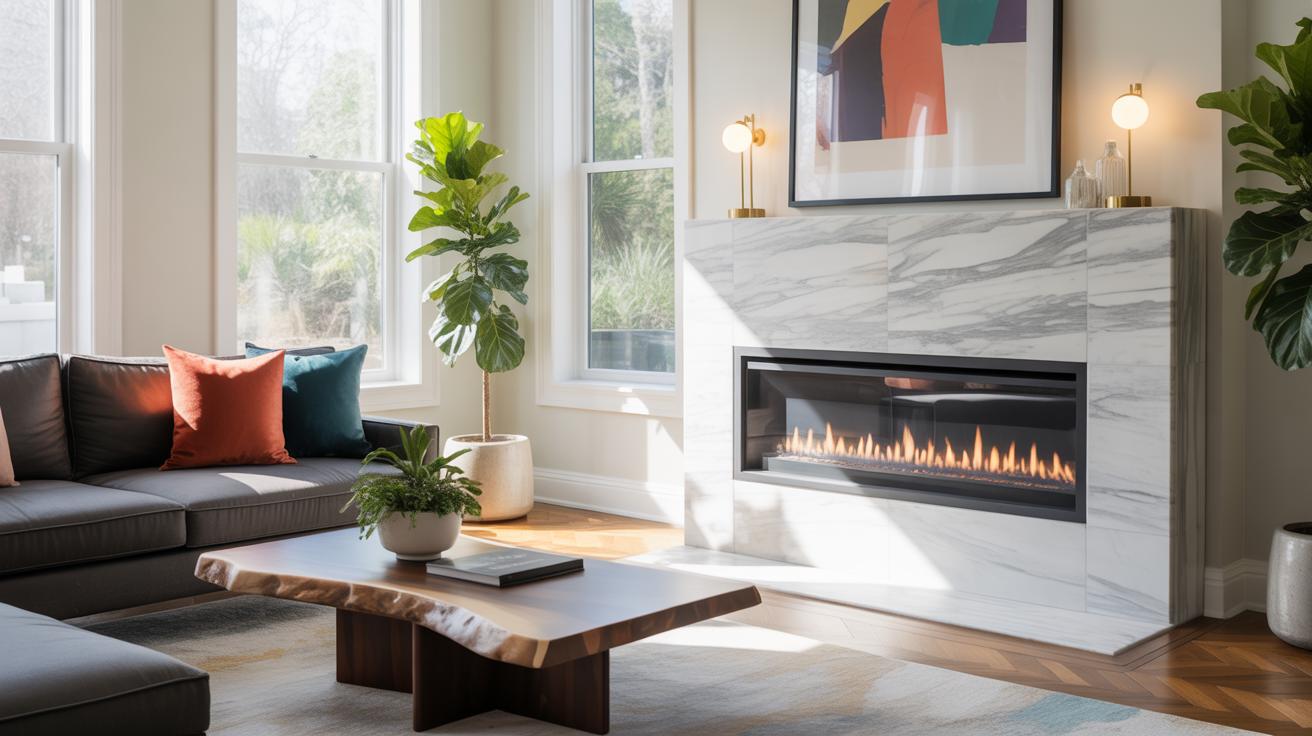
How to Remodel a Non-Brick Fireplace
If you have a non brick fireplace and want to give it a fresh, new look, this article will guide you through practical makeover ideas. Remodeling a fireplace that is not made of brick can be a bit different and requires specific approaches to update its style and improve its function.
We will cover the best materials to use, the process of remodeling, and helpful tips to make your non brick fireplace a beautiful centerpiece in your room. Whether your fireplace is metal, stone, or another material, you will find suitable makeover suggestions here.
Types Of Non Brick Fireplaces
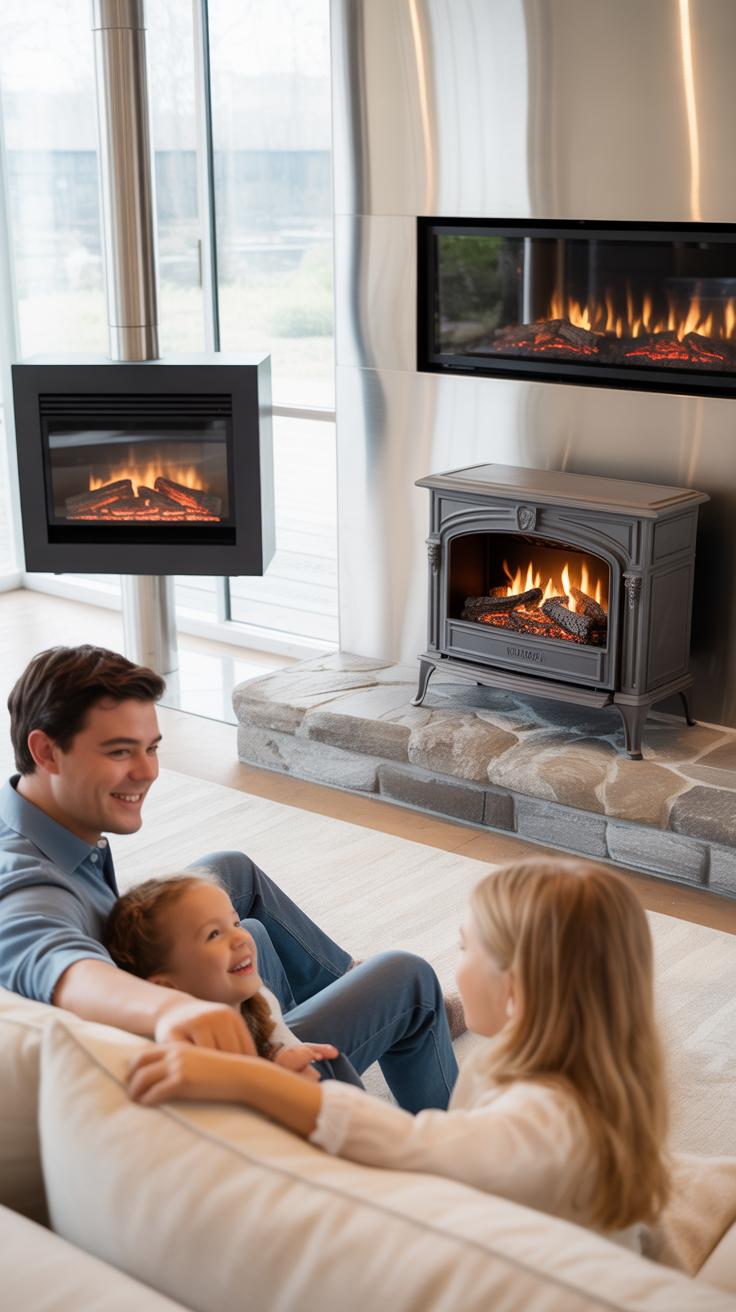
Non brick fireplaces come in a variety of materials and styles, each with its own distinct features and typical settings where they shine best.
Stone fireplaces are often chosen for their natural, rustic appearance. They bring a certain earthy charm and can be made from stacked stone, slate, or even marble. These are frequently found in cabins or traditional homes where a connection with nature is desired. Stone tends to be heavy and requires solid support but offers durability and an organic look that some prefer over brick.

Metal fireplaces, usually crafted from steel or cast iron, stand out with sleek or industrial aesthetics. They heat up quickly and radiate warmth efficiently. This type often suits modern or minimalist spaces and can be seen in urban lofts or contemporary homes. Metal can also be formed into artistic shapes, adding an interesting design element.
Prefab fireplaces, made in factories and available as kits, offer ease and speed in installation. They can mimic other materials but are lighter and often less expensive. These units are common for DIY remodelers aiming for a fresh look without major construction.
Electric fireplaces differ significantly since they don’t burn fuel but simulate flames with light and heat generated electrically. They are extremely versatile, require no chimney, and are easy to install. Ideal for apartments or rooms lacking ventilation, they add ambiance alongside supplemental warmth.
Metal Versus Stone Fireplaces
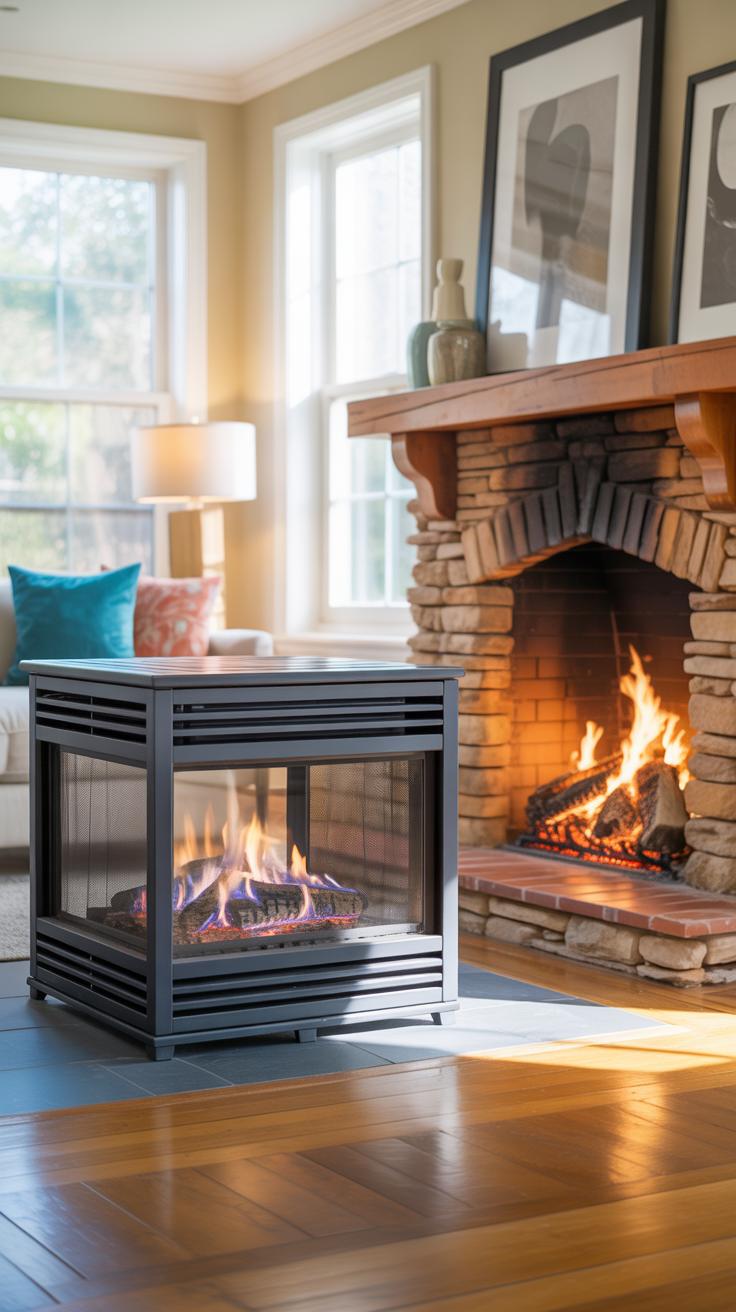
When weighing metal against stone fireplaces, it’s helpful to sift through their upsides and downsides—because, yes, nothing is ever purely better, just different.

Metal fireplaces heat rapidly and cool down fast, which is great for controlling temperature. They’re often lighter than stone and can be designed in unique shapes, lending themselves to bold interiors. But be mindful: metal surfaces may feel cold when unused, and some might find the industrial look less cozy.
Stone fireplaces provide slow, steady heat retention and convey a traditional, timeless vibe. The heft and permanence of stone add a grounded feel to a room. On the flip side, stone installation can be more labor-intensive and pricey, plus it demands a sturdy hearth foundation. Also, stone’s color and texture options, while natural and lovely, are less varied than metal’s design flexibility.
So, your choice might hinge on whether you prioritize style versatility and quick warmth (metal) or enduring heat and classic character (stone). It’s a personal call, really, influenced by your space and lifestyle.
Electric Fireplaces Benefits For Remodel
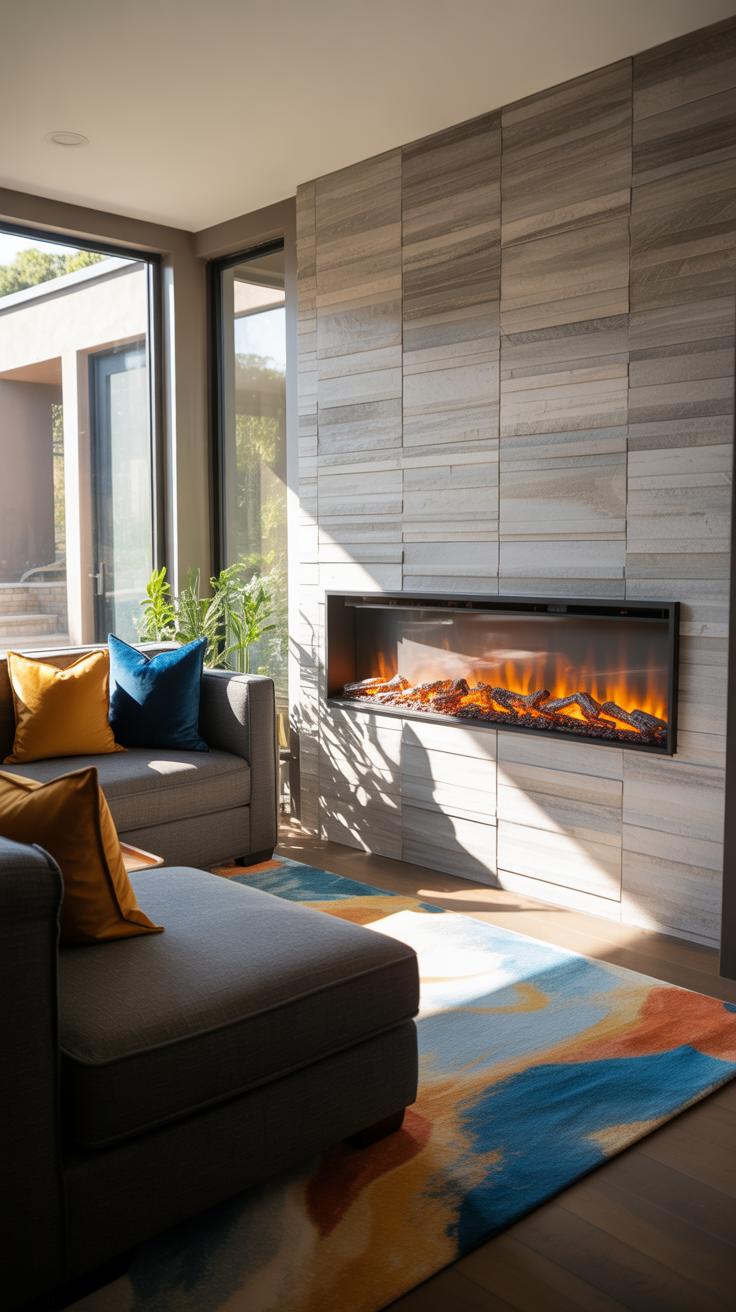
Electric fireplaces present compelling benefits especially when remodeling a non brick fireplace because they sidestep some classic hassles.
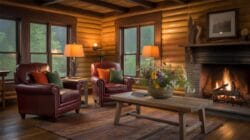
First off, they need no chimney or venting, sparing you complex ductwork or chimney repairs. That can save a lot of time and money, sometimes turning what seemed like a daunting project into a manageable upgrade.
They also come in various sizes and styles, some very slim and sleek, fitting spots where traditional fireplaces can’t go. Plus, many have adjustable heat settings and flame effects, allowing you to use just the visual aspect without heat, or both, depending on your mood or season.
Another advantage is safety. No real flames means less risk of accidental fires or harmful fumes indoors, which can be reassuring, especially with kids or pets around.
Yet, electric fireplaces don’t provide the same authentic fire experience—no wood crackling or smoky scent. If that matters, it’s worth thinking about. But for convenience and versatility? They often become the favorite choice in modern remodels.
Choosing Materials For Non Brick Fireplaces
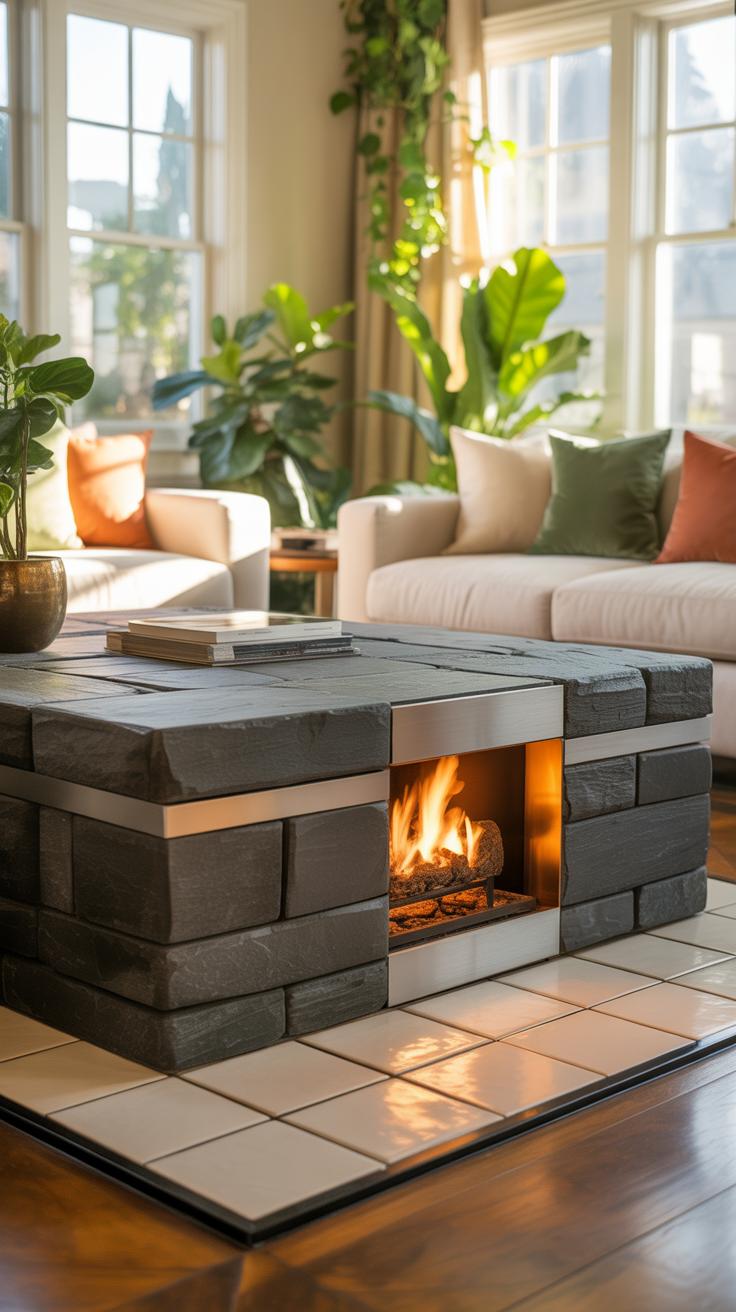

When remodeling a non brick fireplace, selecting materials carefully can make a big difference. Stone veneer is a popular choice. It’s a thin layer of real stone or simulated stone that adds texture and depth without too much weight. I’ve seen it transform plain surfaces into something quite striking. Tiles offer another option, especially if you want variety in color or pattern. Ceramic or porcelain tiles withstand heat well and can be arranged in countless designs, depending on your taste.
Metal panels bring a modern, sleek vibe. Stainless steel or copper adds a bit of industrial charm, and they hold up well against heat. On the practical side, heat-resistant paints are handy if you want to refresh or even change the color without heavy renovation. These paints are formulated to tolerate high temperatures found around fireplaces—it’s worth looking for brands with proven durability. When choosing, think about both style and how long the materials will last without degrading. You don’t want to redo your fireplace every few years.
Durable Materials For Fireplace Exteriors
Durability is key in fireplace exteriors because these surfaces face temperature changes and occasional soot or ash. Stone veneer is especially durable, lasting years without much upkeep. Porcelain tiles also perform well due to their resistance to heat and fading. If you prefer metals, brushed steel or copper panels are tough and offer some resistance to wear and discoloration. Cement board or refractory panels can go under veneers or tiles, providing extra protection.
It’s tempting to pick materials that look good but don’t hold up over time. For instance, some natural stones may crack with heat unless properly installed. So, make sure to check manufacturer recommendations or seek expert advice. Balancing aesthetics and strength won’t always be straightforward, but you can find a middle ground.
Heat Resistant Paints And Finishes
Using heat-resistant paints can be a straightforward way to improve non brick fireplaces. These paints are designed to handle temperatures much higher than ordinary wall paints. When applying, clean the surface thoroughly first. Any dust or grease can affect adhesion. Multiple thin coats are better than one thick layer; they dry more evenly and reduce peeling risk.
Keep in mind, even heat-resistant paints have limits—mostly around 500°F to 1200°F, depending on the brand. So they’re great for exterior or surround areas but not inside the firebox itself. Some finishes also come with a matte or glossy effect, which means you can tailor the look to your room’s style. Finishing touches like clear heat-resistant sealers might extend durability, but make sure they’re compatible with the paint you chose.
Assessment Checklist Before Remodel


Before diving into your non brick fireplace makeover, pause to assess what you’re really working with. Think of it as a quick health check for your fireplace. Ask yourself these questions:
- Is the fireplace structure solid and secure? Look for cracks, loose panels, or rotting materials.
- What materials make up your fireplace? Know if it’s wood, metal, stone veneer, or something else — this affects your makeover options.
- Have you checked ventilation and flue condition? Poor airflow can cause smoke or carbon monoxide issues.
- Is the clearance between your fireplace and any combustible materials enough?
Taking these factors seriously can prevent headaches later. I once overlooked a flue check and faced costly repairs mid-remodel. So, analyze carefully before swinging a hammer.
Inspecting Fireplace Structure
Start by examining the very bones of your fireplace. You want to ensure it’s sound enough to handle any new materials or fixtures. Here’s how you can do it:
- Look closely at the surface for cracks or loose parts, especially near joints and corners.
- Tap wood or other materials; hollow sounds may indicate internal damage or decay.
- Check for signs of water damage or staining, which might mean leaks or unseen deterioration.
- Test stability by gently pushing or pressing to spot any wobble or weakness.
Don’t be shy about calling in a professional if you’re uncertain. Some failures aren’t obvious to the naked eye, but you want a firm base so your makeover lasts.
Safety Considerations For Remodel

Safety isn’t just a box to tick — it influences your choices and how you execute your remodel. Consider this carefully:
- Ventilation system: Make sure it’s clear and functioning so your fireplace breathes properly without backing smoke indoors.
- Flue and chimney: Assess their condition. Rust, cracks, or blockages can be dangerous and must be repaired first.
- Clearance zones: Review the distance between heat sources and nearby furniture or materials; sparks or heat can ignite combustible objects.
Remember, overlooking these details can turn a beautiful project into a hazard. It’s frustrating but necessary to tackle safety head-on for your peace of mind. Sometimes, what seems like a small oversight could have major consequences.
Step By Step Fireplace Makeover Process
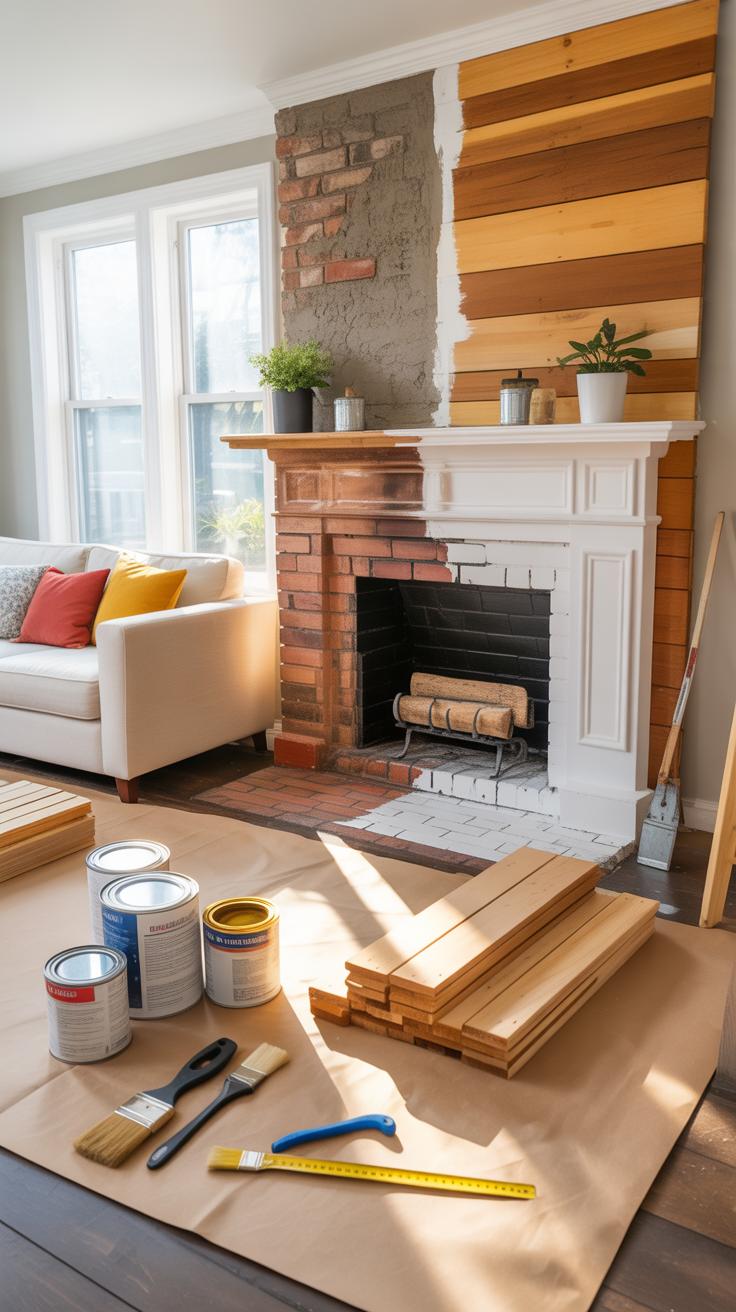
When remodeling a non brick fireplace, it’s good to start with a thorough cleaning. You might find ash, dust, or old paint residues, so take time to scrub or vacuum the surface well. This step sets the foundation for everything else. Next comes surface preparation. You want the area smooth and ready to accept new materials—sometimes that means sanding, sometimes patching cracks with heat-resistant mortar or filler.
Once the surface is prepped, you have options like stone veneer, tile, or specialized paint. Applying stone veneer requires careful adhesive work and perhaps some mortar to keep everything snug. Tiles can be a bit tricky around curves or angles, so measuring and cutting precisely matters here. Painting is often simpler—use a heat-resistant paint designed for fireplaces. You’ll probably want multiple coats for durability.

For finishing touches, think about adding trim or mantel accessories to tie it all together. Sealing edges carefully is key to avoid peeling or cracking later. The whole process might feel a bit slow or fiddly at times, but patience pays off in a fireplace that looks renewed and feels like part of the room, rather than just an afterthought.
Surface Preparation Techniques
Proper preparation is tricky but crucial. First, clean off any soot or dust with a stiff brush or vacuum attachment. If the surface has painted layers old or peeling, sanding down to a firm base helps. You may need to apply a primer suited for the specific material of your fireplace—whether it’s metal, stone, or drywall. Filling in holes or cracks with high-temperature mortar prevents issues down the road. It’s tempting to rush, but skipping these steps often causes finish problems later.
Applying New Materials And Finishes
Materials like stone veneer require a solid adhesive—consider a thin-set mortar for stones or tiles. Work in sections, pressing each piece firmly and allowing sufficient drying time. When tiling, use spacers to keep lines straight and apply grout once set. Painting needs high-heat paint; you can spray or brush it on, but make sure the room is well ventilated. Several thin coats usually beat a thick one. Keep an eye on drying times and room temperature—they influence how well the finish holds up.
Tools Needed For Fireplace Remodel
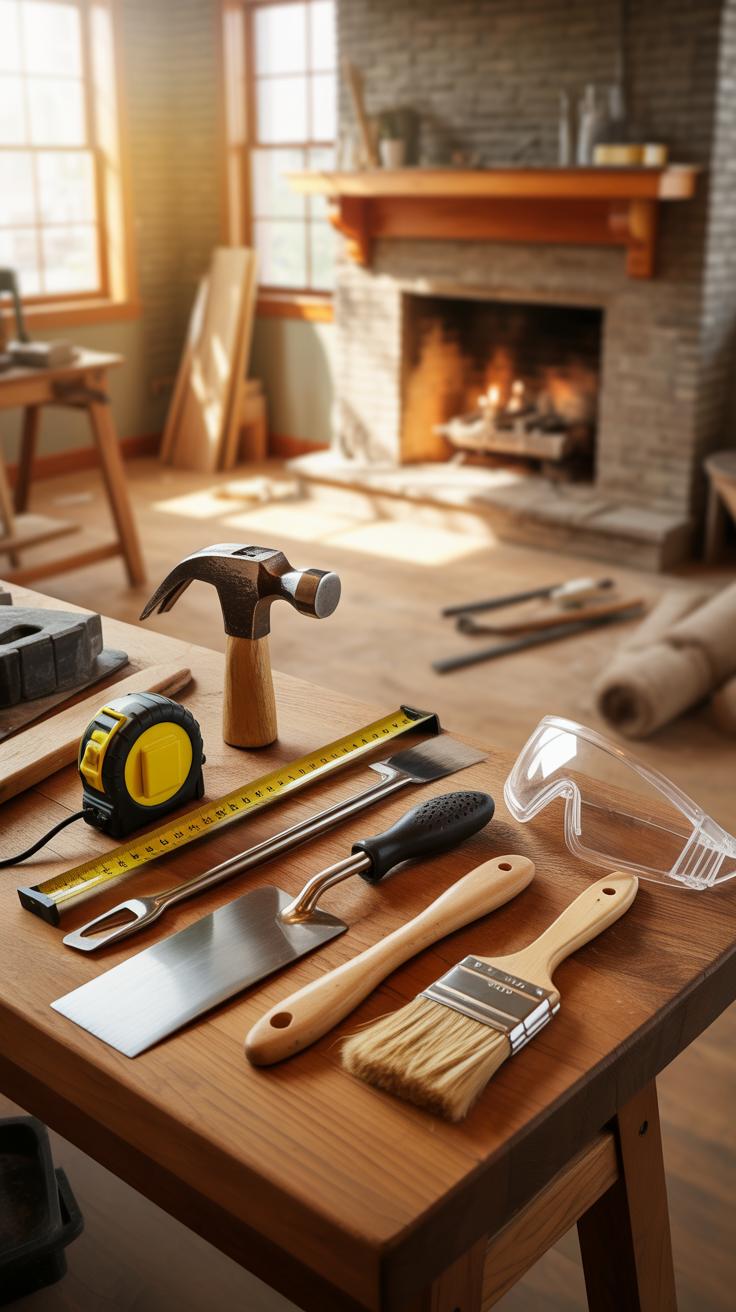
When remodeling a non-brick fireplace, having the right tools can really change the whole experience—sometimes for better, sometimes for worse. It’s not just about grabbing a hammer and nail gun. Each step in the process might call for different tools, and knowing what to pick up can save you time and headaches.
For the detailed work – the kind that demands precision and care – a few hand tools stand out:
- A good quality putty knife for applying and smoothing fillers or adhesives, especially on uneven surfaces.
- Detail chisels to carefully carve or reshape existing surfaces without causing damage.
- Wire brushes to clean the surface meticulously before applying paint or new finishes.
These hand tools are the backbone of detailed remodeling, and while they might seem simple, the results depend heavily on how skillfully you use them. Sometimes patience trumps speed here.

Power tools, on the other hand, can make the job quicker but require careful handling to avoid mistakes:
- An electric sander can smooth surfaces rapidly, but don’t overdo it; it’s easy to change the shape more than intended.
- A rotary tool with various attachments offers versatility—from cutting to engraving small details.
- A cordless drill is essential, not just for fastening but also for mixing compound or sanding with the right attachments.
One thing I’ve learned: power tools speed things up, yes, but they also tempt you to rush. Take your time. Your fireplace deserves that.
Cost Breakdown For Makeover Projects

When you’re thinking about sprucing up a non-brick fireplace, the costs can range widely depending on the materials and scope. For example, stone veneer can cost between $6 to $12 per square foot for the materials alone. Tiles, depending on style, might run from $5 to $15 or more per square foot. Paint is often the cheapest option, usually under $50 for a gallon, enough to cover an entire fireplace area. Don’t forget about extra materials – adhesives, grout, sealers – they add up.
Tool rental is another angle. If you don’t have chisels for tile work or grinders for stone, renting could cost around $20 to $50 a day depending on the tool. Labor is a big factor too; professionals typically charge $40 to $100 an hour. For a full makeover, that can add up pretty quickly. But is it worth the cost or risk to do it yourself?
Material Costs Comparison
Stone veneer offers a natural look and tends to be pricier. It may add character and value, but the installation is more labor-intensive. Tiles can be quite variable depending on the type—from ceramic, porcelain to natural stone tiles. They’re pretty versatile and often easier to install than stone veneer. Paint, while cheap, can make a big difference but tends to require frequent touch-ups if heat is involved.
Hiring Professionals Versus DIY
Thinking about hiring someone? Pros bring experience and finish quality, but their fees can double or triple the final cost. On the flip side, a DIY approach might save you money on labor but could take longer and result in uneven finishes if you’re new to this. Plus, mistakes might mean buying extra materials.
Ultimately, the choice hinges on your budget, time, and confidence with tools. Have you weighed what you value most—saving money or peace of mind? Sometimes, a partial DIY approach works best: you prep and paint, but call in a pro for stone or tile installations.
Common Mistakes To Avoid

Ignoring Safety Guidelines
When remodeling a non-brick fireplace, safety is often an overlooked aspect. Yet, it’s crucial. Fireplaces involve heat and sometimes open flames or electric heat sources, which can pose hazards if proper measures aren’t followed. For instance, inadequate clearance from combustible materials or incorrect installation of electric inserts might lead to fire risks. You shouldn’t just trust appearances; code compliance and manufacturer instructions exist for a reason. It’s a good idea to consult local building codes or even a professional to double-check any plans. After all, a beautiful fireplace makeover isn’t worth a potential accident.
Poor Material Selection
Using materials ill-suited for fireplace surroundings can cause serious problems. Imagine opting for a finish that discolors, warps, or simply can’t withstand the heat. Unfortunately, many homeowners pick materials for looks only, skipping durability checks. Choosing high-temperature resistant stone veneer, metal, or specially designed fireplace paint can prevent unsightly damage or hazards. It’s wise to do a bit of research or ask suppliers specifically about heat resistance. I’ve seen cases where cheap drywall replaced a heat shield and ended up cracking—a real headache and extra expense to fix. So, in material choice, don’t just go by price or immediate appeal; think longevity and safety together.
Example Non Brick Fireplace Makeovers
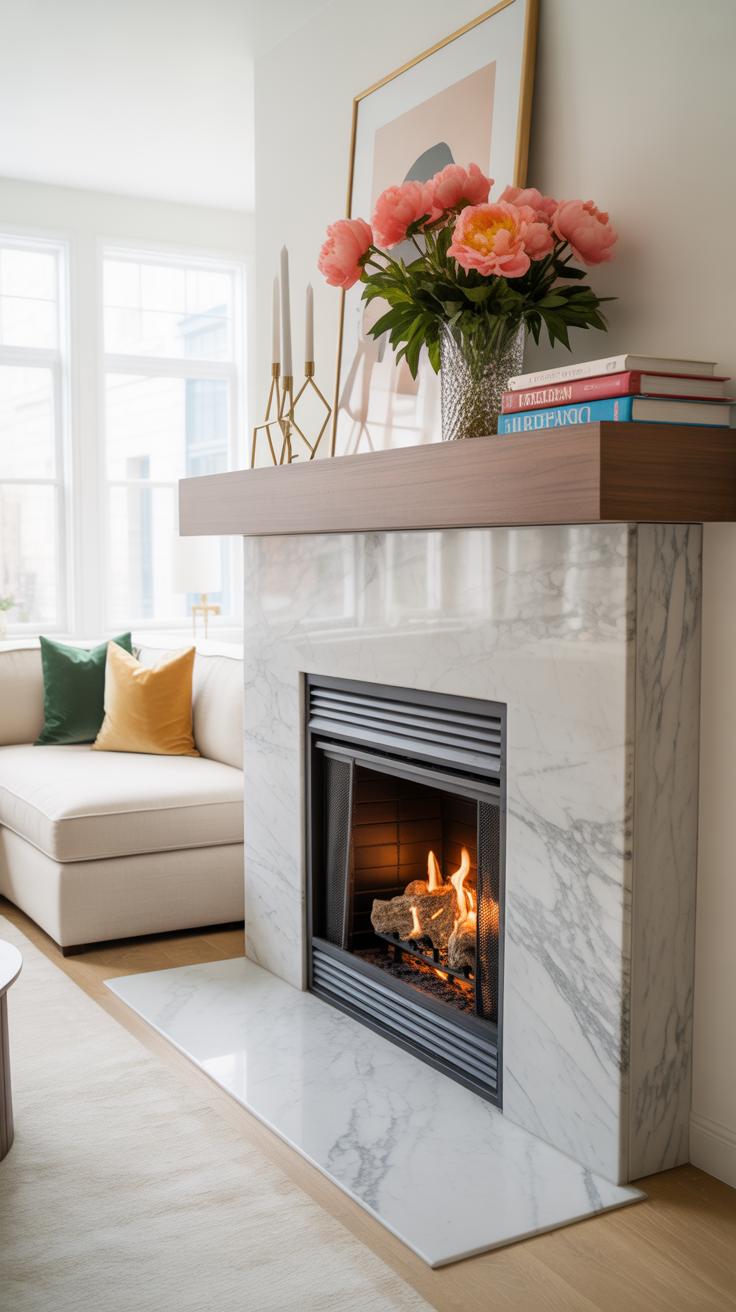
Thinking about updating your non brick fireplace? Let’s look at some real examples that might spark your ideas.
Modern Stone Veneer Installation
One metal fireplace was transformed by applying a stone veneer overlay. Instead of tearing it down, the owners chose a thin layer of natural stone to wrap around the metal frame. This was a practical call—not just visually appealing but also lighter and easier to install than solid stone.
- Materials used: natural stone veneer, mortar adhesive, and sealant for weatherproofing
- Process: cleaning the metal surface, applying the veneer with careful alignment, then sealing
- Outcome: the fireplace gained a rustic yet modern look that feels warmer and much more substantial
The difference was noticeable immediately. It added texture and depth, turning an industrial-looking metal structure into a cozy focal point. If you have a metal or other non-brick fireplace, stone veneer might be a worthwhile option.
Tile Fireplace Transformation
Another example is a creative tile makeover. Instead of choosing traditional brick or stone, the family selected ceramic tiles in a geometric pattern. They went for bold colors, which brightened the room significantly. This approach showed that non brick fireplaces could break free from conventional looks, becoming art pieces themselves.
- Materials: ceramic tiles, tile adhesive, grout
- Steps: removing old surface, prepping the base, meticulous tile placement
- Result: a fireplace with personality, unique to the homeowners’ style
This makeover shows how tile can be both classic and unconventional. Plus, tile’s durability makes it practical for the heat and occasional soot. It makes you wonder—would a tile facelift fit your style, or do you prefer the earthy feel of stone veneer? Either way, these real stories suggest your fireplace can surprise you.
Maintenance Tips For Makeover Longevity

Keeping your remodeled non brick fireplace in good shape means you need to care for it regularly. Different materials—whether metal, tile, or concrete—require different cleaning methods. For instance, metal surfaces might need a gentle wipe with a slightly damp cloth to avoid rust, while tiles can handle mild soap and water. Avoid harsh chemicals that might damage delicate finishes. I find that dusting the mantel and nearby areas every week prevents buildup and saves time later. You might feel tempted to ignore small cracks or stains, but catching these early can save you from costly repairs.
Regular Cleaning Practices
For smooth surfaces, a microfiber cloth does wonders in trapping dust without scratching. Ceramic tiles require occasional scrubbing with a soft brush, especially in grout lines. Don’t forget the glass doors or panels—clean these with a vinegar-water mix, but be careful not to let liquid seep into the edges. You don’t have to clean daily; once a week or biweekly often suffices based on usage. Still, if you use your fireplace frequently, tidying up embers and soot right after use keeps it looking fresh. It’s a bit extra work, yes, but worth it.
Seasonal Inspection Checklist
Every season, take a moment to run through a quick inspection checklist. Look for signs of wear or damage such as loose tiles, rust spotting, or paint chipping. Check the integrity of any electric components if your fireplace is electric—sometimes settings drift or cords fray. Examine seals and glass for cracks and make sure the vent or chimney is clear if applicable. You might skip this, thinking all is fine, but a small unnoticed problem can grow fast. Setting a reminder each season can help make this a habit.
Conclusions
Your non brick fireplace offers many opportunities for a personalized makeover. By selecting the right materials and following clear, actionable steps, you can transform your fireplace into an attractive and functional feature. Remember to consider both aesthetics and safety during the remodel.
With patience and the guidance provided, your fireplace makeover can become a rewarding home project. Enjoy the warmth and style a remodeled fireplace adds to your living space.