
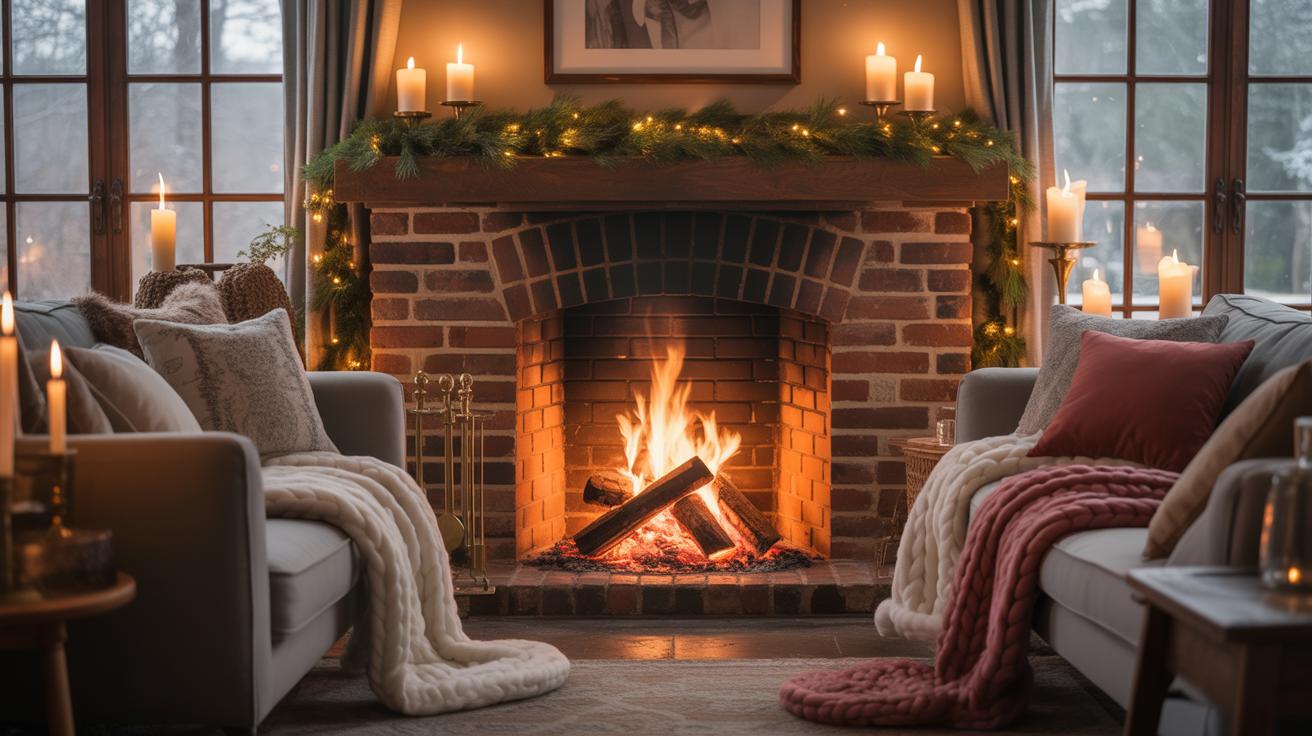
Why a Brick Fireplace Adds Winter Ambiance
Adding a brick fireplace to your home offers more than just warmth during winter. These fireplaces provide a cozy ambiance and a traditional feel that enhances any living space. You can use your fireplace as a centerpiece to create a welcoming room atmosphere that invites relaxation and comfort during cold months.
This article will cover different brick fireplace ideas, styles you may choose from, and practical safety tips. You’ll learn how to maintain the fireplace and enjoy its charm without risks. These ideas help you get the most from your brick fireplace and make winters pleasant.
Brick Fireplace Construction Basics
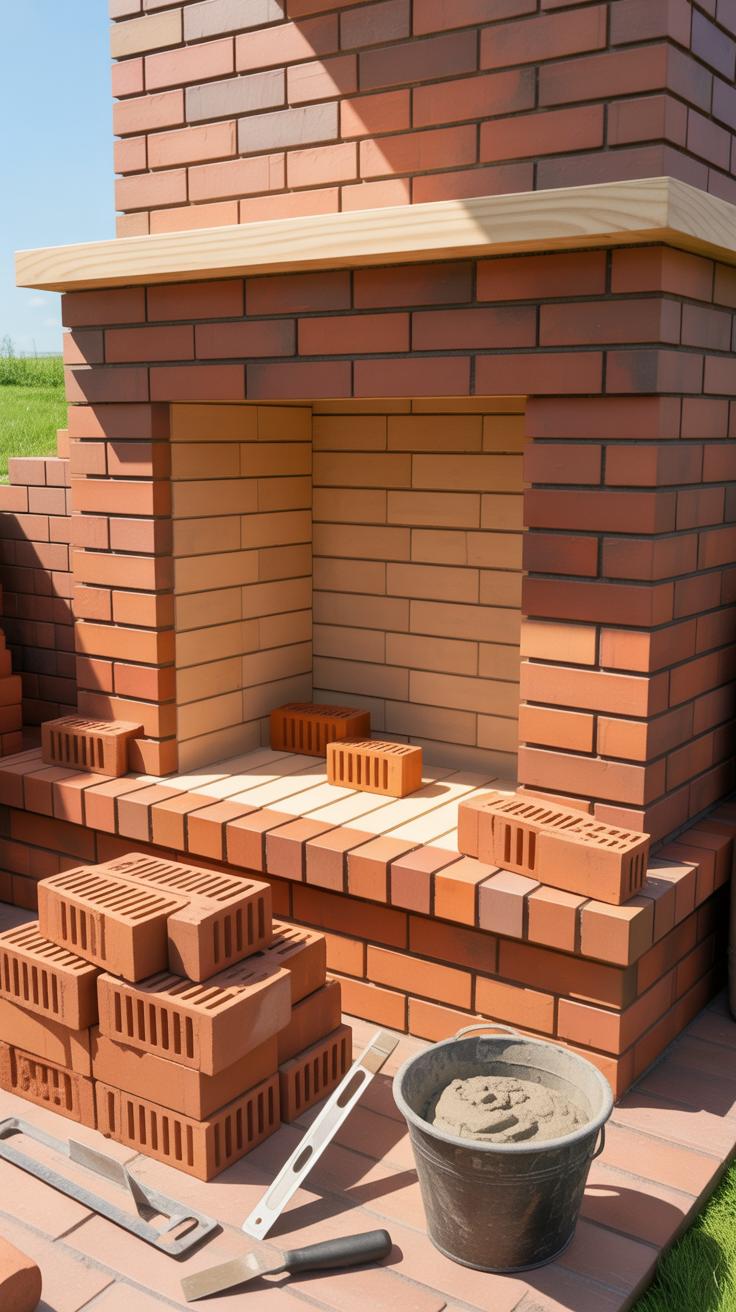
Building a brick fireplace in your home starts with a strong foundation that supports the whole structure. The hearth, or the floor area directly in front of the firebox, serves as a protective surface for sparks and embers. It’s often made from the same brick or a fire-resistant stone. The firebox is where the fire actually burns – it needs to be sturdy and lined with firebrick to withstand constant heat. Above it sits the mantel, which is more of a decorative piece but can also help deflect heat into the room.
The chimney is essential for venting smoke and gases outside. Usually built of brick too, it must have a flue to guide the smoke upward while preventing backdrafts. Brick is favored here because it absorbs and retains heat efficiently, ensuring your fireplace radiates warmth even after the fire dies down. It’s quite common for brick to be chosen in fireplaces because it’s not just about looks; the material really holds onto heat better than many alternatives, adding to your home’s cozy factor in winter.
Key Fireplace Components
Each part of a brick fireplace has a clear job:
- Firebox: The fire’s home. It contains the flames and heat, designed to be fire-resistant.
- Hearth: The protective platform in front of the firebox, catching stray sparks.
- Mantel: Usually a shelf above the firebox, mostly decorative but also functional for heat deflection.
- Chimney: The vertical shaft that vents smoke outdoors, essential for safety and air quality.

Understanding what these parts do makes it easier to appreciate how a fireplace works. You might think the mantel is just for show, but it actually has a role in directing heat.
Benefits Of Brick Material
Brick is often the go-to for fireplaces, and there’s good reason for that. First, it doesn’t wear down easily under high temperatures. It stands up to heat better than many materials. Then there’s the way brick retains heat – it soaks up warmth from the fire and slowly releases it long after the flames die down, helping your room stay warm for longer periods. Not to mention, brick has a classic, timeless appearance that fits into pretty much any home style without feeling out of place.
Some might say brick looks a bit old-fashioned, but that’s part of its charm for many. It provides that solid, comforting vibe you want from a home centerpiece. So, durability, heat retention, and style all come together in brick, making it a practical and attractive choice for fireplaces.
Design Options For Brick Fireplaces
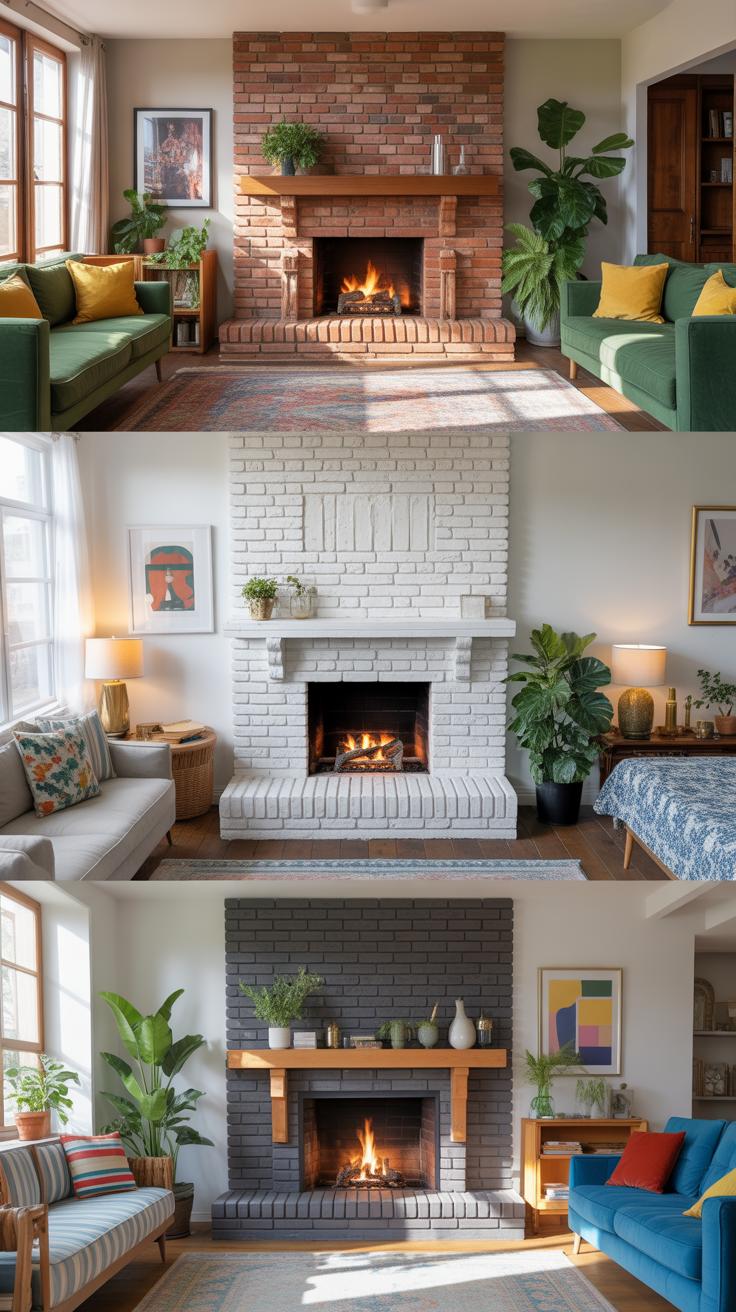
When it comes to brick fireplaces, there is a surprising variety of design choices for your home. Traditional designs often emphasize a classic, cozy look with red or earthy bricks arranged in straightforward, familiar patterns. You might picture a fireplace with a wide hearth and a prominent mantel—something that feels timeless and solid.

On the other hand, modern brick fireplaces break away from convention. These designs play with sleek lines, unusual shapes, and even incorporate painted or whitewashed bricks to soften the typical brick look. Sometimes, the brickwork embraces asymmetry or minimalist layouts, providing a fresh twist that fits contemporary interiors.
Rustic styles lean into rougher textures and irregular brick patterns, often paired with wooden mantels or natural stone accents. The effect can be warm and grounded, as if the fireplace is a piece of the outdoors brought inside.
For those wanting to step beyond the usual, creative layouts offer endless possibilities. Some fireplaces feature herringbone or chevron brick patterns that add movement and interest. Others might have bricks extended beyond the firebox to create a layered or three-dimensional effect—something you barely notice at first glance but adds depth.
Have you ever considered mixing different brick colors or sizes to shape a unique picture? Some homeowners incorporate bricks with varied hues or distressed finishes, crafting a fireplace that becomes a real conversation piece. It seems small tweaks like these can completely change the room’s vibe, making the fireplace not just a source of heat, but a defining element of your space.
Installing Your Brick Fireplace Checklist
Planning And Permits

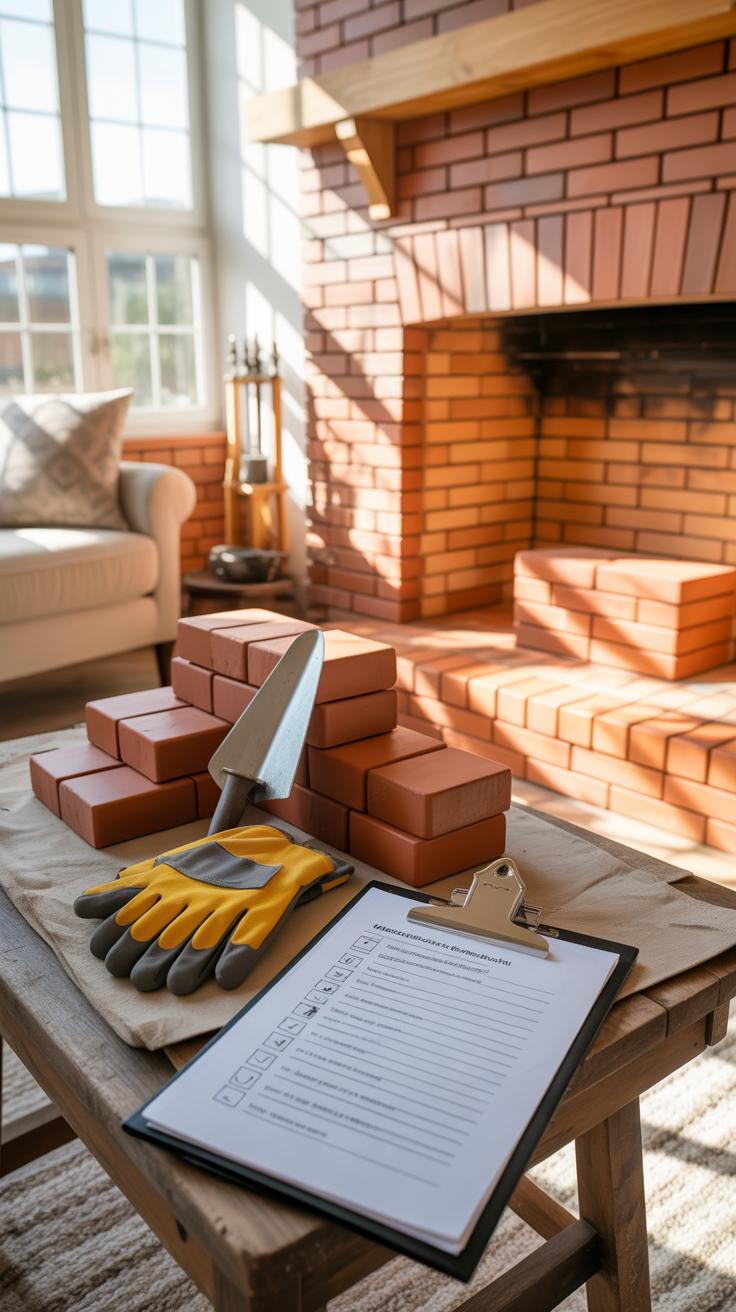
Before you rush into installing a brick fireplace, you need to pause and check local building codes. It’s not just bureaucracy; permits ensure safety and compliance with regulations that protect your home and family. Sometimes, failing to do this step leads to costly fines or even having to remove what you built, which nobody wants. Think about where the fireplace will sit in your home, how it aligns with existing structures, and whether the chimney will meet safety standards. Sometimes, you might discover your plan needs tweaking at this early stage, which is better than later when everything’s set in stone—or brick.
Material Selection Tips
Choosing the right bricks is more than just picking a color you like. Bricks meant for fireplaces should handle high heat without cracking. Firebricks, often denser and made from refractory ceramic materials, are usually the go-to option inside the firebox. Outside, you might want bricks that appeal visually but still endure temperature changes. Mortar matters, too – it must resist heat and not crumble over time. A mix with high alumina content often works well. Style-wise, you could want rustic rough textures or sleek, uniform bricks; just keep in mind some textures hold soot and dirt more, impacting maintenance. Selecting wrongly here means frequent repairs down the road, which no one looks forward to.
How To Maintain Brick Fireplaces
Routine Cleaning Practices
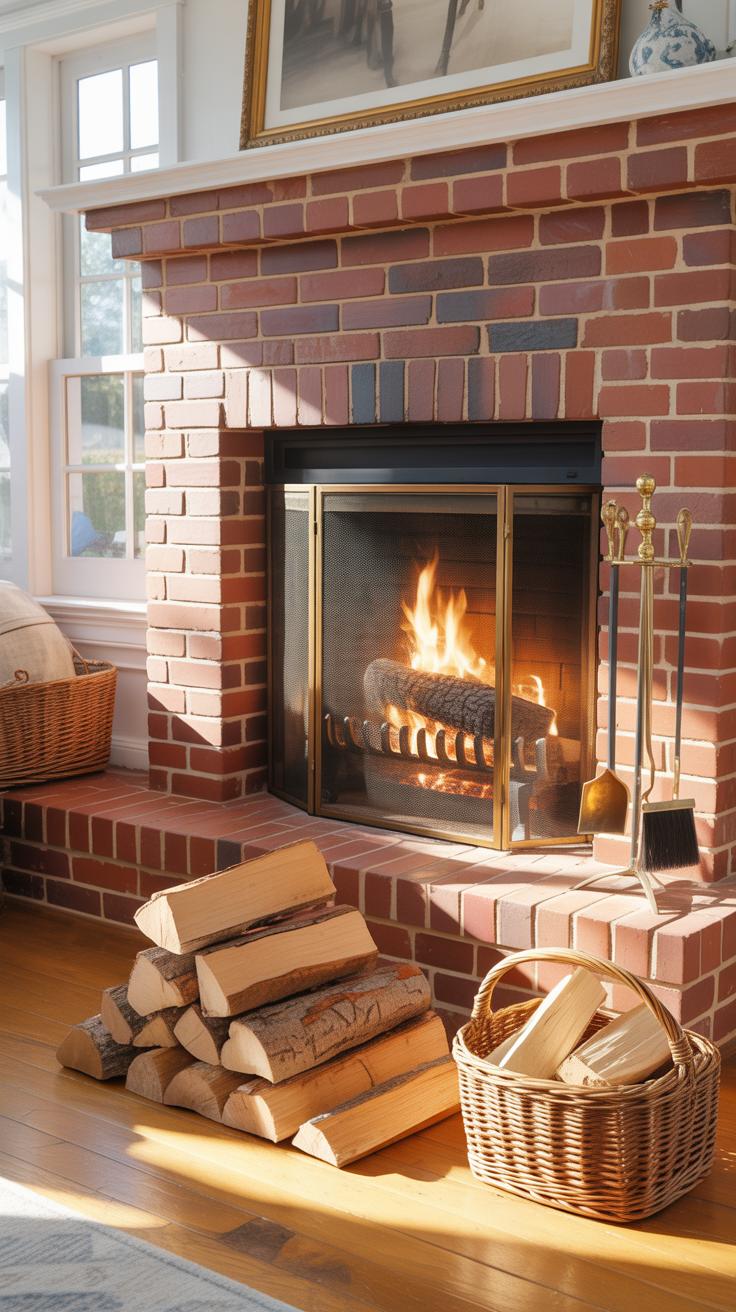
You need to regularly clean ash, soot, and other debris to keep your brick fireplace working well and looking good. Start by removing all ashes from the firebox using a small shovel or vacuum designed for ash. This clears the area and helps prevent buildup that could affect airflow.
Next, clean the bricks with a soft brush or a cloth to gently remove soot. Avoid harsh scrubbing which may damage the brick surface. For deeper cleaning, a mix of mild detergent and water usually works well, but test a small spot first just to be sure it doesn’t discolor the brick. Don’t forget the chimney—regular chimney sweeps are essential to clear creosote and prevent dangerous fires. It might feel a bit tedious, but it’s worth keeping chimney inspections on schedule. You can hire a professional or, if you are confident, do inspections yourself safely.
Spotting And Fixing Damage
Bricks and mortar can develop small cracks or chips over time due to heat and weather exposure. These flaws might seem minor, but ignoring them can lead to bigger problems. Look closely for crumble, loose mortar, or cracked bricks, especially around corners and joints.

Small cracks in mortar can be filled in with fireplace mortar or a special heat-resistant caulk. For minor brick damage, patch kits are available that blend with the originals. Just be sure to follow product instructions carefully and ensure the fireplace is cool before starting any repairs. If you notice bigger cracks or structural problems, it’s wise to call a specialist for a proper assessment. Repairing early is usually cheaper and safer, so don’t wait too long if you notice any wear.
Fireplace Safety Measures
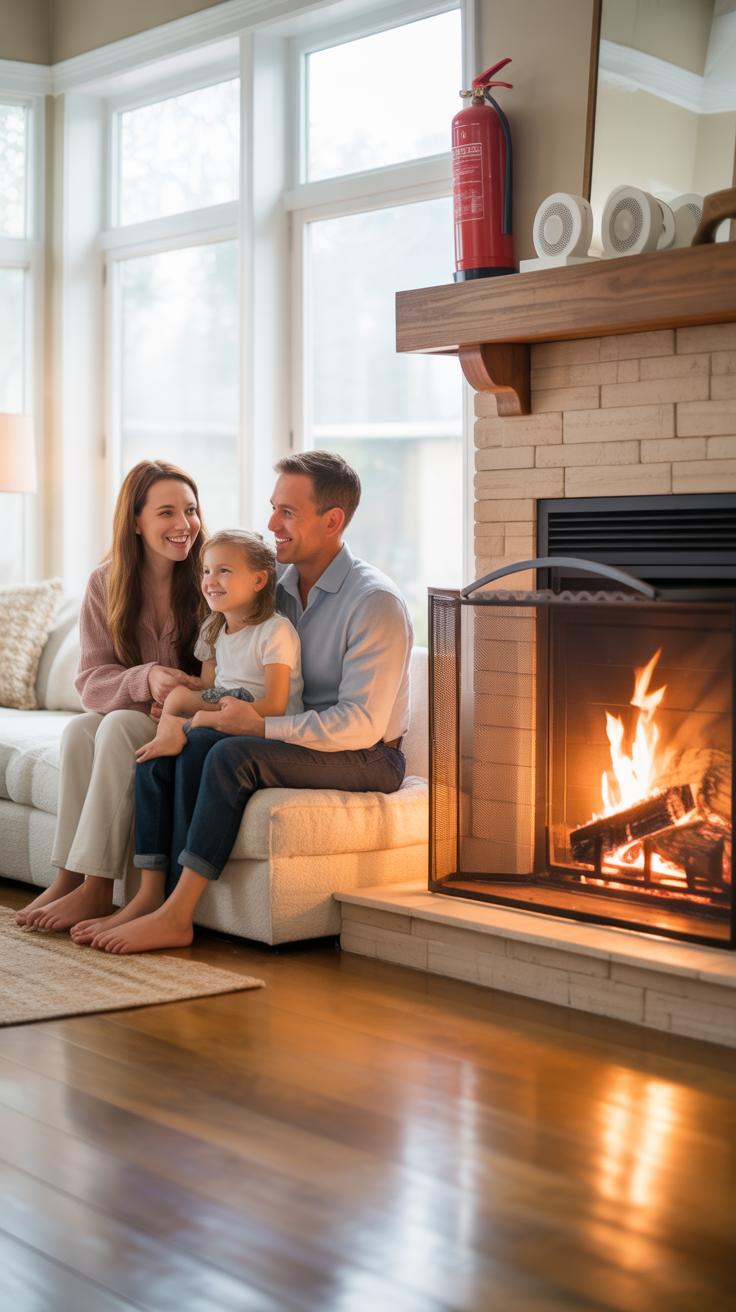
When using a brick fireplace, safety becomes a top priority. You might think lighting a fire is straightforward, but it calls for careful attention to protect your home and family. First off, smoke alarms should be installed in rooms with fireplaces and connected to other alarms throughout your home. They alert you early if smoke escapes into your living space.
Chimney checks are another must. Creosote buildup can be a silent hazard—it’s flammable and can cause chimney fires. Getting a professional chimney sweep annually is a sensible routine. It might feel like an extra chore, but it’s one that can save your home from disaster.
When handling fire, avoid overloading your fireplace with wood. Too much wood means uncontrolled flames and flying sparks. Keep a sturdy screen in front to catch embers. Always use tools designed for fireplaces—poke, tongs, and shovels keep your hands safe, and your fire manageable. And never leave a fire unattended, even for a moment.
Smoke And Carbon Monoxide Detectors

Fireplaces produce smoke and carbon monoxide, invisible dangers you don’t want to ignore. Smoke detectors near the fireplace play a vital role—they give you the first alert, often while smoke is still minimal. Carbon monoxide detectors are equally crucial as carbon monoxide is odorless and lethal.
Testing these detectors monthly is a wise habit. Batteries should be replaced twice a year or when you hear a low-battery chirp. Some detectors even have expiration dates, so check those instructions carefully. It’s easy to overlook these little devices, but their presence can’t be underestimated in a room with a fireplace.
Safe Fire Practices
Lighting fires safely means using dry, seasoned wood. Wet logs smoke up the room and coat your chimney with more creosote. Starting the fire with kindling and newspaper lets you control the flame’s size rather than dumping a big log on a small fire, which can lead to sudden flare-ups.
Managing sparks is about prevention. Never use flammable liquids to start or rekindle your fire—it’s a recipe for accidents. Instead, rely on matches or long lighters and keep a fire extinguisher nearby, just in case. Make sure your fireplace tools are on hand to reposition logs safely and stoke the fire without getting too close.
Thinking about all this might seem like a burden, but a safe fireplace feels far more welcoming. It invites you to relax without the nagging worry of hidden dangers—worth every bit of the extra care.
Selecting Fuel For Your Fireplace
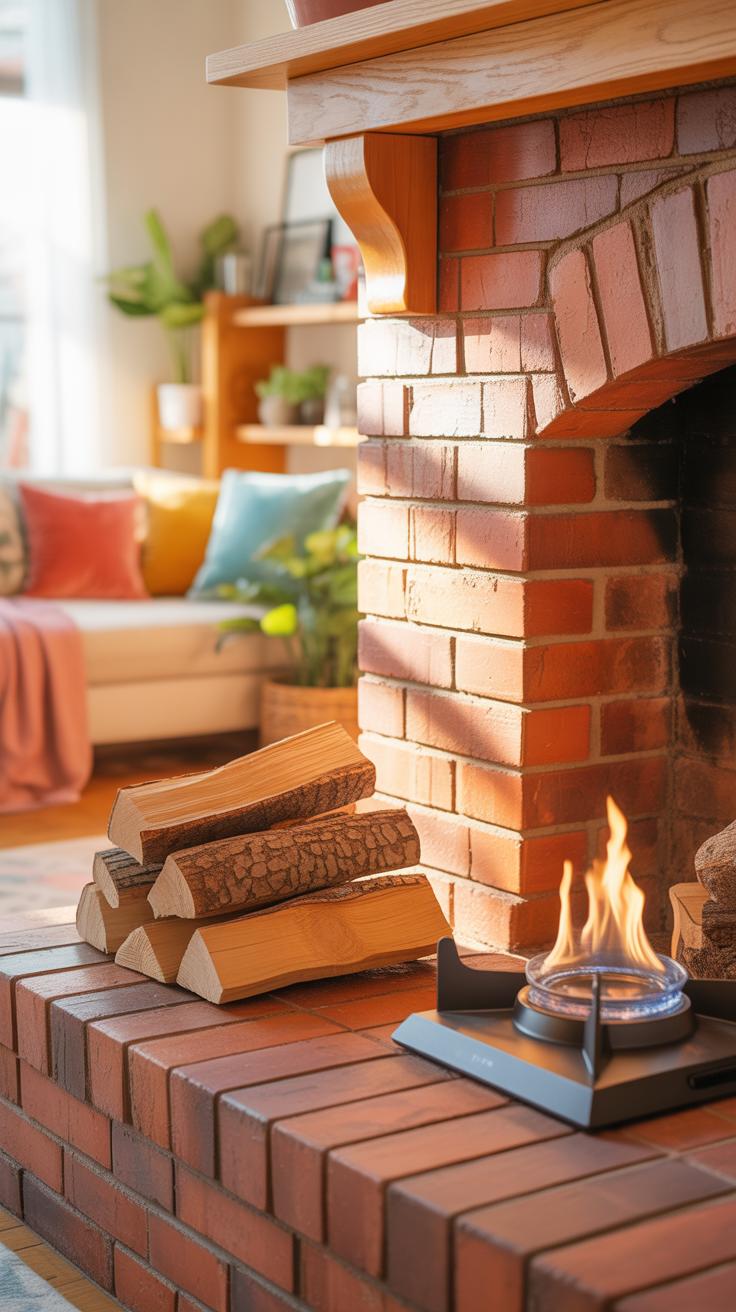
When it comes to choosing fuel for your brick fireplace, the options aren’t just about what burns well but also what suits your lifestyle, budget, and even values. Wood has been the classic choice, no surprise there, delivering that authentic crackle and scent. Yet, using wood means more upkeep—regular chimney cleaning, ash disposal, and sourcing good quality logs to minimize smoke. Costs fluctuate depending on your local availability, but wood can be economical in rural areas.
Gas fireplaces offer a modern convenience. You’re spared the mess of ash and the hassle of stocking fuel. Often, they are easier to control, with adjustable flames for heat output. The trade-off? Gas usually comes with a higher initial installation cost and relies on external energy sources like natural gas or propane. Despite this, running costs can be quite stable and predictable.
Then there are ethanol fireplaces. Maybe you’ve seen these sleek units—they burn clean with no chimney needed. Pretty tempting if you’re environmentally conscious or living in an apartment. They do tend to have higher fuel costs per use, and the heat output might fall short if you’re hoping for a main room heater. However, their eco-friendly profile, using renewable bioethanol, is a strong point for those wary about emissions.
To pick the best fuel, consider how often you use the fireplace and what matters most—cost, ambiance, convenience, or eco impact. Each option carries its share of compromises, and being aware of them helps you make a choice that feels right in your own home.
Wood Vs Gas Fuel Sources

Choosing between wood and gas boils down to more than just price and heat. Wood fires have that tactile charm — chopping logs, laying the fire, the smoke curling up the chimney. But keeping a wood supply and dealing with ash means effort. Plus, wood can be unpredictable; damp logs smolder, and smoke might irritate sensitive noses.
Gas is cleaner and more convenient. You flick a switch, and flames appear. There’s less maintenance since no ash or soot builds up inside the firebox. Heat output tends to be consistent, often controlled by a thermostat. Still, gas commits you to a utility line, and outages or price hikes affect you instantly. And some find gas fires lack the character of a roaring wood blaze.
If your priority is ease and predictable warmth with minimal fuss, gas may be your pick. But for those who relish that ancient ritual and don’t mind the extra work, wood remains rewarding. It’s a bit of a trade-off between authenticity and modern comfort.
Eco-Friendly Fuel Alternatives
Ethanol fireplaces enter the scene as a greener alternative. They burn bioethanol, an alcohol derived from plant materials. Since the fuel is renewable and combustion produces mostly water vapor and small amounts of carbon dioxide, it appeals to environmentally-minded enthusiasts. Believe me, it does feel less smoky and intrusive indoors.
Apart from ethanol, some newer options include pellet stoves, which use compressed wood or biomass pellets. They offer efficient burning and controlled emissions. Yet, they demand specialized equipment and fuel supply chains.
It’s curious how even in something as traditional as fireplace fuels, innovation is nudging us toward sustainability. Maybe the future lies in blending ambiance with responsibility. For now, ethanol offers a middle path—clean burning with real flames but not quite the full warmth of wood or gas.
Enhancing Fireplace Ambiance Using Mantels Accessories and Room Design

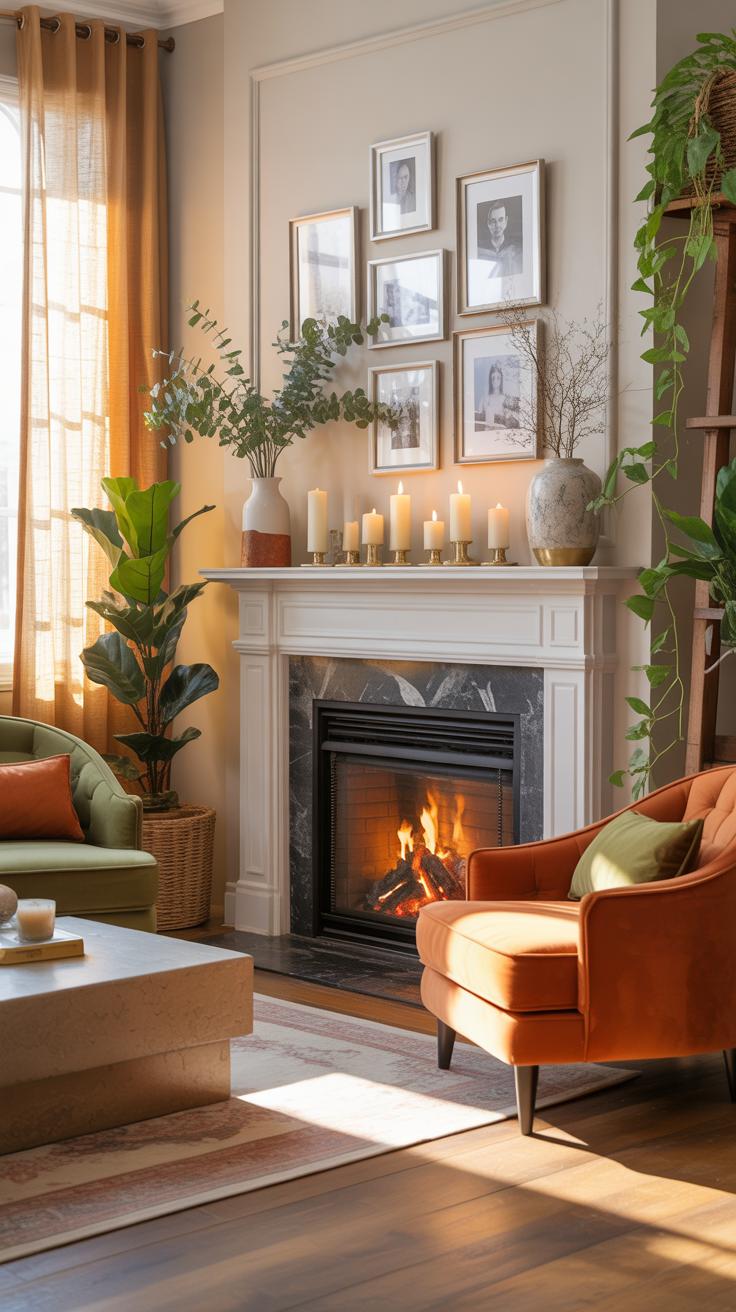
When thinking about decorating and styling your brick fireplace to build a truly cozy ambiance, mantels play a crucial role. They are not just structural elements but also visual anchors. Wood mantels add warmth, while stone or metal ones bring texture and character. You might want to stack some vintage books or place a few candles on the mantel to invite a relaxed vibe.
Accessories such as screens and grills are equally important. They do more than keep safety in check. A fireplace screen with intricate designs can become a focal point—a piece of art that softens the harshness of exposed brick. Grills, whether ornate or simple, provide a rustic charm that complements the brickwork. I once hesitated on choosing one, but a hand-forged iron screen gave my fireplace a kind of old-world beauty I wasn’t expecting.
Now, about the surrounding room design—don’t overlook how furniture placement and lighting impact the warmth you want. Arrange your seating to face the fireplace, creating a natural gathering spot. Low lighting, like amber-hued lamps or sconces, enhances the glow from the fire. A plush rug nearby can add softness underfoot, making the area inviting even when the fire isn’t lit. It’s not just about looks; it’s about creating a mood where you want to linger, perhaps with a book or some quiet conversation.
What strikes me is how these elements, together, do more than decorate; they shape your experience of the fireplace and the whole room. It’s a subtle dance—too many accessories feel cluttered, too few leave the space cold. So, testing different ideas feels almost necessary, maybe even a little fun.
Common Fireplace Problems And Fixes
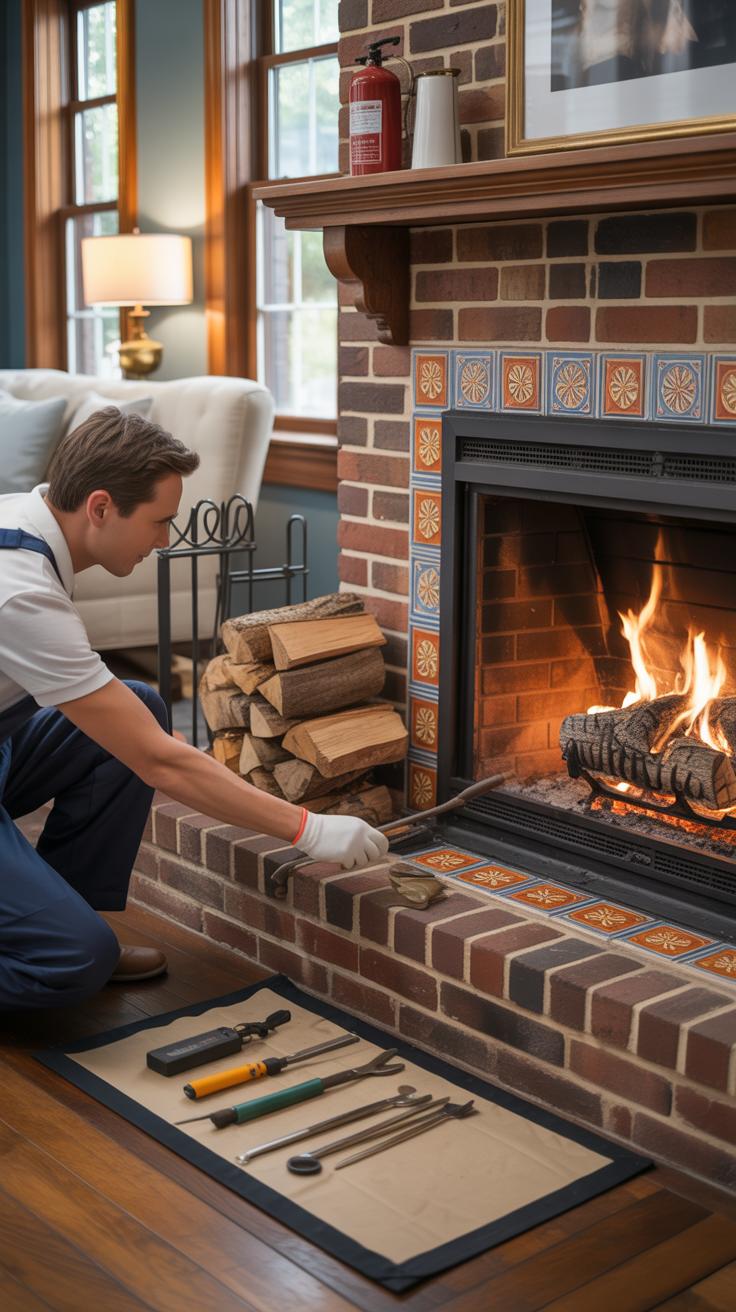
Brick fireplaces bring charm, but they’re not without their quirks. You might notice smoke sneaking into the room instead of going up the chimney, or see cracks appearing in the bricks. Sometimes, dampness settles in, making the fireplace feel less inviting—and potentially causing damage over time. These problems aren’t rare, and yes, they can be a bit frustrating, but many can be fixed without calling in a pro right away.
Dealing With Smoke Issues
Smoke entering your room can happen for various reasons. Maybe the damper isn’t fully open, or the chimney is partially blocked by debris like leaves or bird nests. Poor ventilation sometimes plays a big role, especially in tightly sealed homes where fresh air is limited.
- First, check if the damper is open before lighting the fire. It’s a simple step but often overlooked.
- Clear out any blockages in the chimney—this might require a chimney sweep.
- Improving air circulation can help; cracking a window slightly might make a bigger difference than you expect.
Sometimes, changes outside your home matter, too. Trees growing too close can drop debris in the chimney. It’s a bit annoying, but trimming back branches or installing a chimney cap can help keep the airflow clear.
Repairing Cracks And Dampness
Cracks in brick fireplaces are common as the hearth breathes and settles over time. Some cracks are just cosmetic, but larger ones might affect the structure or safety. Dampness reflects poor sealing or water penetration, which can lead to mold or brick deterioration.
- For minor cracks, using fire-resistant mortar or sealant can be a straightforward fix. Don’t ignore these; small cracks can grow if left untreated.
- If you spot dampness, inspect the chimney crown and flashing for damage. These areas protect from rain penetration.
- Applying a waterproof sealant made for masonry can reduce moisture absorption. But, be cautious—it shouldn’t seal the brick so tightly that trapped moisture causes more harm inside.
It’s a balancing act: you want to protect the fireplace but still let it “breathe” to avoid trapped moisture. If you’re unsure, consulting a fireplace expert is not a bad idea. Sometimes, what seems like a simple crack might need a more careful look.
Cost Breakdown Of Brick Fireplaces
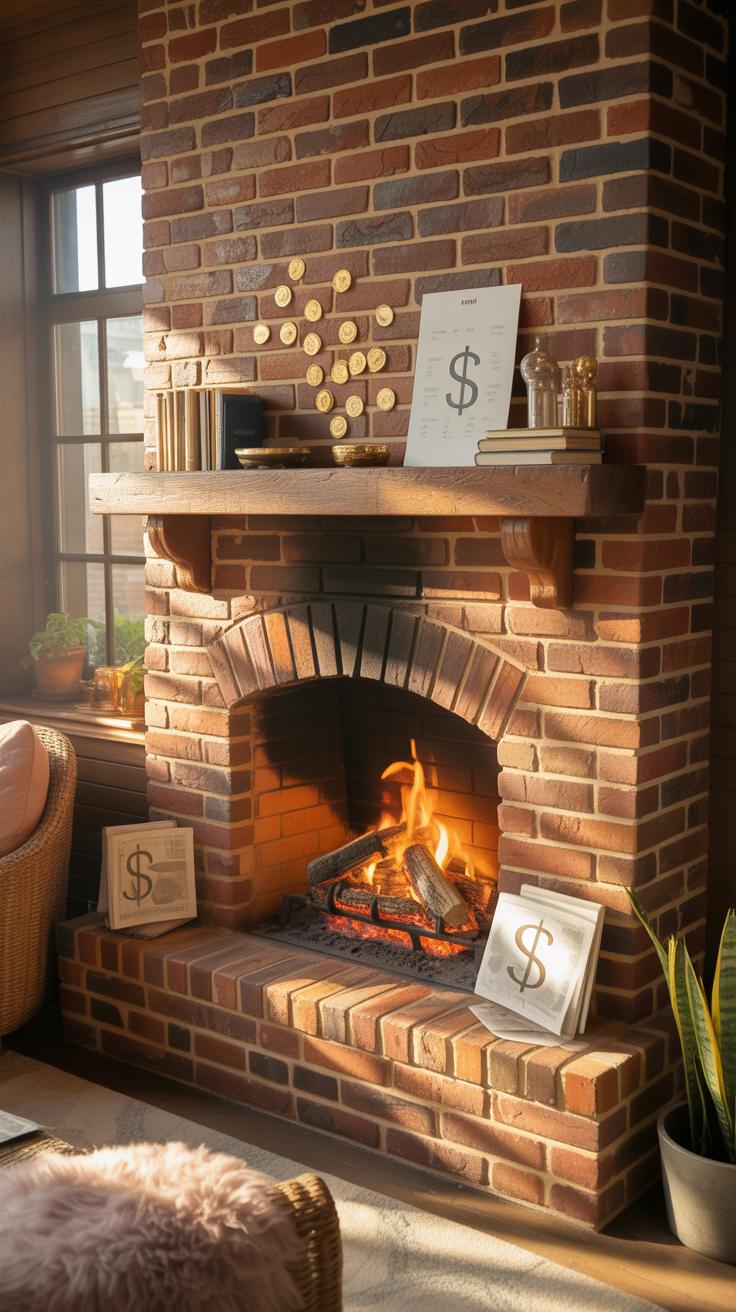
When thinking about adding a brick fireplace to your home, the costs can vary quite a bit. It’s not just about buying the bricks. There’s more to consider, like labor and additional materials. The price for bricks alone depends on the type and quality. Some bricks might be just a few dollars each, while specialty bricks could cost significantly more.
Labor costs also fluctuate. If your area has skilled masons, you might pay more, but the craft is key to a lasting structure. These days, labor can easily run from a few hundred to several thousand dollars depending on the complexity and size of your fireplace.
Other materials, like mortar, fireproof backing, and chimney components, add to the total. Sometimes, this part is overlooked but is essential for safety and durability. On average, initial installation might fall between $2,500 and $7,000, but values can shift based on these factors.
Long-term, maintenance is another story. Annual chimney cleaning is recommended to prevent creosote buildup, and costs usually range around $100 to $300. Repairs, like fixing cracks or replacing masonry parts, can add up unpredictably.
Fuel costs depend on whether you use wood, gas, or pellets, each with different price points and upkeep needs. Wood can be cheaper if you source it yourself, but gas fireplaces offer cleaner and easier operation.
Thinking about these ongoing expenses is crucial before investing. You might shave costs by doing some maintenance yourself or choosing certain materials, though safety must stay a priority. Balancing upfront and long-term spending will help decide if a brick fireplace fits your budget and winter cozy ambitions.
Choosing The Right Fireplace Professionals
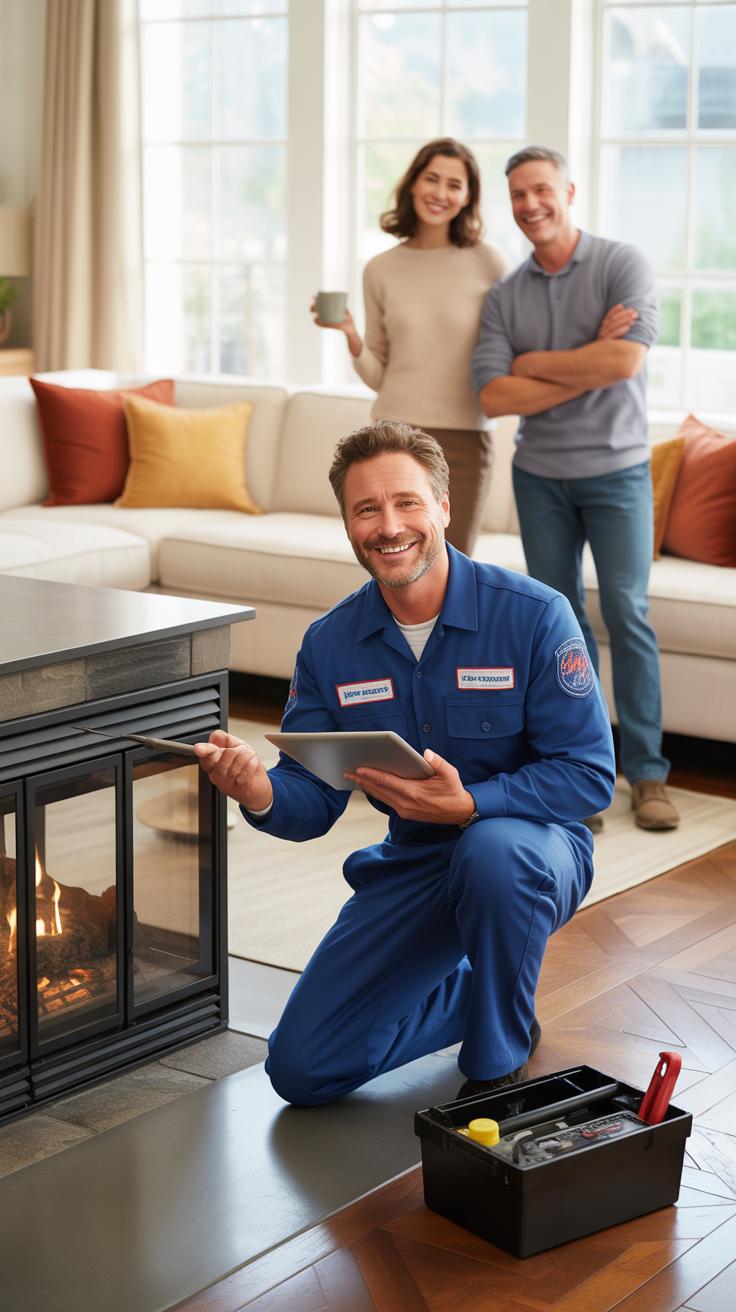
When it comes to building or maintaining your brick fireplace, choosing the right professionals makes a big difference. It’s not just about picking someone with the quickest quote or the flashiest ads. Experience matters. You want contractors who’ve worked specifically with brick fireplaces, who understand the quirks and safety needs — not just any general builder. Maybe ask for references or examples of similar jobs they’ve completed. You’d be surprised how often folks skip this step.
Don’t forget chimney sweeps—finding a certified chimney professional is equally crucial. They keep your fireplace safe and working smoothly, inspecting for any blockages or wear. Locating these experts usually means checking for industry certifications and good reviews. It’s reassuring to know they’re trained in proper cleaning techniques and chimney inspections; after all, chimney fires are a real risk if things get overlooked.
Sometimes, it feels like finding reliable pros is a long task. A bit of patience in screening contractors and chimney services usually pays off. It might seem tedious, but your home’s fireplace is an investment worth the care.
Questions To Ask Contractors
When interviewing fireplace builders, it helps to have a clear list of questions. Ask about their experience with brick fireplaces specifically and request proof of licenses and insurance. Do they know local building codes and safety standards? You should also inquire about the materials they use—quality bricks and mortar are essential for durability.
Don’t hesitate to ask if they offer warranties on their work or how they handle unexpected issues during construction. How do they ensure ventilation is correctly installed? What about clean-up post-job? Their answers can reveal their professionalism and respect for your home.
Finding Reliable Chimney Services
Certified chimney sweeps typically carry credentials from organizations like the Chimney Safety Institute of America (CSIA). You can start by checking their directories online or asking your contractor for recommendations. Reliable sweeps offer inspection services, cleaning, chimney repairs, and even safety certifications after a check-up.
Remember, a good chimney service doesn’t just clean your fireplace but educates you on proper use and maintenance habits. They might spot small problems before they become costly repairs. Regular inspection schedules are key—usually yearly or biannually, depending on use.
Conclusions
Brick fireplaces combine beauty and functionality for your home. With the right design and upkeep, they can offer lasting warmth and a peaceful focus in your living area. Use the insights shared here to choose styles that match your home and needs, and always follow fire safety practices to protect your family.
Consider how a brick fireplace fits your lifestyle and space. Whether building new or updating an existing feature, your fireplace can become a cherished part of winter life. Stay warm and enjoy the timeless comfort a brick fireplace provides.