Why Open-Concept Living Rooms Appeal to Homeowners
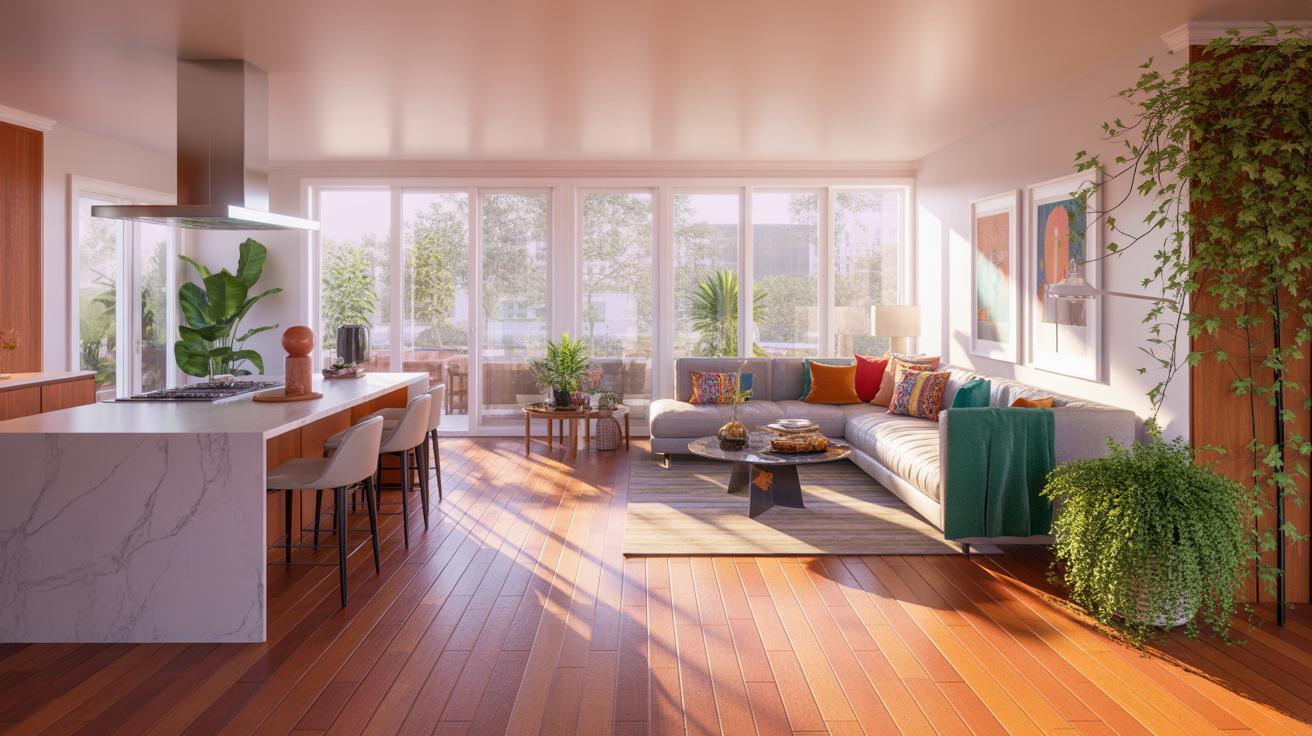
Open concept living room and kitchen living room open concept ideas have become popular among many homeowners. This design removes barriers between the kitchen and living room, creating a larger and more inviting space. It promotes interaction among family and guests and offers a more modern and flexible living area.
This article will guide you through essential aspects of integrating a kitchen living room open concept. From understanding its benefits to practical tips on designing your space, you will find clear advice to help enhance your home setup and daily life.
Benefits Of Kitchen Living Room Open Concept
Blending the kitchen and living room into one open space can really change how your home feels and functions. One of the first things you might notice is that the space seems larger. Without walls dividing these areas, your eyes travel unblocked, making the entire area feel more expansive than it actually is. It’s almost like the square footage gets a small boost.
Another plus worth mentioning is natural light. When you remove barriers, sunlight flows more freely from windows in one part of the space to the other, brightening up not just the kitchen or the living room, but both at once. This can make a home far more inviting, even on gloomy days.

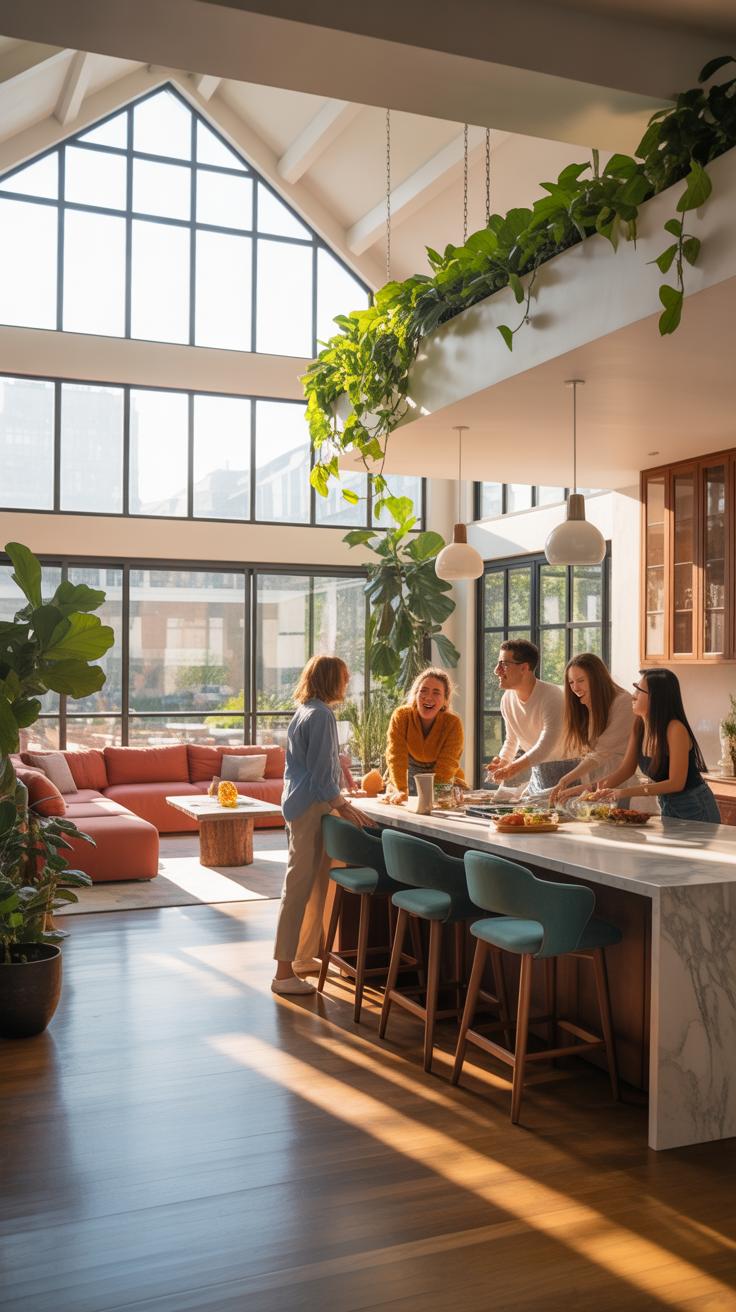
Now, beyond the aesthetics, there’s the way an open kitchen and living room encourage family interaction. You can chat with whoever is cooking while still lounging or playing games. Kids can do homework at the kitchen table while parents keep an eye on things in the living room. It’s a setup that naturally brings people together, which I think many families appreciate in their daily routine.
Advantages Of Open Concept Design
Several benefits come with tearing down that wall. Here are some key ones that tend to stand out:
- Space Expansion: Combining rooms removes physical barriers, making your home feel less cramped and more open.
- Social Connectivity: Easier to talk and stay connected with others across the space, perfect for entertaining or just everyday life.
- Flexible Décor: An open layout lets you experiment with furniture and design themes that flow from one area to another without interruption.
That said, while it’s easier to move things around, sometimes a lack of separation can make it tricky to define different moods or styles distinctly. But often people find ways to work this out with rugs, furniture arrangement, or lighting.
How It Enhances Home Functionality
Function-wise, the open design can support multiple activities happening simultaneously without feeling disjointed. For instance, while one person cooks, another can watch TV or help kids with projects nearby. Workflow in the kitchen can improve because there’s usually more space for moving around and access to other areas.
Plus, the layout adapts well over time. Whether you need a play zone, workspace, or a spot for casual dining, the open concept lets you reconfigure without tearing down walls. Some families might find this flexibility essential as their needs evolve.

But it’s not all simple. Open spaces can sometimes mean more noise and less privacy. So, thinking through your daily patterns and preferences helps to strike a balance that suits you.
Common Mistakes To Avoid With Open Plans

Noise Control Challenges
Noise can quickly become a real problem in an open concept kitchen and living room. When there are no walls or doors to block sound, everything travels—clattering dishes, conversation, TV noise. This constant overlap of sounds sometimes makes it hard to focus or relax. You might want to think about sound-absorbing materials like rugs, upholstered furniture, or acoustic panels. Installing a range hood with a quiet motor and using soft-close cabinet doors can also help limit noise sources. Sometimes, thinking about where to place noisy appliances and how to arrange furniture can reduce noise disruption too. It’s surprising how much these little adjustments can matter.
Maintaining Privacy And Boundaries
Though open plans are great for flow and interaction, they don’t always offer much privacy. Maybe you want a quiet nook for reading or a spot to keep the clutter hidden away. You can create subtle separations without building walls—think area rugs, lighting zones, or furniture layouts that define different spaces. Suspended shelves or glass partitions give a sense of division while keeping openness intact. Also, consider curtains or sliding panels that can be drawn when needed. These options help maintain a balance between togetherness and individual space—sort of like having your cake and eating it too, though it’s not always a perfect split.
Choosing Furniture For An Open Layout
Furniture That Defines Spaces

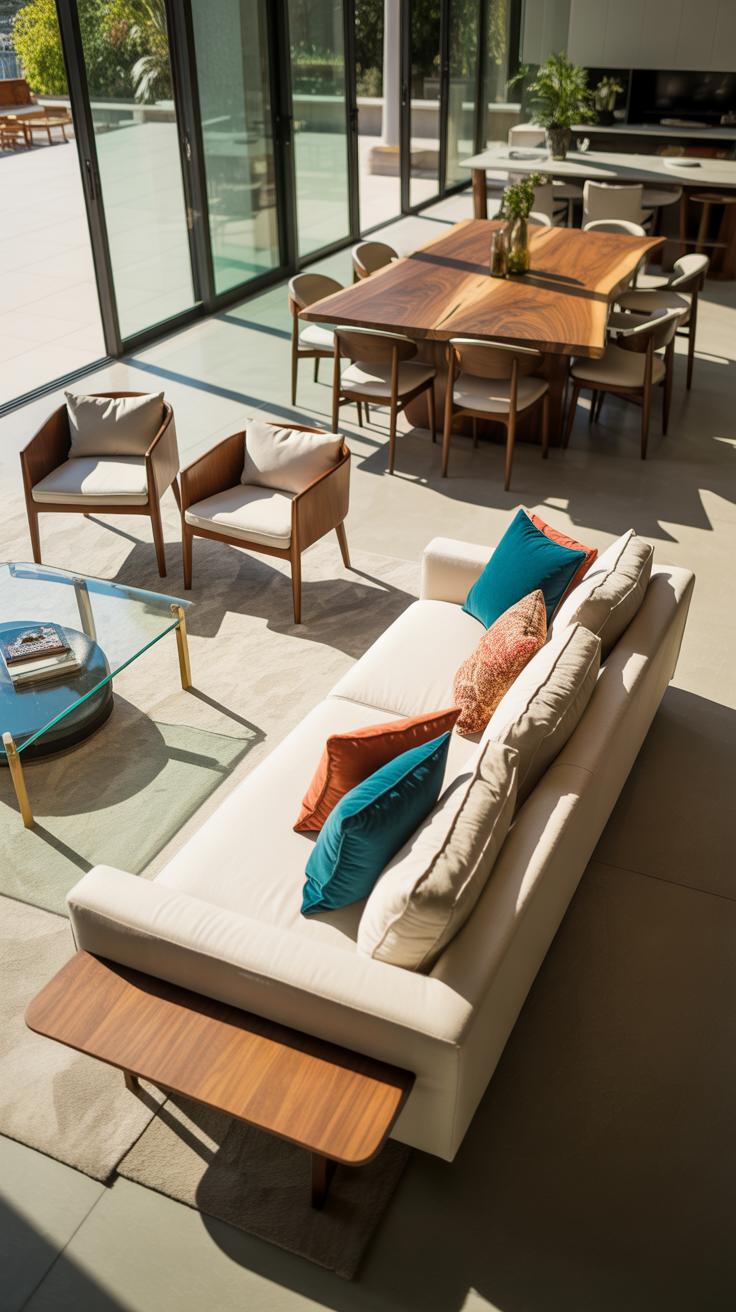
When you’re working with an open concept kitchen and living room, furniture becomes the unspoken divider. Think about using a sofa with its back to the kitchen; it naturally draws a line without a physical barrier. Bookshelves or low cabinets can also create separation but keep sightlines open. A kitchen island or breakfast bar can serve double duty, marking kitchen territory while offering extra seating for guests or family. Rugs play a subtle role too — they visually anchor each zone, giving the eye clear cues about where one area ends and another begins. It doesn’t take much; sometimes a single well-placed chair angled just so can steer the flow from cooking to lounging.
Maintaining Style Consistency
Matching everything perfectly? That’s overrated. Instead, focus on harmony. Choose a color palette that flows from kitchen to living room, using repetitions in cushions, cabinetry, or decor to tie the spaces together. For example, if your kitchen has sleek metal handles, pick living room furniture with subtle metallic accents to echo that detail. Contrast can work too, but avoid sharp clashes that break the continuity. Don’t shy away from mixing similar styles—modern alongside mid-century can work if shared colors or textures create a link. A concept I’ve seen work well is picking one dominant style and blending in smaller elements from another. This way, the space feels curated without looking like you tried too hard.
How To Plan Lighting In Open Spaces

Lighting in open concept rooms can be tricky. Since the space blends living and kitchen areas without many walls, a single light source rarely covers all needs. You do need layers of light—general, task, and accent—to make each zone functional and inviting. General lighting provides overall brightness; task lighting focuses on specific activities like cooking or reading, and accent lighting highlights decor or architectural features. The challenge is balancing these without cluttering the ceiling or overwhelming the room.
General Lighting Setup
Ceiling lights are your main source of general illumination. Think recessed lighting or flush-mount fixtures spaced evenly for a spread-out glow. But don’t just cram in lights endlessly. You want enough to keep the room bright but avoid harsh spots. Dimmers come in handy here, letting you adjust for different moods or times of day. Consider the ceiling height too—higher ceilings might need stronger or more lights to fill the space.
Task And Accent Lighting

In the kitchen part, under-cabinet lights are practical. They illuminate countertops where slicing and peeling happen, preventing shadows from your own body. Pendant lamps over an island or dining area work well for both tasks and ambiance, if chosen thoughtfully. For reading spots in the living area, floor lamps or adjustable wall sconces offer focused light without flooding the space.
Accent lighting is a chance to showcase something unique—artwork on the walls, a quirky shelving nook, or interesting textures. Small, directional spotlights or LEDs tucked behind furniture edges can create depth. You might find yourself experimenting with placement as you live in the space, tweaking until it just feels right. Lighting in open concepts is partly science and partly trial and error, really.
Kitchen Living Room Open Concept
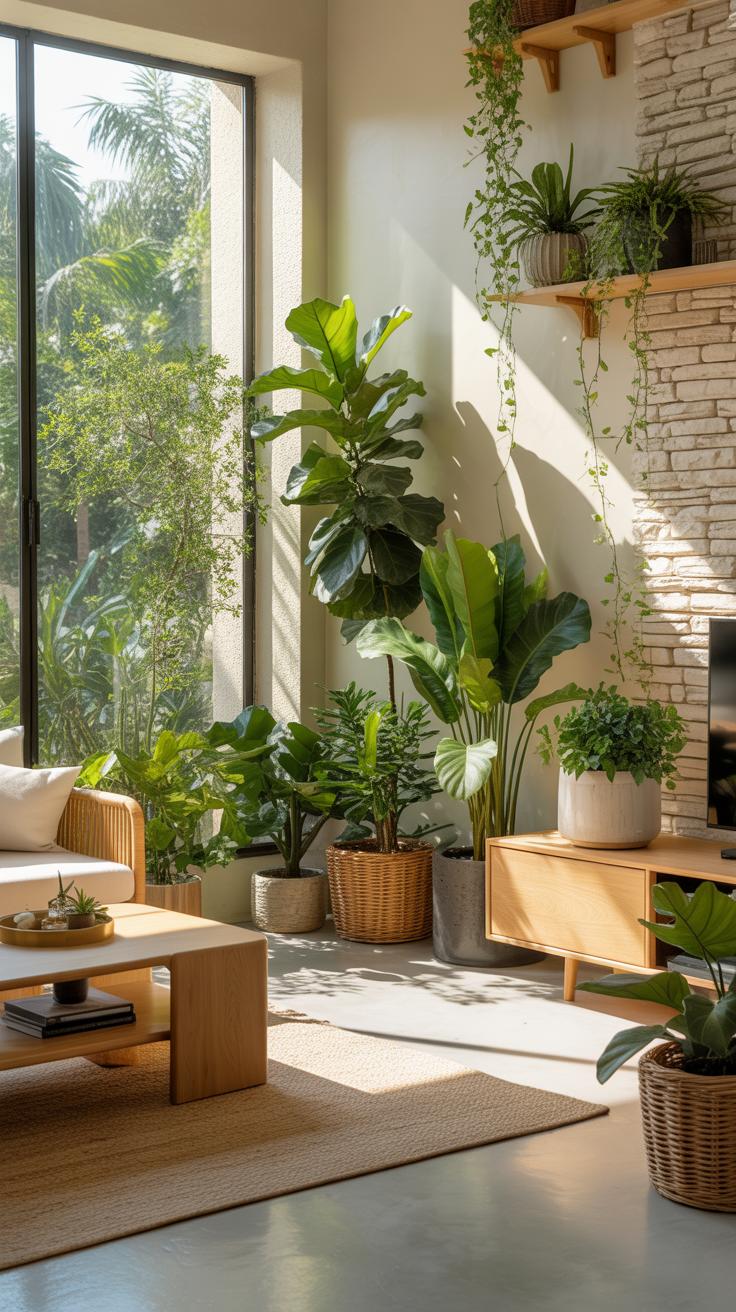
When you’re working with an open concept kitchen and living room, color choices do more than just beautify—they help define the entire space. Using color schemes that stretch across both areas can tie the zones together in a way that feels intentional. It might be tempting to match everything perfectly, but sometimes slight variations or complementary shades provide a better flow. For example, a soft gray in the kitchen cabinets paired with warmer beige tones in the living room furniture creates connection without monotony.
Picking wall and furniture colors that coordinate takes some trial and error. Walls can act as a calming backdrop, while furniture adds depth and character. If your walls are light, darker furniture pieces can anchor the space, but keep a similar undertone for harmony. Don’t forget texture and material—they contribute as much as color. Wood finishes in both rooms, even if slightly different, bring a quiet unity.
Accent colors are your secret weapon. Little splashes here and there—maybe a bright cushion, a kitchen utensil holder, or artwork—can carve out distinct zones without breaking the visual flow. These pops catch the eye and create interest, making the open plan feel lively. Sometimes, an unexpected hue in a small dose is just enough to spark conversation or refresh your mood, even if the overall palette is restrained.
Practical Kitchen Island Ideas

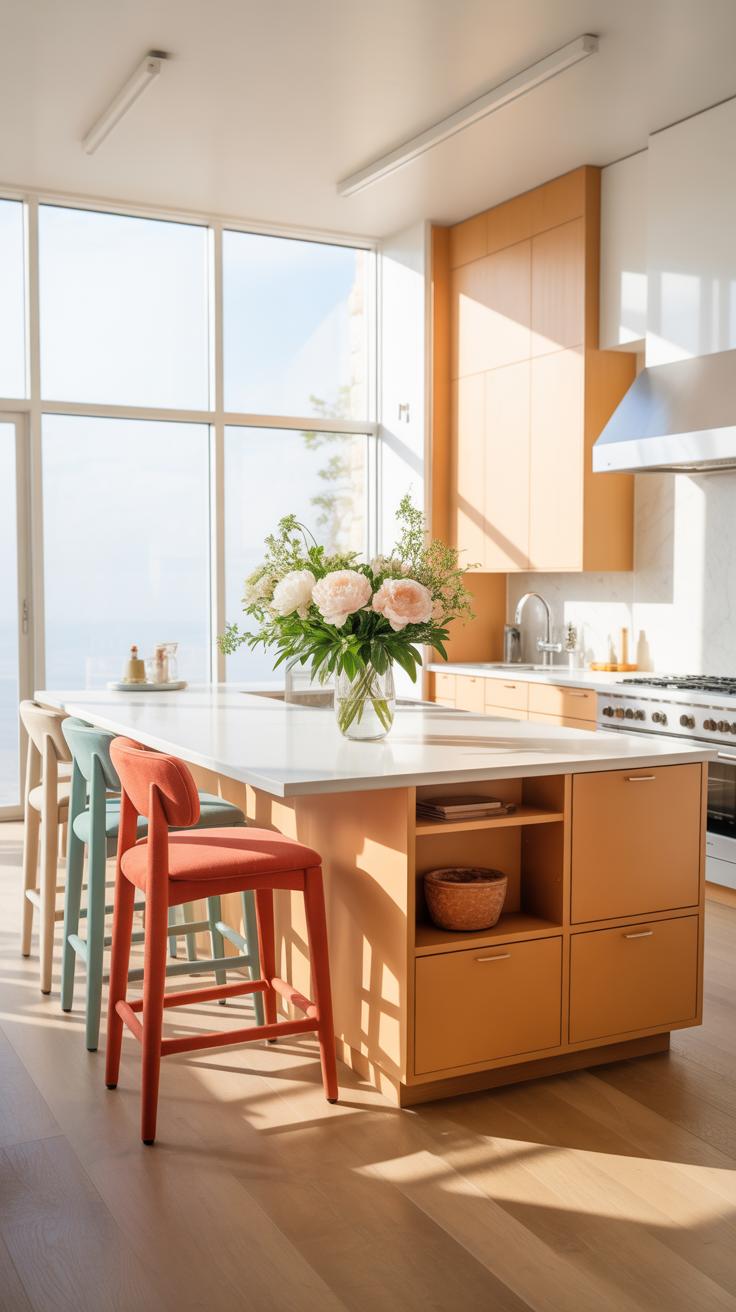
Kitchen islands play a complex, sometimes flexible role in open concept living rooms and kitchens. They naturally create a division between the cooking zone and relaxation or dining areas without closing things off. In many setups, an island becomes the go-to place for storing kitchen essentials—a spot where you don’t have to stretch too far for utensils or appliances. Islands are also social magnets. Whether it’s a quick morning coffee or a casual chat while cooking, they draw people together.
Island Placement And Size
Choosing the right spot and the size of your island is not just about aesthetics—it’s practical, too. Generally, you want enough space around the island to move freely—about three feet is a good rule of thumb, though this can vary. The island should feel like part of the flow, not like an obstacle. Smaller kitchens might benefit from multi-functional islands that don’t overpower the space, while larger areas can handle more ambitious sizes.
Functional Island Features
Feature-wise, islands often include seating, which creates an informal dining area or a place for guests to hang out during meal prep. Some islands sport sinks, which can change the kitchen workflow dramatically—more hands-on duties right there, which may or may not be your preference. Storage is another key feature; think drawers, cabinets, or even open shelves. Deciding which features to add ultimately depends on your habits and the kitchen’s overall design. It’s a lot to consider, but the island can become your kitchen’s real workhorse and heart.
Open Concept Layout Sample Plans
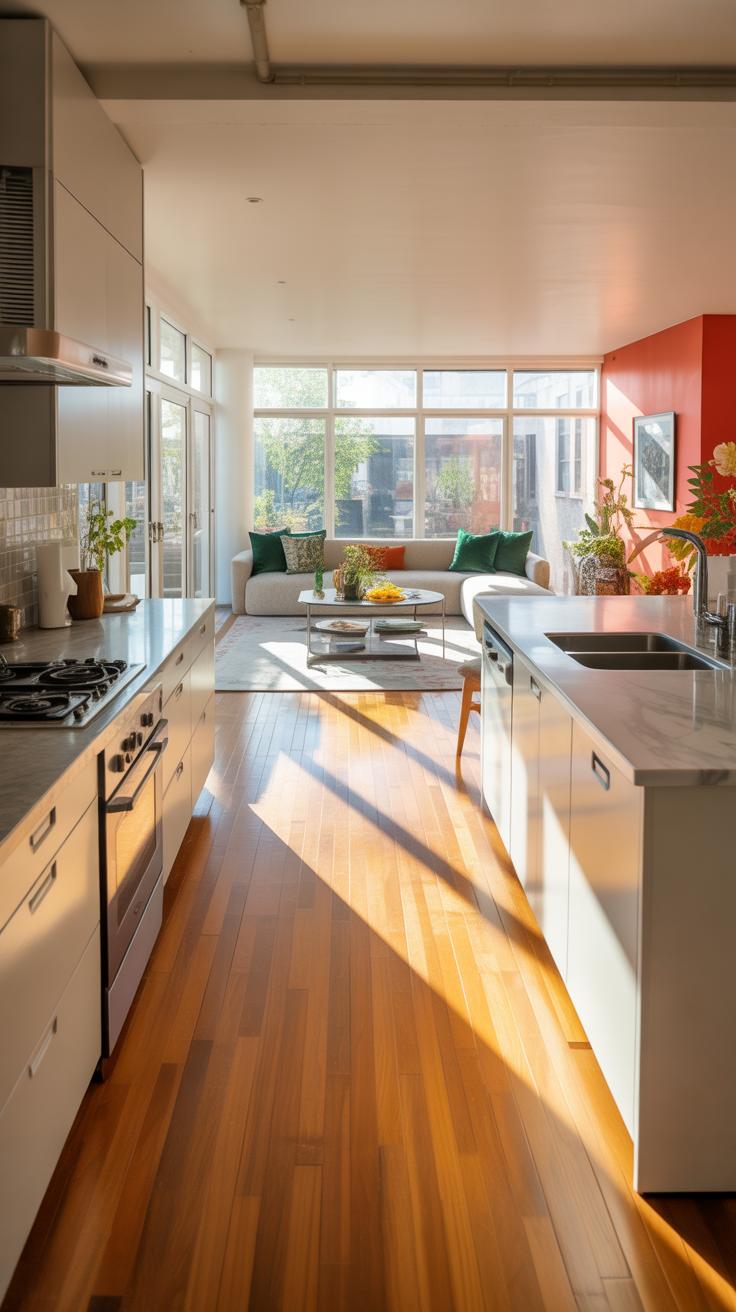

When it comes to open concept kitchen and living room layouts, the shape of the space often directs the furniture arrangement. In a rectangular room, for example, placing the kitchen along one wall with an island or peninsula creates a clear division without walls. The living area then fills the remaining space with sofas positioned to face either the kitchen or a focal point such as a fireplace or TV. This setup encourages interaction but also defines zones.
Square-shaped spaces invite a more centered approach. A kitchen island can sit in the middle with seating on one side, while the living area wraps around it, often forming an L or U shape. It’s interesting how an island not only acts as a culinary workspace but also as a subtle divider for the room. The furniture arrangement supports the flow—comfortable seating near the kitchen without feeling cramped.
Oddly shaped or long, narrow rooms demand a more creative touch. Sometimes furniture is angled or positioned asymmetrically to open pathways and maintain openness. Here, the arrangement supports both movement and socializing but might leave parts of the room feeling less cozy. Still, openness in these cases fosters a casual, flexible living environment.
Small Space Plans
Small spaces push creativity to a limit. Often, a compact kitchen is set on one side with careful use of wall storage or open shelving. A fold-away dining table or stools tucked under an island can free space when not in use. The living room uses multifunctional furniture—think a sofa bed or ottomans with storage—to maintain openness and practicality.
Arranging seating so it faces the kitchen helps make the area feel unified rather than chopped up. Plus, light color schemes and transparent furniture can give an illusion of breathing room. What puzzles many is balancing enough seating without overcrowding—sometimes fewer pieces arranged thoughtfully feel more welcoming than stuffing in too much.
Large Space Plans
In larger rooms, there’s more freedom to play with zones. A kitchen might become a full-sized culinary zone with a large island, plenty of counter space, and room for several cooks. The living room can afford multiple seating clusters—like a sofa set near a fireplace and a reading nook somewhere else—that still connect visually.
Furniture can be arranged to encourage social flows or create cozy corners. Curious though, sometimes too much space can break the warmth of a room, making it feel less intimate. Balancing openness with smaller, inviting groupings of furniture can help. Large rugs or lighting arrangements often subtly link these zones, gently tying together the expansive room.
Materials Best Suited For Open Living Areas Flooring and Surfaces
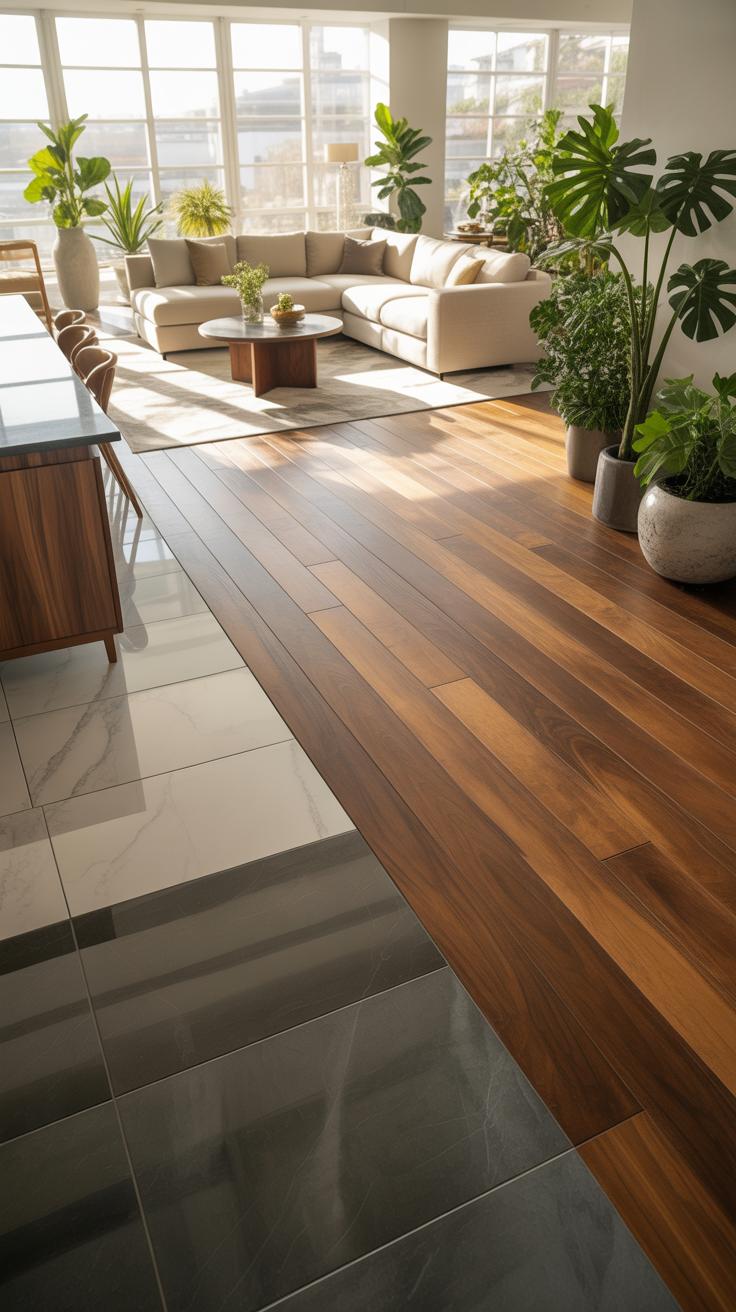
When you’re thinking about an open concept kitchen and living room, the choice of materials matters. Not just for style, but for function, too. The floor especially plays a key role. It has to create a visual connection between spaces while standing up to the wear and tear of daily life. I’ve noticed that some floors manage this balancing act better than others, though it can be tricky.
Flooring Options
Floors that create a continuous look tend to bring the kitchen and living room together. Hardwood is often a favorite, offering warmth and a timeless feel. Yet, it can scratch or dent under heavy use, especially in busy households. Laminate mimics wood but offers increased resistance to moisture and scratches, which might be worth considering.
Tile and stone floors are great for durability and are easy to clean, but they can feel cold and hard, making the living room less cozy. Some choose to soften this effect with area rugs, though that can somewhat disrupt the visual flow. Then there’s underfloor heating, which some people install under stone or tile to soften the coldness, but it adds complexity and cost.
Countertop And Furniture Surfaces
Countertops and furniture surfaces in an open plan must do double duty: look cohesive and handle everyday use. Materials like quartz or granite stand up well to kitchen spills and heat, and they look polished enough to blend with living room furnishings. Wood surfaces, while inviting, might demand more care and occasional refinishing, which could be a hassle.
For furniture, consider upholstery fabrics that resist stains or can be easily cleaned—this is vital when your living room is visible from cooking and eating zones. Leather or treated fabrics can work, but some might find leather too formal or cold for a relaxed setting. Mixing materials thoughtfully might create an inviting ambiance that feels like a natural extension of your kitchen workspaces.
Kitchen Living Room Open Concept
In open concept spaces, adding storage without creating clutter is a bit of a puzzle, right? It’s tricky because open layouts demand that everything looks tidy and intentional. Built-ins are probably your best friend here. Cabinets and shelving that are custom-fitted to the space can blend into walls and support a sleek, uninterrupted flow from kitchen to living room. Think about running cabinetry along one wall or under seating areas; this keeps essentials close by but out of sight.
Smart furniture makes a big difference too. Sofas with hidden compartments, ottomans that open up, or coffee tables with drawers are subtle ways to sneak in storage. You might not have even realized you needed that extra spot for blankets or kitchen linens until you find it!
Hidden storage is another idea worth exploring. Toe-kick drawers in the kitchen, built-in benches with underneath storage, or even shallow shelves behind doors help keep things organized. Such solutions make you wonder: How much we could hide without losing easy access? It’s a balance that might take some trial and error.
Conclusions
Kitchen living room open concept designs offer practical advantages such as improved space use and better social interaction. By removing walls and combining rooms, you create a more inviting area for both family chores and entertainment. This layout supports multitasking and enhances natural light flow in your home.
When planning your open concept space, consider the flow, furniture placement, and functional zones. This approach will help you avoid common pitfalls and achieve a balanced, comfortable environment. With the ideas presented here, you can create a space that suits your lifestyle and brings more enjoyment to your living areas.