
What Shapes Cozy Living Room Trends
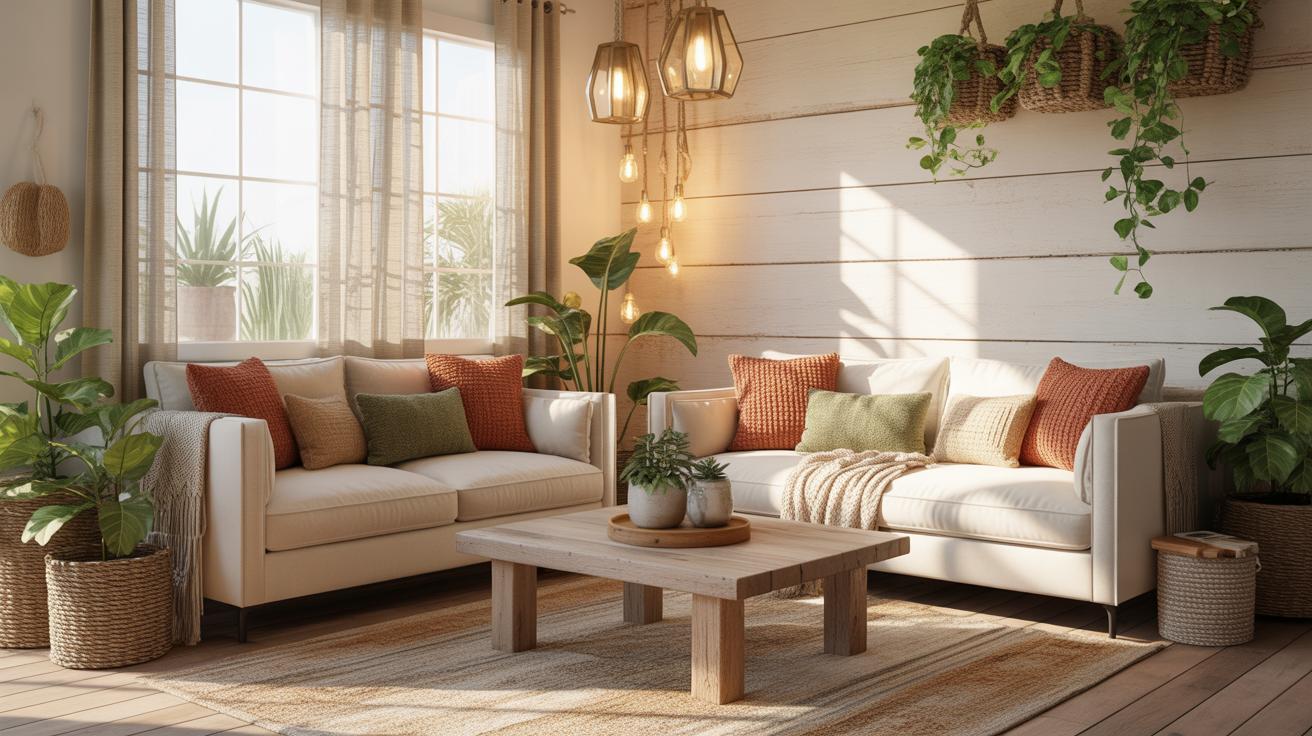
Your living room is more than just a space for sitting. It’s where you relax, gather with friends, and make memories. Living Room Design Inspiration With Cozy Living Room Trends can help you make this important space warm and inviting. This article shares practical ideas and trends to shape your living room into a comfortable retreat.
We’ll look at ways to add comfort with colors, furniture, and lighting. You’ll learn the benefits of cozy design, how it compares to minimalist style, and steps to make your room feel homely. Whether you want a complete change or small touches, this guide offers clear, easy advice to refresh your living space.
Choosing Colors To Enhance Warmth
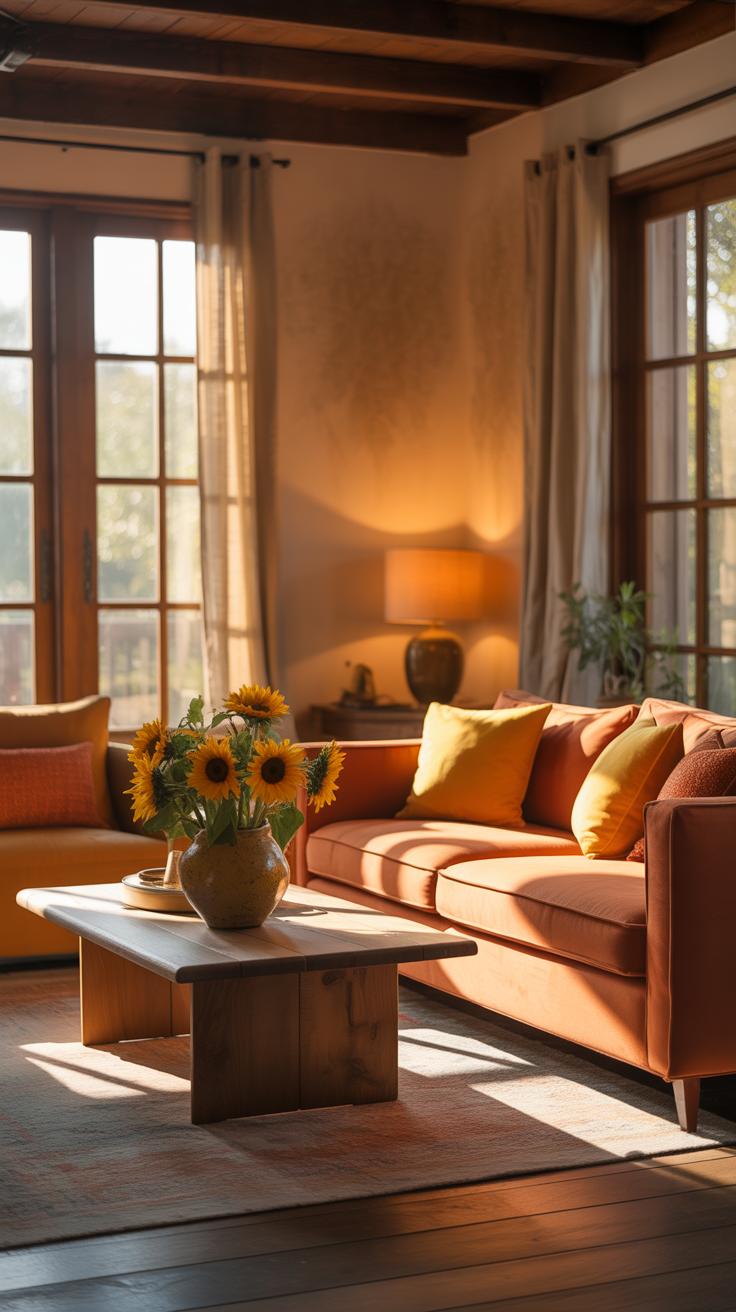
Picking the right color palette is key when you want your living room to feel cozy. Warm tones—think earthy reds, ochres, and soft browns—tend to create a feeling of comfort and intimacy. On the other hand, cool tones like blues and greens might feel refreshing but could also make a space seem less inviting if not handled carefully. Sometimes, I find a mix of warm and cool tones helps to keep the room from feeling too heavy or too sterile.
Popular warm colors that come to mind include terracotta, mustard yellow, and deep burnt orange. These can wrap your space in a gentle, welcoming hug. If your room gets a lot of natural light, you might feel tempted to go darker with tones, but balancing that with lighter accents or reflecting light with mirrors can keep the room feeling just right. In dimmer rooms, warmer hues might actually help brighten the atmosphere visually.
Best Warm Colors For Living Rooms
Some specific warm colors that work well are:
- Soft beige and camel—they’re great for walls and create a neutral but inviting base.
- Warm grey with brown undertones—good for larger furniture pieces or rugs.
- Burnt sienna or brick red—these can add a punch on accent walls or cushions.

Using mustard or ochre in smaller doses—maybe a throw pillow or an accent chair—can cheer up the space without overwhelming. I’ve noticed even a few copper-toned accessories can add warmth without shouting for attention.
Balancing Natural And Artificial Light
Natural light affects colors, sometimes making them look cooler or warmer than expected. Morning sun, for instance, might highlight warmer tones, while fluorescent or LED lighting can shift those same colors into a harsher or duller realm. It’s tricky because a warm color in daylight might not read the same under artificial lighting.
To keep your living room cozy, try layering light sources. Table lamps with warm-hued bulbs, paired with dimmable overhead lighting, allow you to adjust the glow depending on the time of day. Lampshades also influence color perception—a soft fabric shade can soften harsh light and enhance warm tones. You might even experiment with candles to add a flickering warmth when natural light is scarce.
Arranging Furniture For Comfort
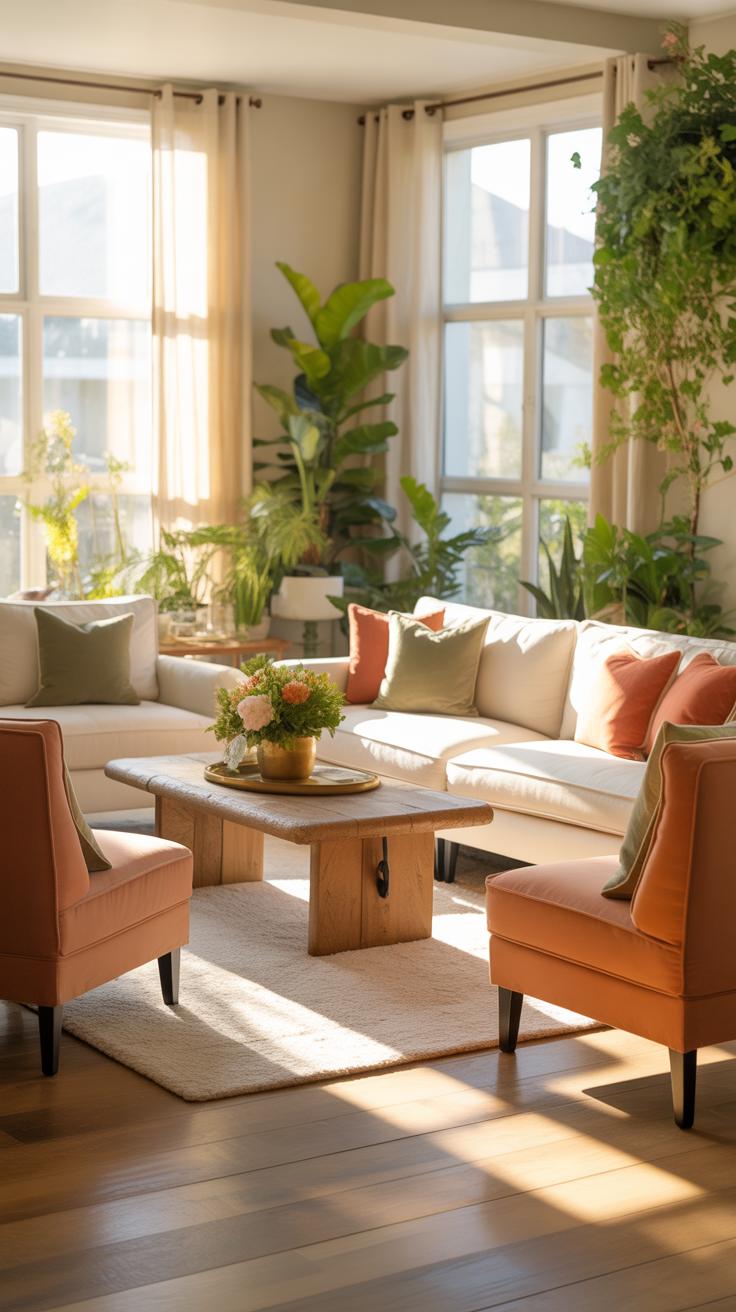
When arranging furniture in your living room, comfort and interaction should lead the way. It’s not just about placing sofas and chairs randomly; think about the flow and how people move around the room. Common layout options include the classic U-shape or L-shape arrangements that naturally draw people together. A circular or semi-circular seating can also help create intimacy and warmth, making conversation easier.

Space optimization is key, especially if your room isn’t huge. You can choose pieces with lower profiles or those that double as storage to avoid overcrowding. Placing furniture slightly away from walls creates a cozier atmosphere, but be mindful not to block pathways.
Creating Conversation Zones
Conversation zones are little islands where people gather naturally. To set one up, center your seating around a focal point — this could be a coffee table, a fireplace, or even a piece of art. The placement should encourage eye contact without forcing anyone to twist or turn uncomfortably.
Adding side tables within reach of chairs and sofas makes it easier for people to place drinks or personal items, which subtly encourages longer, more relaxed chats. Sometimes, grouping chairs into pairs a little apart from the main sofa can create secondary spots for intimate talks.
Optimizing Small Spaces
In smaller or oddly shaped living rooms, every piece matters. Use slim, multi-functional furniture to keep things open. Avoid bulky sofas; a loveseat or compact sectional might work better. Floating furniture away from walls can carve out a small conversation area, making the space feel less cramped.
Remember to keep pathways clear. You want people to move freely, even if it means reducing the number of seats. Mirror placement can also create an illusion of space, while layered lighting brings warmth without crowding.
Using Lighting To Set The Mood

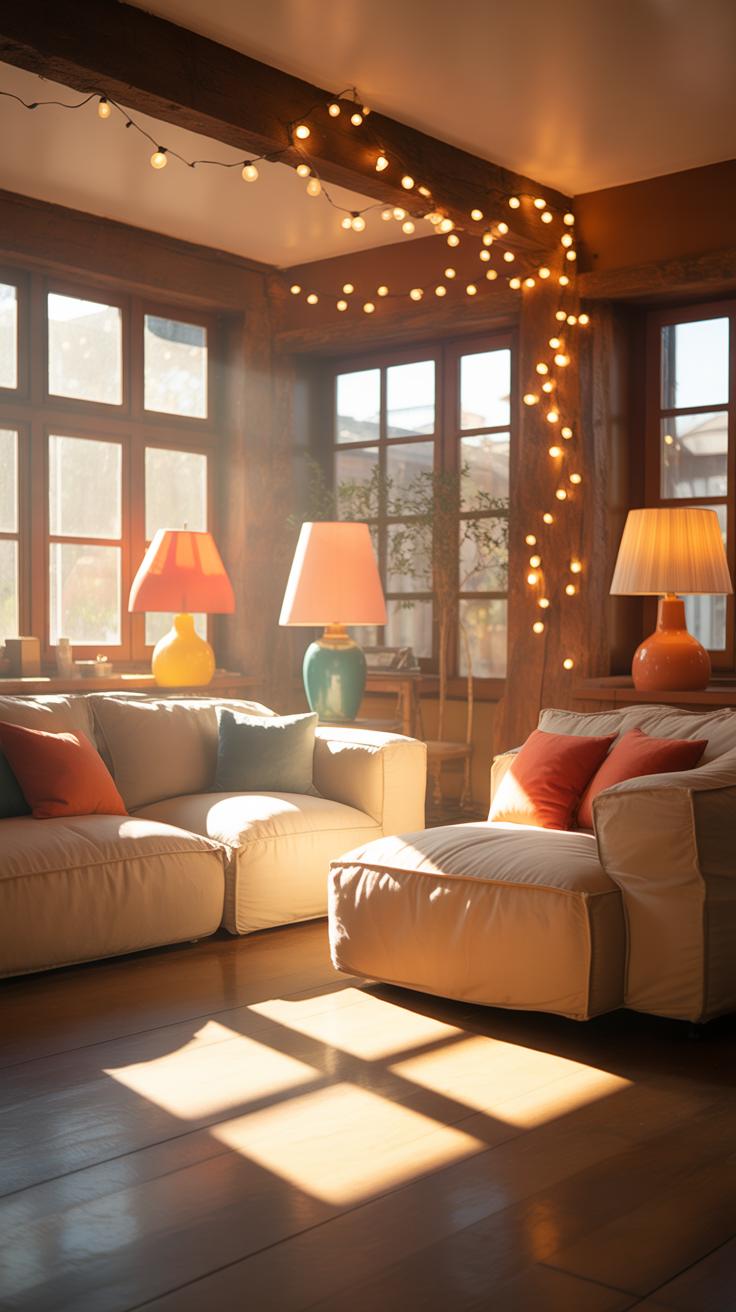
Lighting in a living room isn’t just about visibility; it’s about the atmosphere you want to create. Think about how different types of lighting can serve distinct purposes while coming together to form a unified, warm environment. Ambient lighting provides the general illumination, creating a base layer of light. Task lighting is focused, perfect for activities like reading or crafting, while accent lighting adds drama by highlighting certain features or décor pieces. When combined, these layers craft a cozy and flexible space.
Layering lighting means mixing these three types. For example, a softly glowing overhead fixture sets a relaxed tone, a nearby floor lamp offers bright light for reading, and strategically placed sconces or spotlights draw attention to artwork or plants. It’s a balancing act—you want enough light to feel comfortable but not so much that it feels harsh or clinical.
Warm light bulbs play a key role here. Their softer yellow hues mimic natural light at dusk, naturally encouraging relaxation. Incandescent and certain LED bulbs are great choices; they offer that inviting glow that’s hard to replicate with cooler, bluish bulbs. You might notice how rooms with warmer light seem more intimate or restful, even if you can’t put your finger on why.
Have you ever tried switching your main bulbs to warm tones? The difference can be subtle, yet profoundly affects how inviting a room feels. It might be worth experimenting with dimmers too, which enhance this effect by letting you adjust the light’s strength to match your changing moods.
Textiles That Boost Cozy Feeling

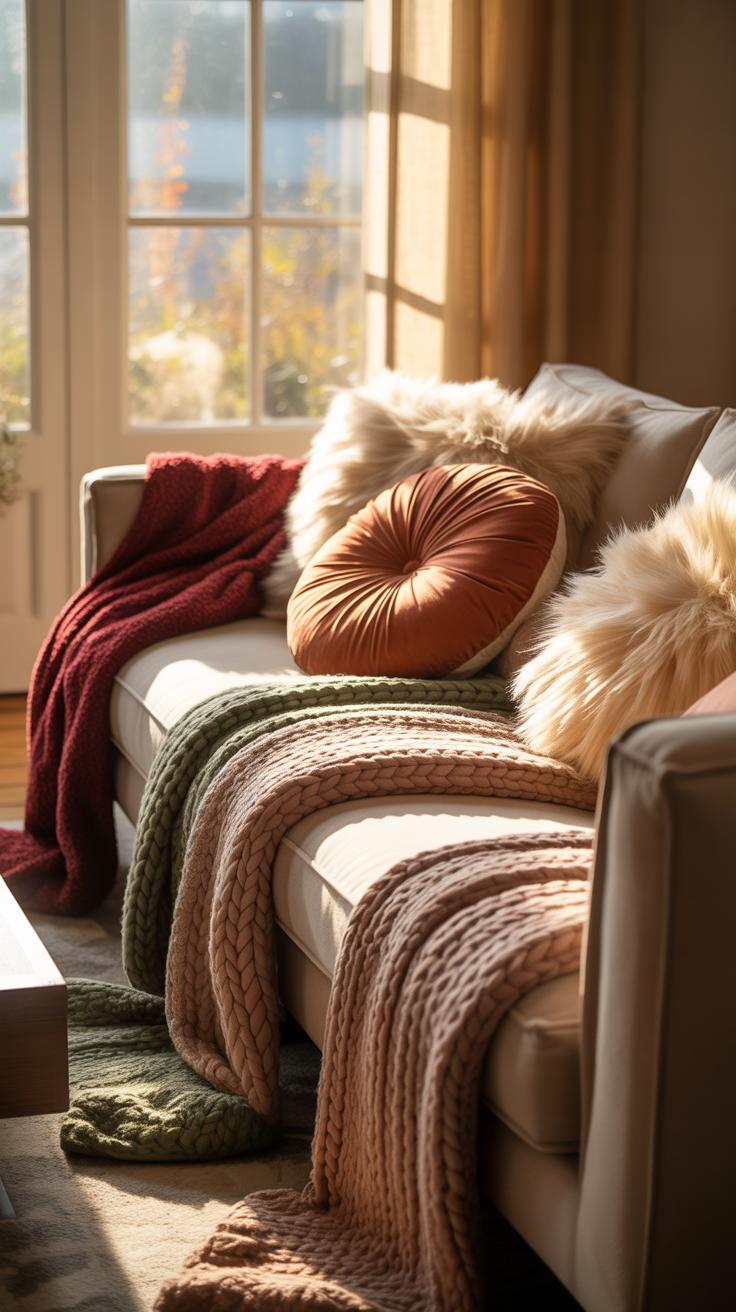
Using textiles in your living room can really change the whole vibe. Rugs, cushions, and throws do more than just add color; they bring texture and warmth, which is crucial for cozy spaces. When you walk into a room layered with soft fabrics underfoot and plush cushions to sink into, there’s this immediate sense of comfort. It feels… welcoming. Isn’t that what we want from our living rooms?
Selecting Soft Fabrics
Picking the right fabric makes all the difference. Think about materials like cotton, linen, and microfiber. Cotton is breathable and easy to maintain—great for cushions that get a lot of use. Linen, with its natural look, offers a slightly rougher texture but softens beautifully over time. Microfiber might surprise you; it feels soft, resists stains, and is practically a lifesaver if you have kids or pets. Velvet, although a bit more delicate, gives upholstery a plush, luxe feel that’s hard to resist. You might wonder if these fabrics are all too small-scale, but mixing them across cushions and upholstery could be the secret.
Layering Rugs And Throws
Layering rugs is not just a design trick — it changes how a room feels underfoot and how it functions. A flat-weave rug topped with a sheepskin or shag throw rug is more inviting than either alone. Throws add softness and a touch of randomness when draped over chairs or sofas, breaking up rigid lines and inviting you to relax. You might ask, does it get messy? Maybe. But that informal quality often feels more genuine and less staged, which is a nice change from overly curated spaces. This layering not only boosts warmth but also makes the space feel lived-in and cozy, something many living rooms aim for but don’t always achieve.
Incorporating Natural Elements
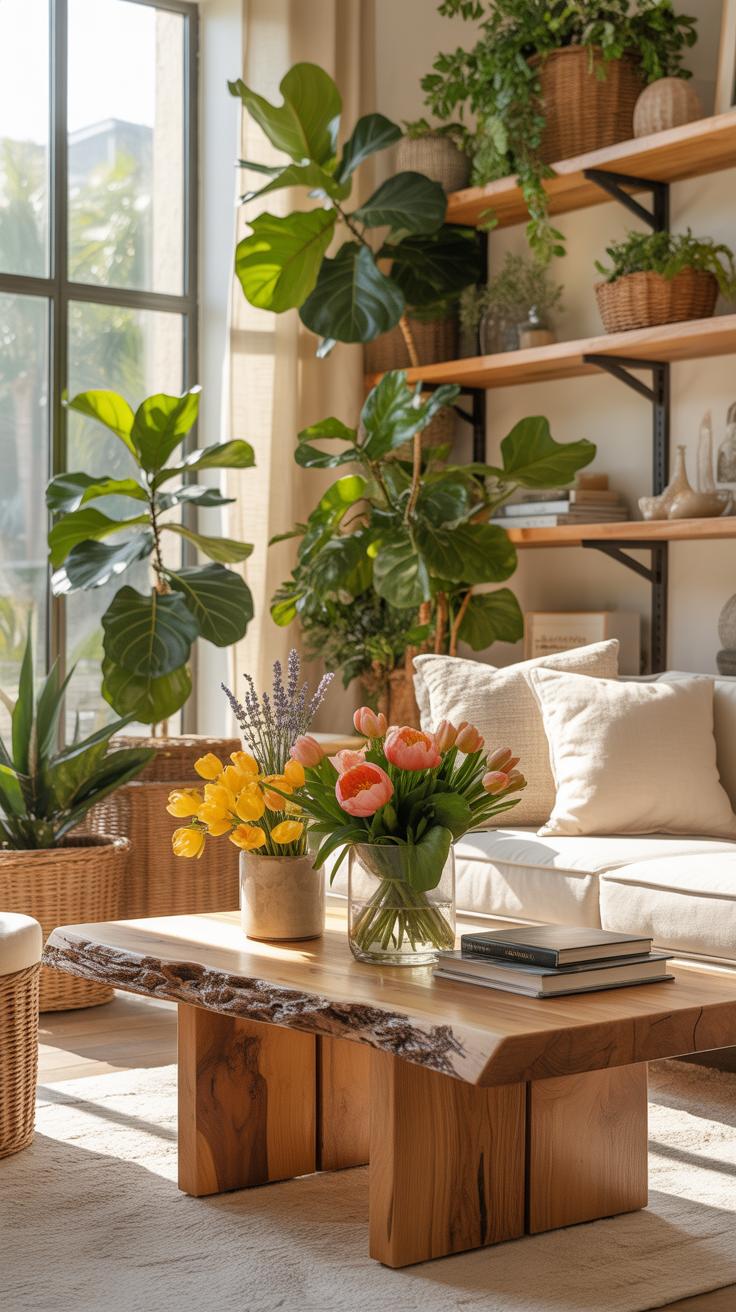
Adding natural elements like plants, wood, and stones can really change the feel of your living room. They bring a sense of calm and make the space feel warmer—it’s almost like the room breathes differently. It’s not just about decoration; these elements create a tactile and visual connection to nature, which can be surprisingly comforting after a hectic day.

When it comes to plants, it might seem overwhelming to care for them, but some are really low-maintenance. For instance, snake plants are popular because they need minimal water and light, and they even help improve air quality. Maybe you’ve heard about the NASA Clean Air Study that found certain plants can reduce indoor toxins? It’s an added bonus to their visual appeal.
Wood accents add a unique kind of warmth that synthetic materials just can’t match. Whether it’s a wooden coffee table, exposed beams, or shelves, wood brings an organic texture that often feels grounding. Stones, too, can be incorporated subtly—think of a stone vase or a hearth—offering a rough contrast that completes the natural look without overwhelming.
- Choose plants that tolerate low light and little watering like snake plants or pothos.
- Incorporate wood through furniture, wall panels, or decorative items.
- Use stones in small decor pieces to add texture without making the room feel cold.
Would you be tempted to mix these elements consciously or keep it more casual? Sometimes, striking the right balance is less about rules and more about how the room feels to you.
Comparing Cozy And Minimalist Styles
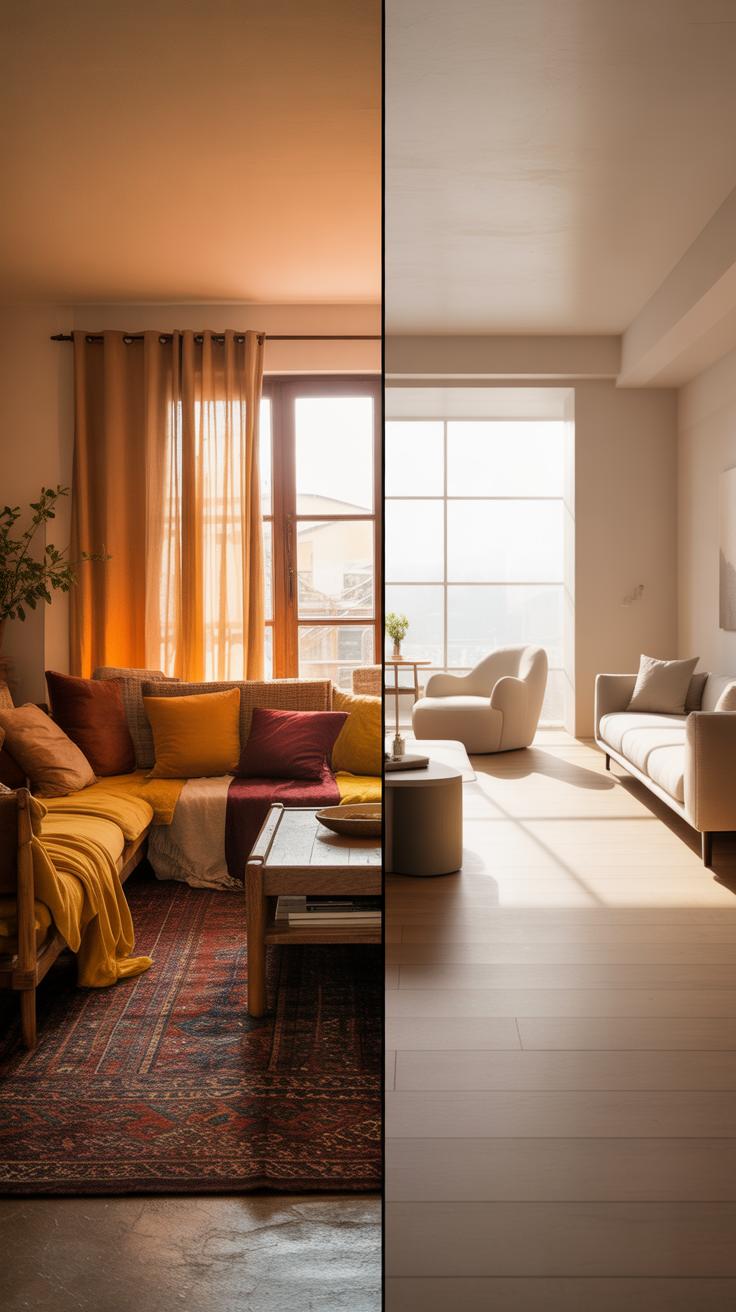
When you think about cozy living room design versus minimalist style, the differences become quite clear, though they can overlap a bit. Cozy rooms tend to invite you in with plush, layered furniture—chunky sofas, lots of cushions, and often soft, warm textiles like wool or velvet. By contrast, minimalist spaces focus on sleek, simple furniture with clean lines and much less layering. Minimalism often avoids extra adornments, preferring bare essentials.

Color schemes tell another story. Cozy designs lean into rich, warm tones—deep browns, burnt oranges, and warm neutrals that create a comforting vibe. Minimalist rooms often showcase lighter palettes, like whites, greys, or muted pastels, which can sometimes feel a little stark, even if aesthetically pleasing.
Decorative elements push these styles further apart. Cozy rooms layer on art, textured rugs, and an array of decorative objects that reflect personality and warmth. Minimalist spaces shy away from clutter, showing only select pieces, usually with a focus on functionality and form.
Key Features Of Cozy Style
The main traits that define cozy living rooms center on layering. Think multiple blankets or throws casually draped, cushions piled in varying sizes and textures, and rugs that add softness underfoot. These rooms emphasize warm textures—like chunky knits, soft leather, or natural fibers. Rich colors play a big role too, inviting feelings of comfort and intimacy. You might find dark woods, exposed brick, or even fireplaces in cozy setups. It’s about creating a refuge from the outside world.
Minimalism Benefits And Limits
Minimalism simplifies your space to what’s really necessary, which can be freeing. It clears away distractions and lets you breathe in a room that feels open and tidy. If you prefer order and calm, minimalism suits that well. But, this style can sometimes feel cold or clinical. It lacks the warmth of layered textiles or vibrant hues. If you crave a living room that feels lived-in and deeply inviting, minimalism might leave you wanting a bit more softness and personality.
Steps To Refresh Your Living Room
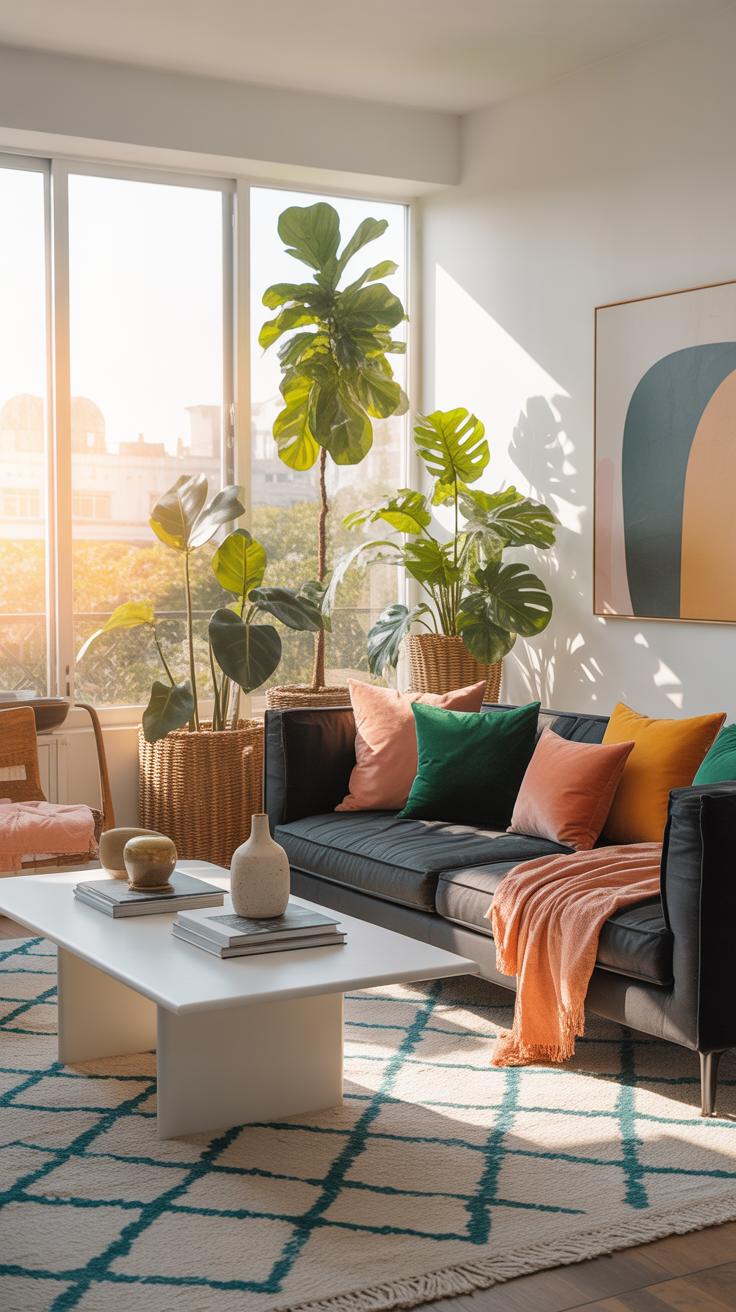
Refreshing your living room doesn’t mean tearing everything down or buying new furniture. Sometimes small tweaks can bring surprising changes. Think about these steps as simple moves to make your space feel more inviting without much fuss. Start by spotting what feels off—maybe the colors look tired or the layout feels cramped. From there, you can take action at your own pace.
Paint And Decor Updates
Painting a wall or two brings almost instant freshness. Even soft, neutral tones can alter the mood significantly. Changing curtains is another straightforward fix. Maybe swap heavy drapes for lighter fabrics that welcome daylight. Cushions are like little mood changers—testing out different colors or textures on your sofa can subtly shift the vibe. Don’t overlook small decor items either; a new rug or a couple of well-placed plants can soften the atmosphere considerably.
Rearranging Furniture And Lighting
You might be surprised how moving one chair or a side table can open the room up. Try to create pathways for easier flow—think about where people naturally walk through and avoid blocking those routes. Lighting can be another game changer—adding a floor lamp or table lamps in different corners helps balance brightness and creates cozy spots. Experiment with dimmers if you can; they let you adapt the mood as the day goes on. Reflect on how these shifts in layout and light affect how you feel in the room—sometimes it’s about balance, but sometimes it’s about making space just for moments of calm.
Common Mistakes To Avoid


Overcrowding The Space
It’s easy to think that stuffing your living room with lots of furniture and decor will make it feel welcoming and cozy. But crowded rooms can actually feel cramped and stressful. Too many pieces compete for attention and restrict movement, which takes away from comfort. Instead of piling on more, try to focus on a few essentials that serve multiple purposes. For example, a sofa with built-in storage or a versatile coffee table. Having open space around these items allows the room to breathe and invites relaxation. So, maybe less really is more here.
Ignoring Lighting Balance
Lighting often gets overlooked when designing a cozy living room, but it can make or break the atmosphere. Relying on just one type of light—like a harsh overhead fixture—can create gloom or glare. The key is to layer your lighting with a mix of sources: ambient for general lighting, task lights where you need them, and accent lights to highlight features or create mood. Using dimmers can help adjust the balance. Think about when you’ll use the room most and tailor the lighting accordingly. Too dim, and the space feels dull; too bright, and it loses its cozy vibe. Finding that middle ground can feel tricky but necessary.
Examples Of Cozy Living Rooms
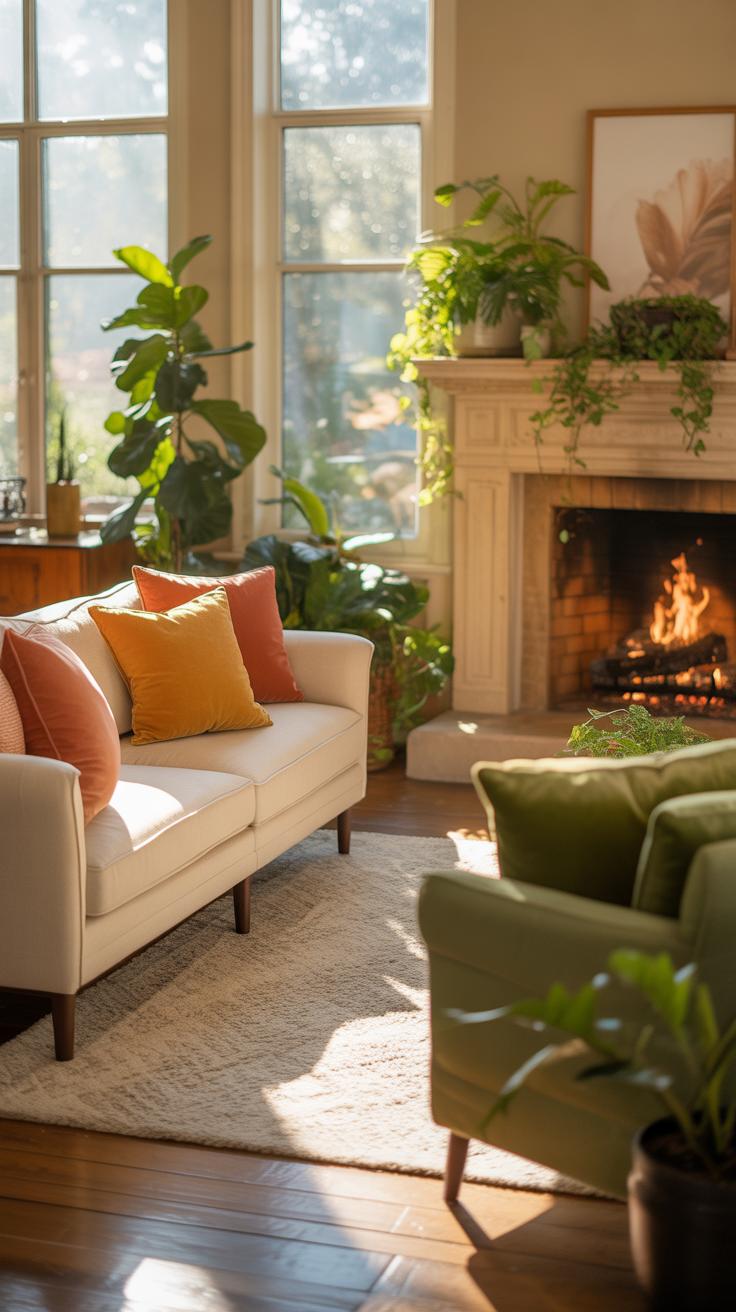
Rustic Cozy Layout Example
Picture a living room framed by exposed wooden beams and rough-hewn furniture. The kind that looks like it’s been slowly shaped by time—and perhaps a bit of carelessness that somehow adds character. Natural materials dominate here. Think reclaimed wood coffee tables, stone fireplaces, and wool or linen textiles that invite touch. Rustic doesn’t mean rough, though there’s a deliberate rawness that creates warmth without fuss. The colors lean toward earthy browns and muted greens, evoking a quiet connection with nature.

This style thrives on a layered, lived-in feel: a chunky knit throw draped over a leather armchair, cushions that invite you to sink in, and simple pottery or metalwork accents that seem to tell a story. You might notice a blend of textures, not just for looks but for comfort—rough walls softened by thick rugs and plush seating. It’s the kind of space where you can imagine long evenings by the fire, books, or conversations that don’t rush.
Modern Cozy Urban Space
Shift gears, and you enter a modern city apartment living room. At first glance, it might appear sleek, minimalist even. Yet, the coziness comes through subtle touches—soft textiles like velvet cushions, chunky throws, and perhaps a shaggy rug that quiets footsteps on hard floors. Warm lighting does the heavy lifting here: think floor lamps casting pools of glow, and dimmable ceiling fixtures that adapt to mood.
The furniture often has clean lines but feels approachable, with materials like warm-toned wood or matte metals rather than cold chrome. Color palettes might stick to gentle neutrals or muted pastels, letting you focus on comfort rather than clutter. There’s often a small indoor plant or two breaking up the linear shapes, hinting at life and freshness. Despite the urban backdrop, this space doesn’t shout city hustle; instead, it offers a pause, a gentle retreat where softness balances modernity.
Conclusions
Cozy living room design adds warmth and comfort that suits everyday living. Simple choices like soft colors, layered lighting, and inviting furniture change how you feel in the room. These ideas help you enjoy your space more and invite others in.
Your living room reflects your style and needs. Combine inspiration and practical tips from this article to create a room that fits your life. With fresh ideas and a focus on comfort, you can build a living room that works well and feels right.