
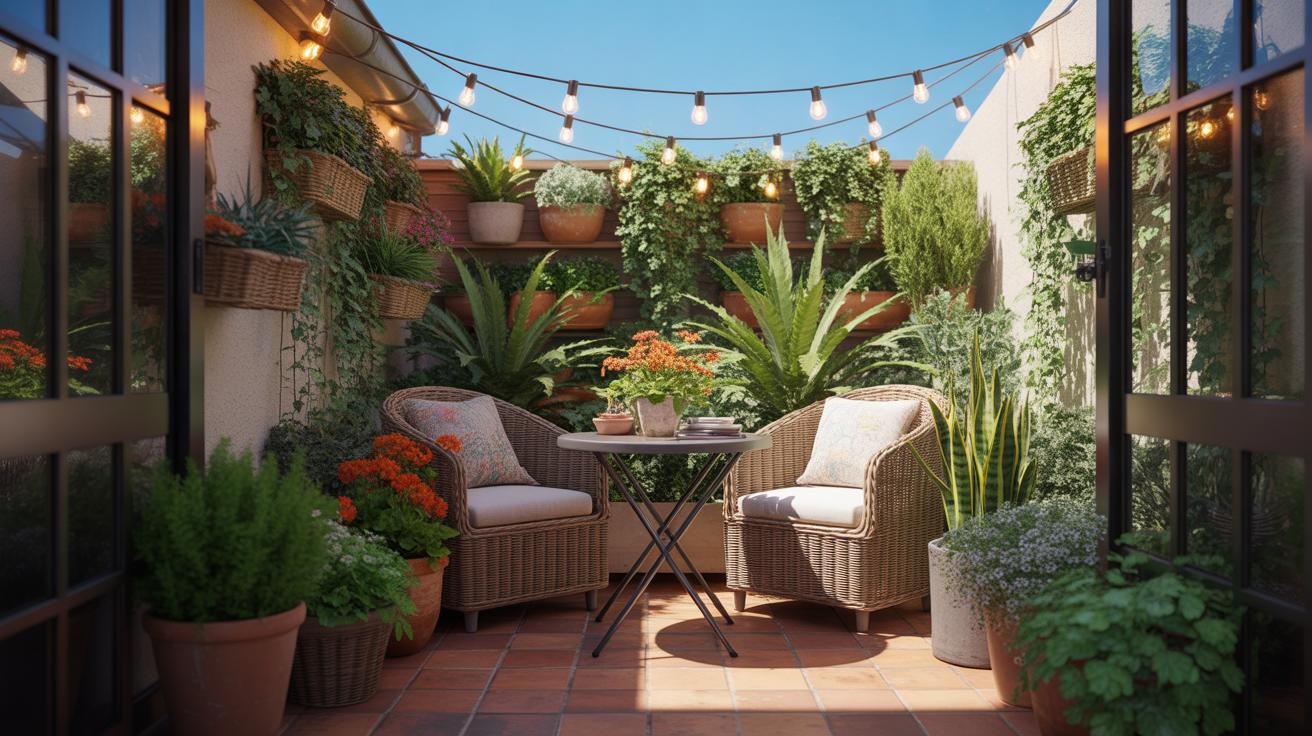
Why Small Patios Need Thoughtful Layout
Your small patio holds big potential for comfort and style. Patio layout ideas can transform limited spaces into inviting outdoor areas. Thoughtful planning helps you maximize the use of your patio for dining, relaxation, and recreation.
In this article, you will find practical tips for small patio design and outdoor living space plans. These insights offer clear steps and examples to guide your patio project to success, no matter the size of your space.
Choosing Patio Materials
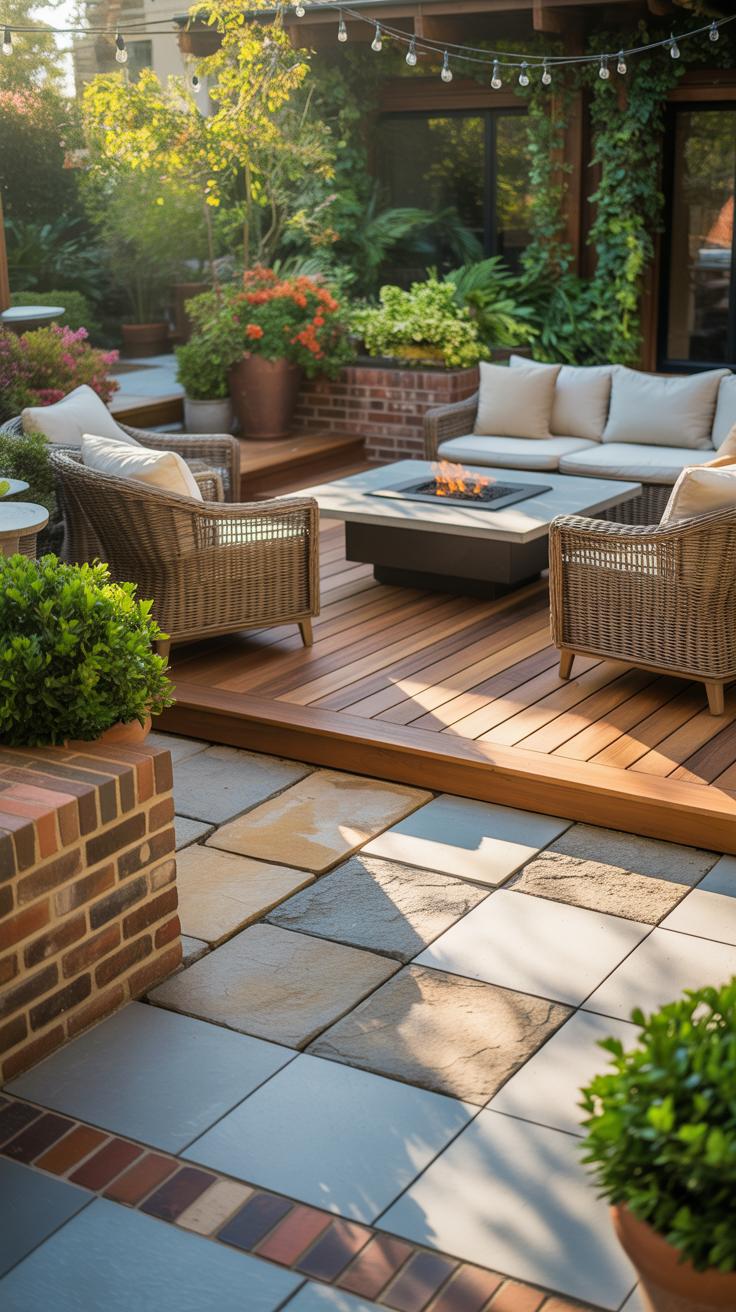
When you’re choosing materials for your patio surface, each option brings its own mix of looks and practical issues. Stone slabs, like flagstone or slate, offer a natural feel and strong durability. They’re great if you want something timeless and sturdy, although they might cost more upfront and require occasional sealing.
Bricks give a classic, warm appearance and can be arranged in various patterns, but they might need more maintenance due to moss or weeds growing between them. Still, they age beautifully and add charm.

Concrete is versatile and budget-friendly. It can be poured to fit any shape or stamped with patterns to mimic stone or cobbles. It’s long-lasting but can crack over time, especially in places where frost isn’t a rarity. Regular sealing is helpful here.
Gravel offers a casual, permeable surface that’s easy to install and perfect for drainage, though it can shift and scatter, which might not suit every use or style.
Benefits Of Common Materials
Stone slabs tend to last decades with minimal wear and give a high-end appearance. Bricks are generally less costly but still offer years of durability. Concrete surfaces, while often the most affordable, may need repairs sooner than stone. Gravel is the cheapest to put down and easy to refresh, but it might not look as polished.
In terms of lifespan, stone and brick often top the list, concrete is in the middle, and gravel is shorter term but easily replaced. Your budget and desired look really guide the choice here.
Material Selection Based On Climate
Your climate plays a huge role. For hot, dry areas, stone and brick can handle sun exposure well without deteriorating. In wet or freeze-thaw climates, some stones might crack unless properly sealed, while concrete can sometimes chip or break.

Gravel works well in rainy spots since it allows water to drain, reducing puddles. However, it might get washed away without proper edging or stabilizers. If you live in an area with extreme weather swings, it’s good to consider materials that have some flexibility or easy maintenance.
So, think about the weather patterns where you live. What feels durable here might struggle somewhere else, and that’s a key factor when picking a patio surface.
Layout Planning Basics

When planning your patio layout, the first essential step is to measure and assess the available space carefully. It might sound simple, but getting accurate dimensions can be surprisingly tricky—don’t just eyeball it. You want to know exactly how much room you have to work with. Start by sketching a rough plan and marking permanent features like walls, doors, or trees. Then, think about what you want the patio to do for you. Are you dreaming of quiet mornings sipping coffee, lively dinners with friends, or maybe a mix of both?
Identifying these key usage areas determines how you divide your space. You need functional zones like dining and lounging to coexist without overwhelming the patio. But be cautious—too much furniture crammed together can make a small patio feel crowded, even claustrophobic.

Now, about circulation paths. Imagine trying to navigate your patio but constantly bumping into chairs or garden pots. Frustrating, right? Leave enough room for easy movement—about 3 feet or so between furniture pieces works well. It’s the balance between open space and functional zones that really matters. You want enough clear area so the patio feels breathable but avoid wasted space that could have been used for sitting or socializing.
Planning layouts is part practical, part creative juggling act. The perfect patio feels both inviting and functional—something you want to linger in, not just look at.
Creating Functional Zones
Dividing your patio into zones is an effective way to make the most of a small area. Even a tiny patio can serve multiple purposes if you assign spots thoughtfully. For example:
- A dining zone with a small table and chairs for meals or work.
- A lounging zone featuring comfy seating like a bench or a few stackable chairs.
- Possibly a spot for plants or a small grill if you enjoy cooking outside.
These zones don’t have to be sharply separated but should be distinct enough to signal their specific functions. Rugs, different furniture styles, or even subtle changes in paving can help visually define zones. It’s tempting to cram everything close, but spreading out just a little creates a less chaotic feel. I’ve found that creating a cozy lounge corner helps balance the more active dining area, giving the patio some variety.
Ensuring Easy Movement
Placement of furniture and pathways is crucial for smooth navigation. You want clear routes that let you move between zones without obstacle courses. Here are some ideas to keep in mind:
- Place chairs and tables so they don’t block doorways or natural pathways.
- Leave open space near entrances to avoid cramped feelings.
- Consider furniture that’s easy to move or fold away to adjust the flow when needed.
- Use narrow benches or stools to maximize seating without taking lots of space.

Sometimes, I’ve had to shift furniture a few times until it felt “right” — spaces can surprise you. Paths don’t need to be straight lines, either. Curved or angled flow can actually improve accessibility and add interest. One last thing: consider accessibility needs, like enough clearance for walkers or wheelchairs. Making your patio welcoming means thinking beyond aesthetics to how people really use it.
Optimizing Small Spaces
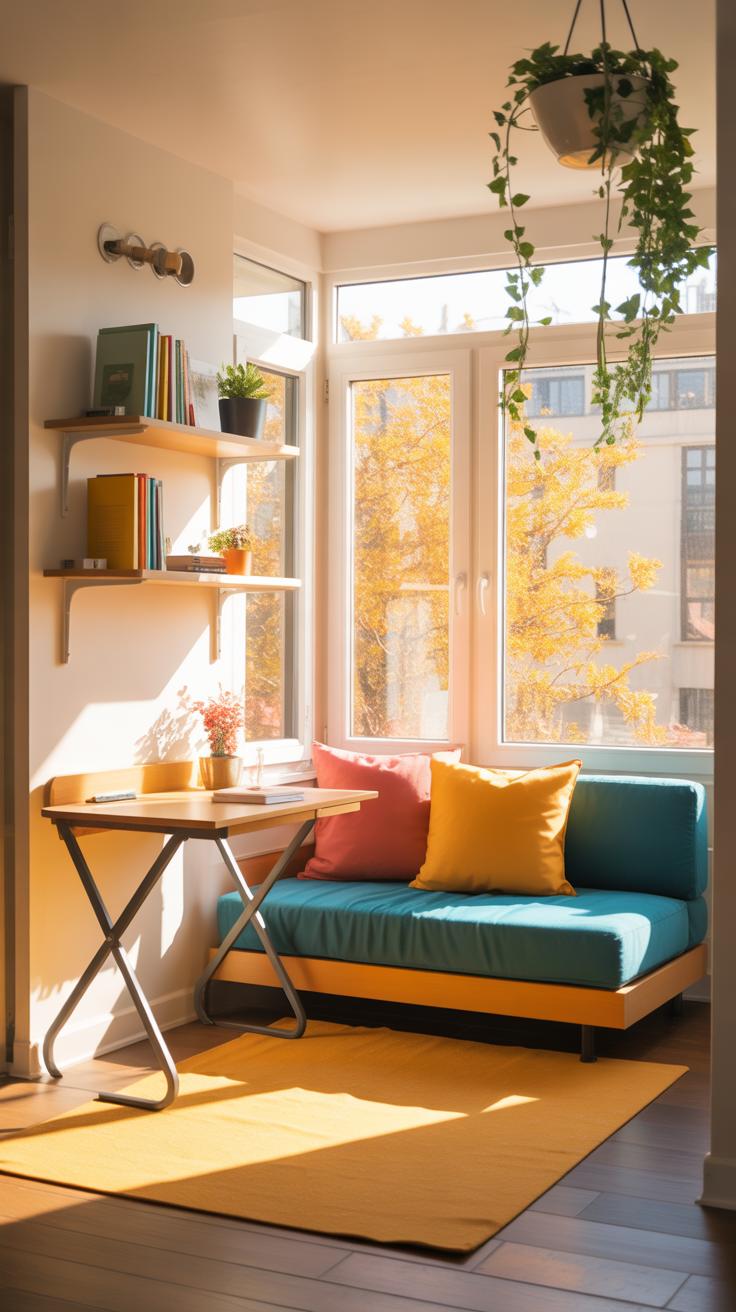
When working with a small patio, every inch counts. You might feel tempted to cram in as much furniture or decor as possible, but that usually backfires—tiny spaces can quickly feel suffocating. Instead, think carefully about what you really need and how you move around the area.
Try grouping furniture close to the walls or corners, creating clear pathways, so your patio feels open rather than cluttered. Seating with slim profiles or armless designs helps prevent visual blocks. Folding or stackable chairs allow you to easily adjust space depending on your needs—sometimes you want to entertain, sometimes you crave solitude.
Don’t forget vertical space. Shelves or hanging planters draw your eyes upward and free up floor space below. Plus, plants bring vitality without crowding you physically. Even a small patio can feel inviting if the furniture placement facilitates comfort and easy conversation without making you feel boxed in.
Multi Use Furniture Choices
Small patios benefit from furniture that pulls double duty. Consider benches with hidden storage inside for cushions, gardening tools, or outdoor games. Ottomans that serve as footrests but also open up for storage are a clever addition. A fold-out wall-mounted table can be compact when you’re not eating but provides a full surface if guests arrive.

Think too about modular seating pieces that you can rearrange—charming on their own but versatile if you shift from morning coffee to evening cocktails. It might seem that multi-use furniture costs more upfront, but the space you save and the flexibility you gain pay off quickly.
Visual Tricks To Expand Space
Colors matter more than you might expect. Lighter shades like pale blues, greens, or creams reflect daylight and create a sense of openness. Confident use of stripes or geometric patterns can imply depth or movement, leading the eye around the space rather than fixating on its boundaries.
Mirrors—yes, mirrors outside—can work wonders, especially if you position one to catch garden views or sky reflections. They bounce light and visually double your patio’s size, though you’ll want to avoid direct glare or awkward reflections.
Layout plays a subtle but powerful role too. Angling furniture rather than lining it up parallel to walls can trick the eye, making your patio feel less boxy. Strategic asymmetry invites curiosity and stops the space from feeling too predictable or cramped.
Some of these ideas feel a bit experimental, and that’s okay. Adapting them to your tastes and the quirks of your space makes the project more personal—and, hopefully, more enjoyable.
Incorporating Greenery
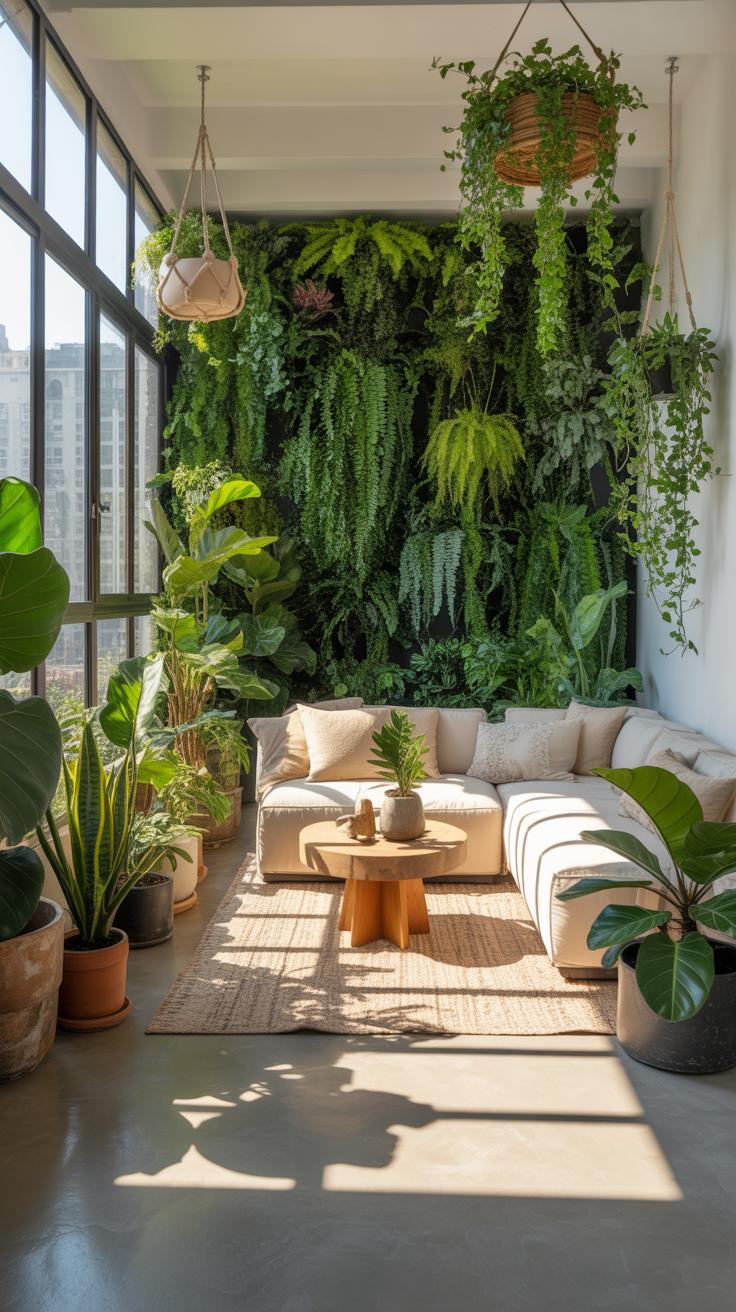

Plants can bring a lot to your patio beyond just looking nice. They create a sense of calm and can also screen your space from neighbors or the street, which is especially handy if privacy is a concern. When thinking about how to add greenery, container gardening is a flexible route. Container gardens don’t require soil on the ground, so you can move plants around to suit the season and your mood. Pots, hanging baskets, or even repurposed containers like old barrels can fit plants of various sizes, from small herbs to shrubs.
Vertical planting is another interesting option. Using wall-mounted planters, trellises, or plant racks, you can turn otherwise unused vertical space into a lush backdrop. This approach is practical for small patios where floor space is tight but walls or fences can breathe life into your design.
One nice thing about these methods is how adaptable they are. You could start with a few pots and grow into a green wall over time. It also lets you experiment with different plants—perhaps something fragrant near where you sit, or an edible plant cluster for cooking. The process might feel a bit trial and error, but isn’t that part of the fun?
Using Plants In Small Patios
When space is limited, it’s tempting to think that plants are out of the question. Yet small patios can still harbor greenery cleverly:
- Arrange pots on multi-tiered racks to multiply your planting area upwards instead of outwards.
- Use trellises to support climbing plants such as ivy or morning glories—great for privacy and charm.
- Cluster pots of various sizes together to make a micro-garden, which can be moved around to catch sunlight.
Interestingly, changing plant placement even slightly as seasons pass can keep the space feeling fresh and alive. Plus, vertical and container gardening tools let you customize your environment without permanent changes, which might be ideal if you rent.
Benefits Of Green Outdoor Spaces
Plants do a subtle but effective job of improving outdoor spaces. For one, they help clean the air, absorbing carbon dioxide and releasing oxygen—something that’s not just good for your lungs but comforting to experience. There’s also a privacy aspect: a thoughtfully placed shrub or a vertical green wall can shield your nook from prying eyes.

On top of that, there’s a psychological lift. Being around greenery—even just a few potted plants—can ease stress and boost your mood. You might feel more connected to nature, even when sitting in a compact patio surrounded by concrete and city noise. You could say it brings a bit of balance.
Still, it’s interesting to note how personal preferences play a role. Some might prefer sparse, minimalist green touches while others want their outdoor area bursting with life. There’s no single right way. It’s about what works for you and your space.
Lighting And Ambiance
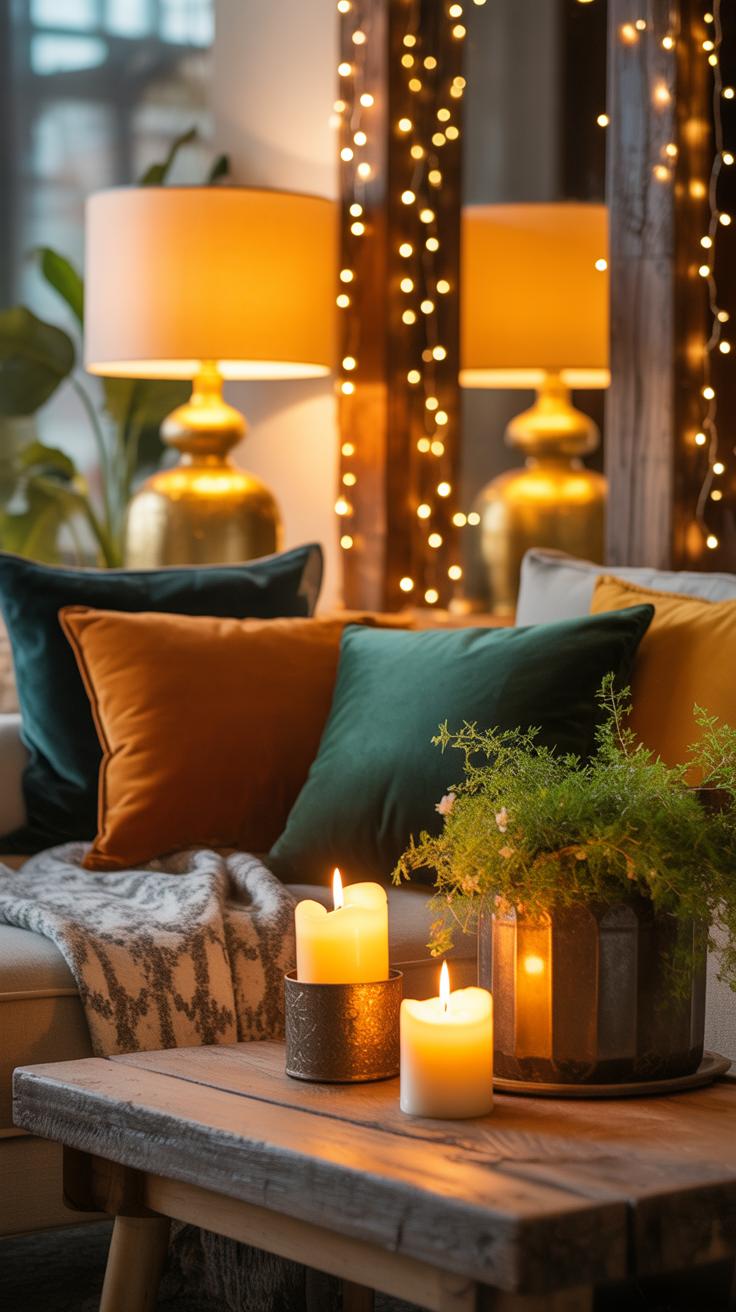
Lighting in a small patio isn’t just about visibility; it’s about setting a mood that makes the space feel welcoming after dark. You might think solar lights sound basic, yet they often do a good job for paths or borders. They charge during the day and glow softly, but don’t expect them to outshine wired options. String lights? They’re a favorite. I remember last summer, sitting under a canopy of tiny bulbs—there’s something quietly charming about that glow. It’s enough to encourage conversation without glaring.
Built-in fixtures offer a different approach—more permanent and usually more powerful. They can highlight features like plants or architectural details, but the installation can be a bit tricky if you’re not used to handling wiring outside. Don’t rush it; safety matters.
Types Of Effective Patio Lighting
Some lights serve specific purposes better. Consider these:
- Ambient lighting: Like string lights or lanterns, for overall soft illumination.
- Task lighting: Think brighter, focused lights by seating or grilling areas.
- Accent lighting: Spotlights or uplights highlighting plants or walls.

A simple setup might mix all three, but don’t go overboard and flood the area with light—it loses its charm.
Installing Safe And Functional Lights
When you’re putting lights in, remember that dampness and electricity don’t mix well. Check if fixtures are rated for outdoor use and look for waterproof seals. For wiring, keep connections above ground and protected with proper conduit. Few things are less relaxing than worrying if a wire is exposed. And if you want to DIY, start with low-voltage options—they’re safer and usually simpler to install.
Think about where you want light and where shadows might fall. It’s tempting to just string lights anywhere, but shadows can create blind spots or look messy if not planned. Also, test your lights in the dark before finalizing placement—it never hurts to see the effect firsthand and adjust accordingly.
Outdoor Furniture Selection Balancing Comfort and Function for Your Patio
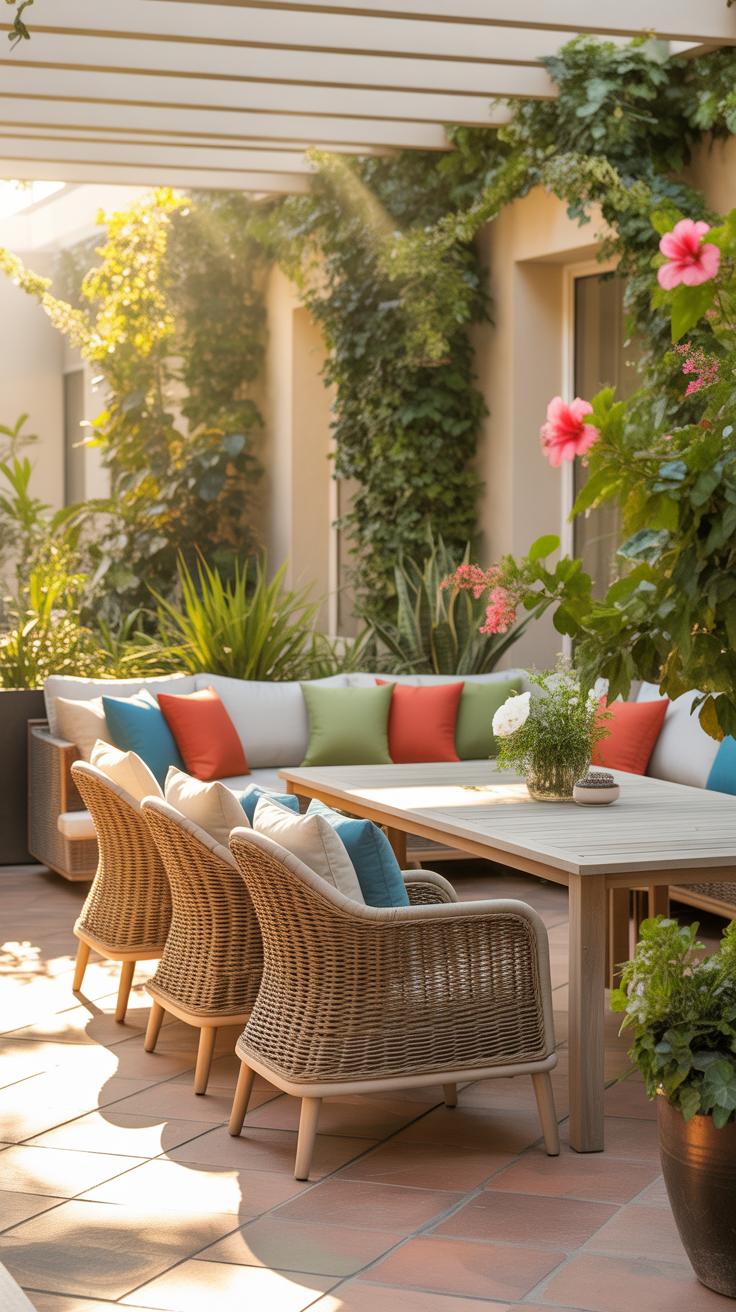
Choosing outdoor furniture for a small patio is a bit of a puzzle. You want comfort, but space is tight. Style matters too, yet durability can’t be ignored—especially if your patio faces rain or blazing sun. I’ve noticed that some materials last longer outside, but they might not always feel cozy.
When picking pieces, think about:
- How the material holds up in your climate. Aluminum, teak, and synthetic wicker tend to handle moisture well, while untreated wood might need more care.
- Seats that invite relaxation without feeling heavy or bulky in a small space. Cushions can add comfort but require storage or weatherproof fabrics to last.
- Your style preferences—do you want sleek modern lines or something more traditional? Matching the furniture to your patio’s look makes the space feel intentional.
It’s tricky to find that perfect blend. For example, metal furniture might look sleek and endure weather, but it can get hot or cold quickly and feel hard without cushions. On the other hand, plush upholstered pieces might be comfy but demand more maintenance. Maybe a compromise is layering weather-resistant cushions on sturdy framed chairs?
When arranging furniture for gathering—think cozy seating clusters rather than rows. Angle chairs toward each other to spark conversation; a small round table can be a central spot for drinks or snacks. Avoid overcrowding; it’s better to have a few well-chosen pieces than cramming in every seat possible.
Does your space feel inviting? That question itself can guide your choices—comfort and durability deserve equal thought, but how you’ll use the space often tips the scale. Experiment, and don’t be afraid to tweak layouts until they feel right for your lifestyle.
Creating Privacy In Patios
Using Screens And Dividers
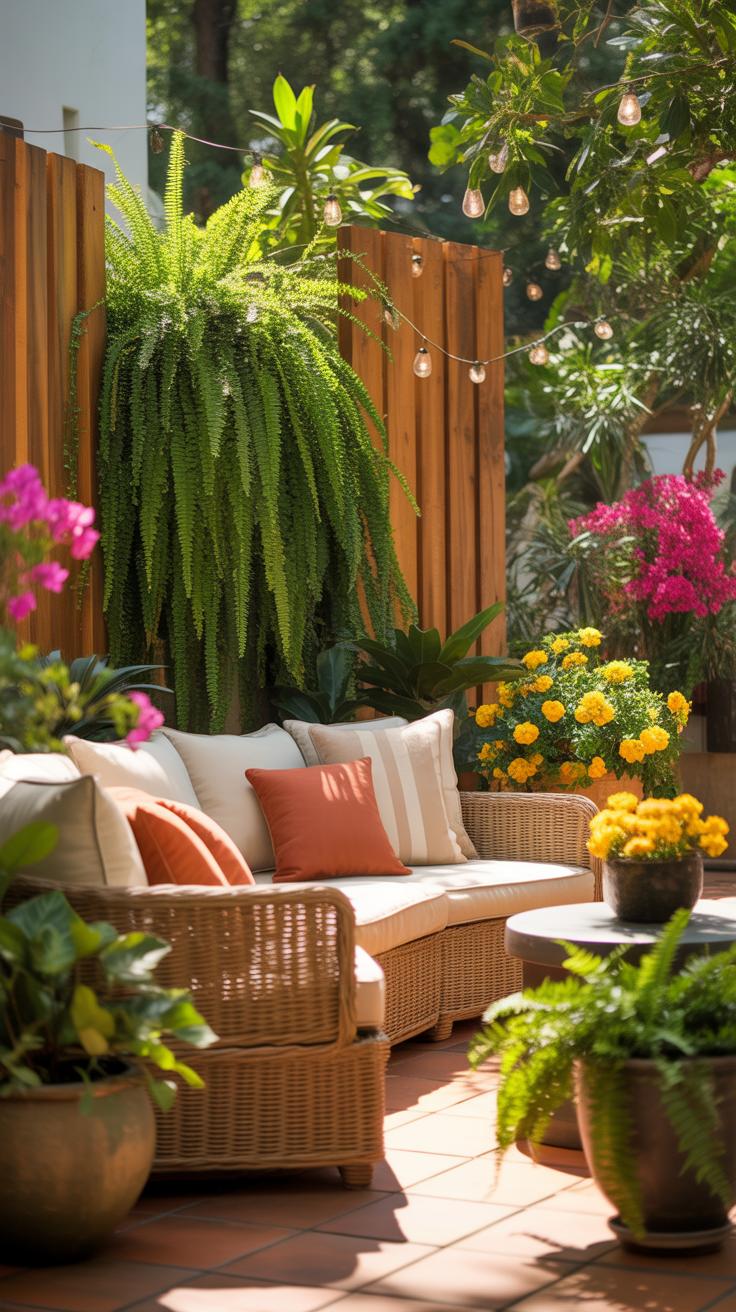
When it comes to small patios, screens and dividers can be a game-changer. They block unwanted views without making the space feel closed off. You might consider lattice panels, which offer a light, airy feel while providing a bit of cover. Or think about folding screens that can be moved or folded away when not needed. They let you control privacy on your own terms.
Metal or wood slatted screens work well too. Their gaps allow airflow and light through, preventing the space from feeling stifling. You could hang a curtain or use outdoor fabric panels that add softness and color while shielding your space. Just remember to think about placement carefully—the goal is privacy without turning your patio into a dark box.
Natural Privacy With Plants
Plants are a wonderful way to create privacy naturally but still keep your patio breathable and bright. Tall, dense plants like bamboo or ornamental grasses often come to mind first. They grow quickly and form a screen that gently sways in the breeze, so it’s not like staring at a wall.
Evergreens such as boxwood or holly bushes also make good year-round barriers. You can use large pots or raised beds along the patio edges to contain these plants if space is tight. Vines climbing on trellises add height without taking up much floor space. Combining different plant heights and textures can make your privacy barrier feel more like a garden and less like a blockade.
Maintaining Your Patio
Regular Cleaning Tasks
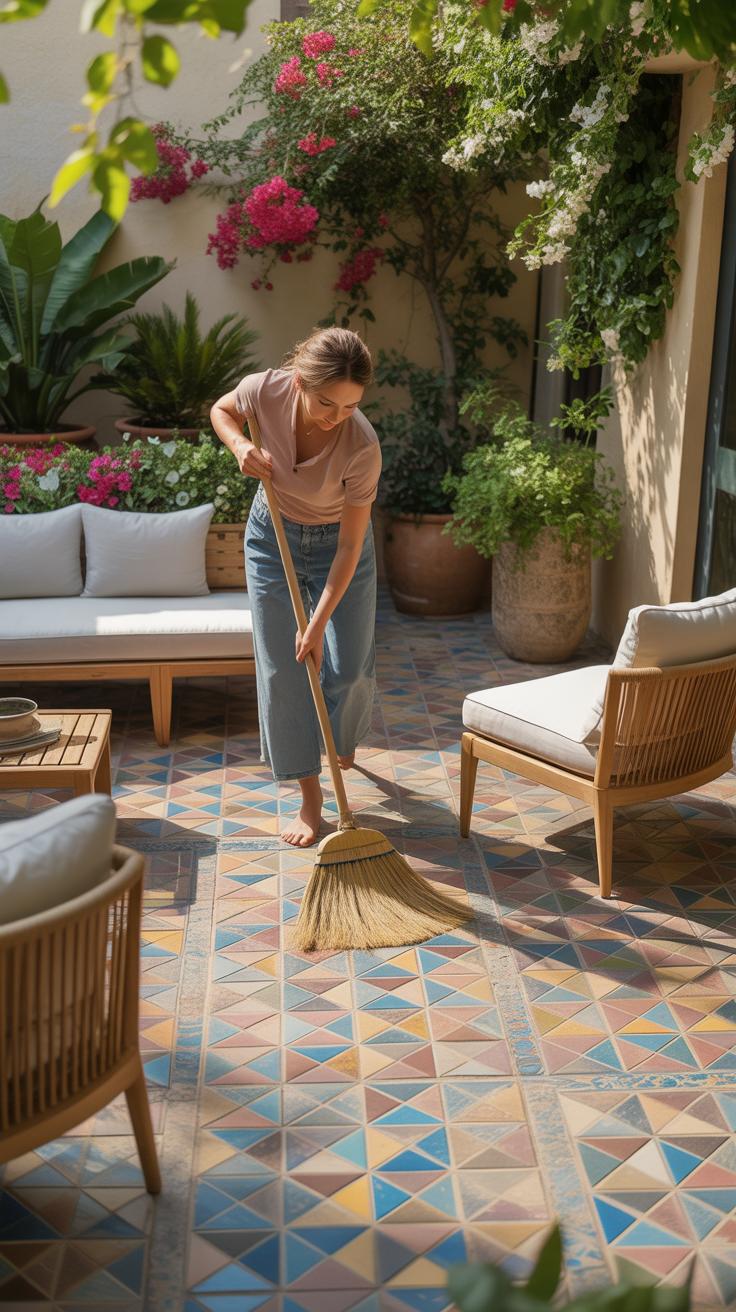
Keeping your patio tidy is more than just a quick sweep. You might want to clear debris daily to avoid buildup of dirt and leaves. Weekly, a thorough wash with mild soap and water can help prevent stains and algae growth — though, honestly, if you miss a week or two, it won’t be catastrophic.
Seasonally, consider more intensive tasks like power washing stone or concrete surfaces to remove deep grime. Check grout or sealant for cracks or wear during these deeper cleans. It’s a bit of work upfront, but it can save you from bigger repairs later.
Furniture and Plant Care
Outdoor furniture takes a beating from weather changes. Wood pieces often benefit from annual sealing or oiling to stave off cracks and warping. Metal furniture might need rust treatment if you notice spots developing. And bring cushions indoors during heavy rain or winter to prolong their life — though some fabrics are fairly resilient if you’re less than diligent.
Plants on patios also require attention. Adapt your watering routine as seasons shift since what’s perfect for summer might drown your greenery come fall. Don’t hesitate to prune dead leaves or flowers; it keeps plants healthy and your space looking fresh.
Have you ever overlooked a small stain only for it to become stubborn later? Or forgot to cover furniture before a storm? Learning from those little mistakes is part of maintaining an outdoor haven that feels inviting year-round.
Planning Your Patio On Budget
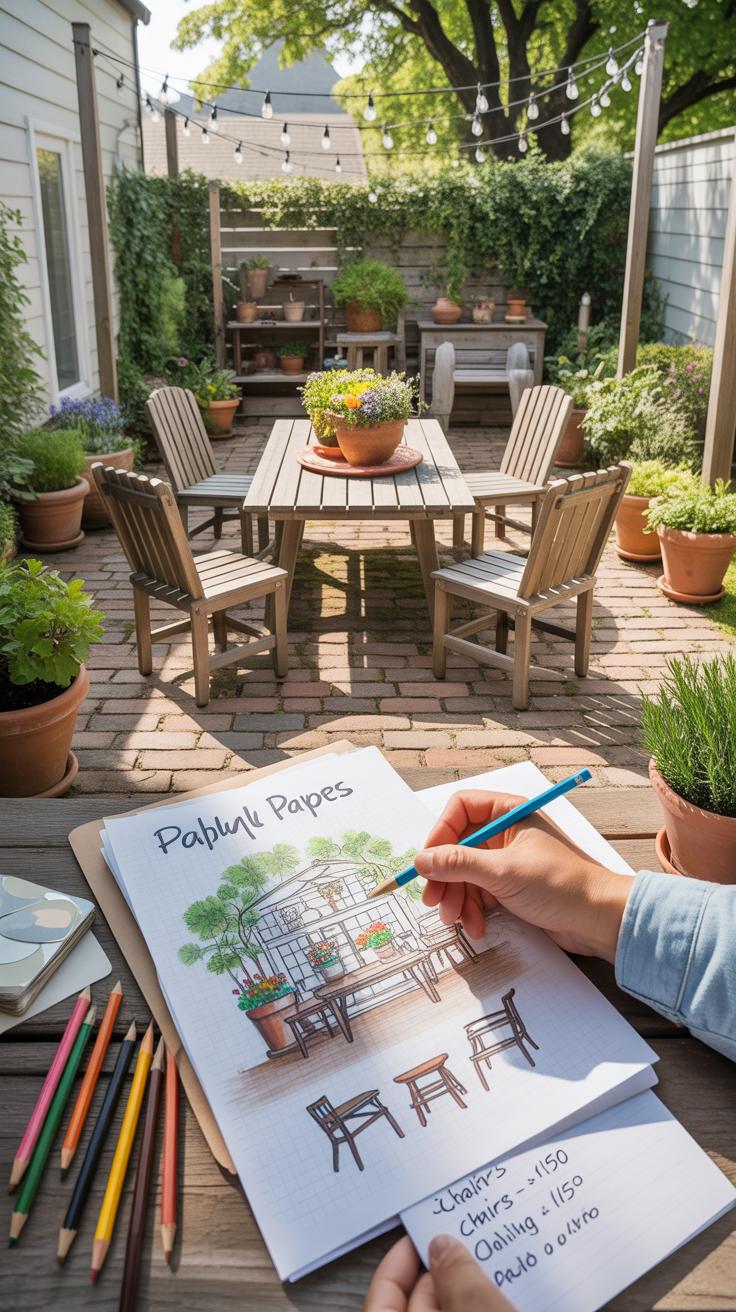
When it comes to planning a patio layout on a budget, the challenge isn’t just about saving money but making smart choices. You might be tempted to cut corners everywhere, but a better approach is prioritizing what really matters to your outdoor space. What do you want to use your patio for? Dining, relaxing, gardening? Identifying this helps narrow down features you can’t skip and those you can compromise on.
Affordable materials don’t necessarily mean low quality. Think about concrete pavers rather than natural stone or wood. Concrete is sturdy and comes in different styles, often at a fraction of the cost. Pea gravel or decomposed granite are other inexpensive options that provide a nice texture without breaking the bank. Sometimes, mixing a few types of materials can give a richer look for less money. It’s worth testing a small patch before committing.
Regarding layout, keep it simple. Extravagant shapes and complex patterns increase labor costs and require more materials. Sticking to classic rectangular or square plans is usually the best bang for your buck. A smaller patio with a well-defined purpose often feels more inviting than a large, empty space that’s costly and underused.
Finally, don’t underestimate the value of DIY. Labor is a huge part of the budget, and doing some work yourself, even if slow, can open up room to add a small firepit or better furniture. Align your choices with both practicality and your own comfort with tools and projects. It’s a balance, and there’s room to learn as you go.
Conclusions
Designing a small patio requires a clear plan and smart choices. By exploring creative layout options and focusing on space efficiency, you can create a patio that suits your needs. Practical design tips and proper planning simplify the process.
Use the ideas shared here to craft an outdoor living space that feels large and welcoming despite its size. The right patio layout will add value and enjoyment to your home for years to come.