How Rustic and Modern Farmhouse Living Rooms Differ
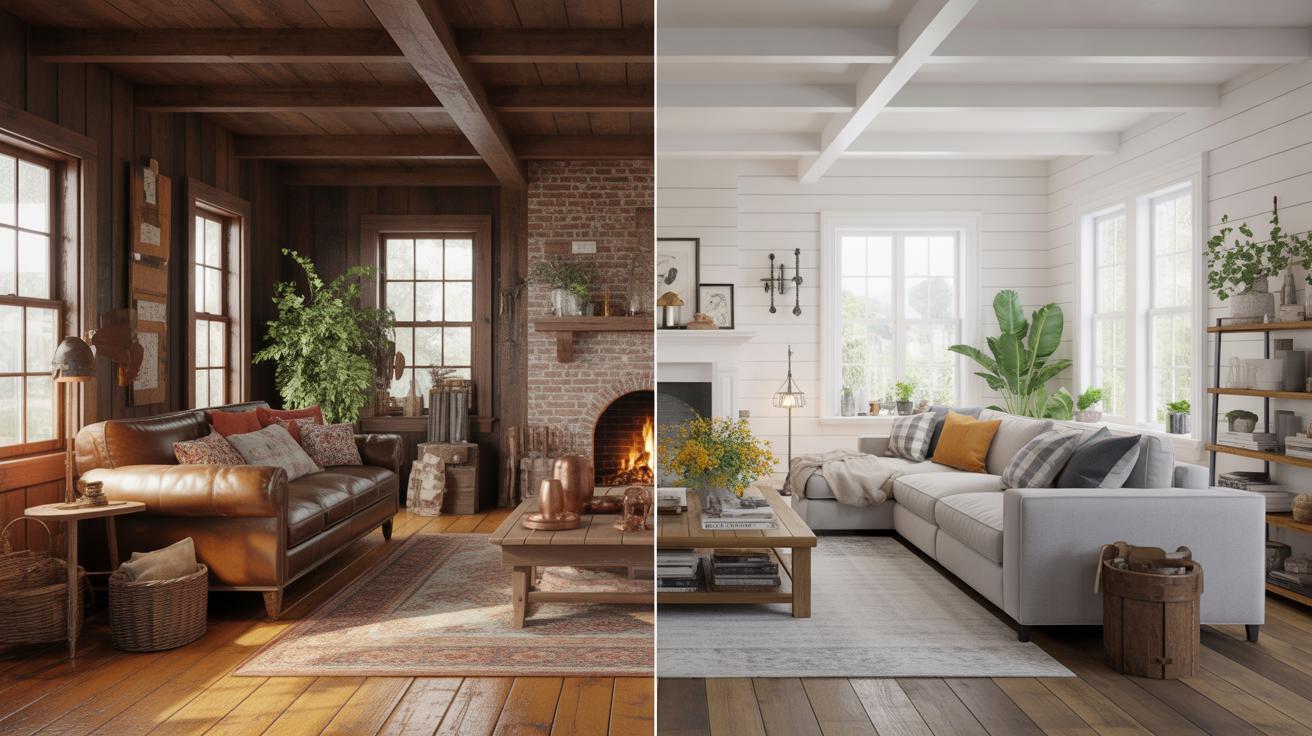
The contrast between rustic farmhouse living rooms and modern farmhouse living rooms centers on distinct design choices that shape the feel and functionality of each space. Rustic farmhouse design emphasizes natural materials, a vintage look, and traditional craftsmanship. It often brings warmth and a sense of history to a home.
Modern farmhouse living rooms blend rustic charm with contemporary elements, focusing on clean lines, simplicity, and light, open spaces. This article compares these styles to help you decide which approach best suits your living room goals and lifestyle.
Key Elements Of Rustic Farmhouse Design
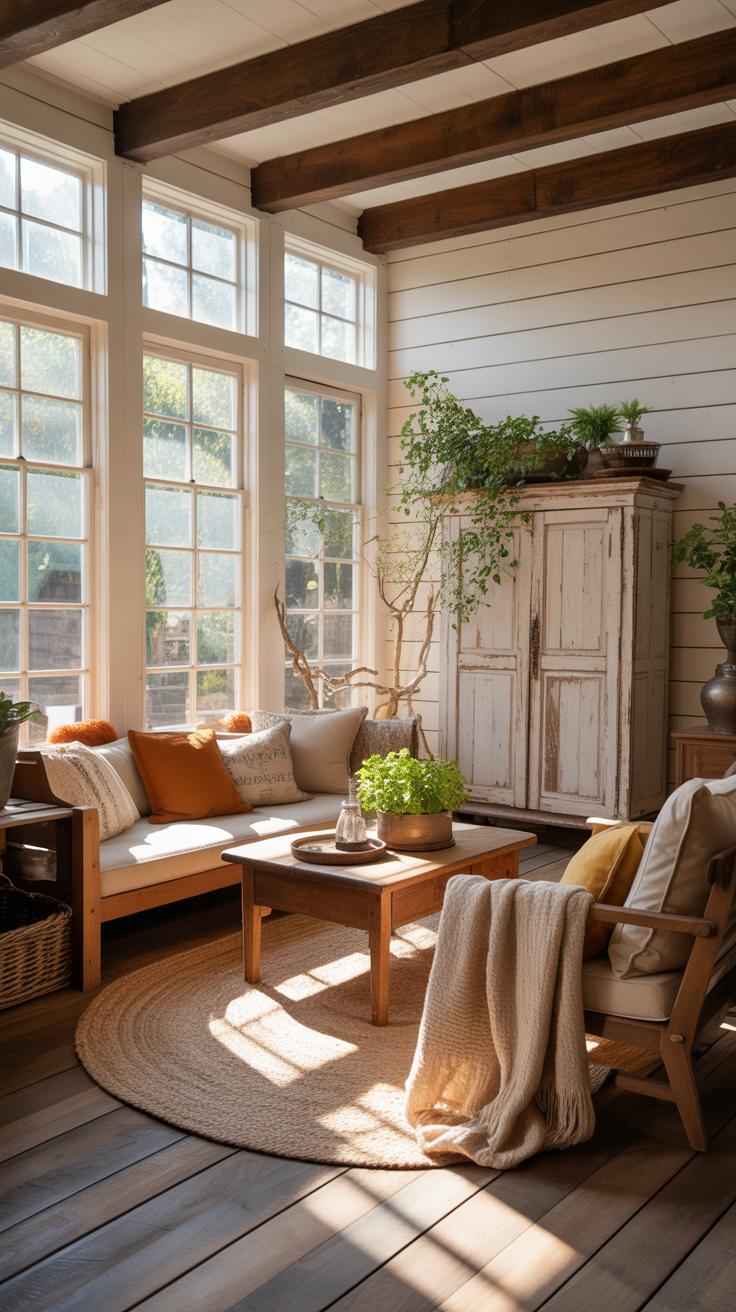
Rustic farmhouse living rooms often center around a warm, lived-in feeling—that sense of history and enduring comfort. Materials matter a lot here. You’ll see natural wood playing a starring role. Think hefty, rough-hewn beams overhead or exposed hardwood floors that tell stories through their knots and grain.
Stone adds a grounded touch, often resting as a fireplace surround or subtle accent wall that anchors the space. It introduces texture and an organic presence that wood alone can’t quite achieve. Antique accessories—maybe a weathered clock, vintage lantern, or something handcrafted—bring personality to the room and hint at a past era, or even a well-traveled story behind the household.

Colors in a rustic farmhouse living room tend to be muted and earthy. You’re looking at soft browns, deep greens, creams, and warm grays, which help keep the room feeling calm and welcoming, not flashy or sterile.
Use Of Natural Materials In Rustic Living Rooms
Wood and stone aren’t just decorative—they’re foundational. For flooring, often you see wide planks of oak or pine with a matte finish, which feels much more authentic than glossy hardwood. Walls may boast reclaimed wood paneling or even stone cladding, lending a tactile depth to the room.
Beyond floors and walls, wooden furniture is usually bulky, with a handmade quality that’s more about character than precision. Sometimes you find iron hinges or hardware that look aged, enhancing that sense of natural wear and warmth.
Choosing Furniture For Rustic Farmhouse Style
The furniture itself prioritizes comfort and craftsmanship. Distressed wood tables with imperfect edges highlight the beauty of imperfection. Vintage sofas, often upholstered in muted fabrics like burlap or linen, invite you to sit and stay a while.
Handcrafted pieces are common too—maybe a hand-carved sideboard or a bench that looks like it was pulled from an old barn. Not everything matches perfectly, but together these pieces create a cohesive vibe that’s both humble and inviting.

Do you find yourself drawn more to the feel of history and things worn-in? Or do you prefer a bit more polish? Rustic farmhouse living rooms tilt toward the former, but they still offer many ways to avoid feeling outdated or dull.
Rustic Farmhouse Living Room
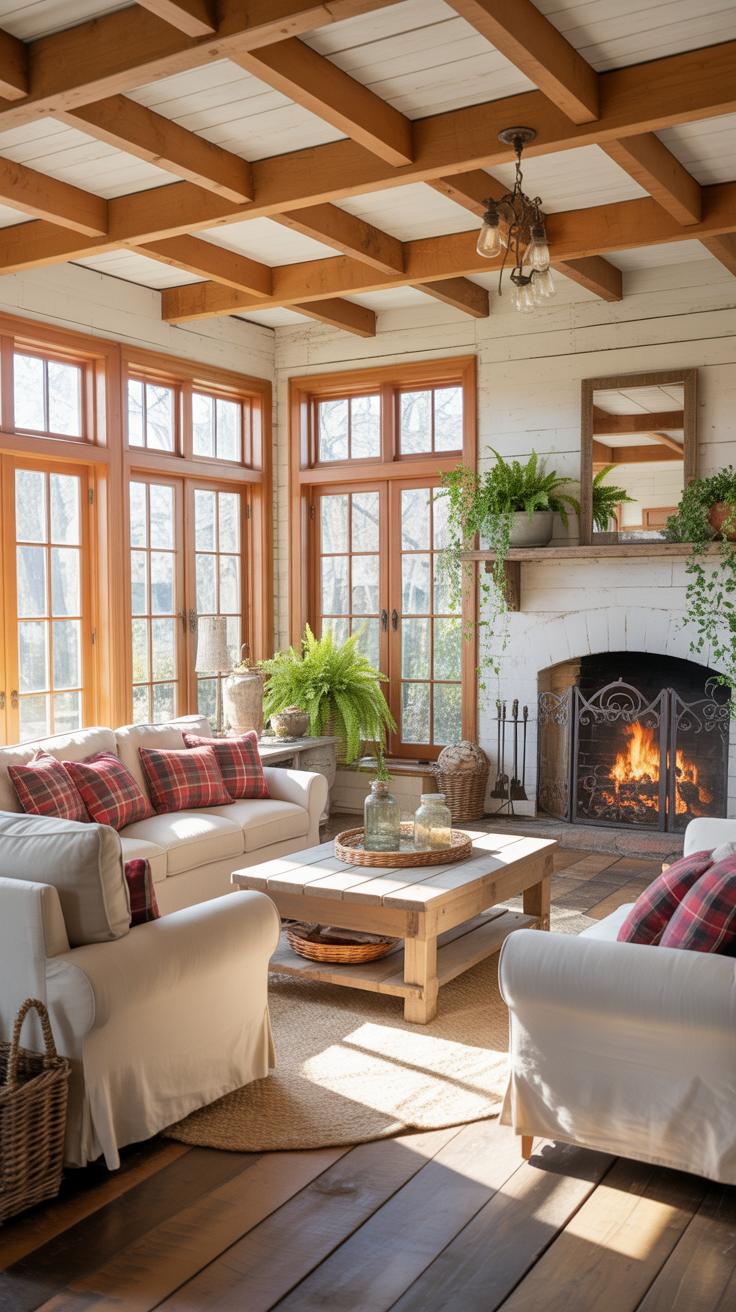
The rustic farmhouse living room leans into tradition, embracing a more organic, lived-in feel. You’ll find it full of natural elements like exposed wooden beams, rough-hewn furniture, and textures that often feel like they’ve been part of the home for generations.
Consider the use of heavy, sturdy wood pieces—maybe a worn coffee table or a large wooden mantel—that anchor the room. There’s charm in imperfections here. Scuffed floors or distressed finishes add character rather than detract from it.
Color choices tend to be warmer and earthier. Deep browns, muted reds, and soft, natural greens paint a cozy picture. And the fabrics? Think thick, cozy wools and linens, often with patterns like checks or florals. You don’t mind a bit of roughness; it adds to the story.
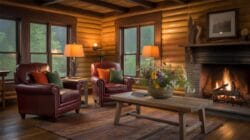
It’s not about sleekness or minimalism. Instead, rustic farmhouse rooms may feel a bit crowded or casually cluttered, with heirloom items or handmade crafts proudly displayed. There’s a sense of history, a connection to simpler times.
Some might find this approach overwhelming, but for those who enjoy a sense of warmth and history underfoot, it fits perfectly. Would you prefer a space that feels like a quiet retreat or one that invites stories from every corner? That question often guides the rustic farmhouse style in a living room.
Rustic Farmhouse Living Room
The rustic farmhouse living room invites a sense of warmth and history, often feeling like stepping into a simpler time. You might find yourself drawn to the rough textures of reclaimed wood beams and aged floors. These elements don’t just look charming; they tell a story—each knot and scratch adding character.
Furniture here tends to be substantial and handcrafted, with a preference for natural materials like oak or pine. Think chunky wooden tables or overstuffed sofas wrapped in homespun fabrics. Colors lean towards earthy tones—deep browns, muted greens, and soft creams prevail. It’s not about sleek lines or polished surfaces but rather about embracing imperfection and natural wear.
When you settle in this space, there’s a sense of quiet comfort. The ambiance is cozy, a bit like being wrapped in a well-worn blanket. It’s practical too—every piece serves a purpose without fuss or flair. You might notice vintage accessories like iron lanterns or woven baskets, each adding to the tactile depth.
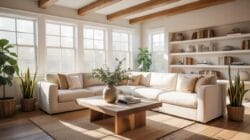
However, this style does ask a bit more from you in terms of upkeep and space use. Heavier furniture can crowd smaller rooms, and the rustic materials may require maintenance to prevent wear from turning to decay. Yet, many find these trade-offs worthwhile for the authentic, homey vibe the rustic farmhouse living room delivers.
Steps To Create A Rustic Farmhouse Living Room
Material Selection And Decor Choices
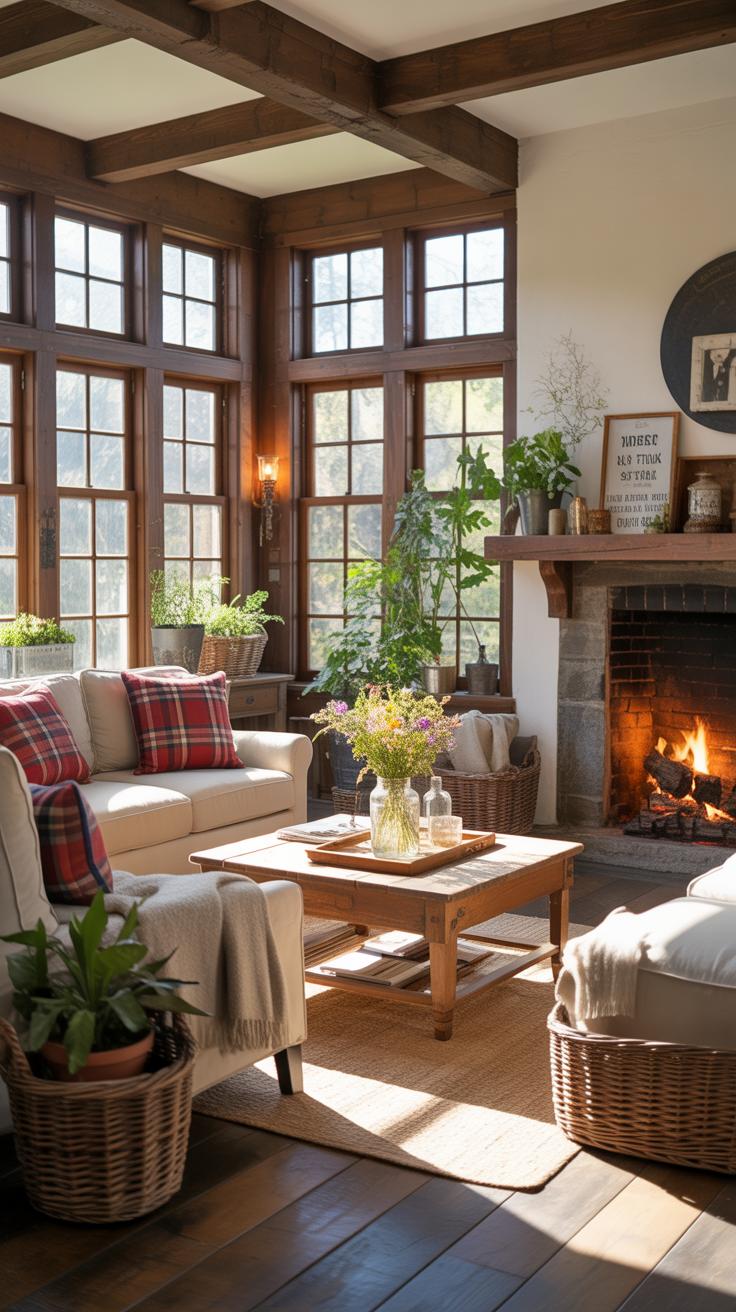
Start with wood—it’s the backbone of rustic farmhouse design. Think reclaimed or distressed wood for authenticity. Oak, pine, or cedar work great with visible grain and knots adding character. Stone accents add an earthy texture, often used around fireplaces or on one accent wall. Choose muted, natural stone rather than polished or flashy to keep that weathered feel.
Decor thrives on vintage and antique pieces. Old lanterns, galvanized metal containers, and aged pottery evoke a lived-in charm. Don’t shy away from items that show wear and history—these tell a story. Textiles should complement the raw materials, so think woven blankets, linen cushions, and simple patterns like checks or stripes.
Arranging Furniture For Rustic Comfort
Furniture in a rustic farmhouse living room is not just functional but welcomes you to sit and linger. Group seating to invite conversations—perhaps a large, comfy sofa paired with armchairs facing a wood-burning stove or fireplace. Use chunky coffee tables made from reclaimed wood that emphasize sturdiness.

Consider openness. Unlike cramped settings, a rustic farmhouse layout allows for easy movement—furniture isn’t crowded. Let natural light and the materials breathe. Adding a woven rug anchors the space and adds warmth underfoot. Place a few well-chosen, cozy throws or chunky knit pillows to soften the rustic edges and make the space feel lived in yet inviting.
Rustic Farmhouse Living Room
The rustic farmhouse living room feels, well, a bit like stepping back in time. It often leans heavily on natural materials — think rough-hewn wood beams, stone accents, and textured fabrics. The furniture? It’s usually robust and simple, with a kind of handmade quality. You might find a worn leather armchair beside a sturdy wooden coffee table, both showing signs of years, maybe even decades, of use.
Colors tend to come from the earth—deep browns, warm beiges, soft greens. Sure, you could go for an accent color, but it’s more about staying grounded, literally and aesthetically. Rustic doesn’t shy away from imperfections; in fact, those nicks, scratches, and knots in the wood add character and a sense of history.
Accessories and decor tend to be functional as much as decorative. A handmade quilt draped over a couch, an iron basket for firewood, or vintage pottery on a shelf. Lighting often comes from wrought iron fixtures or lantern-style lamps, creating a soft, inviting glow that doesn’t try to be too modern or flashy.
One question to consider: does the rustic farmhouse living room feel cozy or perhaps a bit too rough around the edges? That line varies per person. Some find the raw textures comforting, others might want to soften them with textiles or a lighter palette—but that, perhaps, starts nudging toward the modern farmhouse aesthetic.
Common Mistakes To Avoid In Farmhouse Living Rooms
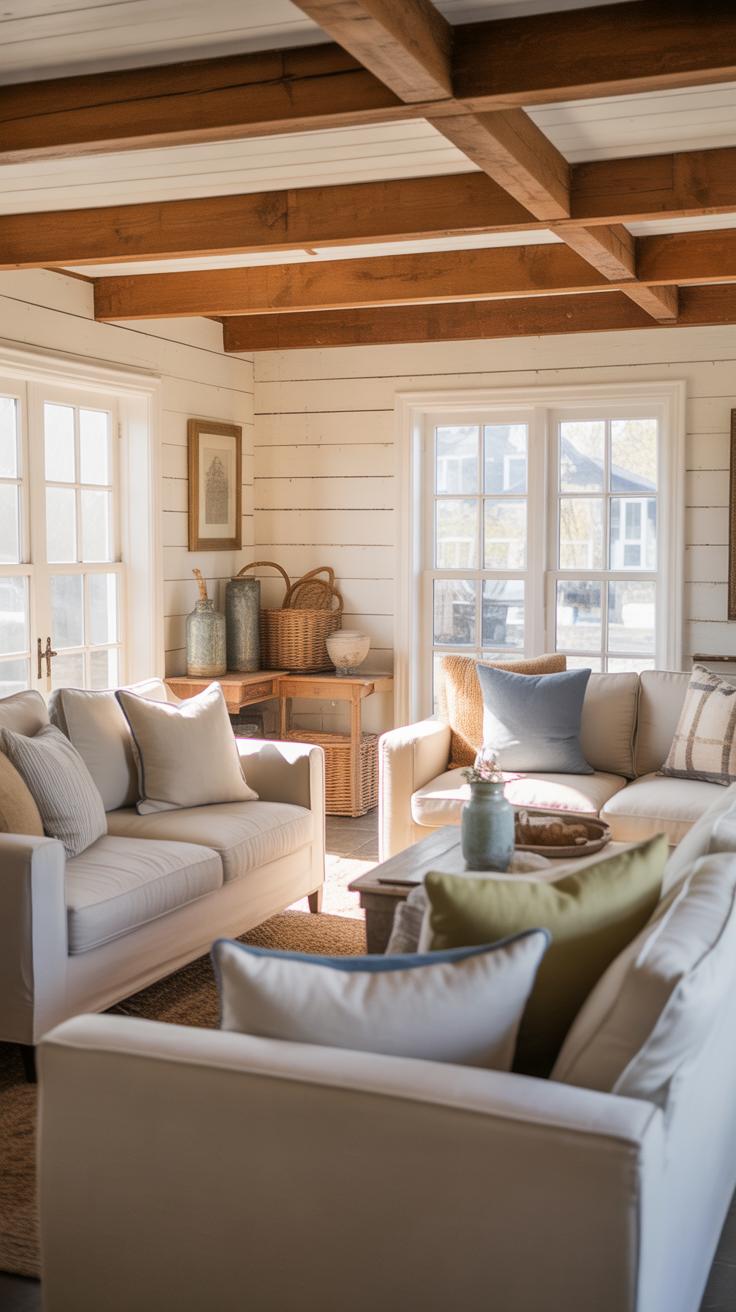
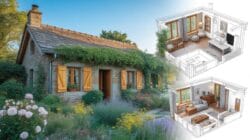
When designing a rustic farmhouse living room, it’s easy to get carried away with the charming appeal of vintage and handcrafted accessories. But overcrowding the space with too many decor pieces can backfire, making the room feel cluttered and chaotic rather than cozy. You want your living room to breathe, not to feel like a packed attic. Consider a few thoughtful statement pieces instead of a crowded shelf or tabletop filled to the brim. Balance is key — a well-chosen antique vase or a weathered wooden sign can say as much as a dozen smaller trinkets.
Scale and proportion are sometimes overlooked, yet they play a significant role in maintaining the authentic farmhouse vibe. Furniture that’s too bulky can overwhelm a modest rustic room, while overly dainty pieces might look lost against rough-hewn beams or wide plank floors. For instance, a sturdy farmhouse table or a chunky armchair usually fits better than sleek, modern alternatives. Try to match the size and arrangement of your furniture to the dimensions of your space. If your living room is small, avoid cramming it with oversized couches or multiple armchairs. Instead, let the rough textures and natural materials create a grounded, inviting feel without overcrowding.
Thinking about these details might feel a bit tedious, but it’s worth the effort to preserve the integrity and comfort of a rustic farmhouse living room. Have you noticed how some farmhouse spaces suffer from too much going on? Maybe this insight will help you avoid the same pitfalls.
Examples Of Rustic Farmhouse Inspiration
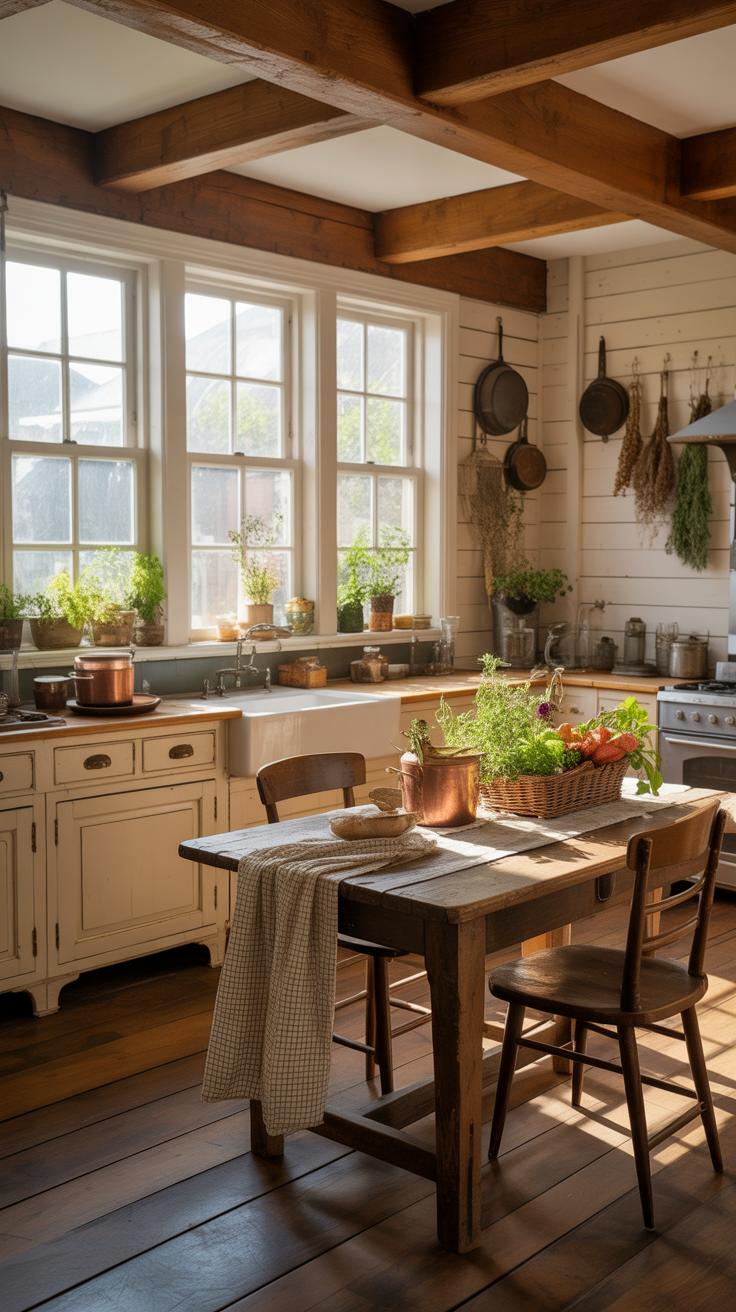
Rustic Living Room Showcase
Imagine walking into a rustic farmhouse living room where simplicity meets warmth. A cozy space with a large, overstuffed linen sofa, gently worn from years of use, invites you to sit and stay a while. The walls might wear a soft, muted color palette — think faded creams or earthy taupes — setting a relaxed, grounded tone. The furniture often features heavy wood — maybe an aged oak coffee table with deep grain patterns, or a braided jute rug that feels slightly rough underfoot yet welcoming. You’ll often find open shelving made of reclaimed wood, holding things like handmade pottery or vintage books.
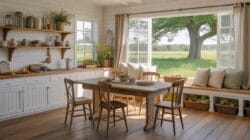
Decor elements are typically functional too: a wrought iron chandelier hanging overhead, a woven basket by the fireplace, or even simple linen curtains swaying with the breeze. It’s an imperfectly perfect combination — where nothing shouts for attention but everything has a purpose and a story.
Materials And Textures In Use
Wood, fabric, and stone come together in the rustic farmhouse living room like old friends conversing over coffee. The wooden beams on the ceiling may show rough saw marks, while the flooring uses wide planks that creak with age. Stone often anchors the room, maybe as a rugged fireplace surround or a hearth built from local fieldstones, lending a solidity that’s almost tactile.
Soft textures contrast and balance the rough. Linen slipcovers soften wooden chairs. Wool throws add warmth and a little fuzziness to worn leather armchairs. Even the cushions carry subtle weaves and natural imperfections in their fabric. This mixture makes the space feel real, lived-in, not staged. It’s tempting to imagine the stories and seasons those materials have witnessed — maybe your own story could add to the mix too.
Rustic Farmhouse Living Room
The rustic farmhouse living room centers on raw, natural elements that convey a sense of warmth and timelessness. Imagine exposed wooden beams overhead, worn floorboards that have stories to tell, and stone accents that seem to ground the space firmly to the earth. It’s not about perfection here—more about authenticity and embracing the natural beauty of imperfection.
You’ll find a lot of reclaimed wood furniture, perhaps a sturdy coffee table made from old barn wood, with signs of past use that add character rather than detract. Soft, muted colors dominate, often earthy tones like browns, greens, or soft creams. The overall vibe is cozy, almost like the room has slowly evolved over generations without forcing any modern trends.
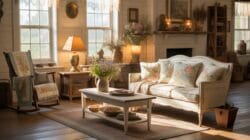
Decor choices lean toward handcrafted or vintage finds—think chunky knit throws, iron candle holders, and woven baskets. Lighting is usually warm, with fixtures like wrought iron chandeliers or lantern-style lamps. It’s a style that invites relaxation, inviting you to sink into a comfy armchair and maybe lose yourself in an old book or a long conversation.
One tricky thing, though, is balancing rustic charm with functionality. You might adore the idea of a rugged wooden console table, but it must fit your daily needs, like tech storage or kid-proof surfaces. Still, this style makes it easy to mix and match, so you can blend in personal mementos or family heirlooms quite naturally. Isn’t it interesting how this decor celebrates living history instead of following fleeting trends?
Conclusions
Choosing between a rustic and a modern farmhouse living room depends on your personal preferences for style and comfort. Rustic farmhouse rooms offer a cozy, nostalgic vibe with a focus on wood and natural textures. They cater well to those who appreciate traditional aesthetics.
Modern farmhouse living rooms provide a brighter, more streamlined look while maintaining some rustic touches. This makes them suitable for anyone seeking a balance between old and new. Both styles create inviting spaces, so your selection comes down to function, look, and what makes you feel at home.