The Allure Of Indoor International Gardens
Cultural Connection
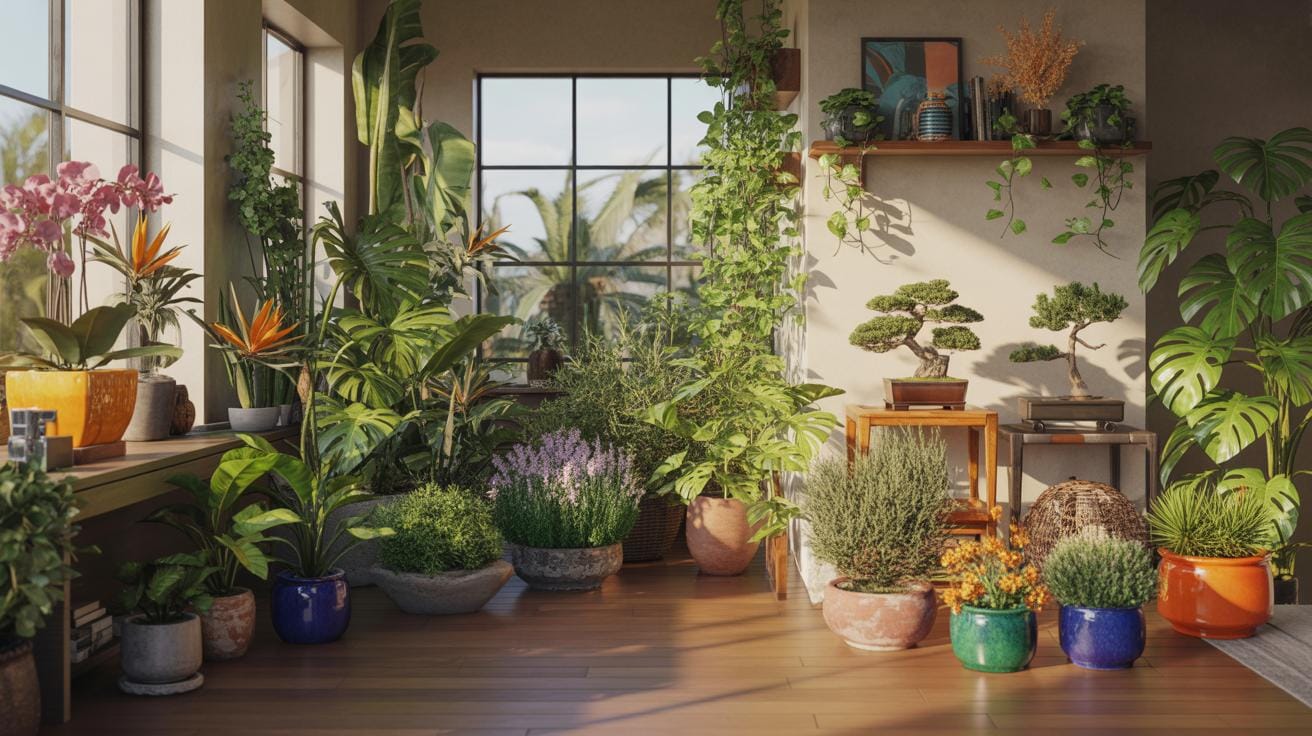
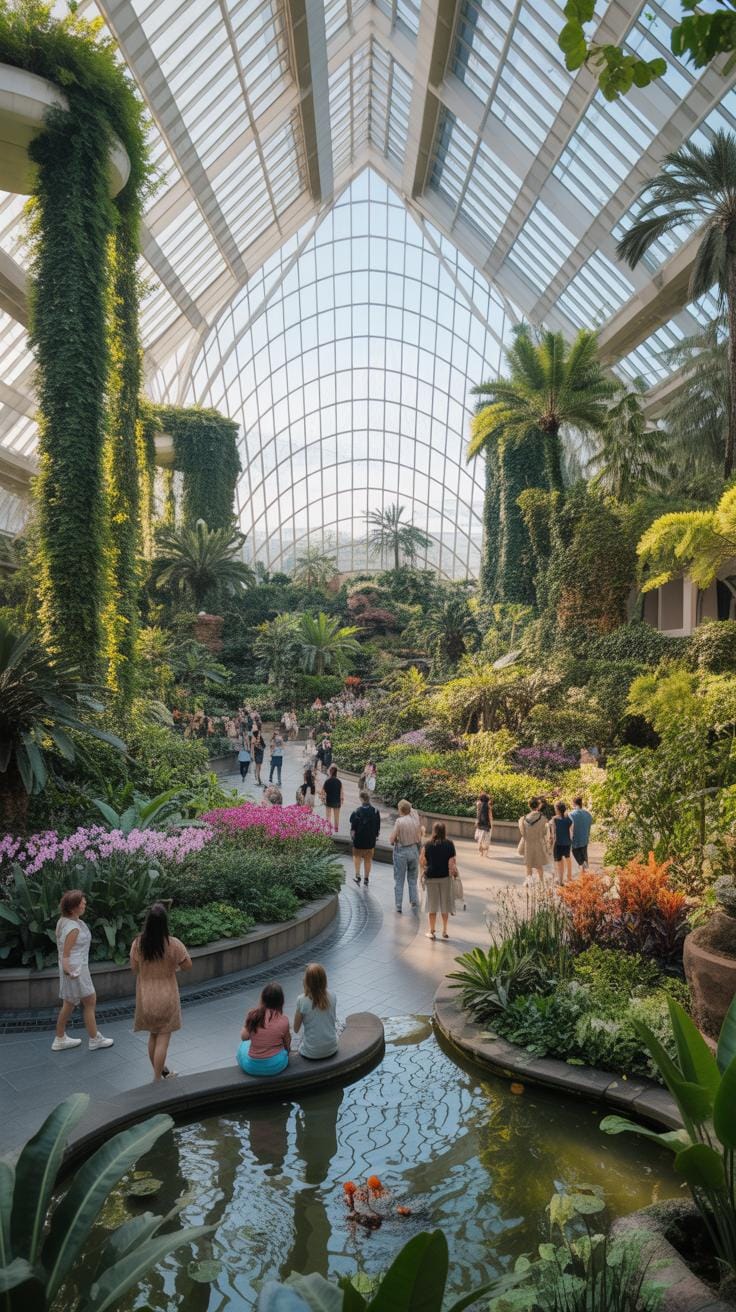
Indoor international gardens serve as living bridges to distant cultures and botanical traditions spanning continents. These curated spaces allow homeowners to cultivate meaningful connections with heritage through plants and design principles rooted in global horticultural practices. From Japanese plant selection philosophy to Mediterranean herb cultivation, indoor international gardens transform personal spaces into reflections of beloved world regions. This practice honors ancestral traditions while creating intimate sanctuaries that celebrate human diversity.
Creating indoor international gardens encourages exploration of how different cultures have historically interacted with their natural environments. Japanese bonsai cultivation, for instance, reflects centuries of aesthetic philosophy and patience. Mediterranean citrus displays echo ancient Roman practices. Chinese feng shui principles guide spatial arrangements. These authentic design elements provide more than visual appeal—they offer windows into how diverse communities have shaped their relationships with plants, seasons, and personal spaces throughout history.
Aesthetic Versatility
The transformative power of indoor international gardens lies in their remarkable ability to blend multiple design aesthetics within unified living spaces. A standard room becomes a sophisticated multicultural sanctuary when thoughtfully incorporating global botanical styles. Whether combining Scandinavian minimalism with Japanese plant arrangements or layering Moroccan tile work alongside Mediterranean potted specimens, indoor international gardens create visual depth and cultural richness. This aesthetic flexibility appeals to homeowners seeking distinctive, personally meaningful environments.
Strategic layering of international elements prevents visual chaos while celebrating global diversity. Mixing styles requires understanding each tradition’s core principles: Scandinavian design emphasizes simplicity and light, while maximalist tropical arrangements prioritize abundance and texture. Chinese scholars’ gardens prioritize contemplation through carefully composed natural scenes. By respecting these foundational philosophies rather than merely adopting superficial aesthetics, indoor international gardens become cohesive expressions of refined taste. The result transforms ordinary living rooms into extraordinary spaces reflecting worldwide botanical wisdom and cultural appreciation.

Designing A Japanese Zen Retreat Indoors
Essential Elements: Rocks And Moss
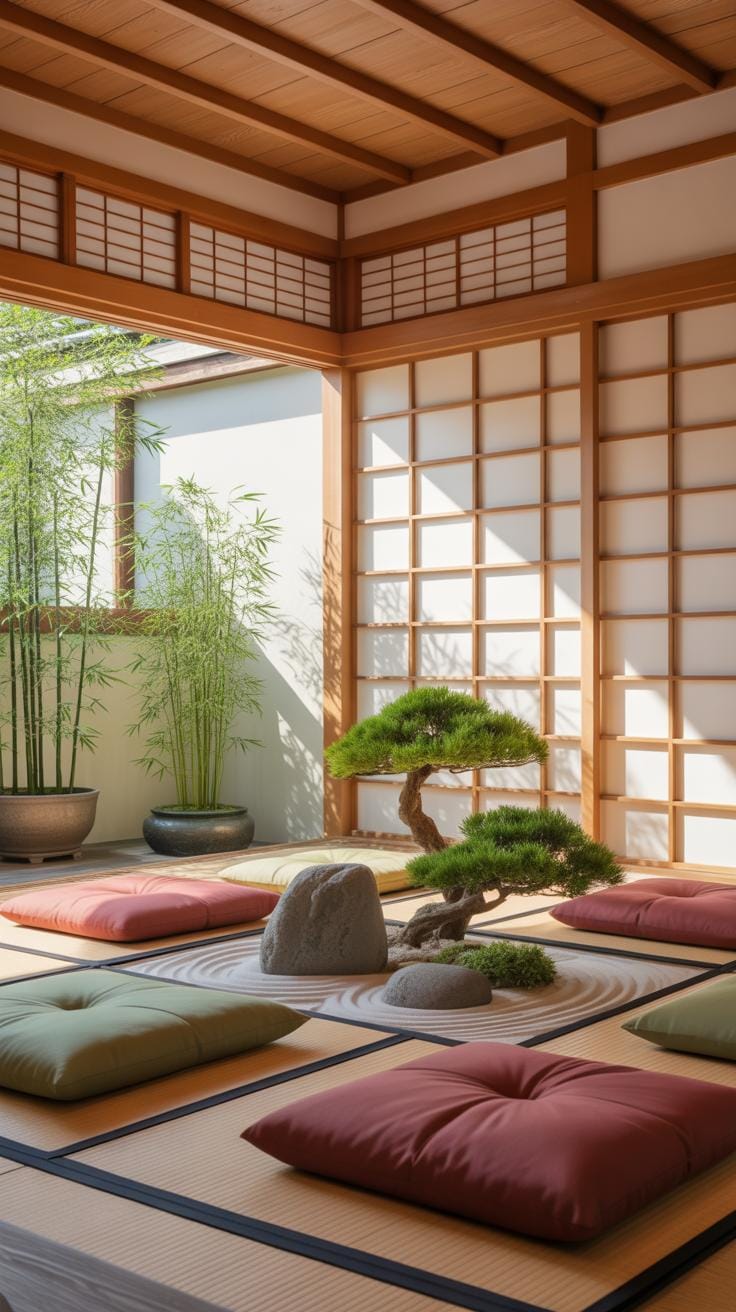
The Japanese aesthetic of ‘Suseki’—prized viewing stones carefully selected for their natural beauty and form—brings profound minimalism to indoor international gardens. These stones, often featuring interesting shapes, colors, and textures, require no soil or maintenance. Displayed on simple wooden stands or shallow trays, Suseki stones become contemplative focal points. Their presence embodies the Japanese principle of finding extraordinary beauty in nature’s simplicity, transforming modest living room corners into meditative spaces that encourage quiet reflection and artistic appreciation.
Low-light mosses complement Suseki stones beautifully in creating authentic Japanese design within compact spaces. Varieties like Java moss and cushion moss thrive in indirect light while requiring minimal care, making them ideal for indoor environments. When arranged around stones on shallow terrariums or moss boards, they evoke natural forest floors. This combination captures the essence of traditional Japanese garden design, translating centuries-old principles into accessible home decor that brings tranquility and organic beauty to your indoor international gardens without demanding extensive sunlight or demanding horticultural expertise.
When we create a garden, no matter how small or where it is in the world, we enrich the world as a whole.
The Role Of Water Features
Small bamboo fountains or ‘Tsukubai’—traditional Japanese water basins historically used for ritual purification—introduce soothing auditory elements to indoor international gardens. Modern adaptations maintain authentic aesthetics while fitting contemporary living spaces. The gentle sound of recirculating water creates calming ambiance, while the visual movement provides dynamic contrast against static stone and moss arrangements. Tsukubai fountains encourage mindfulness and contemplation, transforming ordinary rooms into sanctuary spaces that evoke peaceful Japanese mountain temples and serene garden landscapes cherished for centuries.
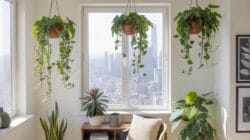
Water features in Japanese indoor gardens symbolize life force and spiritual cleansing, deepening the philosophical dimension of your design. Bamboo spouts directing water into ceramic or stone basins create rhythmic patterns and gentle splashing sounds that mask urban noise. Beyond aesthetic appeal, these fountains improve air humidity, benefiting nearby moss and plants. The interplay of water, stone, and living moss elements creates balanced compositions reflecting ‘wabi-sabi’ principles—celebrating imperfection and impermanence through harmonious natural design that transforms your space into contemplative retreat.
Capturing The Mediterranean Spirit With Citrus And Herbs
Sun Loving Potted Citrus Trees
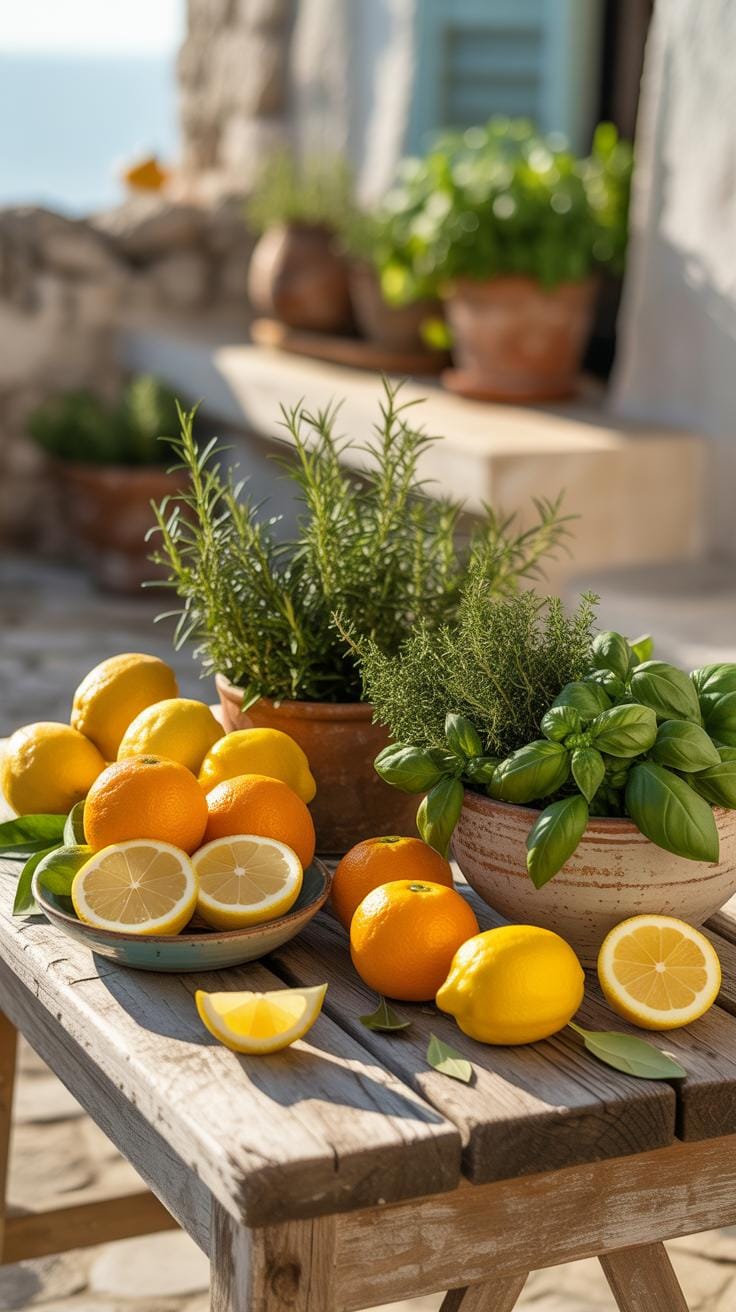
Meyer lemon trees and Calamondin oranges are exceptional choices for indoor international gardens seeking authentic Mediterranean charm. These compact varieties thrive indoors when positioned near south-facing windows, requiring six to eight hours of bright, indirect light daily. Meyer lemons produce fragrant white blossoms and small golden fruits, while Calamondin oranges bear ornamental qualities with their glossy foliage and vibrant orange fruits. Both species tolerate container cultivation remarkably well, making them ideal for apartment dwellers and those without garden space.
Successful indoor cultivation demands attention to environmental conditions that mimic Mediterranean climates. Use well-draining potting soil and maintain consistent moisture without waterlogging roots. These citrus varieties prefer daytime temperatures between sixty-five and seventy-five degrees Fahrenheit, with slightly cooler nights. Supplement natural light with grow lights during winter months when daylight diminishes. Feed monthly during growing seasons with balanced citrus fertilizer, and prune gently to maintain compact shapes. Your living room becomes infused with the sun-drenched essence of Italian courtyards and Greek terraces.
Aromatic Herb Arrangements Tuning Into Terroir
Mediterranean herbs capture the distinctive character of hillside gardens through their complex fragrances and silvery foliage. Rosemary, lavender, and oregano create sensory layers when grouped together in terracotta containers, their aromatic oils releasing when brushed by passing hands. Terracotta’s porous nature allows proper air circulation around roots while its earthy warmth evokes authentic Mediterranean aesthetics. Arrange these herbs at varying heights on shelving or windowsills to create visual interest while ensuring each receives adequate light exposure for optimal growth and fragrance intensity.
- Rosemary: Upright stems with needle-like leaves and subtle piney aroma
- Lavender: Purple-tinted flowers with calming, floral fragrance and delicate appearance
- Oregano: Creeping growth habit with oregano-scented foliage and subtle flower clusters
- Terracotta pots: Breathable containers that enhance Mediterranean authenticity and herb health
- Window placement: South or west-facing locations providing consistent warmth and bright illumination
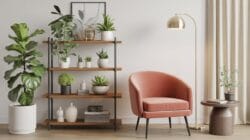
Creating these aromatic displays transforms interior spaces into fragrant havens that transport inhabitants to sun-soaked Mediterranean landscapes. The combination of visual beauty and olfactory richness makes your indoor international gardens a multisensory escape from daily life.
Creating A Lush Tropical Jungle Oasis
Broad Leafed Giants: Monstera And Palms
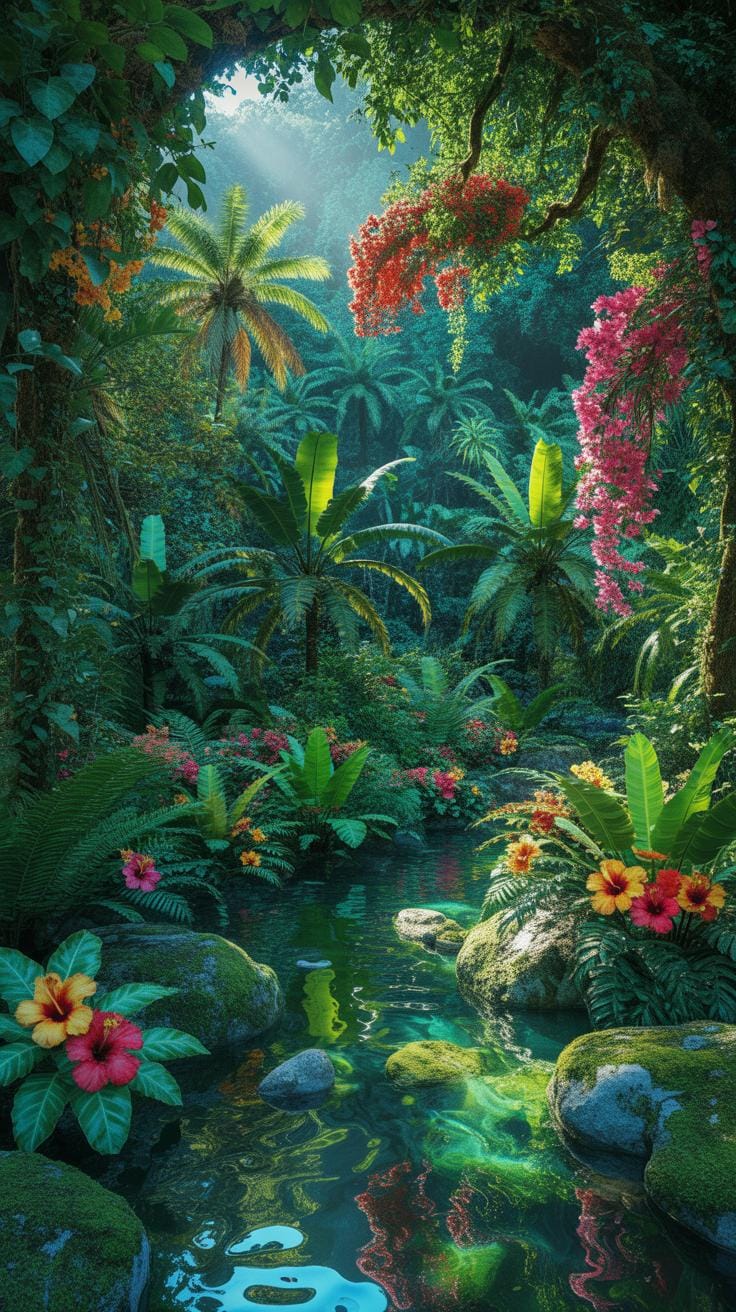
Monstera deliciosa, native to the rainforests of Central America, brings dramatic architectural presence to indoor international gardens. Its characteristic split leaves evolved to allow light penetration through dense canopy layers, creating visual intrigue as they mature. The plant grows vertically along moss poles, mimicking its natural climbing behavior in tropical forests. When positioned as a focal point, Monstera establishes the foundation for your jungle aesthetic, anchoring the space with its bold foliage and commanding presence.
Kentia palms complement Monstera beautifully, originating from Lord Howe Island off Australia’s coast. Their feathery, arching fronds create layered texture and soften architectural spaces while reaching toward ceiling heights. Together, these specimens establish the dense, verdant canopy characteristic of rainforest ecosystems. Pairing these broad-leafed giants creates visual depth, with Monstera’s horizontal leaves contrasting against the palm’s vertical fronds, producing authentic jungle proportions within your living room sanctuary.
Managing Humidity And Light For Tropicals
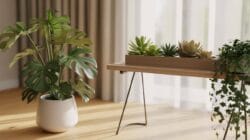
Creating optimal conditions requires understanding tropical plants’ native environments. Indoor international gardens thrive with consistent humidity levels between 60-80 percent, mimicking rainforest conditions. Pebble trays filled with water beneath planters create microenvironments where moisture evaporates gradually around foliage. A quality humidifier becomes essential in dry climates, maintaining ambient moisture that prevents leaf browning and supports healthy growth patterns for your tropical specimens year-round.
Light requirements for tropical species demand bright, indirect exposure, replicating dappled rainforest sunlight filtering through upper canopy layers. East or west-facing windows provide ideal conditions, protecting delicate foliage from harsh afternoon rays. Consider these humidity and light management techniques:
- Position plants near windows with sheer curtains filtering direct sunlight
- Run humidifiers during heating seasons when indoor air becomes notably dry
- Mist foliage regularly, particularly early morning when plants naturally absorb moisture
- Group plants together to create collective humidity through transpiration
- Monitor soil moisture without allowing waterlogging, which contradicts tropical conditions
Rotating plants quarterly ensures even light exposure and prevents leggy growth patterns. Patience with seasonal adjustments allows your indoor tropical garden to establish stability and flourish.
The Elegance Of The French Formal Garden Style
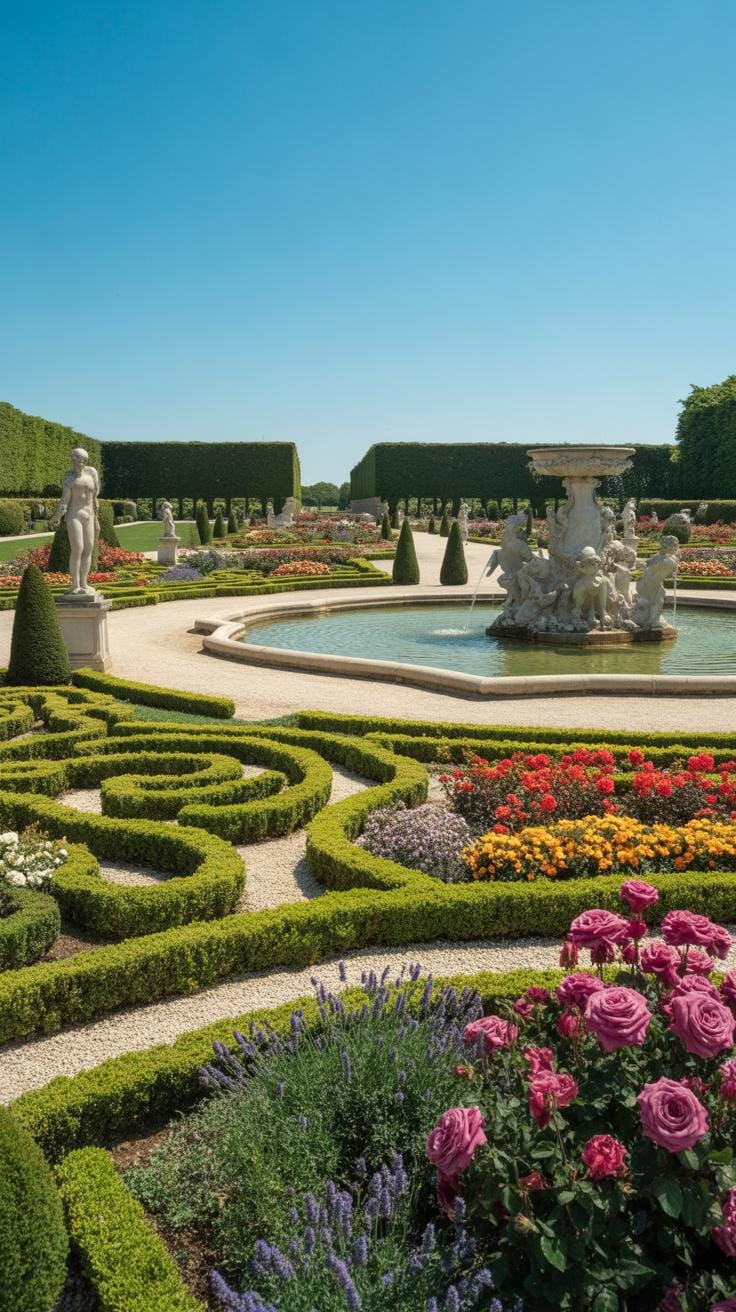
Symmetry And Structure In Miniature
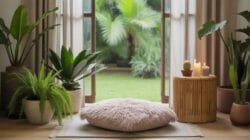
French formal gardens epitomize precision and order, principles that translate beautifully into indoor international gardens. The iconic parterre design relies on geometric patterns created through carefully cultivated hedging, traditionally featuring boxwood but adaptable to smaller-scale indoor plants. Myrtus, with its fine, delicate foliage, creates the same refined aesthetic in confined spaces. Small-leafed ivy varieties offer another excellent alternative, cascading gracefully while maintaining the sharp architectural lines that define French garden philosophy. These plants respond well to regular trimming, allowing you to sculpt living geometry within your living room.
Creating miniature parterres indoors requires patience and attention to detail, but the rewards are substantial. Arrange low hedging plants in symmetrical patterns around a central focal point, mirroring the classical French approach. Container placement becomes crucial—align pots with mathematical precision to enhance the formal effect. This disciplined approach transforms your indoor space into a refined sanctuary that whispers of Versailles and aristocratic European estates. The interplay of light and shadow across your geometric planting scheme adds depth and sophistication to any room.
Classical Accents And Statuary
Stone busts and ornamental pieces transport your indoor international gardens directly into the Louis XIV aesthetic, an era celebrated for its opulence and refined taste. Small classical sculptures positioned among your plantings create focal points that anchor the space with gravitas and historical authenticity. Weathered stone or marble finishes complement green foliage naturally, evoking the feeling of discovering a hidden garden room within your home. These classical accents need not be large—subtle pieces strategically placed among your Myrtus and ivy create surprising moments of discovery.
Wrought-iron plant stands elevate both your plants and the overall design narrative of your space. These ornate stands, characteristic of French period design, provide elegant support while adding architectural interest at varying heights. The interplay between delicate iron work and living plant material creates visual richness reminiscent of grand European conservatories. Choose pieces with scrolling details and curved lines that echo natural plant growth patterns, creating harmony between metalwork and botanical elements in your carefully curated indoor garden composition.
Bringing The English Cottage Garden Inside
Whimsical Floral Abundance
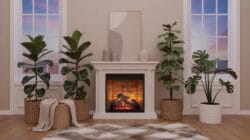
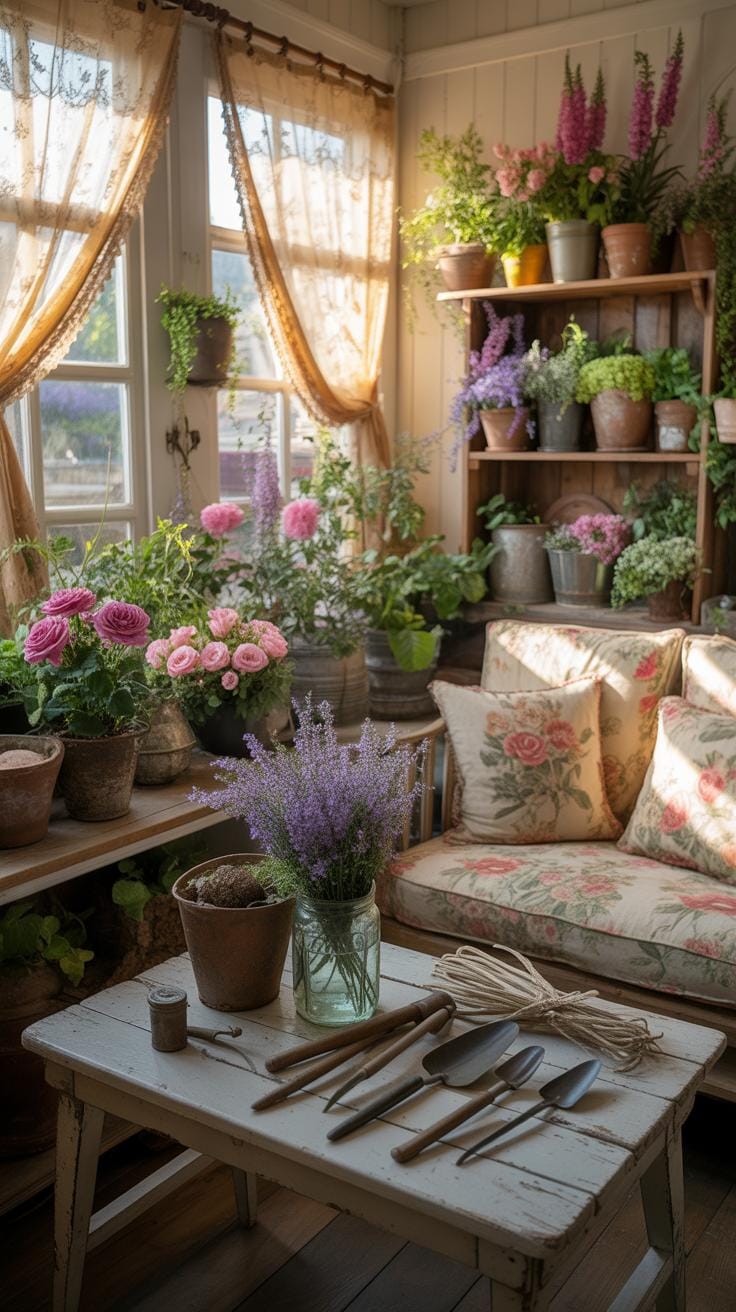
The English cottage garden aesthetic celebrates overflowing blooms and romantic disorder, a style that translates beautifully into indoor international gardens. African violets thrive in indoor conditions with their delicate purple, pink, and white flowers that bloom prolifically throughout the year. Fragrant jasmine varieties like Jasminum polyanthum produce star-shaped flowers and release evening scents that evoke traditional garden charm. These plants layer together to create the characteristic abundance cottage gardeners adore, bringing nostalgic character into your living room.
Creating authentic floral richness requires understanding each plant’s needs while grouping them for visual impact. Jasmine benefits from bright, indirect light and moderate watering, while African violets prefer consistent moisture and humidity without water on their leaves. Combine these with trailing ivy or delicate ferns to establish the dense, intertwined appearance of established cottage gardens. This carefully orchestrated abundance feels effortlessly romantic, capturing the soul of English garden design within your home’s intimate spaces.
- African violets in jewel-tone blooms
- Fragrant jasmine for evening aromatics
- Trailing ivy for layered depth
- Delicate ferns for texture and movement
- Small flowering begonias for continuous color
Vintage Containers And Layered Textures Tuning Into Cottagecore
Mismatched ceramic pots and earthenware vessels form the foundation of authentic cottage garden aesthetics in indoor international gardens. Wicker baskets with vintage appeal, aged terracotta pots with weathered surfaces, and chipped ceramic bowls create intentional imperfection that defines the cottagecore movement. These containers needn’t match; their varied heights, colors, and textures work together harmoniously, reflecting how real cottage gardens developed organically over generations rather than through calculated design schemes.
Layering textures deepens the immersive experience of your indoor cottage garden sanctuary. Combine rough wicker with smooth ceramic glazes, weathered terracotta with delicate porcelain, and natural fibers with aged metal plant stands. Drape trailing plants over basket edges and let them cascade naturally across shelf surfaces. This tactile diversity invites exploration and touch, while the lived-in aesthetic provides psychological comfort through its rejection of perfectionism and embrace of character-filled, time-worn beauty.
The Desert Chic Of A Moroccan Riad Garden
Succulents And Cacti In Geometric Patterns
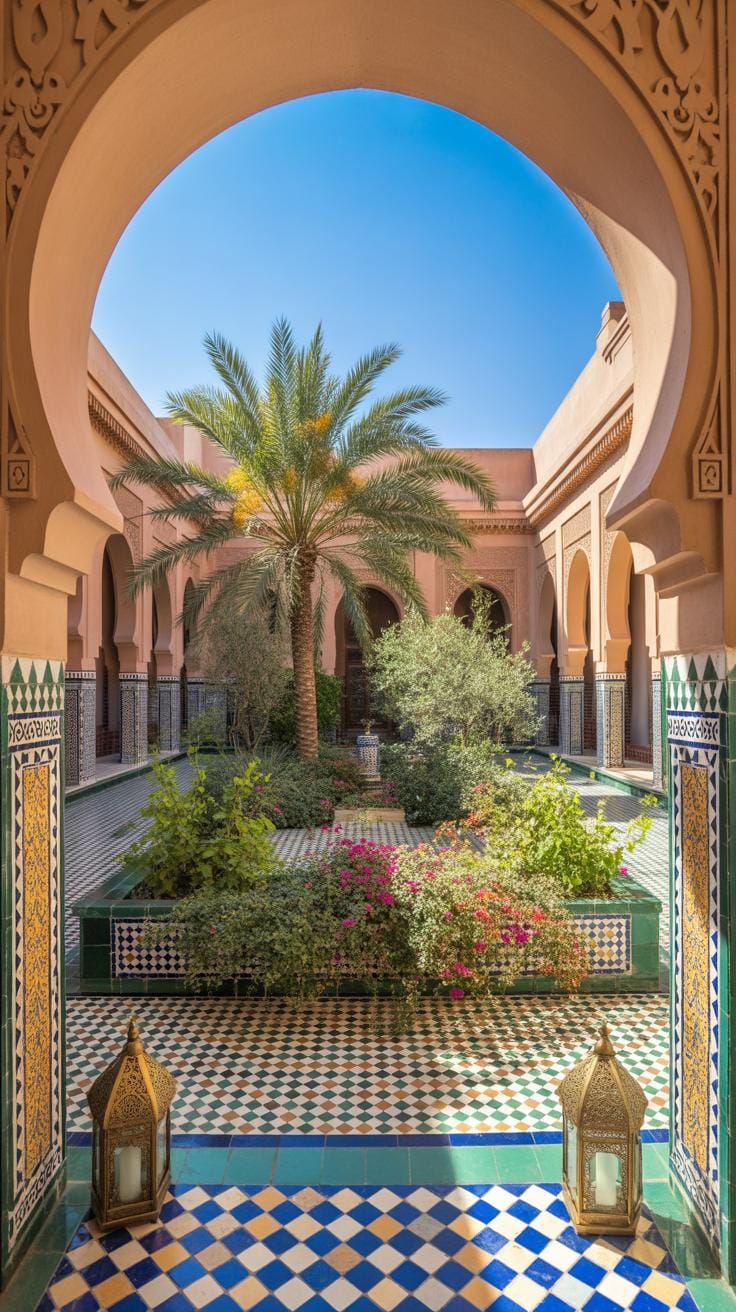
Moroccan design celebrates precision through intricate zellige tilework, a tradition spanning centuries. Translating this aesthetic into indoor international gardens means arranging drought-tolerant plants in patterns that echo these geometric principles. Aloe vera, Haworthia, and Echeveria varieties thrive indoors with minimal water, making them ideal for this style. Positioning these succulents in mosaic-tiled planters creates visual harmony, where each plant becomes a deliberate design element rather than mere decoration.
- Aloe vera for upright architectural form
- Haworthia for delicate rosette patterns
- Echeveria for soft, layered silhouettes
- Terracotta or zellige-inspired ceramic planters
- Repeating triangular or diamond arrangements
The interplay between living plants and patterned ceramics transforms your space into a miniature riad courtyard. Clustering containers of varying heights creates depth while maintaining the organized symmetry Moroccan design demands. The soft, fleshy leaves of succulents provide organic contrast against geometric tile patterns, establishing the balance between nature and human craftsmanship that defines this aesthetic tradition.
Bold Colors And Architectural Plants
Marrakech’s buildings showcase striking color combinations—deep indigos, burnt oranges, and jewel greens against whitewashed walls. Sansevieria, or snake plant, offers tall, structural lines in deep green, providing vertical interest without demanding constant attention. When positioned near sunny windows, vibrant Bougainvillea provides the chromatic boldness Moroccan interiors celebrate, with papery flowers in fuchsia, coral, or purple that capture Marrakech’s energetic spirit within your indoor international gardens.
These architectural plants create visual drama through contrast and scale. Sansevieria’s sword-like leaves establish strong vertical elements reminiscent of traditional carved screens, while Bougainvillea’s prolific blooms echo the abundant flowering vines adorning courtyard walls throughout North Africa. Together, they establish a living design statement that honors Moroccan aesthetics while thriving in controlled indoor conditions, bringing authentic desert luxury into your contemporary living space.
Scandinavian Minimalism And Functional Greenery
The Hygge Approach To Houseplants
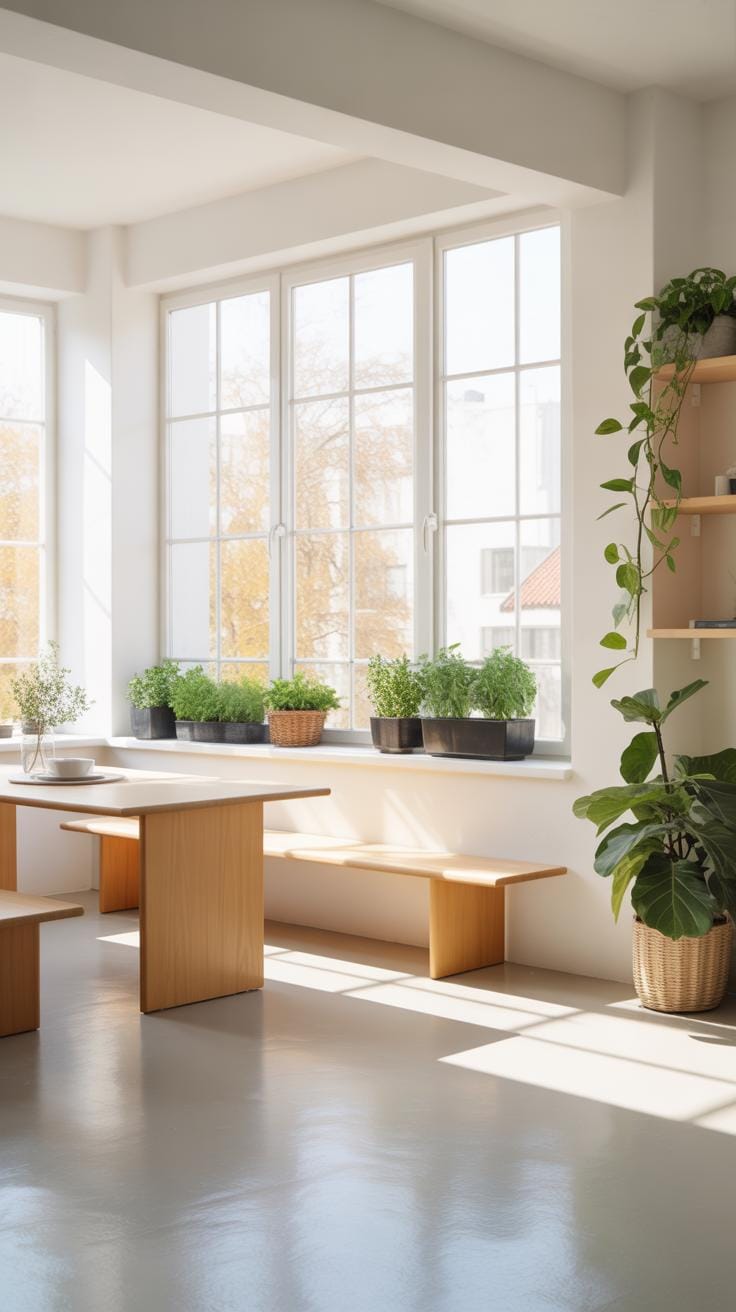
The Nordic concept of hygge—pronounced “hoo-gah”—translates to a sense of warmth, coziness, and contentment. When applied to indoor international gardens, this philosophy encourages thoughtful plant selection rather than overcrowded collections. The Fiddle Leaf Fig, with its dramatic, sculptural leaves and architectural presence, exemplifies this approach perfectly. A single well-placed specimen creates visual impact while maintaining the clean aesthetic that defines Scandinavian design. This minimalist strategy transforms your living room into a serene sanctuary.
Selecting plants for hygge-inspired spaces means prioritizing quality over quantity and considering how each plant contributes to overall atmosphere. The Snake Plant and Pothos offer low-maintenance appeal, while their trailing or upright forms add visual interest without cluttering. Pairing these thoughtfully selected specimens with soft lighting, comfortable textures, and neutral furnishings creates the quintessential Nordic sanctuary. This restrained approach ensures your indoor international gardens feel intentional, peaceful, and genuinely livable rather than greenhouse-like or overwhelming.
Natural Materials And Simple Lines
Scandinavian design philosophy emphasizes harmony between plants and their surroundings through natural, unpretentious materials. Light wood—such as birch, ash, or oak—complements greenery beautifully while echoing the Nordic forests that inspire this design movement. Stone planters in pale gray or white tones maintain visual lightness, while their organic texture grounds the space authentically. When selecting containers for your indoor international gardens, prioritize clean-lined vessels that showcase rather than compete with your plants’ natural beauty.
Creating cohesion between your greenery and furnishings establishes a sophisticated Scandinavian environment that feels effortlessly integrated. Consider these material pairing strategies:
- Combine matte ceramic or concrete planters with live-edge wooden plant stands
- Layer different wood tones for warmth while maintaining the minimalist aesthetic
- Incorporate stone or pebbles around pot bases for textural depth
- Use linen or cotton plant hangers in cream or natural fibers
- Select pale, unfinished wood shelving to display smaller specimens
This thoughtful curation of materials ensures your indoor international gardens reflect Nordic values of functionality, sustainability, and understated elegance. The bright, airy feeling remains paramount—every element, from planter to plant support, should contribute to an uncluttered, inviting atmosphere that makes daily life more beautiful.
Practical Tips For Maintaining Indoor International Gardens
Zoning Your Living Room By Microclimate
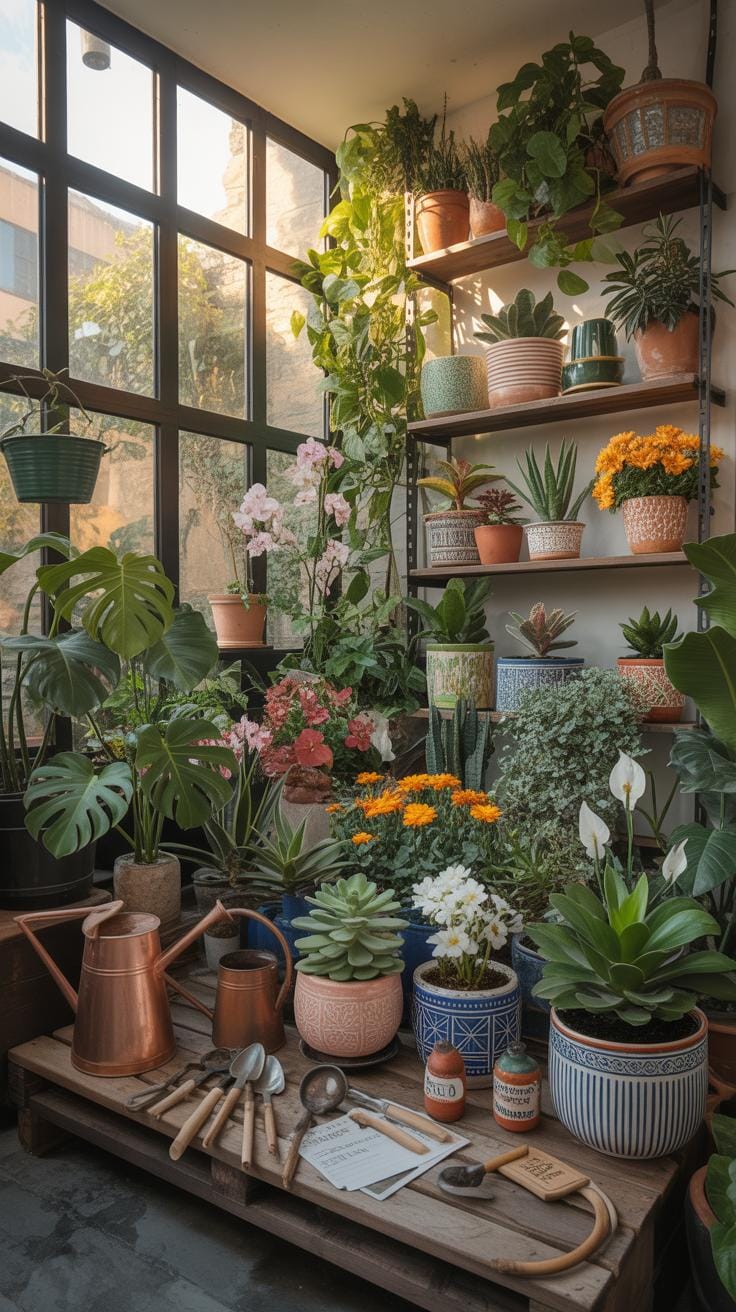
Creating distinct zones within your living room allows you to cultivate plants from various climates successfully. Indoor international gardens thrive when you group species by their specific environmental requirements—tropical plants near bright windows, shade-loving ferns in corners, and succulents on well-lit shelves. Assess your room’s natural light patterns throughout the day, noting which areas receive direct sun, filtered light, or consistent shade. Understanding these microclimates transforms your space into multiple growing environments within one room.
Watering schedules become manageable when plants with similar moisture needs occupy the same zone. Mediterranean herbs prefer drier conditions, while Southeast Asian plants often require consistently moist soil. Consider proximity to heating vents and air conditioning units, as these affect humidity levels and evaporation rates. By thoughtfully organizing your indoor international gardens into climate zones, you reduce plant stress and create a more harmonious living environment where each specimen receives precisely what it needs.
Sourcing Authentic Species And Decor
Locating heritage seeds and culturally significant plants requires patience and research, but the authenticity enriches your indoor international gardens immensely. Reputable seed companies specializing in heirloom varieties offer Asian medicinal herbs, African succulents, and South American flowering plants. Botanical gardens often host plant sales featuring rare species with documented origins. Online communities devoted to plant collecting connect enthusiasts with growers maintaining traditional varieties passed down through generations, ensuring genetic integrity and cultural continuity.
Pairing plants with respectful, culturally appropriate decor completes your global aesthetic. Seek handcrafted pottery from regions matching your garden’s theme—Moroccan tagines for North African plants, Japanese ceramic planters for bamboo varieties, or terracotta from Mediterranean regions. Fair-trade organizations support artisans while providing authentic pieces. Visit ethnic markets and specialty shops where proprietors possess genuine knowledge about their heritage items. This intentional curation transforms your indoor international gardens from merely decorative into meaningful cultural expressions that honor the plants’ origins.
Frequently Asked Questions

What are indoor international gardens?
Indoor international gardens bring the beauty of gardens from around the world right into your living room, creating a global escape at home. Think lush Japanese bonsai, vibrant Mexican succulents, or aromatic Moroccan herbs thriving indoors. This trend mixes plants, pots, and decor inspired by diverse cultures for a unique, worldly vibe that refreshes your space effortlessly.
Which international garden style works best for beginners?
Scandinavian minimalism is the easiest starting point for beginners, since it relies on just one or two statement plants like a Fiddle Leaf Fig or Snake Plant instead of complex layering. Mediterranean herb arrangements are a close second, since rosemary, lavender, and oregano tolerate some neglect and reward you with fragrance almost immediately. Both styles need minimal specialized equipment, so you can start small and expand your collection as your confidence grows.
Can I combine multiple international garden styles in the same room?
Yes, but success depends on zoning rather than mixing plants randomly. Group species by shared light and humidity needs, tropical plants near bright windows, Mediterranean herbs in drier spots, Japanese elements in a quieter corner, so each vignette reads as intentional rather than cluttered. Sticking to one dominant palette or container material across the zones, like matching terracotta or a consistent neutral tone, helps tie the different styles together visually.