

The Cottage Mudroom Decompression Chamber: More Than Just A Boot Room
Where Your Mind Actually Shifts
You want a mudroom because you’re terrified of chaos bleeding into your living space. That’s the real fear underneath. The mechanism at play here is a spatial buffer—a psychological airlock between exterior conditions and interior order. Your brain doesn’t separate “muddy boots in the hallway” from “my life is out of control.” The mudroom exists to interrupt that translation. It’s not decoration. It’s a threshold that forces a state change before you cross it.
Cottage design historically understood this better than modern homes do. The mudroom originated as functional necessity in farmhouses and rural dwellings where weather and work directly collided with living quarters. Mud, dirt, and equipment had nowhere else to go. The architecture solved a real problem: contain the mess before it spreads. This wasn’t sentimental. It was survival. Modern mudrooms abandoned this logic and became decorative afterthoughts. You need to reverse that.
How Surfaces And Textures Command Behavior
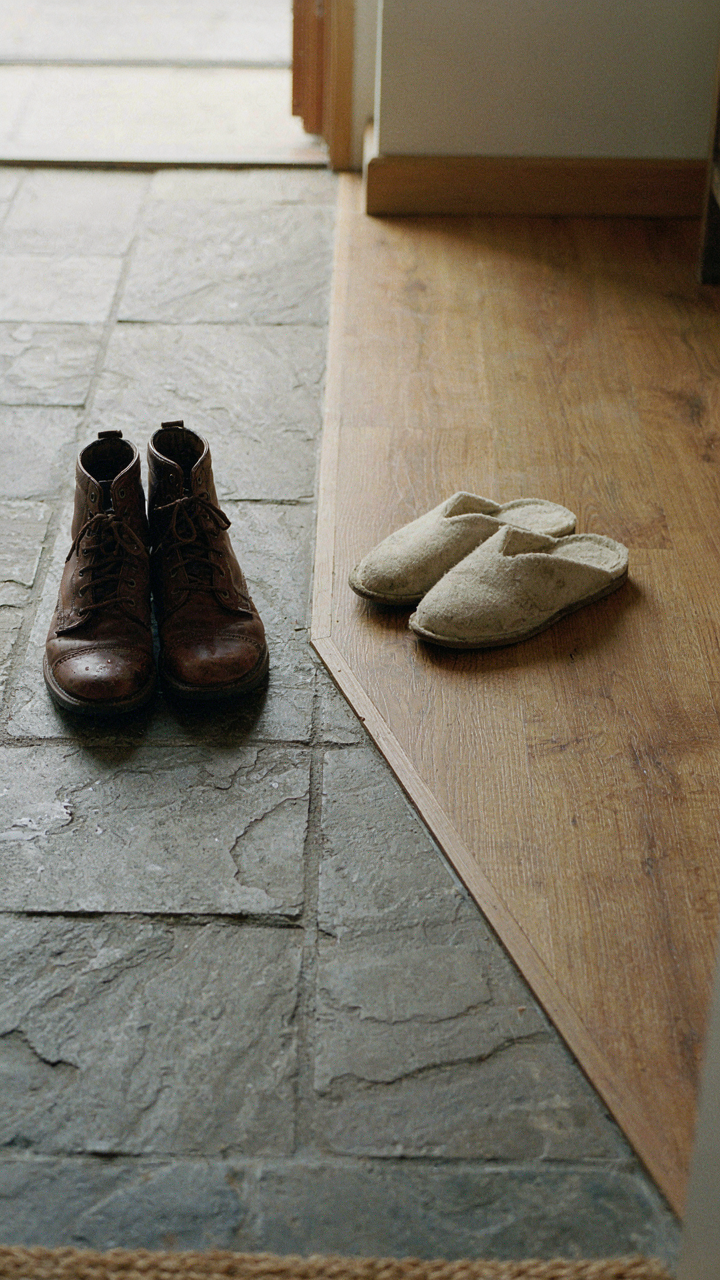
Environmental psychology maps directly onto mudroom design. Psychology calls it “stimulus control”—the environment shapes action before conscious choice happens. Muddy boots land on tile, not carpet, because the surface tells your body what’s acceptable. Hooks at shoulder height get used. Hooks at ankle height stay empty. The friction of the material, the visibility of the space, the sound a door makes closing—these cues orchestrate behavior without you deciding anything.
This is why generic advice to “add more storage” fails. You can install ten coat racks and still find jackets on the kitchen chair. The problem isn’t quantity. It’s that the space doesn’t signal what belongs where through its physical properties. A cottage mudroom that works uses material contrast to enforce behavior. Rough textures for wet gear. Open shelving for what needs visibility. Closed cabinets for what needs to disappear. The surface itself becomes the instruction.
The “Mud Room Storage” Illusion: Why More Bins Aren’t The Answer
Storage Capacity Has A Hard Ceiling
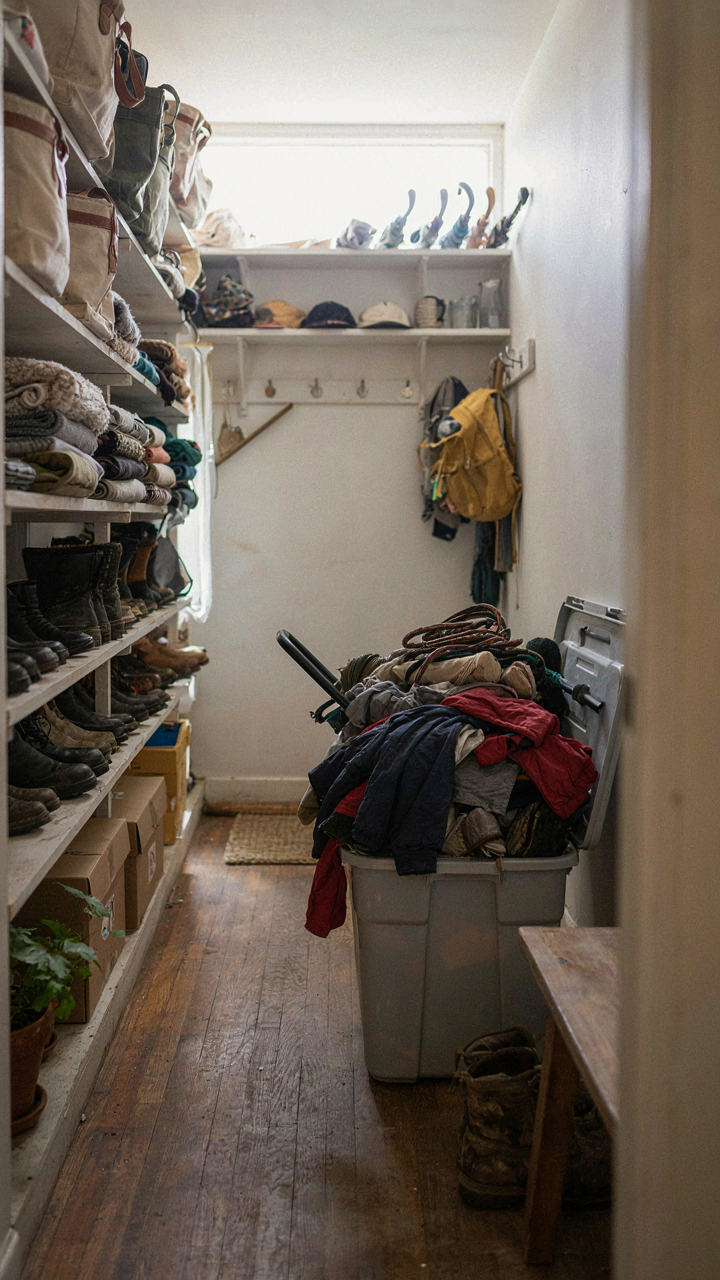
You want to believe one more shelf solves the problem. It won’t. A cottage mudroom is a system with fixed cubic footage, and systems with finite capacity can’t absorb infinite input. The math is brutal: you can’t store more than the space physically allows, no matter how many organizers you buy. Most people add bins instead of subtracting items, which is just deferring the problem into neat containers. The real constraint isn’t organizational failure—it’s that you own too much.

A mudroom measuring 4×8 feet has roughly 32 square feet of floor space. Adding wall shelving might gain you 20 percent more volume, but you hit the ceiling fast. The bottleneck shifts from “where do I put this” to “the room is now impassable.” You’ve confused organization with acceptance. The only variables you actually control are what enters the space and how long it stays. Redesign around those two inputs, not around containers.
Ruthless Elimination Comes Before Systems
Stop keeping items because you might use them someday. That’s decision avoidance wearing the mask of preparedness. A mudroom in a cottage functions best when only current-season gear and immediate-use items occupy it. Winter boots in July waste real estate. The rain jacket you haven’t touched in three years is taking up vertical space that matters. Your job is to establish a hard rule: if it’s not used within the current season or within the last 30 days, it leaves the mudroom permanently.
Create a single exit protocol. Once monthly, scan the mudroom for items that no longer serve active function. Remove them to storage, donate them, or discard them—the location doesn’t matter, only that they vacate. This isn’t organization theater. This is maintaining the system’s actual purpose: supporting daily movement through your cottage without friction. A mudroom that works doesn’t require you to think about it.
The Cottage Interior Aesthetic: Curating Your Gateway To “Casa Dei Sogni”
Match Your Mudroom To House DNA
You want your mudroom to feel intentional because a mismatched entryway signals chaos to visitors before they step inside—and you know it. The mechanism is visual consistency. Your cottage has an existing design language: material choices, color palette, proportions, window styles. The mudroom either continues that language or breaks it. A mudroom that borrows from your home’s established materials and proportions reads as deliberate. A mudroom that ignores those signals reads as an afterthought.

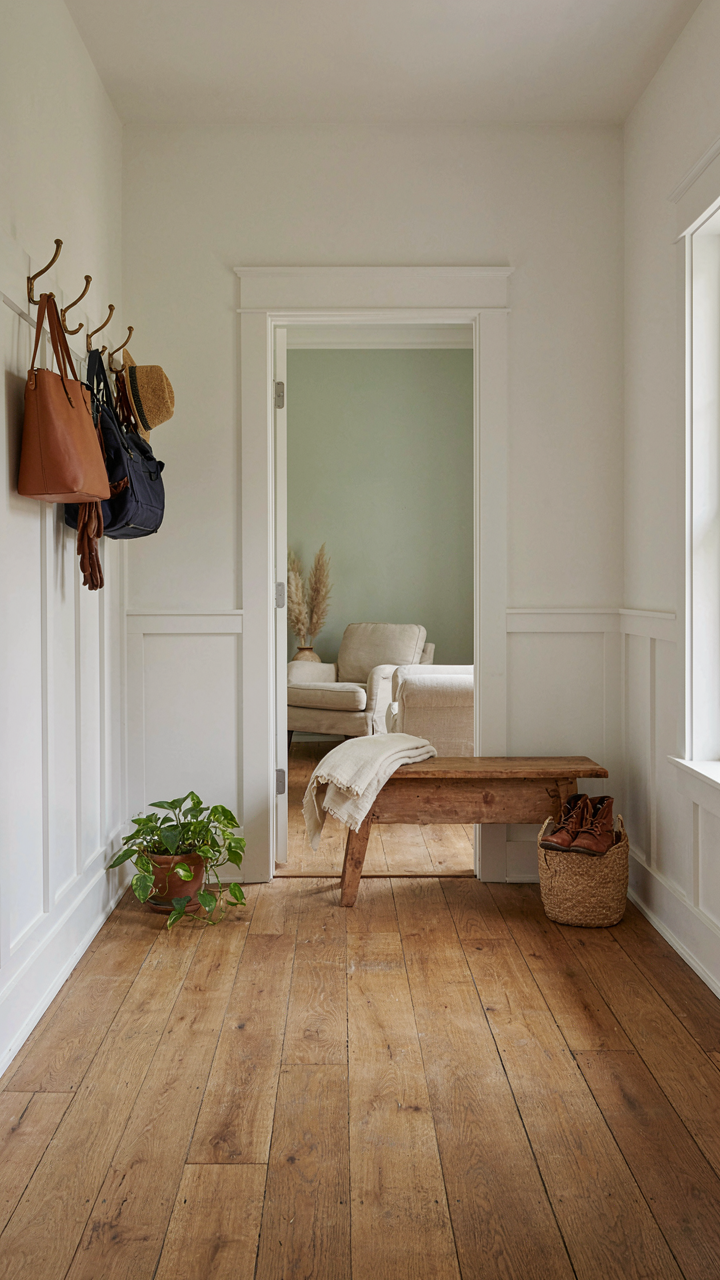
Start by identifying three elements your cottage already commits to: wood tone and finish, dominant color family, and architectural details like beadboard, wainscoting, or trim style. Build your mudroom around those specifics, not around generic farmhouse templates. If your cottage uses honey-toned wood and cream walls with blue accents, your mudroom hooks, shelving, and paint should echo those exact tones. This isn’t decoration. This is coherence.
Function Designed Into Form
The common advice here is wrong: you don’t “make storage beautiful.” You design storage that works so well it becomes beautiful by necessity. In architectural terms, this is load-bearing design—every element must carry its weight structurally and functionally, or it fails. A cottage mudroom coat hook isn’t decoration. It’s a solution to a specific problem with visible moving parts, and people respect visible solutions.
Prioritize three functional outcomes first, then layer aesthetics onto them. You need to hang wet items without mold forming, store footwear in reach without odor spreading, and corral small items without visual noise. Once those mechanisms work, the aesthetic follows naturally—worn wood pegs dry faster than plastic hooks, open cubbies prevent moisture traps, and simple materials age visibly instead of looking cheap. The mudroom that looks best is always the one that functions flawlessly.
The “Dream House Rooms” Fallacy: Your Mudroom As A Stalled Vision
Where Your Mudroom Fails Your Life
You care about this because a broken mudroom signals a broken home to anyone who walks in—and you know it. Here’s what actually happens: a mudroom functions as a psychological airlock. Psychology calls it “threshold effect”—the measurable shift in behavior that occurs when someone crosses a defined boundary. Your cottage mudroom is that boundary. When it fails, every family member carries chaos into the living spaces behind it instead of depositing it at the entry point where it belongs.

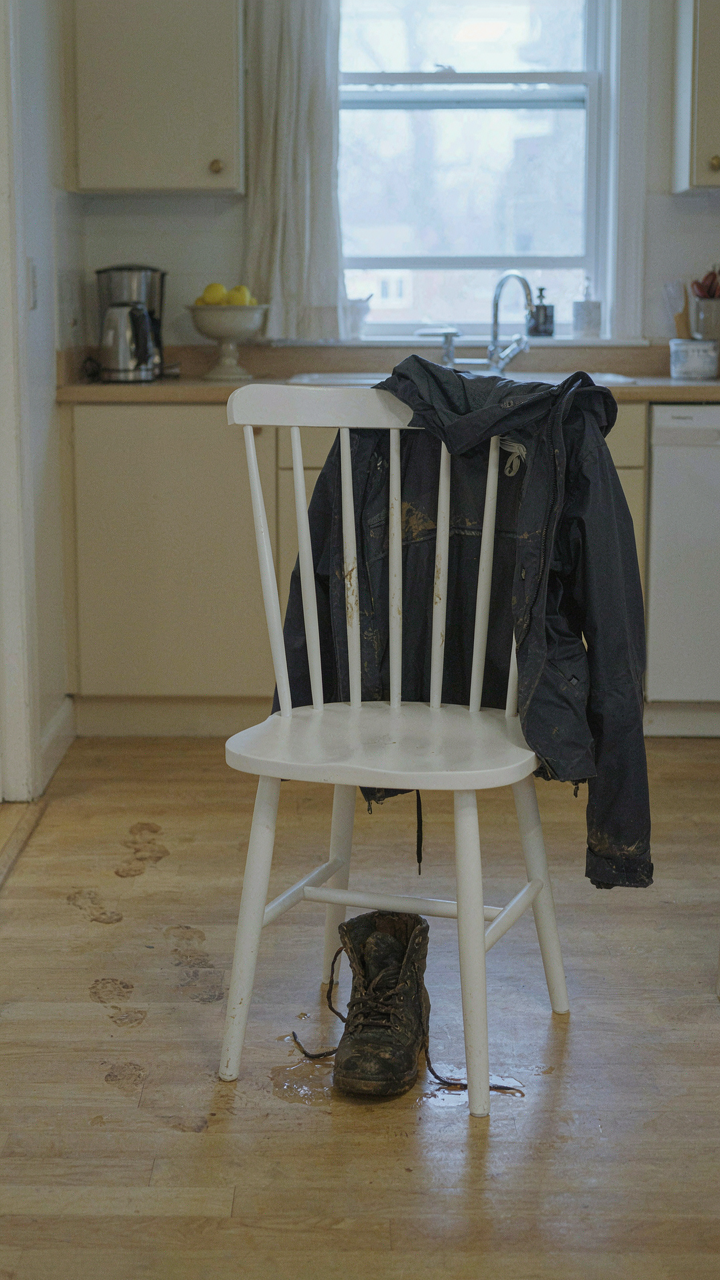
Most people treat the mudroom as decoration space, not functional infrastructure. That’s backward. A mudroom that works reduces decision friction the moment someone enters. Coats hang in designated spots. Shoes sit on a boot tray. Wet gear drains and dries in a contained zone. The outcome isn’t aesthetic—it’s behavioral. When the system is absent, people bypass it entirely and track mud across hardwood or deposit wet jackets on kitchen chairs. Your cottage mudroom either controls entry chaos or it doesn’t. No middle ground exists.
The Shame Nobody Names
An disorganized entry exposes a gap between the image you want guests to have and the reality of how you actually live. Most people won’t admit this drives their frustration. They’ll say the mudroom is “too small” or “not functional enough.” Wrong diagnosis. The real issue is that the mudroom became a catch-all for postponed decisions about what belongs where, what stays, and what gets discarded.
This happens because cottage mudrooms sit between two worlds: the exterior (weather, tools, seasonal gear) and the interior (family space, guest viewing zone). That liminal role makes the room a dumping ground. You pile items there “temporarily” because you haven’t committed to a permanent home for them. Fix the shame by fixing the root cause: decide what physically enters the mudroom and where each item goes before it comes inside. No more deferred decisions. Your entry either has a system or it has a storage problem masquerading as a design problem.
The Cottage Core: Unpacking Authenticity In Mudroom Design
Ignoring Trends For What Actually Works
You want permission to ignore Instagram. That’s what this is about. You’re tired of chasing aesthetics that won’t survive six months of actual living. The mechanism is simple: trends are optimized for photographs, not friction. They collapse under repeated use because they prioritize visual appeal over the daily mechanics of coat storage, boot drainage, and mail sorting. A cottage mudroom that works operates on utility first. Aesthetics follow from function, not the reverse. This is economics applied to interior space—you’re allocating finite square footage to maximum return on daily activation.

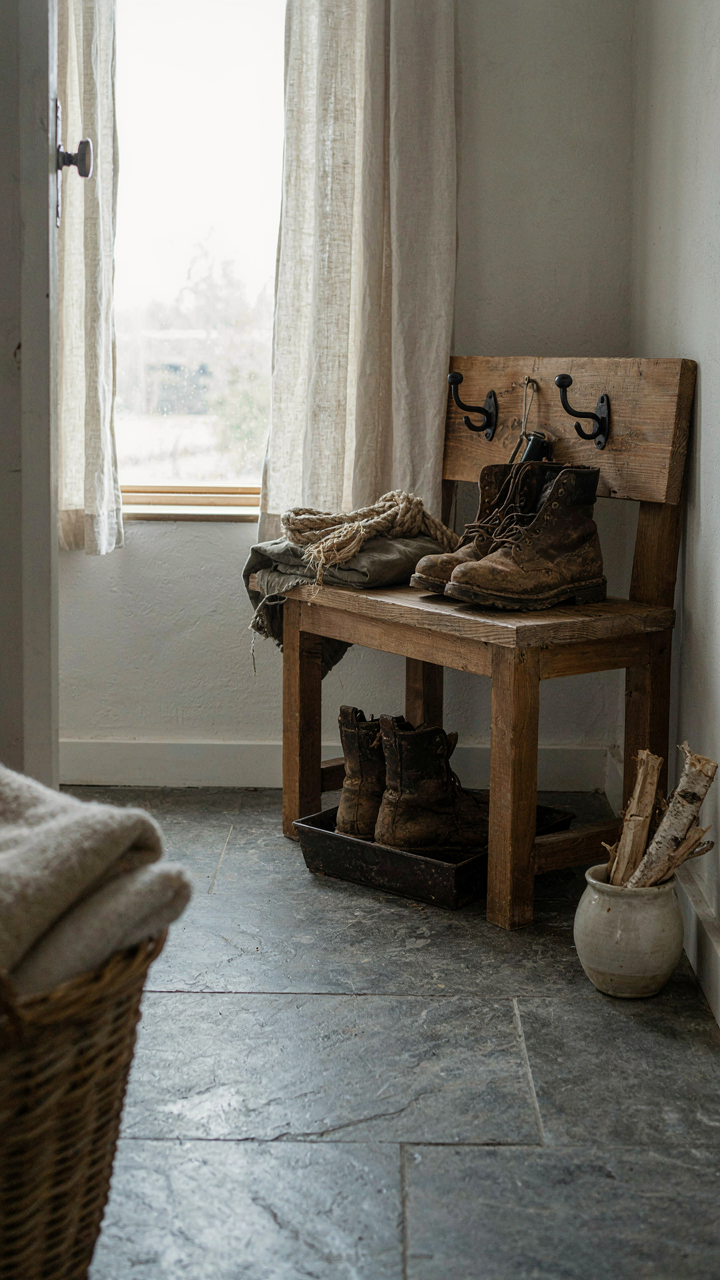
When you design around what your household actually does, the room becomes coherent without effort. You stop fighting the space because you built it to match your rhythms, not someone else’s feed. A simple wooden bench with deep hooks and a slate floor aren’t timeless because they look good in moodboards. They persist because they handle wet boots, sustain heavy coats, and don’t require maintenance theater. The cottage aesthetic won without competing because it was never competing—it was just solving problems that don’t change.
Raw Materials That Earn Their Weight
Wood, slate, stone, and linen don’t soften a mudroom—they harden it against use. This is material science: porous surfaces absorb moisture and odor instead of concentrating them. A mudroom built from finished drywall and vinyl struggles because it repels function instead of accommodating it. Natural materials work because their texture actively engages the task. A rough-hewn wood peg doesn’t just hold a coat; it grips it. Slate doesn’t just catch drips; it channels them.
The payoff isn’t aesthetic satisfaction. It’s maintenance reduction and durability under genuine load. Waxed wood darkens with age and use, displaying proof of function instead of decay. Stone and slate resist staining when sealed properly, staying functional through seasons without refinishing cycles. Install what endures contact, moisture, and weight without complaint. The cottage mudroom succeeds because it’s built from materials that improve or at least hold steady under the exact conditions a mudroom faces daily.
The “Back Mudroom Ideas” Protocol: Engineering Flow, Not Just Stacking
Designing Around How Bodies Actually Move
You want a mudroom that looks intentional because chaos feels like personal failure. But the real problem isn’t aesthetics—it’s that most cottage mudrooms force people to break their own motion patterns to put things away. Cybernetics calls this “feedback lag,” and in mudroom terms it means the distance between where you enter and where you store gear creates resistance. The shorter and more direct that path, the higher the compliance rate. People follow the path of least friction, not the path you designed on Pinterest.

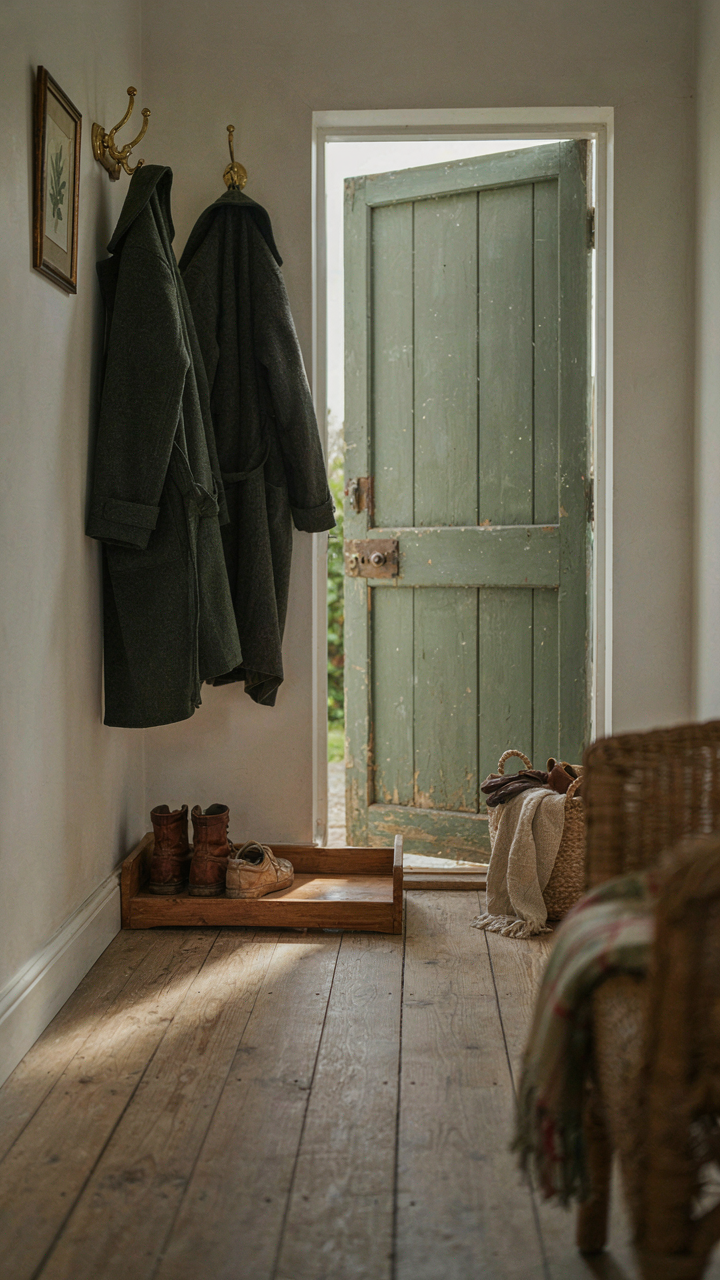
A working cottage mudroom mirrors entry flow without forcing detours. Hooks mount at shoulder height directly beside the door. Benches sit perpendicular to the wall where people naturally set items down before removing shoes. Cubbies stack at eye level with labeled zones for each household member. This isn’t decoration—it’s architecture that aligns with human biomechanics. When storage occupies the space your body already travels through, the behavior becomes automatic rather than enforced.
Removing Friction Points In Daily Routines
Every friction point in your mudroom routine is a place where compliance breaks down. Physics teaches us that objects resist motion when opposing forces increase, and in a mudroom this translates directly: the more steps between entry and storage, the more likely items land on the floor instead. Most cottage mudrooms fail because they separate the decision-making from the action. You enter, you stop to decide where something goes, you walk there, you execute. That’s four separate actions stacked into one task.
Collapse those actions into one movement. Hang a coat rack directly at arm’s reach as you cross the threshold. Place a shoe tray on the ground where feet naturally stop. Store frequently used items at the exact height your hand reaches when you’re standing still. Mount a small shelf at eye level for keys and wallets before you take another step. The mechanism here is immediate placement: if storage happens during the motion of entry, not after it, the routine sustains itself without willpower.
Mudroom Design As Behavioral Architecture: Sculpting Daily Habits
Where Your Eyes Land First
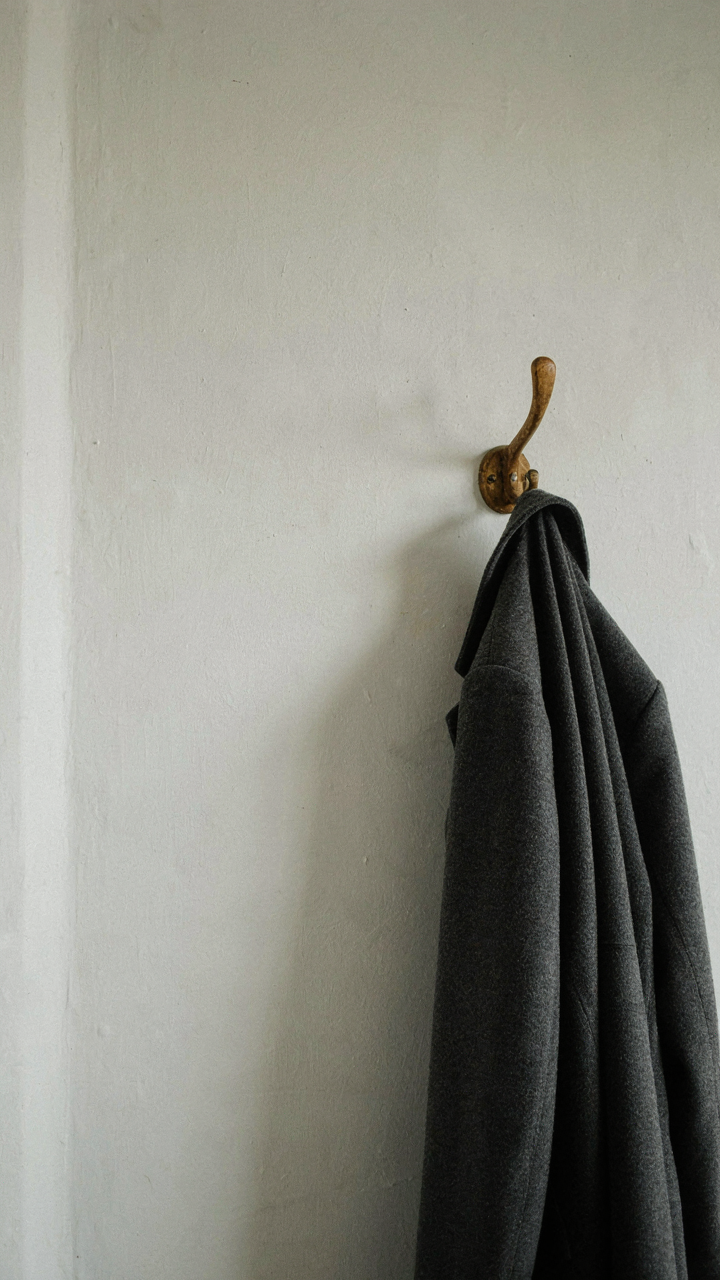
You want a mudroom that works without you thinking about it because you’re tired of nagging yourself. Here’s the mechanism: placement determines action. Neuroscience confirms this—decision fatigue peaks when your brain must choose where to put something. Hooks at shoulder height execute faster than bins on the floor. Your coat doesn’t end up on a chair because the hook requires zero cognitive load. The friction between intention and action collapses when the destination is obvious and within arm’s reach.

Cottage mudrooms benefit from constraint. Most people scatter hooks and shelves randomly, then blame their family for not using them. Wrong diagnosis. The system failed. Position daily-use items at the entry threshold where they interrupt the flow from outside to inside. Coats hang before boots land. Bags drop on a bench before people move past it. Every placement should demand zero negotiation between the person and the space. That’s the only way a mudroom tames clutter instead of becoming another junk repository.
Building Resistance Into Tidiness
The common advice says make storage “easy and accessible.” That’s backwards. Behavioral economics teaches us that desirable friction—the right kind of resistance—sustains habits better than frictionless convenience. Install a narrow boot tray that forces boots to line up single-file rather than a wide open floor. The constraint makes the choice automatic. A closed cabinet for seasonal gear costs more effort to access than open shelving, so you use it only when necessary. Desirable friction means the “good” behavior has slightly more resistance than the “bad” one.
Cottage spaces especially benefit from friction design because cottages lack the square footage for sprawl. A mudroom that accepts everything becomes a storage unit. Instead, size your hooks to force decisions. One hook per person, not three. One shelf for off-season items, not unlimited depth. If your daughter’s ski jacket doesn’t fit the designated space, it forces a conversation about rotation instead of accumulation. The architecture itself becomes the rule enforcer. You implement this by measuring actual items before building, then sizing storage to match demand, not exceed it.
The “Boot Room” Bio Hazard: Containment Strategies For The Unseen
Zoning Your Mudroom Like A Defensive Perimeter
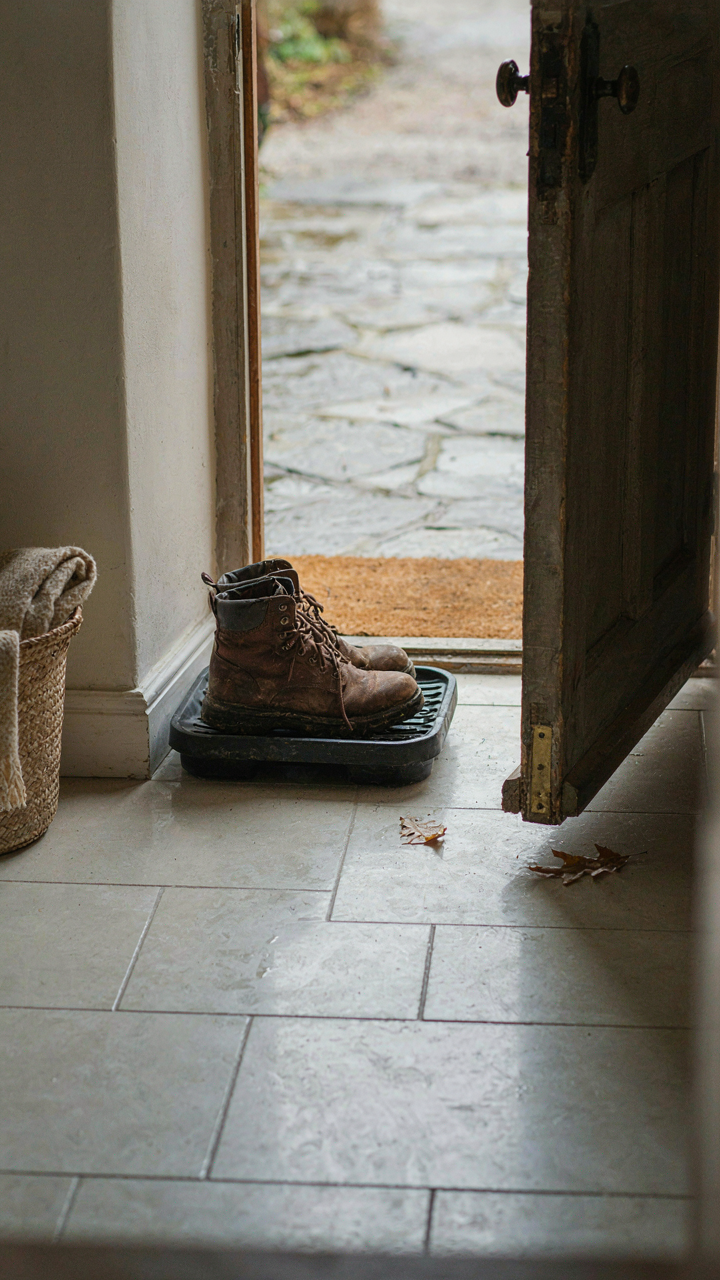
You’re worried about what guests think when they walk in, but the real problem is that dirt and allergens spread because you treat the mudroom like one undifferentiated space. Military logistics uses perimeter defense: the idea that you contain threats at the boundary before they breach into secured zones. Your mudroom needs the same architecture. Create three distinct zones: the entry threshold where wet gear lands, a transition zone for removal and drying, and a clean zone where coats and bags hang before entering the home proper. This prevents the contamination gradient from advancing deeper into your cottage.

The threshold zone should capture ninety percent of incoming moisture and debris before anything else happens. Install a boot tray or scraper at the door itself, not three feet inside. Tile or sealed concrete below the tray absorbs spills without degradation. The transition zone uses hooks at different heights and a bench or small shelf system to create friction in the cleanup process. Wet items don’t move to storage until they dry. The clean zone, separated by even a simple visual marker like a different flooring material, becomes where dry outerwear lives. This sequence forces the user to make micro-decisions about placement rather than defaulting to chaos.
Surfaces That Don’t Trap The Filth
The common advice tells you to choose washable paint and easy-clean materials. That’s incomplete. The mechanism most people miss is that porous surfaces don’t just hold dirt, they hold the moisture that lets mold and mildew establish themselves. Ceramic or porcelain tile on floors wipes clean in seconds because water runs off rather than soaking in. Sealed concrete also works, but requires resealing every two to three years. Semi-gloss or satin paint on walls sheds dust and resists staining better than flat finishes because the surface tension prevents absorption.
Benches and built-in seating should use marine-grade plywood or solid wood treated with polyurethane, never MDF or particleboard that swells when wet. Steel hooks and hardware resist rust better than painted iron. Wipe-down ability matters less than the surface’s refusal to harbor moisture or absorb organic material in the first place. The goal is a space where a damp cloth removes everything in under two minutes, not one where you’re waiting for surfaces to dry or scrubbing into crevices.
The Cottage Mudroom Manifestation Method: Visualizing Your Ideal Threshold
Design Before Chaos Takes Hold
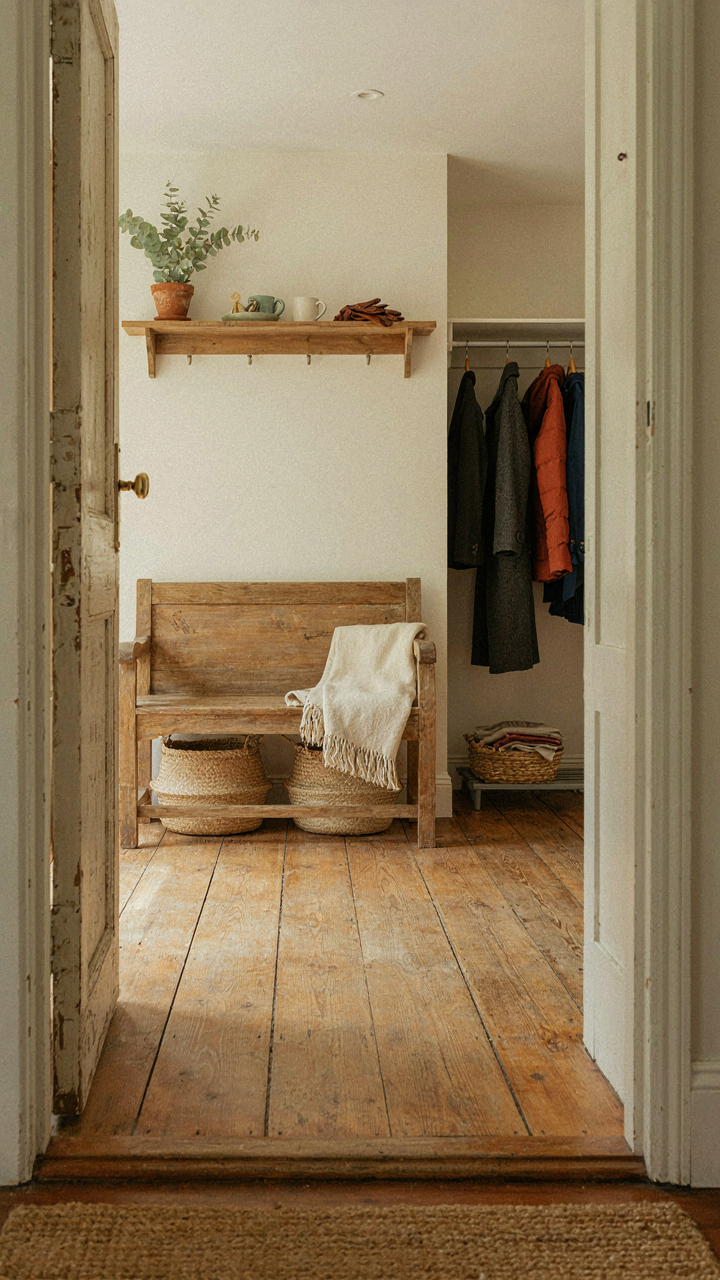
You want this section because you’re hoping visualization alone will fix your clutter problem. It won’t. But the mechanism that does work is borrowed from systems design: anticipation. You prevent clutter by making wrong behaviors impossible before they happen, not by willpower after. A cottage mudroom without hooks at shoulder height won’t hold coats. A bench without cubbies underneath won’t corral boots. The space must dictate behavior, not the other way around.

Most people reverse this. They organize after accumulation, then wonder why clutter returns. The real move is deciding what objects you allow into the threshold first, then designing the physical constraints that force them into storage. This isn’t about pretty baskets. It’s about geometry. A mudroom twelve feet wide but only six inches of wall-mounted storage cannot hold a family’s daily load. The space itself will reject your system and create a pile on the floor instead.
Attention As A Finite Resource
The moment you step into your cottage mudroom, your attention either locks onto specific storage or drifts to the nearest flat surface. Behavioral economics calls this decision friction. Lower friction to the right action, higher friction to the wrong one. If your hooks are at eye level and your floor is empty, coats go on hooks. If your floor is visible and open, coats land there first. The mudroom doesn’t civilize you through intention. It civilizes you through architecture.
Stop waiting for mindfulness to save you. You’re not going to develop a meditation habit around coat placement. Instead, design the path of least resistance so that correct storage is always easier than dropping things. A mudroom with a bench directly inside the door, with a shelf above it for daily items, and a closet rod for outerwear creates three decision points that work without thinking. Hang a coat, set keys on the shelf, sit and remove boots. The ritual builds because the space enforces it, not because you decided to be more intentional.
The Unspoken Cost: Your Mudroom And The Drain On Mental Bandwidth
Decision Fatigue Starts At The Door
You care about this because clutter costs you focus, and you know it. Every morning you navigate a chaotic mudroom, you burn cognitive fuel before you’ve even left the house. The psychology field calls this “decision fatigue”—your brain exhausts its capacity for choices when faced with too many variables. A mudroom is a decision bottleneck: Where are my keys? Which coat? Did I grab my bag? Each micro-choice taxes the same mental resource you need for actual work.
The math is brutal. Research on decision fatigue shows that repeated low-stakes choices deplete the same executive function as high-stakes ones. A disorganized cottage mudroom forces you to make fifteen decisions before breakfast. A structured one makes zero. That’s fifteen decisions’ worth of mental energy you either waste or reclaim. The difference compounds daily into weeks of reclaimed focus.
Transition Design Reclaims Your Attention
The mudroom isn’t storage. It’s a transition zone. Military logisticians call this “staging”—a designated space where materials move from one state to another. Your mudroom stages you from outside to inside, and chaos during staging cascades into your entire day. The moment you enter that space, you’re either moving efficiently toward your next task or you’re stalled.
Optimization here demands specific mechanics:
- Single designated hook per person: No searching for your coat. One hook, one person, reflexive motion. Reduces friction to near zero on repeat visits.
- Shoes on a low bench or shelf at eye level when seated: You put them on while sitting, not hopping around. Saves thirty seconds per day and eliminates balance-related interruption.
- A catchall tray for keys, wallet, phone: Same spot every time. Your brain stops searching because it knows where to look. No decision required.
- Bag staging on a dedicated chair or stand: Packed the night before, waiting at the door. Removes the morning scramble entirely.
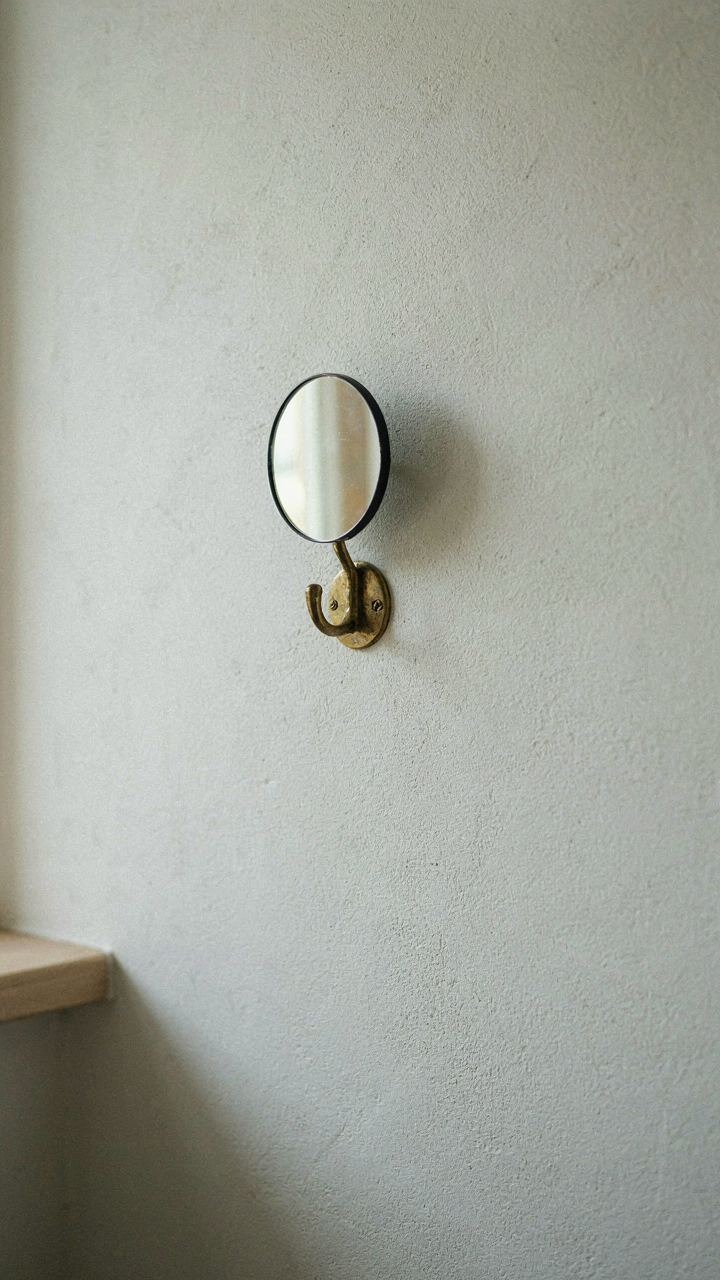
- A small mirror and shelf for final check items: Sunglasses, hat, or reading glasses. Visible, within arm’s reach, no hunt required.
The real move is automating your exit ritual so your brain never engages. When you remove decisions from a space you pass through multiple times daily, you preserve mental energy for work that actually matters.
The Real Clutter Isn’t On Your Floor; It’s In Your Head, And Your Mudroom Is Either Clearing It Or Compounding It
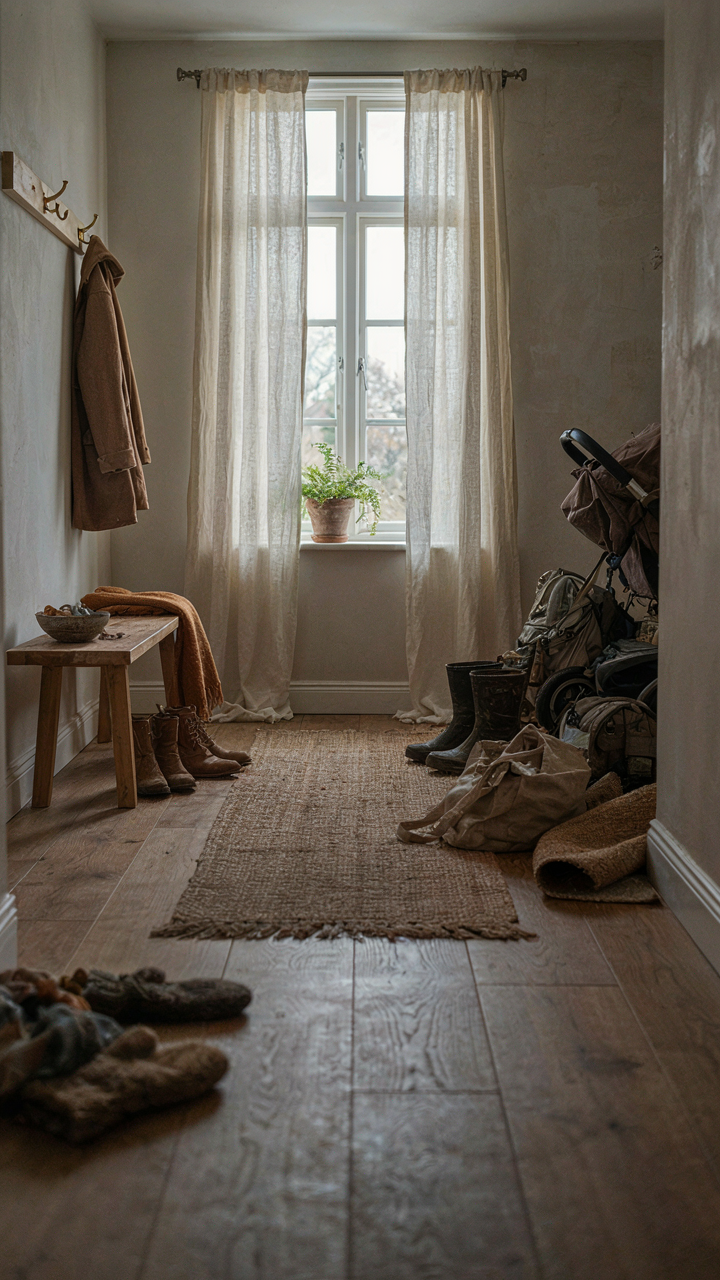
Most people design a cottage mudroom backward. They add hooks and benches and hope the chaos disappears. It won’t. Your mudroom works because it forces a decision point before you enter your home. You either drop friction or you spread it everywhere. Pick one zone today—just one—and make it so obvious where things go that you stop thinking about it. A mudroom that requires no decisions is a mudroom that actually works. Stop building for someday. Build for the person you are right now.