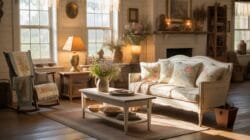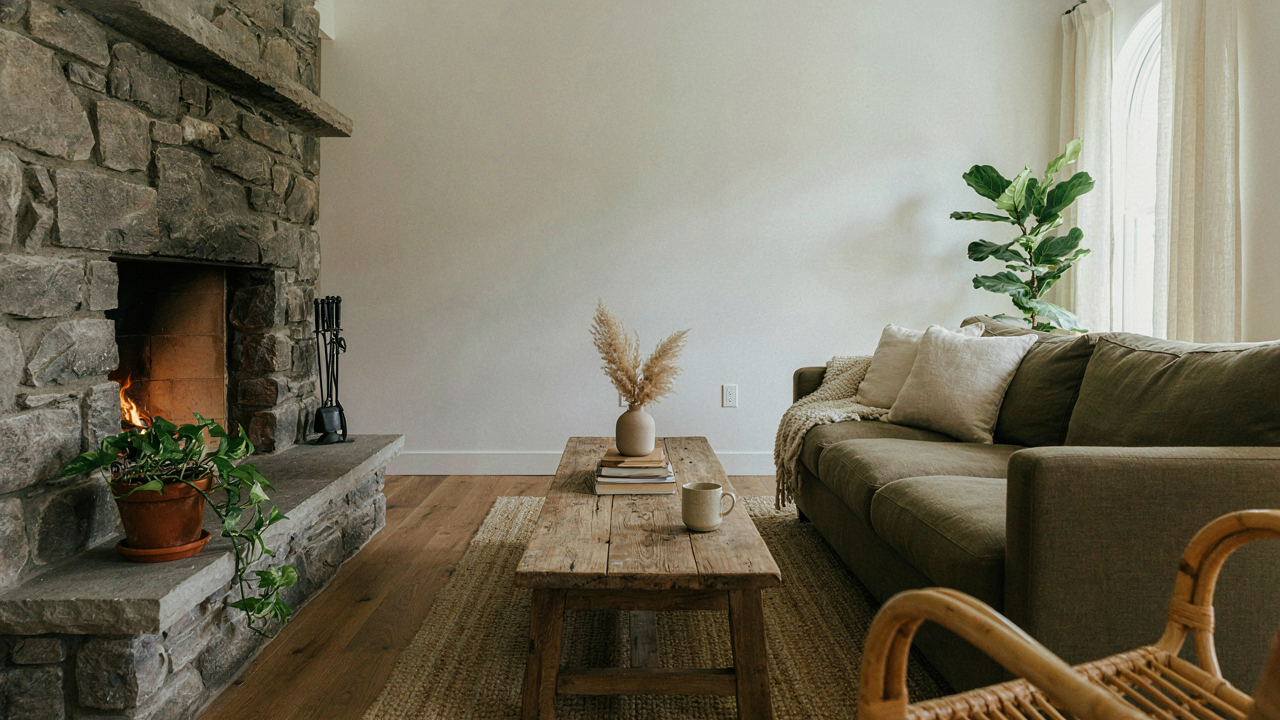
The Myth Of “Effortless” Rustic: It’s A Lie
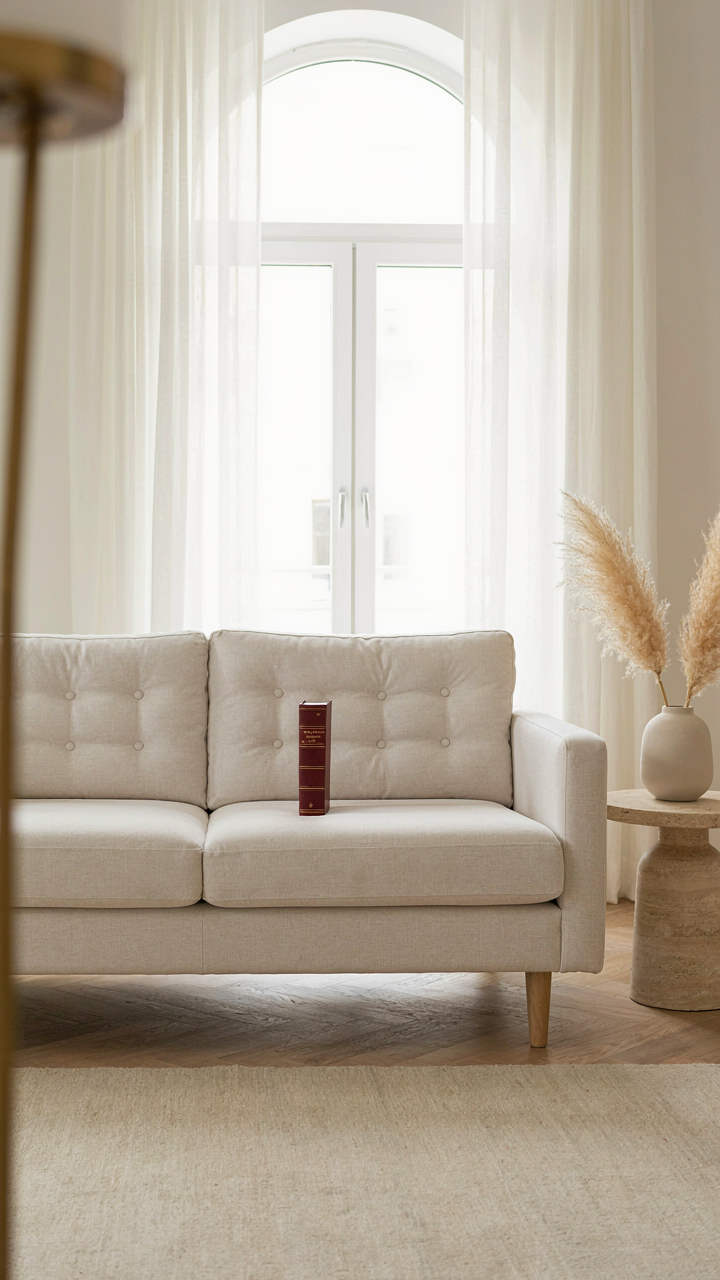
What Design Magazines Don’t Show You
You want to believe a modern rustic living room happens by accident, that you can throw reclaimed wood and linen together and look curated. That’s the fantasy they’re selling. Every styled photograph you see has been stripped, rearranged, and lit by someone whose job is making chaos look intentional. The staged reality of design magazines presents a false baseline: rooms that exist for exactly four hours, then get deconstructed and moved to the next shoot. This is not your living room. You will actually use yours.
The gap between the magazine image and functional living space reveals the real mechanism at play. Photographers and stylists remove 70 percent of what actually occupies a space. They hide the router, the dog bed, the stack of books. They angle furniture to create negative space that vanishes the moment you sit down. The lighting comes from equipment that costs more than your sofa. What you’re seeing isn’t a room you can replicate. It’s a temporary artifact designed to sell a feeling, not a lifestyle.
The Labor Hidden In Imperfection
Borrowed from staging theory in theater: the principle of “motivated blocking” applies here. Every object in a curated rustic room is positioned with intention, which means no object is truly random. What looks like natural arrangement actually requires intense selection and placement decisions. The weathered wood table sits at a specific angle. The throw blanket drapes in a particular fold. The pottery pieces cluster with mathematical spacing. The imperfection you admire took hours to construct.
This labor remains invisible because good curation erases its own effort. You see the result and assume it cost nothing. In reality, achieving that “just found this” aesthetic requires: sourcing genuine vintage or distressed pieces that photograph well, removing anything that breaks the visual narrative, spending time on object placement, and often repositioning daily as light changes. Most people skip these steps entirely, then wonder why their modern rustic room looks like they bought everything from the same store on the same day. The real work is in the editing, not the buying.
Beyond Reclaimed Wood: Authentic Materiality
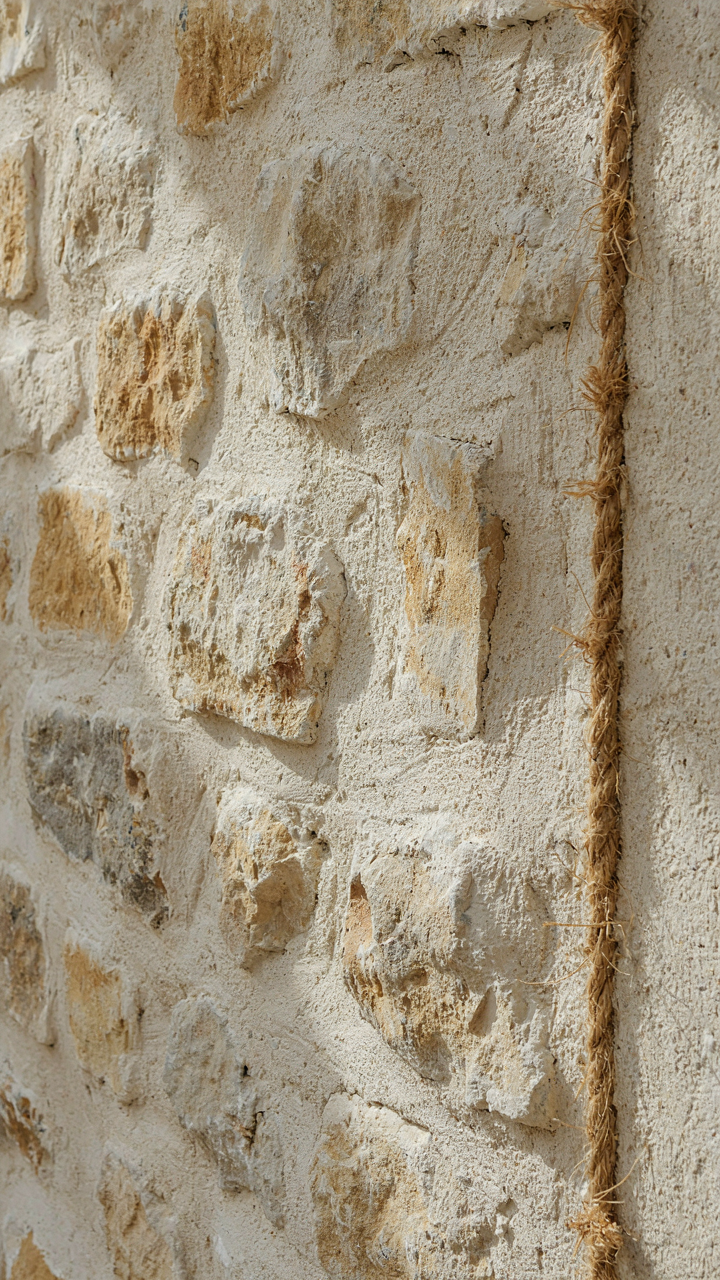
Stone, Plaster, And Fiber Over Lumber
You want reclaimed wood because it signals authenticity without requiring you to actually understand materials. Here’s what nobody tells you: wood is the lazy choice because it photographs well and requires no real knowledge to deploy. The mechanism is simpler. Modern rustic works through contrast, not uniformity. Stone, lime plaster, raw fiber, and earth pigments create depth that uniform wood surfaces cannot achieve. These materials age visibly and honestly, which is the actual definition of rustic, not the Instagram version.

Plaster absorbs light instead of reflecting it, which fundamentally changes how a room feels at different times of day. Raw fiber—linen, jute, wool—introduces texture that your eye reads as intentional, not just present. Stone carries geological history; it doesn’t need a marketing story. Sourcing these materials requires one extra step of research, but that friction is precisely what separates a room with character from a room with expensive props.
Materials With Real Local Provenance
Stone from regional quarries, salvaged brick from local demolition, clay fired by craftspeople within a hundred miles of your location. The principle here borrows from supply chain logic: shorter material supply chains mean stronger signal integrity. Your room tells the truth about place instead of broadcasting a generic “rustic” aesthetic manufactured overseas. Proximity matters because it creates constraint, and constraint produces honesty.
- Reclaimed Brick From Local Demolition: Carries the structural history of your region. Salvage yards in most mid-sized cities stock building materials from specific eras and construction methods tied to local development patterns.
- Quarried Stone From Regional Suppliers: Limestone, granite, or slate mined within 200 miles reflects actual geological conditions of your area. This creates visual consistency with the landscape surrounding your home.
- Handmade Plaster From Local Artisans: Lime-based plaster mixed with local sand produces color variation and finish quality impossible to replicate at scale. Regional plasterers know what works with local humidity and climate conditions.
- Natural Fiber Textiles From Regional Weavers: Linen, wool, and cotton sourced from regional mills or weavers reduce transportation impact and connect your interior to local craft traditions.
- Clay Tile Or Brick From Regional Kilns: Fired clay products vary dramatically by region based on mineral content of local clay. Using regional clay maintains visual harmony between interior and exterior landscape.
The sourcing process is not decoration, it’s documentation. When you source materials with actual local history, your room becomes evidence of a specific place rather than evidence of a design trend. Start by calling local salvage yards, masonry suppliers, and craft guilds. Ask what materials came out of buildings demolished in your area in the last five years. That inventory becomes your material palette.
The Inverse Square Law Of Cozy: Less Is More
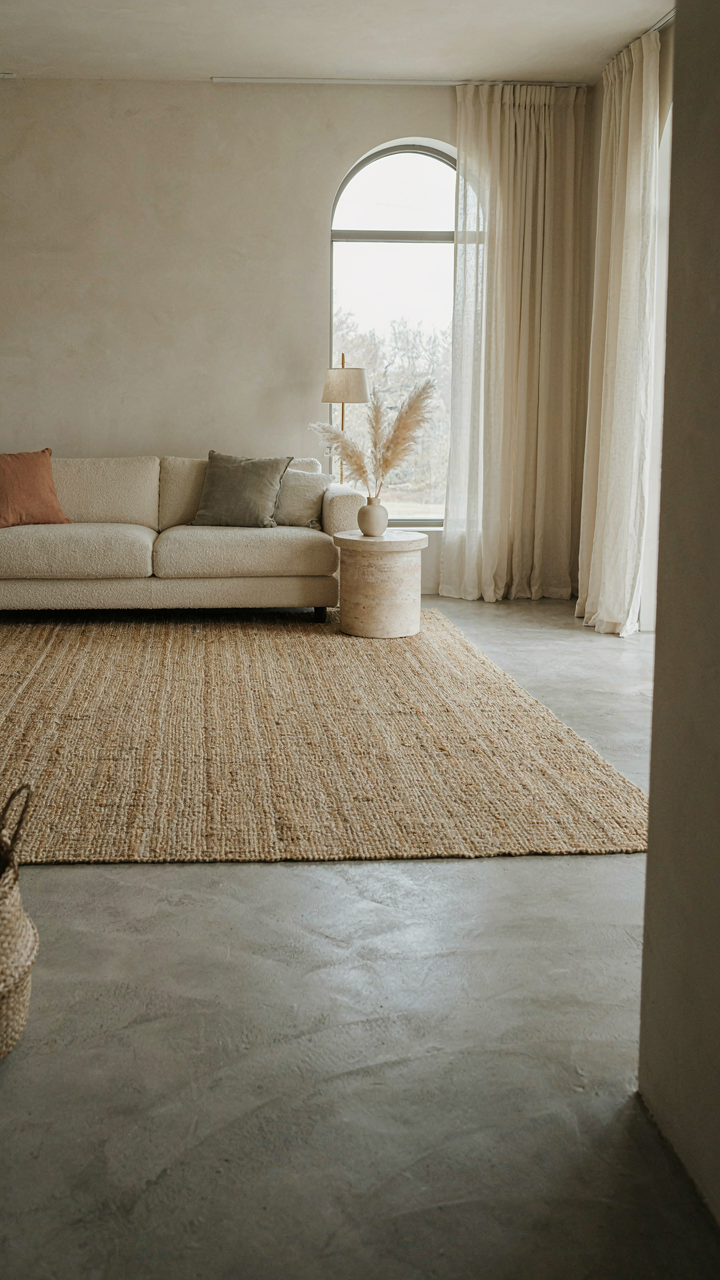
Why Empty Space Actually Registers As Luxury
You want people to feel the room before they feel overwhelmed by it, which is why you’re reading this. Physics teaches us the inverse square law: intensity diminishes with the square of distance. Apply that to a modern rustic room and you realize every object you add cuts the perceived impact of every other object by an exponential factor. Too many textures, too many wood tones, too many layered materials and suddenly nothing lands. The eye has nowhere to rest, so it rests nowhere.

Most design advice tells you to “layer” and “add warmth gradually.” This is wrong. What actually works is the opposite: establish visual silence first, then place objects in that silence where they register with force. A single statement piece in an empty room commands attention. That same piece buried among six others becomes furniture. The material quality matters less than the space around it.
Strategic Void Creates Contrast
Emptiness isn’t absence. It’s a design choice that makes materials visible instead of just present. A large reclaimed wood beam reads as monumental when the walls around it are clean and plain. The same beam surrounded by competing textures becomes noise. Contrast requires something to contrast against.
Modern rustic spaces that feel expensive share one trait: they know what to omit. A concrete floor with a single natural fiber rug. A shiplap accent wall with blank drywall opposite. Stone fireplace with minimal furniture around it. The void forces the material to work harder, which makes the room feel intentional rather than accumulated. Begin your layout by identifying one focal point, then remove everything that competes with it.
Modern Rustic Living Room: Function Over Faux
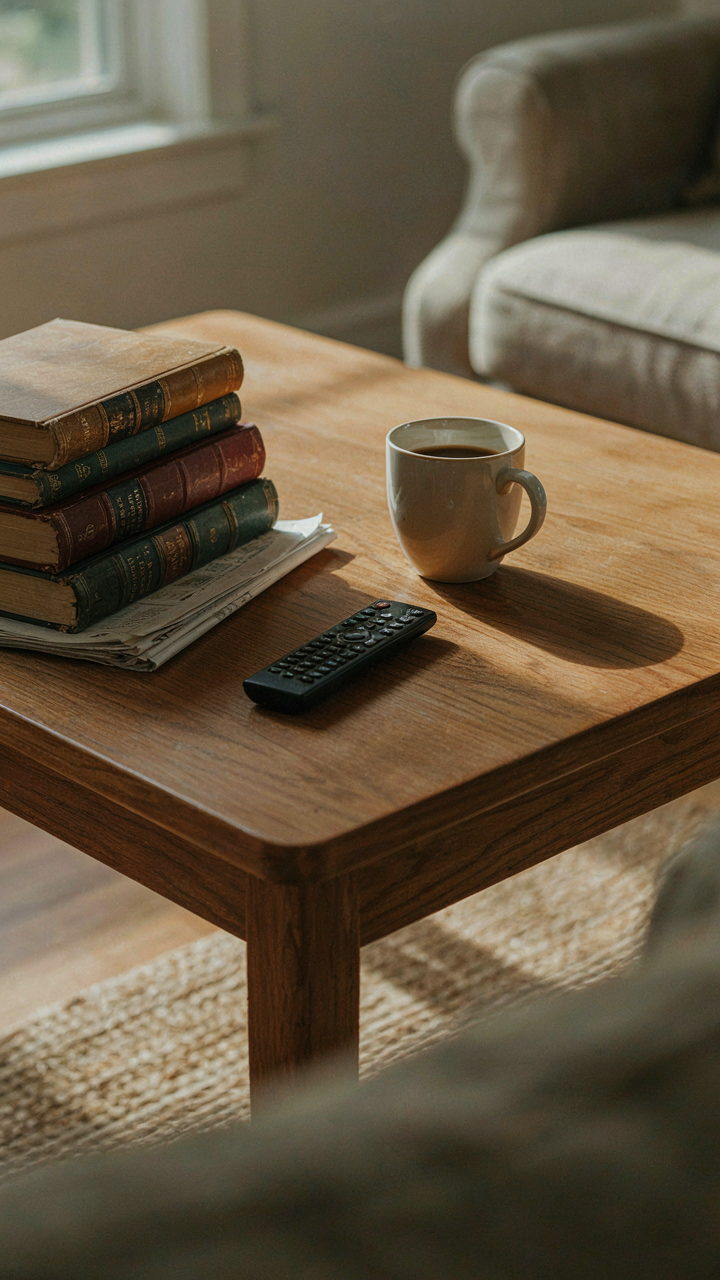
Every Piece Earns Its Place
You want permission to buy things that look intentional instead of curated. Here’s the mechanism: modern rustic design eliminates the gap between what an object does and what it looks like. A wooden beam isn’t decorative because it bears weight. A leather chair isn’t rustic because it ages visibly with use. The style rewards objects with dual purpose: they solve a problem and document that solution in their material.
This inverts typical interior design, which hides function behind aesthetics. A modern rustic living room exposes function. Every furniture piece must justify occupying space through repeated use. A coffee table becomes valid only if you actually set drinks on it, stack books there, or rest your feet on it daily. A side table near the sofa earns inclusion by supporting a lamp and your phone, not by filling negative space.
Objects With Stories, Not Surfaces
The common advice says “every piece should have meaning.” That’s vague enough to justify hoarding. The real standard is tighter: an object stays only if its wear pattern tells a specific story about how your household actually lives. A throw blanket draped over a chair means someone sits there regularly in cooler months. A scratch on a wood table surface means you use it, not admire it.
This filters out decorative items that photograph well but never accumulate a single fingerprint. Remove accent pillows arranged too symmetrically to sit on. Remove candles in colors that match your palette but never burn. Remove woven baskets filled with nothing. The protocol is simple: live in the space for two weeks, note which objects you actually touch and move, and keep only those. Everything else is visual noise disguised as design.
The “Patina Protocol” For Enduring Style
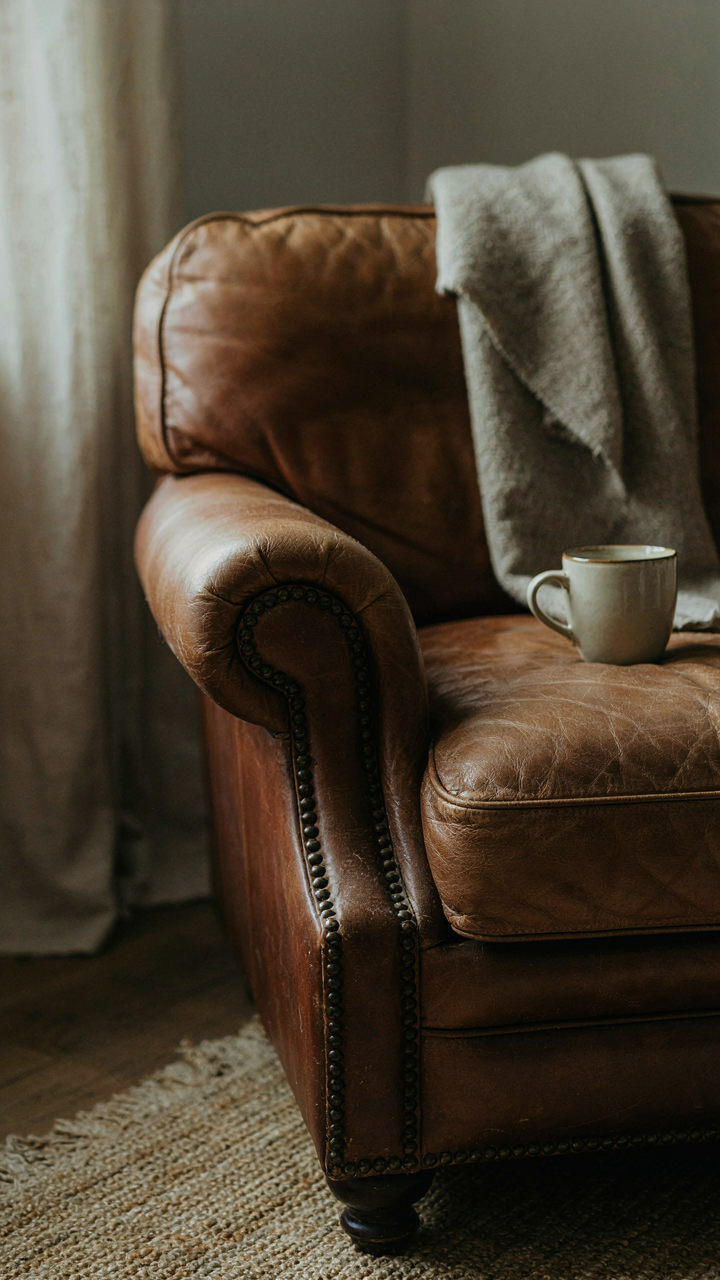
Age And Wear As Design Assets
You want permission to stop obsessing over perfection. The mechanism is this: patina works like compound interest in biology. Objects gain visual credibility through visible time, not despite it. A worn leather chair reads as expensive and trusted. A pristine replica reads as insecure. Modern rustic spaces that age visibly hold value longer because they’re harder to fake.

The mistake is treating wear as damage to prevent. Real modern rustic design treats it as evidence of use, which signals authenticity to anyone paying attention. A wood beam with tool marks, a leather surface with creases, reclaimed brick with mortar variations—these aren’t flaws. They’re credentials. Your job is selecting materials that develop character instead of just degrading, then leaving them alone.
Resist The Urge To Instantly Finish Everything
Stop filling empty space the moment you move in. Rooms that feel designed take months or years to feel lived-in, and you’re destroying that by completing them in weeks. The protocol here is simple: place one major piece at a time, live with it for two to four weeks, then add the next layer. This isn’t about being indecisive. It’s about letting the room tell you what it actually needs instead of what your mood board suggested.
Most modern rustic interiors fail because they’re over-furnished. Each object competes for attention, and nothing ages gracefully because nothing has room to breathe. When you space out acquisitions, you naturally select pieces with intention. You notice what’s actually missing. You avoid the typical trap of buying three throw pillows and a decorative ladder you’ll never use. The room settles into authenticity instead of performing a version of rusticity.
Olive Green Decor Ideas: The Unsung Hero Of Earth Tones
Why Olive Green Works As Your Anchor Color
You want olive green because it signals restraint, not because you actually understand why it works in a room. The real mechanism comes from color theory’s concept of saturation. Olive green sits at low saturation, meaning it absorbs visual noise rather than demanding attention. This makes it function as a neutral despite being chromatic. Most designers default to gray because they’re afraid of color, but olive green does the same job while anchoring you to actual natural material.
Olive green grounds a modern rustic space by creating visual relief between high-contrast elements like raw wood and stone. When you layer it on a sofa, accent wall, or large upholstered piece, it recedes enough to let texture dominate. Your eye stops fighting for dominance between colors and starts registering dimension, grain, and surface quality. This is why olive green works where trendy sage or muted blues fail: it’s desaturated enough to support the rustic premise without feeling like a compromise.
Raw Texture Against Muted Tone
Pairing olive green with unexpected textures means deliberately choosing materials that conflict with the color’s softness. Rough linen, chunky knit, leather with visible wear marks, and unfinished wood all read as aggressive against a muted green. This tension is the actual design mechanism at work. The texture becomes more pronounced because the color doesn’t compete. Olive green with sleek surfaces just looks flat. Olive green with raw materials creates depth.
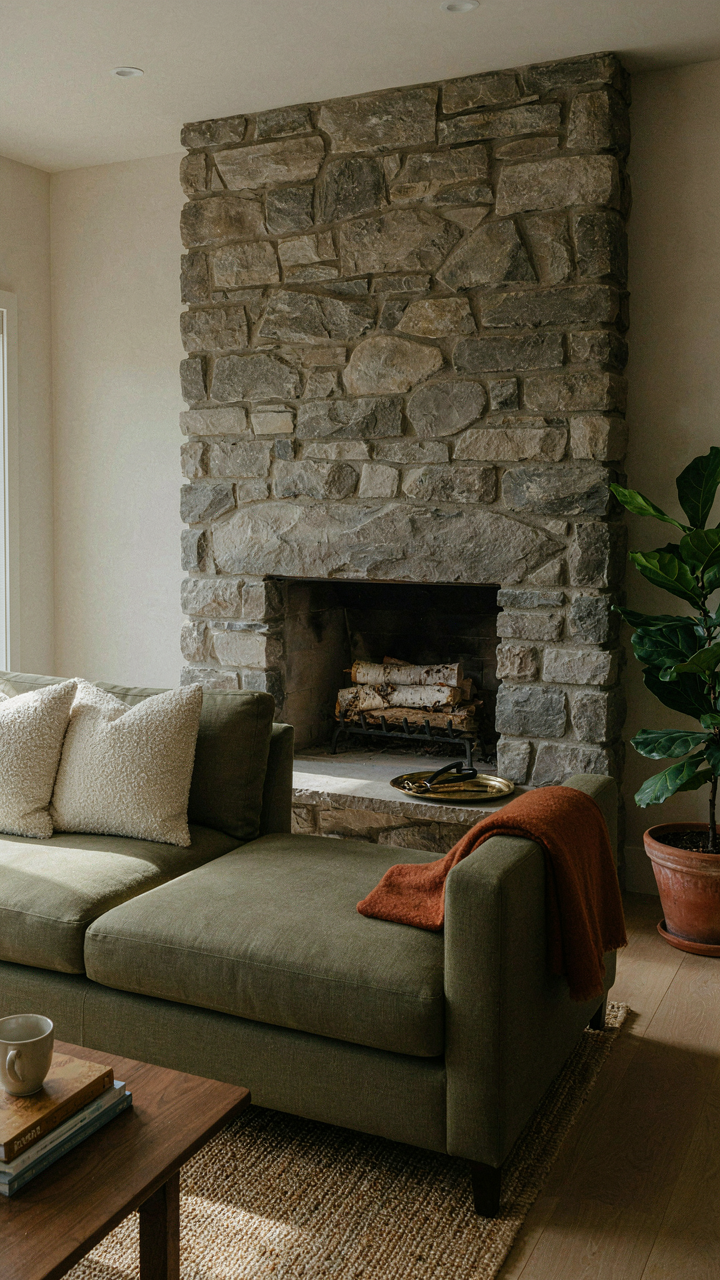
Use this pairing on statement pieces: an olive linen sectional against a stacked stone fireplace, or olive green velvet chairs beside weathered oak shelving. The saturation level of the green allows rough textures to be the focus without creating visual chaos. Layer in natural fiber rugs, exposed beam ceilings, or concrete accent walls. Each rough element becomes more tactile because the surrounding color refuses to shout. This is how you build a modern rustic room that reads as intentional rather than randomly assembled.
Diseño Interiores Casas: The Intentional Imperfection
Asymmetry Wins Over Symmetry
You want permission to stop matching everything because symmetry feels safer, and you’re right to distrust that instinct. Modern rustic design borrows from information theory: symmetry communicates predictability, while asymmetry communicates authenticity. A room split down the middle with identical furniture on each side reads as staged, not lived-in. Asymmetrical layouts force the eye to move, which engages attention longer than static balance does.
Place your largest piece of furniture off-center. Position your hearth or focal point at two-thirds across the room instead of dead middle. Leave unequal negative space on walls. The mechanism works because human perception evolved to notice variation, not repetition. Rooms that break symmetry feel intentional rather than decorated.
Flaws As Design Features
Most advice tells you to hide imperfections in handcrafted elements. That misses the point entirely. The visible tool marks, uneven edges, and color variation in reclaimed wood or hand-thrown ceramics are not defects you tolerate. They’re the primary value proposition. A perfectly smooth, machine-milled beam communicates cost-cutting and mass production. An irregular beam with grain variation and weathering communicates age and use.
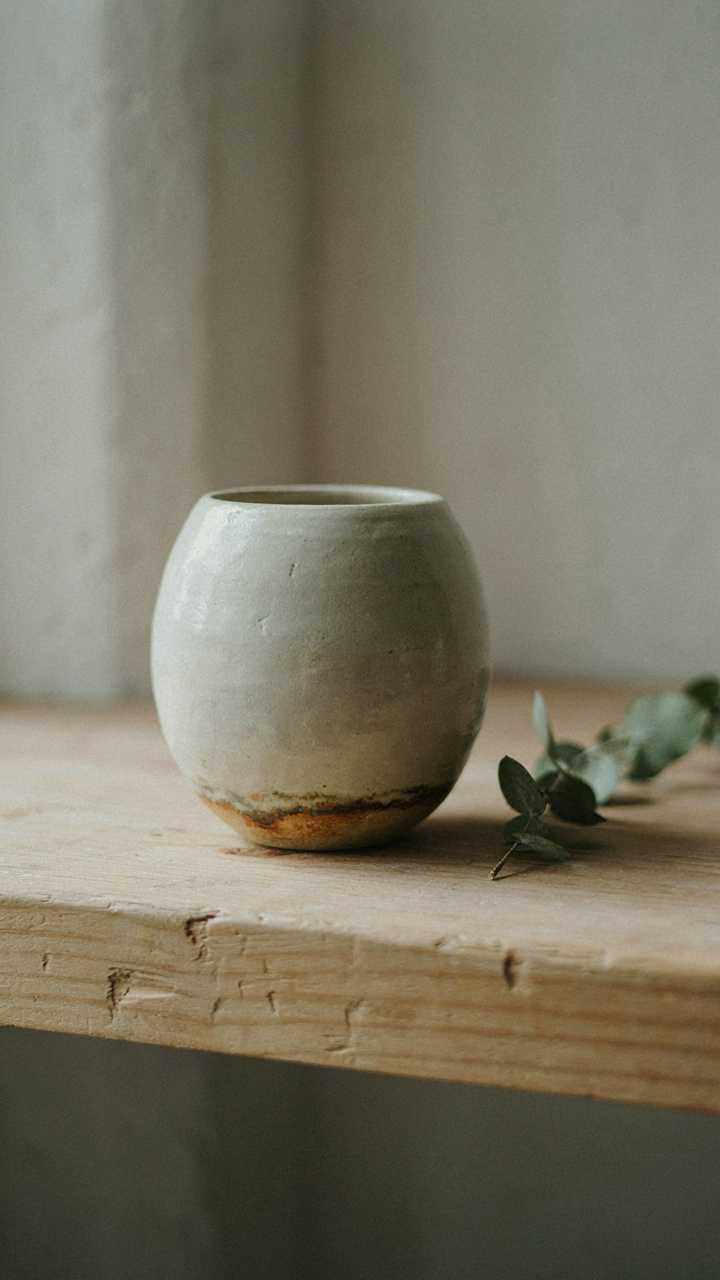
Handcrafted objects with visible flaws trigger a neurological response tied to authenticity detection. Your brain recognizes genuine wear patterns as impossible to fake at scale. Source raw wooden shelves that show planing irregularities. Choose pottery with glaze pooling at the base. These aren’t compromises; they’re proof of human execution, which is exactly what modern rustic requires.
Rustic Living Room: Escape The Farmhouse Trap
The Real Difference Between Authentic And Manufactured
You want rustic because it signals you have taste and restraint, not because you actually understand what made rustic design functional in the first place. The mechanism is simple: authentic rustic came from constraint, not aesthetic choice. People used what they had. Mass production inverted this. Now “rustic” means buying pre-distressed wood and paying premiums for the appearance of limitation.
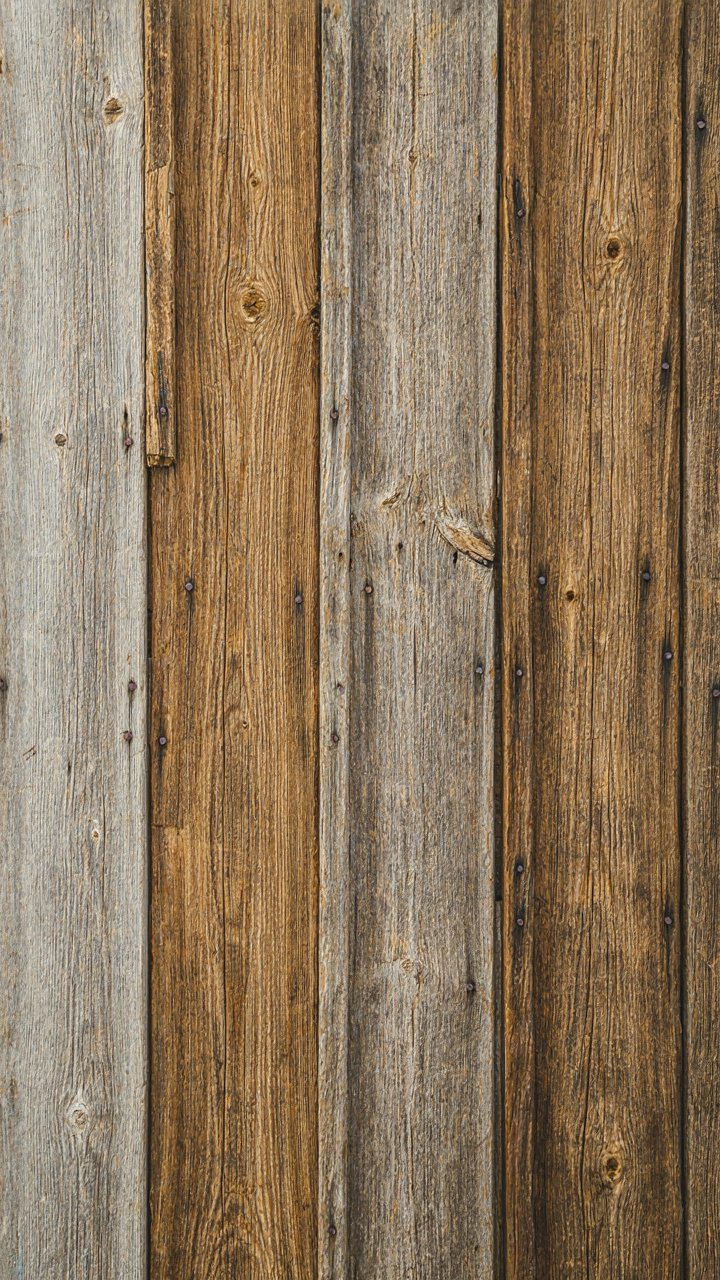
Real rustic materials show time and use without apology. Reclaimed barn wood carries nail holes, color variation, and surface wear that tell a specific history. Factory reproductions flatten this narrative into consistency. They sand, stain, and finish everything to match, which defeats the entire point. The difference isn’t subtle. Authentic rustic reads as honest. Manufactured rustic reads as costume.
Reject Polish And Predictable Staging
Most advice tells you to embrace imperfection, which is incomplete guidance and functionally useless. The real problem is that people confuse imperfection with negligence. A roughhewn beam with character is different from a scratched IKEA bookcase. One signals intentionality. The other signals you don’t care.
Overly polished finishes in a rustic space create cognitive dissonance because they deny the material’s origin story. Stone should look like stone. Wood should show grain and texture variation without glossy coatings that make it read as decorative rather than structural. Stop staging rooms for photos. Source materials based on their actual performance and age patina, not how they photograph under studio lighting.
Your Fear Of Commitment To A True Aesthetic Leaves You With A Soulless Catalog Page
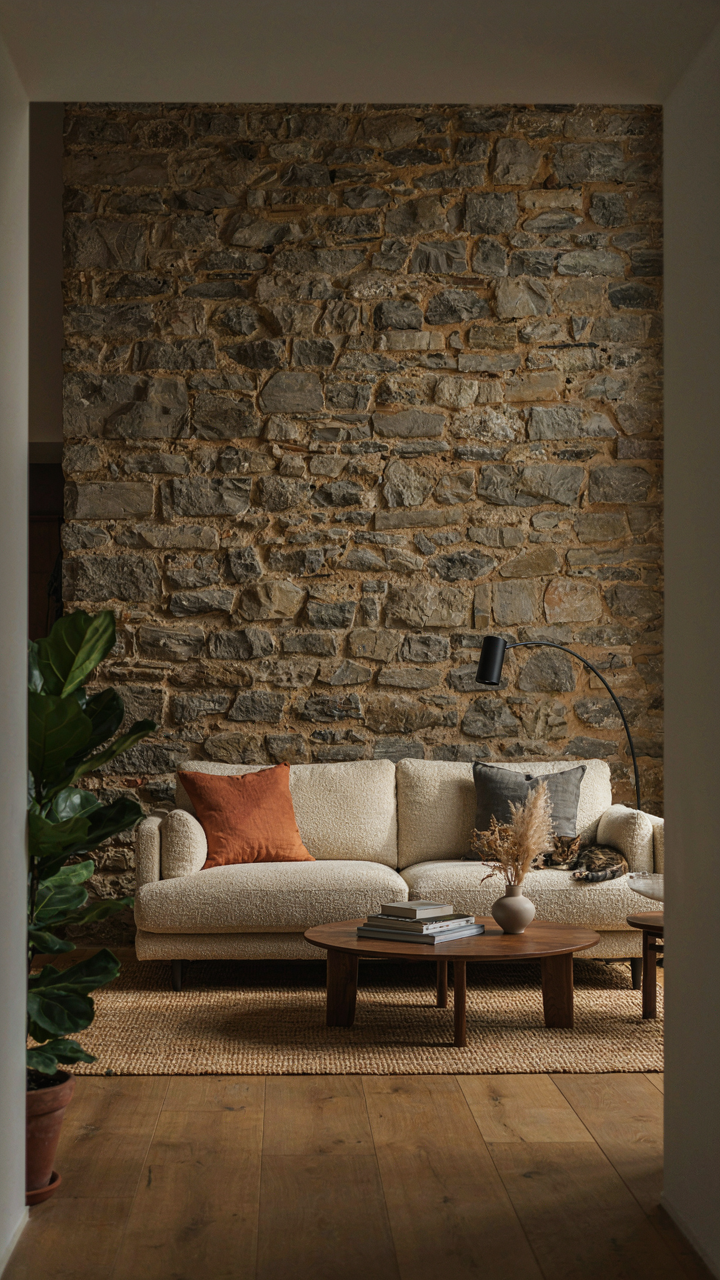
Most people design rooms by committee instead of conviction. They pick one rustic piece, one modern element, one trendy accent, then wonder why nothing feels like home. The problem isn’t the materials. It’s that you’re collecting instead of committing. Pick one anchor element today, raw wood or stone, and build everything around it. Stop trying to please every design trend. A room with a clear vision beats a room with everything.