
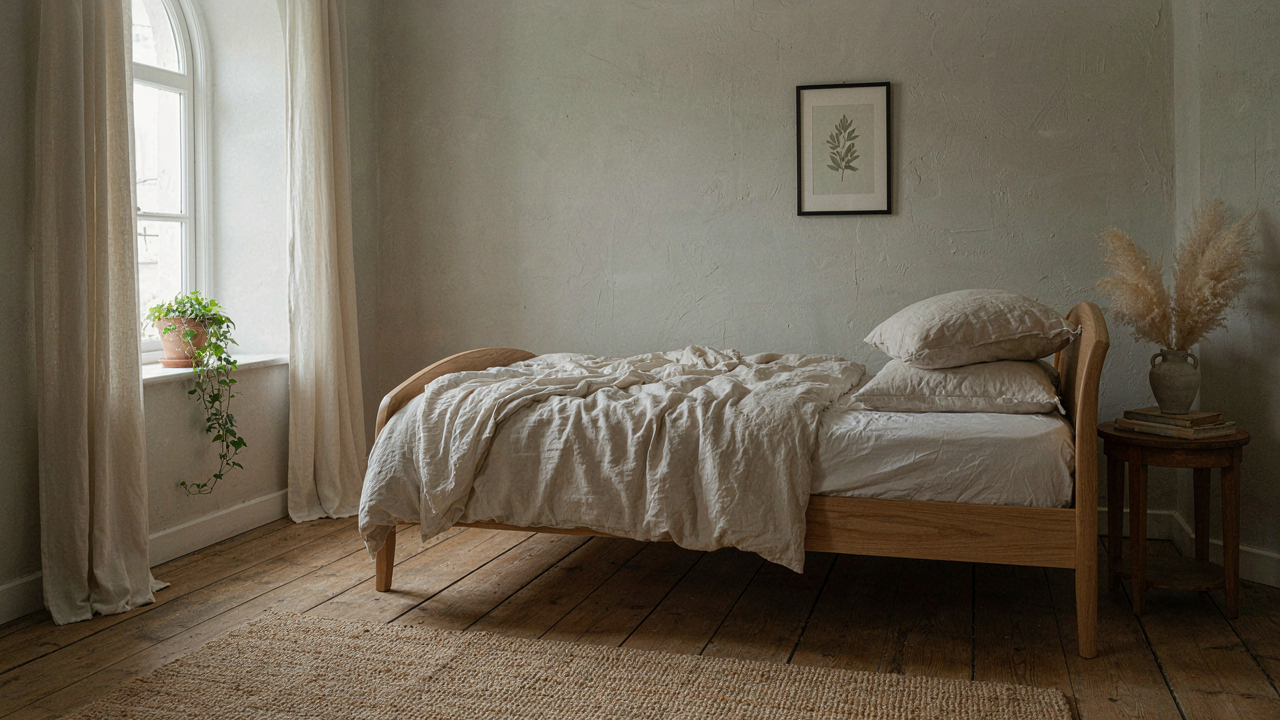
Beyond The Instagram Filter: What French Provincial Decor Actually Is
What Provincial Style Actually Means
You want this style because it signals taste without trying too hard. Here’s what people get wrong: provincial decor isn’t a watered-down version of formal French design. It’s the deliberate rejection of it. Provence, Aquitaine, and other regions developed their own aesthetic because they lacked Paris’s wealth and court influence. Furniture makers worked with available materials. Carving became ornate not from luxury but from the need to add visual interest to modest pieces. The style solved a regional constraint, not copied a royal one.
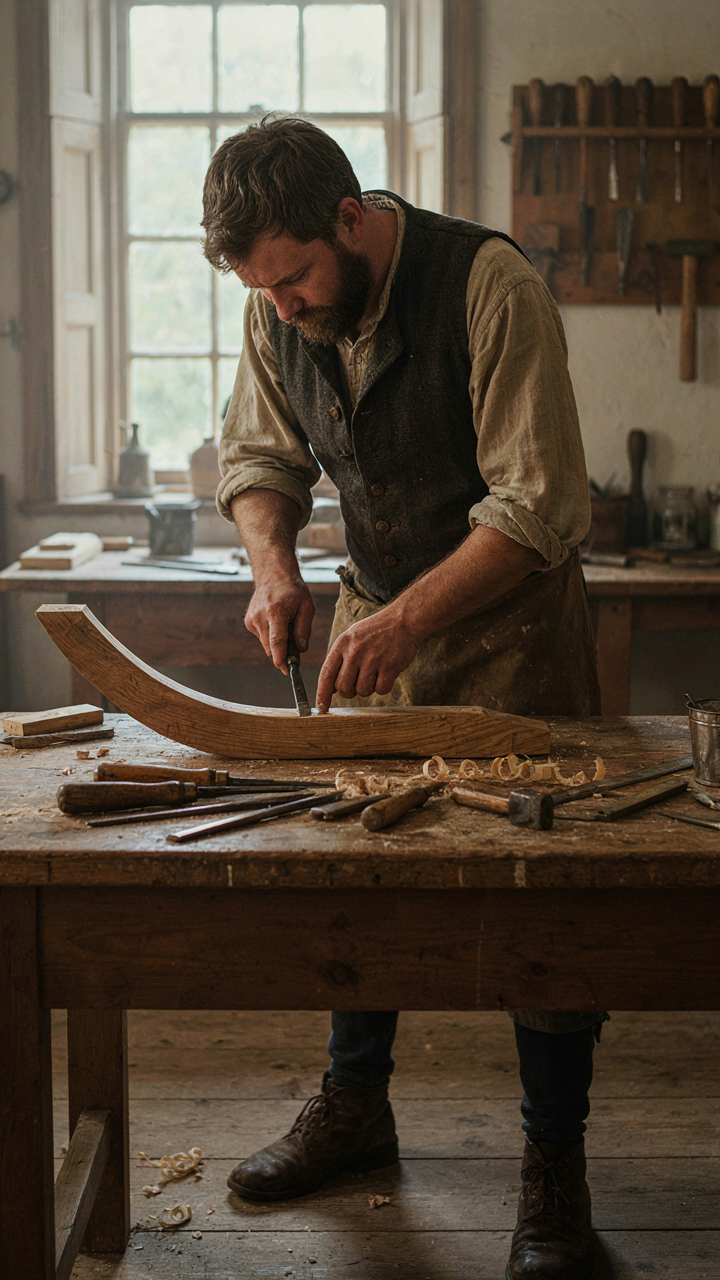
The mechanism is economic necessity producing distinctive character. French provincial emerged in the 17th and 18th centuries when rural craftsmen adapted European design trends to local wood, stone, and labor costs. They couldn’t afford gilding or marble. They used hand-carved details instead. Curved lines became the signature because curves were easier to execute with hand tools than geometric precision. This constraint became the defining visual language that wealthy people now pay premium prices to replicate.
The Actual Historical Lineage
French provincial didn’t exist in a vacuum. It borrowed from Italian Renaissance curves, Baroque ornamentation, and rococo’s lighter touch, then filtered everything through regional availability. The curved details you see in authentic pieces came from 18th-century techniques where woodworkers shaped legs, chair backs, and bed frames on a lathe or with hand planes. Symmetry mattered less than flow. Proportions stayed human-scaled because these pieces lived in actual homes, not palaces.
Modern relevance hinges on one fact: the style works because it solved real problems that still exist. You need furniture that lasts, that aged well, that didn’t require constant repair. The curved lines hide scratches and dust better than flat surfaces. The hand-carved details provided focal points in rooms without electricity or artificial light. When you buy or recreate authentic French provincial now, you’re copying solutions to problems you don’t have, but the solutions still function. The curved bed frame isn’t decorative first. It’s structurally sound and visually forgiving.
The Curved Detail Fallacy: Why Less Is Always More
When More Curves Become Visual Noise
You want your room to feel intentional, not like you’re compensating for something missing. The real mechanism here is signal-to-noise ratio. French Provincial design originated in rural 18th-century homes where curves appeared strategically—on bed frames, mirror frames, chair legs—because craftsmen couldn’t produce them everywhere. Abundance wasn’t the goal. Restraint was.

The mistake most people make is treating curves as decoration to add everywhere. They load cabriole legs onto every furniture piece, add arched crown molding, curved wall panels, and ornate mirror frames simultaneously. The room stops communicating and starts screaming. One curved element anchors a space. Ten curved elements competing for attention dilute each one’s impact and make the room feel cluttered instead of composed.
Placement Strategy Over Proliferation
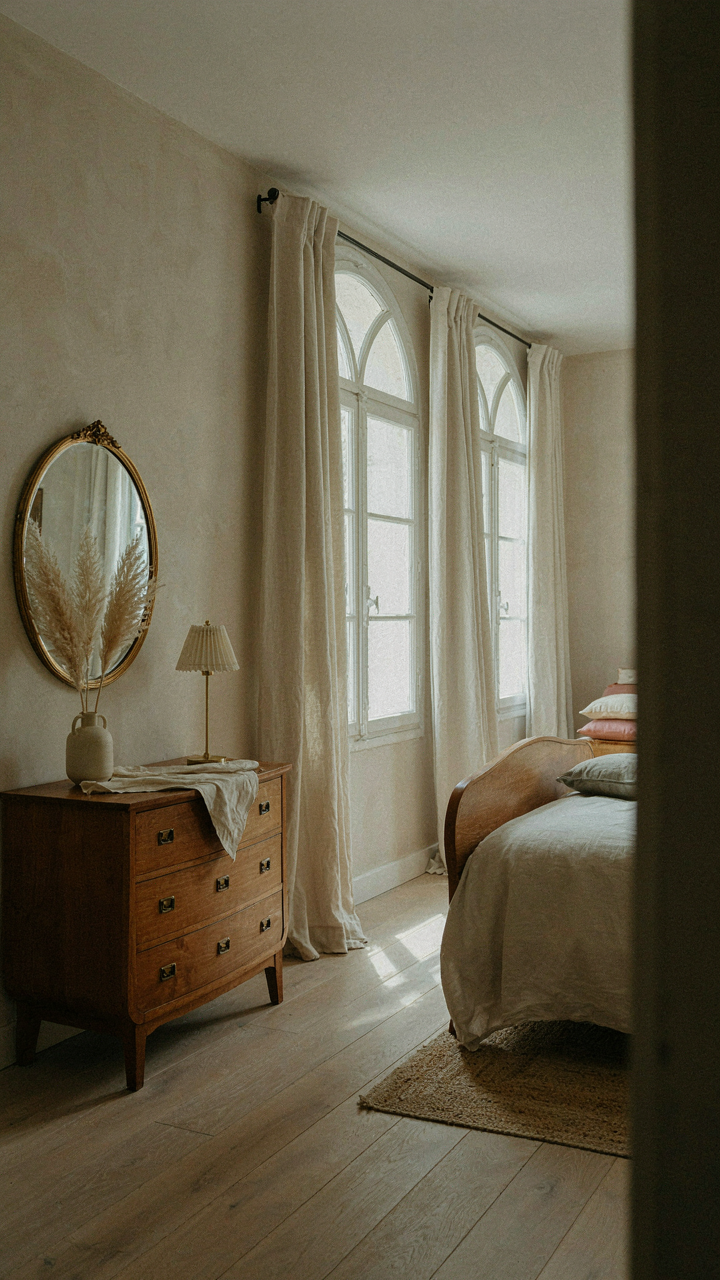
Curved details work through contrast and hierarchy, not quantity. A single curved mirror above the dresser reads. Curved legs on the bed frame read. But curved details on the headboard, footboard, nightstands, dresser, and wall trim all at once? The eye has nowhere to rest and nothing stands out. Provincial rooms succeed because they place curves where they naturally catch light or where the eye naturally pauses—typically vertical surfaces like mirrors and frames rather than horizontal ones.
Start with one dominant curved element per wall. The bed frame becomes the anchor. The mirror above the dresser becomes secondary. Everything else stays flat or minimal. This isn’t restraint for its own sake. It’s the protocol that ensures each curve you do include actually functions as a visual anchor instead of part of an undifferentiated decorative mass.
The Material Truth: Fabric, Wood, And The Provincial Bedroom
What Actually Holds Up
You want this to look expensive without replacing everything in five years. That’s the real calculation here, and material choice is where that math gets solved or destroyed.
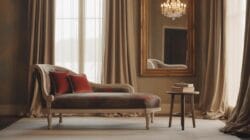
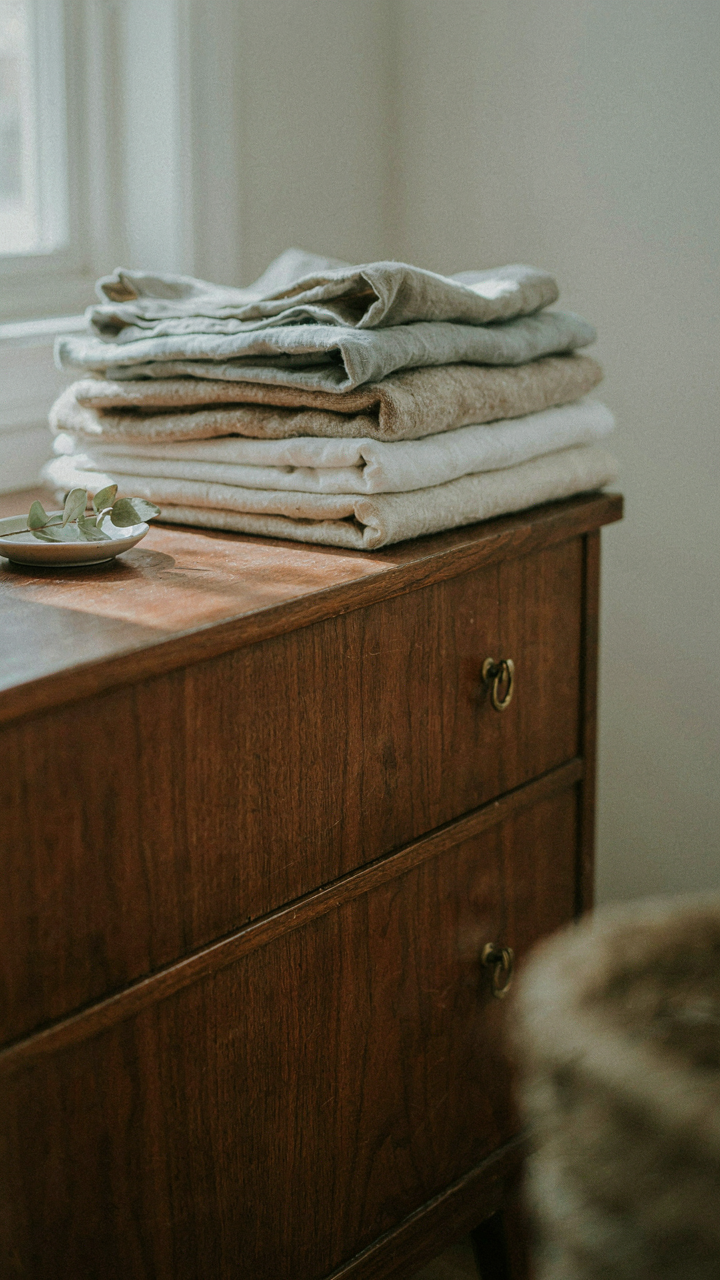
Provincial bedrooms from 18th-century French regions used what survived regular use and the climate. Walnut and oak dominated because they resist humidity shifts without warping like softer woods do. Linen and wool fabrics weren’t romantic choices—they were the only textiles that didn’t rot in damp stone rooms or fade instantly in sunlight. Pick materials based on survival, not sentiment, and you automatically get authenticity.
Furniture makers in Provence and Normandy treated wood with oil and beeswax, not varnish. This created a finish that repairs itself through use—scratches blend in rather than expose raw wood. Modern lacquer and polyurethane finishes do the opposite: they seal the surface and make damage visible. If you’re committing to the look, source bedroom pieces with oil-finished wood or be prepared to refinish them yourself every 7 to 10 years.
Durability Meets Reality
The tension between looks and lifespan breaks down into a simple mechanic from material science: the more protective a finish, the less it can move with the wood. Provincial wood flexes slightly with temperature and humidity. Rigid finishes crack. Flexible finishes age visibly.
Choose linen or linen-blend fabrics for curtains and upholstery. They pill less than cotton, fade slower, and handle wrinkles as part of their character rather than a defect. Wool works for accent pieces and throws. Both fabrics gain softness and depth over years instead of deteriorating. Cotton looks tired fast in a bedroom that gets morning or afternoon light directly.
For bed frames and dressers, walnut is worth the expense over pine because it holds joinery tighter over decades. Joinery—the joints connecting wood pieces—loosens when wood moves. Denser wood resists this movement. This is non-negotiable if you want the furniture to function at year twenty rather than year eight.

The French Provincial Bedroom: Mastering The Understated Palette
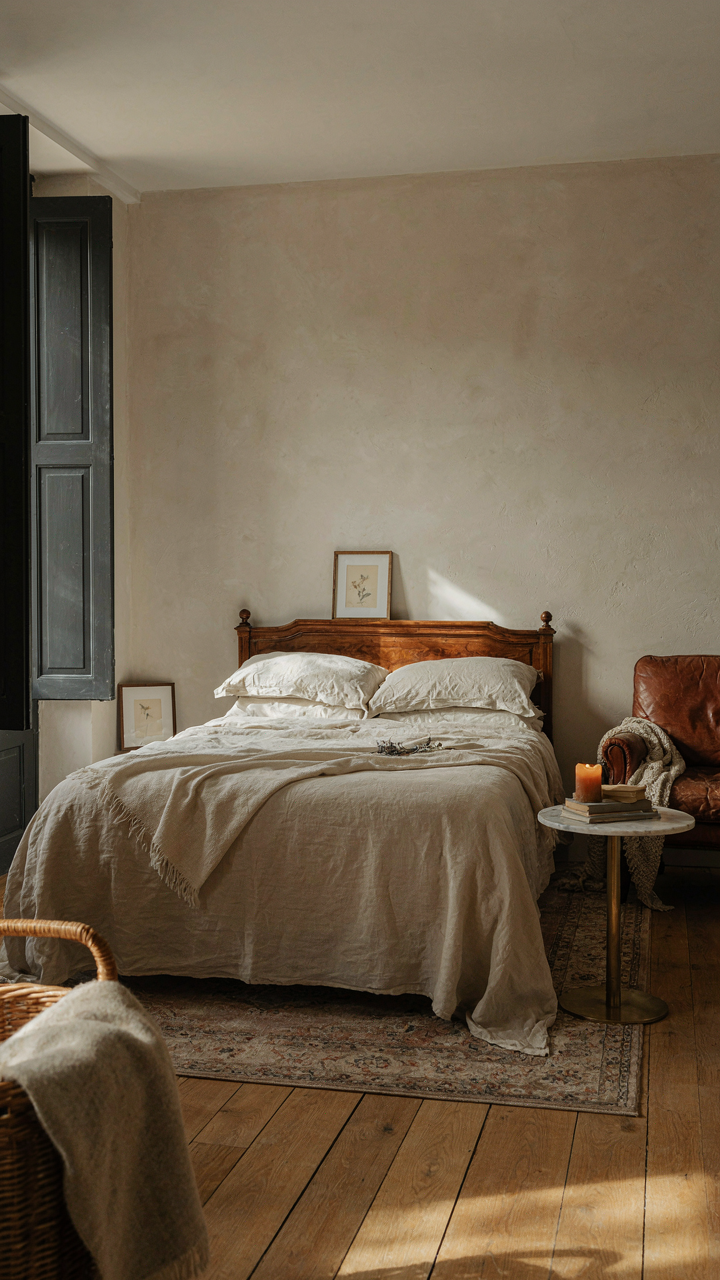
Beyond Beige: Nuanced Color Theory For Provincial Spaces
You want beige because you’re terrified of committing to actual color, and beige feels safe. That’s not strategy. It’s surrender. French provincial color works on a principle borrowed from optics: value contrast, not saturation. Dark shutters against pale walls create the visual hierarchy that makes a room feel intentional, not bland.
Authentic provincial palettes use three layers of restraint. First, the base stays light but warm—cream, pale ochre, or soft white with gray undertones. Second, one deeper accent absorbs visual weight: deep charcoal, muted sage, or dusty plum on a feature wall or furniture piece. Third, natural materials provide the actual texture that prevents the space from feeling sterile. The mechanism works because your eye reads depth through contrast, not through color saturation.
Natural Light As Primary Design Element
Light in French provincial bedrooms isn’t decoration. It’s infrastructure. Rooms built in Provence didn’t have electric lighting when the design language formed, so architecture optimized for daylight movement across walls and floors throughout the day. This means window placement and treatment become load-bearing decisions, not afterthoughts.
Position your bed perpendicular to the window so morning light doesn’t hit your face directly, but illuminates the room’s depth. Use linen curtains instead of blackout shades—they filter without blocking. The pale walls act as reflective surfaces, bouncing light deeper into the room and making the space feel larger than its actual square footage. Natural light on pale surfaces is what makes provincial bedrooms register as restful rather than plain.
The Furniture Selection Protocol: Curating, Not Collecting
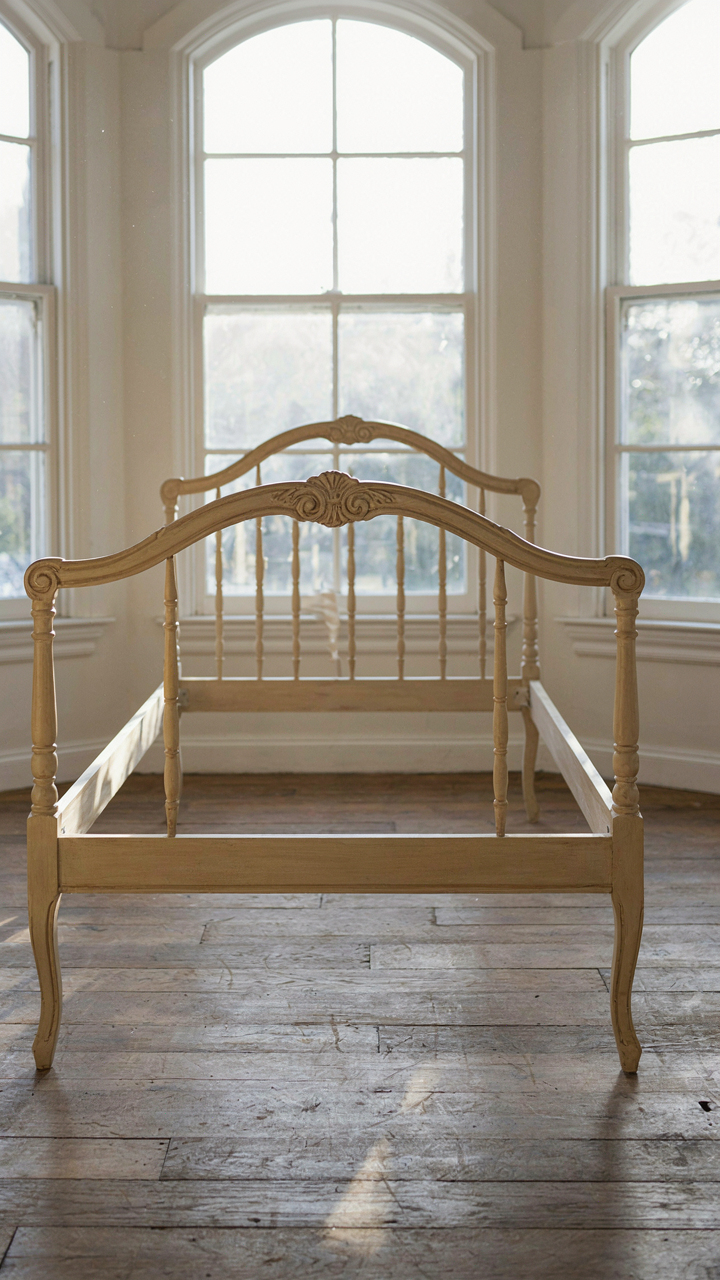
Evaluating Pieces For Longevity And Character
You want permission to buy more without feeling wasteful. Here’s the mechanism: French provincial furniture survives because it was built to solve a specific problem, not to trend. The pieces that endure—farmhouse tables, bergère chairs, commodes—were designed by craftsmen who expected repairs, not replacement. They used joinery instead of glue, solid wood instead of veneer, and proportions that don’t fight the human body. When you evaluate a piece, ignore the aesthetic first. Ask whether the joints are visible, whether the wood is solid throughout, whether the piece could be reupholstered or refinished without structural compromise.
The economic principle at work here is diminishing returns: each additional piece you add to a room produces less visual and functional value than the last. A bed frame with curved details anchors the space. A nightstand beside it multiplies that anchor. A third piece—an armoire or dresser—begins to fragment attention rather than cohere it. French provincial bedrooms work precisely because they resist overcrowding. The protocol is straightforward: before acquiring any piece, identify what existing problem it solves. If it doesn’t solve one, it’s decoration masquerading as curation.
The Threshold Between Investment And Accumulation
Common advice says to prioritize quality over quantity. That’s incomplete. Quality alone doesn’t stop you from owning five mediocre chairs instead of one excellent one. The real distinction is structural role. A high-quality piece earns its footprint by serving a functional boundary—headboard, storage, seating that the room can’t function without. A low-quality piece serves status: proof you searched hard or spent well. French provincial bedrooms fail when people treat them as collection vessels. The moment a room needs a chair in the corner purely for visual balance, the curation has collapsed into accumulation.
The mechanism that stops accumulation is friction. Make acquisition difficult. Require the piece to either replace something or fill a genuine gap you’ve lived with for weeks. Impose a cooling-off period: if you want it after two weeks of not seeing it, it earns consideration. Apply this specifically: source local when possible, measure exact dimensions before viewing, and refuse pieces that require rearrangement. This transforms furniture selection from impulse-driven decoration into intentional architecture. Your French provincial bedroom becomes recognizable because it contains only what it needs, arranged exactly where it functions.
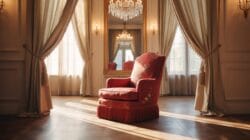
Lighting Your Provincial Sanctuary: Function Over Faux
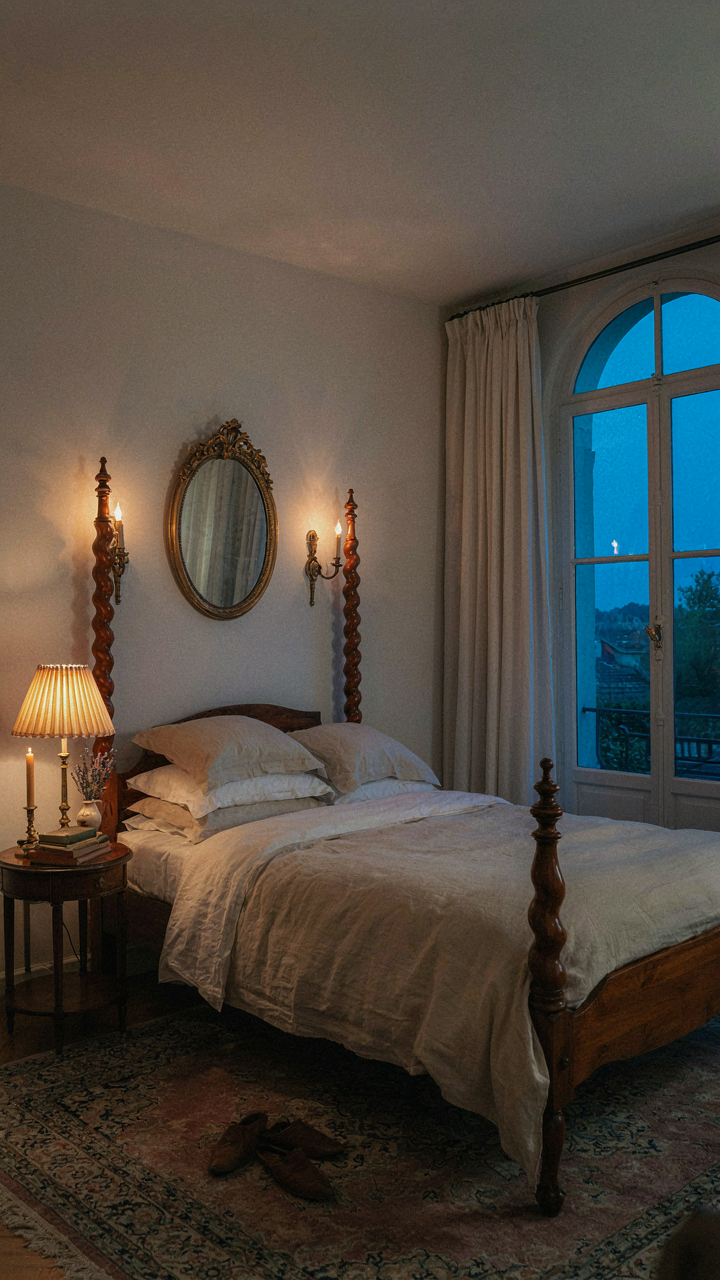
The Three Layer System That Actually Works
You want your bedroom to feel expensive without trying. That’s the real reason you care about this section. The mechanism is simple: French provincial interiors use lighting layers borrowed from theater design, where each “zone” serves a specific function rather than one fixture doing everything. This principle prevents the flat, harsh quality that kills provincial authenticity.
Ambient lighting provides the base. This is your ceiling fixture or wall sconces that illuminate the entire room at low intensity. Task lighting targets specific areas like bedside tables or a reading chair. Accent lighting highlights architectural details and curved elements that define provincial style. Most people skip this structure and install one overhead light, wondering why the space feels sterile. Layer them instead, and the room gains dimension without needing to be complicated.
Where Most People Get It Wrong
The consensus advice says “use warm bulbs” and stops there. That’s incomplete. Warm color temperature matters, but fixture placement matters more. Provincial bedrooms fail when lighting comes from above only, washing out texture and flattening the curves that give the style its character. Recessed ceiling lights are the specific enemy here—they eliminate shadow, which is what makes curved details visible.
Position sconces at eye level on either side of a mirror or headboard. Place bedside lamps on nightstands within arm’s reach. Mount a dimmer on ambient fixtures so you control intensity, not just color. Skip the chandelier unless your ceiling is genuinely high. The goal is to see the room’s surfaces and shapes, not to illuminate it like an operating room. This positioning creates the visual hierarchy that makes provincial bedrooms read as intentional rather than generic.

Modern French Provincial: Integrating Old With The New (Seamlessly)
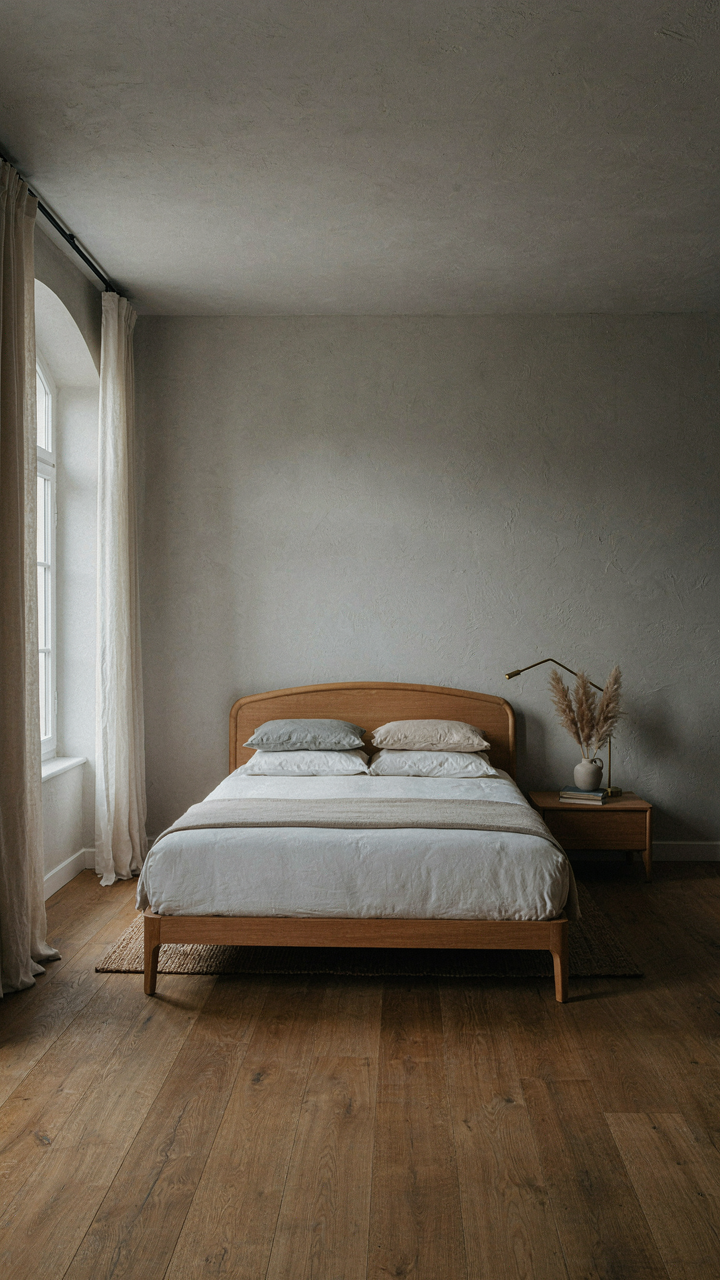
The Actual Problem With Mixing Eras
You want the status of authenticity without the friction of actually living like it’s 1850. That’s the mechanism most design advice skips. French provincial works in modern homes not because styles “blend” but because you’re solving a specific constraint: how to use curved furniture, heavy textiles, and ornament without triggering the uncanny valley of a museum bedroom. The answer isn’t compromise. It’s friction reduction through material honesty and functional clarity.
Curved details in French provincial—the cabriole legs, the serpentine drawer fronts, the arched headboards—work in contemporary spaces when they’re paired with clean sight lines everywhere else. This isn’t about softening modernity with old pieces. It’s about using provincial curves as focal points that justify themselves functionally, not as decoration drowning in more decoration. A curved bed frame reads as intentional. Curved everything reads as confused.
The Mechanism Of Style Evolution
Styles don’t disappear when you modernize them. They shift their load-bearing walls. French provincial in a 2024 bedroom relies on the same curved joinery and hand-finished surfaces that made it valuable in Provence, but now those curves do different work: they interrupt the visual monotony of drywall and right angles instead of proving you could afford skilled labor. The decoration that once signaled wealth now signals restraint, which is actually harder to execute.
The curved details stay. The abundance doesn’t. Strip the floral chinoiserie wallpaper, the heavy velvet swags, the three types of pattern competing for attention. Keep the architectural curves in the bed frame, the nightstands, the mirror. Pair them with white or soft gray walls, modern lighting that doesn’t announce itself, and textiles in single colors or tight weaves. The bedroom functions better. It photographs better. It ages without looking dated.

The Curated Collection: Details That Define Your Provincial Decor
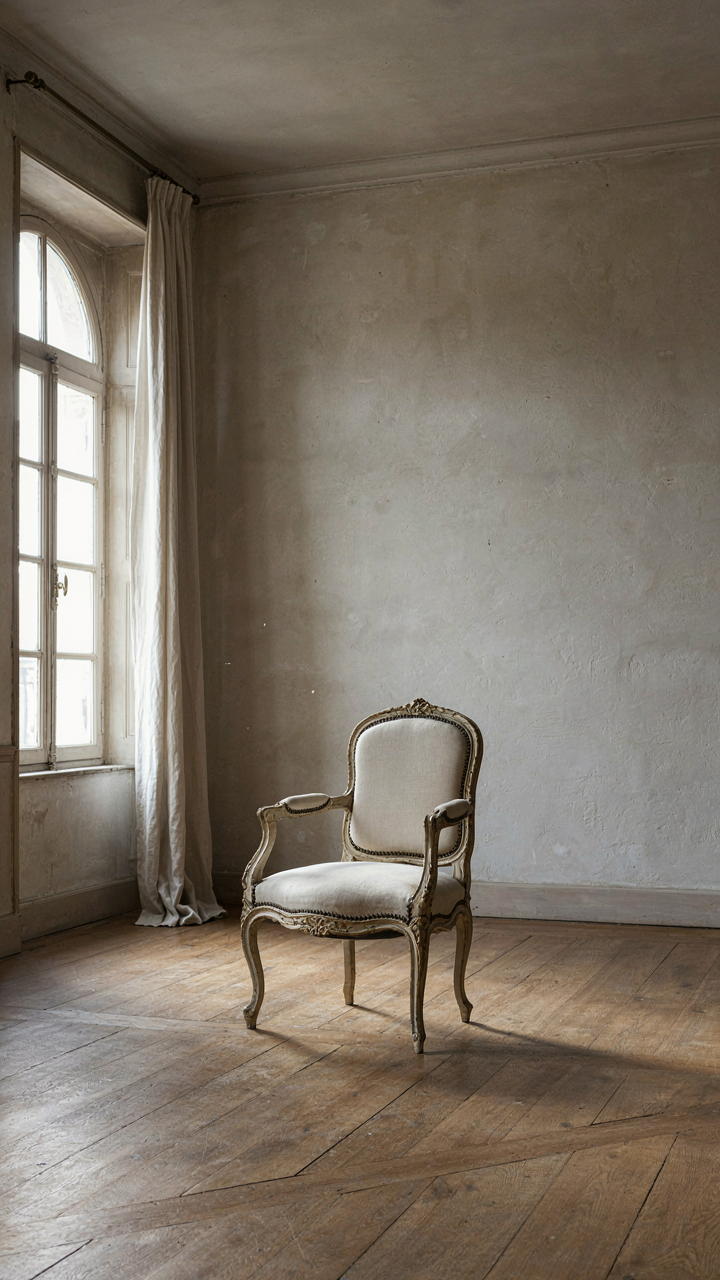
Restraint Over Accumulation
You want permission to buy more stuff without admitting the real problem is editing what you already own. That’s not how provincial design works. In retail merchandising, “velocity” measures how fast inventory turns over, but in French Provincial interiors, the inverse principle applies: objects gain presence through stillness and scarcity, not rotation. The rooms that read authentically have gaps. They breathe. A Louis XV chair means nothing if it competes with five other seating pieces for visual dominance.
The mechanics are simple. Provincial bedrooms from the 18th and 19th centuries accumulated slowly over years, often within economic constraint. Families kept what mattered and repaired it. Modern reproduction falls apart when you treat the aesthetic as a checklist to complete. Select one curved mirror or one pair of curved nightstands. Choose one fabric for upholstery. Leave wall space bare. The curve detail should interrupt the room’s rhythm, not saturate it.
The Proportional Mismatch Nobody Acknowledges
Most guides tell you to scale furniture to your room size, which is technically correct but useless. The real failure happens when curved details are too delicate. A spindle-legged chair with minimal curve reads as fragile in a modern bedroom. A curved bedframe or armoire with substantial proportions and visible woodwork creates the authority that provincial design requires. The curves must suggest stability underneath, not decorate the surface.
Inspect the thickness of curved elements before purchasing. Look at how curves integrate with structural lines, not how they ornament them. A curved headboard means nothing without proper depth in the wooden frame. The curve should emerge from construction logic, echoing the way 18th-century craftsmen bent wood to solve structural problems first, aesthetics second. This distinction separates authentic provincial from theatrical provincial.

The Maintenance Mandate: Keeping Your French Bedroom Flawless

Daily Habits That Protect Investment Value
You’re worried this bedroom will look worn in two years and you’ll feel stupid for the money spent. That’s the real driver here. The mechanism is simple: French provincial pieces degrade fastest when you treat them like they’re indestructible. They’re not. Dust settles into carved curves and locks moisture against wood. Humidity warps veneer. Fabric fades under direct light. Small daily actions arrest this trajectory before it compounds. The investment holds or dies based on what you do in the first 90 days.
Dust curved wood details weekly using a soft brush, not cloth. Cloth leaves fibers in grooves. Open windows to regulate humidity, never letting it spike above 55 percent. Keep curtains drawn during peak sun hours to protect upholstered pieces and painted finishes. Wipe spills immediately on all surfaces. These aren’t suggestions. They’re the difference between a room that ages gracefully and one that looks neglected by year three.
Seasonal Interventions That Matter
The common advice about “seasonal care” is vague garbage. Most people hear it and do nothing because they don’t know what specifically changes each season. Here’s what actually happens: summer heat increases wood movement. Winter cold dries finishes. Spring humidity accelerates mold growth in fabric. Fall temperature swings stress joints. Each demands a different response, not a generic cleaning day.
In summer, increase air circulation with fans to combat humidity around curved headboards and armoires. In winter, use a humidifier to prevent lacquer from cracking on painted finishes. Spring requires vacuuming upholstery with an upholstery attachment and inspecting underneath for mold spots. Maintenance compounds when you sync it to seasonal pressure, not to calendar convenience. Check joints on curved furniture before each season changes and tighten loose screws on curved frame supports.
Your Taste Isn’t The Problem; Your Execution Is

Most people abandon the french provincial bedroom halfway through because they chase Pinterest instead of their own vision. You already know what you want. The curved details, the soft textures, the aged wood. The gap between your idea and your room isn’t inspiration. It’s commitment to one direction long enough to see it work. Pick your curved focal point today. A headboard, a mirror, a chair. Build everything else around it. Taste without follow-through is just decoration.



