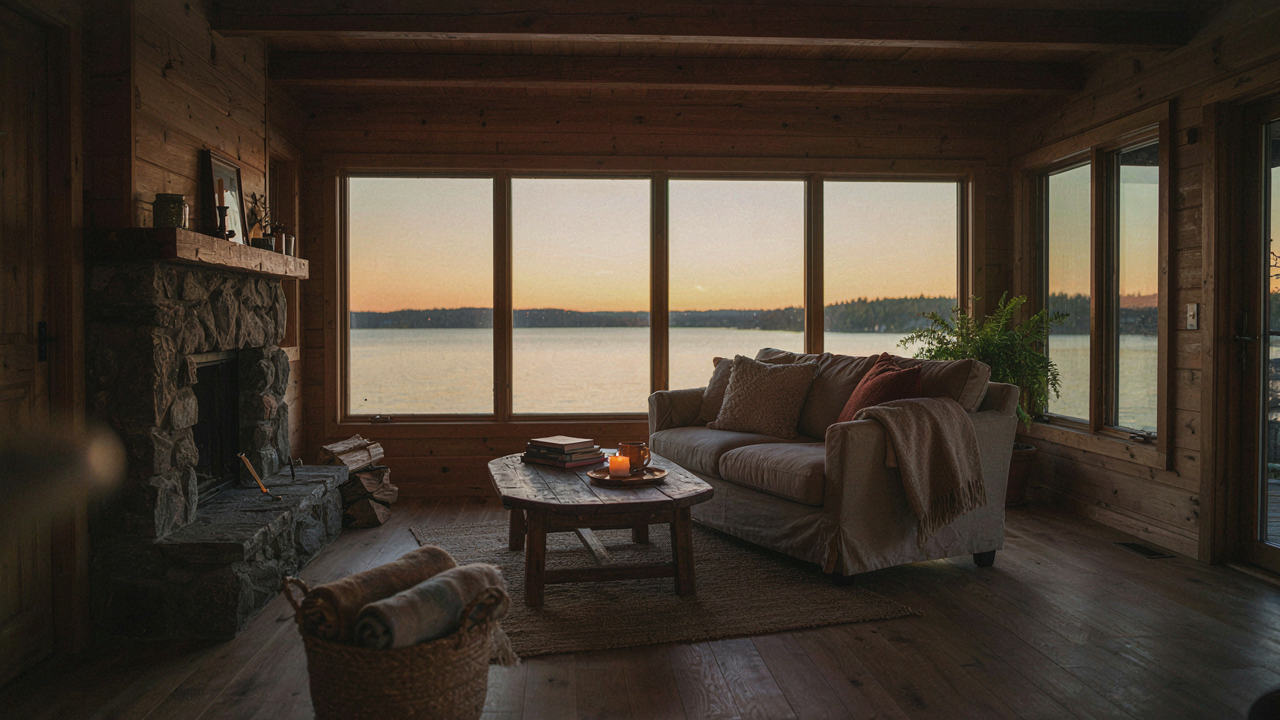
Beyond Pinterest Boards: The Sunk Cost Fallacy Of Generic Rustic
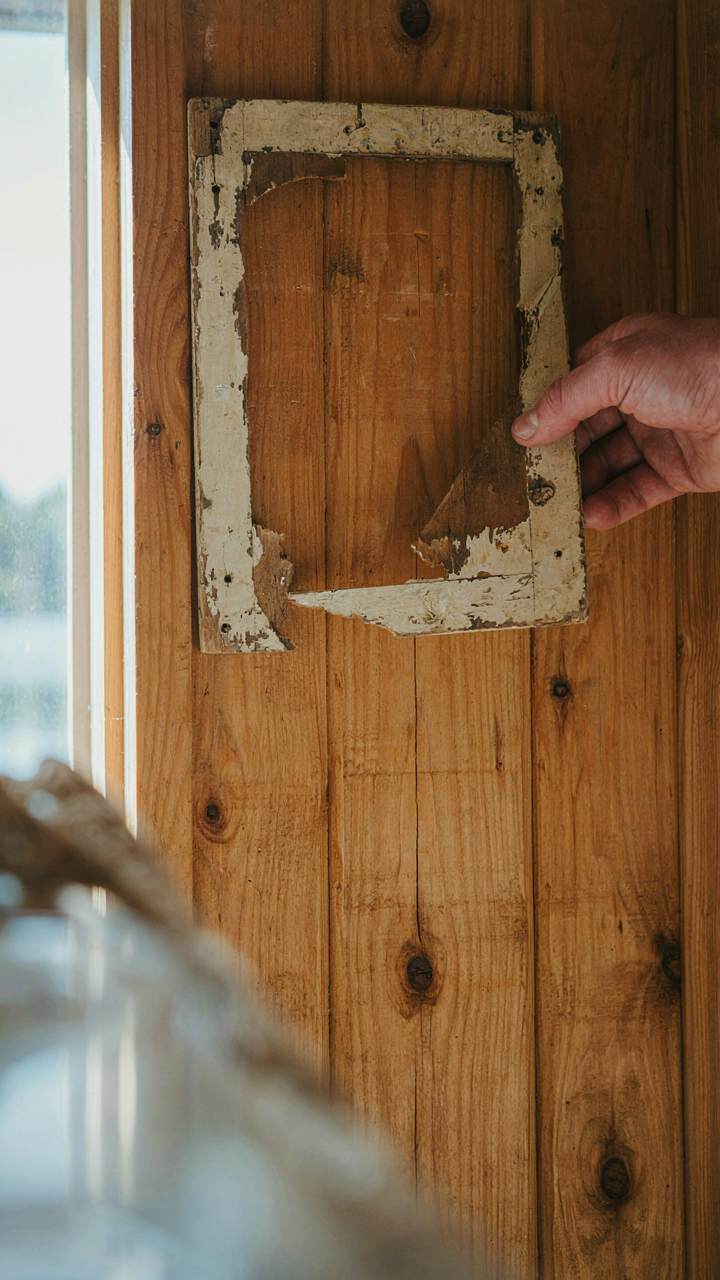
When Rustic Becomes A Costume
You want proof that your taste is elevated without actually doing the work to develop it. That’s the real transaction happening when you pin a room full of barn wood and Edison bulbs. “Rustic Chic” fails because it’s a borrowed aesthetic with no connection to how you actually live. It’s a design formula, not a foundation. The movement emerged in the late 1990s as a reaction to minimalism, but it calcified into a template: reclaimed wood plus metal accents plus neutral palette equals done. You’re not designing for your cabin. You’re decorating against the fear that someone will think you’re basic.
The mechanism here is economic. In business, this is called the sunk cost fallacy: you justify continued investment in a failing strategy because you’ve already spent money on it. Your cabin becomes a showroom for products instead of a functional space. You own pieces because Pinterest told you to, not because they solve a problem or reflect how light moves through your specific room at 6 AM. Real rustic design emerged from necessity and available materials in specific regions. Generic rustic erases that context entirely. Stop treating your cabin like a portfolio project and start treating it like a place you’ll actually be tired in.
Mass Produced “Authenticity” Is A Contradiction
Big furniture retailers mass-produce “Lakehouse Cabin Decor” in identical batches. This isn’t wrong information. This is a direct you should reject. Every cabin on a given lake doesn’t need the same reclaimed wood coffee table from a warehouse in North Carolina. The moment a product becomes available in bulk with a name attached to a trend, it stops being authentic. Authenticity in lake cabin design comes from specificity: the local material you found, the piece that actually fits your room’s dimensions, the decision based on function rather than category.
The trap is believing that expensive mass-produced items carry inherent authenticity. They don’t. A six-hundred-dollar “rustic” side table made in a factory is just as generic as a hundred-dollar version. What separates real design from catalog design is constraint and intention. Your cabin should reflect the actual lake, the actual climate, the actual way your family uses the space. Start by removing one mass-produced piece per room and replacing it with something specific to your location: locally milled wood, found materials from the property, or a piece with actual history. That single swap creates more character than ten curated purchases ever will.
The Biomimicry Of Imperfection: Engineering Natural Patina

Nature Doesn’t Polish Anything
You want patina because it signals time and authenticity you haven’t actually earned yet. That’s the real reason. But the mechanism is borrowed from biology: ecosystems build complexity through layered exposure, not single interventions. Weathering isn’t decay. It’s a material’s honest record of its environment. Lake cabins live this. Wood exposed to moisture, temperature swings, and UV doesn’t fade randomly. It follows predictable oxidation patterns. Replicating this means understanding which surfaces age fastest and why, then deploying materials that degrade on schedule rather than by accident.

Materials weather at different rates depending on exposure direction, wood grain orientation, and mineral content. Cedar grays faster than pine. Horizontal surfaces accumulate lichen before vertical ones. Hardware oxidizes unevenly based on metal composition and proximity to water spray. You can’t fake this with stain or distressing techniques. The patina has to come from real material behavior over time or staged exposure that mimics accelerated aging. This is why reclaimed wood works in lake cabins: the patina is actual evidence, not applied fiction.
Intentional Decay Beats Artificial Aging
Common advice tells you to buy “distressed” furniture and call it done. Wrong. Distressing is surface-level theater. Vintage lake house decor works because it carries genuine time signatures: wood movement that created actual gaps in joints, hardware corrosion that happened molecule by molecule, finish wear that follows foot traffic patterns, not random sandpaper gouges. The difference between real and fake patina shows immediately under close inspection. Grain exposure, color gradation, and wear concentration all follow logic in genuine pieces.
Strategic placement of salvaged elements creates believable aging layers. Install reclaimed dock boards as wall cladding where they’d naturally collect water stains. Mount vintage cast iron fixtures in functional positions where they’ll genuinely patina over time. Use salvaged brick or stone in the fireplace surround where heat and smoke create authentic darkening. Each element should occupy a location that explains its specific wear pattern. This approach eliminates the visual noise of random distressed pieces scattered throughout. Your cabin reads as lived-in because the decay patterns match the functional logic of the space.
The Scarcity Principle: Curating Rustic Lake House Ideas With Intent
How Perceived Rarity Drives Genuine Aesthetic Value
You want this section because you’re afraid your cabin will look like everyone else’s. The mechanism behind scarcity in lake cabin decor works like supply and demand economics: limit the quantity of a material or artifact, and its perceived value climbs regardless of function. A single reclaimed barn beam on the wall reads as intentional. Ten beams read as theme park decoration. The difference is scarcity, not the beam itself.

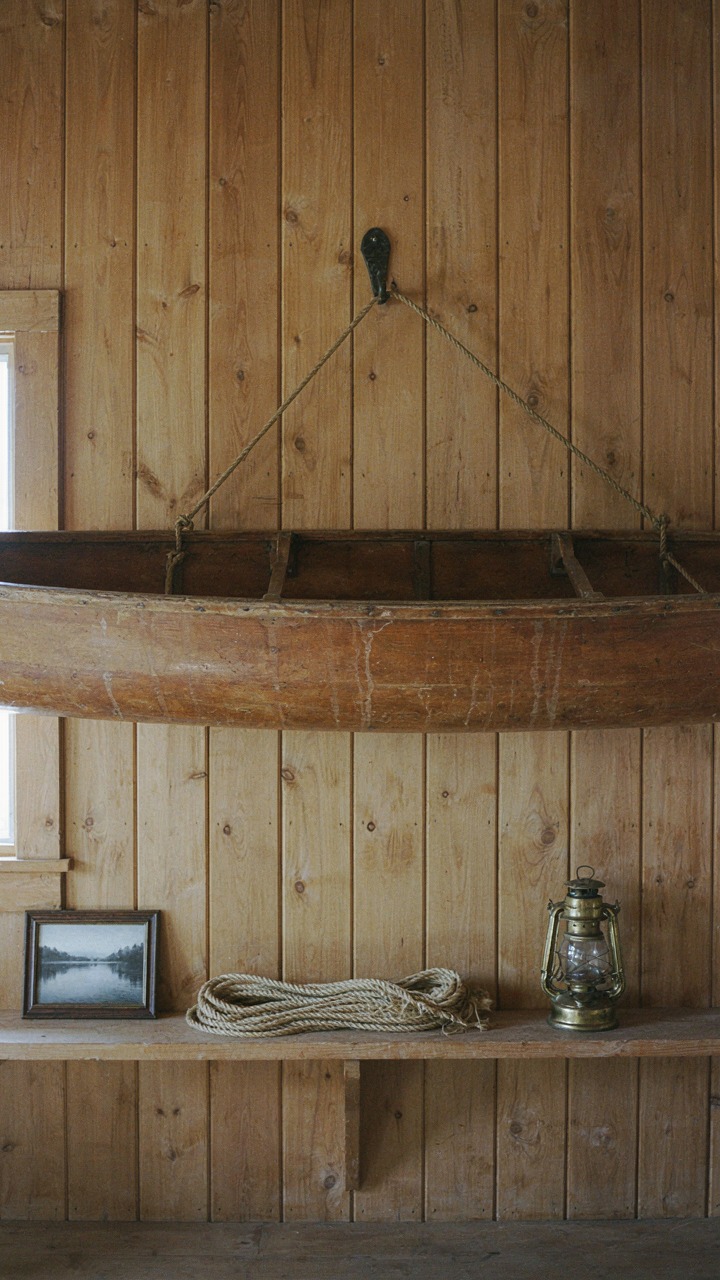
Real rusticity requires restraint. Most people fill cabins because empty space feels unfinished, so they layer in accessories until the room drowns. The opposite move creates impact. One weathered canoe hung horizontally on a focal wall anchors the space. One vintage cast-iron skillet displayed on open shelving draws the eye. The scarcity principle doesn’t mean sparse—it means each object earns its place through rarity or story, not abundance. This distinction separates curated from cluttered.
Strategic Restraint In Material Selection
First, inventory what actually exists in functional abundance at a lake cabin: sunlight, water views, raw wood surfaces, stone, and time spent idle. Don’t compete with these. Instead, deploy scarce elements that contrast them. A single copper piece, a limited textile, one specific metal finish—these become anchors because they’re rare against the backdrop of common lake materials.
- Reclaimed local stone: Source from regional quarries or salvage yards near the lake, not imported slate. One accent wall of locally-quarried stone tells the geography of the place.
- Hand-forged iron hardware: Commission or source from craftspeople, not mass production. Limited availability makes each piece feel earned rather than purchased.
- Vintage nautical instruments: Authentic brass compasses, barometers, or charts from estate sales. True scarcity because genuine pieces diminish over time.
- Single-source textiles: One handwoven throw or rug from a specific artisan or region. Limits repetition and creates a non-replaceable focal point.
- Salvaged wood from regional sources: Reclaimed dock wood or barn timber from the specific lake region. Local origin makes it scarce and contextually authentic.
The execution step is simple: before adding any piece to the cabin, ask whether it exists abundantly elsewhere in the room. If yes, don’t add it. If it’s the only object of its kind or finish in the space, it works. This filter prevents the visual noise that kills lake cabin charm and replaces it with actual curation.
The Log Cabin Room: Deconstructing “Modern Lakehouse Interiors”
Raw Meets Refined: The Structural Tension
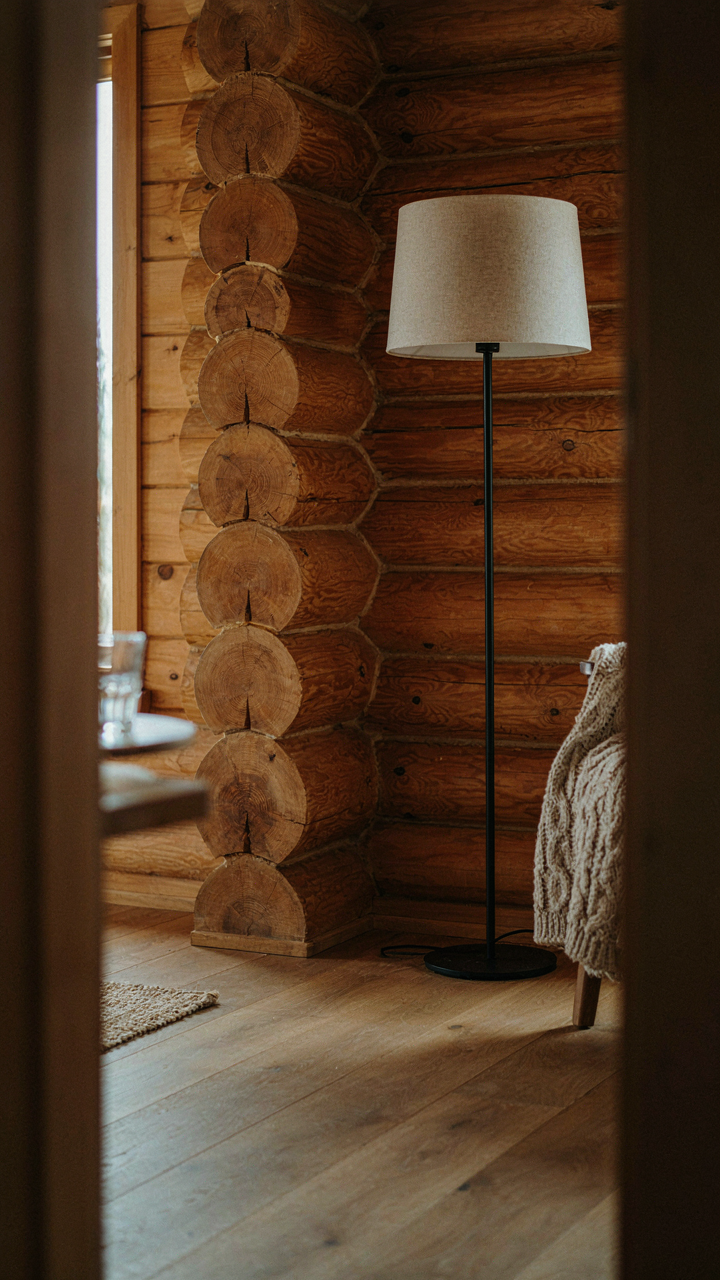
You want permission to keep the logs visible without looking like you’re camping indoors. That’s the real tension here. Think of it like load-bearing walls in architecture: the logs are your structure, but they can’t be the only visual load. You need modern finishes to distribute the visual weight evenly so the cabin reads as intentional, not abandoned.

Exposed logs work best when paired with elements that contrast rather than blend. Matte black metal fixtures against honey-colored timbers. Concrete floors anchoring a space that could otherwise feel too soft. Stone fireplaces with clean grout lines, not mud-daubed joints. The mechanism is tension, not harmony. Each material has its own surface finish and scale. When they’re at odds, the space stops feeling like a theme park and starts feeling like a deliberate choice.
Comfort First, Aesthetics Second
Cabin room ideas fail when designers treat comfort as optional and aesthetics as the actual job. Rough-hewn beams and narrow window openings were practical solutions to 1800s problems, not design features. Modern lake cabin decor strips away the pain points, keeps the visual language. That means climate control that doesn’t strain against stone walls. Lighting that softens without erasing the logs. Seating that sits in the room without fighting the architecture.
The protocol is simple: choose the function first, then wrap it in the visual language of the cabin. A modern heating system behind a log wall is better than an old woodstove that heats one corner and cools the rest. Soft ambient lighting on dimmers beats bare bulbs. Deep seating with proper back support beats rustic benches that look good and hurt your spine. The logs stay. The authenticity of comfort replaces the authenticity of hardship.
The Authenticity Algorithm: Sourcing Narratives, Not Just Objects

Where The Story Lives
You want permission to spend money on old things without feeling wasteful. Here’s the mechanism: objects with provenance cost less psychological friction because they carry justification built in. The real sourcing strategy isn’t about finding rare pieces. It’s about reverse-engineering why a specific object belonged in a cabin environment before you owned it. A weathered oar means something different if it came from a boathouse versus an estate sale. The context changes the object’s role in your space. Without the narrative, you’re buying decoration. With it, you’re building continuity.

Antique and vintage dealers near cabin regions understand this. They stock items because local cabins actually used them. A cast-iron wood stove didn’t become a design element by accident—it heated real spaces. Reclaimed barn wood didn’t trend because it photographs well—it survived because it was built to withstand. When you source from regional dealers or estate sales in cabin communities, you’re pulling from the actual inventory that worked in those environments. The piece carries structural proof of its function.
Building Your Source Map
Generic advice says hit flea markets and estate sales randomly. Wrong approach. You’ll waste time and buy objects that look rustic but have no connection to water, weather, or cabin life. Instead, identify the three to four sources closest to your region where cabins actually exist, then visit them seasonally. A dealer that specializes in lake community estates knows which items survive cabin conditions. They’ve seen what lasts. They’ve handled the specific wear patterns that matter. This creates a feedback loop: you learn to spot authenticity because you’re in proximity to volume.
Document what you find at each source and why it works. A cast-iron cooking pot from a cabin estate carries decades of actual use. A wooden shelf from a boathouse shows the exact grain damage that humidity creates. You build a personal reference library of real objects. When you encounter something similar elsewhere, you recognize the legitimate markers. This becomes your filter against reproduction pieces and decorative objects pretending to have history. Over time, you source like someone who lives there, not someone visiting a design magazine.
The Water’s Edge Effect: Harnessing River Decorating Ideas
Subtle Water Integration Without The Cliché
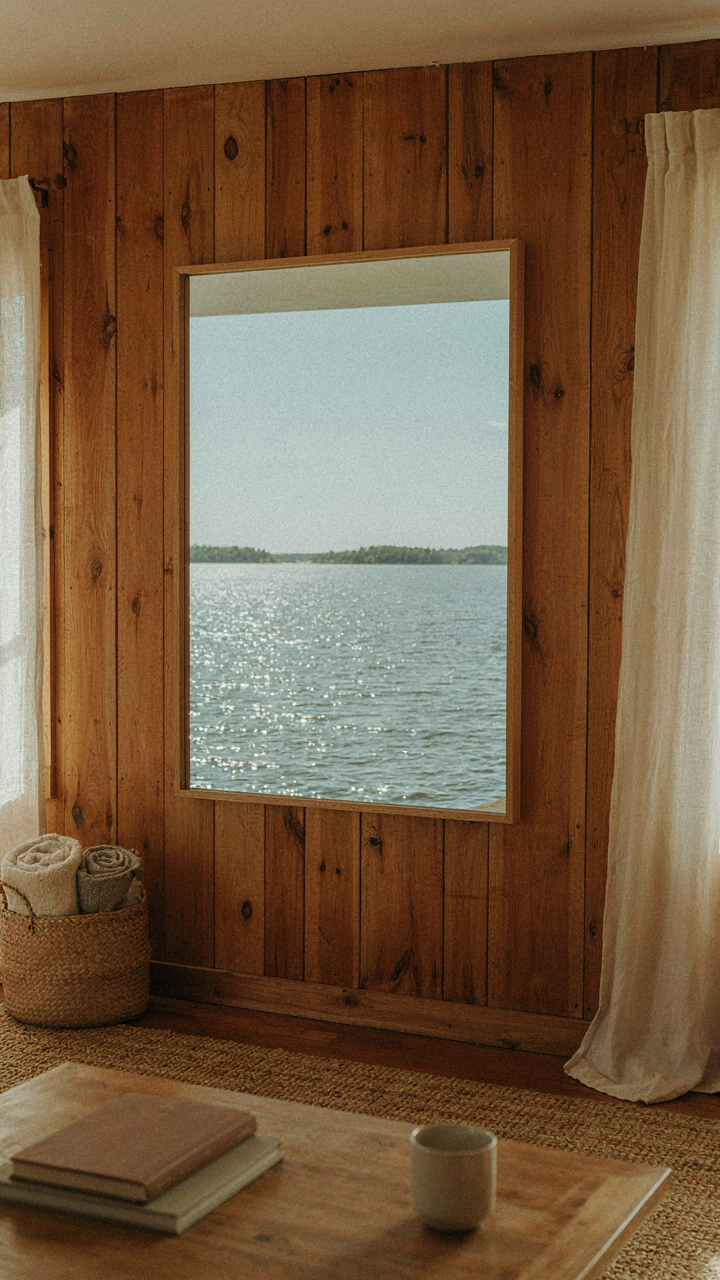
You want water elements in your cabin because you think they’ll make the space feel “connected to nature” and justify the premium you paid for lakefront property. The real mechanism is contrast. Interior design borrows from visual hierarchy in graphic design: the eye moves toward what differs from its surroundings. Water references work not because they’re thematic but because they interrupt a field of wood and stone with different material properties and light behavior.

The mistake most people make is literal water decor. Fishing nets on walls, driftwood sculptures, and nautical knots are visual noise that dates fast. Instead, introduce water’s actual properties: reflectivity, transparency, and movement. A single large mirror positioned to catch light from the lake creates the effect without announcing it. Sheets of clear glass as cabinet fronts or partition screens pull the eye toward views beyond. These materials function like water does in space, they don’t try to represent it.
Symbol Over Representation
Water in cabin spaces works best when it operates as absence rather than object. This applies the negative space principle from minimalist design: what you remove communicates as loudly as what you place. A room that faces the lake needs fewer competing focal points, not more water imagery fighting for attention.
Deploy water symbolism through restraint instead. Use cool color palettes in textiles and accent pieces, not because they “represent water” but because cool tones recede visually and let the actual lake remain the dominant feature. Limit your water-adjacent materials to two or three, placed strategically: a slate fireplace surround, linen in muted blues, one glass element. This creates coherence through discipline, not decoration. When you edit ruthlessly, the room’s relationship to water becomes undeniable without requiring a single anchor or decorative fish.
The Curated Imperfection Protocol: Applying Lake House Interior Decor Principles

Earned Restraint Over Decorated Spaces
You want permission to stop decorating. That’s the real reason this matters. The mechanism is restraint as a design decision, not laziness. In architecture and industrial design, this is called “subtraction”—removing elements until only the functional core remains. Lake cabin decor inverts this: you add only what serves the space’s actual use, then stop. A room with eight decorative objects feels curated. A room with twenty feels decorated. The difference is one decision made repeatedly.

Most lake house advice tells you to layer textures, add vintage finds, mix patterns. That’s decoration masquerading as design. The real move is choosing three dominant materials—say, weathered wood, linen, and stone—then using only those across the entire cabin. This creates coherence without effort. Your eye doesn’t hunt for what belongs. The space breathes because nothing competes for attention. Restraint isn’t minimalism. It’s editing.
The Catalog Trap And Why It Fails
Pottery Barn lake house catalogs sell you a lifestyle that requires maintenance. Every pillow matches. Every throw is folded the same way. Every surface is styled. This is performance, not living. Real cabins gather dust, worn corners, and objects from actual use—damp towels draped on chairs, coffee rings on side tables, books stacked instead of arranged.
The trap is believing you need to match the catalog to achieve “lake house feel.” You don’t. Abandon the impulse to style every surface. Leave blank wall space. Use mismatched wooden chairs at the dining table if they’re the same era or material family. Let a blanket sit bunched on the sofa instead of perfectly arranged. The cabin should look lived in after day one, not staged for photos.
The Feedback Loop: Iterating On Your Cabin’s Evolved Character
Decor As A Living System, Not An End State
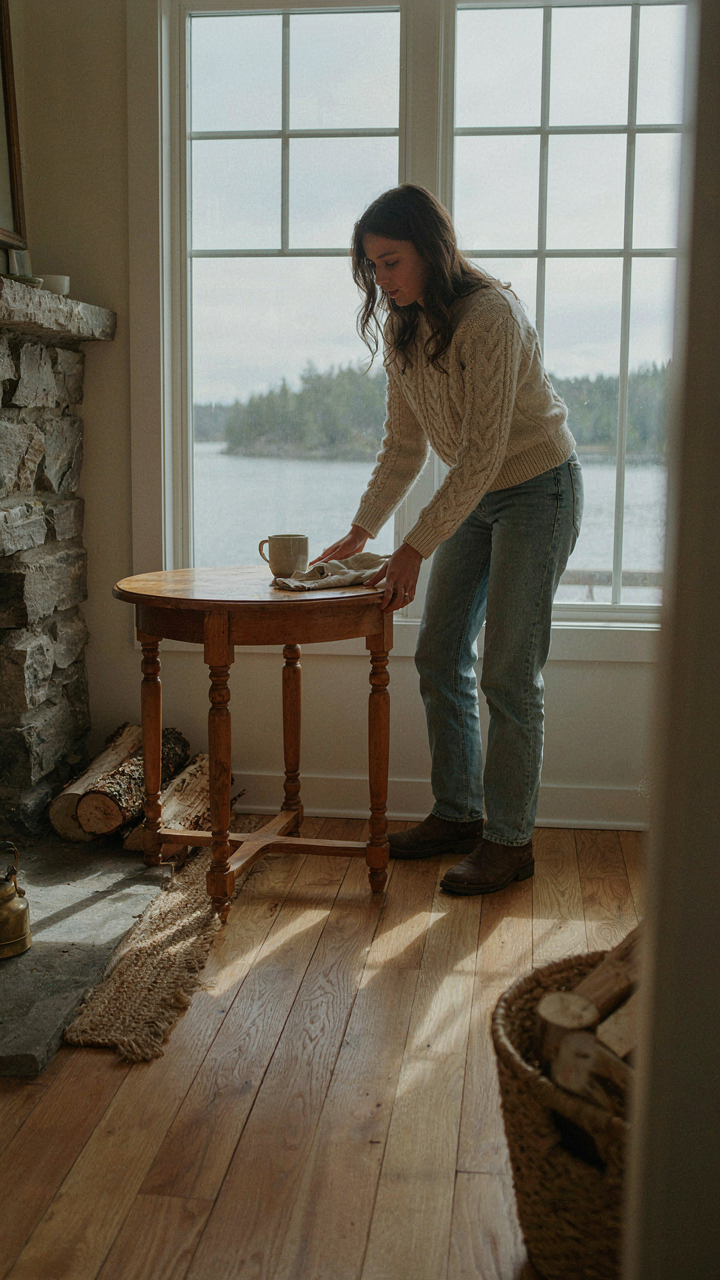
You want to believe your cabin is finished so you can stop spending money and feel like you’ve won. The mechanism at work here is the same one in biology called homeostasis: your space resists static design because you actually change. Your needs, your moods, your use patterns shift with seasons and years. A cabin decorated for permanence becomes a museum. One treated as a responsive system stays alive.

Most advice tells you to plan everything upfront and execute once. That’s wrong. The real work happens after initial setup, when you notice which pieces you actually touch, which corners you avoid, which materials fail under real use. Those micro-observations are data. You collect them over months, not weeks. A wool rug that sheds constantly. A side table that’s always in the way. Lighting that looked good in photos but leaves half the room dark at dusk. These aren’t failures. They’re signals.
What The Space Tells You When You Stop Controlling It
Start noticing what you gravitate toward without thinking. This requires observation, not decision-making. Walk through your cabin after a month of normal use. Which pieces have moved? Where do you naturally set things down? Which textures do you actually touch versus ignore? Where does dust collect because the layout works against flow? These patterns reveal your cabin’s actual function, separate from what you imagined it would be.
Make one small change based on what you observed, then wait two weeks before another change. This pace matters. Quick overhauls mask what actually works. Slow iteration shows you the difference between what looks good in theory and what feels good in practice. A reclaimed wood bookshelf might be beautiful but cold. A simpler shelf with better lighting and positioning might anchor the room differently. You only know by living with the first choice long enough to feel its actual impact.
The True Obstacle Isn’t Finding The Right Decor; It’s Overcoming The Fear Of Intentionality

Most people paralyzed by lake cabin decor decisions aren’t actually stuck on aesthetics. They’re afraid of committing to a vision that says something about who they are. You pick one style, one color palette, one direction and you own it. Pull one item from your home today that doesn’t fit that vision and donate it. That single act breaks the spell. Your cabin doesn’t need perfection. It needs your fingerprint.