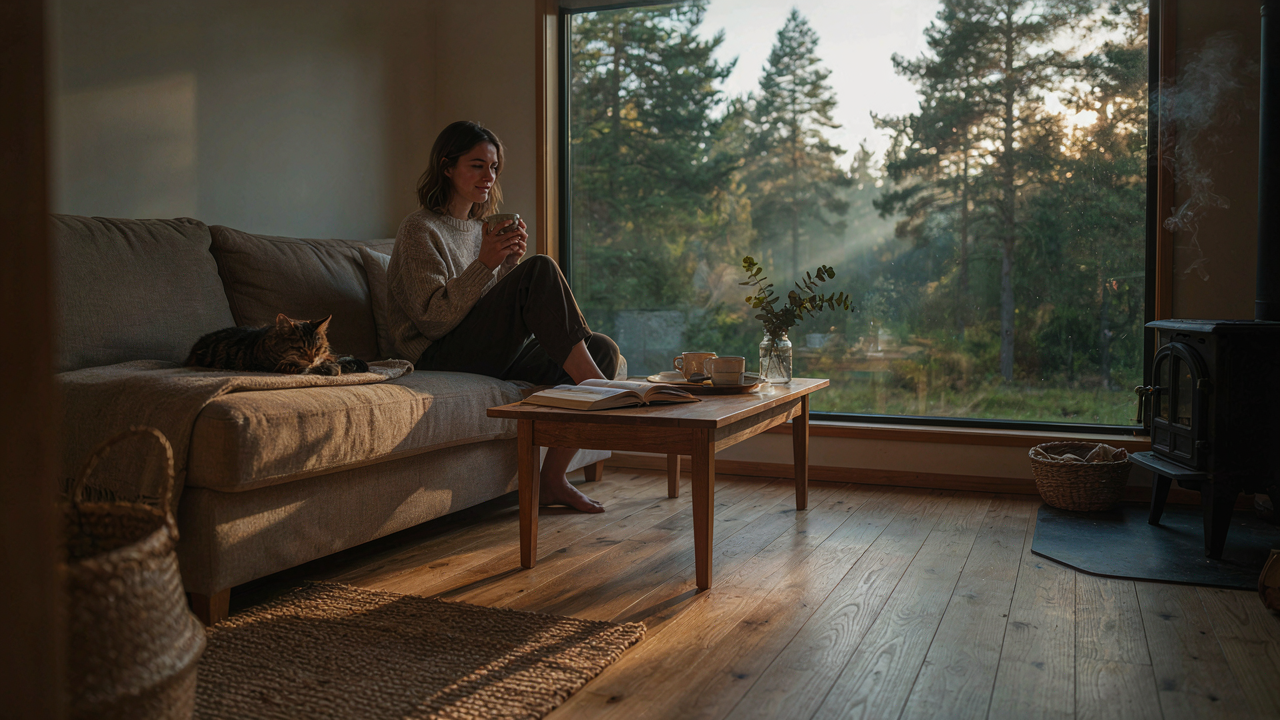
The Minimalist Paradox: More Stuff, Less Life In Your One Room Cabin

The Hidden Tax On Every Object You Own
You want to feel like you’ve “figured it out” by moving into a one room cabin, but you’re terrified of actually giving things up. That fear is expensive. Treat your cabin like a bank account: every item costs rent. In economics, we call this opportunity cost. Your 200-square-foot cabin has finite real estate. Every box stored under the bed, every “maybe someday” tool on the shelf, every duplicate kitchen item occupies space that could be breathing room. The math is ruthless. A single shelf devoted to rarely-used items removes functional wall space for storage that matters. You pay this tax every single day you live there.
Most people think minimalism means suffering or deprivation. False. It means your cabin doesn’t become a museum of regret. Every object in a one room cabin either serves your daily life or it steals from it. No middle ground exists at that scale. The friction of moving through clutter, the mental load of managing unused items, the anxiety of “I paid for that”—these are real costs extracted from your comfort and peace. Start by identifying what you actually use weekly, not what you think you might need. Everything else is premium real estate being wasted.
Objects That Weigh More Than Their Weight
Dead weight in your cabin compounds fast. An item you haven’t touched in six months isn’t neutral—it’s a liability. It occupies a drawer you could use for something functional. It blocks access to something you need. It creates visual noise that your brain processes whether you notice or not. One unused item seems harmless. Fifty unused items become a cage. The mechanism is simple: limited space plus unused objects equals reduced functionality for everything else.
The brutal truth is that most people keep things out of guilt or fantasy. Guilt about the money they spent. Fantasy about who they’ll become. Neither of these people live in your cabin. You do. Right now. In a one room cabin, your commitment to removing dead weight directly increases your ability to move, work, cook, and sleep without frustration. Start with one category: identify every item in that category, use it daily for one week, and remove what doesn’t appear. Repeat weekly until your cabin feels spacious instead of crammed.
The “Flow State” Layout Protocol For Tiny Cabins Interiors
Pathways That Disappear Into Function
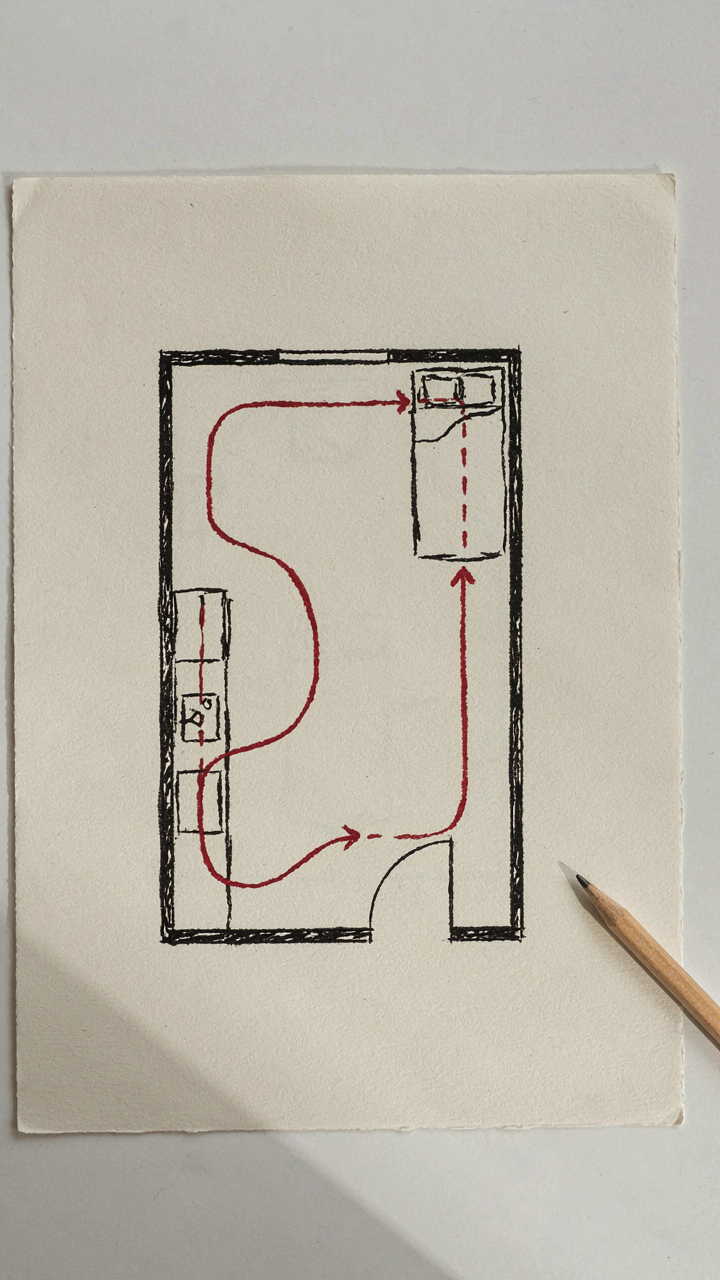
You want people to think you’re organized when really you’re just terrified of feeling cramped. The mechanism is borrowed from logistics: in supply chain management, throughput measures how efficiently units move through a system without bottlenecks. Your cabin’s throughput is how many steps you waste moving between sleep, work, cooking, and exit. Every blocked corridor or furniture placement that forces detours drains mental energy before you’ve done anything productive. The cabin layout that feels spacious isn’t bigger—it has superior throughput.

Map your circulation routes before placing anything. Draw lines from bed to kitchen, kitchen to bathroom, bathroom to door. These paths should never cross. Furniture against walls along these routes kills the illusion of space and creates friction. A cabin where you move in straight lines, rarely turning back, feels 30 percent larger than one where you zigzag. This isn’t psychology. It’s pure biomechanics. Test the layout by walking the circuit five times in a row. If you’re annoyed by step three, the design fails.
Visual Anchors That Separate Without Walls
Most advice says use rugs and lighting to “define zones.” That’s incomplete. The real work is creating visual stops that tell your brain a new function begins, without eating square footage. This is borrowed from environmental psychology’s concept of territoriality—the human need to perceive distinct ownership of space. One room cabins need false walls that aren’t walls. A change in floor level, a color shift on one wall, a hanging fabric panel, or a tall shelving unit does what drywall does without the cost or permanence.
The anchor should have a functional job beyond demarcation. A shelf divider also stores. A lowered ceiling section over the bed area also improves heating efficiency. A fabric panel doubles as acoustic dampening between sleeping and working zones. Never add decoration that only divides—it wastes the only currency you have: space. Position the visual anchor perpendicular to your line of sight when entering. This creates immediate cognitive separation. Walk through the cabin. If you can’t tell where one zone ends without thinking about it, the anchor works.
Beyond “Clever Storage”: The Truth About What You Actually Need
Start With Subtraction, Not Addition
You want permission to keep things. That’s the real reason you’re reading about storage solutions in a one room cabin. But the mechanism that actually works is economic scarcity: when you have less physical space, you don’t optimize storage first. You eliminate what doesn’t earn its place. A one room cabin forces this faster than any other living situation because there’s nowhere to hide waste.

Most people approach this backward. They move into a small space, panic about fitting their stuff, then spend money on organizers and vertical solutions. Wrong order. Start by listing everything you own, then ask one question per item: do I use this in my actual life, or do I keep it for the person I think I should be? Remove the latter category entirely. What remains is what you organize.
Furniture That Works Or Gets Out
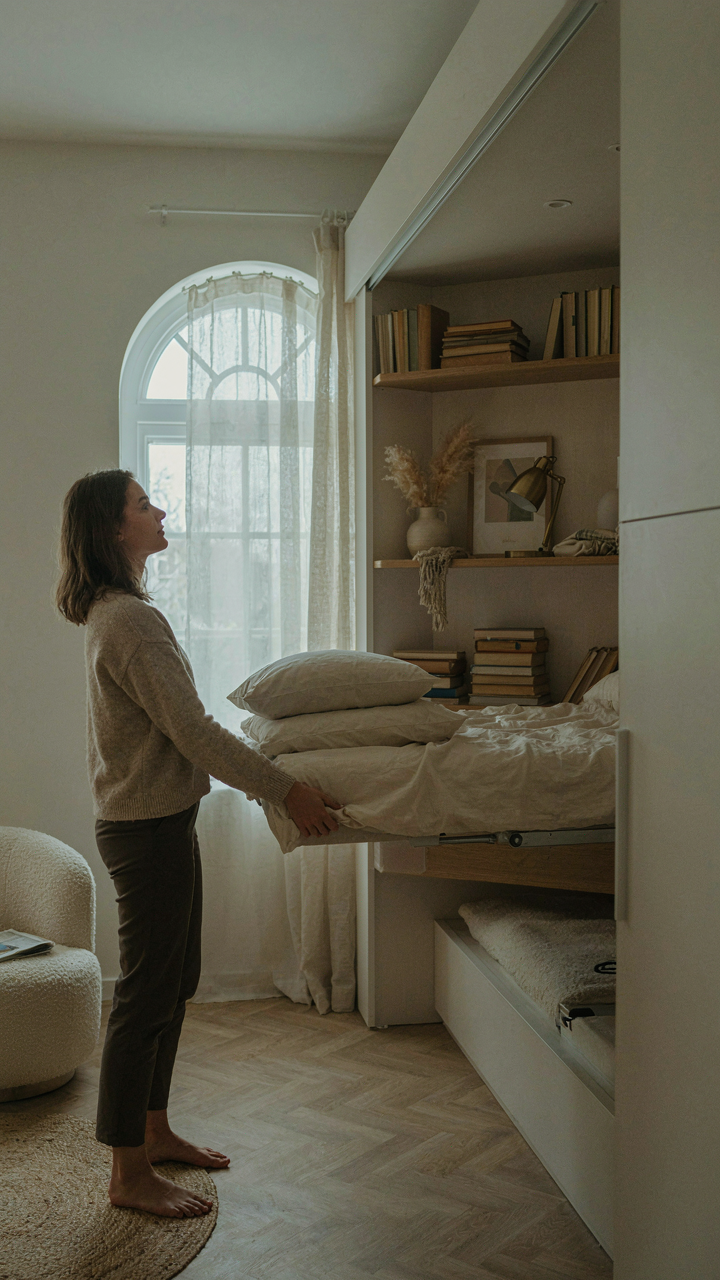
Multi-functional furniture isn’t trendy. It’s necessary. But calling something “multi-functional” doesn’t make it work. A murphy bed that’s hard to operate every single day becomes friction you resent, not a solution you use. Real multi-function furniture solves the actual use case, not the theoretical one.
The bed frame that doubles as storage underneath only works if you can access what’s stored there without moving the bed. The dining table that collapses only works if the collapse mechanism takes five seconds, not five minutes. The rule is simple: if using the secondary function creates more work than benefit, you’ve bought a expensive single-purpose item. Test the mechanism under real conditions for two weeks before considering it solved.
The Sensory Deception: How Lighting And Sound Dictate Your Comfort
Light Layering Creates Depth And Mood
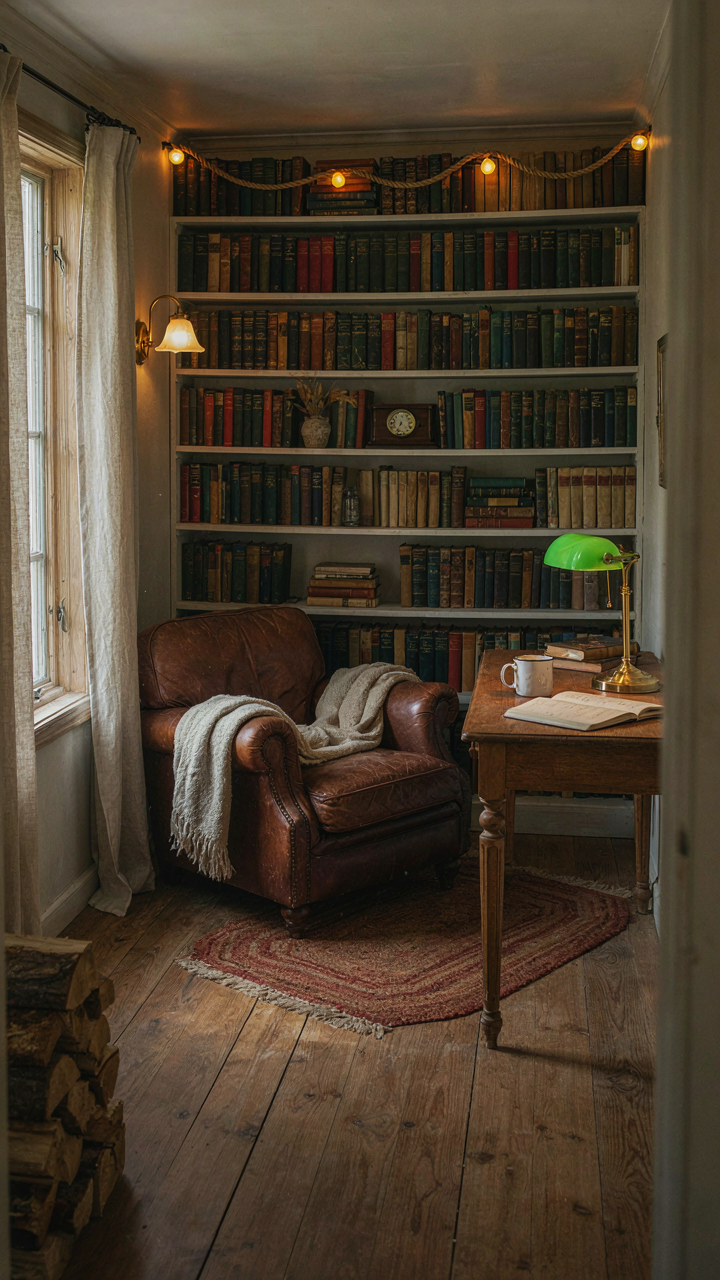
You want your cabin to feel larger than it is. That’s the real driver here. Most people think one light source suffices in a small space. It doesn’t. Your brain perceives space through contrast and shadow, not raw brightness. Use this principle: multiple light sources at different heights and intensities create the illusion of depth. A single overhead fixture flattens everything, making 200 square feet feel like a cell.

Practical layering means three types of light working together. Task lighting handles specific zones—a desk lamp, bedside light. Ambient lighting fills the room without glare—consider wall-mounted sconces or a dimmer-controlled ceiling fixture. Accent lighting highlights texture or depth—rope lighting behind shelving, a reading nook lamp in a corner. The key is switchability. You need independent control of each layer so you can adjust mood and perceived space throughout the day. In a one room cabin, this transforms how the space functions without adding square footage.
Acoustic Management Controls Mental Load
Sound management matters more in confined spaces because noise compounds. You can’t escape it. Poor acoustics in a small cabin don’t just create annoyance, they create cognitive fatigue. Your nervous system works harder to filter unwanted sound, leaving less mental capacity for actual living. This is a problem nobody names.
Address this through absorption, not soundproofing. Heavy curtains, rugs, and wall hangings break up reflective surfaces where sound bounces endlessly in tight quarters. These materials don’t block external noise, but they prevent internal noise from amplifying itself. Foam panels or cork board behind a desk absorb sound at the source. In a one room cabin, dead space is comfort. Install these materials strategically at reflection points—opposite walls, ceiling corners—not randomly for decoration.
The HVAC Fallacy: Why Your Tiny Cozy Cabin Needs More Than Heat
Moving Air Before Moving In
You want to believe that heating solves the problem because heating is simple, controllable, and makes you feel like you’ve done something. But stagnant air in a one room cabin is a circulation problem, not a temperature problem. Borrow from fluid dynamics: your cabin is a closed system where air has nowhere to go, so it pools in dead zones and stratifies. A single space heater doesn’t move air. It warms a pocket and stops.

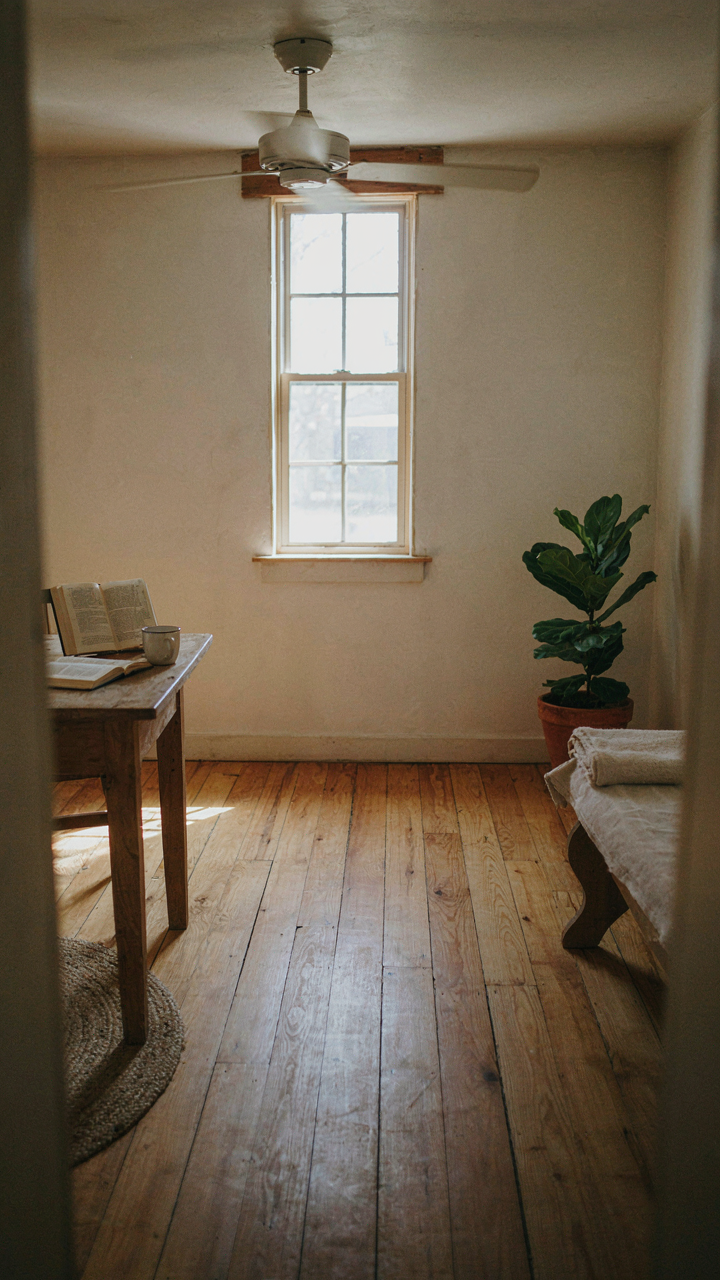
Without intentional air movement, cold spots form in corners, humidity collects near the floor, and you rotate your body like a rotisserie to stay comfortable. Install a ceiling fan on low even in winter. Position it to push warm air down from the ceiling without creating draft at body level. A second option is a small pedestal fan on the opposite wall from your primary heat source, running continuously at low speed. The goal is one complete air exchange every two to three hours, not constant gale-force circulation.
Control Humidity Or Lose The Cabin
The consensus advice is to just crack a window. That fails in a one room cabin because you lose all your heated air and invite cold-side condensation on every surface. Humidity is the real killer here—it rots wood, corrodes metal, and makes insulation worthless. Your cabin is a sealed box where moisture has nowhere to escape except into materials.
Install either an active dehumidifier running on a timer or a passive solution like calcium chloride buckets positioned in the coldest corners. Check them weekly. If you’re using the cabin seasonally, open all windows and doors for 24 hours before closing up, then run the dehumidifier for three days before sealing again. The mechanism that matters: moisture moves toward cold surfaces, so control the temperature gradient first, then manage what condenses.
The Psychological Terrain Of One Room Cabin Living: Adapting Your Mindset
Scarcity Forces Intentional Economics
You’re drawn to this section because you fear losing control. Living in one room exposes that fear immediately. Economics teaches us that scarcity reveals true value. In a one room cabin, square footage becomes your scarcity constraint, and it forces a pricing mechanism on every object you own. You stop acquiring garbage because the cost is visible: it takes up your actual living space.

This reframes the cabin from deprivation into an asset. People mistake constraint for limitation. Constraint is actually a filter. The limited space doesn’t restrict you from living well; it restricts you from the default pattern of accumulating things that dilute your attention. You spend less mental energy managing clutter and more on what actually matters. The mechanism is simple: fewer objects equals fewer decisions equals more mental bandwidth for work or rest.
Rituals That Anchor Order
Common advice says “organize your space.” That’s incomplete and misses the real problem. Organization doesn’t create order; repetition does. Psychology calls this behavioral conditioning, and your one room cabin is the perfect laboratory for it. You establish a morning ritual: coffee, make the bed, open windows. You establish an evening ritual: clear the desk, fold the blanket, dim the light. These rituals aren’t about neatness. They’re about signaling to your brain when work mode ends and rest mode begins.
The one room forces proximity between all your zones. Your bed is ten feet from your desk. Your kitchen is part of your office. Without ritual, these zones collapse into one meaningless space. Rituals create invisible boundaries. You don’t need walls; you need repeated actions that say “this zone is now activated” or “this zone is now closed.” Execute the same sequence every morning and every evening without exception for two weeks. That’s when the conditioning locks in and the space starts to feel ordered instead of cramped.
The “Zero Maintenance” Myth: Engineering Longevity For Simple Cabin Ideas
Pick Materials That Survive Neglect
You want to believe a cabin requires no upkeep because maintenance feels like failure. It isn’t. The real mechanism: materials degrade at different rates, and you’re choosing which failures happen to you. Rot, rust, and weather don’t care about your intentions. Cedar, metal roofing, and concrete floors outlast drywall, asphalt shingles, and particle board under identical conditions. The trade-off is cost and aesthetics, not magic.

Durability compounds over time like debt compounds against you. A metal roof lasts forty years. An asphalt roof lasts fifteen. That’s not an opinion. The cabin that uses exterior materials rated for your climate and moisture profile simply stops demanding money after year five. Interior finishes matter less because they’re protected. Exterior materials determine your actual maintenance schedule.
Design Every System You’ll Touch Alone
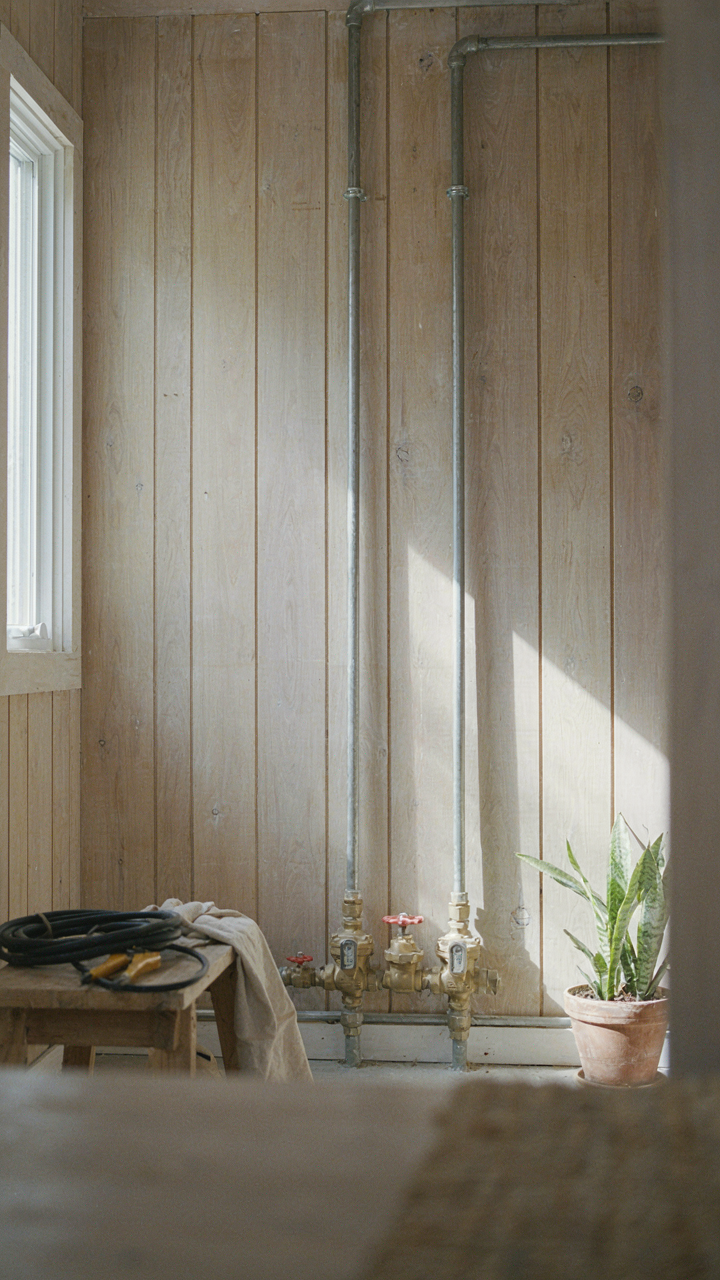
A one room cabin forces you into a mechanical bottleneck: you fix it solo. Apply systems thinking here. Every pipe, electrical box, and fastener must sit where your hands reach it without removing walls. A water heater mounted in a corner requires access from multiple angles. A fuse box behind a cabinet defeats the purpose of simplicity. The real problem isn’t the system breaking. It’s the time tax of locating and diagnosing the failure because you built like an architect instead of a mechanic.
Accessibility is the opposite of what most cabin builders do. They bury systems in walls to save floor space. Then they spend years paying contractors to dig. A one room cabin should have exposed conduits, accessible valve shutoffs, and cleanout ports positioned at waist height. Draw your maintenance path before you build. Water comes in here, electricity enters here, waste exits here. Repair that path without moving anything else.
Beyond The Instagram Aesthetic: Real World Functionality For Tiny House Camper
The Power Circuit You Actually Need
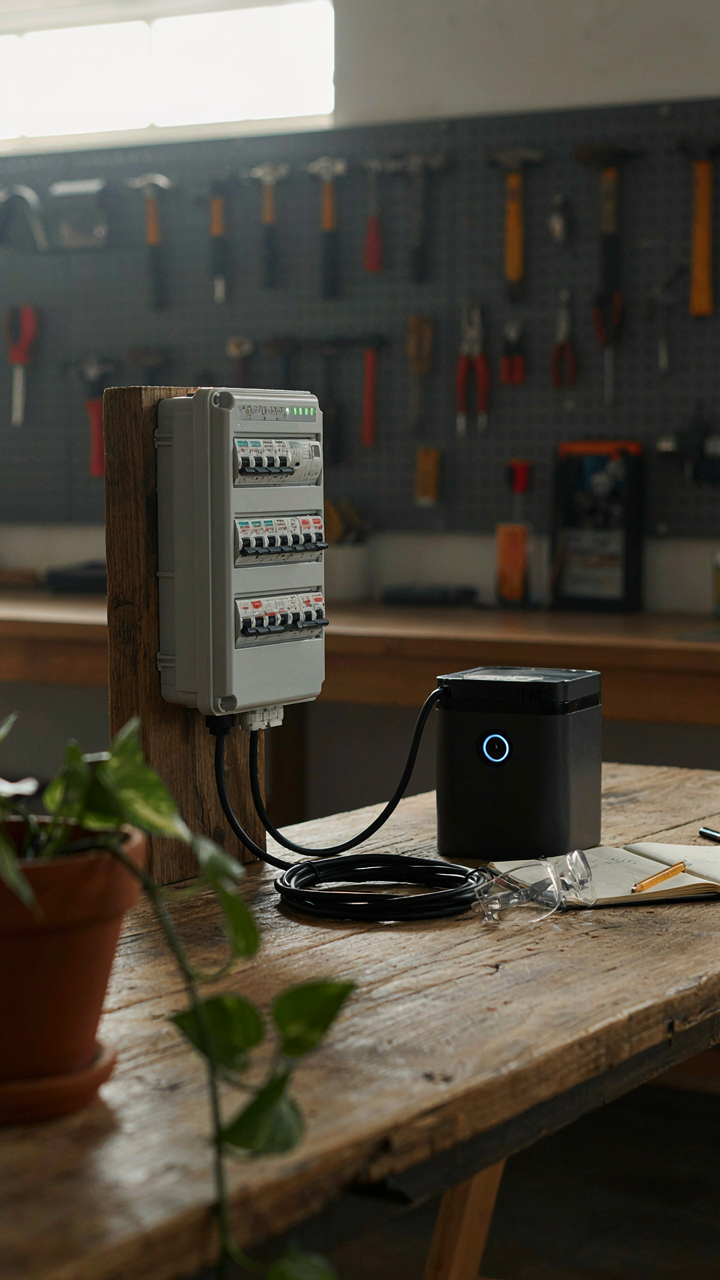
You want to believe solar panels and a battery will magically solve everything while you sip coffee and feel independent. Here’s the mechanism: electrical load management works like triage in an emergency room. You don’t treat every patient the same. You prioritize survival circuits first, then comfort circuits second. A one room cabin has finite power capacity. You must choose what runs always, what runs sometimes, and what doesn’t run at all.

Essential circuits mean lighting, refrigeration, and water pumping. Secondary circuits mean charging devices, entertainment, and climate control. Size your battery and solar to handle essential loads for three cloudy days straight. That’s your real constraint, not the number of panels you own. Most people oversize solar and undersize battery, then wonder why they’re rationing power in week two. The math is simple: multiply your daily essential watt hours by four, divide by your battery’s usable capacity, and that’s your actual system size.
Water Systems That Work Without Failing
Treating water like a utility you can waste is the fastest way to hate cabin life. The scarcity mindset isn’t romantic. It’s operational. A one room cabin with limited water supply operates under the same constraint as a naval submarine on patrol: you can’t resupply for weeks. You manage consumption or you run dry and you’re done. No exceptions.
Catchment systems should feed a holding tank sized for seven to fourteen days of use at low consumption rates. Most people design for three days and panic monthly. Gray water systems separate sinks and showers from toilet water, letting you reuse the former for outdoor tasks or toilet flushing. Install simple ball valves at each outflow point so you control where water goes. The protocol is this: measure your actual daily consumption for one week at the cabin, multiply by ten, and size your tank to that number. Then optimize downward. Low flow fixtures are not optional. They’re your baseline.
The “Ephemeral Decor” Principle: Curating Your Visual Environment
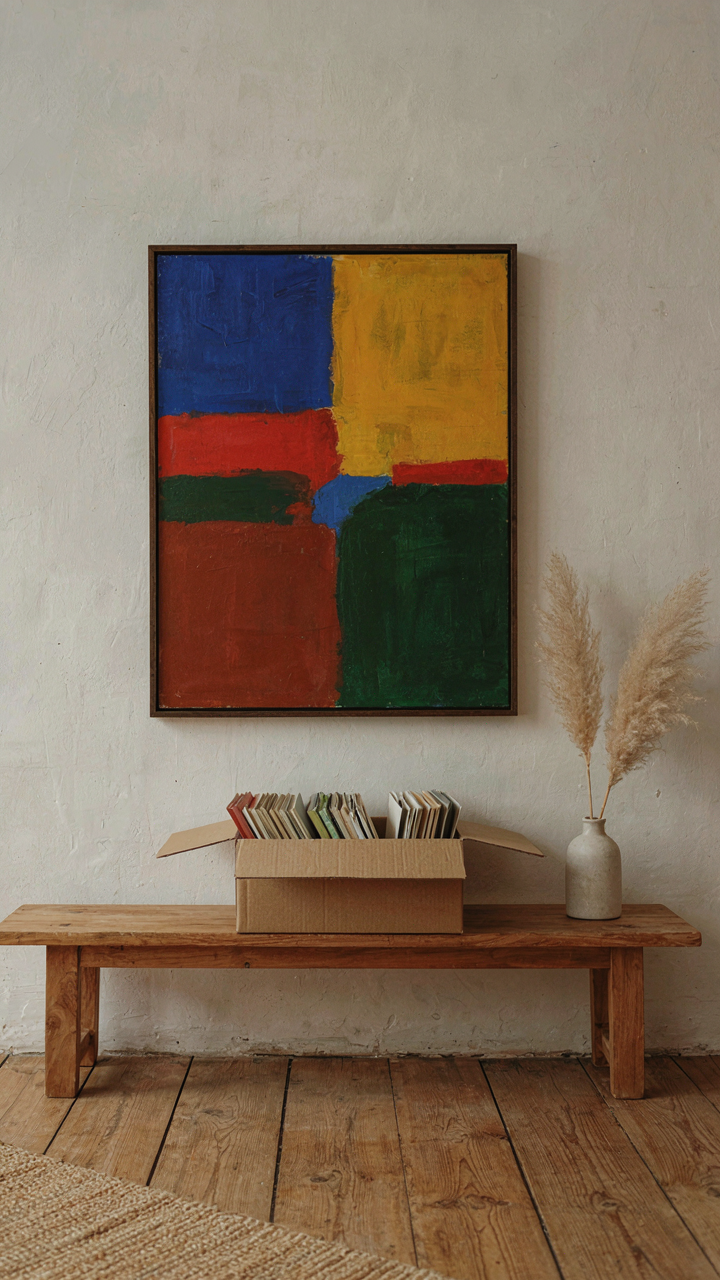
Rotating Art: Seasonal Changes For Fresh Perspective
You want your cabin to feel expensive without spending money every season. Here’s the mechanism: visual novelty triggers the same neural response as spatial expansion. In psychology, this is called habituation—your brain stops registering static environments, making 200 square feet feel smaller the longer you stare at the same four walls. Rotating art breaks this pattern without adding square footage.

The practical move is simple. Keep a rotating stock of prints, photographs, or small paintings stored flat. Swap them every 4-6 weeks. This costs nothing if you use work you’ve already made or collected. The shift forces your eye to move differently through the space, which literally changes how you experience the room’s dimensions. Your cabin stays fresh without renovation.
Personal Mementos: Curated Display Of Meaningful Objects
Objects accumulate meaning over time, but displaying everything dilutes that meaning into clutter. The real principle here comes from museum curation: scarcity increases perceived value. A cabin with forty sentimental items on display has none. A cabin with three has weight. Ruthless selection is the only defense against visual noise in tight quarters.
The objects you display should follow these criteria:
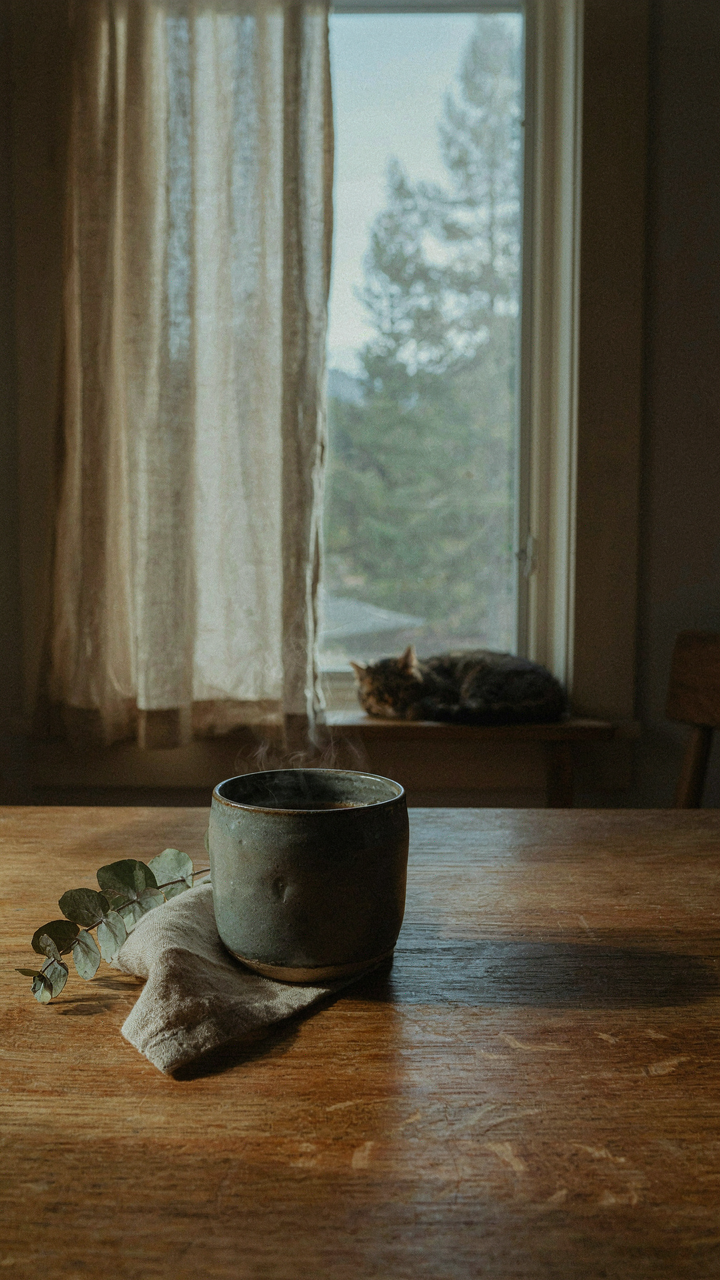
- Functional first: Choose pieces that serve a purpose beyond aesthetics. A handmade mug you actually drink from carries more than a decorative plate.
- Story clarity: Each item should answer “Why this?” in one sentence. If you can’t explain it quickly, it doesn’t belong on display.
- Visual separation: Space them across different surfaces and heights. Clustering mementos creates a shrine effect instead of intentional curation.
- Rotation schedule: Swap displayed pieces every season just like art. Store the rest in clear containers. This maintains novelty and prevents staleness.
- One focal piece per zone: In a one room cabin, designate a single shelf or surface as your display area. Everything else stays stored. This prevents visual hemorrhaging.
The mechanic is constraint. Limited display space forces you to choose objects that actually matter, which paradoxically makes the cabin feel more intentional and lived-in than one packed with everything you own. Your eye knows the difference between curation and storage.
The Real Obstacle Isn’t Space; It’s Your Unexamined Desire For More
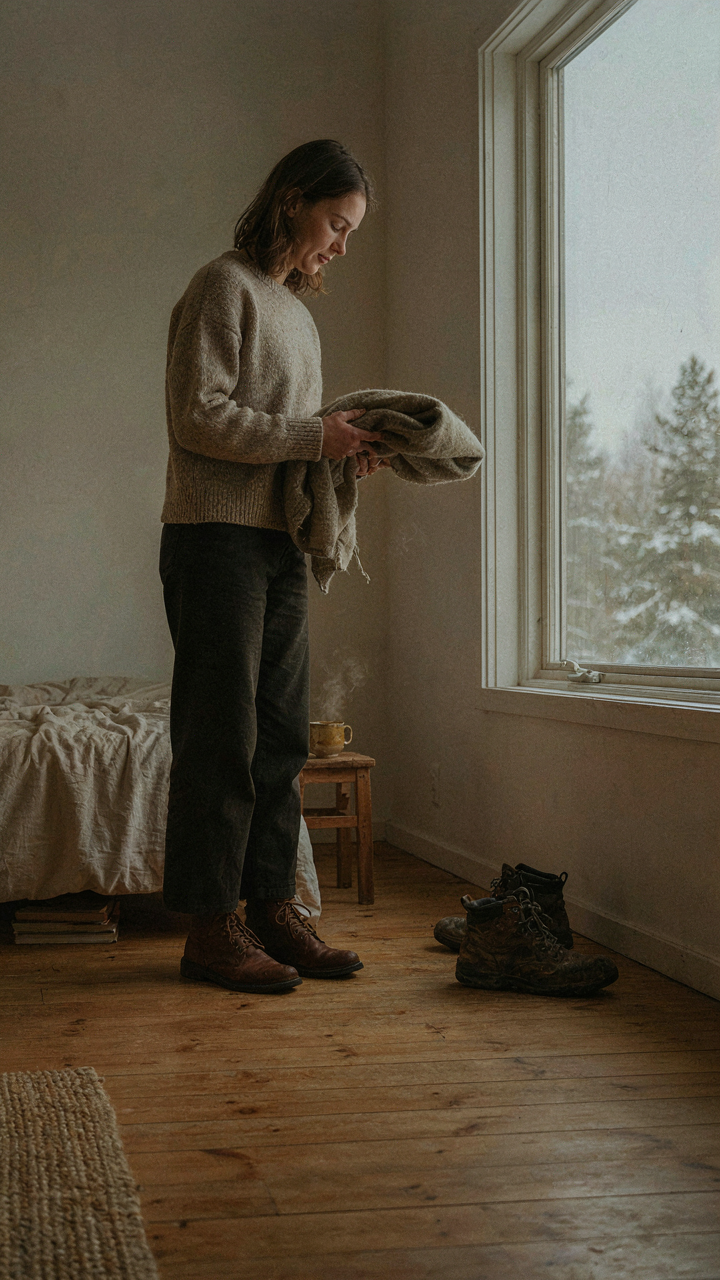
You don’t need a bigger cabin. You need to stop believing the lie that comfort requires square footage. The real work happens when you audit what you actually use versus what you’re afraid to lose. Today, walk through your current space and remove one item you haven’t touched in three months. That single action rewires how you see space itself. Freedom lives in constraint, not in endless room to hide your indecision.