
Introduction
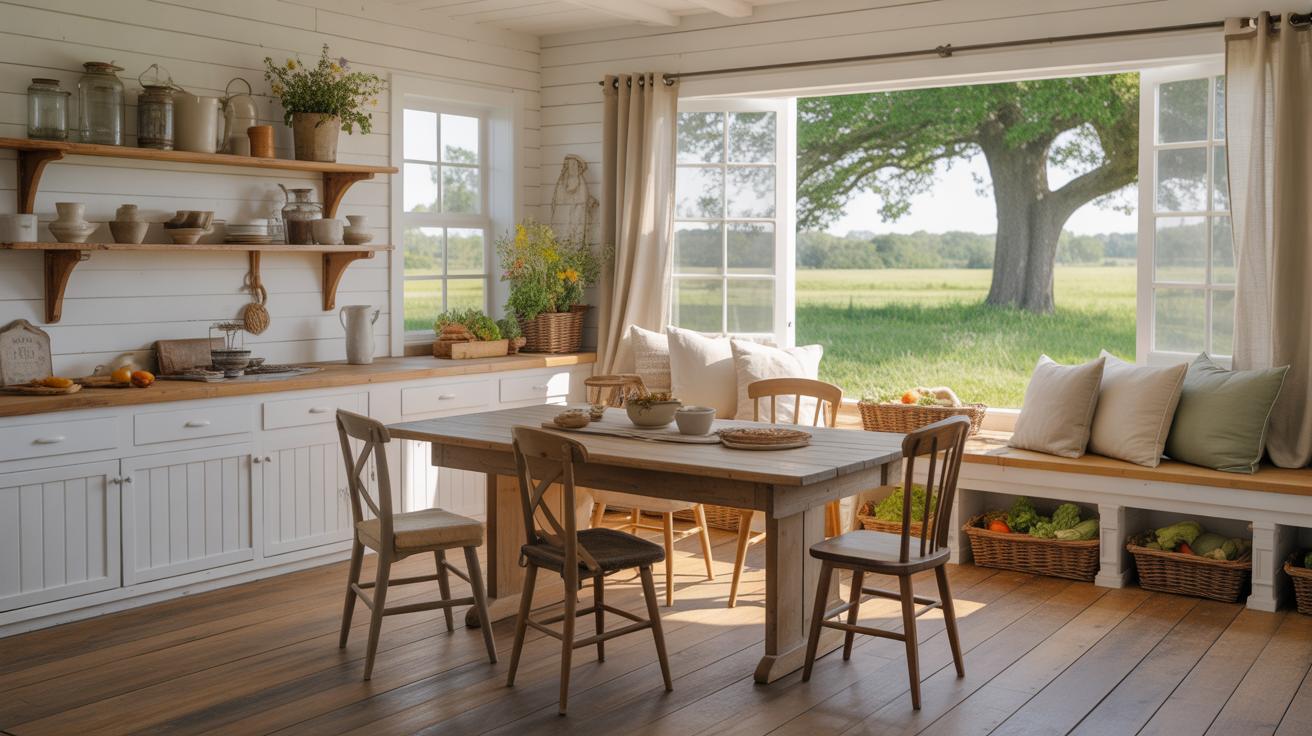
Farmhouse Chic House Ideas For Country Farmhouse Decor focus on bringing warmth and comfort while maintaining a simple and inviting atmosphere. This style mixes natural materials like wood and stone with cozy textiles and vintage touches, creating a home that feels both lived-in and elegant. The charm of country farmhouse decor lies in its ability to blend old and new seamlessly.
You will find out how to choose the right materials, colors, and elements that fit well in a farmhouse decor style. The tips will also help you avoid common pitfalls and show examples that bring your vision to life. Whether updating your entire home or adding a few touches, these ideas will help you achieve a chic farmhouse look.
Natural Materials For Farmhouse Walls And Floors
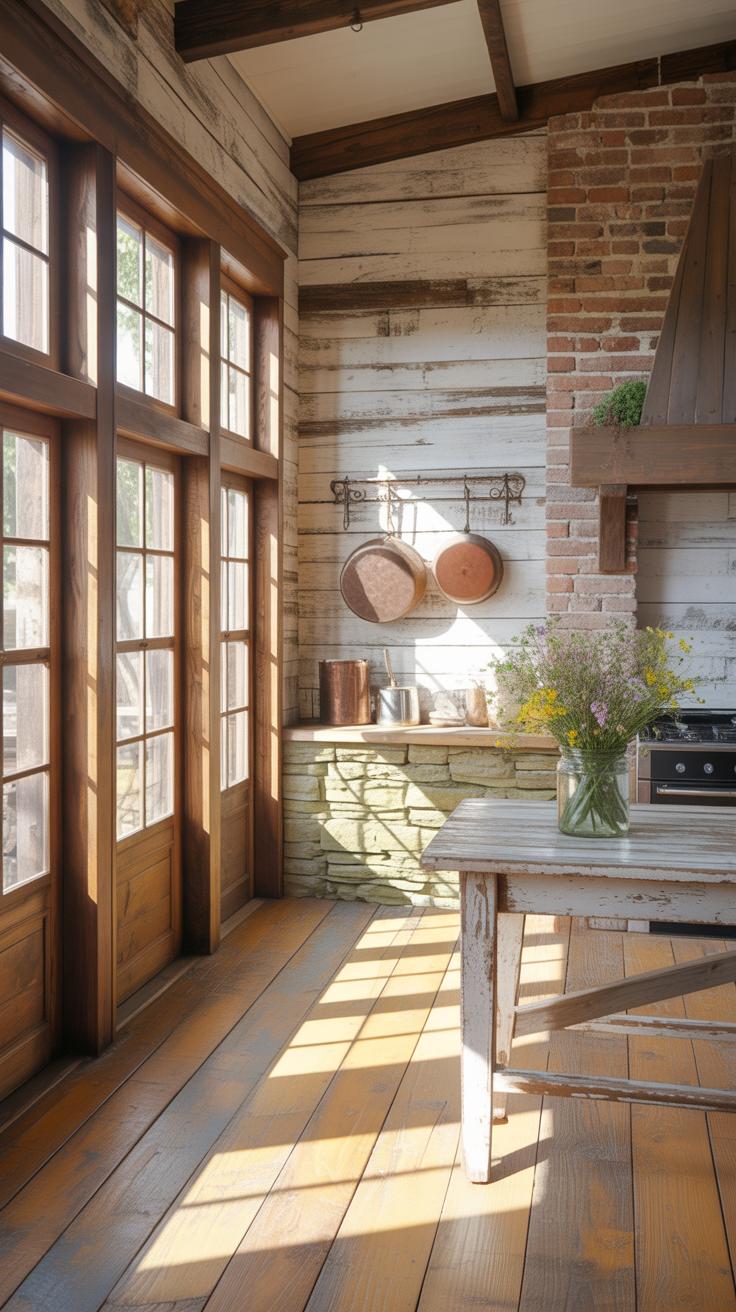
When it comes to country farmhouse decor, natural materials for walls and floors set the foundation for that timeless, rustic look. Wood, stone, and brick often take center stage in these spaces. Wood provides warmth and texture, making rooms feel inviting and authentic. Oak, pine, and reclaimed wood are popular because they offer durability and a sense of history; their grains and knots add character not found in synthetic materials.
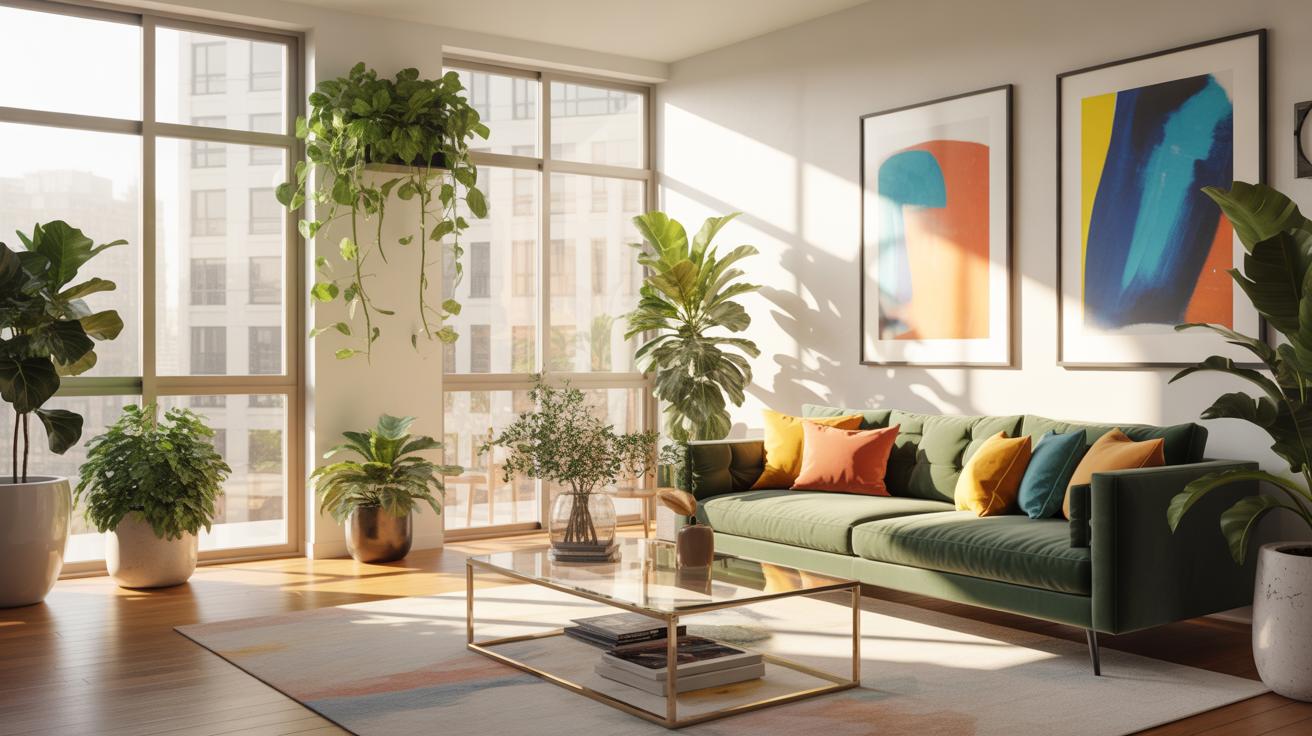
Stone and brick bring a different kind of authenticity—rough, tactile, and sturdy. Stone flooring offers comfort underfoot and longevity, while brick walls add depth and an earthy palette. These materials can handle wear and tear well, but maintaining them involves occasional sealing and careful cleaning to preserve their natural beauty and resist damage over time.
Selecting the right natural material means weighing its look, comfort, and durability. Do you want something warm and cozy or rugged and robust? These choices subtly influence the feel of your farmhouse, making natural materials a foundational part of the decor.
Selecting Wood Types For Floors
Wood flooring is almost synonymous with the farmhouse aesthetic. Oak is a classic choice—it’s hard, durable, and ages gracefully. You might find that oak ranges in color from light tan to deeper reddish hues, which gives you some flexibility depending on your room’s vibe. Pine offers a softer feel, with its knots and lighter color lending a bit of casual charm, although it tends to dent and scratch more easily.
Reclaimed wood is the darling of farmhouse floors. It brings a story, an old-world charm that’s hard to replicate. Yes, it can be more expensive and sometimes uneven, but the rustic, weathered look ties the decor together beautifully. Whether you go for a smooth, finished surface or a rougher, hand-scraped one, wood adds inevitable warmth and character to your floors.
Using Stone And Brick On Surfaces
Stone and brick have a special place in farmhouse decor, often used on floors and walls. Stone floors suit high-traffic areas because they’re tough and cool, perfect if you prefer a natural, rugged look. Materials like slate or flagstone are common; they add texture and depth but do require sealing to prevent stains.
Brick, on the other hand, makes excellent accent walls or fireplace surrounds. It offers a slightly industrial but still rustic feel. Installation can be trickier—you’ll want proper mortar work—and upkeep sometimes involves cleaning mortar residue and sealing, but the cozy atmosphere brick creates is often worth the effort.
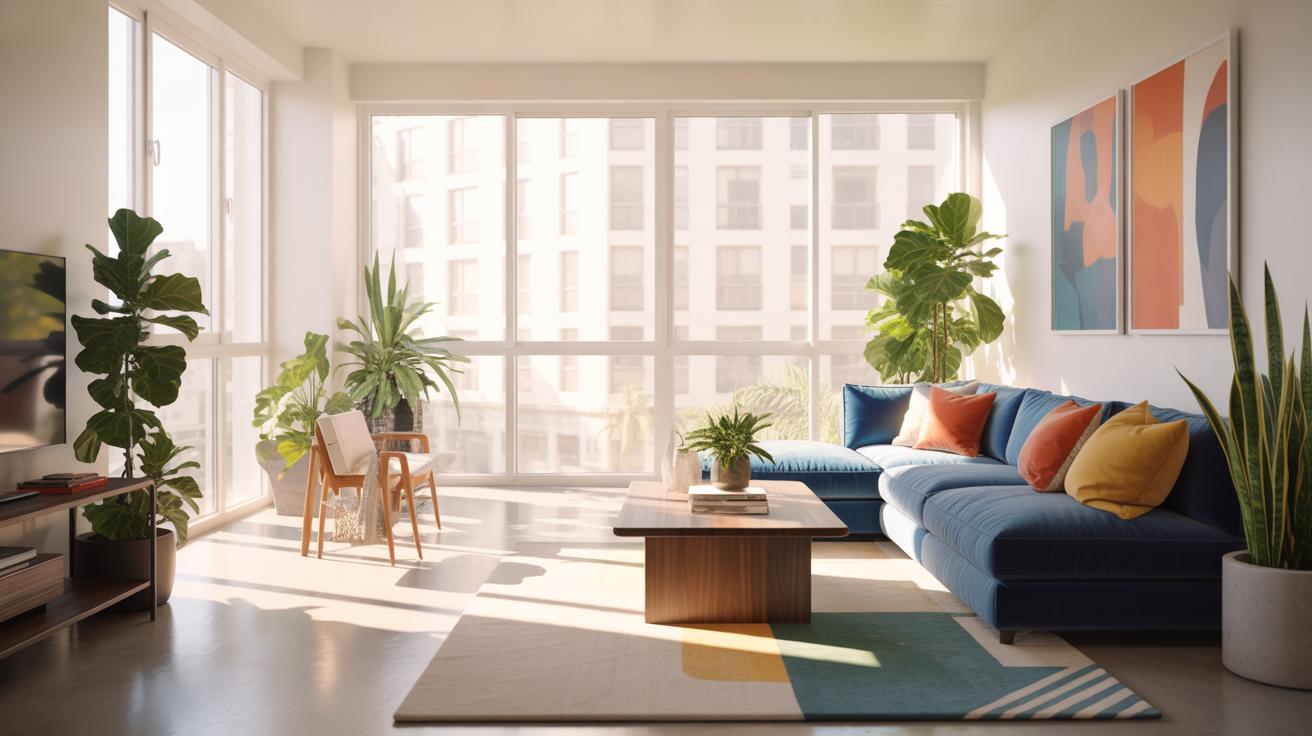
In both cases, these materials stand the test of time and bring atmospheric weight to any farmhouse space. Would you rather have the irregular pattern of a stone floor or the warm red of a brick wall? The choice can define your entire room’s story.
Color Palettes To Enhance Farmhouse Ambiance
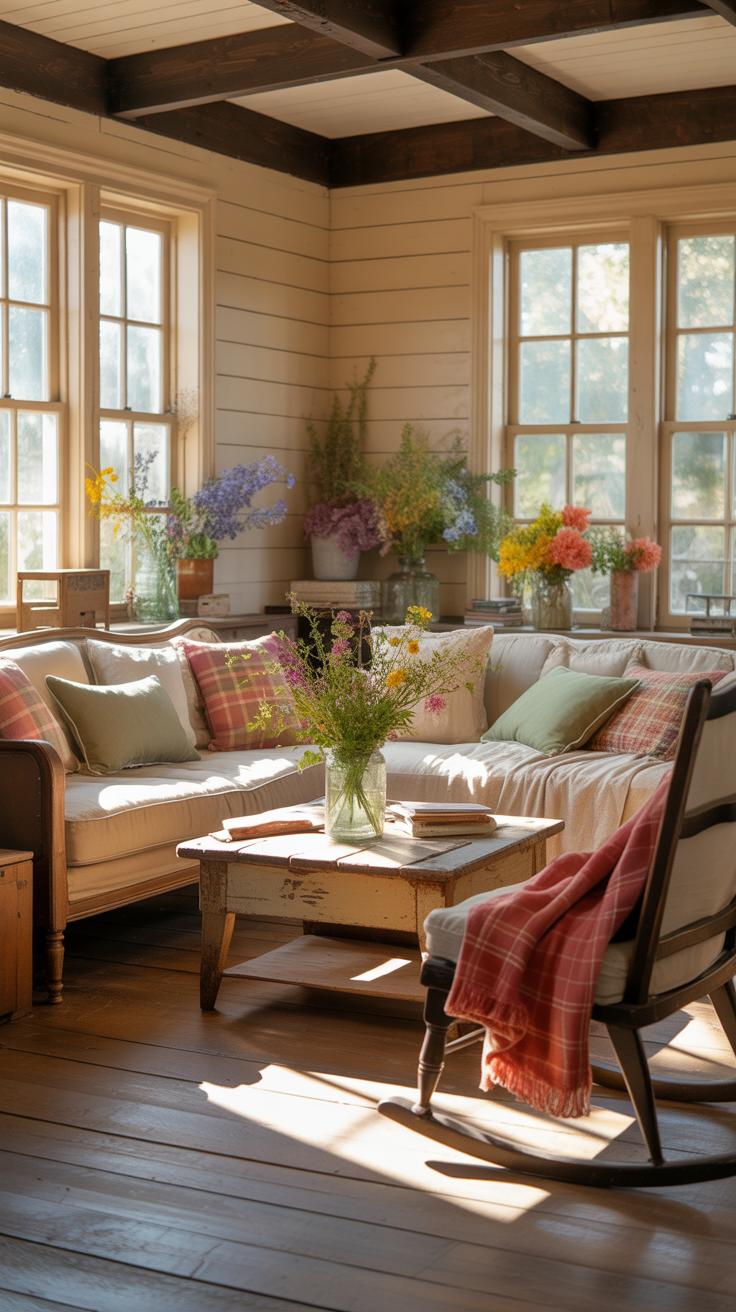
When it comes to country farmhouse decor, the color palette you choose can turn your space into a quiet retreat or, well, a cluttered mess, if you’re not careful. Neutral and soft tones—think whites, creams, soft greens, and gentle blues—seem to work well. But why? These colors create a calming backdrop that doesn’t compete with the rustic textures and vintage elements that define farmhouse style. You might wonder, can too much white feel sterile? Possibly, but pairing it with cream or muted greens softens the effect, making it feel cozy, not cold.
Combining colors without overwhelming the space is a bit of a dance. Try balancing white or cream walls with touches of soft green on cabinetry or furniture. Blue works well as an accent, maybe in a few choice pieces or artwork. The key is restraint—leave some breathing room. Too many colors start fighting, and suddenly it’s not charming; it just feels chaotic.
Neutral Color Benefits For Walls
Neutral walls open up a room, making it feel larger and inviting. In farmhouse decor, that’s a big plus because you want a space that breathes, not suffocates. I’ve noticed that whites or creams help bounce light around in rooms with wooden beams or antique furniture, lighting up every corner gently. When selecting complementary tones, lean toward warm neutrals to avoid coldness. Taupe or beige undertones can add warmth without diverting attention from your farmhouse features.
Adding Accent Colors With Textiles
Pillows, curtains, and rugs offer a playful way to introduce colors that complement your main palette rather than clash with it. For instance, a throw pillow in soft blue or faded green can draw the eye in all the right ways without stealing the spotlight. Curtains in lightweight linen or cotton bring a delicate color hint, softening window edges. Rugs might seem straightforward but they can tie everything together. Choose ones with subtle patterns in neutral shades or with gentle color pops that echo your accent colors. It’s a simple, practical way to layer colors thoughtfully.
Furniture Choices That Fit Country Farmhouse Style
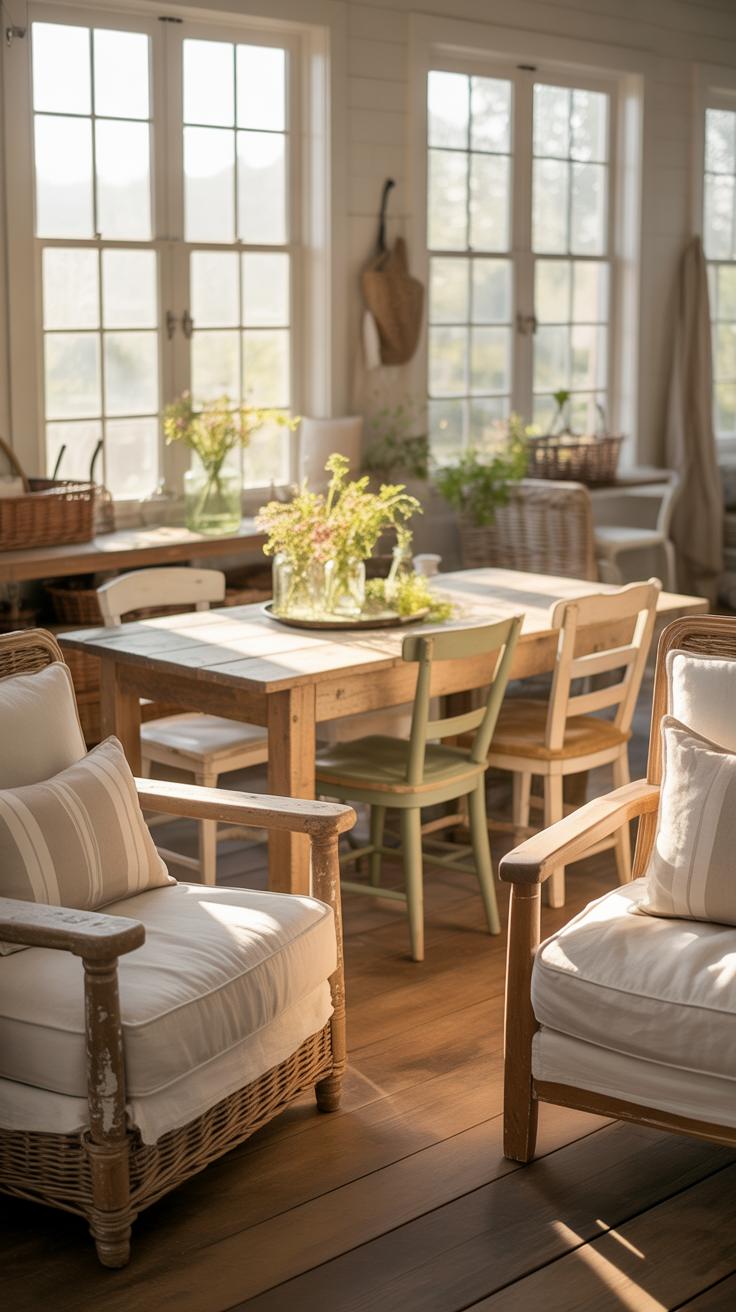
When thinking about country farmhouse decor, furniture naturally comes to mind as a central element. It’s not just about looks — the pieces need to feel sturdy, comfortable, and welcoming. You’ll find most farmhouse furniture crafted from solid wood, often with a distressed or worn finish that suggests a long life and hard use. Oak is a popular choice, but pine and other hardwoods also appear frequently.
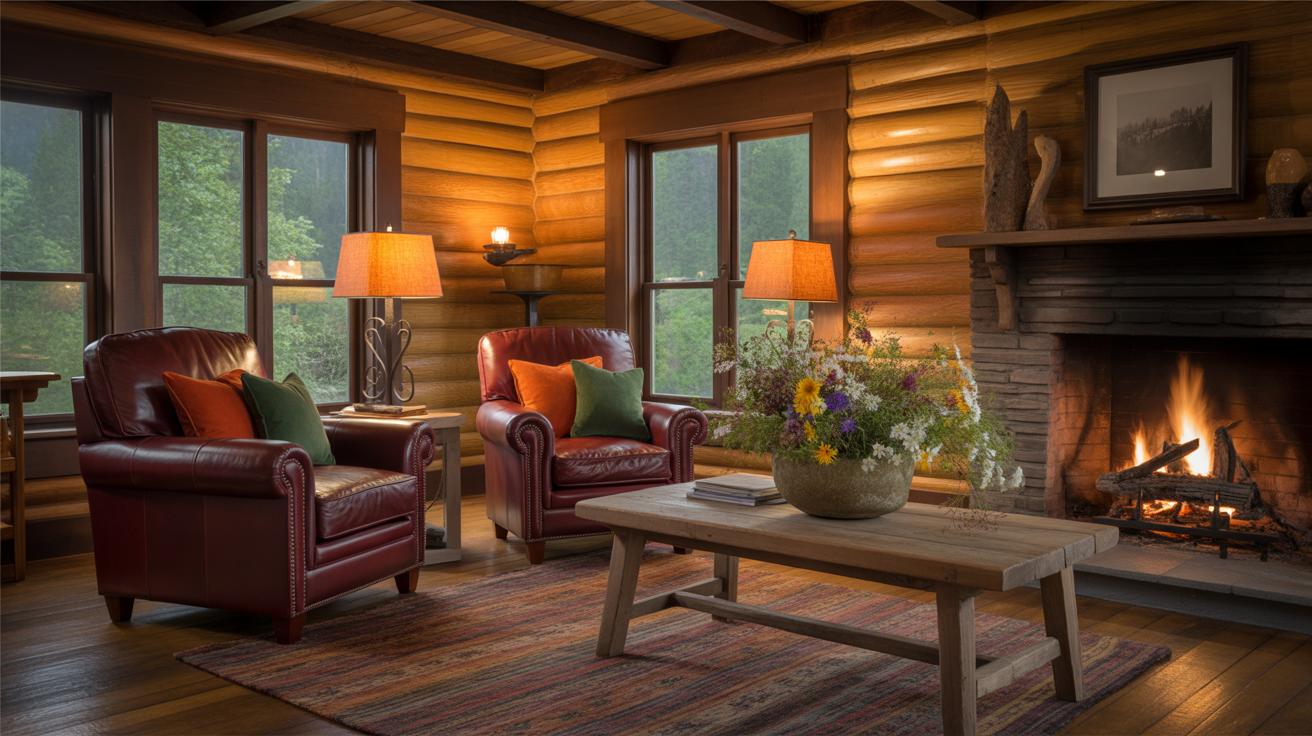
One classic piece you might consider is the settle. For centuries, these wooden benches with high backs and arms have warmed farmhouse kitchens and living rooms. Their solid construction and simple lines make them practical and inviting. Imagine placing one near a fireplace with cozy cushions piled up.
Mixing vintage finds with newer items is another key. You don’t want your space to feel like a museum or cluttered with antiques. A weathered farmhouse table can pair beautifully with modern chairs. Or a vintage cabinet might sit beside a pristine sofa. The aim is balance: a lived-in look that feels authentic rather than forced.
Arrangement matters too. Group furniture to encourage conversation and connection. A comfy armchair angled toward a rustic coffee table, or a bench tucked under a wide farmhouse table — these small choices create warmth. Don’t fret overly about symmetry; a little irregularity can add to the charm.
Lighting Solutions For Warm Farmhouse Glow
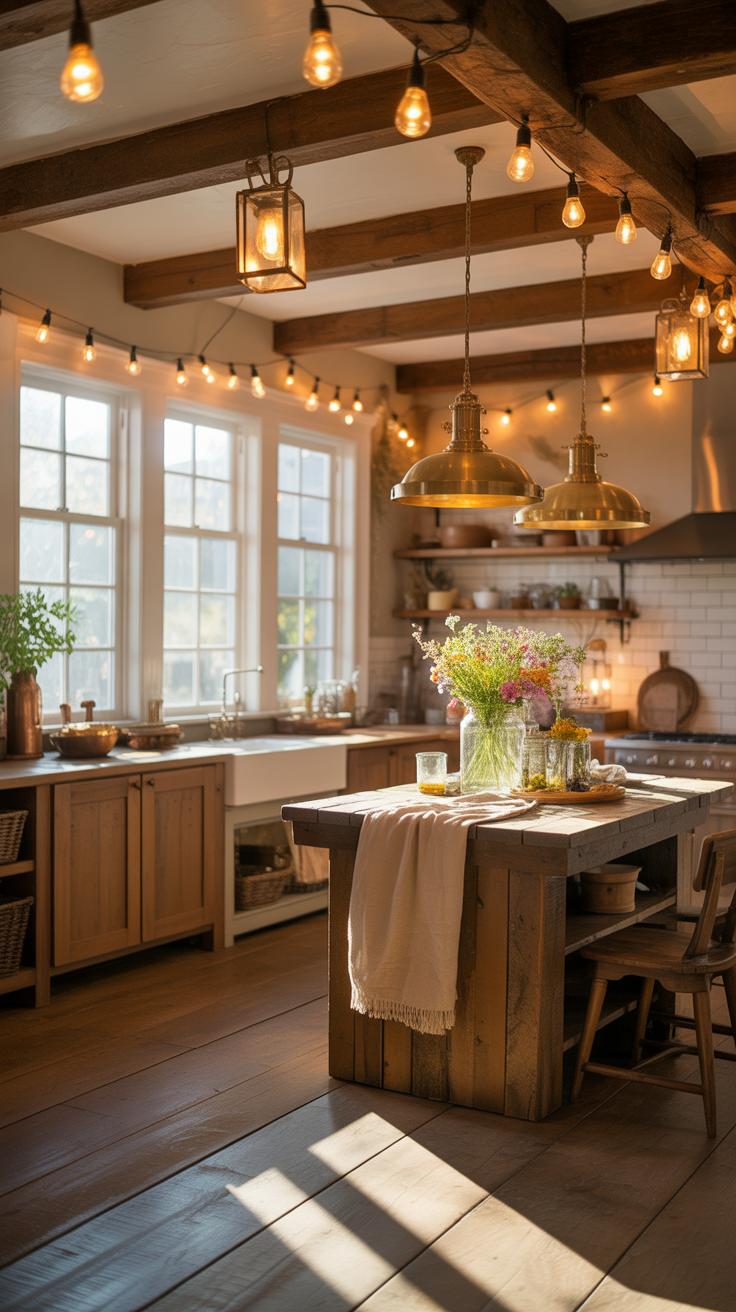
Lighting really sets the mood in country farmhouse decor. Think soft, warm, and inviting — not harsh or overly modern. Natural light is a huge asset here. Position your seating areas and dining tables near windows to soak in daylight. But be mindful where you place it. Bright light near a cozy nook can feel too stark. Window placement matters to balance glow and comfort.
Rustic light fixtures are especially helpful to keep that farmhouse vibe going when the sun goes down. Wrought iron chandeliers or lantern-style pendants add texture and charm. Mason jar lights? They feel quirky yet authentic — perfect for kitchens or breakfast corners.
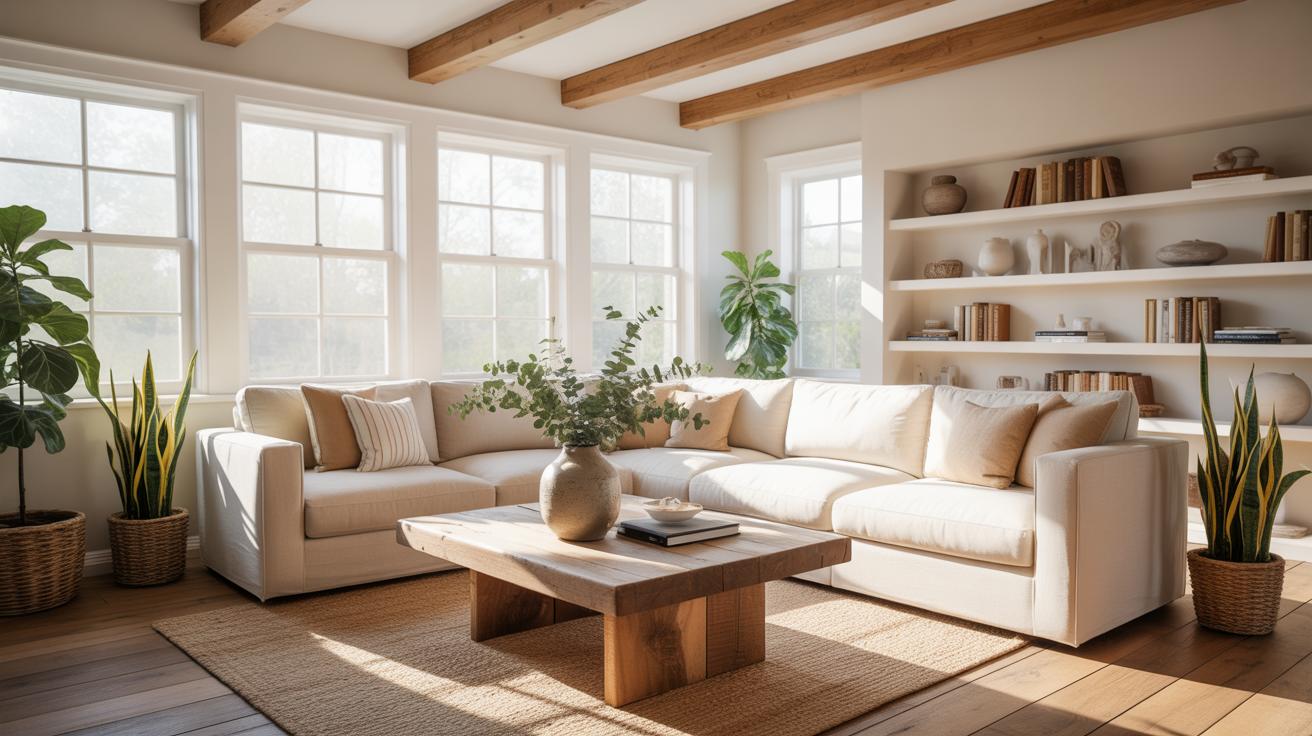
Ceiling fixtures work well above key spaces, like the dining table or kitchen island, while wall sconces help create layered, cozy lighting in hallways or reading spots. You don’t want everything bright all the time. Soft spots with warm bulbs make the space feel lived in, welcoming.
Choosing Rustic Light Fixtures
Fixtures like wrought iron, lanterns, and mason jar lights aren’t just pretty. They emphasize farmhouse charm by tying in natural materials and simple craftsmanship. Iron gives a slight rugged edge without feeling too industrial. Lanterns hark back to days before electricity—adding a sense of history. Mason jars bring in a bit of playful Southern kitchen style that’s hard to resist. Mixing these can be fun but watch not to overcrowd the look, or it might get cluttered instead of cozy.
Maximizing Natural Light Indoors
Light, airy rooms feel open and warm. To keep natural light flowing without sacrificing privacy, I suggest using sheer curtains or light linen panels. They diffuse sunlight gently, so rooms don’t get glaring or hot. Window placement should consider privacy from neighbors or street views but still allow broad daylight. It’s a delicate balance, but getting this right makes a farmhouse feel connected to the outdoors, all day long.
Also, consider the height and treatment of windows. Taller windows bring in more light and can create beautiful lines in minimalist farmhouses. Open blinds rather than heavy drapery preserves brightness. And maybe, keep some windows bare when privacy allows. It’s those deliberate decisions that help you embrace the farmhouse warmth fully.
Farmhouse Decor Accessories That Add Character

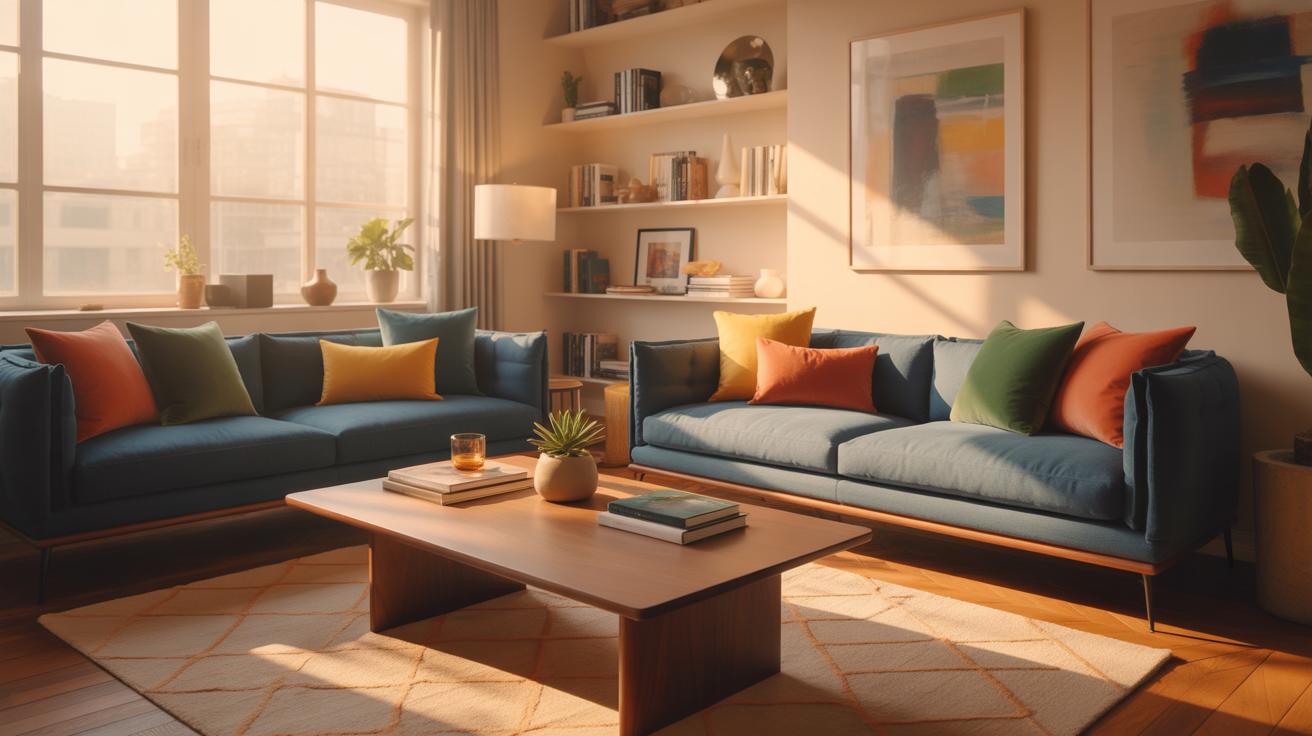
When it comes to farmhouse decor, small decorative accessories quickly give your home personality. Pottery pieces, especially those that look hand-crafted, add a warm, earthy vibe. They fit beautifully on shelves or mantelpieces, making those spaces feel lived-in rather than staged. Woven baskets bring texture and function; they’re great for storing blankets or magazines in the living room or organizing produce in the kitchen. Vintage signs or old farm tools hung on walls tell stories, hinting at history and heritage. Placement is key. Group a few pieces thoughtfully rather than cluttering a space. For example, a cluster of ceramic jugs next to a basket filled with dried flowers creates a cozy nook. These touches—while simple—make your farmhouse feel genuinely unique. It’s not just about looking rustic but feeling authentic.
Choosing Functional And Decorative Pieces
Functionality matters in farmhouse decor. Mason jars, for instance, fit perfectly on open shelves or as candle holders, adding charm while serving a purpose. Wooden crates aren’t just storage; they become rustic side tables or shoe racks. I find myself drawn to pieces that do double duty—why have clutter when something can be both pretty and useful? A burlap sack might hide supplies but also act as a quirky planter cover. This practical approach keeps your home organized and adds layers to the visual story, making the farmhouse look thoughtfully arranged rather than random.
Using Plants To Bring Nature Indoors
Plants play a surprisingly big role in farmhouse decor. Think of hardy, easy-care varieties like snake plants, ferns, and pothos—they thrive indoors and bring a burst of green that ties your interior to the outdoors. Herbs in small pots on kitchen windowsills fit both decor and practicality. Arranging plants in woven baskets or terracotta pots complements the farmhouse feel. I sometimes mix tall leafy plants with smaller succulents to give height variation. Placement is where it gets interesting—windows, corners, or hanging from hooks. A single well-placed plant can soften a harsh corner or brighten up a dining table. It’s subtle but effective, adding life without overwhelming the simple elegance typical of farmhouses.
Common Mistakes In Country Farmhouse Decor
Avoiding Clutter And Over-Decorating
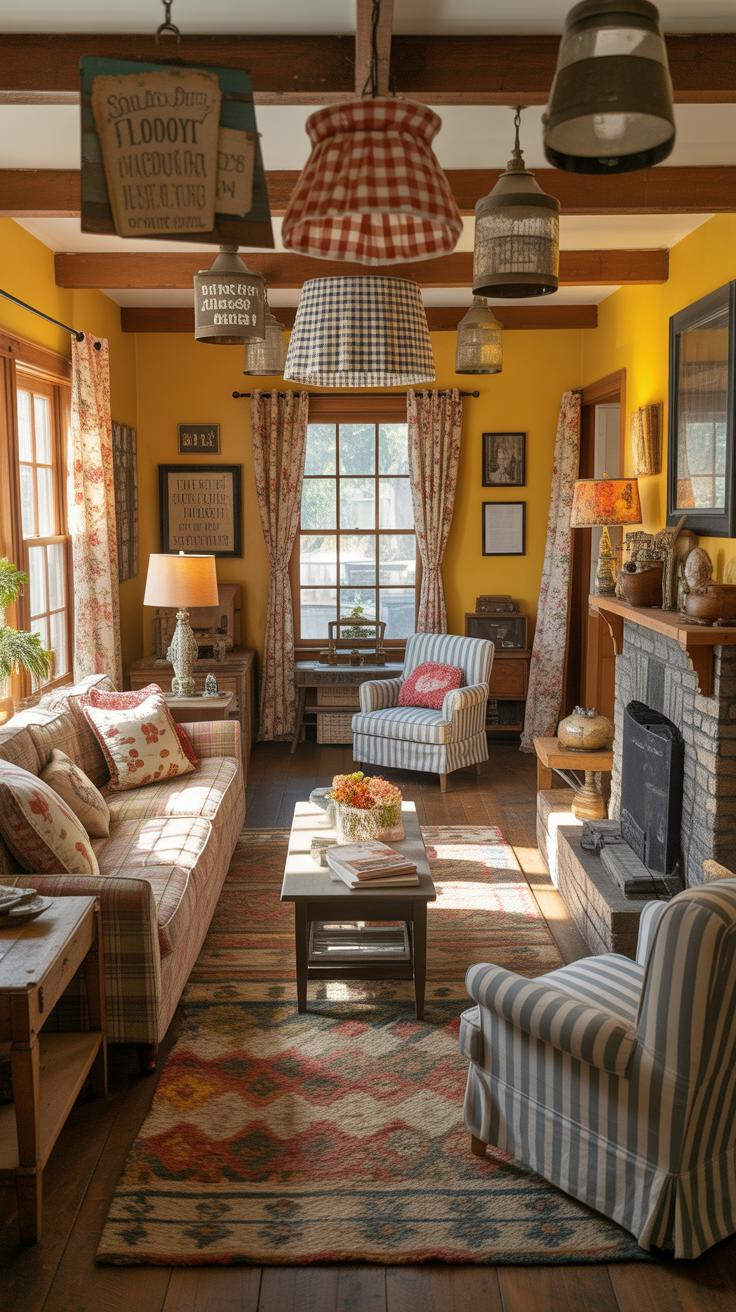
One common slip when diving into country farmhouse decor is clutter — filling every surface with something “farmhouse” but losing the space’s personality in the process. It might seem like more is better, but honestly, less speaks louder. Too many knick-knacks or mismatched decorations can overwhelm your room.
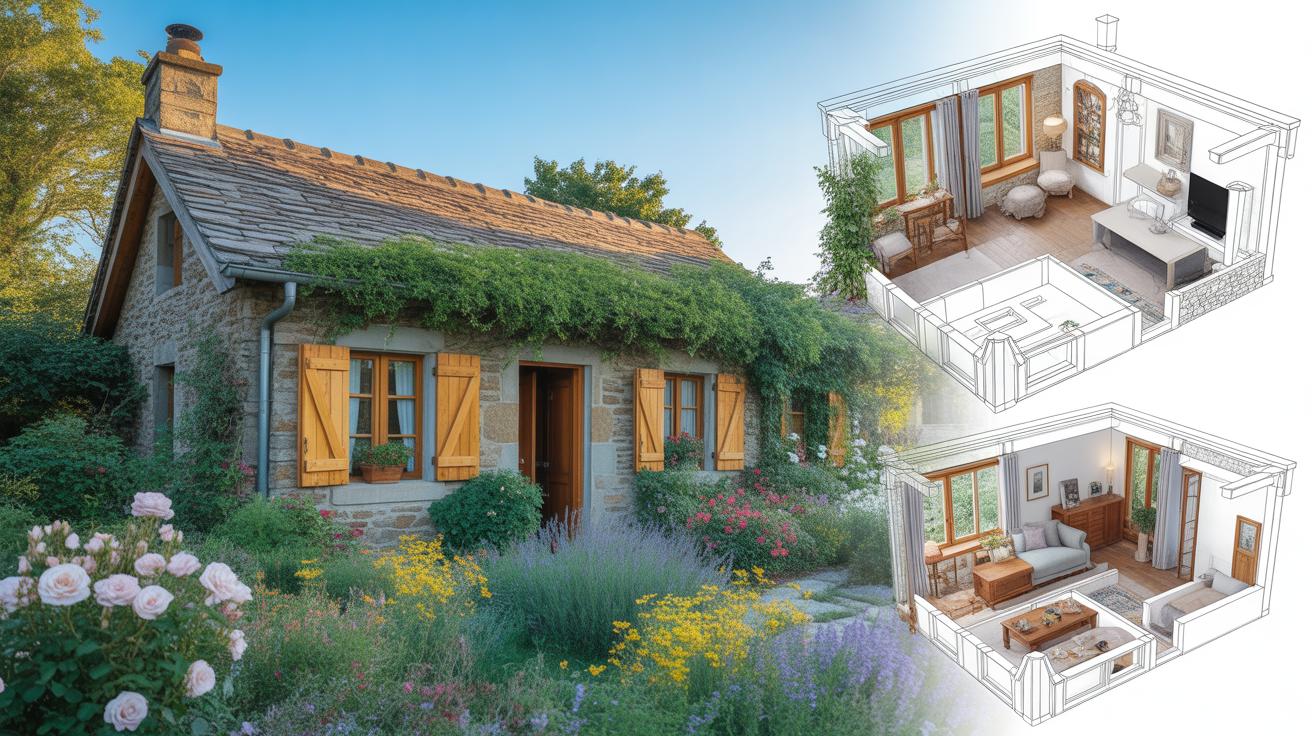
Try to pick items that truly resonate with you — a cherished heirloom, a simple mason jar, or a rustic wooden sign. These meaningful pieces will stand out if they’re not competing for attention with a dozen other decorations.
It’s tempting to fill your farmhouse with every vintage find, but giving elements breathing space lets the style feel authentic rather than forced. Think about each object’s story; let it matter instead of just filling empty spots.
Keeping A Consistent Style Theme
Another tricky part is the urge to mix too many styles or colors. Country farmhouse decor thrives on simplicity, and sticking to a consistent palette helps maintain that peaceful vibe. Using a limited range of tones like whites, creams, soft browns, and muted greens keeps everything feeling cohesive.
Furniture plays a big role here, too. Mixing sleek modern pieces with rustic farmhouse tables might create tension rather than harmony. Try to select furnishings that share a similar vibe — distressed woods or painted finishes with aged charm work best.
Keeping things uniform doesn’t mean boring; it offers balance. When your color and furniture choices align, the room feels inviting and thoughtfully put together. You might wonder if mixing things up could add character, but often it just looks scattered.
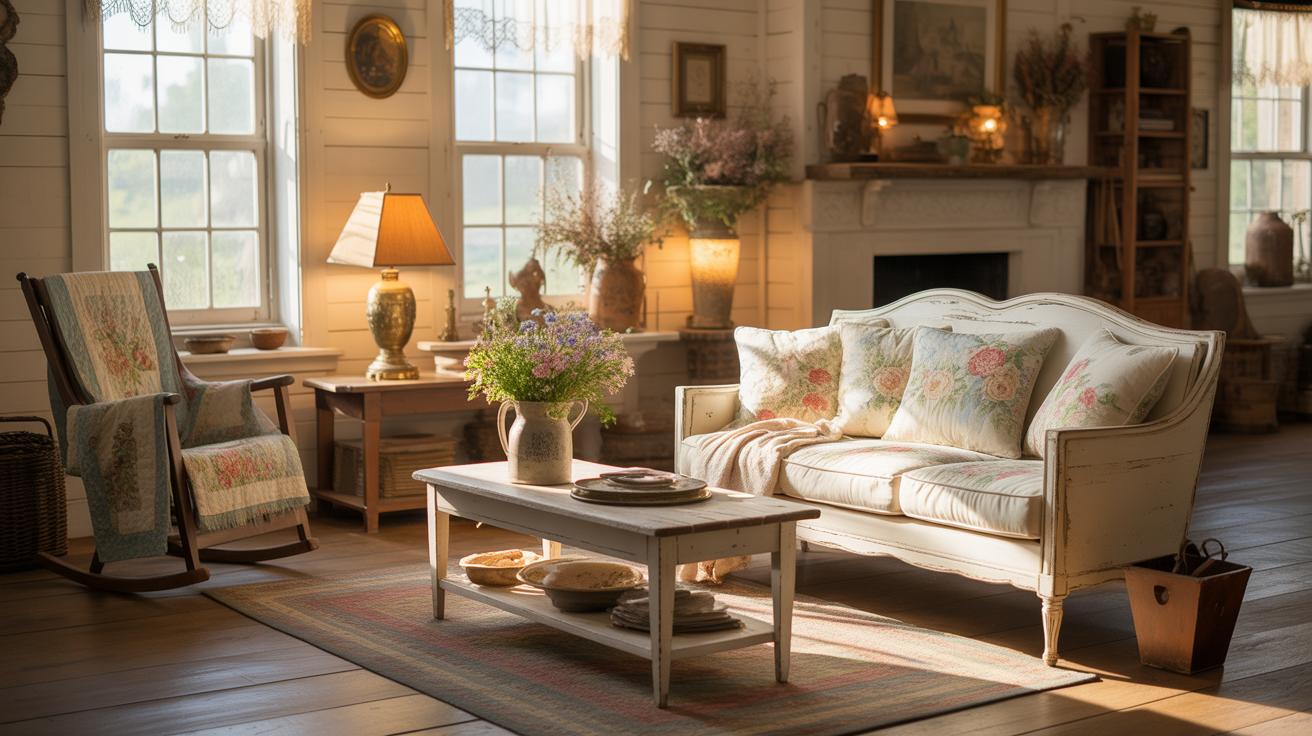
Instead, prioritize consistency without rigidity. It’s about creating a welcoming space that feels right to you, not following rules blindly.
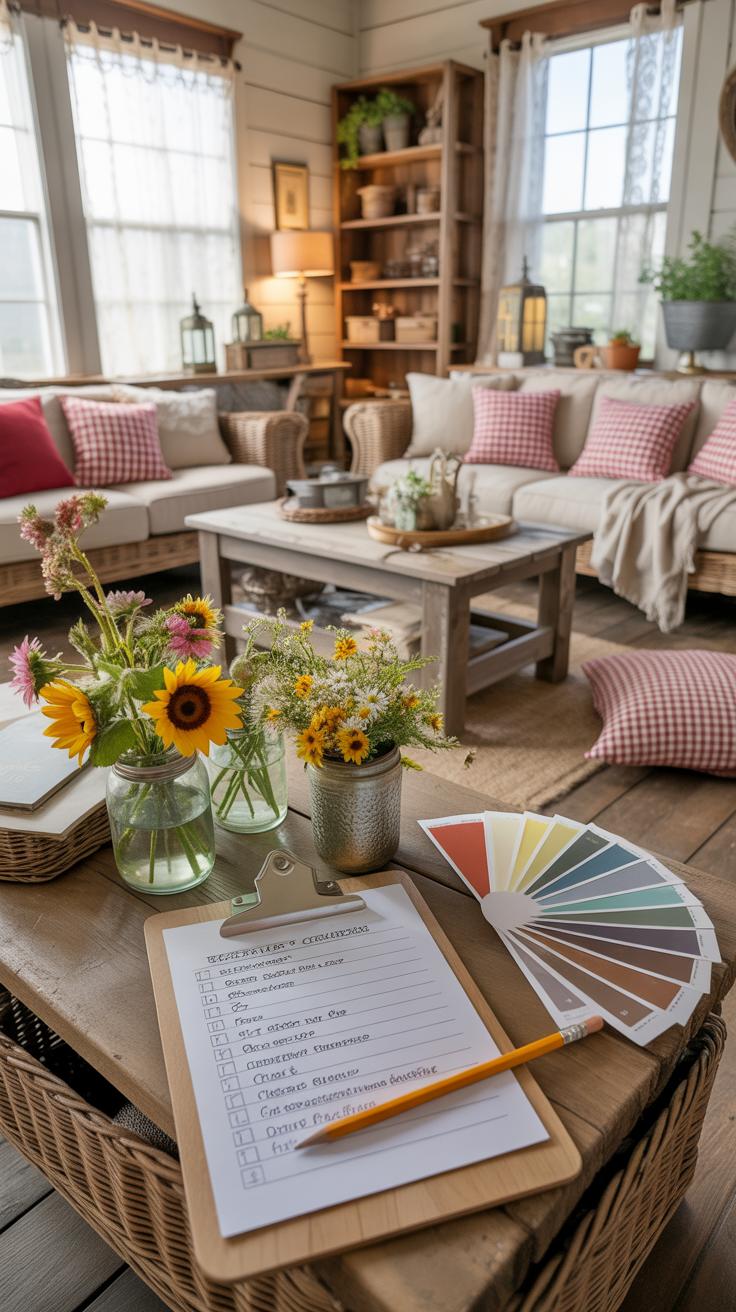
Checklist For Starting Your Farmhouse Decor Project
Planning And Budgeting Your Decor
Before you dive into decorating, set clear goals. What do you want your farmhouse decor to feel like? Cozy, rustic, or a bit modern? Take time to measure your spaces carefully; don’t just guess. Knowing the exact dimensions helps prevent frustrating mistakes. Budgeting is essential but can be tricky. Allocate funds not just for furniture, but also materials, paint, and accessories. It’s easy to overlook little costs that add up. Maybe hesitate to stretch too far financially—farmhouse charm doesn’t mean overspending.
Final Steps And Personal Touches
Once you have your main pieces, think about placement. Don’t crowd the room; farmhouse style feels open and lived-in, not cramped. Add personal touches like vintage signs, old jars, or a handmade quilt. These give the space character. Finally, step back to review everything together. Does it feel like home? If something feels off, tweak it. Maybe a rug needs repositioning or an extra pillow would warm up a space. Remember, farmhouse decorating is personal—there’s no one right way.
Examples Of Successful Farmhouse Decor Combinations

Case Study One Rustic Kitchen
Picture a kitchen where exposed wood beams dominate the ceiling, creating an immediate sense of history and warmth. The cabinetry is simple, with clean lines that don’t compete but instead complement the natural grain of the wood. Vintage lighting fixtures hang low, casting a soft, inviting glow. This combination avoids excess ornamentation, focusing instead on authentic materials and subtle details. The charm lies in how these choices work together to create an inviting atmosphere without feeling overly styled or forced.
Case Study Two Cozy Living Room
Consider a living room painted in soft, neutral tones—walls in muted grays or creamy whites. The furniture is wooden, but not flashy—pieces that show their grain and age, telling a story. Soft textiles like woven throws and plush cushions bring warmth and comfort, but they’re kept in a restrained palette to maintain visual calm. The room invites relaxation and uses texture rather than color to achieve interest. This setup proves you don’t need bold colors or patterns to make a space feel both styled and livable.
Conclusions
Country farmhouse decor creates a warm, inviting home by combining rustic charm with modern comforts. Using natural materials and a simple color palette helps keep the style timeless and welcoming. Mixing old and new allows for personal touches and flexibility within your space.
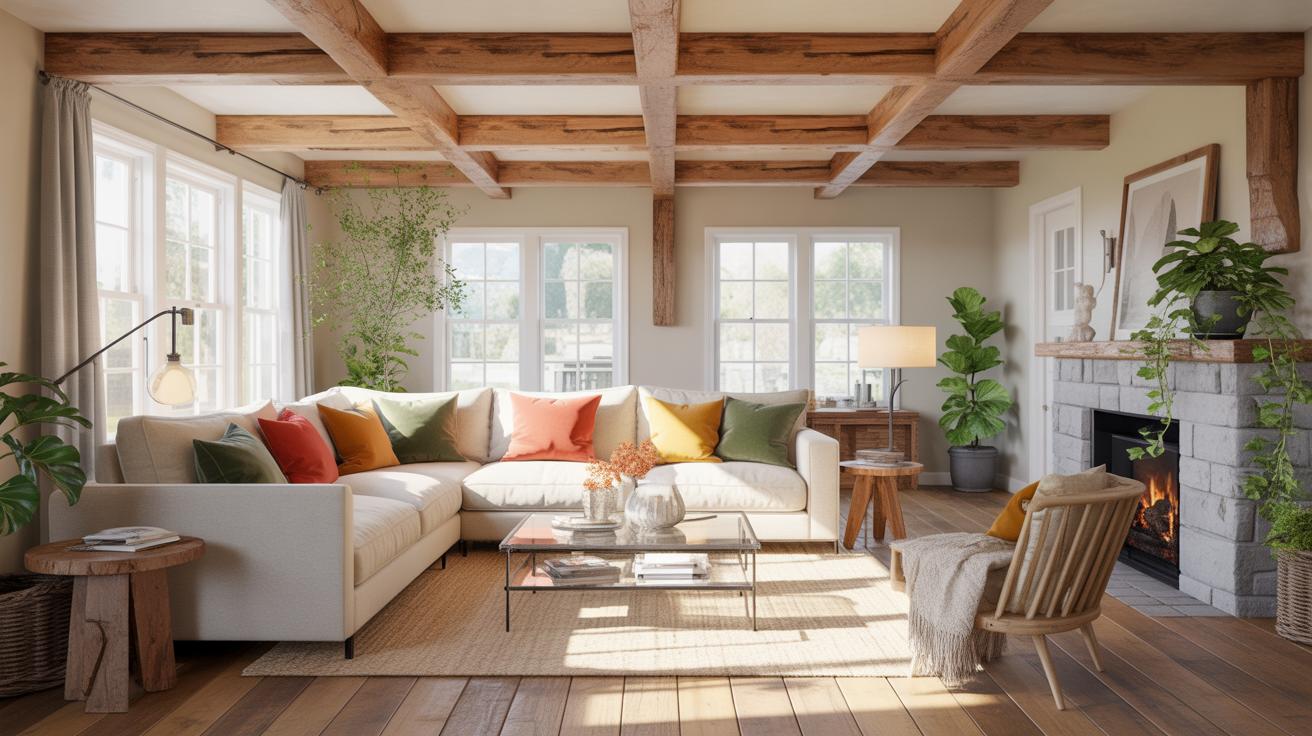
With these ideas and tips, you can create a farmhouse look that fits your lifestyle and taste. Focusing on practical elements and thoughtful choices will result in a cozy home that offers both style and comfort daily.