
Introduction
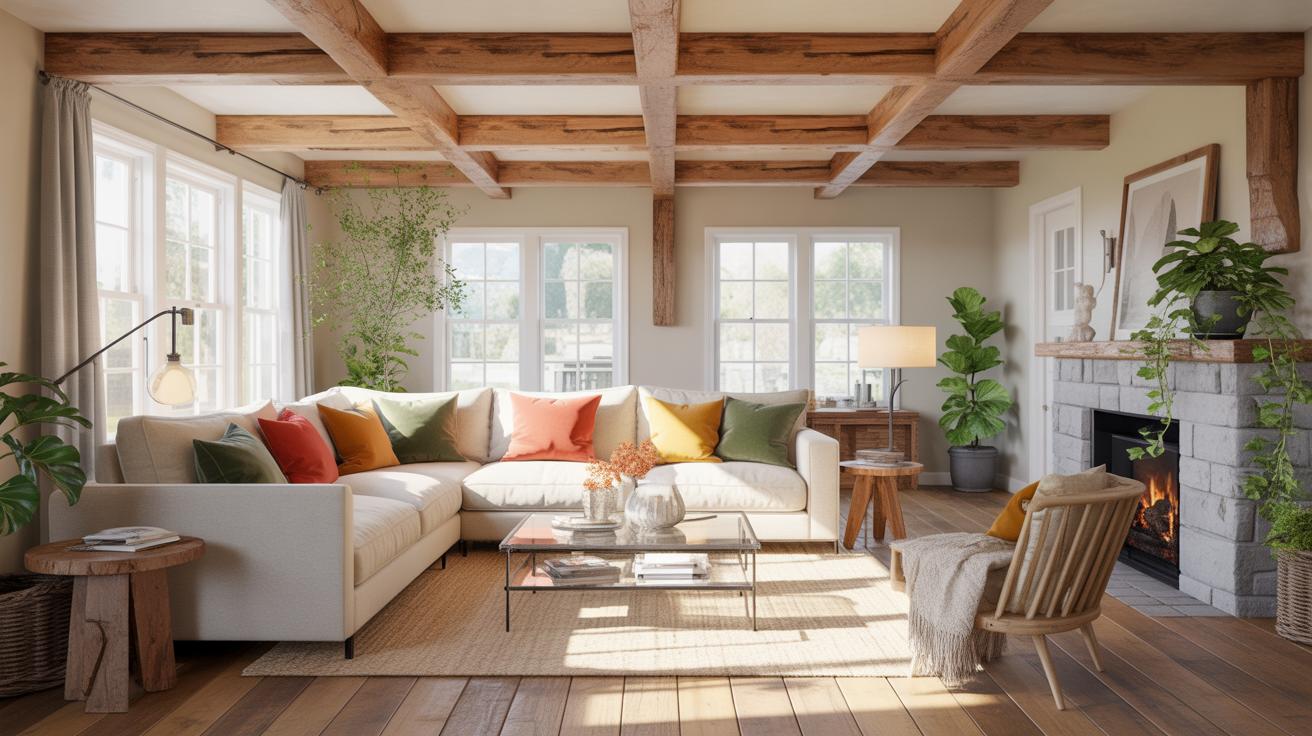
Cozy Farmhouse Living Room Ideas For Rustic And Modern Living offers a practical approach to creating warm and inviting living spaces. This style blends the simplicity of farmhouse elements with modern touches that make your home feel fresh and comfortable.
In the following sections, you will find clear guidance on how to design your living room, choose the right furniture, and combine textures and colors. Each chapter focuses on actionable steps to help you build a space that reflects both rustic charm and modern ease.
What Makes A Farmhouse Living Room Cozy
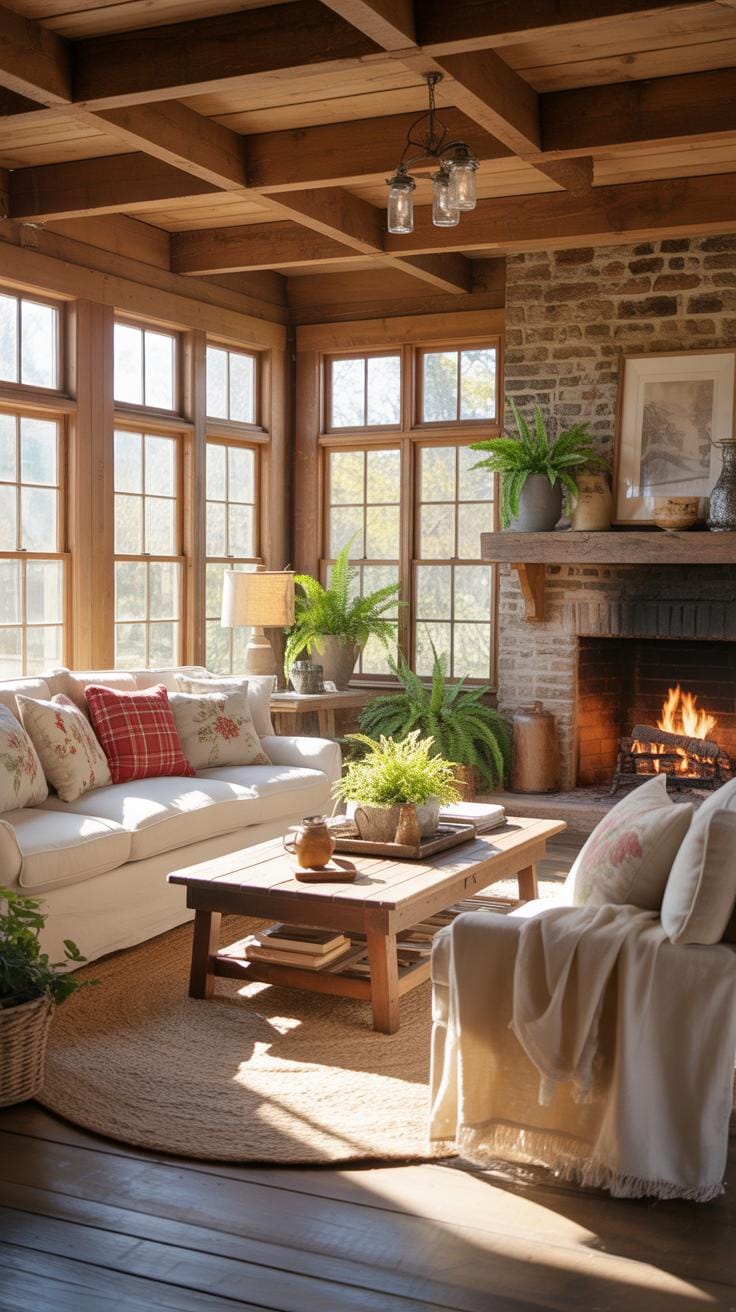
When you think about a farmhouse living room, what springs to mind? I guess many imagine a space that invites slowed-down moments, where comfort isn’t just an option but a rule. And it truly starts with natural materials. Wood beams or reclaimed wood accents, for instance, seem to lay the foundation for the whole look, giving the room a kind of rooted simplicity.
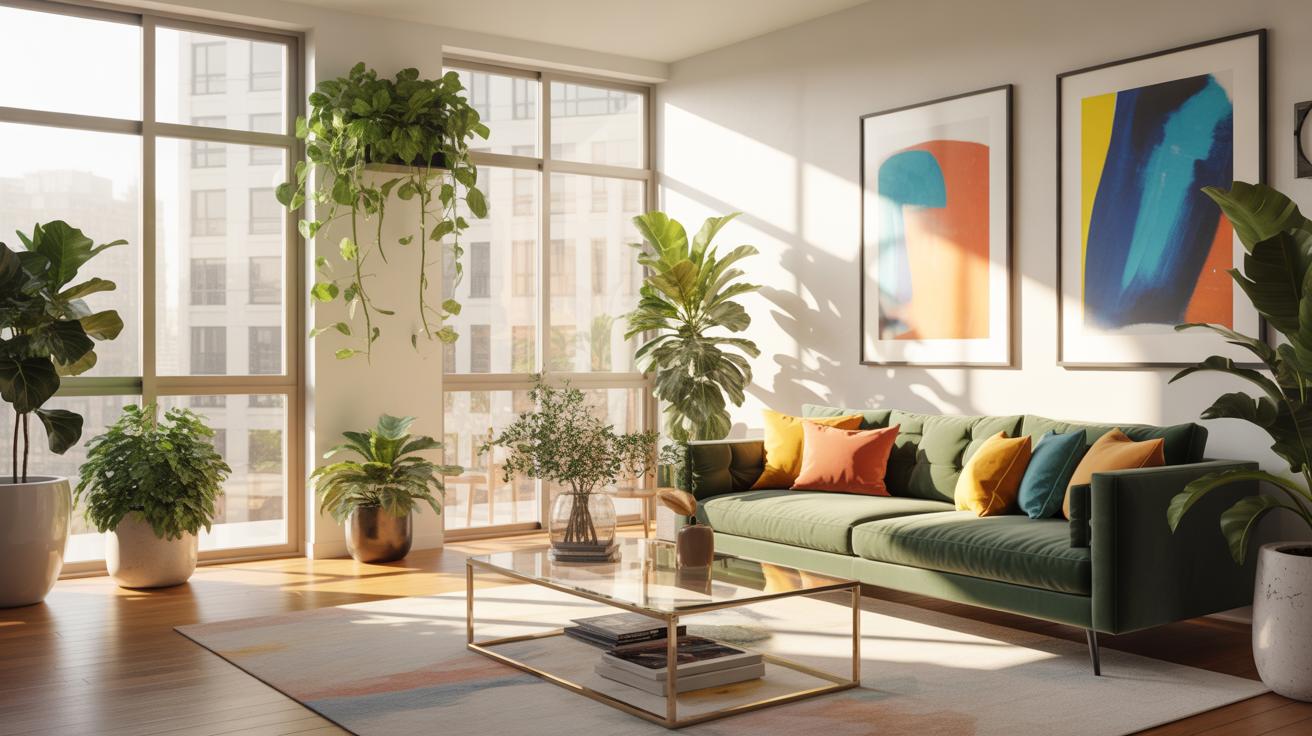
Warm colors play their part too. Not flashy or overwhelming, but gentle, earthy tones that subtly wrap the room in a soft glow. Think of muted browns, gentle creams, or soft greys — the kind that make you want to just sink in.
Comfortable furniture can’t be overlooked either. It doesn’t have to be large or overly plush, but pieces chosen for how they make you feel — a worn leather armchair, perhaps, or a slipcovered sofa where you don’t mind a little mess or wear and tear. It’s all about creating a space that welcomes you and your guests to stay a while.
Essential Cozy Materials And Textures
Materials in farmhouse living rooms often take center stage in crafting that welcoming feeling. Wood, of course, is a classic choice — whether it’s in furniture, floors, or ceiling beams. Its grain and warmth are hard to mimic with anything synthetic. You might notice that linen is also popular; the fabric brings in a softness without feeling too formal. It has this natural texture that says casual but thoughtful.
Wool can find its way into the mix too, usually as a throw or rug. There’s something about its slightly coarse but cozy feel that can make a room feel grounded and lived-in. These textures don’t shout for attention, but they quietly build a physical sense of warmth.
Color Choices For A Warm Setting
Color palettes for a cozy farmhouse living room typically revolve around warm neutrals. Creamy whites, soft beiges, and greys with a hint of warmth can serve as a tranquil backdrop. They provide balance without competing with the natural textures you’d layer on top.
Sometimes, an accent color can pop up, like a muted olive or a dusty blue, but these choices tend to be restrained — almost like punctuation rather than the main sentence. They add a hint of personality without disrupting the calm atmosphere. You might ask yourself, do you want that little splash of color, or is a more uniform tone better for your sense of comfort?
How To Blend Rustic And Modern Elements
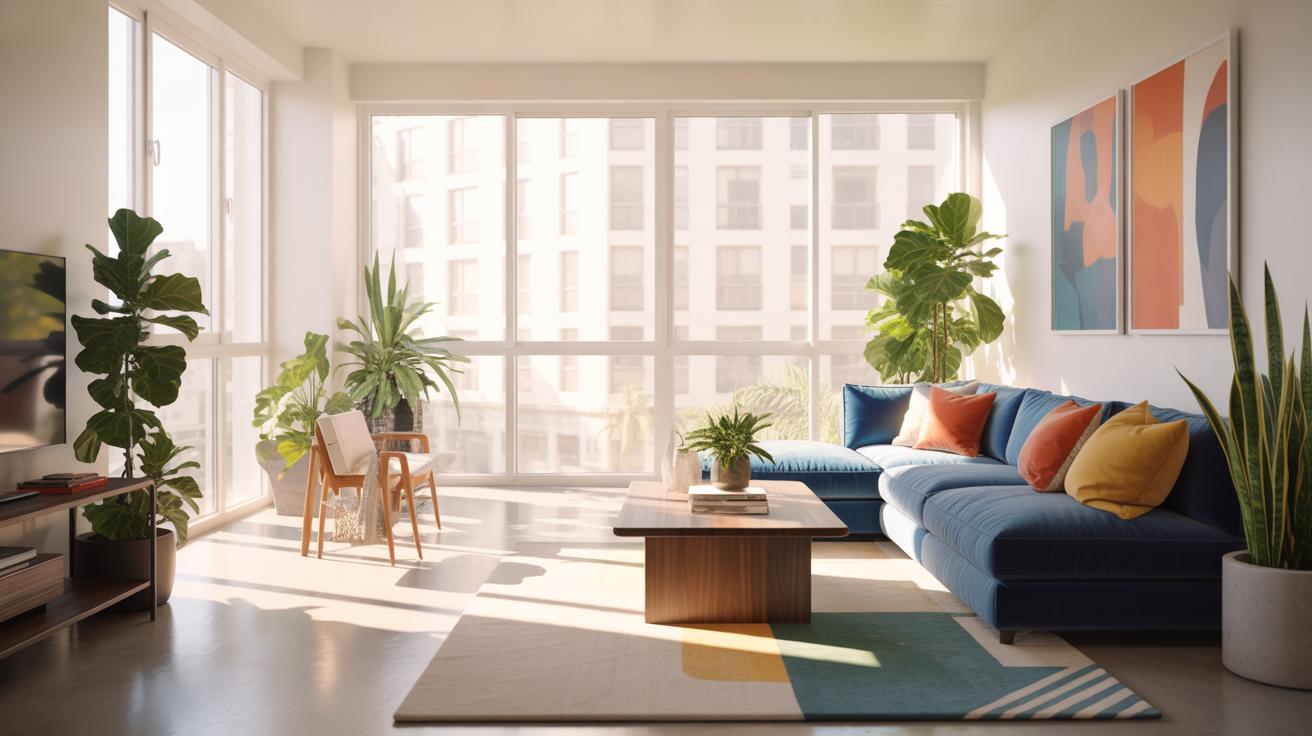
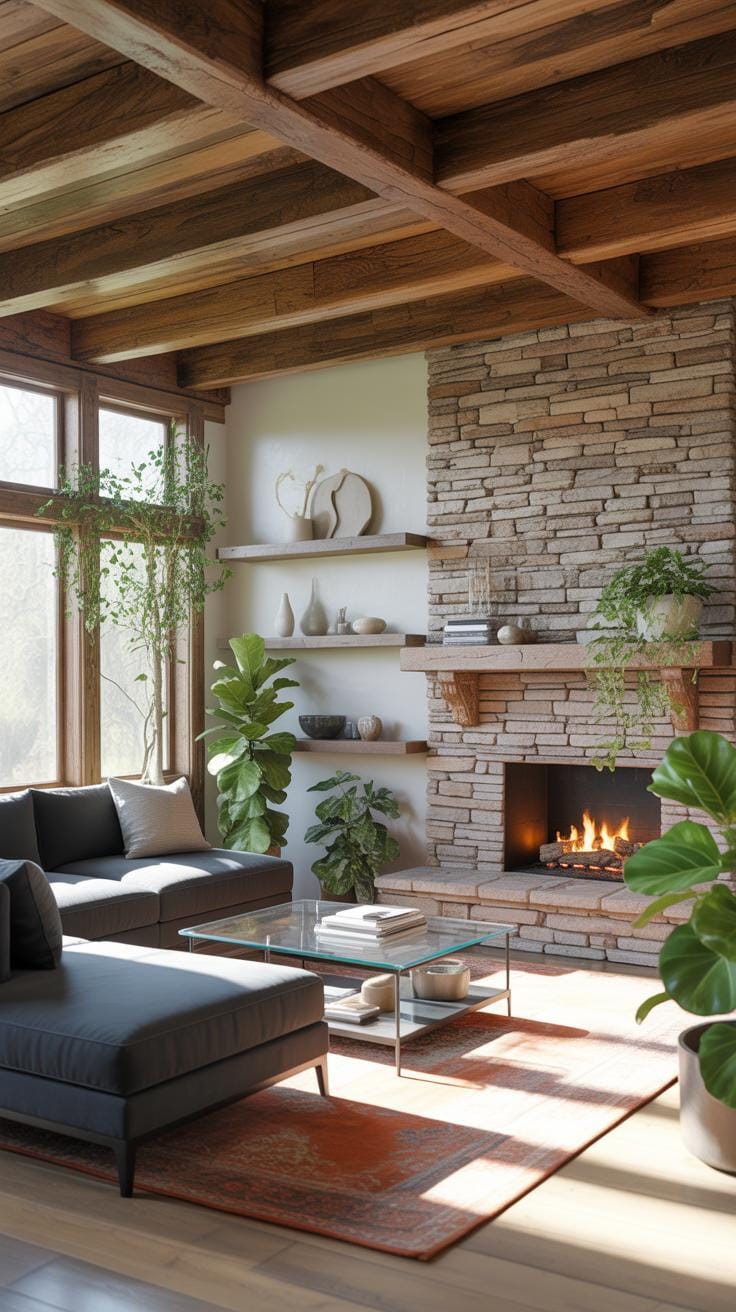
Bringing together rustic farmhouse charm with modern design can feel tricky at first. Rustic elements often show rugged, natural materials—think exposed wood beams, stone fireplaces, or distressed finishes. Modern design, in contrast, favors clean lines, minimalism, and smooth surfaces. It might seem like these styles sit at opposite ends of the spectrum, but blending them can create a space that feels both welcoming and fresh.
Start by picking one style as your base. For example, you might keep the rustic bones—like reclaimed wood furniture or shiplap walls—then layer in modern touches like sleek metal lighting or a streamlined sofa. This contrast makes each style pop without overwhelming the space.
Now, about combining materials—you could pair a rough-hewn wooden coffee table with a glossy, lacquered sideboard. Or choose neutral tones for larger pieces and add rustic warmth with textured cushions or woven throws. Mixing metals—iron with brass, for instance—also creates unexpected but pleasing juxtapositions.
Consider your room’s function and traffic flow too. A mix won’t work if the space feels cluttered or disjointed. Let each piece earn its place, and avoid overcrowding. The goal is to balance, not just throw together.
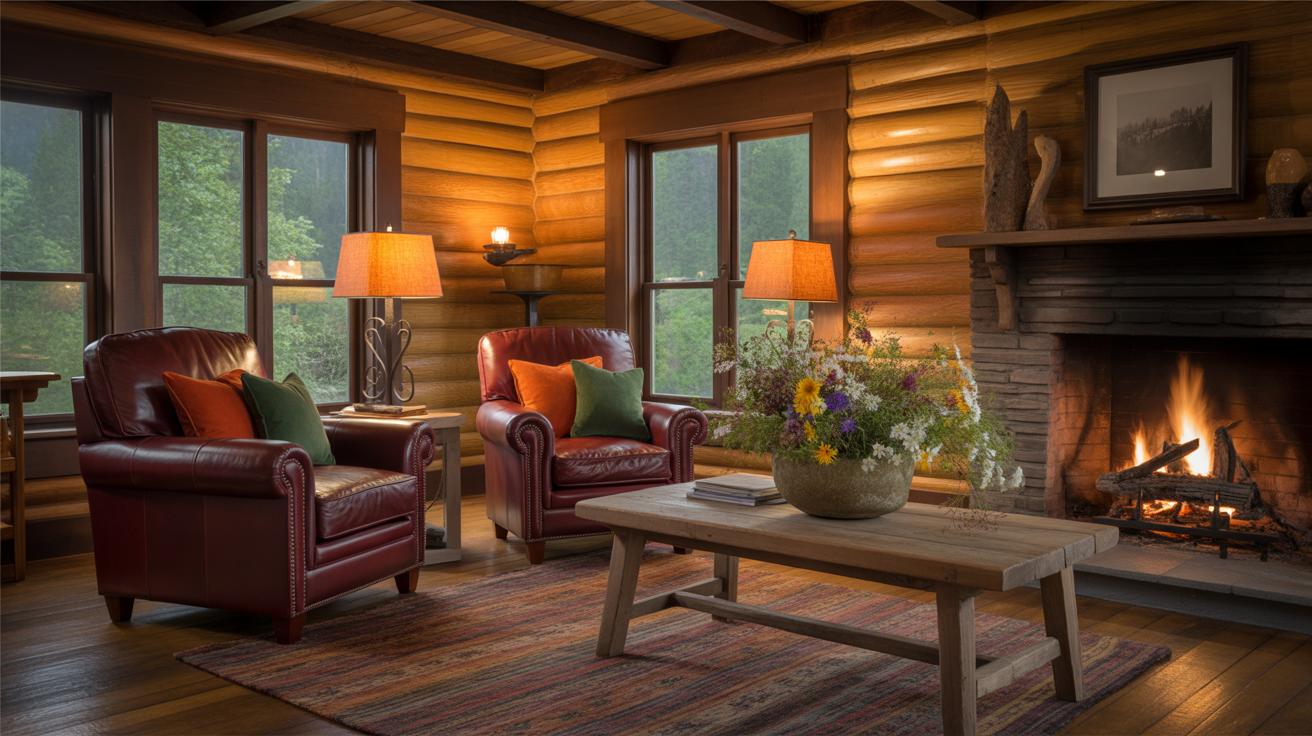
You may ask yourself: What if I go too far toward one style? That’s okay. Better to lean one way and then slowly introduce contrast than to force a perfect fifty-fifty split that feels unnatural.
Trying this blend in your living room can feel like tuning an instrument. Adjust elements until everything sings in harmony—even if that takes a few tries.
Choosing Furniture For Your Living Room
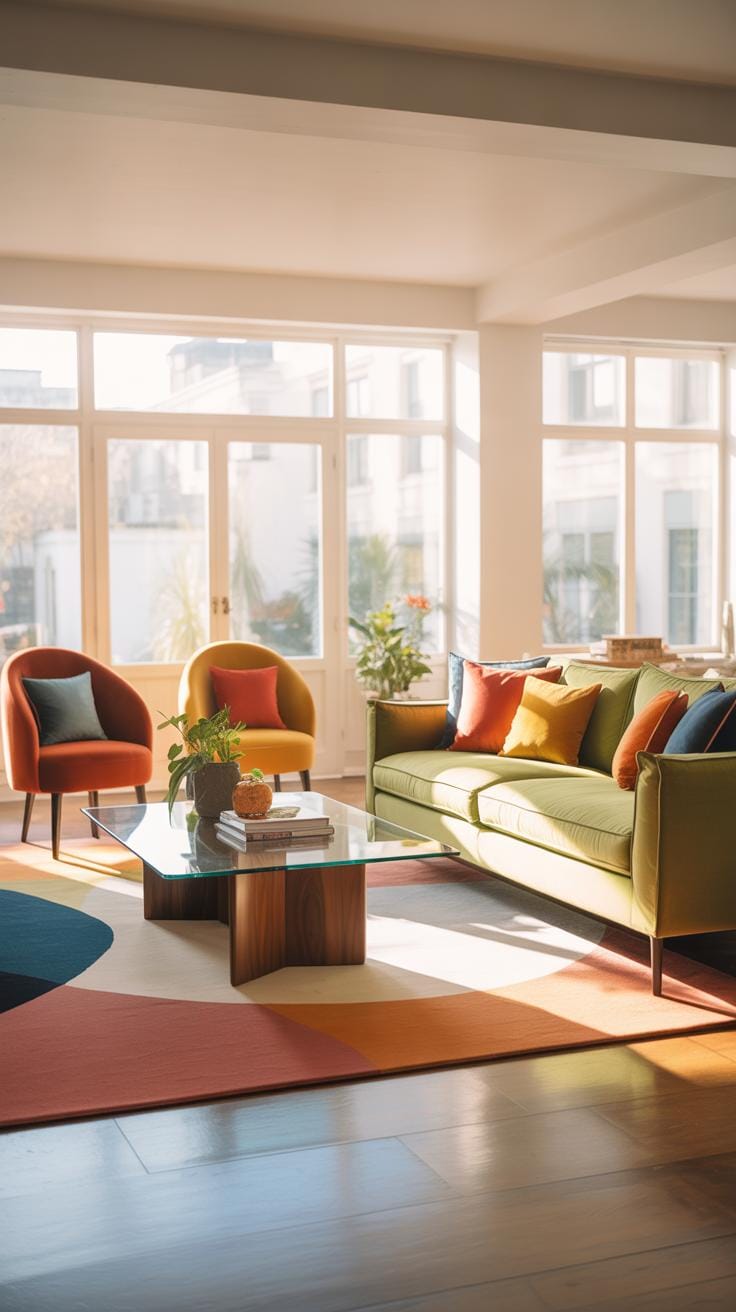
Selecting the right furniture for your farmhouse living room means balancing rustic charm with everyday practicality. It’s not just about picking vintage-looking pieces; you need items that can actually support your lifestyle. For example, a sturdy wooden coffee table might show wear over time, but it also offers lasting use and can be a conversational piece. On the other hand, plush seating with washable covers invites relaxation without worry about spills.
Keep in mind comfort alongside style. You want your living space to feel welcoming, not like a showroom. Maybe consider a well-worn leather armchair paired with a soft linen sofa. This mix adds texture and warmth without sacrificing functionality.
Must-Have Farmhouse Furniture Pieces
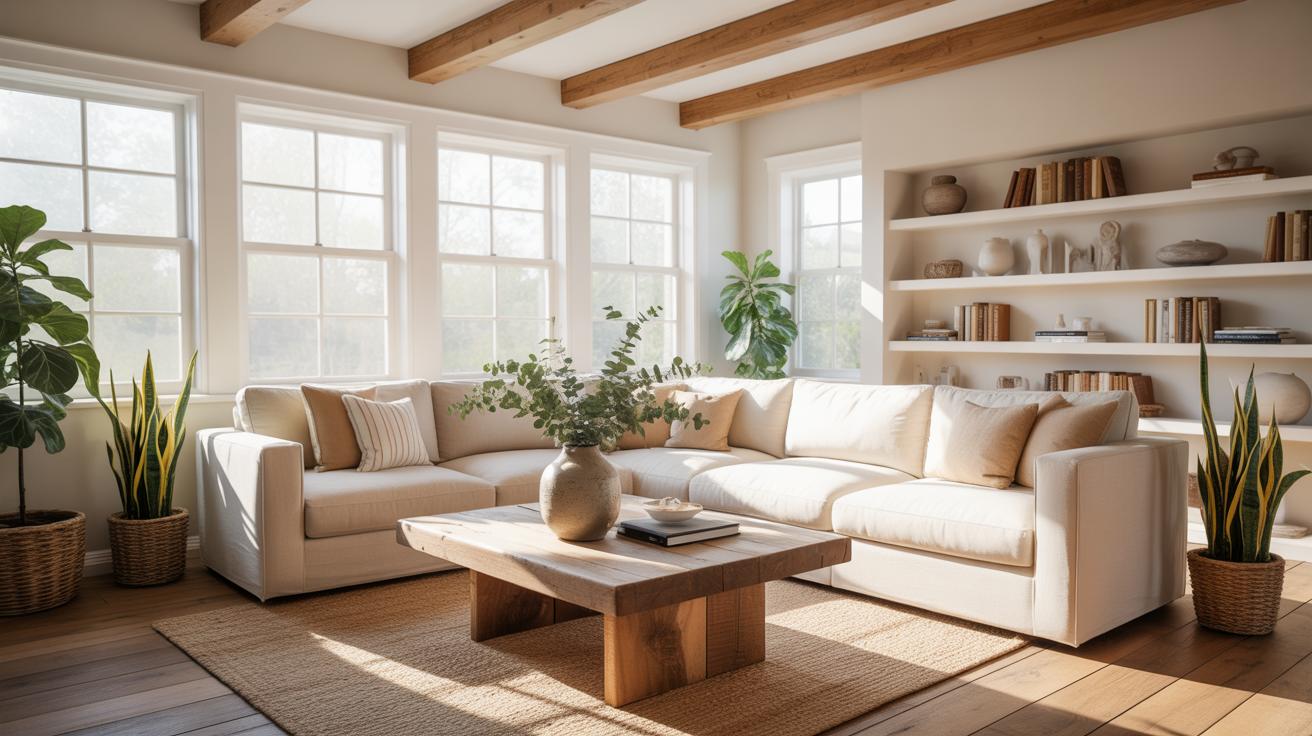
Typically, a farmhouse living room includes:
- Wooden Coffee Table: Central gathering spot, often handcrafted, adding solidity and charm.
- Slipcovered Sofa: Offers softness, easy cleaning, and a casual look.
- Rustic Wooden Side Tables: For lamps or decor, complementing the main pieces.
- Storage Bench or Trunk: Serves dual purpose – seating and hidden storage for blankets or games.
- Armchairs in natural fabrics or leather: Adds personal seating options with character.
Each piece fits together to create a room that feels both lived-in and styled. But don’t feel pressured to get them all at once.
Arranging Furniture For Comfort And Flow
Once you have your pieces, where you place them matters. Aim to create a conversation-friendly set-up. Typically, arrange seating to face each other or the fireplace if you have one. This encourages interaction and coziness. If you’re uncertain whether to push furniture against walls or float it, know that floating pieces often work well in farmhouse rooms, lending a relaxed vibe.
Ensure enough space for people to walk through without squeezing past furniture. Clear pathways make the space feel more welcoming and practical. Try not to overfill; sometimes less is more. It’s better to have fewer, well-placed pieces than a cluttered room where nobody wants to sit.
Do you sometimes find your furniture arrangement feels stiff? Don’t hesitate to move things around over time. Your living room should grow with your needs, not feel locked into a single style or setup forever. After all, a cozy farmhouse living room isn’t just about looks—it’s about how it feels when you settle in after a long day.
Lighting Choices That Enhance Cozy Vibes
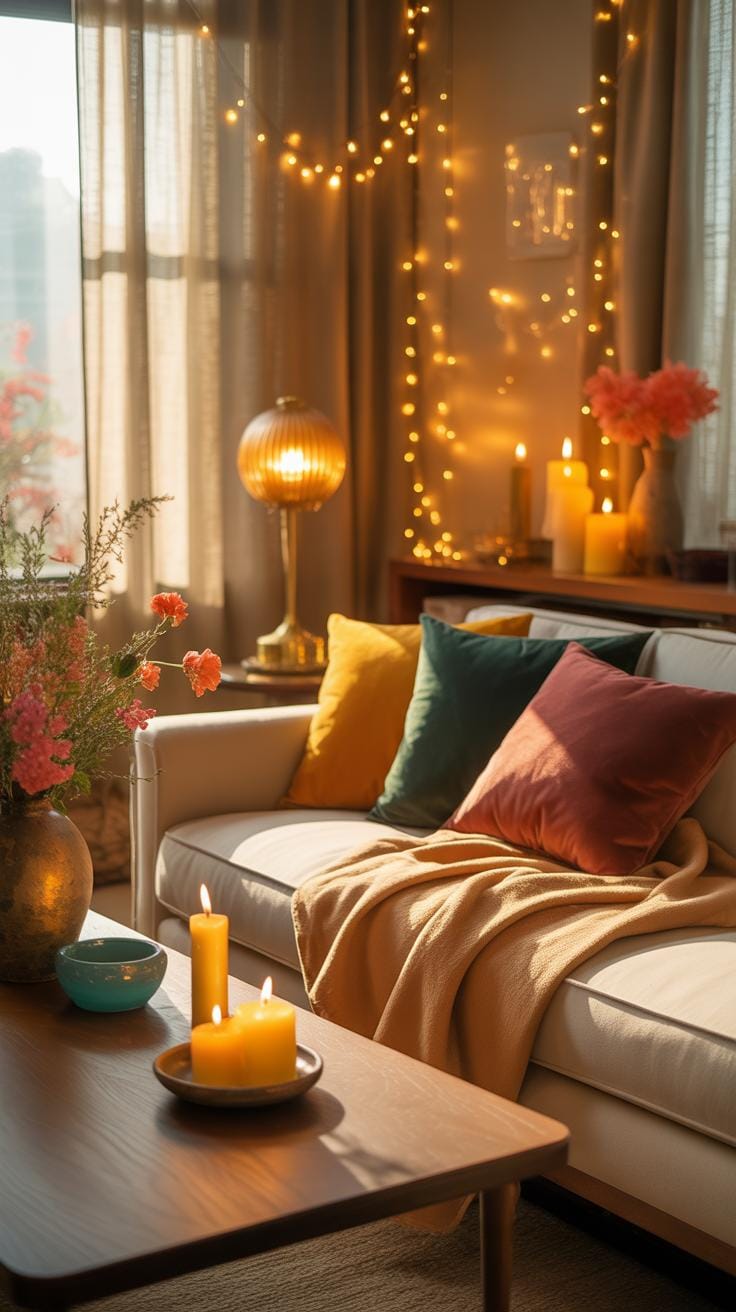
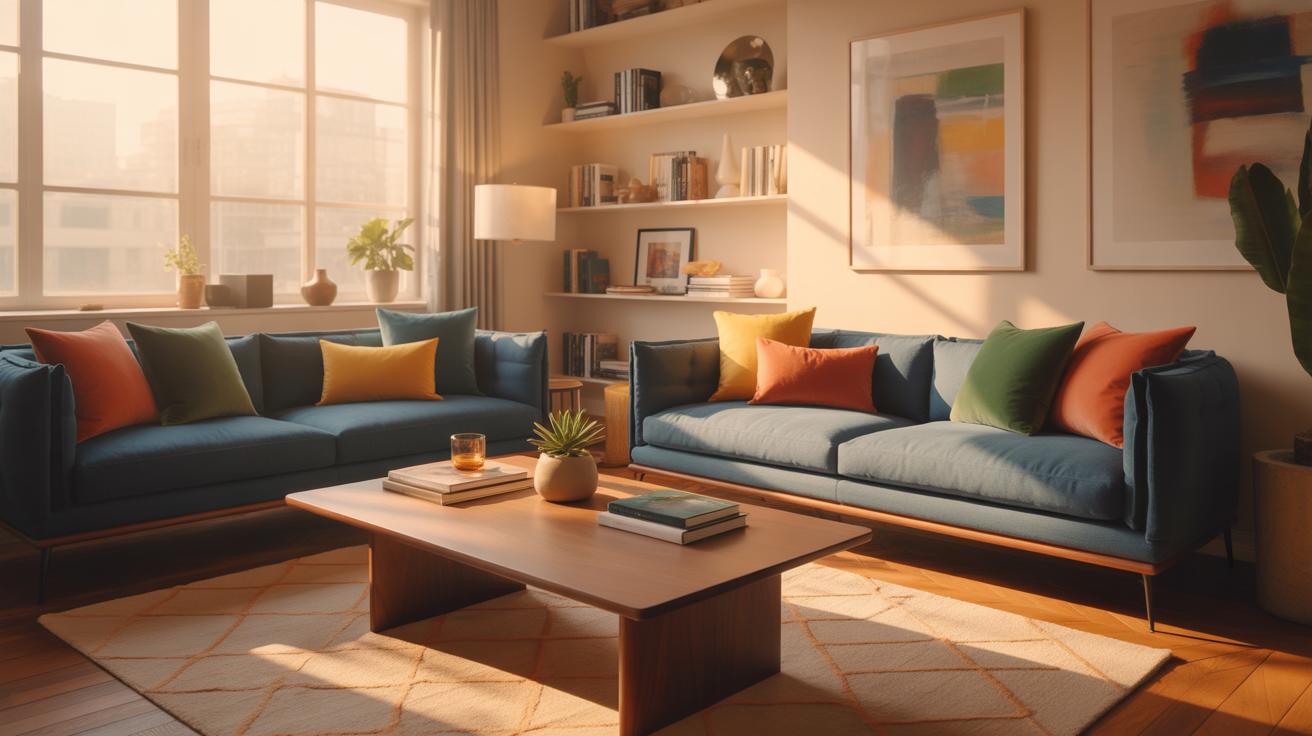
When it comes to creating that warm, inviting feeling in a farmhouse living room, lighting isn’t just about visibility. It’s about mood. Think of lighting as a tool to make the space feel like a gentle embrace. Soft, warm tones work best—harsh, bright whites tend to rob a room of its charm, don’t they? You might want a mix that encourages you to curl up with a book or simply lose track of time chatting with friends.
Layering light sources helps: think a vintage-inspired lamp on a side table plus a dimmable overhead fixture. That way, you can adjust the brightness to suit your mood. Maybe an industrial-style pendant adds a touch of rustic flair without making the room feel cold or clinical. In any case, the lighting should feel natural, not staged. That’s the essence of cozy.
Have you ever noticed how the right lighting can soften worn wooden beams or highlight the texture of a quilted throw? Position your lights strategically to bring attention to these details, but avoid casting harsh shadows that might make corners feel uninviting. Sometimes, indirect light from behind furniture or tucked into shelves does the trick best—without screaming for attention.
Types Of Lighting For Farmhouse Rooms
Farmhouse living rooms thrive on a balance of different light types, each serving its own purpose. Natural light, whenever possible, offers a changeable, soothing quality. Large windows or doorways make a big difference, but think about how you use curtains or blinds to control glare without shutting out warmth entirely.
Lamps provide a cozy glow. Floor lamps with linen shades or table lamps with wooden bases often fit the farmhouse aesthetic perfectly. They’re versatile and can be easily moved around to create new moods or occasions. Meanwhile, ceiling fixtures—like wrought iron chandeliers or simple wooden designs—anchor the room’s look. But they rarely do well alone; they can feel too stark without supplementary lighting.
Using Light To Highlight Decor
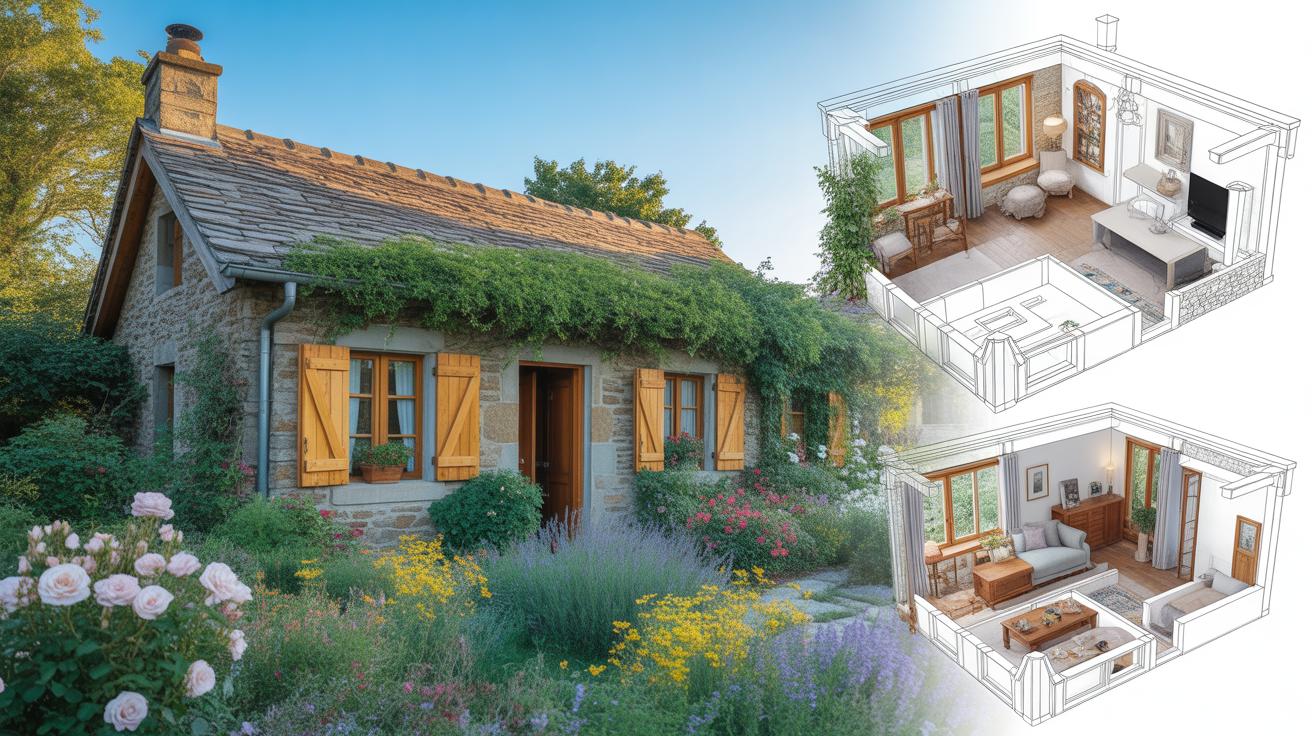
Lighting ought to be more than functional; it should showcase your favorite features. For example, consider angled spotlights or wall sconces directed at a reclaimed wood mantle or a gallery wall featuring rustic art. The idea is to draw your eye, not blind it.
Don’t forget about the floor and low-level lighting options. A small lamp near a comfy chair not only invites you to settle in but also casts a gentle glow that reveals texture—whether that’s the weave of a rug or the grain of an aged coffee table. Play around with light positions. Sometimes, the best effect comes from unexpected angles.
Using Textiles To Add Warmth And Comfort
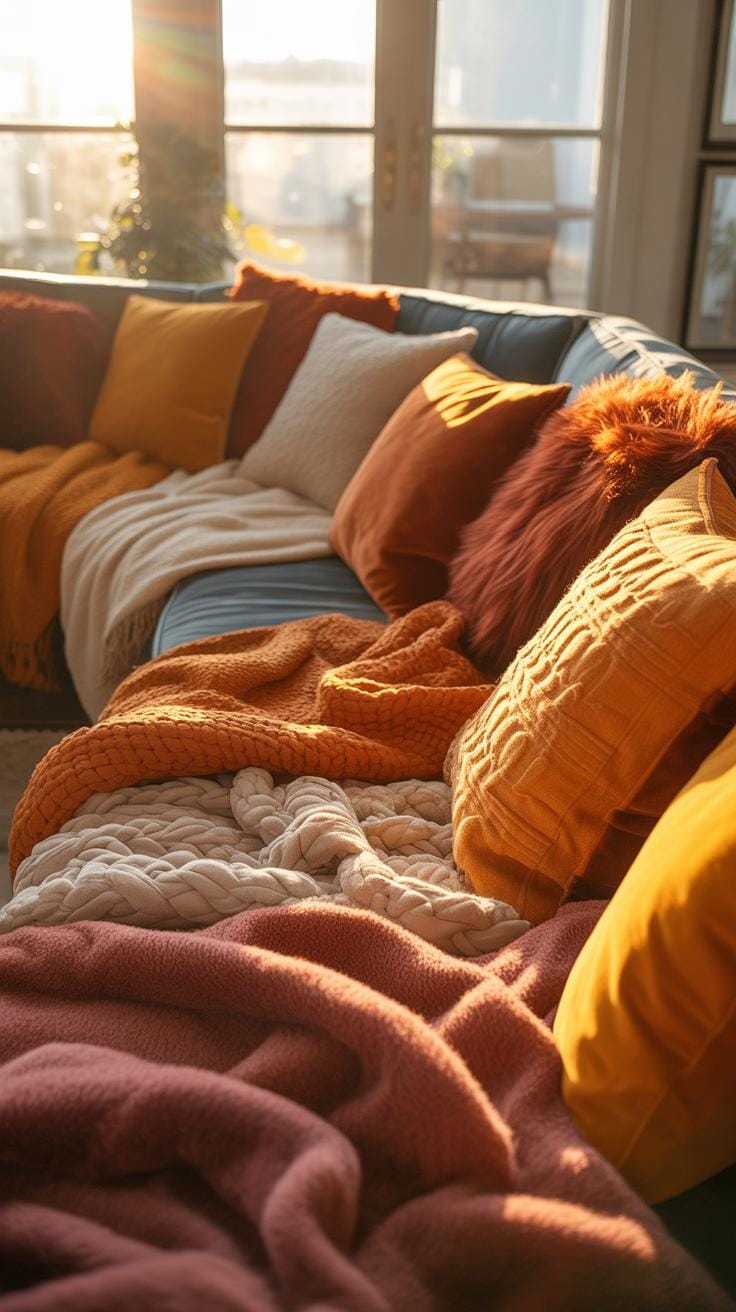
Textiles play a vital role in shaping the feel of a farmhouse living room. The right choice and placement can bring a sense of warmth that’s almost tangible. It’s not just about functionality, really; textiles carry texture and softness that invite you to stay longer. Rugs, cushions, and curtains should be chosen thoughtfully, keeping in mind both comfort and aesthetics.
For rugs, natural fibers like jute or wool work well, providing both durability and a cozy surface underfoot. Cushions are your chance to add varied textures—think linen, burlap, or even chunky knit patterns. Curtains often get overlooked, but think about heavier linens or cotton blends, which add to the softness while filtering light warmly.
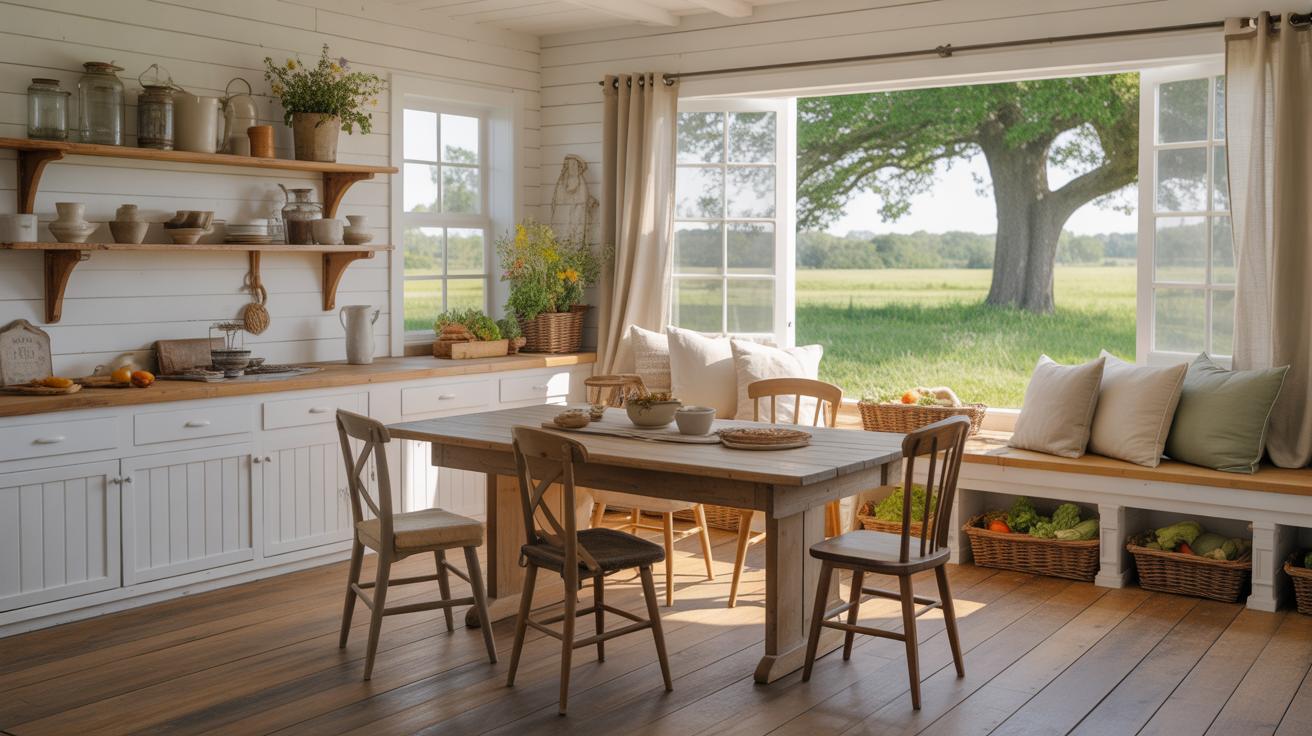
What can be tricky is not overdoing it. Layering should feel organic rather than forced. Try placing a richly textured rug under your coffee table, throw cushions with subtle patterns on seating, and light, flowy curtains to keep things from feeling too heavy. Overlapping textures and materials in layers can create a more inviting, lived-in look rather than a stiff showcase.
When I first added a burlap cushion cover alongside a soft, faded rug, it completely changed the vibe of the room—it felt more grounded, welcoming rather than just styled. So, consider how these textiles work together, not just individually.
Decorating Walls In A Farmhouse Living Room
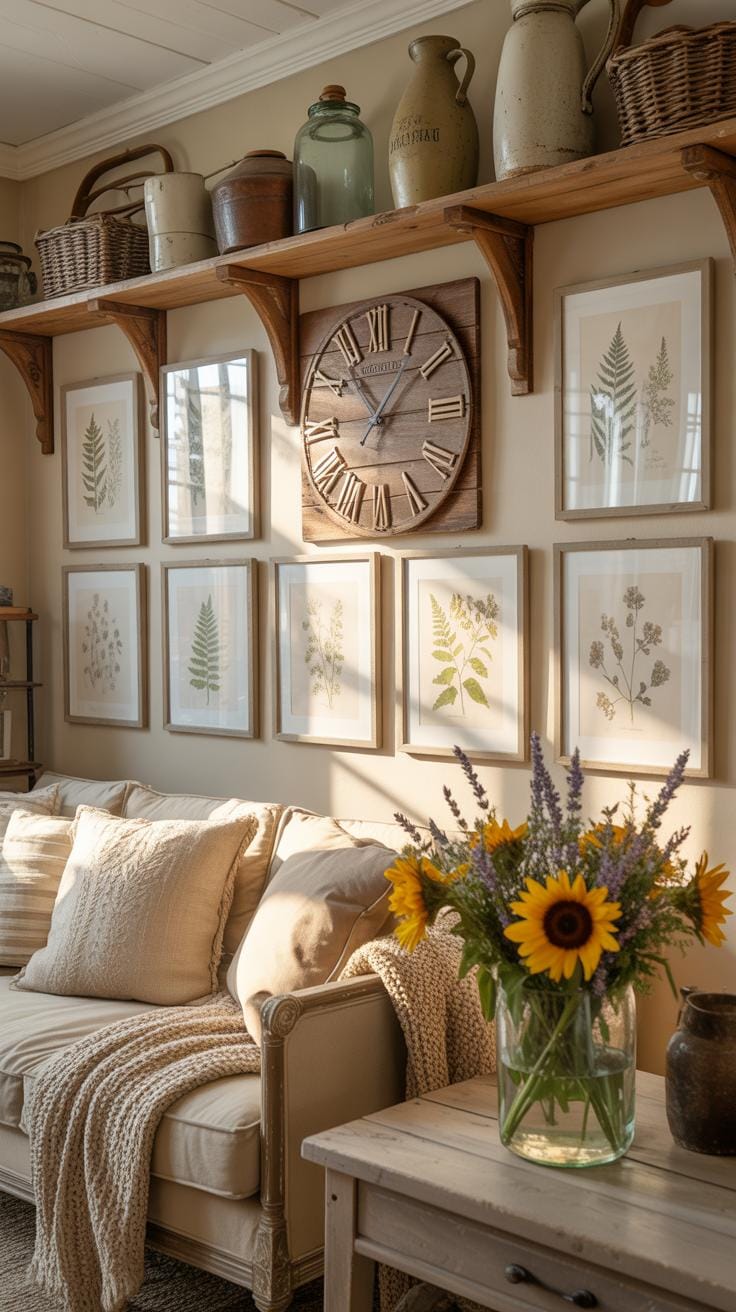
When it comes to dressing the walls in your farmhouse living room, the goal is to enhance that warm, lived-in charm without turning the space chaotic. It’s easy to go overboard with wall decorations, especially since the farmhouse style lends itself to a lot of vintage and rustic pieces. But sometimes, less is more. Maybe you pick one or two focal points that already bring character and then just let the wall breathe around them.
Popular wall art and fixtures that folks tend to lean towards include large, rustic clocks. These clocks often feature weathered wood or metal finishes that add a tactile dimension. Mirrors with distressed wooden or iron frames do a nice job, too—they bounce light and make the room feel larger without dominating it. Framed prints, often botanical or vintage farm scenes, add a storytelling element without screaming for attention. I like the subtlety of black and white photos or faded illustrations here; they don’t compete with other textures and materials in the room.
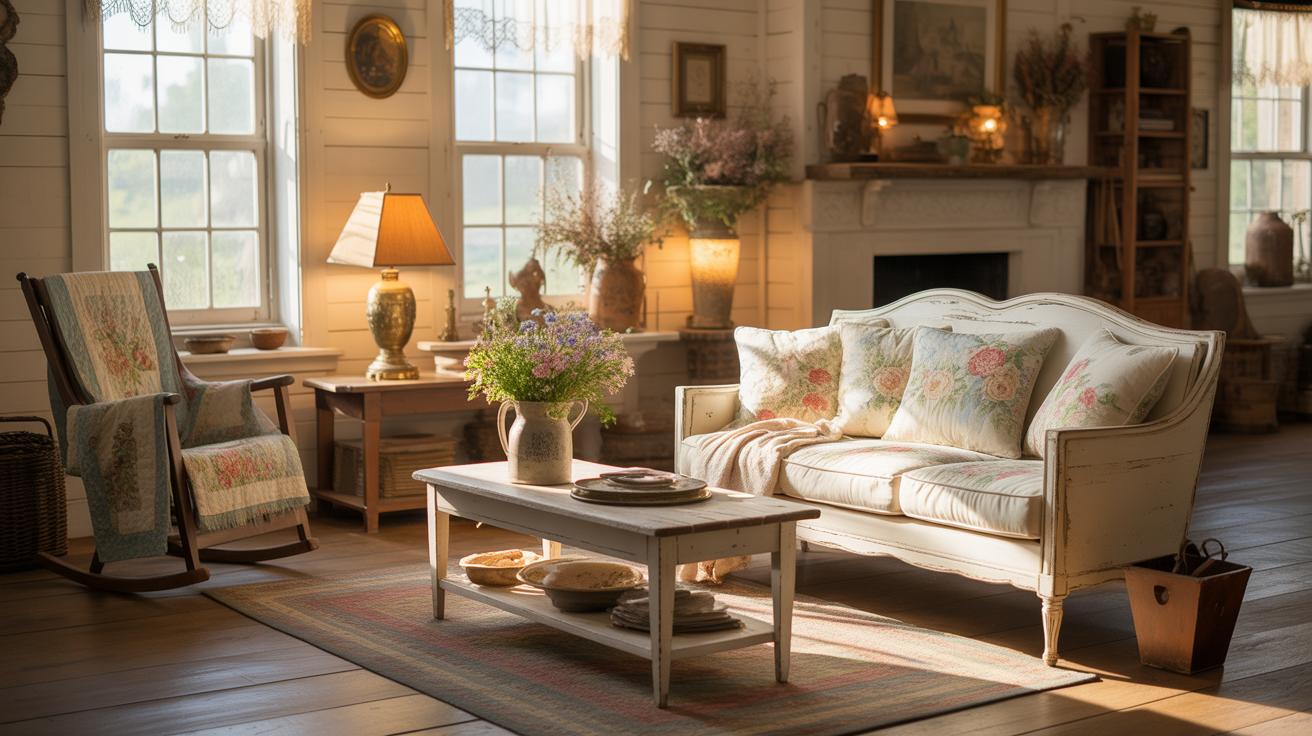
Arranging these items can be a bit tricky. Overcrowding a wall or lining things up too perfectly can kill that informal, cozy vibe. Instead, mix heights and sizes with uneven spacing to keep things feeling natural. One good trick is to group decorations in odd numbers—three or five pieces tend to look more dynamic than pairs or quadruplets. And don’t forget to leave some negative space; it helps focus attention and makes each item feel intentional.
Have you ever noticed how a single large item, like a clock or a mirror, can anchor a wall, making smaller pieces around it feel cohesive? That might be worth trying in your space. The key, as far as I’m concerned, is to keep the wall visually interesting but never cluttered. Which wall in your living room feels like it could use a bit of personality? Maybe that’s where you start.
Incorporating Natural Elements Into Decor
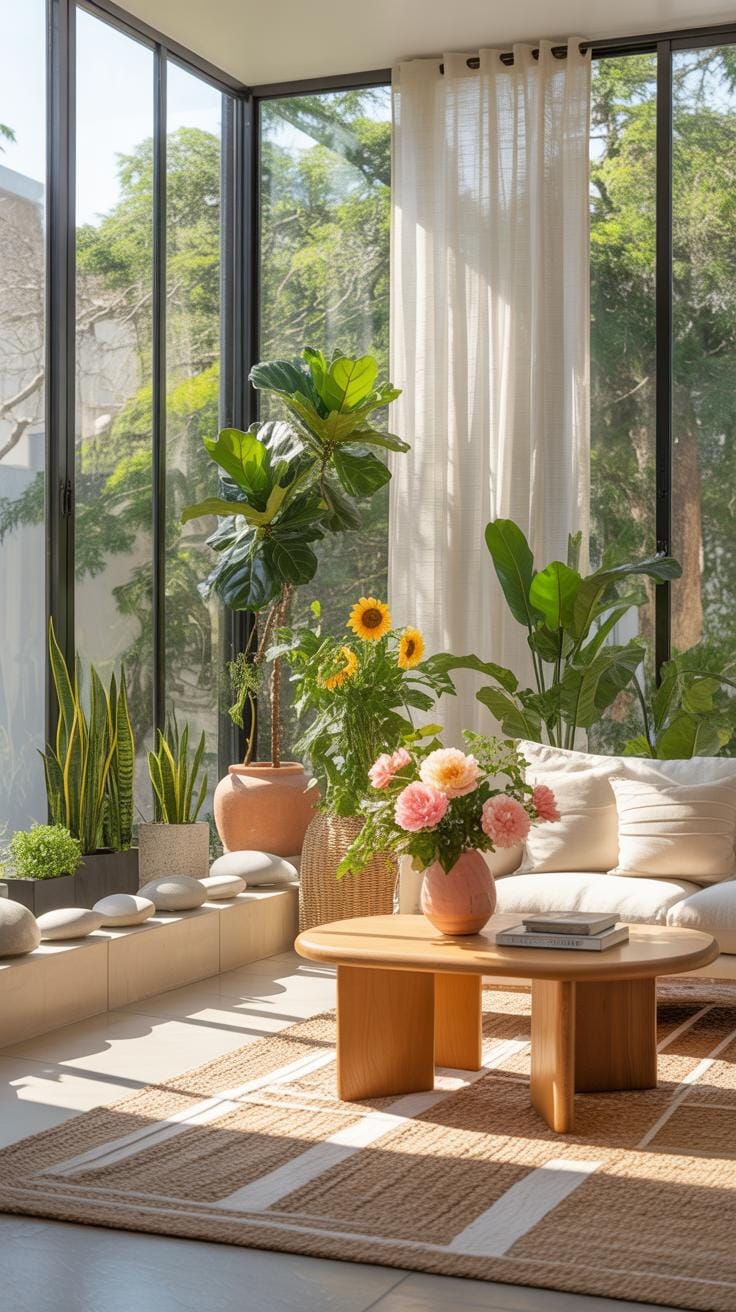
Bringing in natural elements such as plants and wood details can truly enrich your farmhouse living room. When you think about it, these features add texture and depth in ways that synthetic materials often can’t. I tend to find wooden beams, reclaimed wood furniture, or even simple wood picture frames create a warm feeling that’s hard to replicate. And plants—you’d be surprised how even a single leafy plant or a small herb garden on a windowsill can make the space feel alive.
But it’s not just about looks. There’s something about nature-infused decor that subtly affects your mood. Natural elements can help soften a room’s feel and reduce stress, making your living space more comforting. That said, it might depend on how you personally connect with these elements. Some people might appreciate the rustic vibe wood offers, while others might feel calmer surrounded by greenery.
If you’re wondering how to start adding these touches without breaking the bank, here are some simple ideas:
- Place a few low-maintenance plants like succulents or ferns around the room.
- Use wooden bowls or trays as decor pieces on coffee tables or shelves.
- Incorporate stone coasters or small quartz pieces as subtle accents.
- Opt for furniture with natural wood finishes instead of painted surfaces to keep the organic feel.
Even something as small as swapping out synthetic mats for jute or sisal rugs can make a big difference. It’s all about those little, manageable changes that bring the outside world indoors. Have you tried adding any natural touches at home? What’s worked or not worked for you?
Maintaining Your Farmhouse Living Room
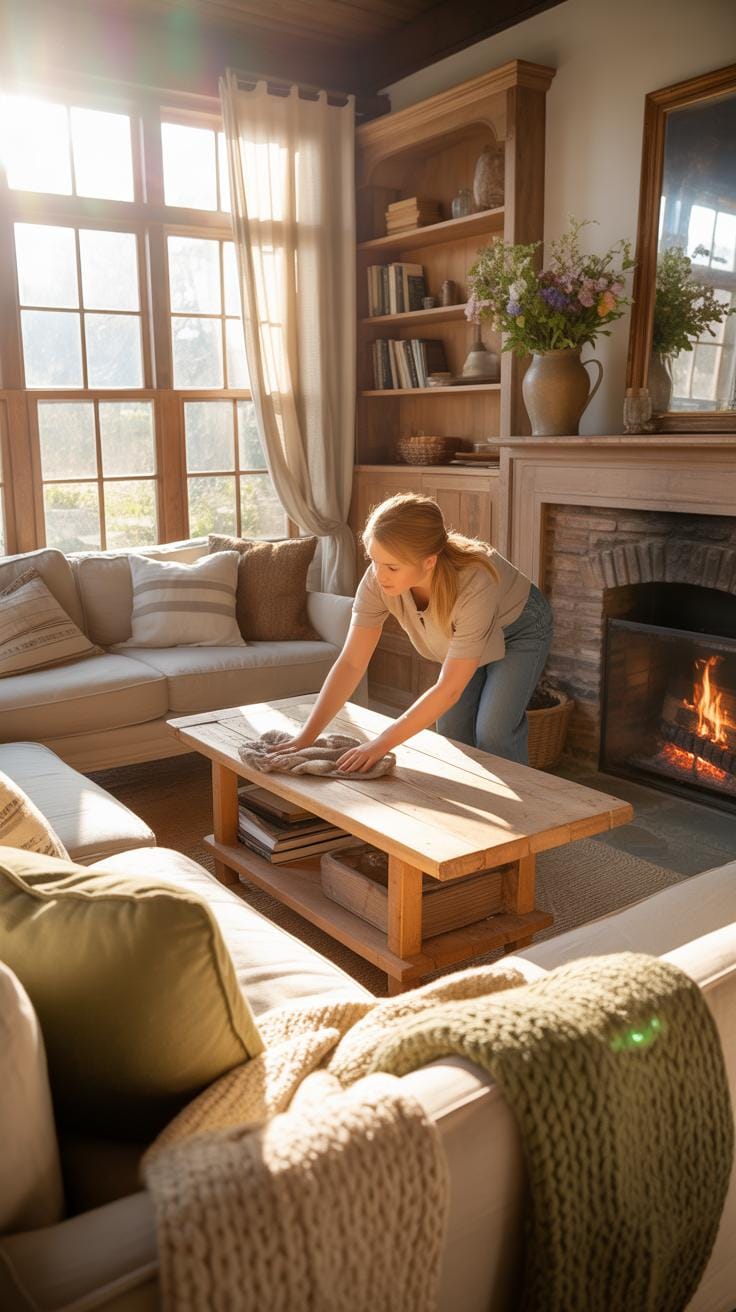
Daily And Weekly Upkeep Tasks
Keeping a farmhouse living room cozy often means weaving care into your routine without it feeling like a chore. Daily, it’s wise to dust surfaces gently—especially wooden ones—to avoid buildup that dulls their natural charm. Vacuuming rugs and sweeping floors help trap less dirt, which protects textiles and wood alike. Weekly, give upholstered furniture a thorough vacuum or brush to lift dust and crumbs that settle deep into fabric fibers. Spot clean any stains right away; farmhouse textiles can show wear if neglect piles up.
It might seem small, but flipping throw pillows and rotating rugs prevent uneven fading and wear. If pets share the space, consider using a lint roller daily. These little tasks together keep the room inviting, preventing that creep of grime and disorder that spoils comfort.
Long Term Care For Farmhouse Features
Farmhouse living rooms often feature wood floors, beams, or furniture that need more than just surface cleaning. Regularly checking for scratches and marks can save bigger renovation efforts later. For wood, a simple rule: avoid harsh chemicals. Instead, use gentle wood cleaners or a mixture of mild soap and water, but don’t soak wood surfaces. Wiping immediately dry helps prevent warping or damage.
Sealing wood every couple of years with a proper finish—wax, oil, or varnish—extends its life and preserves that warm, rustic look. It’s tempting to rush maintenance when life gets busy, but consistent care really pays off. Even your textiles benefit from seasonal airing and occasional professional cleaning to keep fibers fresh and strong. While it might feel tedious, these steps protect your investment and keep the farmhouse living room feeling like the heart of your home, both now and down the line.
Common Mistakes In Farmhouse Living Room Setup
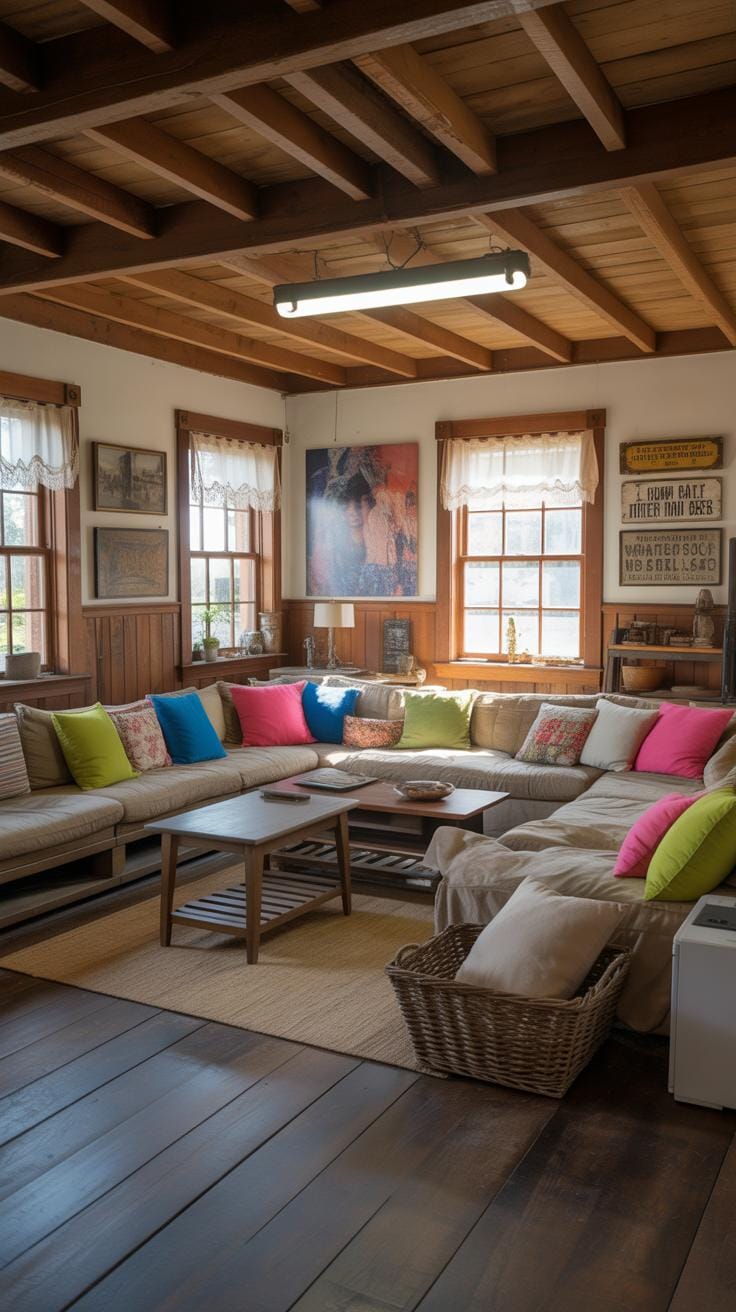
Avoid Overcrowding And Clutter
Many people aiming for a cozy farmhouse living room think that adding more furniture or decoration will automatically make the space feel warm and inviting. Yet, too much of anything can actually backfire. Overcrowding a room crushes the sense of comfort. Instead of cozy, it becomes cramped and overwhelming. You might start feeling the room has more stuff than space to relax in. It’s not just about quantity but how the pieces relate to each other. Too many chairs, tables, or decorative items can make moving around a hassle. Even if the style feels charming, the everyday usability suffers. Imagine needing to squeeze past chairs or knocking over knick-knacks just to get to the couch — not exactly inviting.
Less often means more here. Leaving some breathing room around your furniture helps maintain that airy, relaxed farmhouse vibe. Think about the kind of activities you want in this room and design with those in mind—not just what’s trendy or visually appealing. The goal is a balance where everything has a place but nothing feels boxed in or forced.
Balancing Style And Practicality
Farmhouse style is undeniably beautiful, but there’s a risk in focusing too much on looks and ignoring practical use. Living rooms get a lot of traffic. They’re for lounging, chatting, maybe working or playing with children. If your main concern is matching a rustic aesthetic or finding the perfect distressed wood coffee table, you might miss out on comfort or convenience.
Think about fabrics and materials that can handle daily wear and tear. Sometimes a place looks great but feels stiff or uncomfortable. You don’t want to spend every visit adjusting cushions or feeling restricted by delicate décor. It helps to choose pieces that serve a purpose first, then enhance them with rustic details. Sometimes that means compromising on the “perfect” antique chair in favor of one that feels better to sit in for hours.
Farmhouse living rooms should feel welcoming and lived-in, not like a museum exhibit. Finding your own mix of charm and function is key. Don’t be afraid to question if that perfect piece is really worth sacrificing daily comfort.
Examples Of Cozy Farmhouse Living Rooms
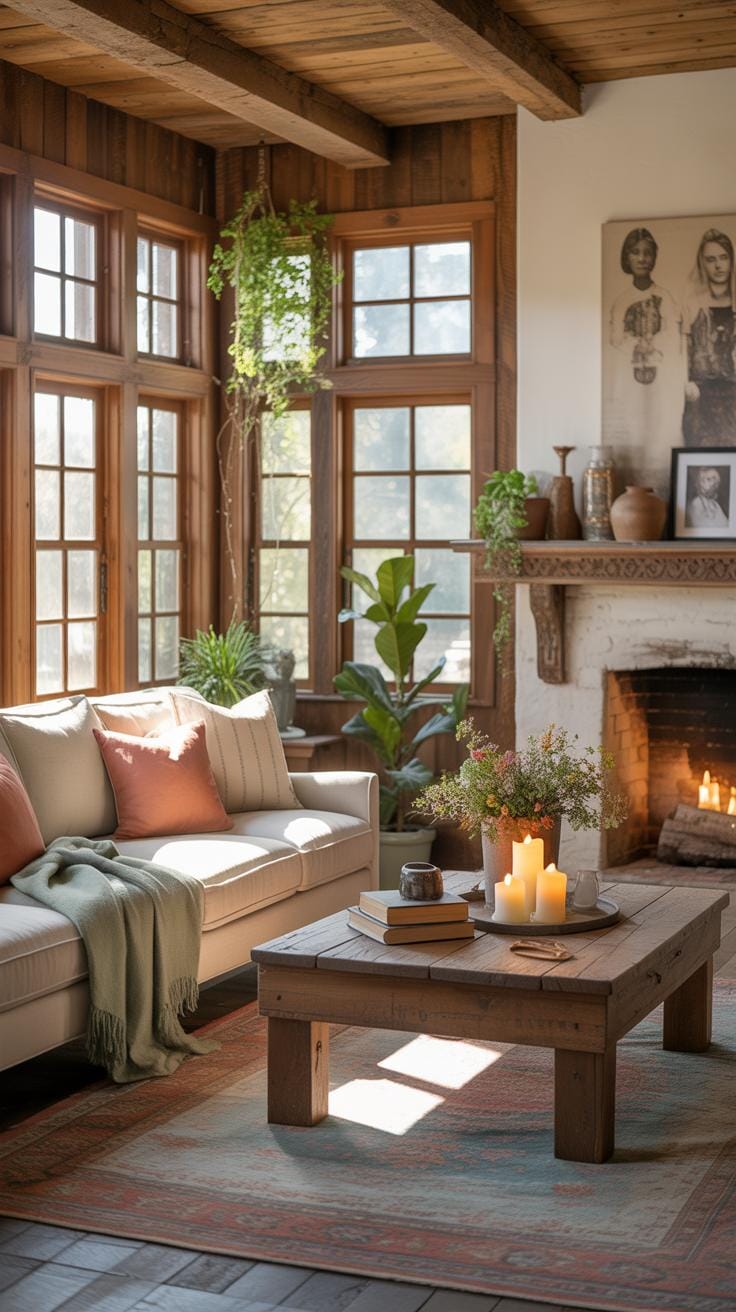
When you walk into a cozy farmhouse living room, you might notice how each space tells a story about comfort and lived-in charm. Take an example of a rustic setup with its rough-hewn wooden beams overhead and a stone fireplace anchoring the room. The choice of soft, neutral textiles layered on overstuffed furniture brings a warmth that’s hard to resist. What really stands out in such rooms is the attention to detail: old-fashioned lanterns, vintage rugs, and heirloom knickknacks that create a sense of history and personality.
On the other hand, there’s the modern farmhouse living room which earns its charm through simplicity and sleekness. Here, you find clean lines juxtaposed with rustic materials — a minimalist color palette softened by natural textures. Think light hardwood floors, a streamlined sofa, and industrial-style lighting paired with reclaimed wood shelves. It’s a bit more restrained but no less inviting, often feeling brighter and more open than its rustic counterpart.
Case Study Rustic Farmhouse Room
Imagine a typical rustic farmhouse living room. You’ll spot exposed wooden beams, often darkened by years, contrasting with softened linen curtains or slipcovered sofas. The focal point is generally a large stone or brick fireplace. Furniture tends to be chunky and robust, like a well-worn leather armchair or a thick wooden coffee table. Textures play a huge role: think knitted throws, braided rugs, and aged metals. It’s less about perfection and more about authenticity, spaces that welcome you to linger and relax.
There’s often a collection of vintage finds, like an old clock or faded paintings. Practicality is key here — these rooms are built for real life, where kids run around and family gatherings happen often, so durable materials are favored.
Case Study Modern Farmhouse Room
Now, a modern farmhouse living room is a bit different. It balances rustic roots with contemporary flair. Think of sleek furniture — maybe a low-profile sectional with clean lines — and neutral colors, such as whites, grays, and soft pastels. The rustic element might show up as reclaimed barn wood accent walls, or simple wood and metal coffee tables. Light is maximized, and clutter is minimized.
What I find interesting here is the mix of styles: industrial touches, like wire baskets or metal pendant lamps, soften the farmhouse aesthetics and keep things feeling current. The spaces tend to feel more refined, but perhaps a bit less “cozy” in the traditional sense — it’s a cooler type of comfort, you might say. But for someone who prefers a calm and neat environment that still nods to farmhouse tradition, this approach works well.
Conclusions
Your cozy farmhouse living room starts with clear decisions on style and function. By mixing rustic and modern elements, you create a balance that welcomes you and your guests. Thoughtful furniture choices and the right color palette add to this inviting feeling.
Keep in mind the setup steps and material choices we’ve discussed. They guide you to a practical, livable room that suits your lifestyle. This approach not only looks good but feels right for everyday living in a farmhouse-style home.