
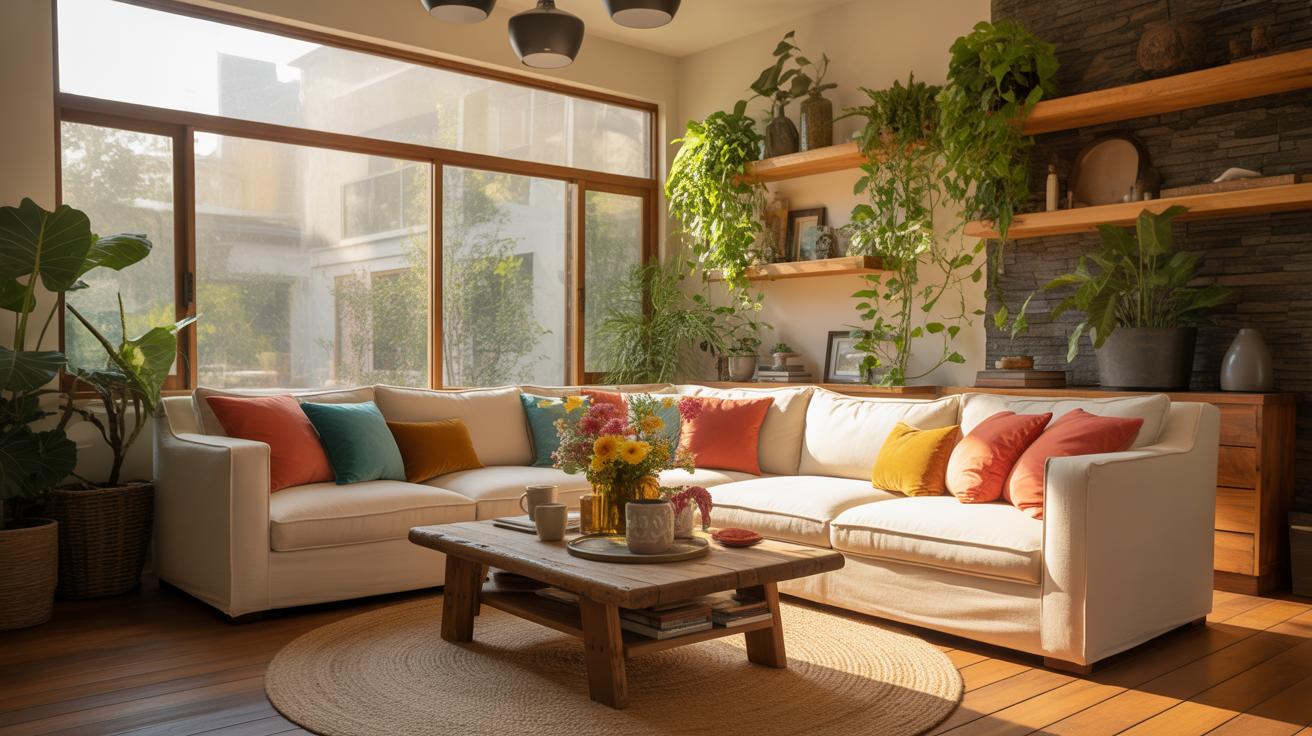
Introduction
Your living room is often the heart of your home. It’s where you relax, entertain guests, and spend quality time with family. Cozy living room design can turn this space into a comfortable refuge from a busy day.
This article explores practical ideas for decorating and designing a home living room that feels warm and inviting. From selecting furniture to lighting and decorative touches, you will learn how to create a cozy living room tailored to your lifestyle.
What Defines A Cozy Living Room
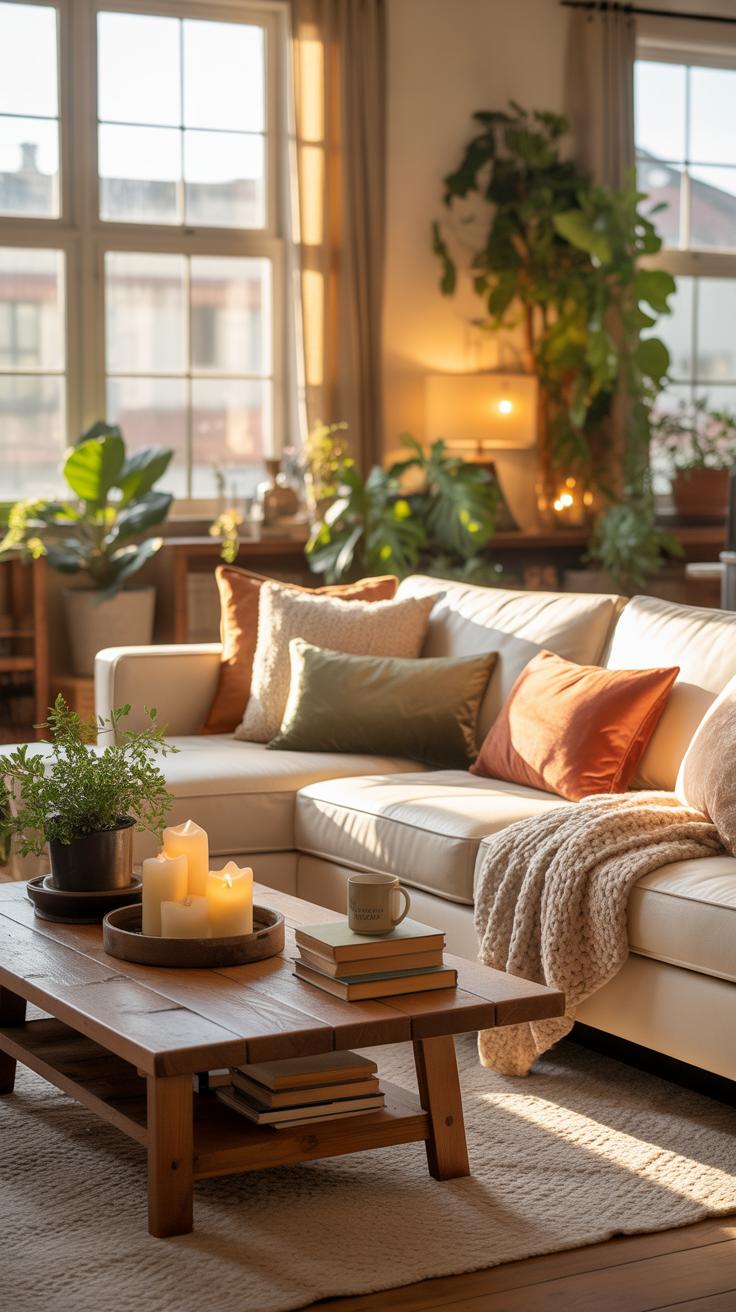
A cozy living room often defies the idea that bigger is better. Size plays a subtle role—more intimate spaces tend to feel warmer, inviting conversations and relaxation. It’s not just about fitting furniture but crafting a layout that encourages togetherness without feeling cramped. Think of seating arrangements where people face each other or a focal point like a fireplace or a soft rug.
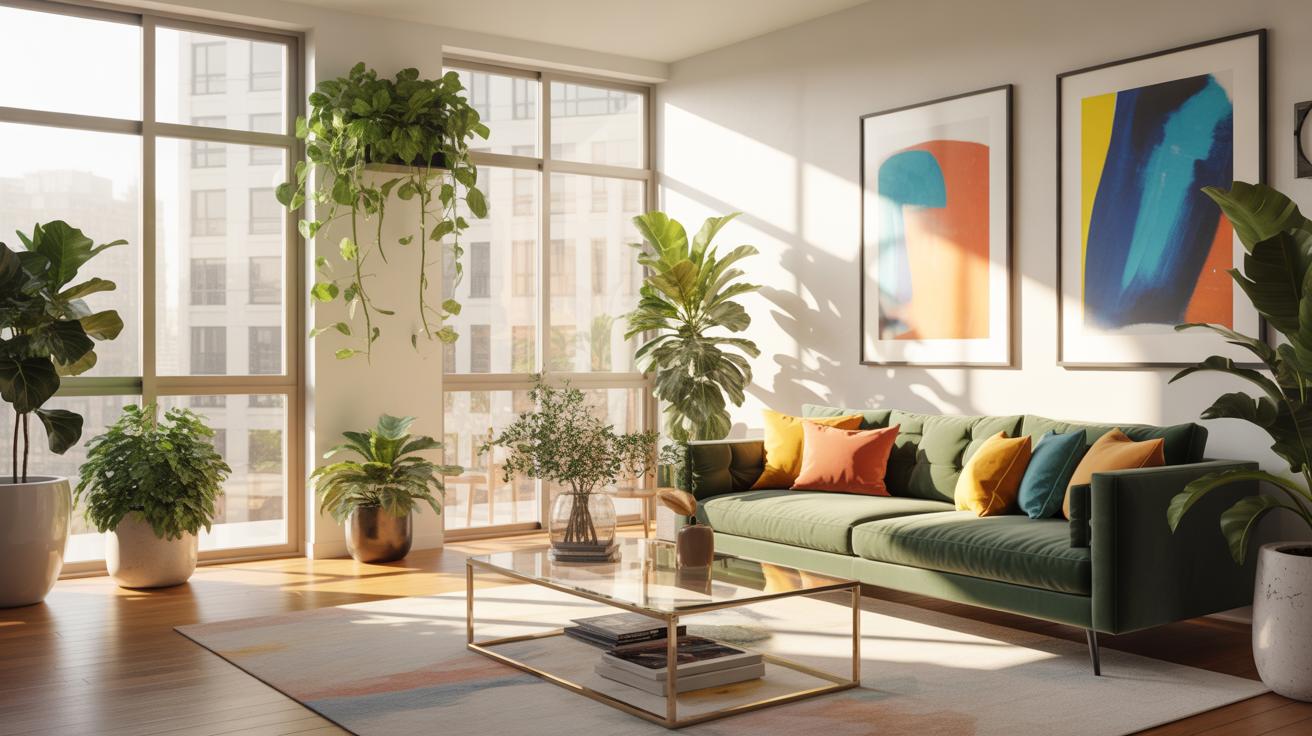
Comfort is key. Soft lighting, whether from lamps or natural sources, sets a mood that harsh overhead lights rarely achieve. And it’s not just about warmth in temperature but how the room makes you feel—safe, relaxed, and connected.
Sometimes, smaller nooks or adjacent areas like keeping rooms—informal living spaces next to kitchens—serve as cozy zones by allowing family and friends to gather easily. These spots typically seat a few people, making them perfect for intimate chats or quiet moments.
Core Elements Of Cozy Design
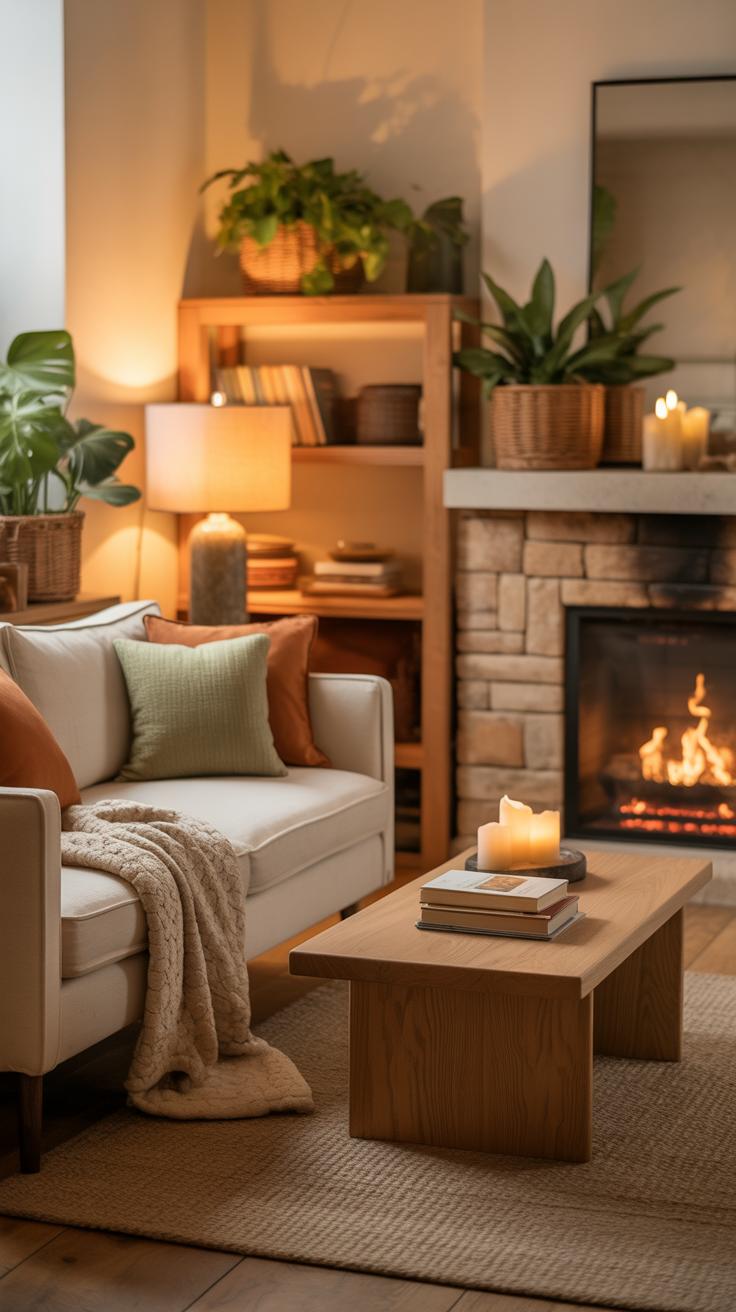
Texture transforms a room more than you might expect. Layering materials—think plush cushions, soft throws, and thick rugs—adds depth and invites touch. Colors matter too but don’t feel bound to strict palettes; warm neutrals tend to soothe, yet small pops of color can energize without overwhelming.
Furniture should invite you in rather than keep you at a distance. Oversized sofas, armchairs with soft curves, or even a well-placed ottoman contribute to that feeling. Functionality and comfort can coexist. Almost inevitably, you’ll find that rooms featuring a mix of old and new pieces feel more authentic and lived-in.
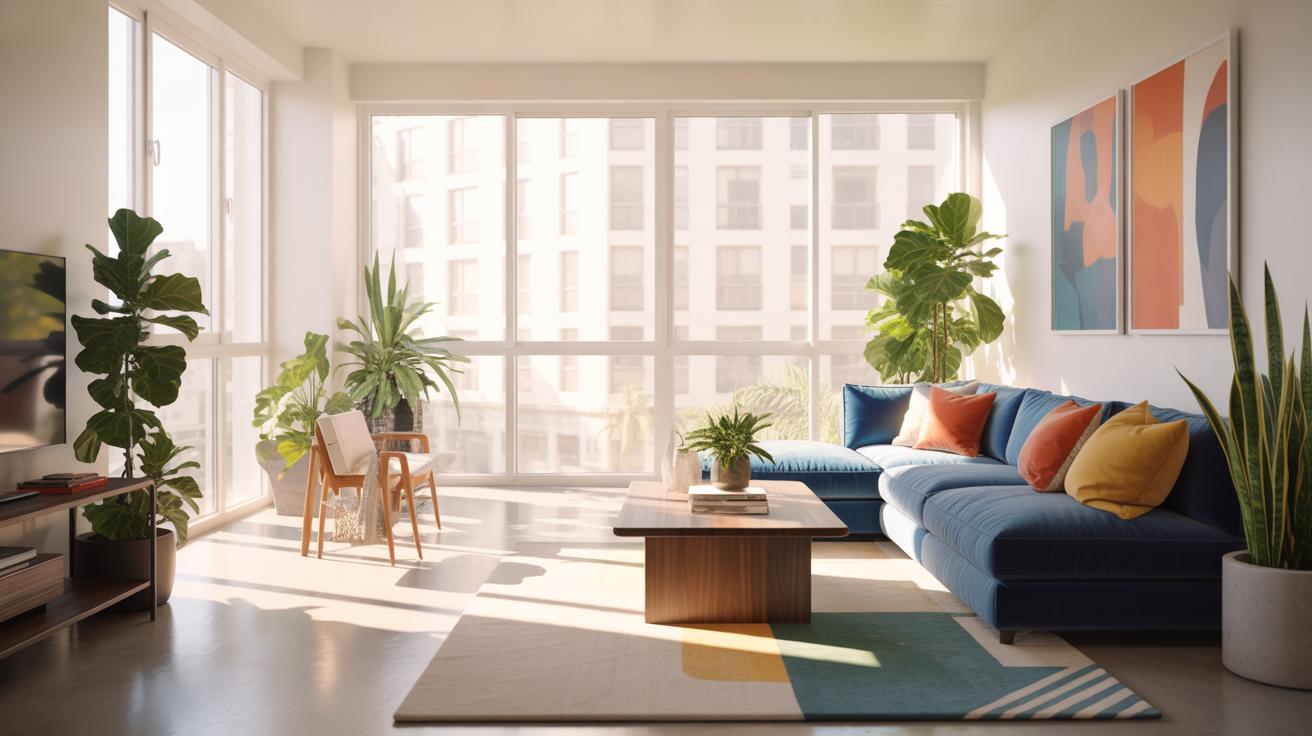
Lighting also acts as a texture of its own. Multiple sources at different heights—table lamps, floor lamps, and candles—create shadows and highlights that sculpt the space in a subtle way.
Examples Of Cozy Living Rooms
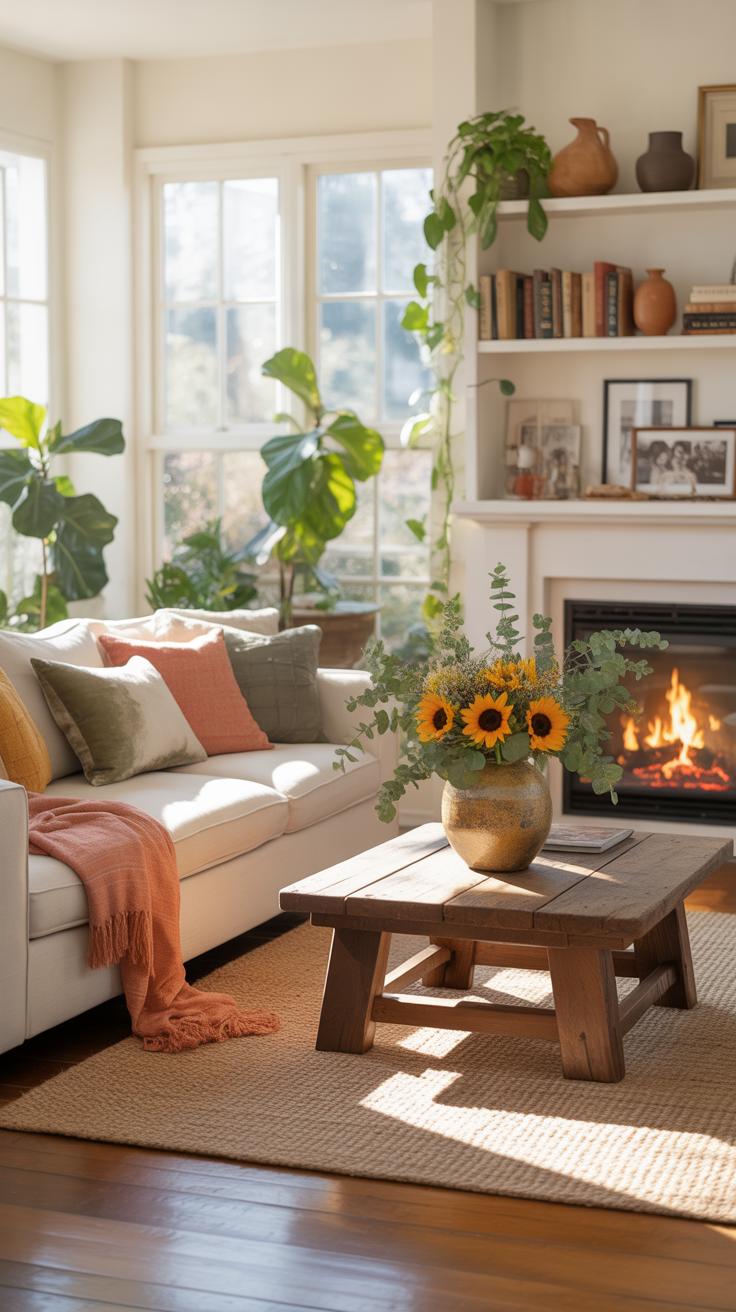
One inspiring example is the Miller House in Columbus, Indiana, designed by Eero Saarinen. Despite its mid-century modern style, its living room centers on a sunken conversation pit, a design that naturally encourages closeness. The combination of carefully chosen furnishings and art display makes it inviting, not just stylish.
Historic keeping rooms in colonial houses also serve as a template for coziness. Originally spaces where families gathered near the fireplace while meals were prepared, they combine warmth with social intimacy. Modern adaptations often keep this balance by blending the kitchen and seating areas.
Looking at these examples, it’s clear that what really makes a living room cozy isn’t just the décor, but how the space feels to you in action. Does it make you want to curl up with a book or chat for hours? If yes, you might have found your cozy spot.
How To Choose Furniture For Comfort
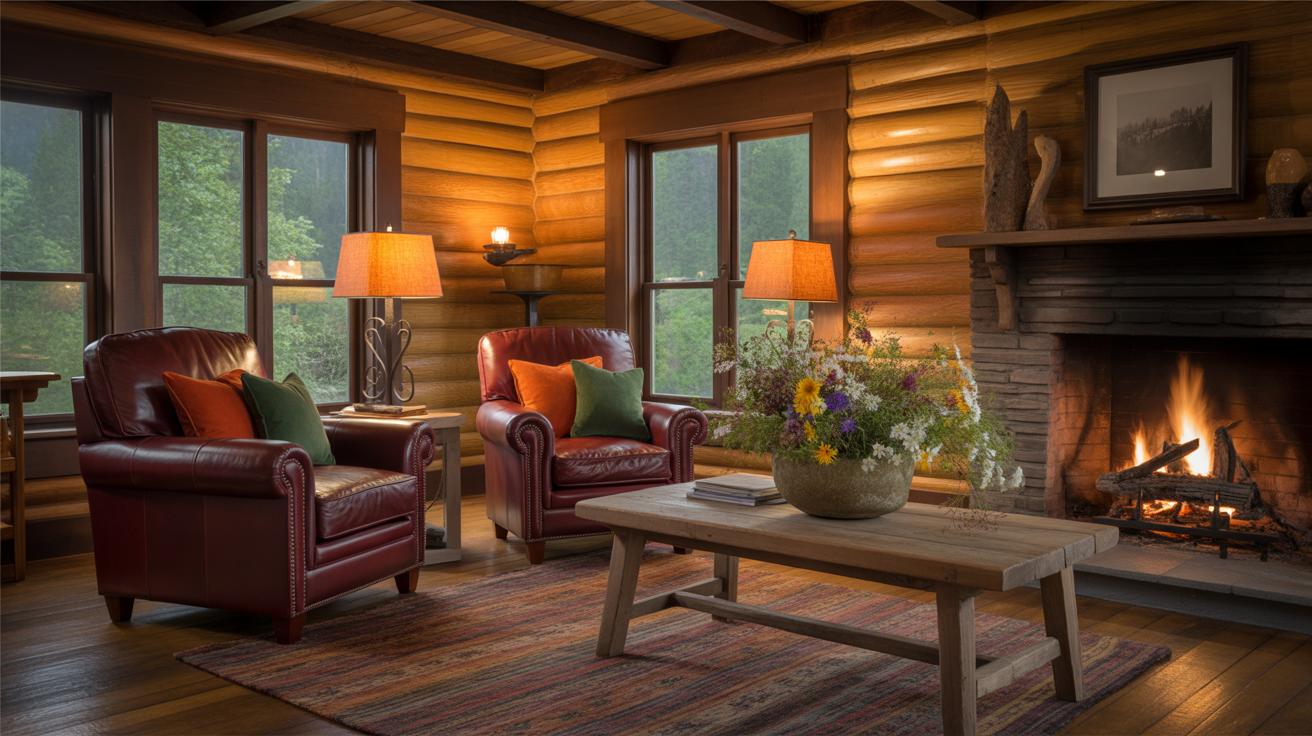
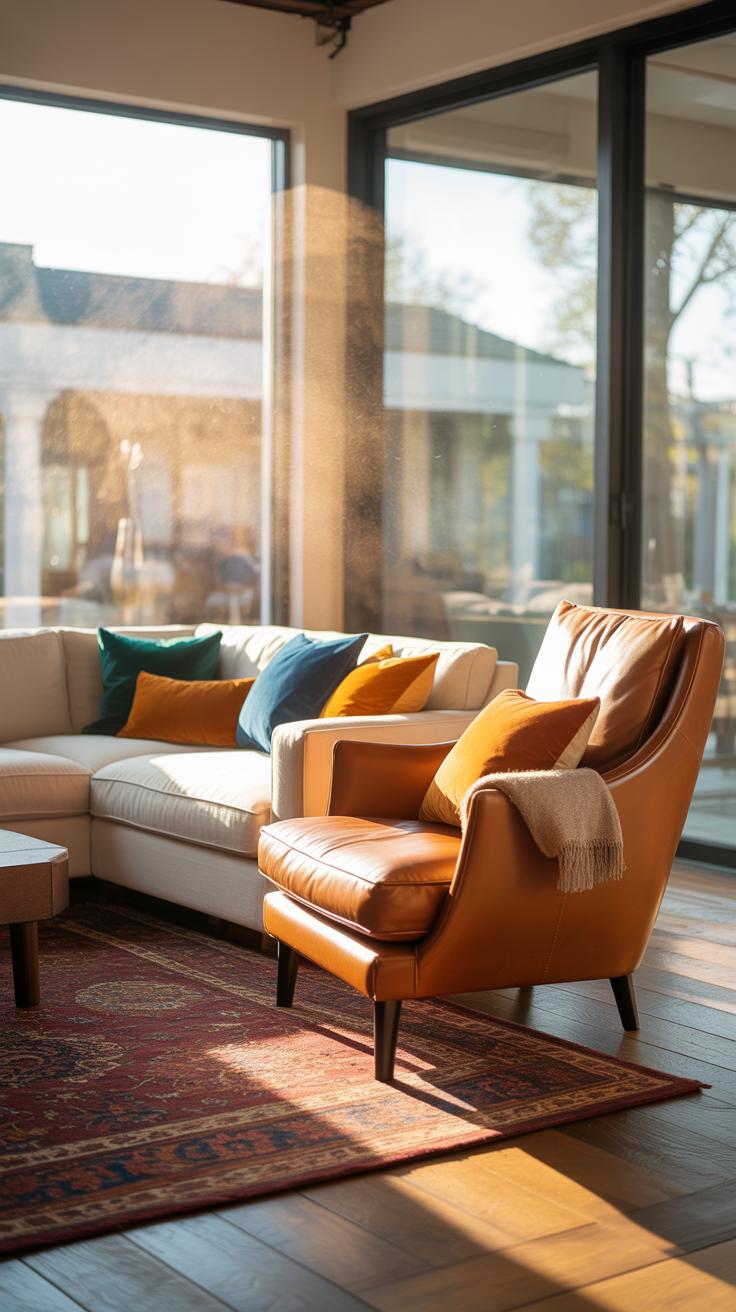
When it comes to creating a cozy living room, furniture plays a crucial role. The size matters—you want pieces that feel inviting without overwhelming the space. Oversized furniture can make a room feel cramped, while too-small pieces might leave it feeling sparse and unwelcoming.
Materials are another important consideration. Soft textiles like velvet or brushed cotton often enhance comfort. Natural fibers bring warmth but sometimes lack softness, which you might not notice until you try sitting down. Foam density and the quality of cushions also impact how the furniture feels over time.
Arrangement is more than just placing furniture in a room; it’s about fostering a sense of togetherness. Group seating close enough to encourage conversation but leave enough room to move around comfortably. Think about how you and your family or guests will use the space, then arrange accordingly—sometimes, rearranging a single piece shifts the entire mood.
Picking Sofas And Chairs
Choosing sofas and chairs requires a balance between comfort and space. A sofa that’s too deep might feel great for lounging but could make sitting upright uncomfortable. Chairs with armrests provide support, but without proper cushioning, they can be less appealing for long stays.
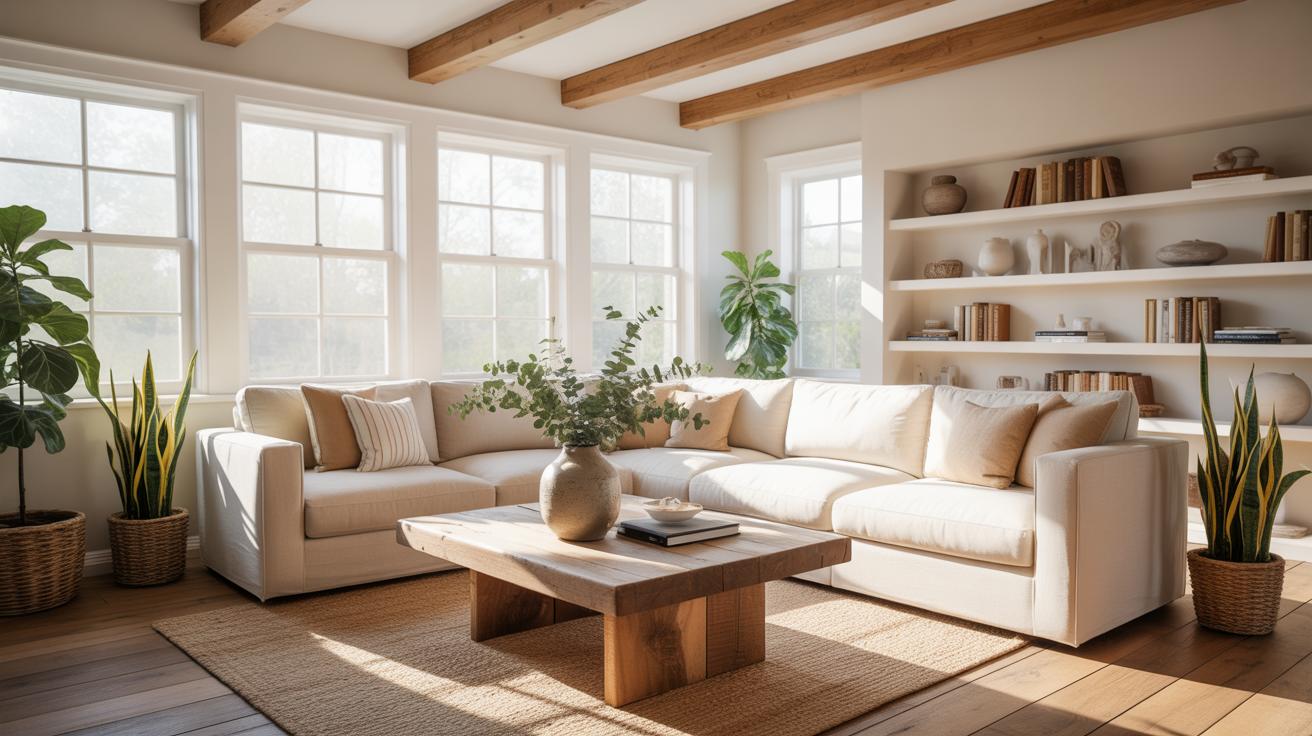
Space efficiency often means favoring modular or compact pieces, which can be rearranged or expanded as needed. Look for chairs that complement your sofa’s scale and offer similar comfort levels. I’ve learned from experience that a mix of one plush sofa with a couple of firm chairs often works well—offering choices for different preferences.
Arranging Furniture For Warmth
How you position your furniture affects the room’s warmth and usability. Try placing sofas and chairs facing each other or at right angles to create natural conversation spots. Avoid pushing all pieces against the walls; sometimes, floating a sofa in the room invites a cozier atmosphere.
Consider pathways: you want people to move effortlessly without squeezing past. Adding a central rug can anchor the seating area and invite everyone to gather.
Finally, don’t overlook lighting and textiles—soft throws and cushions paired with gentle light add layers of warmth that furniture arrangement alone can’t achieve. You might find that a small rearrangement—like angling a chair slightly—makes all the difference in making the room feel inviting and comfortable for long conversations or quiet moments.
Lighting That Adds Warmth
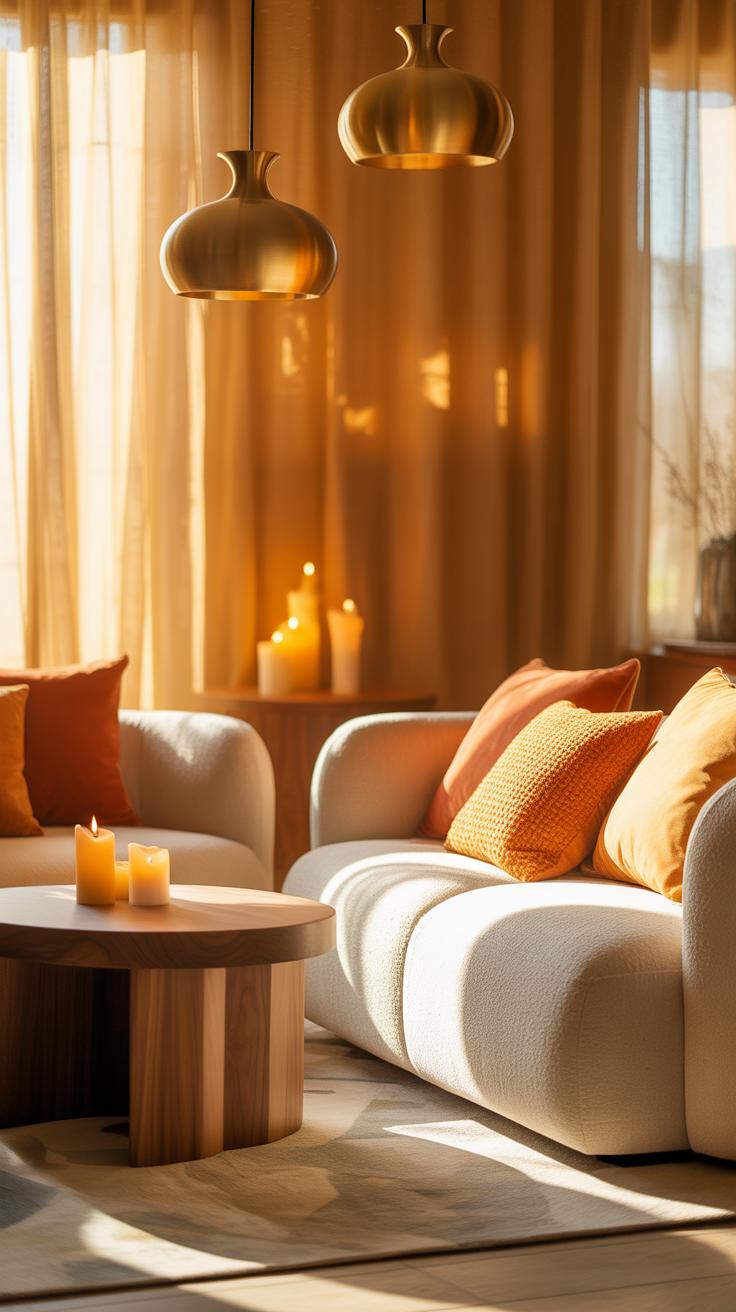
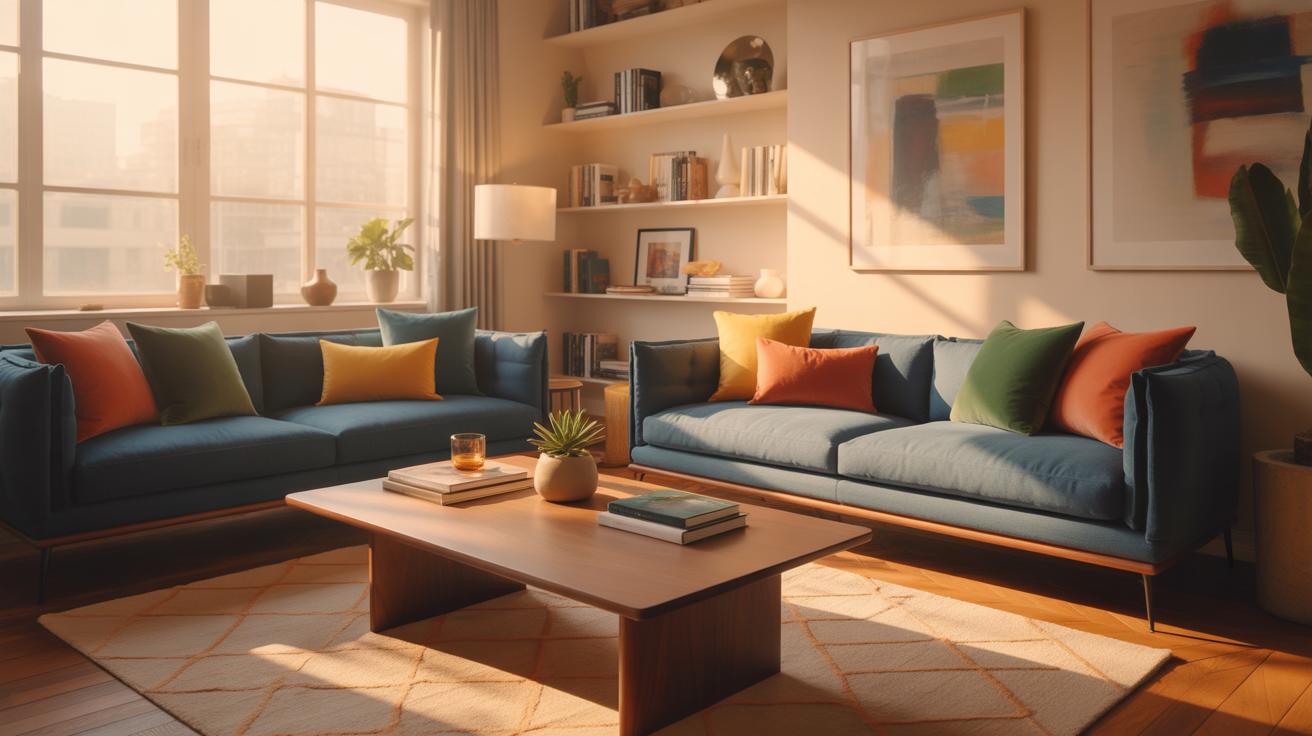
Lighting shapes your living room’s mood. It’s not just about brightness. The right lighting creates comfort and invites you to relax. Think about where your activities happen—reading, chatting, or just unwinding—and plan light sources around those spots. For example, placing a standing lamp next to your favorite armchair can make it feel like a personal retreat. Overhead lighting works for general use but needs softening to avoid harshness.
Choosing lighting types means balancing style and function. Warm bulbs tend to feel more inviting than cooler, bluish lights. Don’t underestimate the power of layering—mix overhead, task, and accent lighting to add depth and flexibility. Try using small table lamps, sconces, or even string lights to sprinkle warmth around your space.
Using Soft Lighting Options
Lamps and dimmers offer control over your environment. Lamps with fabric shades diffuse light gently, cutting harsh shadows and creating a gentle glow. Dimmers let you adjust brightness, shifting from lively conversation levels to a calm, cozy vibe as evening sets in. This flexibility can surprisingly change how you feel in the room—often, softer lighting makes the space feel smaller, more intimate.
Position lamps strategically—think corners, beside sofas, or near reading nooks. Don’t crowd one area with too much light; instead, spread pieces around to make the overall ambiance inviting. Even low-watt bulbs can make a room feel warm, if placed thoughtfully.
Natural Light Vs Artificial Light
There’s something about natural light that feels refreshing—morning sunlight streaming through a window can lift your mood instantly. It also brings out the true colors of your furniture and décor. But natural light is fickle; it changes through the day and disappears at dusk.
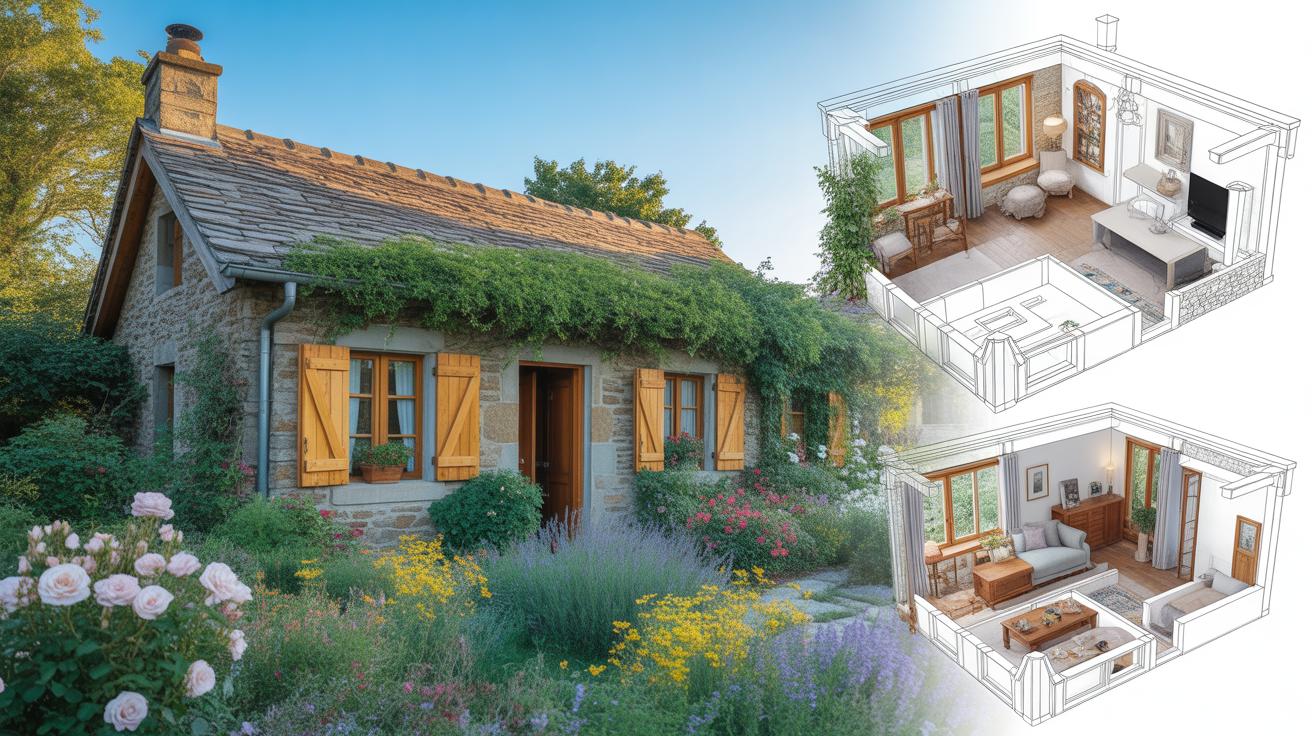
Artificial light fills in when natural light fades. The trick is to balance the two without overwhelming the space. You might leave sheer curtains drawn to soften daylight but still allow sunlight in. Then, use soft, warm artificial lights in the evening to maintain that cozy feeling. Mixing both types prevents the room from feeling stark or dull, but managing this balance can be tricky—sometimes you might find a space feels too dark in winter or too glaring in summer.
What kind of lighting mix makes you want to linger in your living room? It might take some experimenting, but finding the right balance transforms your space profoundly.
Colors That Create Cozy Atmosphere
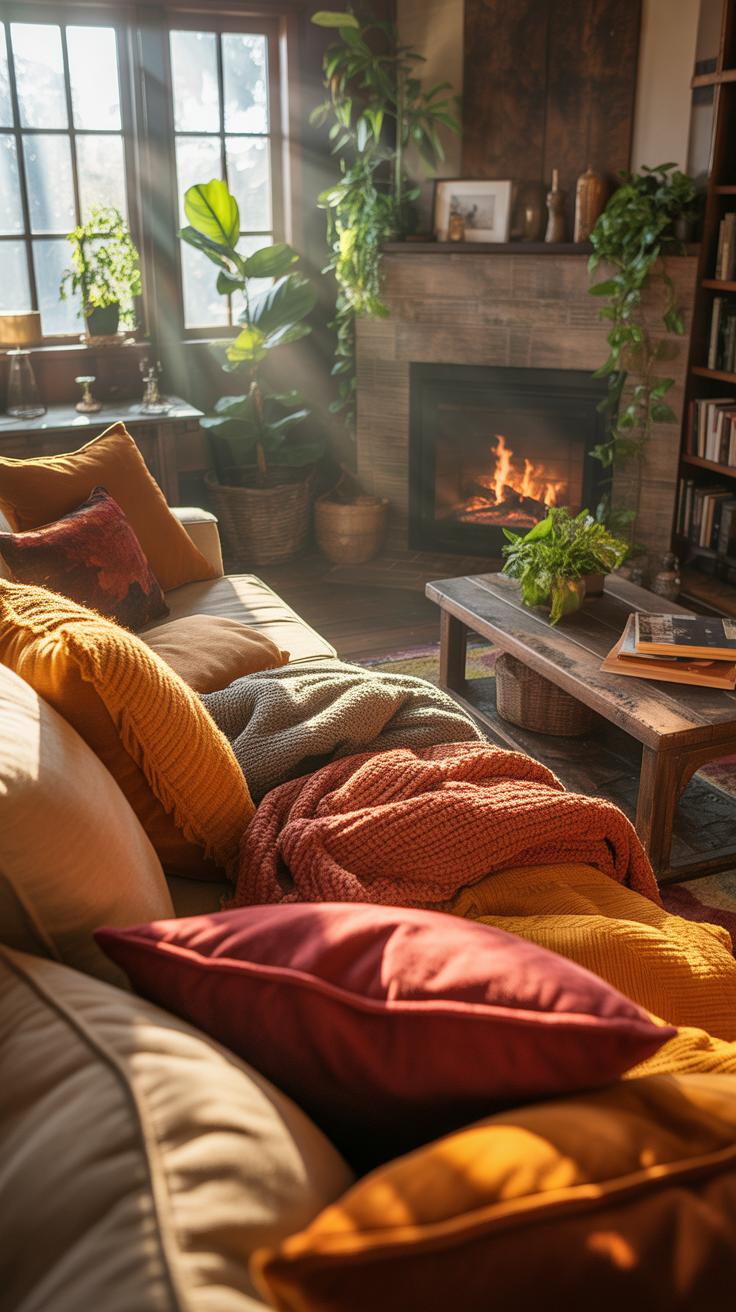
When thinking about colors for a cozy living room, it’s worth considering palettes that feel naturally warm and inviting. Earth tones often come to mind—shades of beige, warm browns, soft terracotta, and muted greens. These colors have a grounded feeling, almost like a quiet refuge. Pastels can also add a gentle comfort; imagine dusty pinks or soft peaches lending a calm softness without overwhelming the senses.
Choosing the right warm color palette means you’re aiming to make the room feel lived-in, safe, and welcoming. It’s not just about the colors themselves but how they play off each other. For example:
- Walls in warm beige or soft taupe set a neutral, cozy stage.
- Furniture upholstered in warm gray or muted orange invites you to sit and relax.
- Accents like rust-colored throw pillows or cream-colored rugs enhance the tactile comfort.
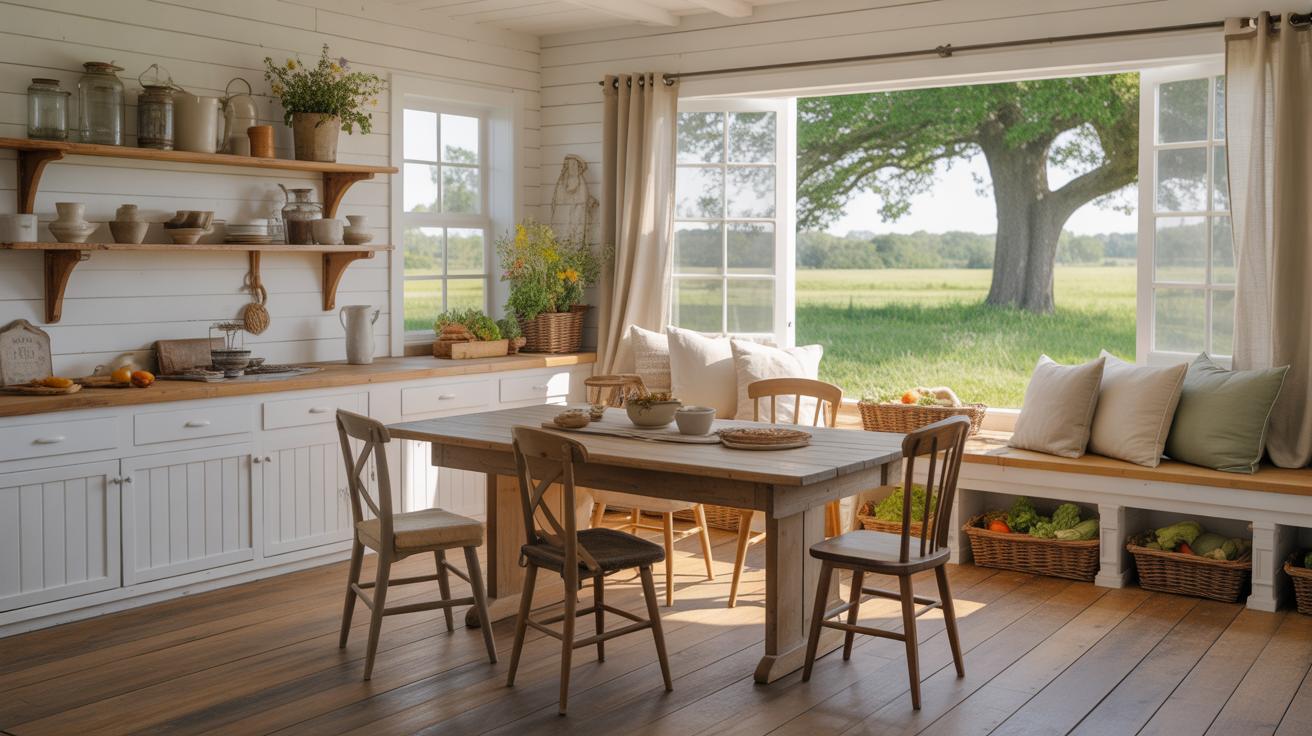
You might wonder where exactly to place these colors. Walls are a big player; a warm neutral paint can make a room feel snug without closing it in. Furniture offers large surfaces to showcase deeper, richer hues—think a leather couch, not too dark, but definitely warm. Accessories and decorations do the small but critical work of tying everything together with varied textures and subtle touches of color—maybe a burnt orange lamp shade or mustard curtains.
Colors in a cozy living room should feel balanced but not forced. Too much of a strong color might tire the eye, yet too little risks losing the warmth. It’s a delicate dance, really, between calm and inviting vibrancy. Have you tried mixing earth tones with pastels? It can be surprising how well those soft contrasts work to create layers of comfort.
Incorporating Textures And Fabrics
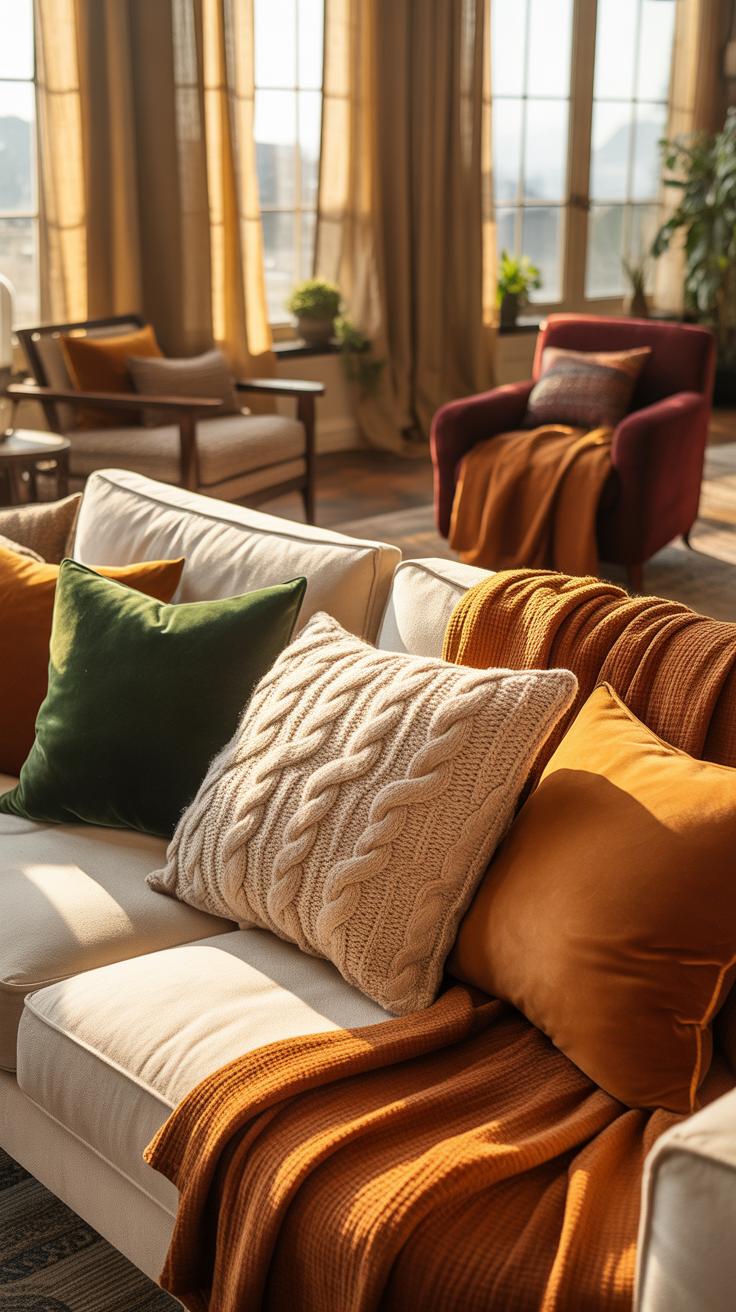
Textures and fabrics play a critical role in shaping the cozy atmosphere of a living room. Imagine sinking into a soft, velvety armchair after a long day—the tactile experience alone brings a sense of calm. Different materials, from plush velvet to chunky knits, can evoke feelings of warmth and comfort that simply smooth surfaces lack.
Choosing textiles is more than just aesthetics; it’s about engaging the senses. Throws with a bit of weight or a well-worn leather cushion invites touch. Rugs, too, act as grounding layers—soft underfoot, welcoming you each time you enter the room. I’ve noticed that layering textured fabrics often makes a space feel lived in, not staged, adding that elusive homey vibe.
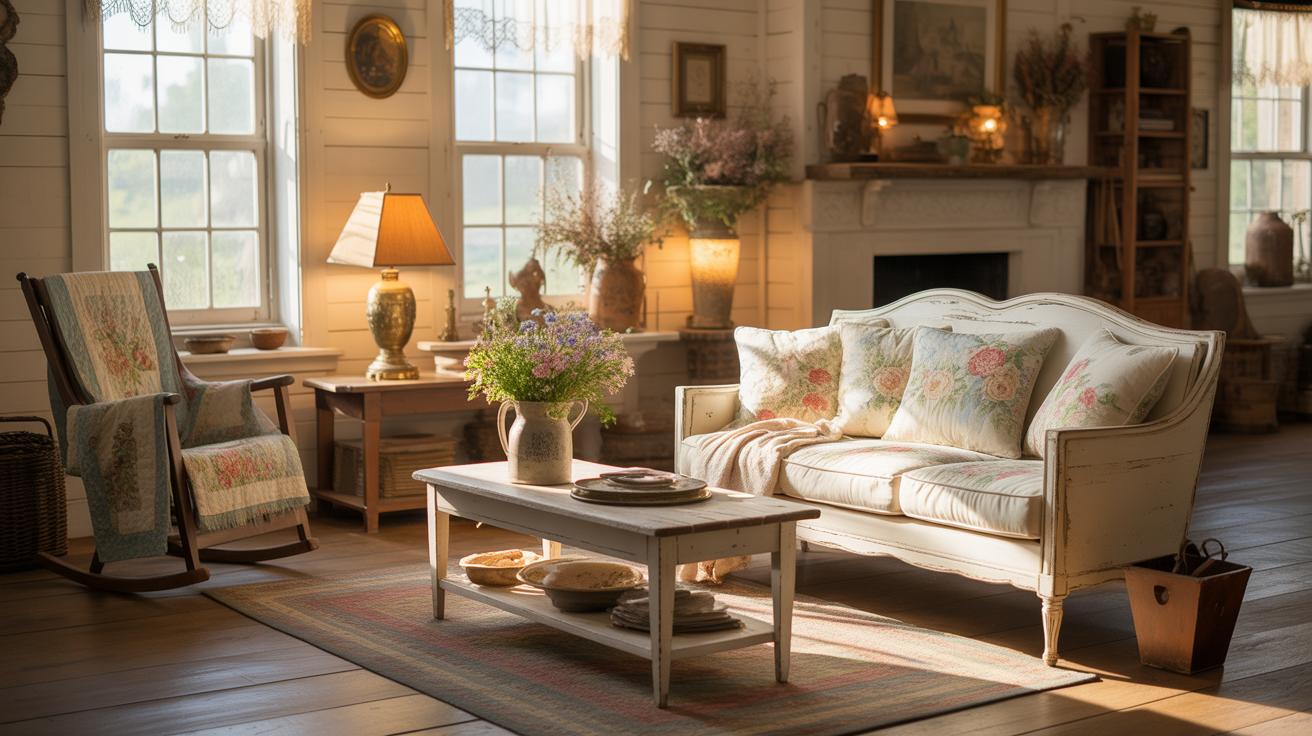
When mixing textures, the trick is balance. For instance, pairing a sleek linen sofa with a fuzzy wool rug and a few knitted cushions creates visual interest without overwhelming the senses. Too many similar textures might feel flat; too many contrasting ones can feel jarring. Perhaps experiment a little—layering a smooth silk cushion with a rougher burlap might surprise you with the contrast, even if the combo sounds odd at first.
Have you ever thought about what textures your living room is missing? Sometimes, even subtle shifts can break up the monotony and coax a room into feeling cozier. It might feel like a puzzle but mixing the right fabrics really pays off in comfort.
How To Personalize Your Cozy Space
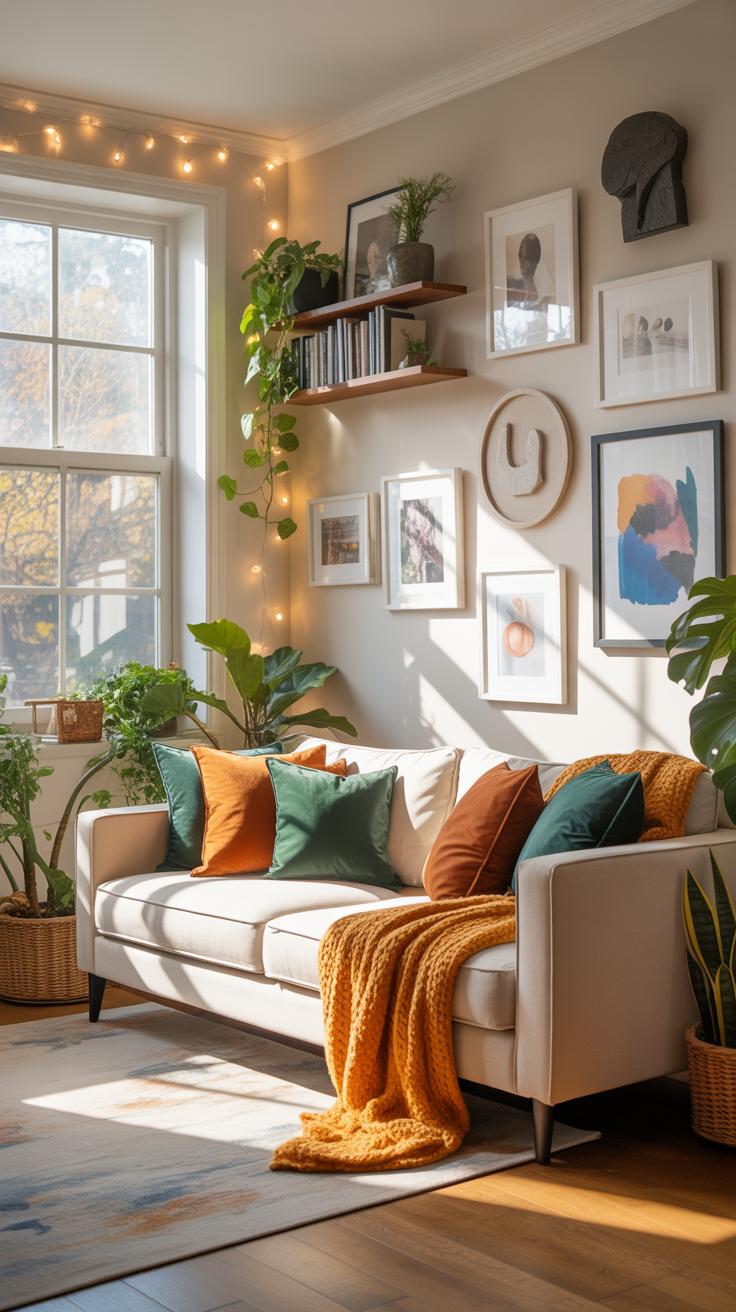
Your living room isn’t just a space; it’s a reflection of you. Adding personal touches can truly transform it from a generic room into a spot where you feel genuinely at ease. You might consider simple ways to weave your personality into the design.
Adding Photos And Artwork
Family photos and artwork do more than fill walls. They bring stories, memories, and warmth to your room. Imagine glancing over at a well-placed photo of a loved one, or a painting that you picked up on a memorable trip. It almost invites you to pause, remember, and smile. Sometimes, these images can set a tone or add color in ways a sofa or rug can’t.
Think about arranging these pieces thoughtfully—maybe a gallery wall or a few key frames positioned near seating areas. Don’t worry too much about perfection; a bit of asymmetry might make it feel more relaxed and lived in.
Using Plants And Nature Elements
Bringing plants inside can work wonders. They add life and soften edges, making the room feel less sterile. There’s also something calming about greenery—it might remind you of slow walks in nature or quiet moments outdoors. The fresh air from some plants doesn’t hurt either.
You don’t need a jungle; even a couple of small pots on a shelf or a bigger statement plant in a corner can shift the mood. And beyond plants, natural elements like wooden bowls, stone vases, or woven baskets can add texture and depth. These subtle touches often make a home feel more grounded and inviting.
Have you ever noticed how some living rooms just feel welcoming? Often, it’s these unequaled personal elements that make the biggest difference.
Comparison Of Cozy Living Room Styles
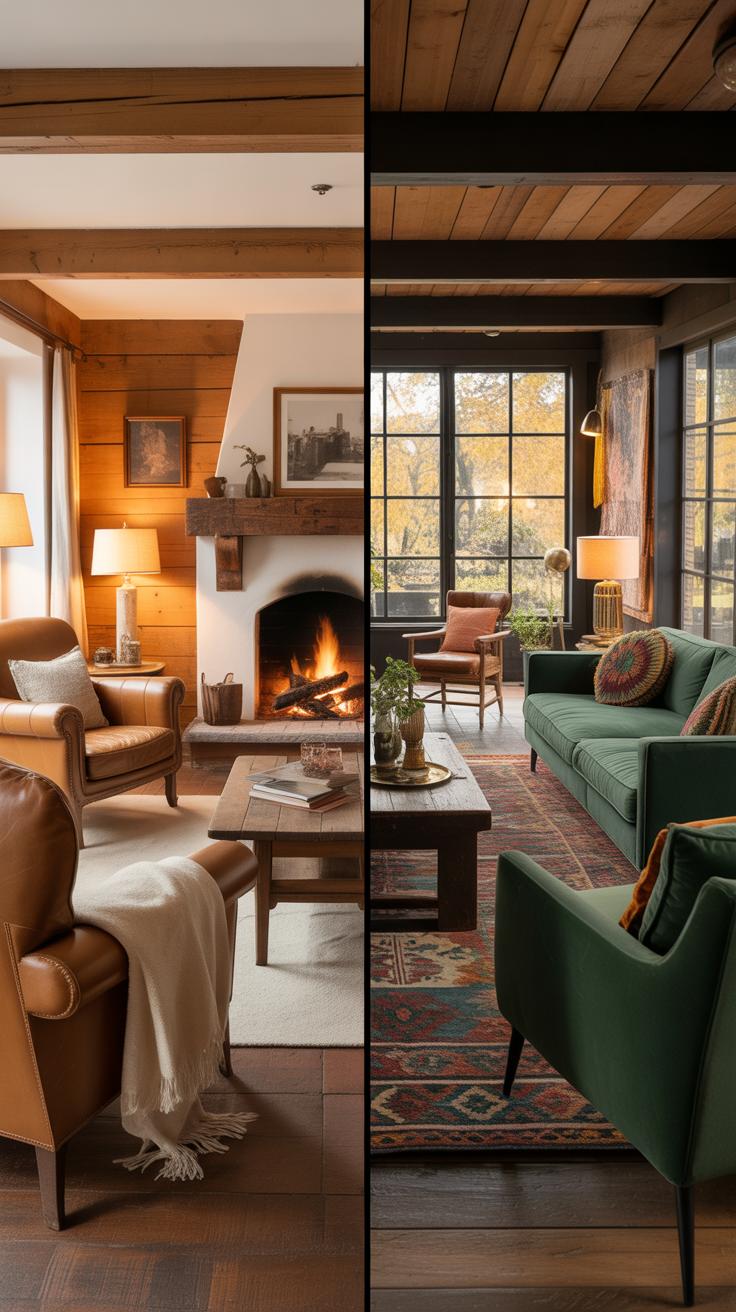
When aiming for a cozy living room, the choice of style deeply shapes the feel of your space. Rustic design often embraces natural materials — think exposed wood beams, stone fireplaces, and warm earth tones. It’s rugged yet inviting, evoking a sort of countryside calm. In contrast, modern cozy living rooms lean on clean lines and sleek surfaces but don’t forgo comfort. Here, texture is king: soft throws, plush cushions, and subtle lighting add warmth within a minimalist frame.
Traditional setups create cozy vibes with rich fabrics, detailed woodwork, and classic patterns. These spaces often feel familiar and lived-in, ideal if you want a room that says “home.” Then there’s minimalism, which might seem counterintuitive to cozy, but it’s about quality over quantity. A few comfortable pieces, ample natural light, and uncluttered arrangements allow the room to breathe, making it calm and restful.
Rustic Vs Modern Textures And Colors
The gritty texture of rustic living rooms comes from rough-hewn woods, exposed bricks, and textured fabrics like wool or burlap. Colors are warm and muted — think deep browns, soft greens, and warm grays. Modern cozy rooms, on the other hand, opt for smoother materials: glass, metal, and lacquered surfaces. Their palettes are more monochrome or use contrast—black and white with splashes of color. It’s less about warmth from materials and more from layering inside the design.
Traditional And Minimalist Approaches
Traditional cozy living rooms often showcase ornate details and plush upholstery—velvet, damask, or intricate rugs—that wrap the space in a sense of history and comfort. Lighting tends to be soft, sometimes from lampshades with delicate patterns. Minimalist spaces may look stark at first glance, but comfort stems from thoughtful furniture choices and the interplay of light and shadow. Simple textiles, like cotton or linen, and neutral colors keep the environment calm and cozy without feeling crowded.
Each style approaches coziness differently—it’s worth thinking not just about aesthetics but how the space feels day-to-day. What do you want your room to say or do for you? Sometimes, mixing elements can create a more personal kind of comfort that rigid style rules can’t capture.
Checklist For Designing Cozy Living Room
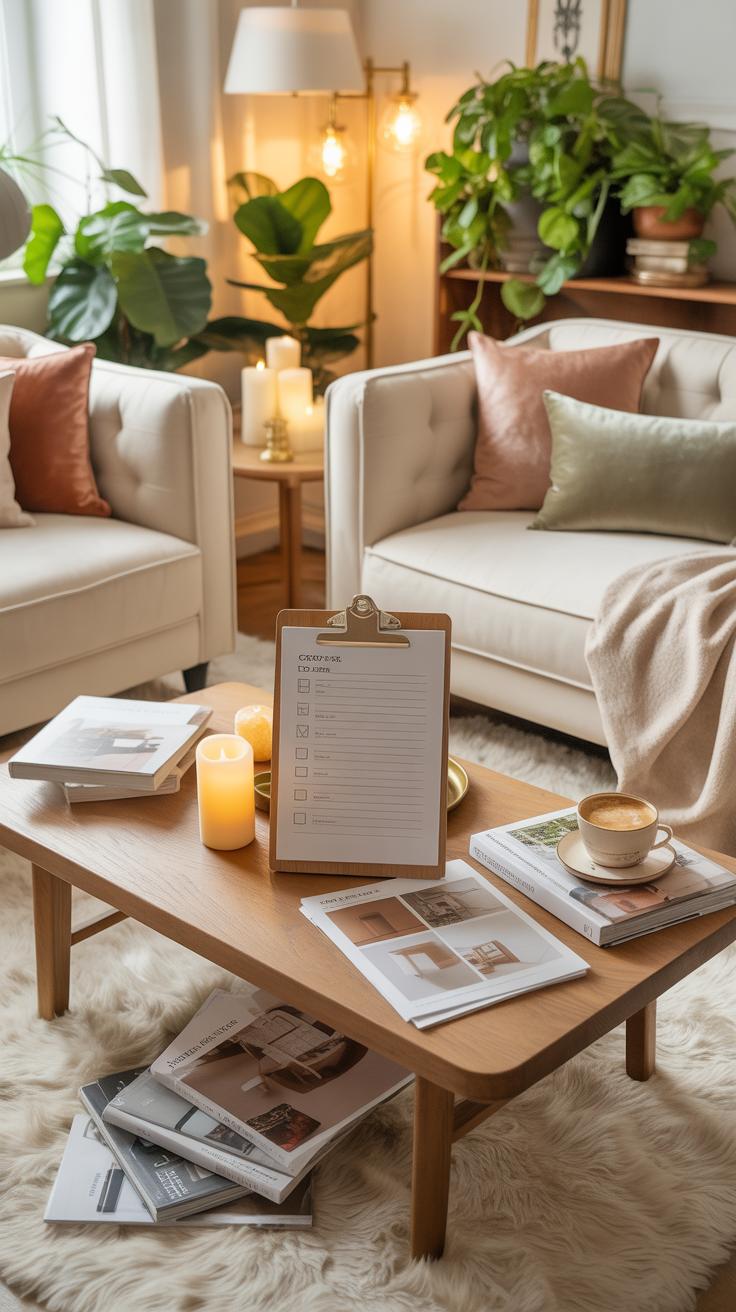
Designing a cozy living room can feel a bit overwhelming at first, but breaking it down makes it manageable. Here’s a step-by-step checklist you might find handy when organizing the process:
Planning Furniture And Space
Start by measuring your room’s dimensions carefully. Think about traffic flow—can people move easily without bumping into things?
Choose furniture that’s the right scale for your space. Oversized sofas might look comfy but can make the room feel cramped. On the other hand, too-small pieces might leave the space feeling empty and cold.
Try grouping seating for conversation. A simple tip: arrange chairs and sofas so people face each other, fostering connection.
Don’t forget to consider multifunctional furniture—like ottomans that double as storage—to keep clutter manageable.
Selecting Lighting And Decorations
Lighting truly shapes the mood. Layer your lighting with a mix of overhead, floor, and table lamps. Dimmer switches can work wonders to adjust the atmosphere whenever you want.
Choose soft, warm bulbs, not harsh white lights. Think of lighting as both functional and decorative—like a sculptural lamp that grabs attention.
Decorations bring personality but keep it balanced. Select a few meaningful accessories—like family photos, treasured books, or a cozy throw—to avoid a cluttered feeling.
Plants are often overlooked but add life and a calming vibe. You might try a tall leafy plant in a corner or small succulents on shelves.
Each choice here nudges you closer to a space where comfort and style meet. What small change could make your living room feel more inviting right now?
Common Mistakes To Avoid In Cozy Design
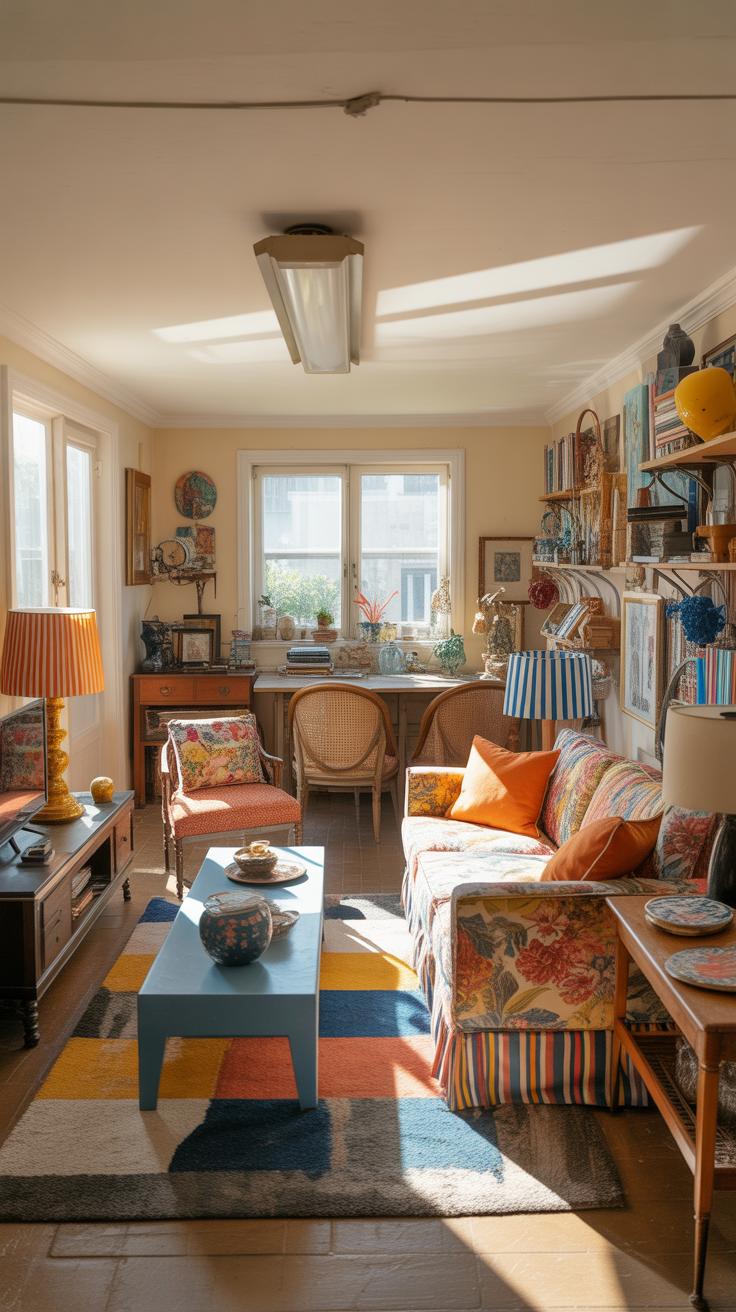
When creating a cozy living room, it’s easy to make mistakes that sneakily reduce comfort. One of the biggest culprits is overcrowding. You might think filling the space with all your favorite furniture or decor creates warmth, but the opposite often happens. Too much stuff can make the room feel cramped and stressful instead of inviting. Instead of more, focus on fewer, well-chosen pieces that give the room breathing room.
Clutter also kills coziness. It’s tempting to display every trinket or keep extra pillows everywhere, but these things just add chaos. Try regular decluttering and use storage solutions that tuck things away out of sight.
Overcrowding And Clutter Issues
Living rooms are for relaxation and connection, but if overloaded with furniture or decorations, they lose that purpose. Imagine tripping over a chair or struggling to find a magazine because a table is buried under objects. It’s distracting and tiresome.
Here’s how to avoid these issues:
- Limit seating to what the room comfortably supports.
- Choose multifunctional furniture, like ottomans with storage.
- Curate decor purposefully—keep only a few visual focal points.
- Use baskets, trays, and cabinets to hide small items.
Ignoring Lighting And Color Balance
Lighting is another area where many go wrong. A living room with only harsh overhead lights can feel cold and unwelcoming. On the other hand, dim or insufficient lighting makes the space dreary—less cozy than gloomy. Layer your lighting with table lamps, floor lamps, and candles to add warmth and flexibility.
Color choices can make or break a cozy vibe too. Bright, clashing colors might inject energy but often disrupt softness and calm. Dark tones create intimacy but require good lighting to avoid feeling like a cave. Soft, neutral colors often work best if you want a gentle, comfy atmosphere.
Finding a balance isn’t straightforward; sometimes a splash of bold or dark color adds personality without sacrificing coziness, but it’s tricky. You’ll likely try different combos before finding the right one for your space.
Conclusions
A cozy living room transforms your daily life by providing a warm, inviting space. With thoughtful design choices like comfortable furniture, soft lighting, and personal touches, you create an ambiance where everyone enjoys spending time.
Review the chapters for easy steps to shape your living room. Use these ideas to build your own cozy space that matches your taste and function requirements. Small changes can make a big difference in how your living room feels.