
Introduction
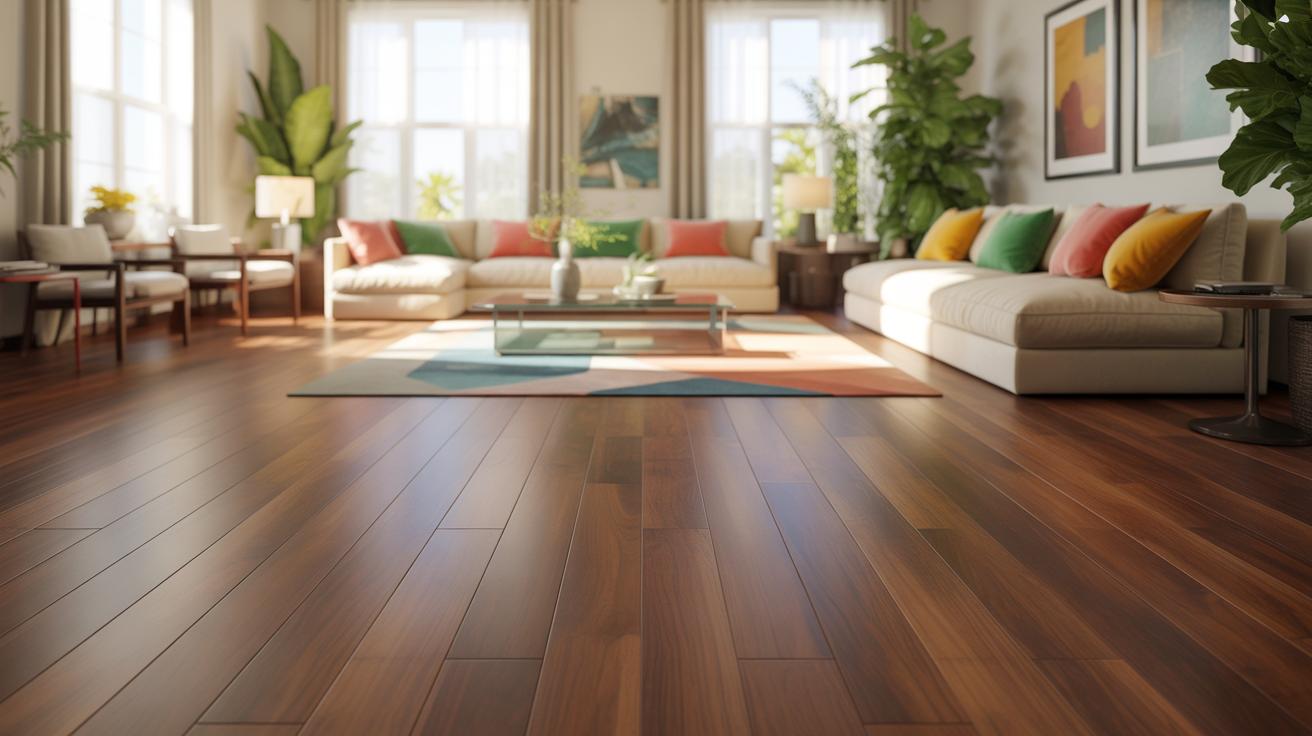
Dark wood floors add a rich and warm touch to your living room. They can create a cozy yet elegant atmosphere that is easy to style. Choosing the right floor colors and decorating ideas helps you make the most out of your dark wood floors living room.
This article covers how to pick floor colors that complement dark wood, ways to decorate around these floors, and how to combine furniture and walls to create a balanced look. You will learn practical tips to make your living room both stylish and comfortable.
Choose The Right Floor Color
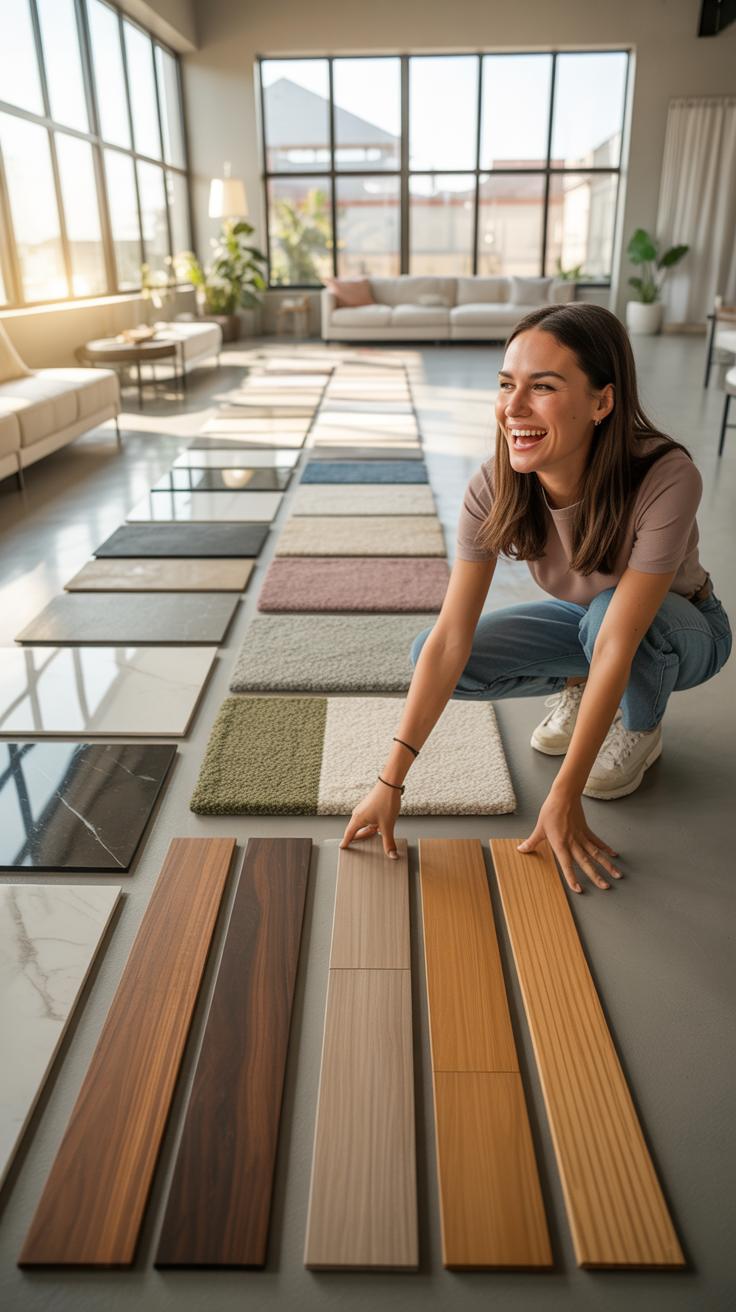
When you have dark wood floors in your living room, picking the right floor color around them can be a bit tricky. You want colors that won’t fight with those deep tones but rather enhance them. Dark floors work best with colors that create clear contrast without overwhelming the space.
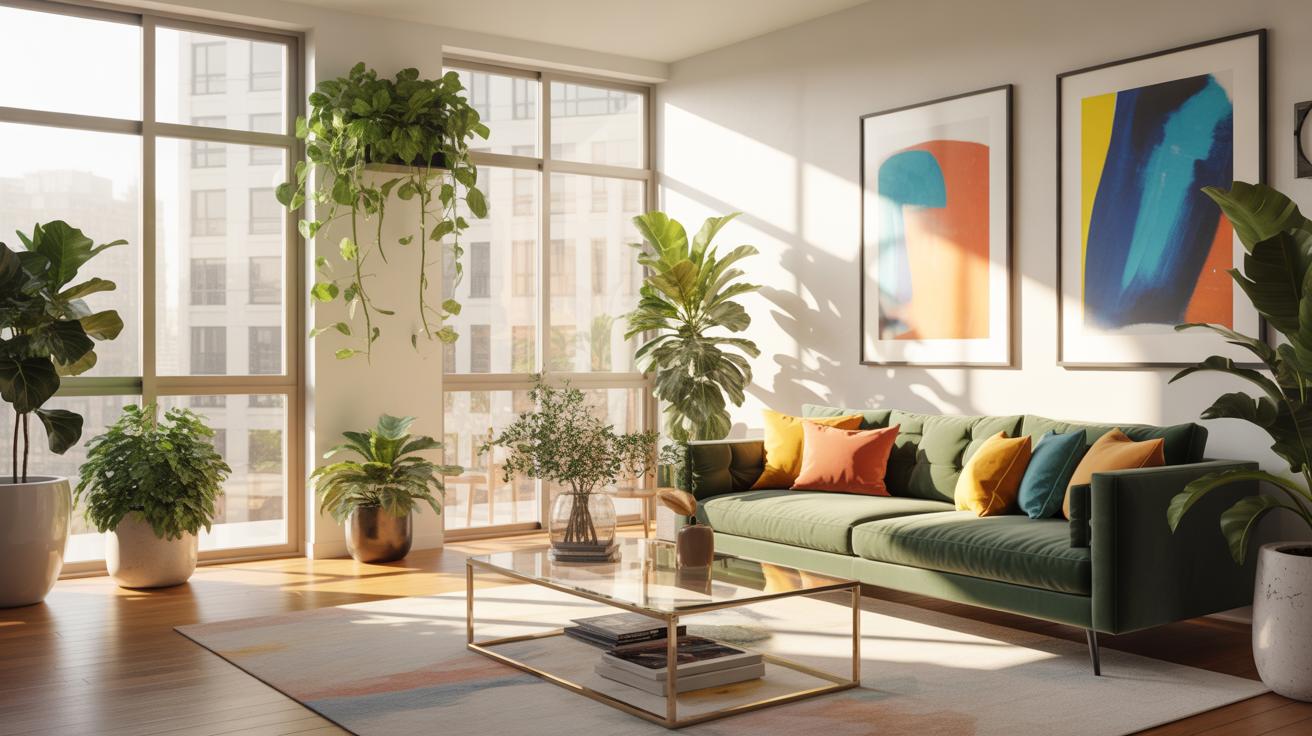
Think about lighter shades or warm neutrals that bring out the rich grains and hues in your wood. Soft beiges, creams, or even muted greys typically do the trick. You could also experiment with tones that have an undertone similar to your floor – like warm browns – but this might require extra care so the room doesn’t become too heavy or gloomy. Sometimes a pop of color in a rug or decor near the floor can help break the monotony.
Since dark wood floors absorb more light, colors with a higher reflectance value will balance the room better. It’s a bit of a balancing act, and honestly, testing samples on your floor at different times of the day often helps in making a final call.
Matching Furniture With Dark Wood Floors
Furniture choice with dark wood floors is where personal style gets playful. Contrasts here can really shine. Lighter colored furniture such as whites, beiges, or soft pastels can lift the dark foundation your floors provide. They prevent the room from feeling too heavy or closed in.
On the other hand, if you want a cozier or more sophisticated vibe, furniture in darker woods or deep-toned fabrics can complement your floors beautifully. Think deep blues, charcoal greys, or even forest greens in plush fabrics paired with wooden legs that echo the floor’s tone.
Materials like leather and metal also provide interesting textures against dark wood. A weathered leather armchair or matte black metal frames can create contrast without clashing. It’s about mixing tones and textures thoughtfully rather than matching perfectly. Sometimes, unexpected combinations feel just right.
Light Wall Colors For Dark Floors
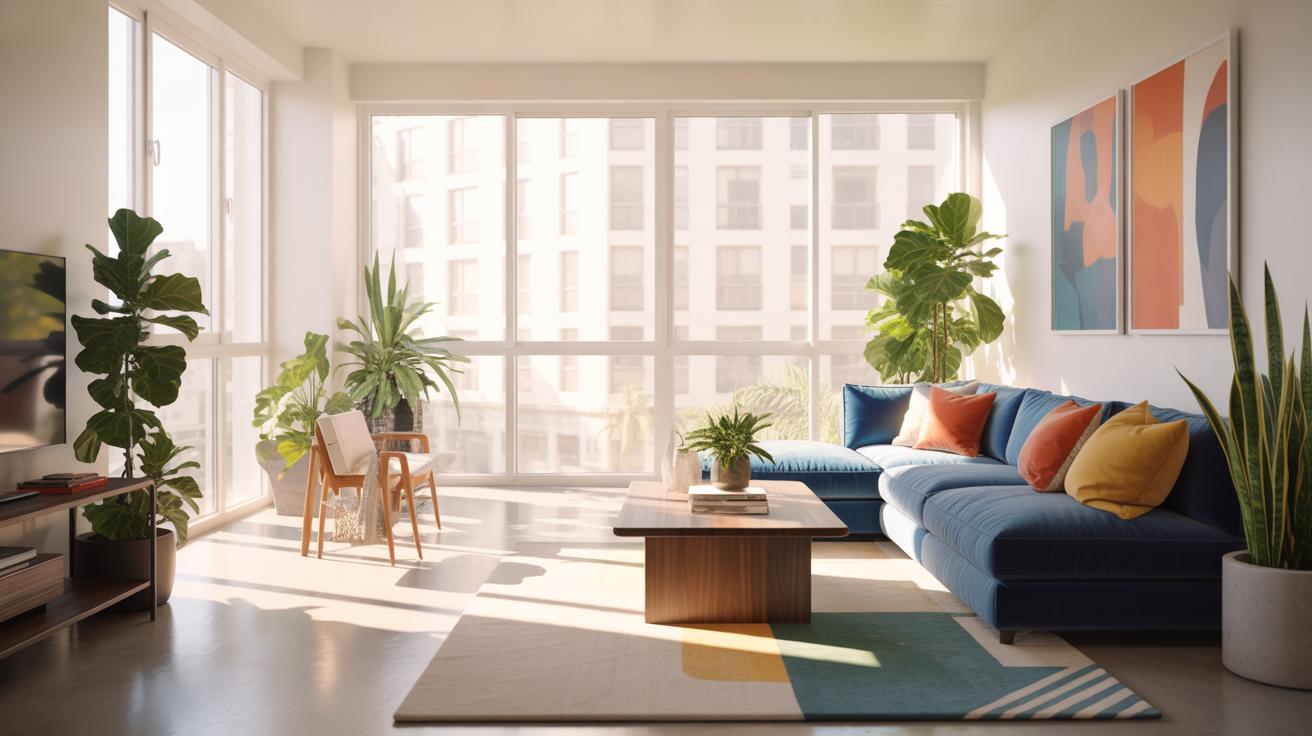
Why does it make sense to go with light walls when you have dark floors? Simply put, light walls help create a sense of openness and airiness, making the living room feel larger and less confined. They balance the visual weight that dark floors introduce.
Colors like soft whites, creamy ivories, pale greys, and even gentle blush tones are popular because they brighten up the space and offer contrast without starkness. Light walls reflect natural light better, which dark floors tend to soak up.
You might hesitate, thinking that lighter walls will clash with the richness of the floors, but in most cases, they actually create a soothing backdrop that lets your floors stand out without overpowering the room.
How To Decorate With Dark Wood Floors
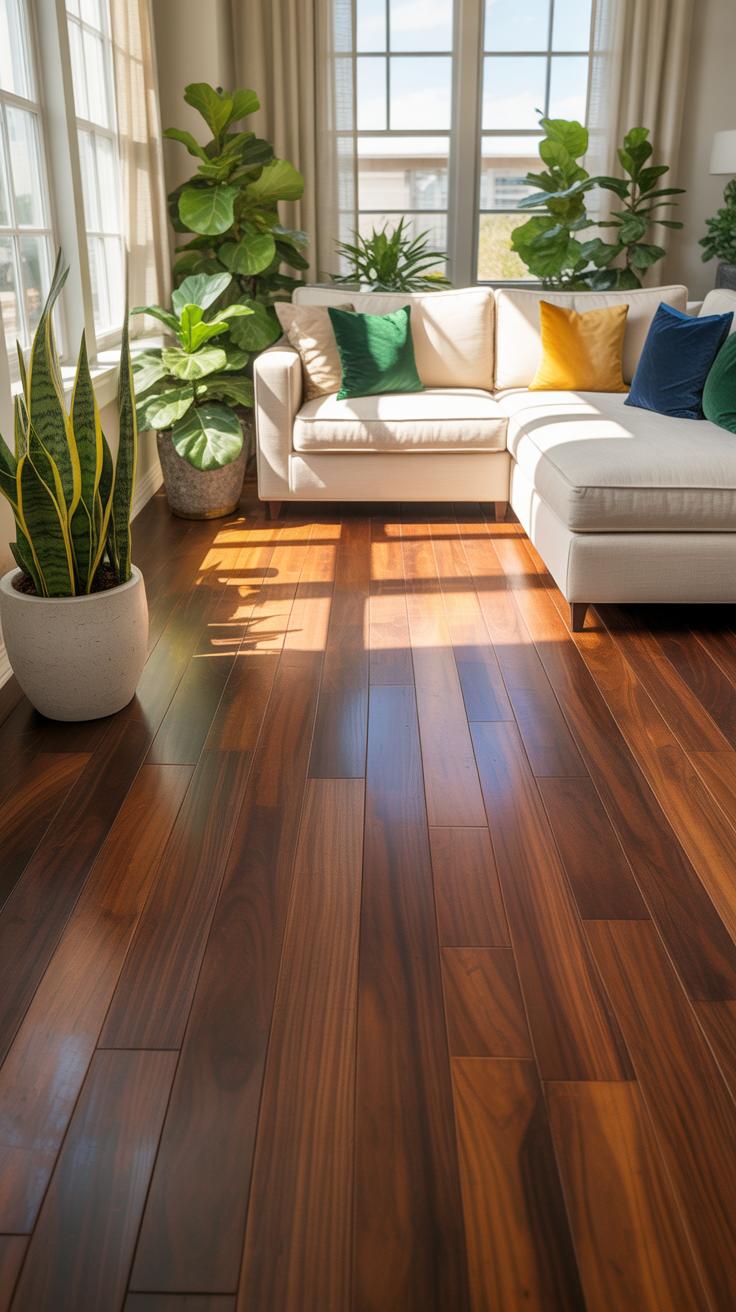
Dark wood floors in living rooms offer a strong, rich foundation that can be both bold and inviting. But decorating with them requires some thought—dark floors can quickly feel heavy or overwhelming if you’re not careful. Rugs become an essential element here. Choosing the right rug means considering color contrast, scale, and pattern to add warmth without clashing. A light-colored or muted rug can brighten the space, while patterned rugs can introduce complexity that breaks up the floor’s darkness.
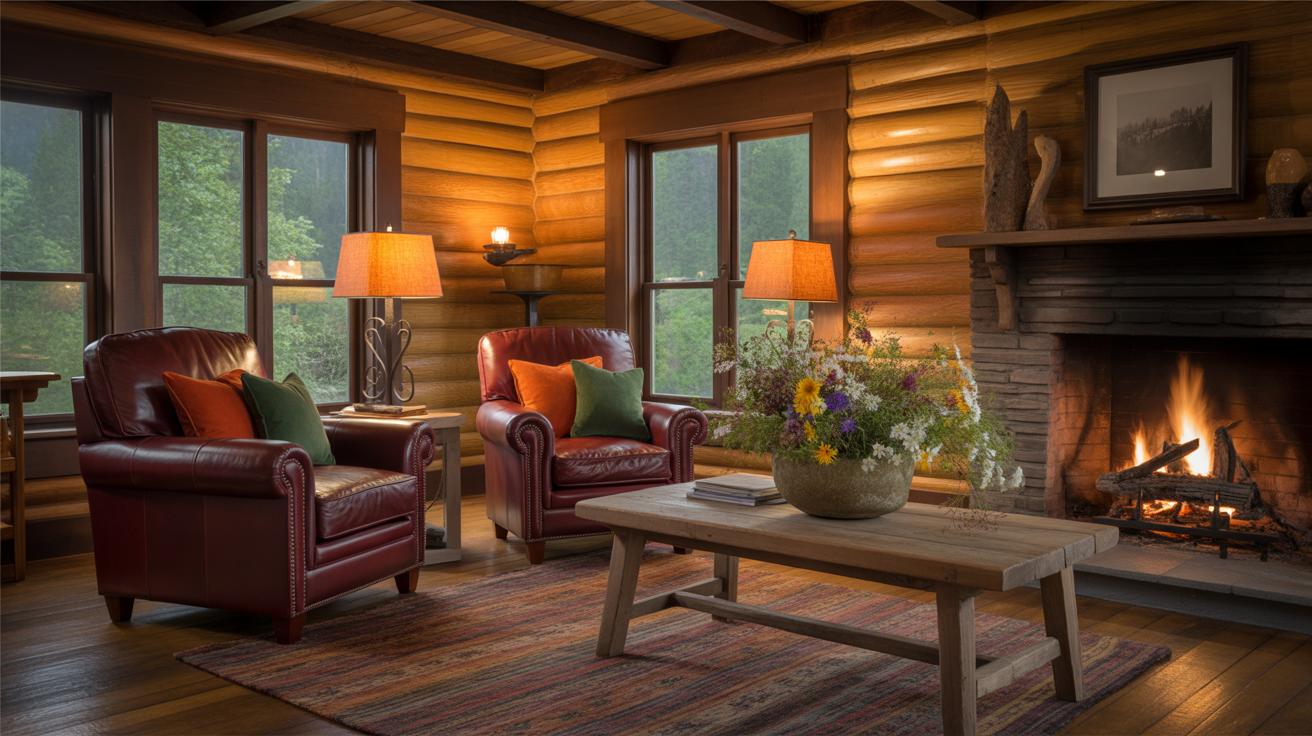
Artwork is another way to enrich a living room with dark wood floors. Pieces with bright or vivid colors stand out better here, providing a sharp contrast that draws the eye upwards. You might also experiment with frames—white or metallic ones can lift the artwork, adding a sense of dimension against the rich floor tone. Placement matters too; canvases or prints hung at eye level or over seating areas anchor the room and prevent the heavy floor from dominating.
Accessories—think decorative pillows, ceramics, and even plants—help soften the depth of dark wood. They also introduce texture and shape, which keep a room from feeling overly flat. Reflective items, like mirrors or metallic accents, can bounce light around and counterbalance the solid, dark depth underfoot.
One tricky part is finding the balance between cozy and heavy. If your space feels too dark, layering with lighter textiles and accessories often helps. But sometimes, leaving parts of the dark floor exposed around rugs or furniture can create a dramatic, sophisticated vibe that’s quite unique. So, don’t rush to cover up the floor entirely—sometimes less is more, even if it feels a bit daring.
Why Choose Dark Wood Floors Living Room
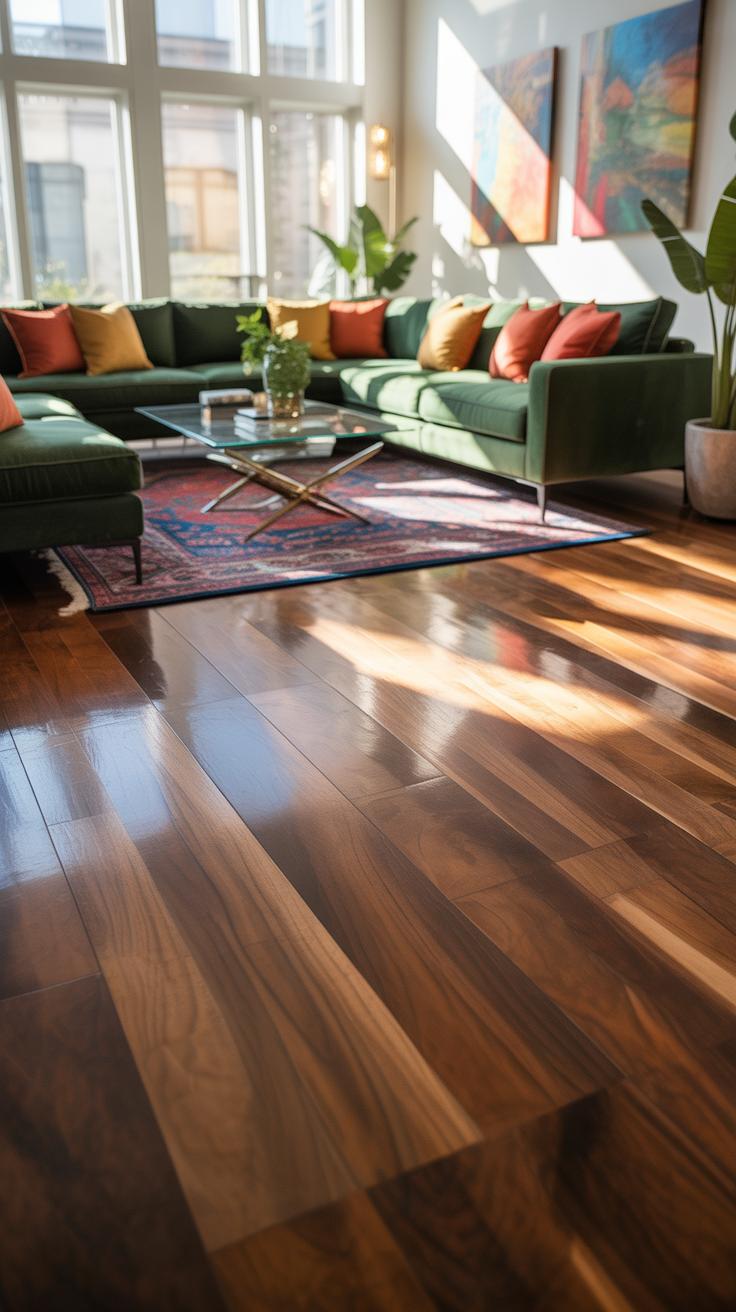
Durability And Maintenance
Dark wood floors in your living room offer a solid mix of strength and beauty. The dense hardwood often used for these floors stands up well to daily wear and tear, which is key for spaces where families gather or guests visit. I remember once dropping a heavy book onto a dark oak floor; instead of a deep dent, there was just a faint mark, easily buffed out.
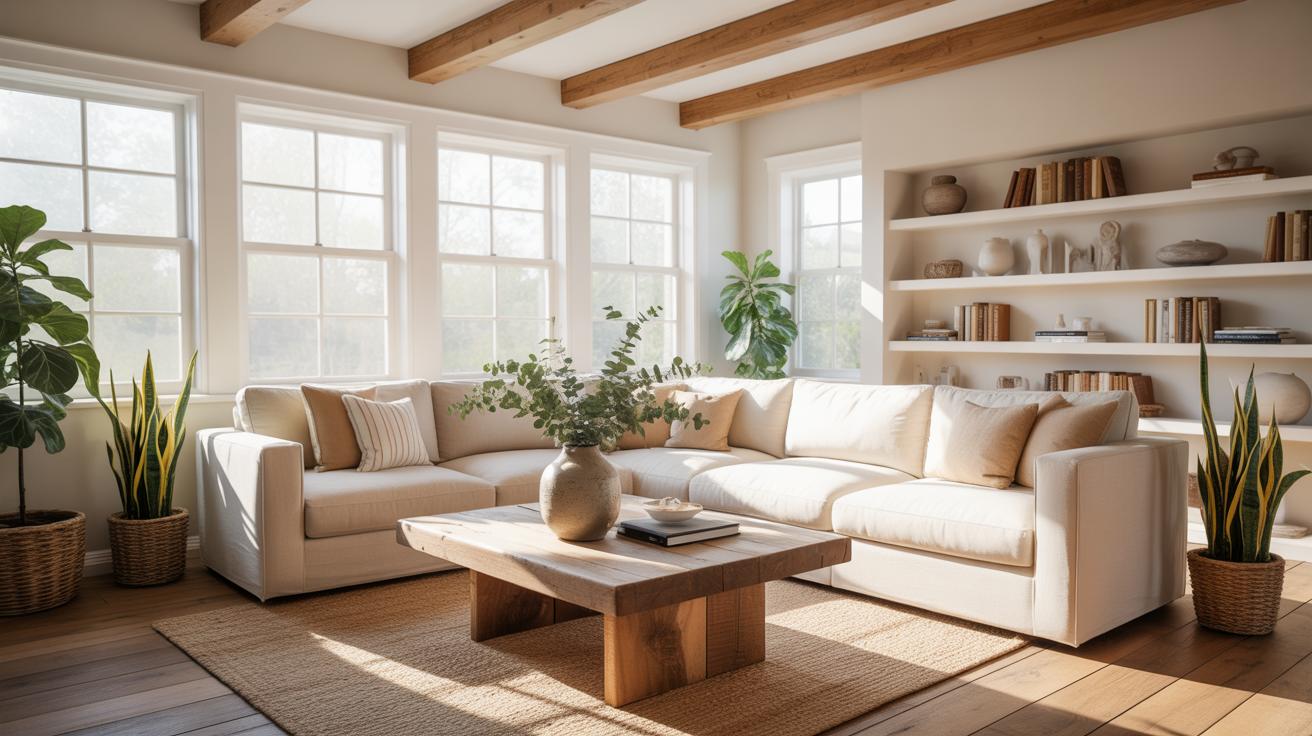
Maintaining them is straightforward but does require some effort. Basic care like sweeping regularly to prevent scratches from dirt and using a damp mop avoids damage. Still, it’s wise to keep spills wiped quickly—dark floors can sometimes highlight water spots more than lighter options. Using furniture pads can save you from accidental scuffs too.
Classic And Stylish Look
Dark wood floors bring a sense of tradition and elegance to the room that’s hard to match. The deep hues add gravity and richness, making even simple furniture arrangements look purposeful. From what I’ve seen, rooms with dark floors tend to feel anchored and inviting, almost as if they’re telling a story about the people living there.
At the same time, the style is versatile. These floors work with modern minimalism or more ornate designs alike. It’s interesting—sometimes the darkness can feel a bit heavy, but paired with the right lighting and colors on walls or furniture, it creates a balanced, warm vibe that stands the test of time. You might question if it’s too bold at first, but it rarely gets old.
Dark Wood Floors Vs Light Wood Floors
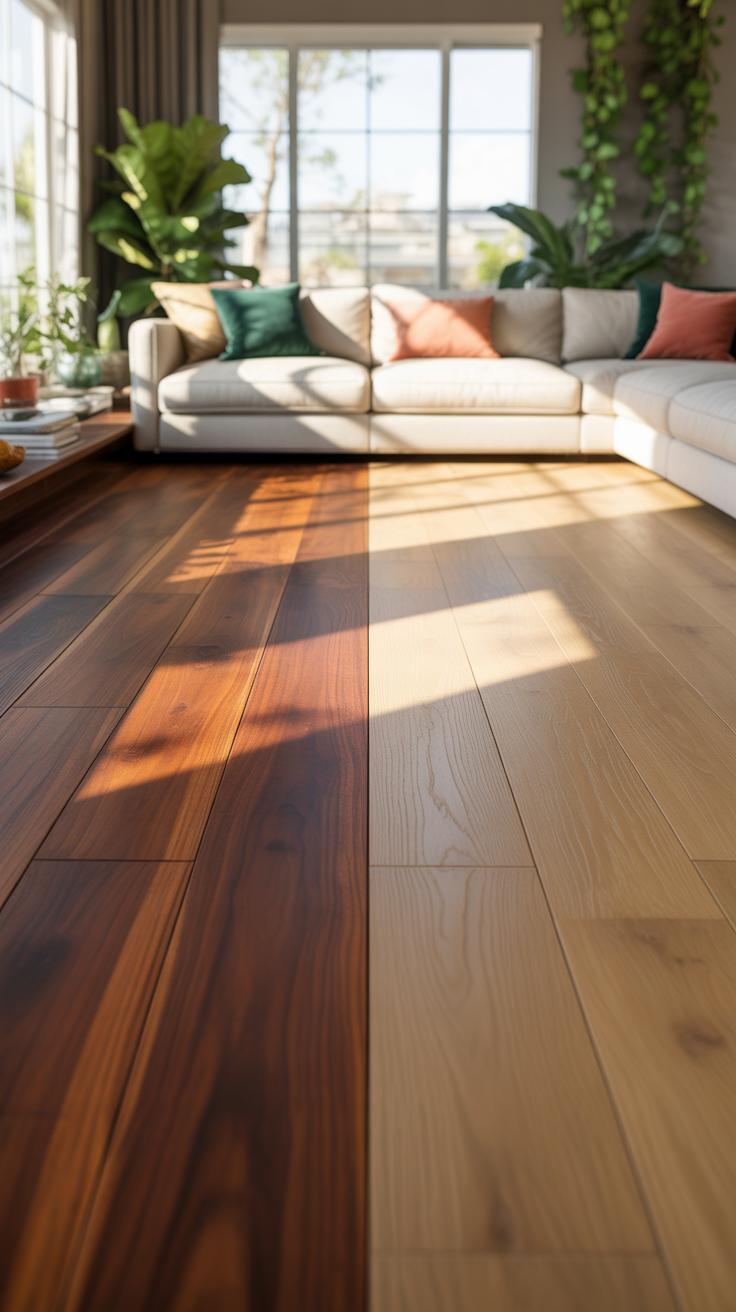
Dark wood floors often give a living room a rich, grounding feel. They can make the space feel warm and sophisticated, but sometimes also a bit heavy or formal. You might notice how dark floors tend to highlight dust and scratches more than their lighter counterparts. It’s a trade-off for their dramatic look.
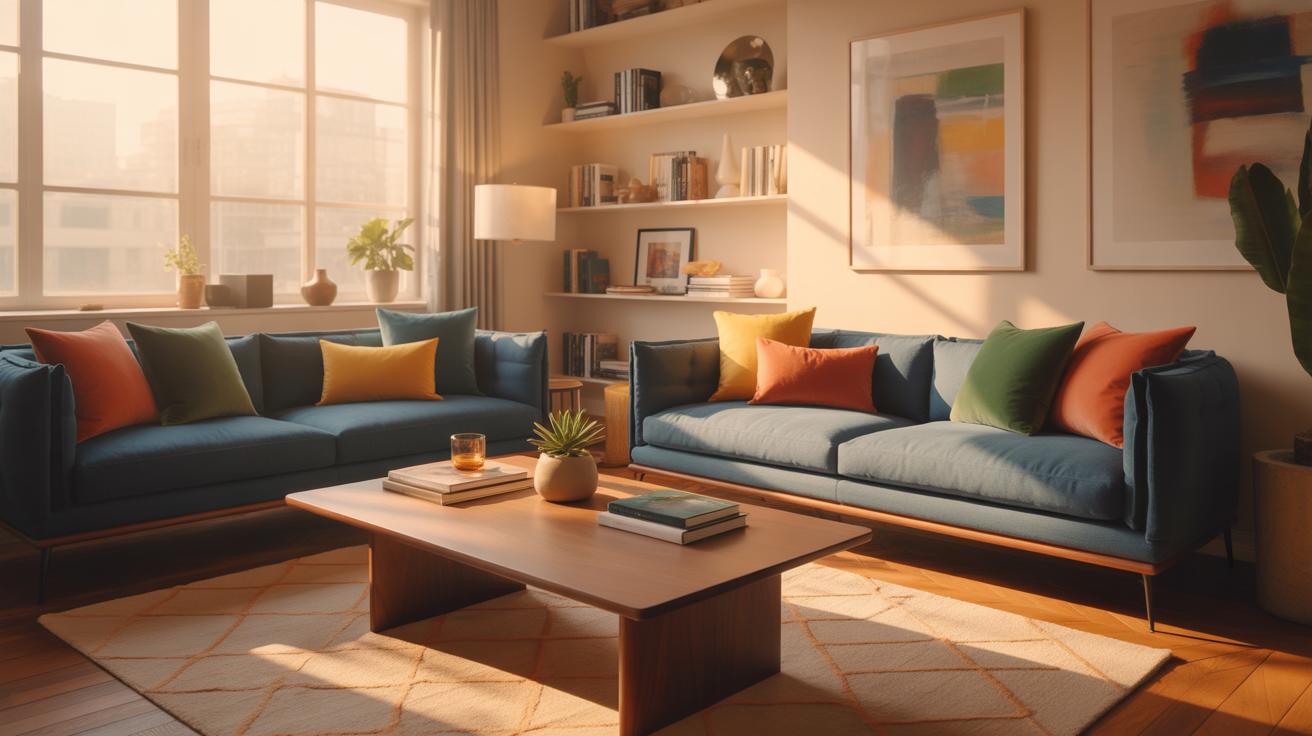
Light wood floors, on the other hand, bring an airy, open vibe. They reflect more light, making the room feel larger and brighter. However, they can show dirt in a different way — like stains or discoloration — and might look worn quicker if not maintained well.
So, with dark floors, the room may feel cosier but potentially smaller, while light floors open things up visually but could seem less intimate. It’s about what atmosphere you want in your living room and how much upkeep you’re willing to handle.
Maintenance is a notable difference. Dark wood can be less forgiving with debris but easier to touch up because scratches contrast less with the color’s depth. Light wood might hide dust better but requires regular cleaning to keep a fresh look because any staining stands out noticeably.
Thinking about the overall feel you want and your daily life routines with your living room might help. Do you seek a statement setting that invites enveloping warmth? Or a bright, flexible backdrop for varied decorating? Both choices have perks and quirks that can influence your decorating approach beyond just color preference.
Set Up Checklist For Dark Wood Floors
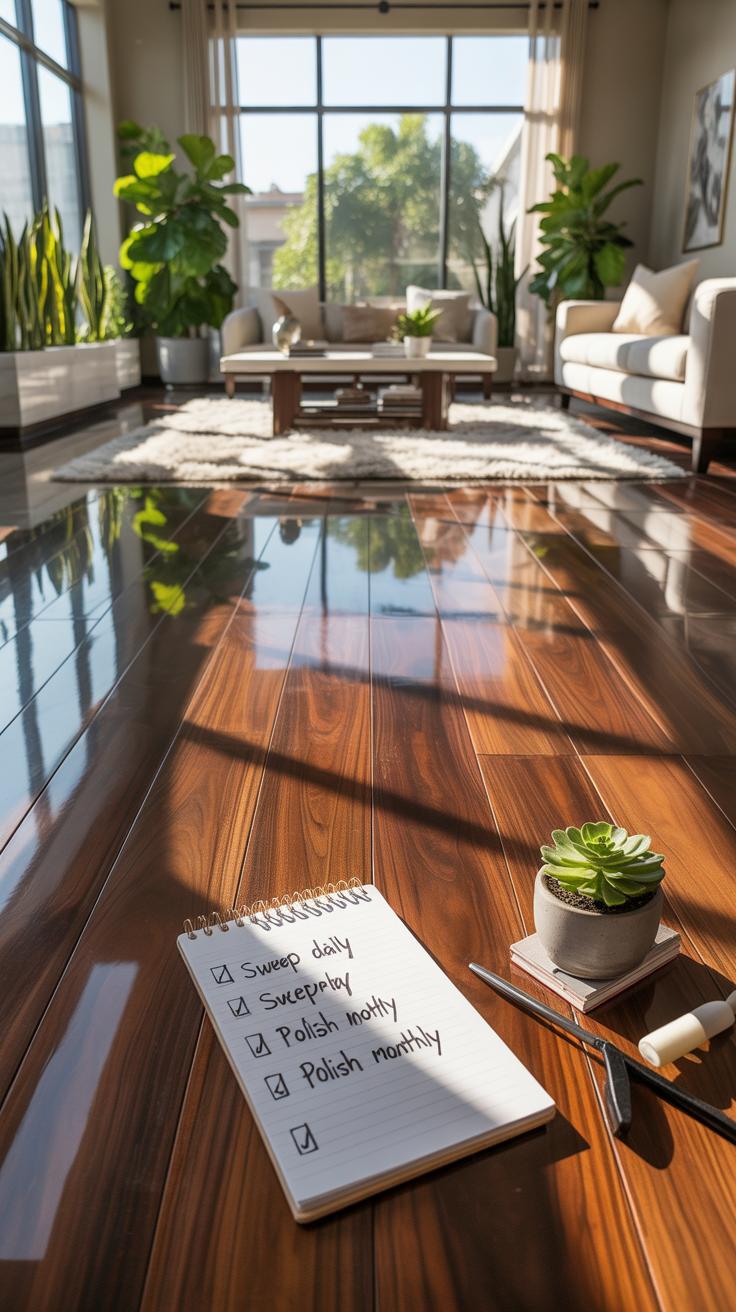
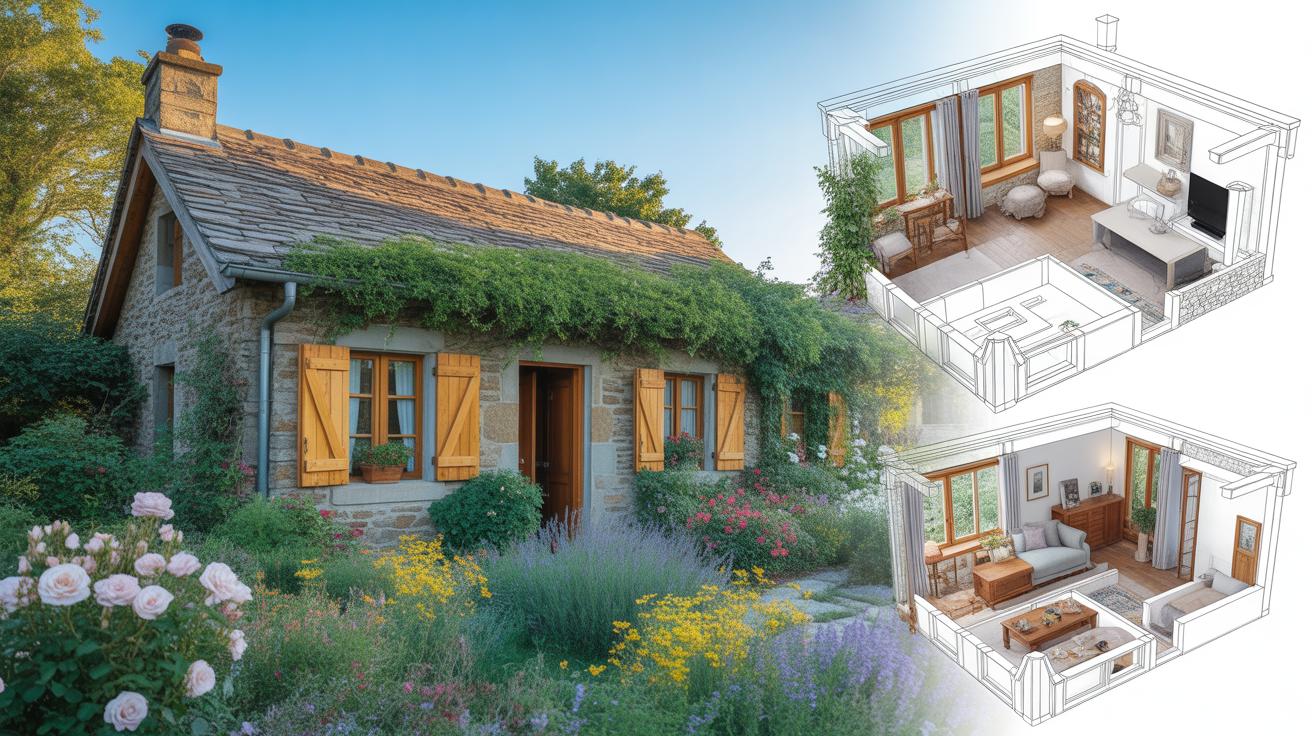
When setting up a living room with dark wood floors, start with the floors themselves. A smooth, clean surface really helps dark wood shine without becoming overwhelming. Think about adding area rugs that bring contrast but still allow the floor’s richness to peek through.
For walls, lighter tones often work best to balance the darkness underfoot. Whites, creams, or soft grays can avoid the room feeling closed in. You might experiment with subtle accent walls, but be cautious not to compete with the floor’s character.
Furniture choice can make or break this look. Go for pieces in mid-tone woods or upholstered fabrics in light or neutral colors. Mixing textures helps—a plush sofa, a sleek coffee table—avoid heavy dark furniture clustering all the weight down.
Lighting is crucial. Soft, warm lights create inviting warmth, preventing the room from feeling cold or overly formal. Lamps and dimmers offer flexibility, which helps adjust the mood depending on the time of day.
Floor Care Checklist
Keep dark wood floors looking their best by sweeping or vacuuming regularly to remove dirt and grit that could scratch the surface. Use a damp mop—not soaking wet—to clean, avoiding harsh chemicals that strip finish. You’ll find that proper humidity control matters; wood can expand or contract drastically.
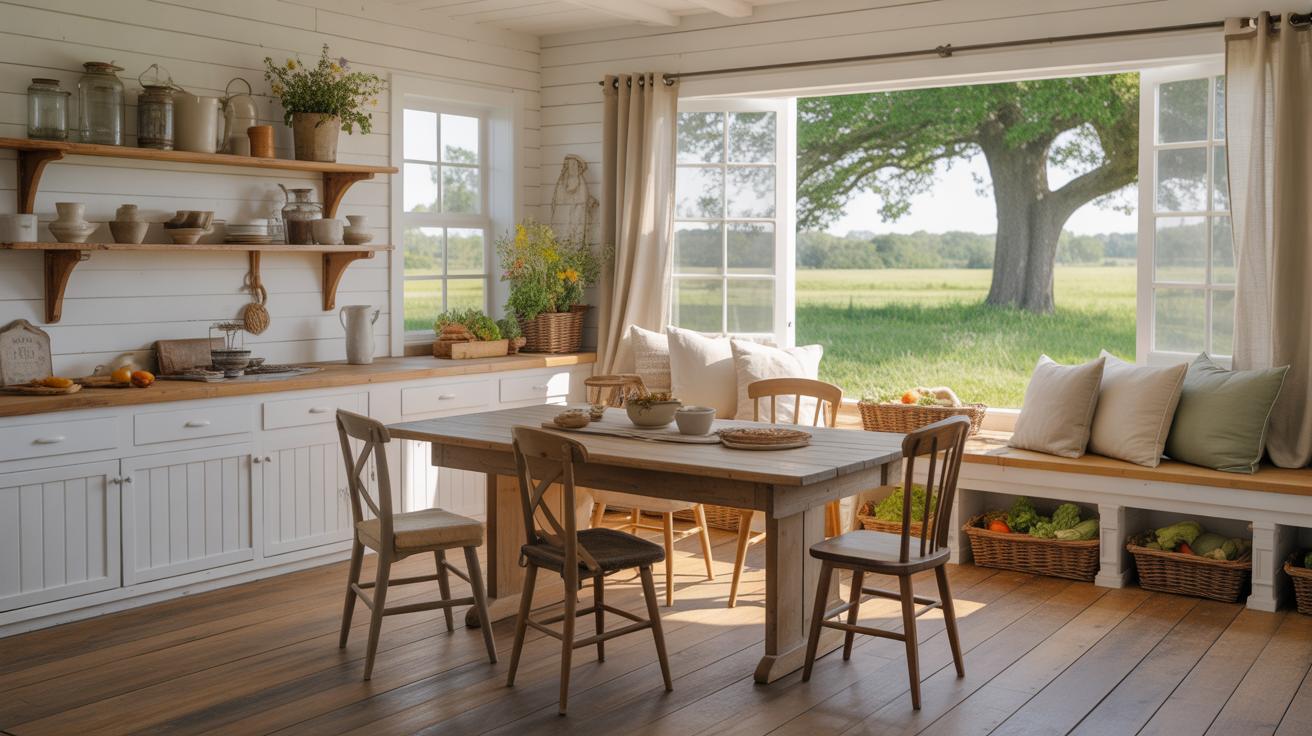
Furniture pads help prevent scratches during daily use. Consider an annual polish or professional refinishing when signs of wear appear. Little efforts go a long way in preserving that striking floor color.
Furniture And Lighting Checklist
Pick furniture with lighter upholstery or wooden tones that contrast but don’t clash with the dark floors. Mixing styles can work if done thoughtfully — like pairing a modern sofa with a rustic wooden coffee table.
For lighting, blend ambient, task, and accent layers. Warm LED bulbs soften shadows cast by the dark floor. A well-placed floor lamp or pendant light can highlight floor texture and keep the room from feeling too heavy.
Lighting Tips For Dark Wood Floors Living Room
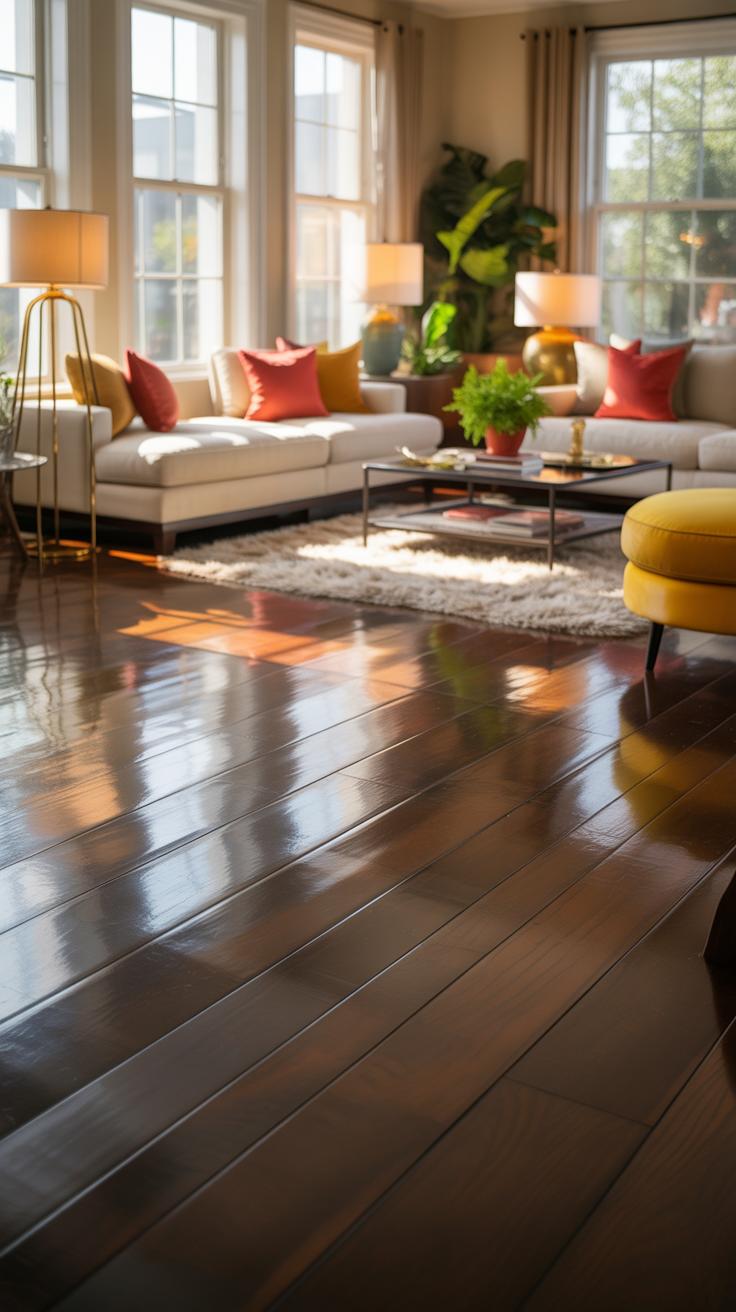
Dark wood floors can bring a rich and warm feel to your living room, but lighting them just right requires some thought. Natural light plays a crucial role here—large windows without heavy drapes can flood the space with daylight, lifting the darkness of the floors rather than letting them feel heavy. Sheer curtains allow light in while softening glare, which can help highlight the wood’s texture and color variations.
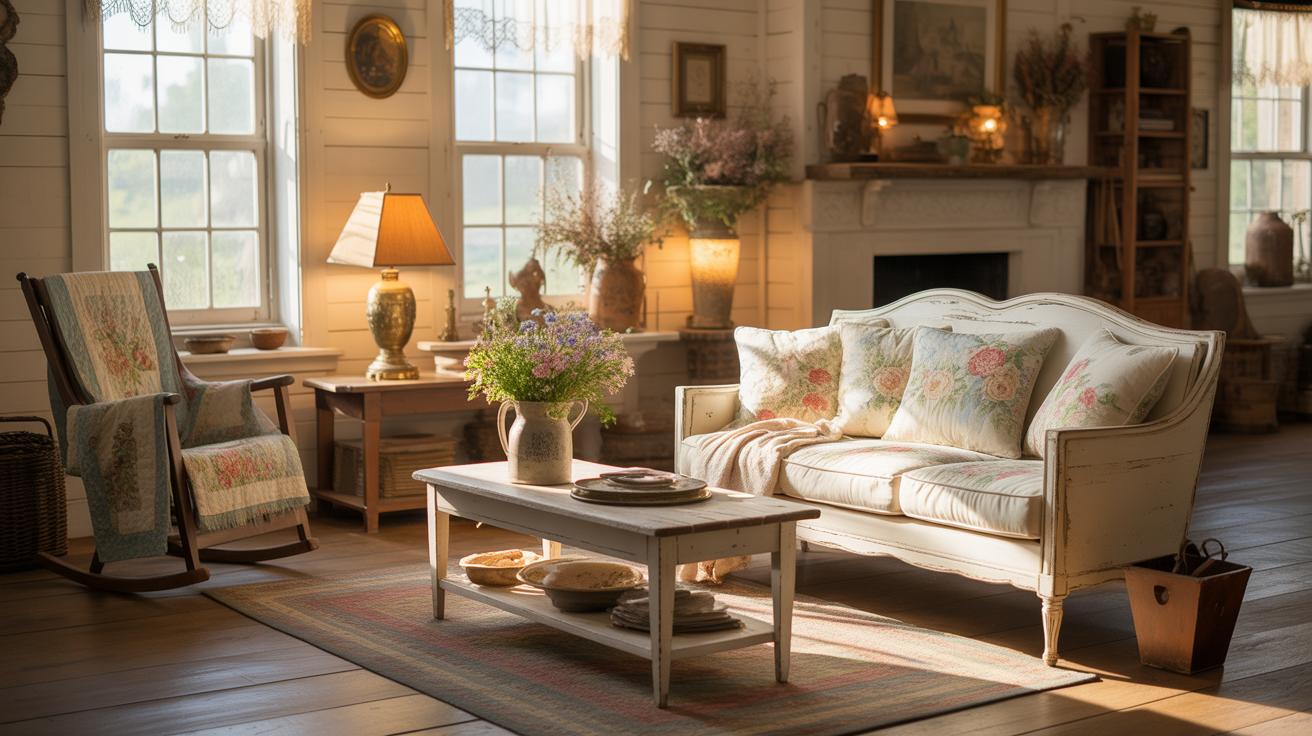
Reflective surfaces like mirrors or light-colored walls near those windows can bounce light onto the floors, creating interesting visual depth. Sometimes, a well-placed reflector can make a noticeable difference, especially in rooms that don’t get much sun.
Artificial lighting needs to be layered and carefully chosen. Warm white LED bulbs tend to complement dark wood better than cooler tones, which might wash out the richness. Floor lamps or uplights placed near the floor edges bring out the grain without causing glare. Overhead lighting shouldn’t be harsh or too direct; dimmable fixtures provide control over mood and brightness.
Don’t overlook directional lighting too—spotlights aimed at particular areas of the floor can draw attention to it as a design feature rather than letting it fade into the background. What lighting choices have you found work best? It’s almost like a bit of trial and error to discover which setup makes your dark floors sing while keeping the room cozy and inviting.
Common Mistakes With Dark Wood Floors

Overmatching Colors
Using too many dark colors alongside dark wood floors can make a living room feel, well, a bit lifeless. When everything tends toward the same deep shades, the room risks losing its personality and dimension. Dark floors already create a strong visual foundation. Layering more dark tones without contrast can cause the space to feel cramped or gloomy rather than cozy.
Think about introducing lighter colors or varied textures to break up the heaviness. For example, pale walls or soft, neutral furnishings can help balance the depth of the floor, making the room feel more inviting. You don’t want the floor to swallow the room whole, which dark-heavy schemes sometimes do without meaning to. It’s about finding that subtle dance between dark and light, rather than just packing on more darkness.
Ignoring Floor Protection
Dark wood floors may show scratches and dents more clearly than lighter ones, so neglecting their protection is a common error. It’s tempting to skip rugs or furniture pads, especially if you want the floor fully visible, but this can quickly lead to unwanted damage. Over time, heavy furniture or pets can leave marks that stand out.
Using area rugs in high-traffic spots guards the floor and adds softness. Don’t forget furniture pads under chair and table legs. Of course, no one wants rugs everywhere either—finding the right balance is key. Protect your investment by treating the floors with care, or you might find yourself regretting it down the line when tiny scratches evolve into bigger issues.
Low Budget Decorating Ideas For Dark Floors
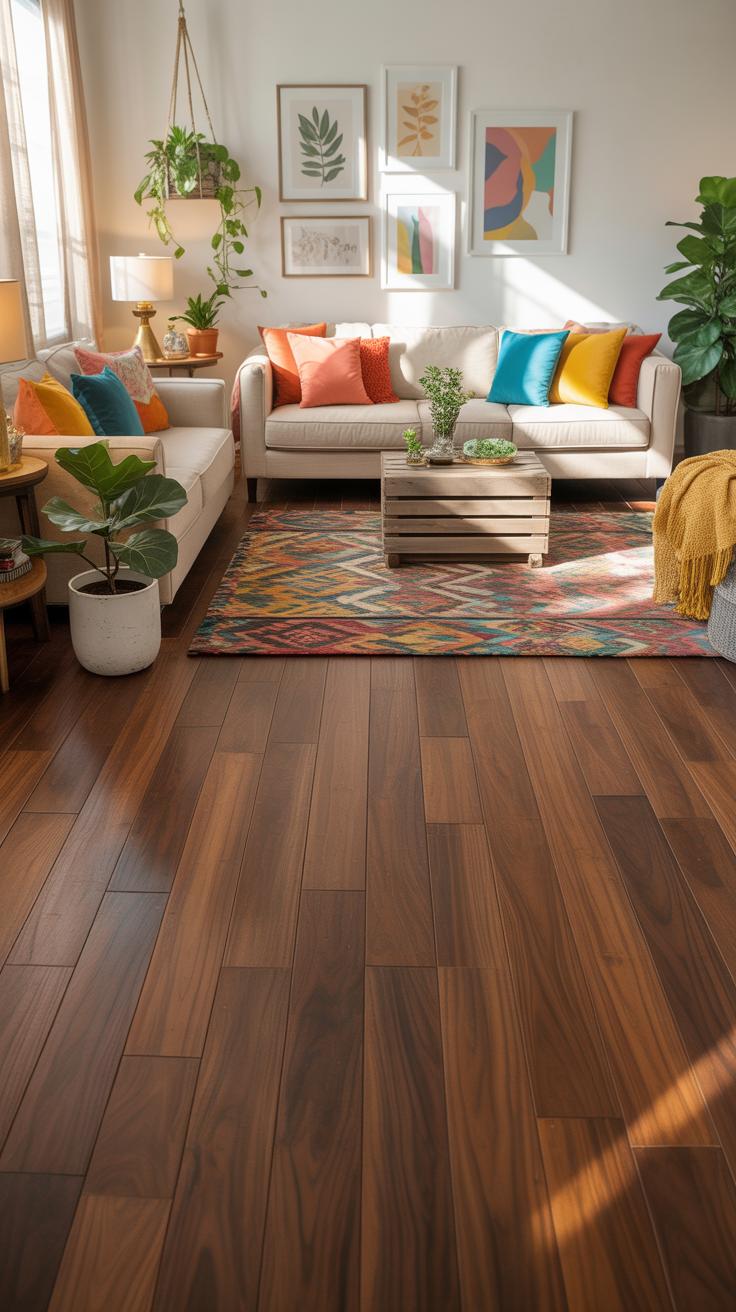
Dark wood floors in your living room can feel a bit heavy at times, especially if you’re on a tight budget. But it’s totally possible to keep things stylish without spending a fortune. Think about balancing the darkness with lighter textiles like throw pillows or curtains. Not only does this create contrast, but it also prevents the room from feeling too closed in.
Simple rugs that add texture and warmth don’t need to be pricey—try jute or braided options. They pair well with dark floors and add a casual, comfy vibe. And, if you want to switch things up, swapping out cushion covers or table linens seasonally can refresh the space without much cost.
If you’re open to some small DIY, creating your own artwork or accessories could be a fun way to personalize the room. Let’s talk about that next.
DIY Artwork And Accessories
You don’t need to be a pro artist to make wall art that suits dark wood floors. Some straightforward projects include:
- Painting simple geometric shapes on stretched canvas using neutral or pastel colors to contrast the floor’s depth.
- Creating a gallery wall with thrifted frames painted in light colors for a fresh look that breaks up dark tones.
- Making fabric wall hangings with inexpensive yarn or scrap fabric to add soft textures and warmth.
- Upcycling everyday objects—think old window shutters or wooden crates—to use as shelves or decorative displays.
These projects won’t cost much but can really enhance how your dark floors feel as part of the overall room atmosphere.
Affordable Furniture Choices
Budget furniture doesn’t have to mean cheap-looking. For living rooms with dark wood floors, lighter or medium-toned wood pieces often work best. They help balance the palette and avoid an overly heavy feel.
Places like IKEA, Wayfair, or even local thrift stores can be goldmines for functional yet good-looking furniture. Look for:
- Modular sofas with washable covers so you can update colors easily.
- Wooden coffee tables in lighter finishes or painted white, which complement dark floors beautifully.
- Simple metal or glass side tables that add contrast without adding bulk.
- Comfortable armchairs with fabric in soft shades to invite relaxation.
Don’t overlook secondhand pieces—you might find something unique that just needs a little TLC to fit perfectly. Overall, it’s mostly about mixing textures and tones to keep the room from feeling too one-dimensional.
Examples Of Dark Wood Floors Living Rooms
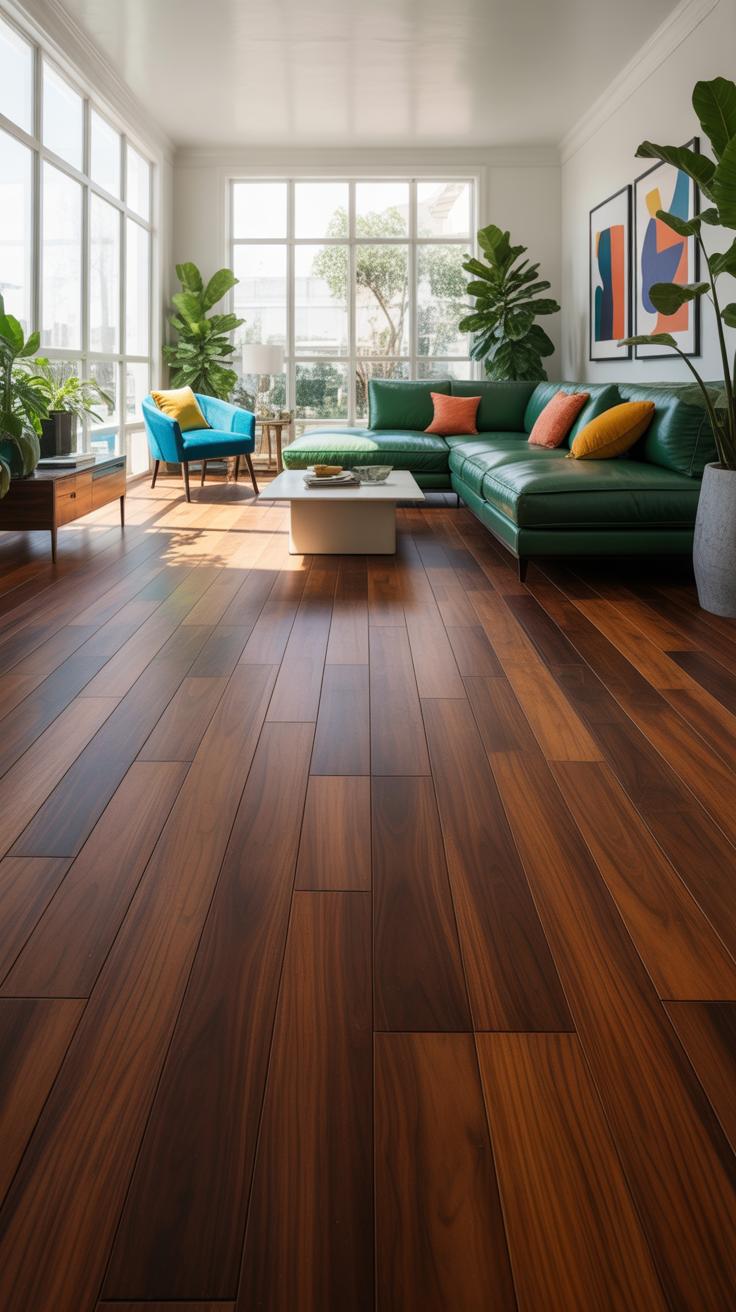
Modern Living Room Example
Picture a modern living room where dark wood floors set a sleek, grounding tone. The key here is contrast. Bright white walls keep the space from feeling too heavy, while a minimalist gray sofa adds comfort without clutter. Metallic accents, like a brushed steel coffee table and slim floor lamps, introduce a contemporary edge that plays nicely with the dark wood. A large abstract rug in muted tones softens the look and prevents it from feeling cold or overly formal. What works here is the balance between the deep floor color and the light, airy elements above it. It’s almost as if the floor anchors the room, allowing the furniture and art to float freely.
Traditional Style Example
Now imagine a traditional living room with dark wood floors—rich, warm, and full of character. You’ll often see these paired with plush, upholstered furniture in deep reds or forest greens. Persian rugs play a crucial role, adding both color and texture that complement the floor. Ornate wood furniture echoes the floor’s tones, creating a unified feel without being monotonous. Heavy drapery and classic accessories like brass candle holders or vintage lamps bring out a cozy, timeless vibe. What really seems to work is how every element respects the depth of the floor’s color while adding layers of warmth and softness. It’s a style that invites you to linger, almost like the room has a story to tell.
Conclusions
Your dark wood floors living room can become a stunning space with the right choices. Selecting floor colors and decor elements that work well with dark wood is key to a welcoming room. Balanced colors and smart furniture choices make a big difference.
By applying the tips shared, you can design a living area that feels appealing and matches your style. Remember to consider lighting, colors, and texture to highlight your dark wood floors and create a perfect living room ambiance.