Introduction
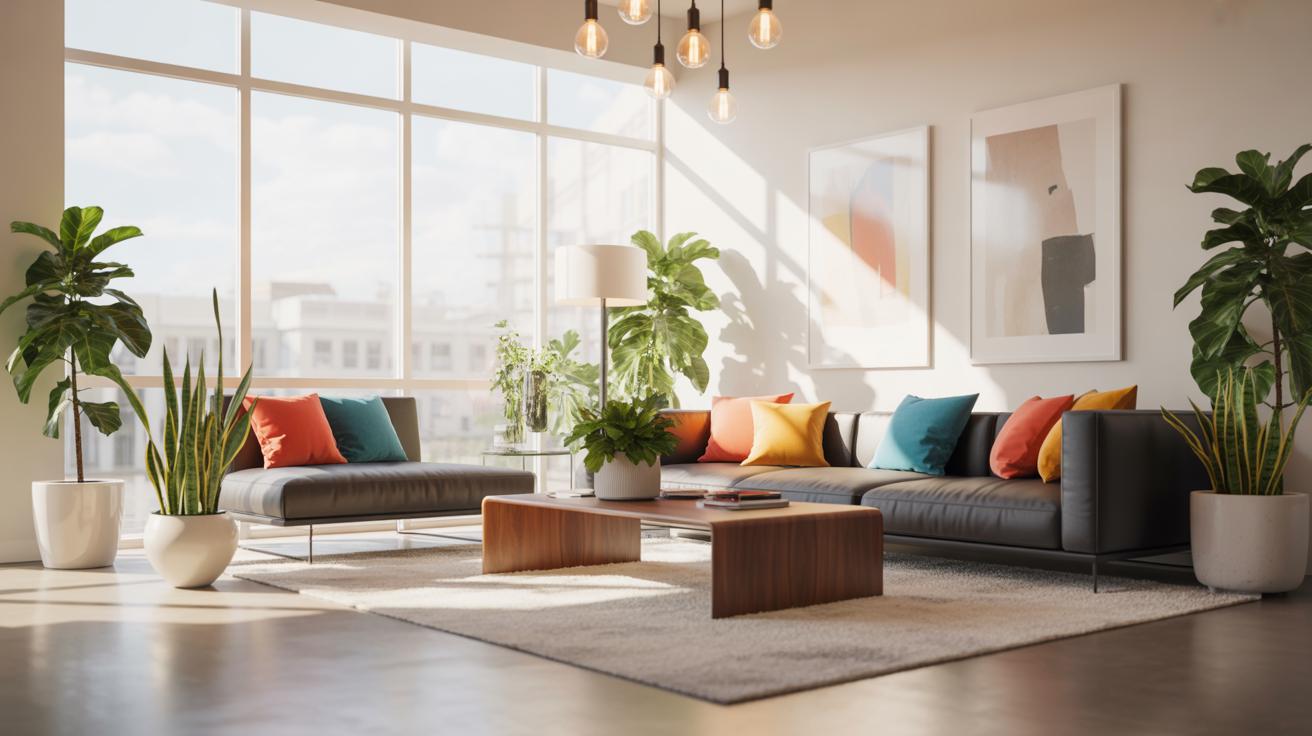
Your apartment living room can be a reflection of your style and personality. Apartment Living Room Design Trends For Modern Decor Home Living Room focus on creating spaces that blend comfort with contemporary aesthetics. This space is where you spend time relaxing, entertaining, and enjoying your home.
This article will guide you through the latest design trends and practical ideas. You will learn how to select furniture, colors, lighting, and decorations that fit your space and taste. By the end, you will have a clear plan to design a modern and inviting living room in your apartment.
Understanding Space Constraints In Apartments
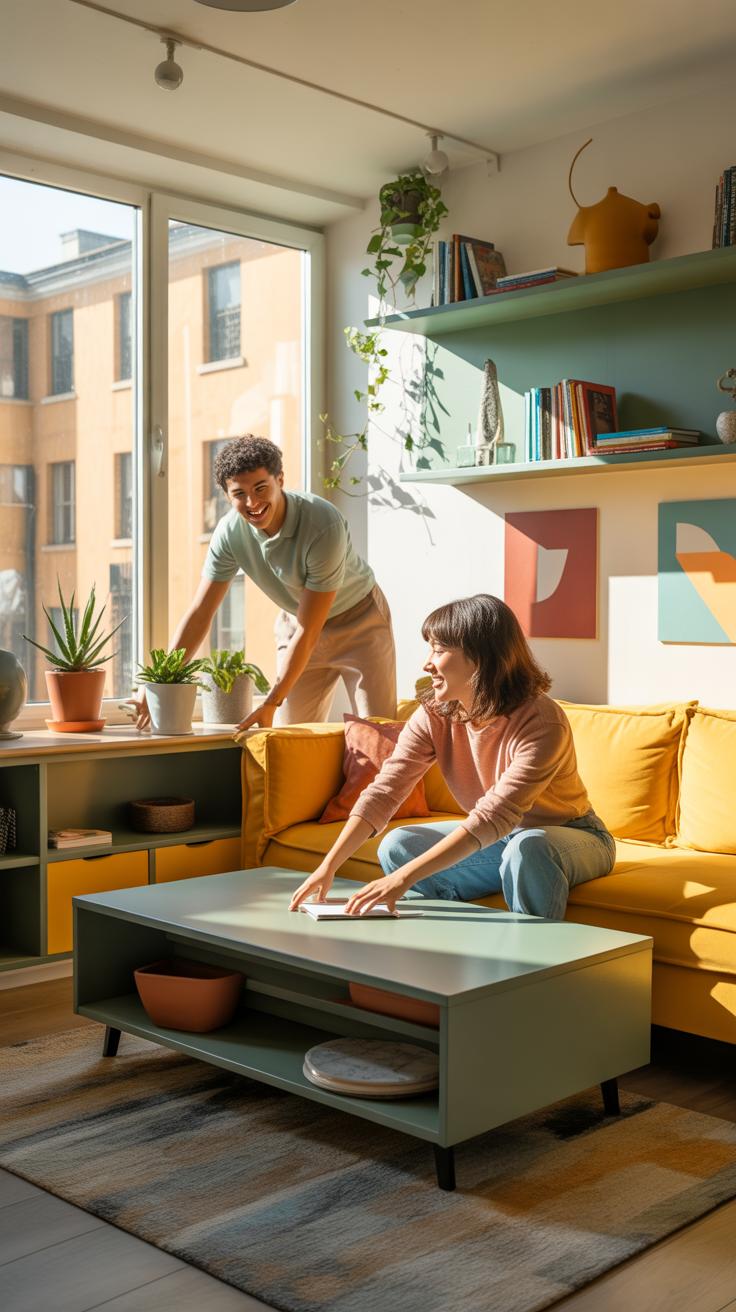
Living rooms in apartments often come with limited space, which really shapes how you can design and use them. You can’t just drop in oversized furniture like you would in a house with ample room. It’s a bit of a puzzle, honestly. You need to figure out how to make your living area functional without feeling cramped or uncomfortable.
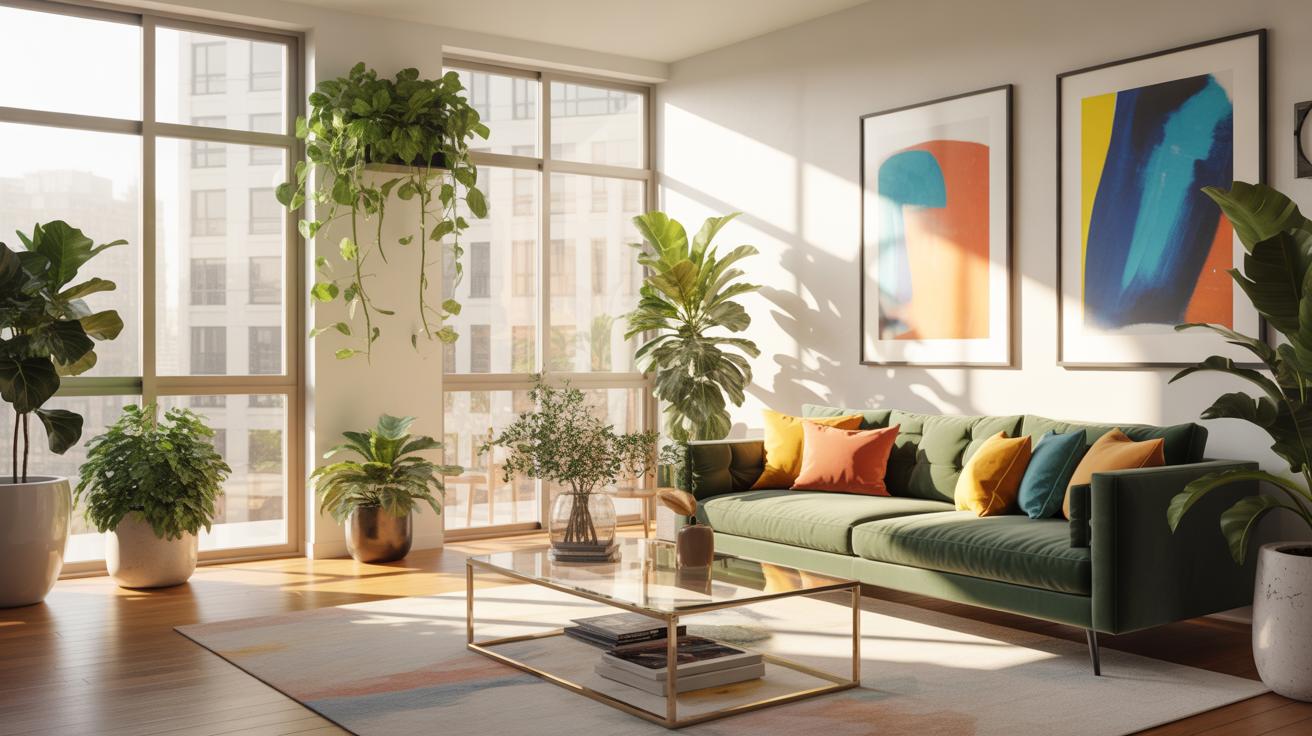
One way to deal with this is by carefully arranging your furniture so it doesn’t block pathways or make the room feel closed off. Multi-functional pieces help too—you know, like a sofa that turns into a bed or a coffee table with storage. These double-duty items save precious space while keeping things practical.
Then there are visual tricks—think light colors and mirrors—that can make the room appear larger than it actually is. Sometimes, even rearranging the furniture or choosing items with slim profiles can open things up. It’s a balancing act, kind of like a constant negotiation between style and space.
Furniture Arrangement For Small Spaces
When it comes to placing furniture in a small living room, less is often more. You want to keep the floor as open as possible to give a sense of spaciousness. A few tips to consider:
- Push bigger pieces, like sofas, against the walls to free up the center area.
- Use smaller or narrow furniture that fits the scale of the room rather than bulky items that dominate the space.
- Arrange seating so it encourages conversation but also leaves clear walking paths.
Interestingly, floating furniture away from walls can work too, especially if the room is square rather than long and narrow. This can create cozy zones but might reduce floor space, so it’s a trade-off to think about.
Selecting Multi Functional Furniture Pieces
In apartment living rooms, furniture that does more than one thing can be a game changer. Instead of having separate items for every purpose, you get smart with pieces that have extra perks.
Consider a sofa bed—you get seating by day and a guest bed by night. Or a storage ottoman that works as a footrest, extra seating, and a place to stash blankets or magazines. These pieces help reduce clutter and keep the room neat.
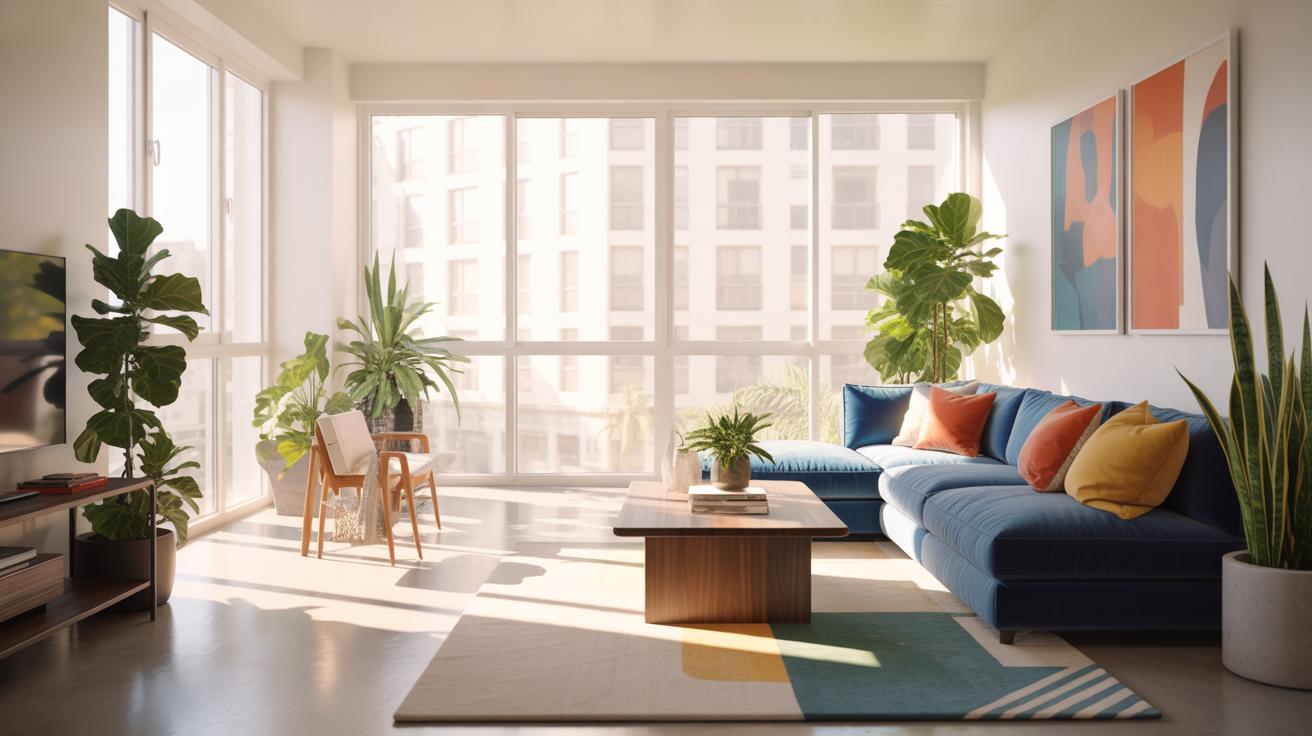
Some multi-functional furniture even folds away or changes shape, so you’re not stuck with a single setup. Though sometimes, these options might cost a bit more or sacrifice a bit of comfort. It’s about what fits your lifestyle better—space-saving versus luxury seating. What do you find more important in your living room?
Color Choices For Decor Home Living Room
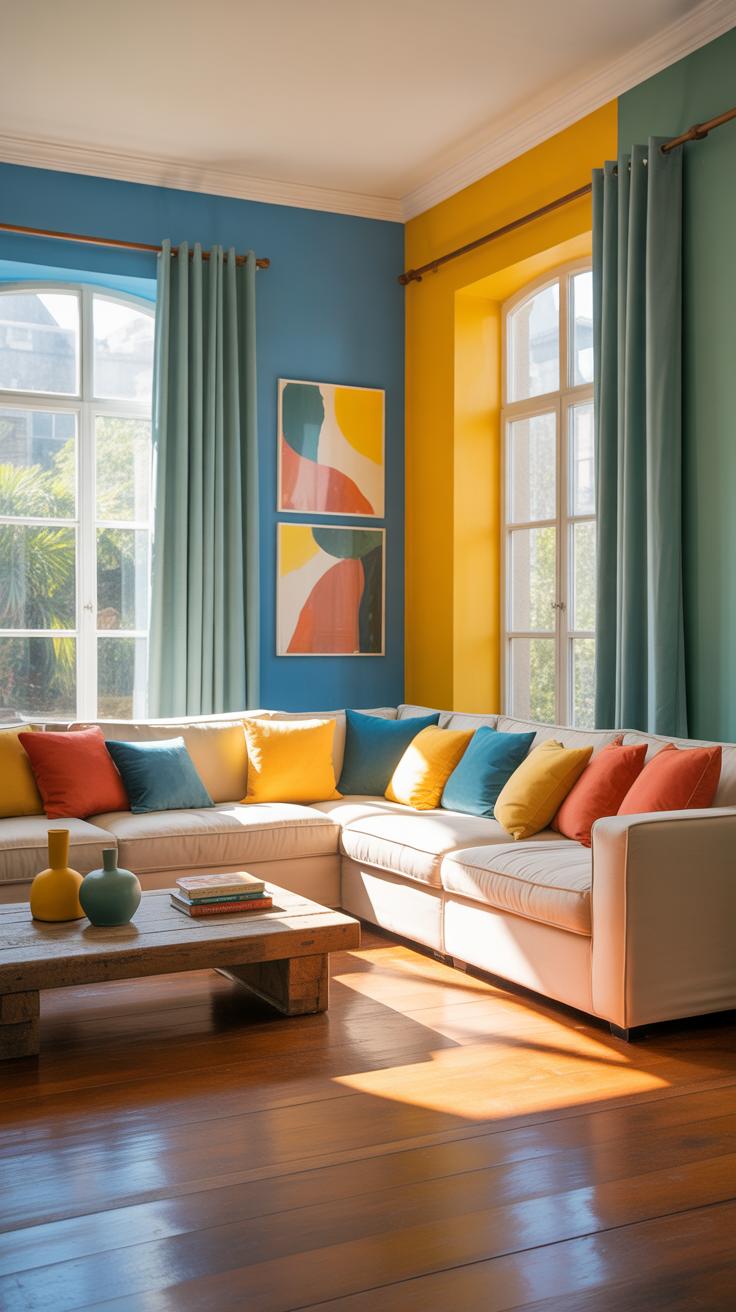
Color hugely shapes the vibe of your living room, sometimes in ways you might not realize at first. It’s not just about picking what looks good; how you use color influences how you feel and even how big the space seems. For example, softer hues often make a room feel calmer and, interestingly, more open. It’s a bit like they trick your eyes into perceiving more space.
If you’re working with modern decor and a smaller apartment, color schemes that use light neutrals like off-white, pale grey, or soft beige often work great. But don’t think you need to stick to these alone—mixing in subtle blues, greens, or pastel tones can add character without cluttering the senses.
Using Light Colors To Expand Space
Light colors have this fascinating way of bouncing natural and artificial light around a room, making it feel airier and less cramped. It’s like the colors themselves stretch the walls out a bit. A few popular combos to try might be a creamy white with light greys or a soft blush paired with muted sage.
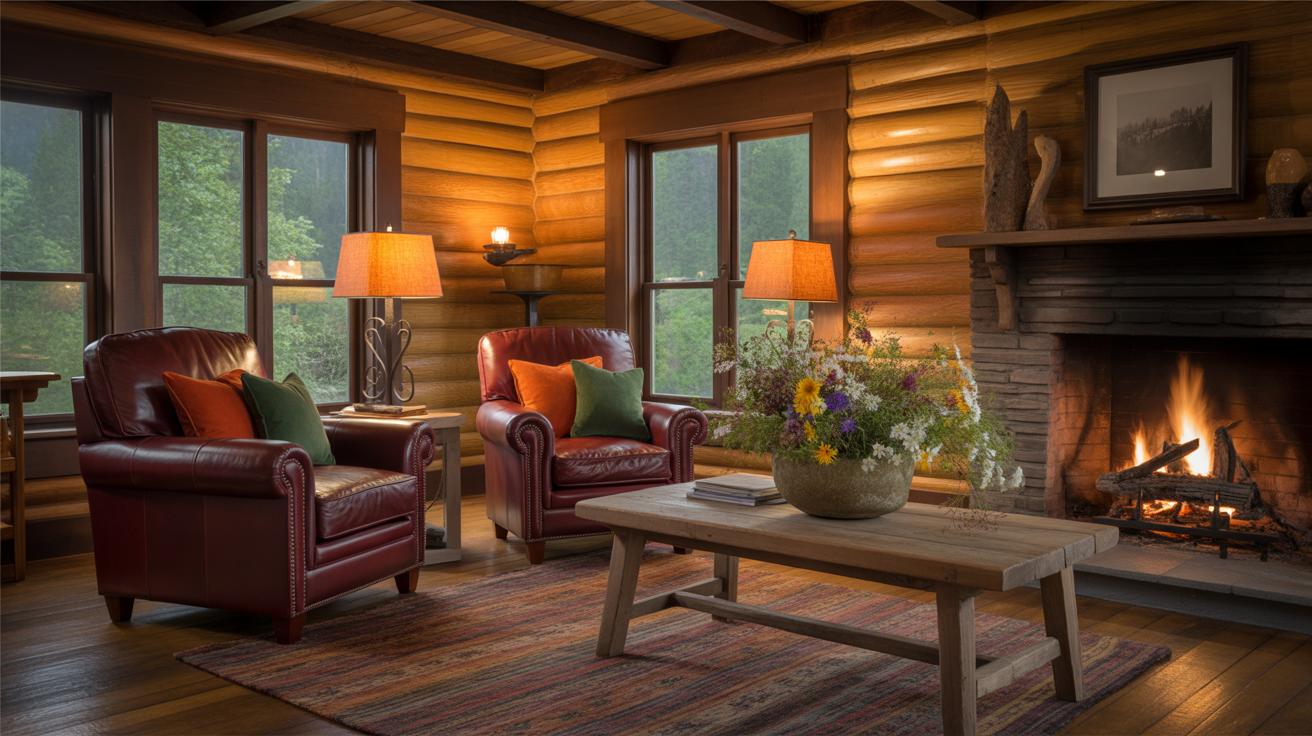
These selections aren’t just random; they give you a clean palette that can easily adapt as your style evolves. Plus, they keep a fresh feeling, which can be especially wonderful in city apartments where sunlight might be limited.
Adding Accent Colors Accurately
Accent colors are your opportunity to bring personality into the room without overwhelming it. I’d suggest focusing accents on smaller items—think throw pillows, a favorite piece of art, or a stylish lamp. This lets you experiment with vibrant or deeper shades without risking the space feeling too busy.
Placement matters too. Accents near focal points like sofas or fireplace mantels catch the eye naturally and create visual interest. But be careful not to scatter too many contrasting colors around; it can make the space feel chaotic rather than cozy.
So, the question is, what kind of atmosphere do you want most when you walk into your living room? Calm and spacious? Or lively and bold? Your color choices will answer this for you, even before you add a single piece of furniture.
Lighting Solutions For Apartment Living Rooms
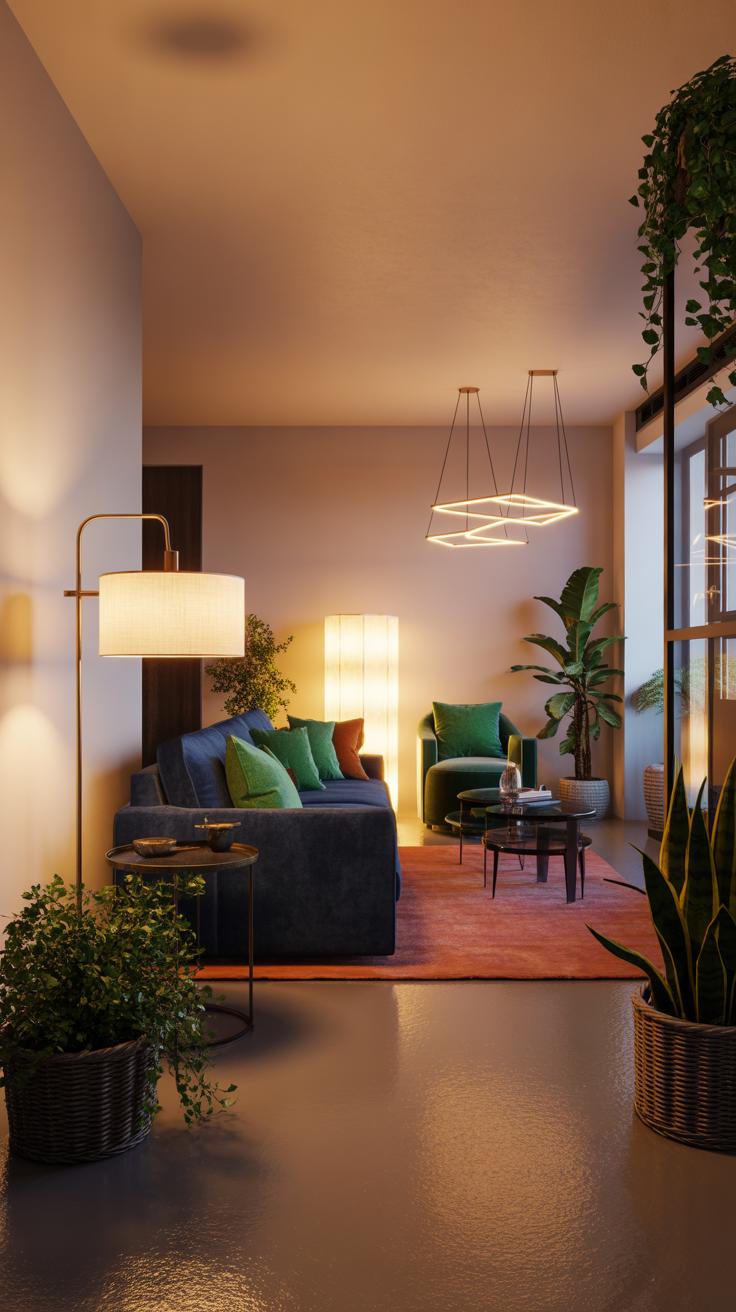
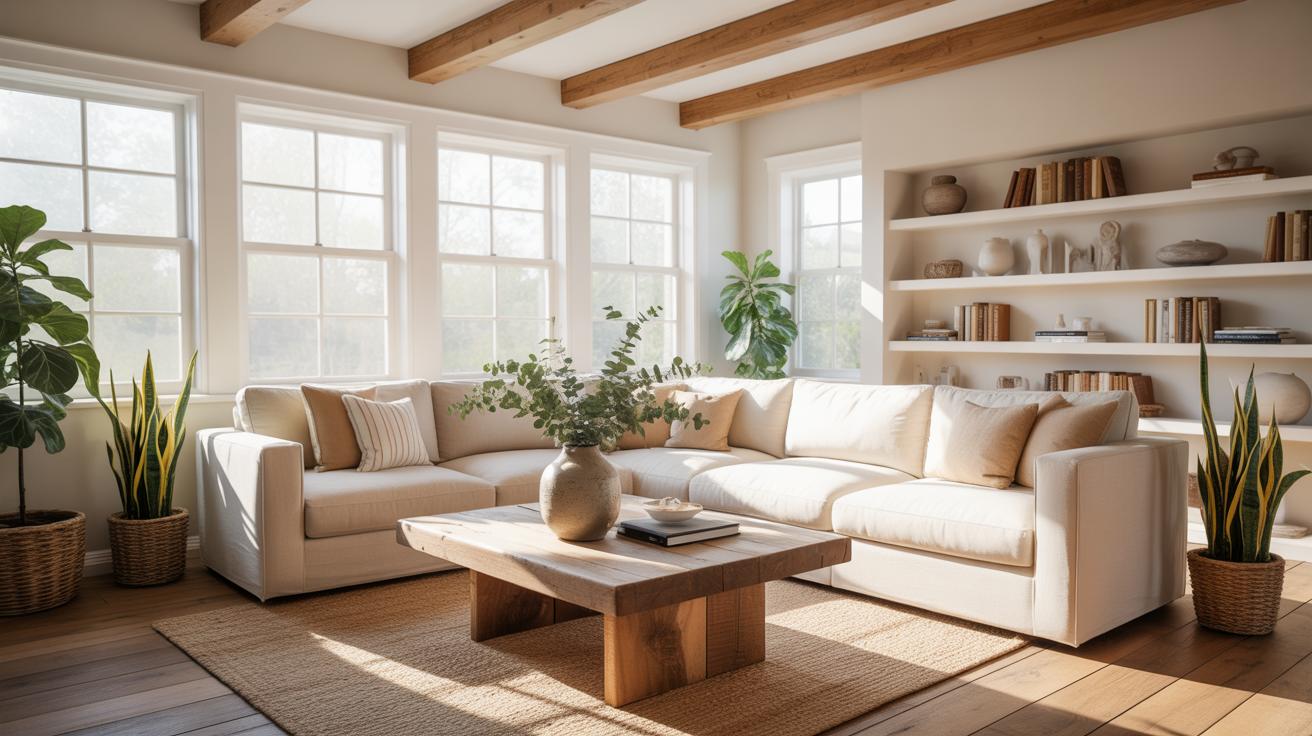
Layered lighting can really change how your apartment living room feels and functions. It’s not just about having one light source, but mixing several types to suit different needs and moods.
Think of three main layers:
- Ambient lighting sets the general tone and fills the room with overall brightness.
- Task lighting helps with specific activities like reading or crafting, offering stronger, focused light.
- Accent lighting adds drama or highlights artwork or architectural features, bringing depth to the space.
This combination means you can adjust the lighting to fit what you’re doing or the mood you want. Don’t underestimate how much the light can influence the modern decor vibe—it can soften edges or create sharp contrasts that enhance your furniture and textures.
Choosing Ambient Lighting Options
For ambient light, ceiling fixtures are a common choice, but some apartments limit ceiling options. Consider modern pendant lights or flush mounts that don’t take up much room but still spread light well.
Never miss out on natural light—it shapes your living room more than artificial sources. Using sheer curtains or arranging seating near windows encourages daylight to flood in, which is both practical and visually pleasant. Sometimes, the right combination of natural and artificial ambient light just clicks, even if you’re unsure how much light you need.
Incorporating Task And Accent Lighting
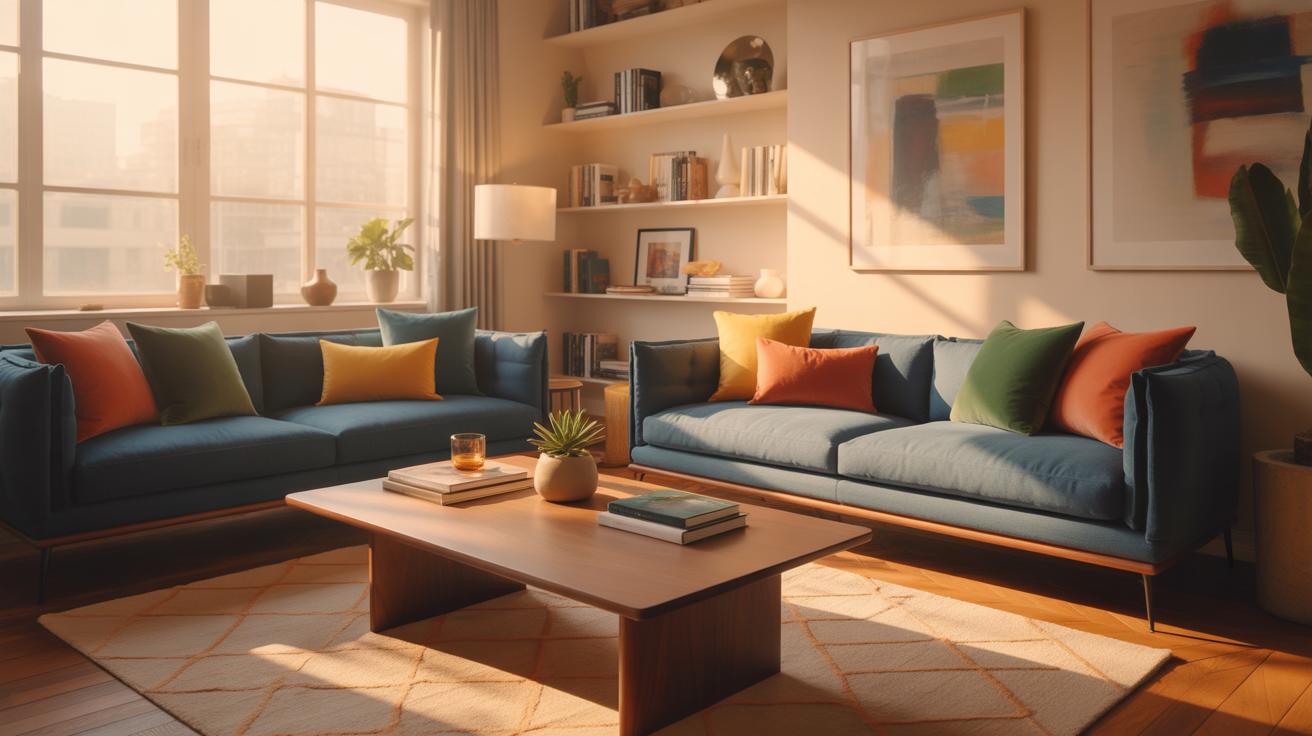
Task lighting is all about function. Floor lamps near reading chairs or adjustable desk lamps help you focus light where you need it. A table lamp is also handy and can add style simultaneously.
Accent lighting, on the other hand, gives your room personality. Try wall sconces or directional spotlights to make art or plants pop. Sometimes, even an LED strip hidden behind shelves or under furniture creates a subtle glow that turns the whole space into something cozy or chic.
Be mindful though: using too many different types of lighting at once can make the room feel cluttered or confusing. I’ve found that testing out different layers during different times of day really helps you find a balance that works.
Furniture Choices For Modern Decor Home Living Room
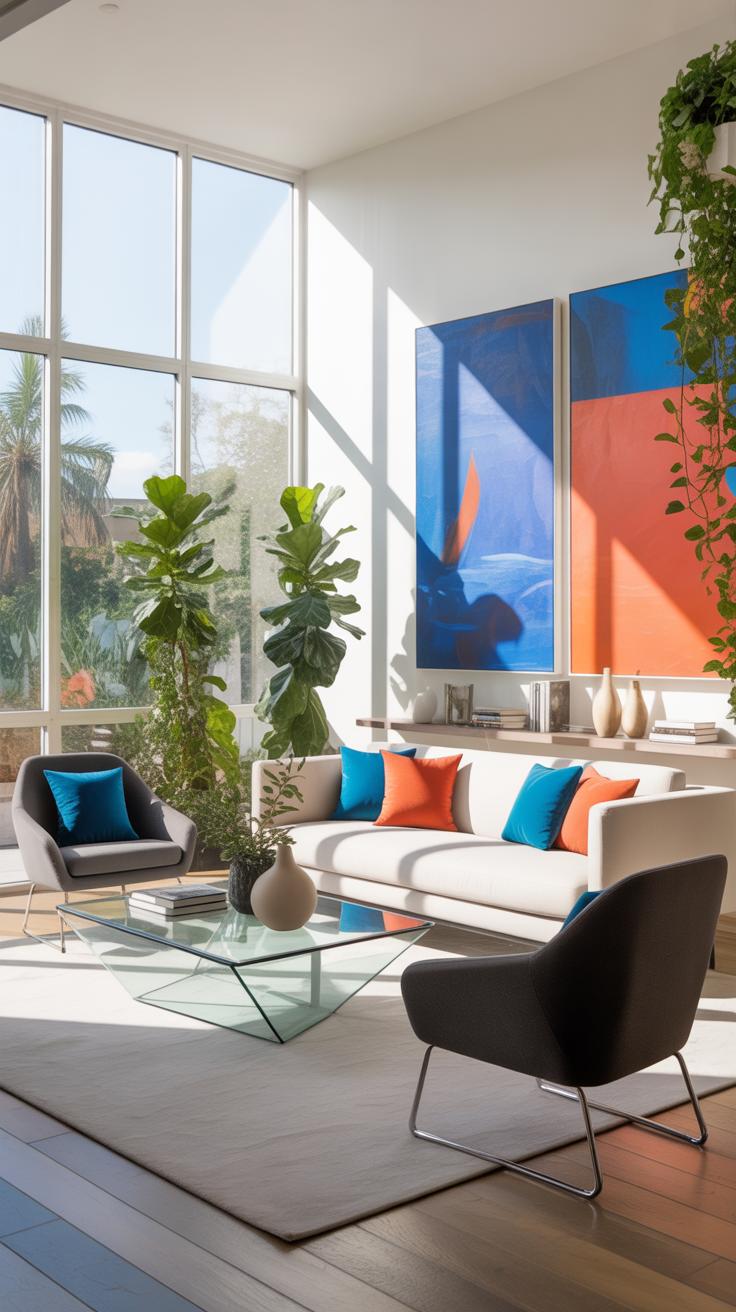
When you’re picking furniture for a modern apartment living room, think about pieces that match the clean and simple lines typical of modern design. Styles inspired by movements like Bauhaus or De Stijl, with their straightforward shapes and focus on function, tend to work well here. Maybe consider pieces with sleek metal legs or smooth wooden surfaces. Don’t just grab the biggest sofa you can find; size matters, especially in compact spaces. A bulky couch could overwhelm the room, while a slim, streamlined version will open it up.
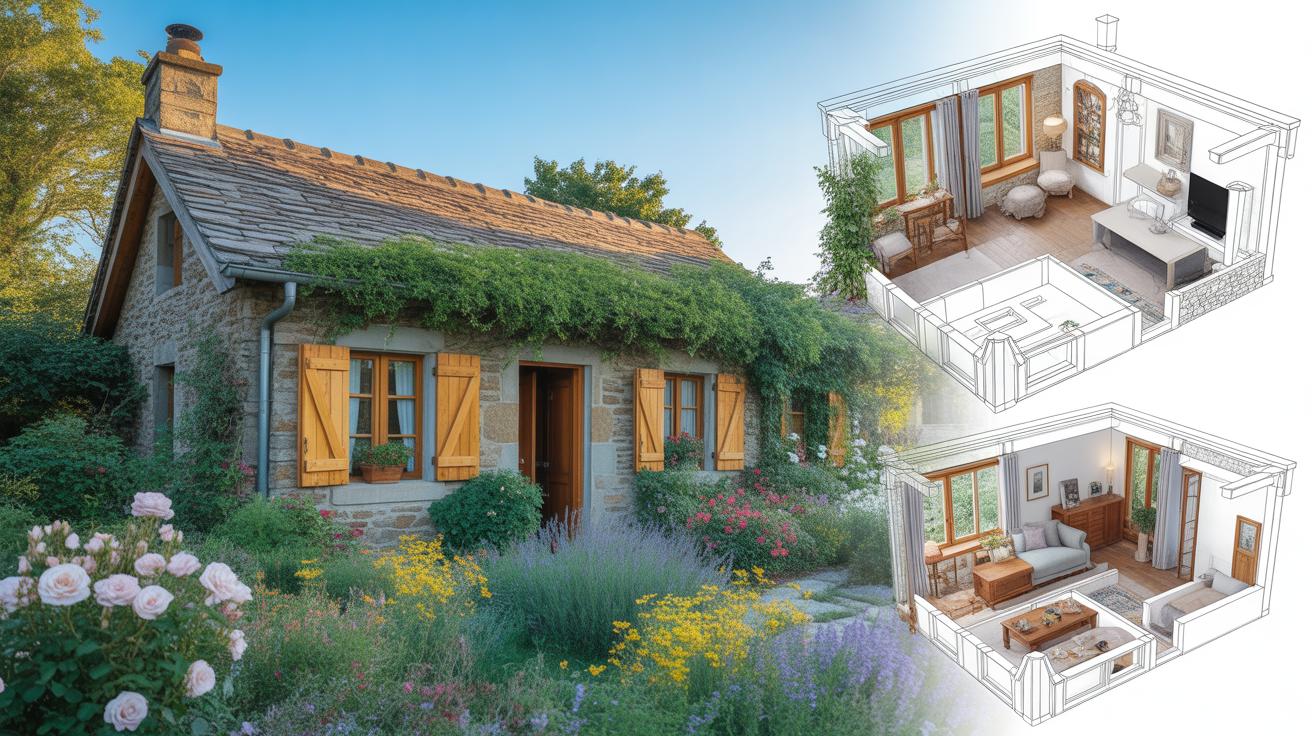
Shape-wise, furniture with geometric forms—think rectangles, circles, or even gentle curves—can complement the minimalist vibe. And materials? A mix is often better than just one. For example, pairing a leather chair with a glass coffee table or a wooden cabinet with metal accents creates depth and interest. Don’t shy away from incorporating fabric textures too, like a plush rug or cushions, to soften the look just a bit.
Selecting Compact Furniture With Style
Compact doesn’t mean boring or uncomfortable. It’s tricky to find that balance, but definitely possible. Look for multi-functional pieces—like an ottoman that doubles as storage or a fold-out sofa-bed. These kinds of choices maximize your space without feeling cramped. Pick furniture with slim profiles and raised legs; they make the room feel less crowded since you can see the floor underneath.
Color also plays a role; lighter shades or neutral colors typically help make a space feel larger. But don’t be afraid to add pops of color or patterned cushions here and there—that’s your chance to inject personality into a tight space without overdoing it.
Combining Materials For Visual Interest
Mixing materials is where modern living rooms can really stand out. A blend of natural wood, metal, and soft textiles avoids monotony and keeps the space engaging. Wood provides warmth and a tactile connection to nature, which can temper the sometimes cold feel of metal or glass. Metal, especially in finishes like brushed steel or matte black, contributes an industrial edge that feels current.
Fabric elements like linen or velvet can introduce softness and comfort, balancing harder surfaces. Don’t be afraid to experiment with contrasts—rough wood against glossy metal or smooth leather beside a textured throw. These juxtapositions make the space feel curated rather than accidental. It might sound complex, but starting small, perhaps by switching out just a table or chair, can dramatically shift how your living room feels.
Creating Focal Points In Your Living Room
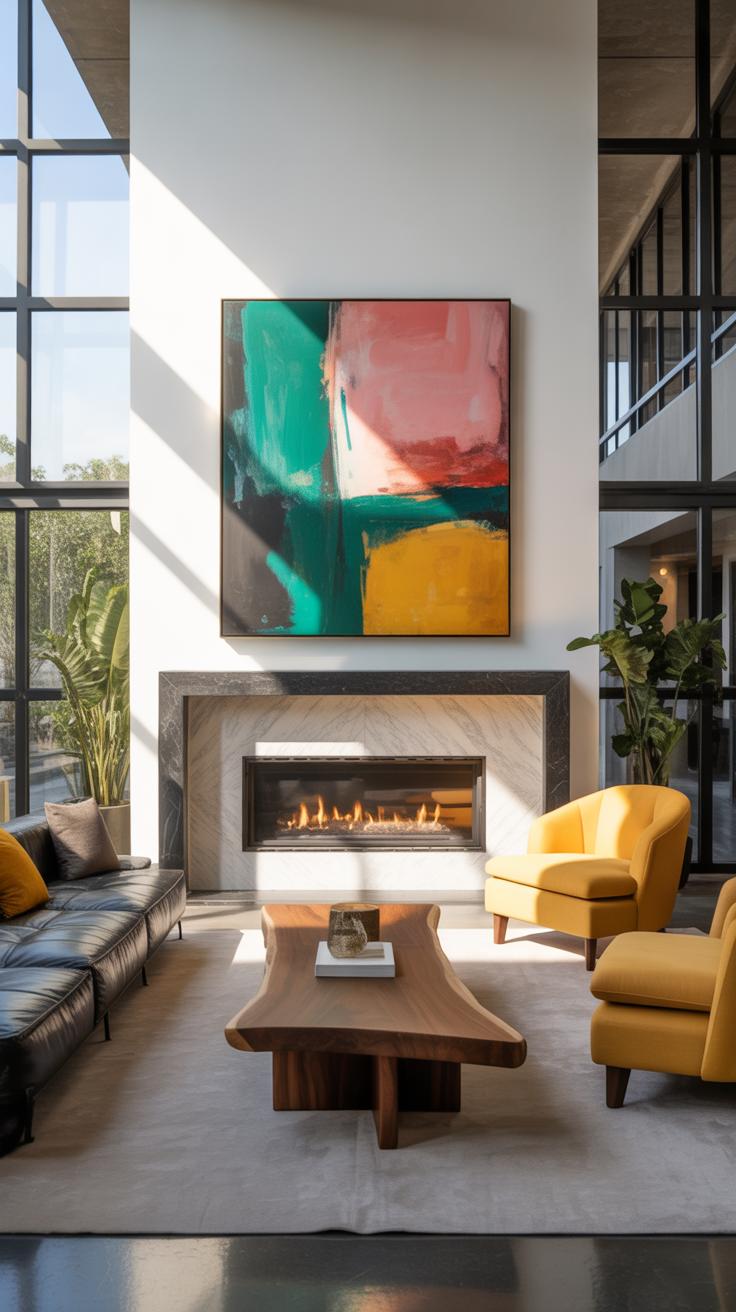
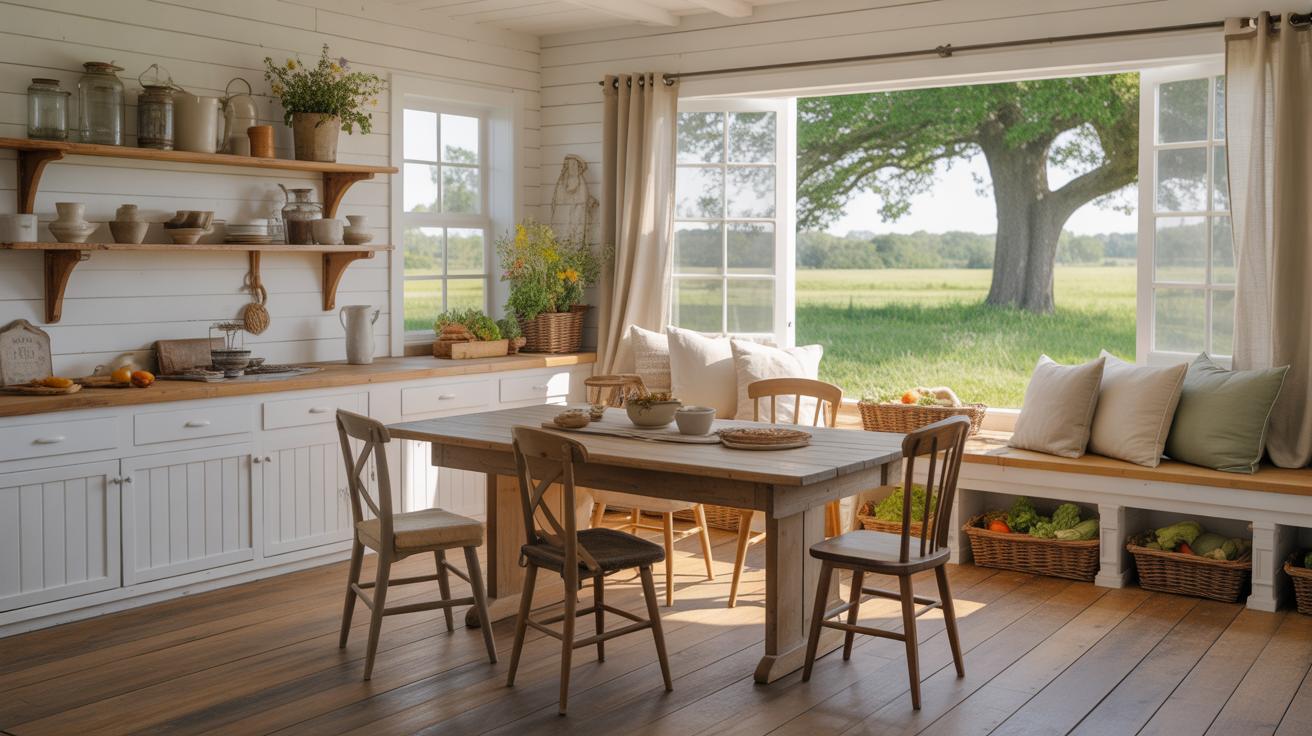
Creating a focal point in your apartment living room is about giving the eye a place to rest, something that pulls the space together. This can be a bold artwork or a large mirror that reflects light and makes the room feel bigger. Sometimes, a painted feature wall in a distinctive color or pattern becomes the natural center of attention. Other times, it’s a piece of statement furniture—a unique sofa, a sculptural chair—that acts almost like an artwork itself.
Choosing your focal point depends on your personality and the vibe you want your living room to give off. For example:
- An oversized canvas with vivid colors can energize the room and reveal your artistic taste.
- A mirror with an ornate or modern frame can reflect natural light and add depth.
- Using texture or patterned wallpaper on one wall can add interest without overwhelming the whole space.
- A single, bold armchair or a vintage coffee table might serve as a conversation starter and a visual anchor.
Think about the function and mood of your living area. A focal point doesn’t have to shout—it can whisper, drawing attention gently but persistently.
Using Art As A Visual Anchor
Art possesses this curious ability to capture attention and express personality simultaneously. Picking the right piece isn’t just about complementing your furnishings; it’s about capturing something essential about who you are or what you love. Whether you favor abstract shapes, landscapes, or portraits, the artwork you choose sets a tone for the room.
Placement matters. Hanging a piece at eye level on a main wall ensures it naturally commands attention and invites contemplation. Sometimes, grouping smaller pieces into a gallery wall creates a collective visual effect, but a single grand piece can stand alone with stronger impact.
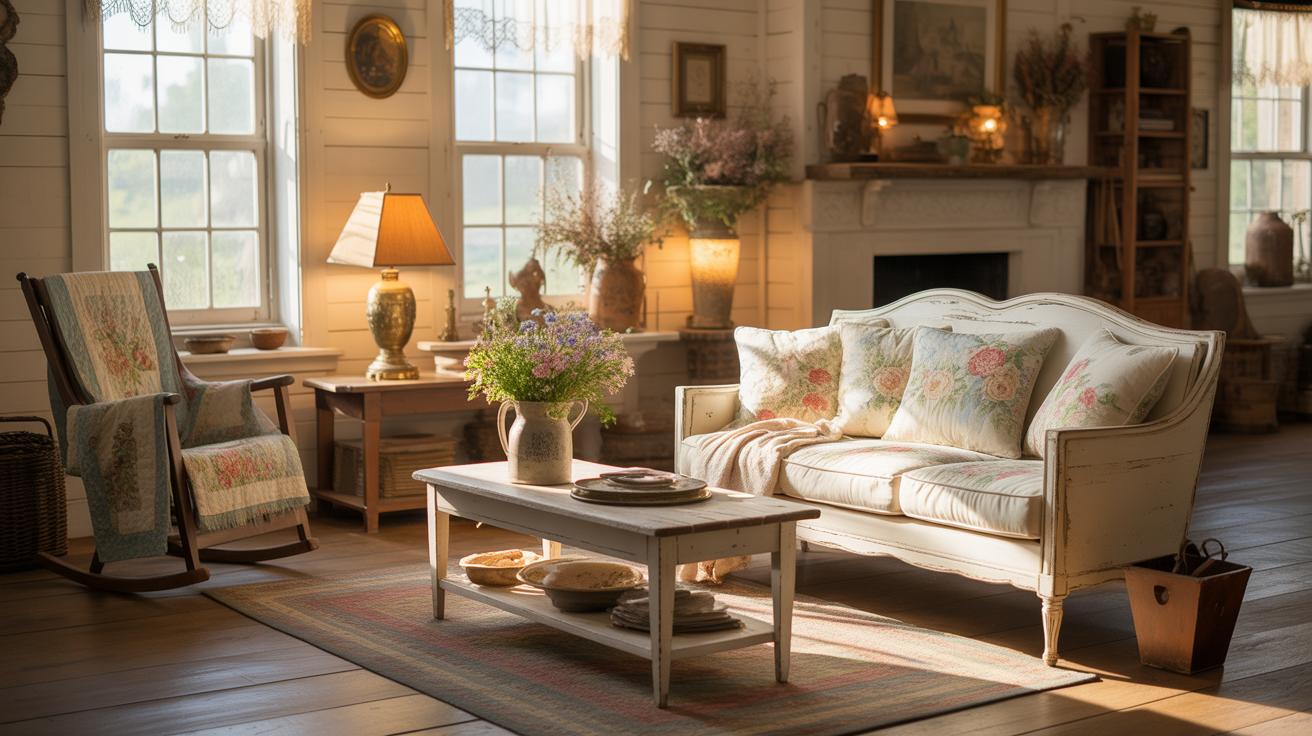
Don’t shy away from sizes or unconventional media; a large canvas or mixed-media piece can feel daring but wholly worthwhile if it feels right to you.
Decorative Walls And Statement Pieces
A wall doesn’t have to be bare to be beautiful. Decorative walls—whether clad in textured panels, layered with wood slats, or covered in a bold color—offer a backdrop that can define the character of your living room.
Consider laminate panels as an option. They come in a variety of finishes and offer durability, which may suit apartment living perfectly. Their applications aren’t limited to kitchens or bathrooms; they can create subtle or dramatic effects in living areas.
Statement furniture follows a similar principle. Pieces that break the mold—whether through design, material, or color—claim the room’s attention. Sometimes, one unexpected chair or a new coffee table can revitalize the entire space, making it feel fresh without a total overhaul.
It’s a mix of restraint and surprise—balance your design with practical pieces, but allow one or two bold choices to stand out. This way, your living room feels curated, yet inviting and personal.
Storage Solutions For Decor Home Living Room
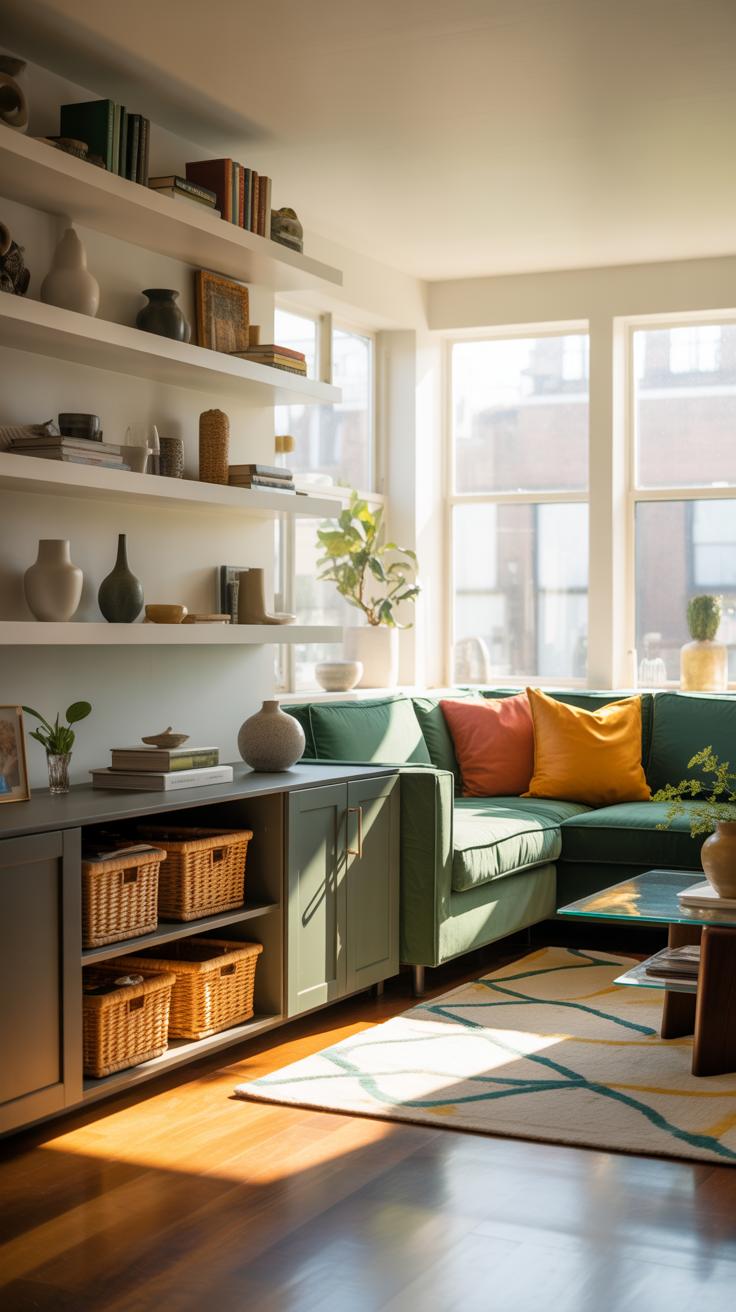
Keeping your living room clutter-free can feel like an ongoing challenge, especially if you don’t have much space. Built-in storage offers a sleek option—by integrating cupboards or drawers into walls, you can tuck away items neatly without crowding the area. These bespoke solutions might require some investment but tend to blend in well, almost disappearing into the décor.
Shelves remain a classic choice, but rather than just any shelf, think about open designs that can display décor while holding books or small items. They add personality and keep things in reach without looking messy. Sometimes, mixing closed and open shelving helps strike a balance between display and concealment.
Then there’s furniture with hidden storage—this can be a game changer if floor space is tight. Ottomans that open up or coffee tables with drawers and compartments can hold blankets, remote controls, or kids’ toys. These pieces keep essentials handy but out of sight. I once bought a storage bench that doubled as extra seating when guests came over; small tweaks like that really changed how my living room felt.
Effective Use Of Vertical Storage
When floor space is limited, looking up is sometimes the simplest solution. Wall-mounted shelves let you store things above eye level, freeing the floor for movement or larger furniture. Tall cabinets can hold a surprising amount without overwhelming a room. You might hesitate to add these, fearing they’ll make the space feel cramped, but when chosen wisely—think slim profiles and light colors—they can even enhance the room’s height and openness.
Try using the vertical space near corners or less-used walls. It’s a matter of seeing your walls as more than just boundaries for furniture placement. Just be cautious—too many vertical elements can feel like walls closing in, so spacing and balance still matter.
Furniture With Hidden Storage
Hidden storage in furniture is more than a clever trick; it’s a practical approach to everyday living. Consider pieces like storage ottomans, which often look like soft seating but open to reveal space inside. Coffee tables with built-in drawers or lift tops can house magazines, electronics, or even board games.
Other ideas include beds with underframe drawers or side tables with secret compartments. Even benches with lids that lift or armchairs with pockets on their sides fit this category. The real benefit is that these items serve dual purposes, saving space without sacrificing style or comfort. If you haven’t tried them yet, maybe it’s time to rethink your furniture choices.
Textiles And Soft Furnishings Impact
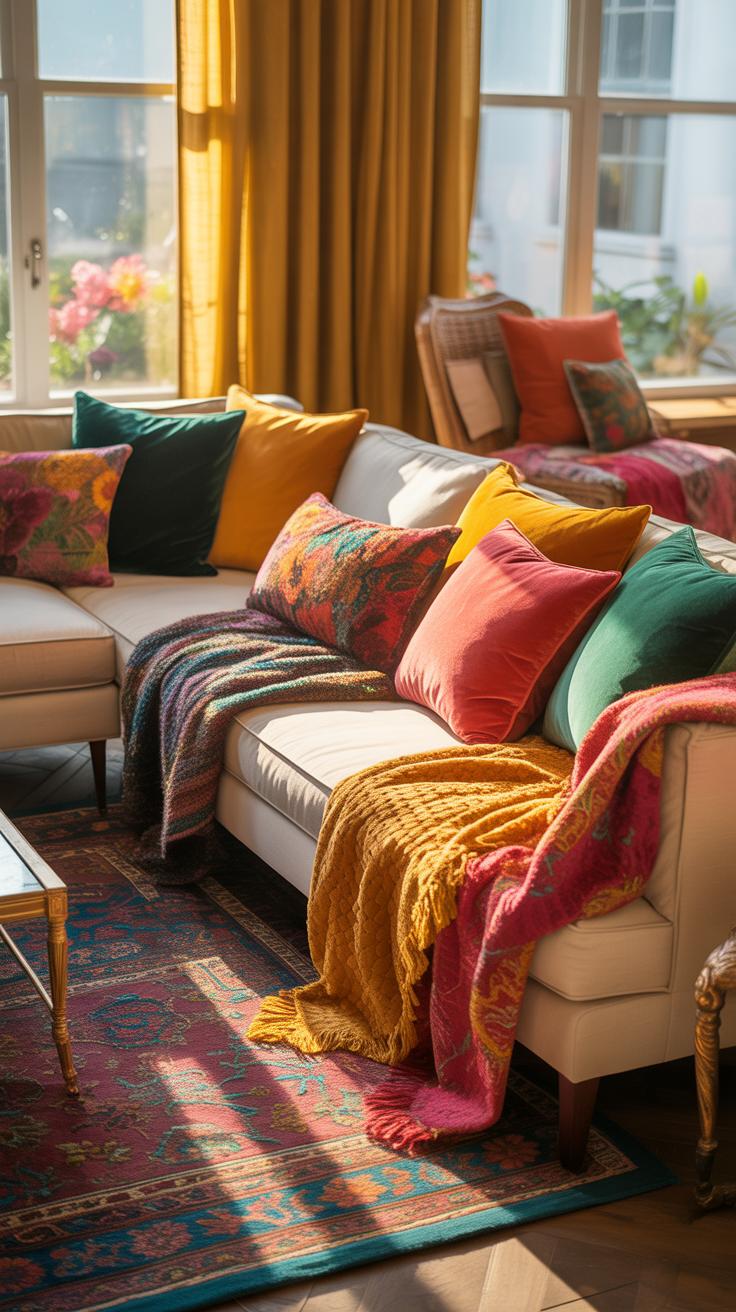
Textiles like rugs, curtains, and cushions do more than just fill space in your living room. They shape how the room feels and looks, playing a big role in both comfort and style. Rugs can add warmth underfoot and a touch of texture that breaks up an otherwise hard floor. Curtains influence light flow and privacy, but also contribute to the room’s mood — heavier fabrics give a cocooning sense, while lighter ones offer airiness.
Selecting fabrics isn’t just about color. Think about texture and durability. Some fabrics, like linen or cotton, are breathable but might not hold up in high traffic. Synthetic blends may be tougher but feel different to the touch. Mixing different textile types can create layered interest but avoid going overboard, or the room risks feeling cluttered.
Choosing Rugs To Define Spaces
Rugs do more than anchor furniture; they help define separate zones in a room, especially in open-plan areas. A rug under the coffee table can signal a seating space distinct from a play area or dining corner. Size matters here — too small and it feels off; too large and it can overwhelm. Additionally, rugs introduce a tactile element that adds comfort and breaks the monotony of hard floors.
Coordinating Cushions And Curtains
Matching cushions and curtains makes it easy to pull a room together, but contrasting them can also bring dynamic layers of interest. If your curtains are a solid color, patterned cushions can add a playful note or vice versa. Texture plays a role too: velvets, linens, wools — mixing these can enhance the room’s depth, but it’s worth keeping a cohesive palette in mind so it doesn’t end up looking chaotic.
Incorporating Technology In Living Room Design
Hiding Wires And Devices Efficiently
When it comes to wires cluttering your living room, it’s a common headache. Maybe you’ve stared at that mess behind your TV too long. Here are some practical ways to keep wires out of sight:
- Use cable management boxes or sleeves to bundle cords together.
- Secure wires along baseboards or behind furniture using adhesive clips.
- Consider running wires inside walls if possible, especially for fixed electronics.
- Choose wireless or Bluetooth devices where you can. They reduce wires instantly.
It’s surprising how much difference hiding wires makes for a tidy look. Keeping wires concealed doesn’t mean sacrificing access though — leave enough slack to unplug or move devices without hassle.
Tech Furniture For Contemporary Spaces
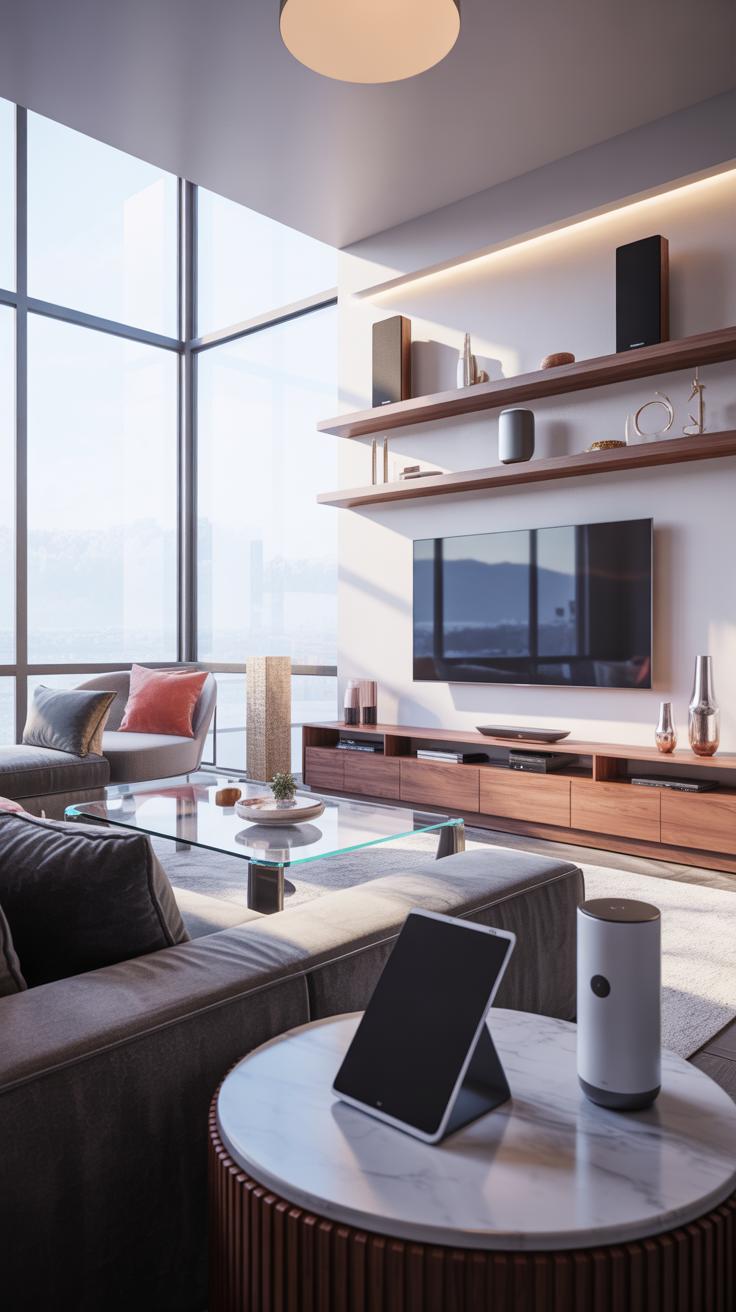
Furniture that doubles as tech storage or integration spots can change how you arrange your room. Think of TV stands or coffee tables with built-in charging ports, hidden compartments for remotes, or shelves designed to house speakers seamlessly.
- Opt for media consoles with cable grommets for discreet wire passage.
- Look for side tables with integrated USB or power outlets to keep devices charged close by.
- Consider modular units that allow for adjustments as your tech setup evolves.
Some pieces are designed to blend gadgets with aesthetic preferences, reducing visual clutter while adding convenience. I find it helps the room feel less like a jumble of electronics and more like a balanced living space.
Choosing Art And Decorative Items
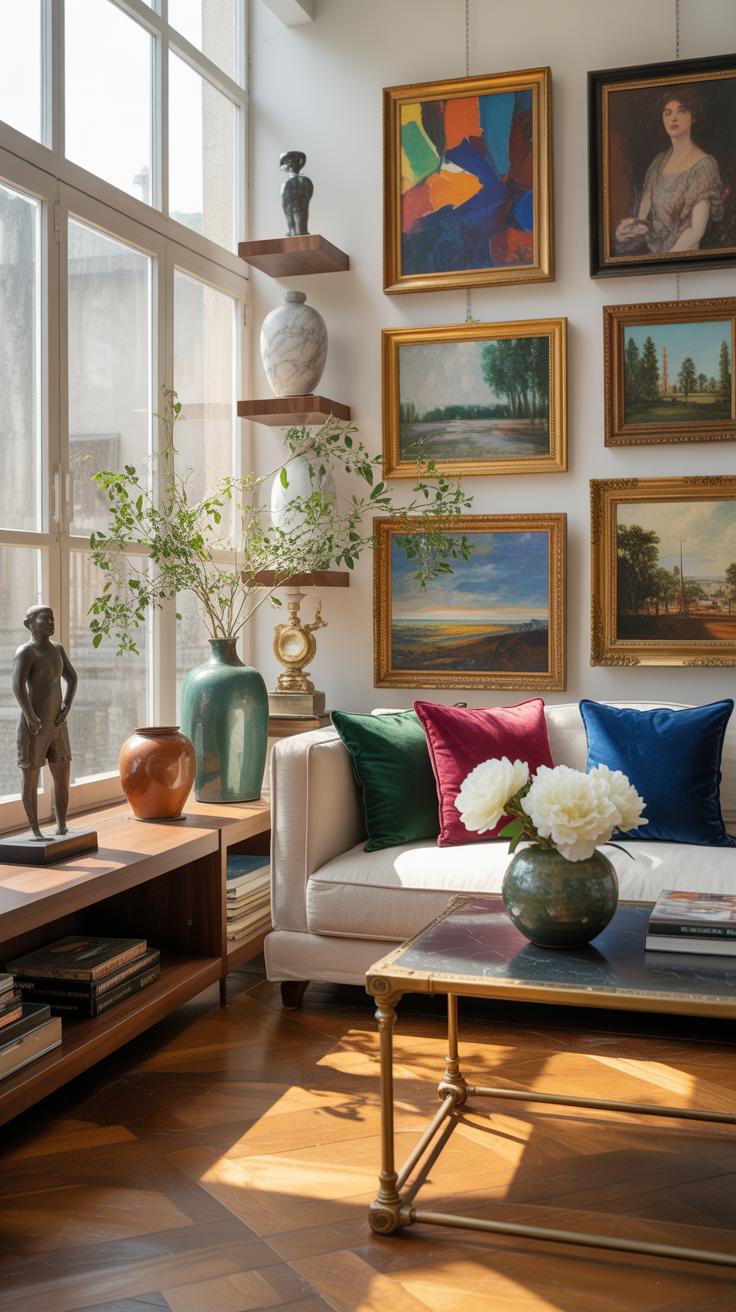
Choosing art and decorative pieces for your apartment living room requires a balance between personality and practicality. You want pieces that reflect you but don’t overwhelm the space. Trusting your instincts here is fine, yet it can help to consider the size of your walls and existing furniture. Big, bold art can energize a room with minimalist furniture, but smaller, subtle works might better suit a cluttered or highly patterned setup.
Look for art or sculptures that complement your modern style without mimicking it exactly. For example:
- Opt for abstract prints or geometric sculptures if your decor is sleek and clean.
- Choose muted tones or monochrome pieces to keep the mood calm and cohesive.
- Add a pop of color through one or two statement pieces rather than several smaller ones.
When arranging your decorative items, less is usually more. Group items in odd numbers—three or five—rather than even numbers to create a more natural, interesting display. Vary the heights by mixing taller vases with low bowls or photo frames. Don’t feel pressured to fill every shelf or table; negative space can be as powerful as objects.
Consider how you interact with your space daily. Does your arrangement invite you to relax or inspire you creatively? Personally, I’ve learned to rotate pieces seasonally to keep my living room feeling fresh but avoid overcrowding at any time. What about you? How do you decide which art tells your story without overloading your senses?
Checklist For Setting Up Your Living Room
Planning And Budgeting Your Setup
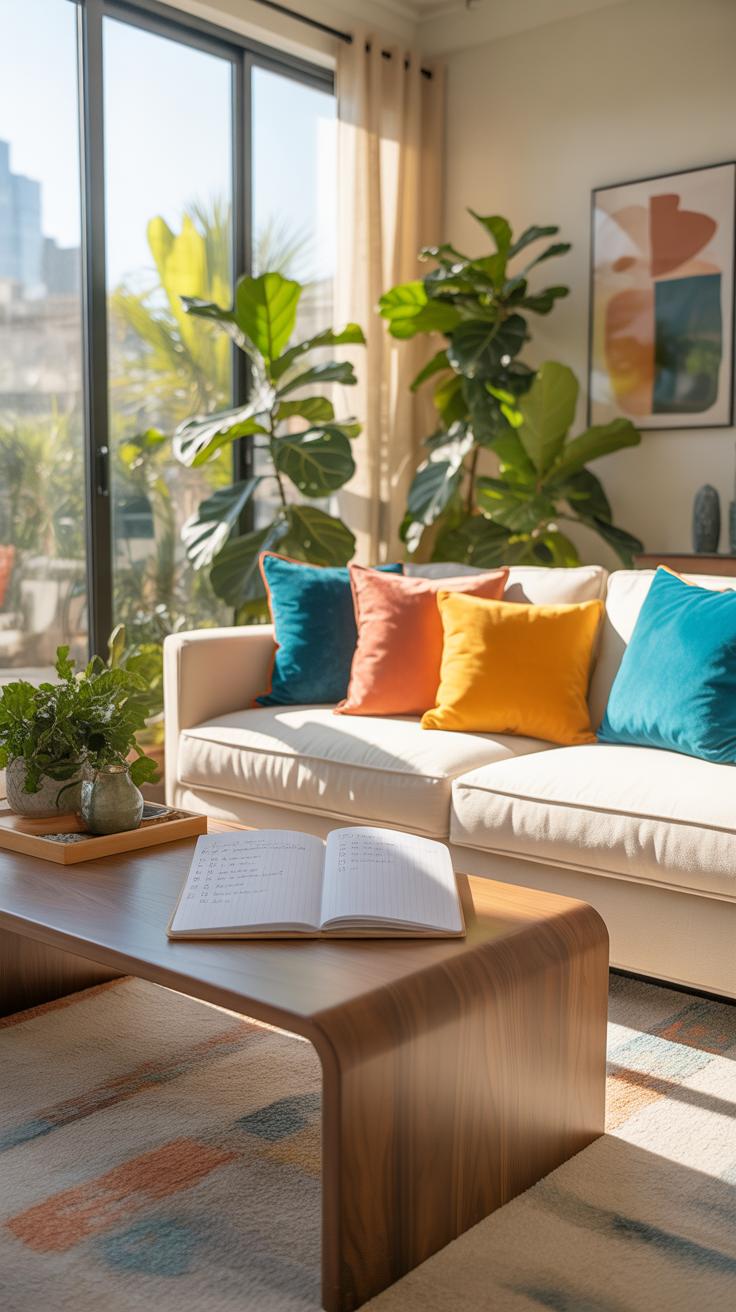
Start by listing what you really need in your living room. Ask yourself, what’s the purpose—a cozy spot for reading, a place for guests, or maybe a media hub? Write down essentials first: seating, lighting, storage. Then, sketch a rough budget, dividing it into categories like furniture, lighting, and decor. Be realistic about what you can afford right now. Prioritize purchases that serve multiple functions or fit the space well. For instance, a sofa bed might save both space and money. Remember, it’s okay to buy key items first and add extras later. Planning this way keeps you from overspending on trendy pieces that might not fit your everyday needs.
Arranging And Decorating Steps
When you start placing furniture, think about flow. Leave enough room to walk comfortably—don’t cram the space. Position your largest piece, usually the sofa, to define the room’s focal point. Add other furniture around it, balancing aesthetics with practicality. Layer in rugs and cushions to soften the look but avoid clutter. Use lighting to create atmosphere; combine overhead lights with table lamps or floor lamps. Add personal touches—photos, artwork, your favorite books—but watch not to overdo it. Finally, step back often and adjust. Sometimes what you imagine doesn’t work in practice, so be ready to shift things around until it feels right. It’s a process, after all.
Conclusions
Designing a modern decor home living room in an apartment involves balancing style with functionality. Selecting appropriate furniture, colors, and lighting plays a significant role in creating a welcoming atmosphere. You can use practical tips from this article to enhance your space.
Remember, your living room should reflect your preferences and make you feel comfortable. Use the design trends flexibly to suit your home and lifestyle. With thoughtful choices, your apartment living room will become a beautiful and practical area that fits your modern living needs.