Introduction
Dream house interior design is about creating a space that reflects your personality and lifestyle while embracing modern design elements. With modern casas modernas interiores, you can enhance your home’s look and feel through smart planning and creative choices. This article guides you through practical steps and ideas to make your dream house interior come alive.
We will cover how to plan the perfect interior, select suitable styles, balance functionality, and pick materials and colors. Each section aims to give you clear, actionable advice that helps you transform your living space into a modern, comfortable home that suits your needs and tastes.
Planning Dream House Interiors
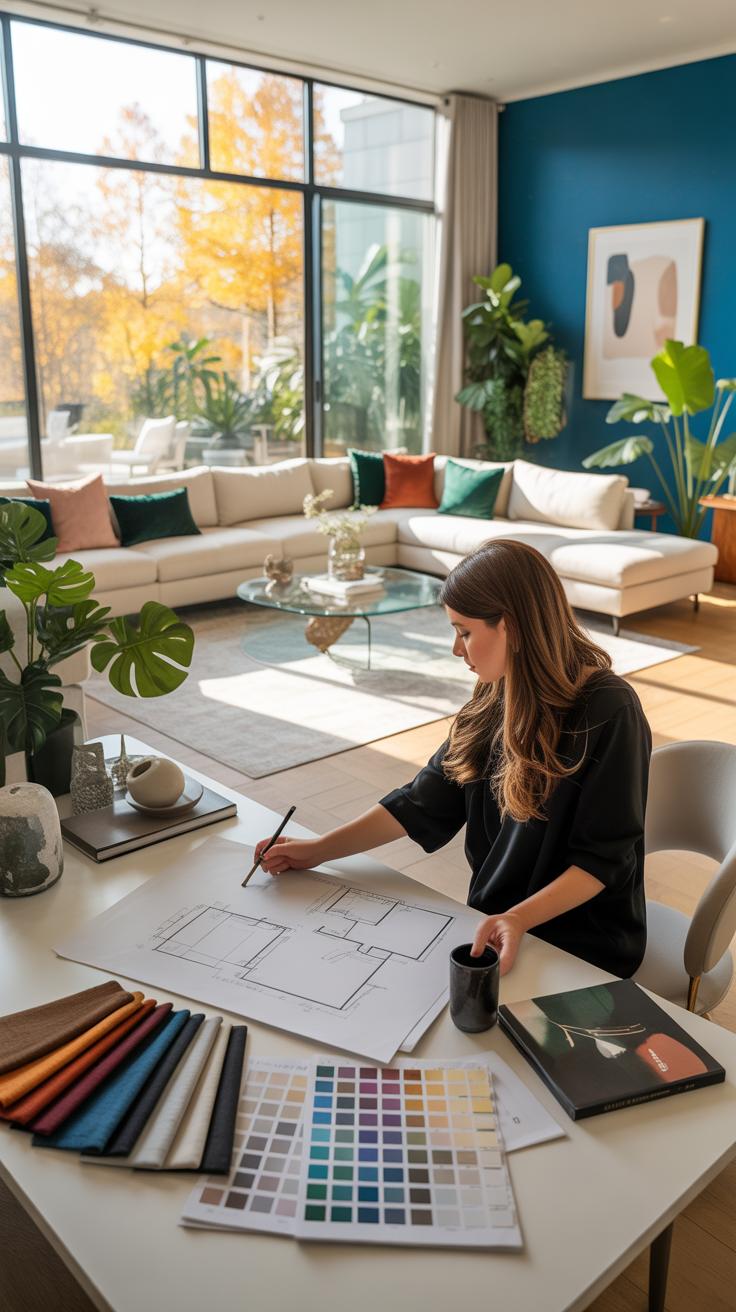
Starting with your dream house interior can feel a bit overwhelming, honestly. You want to get it right, but where to begin? I’d say start by setting clear goals—figure out what you want each space to do for you. Ask yourself: Which rooms matter most? Bedrooms? Kitchen? Living area? Prioritize those because they’ll take up the bulk of your time and energy. It’s alright if this feels like an ongoing process; your ideas might evolve as you go along.
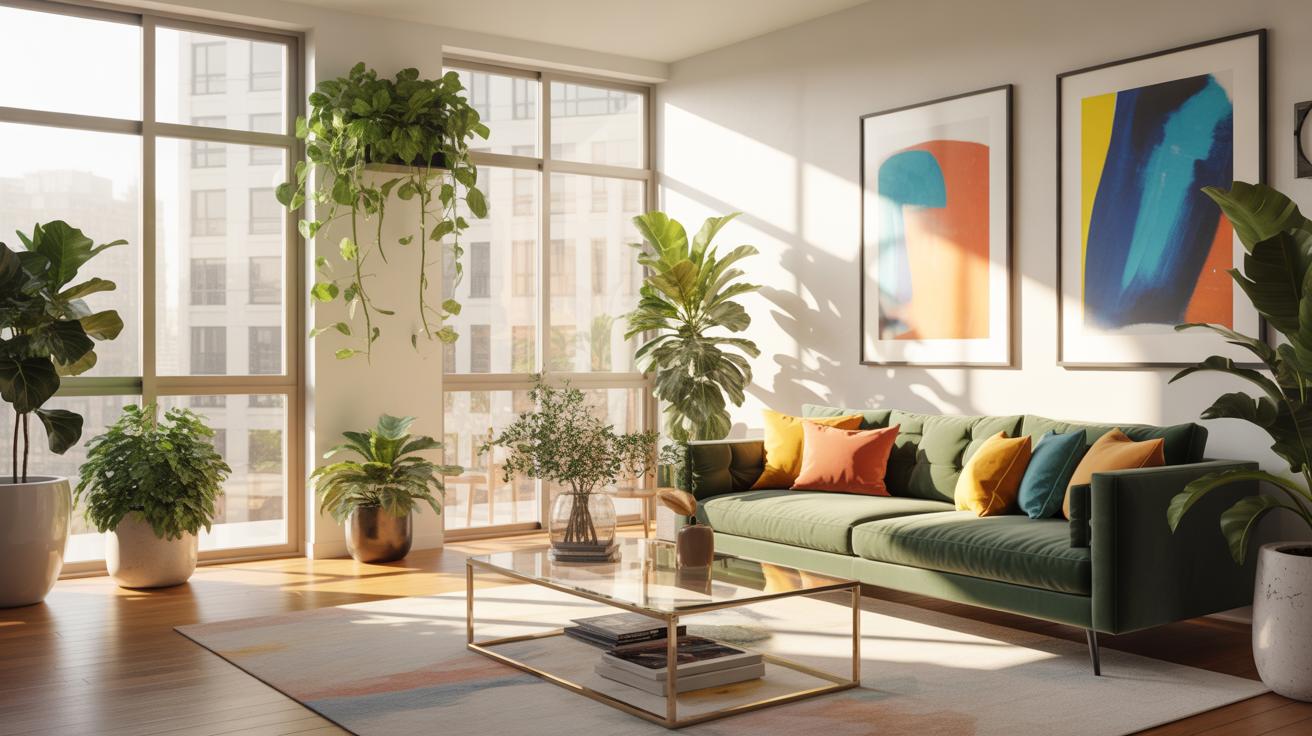
Next up, choose an overall design style that speaks to you. It’s tempting to pull in too many influences, but try to keep a core theme to avoid confusion. Think about what feels natural, what really makes you comfortable, not just what’s trendy. Maybe you lean towards clean lines and simplicity, or perhaps subtle layers of texture appeal more—it’s your call. Don’t rush this; it’s okay if the style emerges gradually.
Balancing Function And Style
Balancing beauty and practicality can be tricky. Sometimes what looks incredible isn’t the comfiest, and what’s functional can seem dull. Your challenge is creating spaces where daily life happens smoothly but still looks inviting.
Keep these things in mind:
- Think about how you really use each room. A stunning couch is great, but is it comfy for your lounging habits?
- Storage is often overlooked but essential. Stylish shelves or hidden compartments can save clutter without looking clinical.
- Lighting is both a design and practical element—natural light is ideal but have varied options for different moods or tasks.
It’s a bit of a dance, adjusting between what pleases your eye and what supports your daily routines. Sometimes, you might prioritize function a bit more—and there’s nothing wrong with that.
Choosing Materials And Colors
Materials and colors shape how a room feels and functions. For a modern home, favor materials that combine simplicity and durability: think smooth wood finishes, metal accents, glass surfaces, and textiles that age well.
When choosing colors, consider the room’s purpose. Softer tones can calm bedrooms, while bolder hues might energize work or social spaces. Remember, colors can seem different depending on lighting, so test samples if you can.
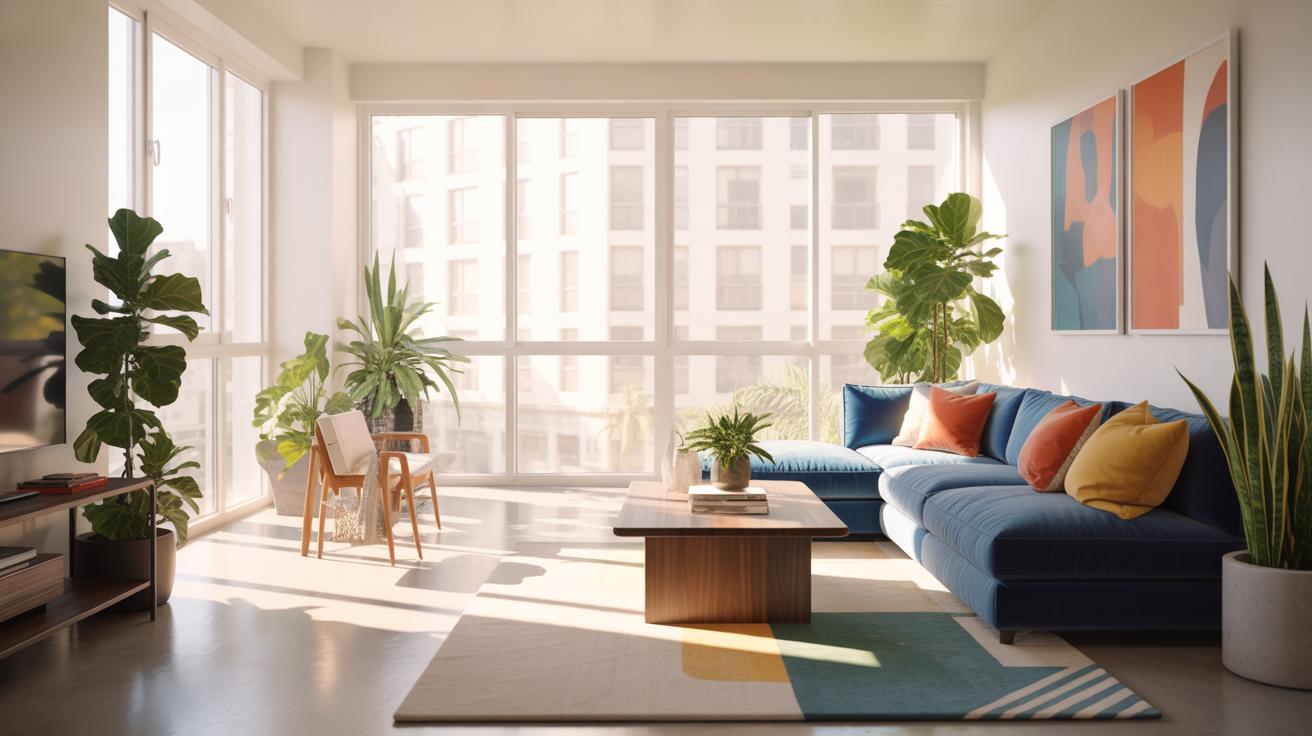
Don’t shy away from mixing textures—a plush rug with sleek furniture, or a matte wall next to reflective surfaces—these contrasts add depth without clutter. But, keep an eye on coherence; too many conflicting elements can feel chaotic rather than fresh.
Common Mistakes In Interior Design
Ignoring Room Purpose
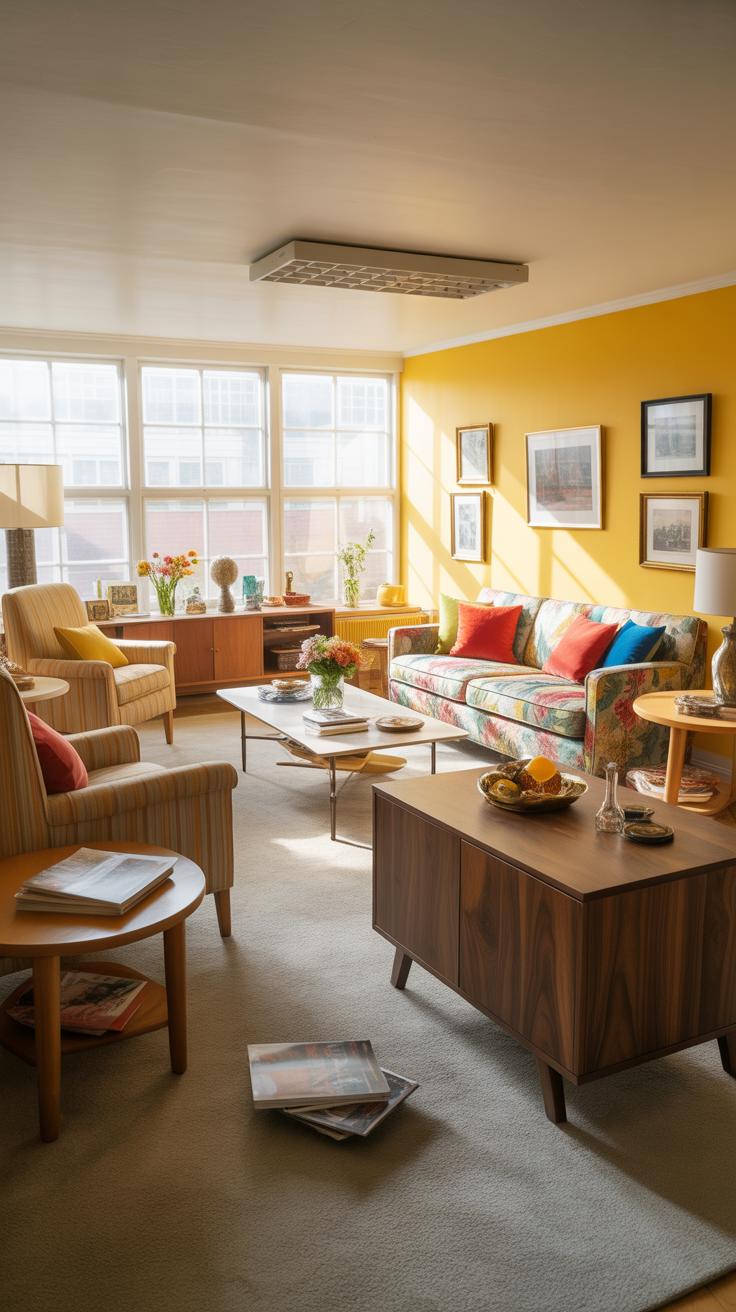
One common mistake people often make is not fully thinking through how a room will actually be used. You might fall into the trap of choosing furniture and decor based solely on looks, without stopping to ask if it suits the function of the space. For example, a living room designed mainly for socializing needs seating arrangements that encourage conversation—not just a fancy couch pushed against a wall. If you overlook the room’s purpose, you risk creating a space that feels awkward or impractical. You might find yourself frustrated or uncomfortable because it just doesn’t serve your daily needs as well as it should. Before selecting anything, consider what activities will dominate that room and let that guide your choices.
Overloading With Items
It’s easy to want to fill every corner with beautiful things, but clutter can quickly ruin the feel of a room. When there are too many decorations, furniture pieces, or knickknacks, the space can start to feel cramped and chaotic. This often leads to visual noise and stress rather than the calm and comfort you probably want. Sometimes a few well-chosen items can have more impact than many scattered ones. Think about breathing space—rooms need it to feel open and inviting. Maybe try stepping back during your design process and asking yourself if each item truly adds value or just adds clutter. Even if it’s nice, less can be more when it comes to your dream house interiors.
Modern Vs Traditional Interior Styles
Features Of Modern Style
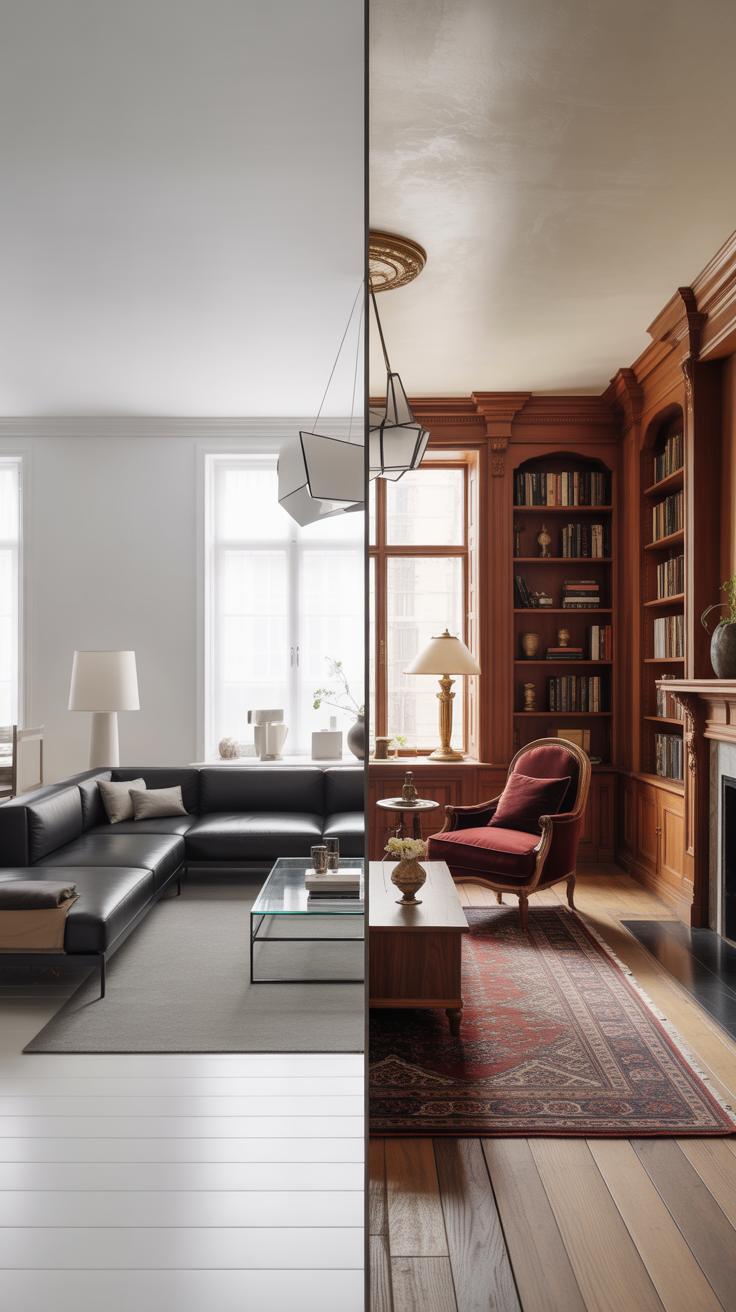
Modern interior design leans towards clean lines and simplicity. It often feels uncluttered, making spaces seem bigger and airier. You’ll notice materials like steel, glass, and concrete—a sort of industrial vibe that’s raw yet sleek. The color palettes usually hover around neutrals, sometimes with bold contrasts. Unlike more ornate styles, modern design avoids excessive decoration, focusing instead on the function and form of objects. It can feel refreshing and minimalist, but sometimes, maybe, a bit cold or impersonal if not balanced carefully.
Traits Of Traditional Style
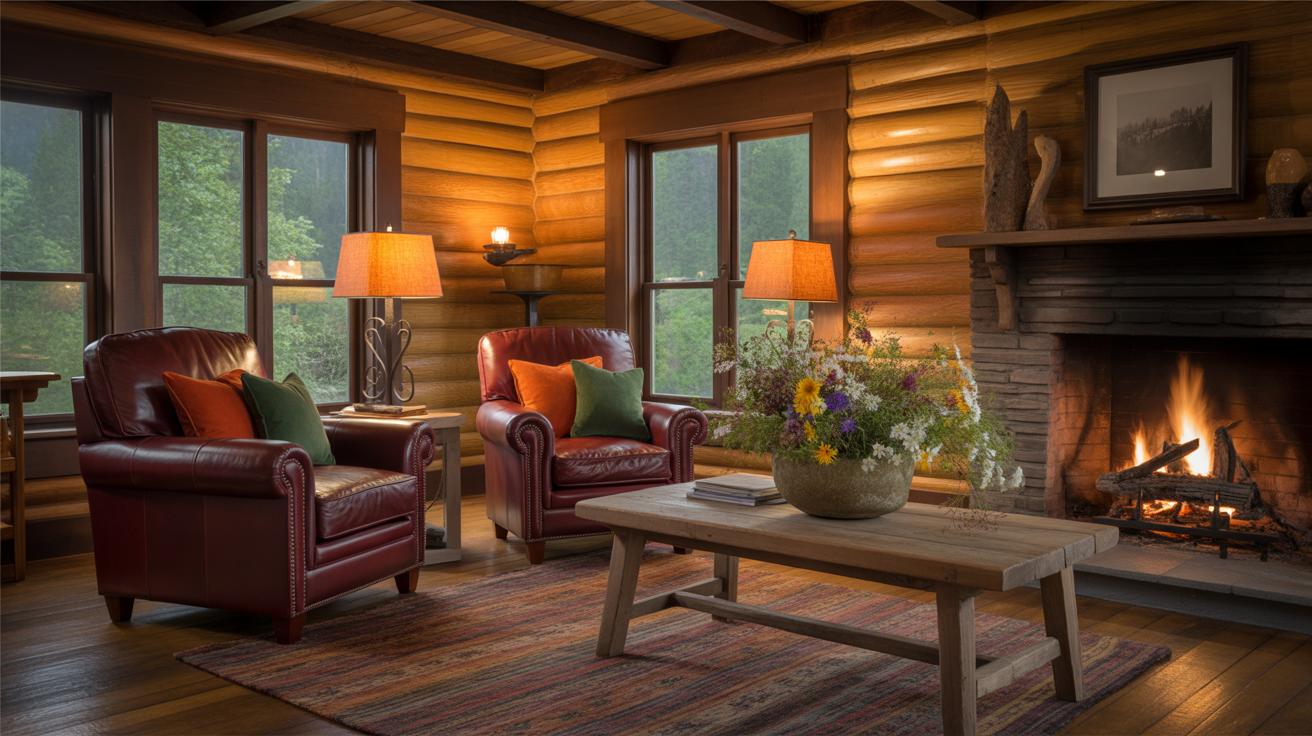
Traditional interiors are rich in color, texture, and detail. Think deep woods, intricate moldings, and classic furniture styles that have a story. This style embraces warmth and comfort, often with ornate fabrics and antique pieces. Rooms feel layered and, well, a bit more crowded with history. It’s cozy, sure, yet could be overwhelming or heavy if overdone. Classic patterns and symmetry also define this style, lending a sense of balance and order that some find reassuring but others may see as rigid or outdated.
Cost Breakdown For Interior Design

Let’s talk about the typical costs you might face when designing your dream home’s interior. Interior design isn’t just about picking pretty things; it involves budgeting for furniture, decor, and renovations, each with its own price range. For starters, high-end furniture can quickly add up, but you don’t always have to go premium. Sometimes, choosing a few statement pieces while mixing in affordable finds does the trick.
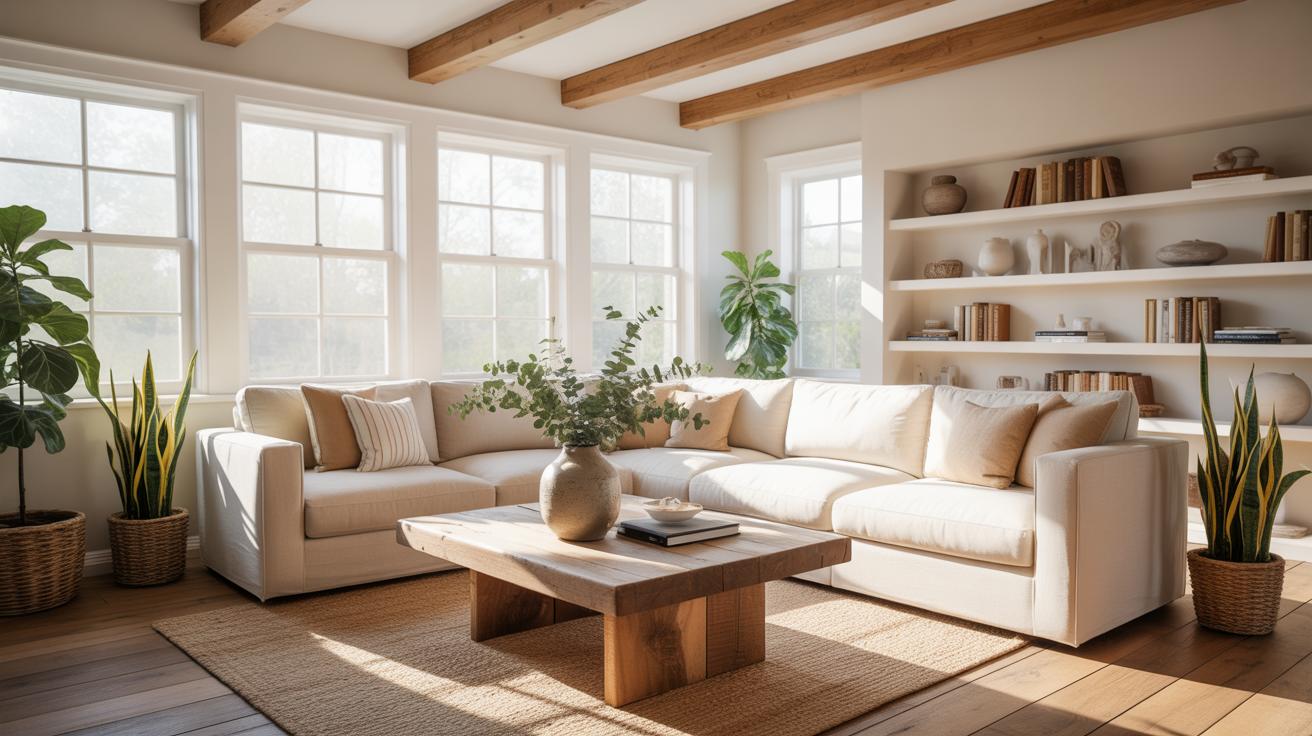
Now, a room-by-room glance might help. For your living room, the biggest costs usually come from sofas and lighting, while bedrooms lean heavily on beds and storage solutions. Kitchens and bathrooms can be costly especially if structural changes are needed, with fixtures and finishes eating up most of the budget.
Trying to save money? Consider these tips: second-hand or vintage shops can offer unique pieces without the hefty price tag. You might also opt for DIY projects on decor to cut labor costs – though I admit it’s not for everyone, especially if you’re short on time or patience.
Another way to save? Prioritize quality on items that get daily use and opt for less expensive materials elsewhere. It’s tempting to splurge on everything, but a balance creates a well-rounded look without feeling overdone.
StepbyStep Interior Setup Checklist
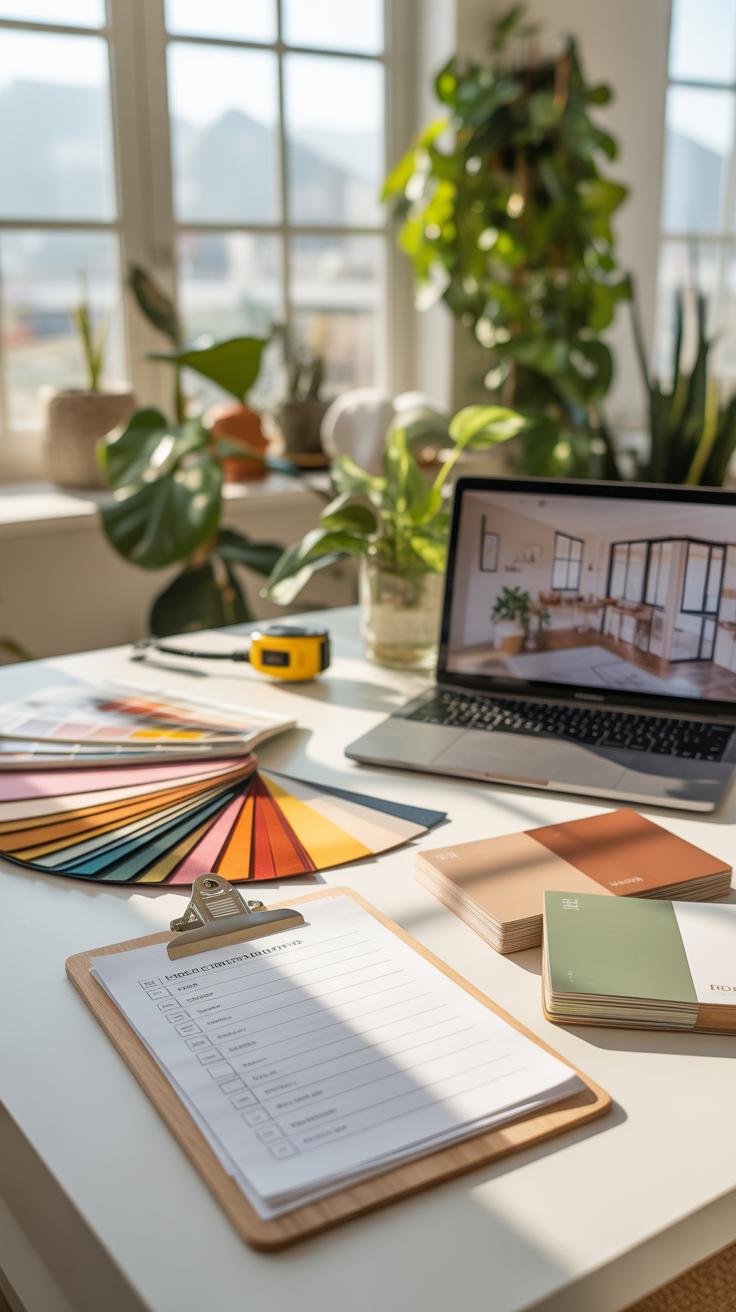
Setting up your dream house interior starts with a clear checklist that guides you from an empty shell to a fully styled space. The process can feel overwhelming if you don’t break it down into manageable steps. First, assess the space by measuring every room carefully; details matter. You’ll want to note doorways, windows, and ceiling heights too. Don’t rush this—accurate measurements save headaches later.
Next, think about furniture selection. Choose pieces that fit the scale of your rooms and match your style preferences. It’s tempting to pick everything at once but consider starting with foundational pieces like sofas and beds, then layer in smaller items. Placement is another critical stage: test arrangements before committing, maybe with masking tape on the floor or digital tools.
Finally, move on to decorations. This is where personality shines through—curate art, textiles, and décor items with care. Try to balance aesthetics and function at every turn. Do not forget to leave some breathing space; overcrowding can kill the vibe you worked so hard to create.
Essential Steps In Room Setup
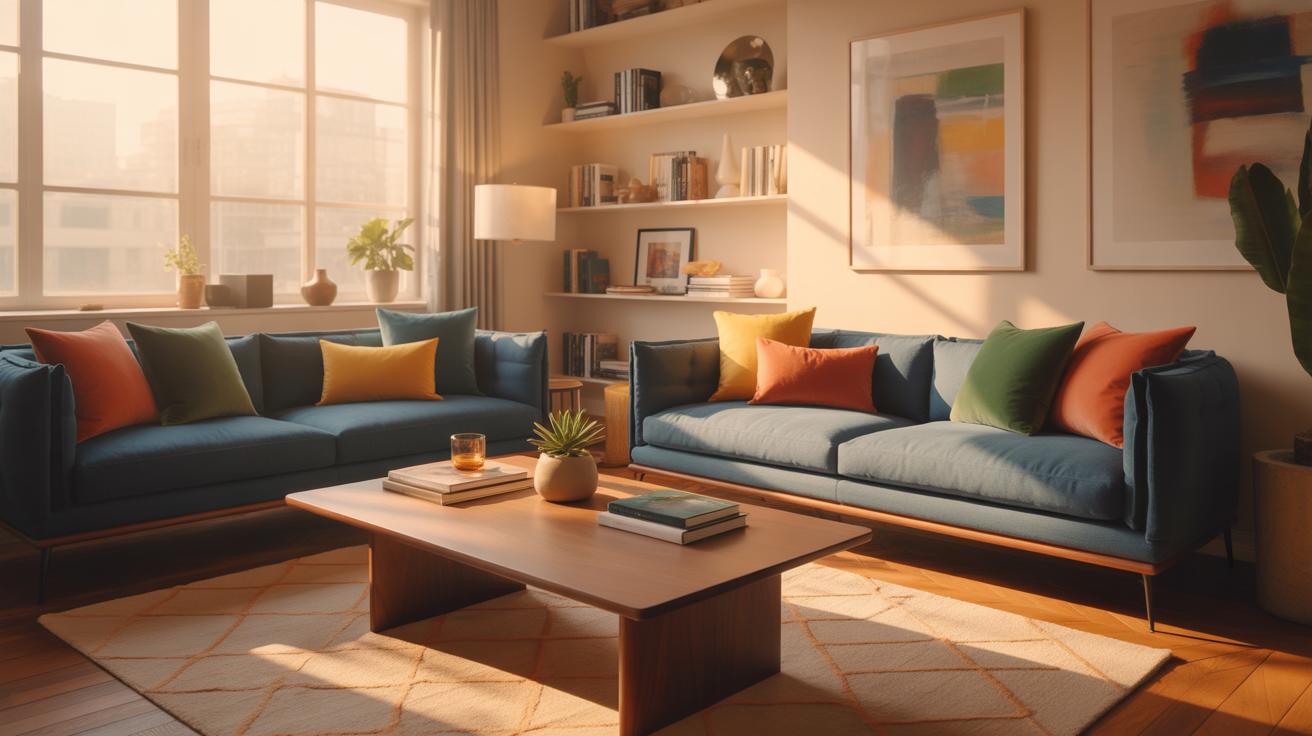
Each room deserves a focused approach:
- Measure carefully: Know your exact dimensions—length, width, and ceiling height.
- Floor plan and zoning: Decide on areas for lounging, eating, working, etc., before buying furniture.
- Choose key furniture: Prioritize pieces that define the room’s purpose.
- Test and adjust: Don’t hesitate to shuffle items; it takes time to feel right.
- Lighting planning: Identify spots for natural and artificial light sources early.
- Decoration: Add layers through rugs, curtains, and wall art, but keep it meaningful.
Final Touches And Adjustments
Once the basics are in place, the magic is in the details. Lighting can’t be overstated—it sets mood and function, so try mixing ambient, task, and accent lights. Art can anchor a room or create conversation points; think about size and style carefully. Accessories like cushions, books, and plants offer texture and warmth but avoid clutter.
Don’t overlook small tweaks, like adjusting curtain lengths or relocating a lamp. Sometimes the difference between a good room and a great room is found in these subtle shifts. You might find that what seemed perfect on day one feels off a few weeks later—trust that instinct and adjust.
Could a splash of color, a well-placed mirror, or a different rug change the entire feel? Probably yes. So, keep experimenting, take your time, and let your home evolve, because a dream house interior is not static—it’s a reflection of how you live and grow.
Examples Of Dream House Interiors
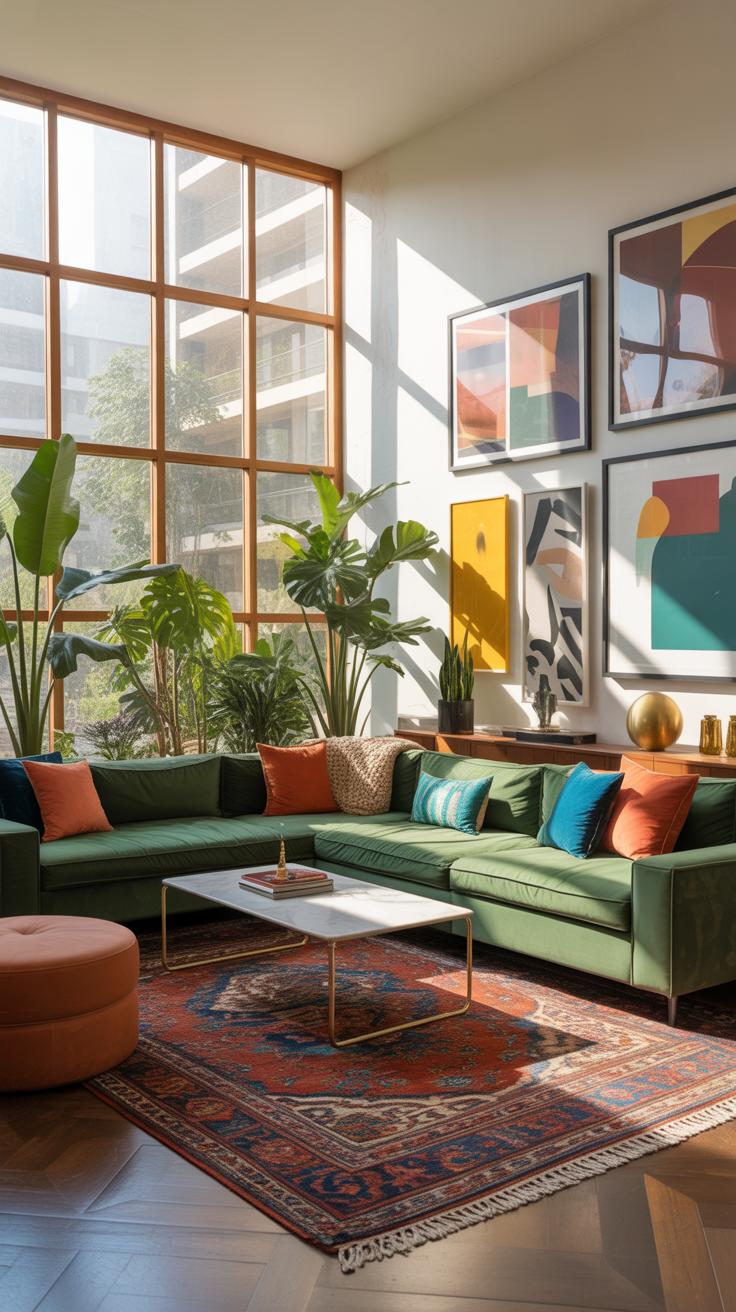
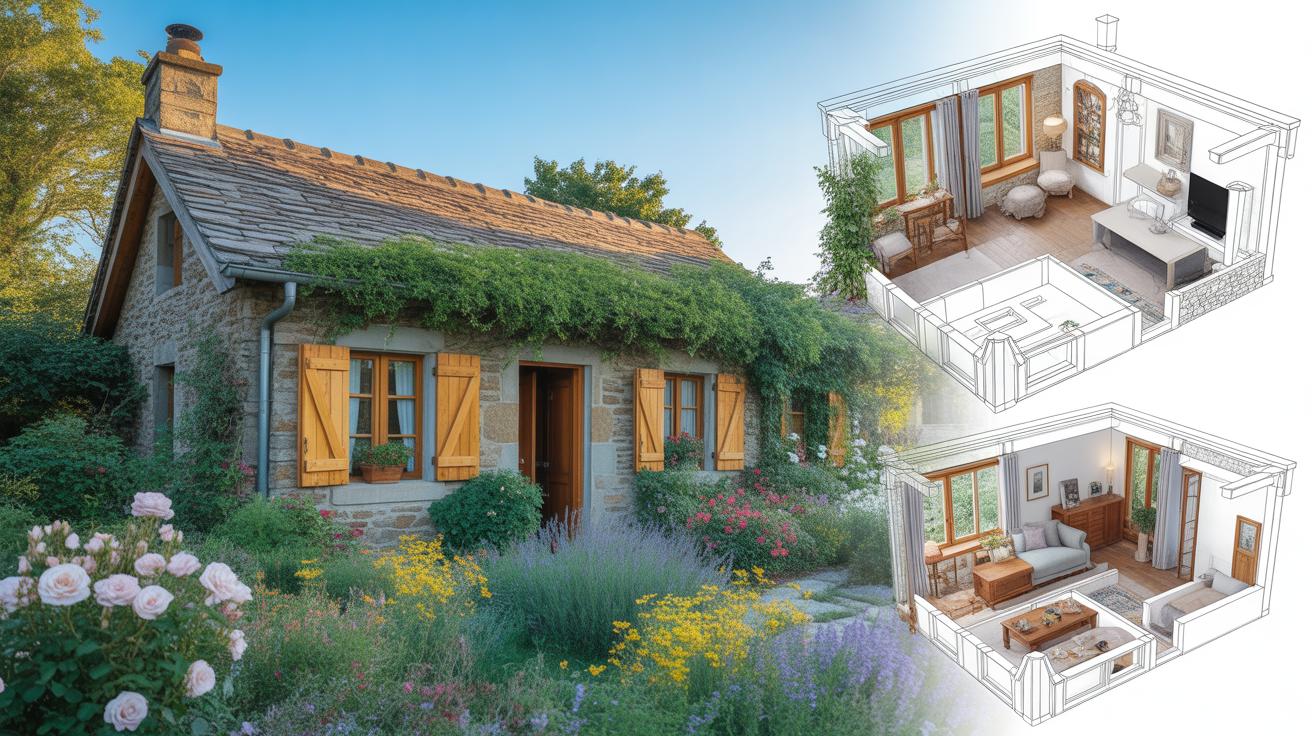
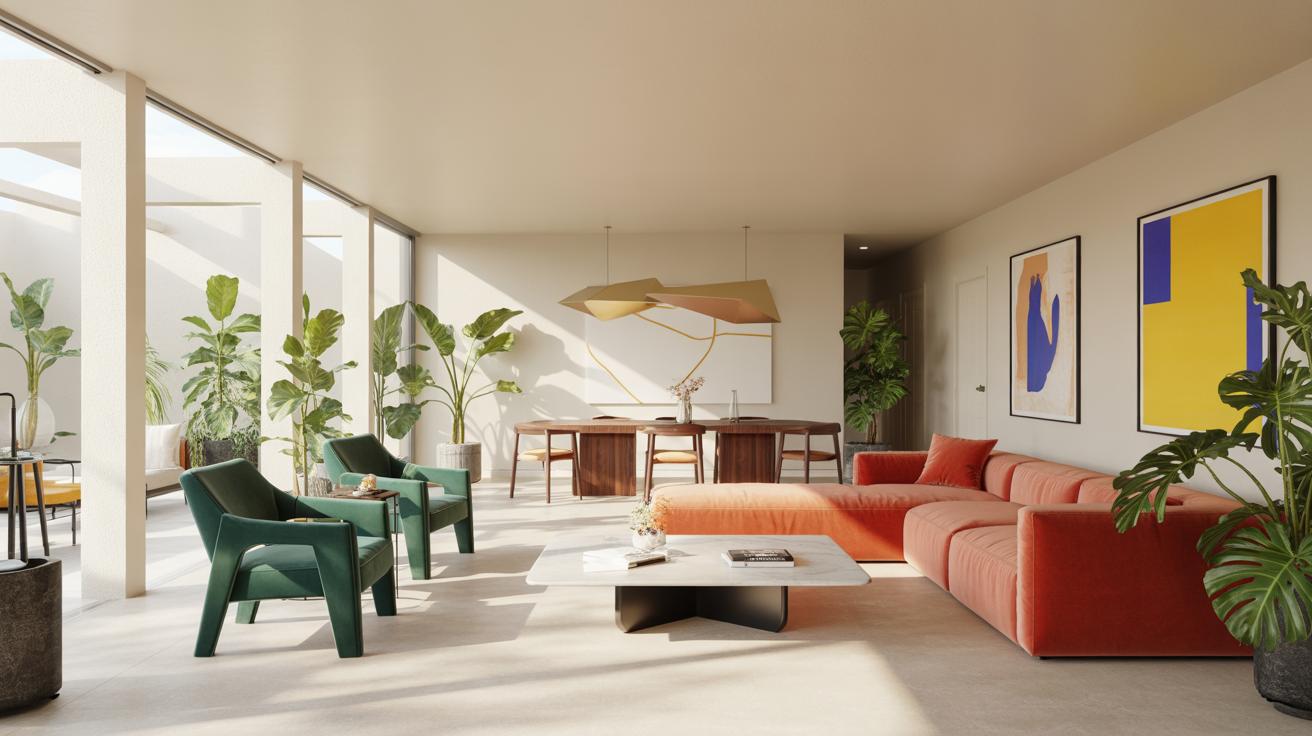
You might find that open plan living rooms really capture the essence of modern casas modernas interiores. Imagine a space where walls almost vanish, allowing areas for lounging, dining, and even working to blend naturally. These rooms often sport clean lines, neutral color palettes, and sleek modern furniture that doesn’t just look good but feels inviting. Sometimes, it’s these open layouts that make a house feel larger and more connected—a real draw if you enjoy hosting or just prefer flow in your daily routine.
Functional kitchen designs are another example worth exploring. It’s not just about aesthetics here; it’s about how a kitchen can be both stylish and practical. Think of kitchens featuring smart storage solutions that keep countertops clutter-free, or islands that double as spots for casual meals and food prep. Materials like quartz or concrete countertops are often chosen for durability, while state-of-the-art appliances blend in without stealing the show. You might appreciate how these kitchens balance beauty with usability, making cooking something to look forward to, rather than just a chore.
Have you noticed how light plays a part too? Large windows often accompany open plans, flooding spaces with natural light that enhances colors and textures. It’s something that perhaps people overlook but makes a world of difference in how the space feels throughout the day. Are open plan living areas really always the best? Some might argue that the lack of separation can make quiet moments tough, but for those who love openness, the tradeoff is worth it.
How To Choose Interior Design Tools
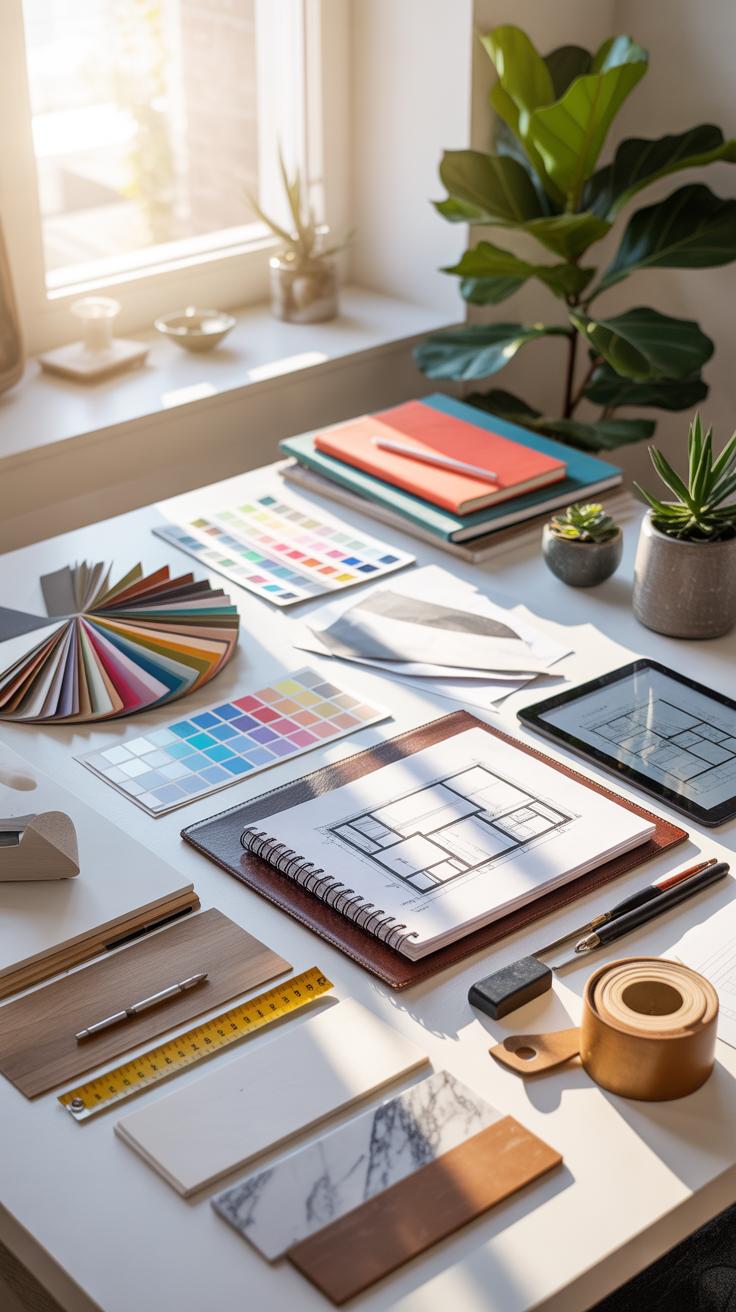
Choosing the right tools is part of what makes designing your dream house interior feel manageable. It’s not just about grabbing the fanciest software or the most expensive gadgets. Think about what fits your style—maybe you want something simple that gives you quick visuals, or perhaps you’re ready to dive into more complex programs with lots of features.
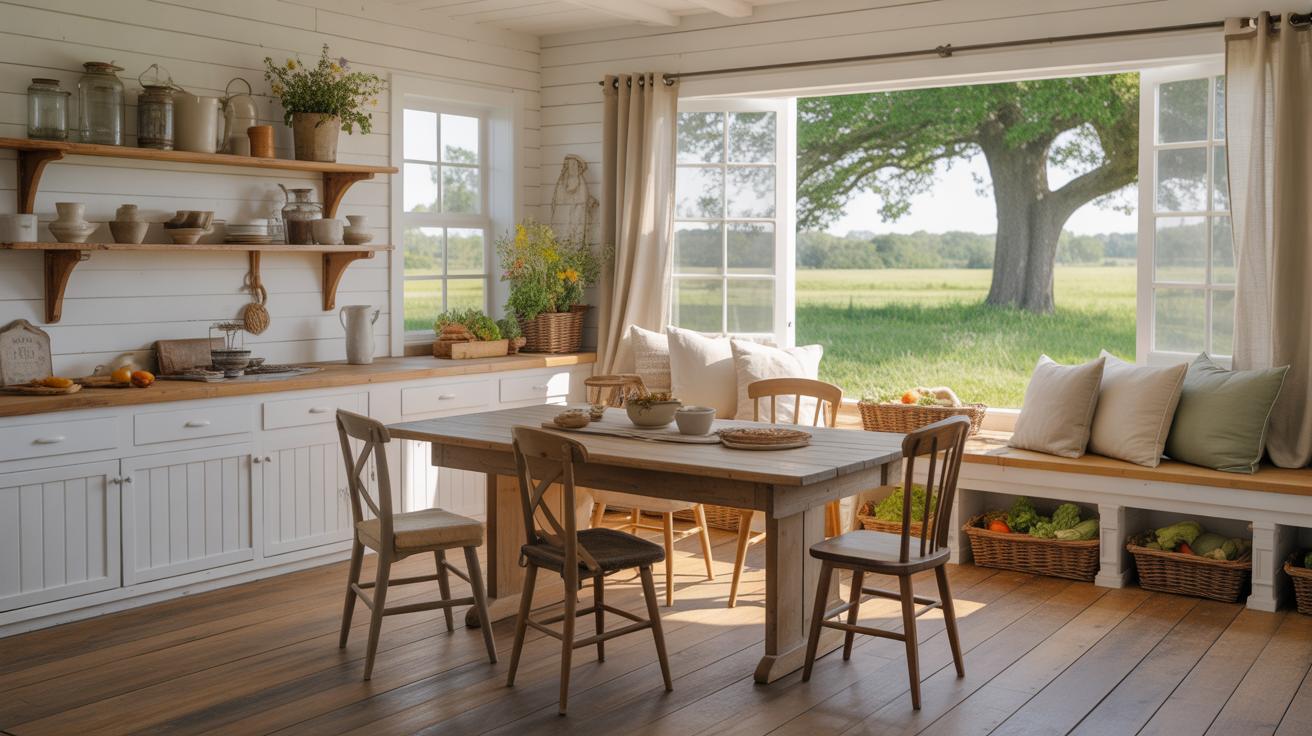
Popular design software varies for beginners and pros. For simpler needs, apps like SketchUp and Roomstyler provide easy interfaces and quick rendering. If you’re a bit more experienced or want more detailed control, tools like AutoCAD and Chief Architect offer advanced options. I have to admit, I once got overwhelmed by too many features in a program—I ended up going back to something lighter just to keep the process fun.
Don’t forget about the basics. Measuring tools like tape measures are old-school but reliable. Laser rulers bring speed and accuracy—though sometimes they can be a bit finicky on reflective surfaces.
- Tape measure: essential and affordable for quick measurements.
- Laser ruler: useful for large spaces, with digital readouts.
- Mobile apps: some smartphones have built-in tools that can approximate room dimensions.
Choosing your tools is a bit like choosing a paintbrush. Each one will shape how you create your space. So, ask yourself: What feels right for your workflow? What helps you picture your dream without adding stress? Sometimes, less really can be more.
Maintaining Your Dream House Interior
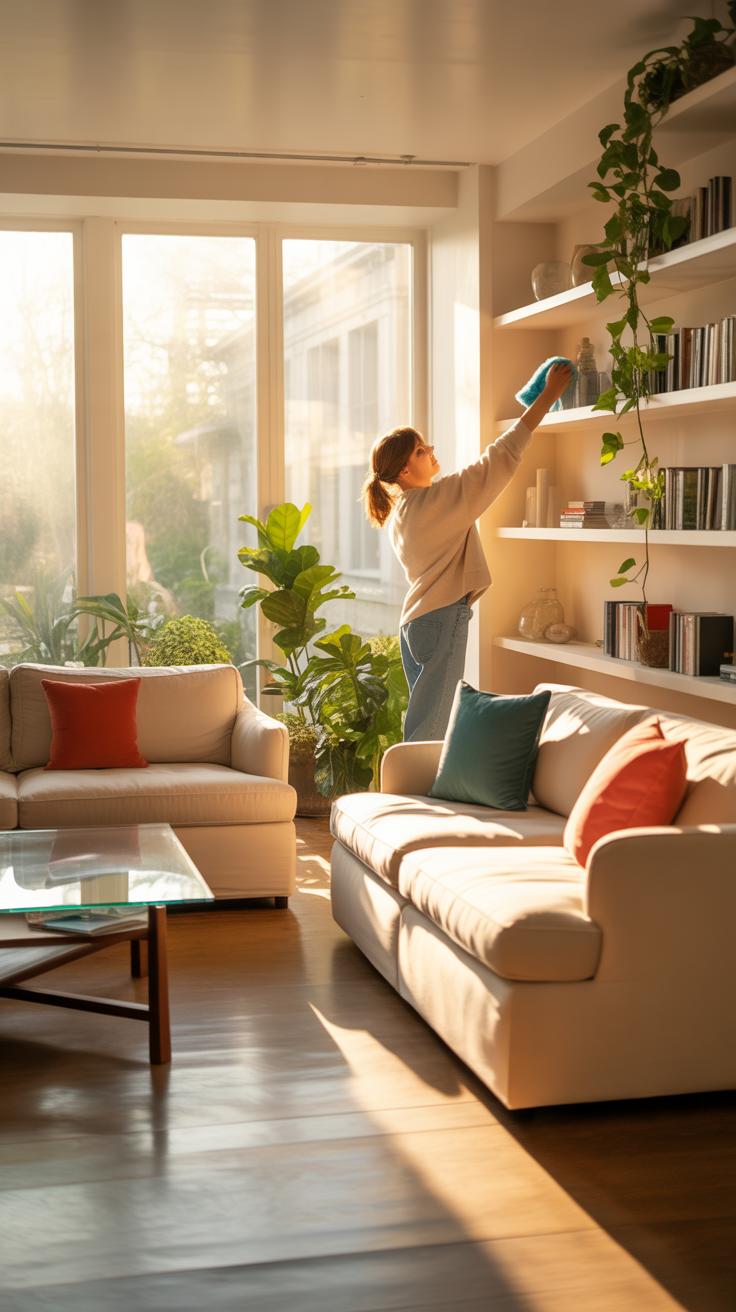
Keeping the interior of your dream house in good shape isn’t just about occasional deep cleaning. It’s really the simple daily habits that often make a difference—things aren’t perfect, but they keep chaos at bay. Consider little routines like wiping down kitchen counters right after use, or quickly tidying the living room before bedtime. These small moments accumulate and stop mess from piling up, which can get overwhelming.
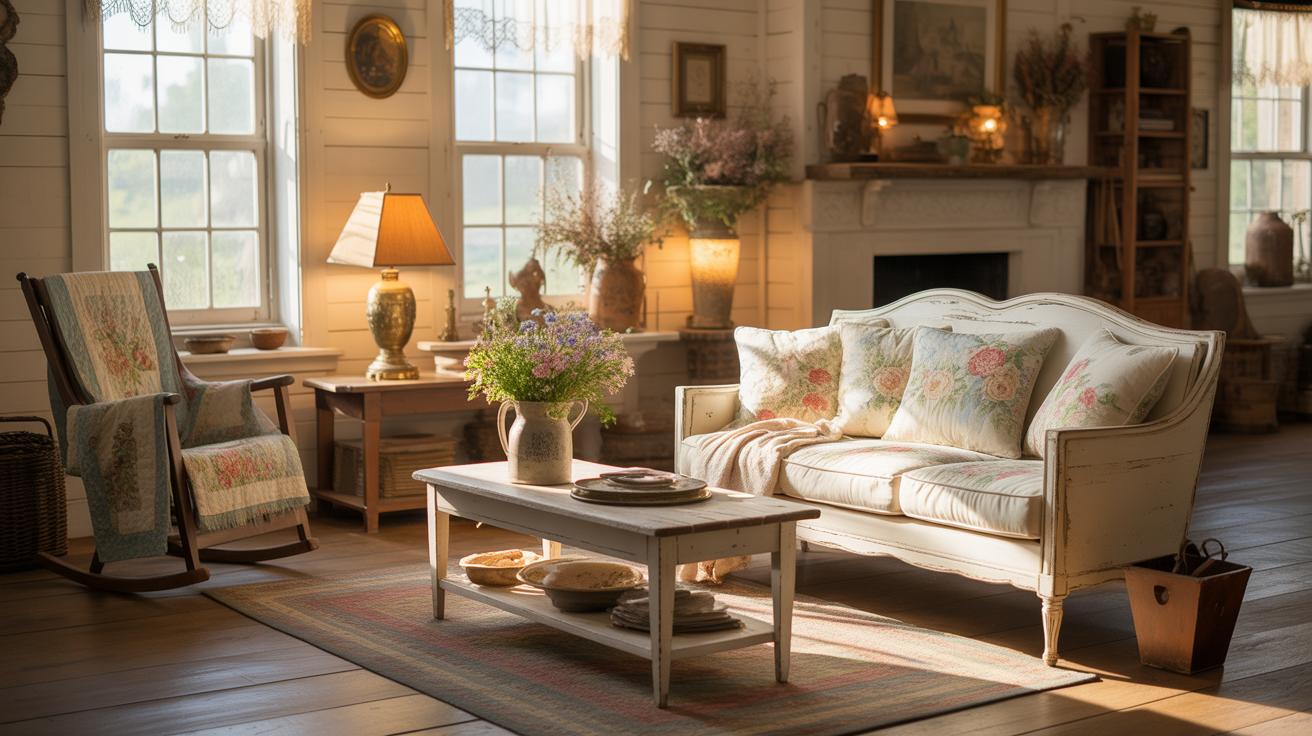
You might find it helpful to create a short checklist for daily upkeep:
- Clear clutter from surfaces
- Spot-clean spills immediately
- Ventilate rooms by opening windows briefly
- Organize mail and paperwork regularly
- Replace or wash hand towels frequently
Sometimes, it’s not about cleaning more but cleaning smarter and consistently.
Planning Periodic Updates
Keeping your dream house feeling fresh requires more than just cleaning. You’ll want to schedule times to update décor or fix minor wear and tear. Changing light fixtures, repainting a wall, or swapping out throw pillows can subtly shift the vibe without a full overhaul. But when exactly should you do this? Maybe every 1-2 years is a good rule of thumb, though it depends on your lifestyle and tastes.
Don’t overlook things like tightening loose handles, fixing a leaky faucet, or refreshing grout lines in the bathroom. These small repairs will protect your interiors over time and prevent bigger problems. Some changes you’ll notice prompt—like faded curtains or tired-looking furniture; others might creep in unnoticed unless you periodically evaluate the space with fresh eyes.
So, ask yourself: When was the last time you really examined how your interiors feel? Perhaps it’s time to plan a refresh or book a maintenance day. It doesn’t have to be a big event; even small, regular updates keep your home engaging and well-cared for.
Conclusions
Dream house interior design combines creativity and practicality. Following clear steps from planning to execution can help you build a home that matches your vision and lifestyle. Paying attention to the details, from furniture to colors, makes a big difference in your home’s comfort and appeal.
Always remember to personalize your space, making it unique to you. Using modern casas modernas interiores means embracing contemporary trends while focusing on what truly works for your daily life. With thoughtful design choices, your dream house interior can become a welcoming place for you and your family.