
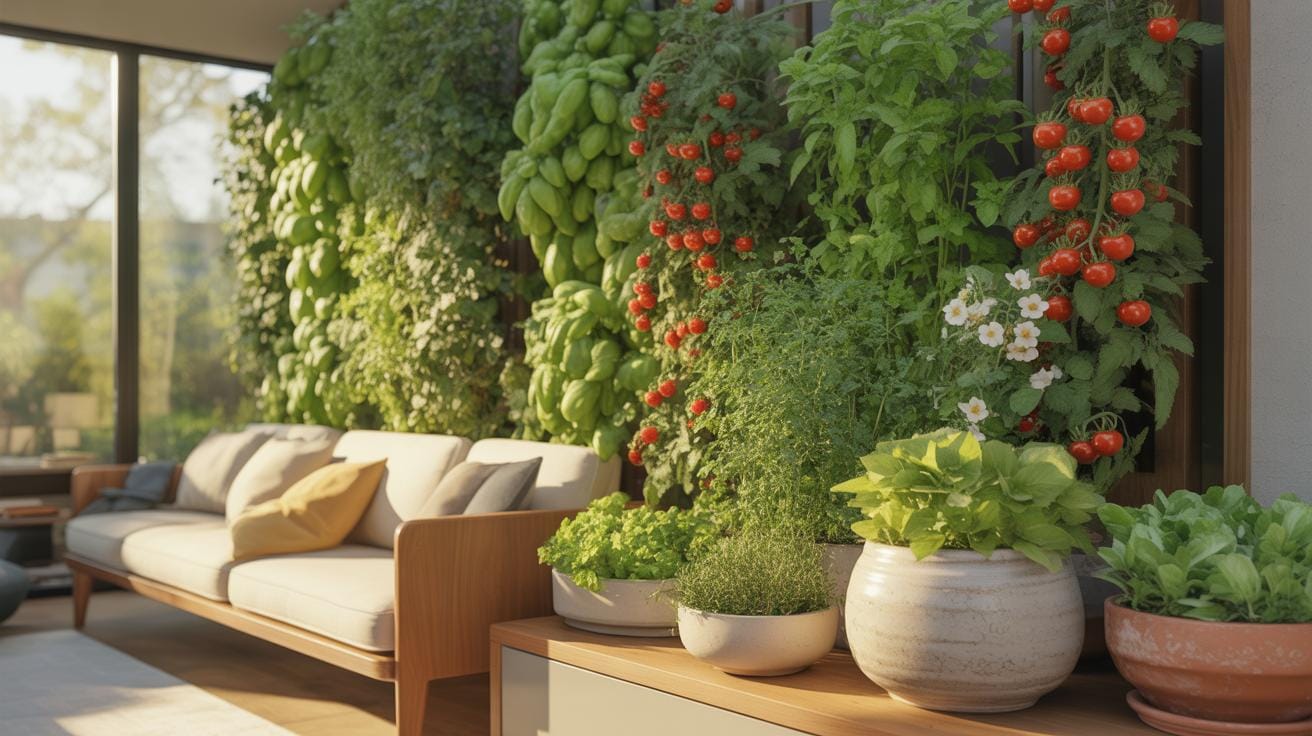
The Rise Of The Edible Living Room Concept
Aesthetic Functionalism
An edible living room combines two things that usually stay separate: pretty plants and practical food growing. Instead of choosing between attractive houseplants and a vegetable garden, you get both at once. Leafy greens, herb plants, and fruiting vines become part of your room’s style. They sit on shelves, hang from walls, and fill corners with living color and texture.
This approach matches a design movement that values objects doing multiple jobs. Your living room stays beautiful while producing snacks and fresh ingredients. Dwarf fruit trees, decorative pepper plants, and trailing berry vines offer visual interest and nutrition. The edible living room shows that function and beauty work perfectly together in home spaces.
Biophilic Living
Humans naturally feel calmer around plants and living things. An edible living room taps into this feeling by filling your space with growing food. Research shows that living plants improve air quality by removing toxins and adding oxygen to rooms. When you grow your own snacks indoors, you create a stronger connection to nature without leaving home.
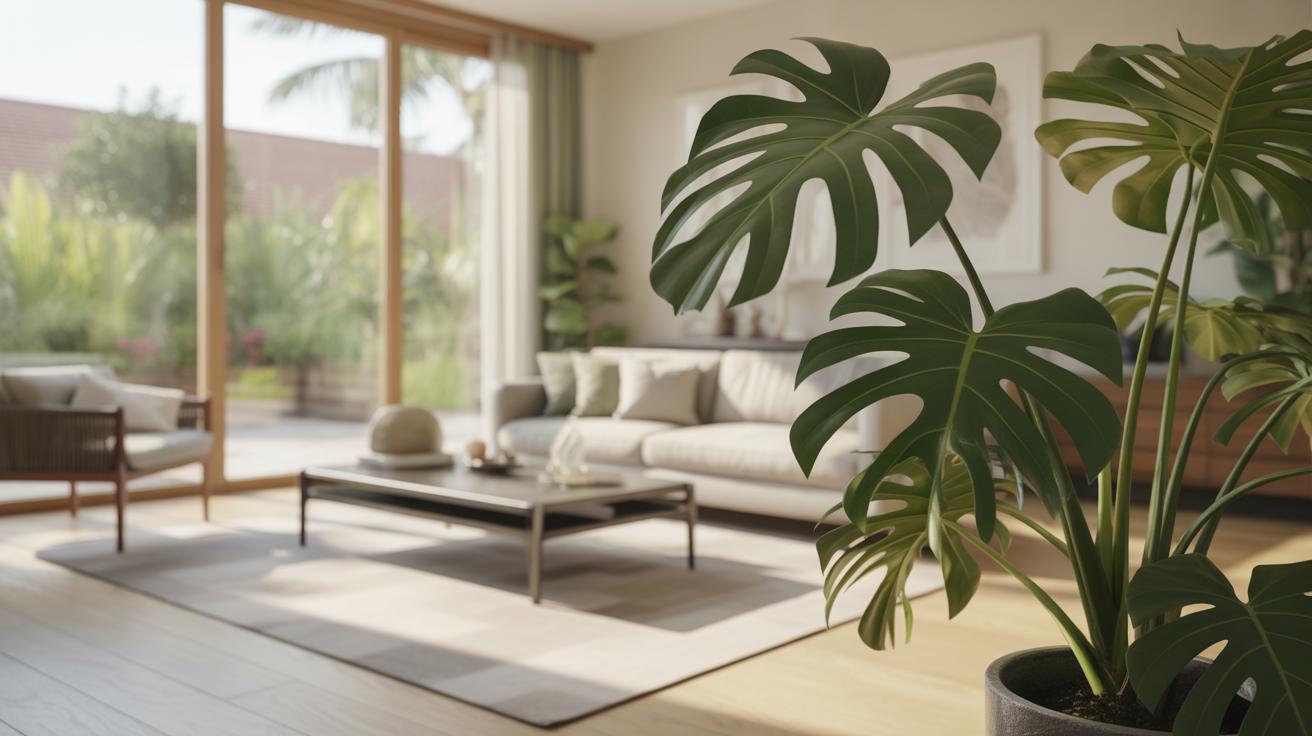
The mental health benefits run deep. Watching plants grow and caring for them reduces stress and anxiety. Harvesting your own herbs or berries brings satisfaction and purpose to daily routines. An edible living room creates a peaceful environment where you breathe cleaner air while enjoying the quiet joy of nurturing living things.
Best Edible Plants For Low Light Living Areas
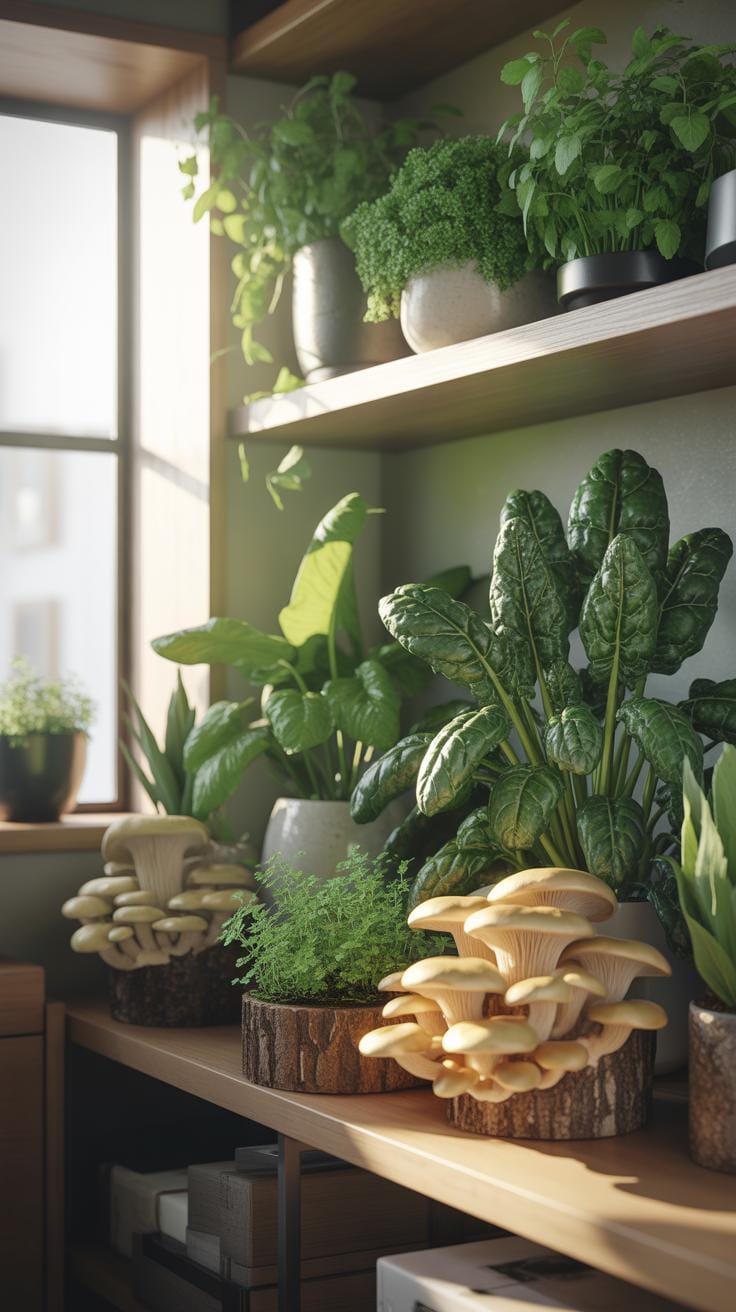
Leafy Greens In The Shade
Lettuce and microgreens are ideal plants for your edible living room when natural light is limited. These crops thrive under indirect sunlight and even artificial grow lights. Butterhead lettuce, oak leaf varieties, and loose-leaf types need only four to six hours of light daily. They grow quickly in containers near windows with filtered light. You can harvest leaves within three to four weeks of planting.
Microgreens are an excellent choice for shadier corners of your edible living room. Radish, mustard, and broccoli microgreens grow fast in trays without requiring intense light. They reach harvest size in just one to two weeks. Place them on shelves or tables away from direct sun rays. These nutrient-dense sprouts add flavor to meals and take minimal space.
Resilient Culinary Herbs
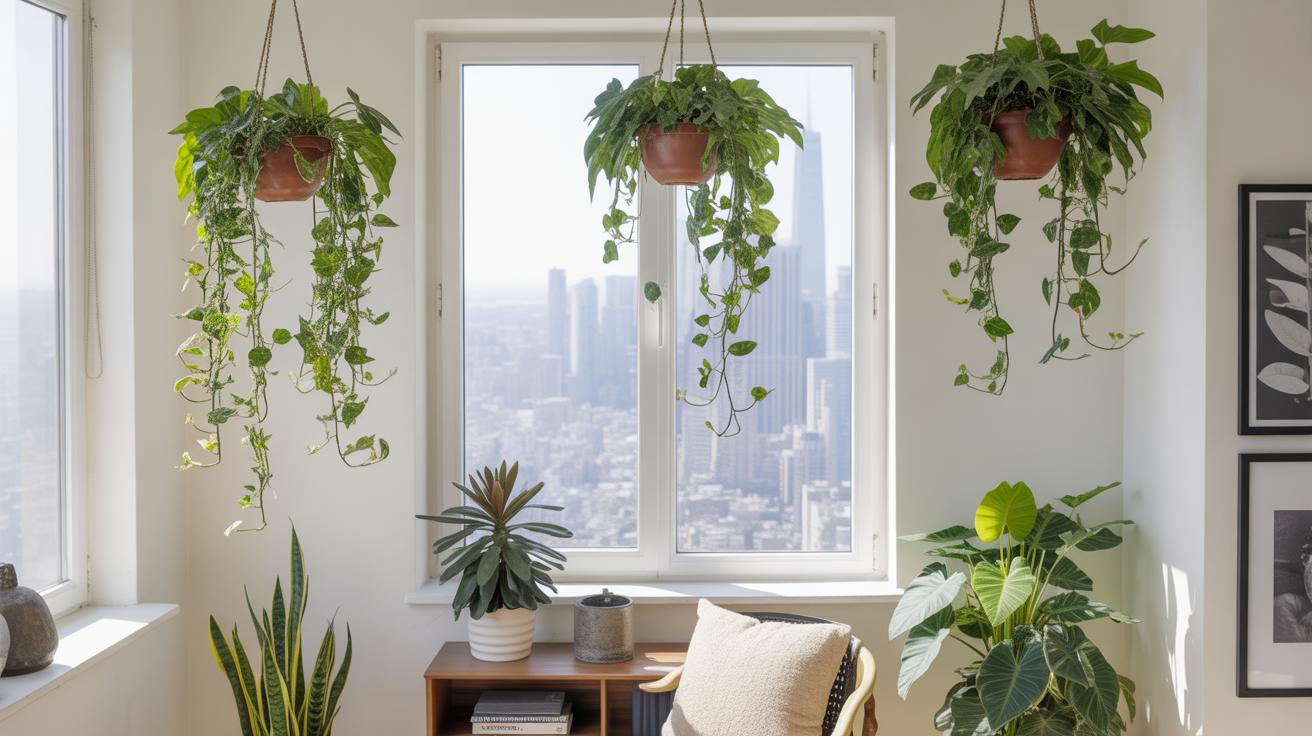
Mint stands out as the toughest herb for darker living spaces. It tolerates low light better than most culinary herbs. Mint spreads quickly in containers and produces fresh leaves throughout the year. Water it regularly and pinch off stems to encourage bushier growth. Your edible living room benefits from mint’s resilience and constant supply of fresh leaves.
Chives are another reliable starter herb for beginners working with limited light. They need less than five hours of light daily to thrive. The slender green stems grow upright in pots and look decorative on shelves. Chives produce mild onion flavored leaves perfect for cooking. Both mint and chives are nearly impossible to kill, making them ideal for edible living rooms with challenging lighting.
Designing With Edible Vertical Gardens
Space Saving Wall Planters
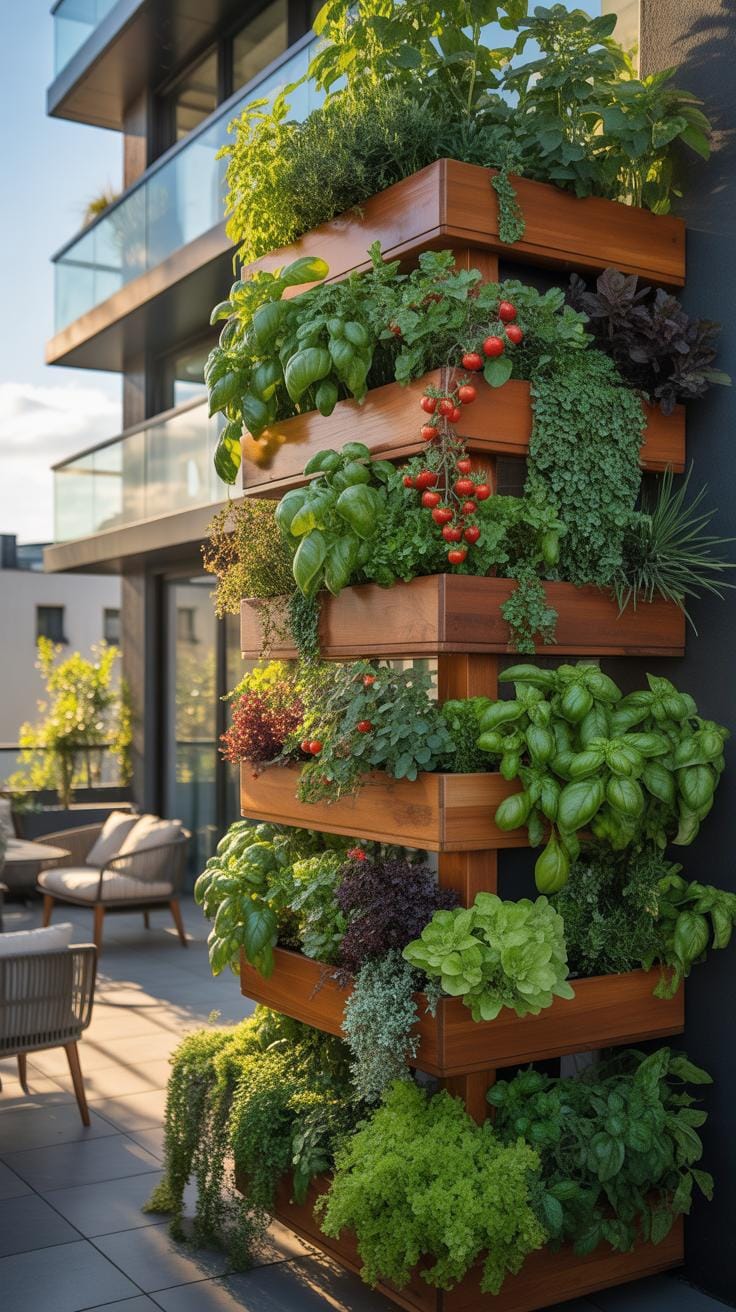
Vertical wall planters bring your edible living room to life without taking up floor space. Mount shallow pockets or pouches directly on your walls and fill them with trailing herbs like thyme, oregano, and mint. Strawberries cascade beautifully from upper planters, creating natural layers of green and red. This approach keeps your living room organized and clutter-free while producing fresh snacks within arm’s reach.
- Pocket Planters: Fabric or felt pouches attached to walls hold soil and small plants while draining excess water away safely.
- Trailing Herbs: Varieties like creeping rosemary and prostrate oregano naturally hang down and look decorative on wall systems.
- Strawberry Towers: Stacked planters let strawberry runners drape downward, maximizing yields in minimal wall space.
- Lightweight Materials: Foam backing and recycled plastics keep wall planters from being too heavy for standard drywall.
- Sunny Placement: Position wall gardens on south-facing or west-facing walls where they receive six to eight hours of light daily.
These wall systems work best in bright rooms with consistent temperatures between sixty and seventy degrees. Check soil moisture regularly since vertical planters dry out faster than traditional pots. Your edible living room transforms into a productive garden without sacrificing style or comfort.
The love of gardening is a seed that once sown never dies, but grows to the enduring happiness that the love of gardening gives.
— Gertrude Jekyll
Hydroponic Living Walls Blooming
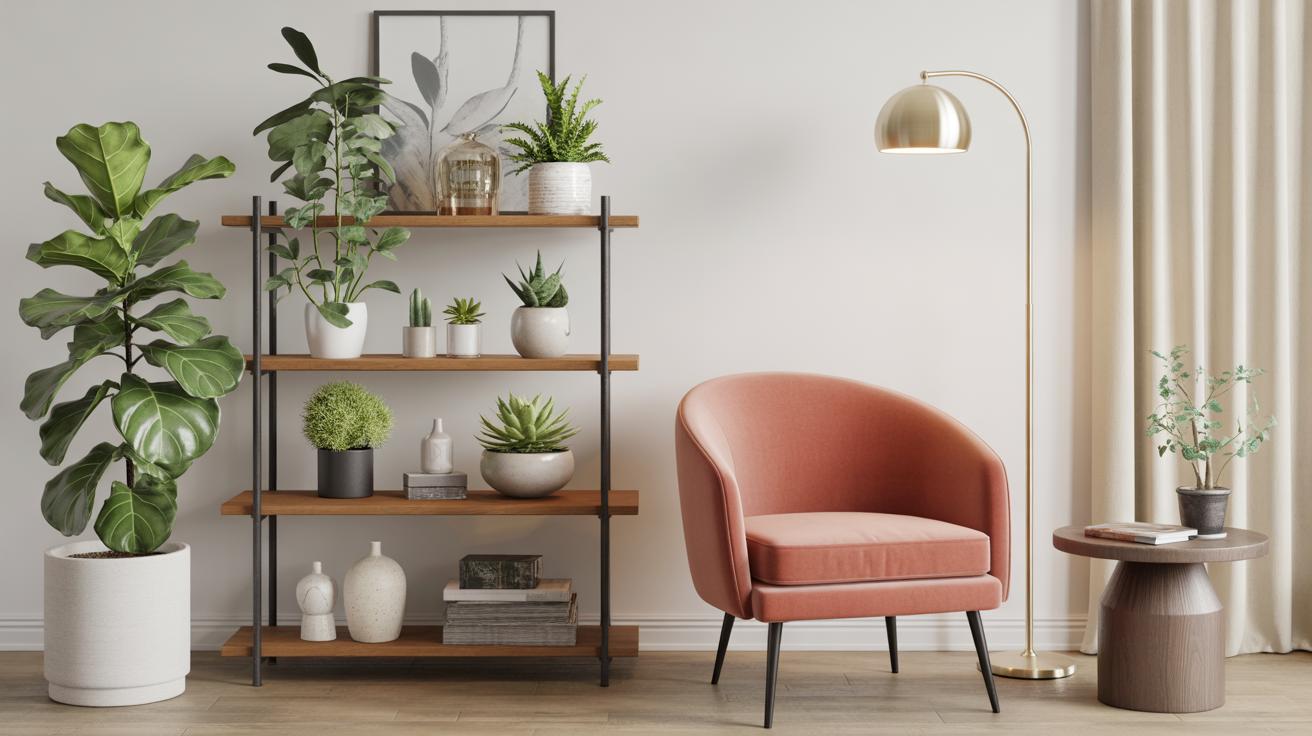
Hydroponic living walls use water instead of soil to grow plants, creating a modern centerpiece for your edible living room. Nutrient-rich water circulates through channels, delivering everything plants need directly to their roots. Lettuce, spinach, basil, and microgreens thrive in these systems while requiring less maintenance than soil-based gardens. The result is a striking focal point that also serves as your fresh snack station.
These systems range from compact wall-mounted units to larger freestanding displays that fit perfectly in corner spaces. The constant water circulation makes a gentle bubbling sound that adds a calming atmosphere to your living area. Most hydroponic walls use LED grow lights, which can match your room’s aesthetic while providing proper light spectrum for plant growth. Your edible living room becomes both functional and visually interesting with this modern growing method.
Fruit Trees That Thrive Indoors
Dwarf Citrus Varieties Blooming
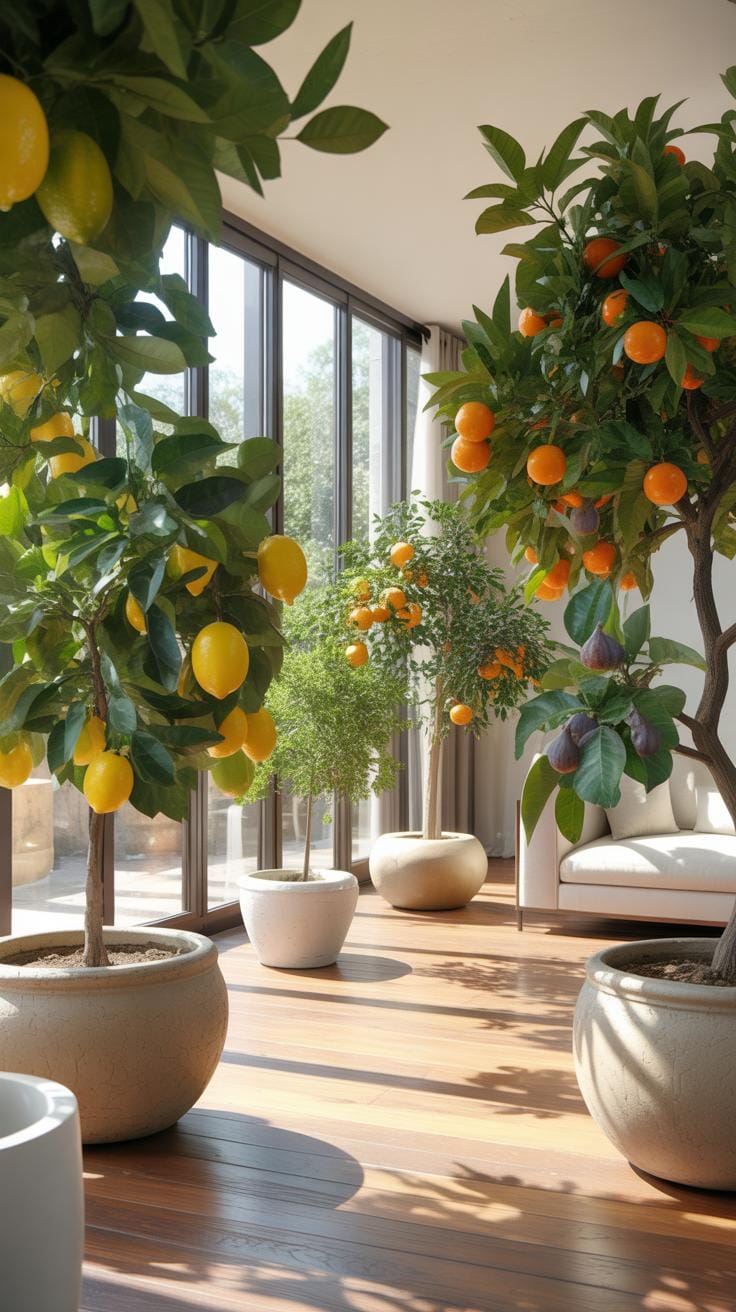
Meyer lemons bring both beauty and flavor to your edible living room. These compact trees grow between three to six feet tall, making them perfect for indoor spaces. Their fragrant white flowers bloom throughout the year. The lemons that follow are sweeter than standard varieties, ideal for fresh eating or cooking.
Meyer lemon trees need bright light for at least six hours daily. A sunny window or grow light keeps them healthy and productive. Water when the soil feels dry to the touch. Feed them monthly during growing seasons with citrus-specific fertilizer to encourage blooming and fruit production.
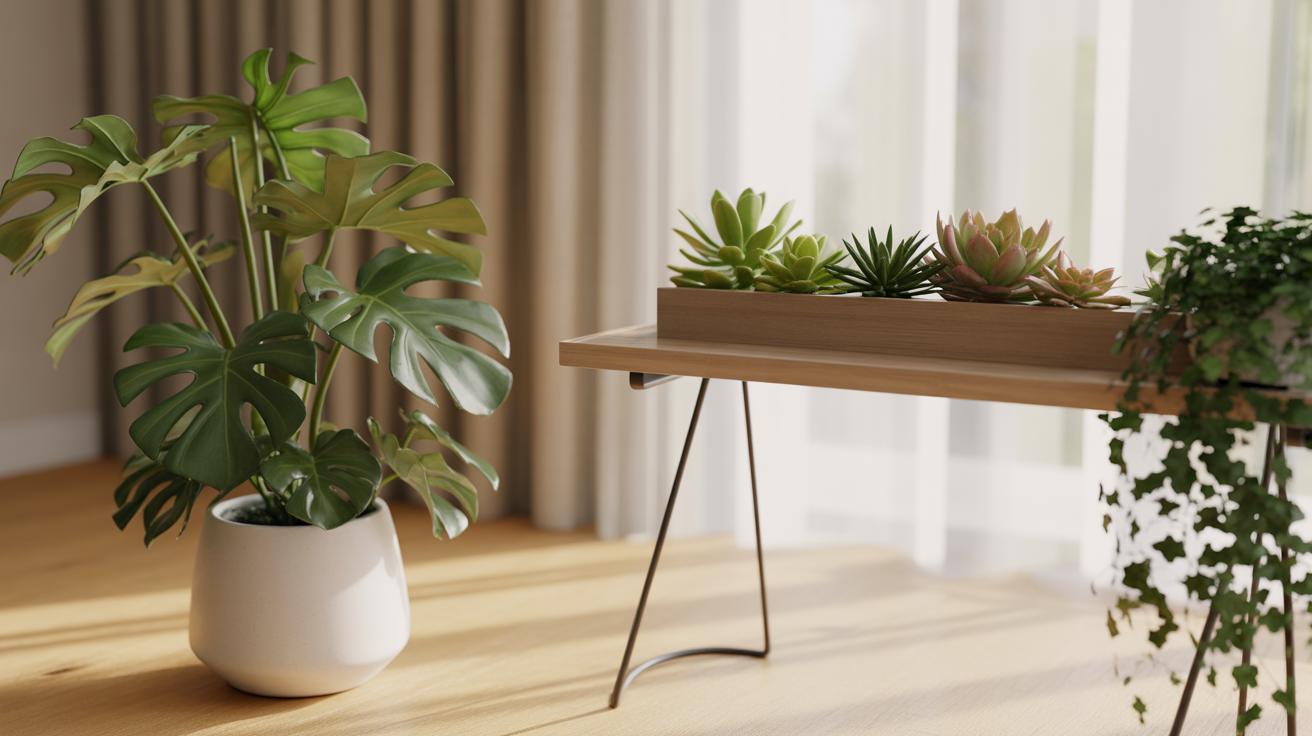
Calamondin oranges add a tropical feel to your edible living room design. These tiny trees produce small, tart oranges that work beautifully in recipes and drinks. They typically reach two to four feet indoors. The glossy green leaves stay attractive year-round, even when the tree isn’t fruiting.
Calamondin trees handle indoor conditions better than many other citrus plants. They tolerate lower light levels but prefer bright spots near windows. Keep soil consistently moist but not waterlogged. These trees produce fruit more frequently than Meyer lemons, often giving you harvests multiple times each year.
Interior Friendly Figs Blooming
Ficus carica, or common fig, adapts well to container growing inside your home. These trees bring Mediterranean charm and edible rewards to an indoor space. Fig trees produce delicious fruit without needing a pollinator indoors. Dwarf varieties stay manageable at three to five feet tall, fitting seamlessly into most rooms.
Container figs need excellent drainage and well-draining soil. Place them in the brightest spot available, preferably near a south-facing window. Water thoroughly when the top inch of soil dries out. During winter, reduce watering as the tree enters dormancy, but never let soil completely dry out.
Fig trees in containers produce fruit more reliably than outdoor figs in colder climates. The confined roots actually encourage earlier fruiting and sweeter fruit. Prune branches lightly in early spring to shape the tree and improve air circulation. Harvest figs when they feel slightly soft and droop downward, usually in mid to late summer.
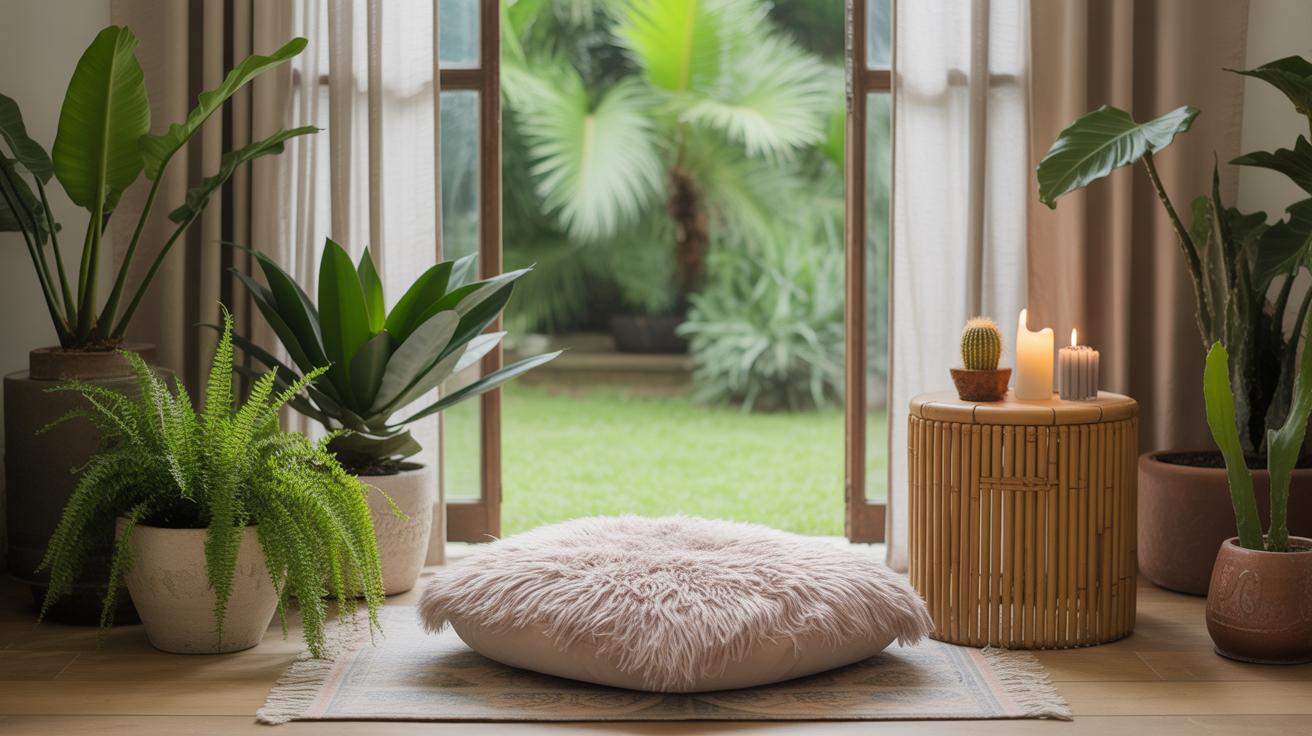
Your edible living room gains both function and style with figs on display. The large, deeply lobed leaves create visual interest even before fruiting begins. Figs grow slowly indoors, rewarding patient gardeners with years of productivity. Their presence adds warmth and authenticity to contemporary and traditional interior designs alike.
Stylish Containers For Your Indoor Garden
Material Matters Blooming Luxury
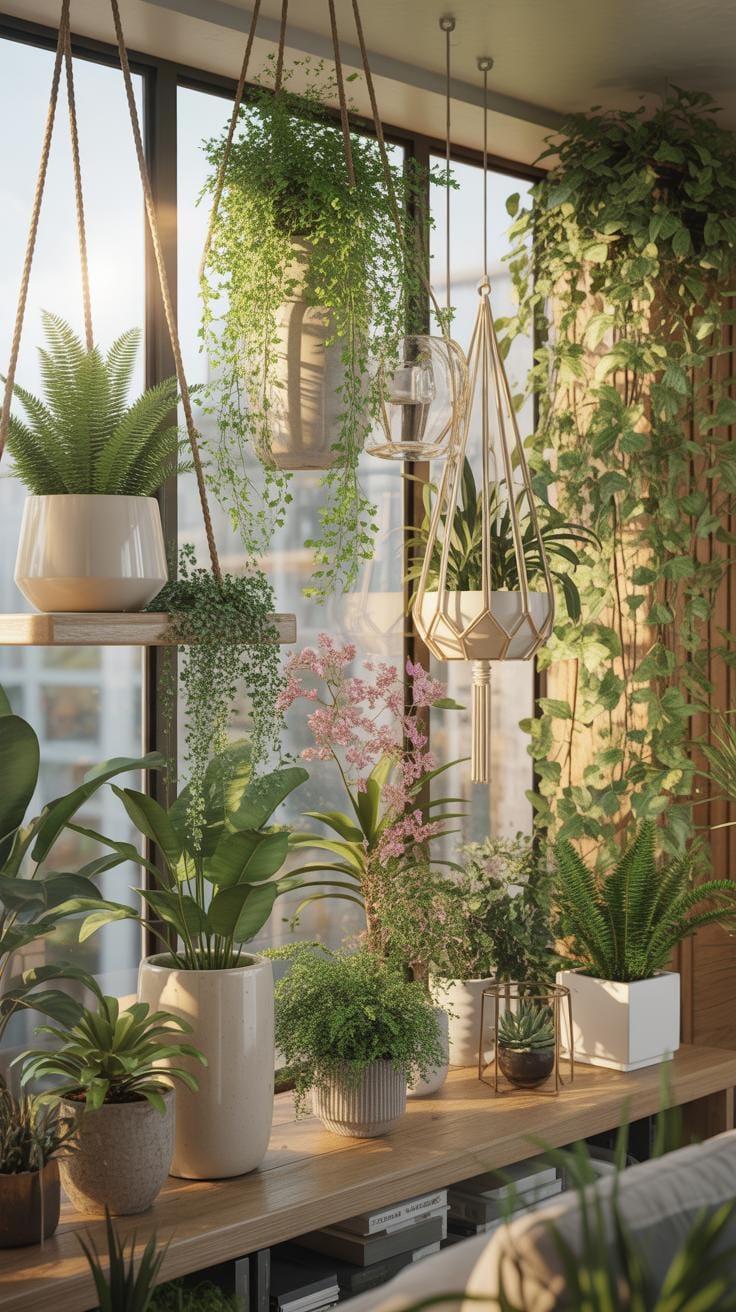
Ceramic pots bring warmth and elegance to your edible living room. They come in countless colors and finishes that match any modern interior style. Ceramic holds moisture well, which helps herbs and vegetables thrive. These pots are durable and long-lasting. They work beautifully with contemporary, minimalist, and traditional decor styles.
Terracotta pots offer a classic, timeless look that feels natural and inviting. These clay containers breathe well, allowing soil to dry between waterings. Terracotta comes in warm earth tones that complement living spaces perfectly. Self-watering pots add convenience to your edible living room by releasing water gradually. They reduce daily watering tasks and keep your edible plants healthy and happy.
- Ceramic glazed finishes: Available in matte, glossy, and textured options that coordinate with modern furniture and wall colors.
- Terracotta drainage: Natural clay composition allows air circulation around roots, preventing waterlogging and root rot in herbs.
- Self-watering reservoirs: Built-in water storage systems maintain consistent moisture levels for 7 to 14 days between refills.
- Lightweight ceramic options: Fiberglass and composite ceramics weigh less than traditional clay while maintaining aesthetic appeal.
- Size variety: Pots range from small 4-inch containers for herbs to large 12-inch planters for productive vegetables.
Modern self-watering systems use a wicking mechanism to distribute water as needed. This technology keeps your edible living room plants consistently moist without overwatering. Choose containers with removable water reservoirs for easy refilling and cleaning maintenance.
Upcycled Chic Blooming Luxury
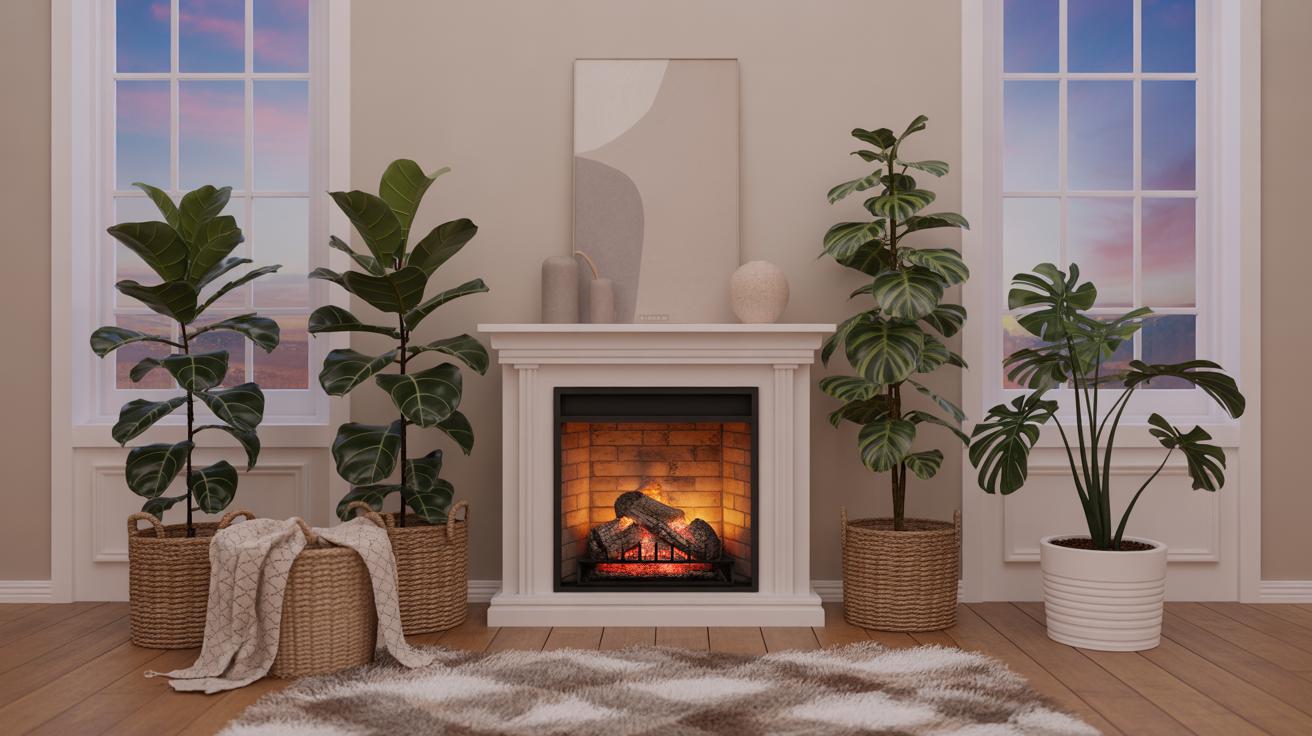
Repurposing vintage items creates unique character in your edible living room while helping the environment. Old wooden crates become rustic herb gardens with simple drainage holes. Vintage teacups work perfectly for small herb starts and single plants. Mason jars and glass bottles add nostalgic charm to kitchen edible displays. Antique metal tins and baskets bring industrial style to modern spaces when lined with fabric.
Upcycled containers tell stories and spark conversations about sustainability and creativity. They cost less than buying new planters while adding personality to your space. Thrift stores, flea markets, and your own storage areas hold treasure waiting to be repurposed. Paint old buckets in trendy colors or leave them weathered for vintage appeal. Each upcycled piece makes your edible living room feel custom-designed and intentional.
Lighting Solutions For Year Round Harvests
Full Spectrum LED Grow Lights
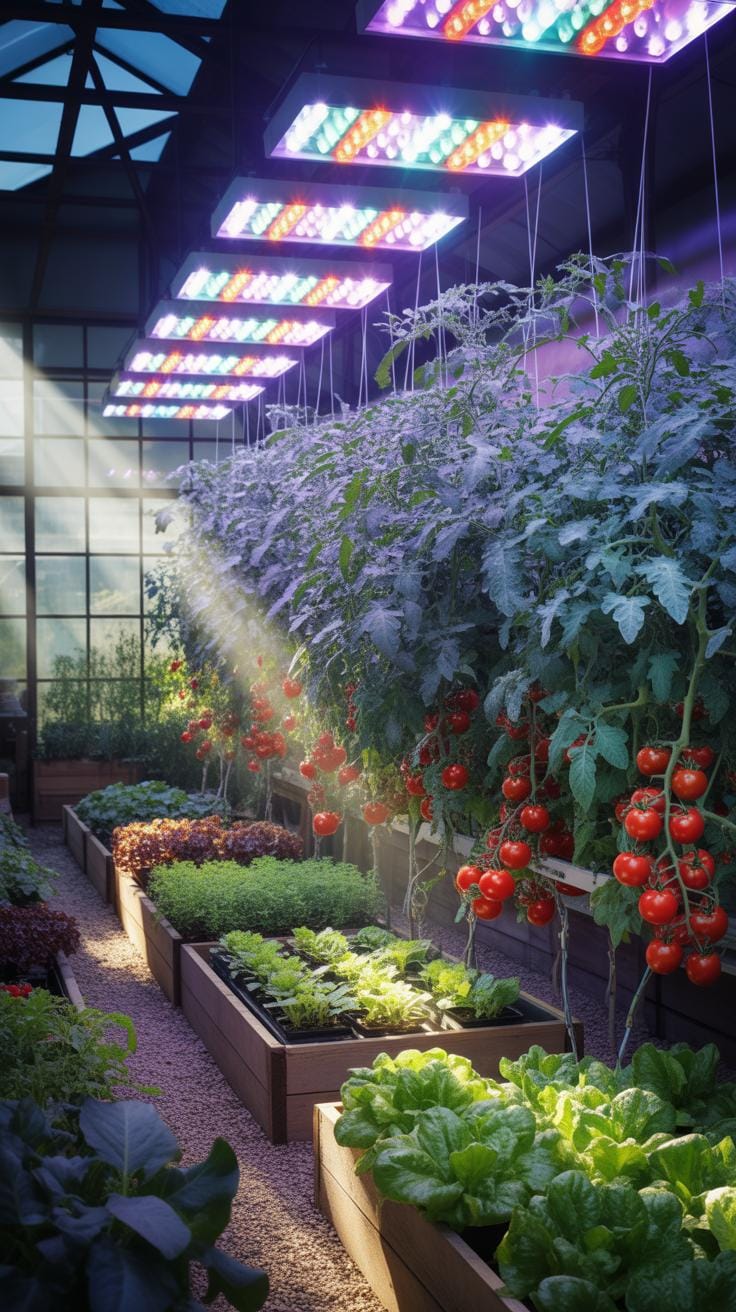
Full spectrum LED grow lights are the secret to keeping your edible living room productive all year long. These lights copy natural sunlight by mixing different colored wavelengths. Red and blue light waves help plants grow leaves and fruits. Modern LED systems use very little electricity compared to older light bulbs. They also stay cool, so they won’t overheat your indoor plants or living space.
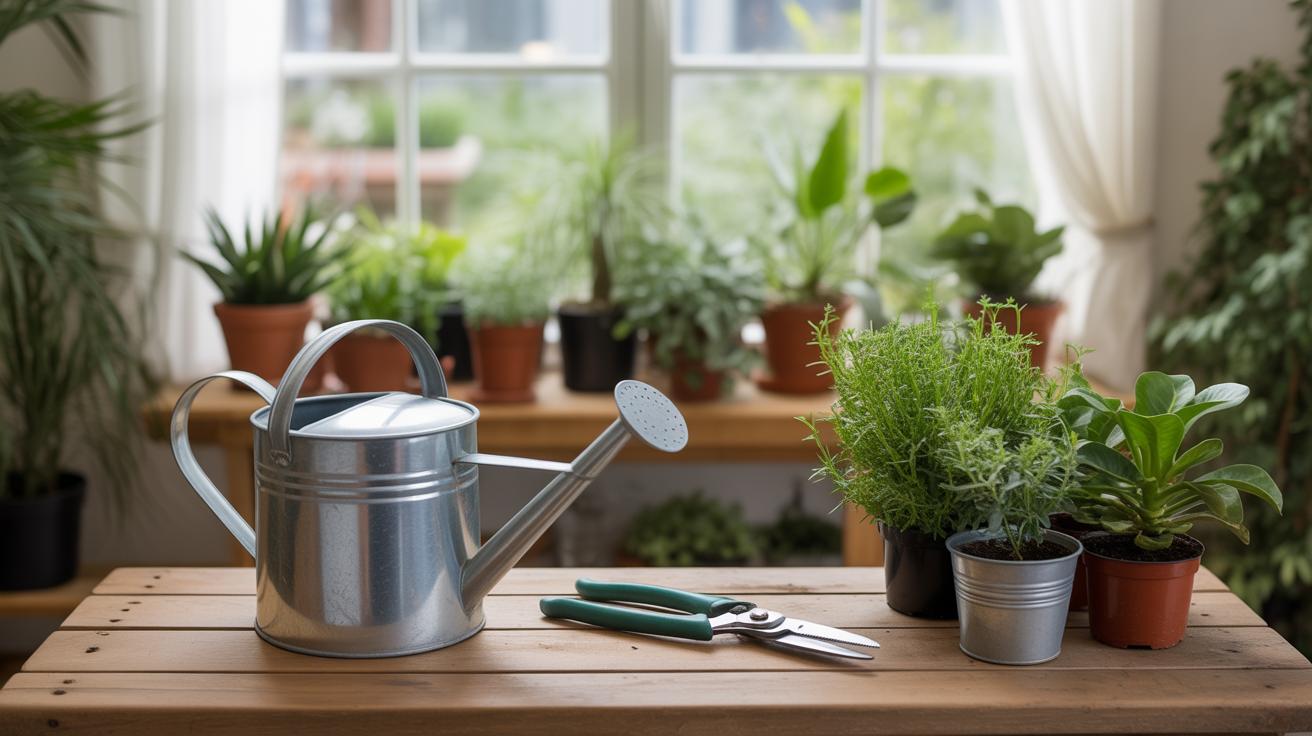
The best part about LEDs is that they look sleek and modern. You can find panels that blend into your decor instead of screaming “grow room.” Pendant lights and track systems offer options that complement your style. Many edible living room designs use slim LED panels mounted above plant shelves. They deliver the light plants need while keeping your space beautiful and welcoming.
Strategic Placement Blooming Luxury
Windows are your first tool for growing snacks indoors. South facing windows get the most consistent sunlight throughout the day. North facing windows provide gentle light without harsh afternoon heat. In an edible living room, position your herbs and leafy greens near windows first. This cuts down on how much artificial light you need to use.
Reflective surfaces multiply the light your plants receive naturally. Paint walls with light colors or add mirrors behind plant displays. Light colored shelving bounces rays onto lower plants that sit in shade. These simple tricks mean your edible living room needs fewer expensive grow lights. Your plants grow better while your electric bill stays lower.
Maintenance And Care For Indoor Crops
Organic Pest Management
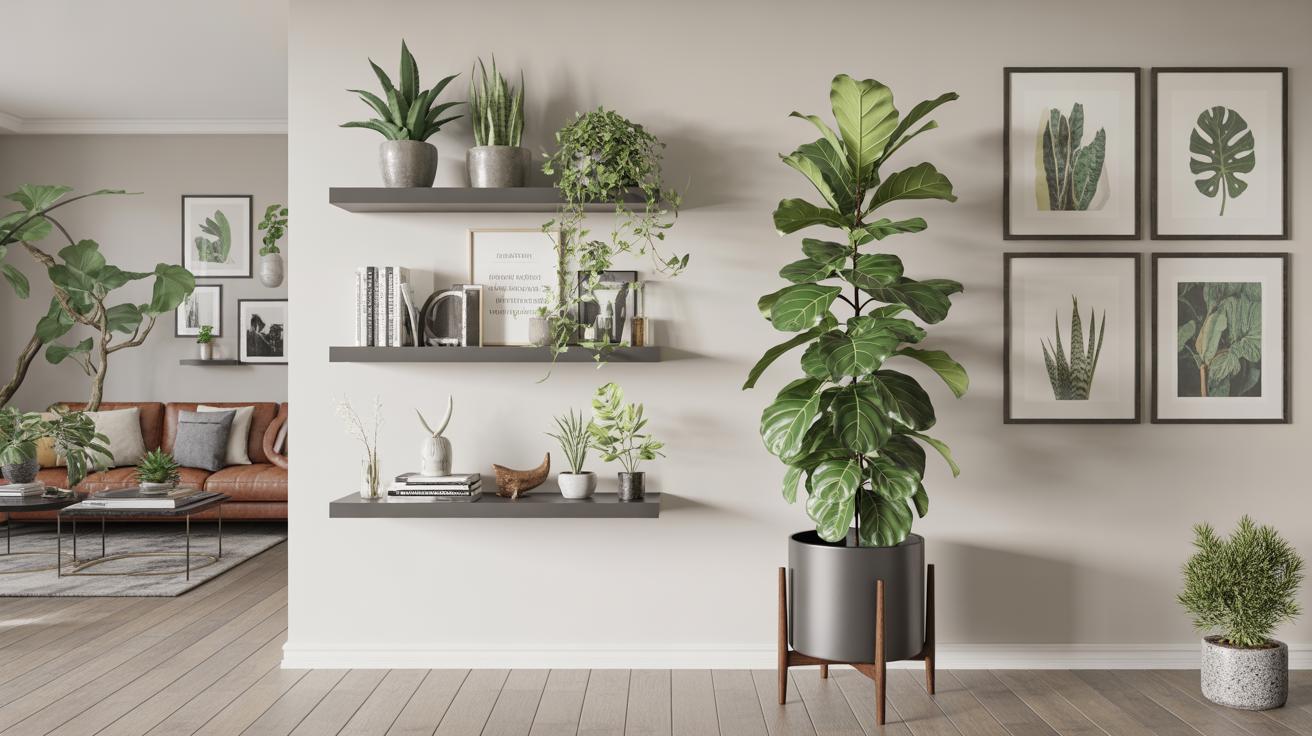
Indoor plants in your edible living room can attract common household insects like spider mites, aphids, and fungus gnats. These pests feed on plant leaves and stems, weakening your crops. Catching pest problems early keeps your indoor edibles healthy and safe to eat. Regular inspection of your plants helps you spot trouble before it spreads to other plants in your space.
- Neem oil spray: A natural pesticide that disrupts insect life cycles without leaving harmful residues on edible crops you plan to harvest and consume.
- Insecticidal soap: Made from potassium salts of fatty acids, it safely eliminates soft-bodied insects while remaining safe for edible plants and your family.
- Sticky traps: Yellow or blue cards attract flying insects and trap them, helping you monitor pest populations in your edible living room without chemicals.
- Manual removal: Hand-picking larger pests like caterpillars or beetles works well and avoids any chemical treatments on your food-producing plants.
- Proper air circulation: Fans and open windows create airflow that discourages pest buildup and prevents fungal issues common in humid indoor growing spaces.
Good hygiene practices protect your edible living room. Remove dead leaves and debris where pests hide. Wash your hands before handling plants. Quarantine new plants for two weeks before adding them to your setup. These simple steps keep your indoor edible garden strong and productive year-round.
Nutrient Rich Watering
Fertilizing indoor edibles requires care because you eat what you grow. Choose organic fertilizers made from natural materials like fish emulsion, kelp, or composted plant matter. These options build soil health safely. Water-soluble organic fertilizers work quickly and give plants the nutrients they need. Mix and apply according to package directions for best results in your edible living room.
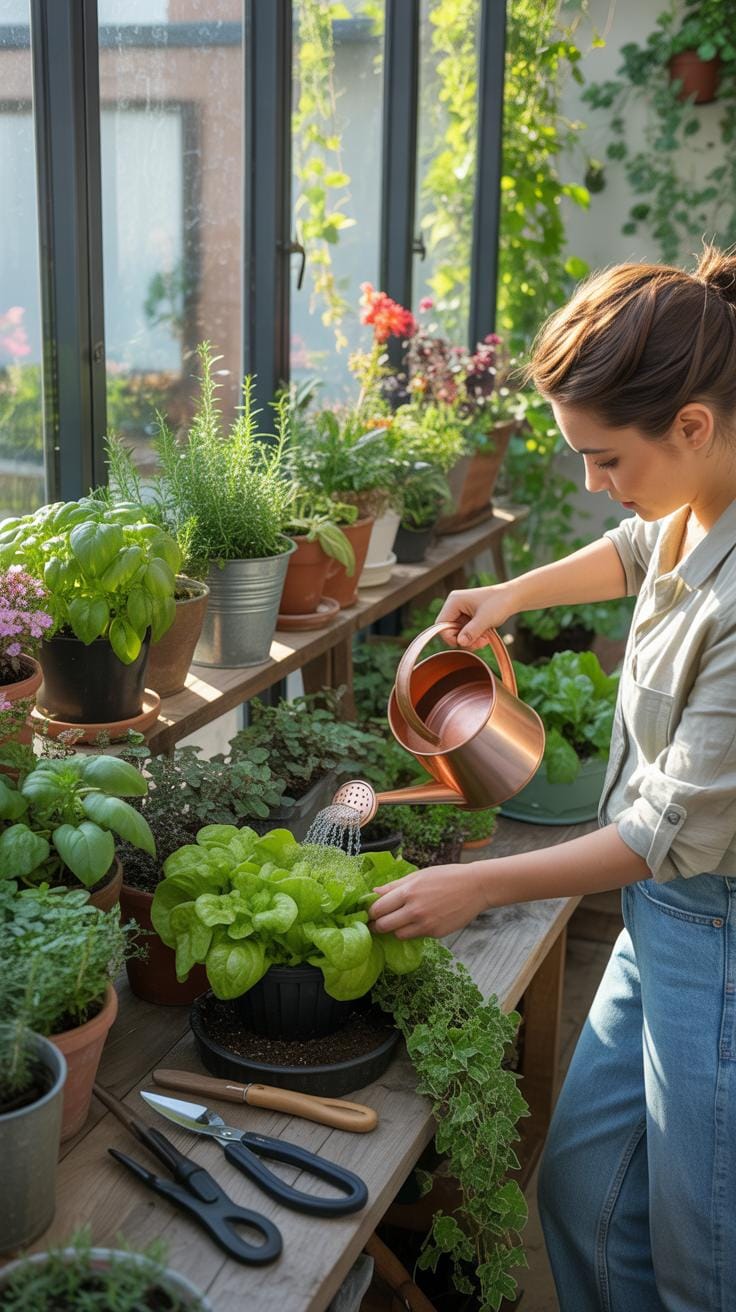
Watering schedules matter for both plant health and food safety. Most indoor edibles prefer consistent moisture without waterlogging. Check soil with your finger before watering. If the top inch feels dry, it is time to water. Use room-temperature water and water until it drains slightly from the bottom. This routine keeps your edible living room plants thriving and ensures clean, nutritious food for your table.
Harvesting And Enjoying Your Homegrown Snacks
Pruning For Growth
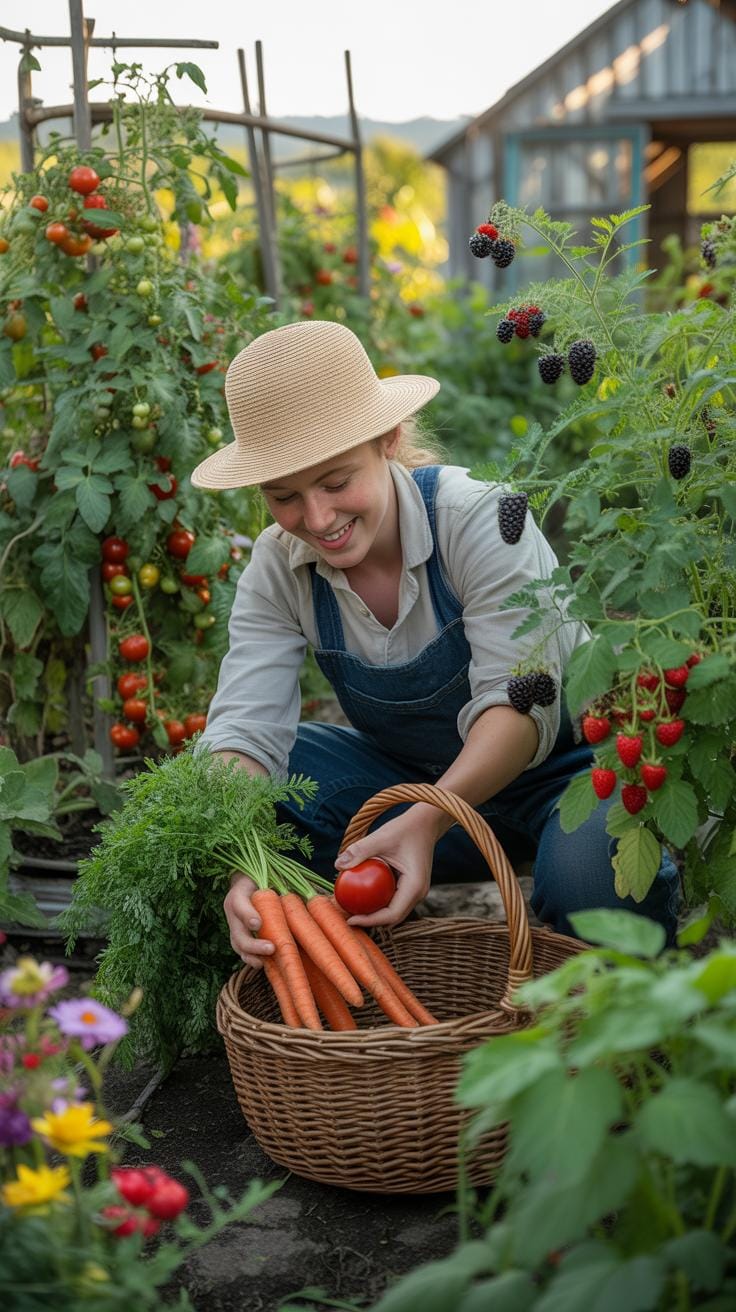
Regular harvesting is the secret to keeping your edible living room plants healthy and productive. When you pick leaves, herbs, and fruits, you trigger the plant to grow more branches and produce additional food. This natural response means your plants work harder to replace what you took. The more you harvest, the bushier and fuller your plants become. Your living room becomes a constant source of fresh snacks all year long.
- Pinch off top leaves: Remove the newest growth at the stem tips to encourage branching and fuller plant shape throughout your edible living room.
- Harvest regularly: Pick leaves and herbs at least twice weekly to maintain steady growth and prevent plants from becoming woody or overgrown.
- Remove dead growth: Cut away yellowed or damaged leaves to redirect energy toward healthy new shoots and better food production.
- Prune before flowering: Cut stems just before flowers appear to keep herbs tender and flavorful for longer harvests.
- Leave some growth: Always keep at least one third of the plant intact so it can continue photosynthesis and recover quickly.
Timing matters when you harvest from your edible living room plants. Pick herbs in the morning after dew dries but before the day gets hot. This is when flavors are strongest and plants are most hydrated. Avoid harvesting more than one third of a plant at one time. This protects the plant and keeps it strong for future harvests throughout the seasons.
From Pot To Plate
Your edible living room transforms into a kitchen garden when harvest time arrives. Snip fresh mint leaves directly into your tea or water for instant flavor. Pluck basil and add it straight to salads, pasta, or pizza without any washing needed. Grab strawberries warm from the sun and eat them right where they grow. This convenience and freshness beats any store bought option.
Serving snacks from your edible living room creates special moments for family and guests. Set up a small tasting station near your plants where people can sample fresh herbs and fruits. Create simple recipes like herb-infused oils, flavored butters, or fresh fruit platters. Your living room becomes more than a space to relax—it becomes a source of real food and connection to nature.
Frequently Asked Questions

What is an edible living room?
An edible living room transforms your cozy space into a stylish indoor garden where you grow herbs, microgreens, fruits, and veggies right alongside your furniture. It’s perfect for urban dwellers craving fresh snacks without a backyard. Imagine plucking basil from a hanging planter or harvesting cherry tomatoes from a windowsill display—blending greenery with home decor for a fresh, sustainable vibe that elevates everyday living.
How do I set up an edible living room on a basic windowsill?
Start with your target keyword, an edible living room, by selecting a sunny windowsill and choosing easy-growers like lettuce, herbs, or strawberries in shallow pots or hydroponic kits. Use well-draining soil, water consistently, and add grow lights if natural light is limited. Arrange pots stylishly with colorful trays or macrame hangers to keep it chic—harvest fresh snacks in weeks for effortless, decorative abundance.
Can I create an edible living room on a tight budget?
Absolutely! Build an affordable edible living room using repurposed items like thrifted jars, recycled cans, or dollar-store trays as planters for seeds from packet deals under $5. Opt for low-cost herbs and greens that thrive indoors without fancy gear. Start small on shelves or tables, adding LED bulbs from big-box stores—fresh, homegrown snacks stylishly on display, proving greenery doesn’t require breaking the bank.