Introduction
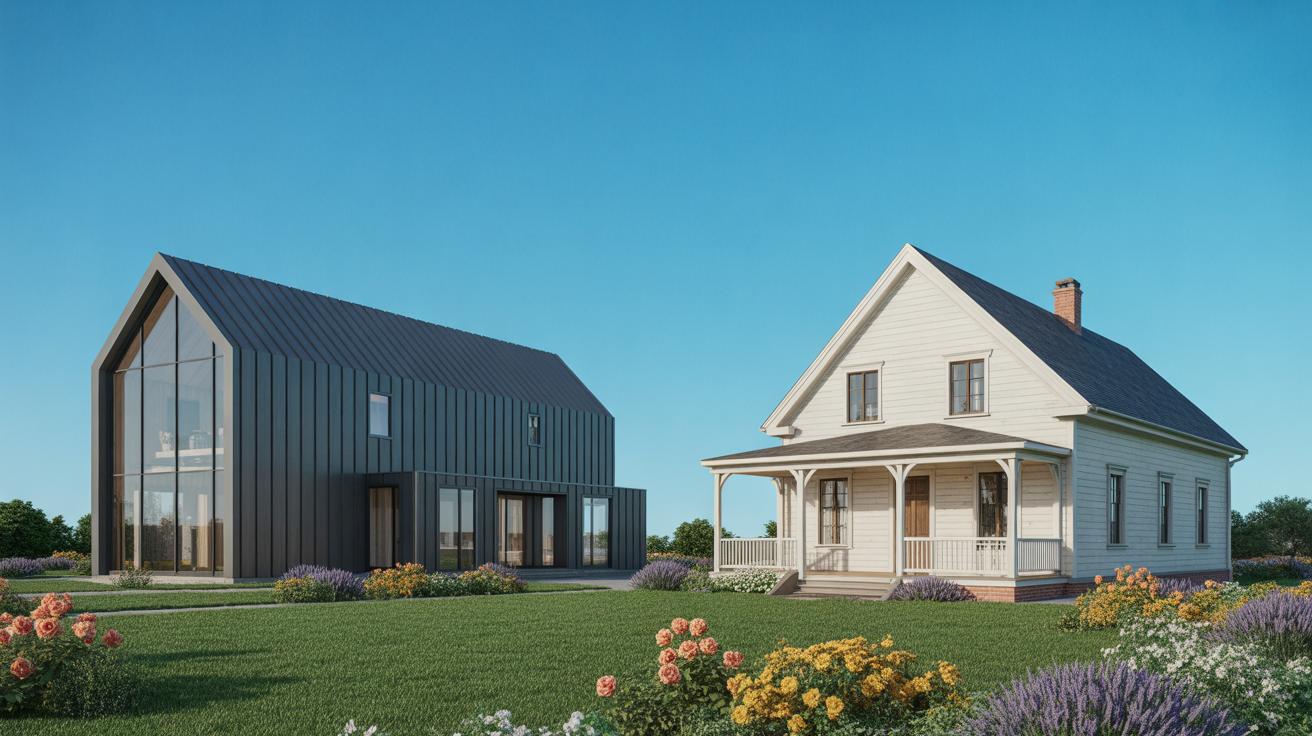
The design and style of rural homes have evolved over time, reflecting changes in agriculture, lifestyle, and aesthetics. Modern Barn Houses and Farmhouse Architecture offer two distinct approaches to rural home exteriors. Each has its own charm and set of features that cater to different tastes and functional needs.
Modern Barn Houses combine contemporary design with traditional barn elements for a sleek look. Meanwhile, classic Farmhouse Architecture maintains rustic charm with emphasis on practicality. This article compares both styles to help you understand their differences, benefits, and exterior design features.
Overview Of Farmhouse Architecture
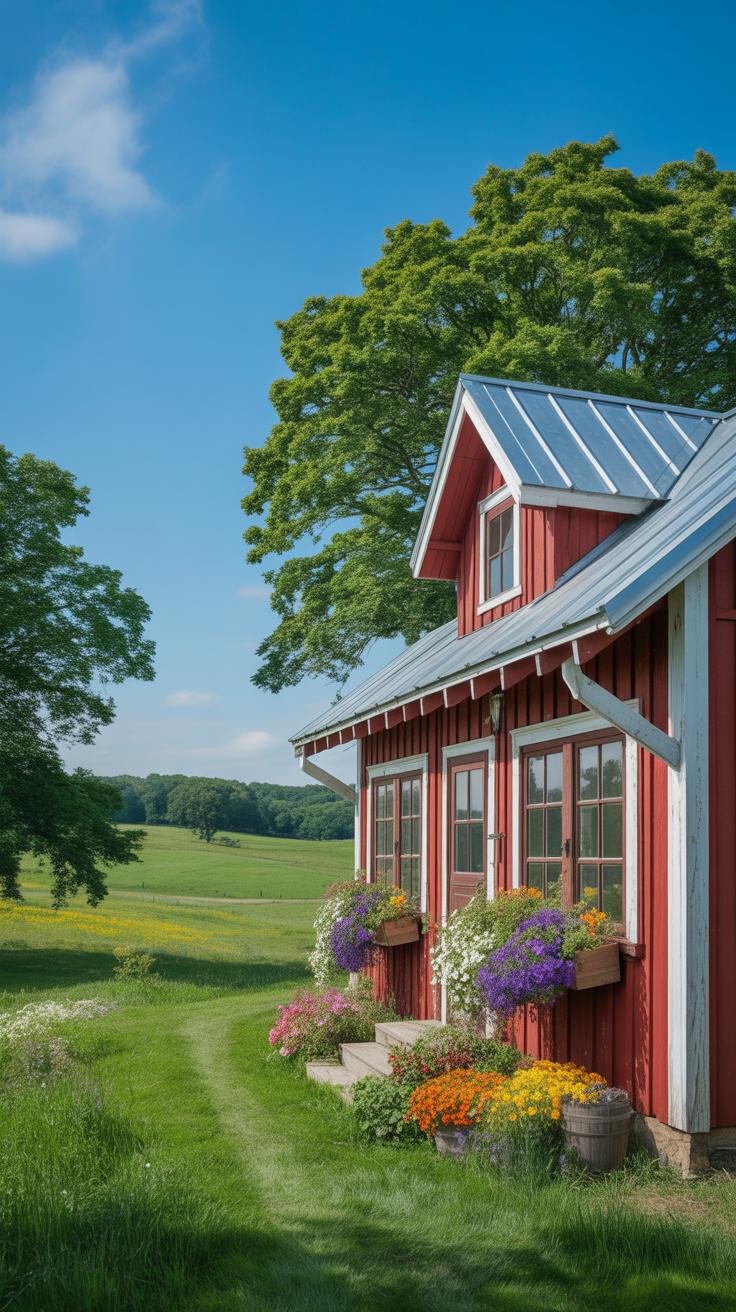
Farmhouse architecture is defined primarily by its function as the dwelling of people involved in agricultural work. These buildings tend to be straightforward but practical. Usually, you will see a simple rectangular form, steep gable roofs to shed rain or snow easily, and large porches. Porches often serve as shaded outdoor areas, which many find essential on a farm.
Typical exterior features include multi-paned windows, often with shutters, and a prominent chimney. These designs essentially support family life close to the land, with a focus on durability and practicality rather than ornate details. Still, they retain a certain charm that many people find appealing even when used in modern homes.
Materials like wood, stone, and brick are common and often locally sourced, rooted in the historical context of rural construction. Farmhouses started as functional buildings but evolved, influenced by the needs and available materials of their regions.
Materials And Structural Elements
Wood is probably the most commonly used material for farmhouse exteriors. It’s versatile and accessible, making it a clear favorite. Cladding the exterior with wooden siding, whether horizontal or board-and-batten style, adds character while offering protection against the elements.
Stone and brick appear often as well, especially in older or European examples. Stone is durable and provides insulation, making it ideal for colder climates. Brick sometimes features in farmhouses but more as an accent or foundation due to its cost and heavier weight.
Then there is the roofing material, usually wood shingles, slate, or even metal in modern builds. The choice depends greatly on the climate and what was affordable or available at the time of construction.
Historical Farmhouse Styles
Farmhouses vary widely around the world, shaped by climate, culture, and function. In Europe, styles like the French Bresse house showcase long brick walls and timber roofs, while Germany has several types like the Low German House with its large barn door and interior posts supporting sweeping roofs.
In Italy, the Cascina a corte follows the Roman villa model with an inner courtyard, showing how farmhouses blend living with working spaces. Malta offers farmhouses built from limestone, indicative of local resources.
Across America, farmhouse designs reflect simplicity but with different details based on region—from the Colonial and Cape Cod farmhouses of the Northeast to the simpler Southern farmhouses with expansive porches. Each style tells a bit about the people who built and lived in them, pointing sometimes to practical needs but also to cultural identities.
You might wonder how those historic influences survive in today’s modern farmhouse designs and what elements have been dropped or reinvented. It’s a rich topic because farmhouse architecture is more than just a style; it reflects the rhythms of rural life and adaptation over centuries.
Farmhouse Architecture
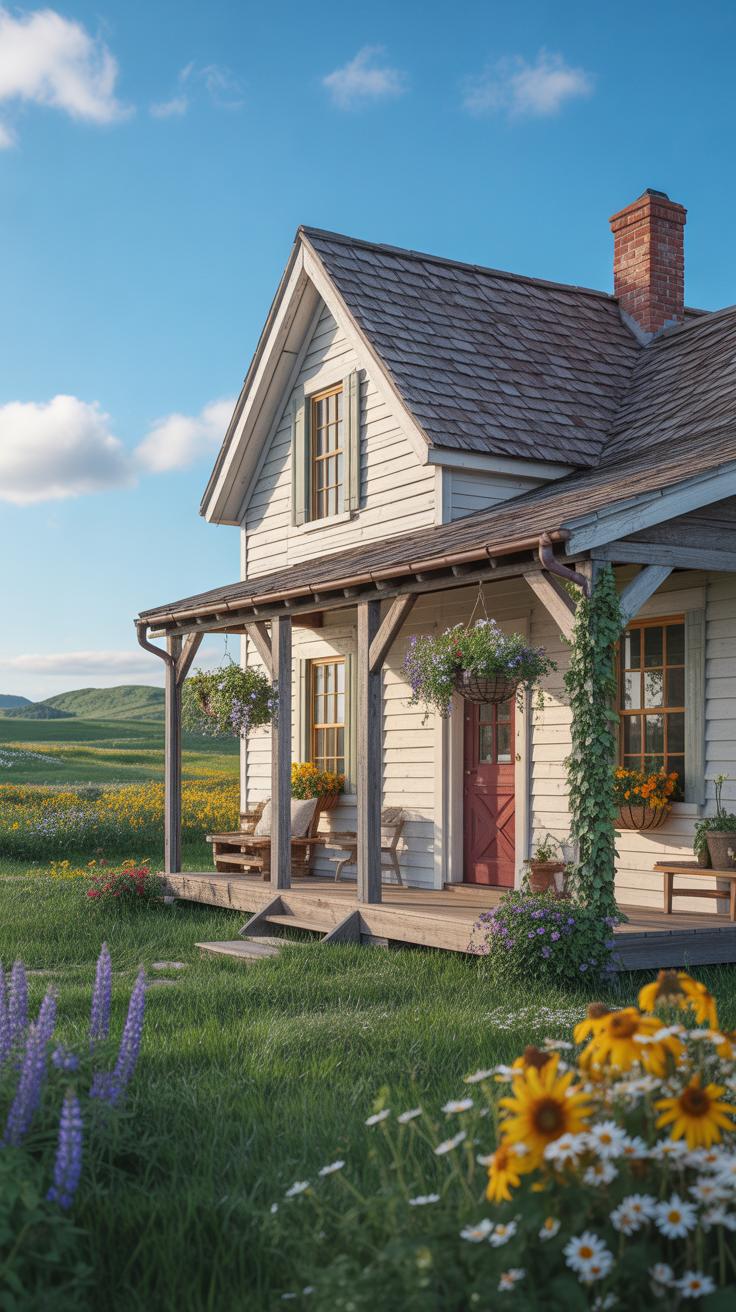
Farmhouses traditionally serve as primary rural homes, designed above all for practical living connected to agriculture. They often combine living quarters with functional spaces for animals or storage, reflecting their working origins. Farmhouses vary a lot from one region to another, often shaped by local climate, materials, and farming practices.
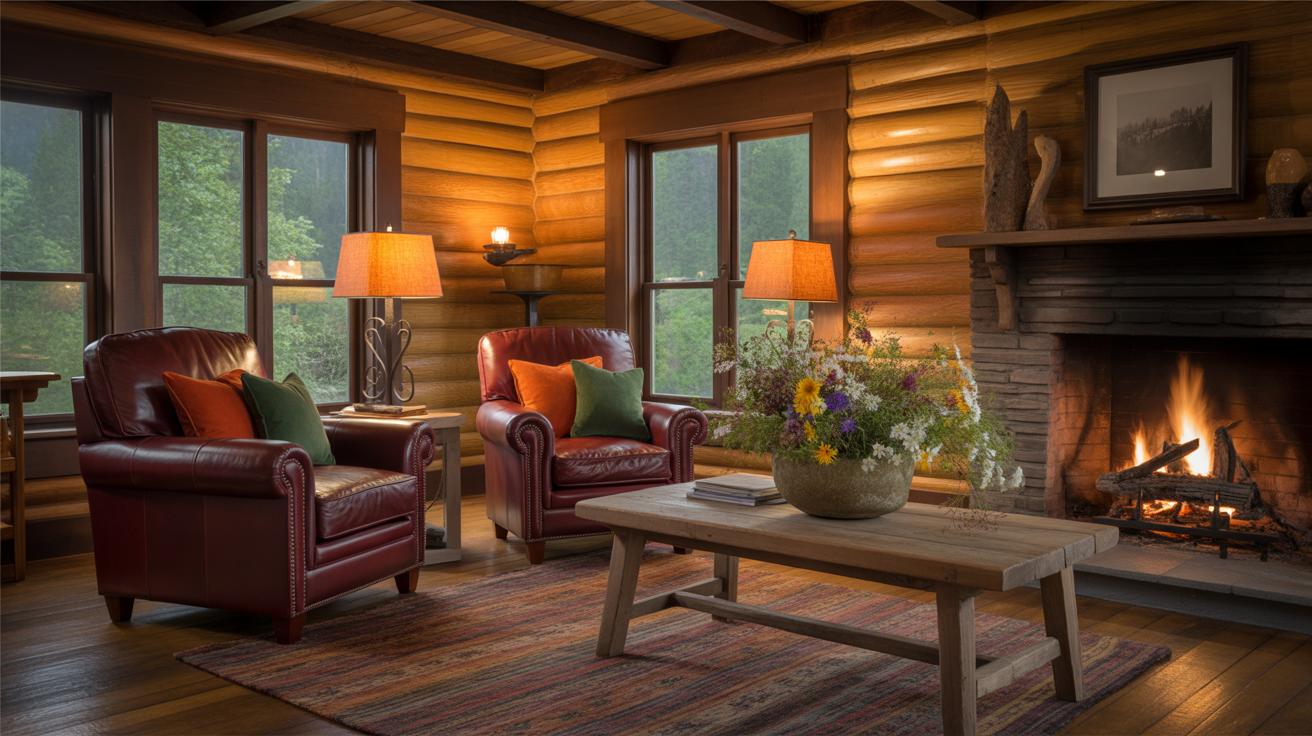
Unlike modern barn houses which reinterpret rural aesthetics for contemporary life, traditional farmhouses lean heavily on simple, sturdy construction. They prioritize comfort and utility. You might notice steep roofs designed to shed snow, thick walls for insulation, or wrap-around porches offering shade and outdoor space for chores or relaxation.
Farmhouses usually have a straightforward layout with separate rooms for different daily activities, sometimes arranged around central courtyards. This is quite different from the open-plan interiors favored in modern barn designs, though the split between public and private spaces remains an important concept.
Materials often come from what’s readily available. Wood and stone dominate many farmhouse exteriors, lending a sense of permanence and history. Some types, like the French Bresse house or German Niedersachsenhaus, have distinct regional features—brick walls, long shapes, or wide roof overhangs.
Farmhouses don’t typically focus on striking architecture for style but on blending function and form, with each element serving a clear purpose. Still, there’s a rugged charm to their no-nonsense approach, a kind of honest shelter that adapts naturally to rural life. It’s worth asking yourself: do you prefer the farmhouse’s straightforward durability or the modern barn’s bold reinterpretation of rustic themes?
Exterior Design Differences Barn Vs Farmhouse
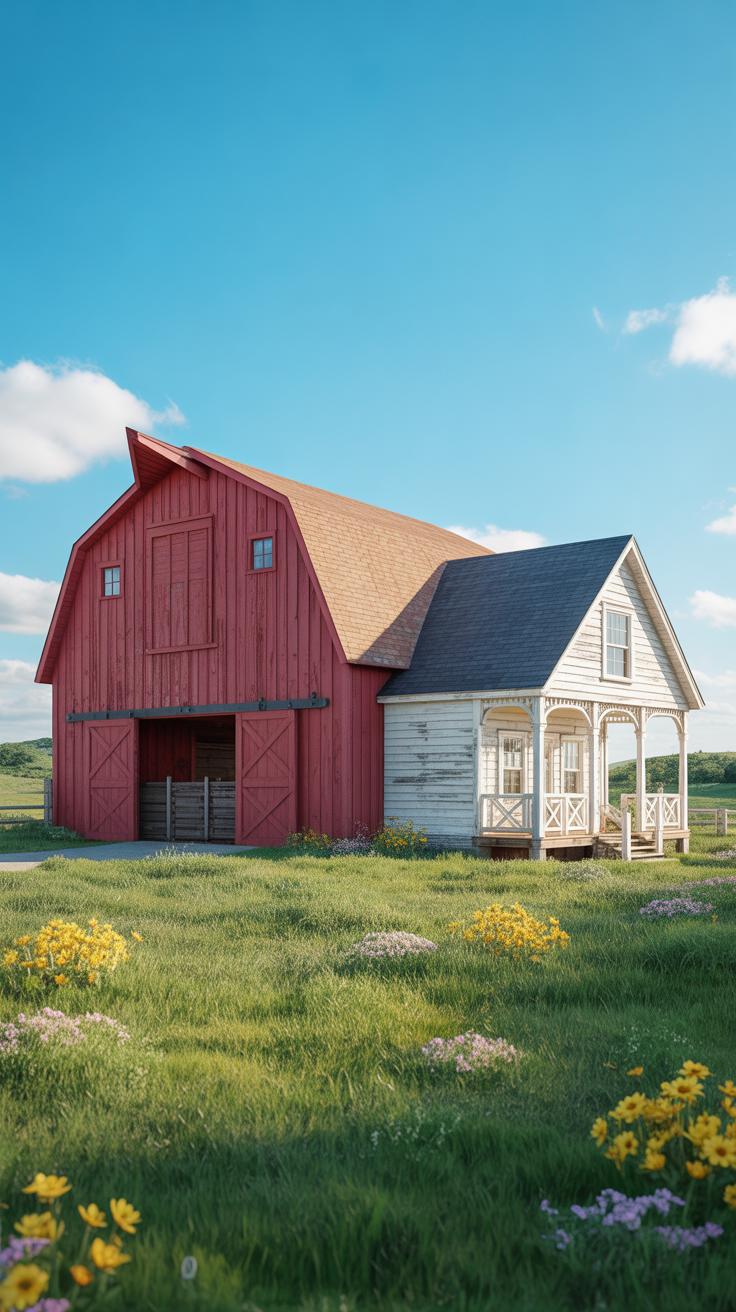
Shape And Roofline Comparison
When looking at farmhouse architecture, one thing you’ll notice is the variety in shape and roofline sticking out from the landscape. Unlike the straightforward, boxy profile typical of modern barn houses, farmhouses often embrace a more complex form. They may feature multiple intersecting rooflines, which can make the overall silhouette appear more intricate than you might first expect. This complexity often extends to porches, which aren’t just afterthoughts but integral parts of the design—wrapping around corners, creating inviting outdoor spaces that blend inside and out.
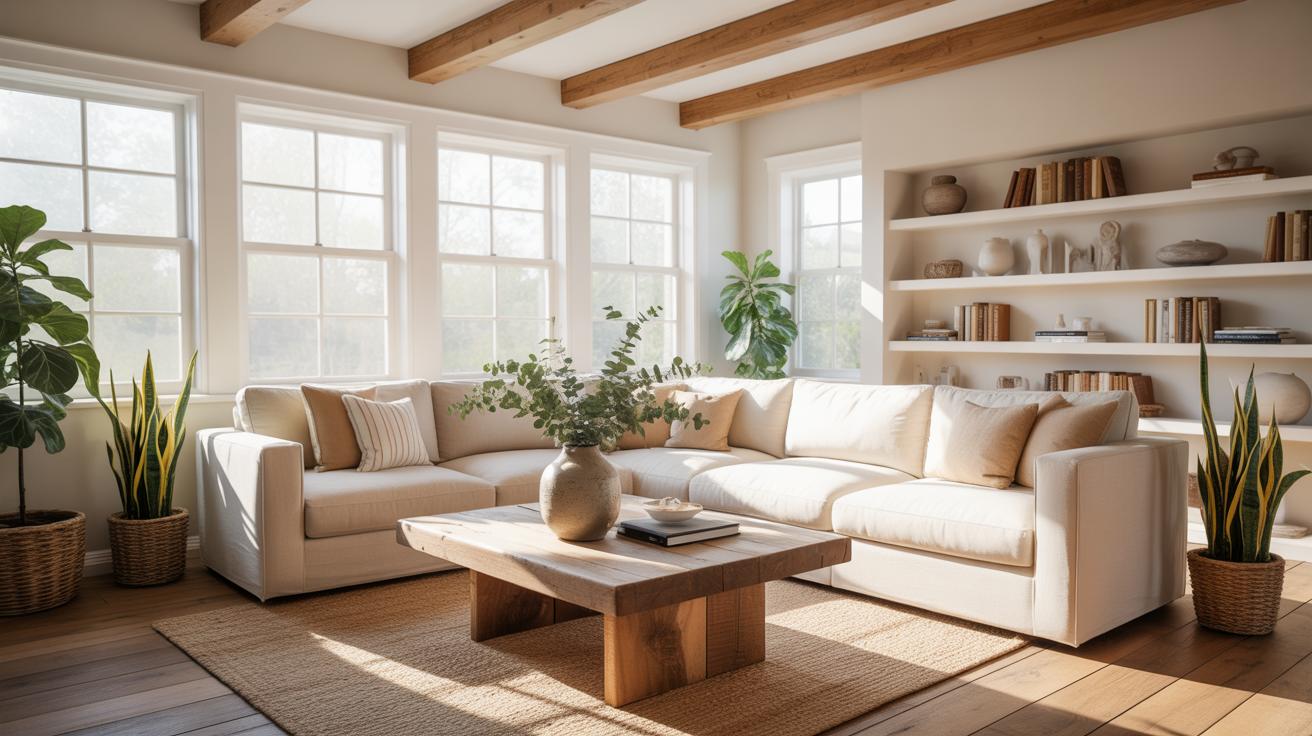
Roof design in farmhouses can range from simple gables to more layered, cross-gabled structures, sometimes even incorporating dormers to bring in natural light upstairs. These elements do more than add style; they hint at the home’s evolutionary history as families added space or adjusted uses over time. So, while a modern barn house might focus on simplicity and practicality, farmhouse architecture often wears its age with a bit of charm, telling a story through its varied shapes and rooflines.
Finishing And Ornamentation
Farmhouses tend to display decorative elements that, well, suggest a desire to soften the rustic environment. Think of subtle but detailed trims around windows, often painted in contrasting colors to make them pop. The windows themselves typically feature divided panes, offering a nod to traditional craftsmanship and providing texture to the facade.
Another element that’s worth mentioning is the use of siding: wooden clapboard or shiplap is common, giving the house a tactile, crafted feel. The finish tends not to be overly polished but rather intentionally weathered or painted in familiar earthy tones or white, evoking warmth and approachability. You might find shutters, sometimes purely decorative, adding to the farmhouse personality, while barn houses often lean toward more minimal or utilitarian finishes.
There’s a balance to farmhouses—ornate enough to feel welcoming but restrained enough to fit the rural setting. This middle ground creates a distinct identity, one that makes you wonder about the lives lived within those walls. What choices do you think influence how much ornamentation a farmhouse should have versus simplicity?
Why Choose Farmhouse Architecture Exterior
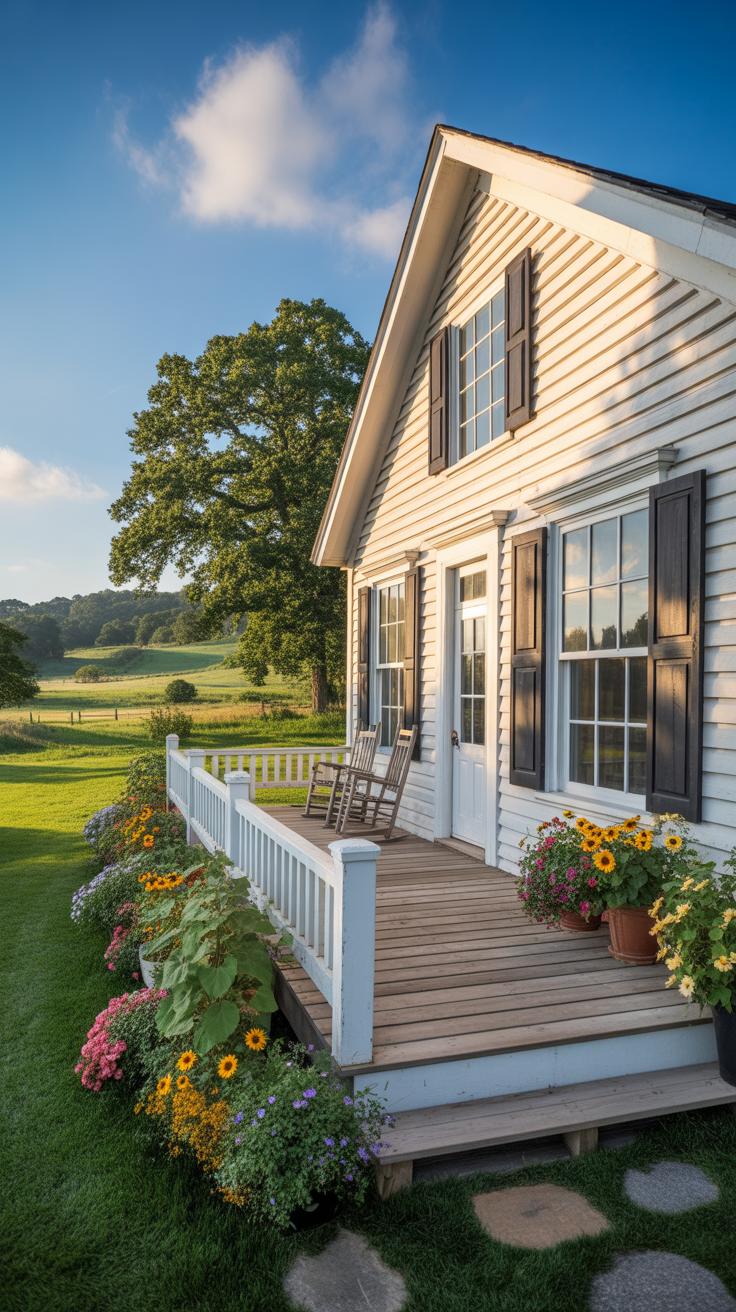
Farmhouse architecture exteriors have a certain warmth that feels almost like a slow, steady breath of tradition. When you look at one, you sense history, a connection to simpler times, and that’s comforting in today’s fast-paced world. The way these homes sit on their plots seems natural—as if they’ve grown out of the very soil beneath them. That’s not something you can easily replicate.
Something about farmhouse design fosters a sense of community. It’s less about standing out and more about fitting in—almost blending into the surroundings. This doesn’t just mean the natural environment but the social environment too. With covered porches and open yards, these homes invite neighbors, family, and friends to gather and share. It’s no surprise that living here can feel like belonging to something bigger.
There’s an undeniable practicality to farmhouse exteriors. Sturdy materials like wood and stone aren’t just decorative—they’re built to endure weather and hard use. Functionality often shapes the layout: wide doors for bringing in supplies, simple rooflines to shed rain and snow, and big windows that light up workspaces. It’s architecture made for living—and working—in rural settings. Perhaps that’s why farmhouse exteriors still feel relevant, even when their original farming purpose has shifted.
Farmhouse Architecture
Farmhouse architecture reflects a lifestyle deeply rooted in rural and agricultural traditions. These homes often feel grounded and practical, designed with function in mind but carrying a distinct charm. You might notice that farmhouses blend living quarters with spaces meant for animals or storage, which shows how the lines between work and home once blurred, perhaps more than we expect today.
Farmhouses typically have a straightforward structure, often stretched out or with multiple connected buildings surrounding a courtyard. It’s an old design approach—efficient for daily tasks, weather, and family needs. Material choice varies by region, influenced by local resources and climate. In Europe, for example, German farmhouses feature large sweeping roofs and internal posts to support wide spaces. In France, you’ll find long brick walls with wooden roofs, while Italian farmhouses can center around a courtyard, making the whole property feel like a close-knit unit.
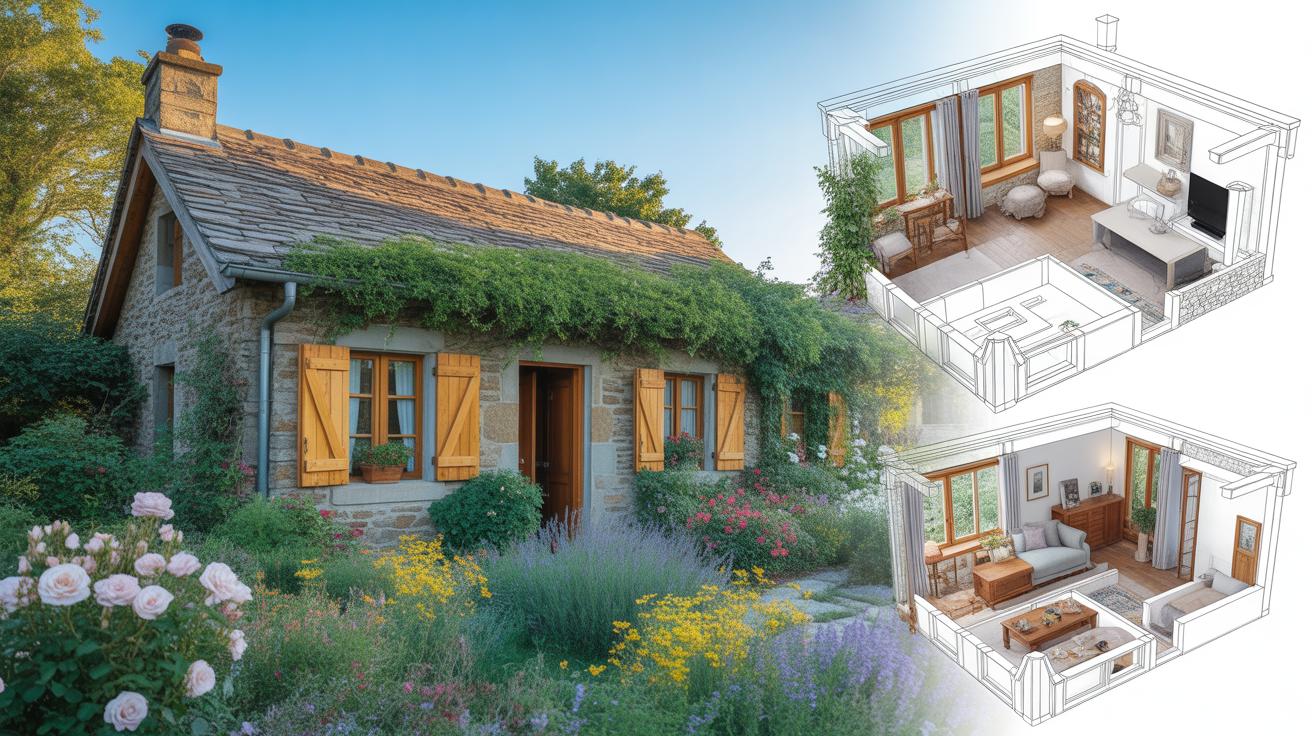
What I find fascinating is the balance between tradition and adaptation. Though these homes were born of necessity, many have evolved. You might find some with modern updates but retaining their simple, sturdy nature. They aren’t about flashy design; they speak of heritage and a slower pace of life, which is quite appealing if you ask me. Have you ever wondered how this contrast between function and comfort could fit into modern living? It seems farmhouse architecture offers a quiet answer.
Farmhouse Exterior Setup Checklist
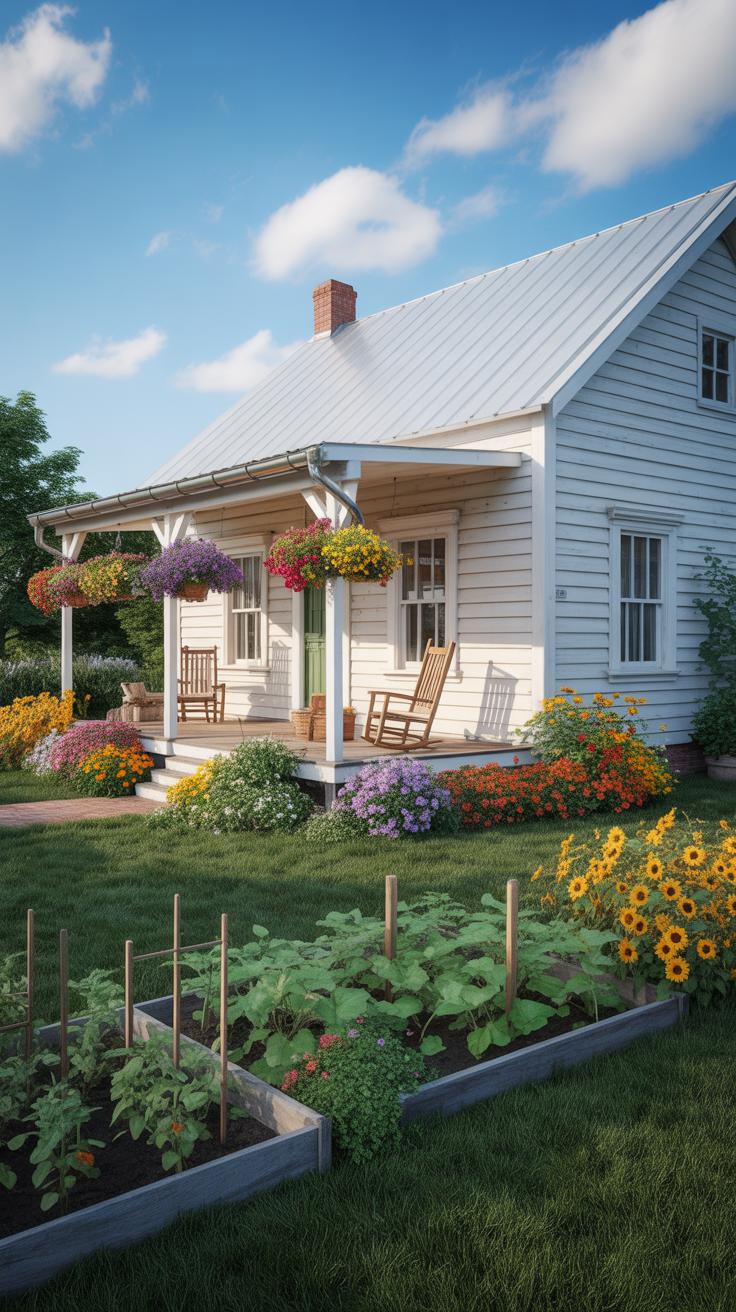
When you begin planning your farmhouse exterior, a checklist can keep things on track. Start by evaluating your site—consider the landscape, weather patterns, and how much sun each side of your home receives. This matters because it influences your material choices and color scheme.
Think carefully about materials. Natural wood is classic but demands upkeep. Stone offers durability and texture, while metal accents can add a subtle modern edge. If you’re unsure, sample swatches against your land—sometimes colors look different outside than in a store.
Colors usually lean toward traditional palettes—creams, muted greens, soft grays, and barn reds. These hues evoke that rural charm you might be aiming for, but you don’t have to stick strictly to those if you want a fresher feel.
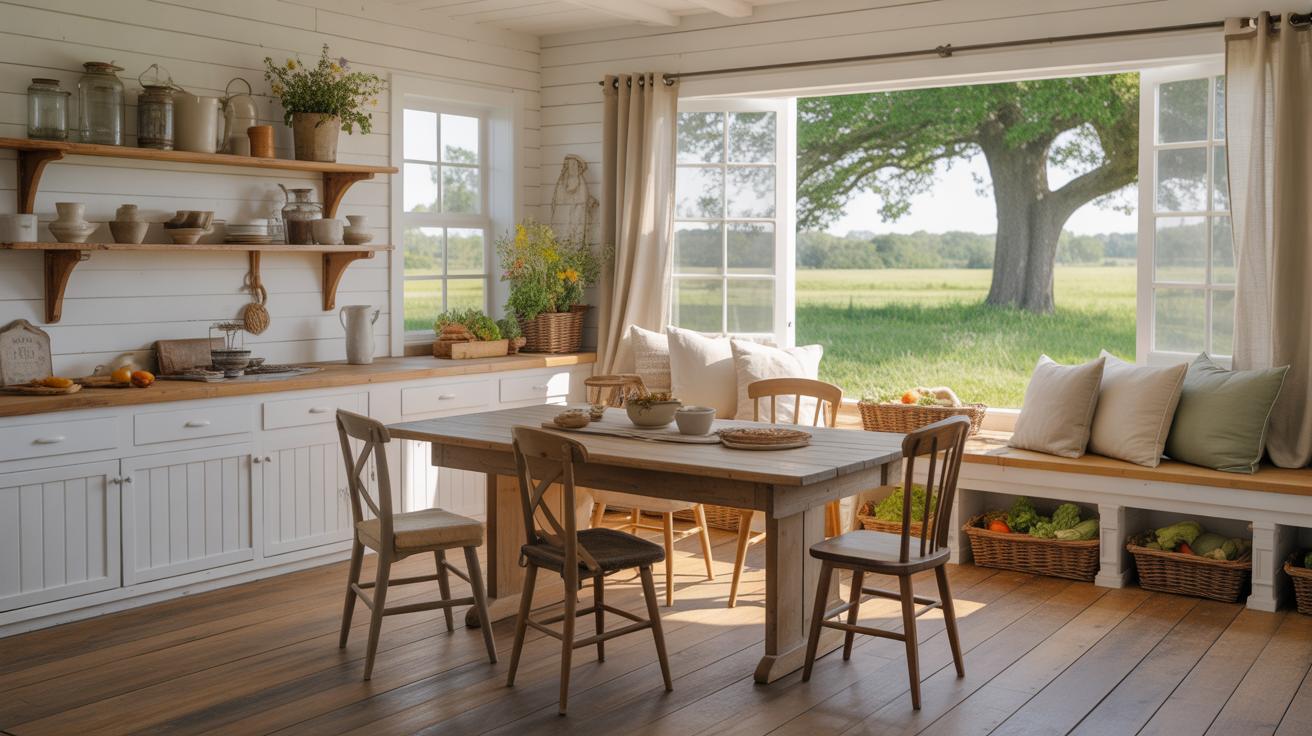
Roofs can define the farmhouse silhouette. Gable roofs are common, offering simplicity and good rain runoff, but gambrel roofs add more attic space and a distinctive shape. Flat or shed roofs tend to feel less traditional but might suit cozier porches or extensions.
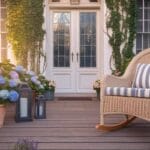
Porches are your chance to invite life outdoors. Decide if a wraparound porch fits your space or if a smaller front step will do. The materials here should coordinate. Wood railings, exposed beams, and stone bases often feel right.
Eventually, it’s a mix of practicality and aesthetics. What suits your lifestyle? What atmosphere do you want to create? You might start imagining, then rethink. That’s part of the process—farmhouse exteriors often develop character over time, both planned and accidental.
Creating A Modern Barn Exterior
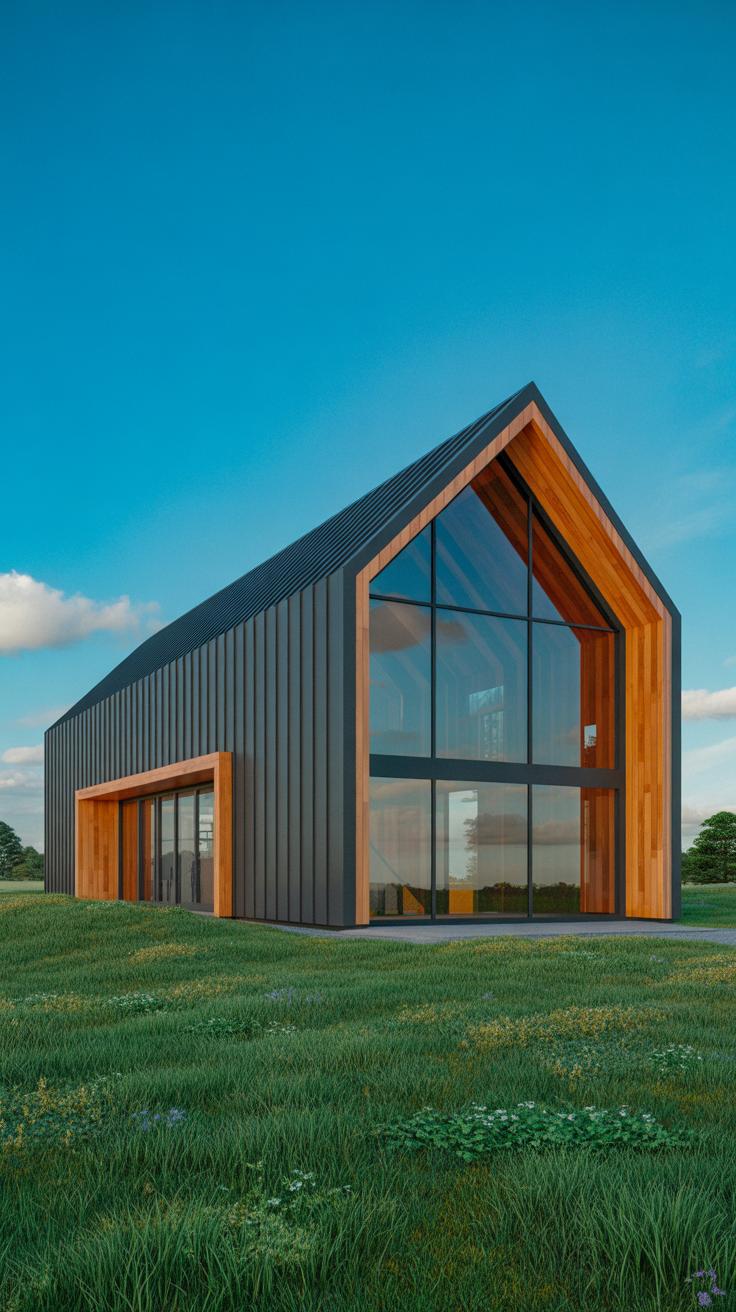
When designing a modern barn house exterior, the first step is choosing the right materials that balance traditional barn charm with contemporary aesthetics. Think about incorporating metal panels for sleekness, glass elements that let natural light flood in, and natural wood accents which keep things warm and grounded. These selections make your barn stand out without losing its root connection to farm life.
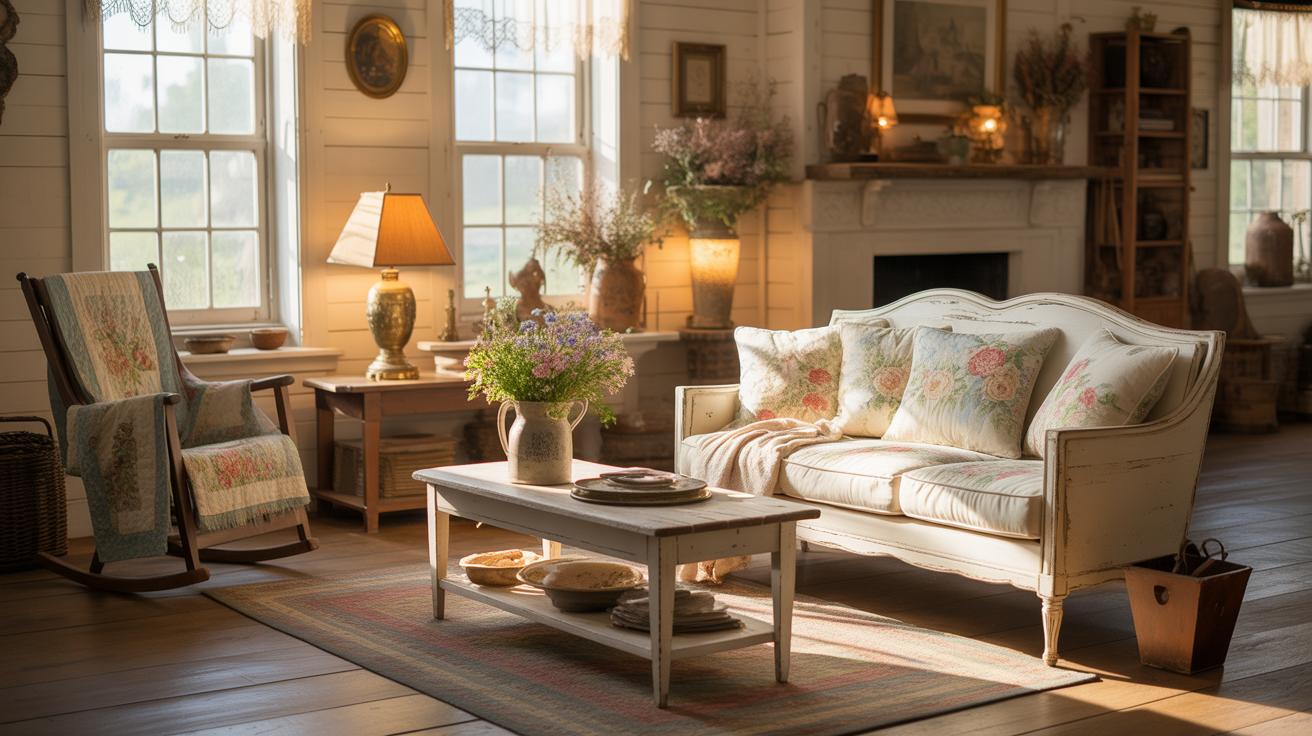
Lighting is more than just functional—it’s part of the design. Exterior lighting can highlight architectural details or create inviting shadows that enhance the barn’s silhouette. Consider wall-mounted fixtures on entry points or subtle ground lights lining pathways. They can shape the mood as the day fades without overpowering the natural look you’re going for.
Garage integration can be tricky, especially if you want the structure to feel cohesive rather than an afterthought. Positioning the garage slightly set back or using barn-styled doors matching the main facade can help it blend. Think beyond just utility—make your garage a design opportunity by matching materials and lines with the main house. It’s worth thinking how driveway placement and accessibility impact overall attractiveness too.
Common Mistakes In Barn And Farmhouse Design
Ignoring Farmhouse Functionality
Farmhouse architecture isn’t just about looks — it’s deeply rooted in practicality. Many people get carried away with making the exterior charming but forget that the layout and design need to serve daily life effectively. The original farmhouse was designed to support work and family life simultaneously. When you ignore this, the house loses its essence.
Think about how traditional farmhouses arrange spaces: kitchens near back doors for easy access to outdoor work areas, sleeping quarters tucked away for privacy and rest, and porches that offer shade and a social space. Ignoring these details can make a farmhouse feel less like a home and more like just another house decorated in a rustic theme.
You might be tempted to prioritize aesthetics over utility, but ask yourself: does this window placement support airflow? Does this hallway connect rooms efficiently? Practicality should guide most design decisions. In the farmhouse style, simplicity isn’t just about appearance; it’s about the way the house functions.
Avoid open floor plans that sacrifice distinct functional areas; consider how the space supports your lifestyle instead. It’s not a mistake to appreciate beauty in design, but in farmhouse architecture, the function has always been just as critical.
Examples Of Successful Exterior Designs Farmhouse Architecture
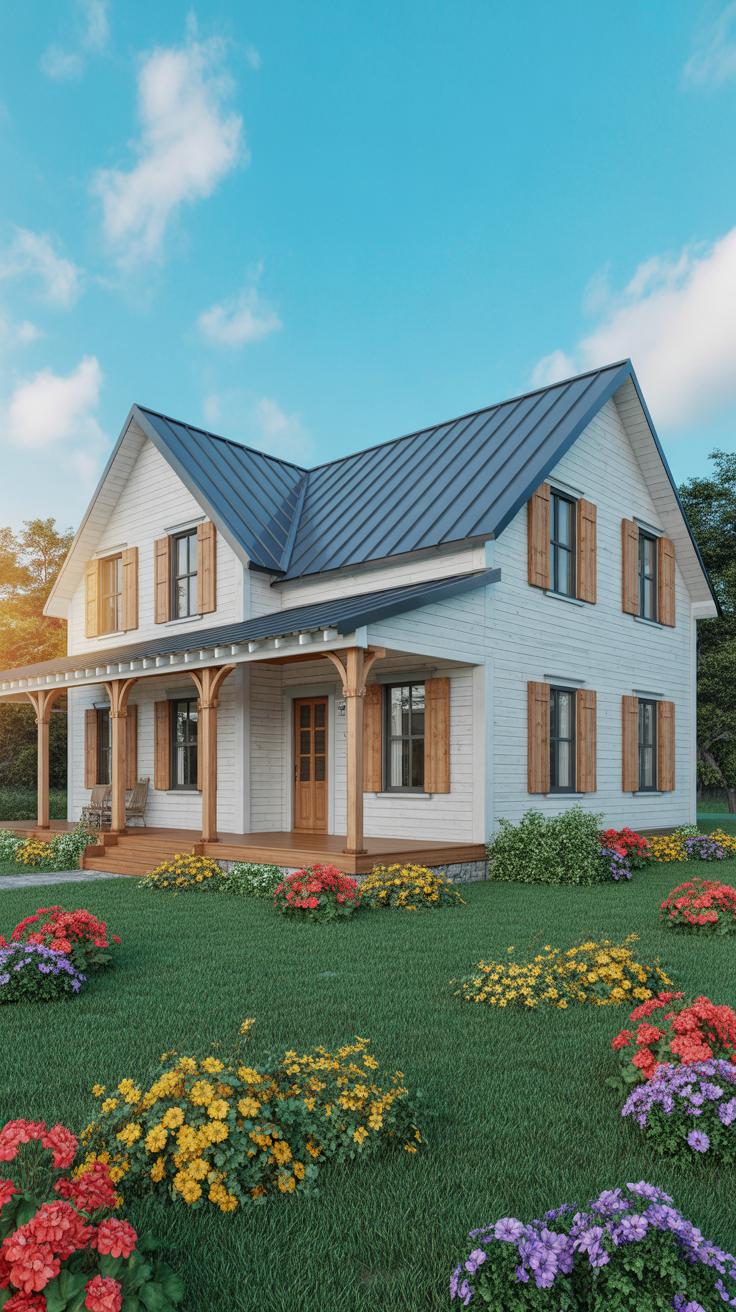
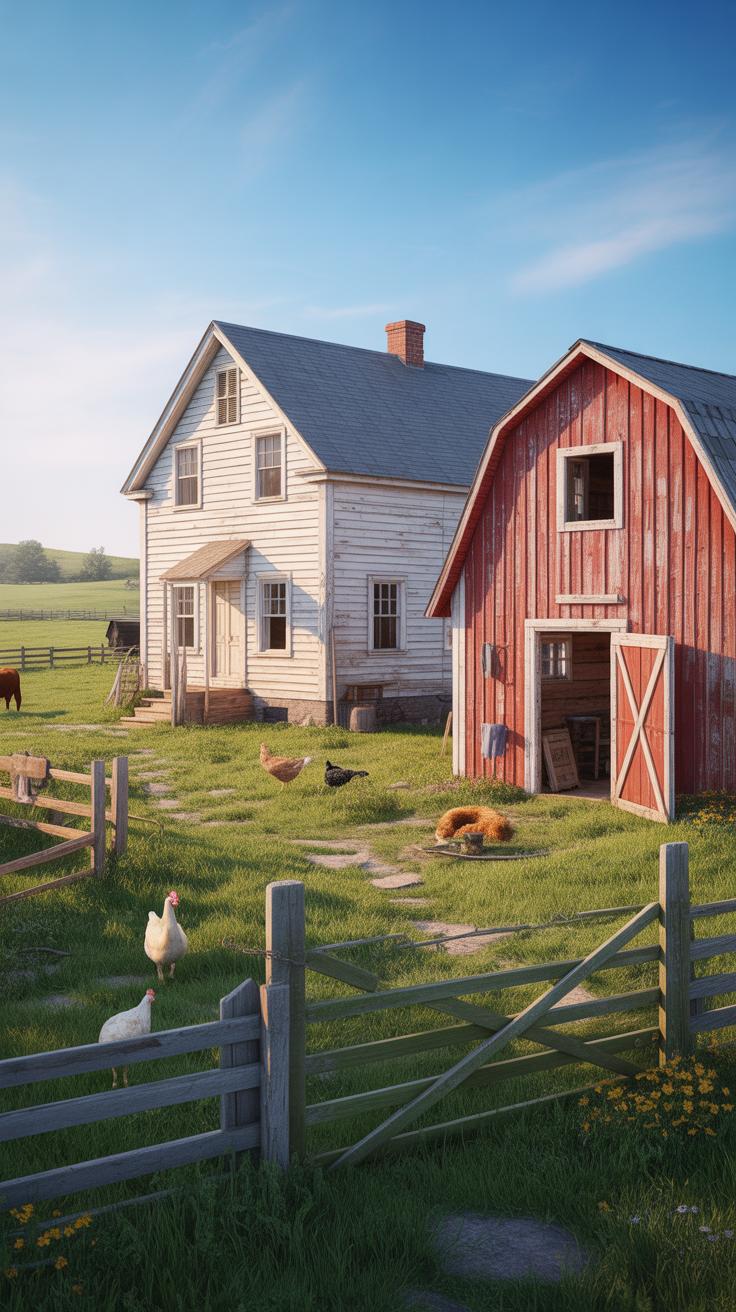
When looking at farmhouse architecture, you notice how the design balances simplicity with function. Classic farmhouses often focus on practical layouts that serve rural living but this doesn’t mean they lack charm or style. For example, many farmhouses feature a symmetrical facade, steep gable roofs, and wide front porches that invite you in. These elements provide a cozy, welcoming feel.
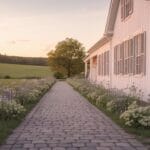
Take the traditional American farmhouse: white painted exteriors, board-and-batten siding, and double-hung windows dominate. These details give it an honest, straightforward appeal. The porch not only adds character but works as a practical transition space for families.
You might come across farmhouses with stone chimneys or weathered wood siding, which add texture and history. Sometimes, these homes mix in metal roofing or modern windows, creating a subtle blend of old and new. The aged look isn’t always intentional, but it can feel authentic—like the house has a story to tell.
In some European regions, farmhouses vary notably. For instance, the German Low German house employs a timber-framed structure while Italian Cascina homes cluster around courtyards. It’s interesting how these choices adapt to climate and farming needs, which shapes the exterior’s form and function while maintaining regional identity.
So, what makes a farmhouse exterior stand out? It’s often the balance between practicality and aesthetic—a look that reflects the land, the people living there, and a slower pace of life. Maybe that’s why farmhouse styles feel timeless yet approachable.
Conclusions
Modern Barn Houses and traditional Farmhouse Architecture both have qualities that appeal to rural homeowners. The barn-inspired design brings a modern aesthetic and functional simplicity, while farmhouse styles emphasize cozy charm and established rural traditions.
Choosing between them depends on your preference for modern minimalism or classic rustic appeal. Understanding their characteristics allows you to select exterior elements that suit your lifestyle and aesthetic goals for a rural home.