
Introduction
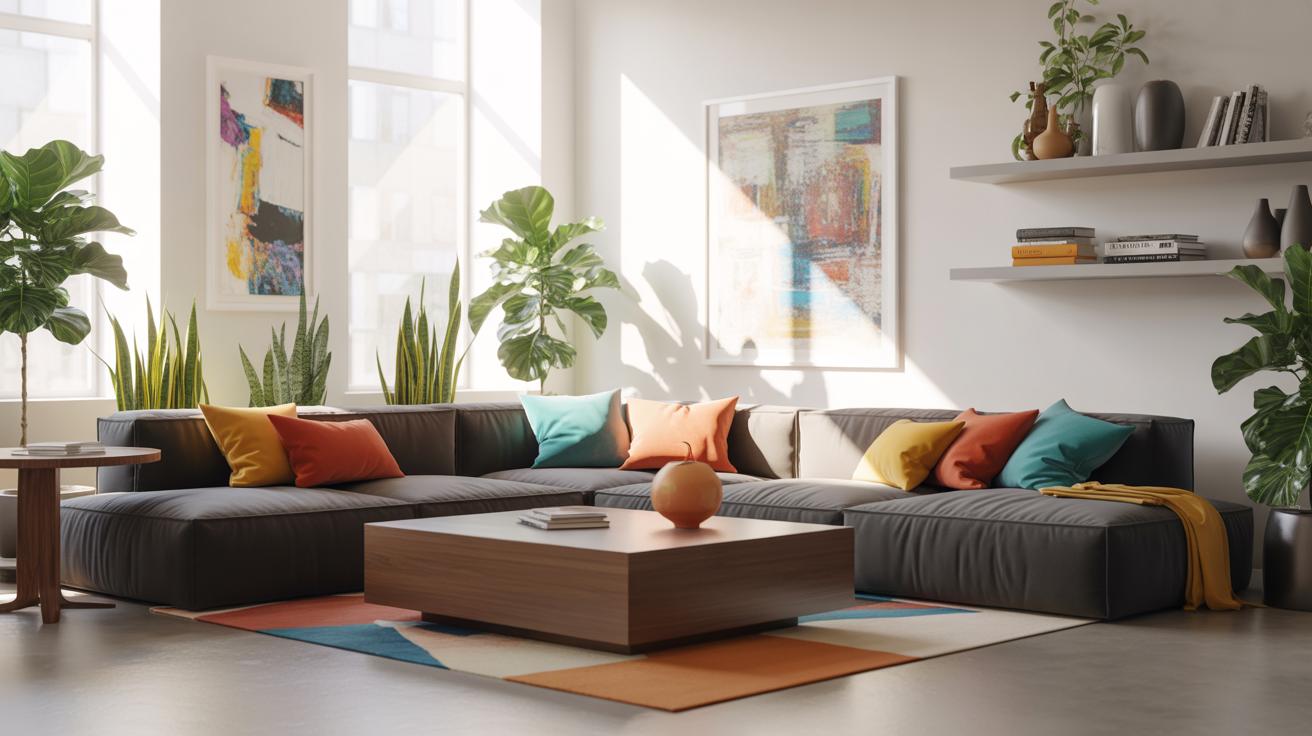
A grey couch can be the centerpiece of a stylish living room, combining comfort with a modern look. When paired with contemporary living room design, it offers a versatile base that fits many decorating styles.
This article covers everything you need to know about styling a grey couch in your living room. From selecting the ideal couch to arranging your space for optimal appeal and functionality, you’ll find practical advice and clear examples here.
Grey Couch Basics
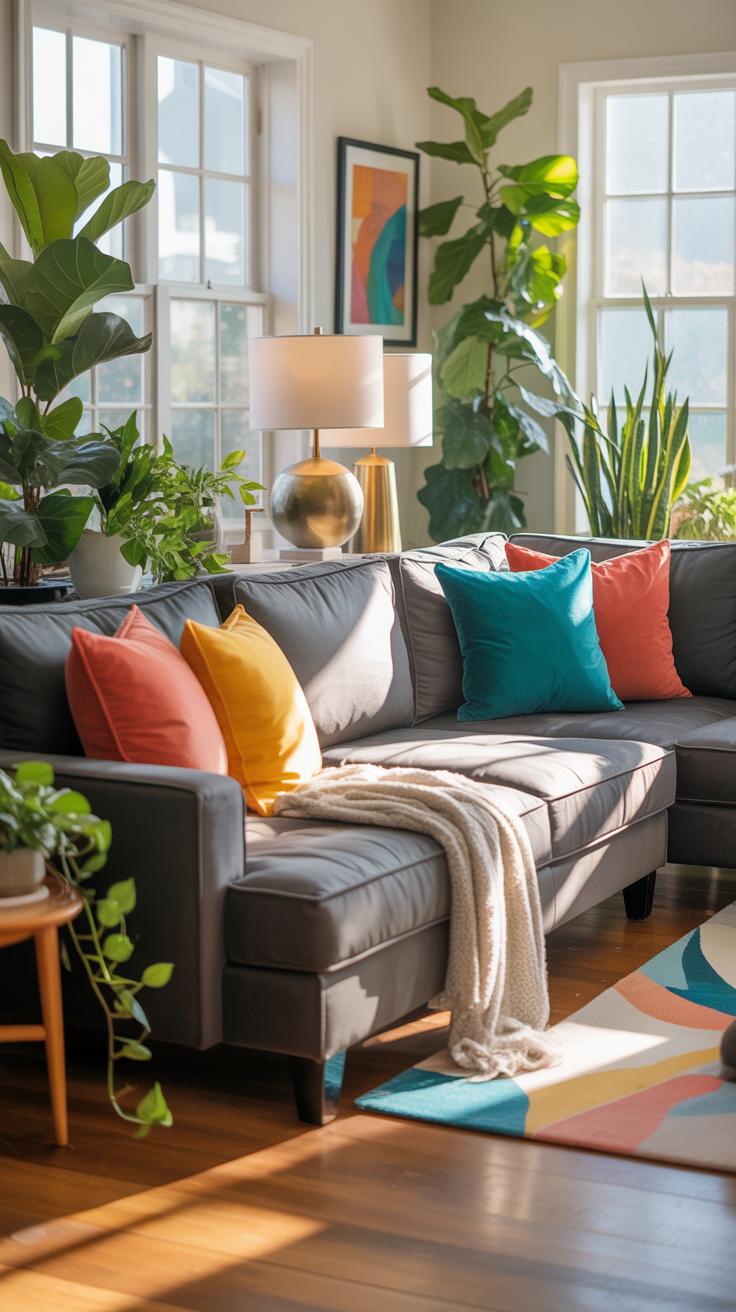
The grey couch is a popular choice in contemporary living room design, often because of its neutral hues and adaptable nature. Shades typically range from light silvery greys to deeper charcoals, offering versatility in matching various color schemes. You’ll find grey couches made from materials like cotton blends, microfiber, leather, and synthetic fibers, each bringing its own texture and durability.
It’s practical too. Grey tends to mask stains better than lighter colors, which is handy if you have kids or pets. The material you pick plays a role here: microfiber sofas, for example, resist wear and are easier to clean compared to some velvets or linens. Grey’s neutrality makes it a safe centerpiece, flexible enough to pair with bold pillows or sleek minimalist décor. You might notice it blends well in modern rooms that favor clean lines and understated palettes.
Still, the choice of grey can depend on lighting and personal taste. Some may find darker greys too heavy, while others appreciate the cozy depth they provide. Either way, a grey couch tends to offer a long-lasting, adaptable foundation for living room styling.
Choosing The Right Grey Couch
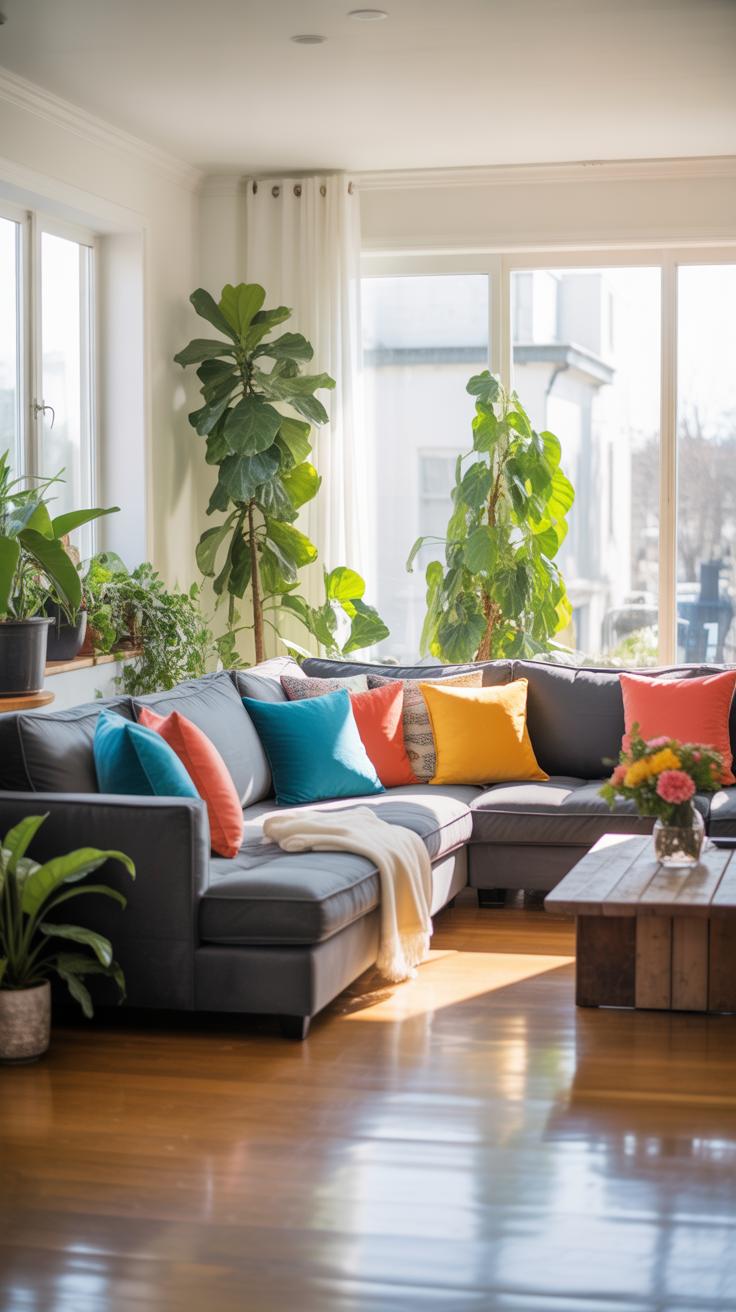
Selecting the ideal grey couch depends largely on your room’s size, usage, and style preferences. For smaller spaces, a compact loveseat or a streamlined sectional can fit without overwhelming the room. If the couch is for heavy use—say, regular family gatherings or movie nights—consider fabrics like leather or performance microfiber that stand up to wear and spills.
Fabric choice is crucial. Cotton blends breathe well but might stain more easily, while synthetic fibers often hold up better over time but may not feel as soft. Size matters too; oversized couches bring comfort but might crowd a room, so measure your space carefully before buying.

Design-wise, a mid-century modern grey couch with wooden legs, or a sleek low-profile model, can complement contemporary themes. Think about the couch’s shape and details—tufting, straight arms, or smooth curves—to match your aesthetic. Remember, your grey couch can either blend quietly or serve as a subtle statement piece depending on your styling.
Caring For Your Grey Couch

Maintaining a grey couch doesn’t have to be complicated. Regular vacuuming can keep dust, pet hair, and crumbs at bay, preserving fabric freshness. When spills happen, act quickly: blot with a clean cloth rather than rub, to avoid pushing stains deeper.
Many grey couches come with removable covers, which you can toss in the washing machine if the fabric allows. For tougher stains, gentle cleaners made for upholstery work best, but always test in a hidden area first.
Consider fabric protection treatments like stain-resistant sprays. They add an extra defense, but they’re not foolproof—regular upkeep still matters. Sometimes, a professional upholstery cleaning once a year can really help the couch look new again. Keeping a grey couch in good shape might seem like a bit of effort, but it pays off, especially since it’s such a central piece in your living space.
Arranging Your Living Room
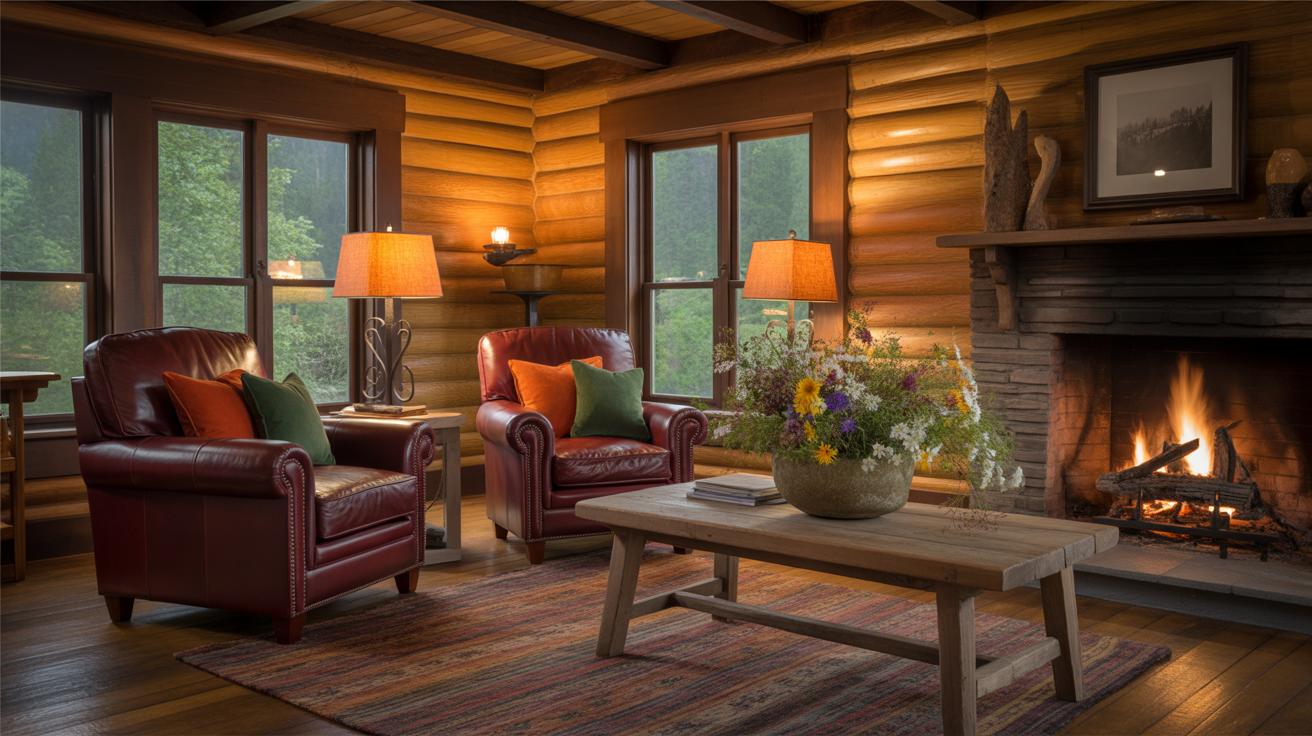
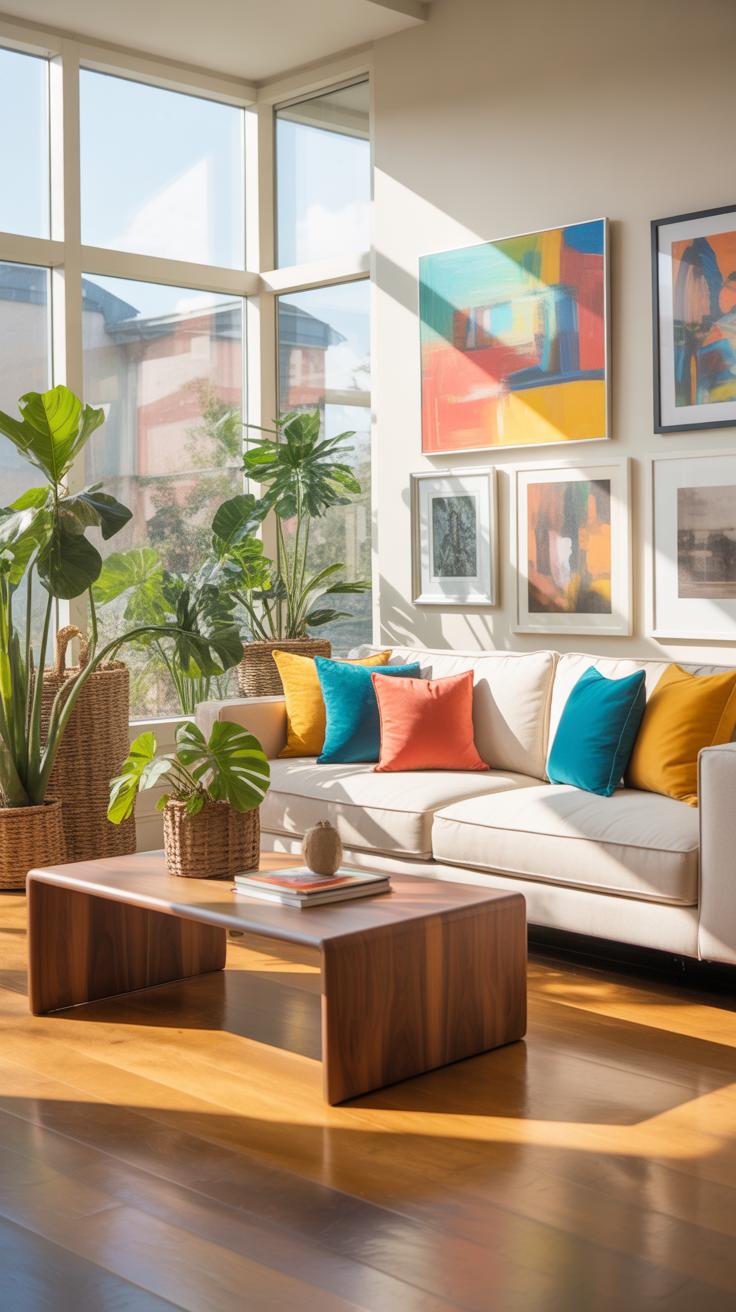
Arranging furniture around a grey couch can be surprisingly tricky, and yet, it’s where a lot of the room’s character gets defined. The goal is not just about fitting everything in but making the space feel open and inviting. You want easy pathways for traffic — no one should have to awkwardly sidestep a chair or squeeze past a coffee table. Think about how people naturally move through the room; ideally, the couch sits opposite or adjacent to the main entry point or focal feature like a fireplace or TV.
Balancing the layout is another subtle art. Not everything must be perfectly symmetrical—sometimes, a single armchair or an asymmetrically placed side table can add an unexpected but pleasing balance. The trick is to keep each area defined without it feeling boxed in. Often, leaving a bit of breathing room around the couch helps avoid clutter and makes the space feel thoughtful and intentional.
Optimal Furniture Placement
When positioning other furniture relative to your grey couch, spacing matters—give at least 18 to 24 inches between the couch and coffee table, enough for comfortable movement but close enough to reach your drink or book. Align seating in a way that promotes conversation; chairs should face the couch or be angled slightly. Visual harmony comes from mixing heights and shapes. For instance, pairing the low profile of a modern grey couch with taller, slender lamps or a slender console can soften heavy blocks of furniture.
One small tip: don’t overcrowd the room by forcing in too many pieces. Sometimes fewer items mean more impact, letting the couch be the star without distractions. Eyeballing the arrangement from the doorway before finalizing usually reveals if things look cluttered or airy.
Using Rugs and Lighting
Rugs and lighting can elevate the grey couch’s presence and overall ambiance. For rugs, go with natural fibers or flat-woven styles that add texture without overwhelming. Keep the size large enough so at least the front legs of the couch and chairs sit on it; this anchors the seating area cohesively. Opt for subtle patterns or neutral tones if you want a minimalist look, or consider geometric patterns if you want some visual interest without clashing.
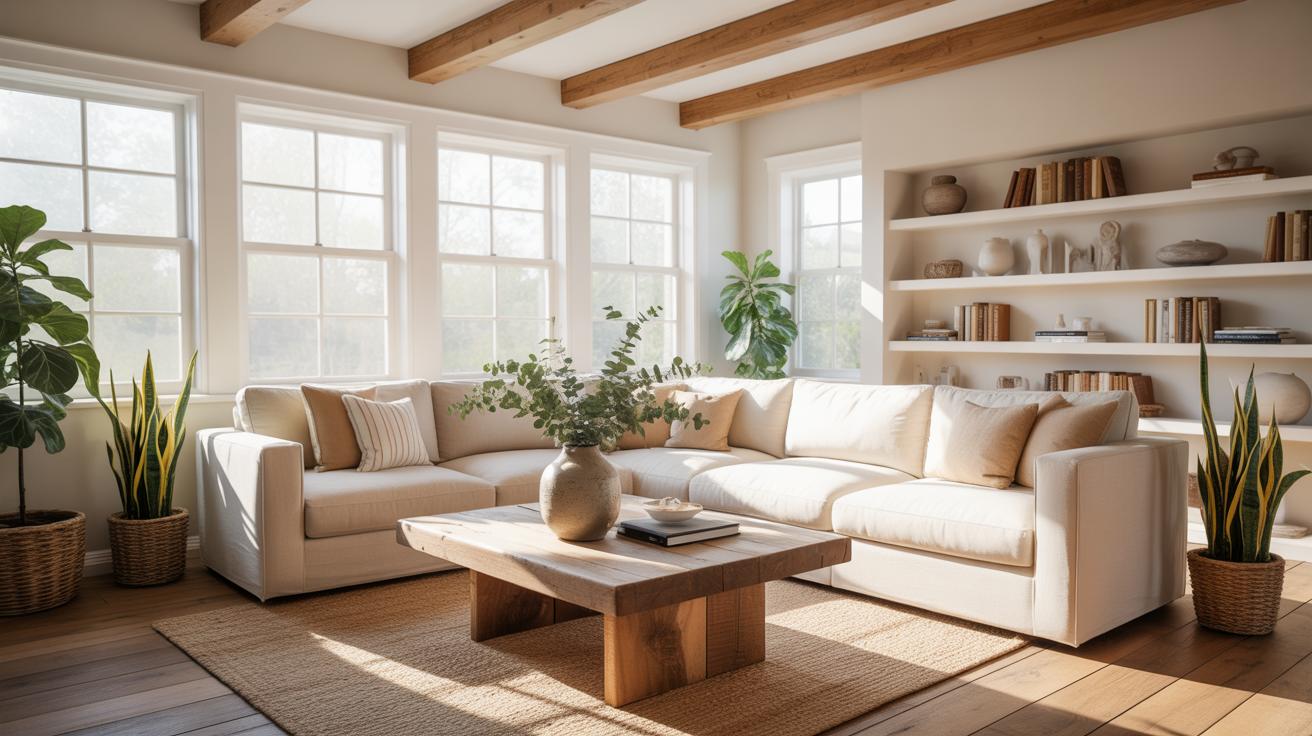
Lighting is equally critical. Layer your lighting with a mix of overhead fixtures, floor lamps, and table lamps to create warmth and depth. Adjustable lamps near the couch can double as reading lights and mood setters. Fixtures with clean lines, like metal or matte finishes, tend to work well in contemporary spaces. Experiment with dimmers to tweak the atmosphere depending on the time of day or activity.
Have you noticed how lighting changes the perception of grey and sometimes makes it feel colder or warmer? This is where a bit of trial and error comes in. Don’t be afraid to swap out bulbs or reposition lamps until it feels just right.
Color And Texture Combinations

When styling a contemporary living room with a grey couch, choosing the right colors and textures can feel like walking a fine line. Grey is versatile, sure, but to avoid a flat or dull space, you need to be thoughtful about what you mix in. Imagine soft velvet cushions in deep navy or teal, their rich texture offering a luxurious contrast to the matte or slightly coarse feel of a grey couch. Linen throws in muted sage or olive green introduce a natural, breathable softness. There’s something subtle but impactful about these pairings—they bring an unexpected warmth that grey alone might lack.
Try incorporating these combinations:
- Deep blues with plush velvet for a touch of elegance.
- Earthy greens on linen for freshness and calm.
- Warm rust or mustard in cotton or wool to soften the cooler grey tones.
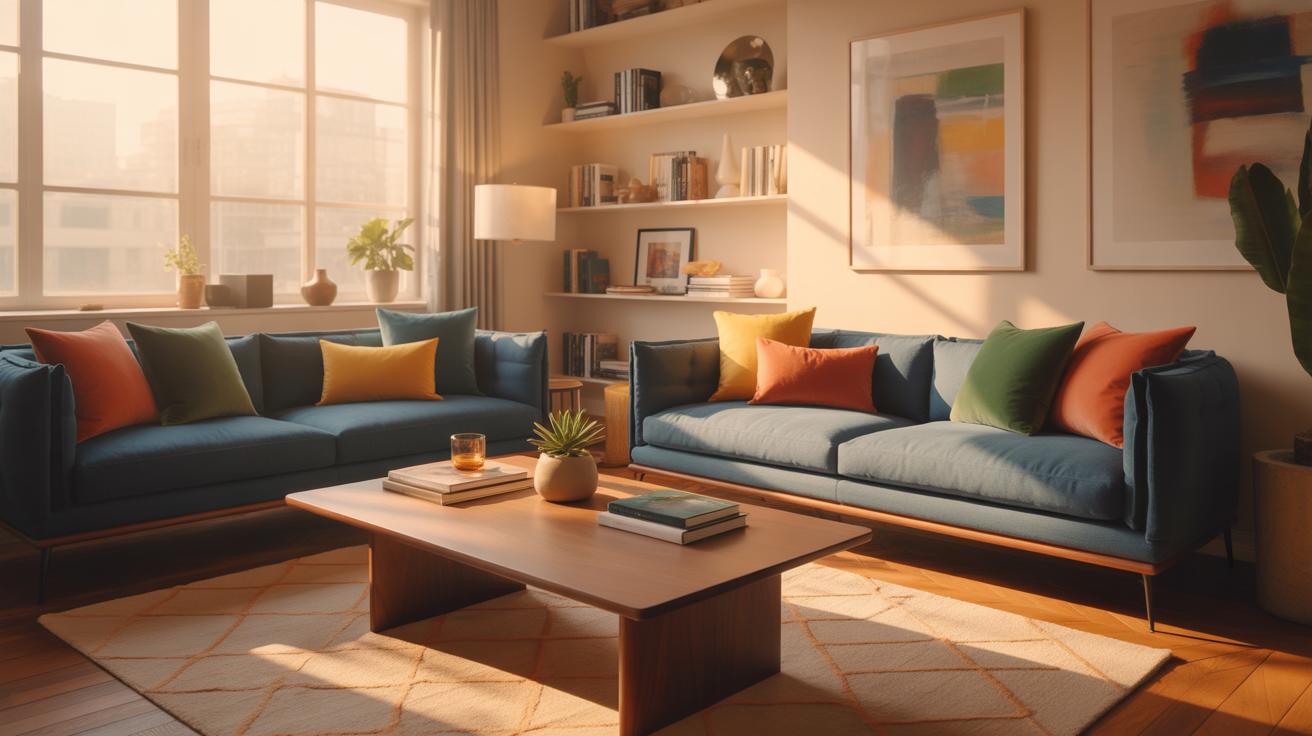
Textures like a soft shaggy rug or a sleek leather ottoman also add balance, keeping the space dynamic yet cozy. The key is balance, but you don’t want to overthink it so much that the room feels staged or cold.
Complementary Color Palettes
Grey couches often serve as the perfect neutral canvas, but what colors really bring them to life? Blues and greens are reliable complements—you might go for a navy wall to anchor the space or soft mint cushions for a subtle pop. These tones tend to bring a calming, grounded vibe. On the warmer side, think of subdued terracotta or blush pink accents. These shades introduce an inviting feel that contrasts the coolness of grey.
Interestingly, warm tones can sometimes make the grey look cooler and sharper in a room—something you might want or avoid based on your mood. Blues, on the other hand, quietly harmonize without overwhelming. It’s a bit of an experiment, actually, mixing colors around grey. You can gently shift the mood by just swapping an accent piece.
Mixing Fabrics And Patterns
Mixing fabrics with a grey couch can be tricky yet rewarding. Velvet offers a richness that contrasts nicely with the more understated cotton or linen. Linen throws can feel rustic compared to the smoothness of a cotton pillow. When it comes to patterns, subtlety tends to win. Thin stripes or delicate geometrics layered on cushions or rugs can add interest without competing with the neutral base.
Some tips to keep in mind:
- Combine textures to add depth—velvet cushions with a cotton throw, for example.
- Opt for patterns in softer shades, like a pale grey and white stripe rather than loud, high-contrast prints.
- Don’t be afraid to mix a small-scale geometric pattern with a solid or simple striped fabric for a casual, lived-in feel.
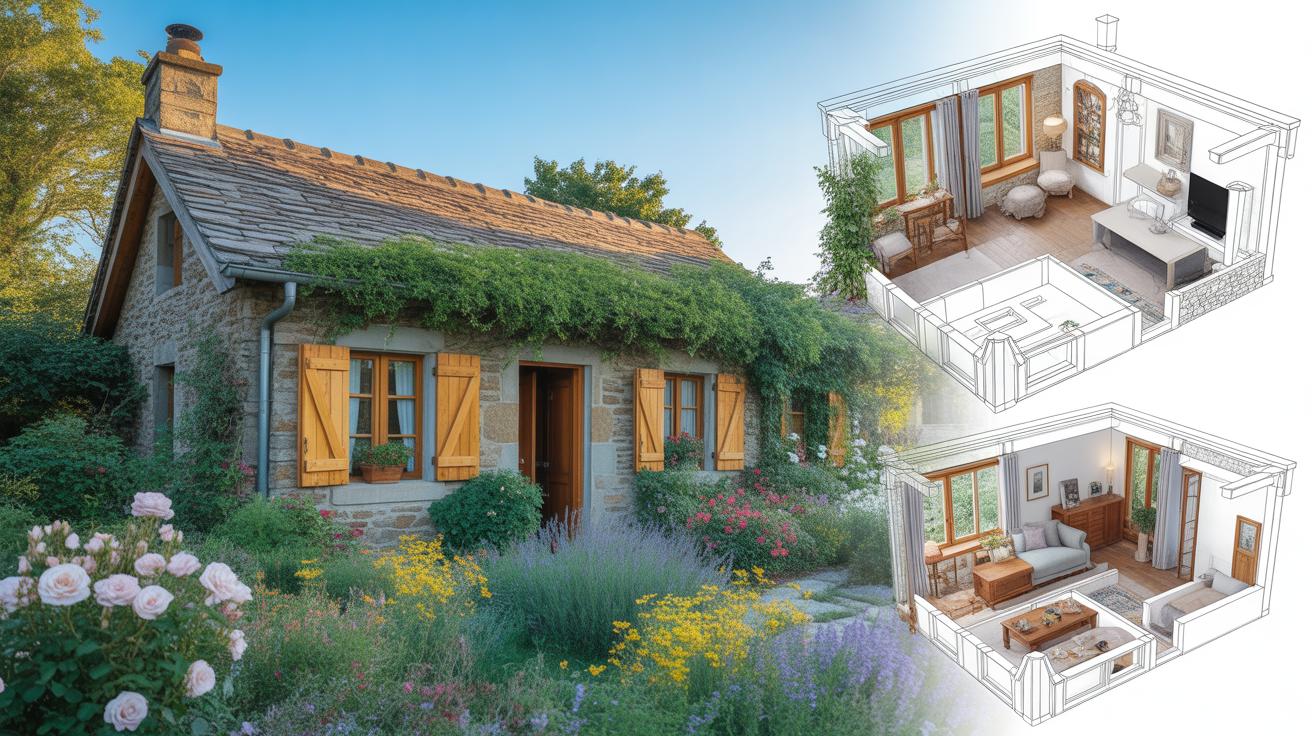
It’s not necessary to have everything perfectly matched; in fact, those small imperfections in the mix make the space feel more authentic and relaxed. Sometimes, when you’re unsure, I find it helps to see the fabrics together in natural light before committing.
Decorating With Accessories
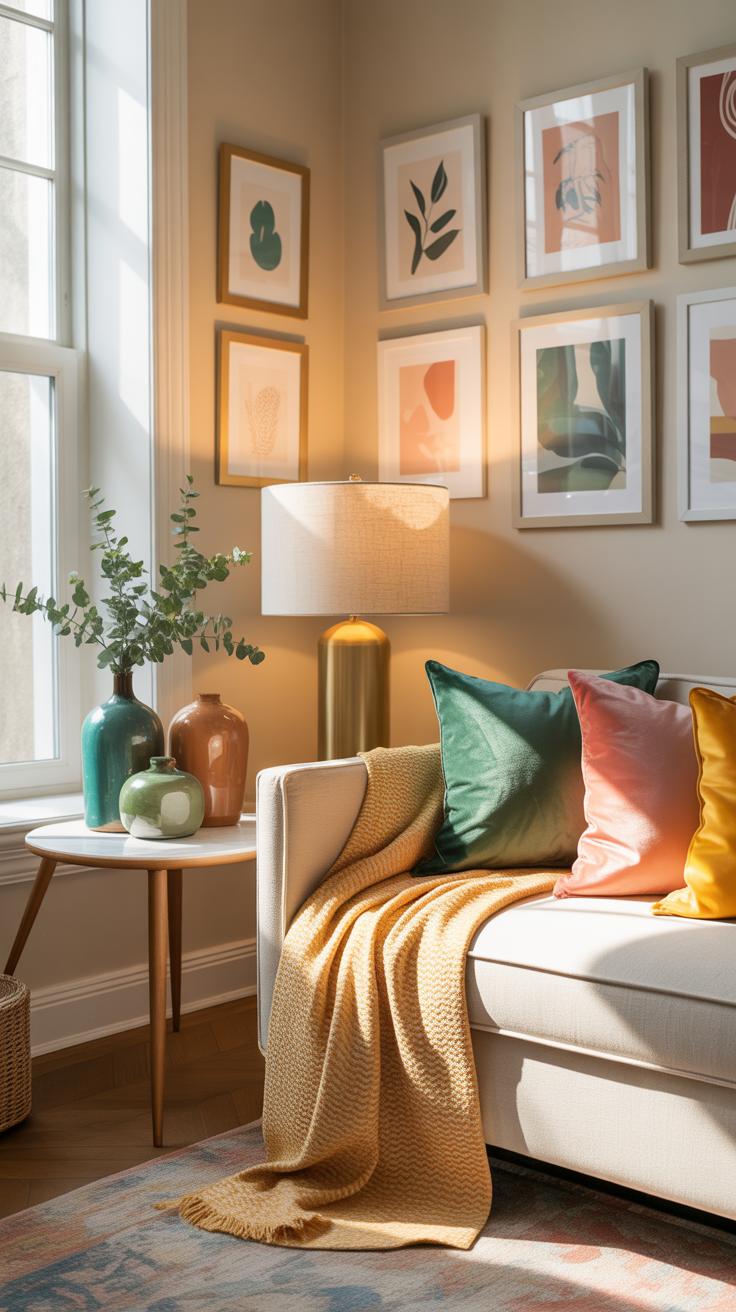
When thinking about cushions and throws for a grey couch, the trick is to find a balance that doesn’t compete with the couch’s neutral tone but rather complements it. You could go with cushions in soft pastels or muted earth tones to keep things subtle, or maybe choose a couple of bolder colors if you want to make a statement without overwhelming the space. Textures matter too—think velvet or knits to add a tactile contrast that invites touch.
Placement is more than just scattering cushions randomly. Try grouping cushions in odd numbers or layering a throw across one armrest to create a lived-in yet styled look. This asymmetry works well with contemporary living spaces, which often embrace a bit of visual tension instead of perfect uniformity.
Choosing Cushions And Throws
Ask yourself what mood you want: cozy, chic, or somewhere in-between? If you want warmth, cues from nature, like ochres and greens, work nicely against grey. Cool tones such as blues or purples harmonize too, and can subtly shift the room’s atmosphere without loud contrasts. Don’t shy away from mixing textures—soft linens paired with chunky weaves can be unexpectedly effective.
Keep in mind comfort alongside style. You’ll want throws that are not only attractive but also soft and inviting. Sometimes, a minimal approach—one or two carefully chosen cushions and a simple throw—can make the strongest impact.
Incorporating Wall Art And Decor
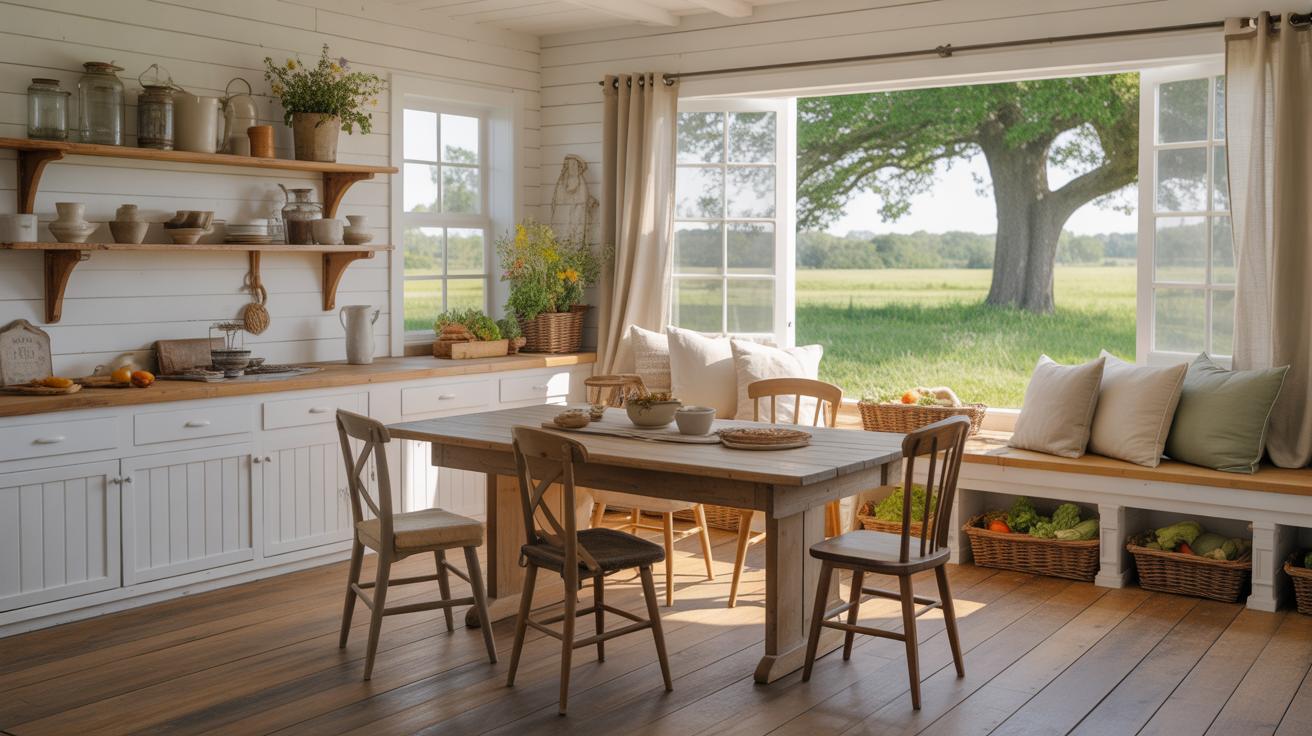
Wall art can either echo the couch’s simplicity or introduce an element of surprise. Consider abstract prints or monochromatic photography to enhance the room’s contemporary vibe. Large-scale pieces may work well above the couch, but smaller arrangements can draw attention without overshadowing the seating area.
Decorative items like sculptures, vases, or shelving provide physical depth and highlight the furniture’s clean lines. When selecting these items, think about shapes and forms that both contrast and compliment the couch—round objects next to squared cushions, for example, can soften the overall look.
How you arrange these pieces matters. You might cluster a few items on a side table or mantel to create a focal point, or distribute them evenly to maintain the room’s balance. The key is to unify these elements with the grey couch at the heart without forcing coherence that feels artificial.
Creating Comfort And Function Around Your Grey Couch
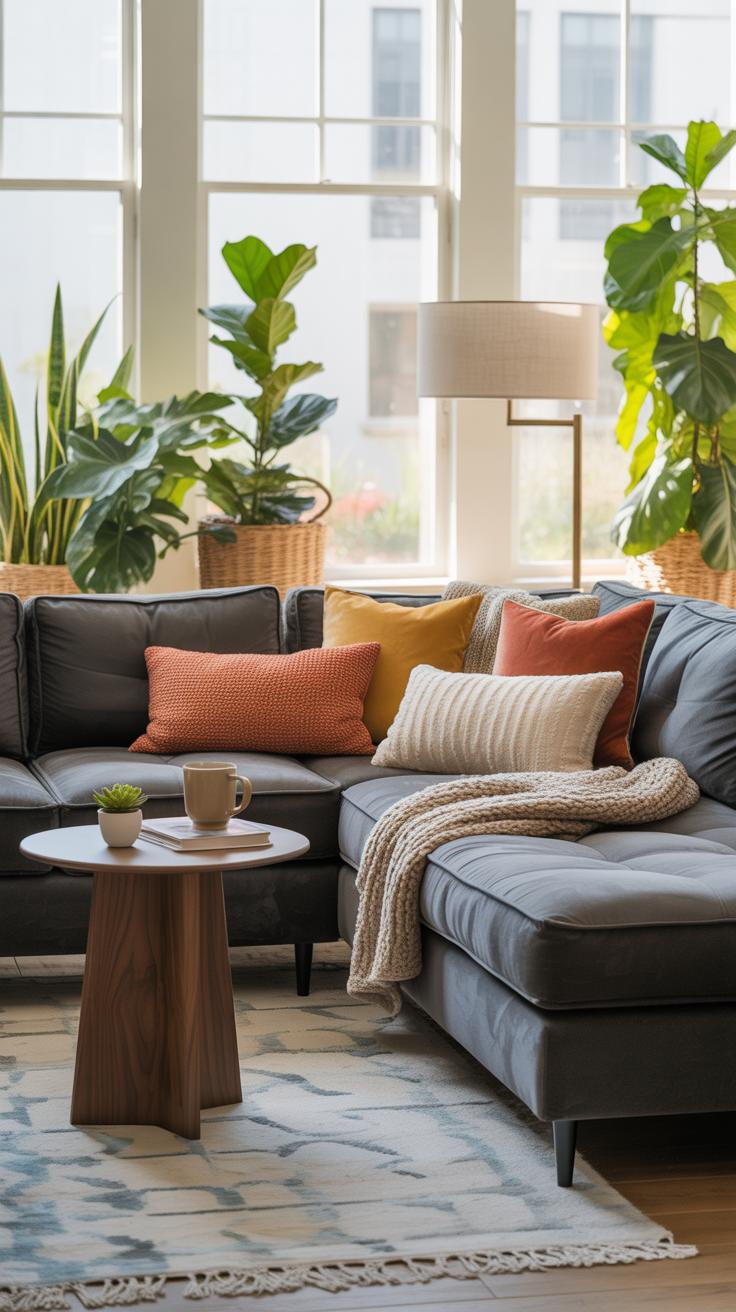
When thinking about making your grey couch area inviting, comfort must come first. It’s not just about soft cushions; angle and height matter too. You might find that adding a couple of throw pillows or a cozy blanket suddenly adjusts the whole vibe. Side tables are more than just a place to rest your cup—they bring function closer. Ideally, keep them within arm’s reach for convenience, so you don’t have to stretch awkwardly during a movie. Storage is another piece of the puzzle. Ever considered a storage ottoman? It doubles as a footrest, extra seating, and a place to stash away clutter.
Comfort also means flexibility. Your grey couch area could sometimes be a quiet retreat, other times a lively hangout. So, practical furniture pieces that adapt to both moods work best. Think lightweight side tables that you can move easily, or stackable stools that don’t crowd the space when not used. Inviting spaces invite people to stay longer — so keep seating comfy but not so plush that it feels too formal or rigid.
Selecting Functional Furniture For Everyday Life
Adding furniture that serves multiple purposes can be a game-changer. Ottomans, for instance, serve both as a place to rest your feet and as extra seating when guests come over. Side tables with built-in shelves or drawers can keep remotes and magazines out of sight but at hand. Media units aren’t just for the TV—they help organize cables and keep the area from looking chaotic. You might hesitate whether to fill the space, but adding such pieces often makes the room feel more lived-in, which is generally more welcoming.
Organizing Your Living Room With The Grey Couch At The Center
Maintaining order around a grey couch can be tricky, especially if it’s the room’s focal point. Creating designated zones helps. For example, keep a tidy stack of books or games on a nearby shelf to invite use without cluttering surfaces. Use baskets or boxes under tables to hide essentials like extra throws or kids’ toys. Regular tidying is key, but it doesn’t have to be daily—sometimes a quick evening sweep is enough to keep things comfortable for the next day.
Ask yourself: how often do you use various items? What truly belongs in your living room? The idea is to keep everyday essentials accessible but not overwhelming. Having a few well-chosen pieces can allow the grey couch to shine without drowning in accessories or storage piles. Sometimes subtle restraint creates the most practical and welcoming space.
Grey Couch Styles Compared Minimalist MidCentury Modern and Plush Contemporary
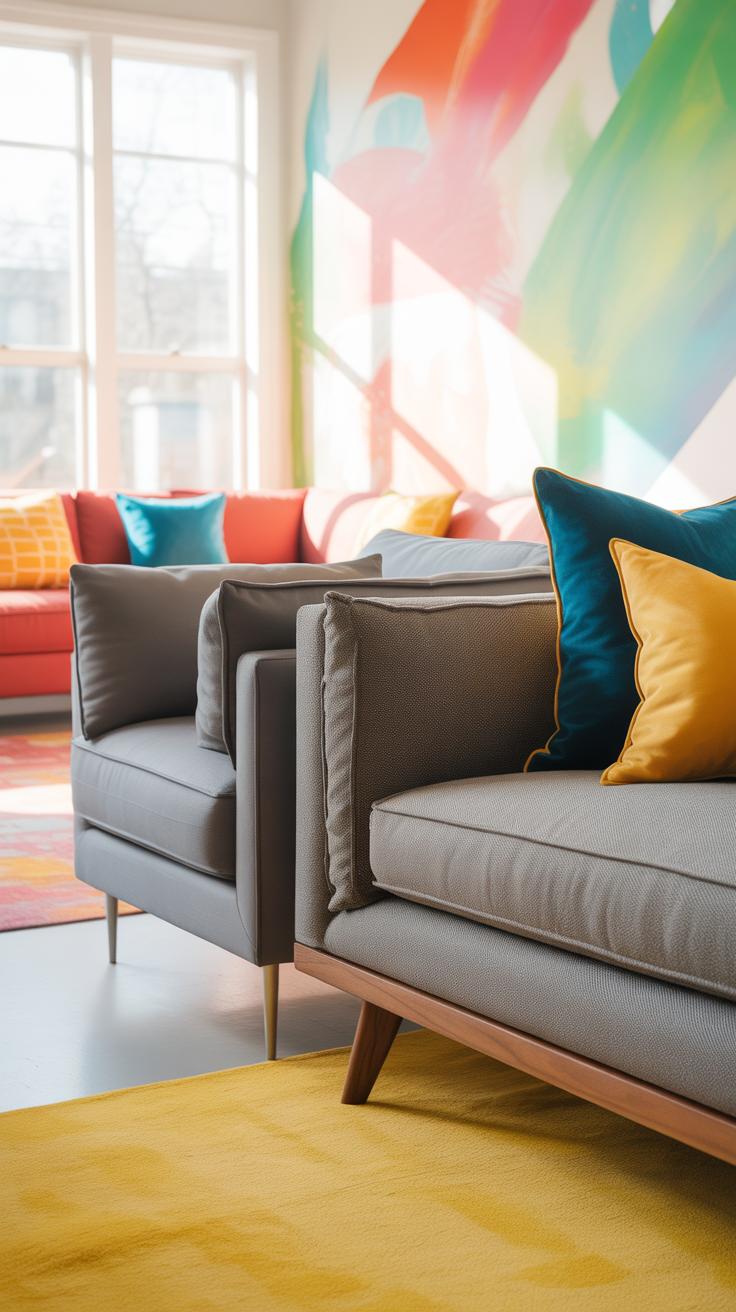
When it comes to choosing a grey couch, the style you pick can completely change the vibe of your living room. Let’s talk about three popular styles: minimalist, mid-century modern, and plush contemporary. Each has its own charm and suits different needs.
Minimalist grey couches tend to have clean lines and simple shapes. They’re straightforward—no fuss. These are great if your space is small or if you prefer a neat, uncluttered look. On the downside, they might feel a bit too cold or stiff for some. Comfort varies, but they usually prioritize form over softness.
Mid-century modern couches bring a retro flair with their tapered legs and subtle curves. They tend to balance sleekness with a comfy feel, making them a good choice if you like a mix of vintage and modern. These sofas work well in open spaces or rooms with natural light, where their design can really shine.
Plush contemporary grey couches, on the other hand, offer softness and coziness. Think deep cushions and generous padding. Perfect if you often lounge or have long family movie nights. They can be a bit bulky, though, so they might overwhelm smaller rooms or minimalist spaces.
Choosing between these styles depends on your taste and living room needs. Do you want something airy and neat? Or maybe something soft that beckons you to sit forever. Or perhaps a stylish, timeless piece that hints at classic mid-century design? There’s no perfect answer—just what fits best for you.
Minimalist Versus Plush Grey Couches
Minimalist grey couches often appeal due to their simplicity and the way they open up a space. They usually have thinner cushions and lower profiles. If you’re trying to avoid visual clutter and keep your living room feeling spacious, these are hard to beat. Yet, they might not satisfy someone seeking plush comfort.
Plush grey couches bring a totally different feel. With layers of cushioning and soft upholstery, they invite relaxation. They fit well in larger rooms where their bulk complements rather than crowds the space. If comfort ranks top, plush styles win. But, they might look out of place in a sleek, modern environment.
Mid Century Modern Gray Sofas
Mid-century modern grey sofas showcase iconic design features—clean, angular lines combined with gentle curves and wooden legs. This style stays true to its mid-20th-century roots without being flashy. The wood tones contrast beautifully with grey fabric, adding warmth.
Rooms with natural light and open plans boost mid-century couches’ appeal. Smaller apartments or traditional living rooms might not suit them as well, but when placed right, they become an elegant centerpiece. One attractive part is how their design blends functionality and aesthetics without extra ornamentation.
Avoiding Common Styling Mistakes

Overcrowding The Space
You might think that filling the area around a grey couch with lots of furniture makes the room cozy. But really, it often has the opposite effect. When there’s too much furniture crammed in, the space feels tight and uncomfortable. This can distract from the couch itself, which should be a focal point. An overcrowded room can also make movement tricky and the ambiance heavy. To prevent this, try limiting the pieces to essentials only. Leave enough breathing room so the grey couch stands out rather than being lost among clutter. If you’re unsure, step back and see if you can walk around freely without bumping into tables or chairs. Sometimes less is more, especially with a statement piece like a grey couch.
Ignoring Lighting And Contrast
Grey can easily look dull without the right lighting and contrast. It’s tempting to stick with neutral and soft colors around the couch, but that sometimes backfires, making everything blend into a monotonous haze. Really, good lighting is what brings the room to life and highlights the textures of the fabrics and materials. If natural light is limited, consider layering your lighting: a mix of overhead lights, floor lamps, and perhaps some accent lighting near the couch. Contrast is key too—think rich wood tones, pops of color in pillows, or even metallic accents to create sparks of interest. Otherwise, you risk living in a space that feels bland, and nobody wants that for such a central spot to relax in. Do you find your grey couch disappearing into the background? Maybe it’s time to brighten things up or add some contrasting elements around it.
Budget Planning For Your Living Room

When planning your budget for a grey couch and the other furniture and décor for a contemporary living room, it helps to start with the size of your space and what you really need. A large room might call for a bigger sectional, which will naturally push the cost up, while a smaller area could work well with a compact, stylish loveseat or sofa.
You could consider setting aside about 40% to 50% of your total budget for the couch since it’s usually the focal point and the most used item. The rest can go to essentials like coffee tables, lighting, rugs, and cushions that complement the grey couch. But the exact figures depend a lot on your priorities and how much you want to splurge on one item versus spreading the budget.
Finding deals requires some patience. Outlet stores, clearance sales, or even slightly imperfect floor models can save you a good chunk of money. Don’t forget that durable materials tend to save you money in the long run—better to invest a bit more upfront than replace cheaply made pieces every few years. If you already have functional furniture, maybe just revamping with new cushions or slipcovers could be enough instead of a full replacement.
Some people think they must buy everything new. Yet, mixing in older items that still work can keep costs down and give your room character. For example, reusing a good coffee table or lamps while focusing the budget mostly on the couch and key modern accents might be a practical route.
Step By Step Setup Checklist
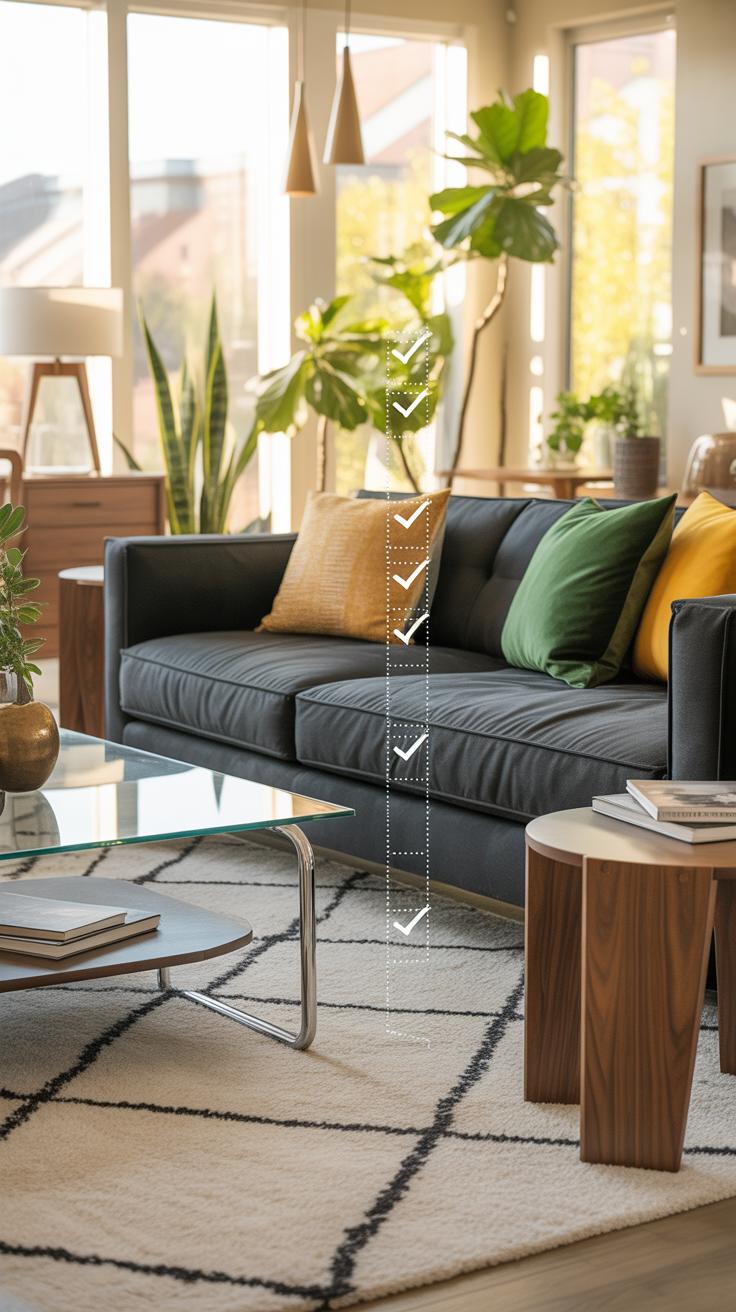
Setting up a grey couch living room can feel both straightforward and tricky. Here’s a checklist to guide you through from picking your pieces to those final details that give the space personality:
- Choose your grey couch: Decide on the shade and fabric that fit your lifestyle—something too light might show wear quickly, yet too dark could feel heavy.
- Select complementary furniture: Think about balance; a single armchair or ottoman might be enough or maybe a minimalist coffee table that doesn’t overpower.
- Position your furniture: Create a flow in the room—couches usually anchor the space, but think about sightlines and traffic.
- Pick your lighting: Layer with floor lamps, table lamps, or even ceiling fixtures to add warmth to the greys.
- Add textiles: Rugs, throw pillows, and blankets soften the room and add color or texture to the neutral grey.
- Incorporate art and accessories: Personal stuff or art pieces bring in character—don’t overdo it, less sometimes feels more.
- Final touch: Plants or flowers can brighten the room—green always contrasts well with grey but isn’t the only choice.
Use this list as a flexible guide. Some steps might overlap or need tweaking depending on your space. Don’t rush; take time to live with pieces before moving on to accessories.
Furniture Placement And Selection
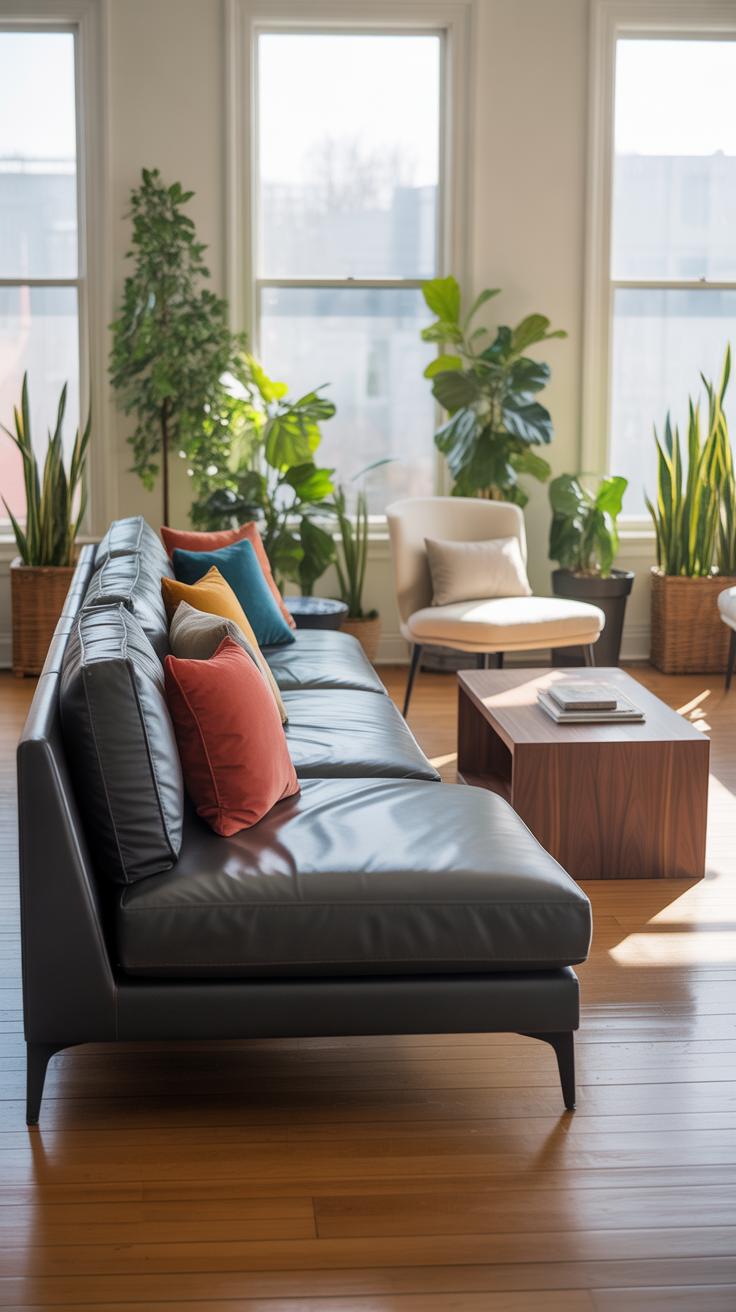
When placing your grey couch, consider the room’s function and how you move through it. Placing the couch facing a focal point such as a fireplace or window tends to work well, but sometimes angling it creates a more intimate atmosphere. If your living room is small, pick furniture with slimmer profiles to prevent crowding.
Choosing the rest of your furniture is about complementing your grey couch without competing with it. A wooden coffee table with warm tones might balance the coolness of grey, while metal or glass pieces give a contemporary touch. Avoid too much matching—let your couch stand out while other elements support it. For example:
- Side tables for function and style
- An armchair or two in coordinating but different textures
- A soft rug that slightly contrasts with the couch color
Try different arrangements if possible; sometimes a setup that feels odd at first becomes your favorite spot to relax.
Adding Accessories And Finishing Touches
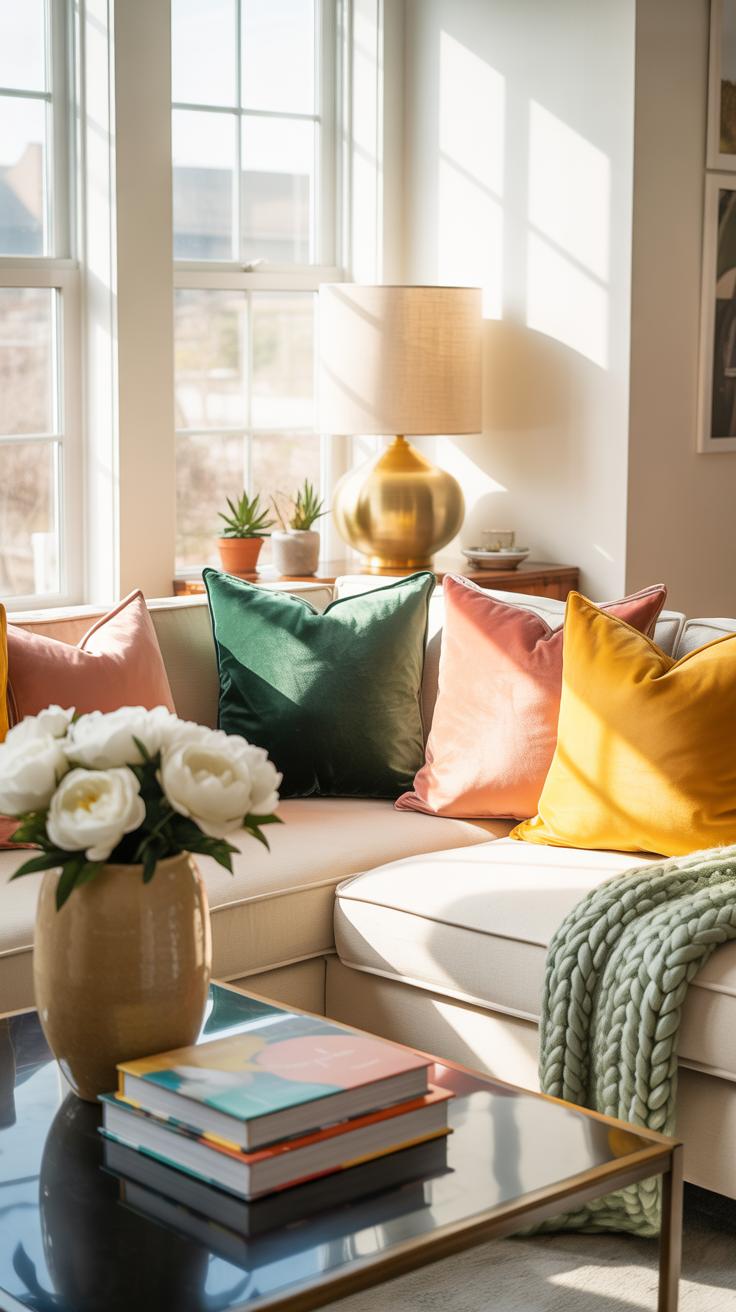
Accessories make a space feel lived-in, but they need thought, especially with a grey couch as your anchor. When picking items, think texture and color pops more than matching shades. Bright cushions or patterned throws break the monotony.
For placement, consider these ideas:
- Place cushions asymmetrically rather than perfectly even to keep it casual and inviting.
- Hang artwork slightly above eye level; it affects how the room feels more than you expect.
- Use metallic or wooden trays on coffee tables—adding function and style without clutter.
- Plants or flowers grouped in odd numbers feel natural; too many can clutter the vibe.
These finishing touches make the room yours but don’t feel pressured to fill every space immediately. Sometimes, less is more—even when you want to add bits here and there.
Examples Of Grey Couch Living Rooms
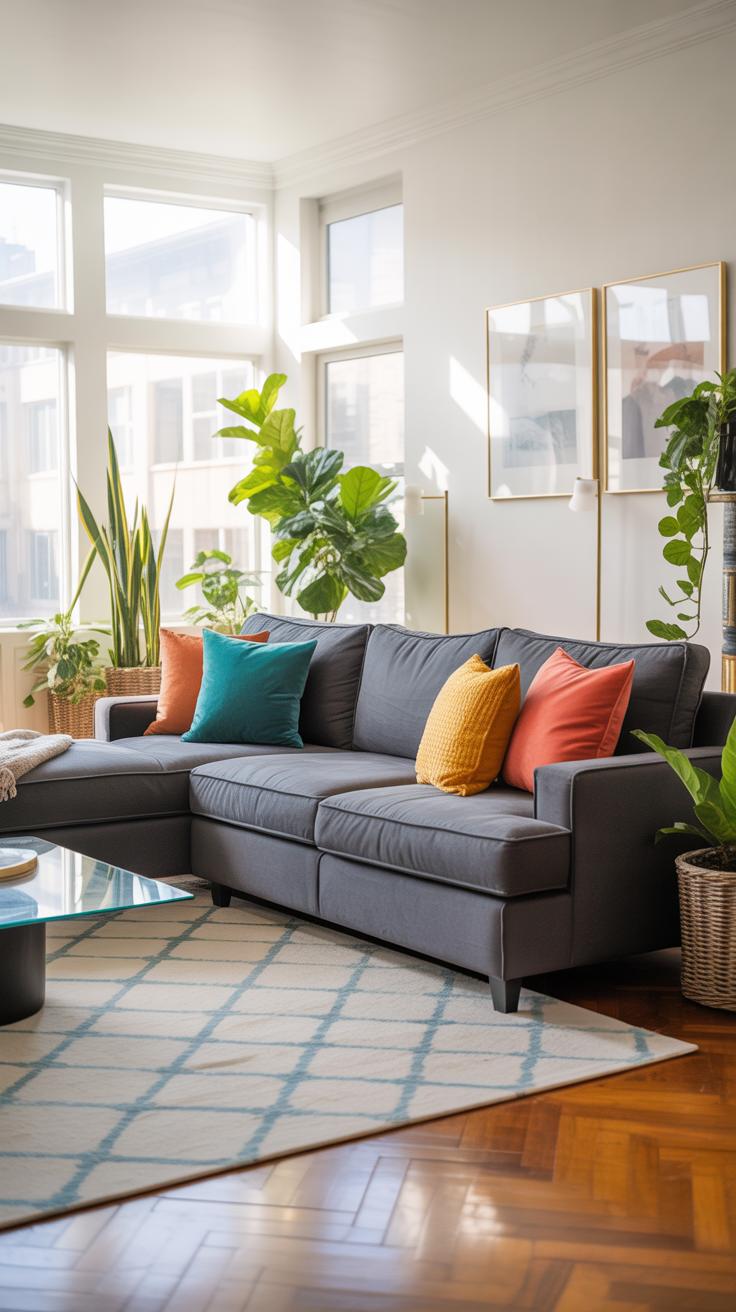
Grey couches fit naturally into contemporary living rooms, often serving as the versatile anchor for various styles around them. For instance, a living room with sleek metal-legged grey sofas paired with glass coffee tables presents a clean, almost minimalist atmosphere. Contrast this with rooms where the grey couch is softened by plush, textured throws and colorful cushions, lending warmth to the contemporary space. One typical example I’ve seen often uses different shades of grey in the upholstery, rugs, and curtains, creating a layered, tonal effect that feels both curated and cozy.
You might find grey couches sitting opposite bold accent walls or under simple geometric wall art, subtly balancing the room’s elements. Lighting also plays a role; natural light bouncing off the soft grey fabric adds an airy sense to the space, while dimmer, warmer lighting can make the same room feel more intimate and inviting. These variations demonstrate how adaptable the grey couch is, melding subtly with both stark and softer contemporary designs.
Small Space Grey Couch Setup
When space is tight, the key is to choose a grey couch that doesn’t overpower. Compact models with exposed legs create the illusion of more room beneath, which helps a small living room feel less cramped. I’ve often noticed that light to mid-grey tones work better here, as darker shades can sometimes absorb too much light, making the space seem even smaller.
To style it right, keep surrounding pieces minimal but purposeful. A slim side table, a single piece of statement artwork, or a couple of well-chosen cushions can add interest without clutter. Arrange furniture in a way that encourages flow—perhaps angling the couch slightly rather than pushing it flat against a wall breaks up the rigidity and prevents the space from feeling boxed in. It’s about balance: enough style for personality, but not so much that it feels overwhelming.
Large Living Room Styling Tips
In larger living rooms, a grey couch can really shine as the centerpiece around which other furniture orbits. Here, you have the freedom to play more—pair your grey couch with contrasting armchairs, bold rugs, or multi-level lighting to add depth and dimension. Positioning is crucial; floating the couch away from walls can create conversational zones and a more intimate feeling in an otherwise sprawling space.
Think about grouping: place the couch in relation to coffee tables, side tables, even bookshelves or sculptural pieces. You could also consider sectional grey sofas for a large room, offering plenty of seating while defining the space clearly. Sometimes, breaking the monotony with colorful or patterned cushions can lift the neutral tone, injecting unexpected energy without detracting from the contemporary vibe.
Conclusions
A grey couch brings balance and flexibility to your living room design. By considering couch selection, placement, and complementing décor elements, you create a space that’s both attractive and practical.
Following these guidelines can help you achieve a contemporary living room that feels inviting and reflects your personal style. Use what you’ve learned to make confident choices that elevate your living space.