Introduction
Grey flooring has become a popular choice for both kitchens and living rooms due to its neutral tone and versatility. It offers a modern yet timeless look that fits many styles, from contemporary to traditional. You will find various materials like grey tile, vinyl, or wood-look options that bring unique textures and durability to your floors.
This article covers essential ideas for using grey floor tiles and other grey flooring types in your kitchen and living room. We will guide you through picking the right style, matching colors, and maintenance tips. By exploring these sections, you can envision how grey flooring will enhance your home’s look and comfort.
Choosing Grey Flooring Styles
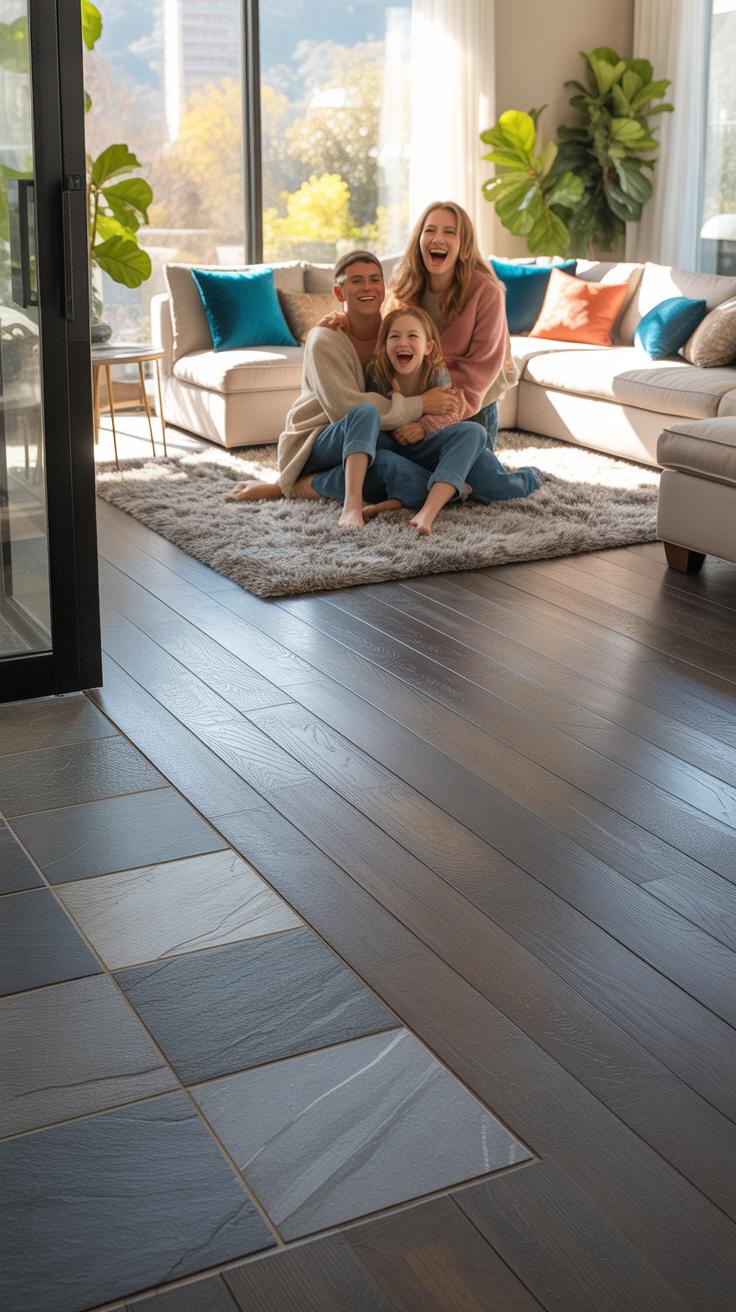
When it comes to selecting grey flooring suitable for kitchens and living rooms, you have a range of options—each with its own charm and quirks. Grey tile is a classic choice. It tends to bring a clean, modern look and pairs well with various décors, but it can feel cold if overdone. Then there’s vinyl flooring, which offers a softer feel underfoot and is often easier to install and maintain. If you want the look of wood with some added durability, laminate and wood-look vinyl are popular. They give that warm, natural vibe while handling moisture better than real wood, which is essential in kitchens.
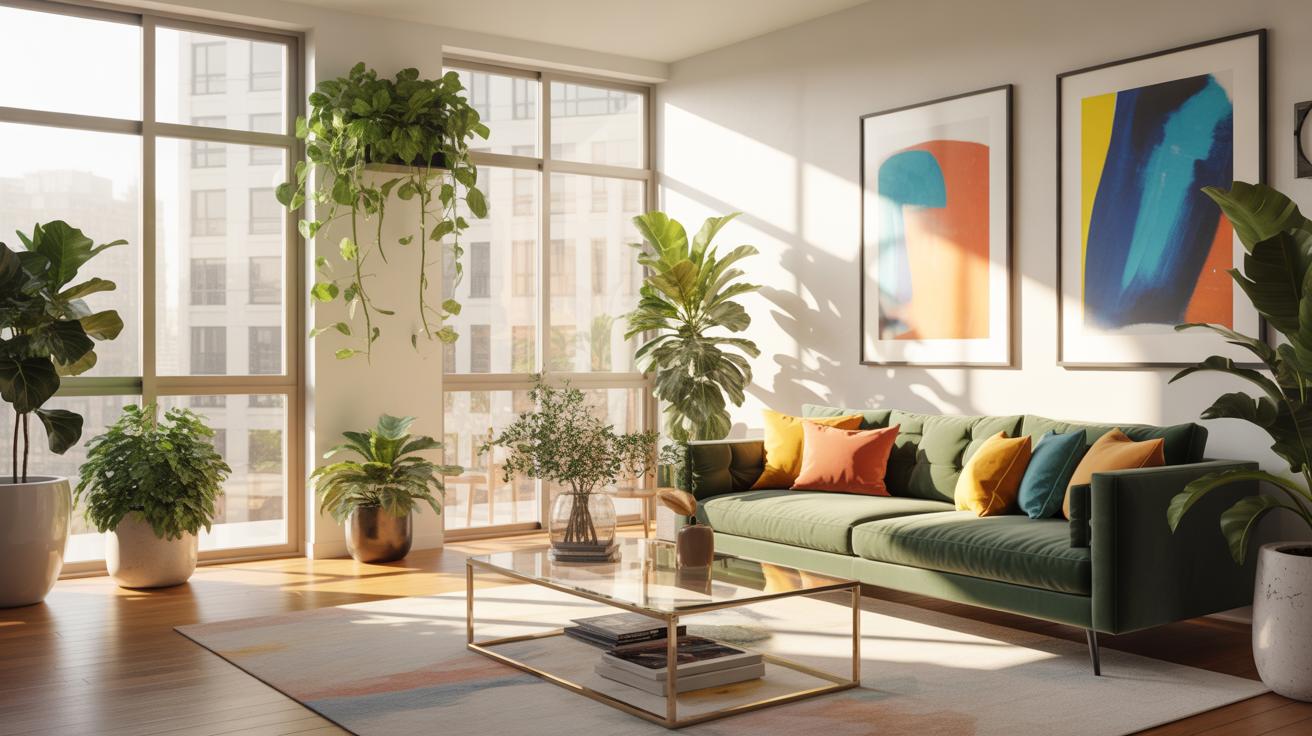
Visually, grey floors can range from light and airy to deep and moody. Texture also matters: smooth tiles contrast with textured woods or vinyl that mimic grain patterns. For maintenance, tiles usually need just regular sweeping and occasional mopping. Vinyl and laminate are similarly low-effort but watch for scratches on laminate. All in all, there’s a grey floor style that can fit your lifestyle and design preference—just consider how much foot traffic and moisture exposure your space gets.
Benefits Of Grey Tile Flooring
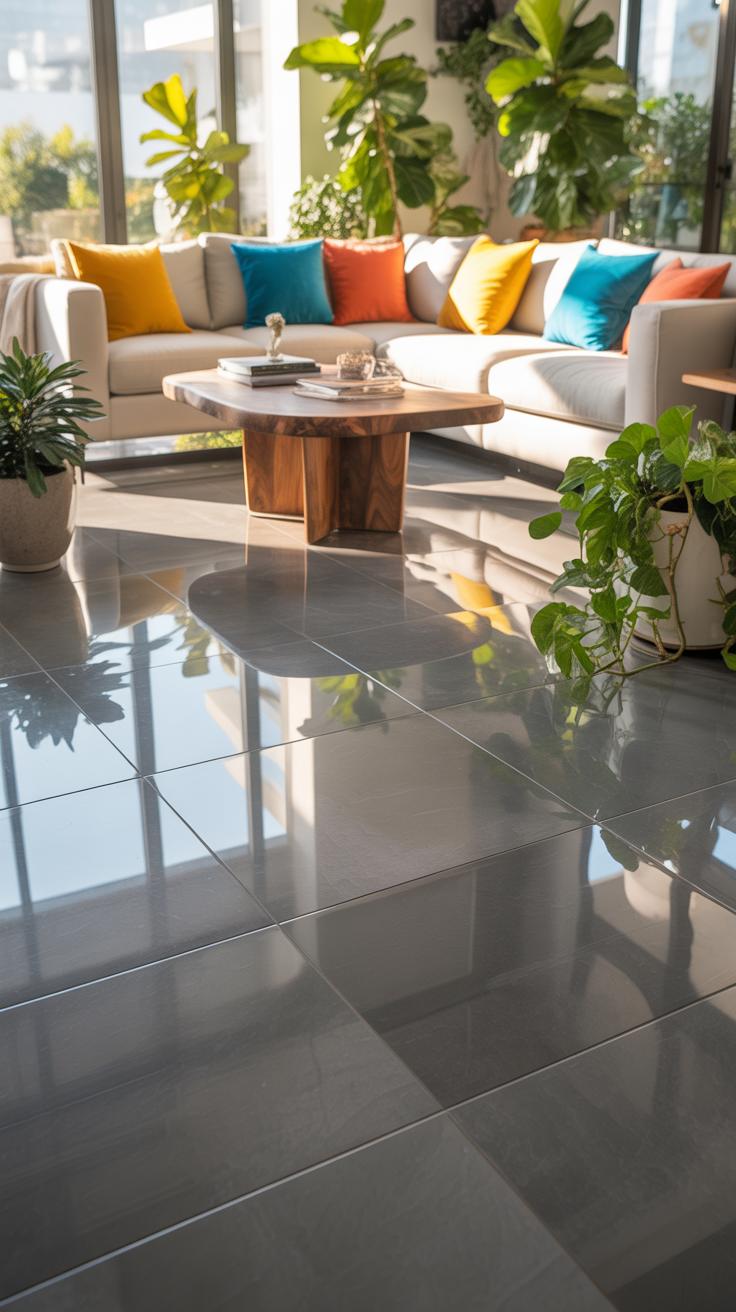
Grey tile flooring brings notable strengths, especially in kitchens and living rooms where durability is key. Tiles stand up well to heavy use, scratches, and spills—something I’ve appreciated personally in my busy kitchen. Cleaning is straightforward: a quick mop gets rid of most stains without special cleaners. That ease makes tile appealing for anyone not wanting fuss over upkeep.
Design-wise, grey tile offers impressive variety. You can find it in matte, glossy, or textured finishes, as well as patterns that mimic stone or concrete. This versatility lets you tweak the room’s atmosphere—whether it’s more industrial, rustic, or polished. But here’s something I find interesting: while tile lasts long, its hardness can be unforgiving on tired feet, so think about adding rugs or mats.
Combining Grey Floors And Room Decor
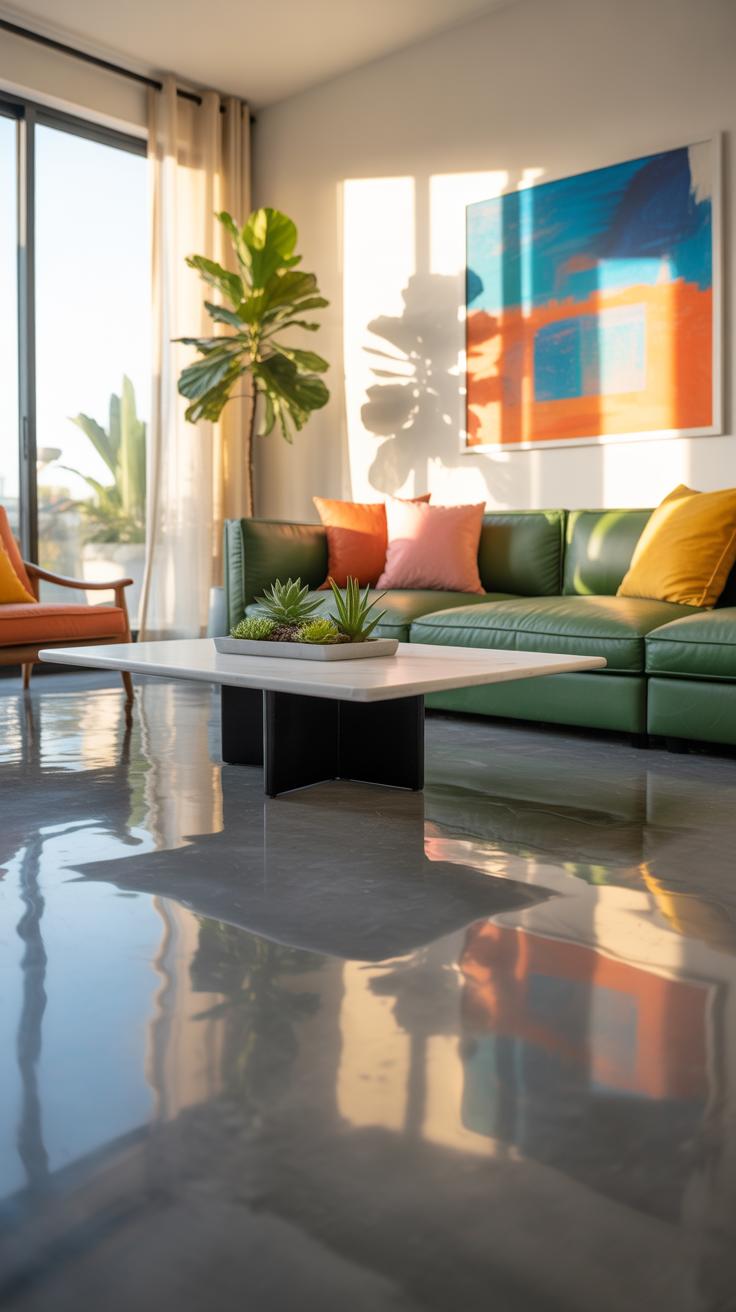
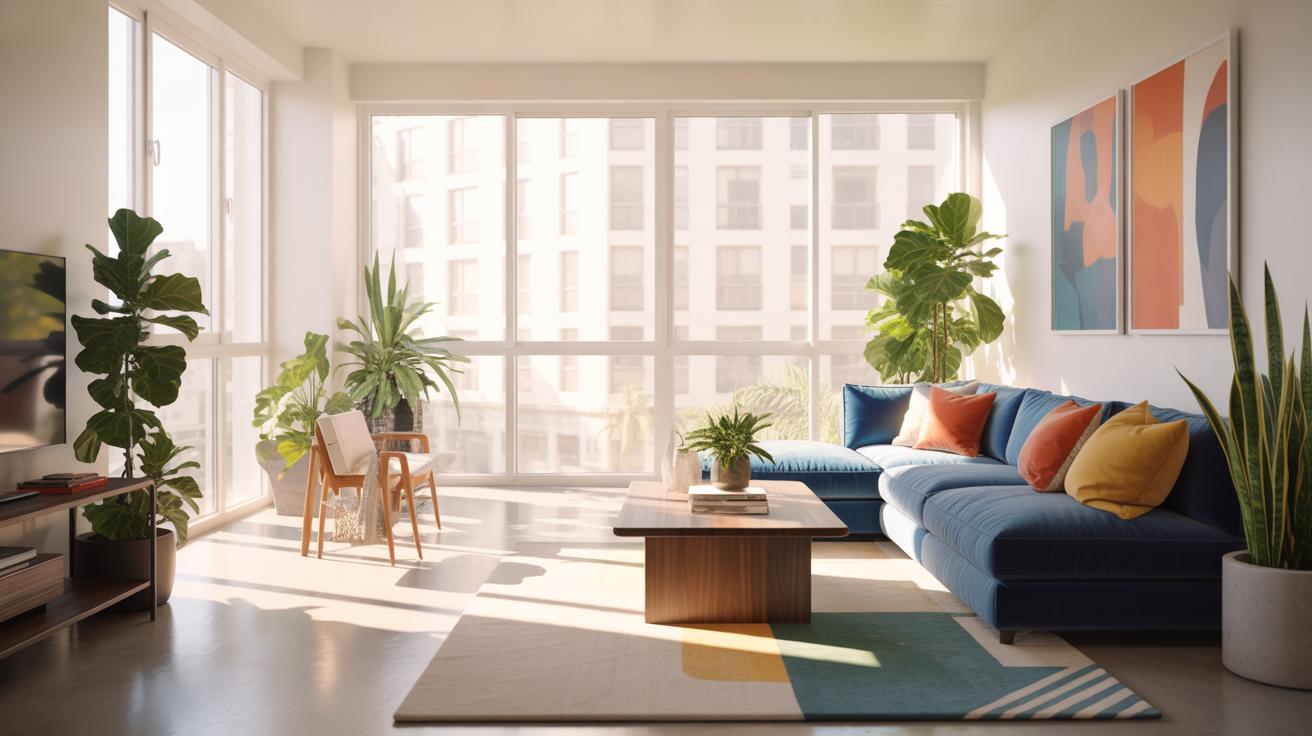
Grey floors act like a neutral canvas—but the trick is balancing color and texture elsewhere. Lighter wall colors can brighten a room with deep grey flooring, preventing any gloominess. On the flip side, pairing pale grey floors with bold-colored furniture creates energetic contrasts. Your choice depends on whether you want subtle harmony or dynamic contrast.
Furniture materials also matter. Wooden accents add warmth against grey floors, breaking up the cool tones. Metal or glass pieces can emphasize a modern feel but might feel a tad cold if not balanced by textiles. Accessories like cushions, rugs, or curtains become key players—they bring softness and visual interest. It rarely hurts to experiment. And if you’re torn between styles, layering different grey shades in floors, walls, and fabrics can create a cohesive look that’s surprisingly inviting.
Grey Flooring Versus Other Colors
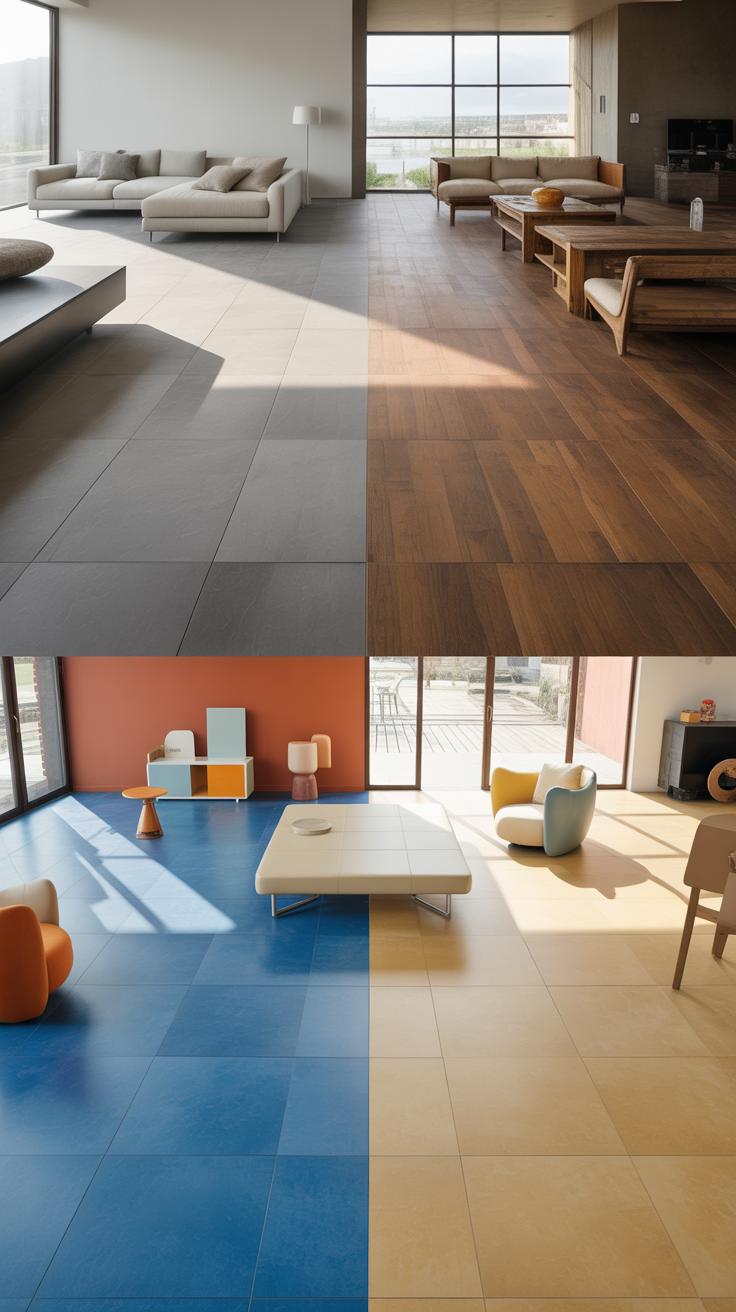
When you think about floor colors, beige and brown often come to mind as safe, classic choices. Grey, on the other hand, has a cooler, more modern feel. It’s less traditional but offers a unique flexibility that might surprise you. Grey tones can easily blend into both contemporary and classic decors whereas beige and brown can sometimes feel a bit too warm or old-fashioned.
Maintenance-wise, grey can be forgiving with dirt and stains, especially mid-tone shades. Beige tends to show wear faster, especially in kitchens, and darker browns reveal dust easily. But then again, some grey hues might show water spots or scratches more distinctly.
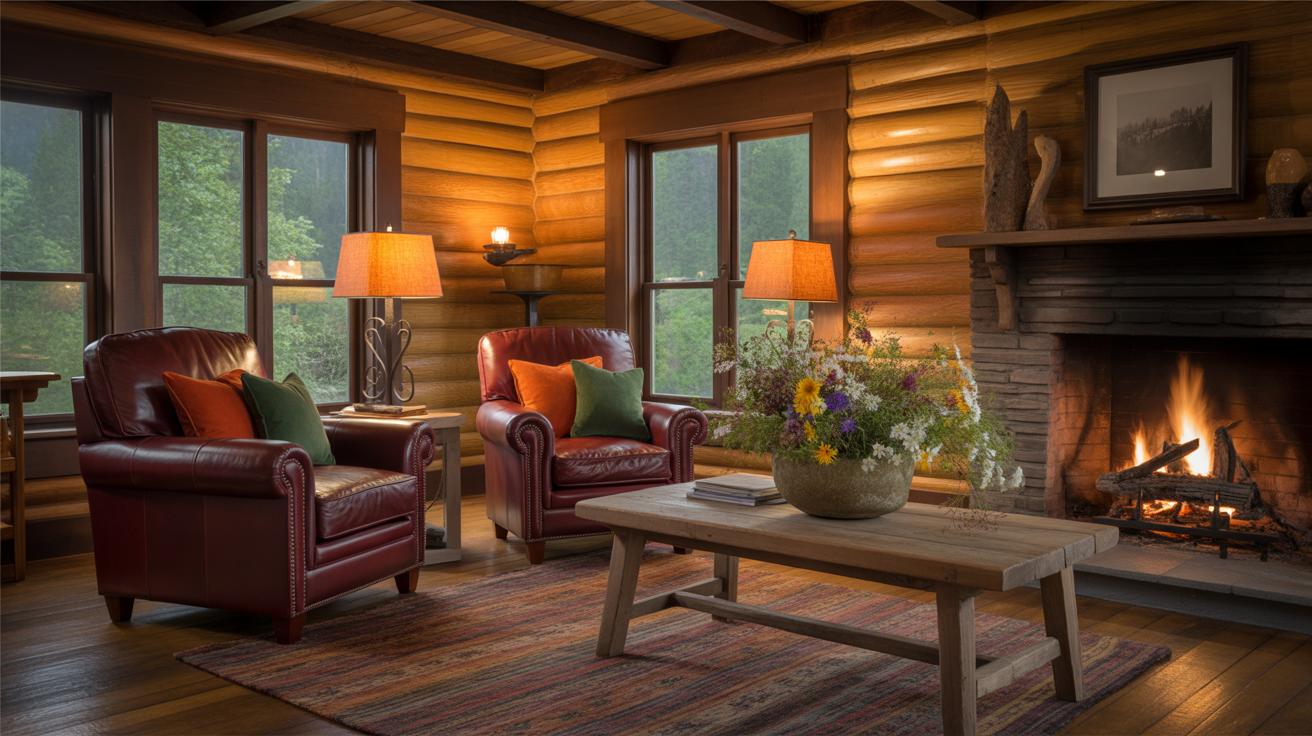
Versatility is a strong point for grey. It pairs well with nearly any color scheme—from bold blues to soft pastels—making it excellent for open living spaces where your kitchen and living room merge.
Visual Space Effects Of Grey Floors
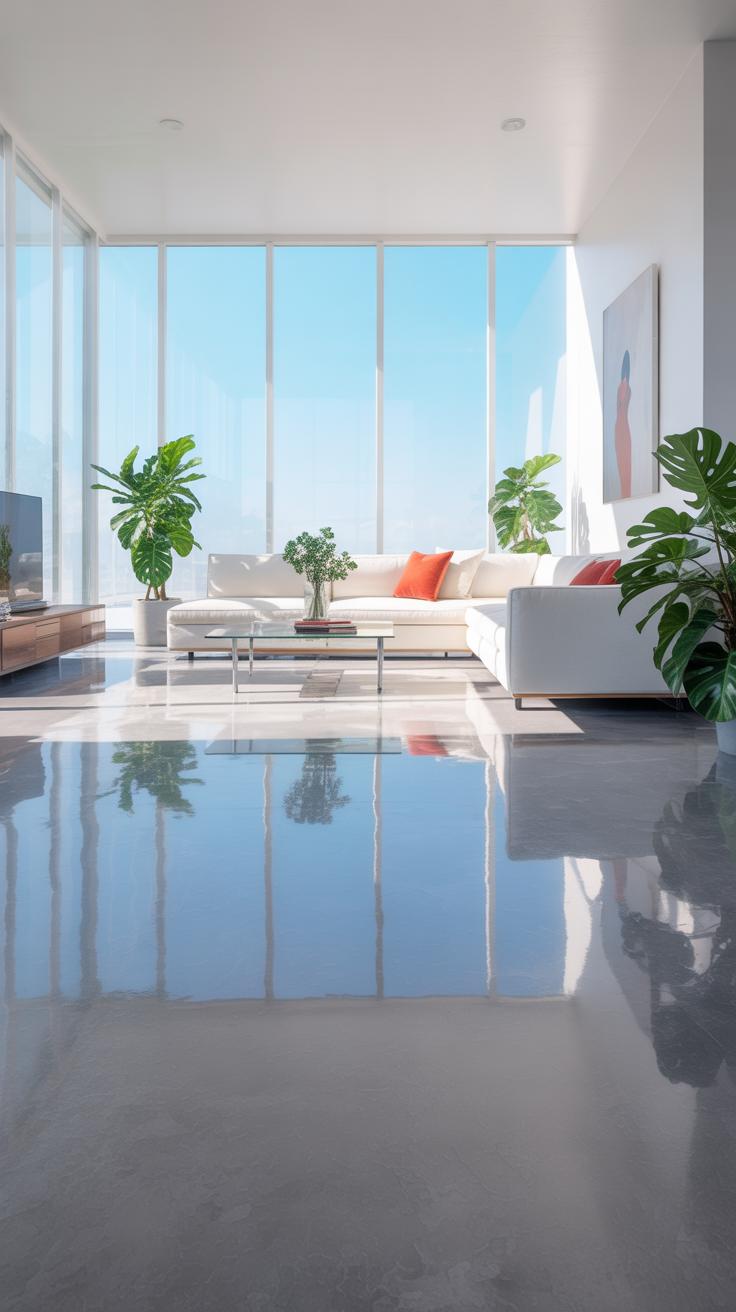
Grey floors influence how light and space feel in a room. They don’t reflect as much light as white but can make a space feel larger and more open compared to darker flooring. In kitchens and living rooms, this can be a subtle but noticeable difference. I’ve noticed that under natural light, grey floors add a certain calmness, almost like a soft backdrop that lets your furniture and decor stand out.
Of course, the exact shade matters. Lighter greys tend to brighten the space and can make smaller rooms feel airier. Darker greys, while cozier, might visually reduce the size a bit but add depth and drama.
Durability Compared To Traditional Floors
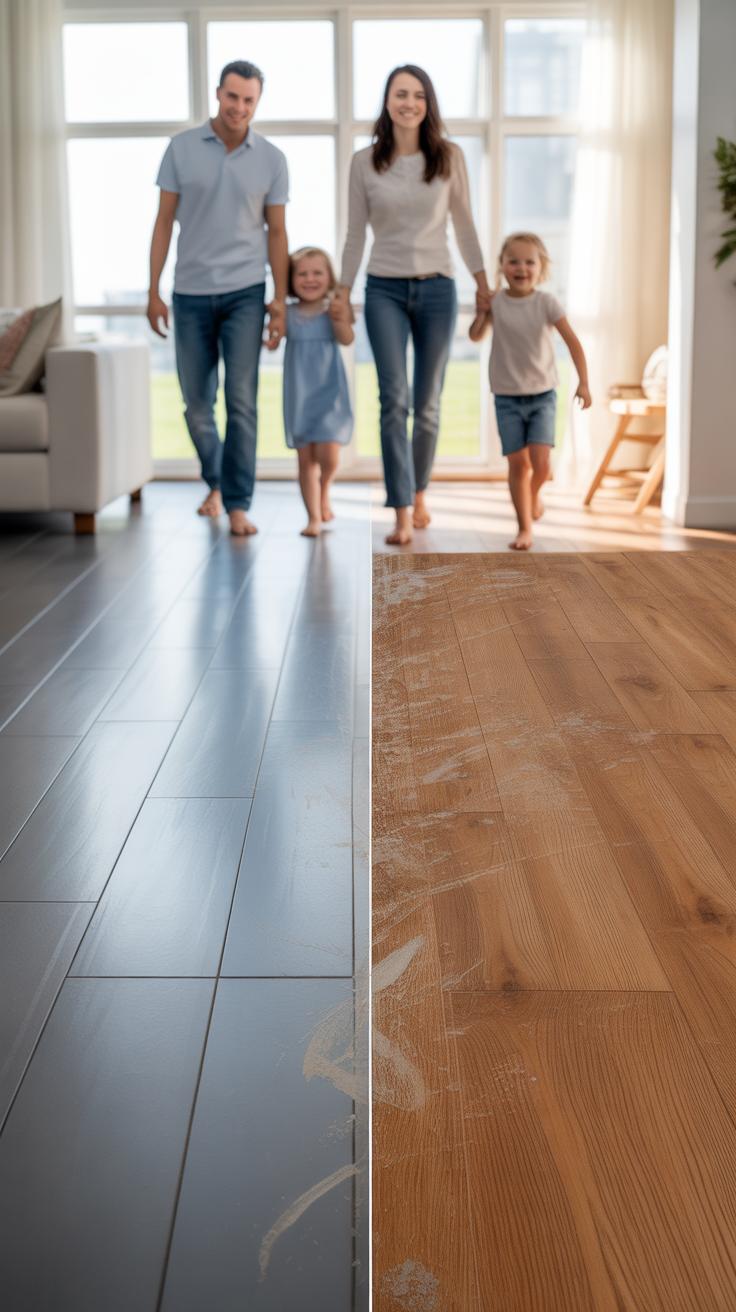
Grey flooring materials, such as tile, vinyl, or laminate, often hold up well against everyday wear—sometimes better than traditional hardwood or carpet. Tiles in particular resist moisture and scratches, a big plus for busy kitchens.
Wood floors have their charm but can scratch and stain more easily, especially in high-traffic areas. Carpets may wear unevenly and stain, so they require more upkeep if you want to keep them looking fresh. On the other hand, certain wood finishes and quality carpets can be surprisingly durable if well maintained.
For a practical kitchen and living room combo, grey tile or vinyl can be a sensible choice. They combine resilience with aesthetics, though it’s worth considering how they feel underfoot and how easily they can be cleaned in your daily routine.
Step By Step Installation Guide

Installing grey tile flooring can seem a bit intimidating if you’re new to it, but breaking it down helps. First, you need to check the surface you’re working on. Any cracks or unevenness need fixing before you start; otherwise, the tiles won’t sit right. This means patching holes and sanding down high spots to get a flat floor. It might take time, but patience here pays off in the long run.
Next comes the fun part — laying out your tiles. It’s smart to dry lay a row or two first to see how they fit and where cuts are needed. When satisfied, spread adhesive carefully with a notched trowel. Don’t glob it on. Too much glue can make the tiles slide or cause lumps. Spacers go between tiles to keep consistent gaps, which later get filled with grout. Your choice of adhesive might vary depending on the room’s moisture, so check product instructions.
When all tiles are placed, give the adhesive enough time to set — usually 24 hours. Then grout the gaps evenly. It’s a bit messy, but wiping off excess grout while it’s still wet helps avoid stains. After drying, sealing the grout might be necessary to protect from spills and stains, especially in kitchens. The whole process requires care, but doing it yourself gives a real sense of achievement.
Checklist For Grey Kitchen Floors
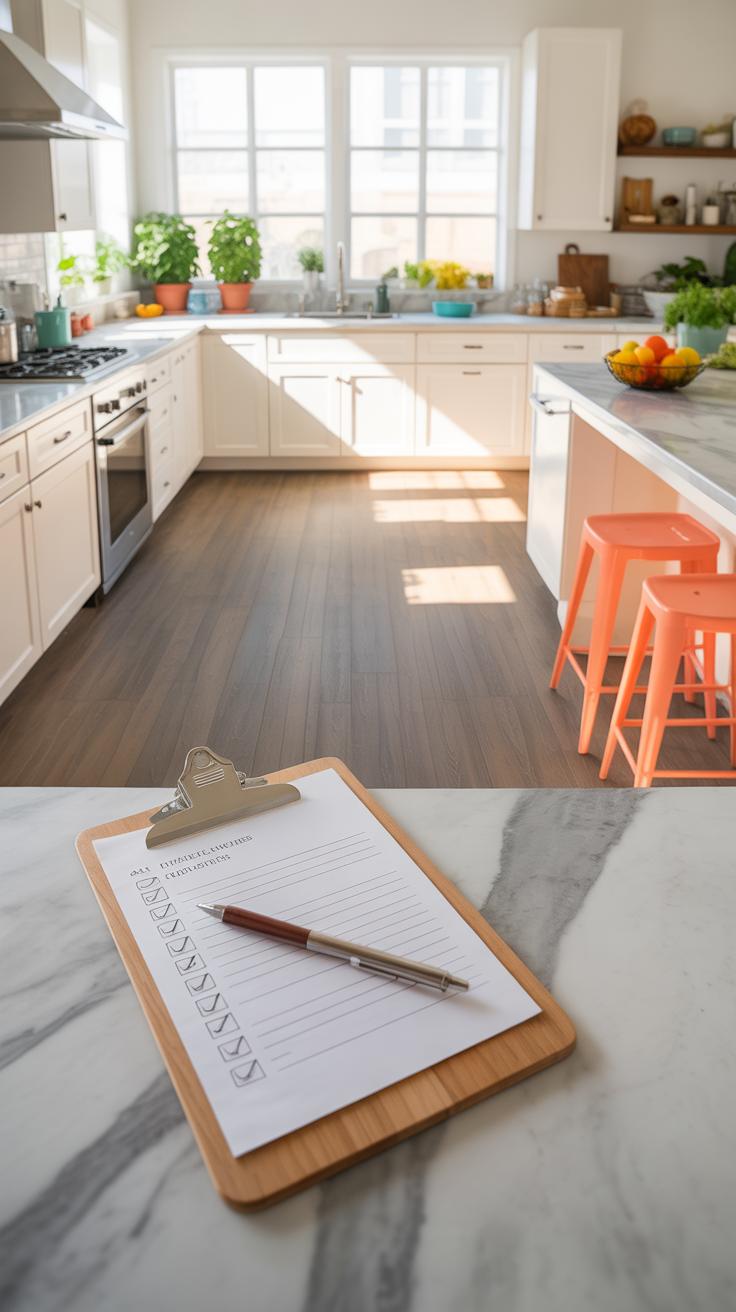
Choosing grey flooring for your kitchen involves more than just picking a shade that matches your style. There are several practical points you’ll want to tick off before making a final decision. For one, think about the material and how well it can handle the typical messes a kitchen encounters. Some grey flooring options are better at resisting spills and stains than others. For example, laminate flooring often has a protective layer that helps with daily spills, though it can swell if water sits too long. Porcelain or ceramic grey tiles tend to offer superior resistance against stains and moisture, which might be a safer bet if you’re a bit clumsy with spills.
Comfort and safety are often overlooked but crucial. You’ll want a floor that feels good underfoot because you’ll be standing there for quite some time while cooking. Some grey options, like cushioned vinyl, can be softer, helping reduce fatigue. At the same time, consider slip resistance—kitchens can get wet, and a slippery floor is a hazard. Textured tiles or certain finishes on laminate might help prevent accidents. Also, how easily can you move around on the floor? This matters if you often slide chairs or use a rolling cart in the kitchen.
To sum it up, check if your grey flooring choice can withstand kitchen spills and stains, provides comfort for your feet, and keeps your steps safe. Balancing these points might feel a bit tricky, but it’s worth it to avoid regrets later. What’s your priority here—looks, comfort, or durability? It’s a good question to keep in mind before taking the plunge.
Maintaining Grey Flooring Cleanliness
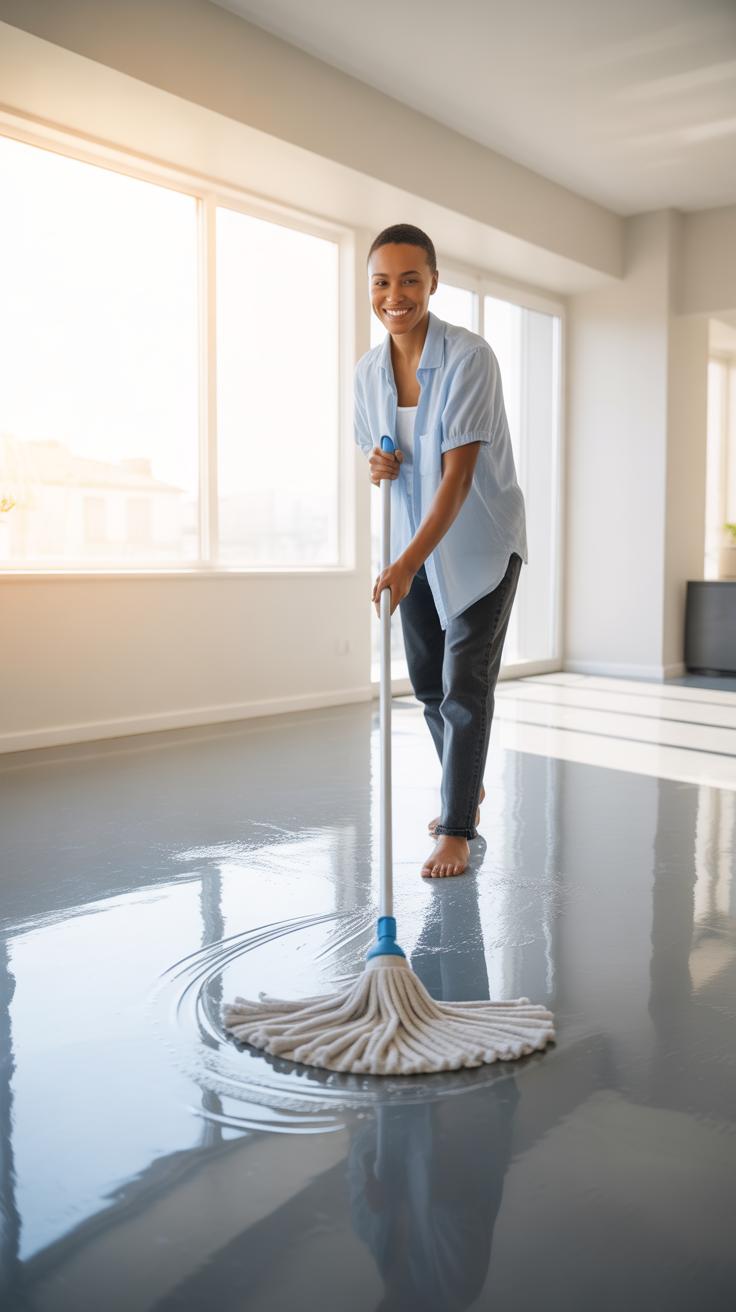
Keeping grey flooring pristine in kitchens and living rooms can feel a bit tricky at times. Daily cleaning routines help, but they don’t always prevent build-up over the weeks. For everyday upkeep, quickly sweeping or vacuuming – especially in high-traffic areas – removes dirt and grit that might otherwise scratch the surface.
Periodic deeper cleaning is needed too. A mop with warm water and a mild, pH-neutral cleaner is often ideal. Be careful not to saturate the floor, since grey tiles or wood can suffer from excessive moisture. I’ve found using a microfiber mop makes the process smoother and controls water better.
For kitchens, spills should be wiped immediately to avoid staining, particularly if you have porous grey tiles. Living rooms might require occasional spot cleaning, especially around furniture legs where dirt tends to gather unnoticed.
Effective Cleaning Products
Choose cleaning products tailored for your floor type. For ceramic or porcelain grey tiles, mild detergent solutions are usually safe. Wood or laminate grey floors benefit from wood-specific cleaners that nourish rather than strip the surface.
- Microfiber cloths and mops
- Mild dish soap diluted in water
- Specialized wood floor cleaner (if applicable)
- Soft-bristle broom or vacuum with floor attachment
- pH-neutral tile cleaner
Steer clear of harsh chemicals, bleach, or abrasive scrubbing pads—they can quickly wear down the subtle tones in your grey flooring.
Avoiding Common Cleaning Mistakes
One common misstep is using too much water or leaving puddles that seep into seams and grout, leading to damage or mold growth. Another is wiping spills with acidic solutions like vinegar—especially on natural stone tiles—which dull the finish and cause surface erosion over time.
Scrubbing too forcefully with rough tools might leave scratches or remove top coats. You want to be thorough but gentle. Also, neglecting regular cleaning leads to grime build-up that’s harder to remove and diminishes the floor’s sleek grey look.
Have you noticed areas where your grey floor looks dull or scratched? Sometimes a subtle shift in cleaning approach or product can bring back the original appeal. It’s worth experimenting a bit until you find the right balance.
Cost Breakdown For Grey Flooring
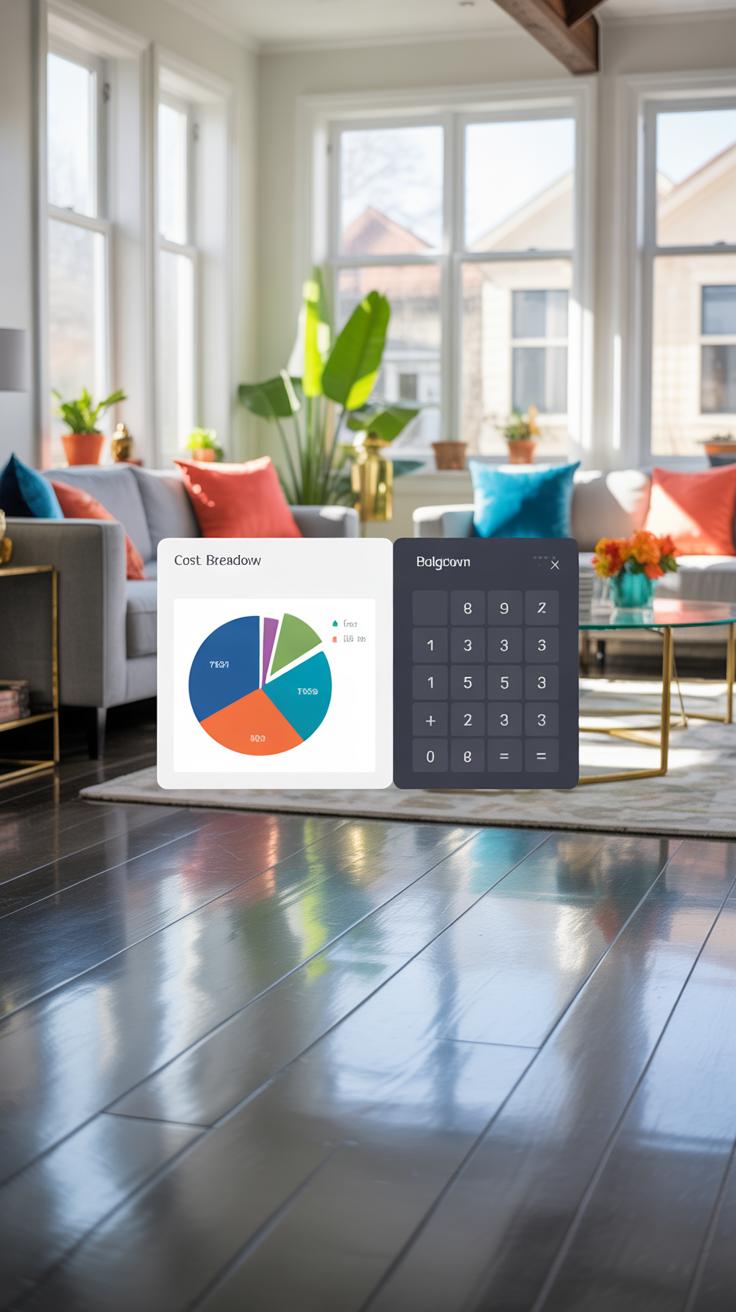
When planning your grey flooring project, it’s helpful to get a rough idea of costs upfront. Grey flooring spans a good range of materials, each varying widely in price depending on quality and style. For instance, grey tile tends to be on the pricier side, especially if you choose natural stone options like slate or travertine, which can cost anywhere from $5 to $15 per square foot just for the material.
Vinyl flooring is usually more budget-friendly, with costs often between $2 and $5 per square foot. It’s a practical, low-maintenance choice but might not have the high-end feel some homeowners want. Laminate floors generally fall in the middle, roughly $3 to $7 per square foot, giving you decent durability and visual appeal without breaking the bank.
Installation costs add up too and shouldn’t be overlooked. Tiles require precise work, which tends to push labor costs to $5 to $15 per square foot. Vinyl and laminate floors are generally easier and quicker to install, often saving you money on labor. Doing some preparation yourself, like clearing out old flooring or furniture, can also trim expenses — but only if you’re confident in your skills.
Ultimately, setting a flexible budget that factors in both material and installation can make choosing your grey floor less stressful. And maybe, just maybe, spending a bit more upfront on quality could save headaches and costs down the road.
Grey Flooring For Small Rooms
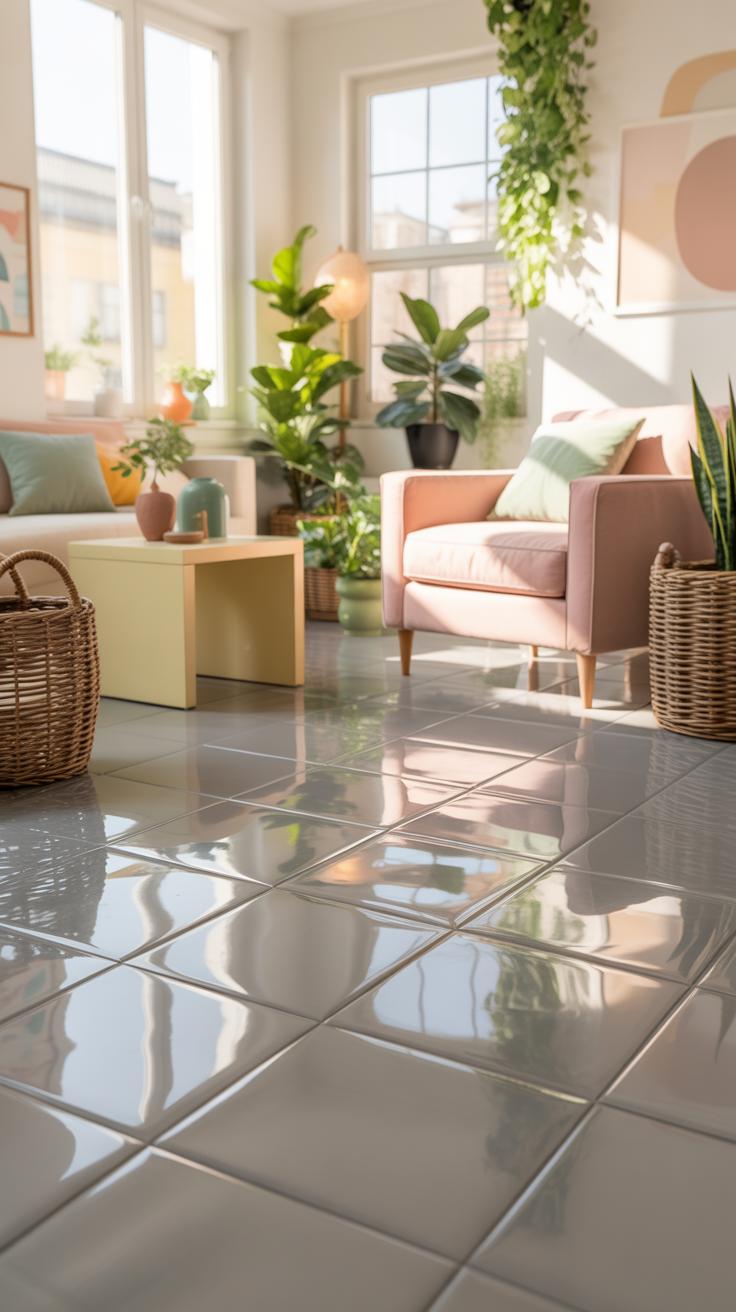
Grey flooring has this subtle ability to make smaller kitchens or living rooms feel more open and airy. The shade itself doesn’t overwhelm the space, so your room doesn’t seem crowded or cramped. Instead, grey offers a neutral backdrop that can visually expand a room by reflecting light and connecting different elements smoothly.
When you walk into a small kitchen or living room with grey floors, the space just feels less confined. It’s almost like your eyes have room to travel. You might almost overlook how small the area actually is because the flooring blends without creating harsh contrast lines or breaks.
Using Light And Dark Shades
Choosing between light and dark grey shades can depend on the mood and size of your room. Light grey floors tend to open up tight spaces further, bouncing natural and artificial light around. This can make walls feel like they’re pulling back.
On the flip side, dark grey flooring adds a cozy vibe, but in small rooms, it can sometimes make the space feel more enclosed. That said, with the right lighting and light-colored walls, a dark grey floor creates a sleek, sophisticated look without shrinking the room too much. It’s sort of about knowing when to keep it subtle versus when to make a statement.
Adding Texture To Avoid Flat Look
Grey floors can sometimes feel flat or lifeless if they’re just one plain shade. Adding texture is essential to avoid that dullness, especially in small rooms where every detail counts. Textured tiles or planks with grain, matte finishes, or subtle patterns can introduce interest and depth.
For example, a lightly brushed concrete-look tile or wood grain effect in grey can draw your eye, giving the floor character without overpowering the space. In a cramped kitchen, that texture can break up the monotony and make the area feel thoughtfully designed rather than just grey for the sake of it.
Case Examples Of Grey Floors
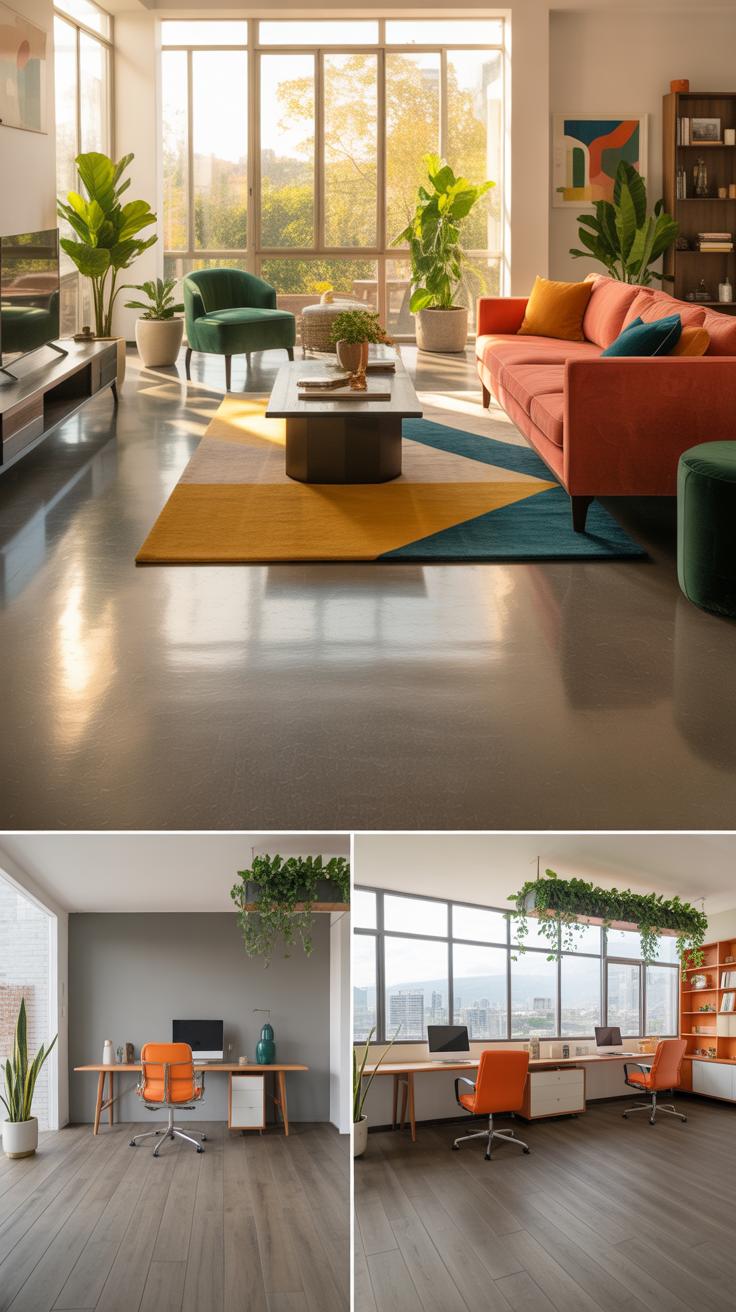
Modern Kitchen With Grey Tiles
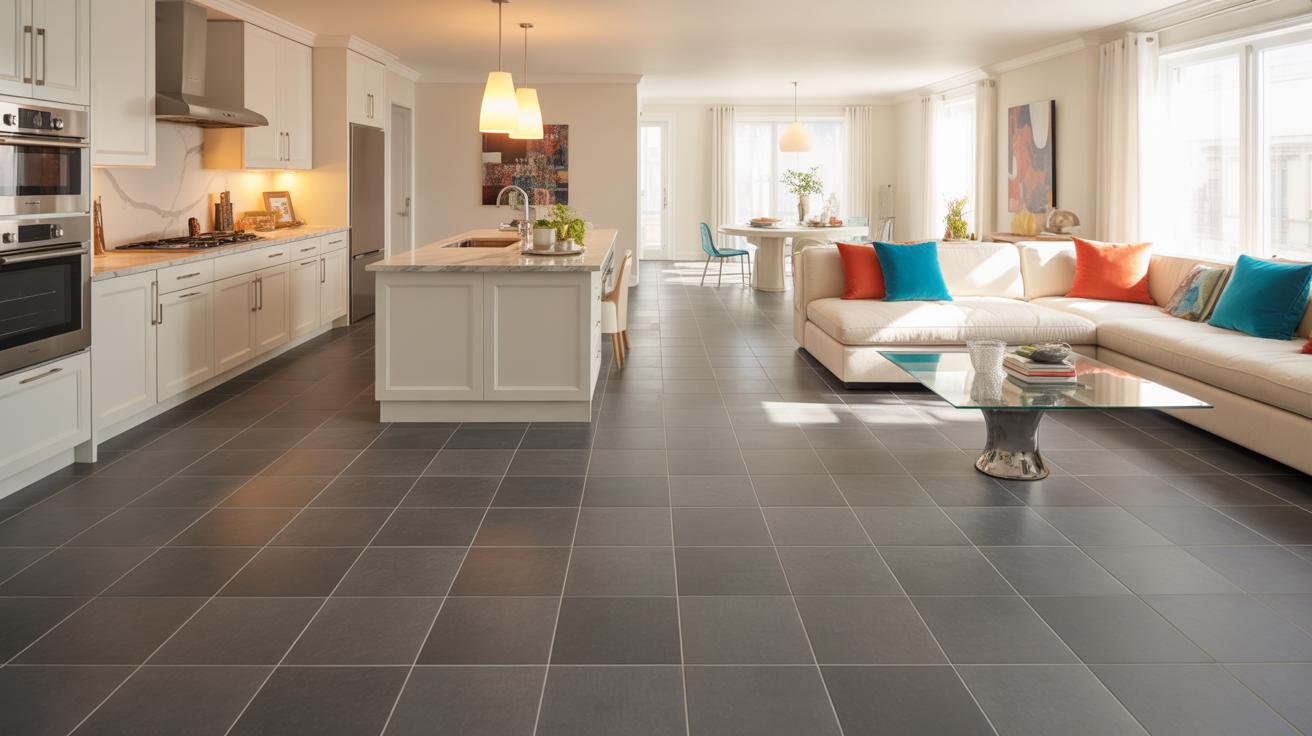
Imagine a kitchen where grey tile flooring sets the tone for the entire space. One example that stands out is a kitchen designed with sleek, large-format grey tiles. These tiles, with a subtle matte finish, contributed to a clean and contemporary look. The grey color helped mask minor spills and stains, making the floor both practical and stylish. It balanced perfectly with stainless steel appliances and white cabinetry, creating a sharp contrast that felt modern without being cold. What’s interesting is how the grey’s neutrality allowed pops of color from kitchen accessories to shine without overwhelming the room. Perhaps the most notable aspect was how a simple choice in flooring became the foundation for a crisp, uncluttered kitchen environment.
Living Room Floor Matching Furniture
In a cozy living room, grey floors served as a versatile backdrop that matched well with both furniture and wall colors. For instance, a medium grey wood-look vinyl floor was paired with a mix of soft beige sofas and navy blue accent chairs. The walls were painted in a warm taupe shade, tying everything together gently. This grey floor didn’t steal the spotlight but instead enhanced the room’s overall mood. It also had the unusual benefit of making the various colors in the room feel more connected. One might have guessed that grey floors could feel bland, but this example showed how they can create harmony in diverse decor settings. In fact, the flexibility of grey flooring invites experimentation with furniture and paint choices without fear of clashing.
Conclusions
Grey flooring offers a practical and stylish solution for your kitchen and living room. Its color can match many decors while hiding dirt and wear. Grey tiles, especially, provide a sturdy surface that lasts and adds value to your home. Remember to consider room size and lighting when choosing the shade and finish of your grey floor.
Overall, integrating grey flooring into your home design can create a harmonious and elegant space. With the right installation and care, your floors will remain beautiful and functional for years. Review your needs, explore different options, and make a confident choice to improve your living environment.