Introduction
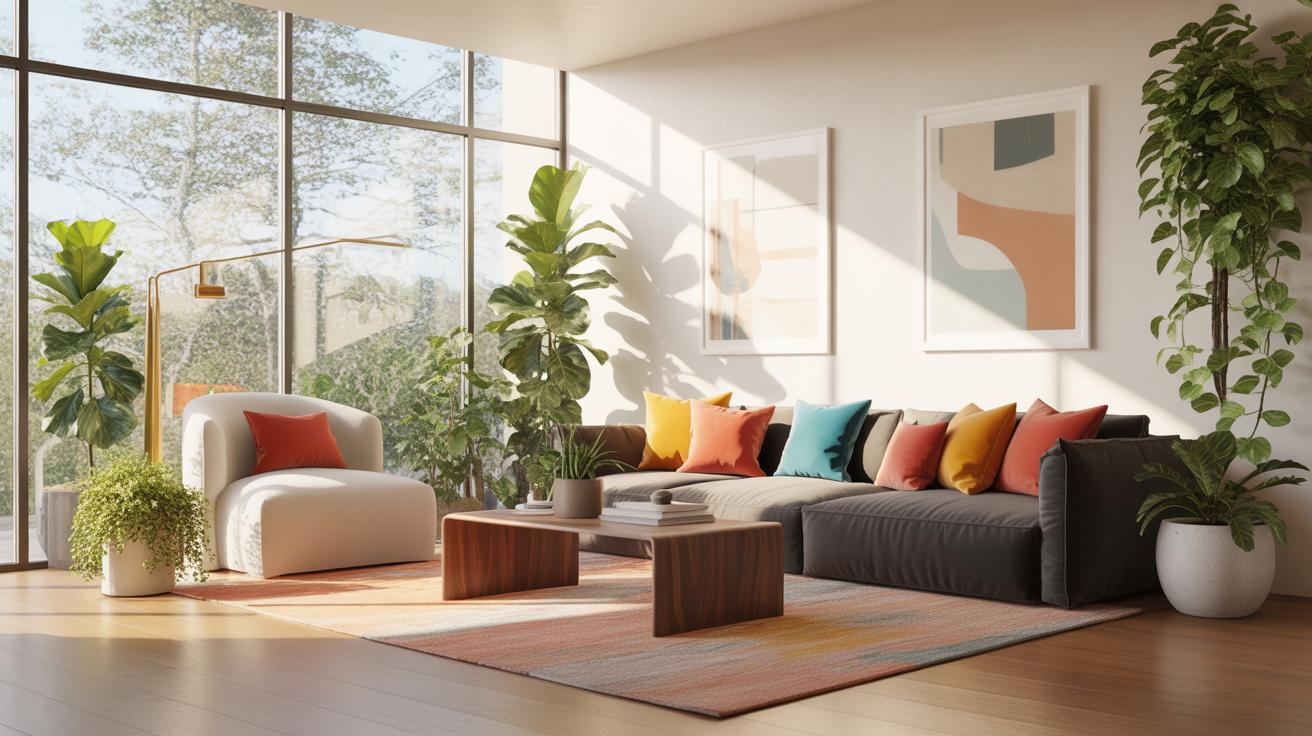
Decor Home Living Room Ideas For Stylish Home Design Decor focus on making your living area both beautiful and practical. When you design your living room well, it becomes a comfortable place to relax and invite friends. It helps you enjoy your home more and show your style.
Good home design decor in the living room means picking the right furniture, colors, and decorations that fit your space. This article offers clear steps and ideas to create a stylish, organized living space you will love every day.
Living Room Furniture Selection Guide
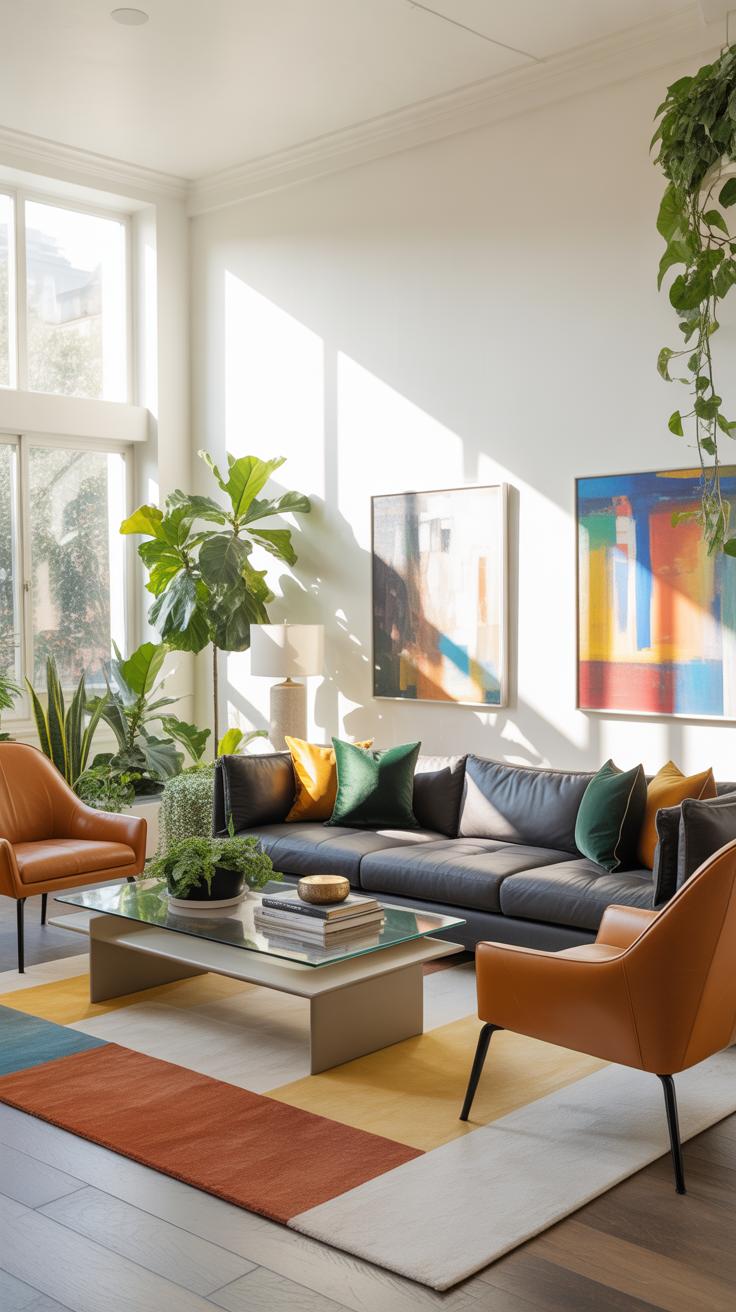
Choosing the right furniture for your living room is a bit like solving a puzzle — you want pieces that fit comfortably, look good, and suit how you use the space. Size matters, but style and comfort do too, and balancing these can be tricky depending on your room’s layout.
Picking Sofas And Chairs That Fit
First, measure your space carefully. Don’t just guess; use a tape measure and consider traffic flow around the furniture. A bulky sofa in a small room can feel cramped, but too small seating in a large room might seem lost. Pay attention to the shape and scale of sofas and chairs so they complement the room rather than overpower it.
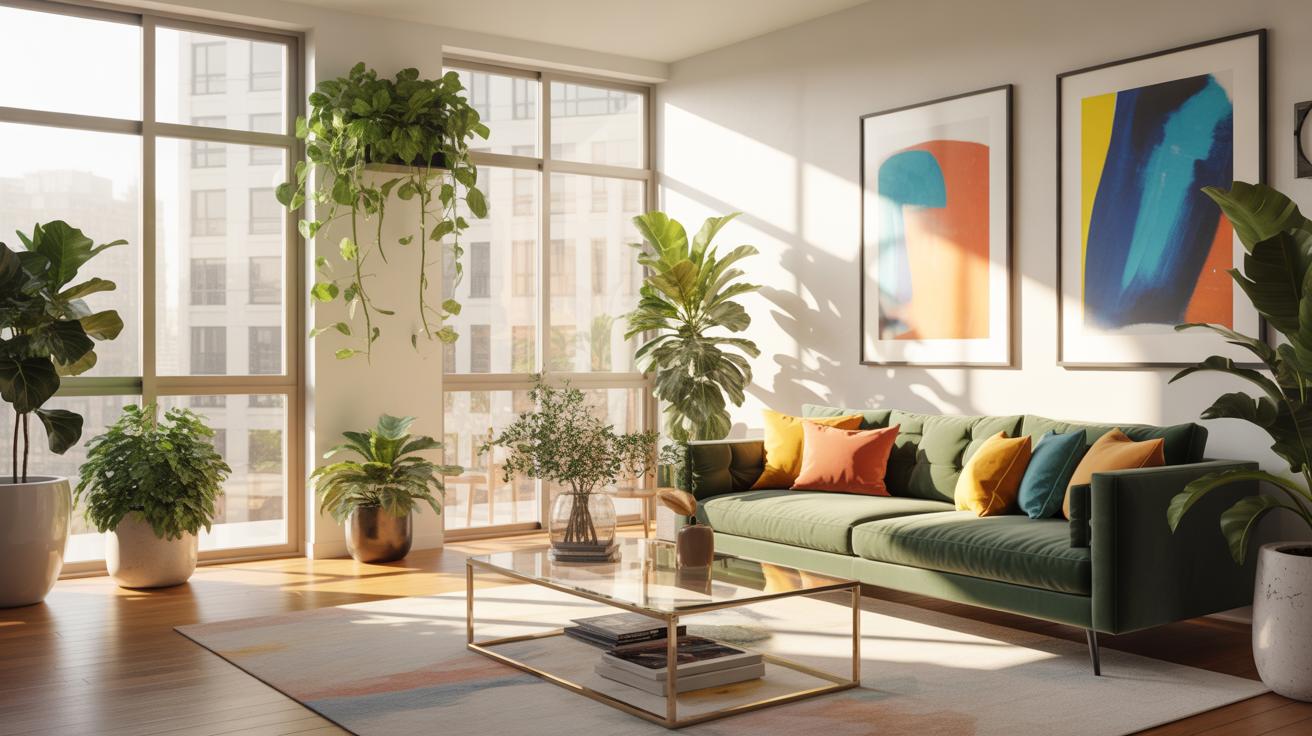
Comfort shouldn’t be sacrificed for style. Test cushions, think about fabric durability. Does the chair invite you to sit back and relax? Also consider the room’s function — are you hosting guests often? If so, versatile seating might be key.
Storage Solutions For Small Rooms
Storage furniture is a lifesaver in tight living spaces. Using shelves or cabinets that reach vertically can free up floor space. Closed storage keeps clutter out of sight. Open shelves, on the other hand, offer a chance to show off décor but require you to keep things tidy.
- Multipurpose furniture works well—think ottomans with storage inside or coffee tables with shelves.
- Corner shelves can use awkward nooks.
- Consider wall-mounted storage to maximize space without making the floor feel crowded.
Sometimes less is more. Too much furniture can make even a spacious living room feel overwhelming. What storage needs do you really have? Asking this helps decide what pieces to bring in and what to leave out.
Color Choices Impacting Room Mood
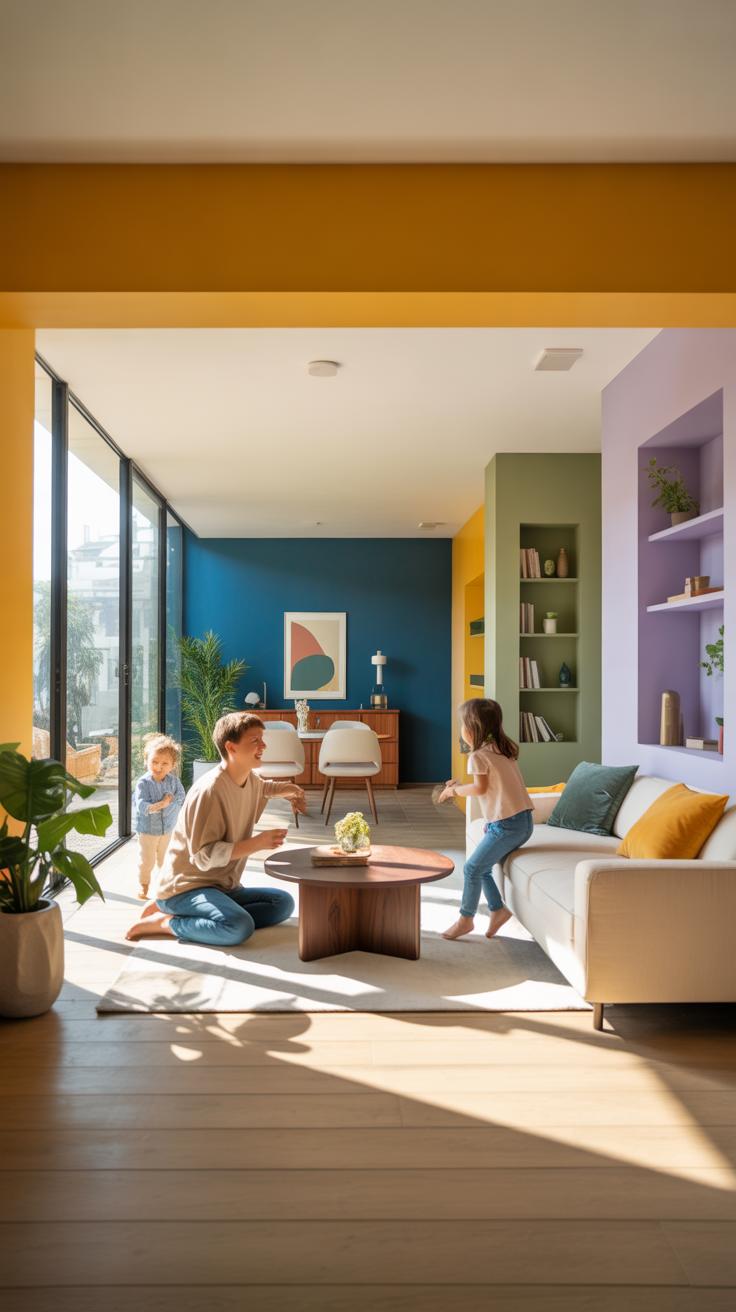
Color in a living room isn’t just decoration; it shapes how you feel in the space. Different shades can change the entire mood, maybe making a room feel cozy or, sometimes, oddly cold. For example, darker colors often make a room feel smaller and more intimate, which you might find comforting in a large space, but cramped in a tiny one. On the other hand, lighter shades can open things up, offering a sense of airiness that might be a bit too stark for some.
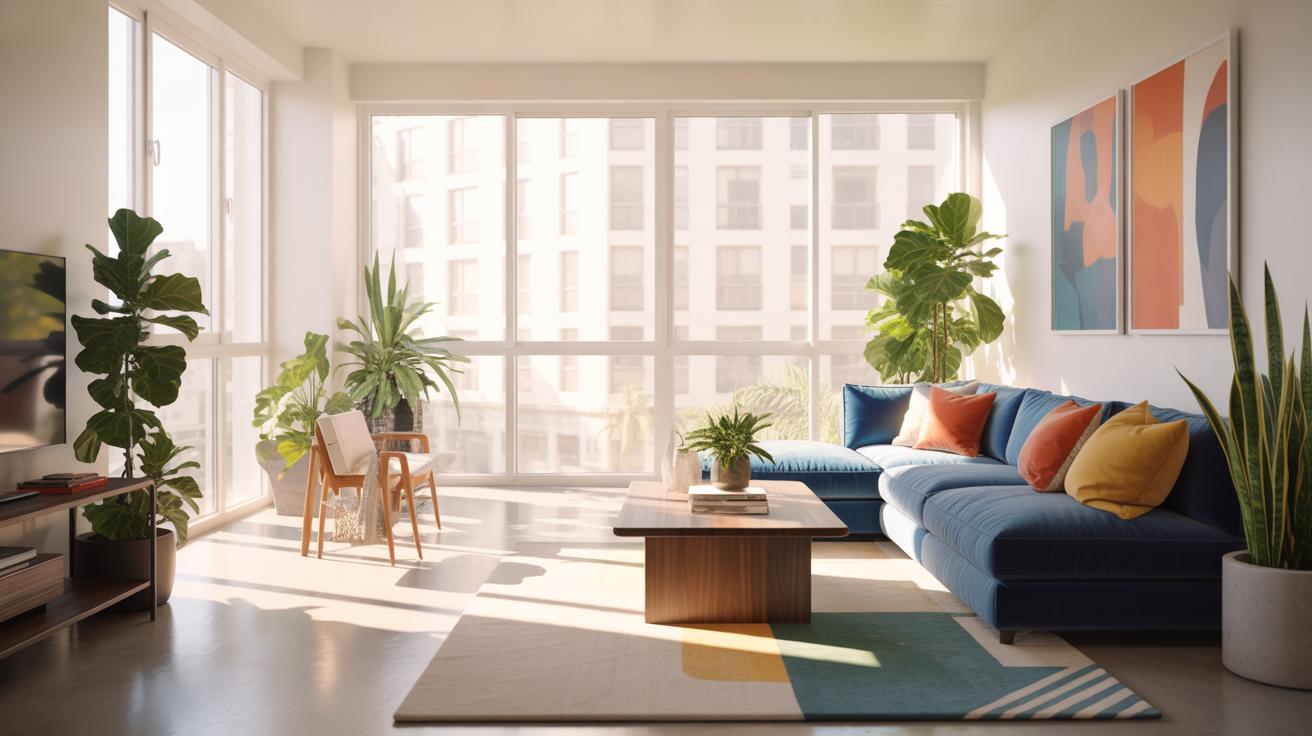
Think about how natural light interacts with your chosen colors — it can shift their intensity and warmth, affecting the atmosphere you’re trying to create. It’s a bit like the paint talks to light and space together, not just the walls.
Warm Vs Cool Colors Explained
Warm colors like reds, oranges, and yellows bring energy and a sense of comfort. They might make your living room feel inviting and lively, but if you’re not careful, these colors can start to feel a bit overwhelming or even restless after a while. Some people thrive in that energetic environment; others might find it exhausting.
Cool colors such as blues and greens tend to calm nerves and create a peaceful vibe. They can help your room feel more spacious, which is great if you want a relaxed, serene environment. Yet, there’s a catch: too much coolness can come off as cold or detached, lacking warmth and personality.
Using Accent Walls Wisely
An accent wall can be a game changer, but it’s tricky to get right. You want it to add interest, a pop of character without drowning your space in color. Choosing the right wall matters—a wall that naturally draws attention, maybe behind a sofa or opposite an entry point.
Try a bold or deeper hue compared to the other walls to create contrast. But, be cautious; if it’s too bright or contrasting, it might fight with your furnishings and distract instead of complement. Sometimes, a subtle texture or a different finish rather than just a new color can work wonders too. Have you considered how that accent wall will look in the evening light? It’s different from daytime, for sure, and worth a test before committing fully.
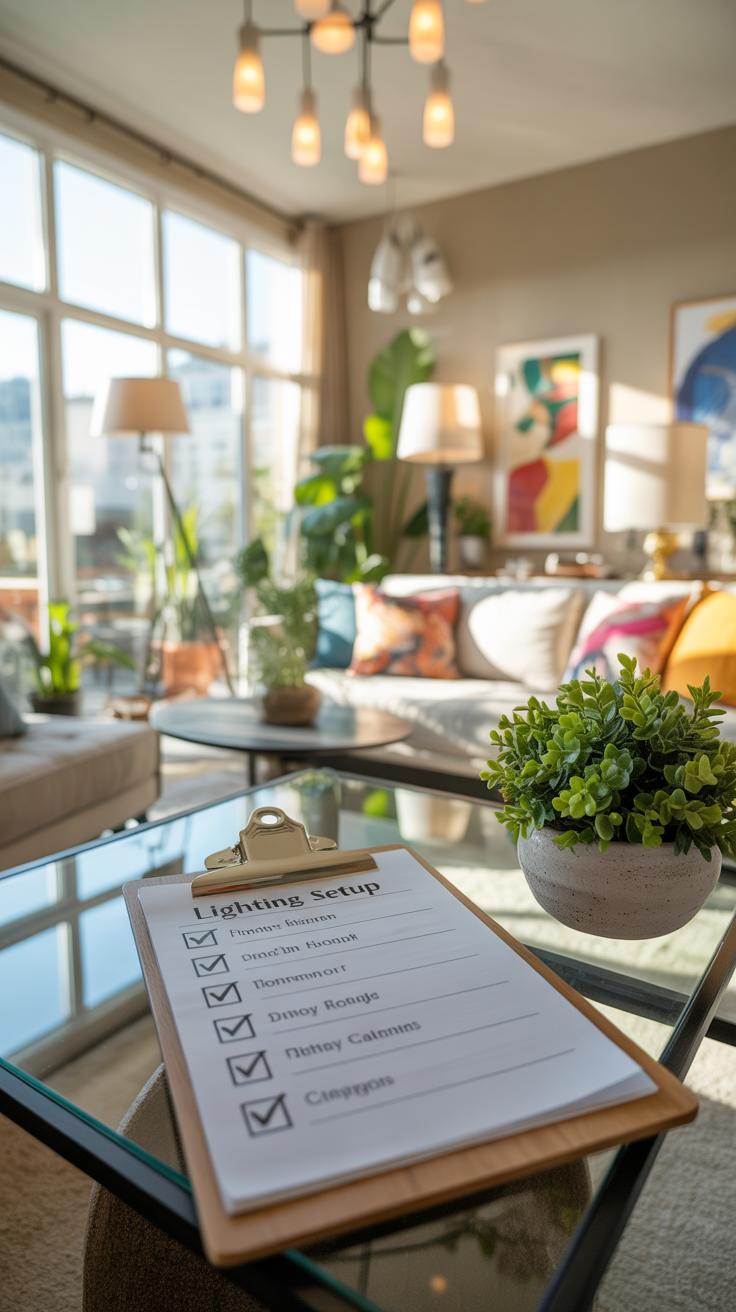
Lighting Setup Checklist For Homes
Types Of Lighting Explained
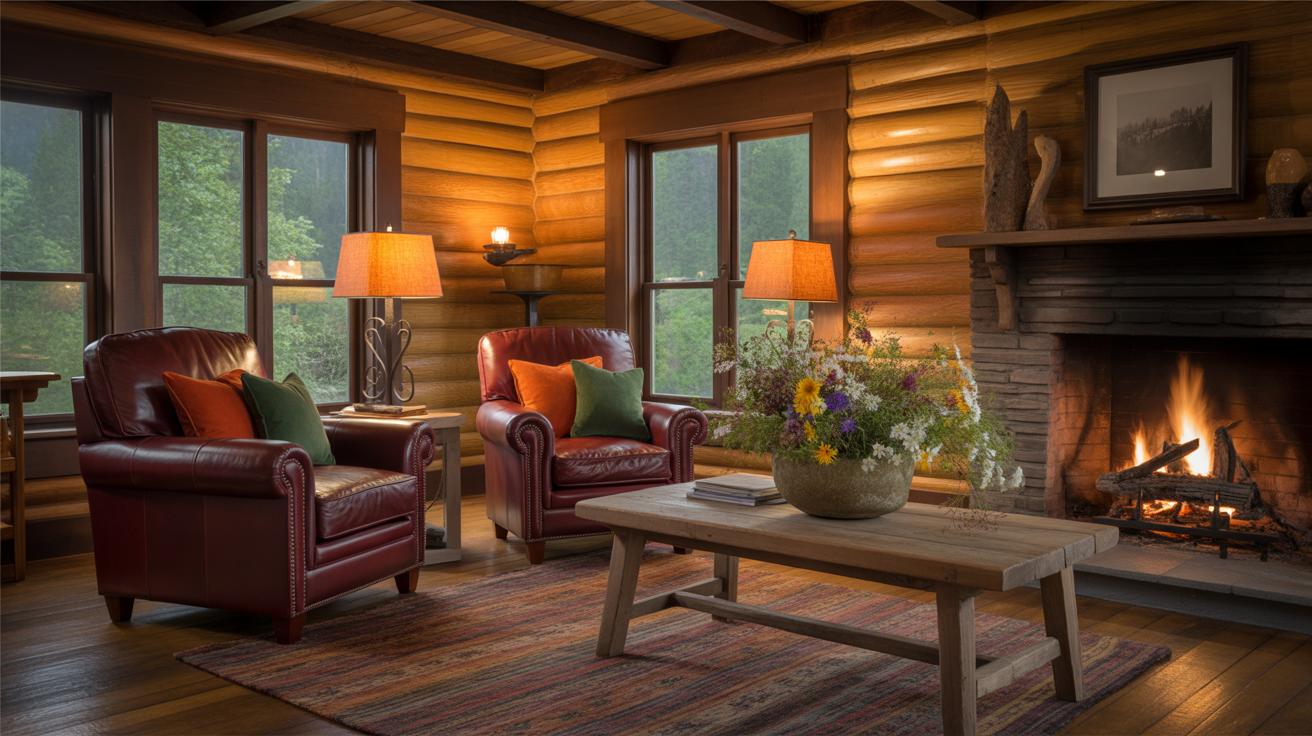
Ambient lighting forms the base layer of light in a room, often provided by ceiling fixtures or wall-mounted lights. It spreads evenly and ensures the whole space is visible, like daylight flooding in. Then there’s task lighting, designed to help you focus on specific activities, such as reading or cooking—think desk lamps or under-cabinet lights. Accent lighting, on the other hand, highlights particular features like artwork or architectural details, adding depth and interest to your room. Each type serves a unique purpose, and mixing them creates a balanced, inviting environment.
Energy Efficient Lighting Options
If you’re concerned about energy consumption, LED bulbs offer a smart solution. They use a fraction of the electricity of traditional bulbs and last much longer, which is a win-win. Smart bulbs add another layer of flexibility; you can adjust brightness and color with your phone, setting different moods without needing multiple fixtures. I experimented with smart lighting in my living room, and adjusting light intensity for different times of day really changed how the space feels—more relaxing in the evening, brighter and more alert in the morning. Both LEDs and smart bulbs help save energy while letting you control your lighting environment.
Textiles And Fabrics For Living Spaces
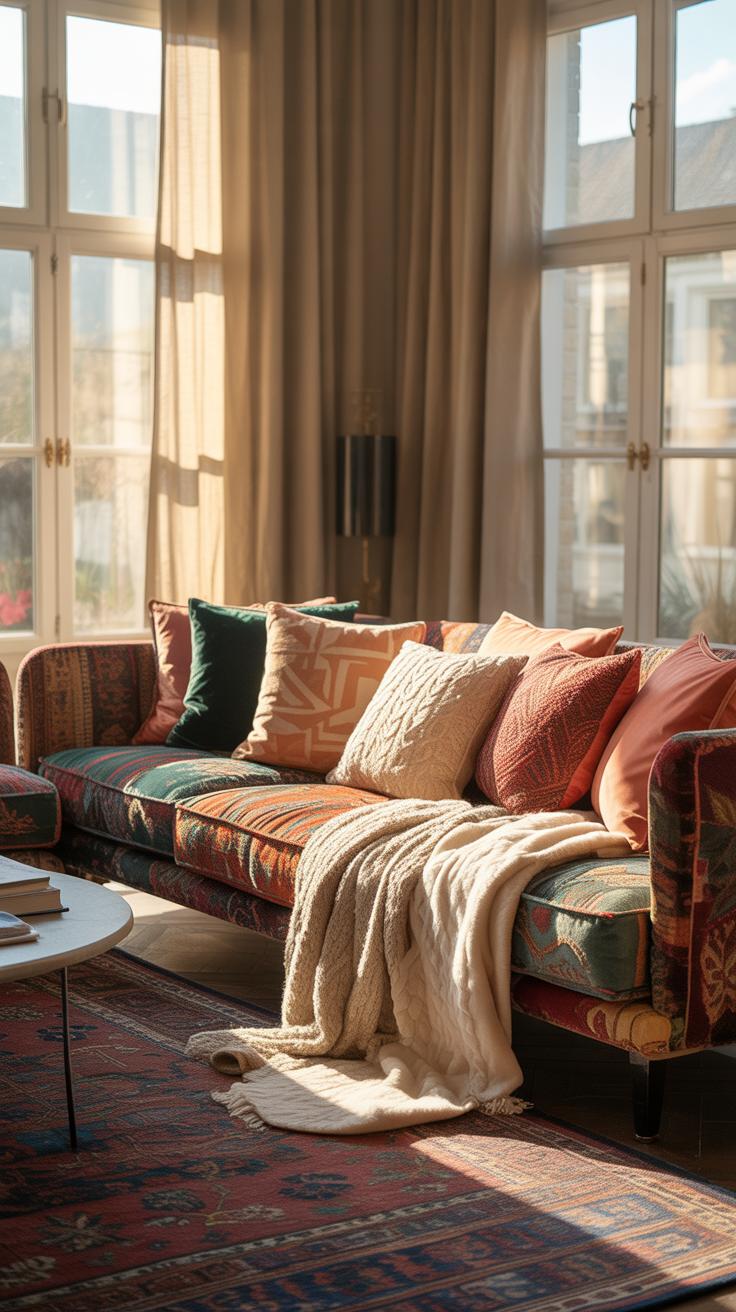
When choosing textiles for your living room, consider how each piece contributes to texture, color, and comfort. Curtains, rugs, and cushions aren’t just decorations—they can create layers of atmosphere that help define your room’s character. For example, thick velvet curtains can add a cozy richness, while a woven jute rug introduces natural texture without overwhelming the senses.
Now, durability is crucial, especially if your living room sees a lot of action from kids or pets. Fabrics like microfiber, canvas, or leather blends tend to resist stains and wear better than delicate silks or linens. Polyester blends also hold up well to daily use and occasional spills. It might feel limiting to avoid delicate fabrics, but these sturdy options prove they can be stylish without sacrificing practicality.
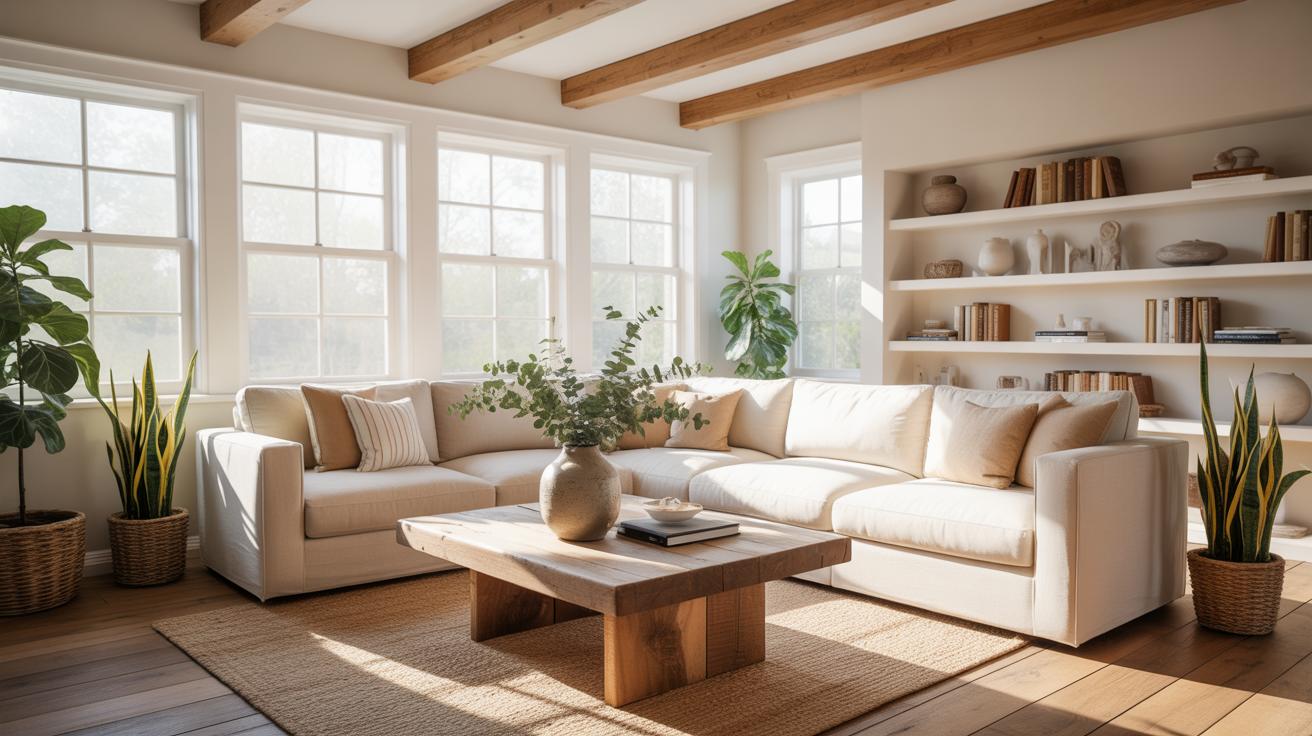
Layering textiles—like adding a patterned throw over a solid cushion or pairing sheer curtains with heavier drapes—creates a warm, inviting ambiance. This mix not only enriches the visual appeal but also helps with room acoustics and temperature control. Don’t shy away from experimenting with different textures; the slight contrast can make the space feel both lived-in and thoughtfully designed.
Art And Accessories Placement Tips
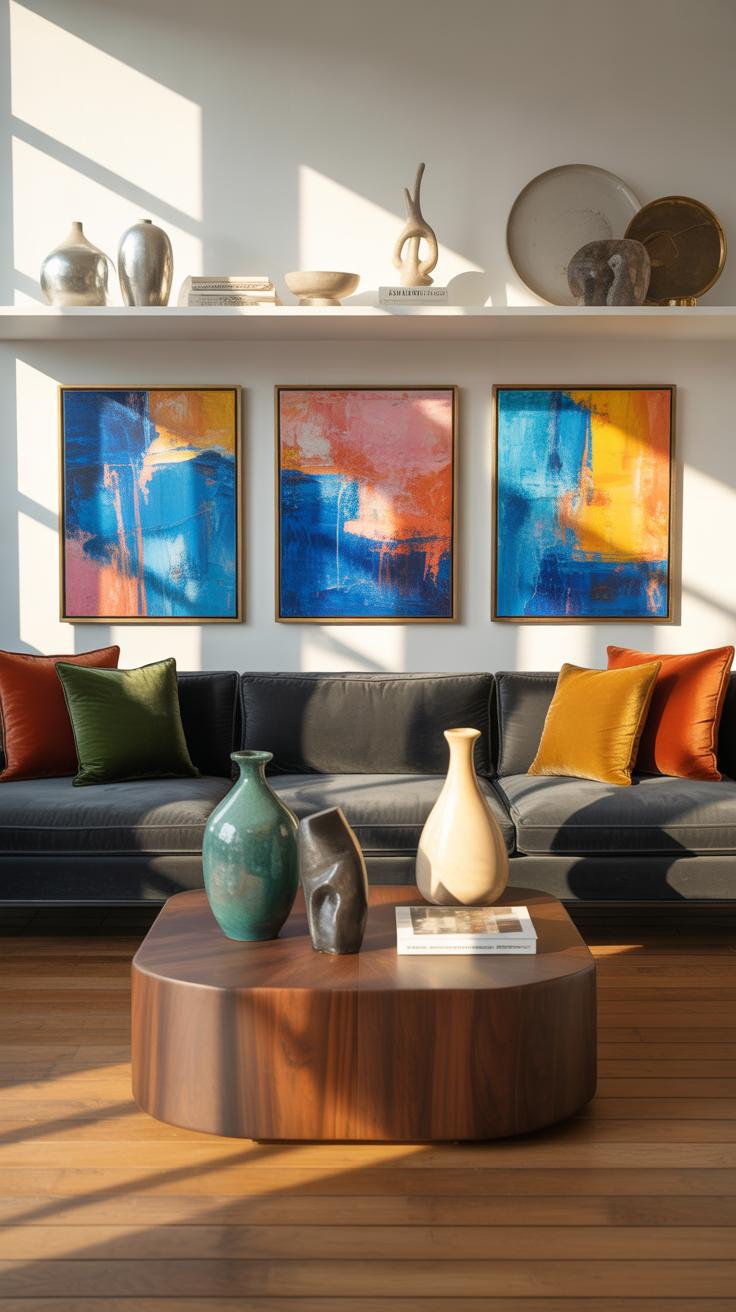
Choosing artwork and accessories for your living room can be quite the balancing act. You want pieces that resonate with your style, yet don’t overwhelm the space. Maybe you’ve stood in front of a blank wall wondering what to hang — I know I have more times than I can count. The trick is understanding the room’s existing colors and themes first. For example, if your walls and furniture lean towards neutral tones, a bold piece with vibrant colors could create a striking contrast without seeming out of place.
When placing accessories, think about spacing like a conversation — each item needs room to ‘speak.’ Overcrowding happens so easily if you just keep adding things because they’re pretty. Instead, focus on meaningful items and spread them out. I once piled too many small decorations on a shelf, and the whole effect was just cluttered chaos rather than stylish. Now, I opt for fewer objects with personal significance, which makes the space feel curated and intentional.
To sum it up, look for art that aligns with the room’s palette and vibe, then position your accessories thoughtfully with enough space around them. This approach helps to avoid clutter while still reflecting your personality. Can a few well-placed items say more about you than a shelf full of random trinkets? I think so. It’s about quality, not quantity.
Smart Layouts For Comfortable Rooms
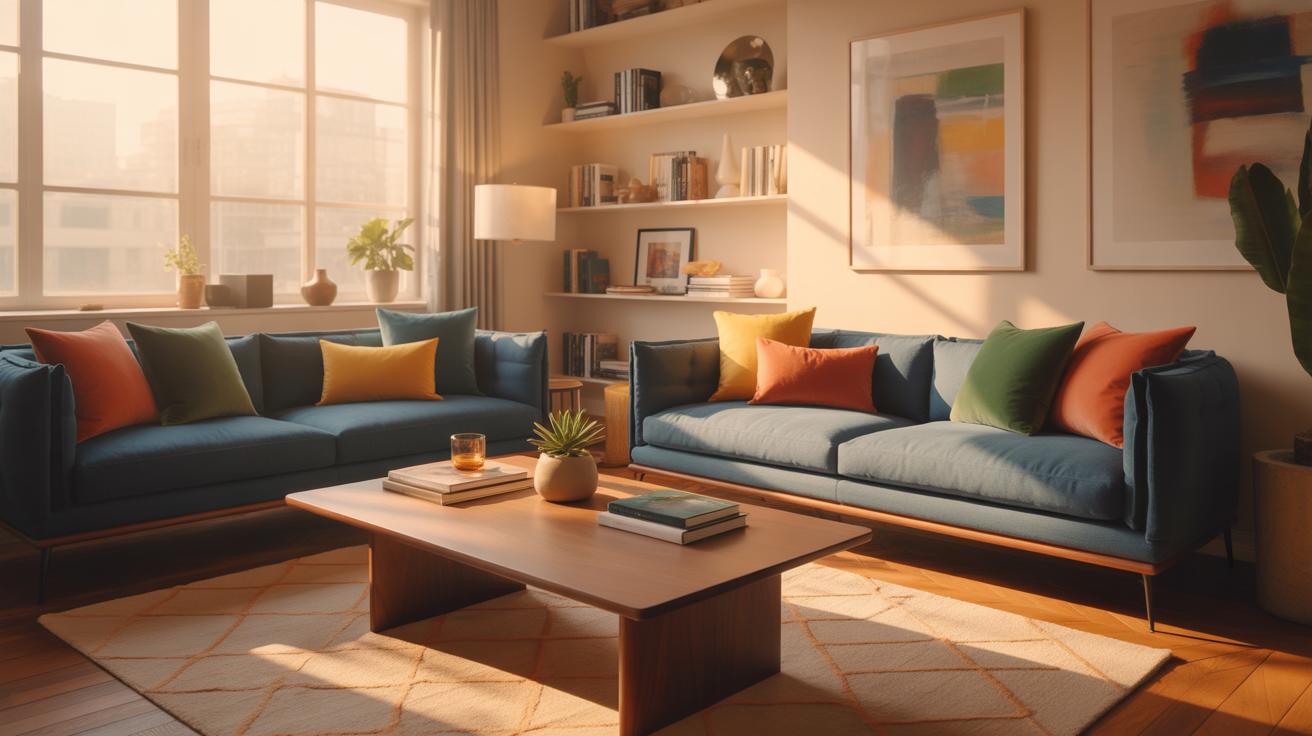
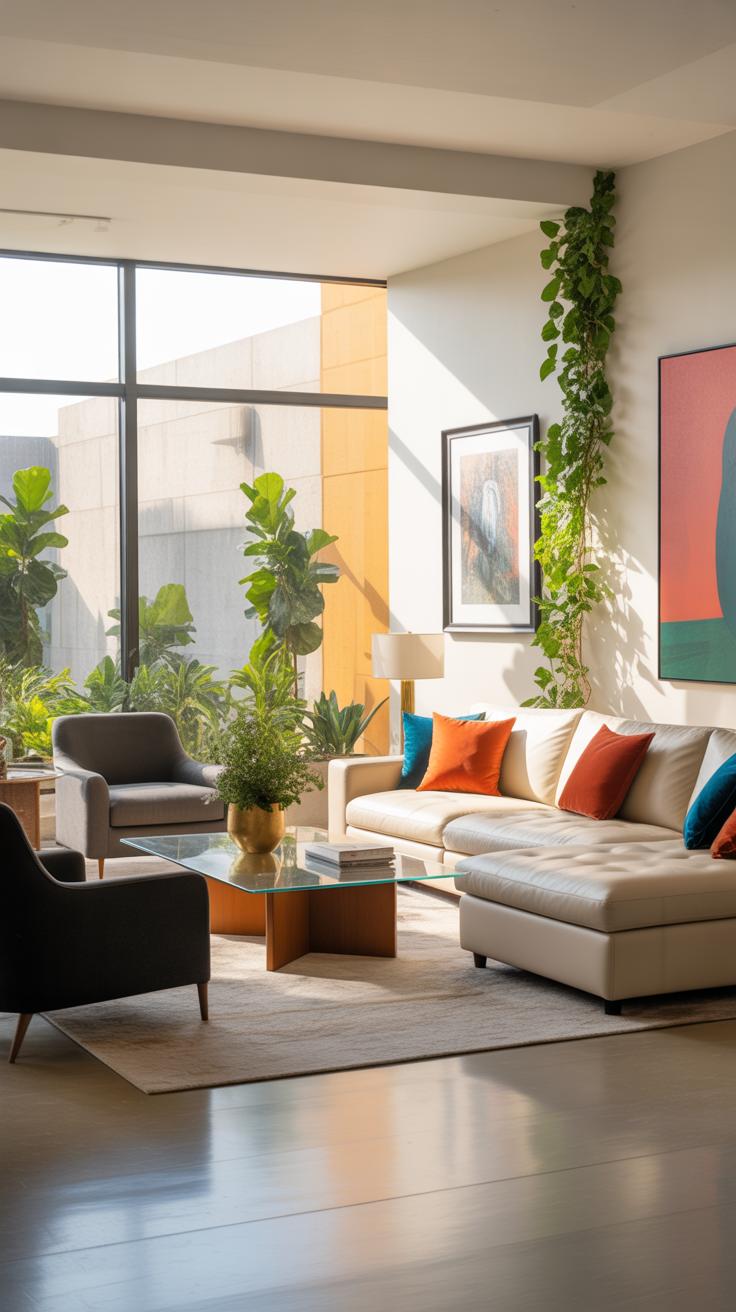
Getting your living room layout right is trickier than it seems. You want to balance a space where people can move freely yet feel cozy enough to gather and chat. Think about where you naturally walk when you enter the room—your pathways should remain clear, avoiding any awkward shuffles around furniture.
Try arranging sofas and chairs so they face each other, or at least angle in a way that encourages conversation. But don’t overcrowd; too many pieces can feel cramped and disrupt flow. The trick is also to leave some functional spots—maybe a small side table—near seating for drinks or books.
Don’t be afraid to experiment with the layout. Sometimes a slight shift creates more breathing room or a better social vibe. I remember once swapping a chair’s position and suddenly, the whole room felt more welcoming. It’s a simple change but had a big impact.
Zoning Living And Dining Areas
Open layouts can feel expansive, but defining where one area ends and another begins is key. You don’t need walls to create separation. Instead, use rugs to anchor zones—different patterns or colors can suggest distinct functions without blocking sightlines.
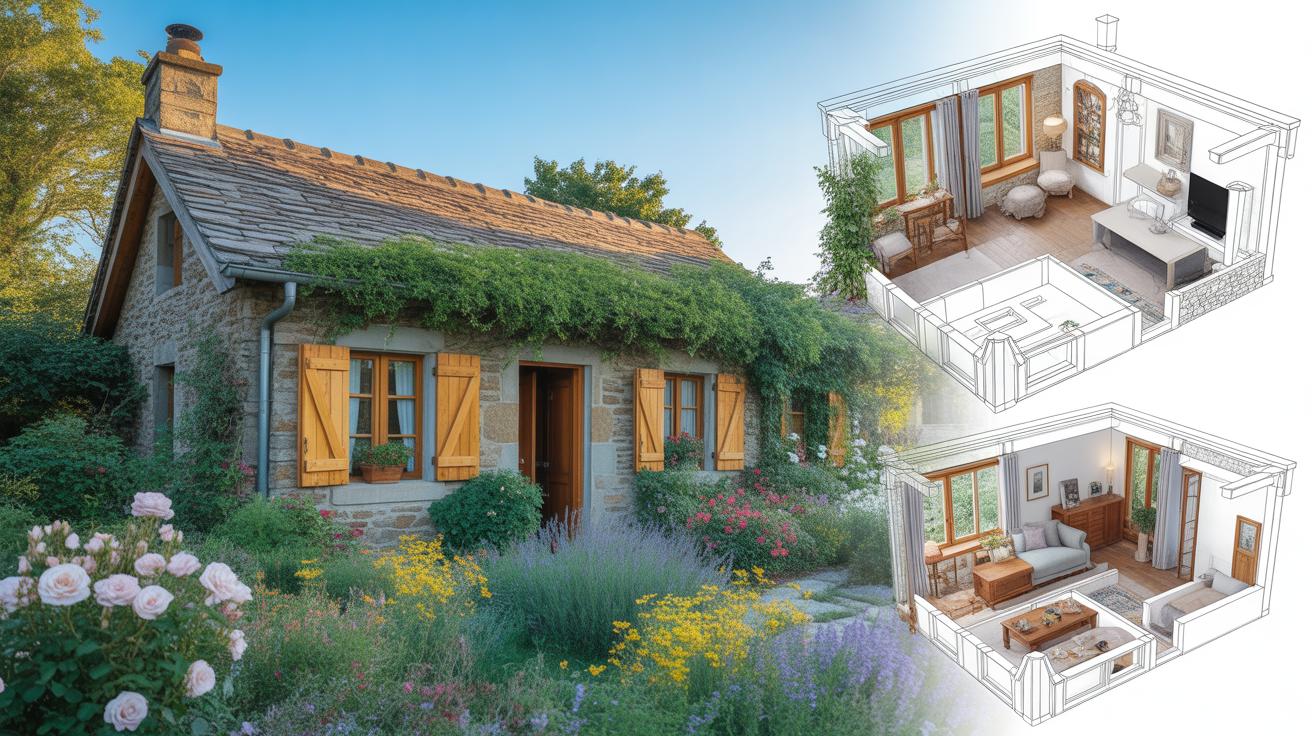
Furniture placement also helps. A sofa or console table can act like a barrier, subtly marking the boundary. Lighting matters too; a pendant over the dining table and softer lamps in the living area set different moods and cues.
Sometime you might even use shelving or low cabinets that store items and create a visual break but keep the openness intact. It’s a delicate balance between division and connection.
Traffic Flow Patterns To Follow
Ensuring smooth movement is crucial. People should be able to walk from door to window or from seating to other parts of the home without bumping into things. Paths that are about two to three feet wide work well for comfortable passage.
Avoid placing large pieces where they block natural traffic routes. Instead, think about where people naturally walk and arrange furniture accordingly. There’s no one-size-fits-all, but common sense applies—don’t turn your room into an obstacle course.
Sometimes you have to compromise between perfect traffic flow and maximizing seating or style. But remember, a room that’s hard to navigate quickly gets frustrating.
Stylish Storage Ideas For Clutter Control
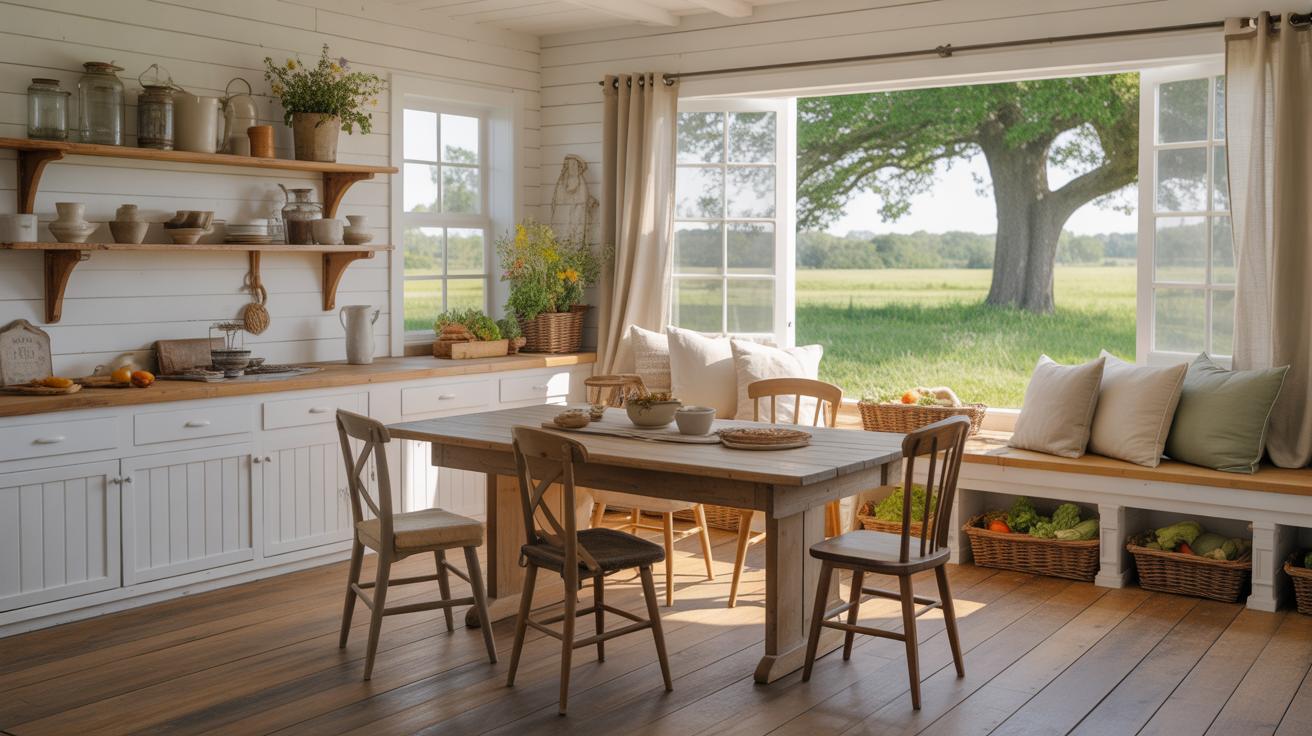
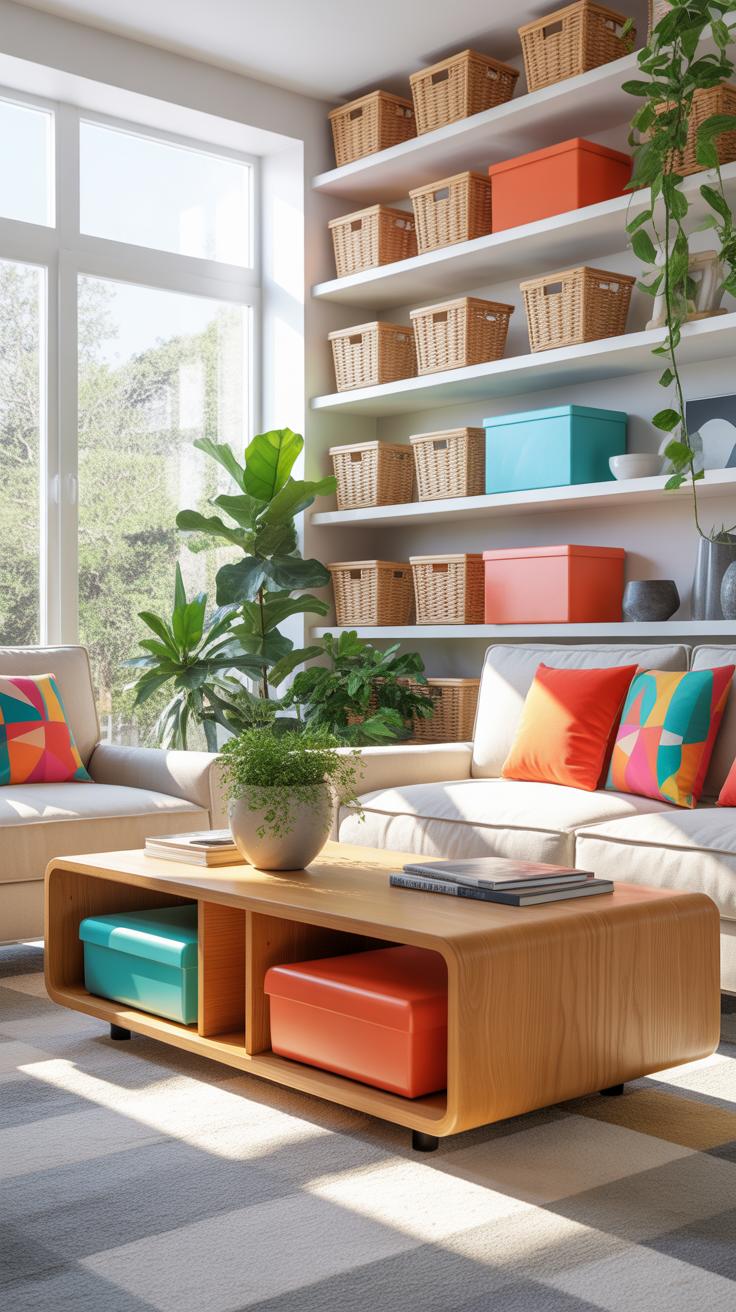
Keeping a living room tidy while maintaining style can be a tricky balance. One way to achieve this is by choosing furniture that hides clutter out of sight. Think of ottomans—their padded tops lift up to reveal storage inside, perfect for stashing blankets, magazines, or remote controls. Coffee tables with built-in compartments also double as smart storage spots. I once found a coffee table with a hidden drawer that saved a ton of space in my cramped living room. It was a game-changer.
Open shelving can add character and showcase your favorite items, but it comes with its own challenges. Open shelves work best when you have a clear idea of what to display and can keep items minimal and curated. Too many objects just lead to visual chaos. Playing with the height and spacing of shelves allows for a varied yet orderly look. Styling open shelves with a mix of books, plants, and decorative pieces can feel inviting, but resist overfilling. If every inch is occupied, the shelves lose their charm and practicality.
Choosing the right storage furniture and knowing when to use open shelving can transform your living room from cluttered to neat and stylish—without sacrificing warmth or personality. It’s about finding that practical elegance that works for you and your space.
Incorporating Nature Into Decor
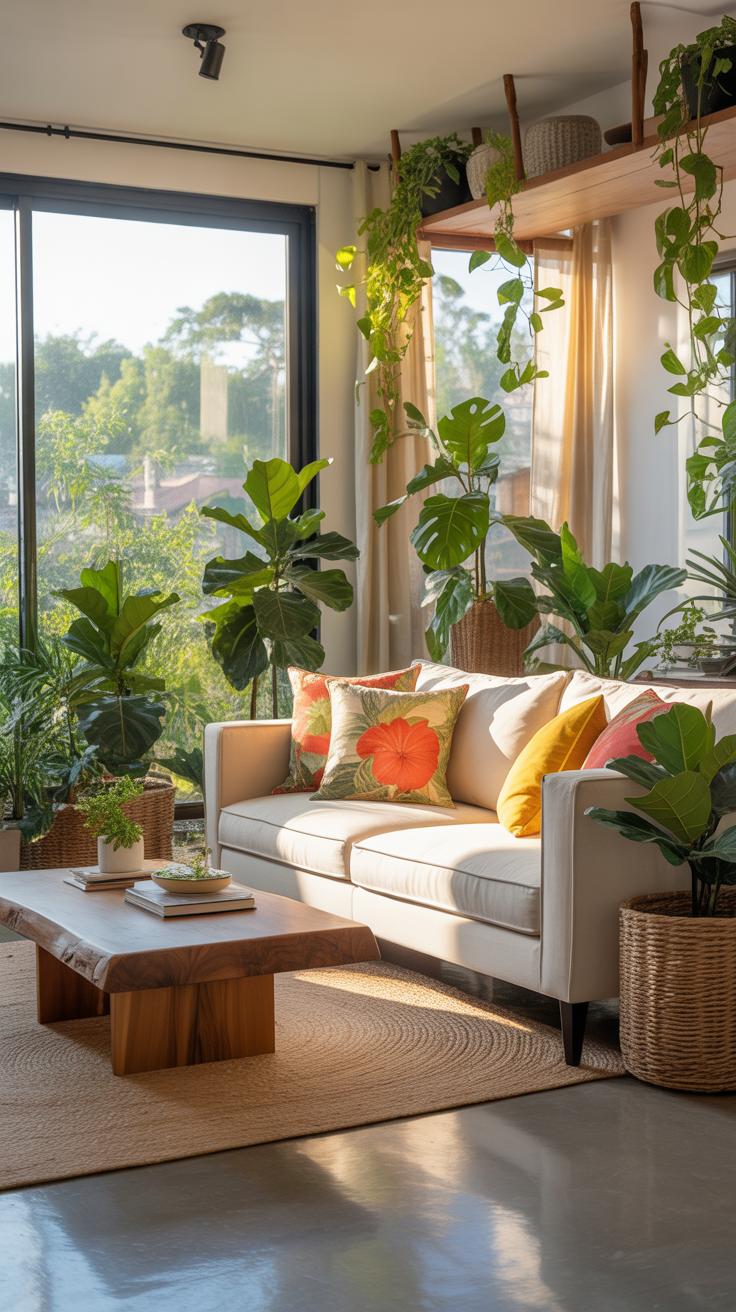
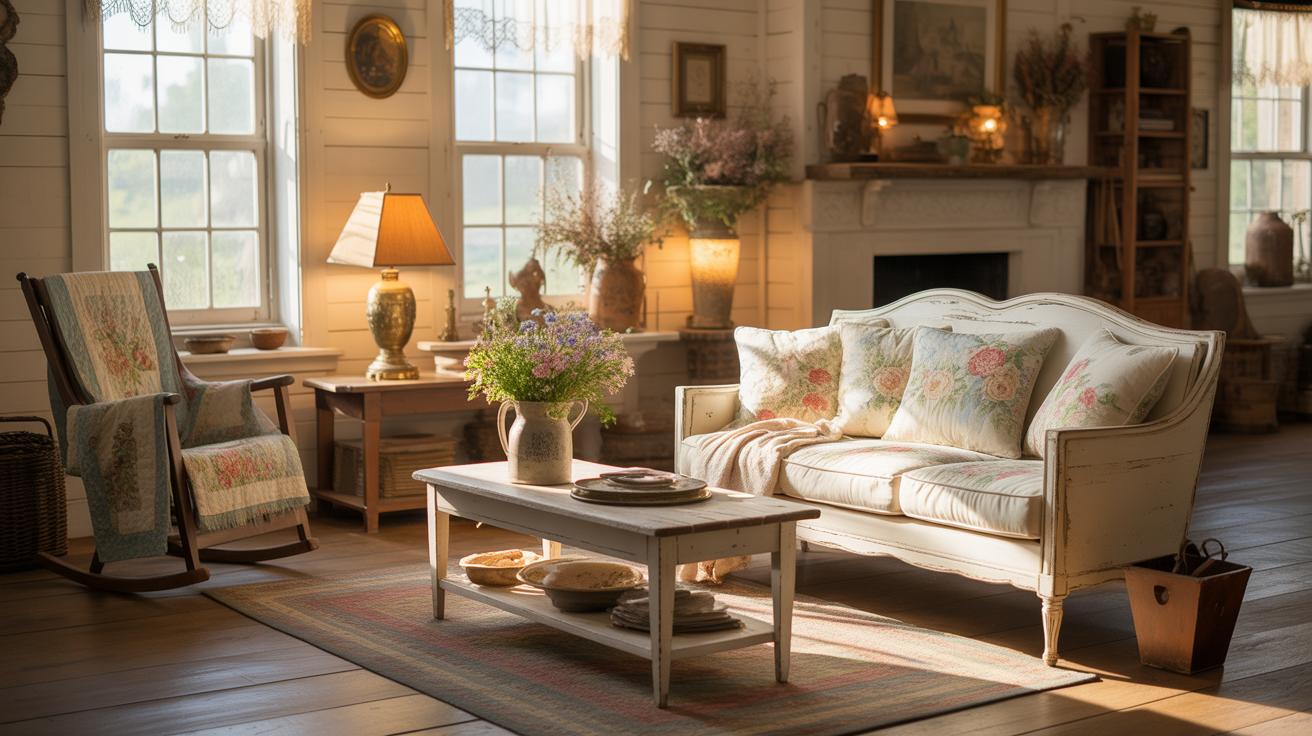
Bringing nature inside your living room is easier than you might think. A few well-placed plants can freshen the air and add a calming vibe. You could start with small pots on shelves or a large leafy plant standing in a corner. Natural elements—like branches, stones, or even driftwood—can be arranged simply on tables or windowsills for subtle texture. Sometimes, a single green touch seems to breathe life into a room. I’ve noticed it makes the space feel less stuffy and more welcoming. But it’s not just about decoration; plants improve air quality and can even boost your mood.
Choosing Indoor Plants For Rooms
Not every plant thrives indoors, especially in low light. For rooms without much sun, there are dependable options:
- ZZ Plant (Zamioculcas zamiifolia): Tolerates low light and needs minimal watering. Its waxy leaves almost look fake but stay vibrant for months.
- Snake Plant: Nearly indestructible and purifies the air effectively.
- Spider Plant: Good at filtering toxins and adapts well to various indoor conditions.
- Pothos: Grows in shade and can cascade beautifully from shelves.
These plants don’t demand constant attention, making them ideal if you’re busy or forgetful. Plus, their presence can truly change the feel of your living space.
Natural Materials In Furniture
Furniture made of wood, stone, or natural fibers adds undeniable warmth and character. Wood, with its grain and knots, introduces softness and a tactile quality that’s hard to replace with synthetic alternatives. Stone surfaces—like a coffee table or accent piece—bring an earthy weight and visual interest.
Then there’s fiber—woven rattan, jute rugs, or seagrass baskets—which contributes texture and a casual, lived-in vibe. You might find it interesting how combining these elements creates depth without overpowering the room. Sometimes, mixing wood and fiber works better than a perfectly matched set. It’s almost like nature’s imperfections translate well into décor, making your space feel more real and inviting.
Home Decor Budget Planning Steps

When it comes to planning your living room decor budget, it’s easy to feel overwhelmed. You might ask yourself, where do I even start? Well, setting priorities for purchases is a practical first step. Think about which elements you really need versus what would simply be nice to have. For instance, investing in a comfortable sofa might be more impactful than splurging on decorative knick-knacks early on.
It helps to break your budget down based on impact and necessity:
- Start with essentials that improve function and comfort.
- Then move on to pieces that enhance style and ambiance.
- Finally, add smaller accents that reflect your personality.
Sometimes, you might find a decor item that feels essential but stretches your budget—this is where affordable alternatives come in. Instead of costly art, perhaps try DIY prints or affordable frames with meaningful photos. Instead of new rugs, consider layering inexpensive throw blankets for texture and warmth. These options can last, look good, and don’t always draw attention to their price.
Don’t forget to scour secondhand shops or online marketplaces; I’ve had surprising luck finding stylish pieces below retail price. Remember, good decor doesn’t always mean expensive decor. Sometimes, the charm lies in creativity and smart choices more than the cost tag. What will you prioritize first for your living room refresh?
Conclusions
Making your living room stylish and functional is possible with thoughtful choices. Start by selecting furniture that fits your room and suits your needs. Use good lighting to create a warm space. Add simple decor to bring life into the room.
Home design decor is about making your space feel like your own. Use these ideas to refresh your living room with style and comfort. Your effort will make your home a more enjoyable place for you and your guests.