Introduction
Large living rooms with rectangular shapes offer both space and opportunity, but arranging furniture effectively can be a challenge. Proper layout enhances the room’s comfort and utility, making it suitable for both relaxation and social gatherings. In this article, you will find methods and tips for perfect furniture arrangement tailored for rectangular living rooms that maximize their potential.
We will discuss the importance of space planning, how to pick furniture to complement the room’s shape, and ways to divide the space into functional zones. Following these steps will help you create a balanced and welcoming living area that fits your lifestyle needs.
Benefits Of Large Rectangular Spaces

Large rectangular living rooms offer a spacious foundation that invites creativity. When you have that extra room to work with, the possibilities open up in unexpected ways. It’s not just about the square footage, but how that space can feel open yet cozy at the same time. Rectangular layouts tend to naturally direct attention along the longer walls, providing a kind of visual flow that can be harnessed in many design choices.
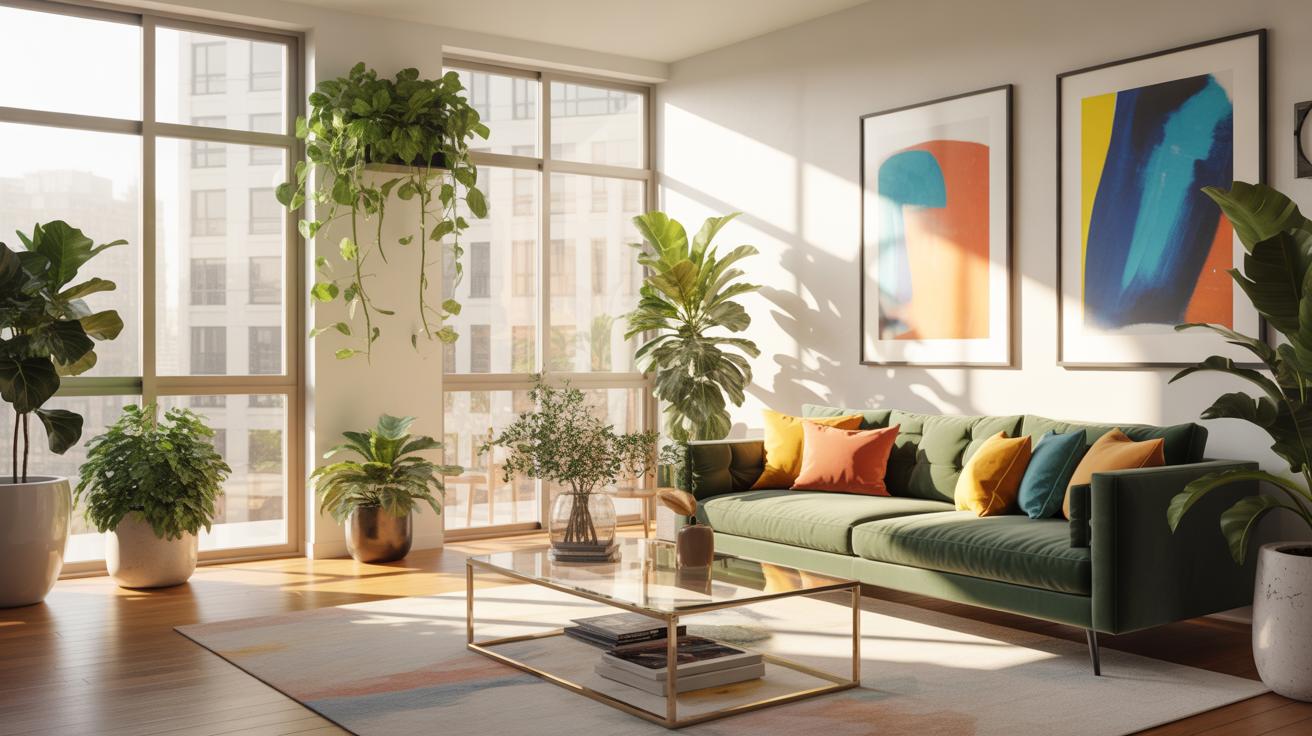
One advantage is the straightforwardness of the shape. It’s easier to envision how different furniture pieces might fit and interact without the complications of odd angles or corners. This regular form can be a blank canvas—whether you want minimalism, luxury, or something wildly eclectic. It allows for clear zoning within a single room, without feeling fragmented.
At the same time, large rectangular rooms can sometimes feel a bit daunting because of their length. What might feel like an awkward stretch in a small room becomes an opportunity here to break the space up with thoughtful arrangements or creative focal points. You might even find yourself appreciating the challenge of filling the space harmoniously.
Room For Diverse Furniture Styles
When your living area has both length and breadth, many furniture styles don’t have to compete for space—they can coexist. Imagine pairing a mid-century modern sofa with a rustic farmhouse armchair, or mixing a sleek glass coffee table with vintage rugs. This kind of layering often reflects personal taste more authentically than a strictly coordinated set.
In a smaller, cramped room, mixing styles risks chaos. But when the room opens wide, you get the breathing room your eye needs to appreciate contrasts or unexpected combinations. You might even bring in larger statement pieces—like a grand bookshelf or oversized lounge chair—without overwhelming the room.
Space For Multiple Activities
A large room acts like a multi-tool. It can simultaneously support quiet reading, lively conversations, watching television, or even creative hobbies. You don’t have to sacrifice one activity for another. It’s easier to create distinct zones—maybe a reading nook by a window, a media area opposite a wall-mounted TV, and a social corner with ample seating.
This kind of layout respects how people actually live. No need to pack everything into one small space. You give each activity its own breathing room, which often makes the room feel less cluttered and more relaxing. Though, of course, it requires careful arrangement; otherwise, that openness can feel lost or too scattered.
Rectangular Room Challenges
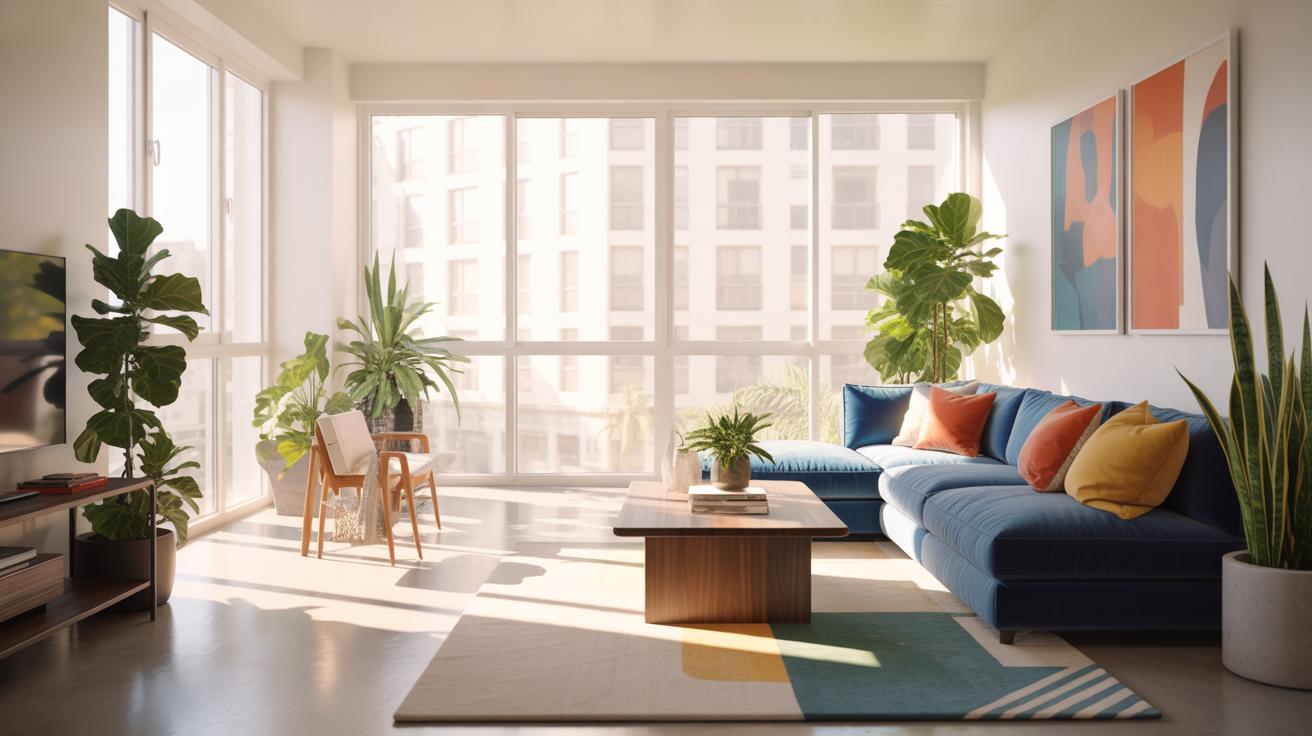
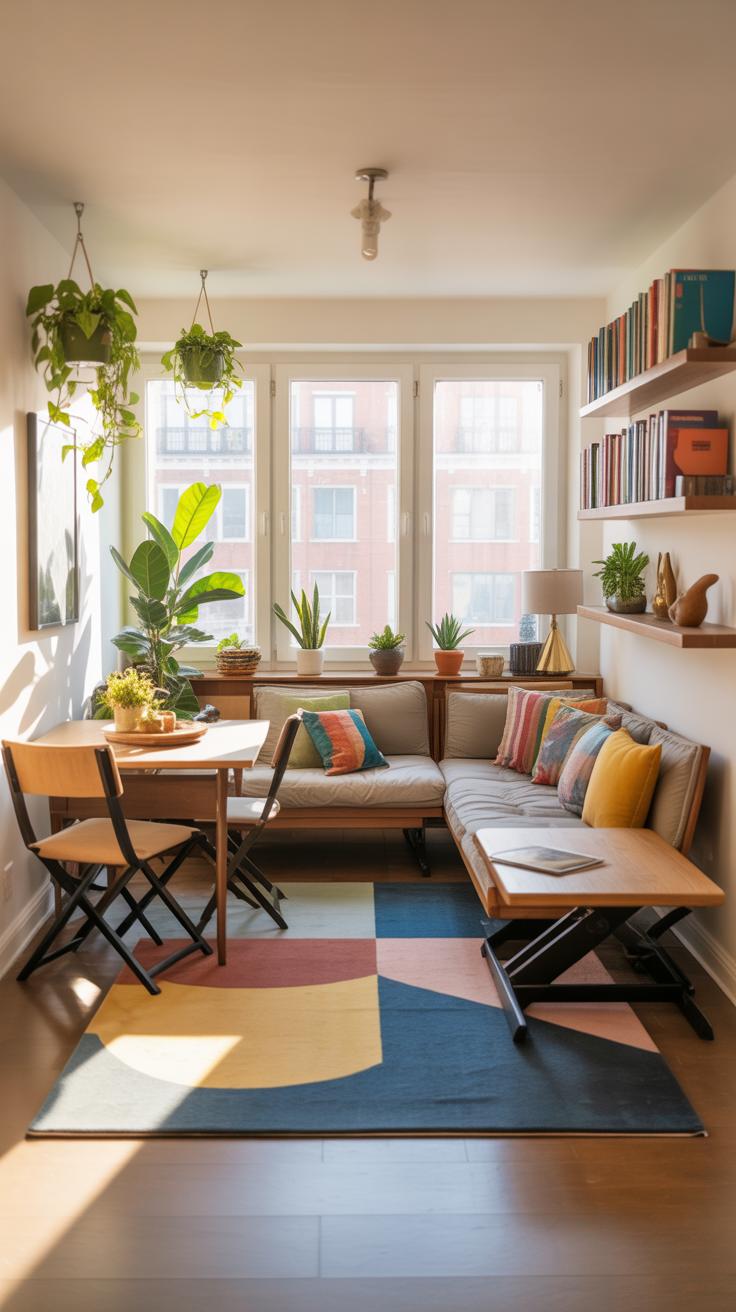
Arranging furniture in a large rectangular living room can feel like solving a puzzle, but with a few odd pieces that don’t quite fit. The long, narrow shape often brings awkward corners that can be tricky to use. You might find yourself wondering what to do with those empty angles where a chair or table just feels out of place.
Then there are the long sightlines. Sometimes the room can look endless, making cozy conversation areas harder to create because everything feels so spread out. This can make the space less inviting, even if it’s huge.
Avoiding Unused Corners
Empty corners in a rectangular room can feel like missed opportunities. Instead of letting them sit bare, try putting them to work. A reading nook with a comfy chair and floor lamp can transform an awkward corner into a quiet retreat. Or use small shelves or a plant stand for a splash of personality. The goal is to make every inch count, without crowding the space.
Preventing Long Narrow Feel
Large rectangular living rooms might tempt you to line everything along the walls, but that often stretches the space visually and makes it feel narrower than it is. Breaking up the room with area rugs helps define smaller zones and interrupts the long lines.
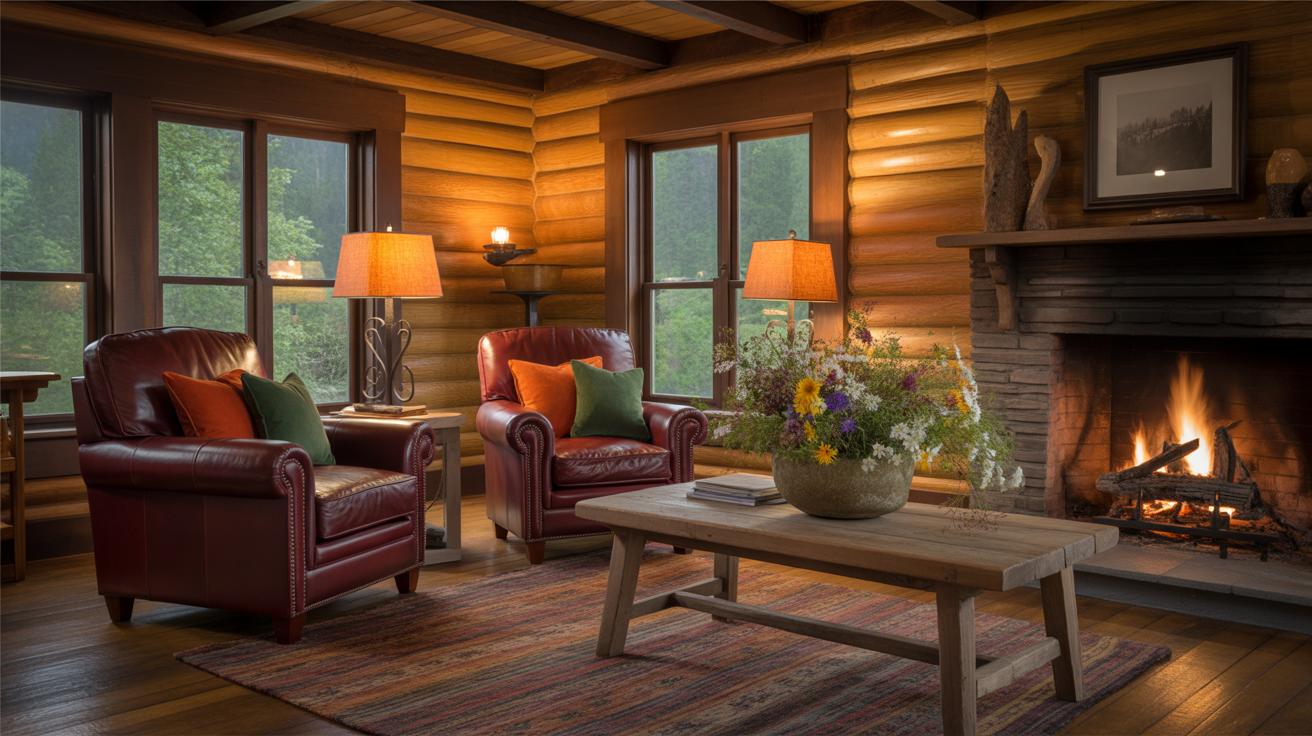
Use furniture groupings that pull pieces away from the walls. Even a small coffee table or ottoman in the center can create a focal point that reduces the stretched effect. Mirrors placed perpendicular to the length can also bounce light around and widen the feel a bit. It’s almost like tricking your eyes into seeing a room that’s less runway-like and more balanced.
Have you tried mixing different seating angles or shapes? It can interrupt the long flow and make the room feel more dynamic—just make sure it doesn’t get too cluttered, because that’s another challenge altogether. It’s a balancing act, but one worth taking on for a room that feels large but still welcoming.
Furniture Size And Scale Tips
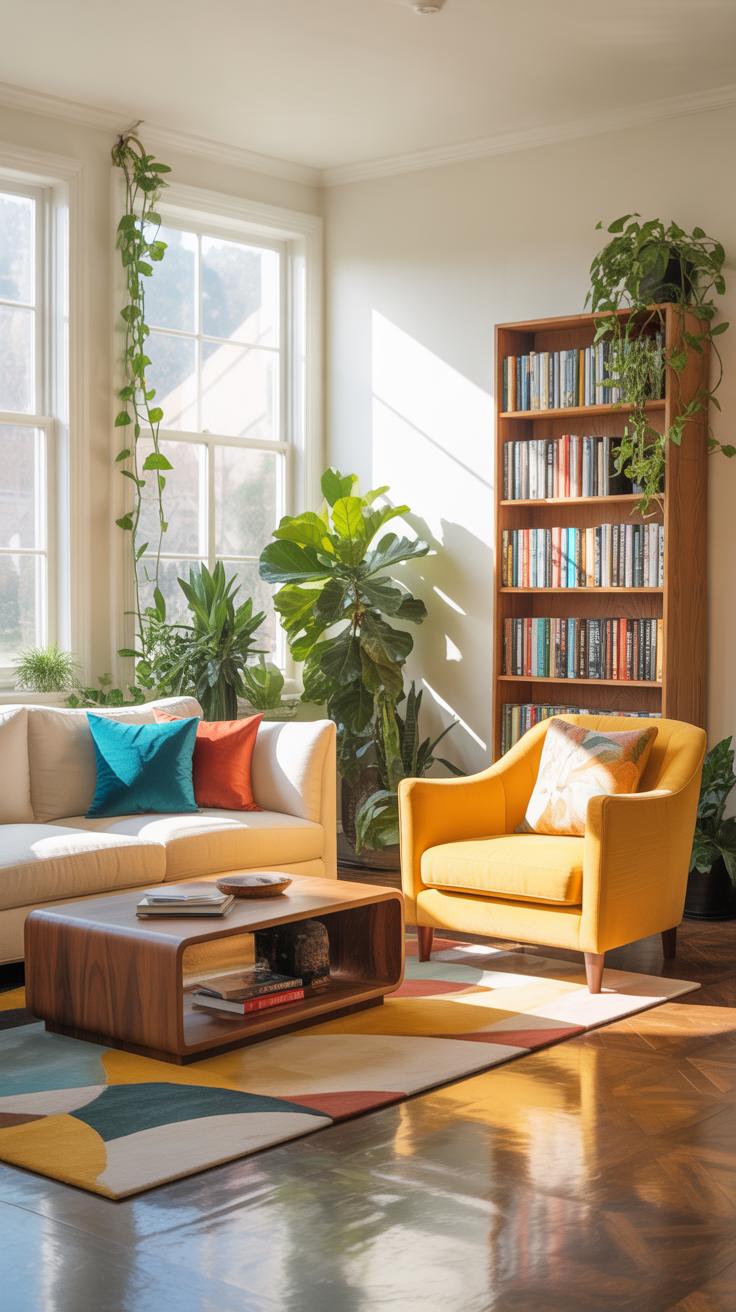
When picking furniture for a large rectangular living room, it’s easy to get overwhelmed by the vast space. You want pieces that don’t look lost but also don’t scream for attention too loudly. Striking that balance takes a bit of trial and error, and perhaps some second guessing. Larger furniture pieces naturally suit these spaces, as they better fill the expanse and create visual weight. But you don’t want to turn your living room into a showroom or make it feel crowded.
Consider proportion seriously. A giant sofa works well if the room is genuinely big, but the rest of the arrangement needs to step back a little. Maybe pair it with a substantial armchair or two, rather than a lot of tiny stools that get dwarfed by the sofa’s presence.
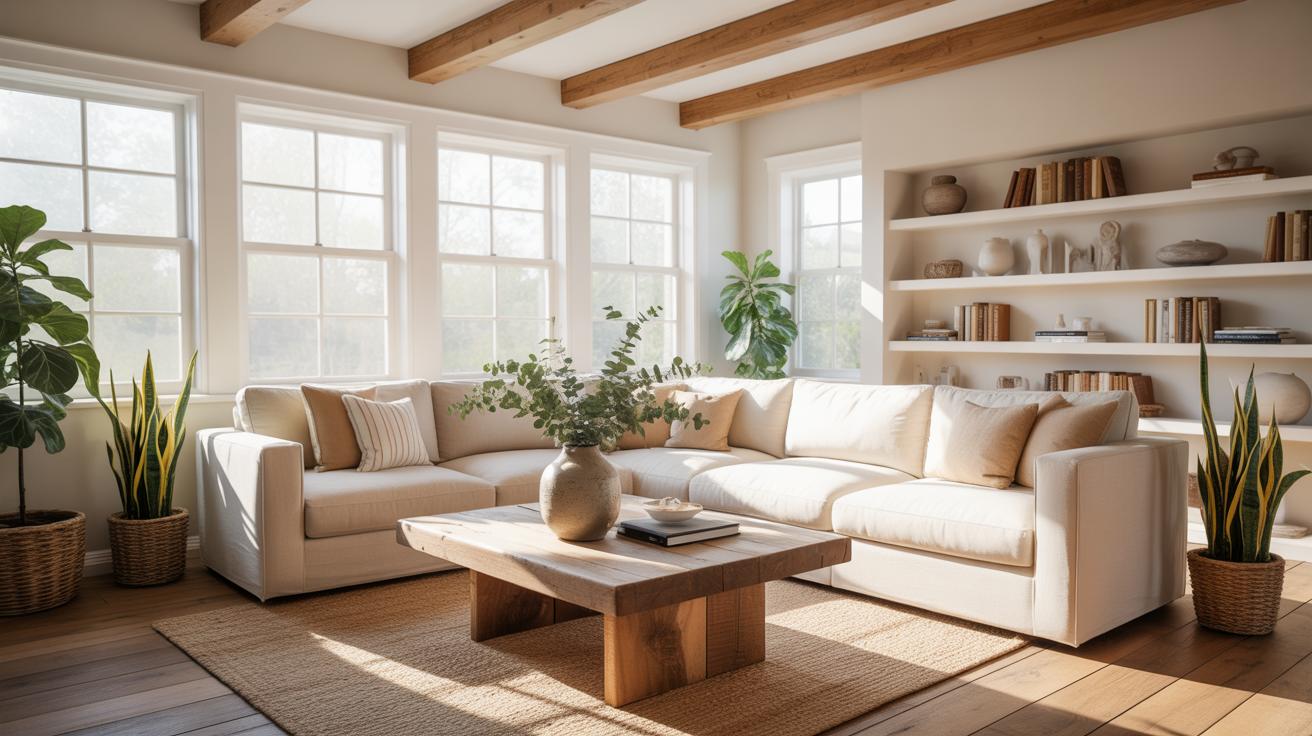
On the other hand, smaller pieces are not out of the question. They can actually add charm and texture – think side tables, occasional chairs, or slim benches. Placing these smaller items thoughtfully can fill awkward gaps and introduce variety without making the room seem choppy or disconnected. For example, a small ottoman near your larger sofa can be both functional and inviting.
- Large pieces anchor your space but avoid one-size-fits-all choices.
- Scale furniture to the room’s dimensions, considering walking space and flow.
- Mix larger main pieces with smaller touches to soften the look.
- Use smaller furniture to create cozy nooks or break long sightlines.
- Don’t be afraid to rearrange; sometimes it takes a few tries to get it right.
So, what furniture sizes feel right to you? Are you leaning toward bold statements or more subtle layering? Finding that sweet spot might take a few awkward setups first, but it usually pays off. That balance between scale and space is what keeps your big living room feeling both lived-in and well-polished.
Creating Zones With Furniture
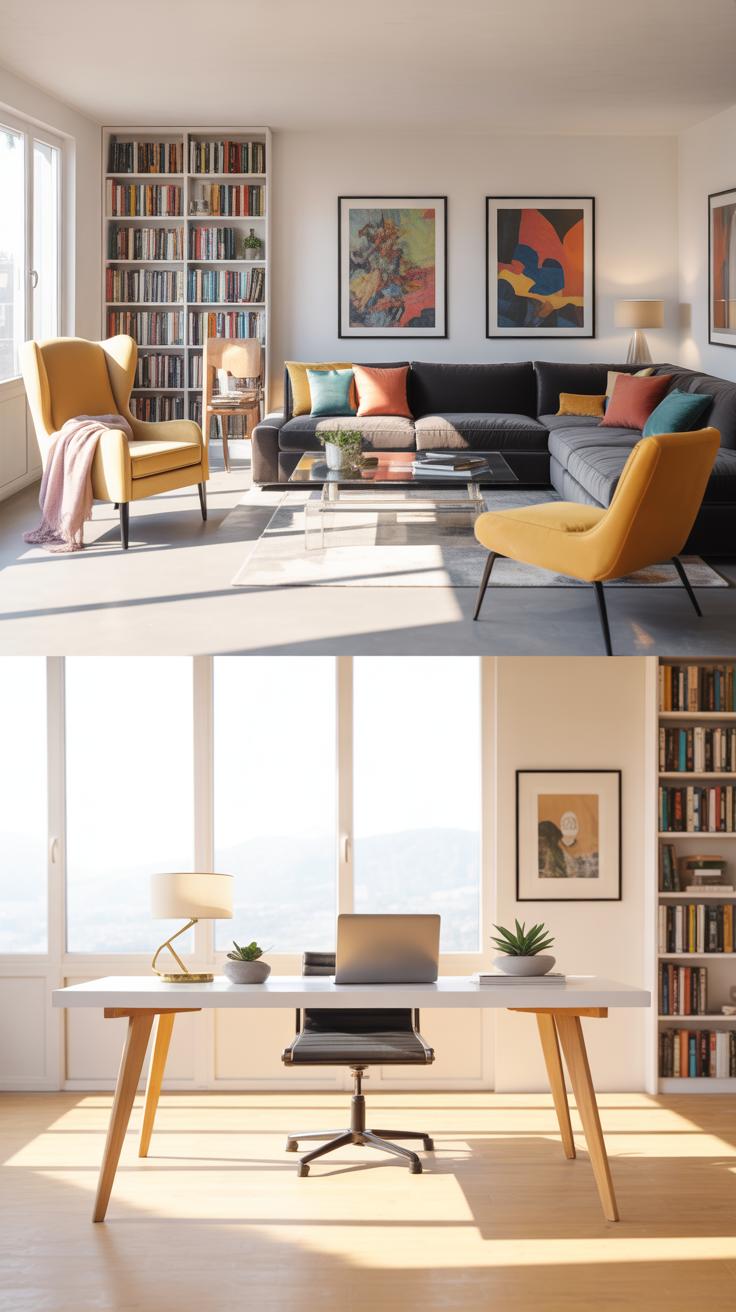
When you step into a large rectangular living room, it’s easy to feel overwhelmed by the vast open space. But instead of leaving it bare or crowded, try thinking about how furniture can help you carve out areas that serve different functions. This is less about strict walls and more about crafting a natural flow that supports how you and your family live.
Start by identifying zones for activities you want in that room. You might have a lounging corner centered around a sofa and chairs for relaxing or watching TV. Then, perhaps closer to a window or away from distractions, set up a dining area with a table and chairs. If you work from home, a small desk tucked into a quieter corner can create a work zone. And don’t forget spots for play if kids use the room, with a toy box or play mat. These zones don’t have to be equal in size—some might be just a nook, others span much of the room.
Accessories can help define these zones subtly. Rugs are brilliant for grounding a seating area or dining space—they create a visual boundary without walls. Open shelves or low bookcases are effective dividers too, offering storage while keeping the room airy. Unlike bulky partitions, these allow light and sight lines to continue through the room, so it feels connected rather than cramped.
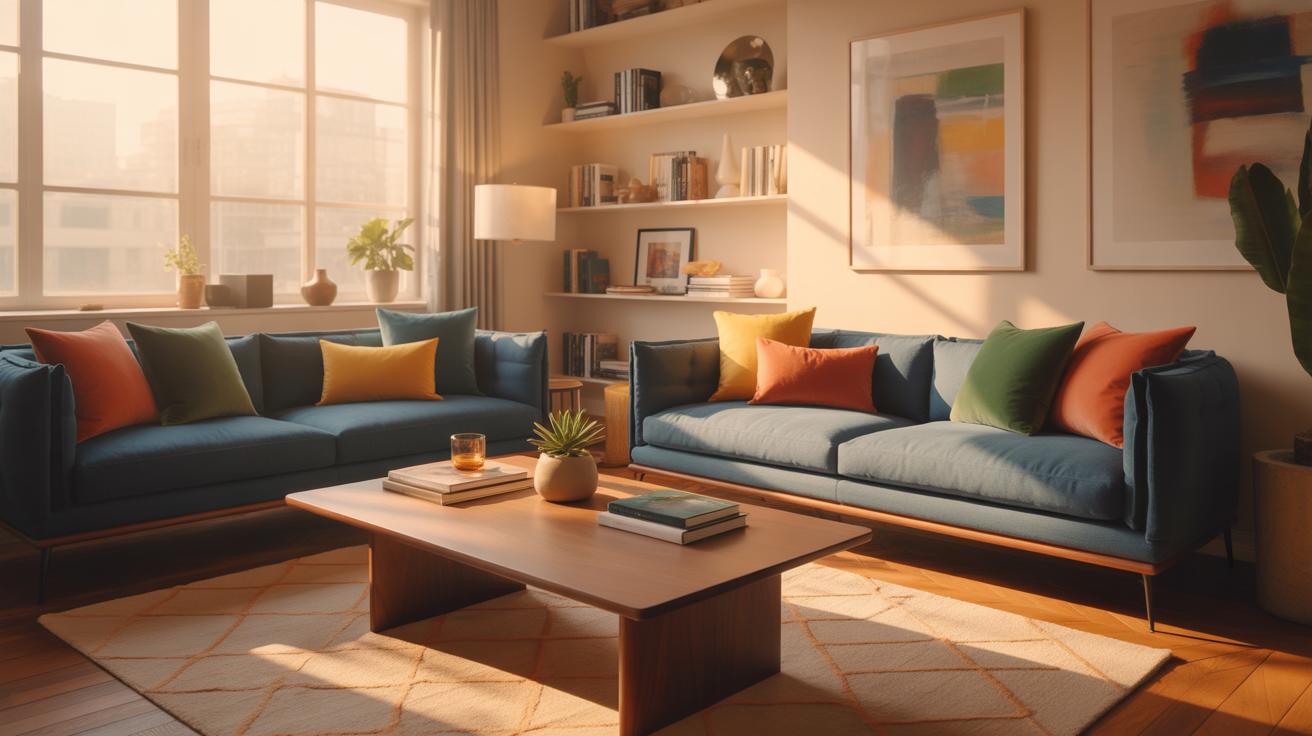
Think about furniture arrangement as placing landmarks that anchor the space. It’s less about filling every inch and more about creating purpose and comfort. Don’t rush to label every area strictly—some overlap is okay, and zones can evolve with your needs. What feels like clutter to one person might feel like a cozy, dynamic space to another.
Ask Why Layout Matters

Have you ever felt cramped or awkward in a large living room, despite all that space around you? It’s surprising how the arrangement of your furniture plays a big role in how comfortable and useful the room feels. Layout isn’t just moving pieces around randomly; it changes how you experience your living space every day.
Think about this: a well-thought-out layout can make the room feel inviting, open, and easy to navigate. But a cluttered or poorly planned setup? It might create bumps and blockages, making simple movements frustrating. When furniture is placed thoughtfully, it allows for natural pathways, so you don’t have to dodge chairs or tables constantly. This kind of flow is especially important in rectangular rooms where the length can feel like an obstacle if not managed well.
Beyond just movement, the arrangement affects the whole mood of the room. Seating grouped around a fireplace or centered around a focal point fosters conversation and warmth. In contrast, scattered or isolated furniture setups might leave the room feeling cold or disconnected. So, it really makes you wonder: are you arranging your space for function, comfort, or just to fill the emptiness?
Even small changes—like tilting a sofa or pulling a chair closer—can shift the atmosphere, making the space more relaxed or more formal. The impact of layout sneaks up on you, shaping how you feel without you always noticing. In essence, it’s less about fitting furniture and more about shaping how you live in the room.
Checklist For Furniture Arrangement
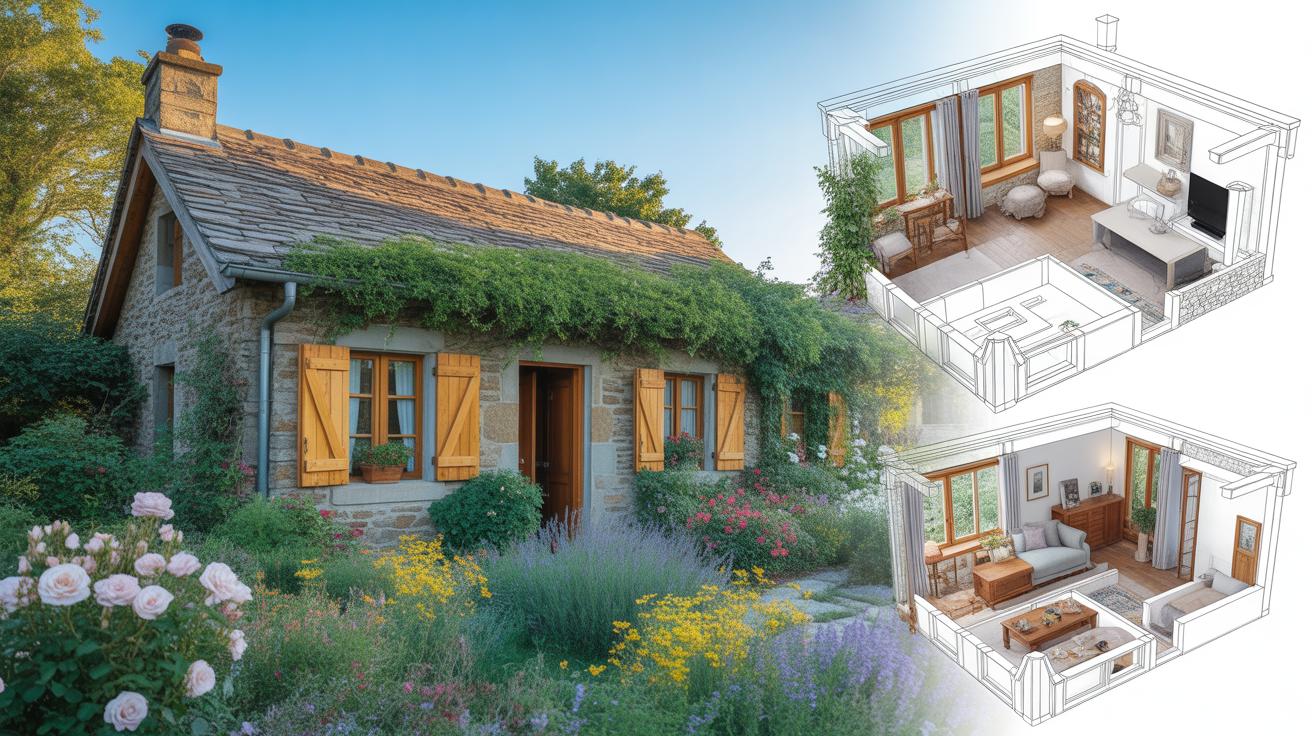
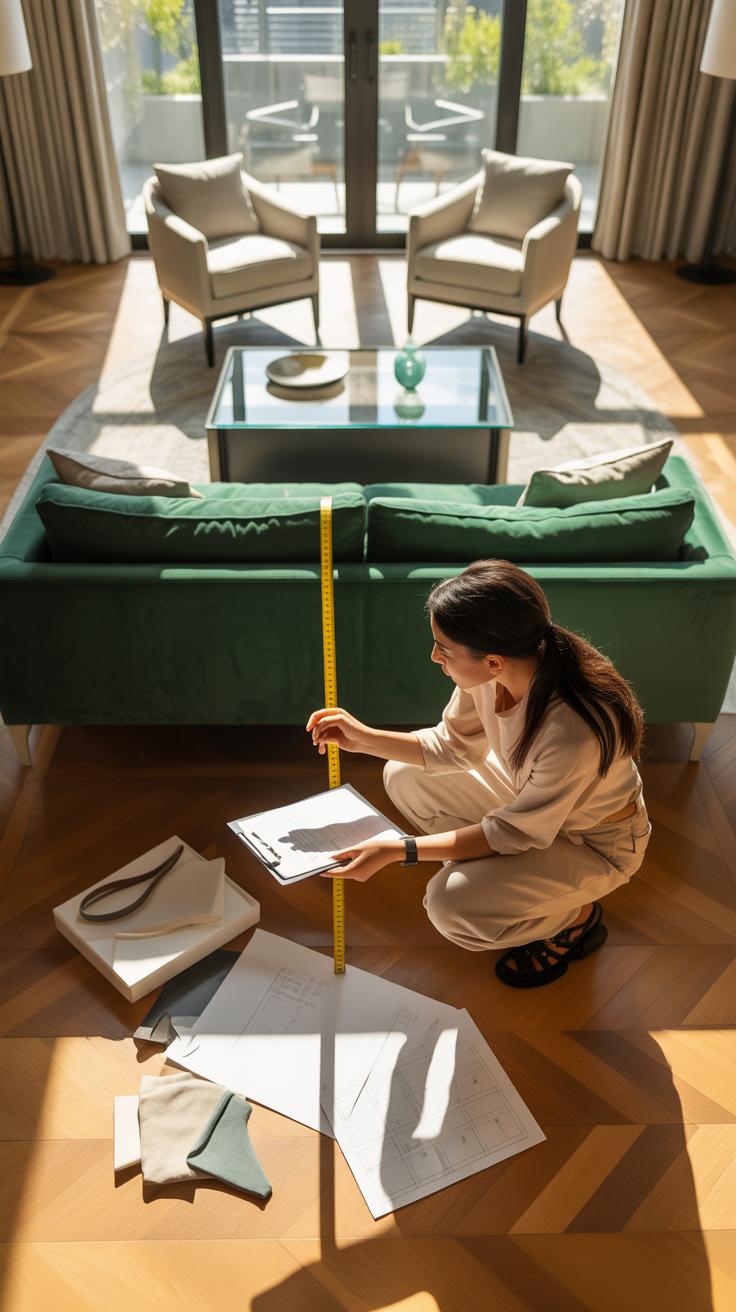
When shaping a large rectangular living room, a straightforward checklist can be your best friend. It’s not exactly rocket science, but it sure helps avoid awkward setups that make the space feel cluttered or oddly empty.
First up, measure your room. No guesswork here. Pull out a tape measure and jot down the key dimensions. You could sketch a simple floor plan on paper. It doesn’t need to be fancy, just enough to get a clear idea of where things will go before moving heavy furniture.
Next, think about the focal points in the room. What grabs your eye when you walk in? It’s usually a fireplace, big window, or even a media center. Arrange key seating around these features. This creates a natural flow and makes the room inviting rather than haphazard.
Then, consider pathways. You want smooth traffic flow without furniture blocking walkways. Keep main routes between pieces open, so it stays comfortable to move around, even with a lot of seating.
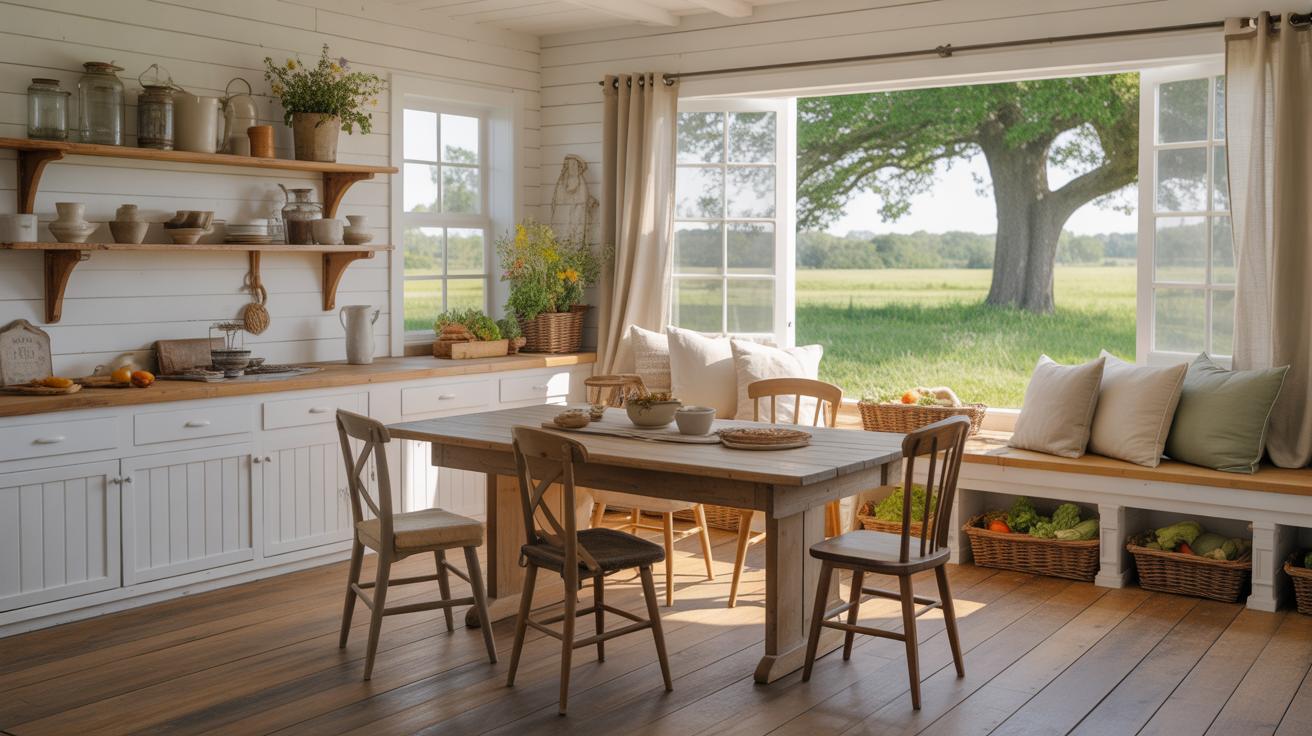
Putting these steps together may sound obvious but skipping one can mess things up. Measure, find your focal points, and keep the flow in mind—it’s often the small details that matter.
Compare Sofas Versus Sectionals
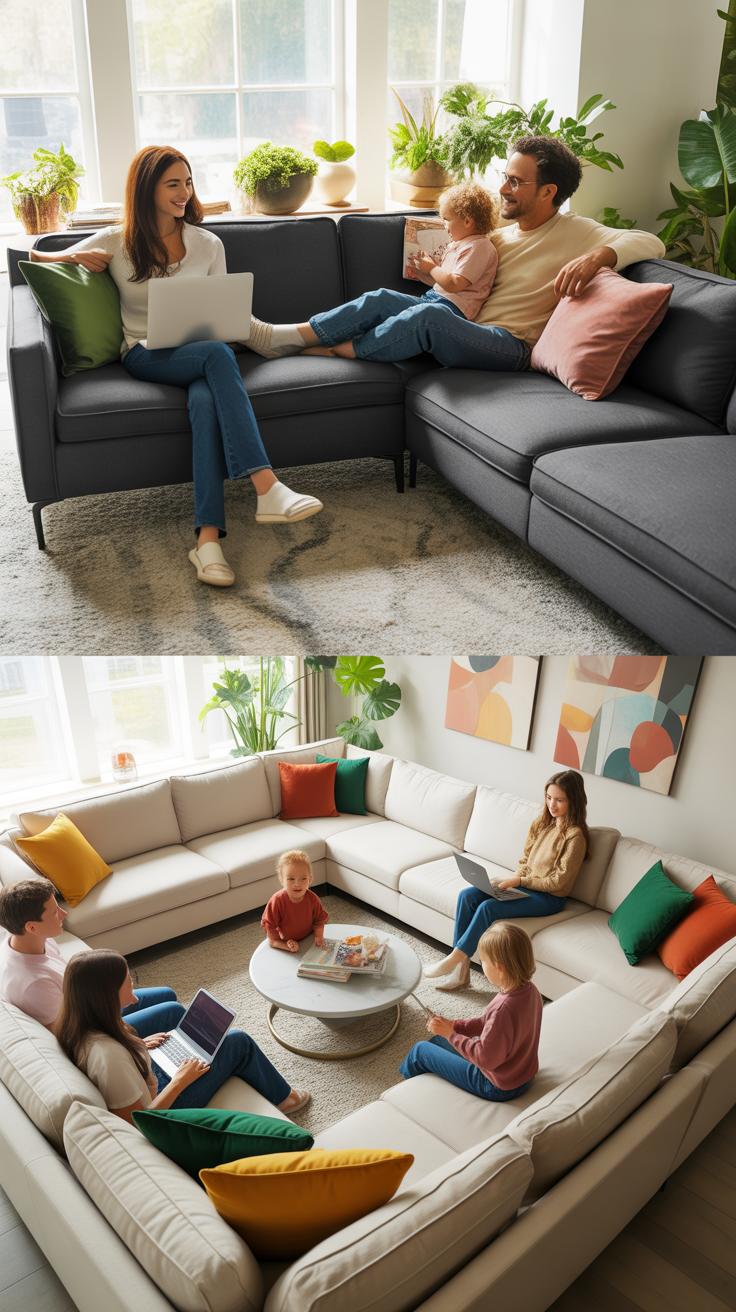
When considering furniture for a large rectangular living room, choosing between traditional sofas and sectional couches can be tricky. Sofas offer a kind of flexibility you might not immediately appreciate. You can arrange a standard sofa almost anywhere — against a wall or floating in the middle. Pair it with armchairs or ottomans, and you can shift that setup whenever the mood strikes or guests arrive. It’s like having options, which feels good in a space that might need to serve different purposes.
On the other hand, sectionals tend to anchor the room visually. They naturally carve out zones, perhaps a cozy conversation area or a media nook, by their very shape. A plus is they easily seat many people, making social gatherings less of a squeeze. Yet, that defining presence can sometimes feel imposing or limit how you use the rest of the space. It’s a trade-off: sectionals provide clear structure, but at the cost of some versatility you get with sofas. So, you might ask yourself—how often do you rearrange your furniture, and how important is flexibility versus a strong focal point? Both choices have their place; it truly depends on how you want your living room to feel and function.
Large Living Room Layout
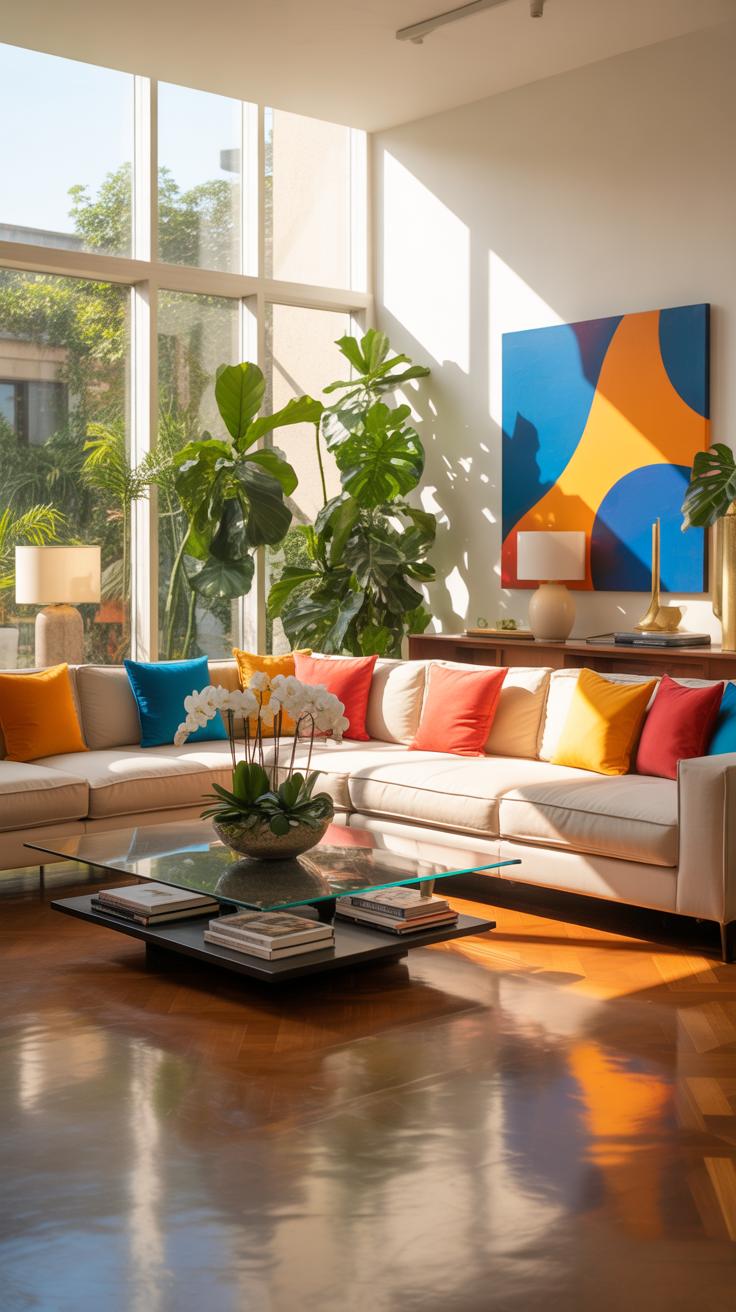
When you have a large rectangular living room, the layout can sometimes feel a bit daunting. There’s so much space that it’s easy to end up with a cold or disconnected area if you don’t plan well. But if you think about your furniture arrangement as a way to break down the large space into more intimate zones, it really changes everything.
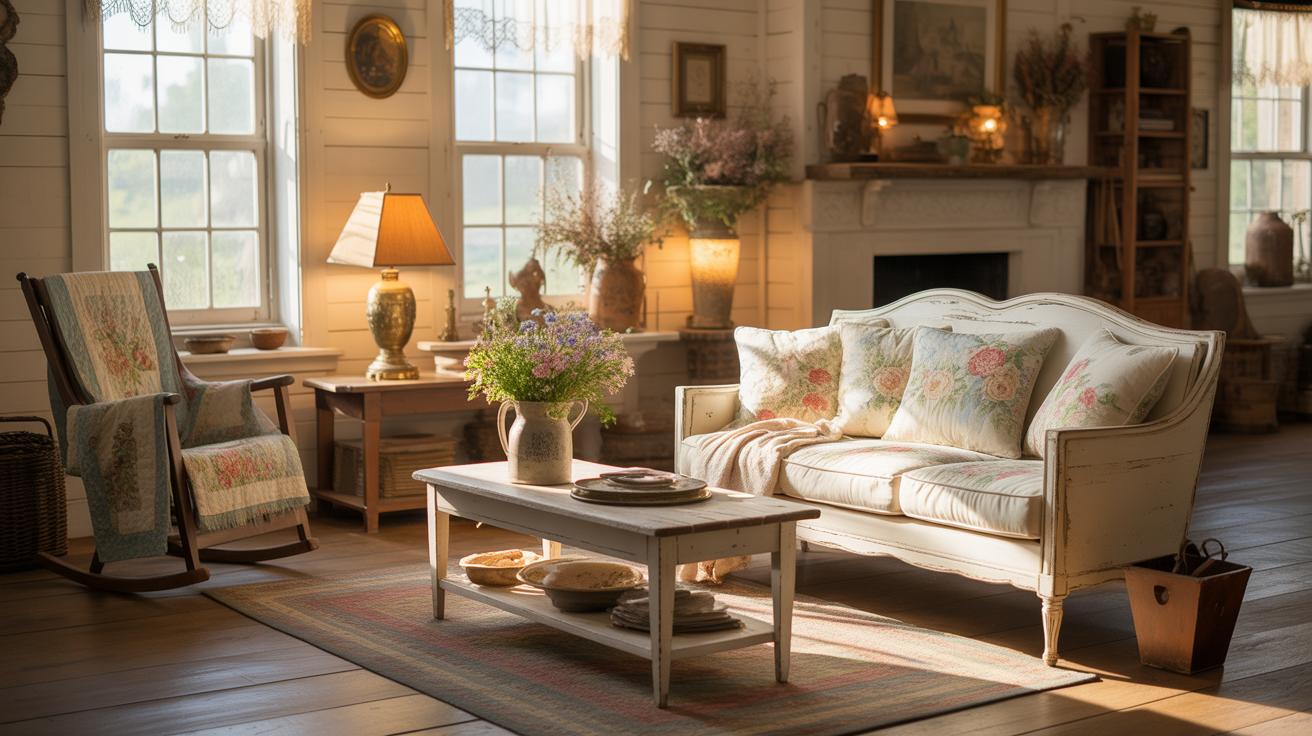
One approach I’ve found helpful is to create multiple seating areas rather than stretch one giant one across the room. These smaller areas can serve different purposes like reading, chatting, or watching TV, and they make the room feel less cavernous. Perhaps you place a sectional sofa along one long wall and then add a pair of armchairs directly facing it to foster a cozy nook.
Also, consider anchoring each seating group with an area rug. It’s surprising how rugs can visually divide a big room into welcoming parts without needing walls. You want to avoid furniture pieces floating awkwardly alone in space because that just kills the vibe.
Remember, the layout should invite movement, not hinder it. You don’t want the furniture arrangement to feel like an obstacle course. Leave paths at least 2-3 feet wide between groups and major furniture items. Not only does this allow people to wander freely, but it also keeps the flow from becoming too formal or stiff.
While designing, try standing in different spots in the room to gauge sightlines and conversational distance. Sometimes what looks perfect on paper falls flat in real life. Trust your gut about what feels natural. A large living room has potential, maybe even unexpected potential, for creating an inviting and functional social hub if you approach it thoughtfully.
Incorporate Lighting And Accessories
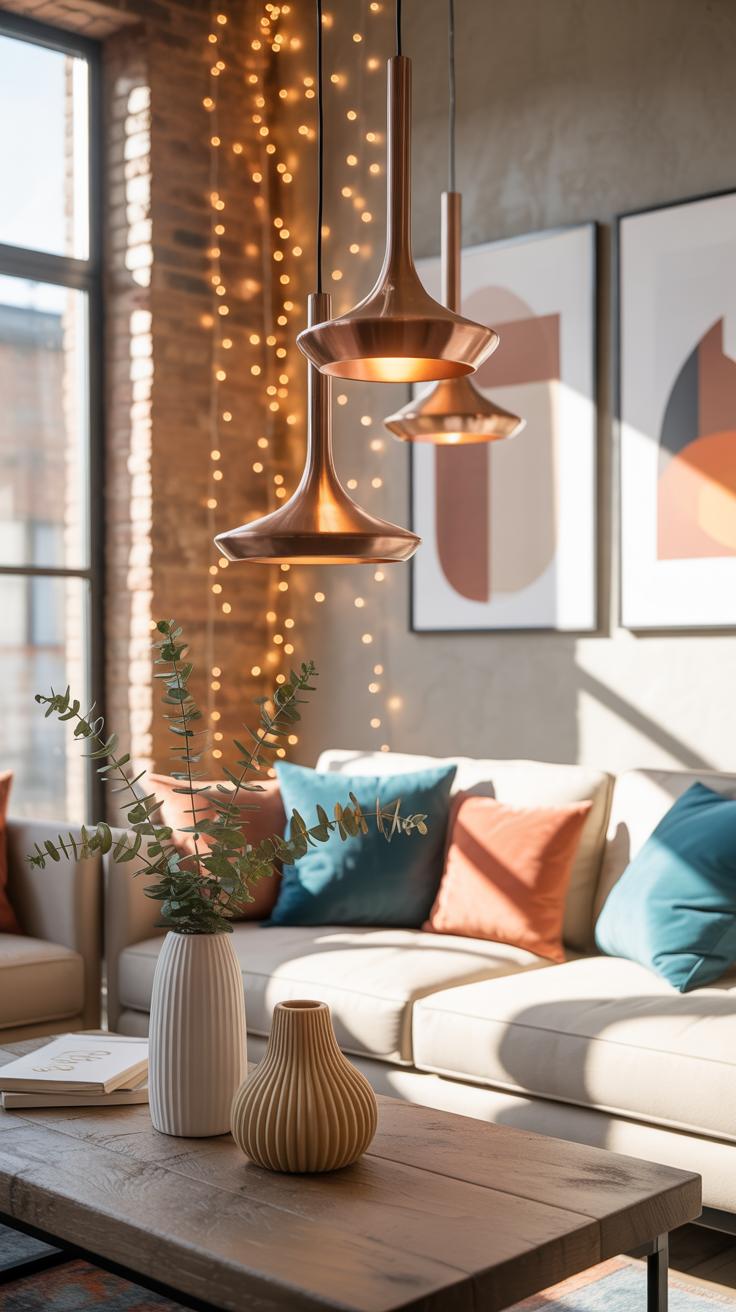
Lighting isn’t just about illumination; it shapes how you experience your living room. Within a large rectangular space, lighting can emphasize the layout by defining distinct zones, accommodating varied activities. It might feel a bit overwhelming to juggle all the lighting choices, but a layered approach helps balance functionality and ambiance.
Use Layered Lighting
Think of combining overhead lights, task lamps, and accent lighting. Overhead fixtures provide general illumination, setting the base tone. Task lighting, like reading lamps, supports focused activities. Meanwhile, accent lights highlight architectural features or décor elements, drawing attention where you want it most. This mix lets you easily switch moods and purposes without relying on harsh overhead glare all the time.
Add Personal Touches
Beyond lighting, your accessories give your room personality and warmth. Art on the walls can anchor spaces, plants add life and freshness, while soft textiles like rugs, curtains, and cushions bring comfort. These details don’t just fill space; they make the room inviting. Sometimes I find the simplest vase or a cozy throw changes the whole feel unexpectedly. So, don’t hesitate to bring in items that resonate with your style.
Example Layouts For Inspiration

When arranging furniture in a large rectangular living room, real-life examples can be surprisingly useful to spark ideas. Imagine a space divided smartly into zones — perhaps a seating area anchored by a plush sofa facing a media console on one end, and a cozy reading nook with an armchair and a lamp on the other. This works well to harness the room’s length while maintaining intimacy in each corner.
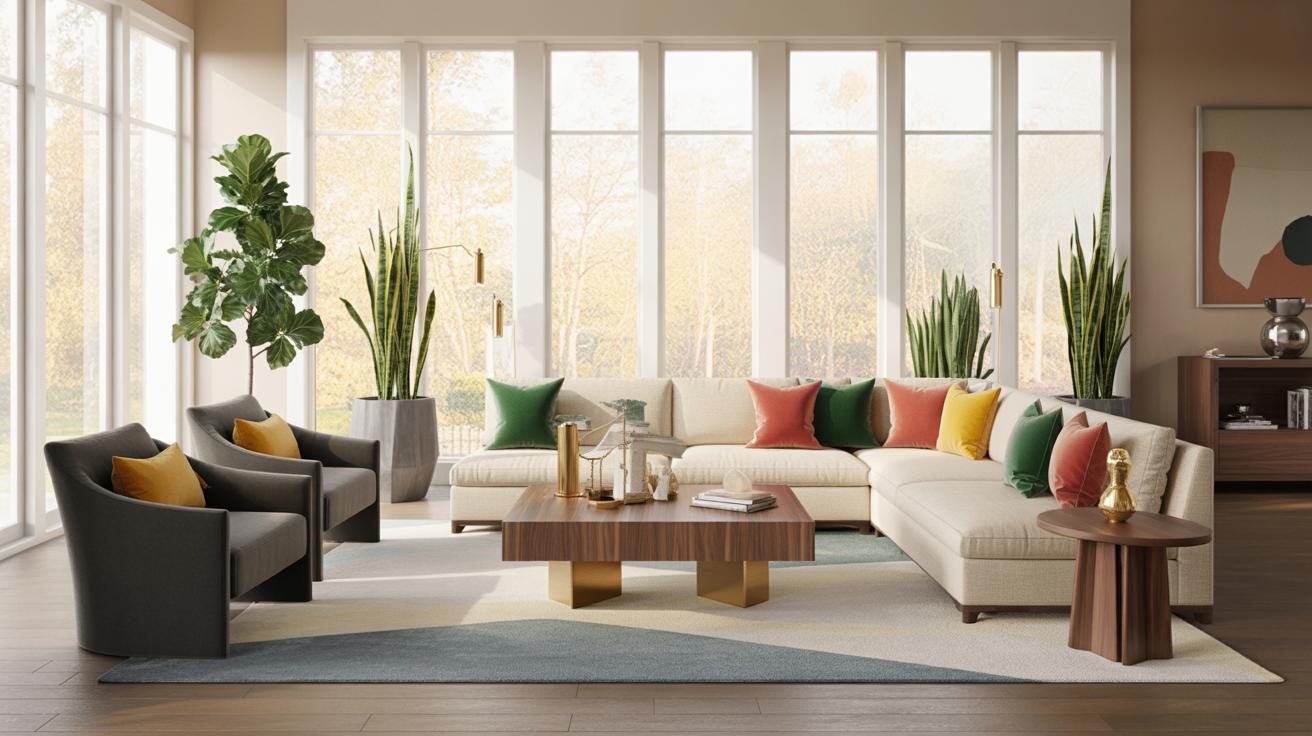
Another layout places a long sectional sofa parallel to the longer wall, paired with a pair of accent chairs opposite. Adding a large rug under these key pieces ground the setup, making the room feel cohesive despite its size. Placement of coffee and side tables near these seats enhances functionality without crowding.
Sometimes, a floating furniture arrangement works best, with pieces pulled away from walls to create natural flow paths around them, encouraging movement and conversation. Experimenting with symmetry or asymmetry can give you clues about what feels right and suits your lifestyle. You might want to test some of these on paper or using design apps before committing.
Formal Versus Casual Space
Large rectangular rooms can be either polished or laid-back, and the furniture arrangement strongly influences this vibe. A formal setup often involves symmetry: matching sofas facing each other, a centered coffee table, and balanced art or lighting flanking the walls. This kind of layout encourages structured conversations and looks appropriately curated for guests.
In contrast, a casual layout often prioritizes comfort and flexibility. Sofas and chairs may be arranged in a loose semicircle without precise alignment, allowing people to move around freely or even recline. Coffee tables might be replaced with ottomans or poufs for a softer, more inviting feel. This setup fits families or frequent entertainers well, as it adapts easily to different group sizes and uses.
You might wonder which approach suits your living style better: the neat formality that impresses visitors or the relaxed informality that welcomes everyday use? There’s no single right answer—some rooms might even blend these characteristics, with formal pieces softened by casual accents and textiles.
Open Flow Layout Example
One interesting way to arrange a large rectangular living room is with an open flow layout. Here, furniture placement deliberately promotes unimpeded movement through the room and supports multiple uses. For example, a sectional couch might anchor the living area but not block pathways, while side tables and accent chairs remain movable, creating a flexible environment.
This kind of layout works well when your living room connects to dining or kitchen spaces without solid partitions. By orienting furniture to define but not enclose areas, you maintain a sense of openness. It’s practical too—for instance, kids can play on the floor in the uncovered space, or you can easily host a dance party with furniture shifted aside.
While this design fosters an airy and versatile feel, keep in mind some may find it lacks the coziness of more contained setups. It might particularly suit those who prefer a dynamic room that evolves with their needs over time.
Conclusions
Designing a large rectangular living room requires thoughtful planning to balance aesthetics and functionality. Choosing suitable furniture that fits well with the shape while allowing easy movement is key. Establishing separate zones within the space can provide versatile areas for different activities and make the room feel cohesive.
By applying the strategies covered, you can arrange your living room to be inviting and practical. With careful selection and placement of furniture, your large living room will become a comfortable hub for family time and entertaining guests, fully utilizing the space you have.