
Introduction
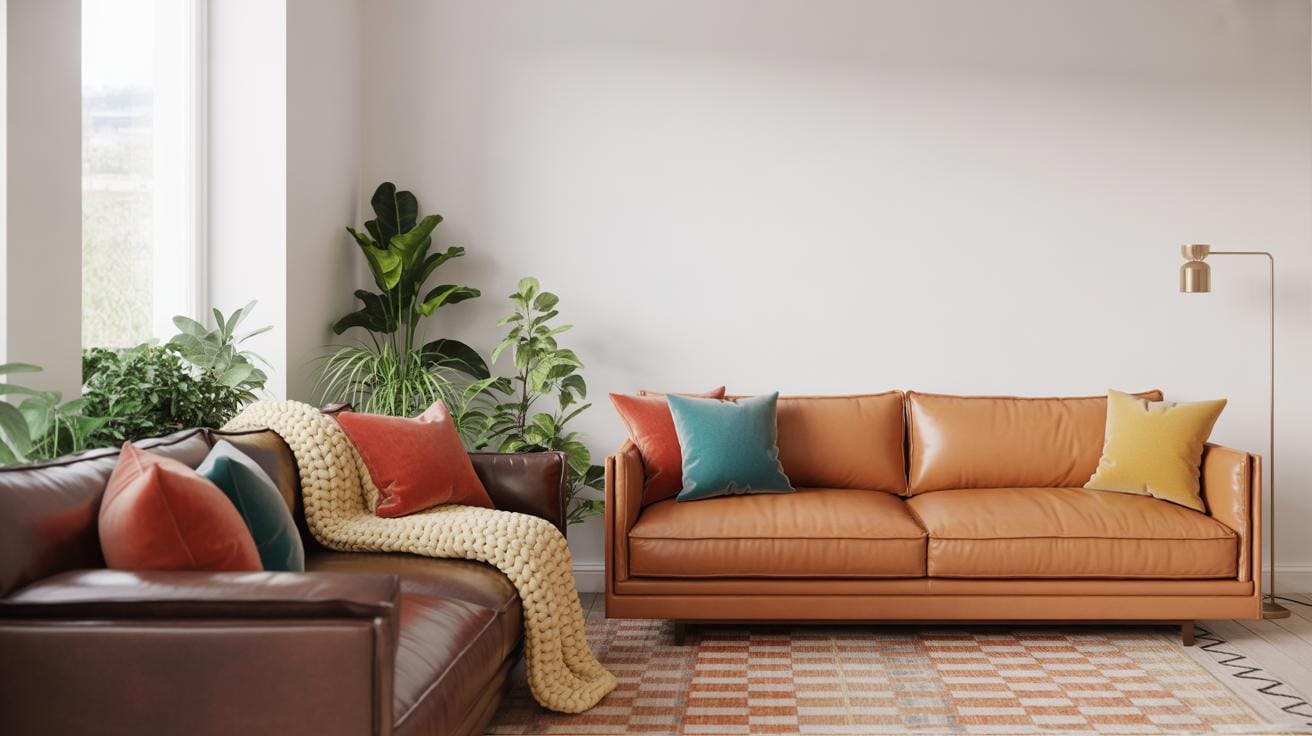
Living room decor with a brown couch is a popular choice for many home interiors. When paired with a white living room and tan sofa, it creates a clean and warm space that feels welcoming and stylish. These color combinations mix neutrality with a touch of earthiness, making your living area visually balanced and comfortable.
This article covers practical ideas for decorating a living room featuring a brown couch alongside white walls and a tan sofa. You will find helpful tips on color matching, furniture layout, accessory choices, and lighting to make your space attractive. Discover ways to highlight your brown couch and enhance your overall living room decor with simple steps you can apply easily at home.
Choosing Brown Couch For White Living Room
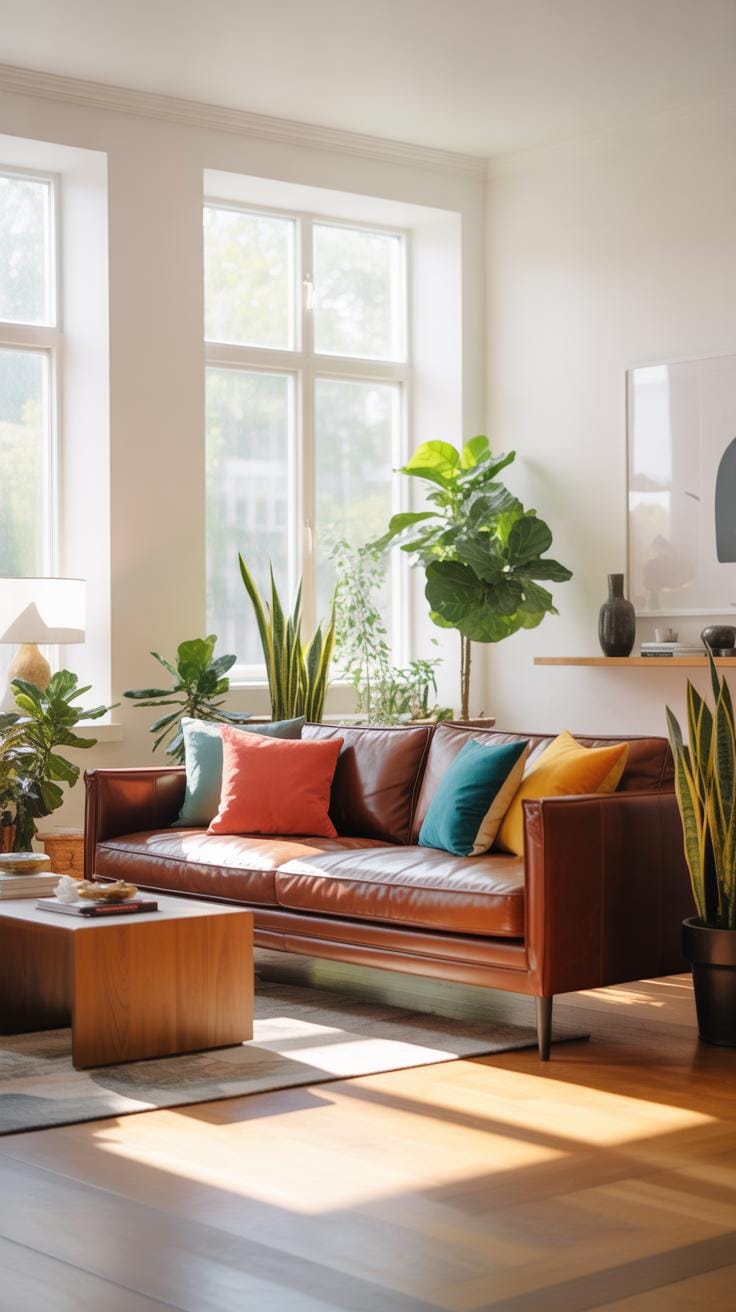
When placing a brown couch in a white living room, the effect is often quite striking. Brown, being a rich and earthy tone, provides a visual anchor against the brightness of white walls or décor. This contrast draws the eye and creates a sense of depth in the space. It’s like the room suddenly gains structure, avoiding a flat or washed-out feel. I’ve noticed that brown couches often bring a certain warmth to rooms dominated by white, which can sometimes feel too sterile or cold on their own.

Brown also tends to be forgiving for furniture — it hides stains or wear better than many lighter colors, making it practical for busy households. Common materials for brown couches include leather, suede, and various weaves of fabric, each with its own texture that influences the room’s overall feel. Finishes can vary from matte and natural to glossy and polished, all of which can subtly shift the room’s mood.
Perhaps brown’s strength lies in its natural association with wood and earth, adding a grounded feel to a white, bright space. This pairing manages to balance lightness with solidity, creating a spot that feels both fresh and comfortably rooted.
Why Brown Couch Works With White Walls
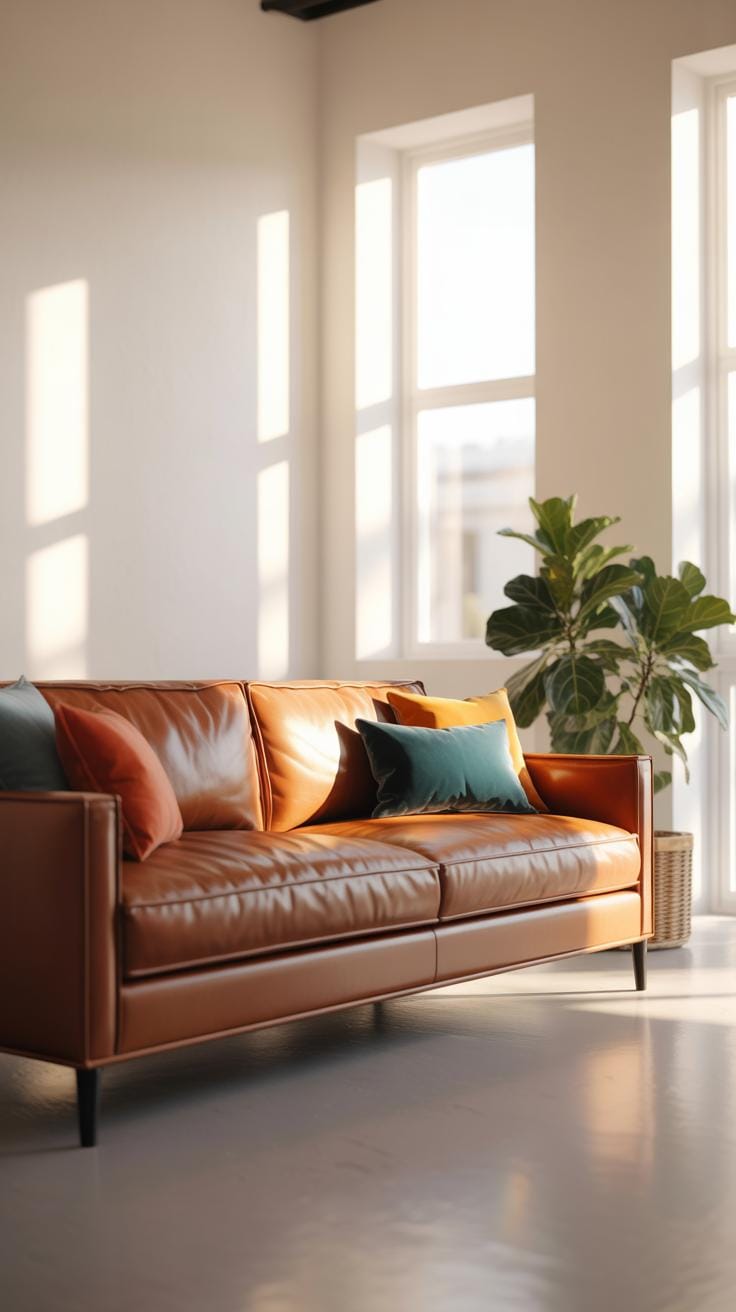
In terms of color theory, pairing brown furniture with white walls is intriguing. White is often seen as pure and clean, while brown conveys solidity and warmth — almost like a visual handshake between freshness and comfort. When you think about it, white can brighten and open a room, but without some darker elements like brown furniture, the room risks appearing clinical or impersonal. That brown couch provides just enough depth to prevent that.
This combination works across various design styles. In rustic themes, it enhances the earthy, cozy vibe. In modern or minimalist interiors, brown furniture can soften the starkness without overpowering the simplicity. I remember seeing a mid-century living room where the white walls highlighted a brown leather couch, making the entire space feel welcoming without clutter.

So, color-wise, it’s a little like yin and yang—two opposites that create a satisfying whole. Brown against white makes the space feel warm yet clean, precise yet inviting.
Best Tan Sofa Designs To Match Brown Couch

Finding a tan sofa to complement a brown couch in a white room opens up interesting possibilities. A tan sofa usually offers a lighter, softer counterpart to the darker brown, allowing the space to breathe without feeling too heavy or monotonous. Look for designs with subtle texture—maybe a linen blend or a soft suede—to contrast with the smoother surface of a leather brown couch.
Shape matters here, too. A tan sofa with clean, modern lines pairs well with a more traditional brown couch, balancing old and new. Or, for a cozy, layered look, a plush tan sectional next to a structured brown sofa might work. If your brown couch is leather, a fabric tan sofa can add a tactile difference that keeps things visually interesting.
When arranging these pieces, try to think about how textures and tones interact: soft with firm, matte with glossy. This way, your white living room becomes a canvas for a nuanced, lived-in look—fitting yet unexpected. What’s most important is how these pieces feel to you; do they invite relaxation or spark conversation? The answer could shape your ultimate choice.
Lighting Setup For Brown Couch Spaces


Choosing the right lighting in a room with a brown couch and white walls can be quite the balancing act. Natural light often works great to bring out the rich, earthy tones of the couch without washing it out or creating dull shadows. But if the room lacks enough daylight or you want to set a cozy atmosphere in the evening, that’s when artificial lighting steps in. The challenge? Avoiding glare on the couch, especially if the fabric has a slight sheen.
When setting lamps around your brown sofa, I think you should consider placement carefully to avoid harsh shadows and reflections. A mix of light sources often works best: a central ceiling light for general illumination, paired with floor or table lamps that provide softer, focused light. Avoid putting lamps directly behind or too close to the couch since that can cause reflections or hotspots.
Natural Lighting Benefits For Brown Living Rooms
Rooms with brown couches and white walls tend to benefit from natural light because it softly brightens the space without clashing with the warm tones. Sunlight through windows can make the couch inviting and bring out the depth in the brown fabric. I’ve noticed that sheer curtains work well here—they filter harsh light while still letting in plenty of brightness, which keeps the room feeling airy but grounded.
Furniture placement can also influence how natural light is used. Placing the brown couch near a window can help it soak up the daylight, but be mindful of direct sun exposure which might fade fabrics over time. Sometimes, angling the couch slightly away from the window helps the light envelope the room delicately, enhancing both the white walls and the brown sofa without overwhelming either.
Selecting Lamps That Highlight Brown Furniture
When it comes to artificial lighting for brown couches, the goal is to add warmth and focus without making the space feel too dark or too stark. Here are some lamp types worth considering:
- Warm-tone LED bulbs (around 2700K to 3000K) to complement the earthy hues
- Table lamps with fabric shades that soften light and create cozy pools of illumination
- Floor lamps with adjustable arms that let you direct light where it’s needed
- Wall sconces for indirect lighting that won’t compete with the sofa’s color

Personally, I favor bulbs that provide a soft glow over very bright or cool-toned LEDs. The warmth makes the brown couch feel inviting and enhances the texture rather than flattening it. Also, think about positioning lamps near the couch sides or corners but not shining directly into eyes or creating glare across the seating area. That way, your lighting accentuates rather than overwhelms the brown couch in the white living room.
Accessory Choices To Enhance Brown Couch

When thinking about accessories for a brown couch in a white living room with a tan sofa, it’s easy to get caught up in matching colors, but materials and placement deserve as much attention.
For pillows and throws, textures like linen, velvet, or even lightly woven cotton can contrast nicely with leather or suede couches—something about mixing soft and slightly rougher textures really creates an inviting feel. Pattern-wise, you might lean towards subtle geometrics or natural motifs, as loud prints can overshadow the couch’s earthy tones. I’ve noticed that placing pillows asymmetrically—more on one side than the other—adds a casual, lived-in look.
Rugs play an important role too. I’d suggest low-pile rugs with a mix of tans, cream, or muted greens to echo colors in the sofa and walls, while not competing with the brown. Something too dark can weigh the room down, so keep the palette light but varied.

And art? It’s tricky because you want pieces that don’t get lost on white walls or fade against the tan sofa. I prefer art with natural elements—landscapes, abstracts with organic shapes, or textured mixed media—that introduces depth without demanding attention. Mirrors or metal accents add a reflective touch that balances the warm brown tones of the couch subtly.
Placement-wise, think about grouping decor in odd numbers, maybe three items on a side table or wall, to avoid a sterile, overly planned atmosphere. Accessories are not just decoration—they influence how comfy and personalized the space feels.
Furniture Arrangement Around Brown Couch

Arranging your furniture around a brown couch in a white living room is a bit like solving a puzzle with some freedom. Start by placing the brown couch as a centerpiece — it naturally draws the eye and grounds the room. Position the tan sofa opposite or adjacent to it to create a cozy conversation zone. You might want to add a coffee table between them, but make sure to leave enough room for easy movement — about 18 inches works well. Consider how you enter and move around the room; avoid blocking pathways. If you have extra chairs, place them at angles rather than perfectly parallel to keep the space inviting. Don’t forget to think about lighting. A floor lamp near the sofa or couch can add warmth and highlight your arrangement.
Checklist For Living Room Layout Planning
Before moving furniture, measure your room carefully. Check the dimensions of the brown couch and tan sofa, then compare them with the available space. Identify the room’s focal point — maybe a fireplace or a large window — and orient seating towards it. Plan traffic flow by imagining the path people will take moving in and out of the room, leaving clear walkways. Also, consider the scale and proportion of each furniture piece. Will the brown couch overpower a small space or will it balance larger areas? Lighting, outlets, and access to side tables are details you shouldn’t overlook. Double-check these points before finalizing your layout.
Example Layouts With Brown Couch And Tan Sofa

In a rectangular room, position the brown couch along the longer wall, with the tan sofa facing it to create a natural conversation zone. Add a rug and a coffee table to anchor the space. For square rooms, try an L-shaped configuration with the brown couch and tan sofa forming the corner — it invites intimate gatherings. Smaller spaces may benefit from floating the brown couch away from walls, with the tan sofa opposite, to keep the area open. Don’t be afraid to experiment. Sometimes pushing the tan sofa diagonally or slightly offset adds energy to the room. It might feel a little unconventional, but it works.
Cleaning And Maintaining Brown Couch

Taking care of your brown couch is key to keeping that cozy vibe alive, especially in a white living room where contrast makes every mark stand out. Different fabrics need different approaches. For example, leather can be wiped with a damp cloth and conditioned occasionally to avoid cracking. Fabric couches—think cotton or linen blends—might need vacuuming with an upholstery attachment to catch dust and crumbs before they settle. Velvet, a bit more delicate, calls for gentle brushing to maintain its plush texture.
Protecting your couch from wear isn’t just about cleaning—think about daily habits that can help. Sitting in different spots regularly prevents certain areas from becoming too worn. If your brown couch neighbors the tan sofa, rotating cushions between the two can subtly even out wear over time, keeping both looking fresher longer. But with a crisp white room, preventing spills and stains upfront is just as crucial as the cleaning itself. Throw blankets or slipcovers could be a quiet but effective addition to shield the couch, especially if kids or pets frequent your space.
You might wonder if routine care is too much hassle, but daily quick fixes help avoid those stubborn spots that truly challenge the couch’s look. For fabrics, sometimes just a quick brush or swipe can make the difference. Isn’t it curious how simple steps can hold off bigger messes? And when it comes to stains, spot cleaning tailored to the fabric type is your best friend—avoiding harsh chemicals that could bleach or damage the brown tone while preserving the white surroundings crisp and inviting.
Living Room Decor Brown Couch


When it comes to living room decor featuring a brown couch, it’s a choice that often lends warmth and grounding to a space dominated by white walls. Brown couches bring an earthy element that can contrast nicely with the brightness of white, creating a balance between light and depth. But this doesn’t mean it’s a foolproof pairing.
Brown comes in so many shades: chocolate, mocha, caramel, each one setting a different mood. A darker, chocolate brown couch might feel a bit heavy in a white room and could make the space appear smaller if not balanced with lighter accessories.
On the flip side, a lighter brown couch can blend seamlessly but risks looking washed out if the surrounding decor lacks contrast. Comfort-wise, brown couches often come upholstered in sturdy materials, making them practical for family spaces—though they might absorb heat, which is something to consider depending on your climate.
One challenge is keeping the brown couch from becoming a visual “dead zone.” You might want to add throw pillows or blankets in lively colors or patterns. This breaks up the monotony and breathes life into your white living room.
Sometimes, I’ve noticed, folks overlook the texture of the couch’s fabric when picking the perfect shade of brown. A suede finish gives off a cozy vibe but demands more care, while leather can elevate the room but may crack or feel cold. Do you prioritize ease of maintenance, or are you seeking that plush feel? It’s a subtle choice but worth pondering.
Ultimately, a brown couch in a white living room is versatile. It can serve as a strong anchor piece that adapts to both minimalistic and eclectic styles. But, the key lies in how you play with textures and complementary hues around it. What’s your usual approach to balancing furniture pieces in rooms with abundant white?
Budget Friendly Decor Ideas For Brown Couch

When decorating around your brown couch and tan sofa in a white living room, staying on budget doesn’t mean sacrificing style. You might consider simple additions and tweaks that create warmth and interest without emptying your wallet. Here’s a checklist to get you started:
- Start with affordable textiles. Pillows or throws in neutral tones or subtle patterns can tie the space together and soften the furniture’s solid brown and tan hues.
- Look for curtains and rugs at discount home goods stores or online sales. Cotton or linen curtains in light shades keep the room airy, while affordable rugs with simple designs anchor the seating area.
- Consider DIY art—perhaps create your own framed prints or abstract paintings with supplies from a craft store. This personal touch can add color and break up the monotony of white walls.
- Put a fresh coat of paint on a thrifted side table or a wooden stool. A pop of color or a distressed finish can introduce character and serve as a conversation piece.
- Use mismatched, inexpensive baskets or storage bins to keep the area tidy and add texture.
Sometimes, a few small, budget-friendly changes make a bigger impact than a complete redesign. Have you tried repurposing ordinary items or adding handmade touches? It adds personality and prevents the space from feeling too polished or impersonal. So, get creative without worrying about the cost—your brown couch and tan sofa deserve a stylish backdrop that’s budget conscious.
Common Mistakes To Avoid With Brown Couch Decor
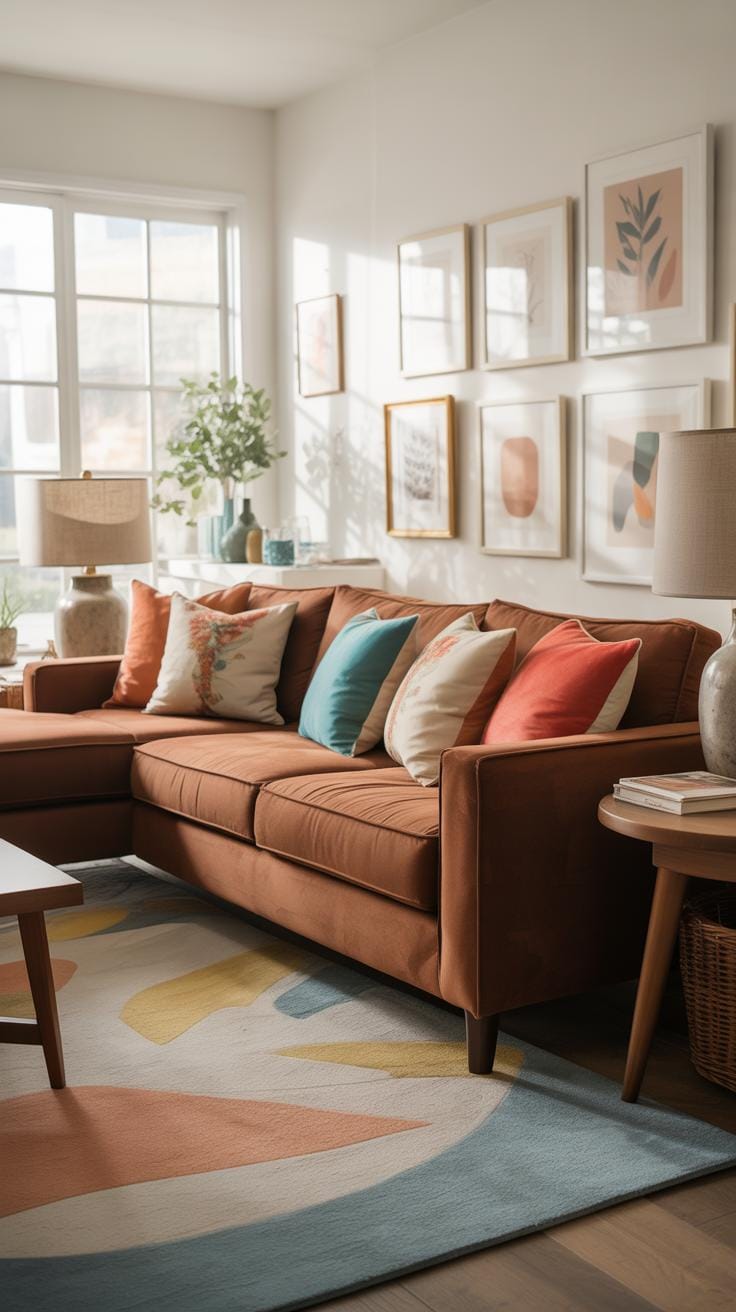
Mistakes In Color Matching And Lighting
One frequent mistake when styling a brown couch in a white living room is overloading the space with dark tones. People tend to add numerous deep colors around the sofa thinking it will create a cozy vibe, but it often ends up heavy and gloomy. The brown couch loses its charm amid too many saturated hues. Instead, balance is key—consider introducing lighter, complementary colors or soft pastels that breathe life into the scene.
Lighting is another tricky area. A brown couch can sometimes absorb rather than reflect light, making the room appear less inviting if there’s insufficient illumination. Avoid relying solely on overhead lights. Incorporate layered lighting such as floor lamps or table lamps to brighten the corners and highlight the couch’s warm tone. If the room feels dim, consider rearranging light sources to eliminate shadows near the seating area.
Furniture Placement Errors That Block Space
Many fall into the trap of crowding brown couches with bulky furniture pieces nearby. The room instantly feels cramped, hard to navigate, and less relaxing. For example, placing a large coffee table too close to the sofa or pushing side chairs flush against it kills flow and comfort. You want to allow enough breathing room—to move around without bumping into furniture.
When arranging furniture, think about natural pathways and how you and your visitors will move through the room. Leave spaces between pieces and resist squeezing in extras that serve little functional or aesthetic purpose. An open layout not only looks better but also lets the brown couch stand out as a centerpiece, without overwhelming or stifling the room’s openness.
Conclusions
Decorating a living room with a brown couch, white walls, and tan sofa offers versatile style options. You can combine furniture, colors, and accessories in ways that suit your taste and space size. This approach delivers a cozy atmosphere with clean visual appeal, perfect for relaxing or entertaining guests.
By carefully selecting matching elements such as pillows, rugs, and lighting, you can elevate your living room design while keeping it practical. Use the tips from this article as a guide to organize your space and enjoy your brown couch as a key piece of your home decor.