
Introduction
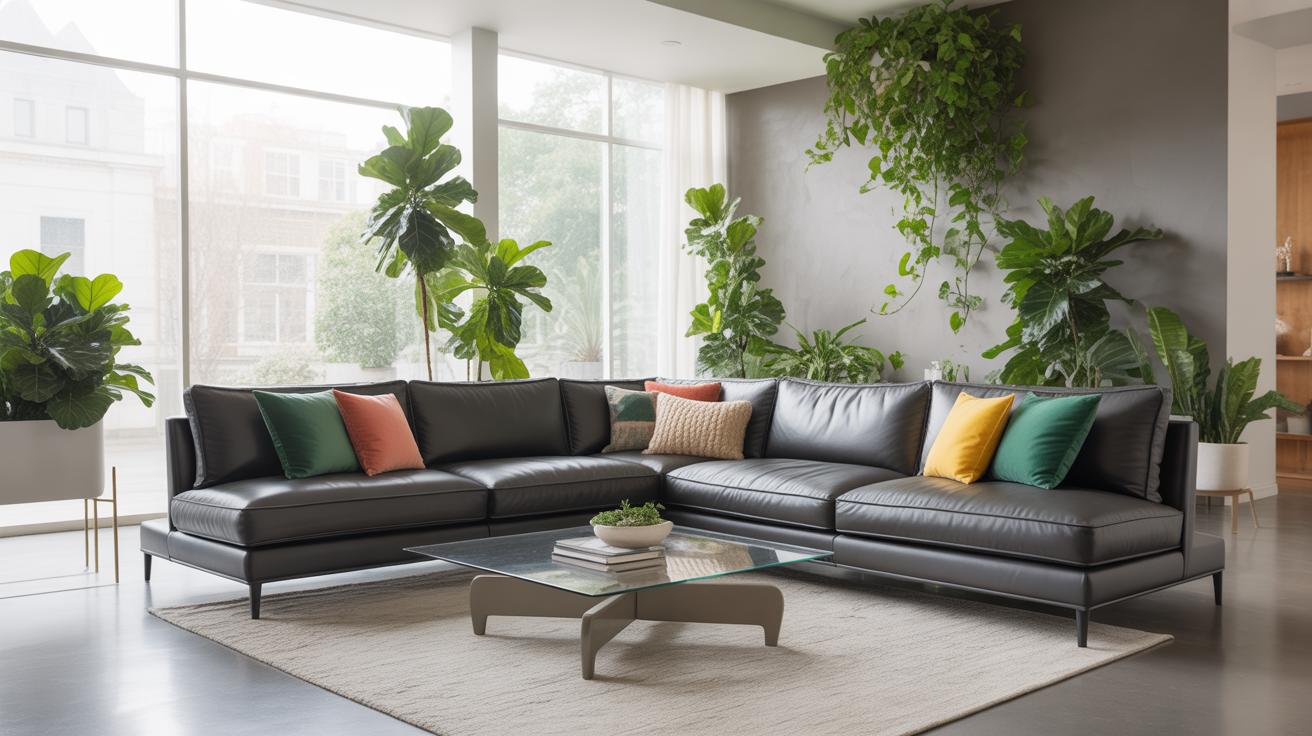
If you want to refresh your home with a modern, calm, and stylish look, living room grey is a great choice. Grey is a neutral color that fits almost any style and creates a peaceful atmosphere. This article covers ideas for living room grey with a stylish grey sofa to inspire your room makeover.
We will explore how to select the right grey sofa, bring grey elements into your living space, and create a balanced and warm environment. These tips will help you make your living room a cozy, attractive spot where you and your guests will enjoy spending time.
Living Room Grey Design Benefits
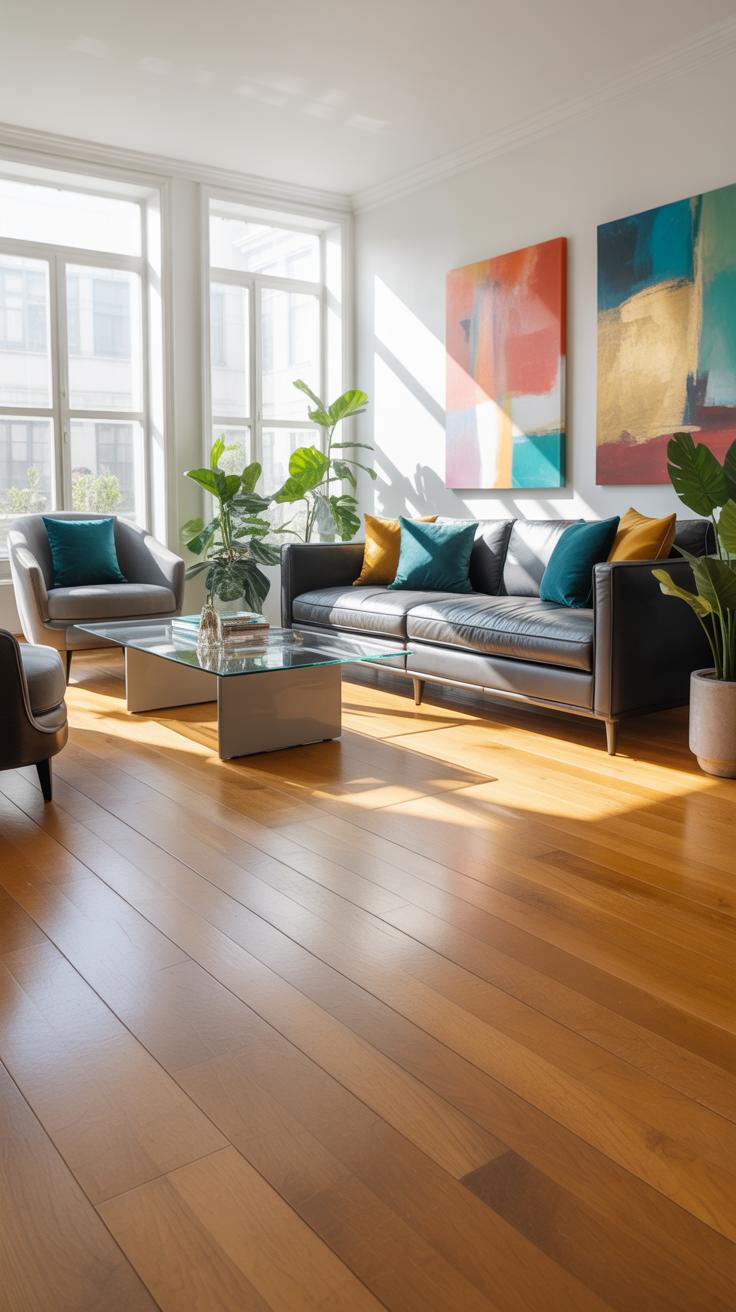
Living room grey design centers on using various shades of grey as the primary color palette for the space where you relax and entertain. It’s not just about painting walls grey or choosing a grey sofa; it’s about creating a harmonious environment that balances tone and texture.
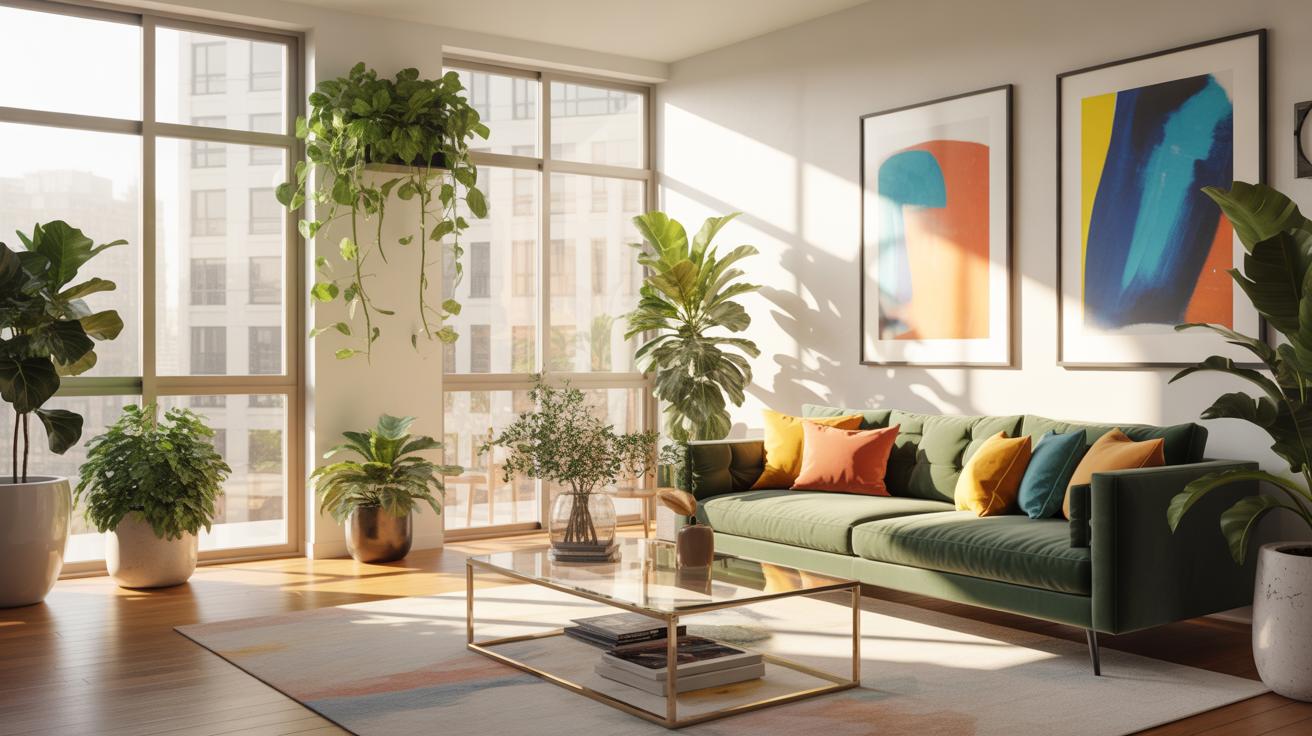
One key benefit is calmness—grey tones can mute the noise of brighter colors, making the space feel peaceful. It’s like the room takes a breath, offering a soothing backdrop. This quiet quality makes grey an excellent choice for unwinding.
Flexibility is another advantage. Grey adapts easily to different styles and accents. You can pair it with vibrant colors for energy or with softer shades for subtlety. This versatility lets your living room evolve as your tastes or needs change—perhaps that’s why so many designers favor it.
And style? Grey has a timeless character that lends a modern, chic vibe without feeling cold or sterile. It strikes that balance between contemporary and classic, often elevating the whole room’s appearance. So while it may seem neutral at first glance, it’s quietly stylish and endlessly adaptable.
Why Grey Suits Any Living Room
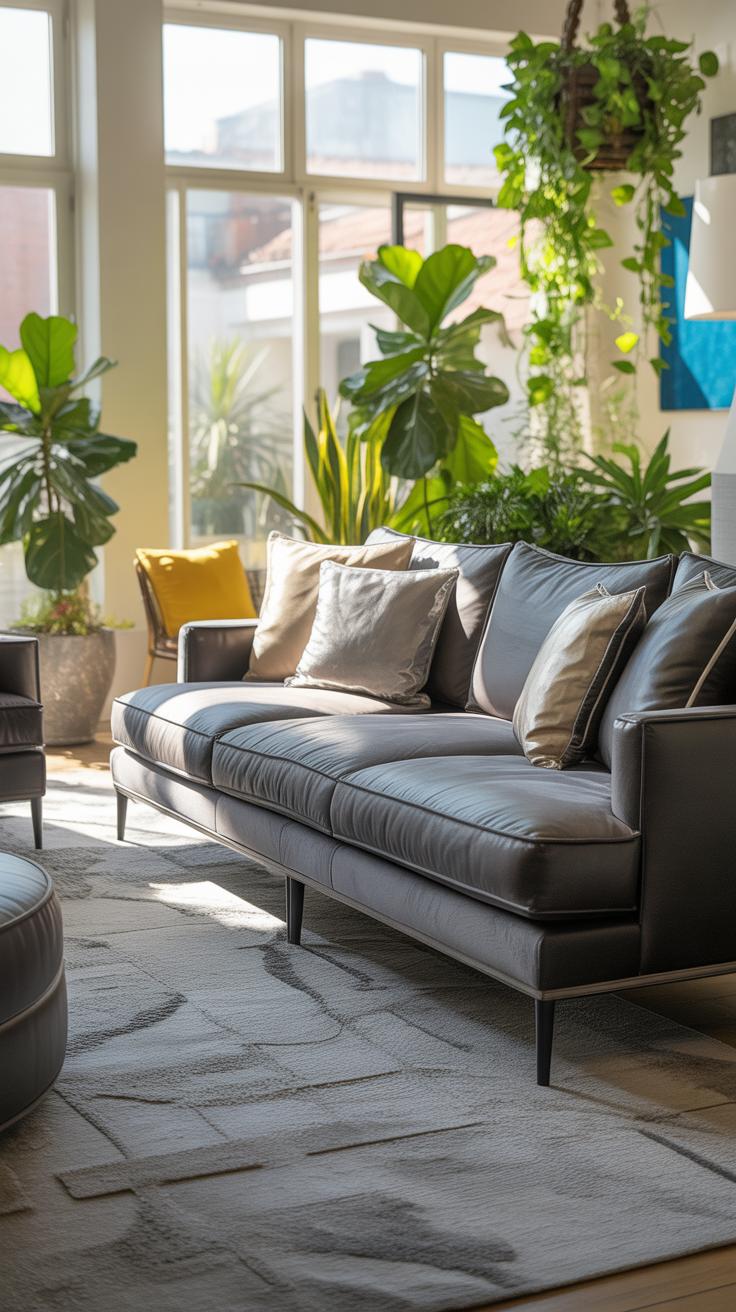
Grey works well in living rooms of all sizes and styles because it doesn’t demand attention but offers a solid foundation. It’s like a neutral canvas that complements rather than competes with other elements, which allows furniture, artwork, and accessories to shine.
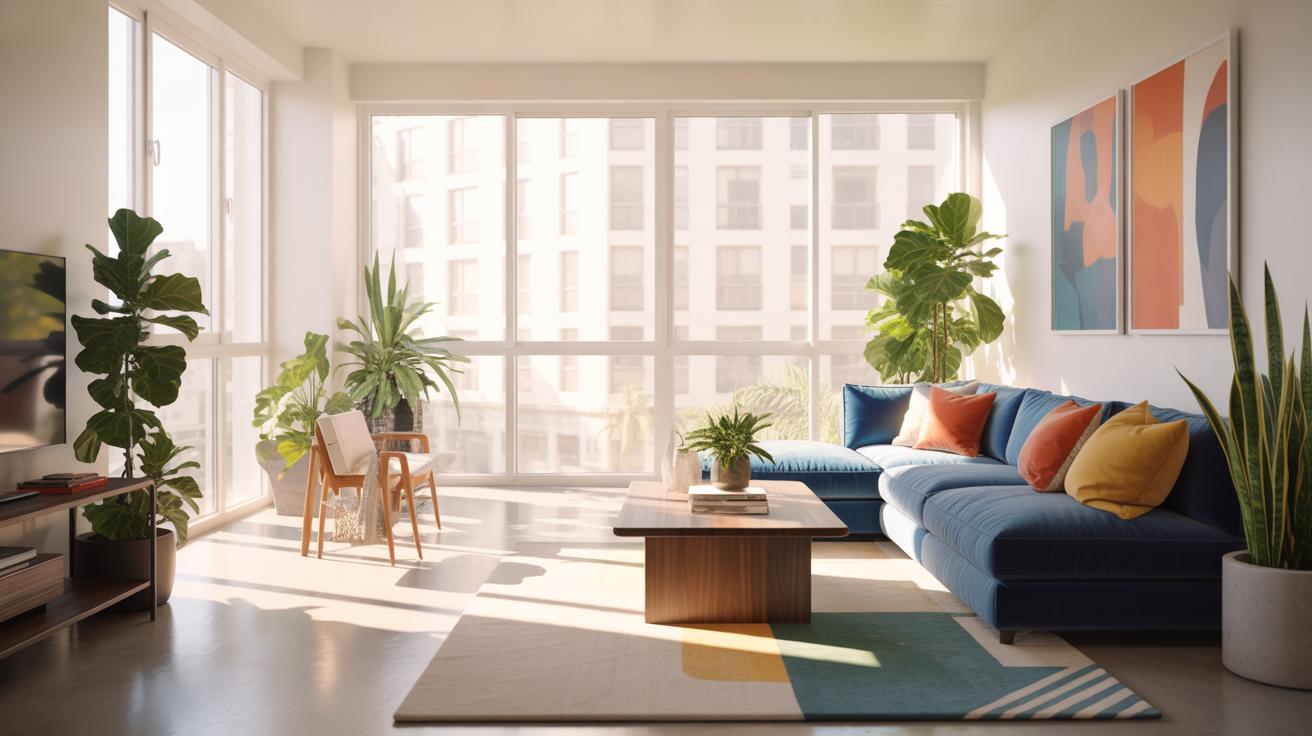
Interestingly, grey can affect the atmosphere in subtle ways depending on its shade. Lighter greys open up smaller rooms, making them appear airy and spacious. Darker shades add depth and coziness, perfect for larger or more open spaces that need warmth.
This adaptability means grey can support different moods—from energetic family hubs to quiet reading nooks. The color doesn’t overwhelm and often encourages a relaxed, balanced ambiance. Maybe grey’s understated presence is why it’s become a favorite for varied design approaches, irrespective of room shape or style preferences.
Grey Living Room Style Examples
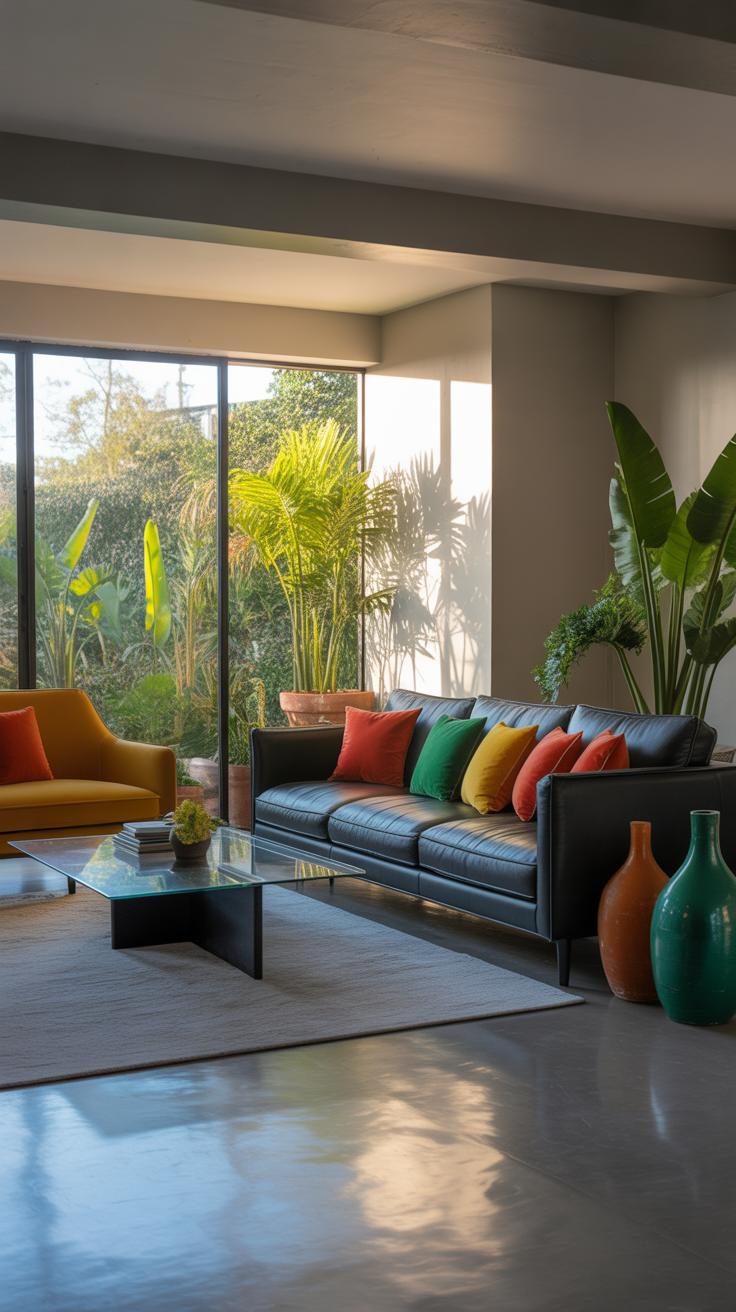
Grey adapts beautifully across styles. In a modern living room, you might see sharp lines and minimalist furniture against a cool, medium-grey backdrop, emphasizing clean, uncluttered spaces. Think sleek sofas, metallic accents, and simple art.
For a classic style, grey often appears as soft, warm tones paired with elegant, traditional furniture. A grey patterned rug, a tufted sofa in a charcoal hue, and crystal light fixtures can create a refined yet inviting appearance.
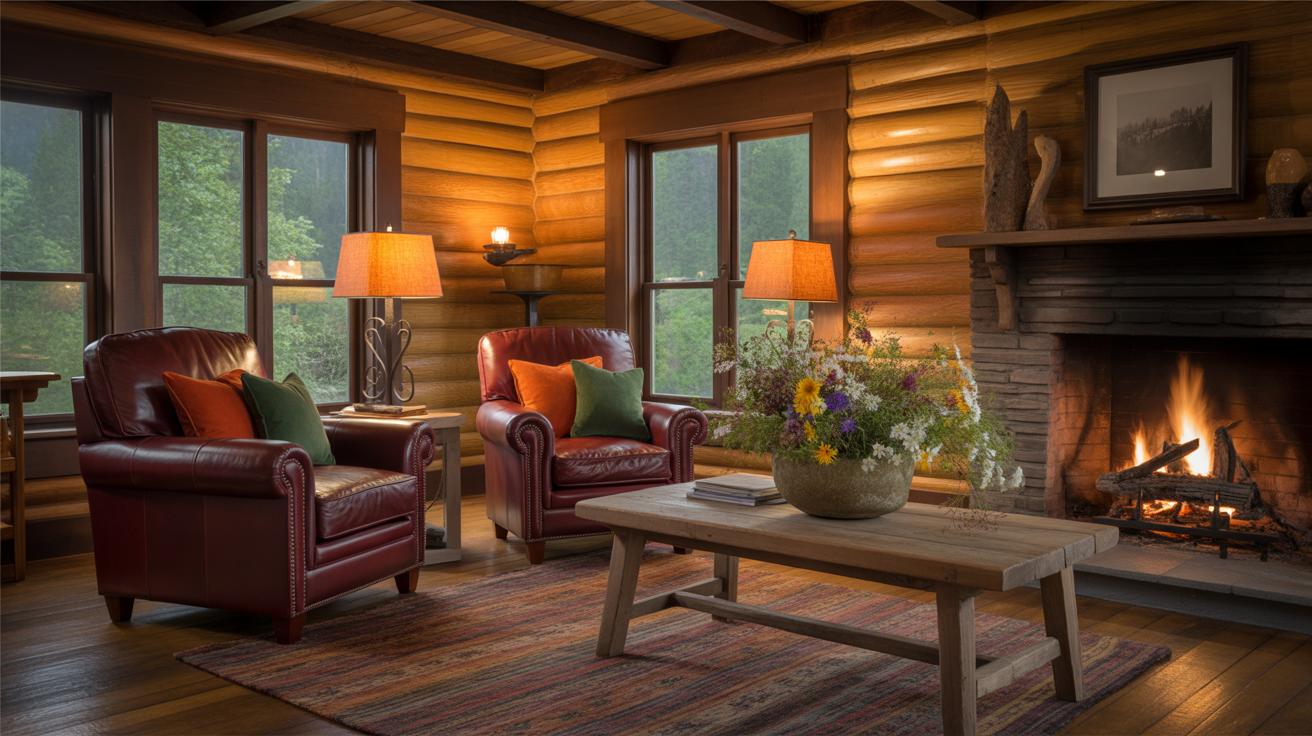
Minimalist living rooms use grey to highlight simplicity. Walls, floors, and furniture in various grey shades help keep things calm and distraction-free. The focus is on function and form, so accents are sparse and only surface when necessary—a grey sofa against crisp white walls, for example.
Each example shows how grey can take on different personalities. It’s almost like a chameleon, blending with the style it inhabits while still giving the space a coherent feel. Have you noticed how these varied uses of grey influence your perception of the room’s mood and purpose?
Choosing The Right Grey Sofa
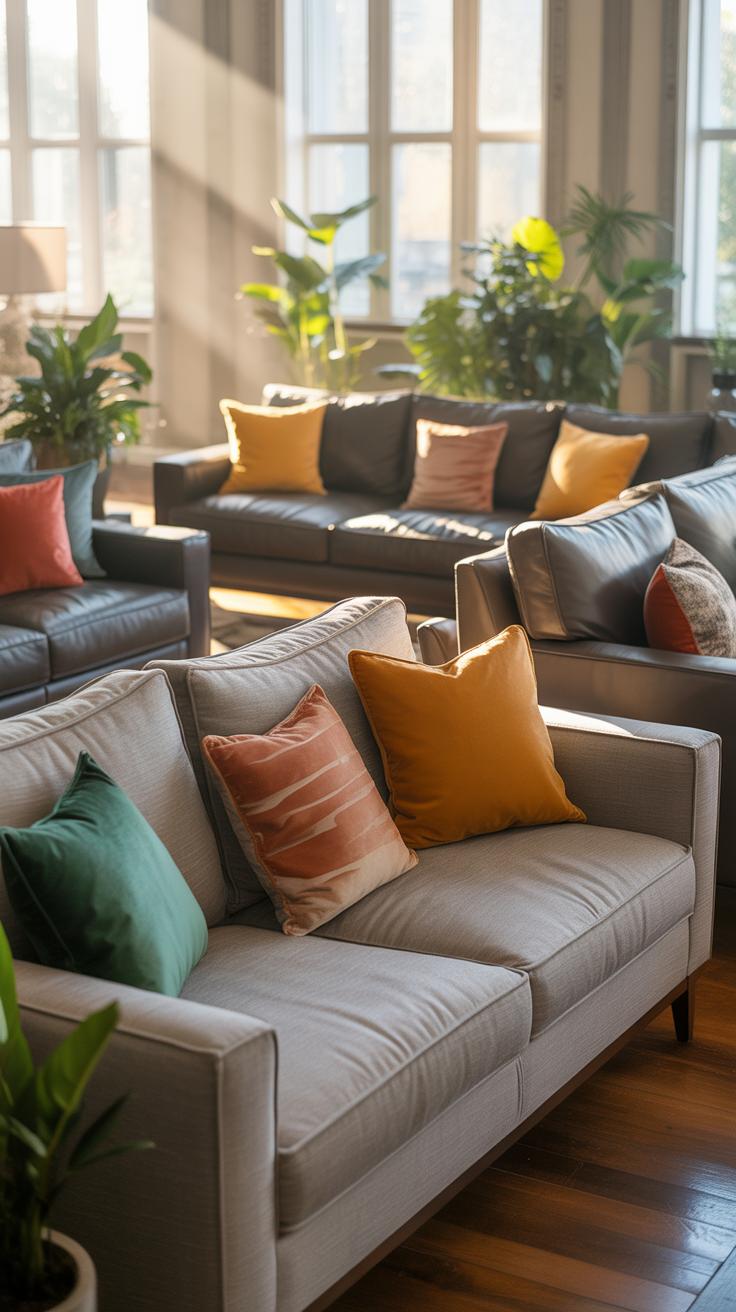
When it comes to picking a grey sofa for your living room, there’s more to consider than just liking the color grey. You need to think about the type of sofa that fits your space and lifestyle. Sectionals are great if you have a large living room and need extra seating for guests or family. But if your space is smaller or more intimate, a loveseat might be the better choice. It’s one of those decisions that depends a lot on how you live day-to-day — do you lounge with your feet up often? Do you entertain often?
Material is another vital consideration. Leather can be sleek and easy to wipe clean, but fabric offers warmth and tends to be softer—though it might require a bit more care. I remember once contemplating a dark grey leather sofa for its elegance but ended up choosing a soft grey fabric because it felt cozier. Size matters, too, obviously. Too big, and your sofa can swallow the room, too small and it might look awkward and uncomfortable. Measure your room carefully and imagine the sofa in place before committing.
Grey Sofa Types And Materials
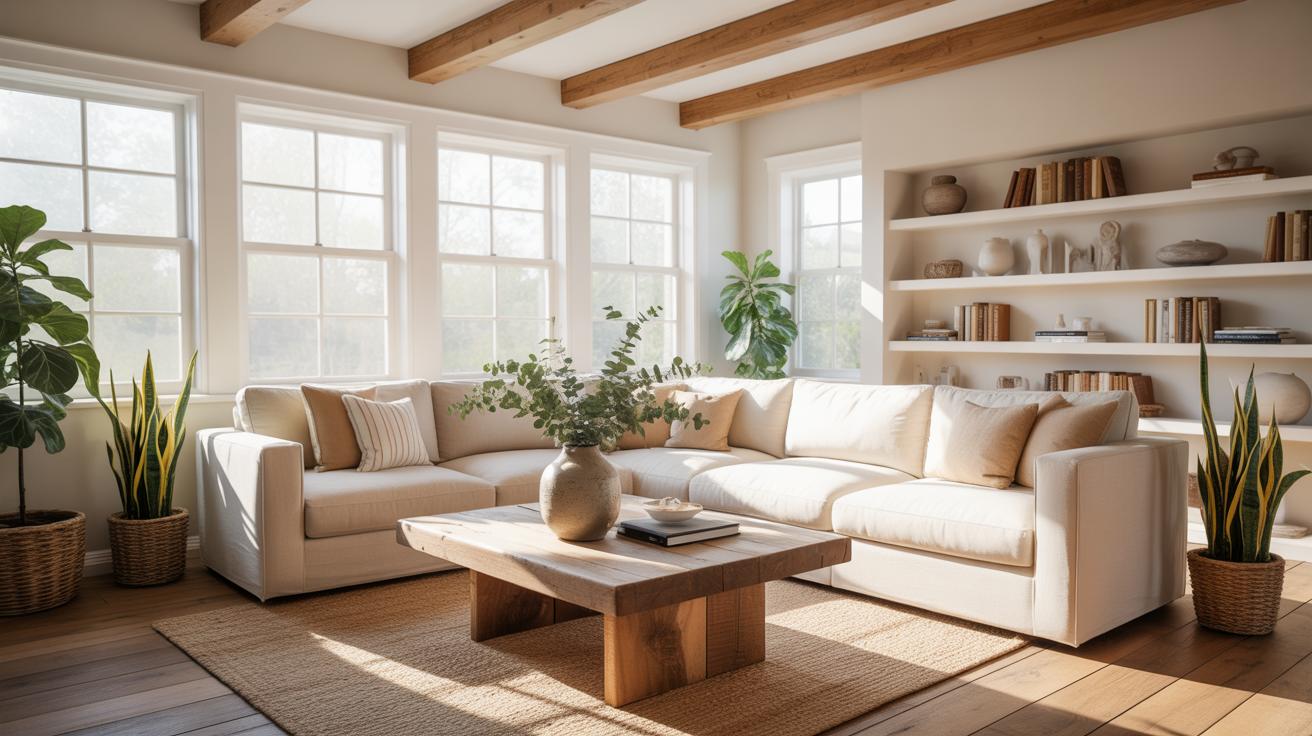
There are several types of grey sofas—sectionals, loveseats, chesterfields, slipcovered—to name a few. Each comes with its vibe and function. Sectionals create a casual, inviting corner, while a chesterfield speaks of classic style and formality. It’s interesting how the same shade of grey can feel very modern or vintage depending on the sofa design.
Materials range mostly between leather and fabric. Leather sofas, especially in grey, can resist spills better and add a sleek look. Fabric sofas offer more patterns and textures, which might help soften the sometimes cold impression grey can give if not paired well. You might hesitate initially about fabric, worrying about stains, but some fabrics are surprisingly durable and treatable.
Selecting Grey Shades For Sofas
Choosing the right grey shade is tricky because “grey” isn’t just one color. There’s warm grey, cool grey, charcoal, and light misty grey, among others. The lighting in your room plays a huge role here—natural daylight can make cool greys look bluish, whereas lamps might push warmer greys towards beige.
Think about the color scheme you already have or want to build. If your cushions or walls have warm colors like blush, mustard, or terracotta, choosing a warmer grey can tie things together nicely. But if you lean towards minimalist or monochromatic styles, cooler or mid-tone greys are probably your friend. It’s a nuanced decision; sometimes you pick what feels right in the moment, and other times you might get stuck deciding between two nearly identical greys!
Incorporating Living Room Grey Elements
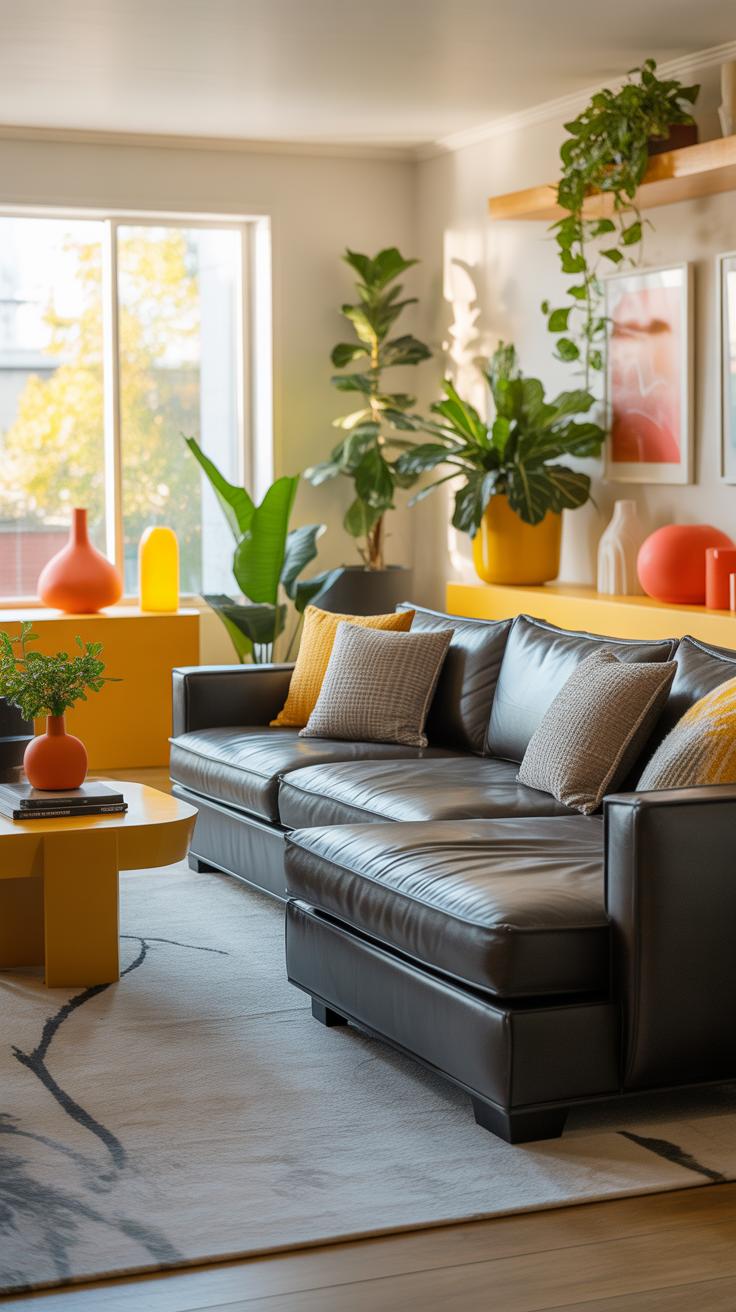
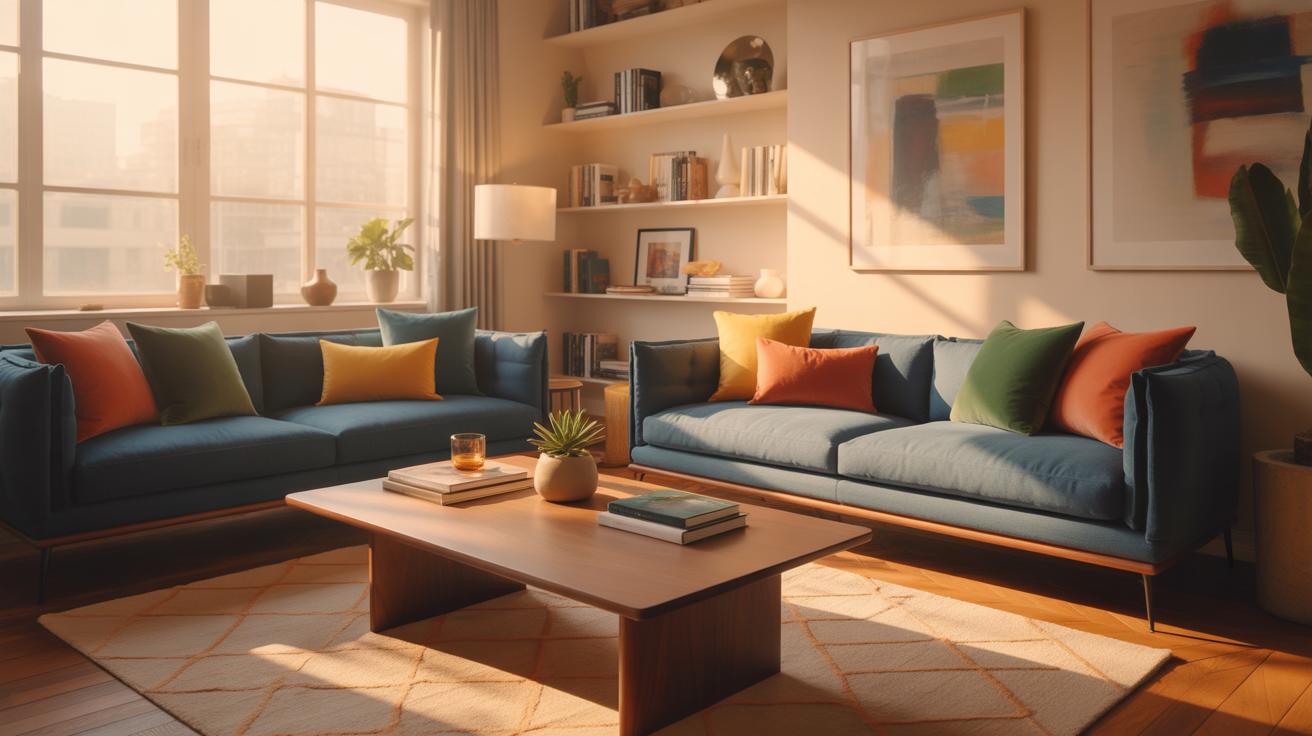
Grey is often seen as a neutral backdrop, yet it offers so much more when thoughtfully incorporated into your living space. You don’t have to rely solely on furniture pieces to bring that calm, sophisticated tone into your room. Think about walls—choosing the right shade of grey paint can create an atmosphere ranging from cozy and warm to modern and sleek. Walls are like a canvas, and grey sets a quiet mood without overwhelming your senses.
Rugs are another subtle way to weave grey into the room. A plush grey rug underfoot softens hard floors and anchors your seating area. Curtains too, especially in soft grey linens or velvets, frame your windows while adding depth.
Don’t overlook accessories as a playground for grey. Lamps, vases, or even picture frames in varying grey tones bring layers and texture, breaking any monotony. You might wonder if sprinkling these small touches makes a difference—it does, in ways you might not expect, giving your space a curated and intentional feel.
Adding Grey Through Decor Items
Decor items are a practical way to experiment with grey without committing to large-scale changes. Think strategically about:
- Soft cushions in different shades and fabrics, from velvet to linen, add both comfort and style.
- Throws casually draped over your sofa can introduce warmth alongside grey’s cool calm.
- Table lamps with grey ceramic bases or grey metal finishes create subtle focal points when lit.
These touches allow you to play around with hues and textures, and—if you’re like me—you might find joy in swapping them out seasonally without much hassle.
Painting And Textiles In Grey
Using grey paint can be transformative. Imagine a single grey accent wall acting quietly behind your furniture or an entire room enveloped in soft grey to evoke tranquility. The type of grey—whether it leans blue, green, or warm—shapes the room’s whole vibe. Textile choices matter too. Curtains, cushions, and upholstery in grey fabric introduce softness, but they also catch the light and shadow, subtly shifting the room’s character throughout the day.
One thing I realized is that grey often forces you to consider light more consciously. Too much grey under dim light might make a room feel cold, while the same in natural sunlight appears airy and inviting. So it’s not just a color; it’s an experience that evolves with time and light.
Balancing Grey With Other Colors
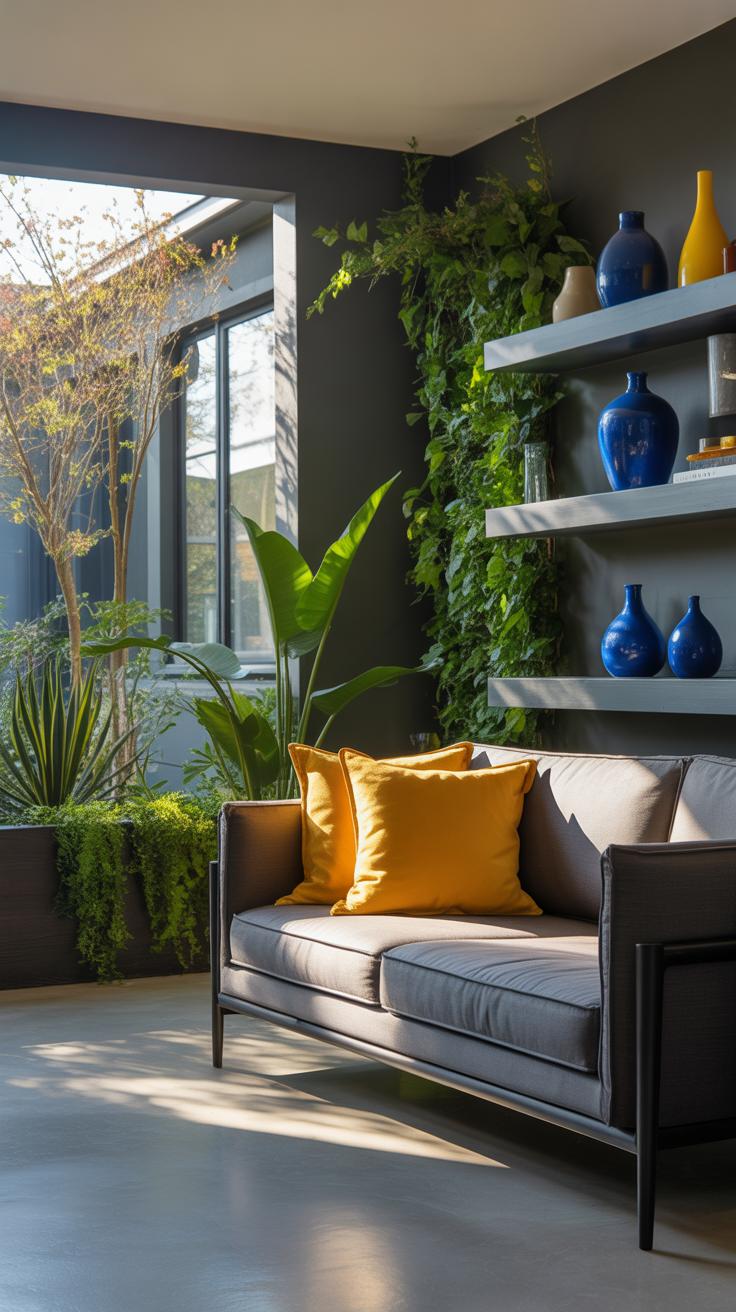
Grey can sometimes feel a bit cold or dull if it dominates a living room. To keep things lively, you might try mixing grey with other colors without letting grey take over completely. One easy way is to use contrasting tones that brighten up the space alongside grey. For example, partial pops of color can break up the monotony and add interest.
Try to avoid layering too many shades of grey; it can get overwhelming or even boring. Instead, throw in some colors that bring warmth or energy, but don’t clash. It’s a bit like seasoning food—you want enough to enhance, not overpower.
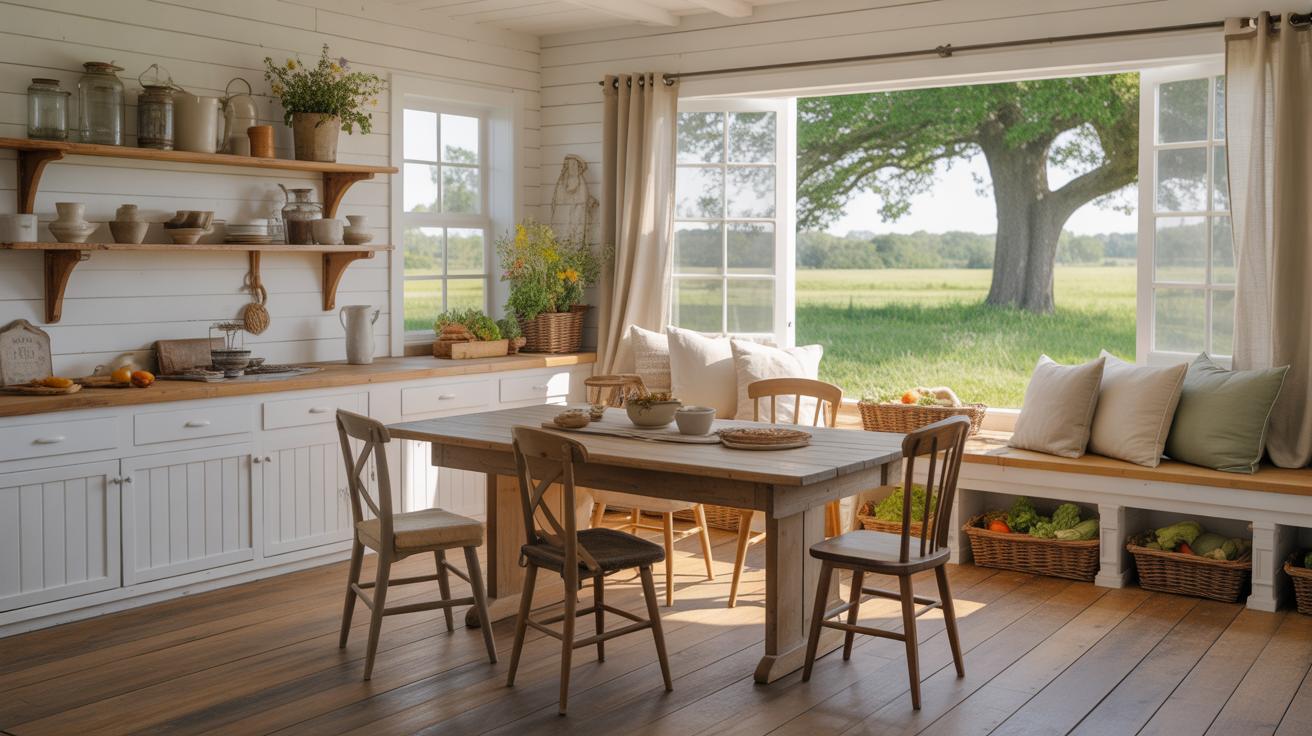
Playing with texture can help a lot too. Sometimes, it’s not just the color but how the fabric or finish feels that can balance the grey. Rough wood, soft fabrics, or shiny metals paired with grey surfaces make the room feel more inviting.
Best Colors To Pair With Grey
Grey works well with a surprising range of colors. Here are some that complement it nicely without making your living room look washed out:
- White: Clean and crisp, white makes grey pop without competing for attention.
- Blue: Cooler shades like navy or teal add calm and depth to grey spaces.
- Yellow: A warm, soft yellow can brighten and lift grey’s somber tone.
- Wood Tones: Natural woods—from light pine to dark walnut—bring warmth and texture, balancing grey’s coolness.
Choosing the right shade matters. For instance, a pale grey might need a bolder color to contrast, while darker grey pairs better with muted or pastel tones.
Using Accent Colors In Living Rooms
Accents are a clever way to introduce color without overwhelming the space. Even a small splash of color can shift the mood dramatically.
Think about incorporating accents through items like throw pillows, a rug, or smaller décor pieces like vases or picture frames. Art on the walls offers another chance to add color — try images with hints of your chosen accent hues.
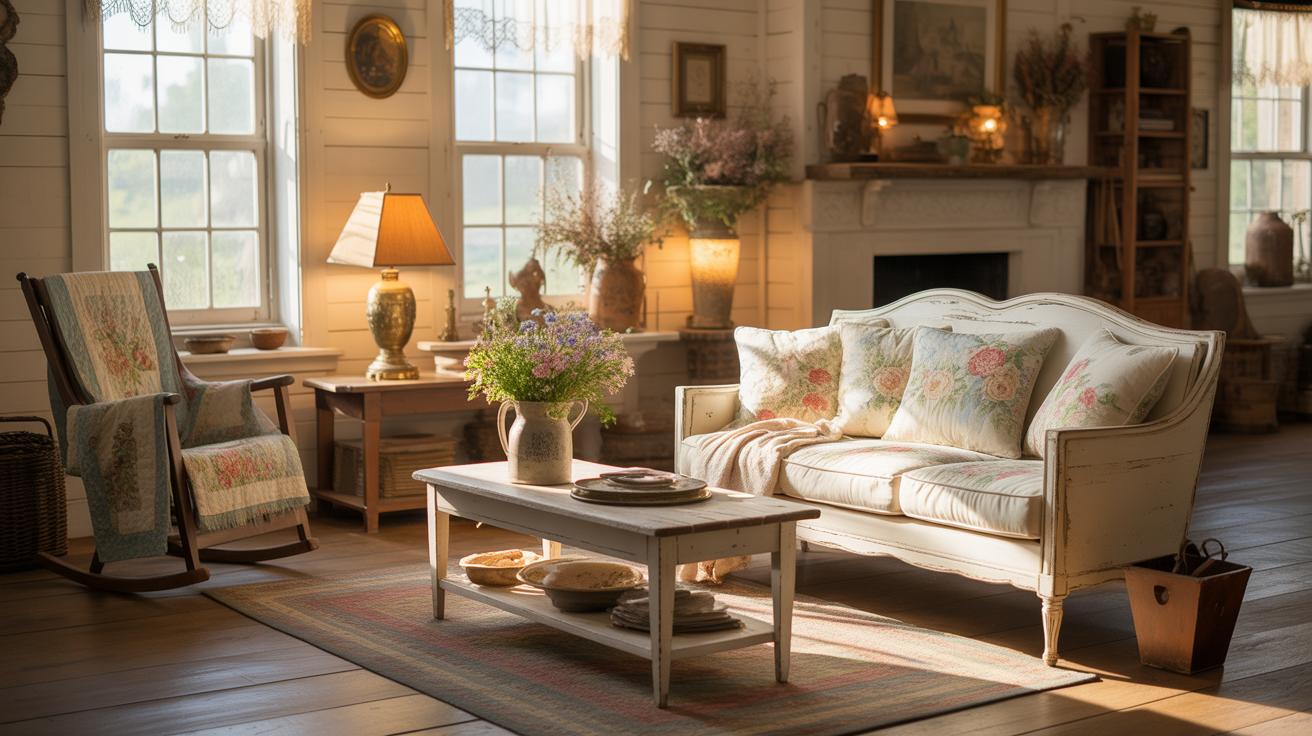
Small furniture, like an ottoman or side chair in a contrasting color, also works well. It’s easy to change these pieces if you want to switch up the feel later. Remember, accents are flexible—they don’t need to match perfectly but should feel part of the same story as your primary grey tone.
Living Room Grey Lighting Tips
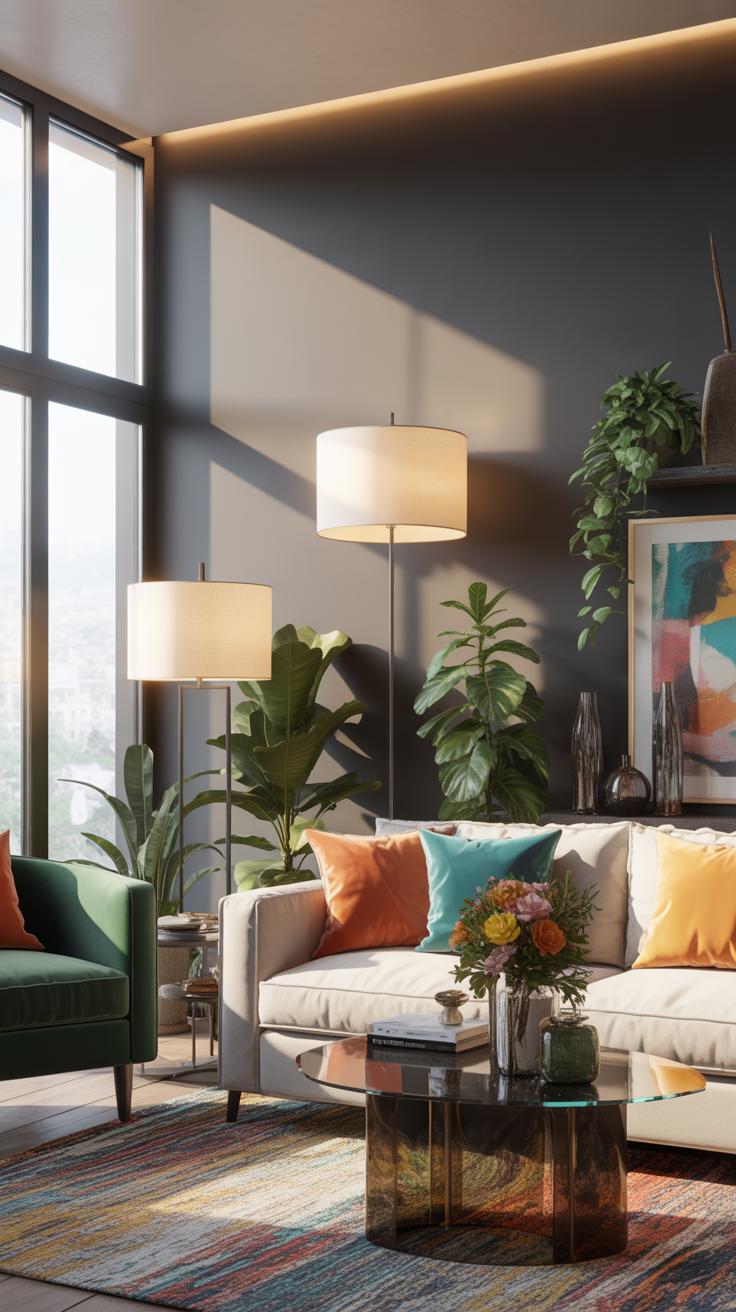
Lighting has a surprising impact on the way grey shades appear in your living room. Grey is a color that can seem to shift and change, depending on the light it’s exposed to. Sometimes it looks warm and inviting; other times, cold and distant. You might think natural light would always be best, but it’s worth noticing that even slight differences in daylight can alter the mood dramatically.
With natural light, morning sun can soften grey tones, giving them a gentle, mild appearance. In contrast, the harsher midday sun might make greys appear more stark or bluish. Overcast days tend to mute the colors, sometimes making the room feel flatter and a tad gloomy. The tricky part? Afternoon light, depending on window direction, might cast long shadows that create contrast, emphasizing some greys while leaving others dull.
On the other hand, artificial lighting offers a bit more control. Choosing the right bulbs and fixture placement helps bring out the best in grey walls and furnishings. Soft white LED lights often complement grey well, balancing its coolness without washing it out. Placing lights near textured surfaces or layering light with floor lamps, sconces, or overhead fixtures adds depth and warmth.
Trying multiple light sources can change the vibe from too clinical to comfortably lived-in. Spotlights might highlight artwork or architectural details, while uplighting reduces harsh shadows. Ever consider dimmable lights? They let you adapt the scene as the day goes on or depending on the occasion.
Oddly enough, sometimes an unexpected lighting choice works best. A touch of warmer light could bring out tiny orange or brown undertones in grey that you didn’t notice before. So, perhaps, be a little experimental rather than sticking rigidly to “cool light for grey.” Let your eyes guide you over the hours and days—it’s a kind of ongoing discovery that might just help your living room feel a bit more… yours.
Grey Living Room Furniture Setup Checklist
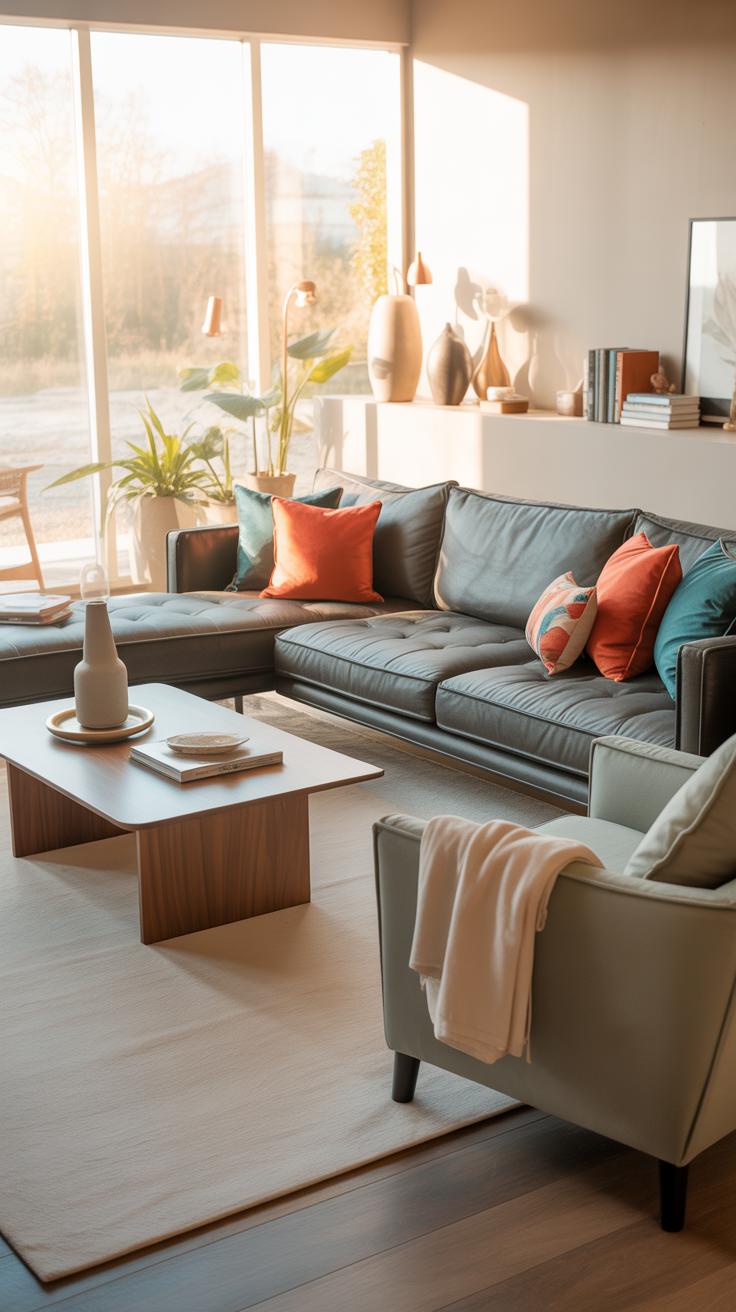
Setting up your living room with grey furniture feels straightforward, but a checklist can really help you avoid some common missteps. Begin with the sofa placement. Ideally, place your grey sofa as the room’s focal point—often facing a main view like a window, fireplace, or TV. Keep pathways clear around it, allowing at least two to three feet for easy movement. If your space is tight, push the sofa closer to a wall but avoid cramping it.
Next, think about chairs. They don’t just fill space; they create conversation zones. Position them to complement the sofa, angled slightly inward rather than rigidly parallel. This arrangement fosters interaction. Also, consider a balance between symmetry and casualness—too perfect can feel sterile, too random can disrupt flow.
Accessories matter, even more so with a neutral palette like grey. Introduce pops of texture and color with cushions, throws, or rugs—these keep the space from feeling flat. Don’t crowd the room; choose a few key pieces that match your style but serve a function.
Finally, maximize your space use. Avoid blocking windows or entryways with bulky furniture. Use slim console tables or shelves to keep essentials nearby but tidy. These steps might seem minor, but they create a room that feels intentional, comfortable, and inviting.
Arranging Grey Sofa And Chairs
When it comes to arranging grey sofas and chairs, comfort and flow should guide you—not rules. A good starting point is placing the sofa opposite or perpendicular to the main focal area. Add one or two chairs nearby but don’t cluster everything too tightly. You want people to move freely and feel at ease.
Think about sight lines, too. No one likes to face a wall while chatting or watching TV. Chairs angled slightly toward the sofa encourage engagement. Also, mixing seating heights can add dimension and make the space cozier.
Remember, sometimes less is more. Don’t feel pressured to fill every inch. If the room feels too formal or crowded, relax your arrangement and focus on inviting comfort.
Adding Functional Grey Furnishings
Grey furniture isn’t limited to sofas and chairs. Coffee tables, ottomans, and shelves can support your design beautifully. A grey coffee table anchors the seating area without competing for attention. An ottoman in soft grey fabric doubles as extra seating or a footrest, blending utility with style.
Open shelves or cabinets in grey offer storage while keeping the look cohesive. Choose pieces with subtle design details—like different textures or gloss levels—to avoid monotony. Balancing these functional items with your main furnishings ensures the room feels complete, practical, yet uncluttered.
Living Room Grey Style Mistakes To Avoid
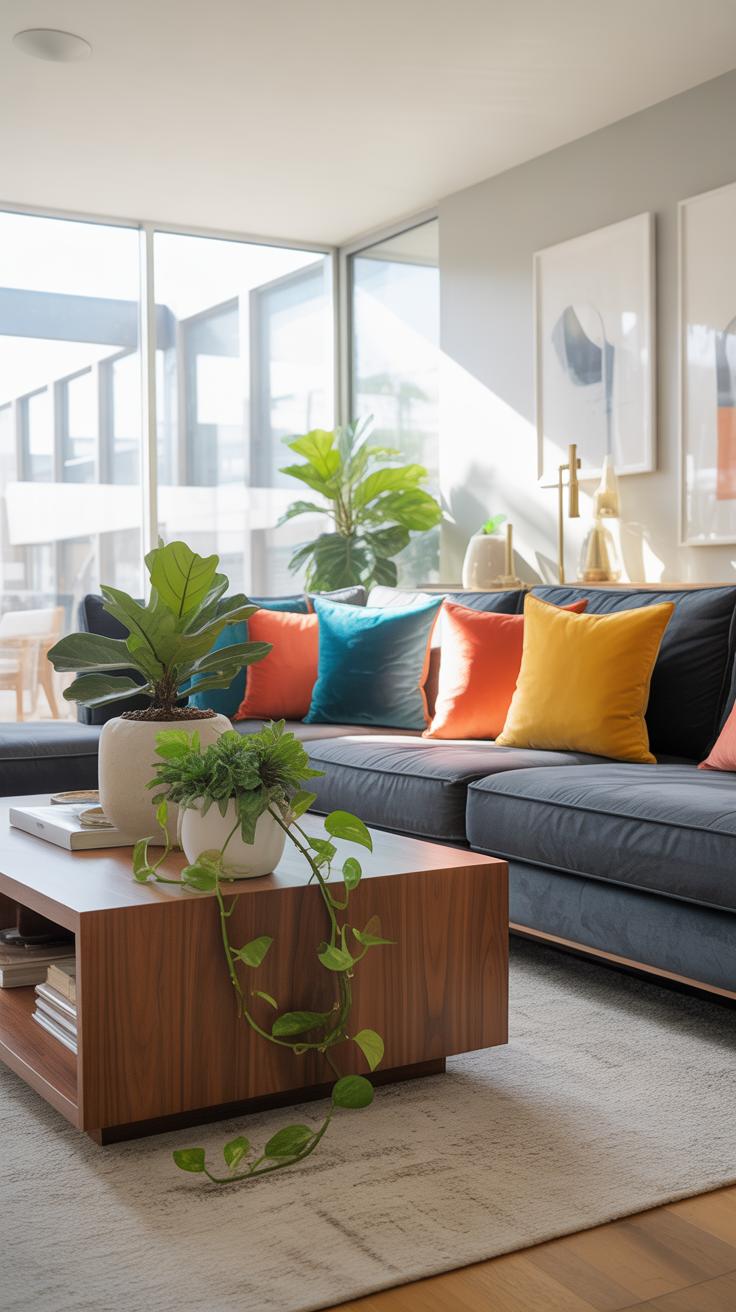
When you pick grey for your living room, it’s easy to slip into some style pitfalls without meaning to. One common mistake is going too heavy with grey everywhere. That can make your space feel more like a cave than a cozy hangout. You want a balance that’s calming but not dreary. Think about varying the shades instead of slamming one flat grey on every surface.
Another hiccup to watch out for is relying solely on smooth, cold materials with grey. It can come across as sterile or stark, which isn’t exactly the vibe you probably want for a living room. Bringing in different textures – like a chunky knit throw, velvet cushions, or a soft rug – will save the day by warming the atmosphere and giving the eye something interesting to focus on.
Look around at how natural light interacts with your grey walls and furniture. Sometimes a grey that looks stunning in the store dims down to a dull, shadowy tone once inside. I remember testing different greys with samples taped on my wall at different times of day. It really helped steer clear of that gloomy feel.
- Limit overwhelming grey coverage by mixing in other colors, even subtle ones like pastels or muted tones.
- Layer textures through fabrics and materials to keep the room inviting and prevent it from feeling cold.
- Test your chosen grey paint or fabric with your lighting before fully committing.
Ultimately, grey is versatile but needs thoughtful pairing to avoid a dreary or overly chilly room. It’s about coaxing warmth and depth out of a color often misunderstood as dull. Does this make you reconsider that endless grey wall plan?
Grey Sofa Maintenance Tips
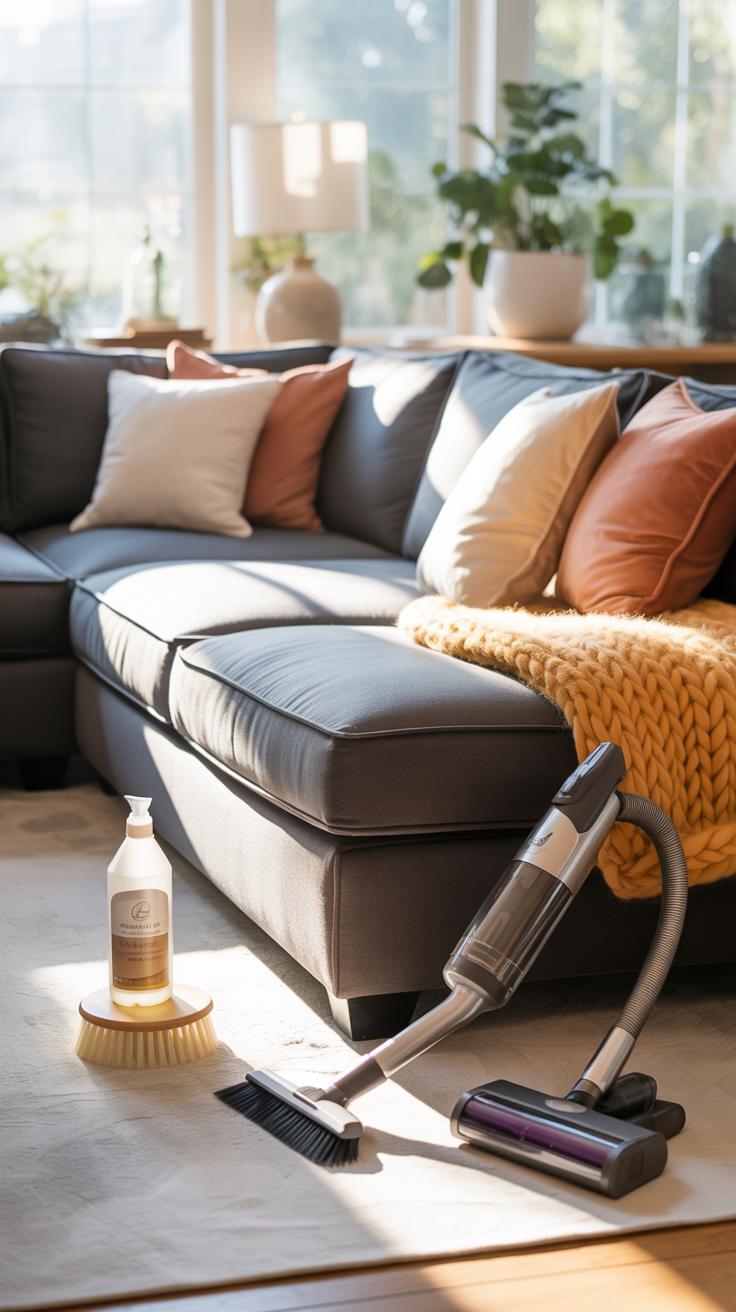
Taking care of a grey sofa can sometimes feel like a bit of a balancing act. You want to keep it looking clean and fresh without going overboard with cleaning products or methods that might damage the fabric. One practical tip is to vacuum regularly, but gently, to avoid pushing dust deeper into the material. I’ve noticed that using a soft brush attachment works better than harsh vacuuming.
Spots should be dealt with as soon as possible. Sometimes, blotting with a dry cloth is enough, but other times you may need a mild soap solution—test it first on an inconspicuous area. It’s tempting to scrub hard, but that can wear down the fibers over time.
Cleaning Different Grey Sofa Fabrics
Cleaning methods actually vary quite a bit depending on whether your sofa is fabric or leather. Fabric greys often respond well to upholstery cleaners labeled safe for the material, but over-wetting can cause issues like shrinking or staining, so moderation is key. For instance, microfibers might do well with distilled water and a gentle brush rather than standard cleaners.
Leather sofas are a different story. You can’t just use water or soap without risking damage. Instead, you want specialized leather cleaners and conditioners to keep the leather supple and prevent cracking. A quick wipe with a damp cloth followed by a leather conditioner every few months can extend the life of your sofa significantly.
Protecting Grey Upholstery From Damage
Grey upholstery can be surprisingly sensitive to sun exposure and stains, which is ironic because it seems like a forgiving color. Preventing damage isn’t just about avoiding spills—it also involves positioning your sofa away from direct sunlight to slow fading. Curtains or blinds can help, but they need to be used consistently.
Then there’s the wear from everyday use. Rotating cushions or flipping them if possible allows the fabric to wear more evenly. And yes, it sounds a bit tedious, but it could add years to your sofa’s appearance. Also, consider using fabric protectors—but remember, some products alter texture or color slightly, so test first.
Grey Living Room Decor Examples
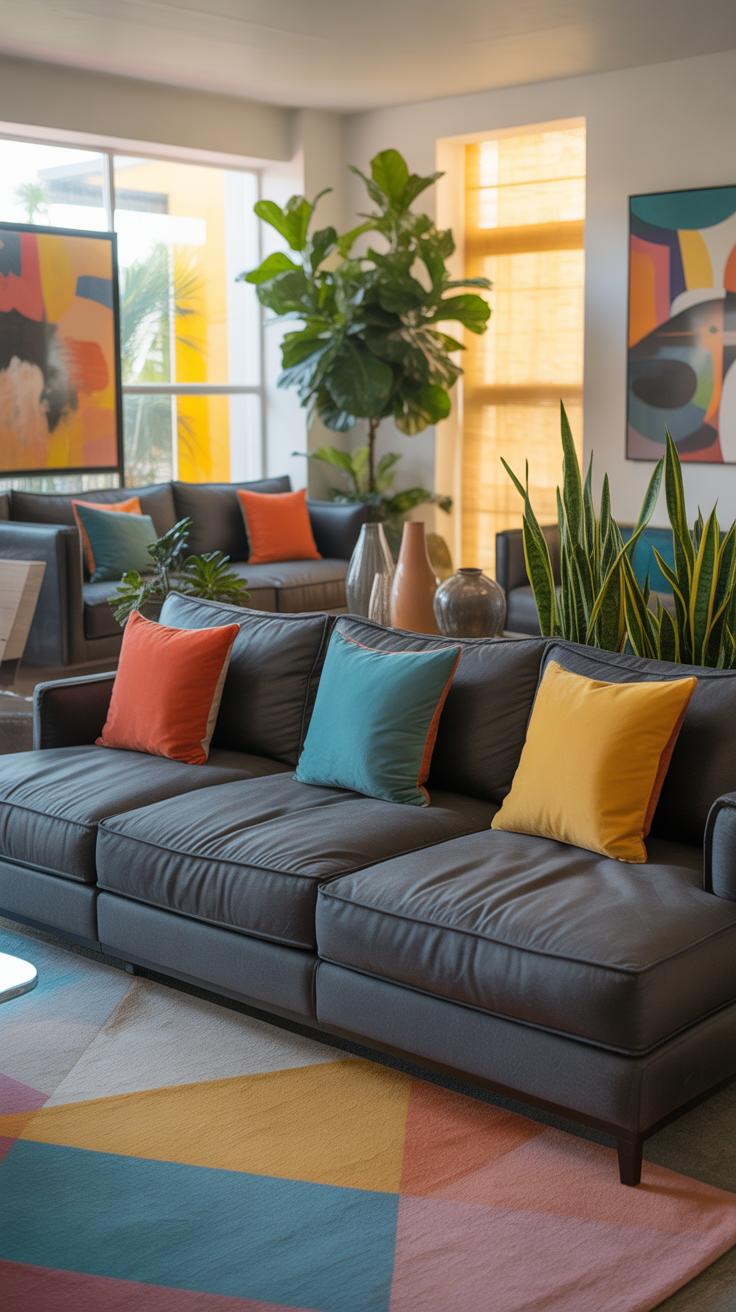
Grey sofas paired with grey accents create a unique play of texture and depth in living spaces. Think of a room where a slate grey sofa anchors the center, complemented by charcoal cushions and soft ash rugs. The palette lends itself to layering – for instance, a light dove-grey settee beside a darker steel grey couch offers contrast despite being in the same color family. Often, subtle metallic décor like brushed silver lamps or mirrored coffee tables add a delicate shine that prevents the space from feeling flat.
Imagine wooden furniture staining in walnut tones breaking up expanses of grey, or perhaps a classic herringbone patterned grey wallpaper as a statement backdrop. These details are what give a grey-themed living room its character without overwhelming. Photographs of such interiors often highlight the calming, inviting atmosphere grey evokes – a soothing, versatile choice, really. Do these ideas make you rethink grey as just a background neutral?
Modern Grey Living Room Ideas
Modern living rooms using grey often veer towards minimalism yet are far from cold or impersonal. Picture a low-profile, angular grey sectional sofa made from textured fabric paired with clean-lined black steel-framed chairs. The flooring might be pale oak, lending warmth and a natural feel. Artworks with bold splashes of color provide focal points, while the lighting is sleek and strategically placed to highlight key features, not just brighten the entire space.
In such rooms, grey acts like a canvas that supports graphic elements and geometric shapes, often in monochrome or muted shades. A glass coffee table, linear shelving units, and understated curtains complete the look. It’s a balance between restraint and style, where every piece matters. Does this seem like a place you’d want to unwind or simply pass through?
Classic And Cozy Grey Rooms
On the other hand, classic grey rooms lean into softness and familiarity. Here, a plush, rolled-arm grey sofa invites you to sink in, surrounded by thick knitted throws and floral cushions in pale lilac or cream. Walls might wear smoky grey paint with white trim and paneling, creating a sense of history and elegance. Antique wooden tables and framed vintage prints flesh out the scene.
Low, warm lighting from table lamps and the flicker of a fireplace make the space feel lived-in and welcoming. There’s a comfort to this style that’s hard to describe but easy to recognize—a gentle sort of charm that bends the coolness of grey back towards warmth. Could this be the antidote to modern living’s rush? Perhaps.
Living Room Grey Budget Tips
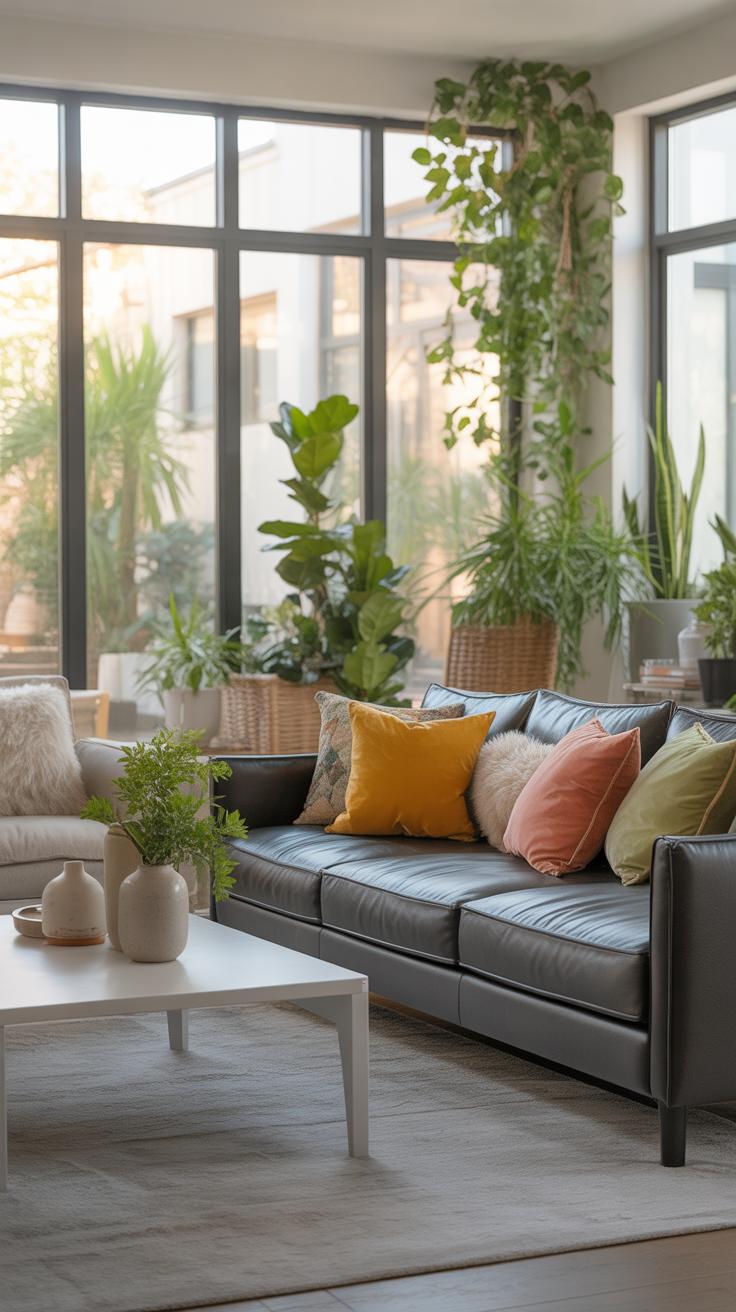
Creating a stylish grey living room doesn’t mean you need to break the bank. It’s tempting to think quality always demands a hefty price, but often, clever choices make a big difference. For instance, mixing high and low-cost items can refresh a space without feeling cheap. Think about the key pieces—like a sofa—and build around them with budget-friendly finds.
Affordable Grey Sofa Options
Finding a good, budget-friendly grey sofa might seem tricky, but some places consistently surprise me. Retailers like IKEA or Wayfair offer decent models at lower prices, and you can often find sales or open-box deals that improve value further. Another tip: check local classifieds or online marketplaces. Sometimes, barely-used sofas pop up from people who just want to upgrade quickly.
Fabric choice matters too. Sofas upholstered in durable polyester blends usually last longer than cheaper cotton versions but won’t carry the same price tag as leather. If comfort isn’t sacrificed, a simple, clean design in grey can anchor your living room well.
Cost Saving on Grey Decorations
Upgrading your grey-themed decor doesn’t have to empty your wallet. DIY projects are great—repainting old furniture in grey tones, sewing cushion covers from inexpensive fabric, or even creating wall art can add personal flair and save money. Secondhand shops and flea markets are also gold mines for unique, affordable pieces with character.
Sometimes, just rearranging what you already own or mixing textures and shades of grey gives the space a fresh vibe without needing new purchases. Does that mean everything should match perfectly? Probably not; a bit of variety keeps it real and interesting.
Conclusions
Living room grey offers a simple way to style your space with elegance and comfort. By choosing the right grey sofa and adding matching grey decor items, you can create a room that feels calm and inviting. Grey is a flexible color that works well with many other colors and textures.
Use the ideas in this article to guide your choices and build a living room you love. With careful planning and some creativity, your grey-themed living room will be both beautiful and practical for everyday use.