Introduction
The living room is often the heart of a home. It is where you relax, entertain guests, and spend quality time with family. Keeping this space organized can improve your comfort and make the room appear more inviting. Living Room Organization Storage Ideas For Efficient Space Use is essential to making the most of your available space.
In this article, you will find practical ideas for organizing your living room. From selecting the right storage furniture to clever use of wall and overhead spaces. Learn how to make your living room tidy and spacious without clutter.
Planning Your Living Room Layout
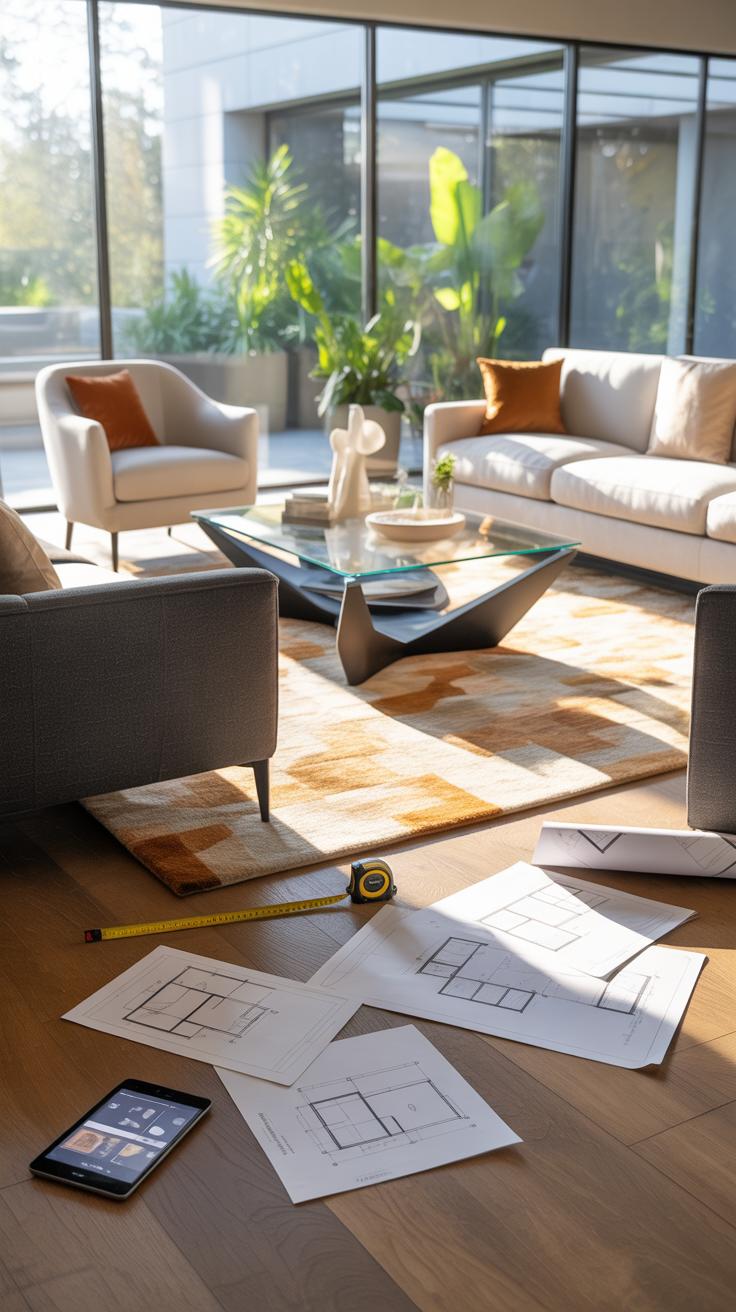
First, take a good look at your living room. Think about its shape, size, and features like doors, windows, and electrical outlets. Don’t just eyeball it—getting precise measurements matters more than you might expect. Measuring your space is the groundwork for any meaningful organization. Use a tape measure and jot down the exact length and width of your room. Measure the height too if you want to consider vertical storage options.
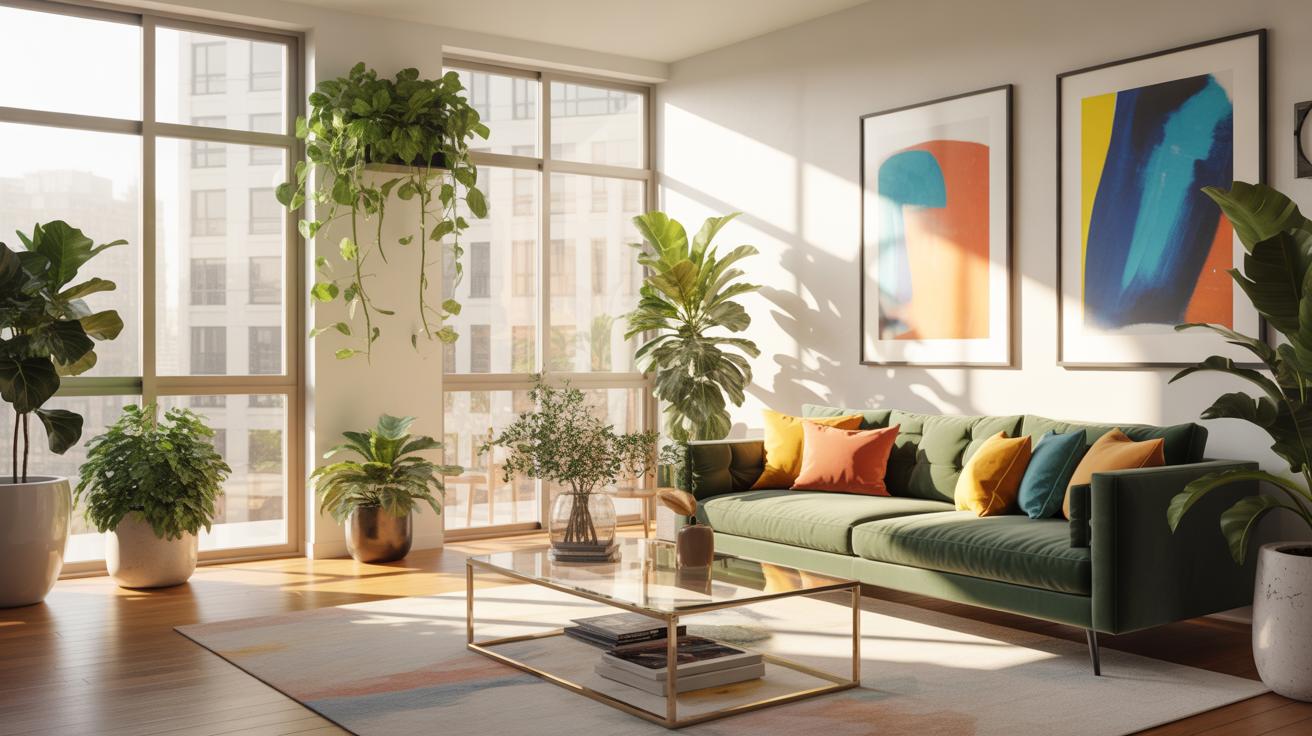
Once you have your measurements, sketch a simple floor plan. You don’t need to be an artist. Just draw rectangles for furniture you already have or plan to get. This visual helps see how much space you have for storage solutions or traffic flow. You might be surprised where awkward gaps appear or which areas feel cramped.
Think carefully about what you actually store in the living room. Is it books, media devices, kids’ toys, or maybe blankets? Group these items into zones based on how often you use them and where it makes the most sense to keep them. For example:
- A media corner with shelves near the TV for gadgets and games.
- A cozy reading nook with a small bookcase and a comfy chair.
- A toy zone that’s easy for kids to access but also easy to tidy up.
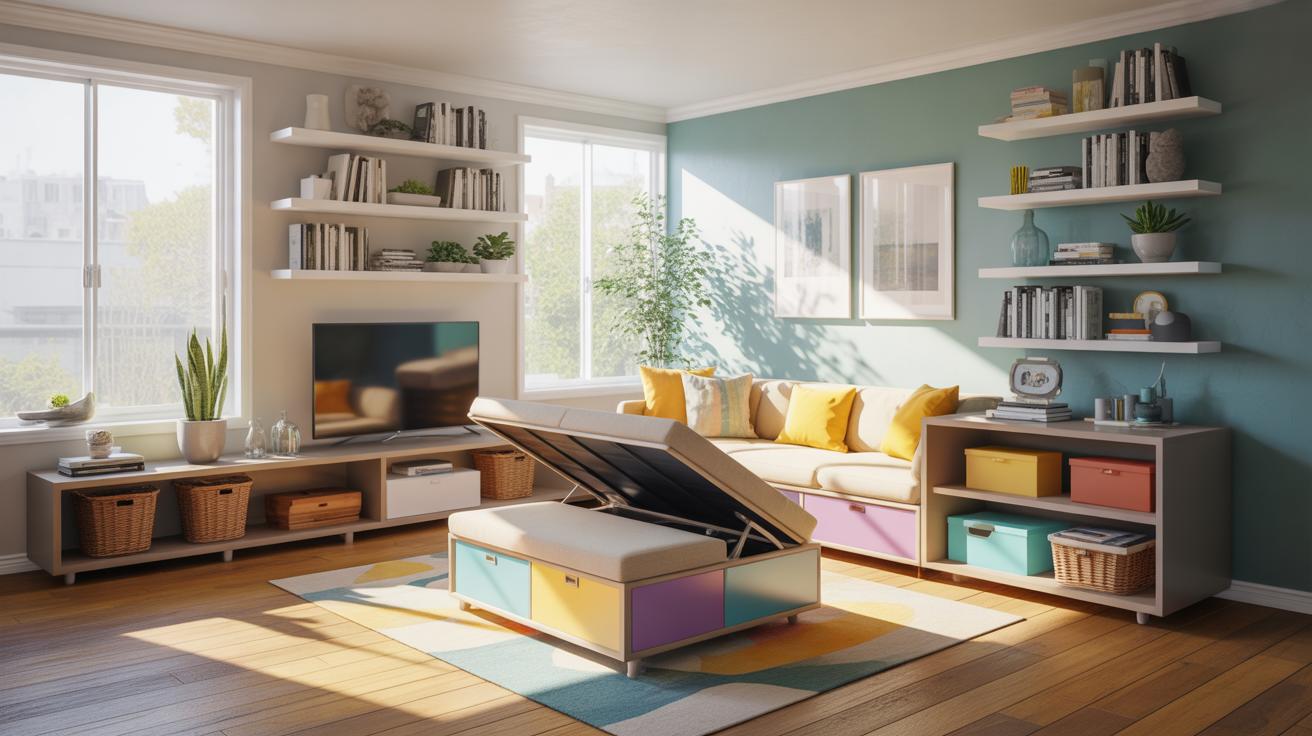
This zoning helps you decide what type of storage you need—open shelves, closed cabinets, or multipurpose furniture like ottomans with hidden storage. It’s a bit like creating mini rooms inside your living room, adapted to your lifestyle. You might change your mind after living with it for a bit, and that’s okay. The goal is to set up a plan that feels practical, not perfect on paper.
Selecting Storage Furniture Wisely
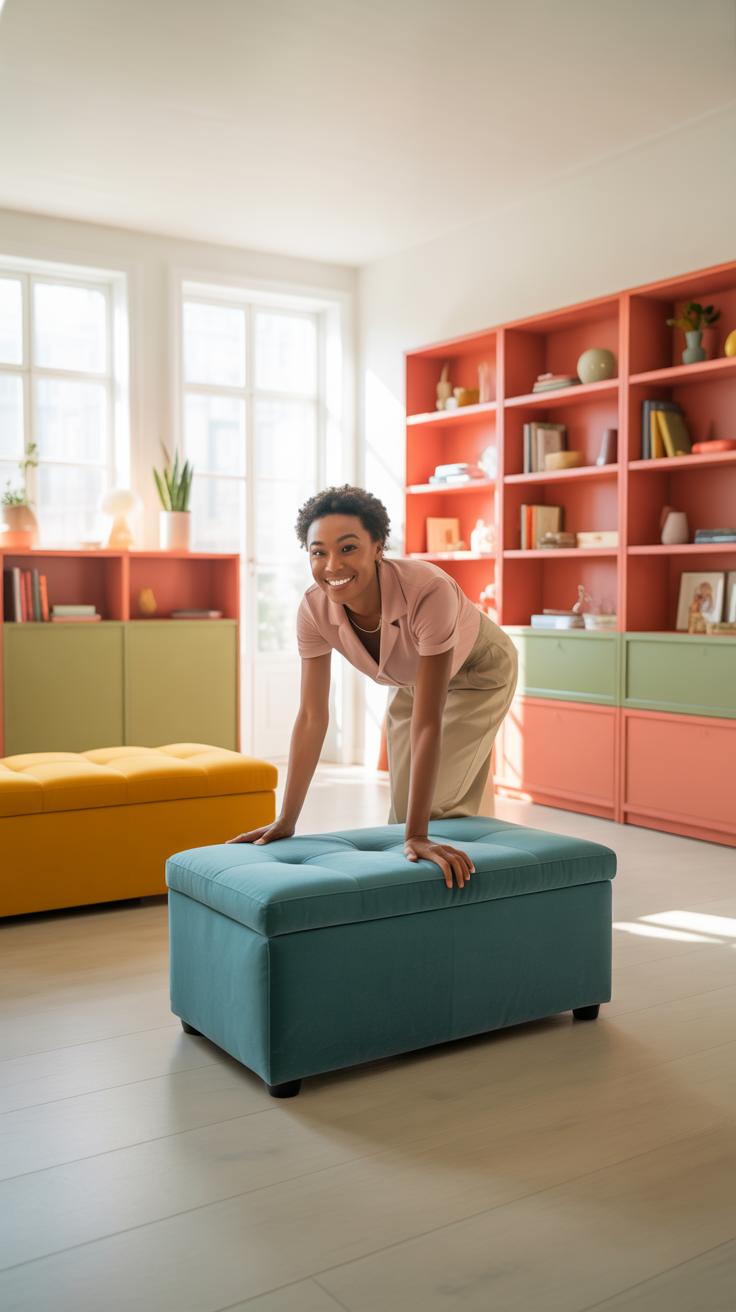
Choosing furniture that doubles as storage without crowding your living room is a game-changer. It’s tricky, though—some pieces promise lots of storage but end up feeling bulky or awkward. When you shop, think beyond the obvious. Look for designs that tuck away items neatly while blending into your room’s style.
Use Multi Function Storage Beds And Sofas
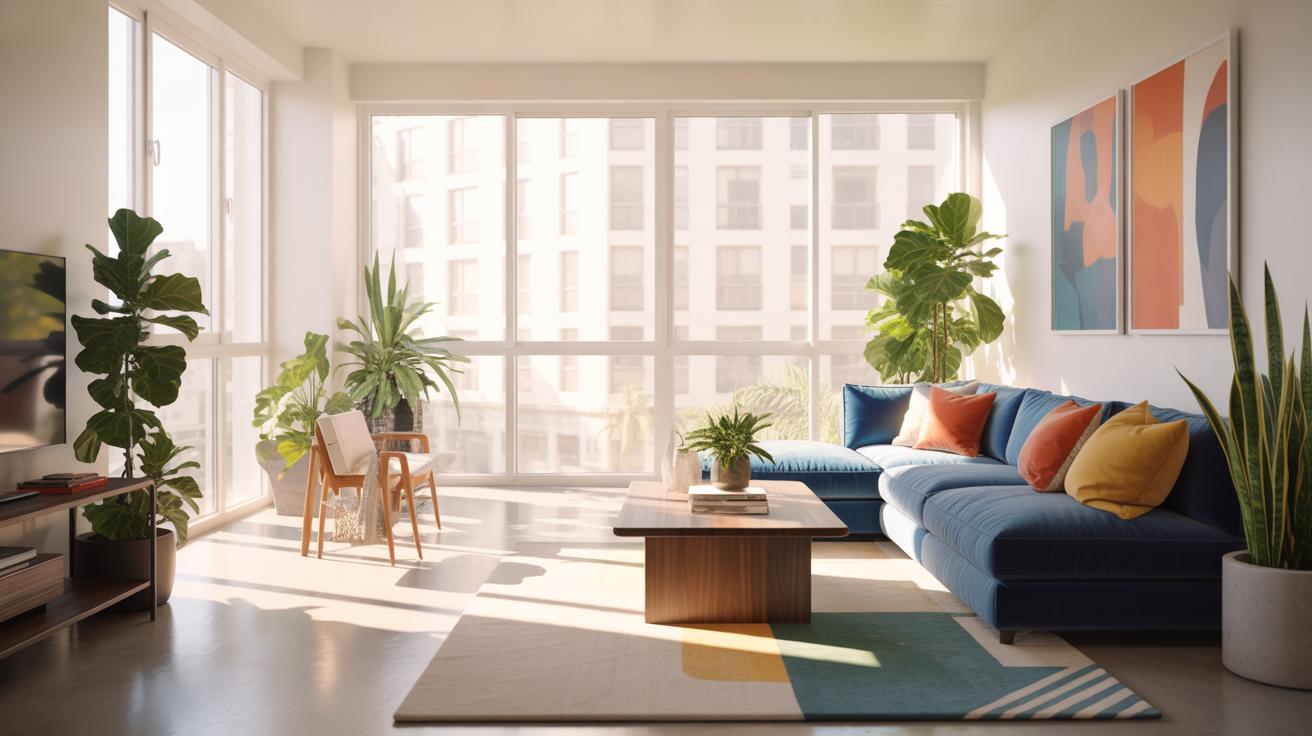
Storage beds aren’t just for bedrooms; in a studio or a compact living space, they can really pull double duty. Many have drawers or compartments beneath the mattress, making use of space often wasted. And sofas? Some hide storage under the seating or in armrests. It struck me how a simple couch with hidden compartments drastically cleared out my living room clutter. It’s like getting extra closets without needing more floor space.
Consider Shelves And Cabinets With Drawers
Shelves and cabinets with drawers offer a mix of open and closed storage. You can display books or decor on open shelves and stash away less attractive items in drawers. I’ve found that drawers particularly help keep my living room tidy—remote controls, magazines, even kids’ toys slip inside without being an eyesore. Plus, it’s easier to grab what you need without digging through piles.
What about the balance between having enough storage and keeping the space feeling open? Choosing furniture that fits your belongings and lifestyle helps avoid that frustrating clutter buildup. Sometimes, less bulk with smart compartments wins out over sheer size.
Using Vertical And Overhead Spaces
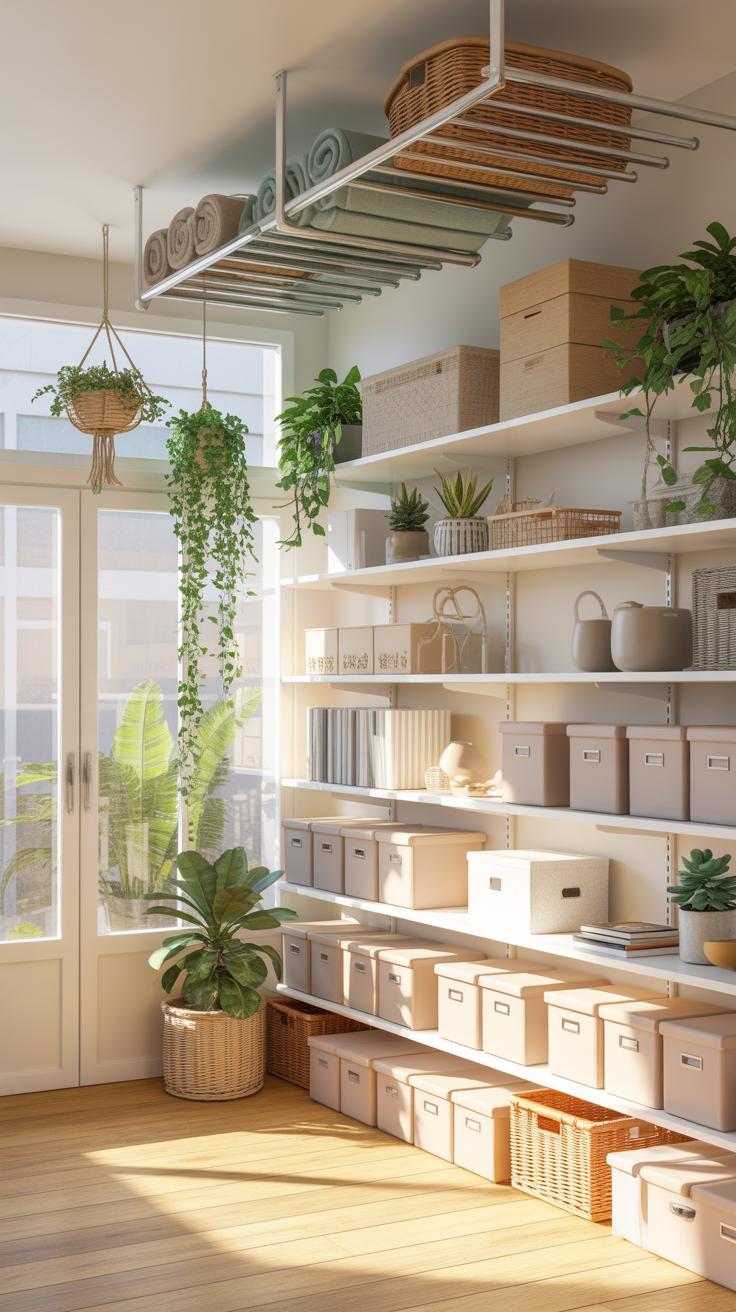
When it comes to freeing floor space in your living room, looking up rather than just around makes a lot of sense. Walls and ceilings often hide untapped storage potential, but it’s easy to overlook them when decorating or arranging furniture. So it’s worth asking yourself: are you fully taking advantage of your room’s height?
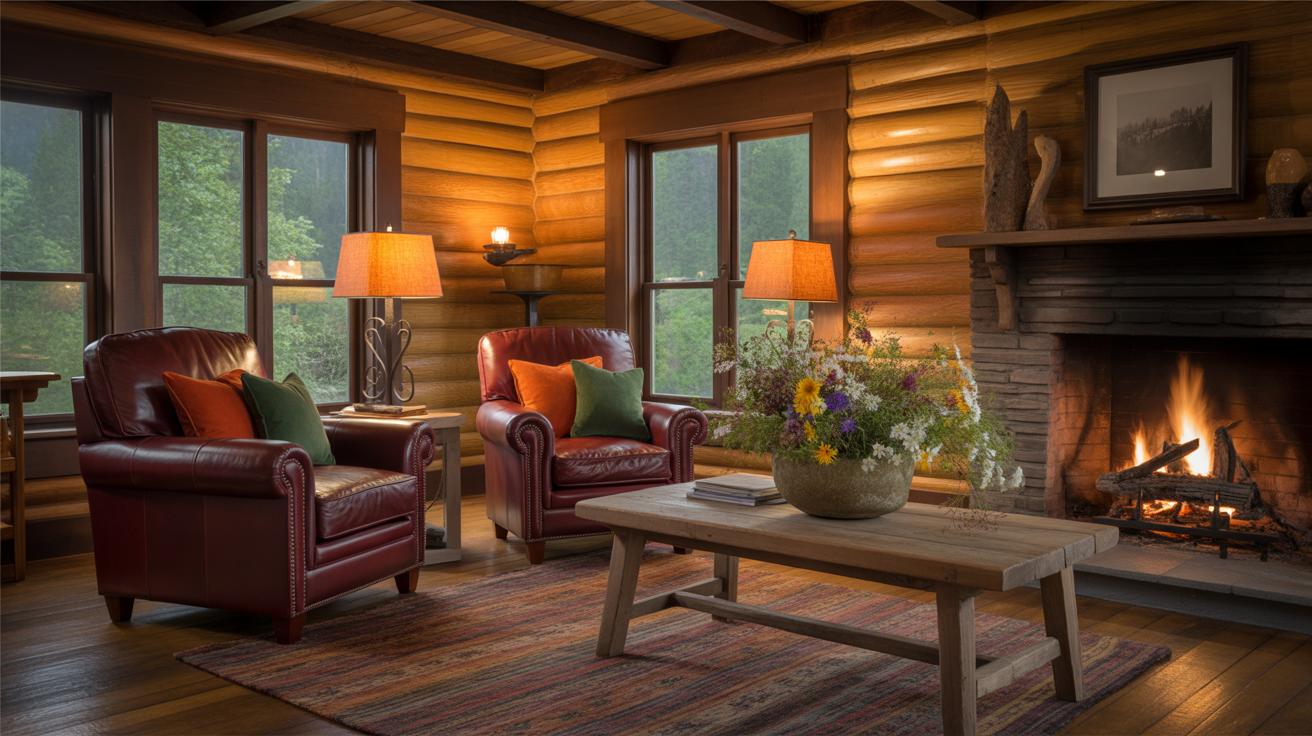
Wall-mounted shelves and cabinets can hold a surprising amount without consuming a single inch of floor area. Perhaps you can install floating shelves above a sofa or a side table to store books, decorative pieces, or even remote controls. Wall cabinets with doors can keep clutter out of sight —this works especially well for items that don’t need regular access.
Experiment with different heights to create a more personalized setup. Maybe place lower shelves within arm’s reach and higher shelves for rarely used items. It’s a balancing act between accessibility and maximizing vertical space.
Looking overhead, ceiling-mounted racks and hooks can be game changers. These are not just for garages or basements. Think: hanging racks for plants, overhead pot racks adapted for a living room’s aesthetics, or hooks for lightweight baskets. It might sound unusual at first, but it helped me clear my small living room floor of bulky storage bins.
Try blending these elevated storage methods with your existing layout. Does an overhead shelf make the room feel cramped, or does it open up the floor? There isn’t a perfect answer here; it largely depends on your space and needs.
- Use sturdy brackets and make sure your wall or ceiling can support the weight.
- Consider the style—wood shelves add warmth, metal frames can bring an industrial touch.
- Rotate what you store up high to avoid creating out-of-reach clutter.
Decluttering And Organizing Daily
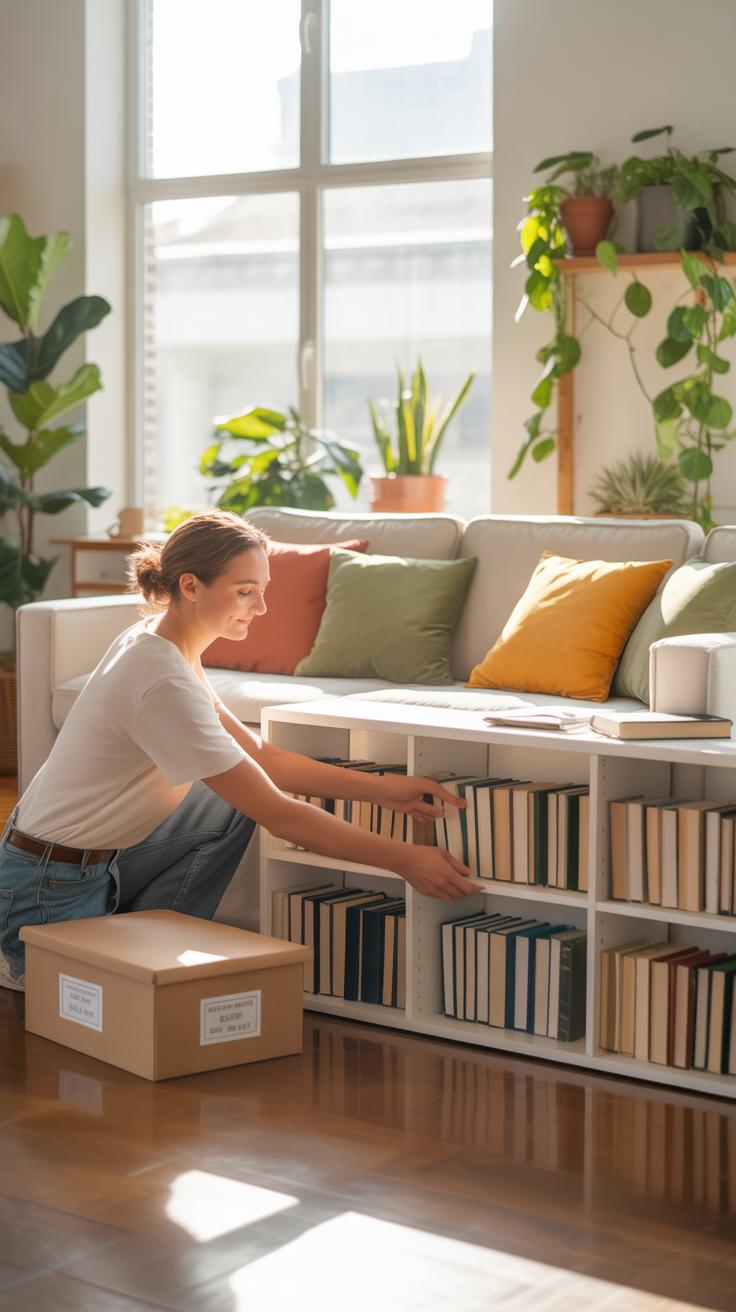
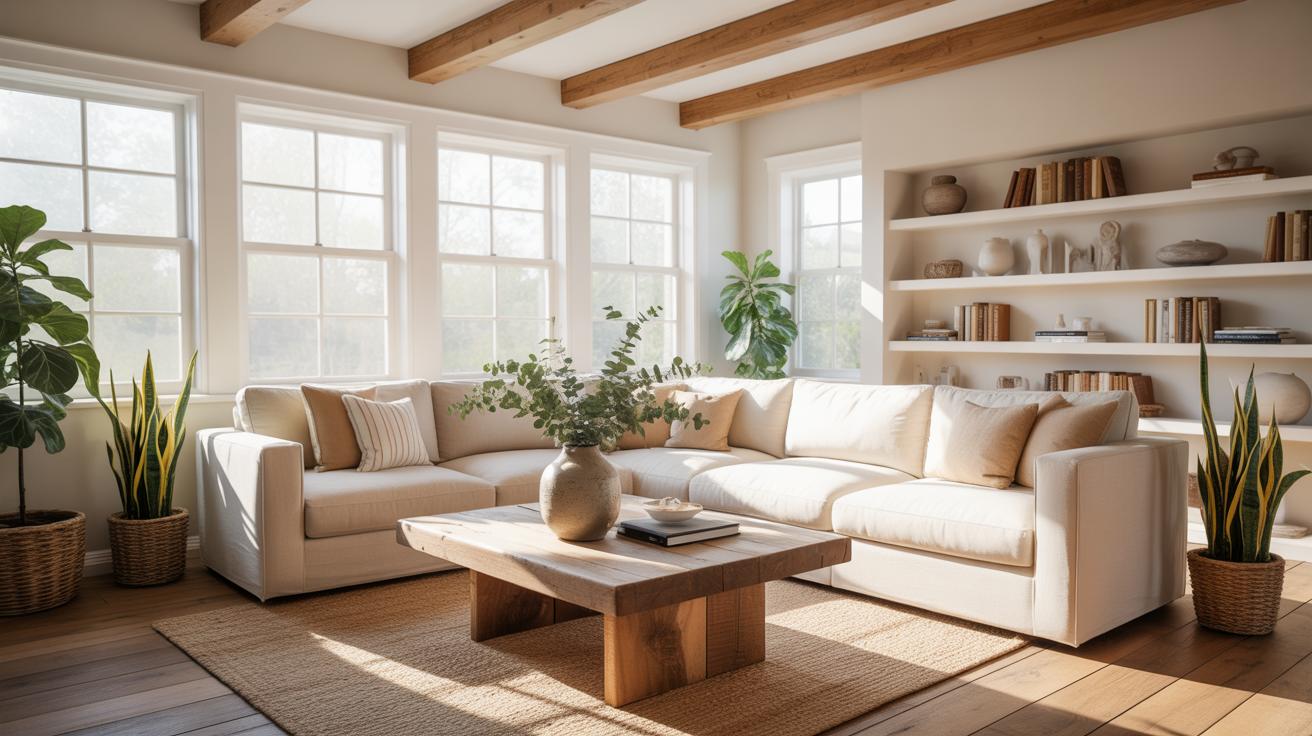
Keeping the living room organized can feel like a never-ending task, but breaking it down into manageable daily steps makes a difference. The key is to build a habit, however small it might seem. Perhaps spending just 10 minutes each day tidying up can prevent clutter from piling up. This small effort can help maintain order without overwhelming you.
Start by creating a daily tidy-up checklist. This doesn’t have to be complicated. It could look like:
- Put away magazines and newspapers
- Clear and wipe down coffee tables
- Straighten up cushions and throws
- Collect and store remote controls in a designated spot
- Pick up stray items and return them to their proper places
Following such a checklist can subtly change how you interact with your living space.
Sort Items Into Storage Bins And Boxes
Bins and boxes are not just containers—they are tools that can transform clutter into order. I’ve noticed that having labeled bins or boxes dedicated to specific categories helps me find things quickly and reduces the temptation to leave items lying around. Think about these tips:
- Use small bins for frequently used items like TV remotes, chargers, or coasters.
- Group children’s toys or craft supplies in colorful boxes that are easy to grab and put away.
- Store seasonal items or rarely used things in clear, stackable boxes in a corner or shelf.
This system allows you to compartmentalize and get a quick visual of where everything belongs. Still, it’s not perfect. Sometimes, you might forget what’s inside, so occasional review is wise. But generally, these simple measures cut down the stress of searching for scattered things and make living room maintenance feel less like a chore.
Smart Storage Tips For Small Living Rooms
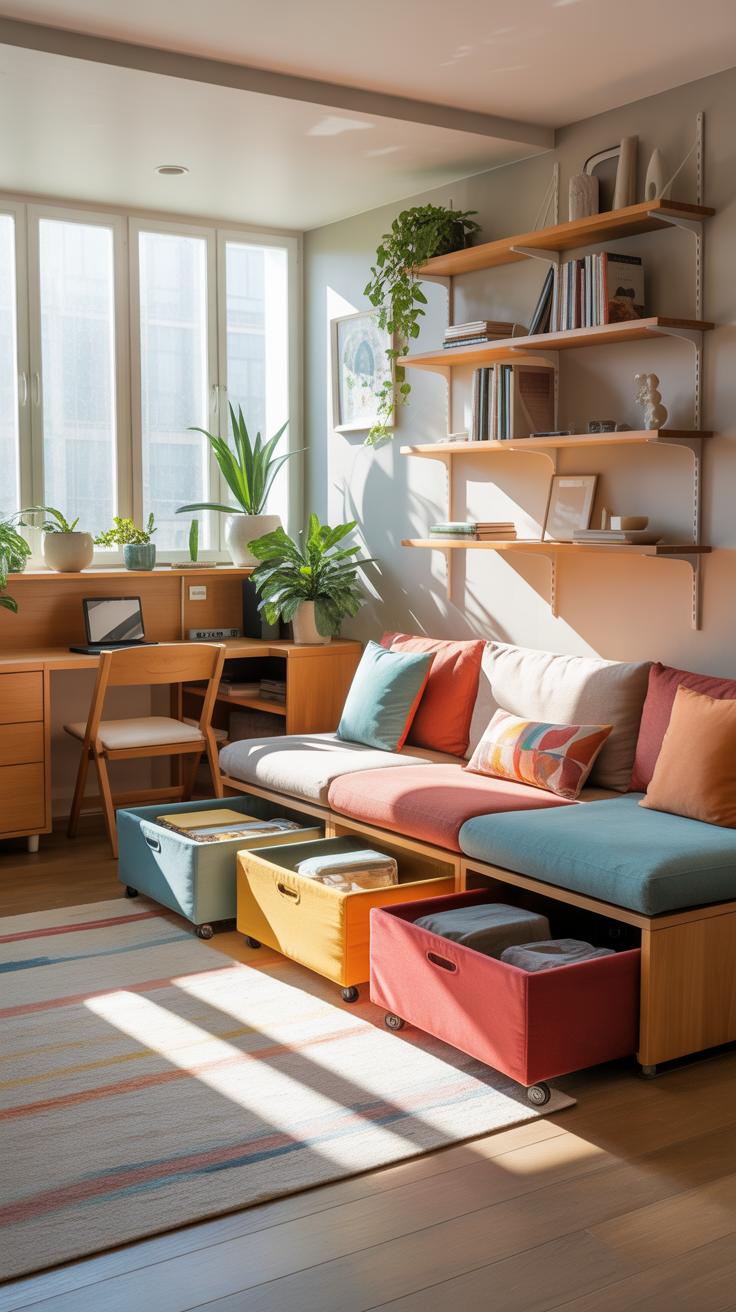
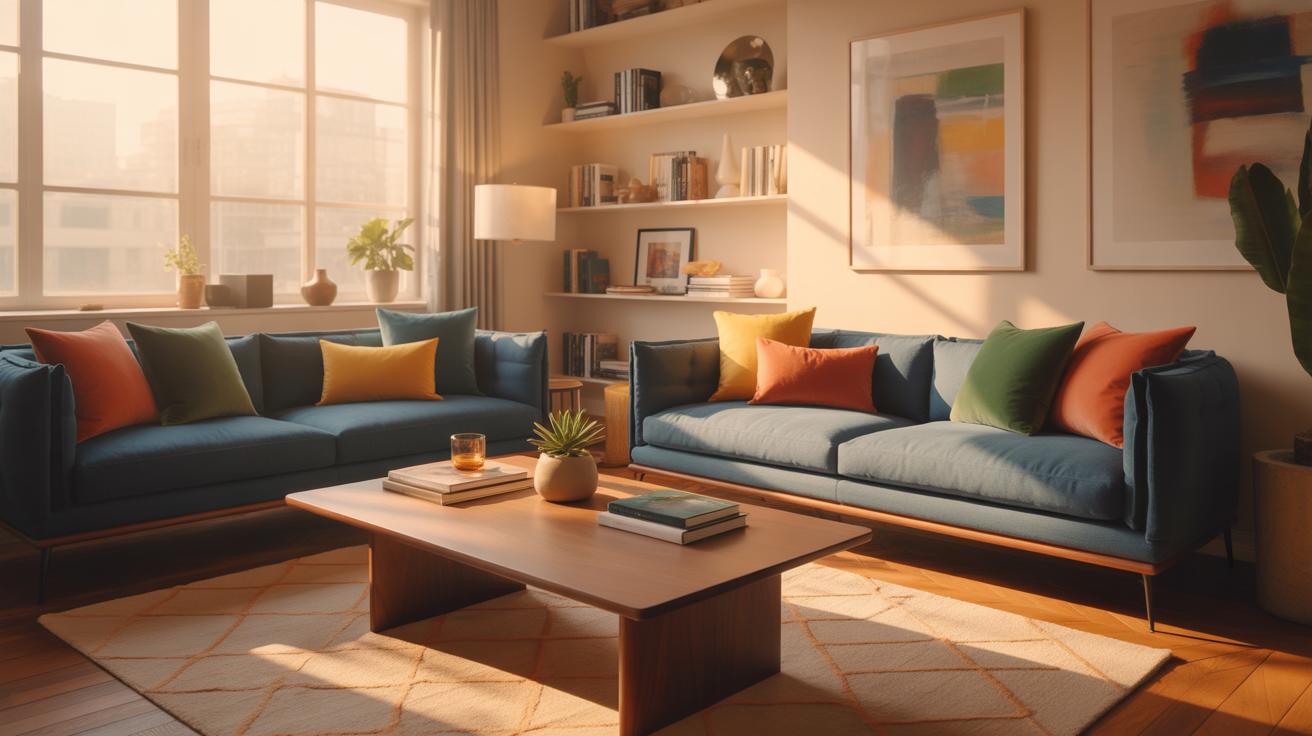
When dealing with a small living room, every inch really matters. You might find yourself wondering how to make the most of limited space without making it feel cramped or cluttered. It’s tricky because you want your space to serve multiple functions, yet remain inviting.
Use Furniture That Doubles As Storage
Choosing furniture pieces that offer hidden storage is a game-changer—you get style and function rolled into one. For example:
- Ottomans with removable tops can stash blankets or magazines.
- Coffee tables with drawers let you tuck away remotes and coasters.
- TV stands with cabinets keep DVDs and gaming gear out of sight.
What’s especially helpful is that these pieces prevent additional bulky storage units from crowding the room. I remember trying out a bench with under-seat compartments in my own tiny space—it was surprising how much stuff fit without sacrificing seating.
Keep Floor Space Clear And Accessible
Maintaining open pathways is vital to making small rooms feel less boxed in. Avoid piling things on the floor—boxes, shoes, books—it only shrinks the space visually and physically. Instead, try hanging wall shelves or going vertical with storage towers if you can.
Think about how you move through the room. Can you reach the sofa without stepping over obstacles? Is there a clear line from the entryway to other areas? These questions help you realize what needs shifting or stashing away.
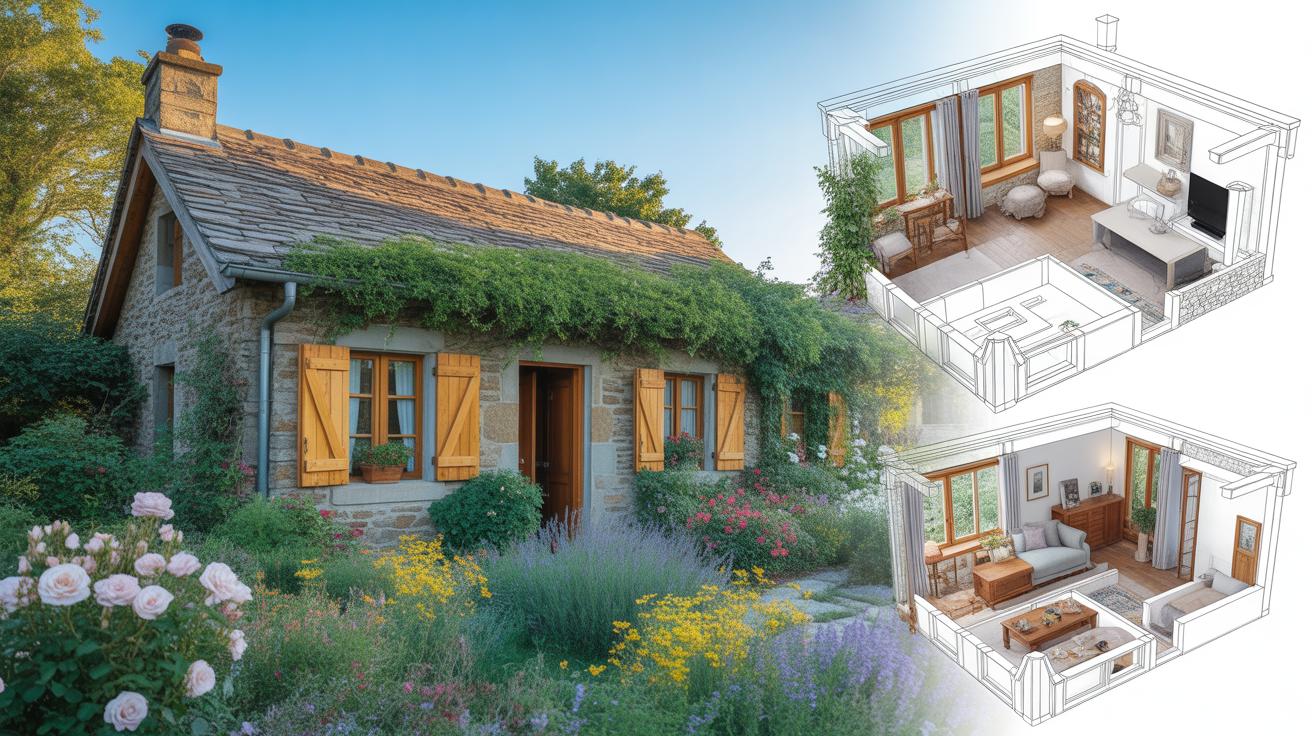
Sometimes, a minimalist approach might feel too stark, but a cluttered floor makes everything worse. Finding a middle ground where essentials have a home but aren’t scattered is key.
Comparing Open Vs Closed Storage Options
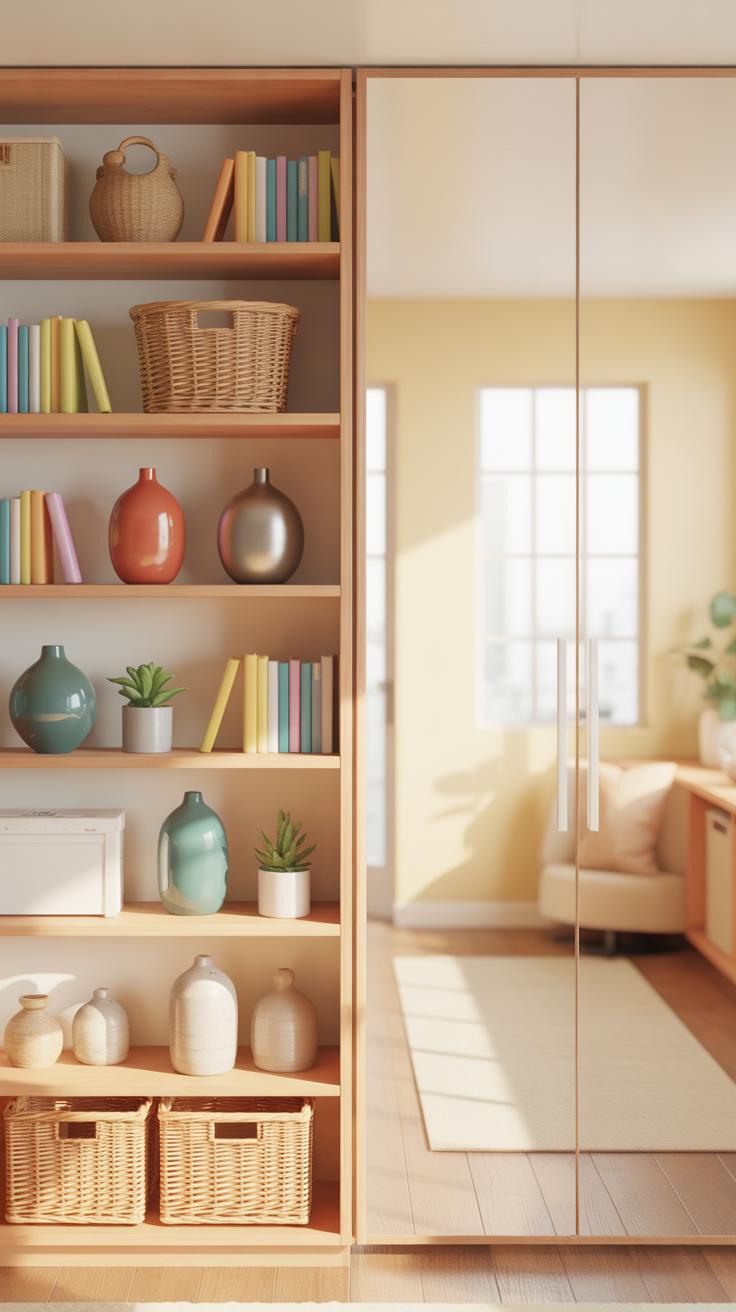
Advantages Of Open Shelves
Open shelves bring a different kind of energy to living room organization. They make everything visible at a glance, which is handy if you like quick access to items. You can spot your favorite books, decor pieces, or everyday essentials without digging around. This visibility can encourage tidiness too—a messy shelf just stands out, so you might feel nudged to keep things neat.
Open shelving also invites creativity. Displaying personal items or collections can enhance your living space’s character. Yet, this comes with a trade-off—items are exposed, so the space can quickly feel cluttered if things aren’t well arranged. I remember once having an open shelf that made my living room feel lively, but also chaotic because everything was out in the open, including some less attractive clutter.
Benefits Of Closed Cabinets
Closed cabinets are like secret keepers. They hide clutter, which can be a relief when you want your living room to feel calm and orderly. With doors shut, everyday messes don’t shout for attention. This can be particularly helpful in busy households or smaller spaces where uncluttered surfaces mean a lot.
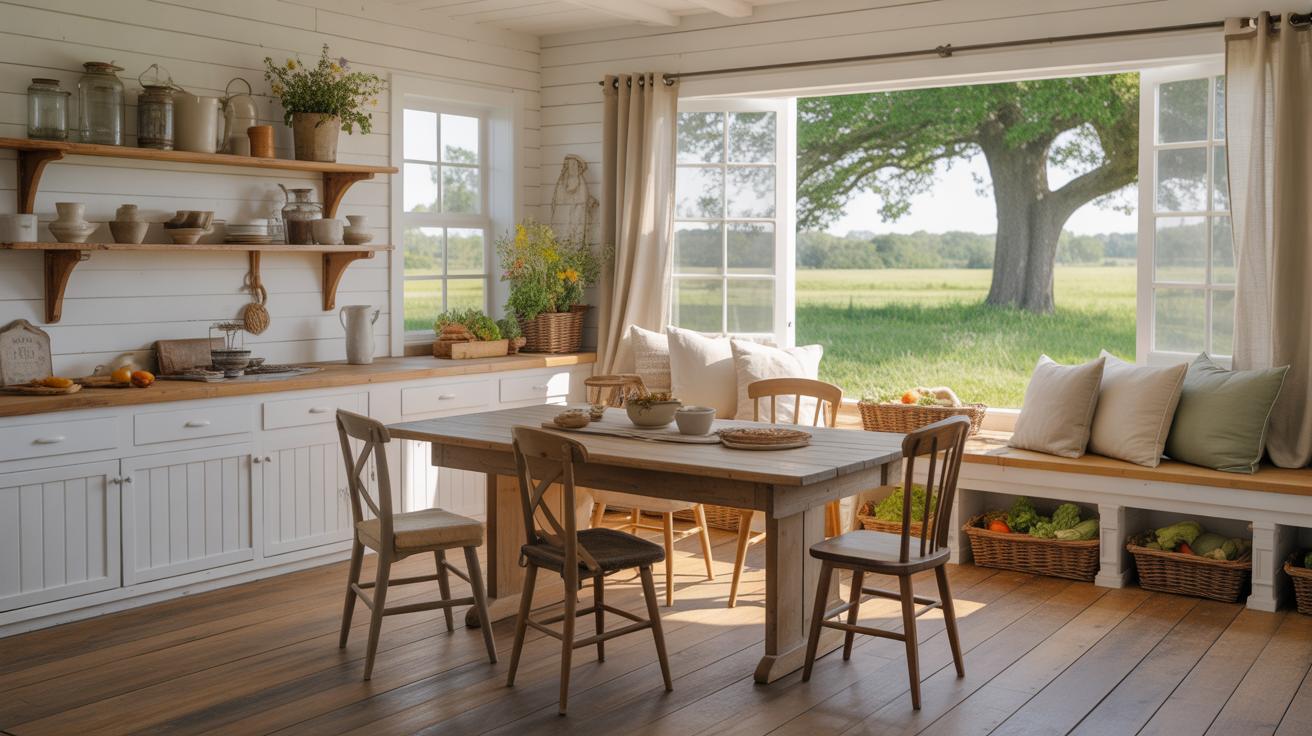
Besides hiding mess, cabinets protect your belongings from dust and potential damage. Items like board games, electronics, or delicate decor find safe shelter behind closed doors. Still, accessing things might take a bit longer than with open shelves. Sometimes, you might even forget what’s stashed away in there, which is a drawback if you want quick retrieval.
Choosing between open shelves and closed cabinets often depends on your lifestyle, preferences, and the kind of living room vibe you want. It’s worth considering which benefits matter most to you—and maybe a mix of both is just right.
Incorporating Decorative Storage Elements
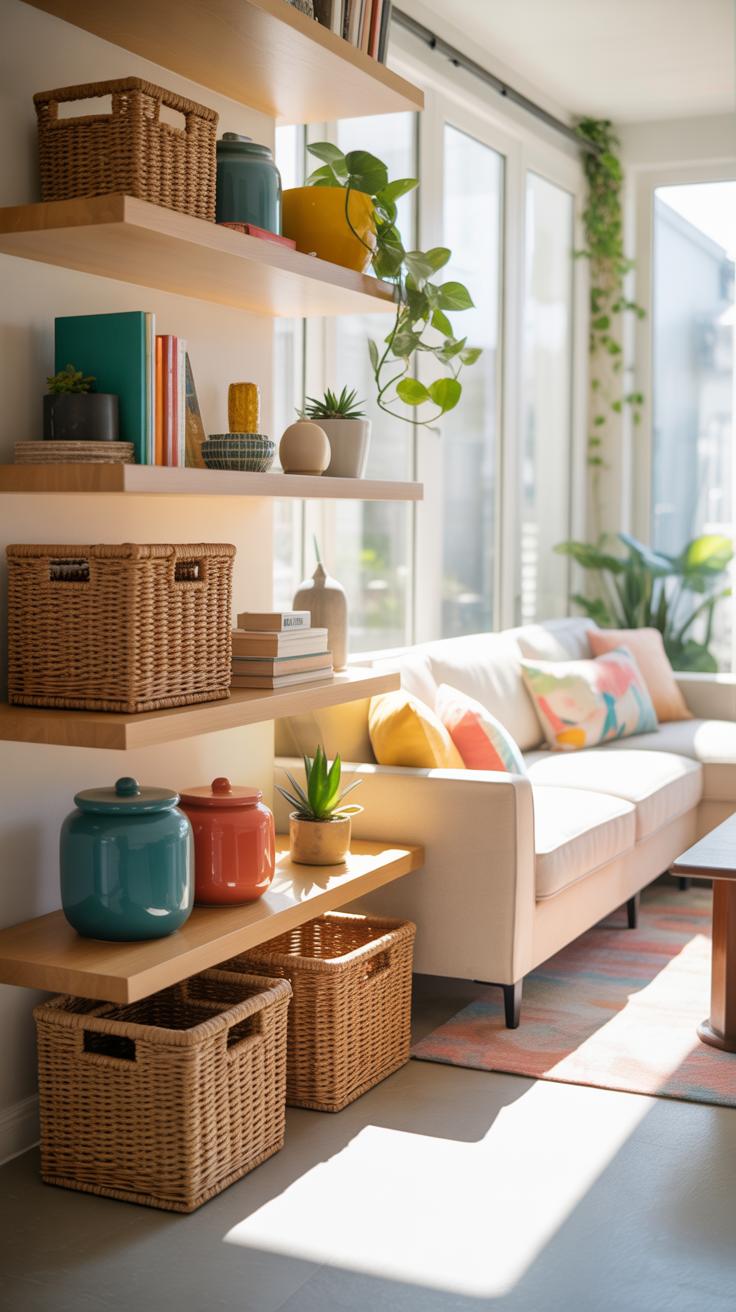
Storage in your living room doesn’t have to be purely functional. You might find yourself surprised how much it can also contribute to the room’s aesthetic. When you pick storage pieces that look appealing, they serve a dual role — holding your items and adding to the decor. This approach can change how clutter feels, turning chaos into part of the design rather than an eyesore.
Use Stylish Baskets And Boxes
Baskets and boxes aren’t just for putting things out of sight. When chosen carefully, they bring texture, color, and style into your room. Think about materials like woven fibers, wood, or even metal for a bit of contrast. You want containers that encourage you to keep things tidy because they look nice enough to be out in the open. For instance:
- A natural rattan basket beside the sofa can hold blankets neatly.
- Decorative boxes on an open shelf might store remotes or magazines while complementing other decorative items.
- Choose colors that blend with or subtly contrast the room’s palette, so these pieces feel purposeful rather than tossed in.
Display Items Creatively While Storing
It’s tricky, but arranging decorative objects and books on shelves can greatly affect the room’s mood. You don’t have to hide everything away. Mix books with art pieces or plants, but keep a visible sense of order. You could stack some books horizontally and stack a small sculpture or a candle on top to break the monotony. Or, leave gaps between items—don’t cram the shelf completely. That way, the room feels both curated and lived-in.
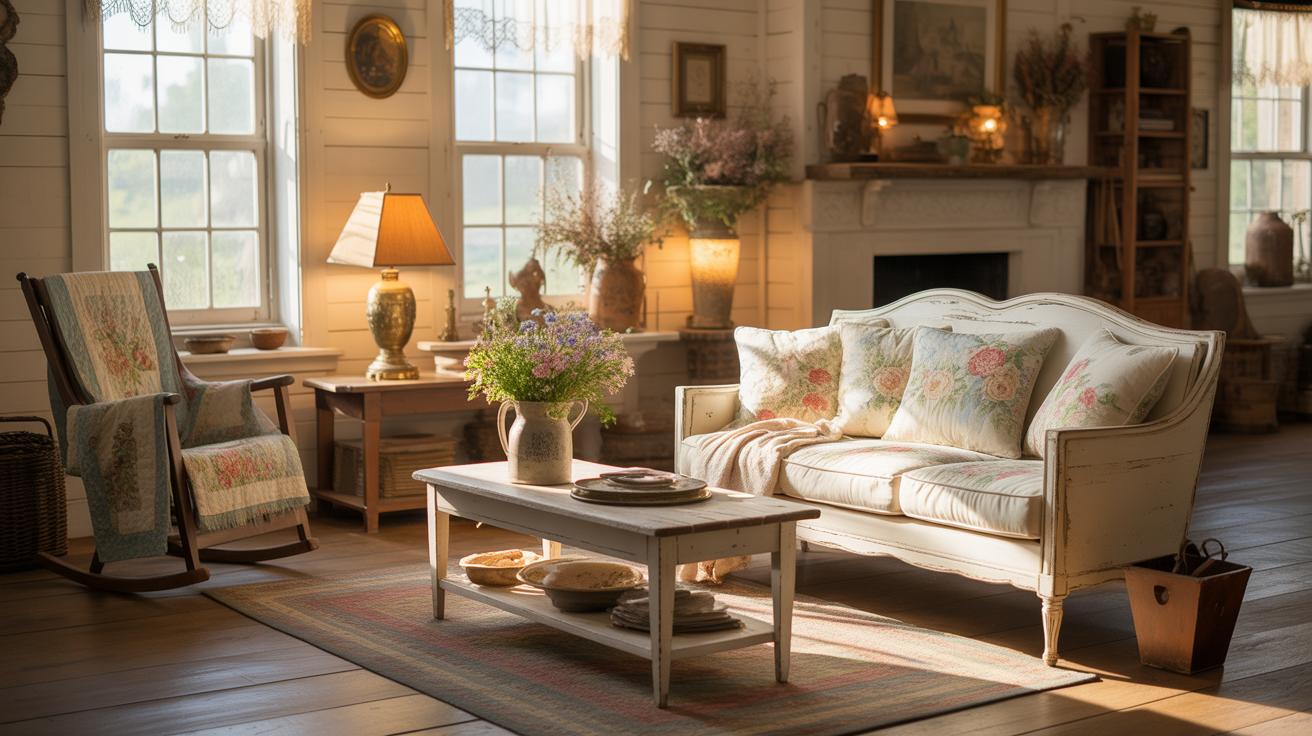
Have you noticed how some shelves look like a mini gallery rather than just a place to dump stuff? There’s something calming about that balance. It’s worth trying different layouts to see what feels right — because ultimately, this is your space, not a showroom. Remember that a bit of imperfection can lend personality to your living room storage and make it more inviting.
Maintaining Organization Over Time

Keeping your living room organized isn’t just a one-time task. It calls for regular attention. Scheduling monthly review sessions can make a real difference. You might set aside 15 or 20 minutes once a month to check if everything is in place and if any clutter has crept back in. That little routine can prevent disorder from piling up without feeling like a big chore.
During these sessions, consider what storage solutions are still working for you. Your lifestyle or possessions may change—perhaps you’ve picked up new hobbies or let go of old ones. If your storage isn’t matching your current needs, it’s okay to tweak it. Moving the position of a bookshelf or swapping a basket for a box can help you stay better organized. It’s less about perfection and more about adapting.
Think about what items you use daily and which ones are not pulling their weight. Sometimes, we hold on to things we rarely touch. Letting those items find another home or a different storage spot can free up space for what truly matters. It’s not always easy to decide, but these monthly check-ins give you a chance to rethink and adjust.
Are you finding your system still functional after a few months? Or maybe, oddly, you’re noticing new challenges you didn’t expect. Either way, that little habit of reviewing and modifying can help your living room stay organized over the long haul—without adding stress.
Conclusions
Organizing your living room effectively plays a crucial role in creating a comfortable and welcoming environment. By using smart storage solutions and selecting multi-purpose furniture, you can make your space work harder for you. Simple habits like arranging your belongings and keeping frequently used items accessible also help maintain order.
Applying these storage ideas will not only improve the look of your living room but also make daily living easier. Start with small changes, and you will notice a big difference in how your living room feels and functions.