Introduction
Your living room reflects your personality and lifestyle. Living Room Styles With Decoración De Interiores Moderna Trends bring fresh ideas to your home’s main social space. This article will guide you through popular living room styles and why they matter for your home’s comfort and appearance.
You will learn about different living room designs, what makes each unique, and how to blend modern decoration trends with classic styles. Whether you want a cozy space or a stylish room for socializing, these insights will help you decide the best look for your living room.
Living Room Essentials Checklist
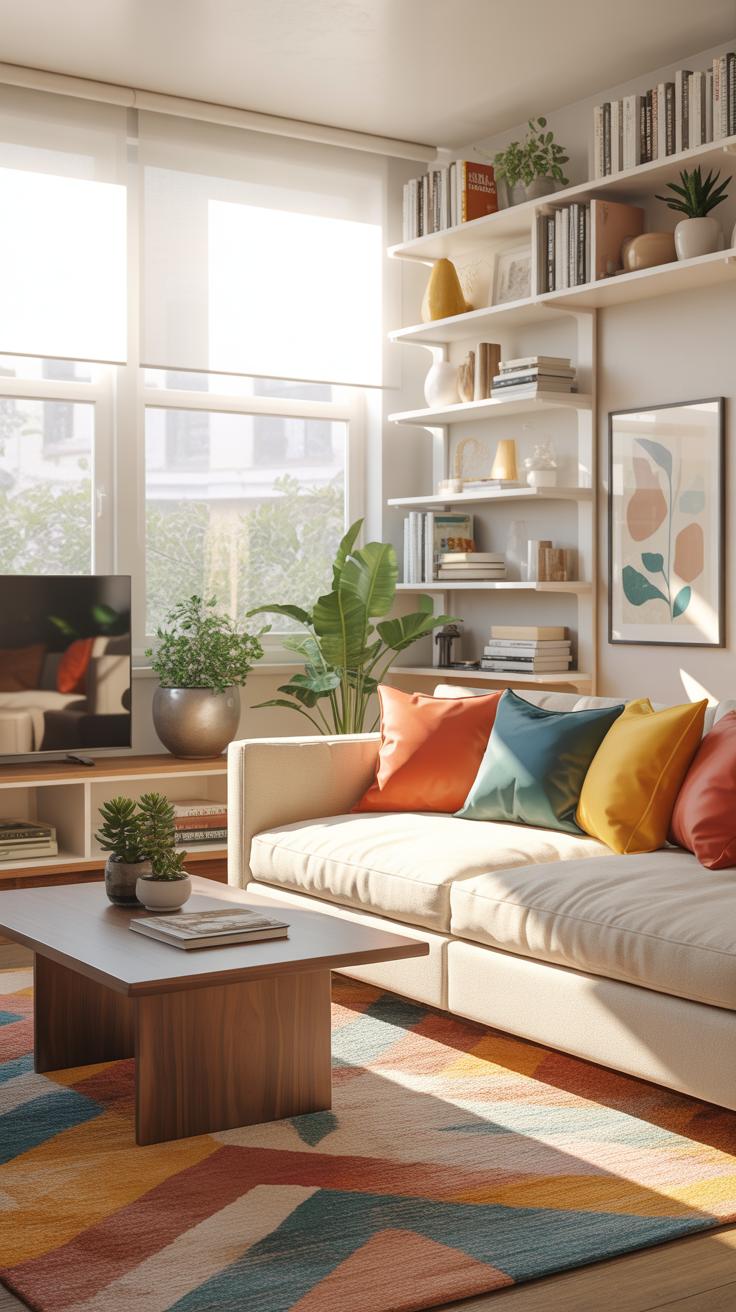
When setting up a living room, some basics just can’t be missed no matter the style. Furniture is a core part — seating like sofas or armchairs, tables where you can place drinks or books, and storage for keeping things tidy. Decorations add personality. Think throw pillows, rugs, and art that reflect your taste and make the space inviting.
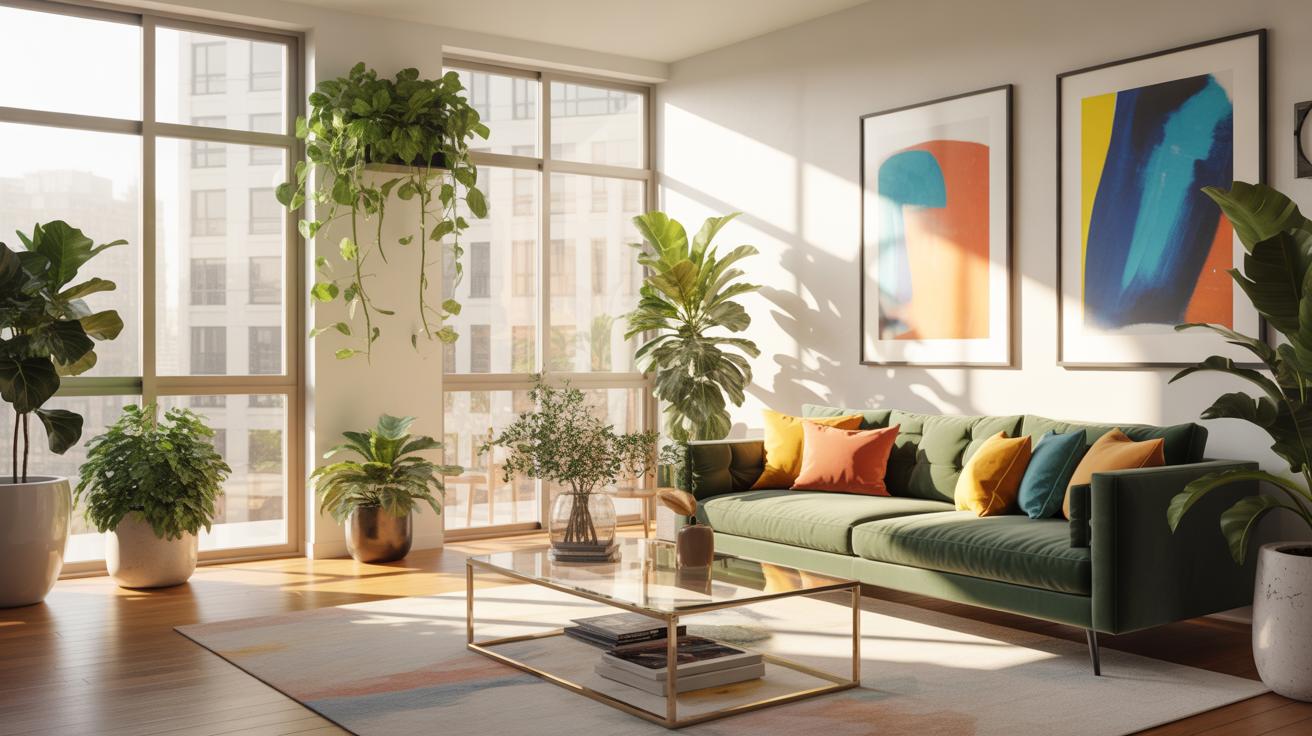
Picking the right pieces partly depends on your room’s size. For smaller spaces, aim for furniture that serves multiple purposes, such as ottomans with storage or nesting tables. Large rooms can accommodate larger furniture but risk feeling empty without enough items to balance the space.
Start by figuring out your main uses for the room. Are you entertaining often? Do you need a spot for reading or working? These considerations guide your choices. For example, if you like cozy movie nights, intentional plush seating and side tables for snacks become essential. Selecting a few key elements well can carry the whole room and prevent overcrowding.
Choosing The Right Furniture
Furniture needs to fit not just physically but functionally. In compact living rooms, streamlined pieces with clean lines help prevent the space from feeling cramped. A loveseat and a small coffee table might be better than a bulky sofa. For bigger rooms, sectionals or multiple seating zones can foster different activities.
Style-wise, pick things that speak to your tastes but keep comfort and practicality in mind. A beautiful chair that’s uncomfortable won’t get used. Select materials that hold up well to your household’s lifestyle—think easy-to-clean fabrics if you have kids or pets. Balancing looks with usability can be tricky but pays off in everyday satisfaction.
Selecting Appropriate Lighting
Lighting has a subtle but huge impact on how your living room feels. Natural light, when available, should be maximized. Sheer curtains or blinds can soften it without blocking it entirely. Think about what times you use the room most to decide the best window treatments.
Artificial light layers add flexibility. Overhead lighting provides general illumination, but it’s often harsh alone. Combine it with lamps, wall sconces, or even candles to create warmer, inviting spots. Dimmer switches are a great addition if you want to shift the mood with ease—bright for games or projects, soft for relaxing evenings.
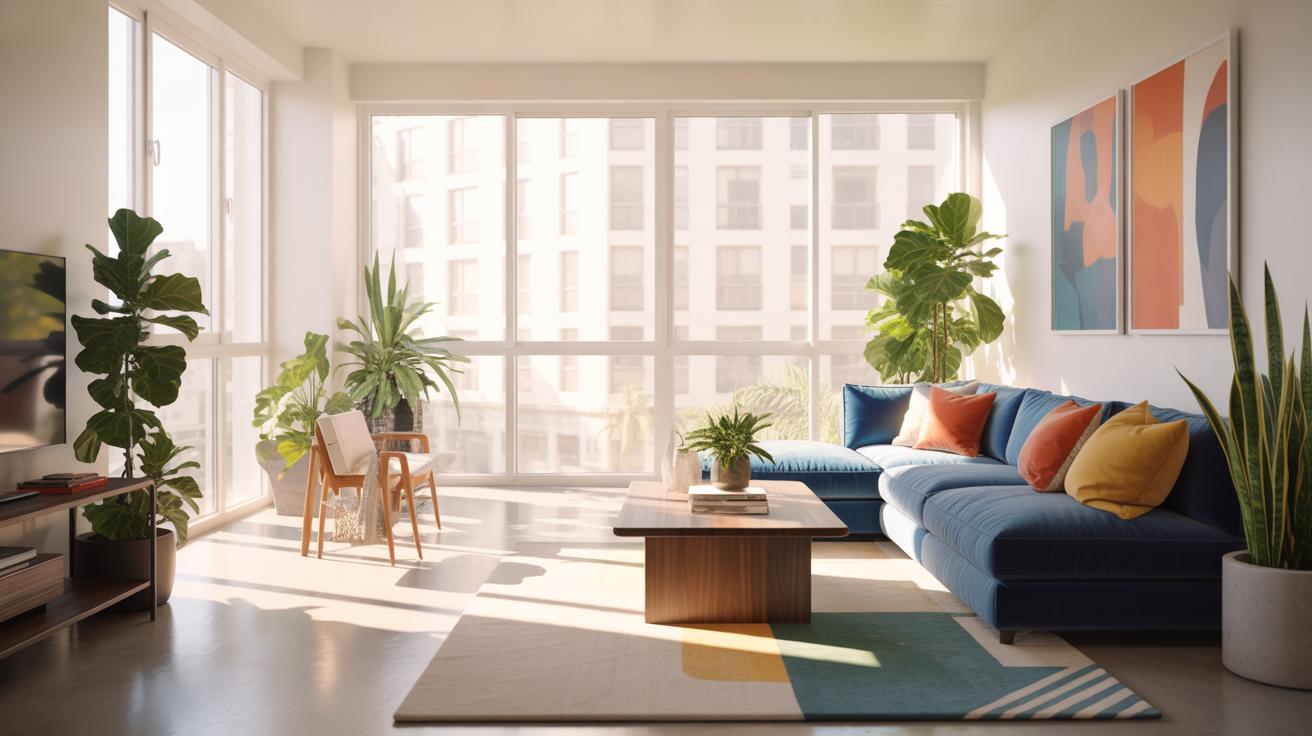
The trick is to have options. Different activities need different lighting levels, and the chance to adjust light can change the whole character of your space.
Modern Decoration Integration
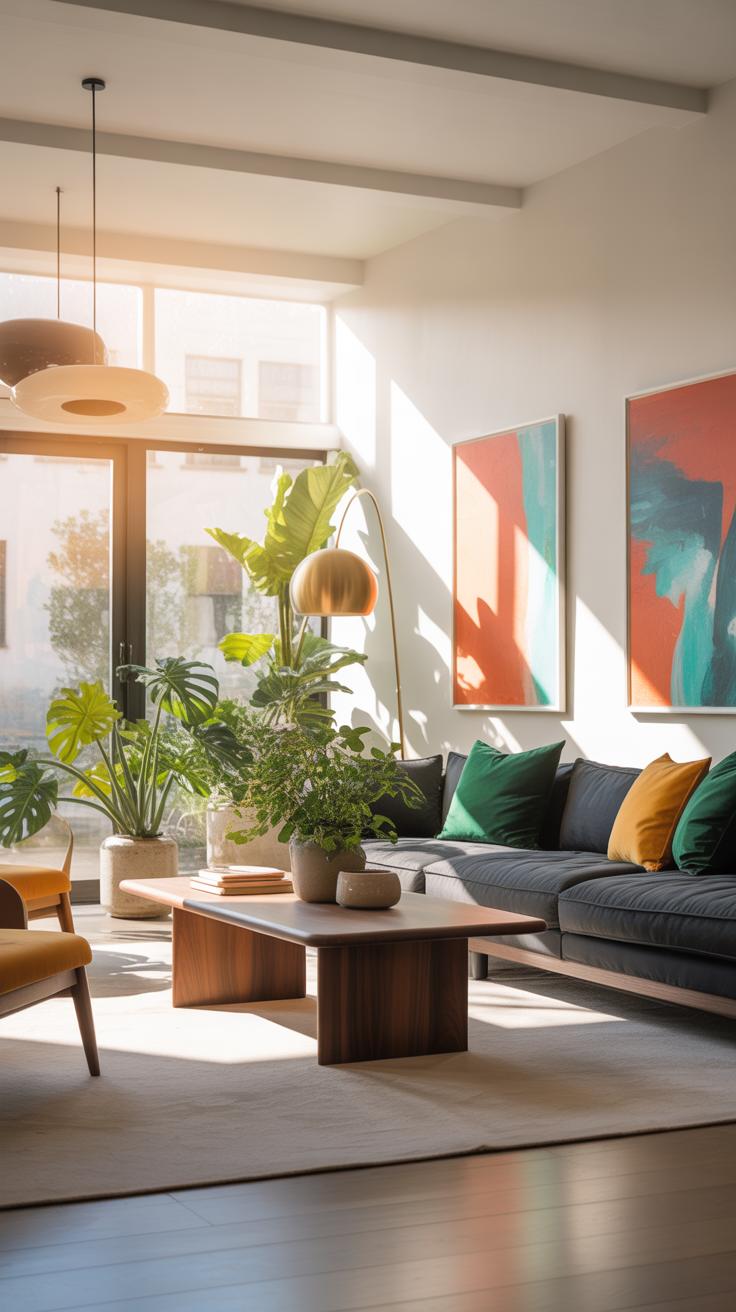
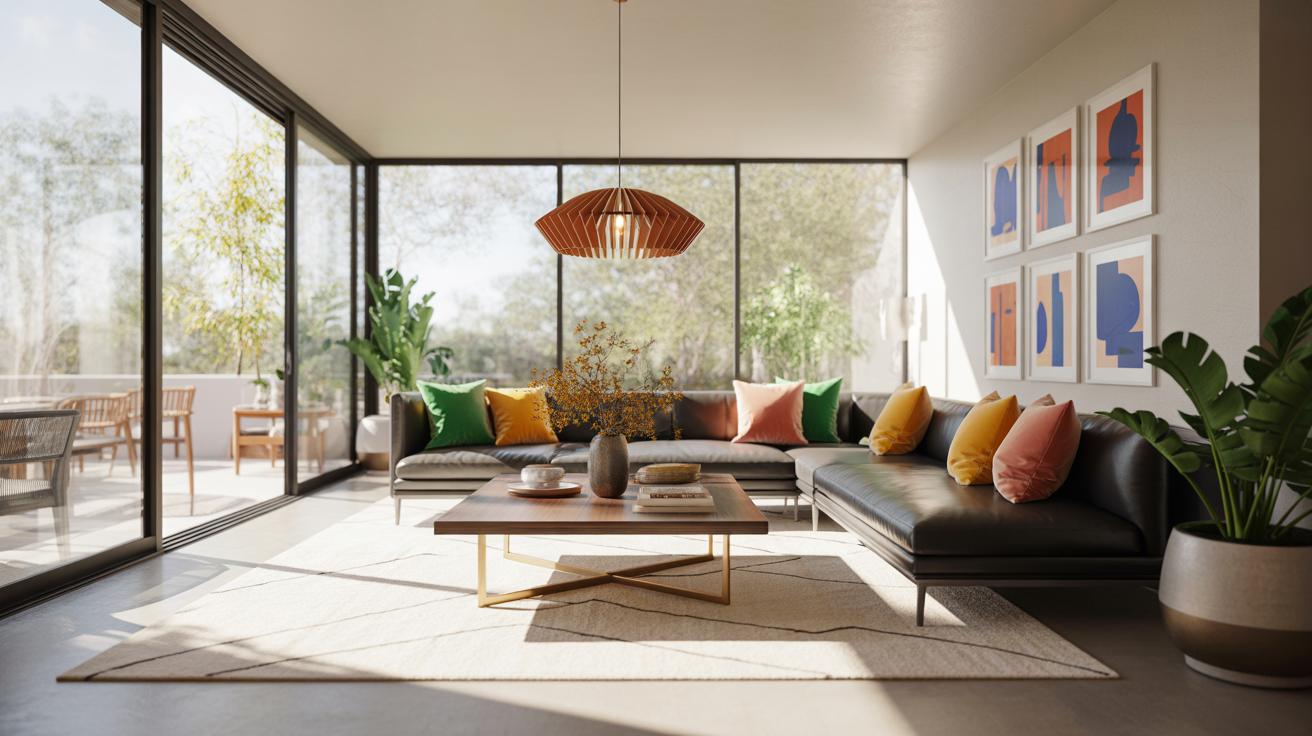
Trying to blend modern decor into various living room styles is a bit like walking a fine line. You want to introduce fresh, contemporary elements without losing the essence that defines the style you’ve already embraced. One method that often works is focusing on accents rather than overarching changes. For instance, a mid-century modern living room can incorporate sleek metallic light fixtures or geometric art pieces without feeling out of place.
Another approach is through furniture choices. A classic or even rustic room can welcome modern touches if you pick a clean-lined sofa or a minimalist coffee table. The key? Keep the scale and color palette consistent. Sometimes, less can truly be more here, so rather than overwhelming your existing style with too many new items, select a few pieces that catch the eye while still harmonizing with the old.
Don’t forget functionality—the hallmark of modern design. You might find that integrating smarter storage solutions or ergonomic seating can modernize a room subtly but effectively. It’s a balance, I guess, of respecting tradition while inviting a bit of the new in.
Using Color Schemes Wisely
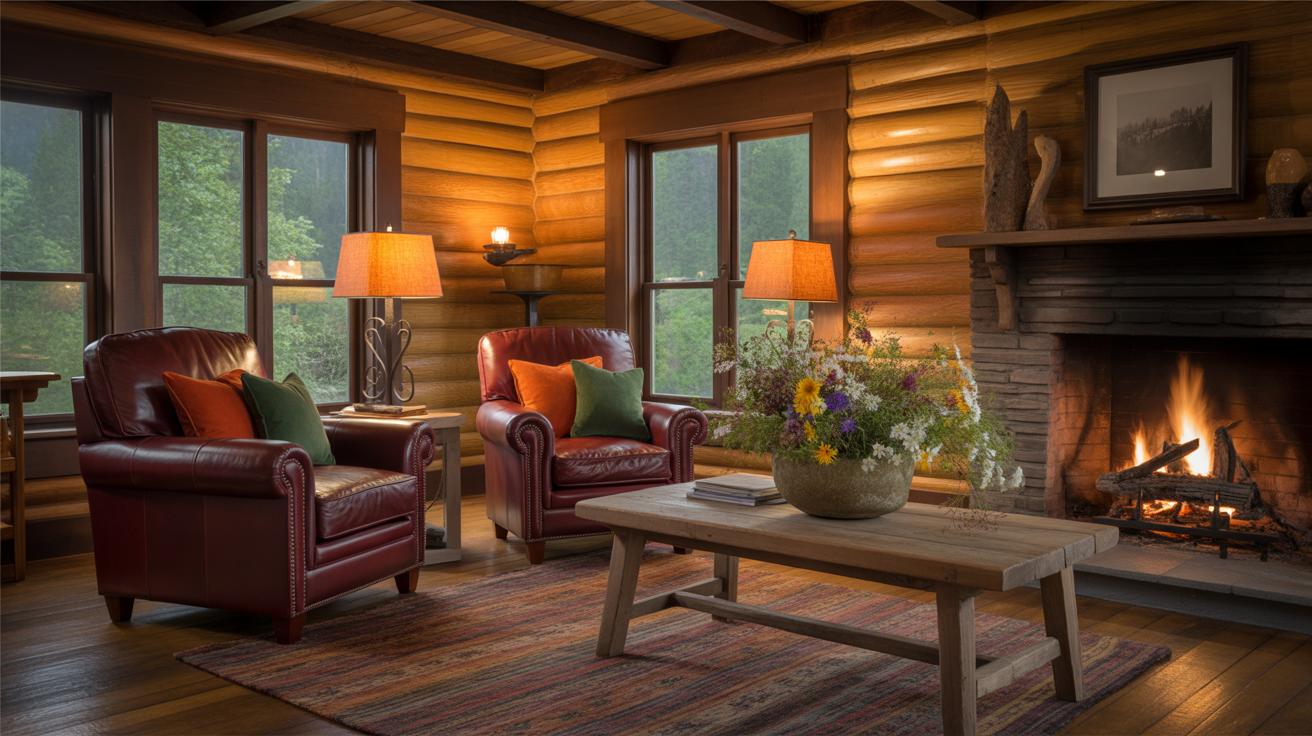
Color choices in modern decor can be tricky. A lot of people gravitate towards neutral tones because they provide such a calm and versatile backdrop. Popular hues include soft grays, beiges, and off-whites. These neutrals are great because they let you experiment with bolder accent colors like navy blue, emerald green, or even burnt orange without clashing.
When using bold tones, the idea is not to overdo it. Often, a few cushions, a rug, or an art piece can deliver the punch without overwhelming the senses. Too many bold colors competing can create a chaotic vibe, so it’s better to establish a dominant neutral scheme and then sprinkle in color.
Consider too how lighting affects your color choices. Natural light can soften dark colors beautifully, but rooms with less sunlight might benefit from lighter shades or reflective surfaces. You could experiment a little, but generally, a thoughtful balance between bold and neutral is where the magic happens.
Incorporating Textures And Materials
Texture matters a lot in modern living rooms, sometimes more than we realize. Smooth leather sofas often speak to sleek, modern preferences, while a plush wool rug adds warmth and invites you in. The mix of hard and soft materials can create a room that feels both stylish and comfortable.
Wood, glass, metal, and stone are all commonly found materials in contemporary spaces, but it’s crucial to consider how they interact. For example, a metal coffee table paired with a chunky knit throw instantly softens the industrial edge. Likewise, glass elements reflect light, enlarging the visual space and offering a clean feel.
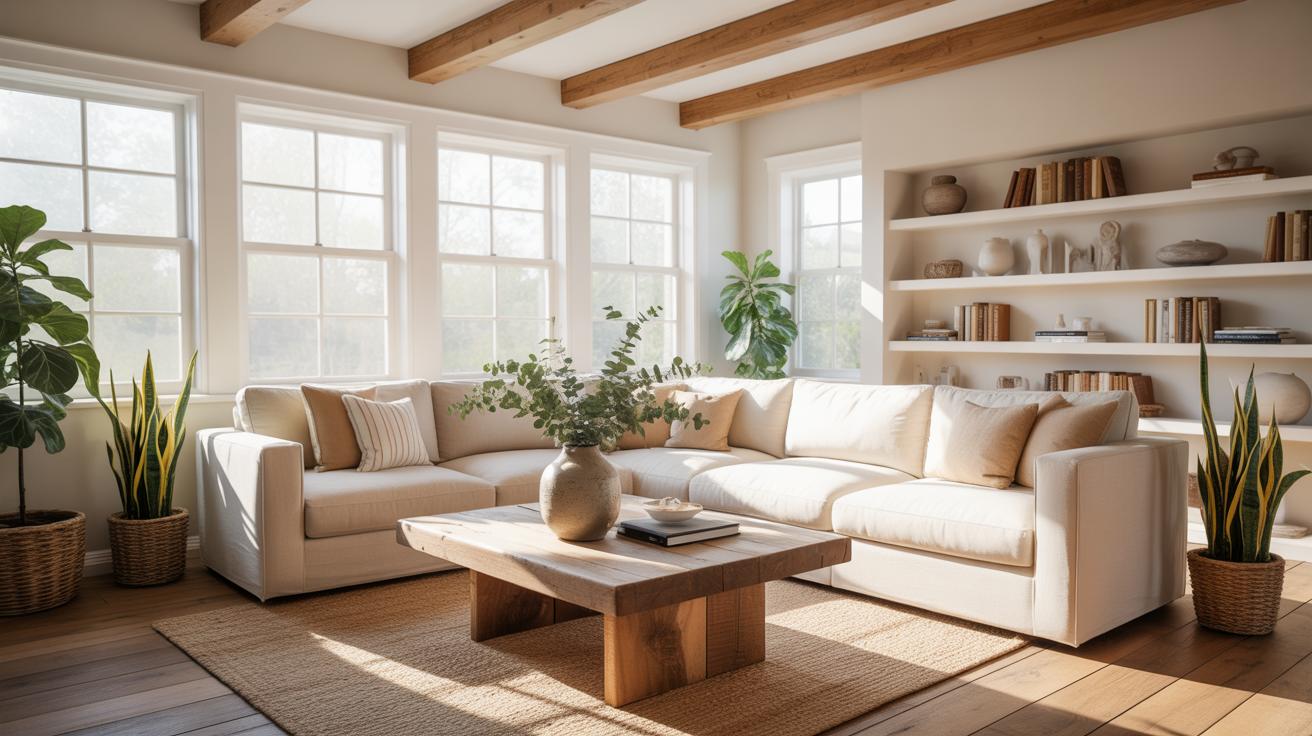
Mixing materials is a bit of an art. You don’t want a clash, but some tension between contrasting textures can keep the room from feeling too polished or cold. Comfort often comes from this contrast, creating spaces that look good and feel good to be in.
Minimalist Versus Traditional Styles
Advantages Of Minimalist Spaces
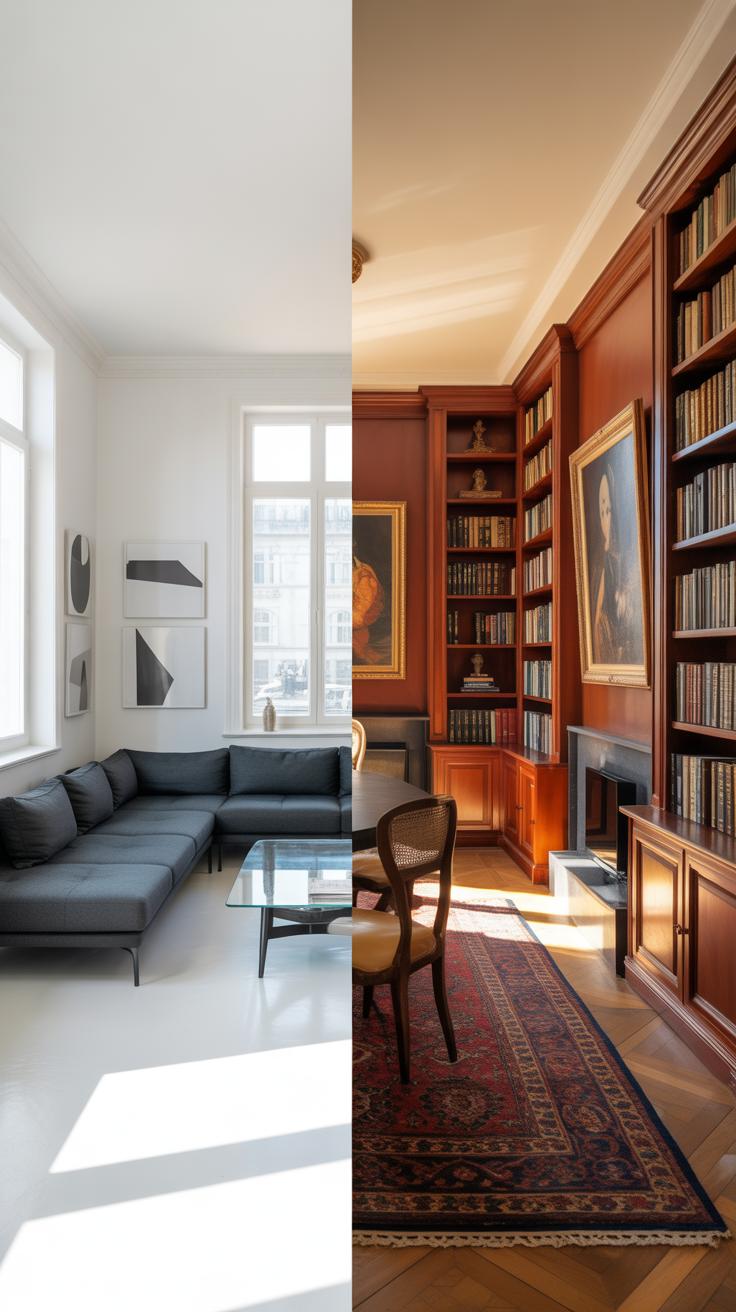
Minimalist living rooms often feel calm, uncluttered, and bright. I think their real charm lies in simplicity—there are fewer things to clean and maintain. This style works well if your space is small; for instance, a single sleek sofa with clean lines, a minimal coffee table, and maybe one or two art pieces can open up the room noticeably.
Besides making a room appear larger, it feels easier to relax without visual noise. But then, some might find minimalist spaces a bit too bare or impersonal—it depends on whether you like your space to shout or whisper.
Strengths Of Traditional Living Rooms
Traditional living rooms, on the other hand, appeal to those who enjoy warmth and comfort with a hint of nostalgia. People who favor classic details, like rich wooden furniture, patterned upholstery, and decorative moldings, often find these spaces cozy and inviting.
Think about a plush sofa, carved coffee tables, and perhaps an ornate rug—these elements create a sense of familiarity. However, traditional rooms may feel crowded or harder to maintain, especially if you’re pressed for time or prefer a lighter setting. Yet, they do satisfy a need for history and personality that minimalist designs sometimes lack.
Furniture Arrangement Tips
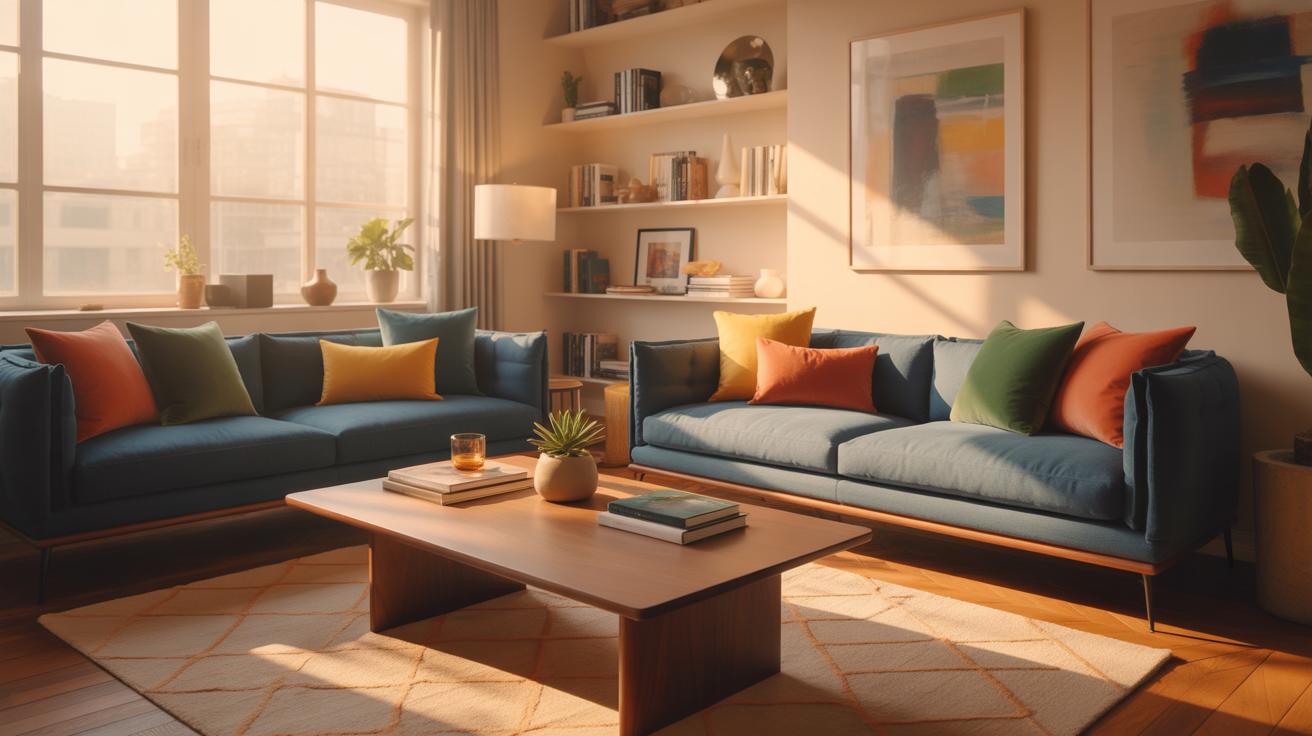
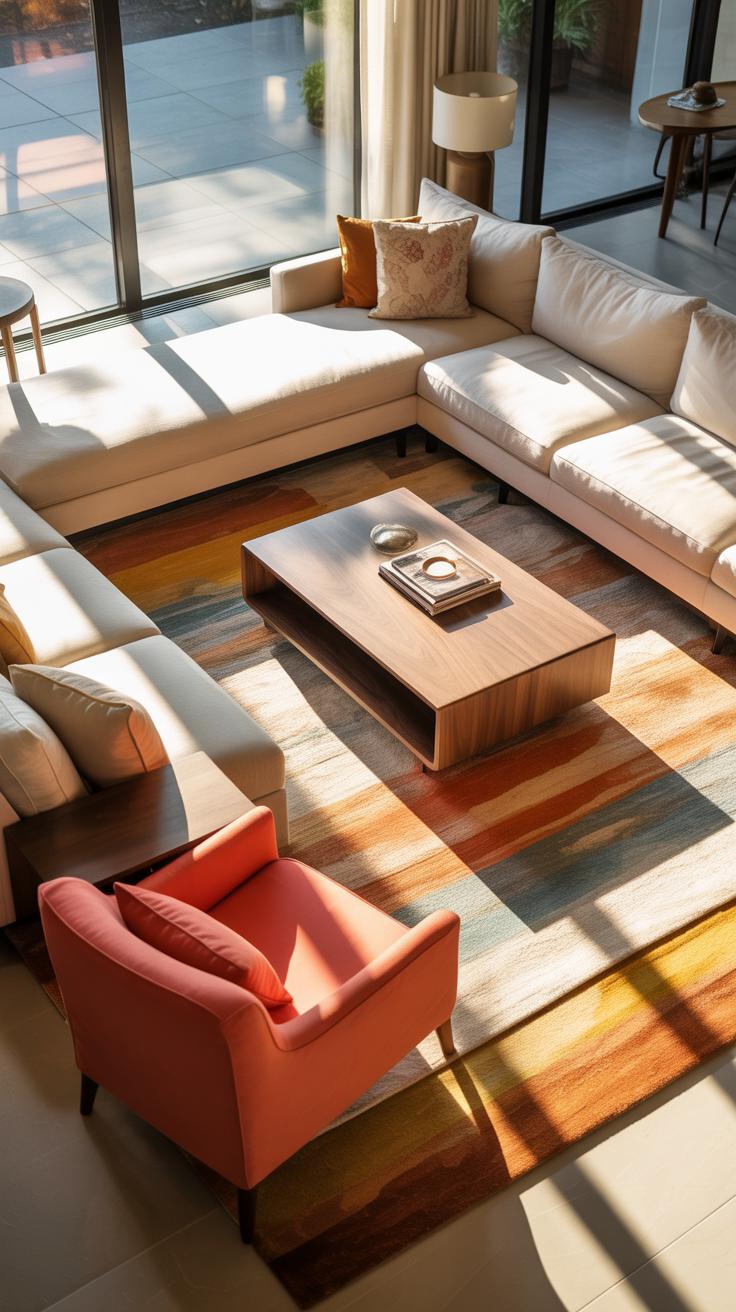
Figuring out how to arrange your living room furniture can feel like juggling without enough hands. You want comfort, but also space. Maybe a cozy nook, but enough room for guests too. Start by thinking about how you really use the space—do you watch TV mostly, or is it a spot for chatting?
When placing sofas and chairs, avoid pushing all furniture against walls just because it seems like “more space.” Sometimes pulling pieces inward creates a more intimate setting. Also, steer clear of blocking pathways—nothing kills a vibe like tripping on a coffee table. Here’s a simple checklist:
- Make sure there’s clear walking space around furniture.
- Arrange seating to face each other, not just the TV.
- Use rugs or lighting to define separate zones.
- Don’t overcrowd; leave breathing room.
One mistake I often see is neglecting focal points. Not every room needs to center on the TV; a fireplace or a piece of art can work just as well, even better. But try not to cram everything into one corner—that can isolate people rather than invite them in. Think about flow and balance, though don’t stress too much if it’s not perfect. Your room should feel lived-in, not staged.
Maximizing Space Using Layout
Small rooms often get a bad rap, but with the right layout, they can feel surprisingly open. It all comes down to how you place key pieces. For instance, a sectional sofa along one wall can save space, but in a larger room, floating furniture away from walls creates a more inviting zone.
Try this step-by-step approach:
- Measure your room, including windows and doors.
- Choose a focal point—TV, fireplace, view.
- Place the largest piece first, usually the sofa, with clearance for traffic.
- Add secondary seating around it—chairs or ottomans.
- Include smaller tables within easy reach.
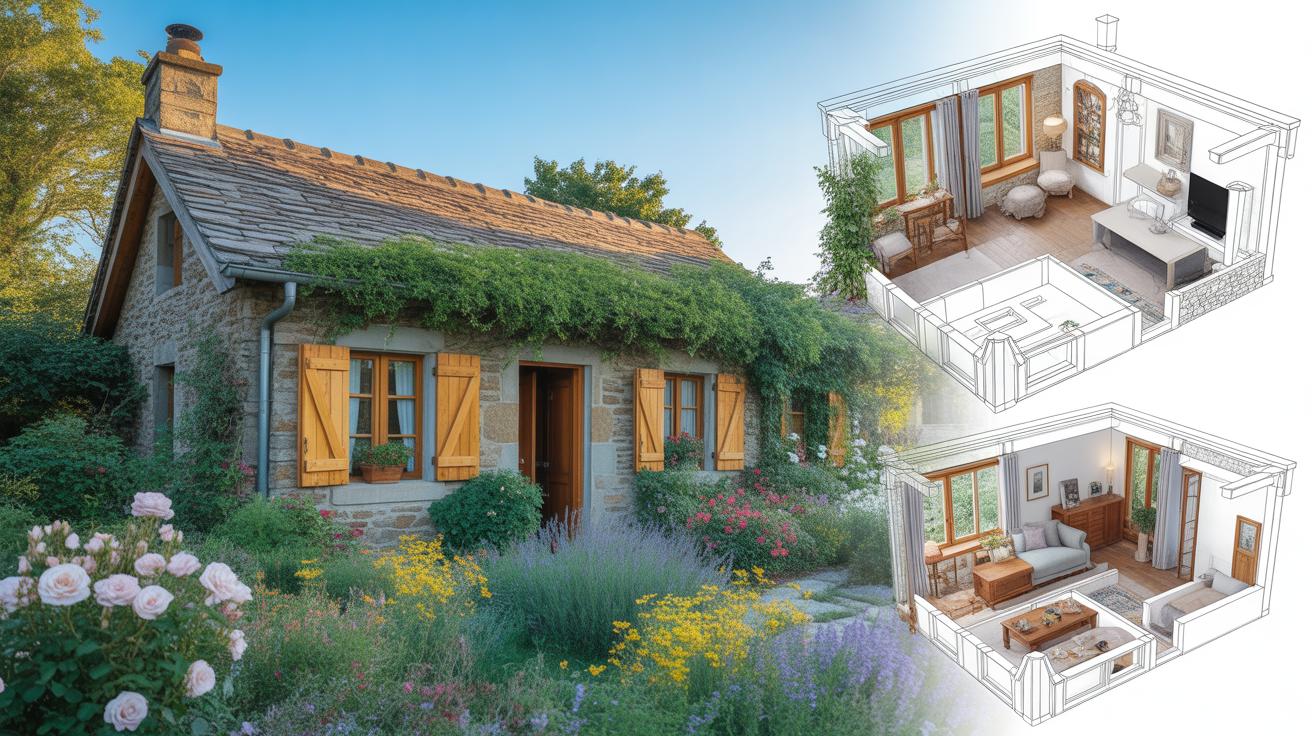
If you’re unsure, sketch it out or use an app before moving heavy furniture. Oddly shaped rooms can be tricky, but a corner sofa or built-ins can turn unused spots into assets. Remember, layouts are flexible; you can adjust over time as you figure out what feels right.
Creating Conversation Areas
The heart of a living room should be its ability to bring people together. To foster conversation, arrange seating so faces naturally align. Sofas and chairs don’t need to face the TV exclusively; they can face each other or form a semi-circle.
Consider these tips:
- Keep chairs close enough that you don’t have to raise your voice.
- Use a round coffee table or ottoman so everyone can reach it comfortably.
- Swap out a large sectional if it means some people end up with their backs to others.
Oddly enough, too much space between seats can make a room feel disconnected. And don’t forget the lighting—soft lamps can help set a relaxed mood better than overhead fixtures. Creating a spot that encourages lingering chats sometimes means sacrificing a bit of TV-centered design. But maybe that’s okay.
Choosing Decor That Reflects You
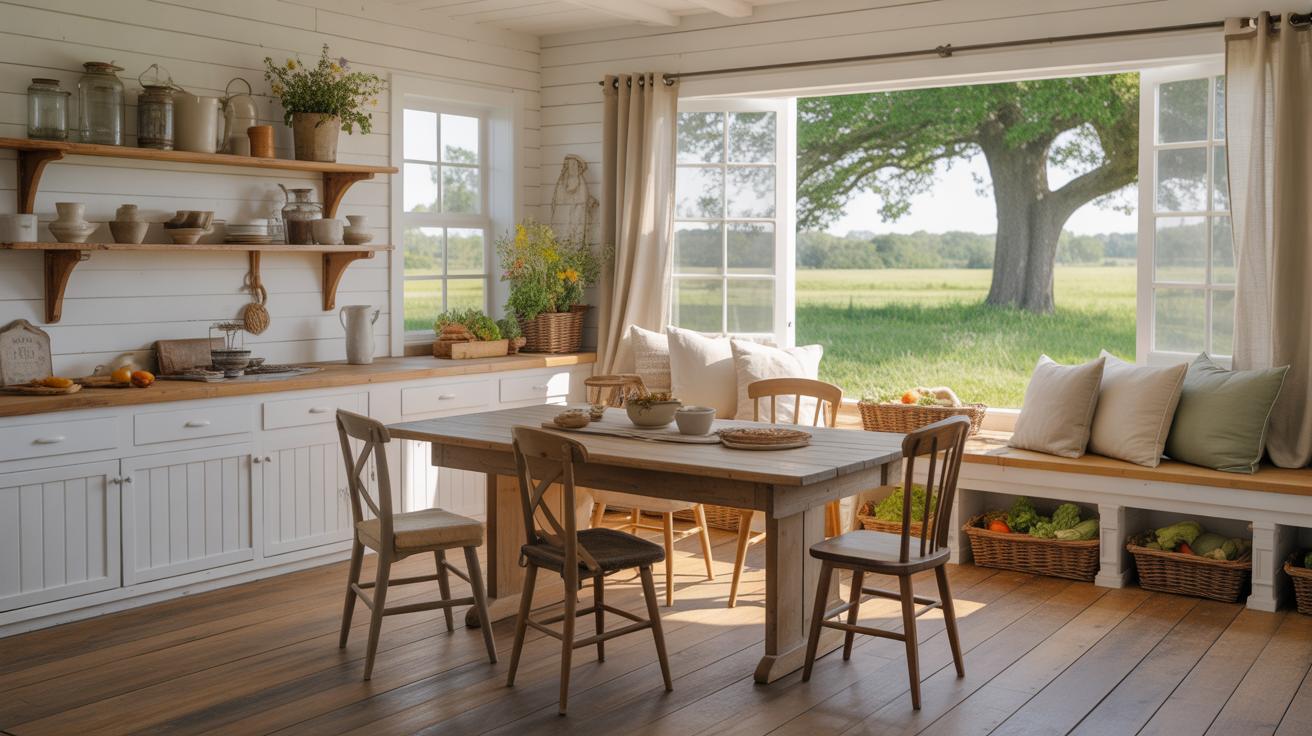
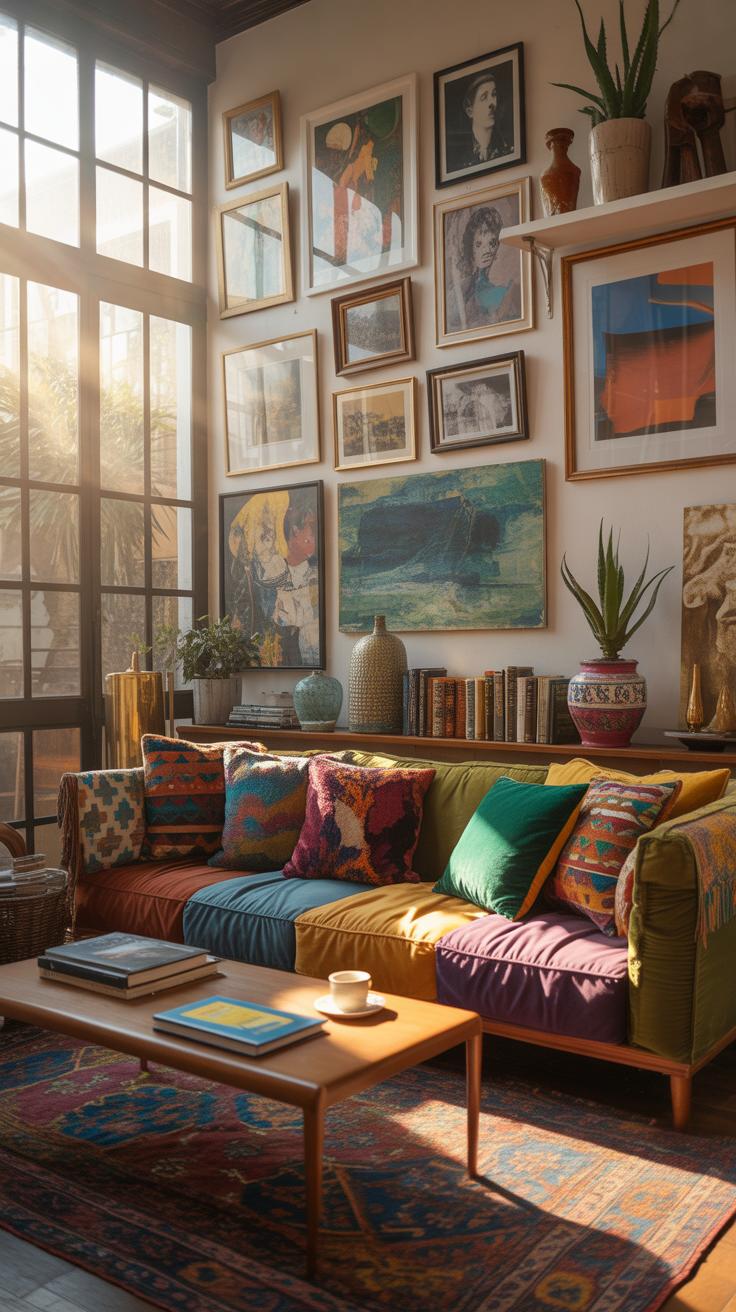
Selecting decor for your living room might seem straightforward, but it’s actually where your personality comes through most clearly. You want the space to feel like *you,* not just a showroom. That means thinking about the decorative elements that resonate with your tastes and experiences while still fitting with the overall living room style you’ve envisioned.
Have you noticed how certain pieces instantly catch your eye? Those items are clues to your style preferences. Maybe you lean towards colorful prints or perhaps you prefer the calm of monochrome shades. Whatever the case, mixing personal touches with the chosen theme can make the space feel authentic rather than forced.
Personalized Art And Accessories
Art is a fantastic way to give your living room character. Think beyond expensive paintings — prints, photographs, handmade crafts, or even framed fabric swatches can work wonderfully. For budget options, consider prints from local artists, DIY art projects, or items collected from travels. Accessories like unique vases, quirky lamps, or vintage clocks can also add charm that’s clearly yours.
Try displaying items that tell a story or spark conversation. A favoured book cover pressed in a frame or a sculptural piece from a flea market—these reflect who you are and make guests feel like they’re seeing a piece of your life up close.
Balancing Function And Style
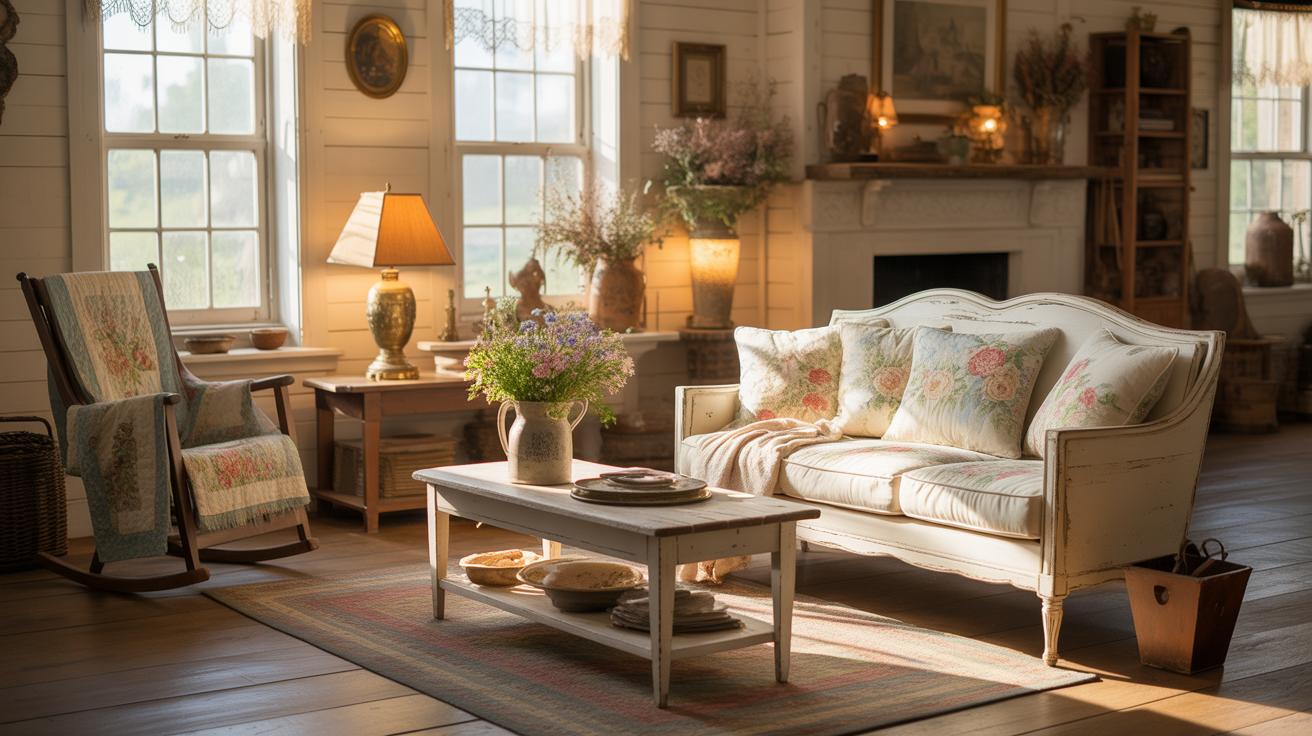
Decor doesn’t have to be just for looks. Sometimes, the best pieces combine appeal with practicality. Think about what you actually use daily. Maybe a stylish basket stores your blankets or a sleek tray carries drinks but also decorates your coffee table.
Before buying anything, ask: will this last, and can I reach or use it easily? Style is important, but durability and convenience have their place too. Often, it’s the blend of function and beauty that keeps a room feeling alive and welcoming rather than just a stage set.
Maintaining Your Living Room Style
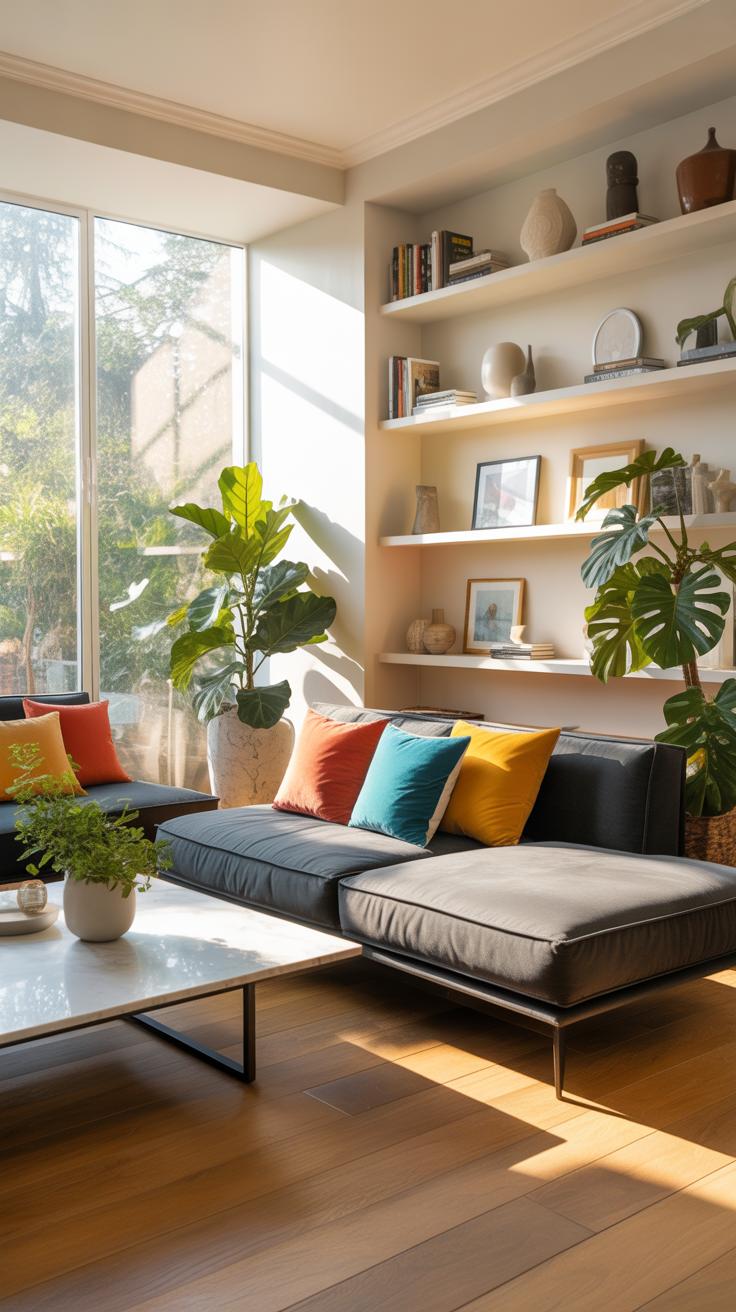
Keeping your living room looking fresh and stylish over time requires some care. It’s not just about a quick clean now and then; regular upkeep can make a big difference, I think. You probably know that dust and clutter can sneak in unnoticed, so having a routine helps.
Routine Cleaning Checklist
Try to stay on top of these tasks weekly or biweekly:
- Dust furniture and décor to prevent buildup
- Vacuum or sweep floors, including under furniture
- Spot-clean upholstery and cushions to avoid stains setting
- Wipe down surfaces like coffee tables and shelves
- Empty bins and tidy any scattered items
This routine won’t take long but keeps everything neat and inviting.
Seasonal Update Tips
Instead of major remodels every season, consider small changes:
- Swap throw pillows or blankets in different colors or textures
- Change your wall art or decor accents for a fresh feel
- Add seasonal plants or flowers to brighten the space
- Switch out rugs or curtains for lighter or warmer options
These subtle shifts refresh your room’s vibe and keep your style current without too much effort or expense. Ever noticed how a small touch like a new cushion cover can perk things up? It’s that easy to breathe new life into your living room.
Common Design Mistakes To Avoid

Ignoring Room Purpose
When you design a living room, it’s easy to get caught up in style and lose sight of function. But the truth is, how you use the room should guide its look. For example, a family that watches TV together needs comfortable seating arranged around the screen, while a space for entertaining might call for more open areas and flexible furniture. Forgetting this can make the room feel awkward or annoying to be in. I’ve seen homes where the design looks cool but nobody wants to sit there long—it just doesn’t fit their lifestyle. So, ask yourself: what will happen here day to day? Use the answers to shape your choices.
Overcrowding The Space
There’s a temptation to fill every corner. Maybe you think more furniture or decor signals a richer, more personalized space. But too much can make a room feel cramped and stressful. It’s not just about physical space; it’s about visual breathing room, too. Crowding often means people avoid using the room fully, even if it’s their favorite hangout. I’ve found it helps to step back, really look at how each piece fits, and ask if it’s needed or just decoration. Trust me, leaving gaps and choosing fewer, better items often makes the space work—and feel—so much better.
Setting A Budget For Design

When planning your living room makeover, setting a budget can feel a bit daunting. But it really helps to have a clear idea of what you want to spend upfront. Start by thinking about the total amount you’re comfortable investing, and then break it down into sections like furniture and decoration. You may find you’re tempted to splurge on a stylish sofa but then run short on decorative accessories. It’s a balance, and sometimes you just have to adjust as you go.
Estimating Costs For Furniture
Living room furniture prices vary widely—take sofas, for example. A basic sofa might cost around $300-$700, while designer pieces can shoot past $2,000. Coffee tables usually range from $50 to $300 depending on materials, and bookcases or shelving units might be $100-$500. You might save a lot by considering second-hand options or DIY projects, but be careful not to sacrifice quality on heavily used items like seating. Comfort matters, so if your budget feels tight, prioritize the sofa and get creative with other pieces.
Allocating Funds For Decoration
Decorative elements like rugs, throw pillows, lighting, and art can add personality without breaking the bank. Still, don’t underestimate their cost. A decent rug typically starts at $100, and lighting might run from $50 upwards. The key is to decide what pieces can double as focal points and which you can refresh later without much cost. Sometimes, investing in a bold, well-made lamp or a meaningful piece of art can elevate the whole room. Think about what you value most when assigning your decoration funds—it’s not just about filling space.
Examples Of Successful Living Rooms
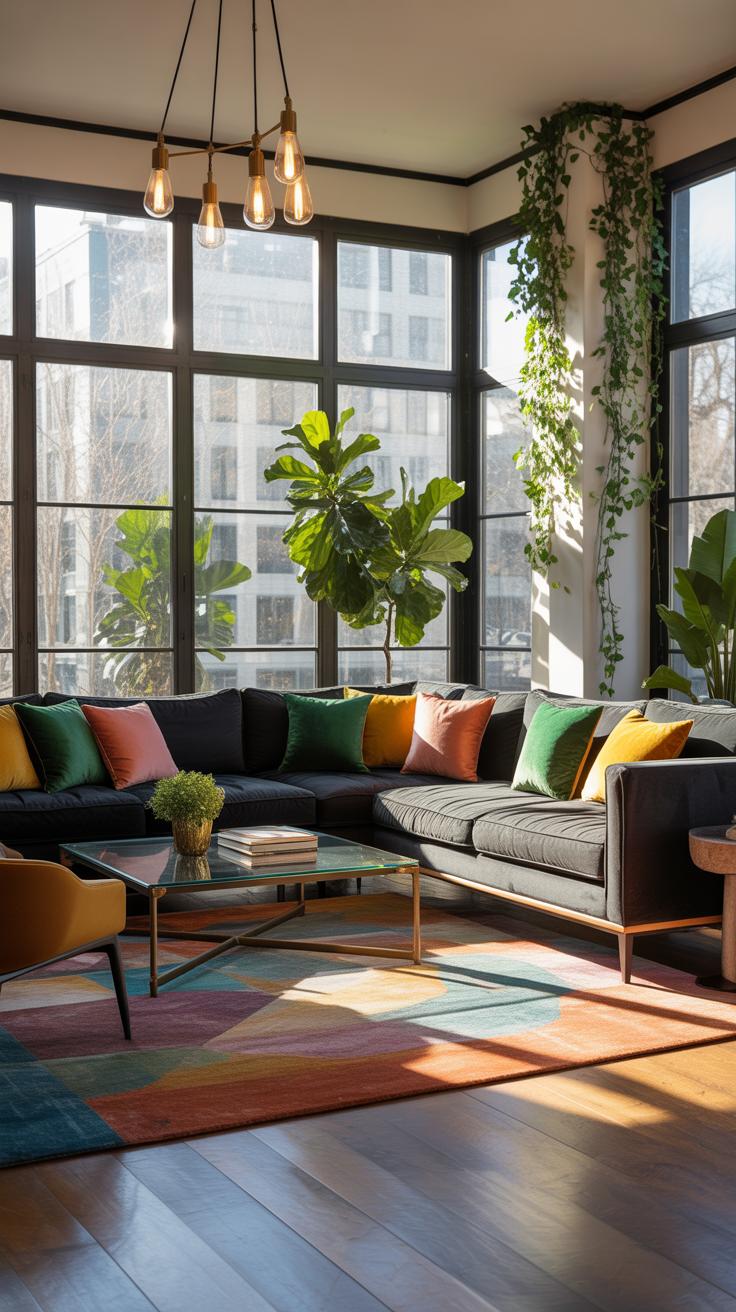
Living rooms can take on different shapes and sizes, each offering unique challenges and opportunities for design. Let’s look at some concrete examples where style choices and layout brought real benefits.
Small Living Room Makeover Example
A tiny living room once felt cramped and cluttered. But by choosing light colors and multipurpose furniture—think: a sofa bed that doubles as seating and sleeping area—the space opened up. Vertical storage like wall-mounted shelves kept floors clear. Adding mirrors created a sense of depth, almost tricking the eye into seeing beyond the physical limits. The layout prioritized an open pathway rather than filling every inch with stuff. Surprisingly, minimal decoration contributed to a feeling of calm rather than emptiness. It was a case of “less is more” that truly worked here.
Large Space Design Case Study
A sprawling living room might seem easy to style, but it can become cold and uninviting. In one example, the key was zoning the space. A cluster of sofas and chairs around a fireplace fostered intimacy despite the room’s size. Rugs and layered lighting completed the cozy effect. Natural materials and warm tones prevented the room from feeling like a showroom. Bookshelves were filled with personal items that gave life and character. Balancing openness with defined areas helped the large space feel lived in without soggy confinement.
In both these cases, making intentional choices about furniture and layout really paid off. Does your own living room have features or limits you could turn to your advantage?
Conclusions
Designing your living room is about creating a space where you can relax and make memories. By understanding popular living room styles and modern interior decoration trends, you can choose elements that fit your taste and needs.
Use the ideas shared here to create a living room that feels comfortable and reflects your personality. With careful choices, your living room will be a welcoming space for you and your guests.