Why a Neutral Palette Suits Minimalist Living Rooms
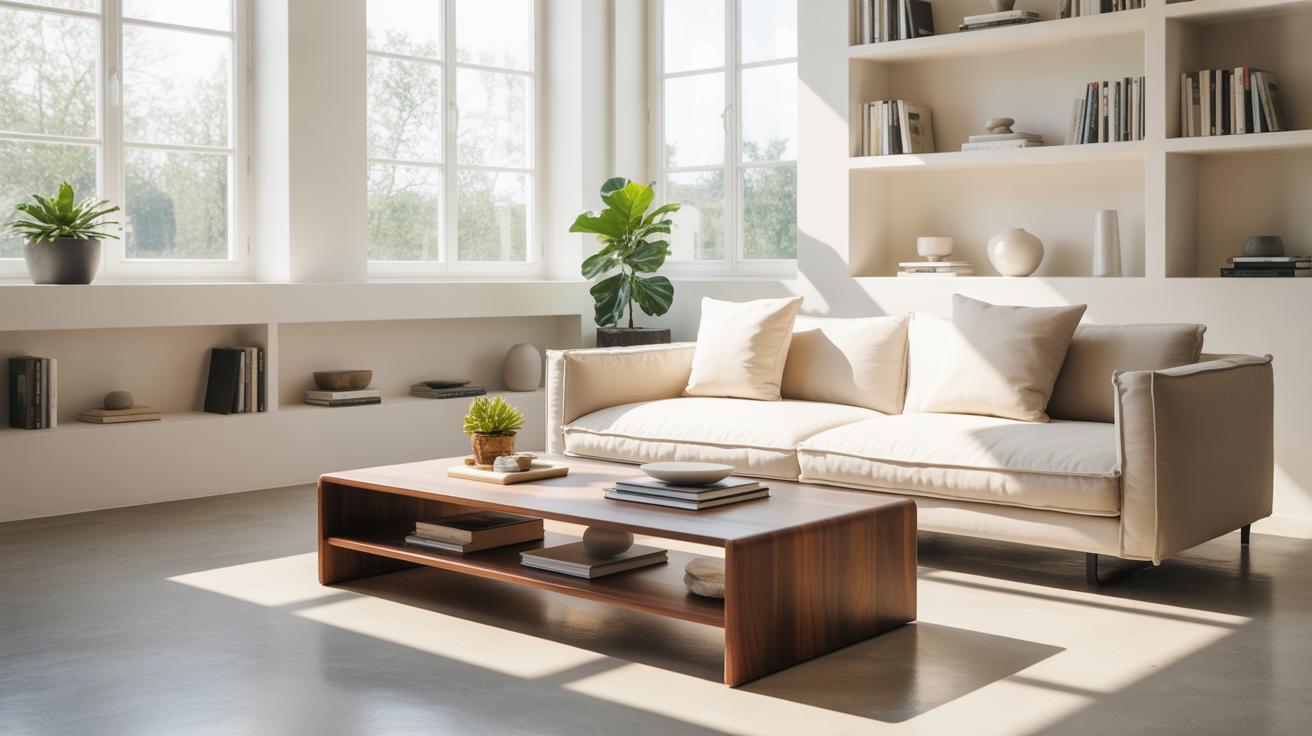
Minimalist living rooms focus on simplicity and function. They remove clutter and unwanted items, creating a peaceful area for relaxation and gathering. By using a neutral color palette and well-chosen furniture, you can make your living room look fresh and calm. This article shows you how to design and arrange a minimalist living room that works for daily life.
We will cover how to pick the right functional furniture that suits your space and style. Also, you will see why neutral colors are helpful in making a room feel larger and more open. Step by step, you will learn simple ideas to refresh your living room without spending much time or money.
Benefits Of Minimalist Living Rooms
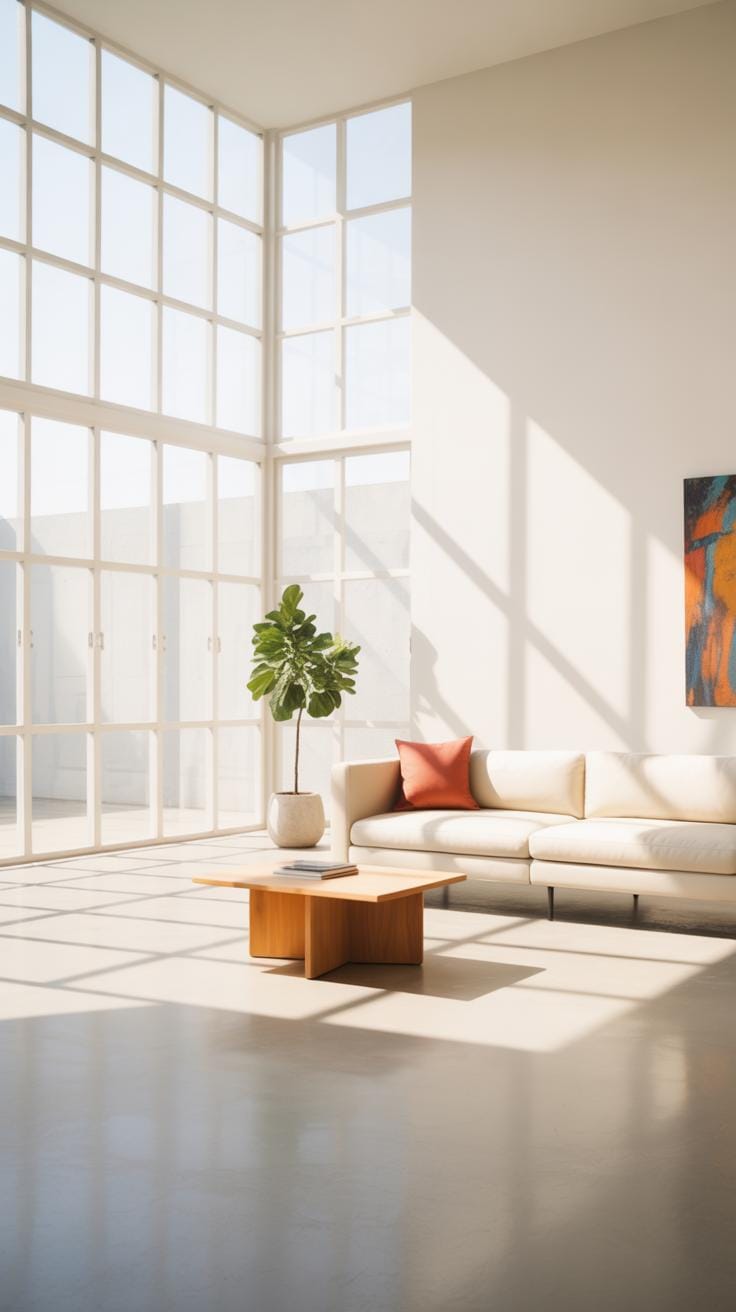
Minimalist living rooms with neutral palettes and functional furniture have a way of making spaces feel calmer, though you might wonder if it’s just about looks. The simplicity really helps reduce visual noise—that constant urge to organize or tidy up is less intense when there’s less stuff around. When every item has a purpose, the room naturally encourages you to keep only what you truly need.
It’s not just about decluttering; it’s about how you use the space. Functional furniture, like sofas with hidden storage or coffee tables that double as desks, can change how you live in the room. This means fewer trips to find things or awkward arrangements, which can make everyday life smoother, if a bit less decorative. You might find yourself thinking, “Why did I not try this sooner?” or maybe feeling the odd itch for something more personal—minimalism isn’t always cozy for everyone.

Overall, these rooms tend to evoke a quiet atmosphere, which many appreciate for reading or unwinding. Yet, sometimes the elegance of simplicity can feel a bit too sparse. Still, most find that less truly can be more when it comes to peace of mind and clarity in their living environment.
How Neutral Colors Affect Mood
Neutral colors—think soft creams, gentle greys, and muted taupes—can subtly shape how you feel in a living room. They don’t shout for attention but rather encourage the eye to rest. That gives the brain a break from constant stimuli, which might explain why many people report feeling calmer in such rooms. Though, it’s not universal; some might find too much neutrality dull or even cold.
Visually, neutrals help different elements of the room blend smoothly together. They create a backdrop that lets natural light play around, which in turn can boost comfort and openness. At the same time, neutral shades offer flexibility—you can easily swap out accessories to keep things fresh without an overhaul.
But does that uniform calmness risk monotony? Possibly, but layering textures and varying tones within a neutral palette can avoid that. The mood crafted depends partly on how you balance spare simplicity with subtle detail. It really makes you think about how color shapes more than just appearance—it influences your whole experience in the space.
Furniture That Serves Multiple Functions
Choosing furniture that does more than one thing is a smart move in minimalist living rooms, especially when space is limited. There are plenty of options that combine seating with storage, like ottomans with lids or benches that hide blankets and books. These pieces reduce the need for extra cupboards or shelves, cutting down clutter while keeping essentials close.
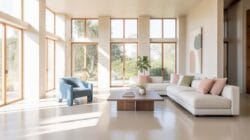
Look for coffee tables with drawers or side tables that pull out into small desks. Even modular sofas can include compartments for remotes or magazines. When furniture helps you organize, your room feels bigger and easier to navigate. But remember, not every multi-use piece fits seamlessly—it’s a bit of a trade-off between utility and style.
In my experience, the best functional items are those that don’t draw attention to their practicality but feel natural in the room. It’s a balancing act—too much function and you risk losing warmth; too little, and clutter creeps back in. The challenge lies in finding pieces that let you relax without compromising the minimalist intent.
Selecting Furniture For Function
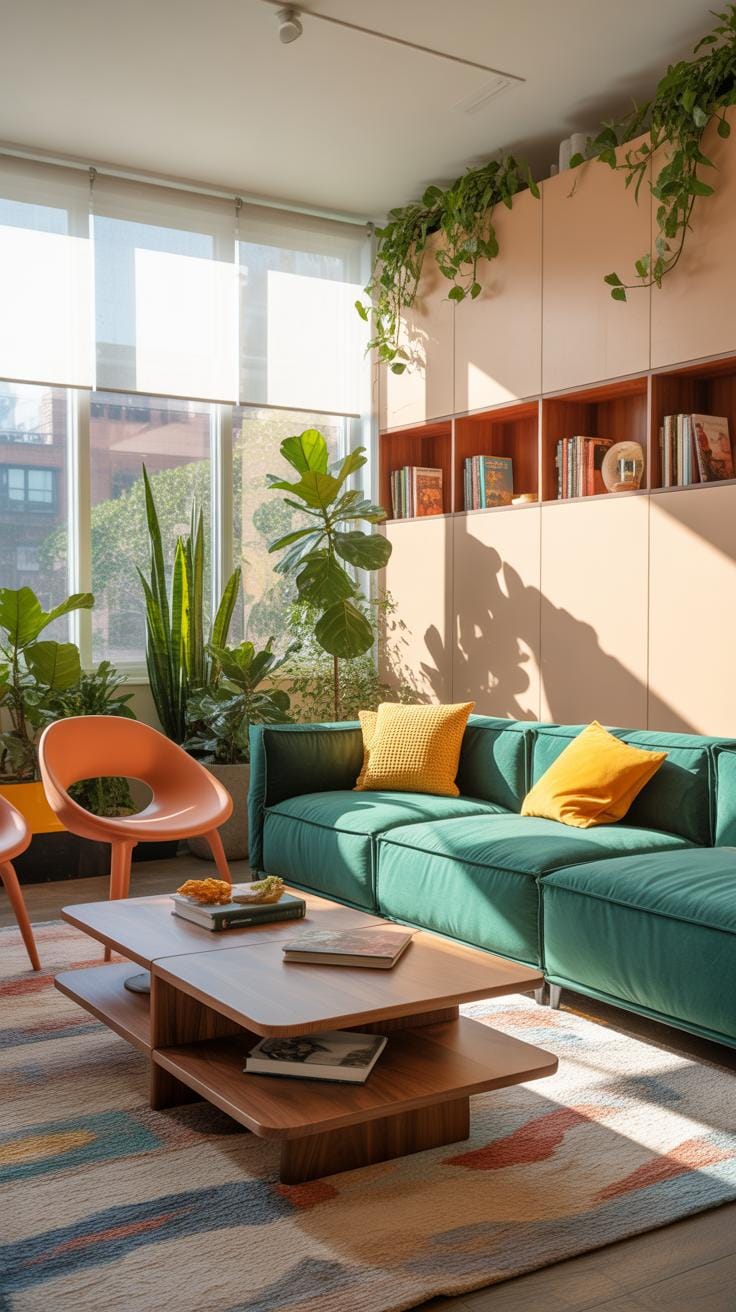
Choosing furniture for a minimalist living room isn’t just about looks—it’s about how well pieces serve your day-to-day needs. Size matters, but maybe not as much as you think. It’s about fitting your space without overwhelming it. Sometimes a smaller sofa feels cramped, but a bulky one can kill the openness. There’s a delicate balance. Think also about multi-use furniture: a bench with storage, a coffee table that doubles as a seat, or ottomans you can move around. Those options give flexibility, which minimalist spaces often lack.
Comfort should never take a backseat. Even the simplest chair or sofa must invite you to sit and stay a while, without fuss or excess padding. The trick is to find streamlined, clean shapes that don’t sacrifice coziness. Look for firm cushions that don’t sag after the first use—your back will thank you.
What To Look For In Sofas And Chairs
When picking sofas and chairs for a minimalist room, these features can guide your choice:
- Sleek profiles that avoid ornate details or excessive upholstery
- Cushions that maintain shape but feel soft enough for long use
- Legs exposed to promote an airy vibe—bulky bases can close off space
- Neutral colors that blend with the palette and keep mood calm
- Durable fabrics that resist stains yet feel pleasant to touch
- Options that invite modularity, like sectional pieces you can rearrange
Sometimes, the best choice can feel almost invisible in the room, making space feel larger rather than cluttered.
Furniture Materials That Last
Materials can make or break how your furniture performs over time. For minimalism, lean toward pieces made with:
- Solid wood frames—these hold up well and gain character with age. Oak, maple, and walnut are common, though walnut can be pricier.
- Metal, especially powder-coated steel or aluminum, for a modern, low-maintenance option
- Natural fabrics like linen and cotton blends that breathe and soften but are easier to clean
- Leather, if you like a bit of patina and durability, though it needs occasional care
- High-density foam in cushions to prevent early flattening, paired with removable covers for washing
I once bought a fabric chair thinking it looked perfect, only to find it stained easily. Sometimes, durability means giving up a bit of softness, or vice versa. It’s a balancing act, really—what matters is choosing what you’re ready to live with daily.
Choosing The Right Color Palette

Picking a neutral color palette for your living room isn’t just about settling for beige or gray. It’s more subtle than that—neutrals come in a spectrum of shades, each carrying its own mood and feel. You might want to lean into soft creams, gentle taupes, or even muted greiges. When choosing, think beyond a single color. Layering varied but related neutrals creates depth and avoids a flat, bland space.
Combining tones that link different parts of the room helps everything flow together. For instance, pairing a warm sandstone sofa with cooler stone-gray walls merges styles without sharp contrasts. But, there’s no perfect formula here—sometimes mixing shades with just a hint of difference sparks interest. It’s fine to experiment and see what feels calm or energizing for you.
Balancing Warm And Cool Neutrals
Warm neutrals include shades like beige, tan, and creamy whites—they bring softness and coziness. Cool neutrals, like slate gray, icy taupe, or white with blue undertones, feel calm but slightly more distant. Knowing which to pick depends partly on your space’s lighting and the atmosphere you want.
Balancing them means avoiding extremes in one direction. Maybe you start with warm walls but add cool accents to prevent the room from feeling too heavy or dim. Or the reverse: cool walls warmed up with wood furniture or soft textiles. It’s a bit of a dance—too much warmth can overwhelm minimalism, yet too much coolness might make the space feel cold or impersonal.
Adding Touches Of Color Without Clutter
Minimalism doesn’t exclude personality or subtle interest. You just have to be thoughtful about introducing color. Small, intentional touches make all the difference. Try textured cushions, a single colored vase, or a piece of art with muted tones.
Textures especially can create visual warmth without adding literal stuff. Think linen throws, woven baskets, or a soft rug in a delicate pattern. These layers bring dimension and stop the room from feeling sterile, while keeping clutter at bay.
It’s tempting to add more color for life, but restraint is key. Ask yourself if each accent supports calmness and function, or if it competes for attention. Minimalist spaces thrive on quiet beauty, not busy surfaces. So go for subtle, deliberate choices that speak softly rather than shout.
Organizing For Minimalism
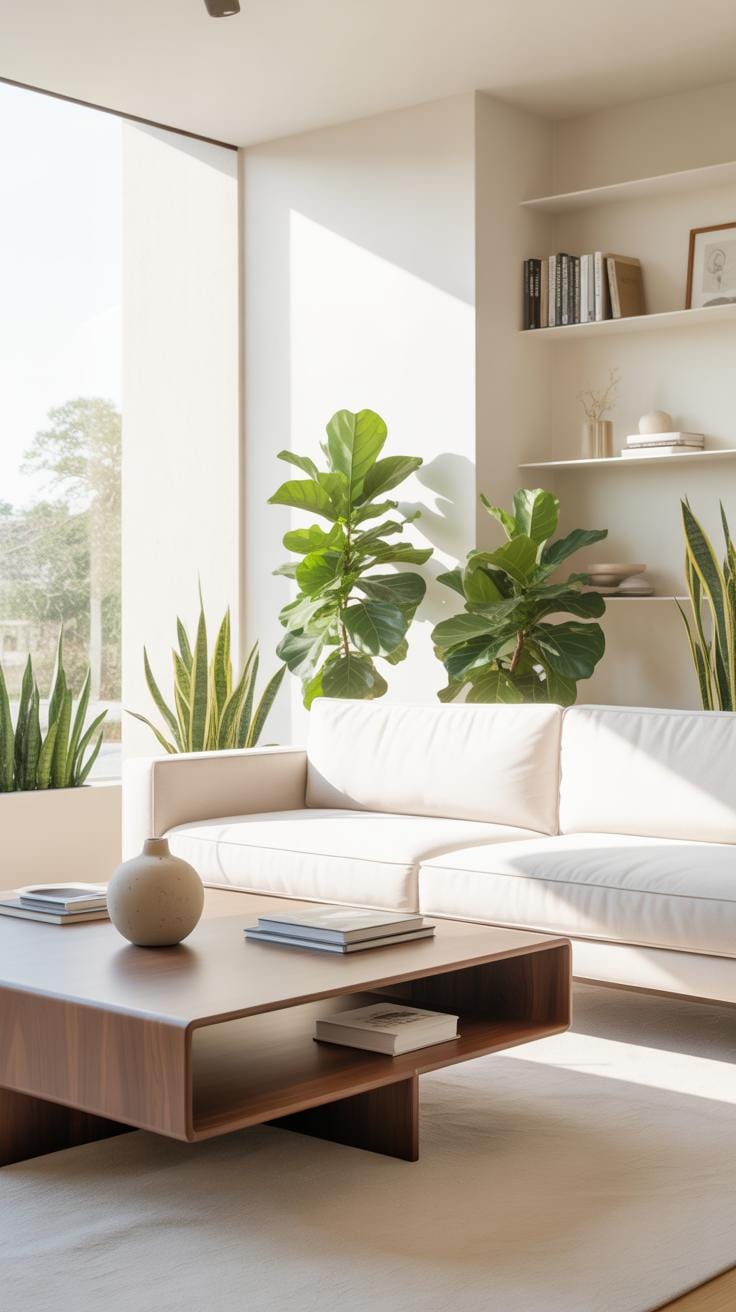
Decluttering Essentials
Figuring out what to keep and what to let go of can feel tricky. You might hesitate over items that seem useful “just in case” or hold some vague sentimental value. Try asking yourself a few simple questions: Do I use this regularly? Does it add meaning or function to this space? If the answer is no, maybe it’s time to part with it. Sometimes, things pile up because they don’t have a clear purpose. That’s the core of a minimalist setup—every object should serve a role, either practical or emotional, but not just exist by default.
It’s okay to be a bit indecisive at first; minimalism isn’t about sudden drastics. For example, magazines can quickly clutter a coffee table, but selecting just a few recent ones that actually interest you can keep things tidy. Or think about those decorative pieces—do they quietly complement the room or scream for attention? Keeping only a few well-chosen items often means the space feels calmer, even if it seems bare initially.
Storage Solutions That Blend In
Storage doesn’t have to shout “look, I’m hiding stuff!” The key is to find ways to keep essentials close but not visible. You might try furniture with built-in compartments, like ottomans or sofas with storage underneath. These pieces do double duty without breaking the room’s neutral flow.
Floating shelves with closed cabinets can also be useful. They offer storage without bulk, which helps maintain open sightlines. Another subtle option is baskets or boxes in natural tones that tuck neatly beside the sofa or under side tables. You don’t need to hide everything away, but mixing storage solutions keeps things orderly without feeling too clinical. It’s kind of like organizing your life, but with a soft touch—functional but not obvious.
Lighting That Complements Minimalism
Natural Light Benefits
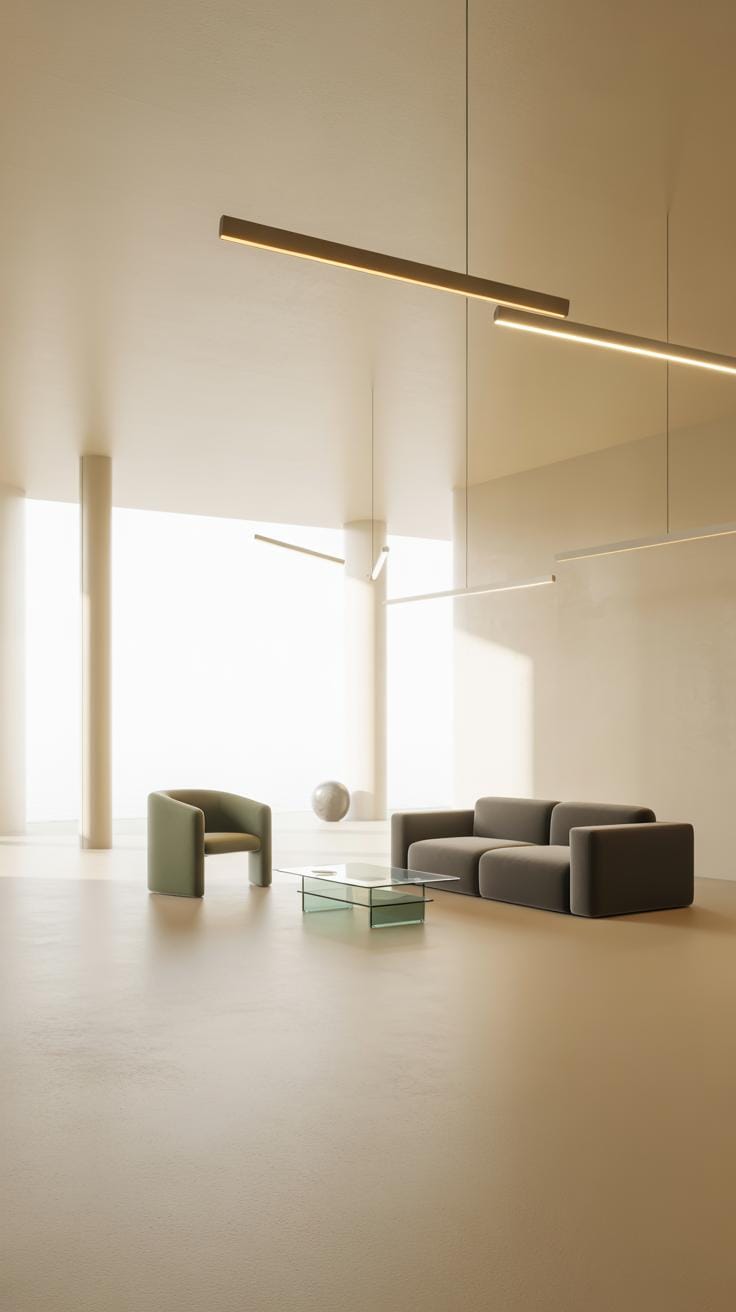
Natural light feels like the easiest way to make a minimalist living room truly come alive. It’s soft, unforced, and doesn’t clutter the space. When sunlight streams through uncluttered windows, it emphasizes the neutral palette without competing for attention. You don’t need to overthink colors or patterns because the daylight works in your favor—subtle shades of beige, cream, and pale gray look more distinct, more calming.
Plus, natural light changes throughout the day, adding a quiet rhythm to your room. There’s something soothing about that gentle shift—almost like your space breathes with you. Still, it’s tricky. Too much light can create glare or feel harsh, which clashes with calmness. So positioning seating or furniture where light softly filters in might take some trial and error.
Minimalist Lighting Fixtures
For artificial light, keep things straightforward. Think clean lines and simple forms—no ornate lamps or complex chandeliers. It might be a single pendant light with a thin metal frame, or a floor lamp that stands tall with a slim profile. Functional is key here, but without losing style.
Examples you might consider:
- Matte black or white pendant lights with exposed bulbs
- Recessed ceiling lights that fade into the background
- Adjustable wall sconces for targeted reading or mood light
- Minimalist LED strips hidden behind shelving or baseboards
These don’t demand attention but support the room’s calm vibe. Choosing dimmable fixtures can also help. You get control over the mood without introducing extra clutter or unnecessary brightness. Ultimately, lighting in a minimalist room shouldn’t shout. It should just quietly do its job—and you might be surprised how much difference that subtlety makes.
Using Textures For Visual Interest
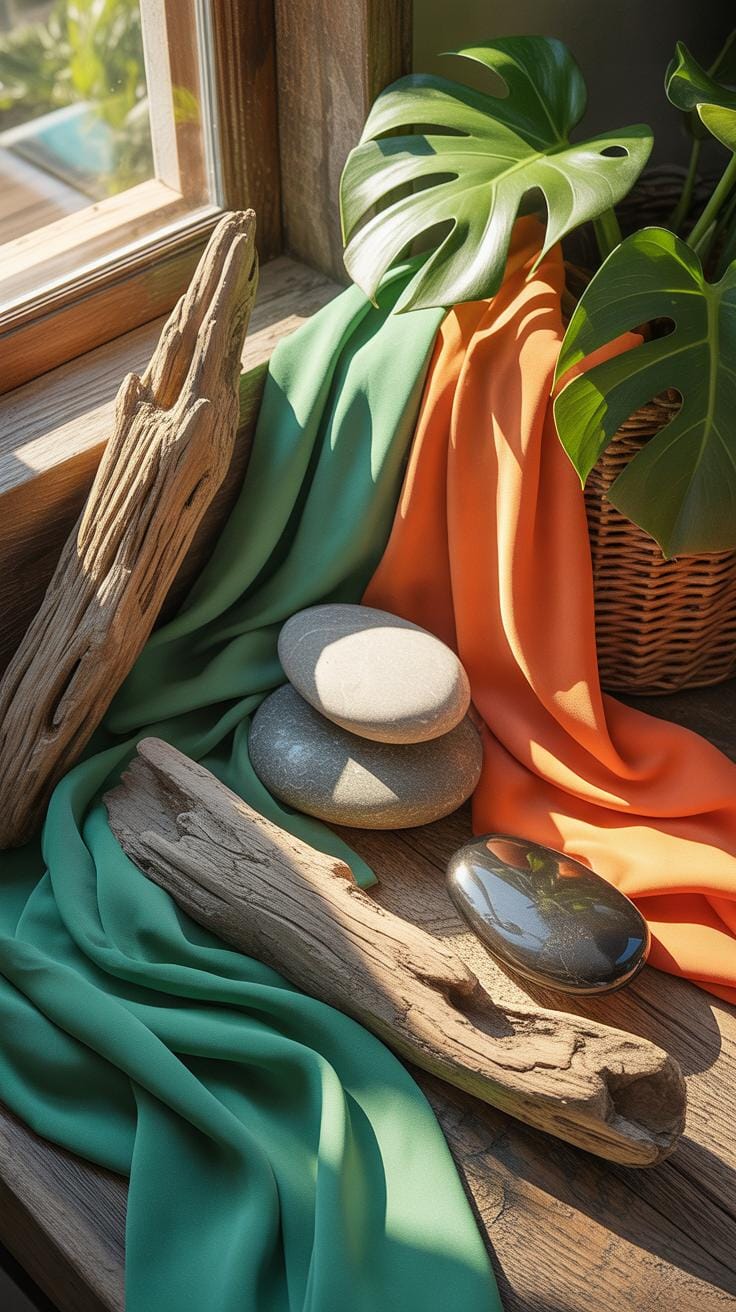
When working with a neutral palette in a minimalist living room, textures become the quiet heroes that add life without creating noise. You might think a simple color scheme risks feeling flat or boring. But mixing textures can pull everything together and give your space subtle complexity.
Think of soft linen cushions against a sleek leather sofa. Or a chunky wool throw draped over a smooth cotton chair. These tactile contrasts invite you to touch and stay a little longer. Rugs play a key role here. Instead of a plain flat-weave, try a low-pile wool rug or even a sisal mat with coarse patterns. They offer variations in surface without overwhelming your design.
What about materials? It’s tempting to go all-wood or metal, but that can feel cold or one-dimensional. Try combining pieces, like a slim metal frame coffee table with a wooden top, or glass with soft upholstery. The trick is balance — make sure no one material dominates. For example:
- Wood adds warmth but avoid heavy grains that clash.
- Metal introduces an industrial edge; matte finishes work best.
- Glass reflects light and keeps things airy, but too much can feel fragile.
- Fabric softens hard edges and brings comfort.
You may wonder if mixing too many textures risks clutter — it can, if you don’t keep restraint. Yet a little variety, carefully chosen, creates layers that draw the eye naturally. I once hesitated to add a rough-hewn wood side table next to a sleek leather chair, fearing tension. But the contrast somehow complemented rather than competed, lending the room a grounded feeling. That’s the subtle power of textures in a neutral minimalist space.
Layout Ideas For Small Spaces
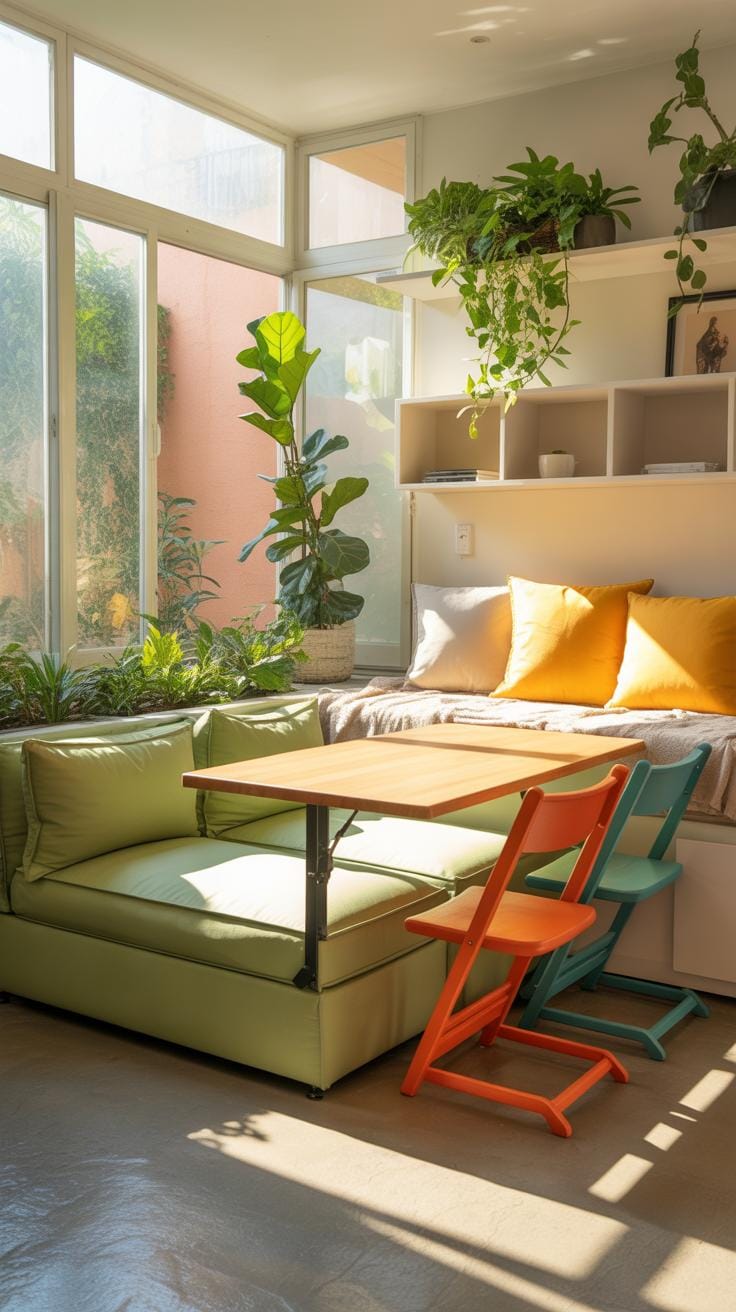
Arranging a small living room with a neutral palette and minimalist ethos calls for thoughtful layouts that avoid clutter but still feel inviting. Think about placing your main seating—maybe a sleek sofa or a modest loveseat—against one wall to free up the center. This opens circulation paths and makes the room appear larger without sacrificing comfort.
You might consider floating furniture slightly away from walls, which can sometimes create a better flow, though this depends on your room’s shape. A compact coffee table or nested side tables can serve multiple purposes without overwhelming space. And instead of a bulky TV unit, maybe wall-mount the screen to maintain openness.
Sometimes, just scaling down the number of pieces is key. But, on the other hand, arranging pieces to form a conversation nook or a cozy spot subtly asks: what functions are you prioritizing? Would a low-profile armchair near a window pull double duty as a reading corner? Small rooms don’t have to sacrifice versatility.
Creating Zones With Purpose
Dividing a small living room into purposeful zones can make it feel bigger and more organized. Even in tight quarters, you can carve out areas for relaxing, working, or reading. Consider a narrow console or a low credenza as a visual separator between, say, a workspace and a lounging spot.
Rugs can help delineate places without adding physical barriers—perhaps a soft, light-toned rug anchors your seating, while a simpler mat defines a small desk area. If you have a little corner, placing a comfortable chair and a slender floor lamp can create a subtle reading nook. Defining these zones makes the room feel layered and intentional, not crowded or haphazard.
The key question is: does each zone have a clear purpose? Sometimes it’s tempting to cram in multiple activities, but even minimalist spaces benefit from clear distinctions.
Furniture Placement Tips
With limited space, every piece of furniture should feel like it belongs and doesn’t block movement. Positioning things so pathways stay clear is crucial. Try to avoid putting bulky items near doorways or between commonly used spots—this can make a room feel cramped quickly.
Think about how you enter the room and move through it. Can chairs or sofas face the entryway for openness? Or might angling a piece create a better flow? Sometimes, diagonal placements can be surprisingly effective when done subtly.
Also, keep furniture height in mind. Low-profile pieces can maintain sightlines and give a lighter feel to the room. But there are moments when a taller item—like a narrow bookshelf—can break up space without feeling oppressive. It’s a balancing act, really. Don’t be afraid to shuffle pieces around a few times—it’s the best way to find what clicks for your unique space.
Comparing Minimalism With Other Styles
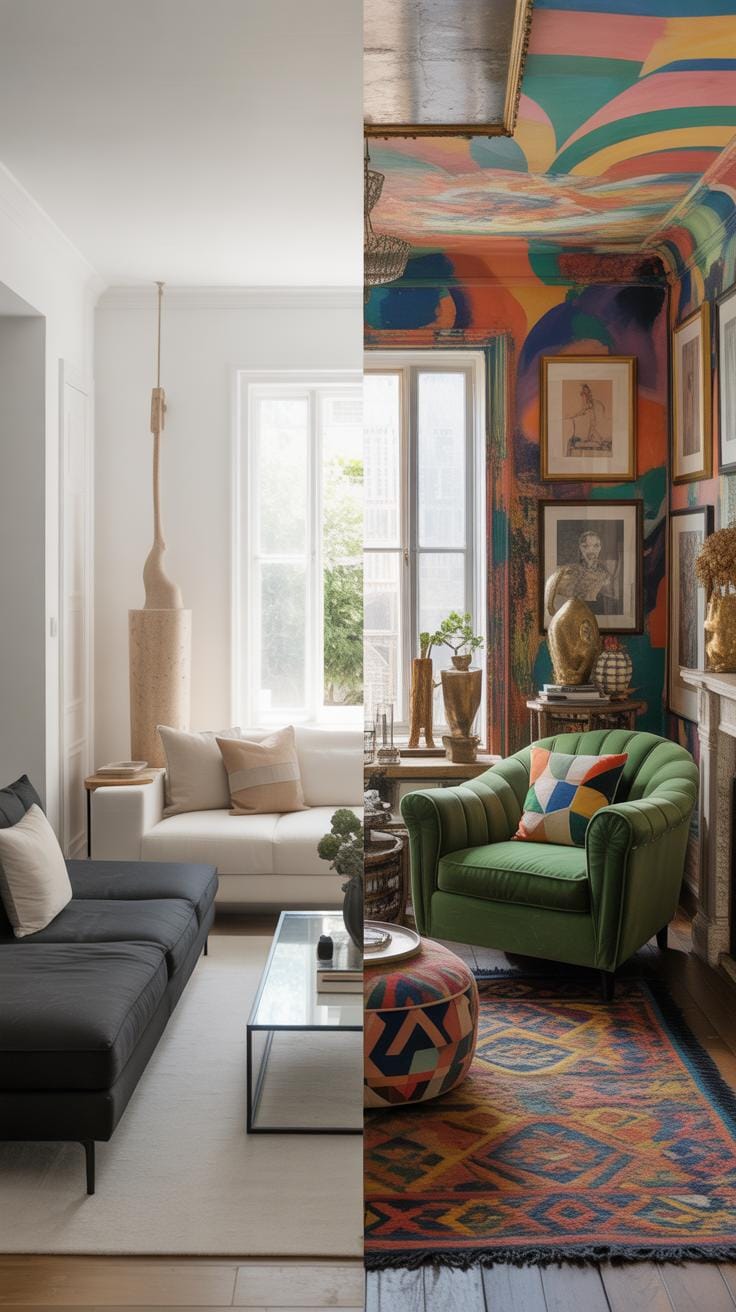
Minimalism Versus Maximalism
Minimalism strips things down to the essentials—clean lines, open spaces, and a restrained color palette. It’s about quiet and calm, where each piece of furniture has a clear purpose. Maximalism, on the other hand, thrives on abundance. It welcomes layers of colors, textures, and patterns. Where minimalism zones in on simplicity, maximalism celebrates complexity and contrast.
You might find minimalism easier to live with daily, especially if you prefer a clutter-free mind. Maximalism can energize the space but might feel overwhelming at times. Sometimes, though, a maximalist touch can add personality to an otherwise sterile room. It’s a delicate balance—minimalism invites you to breathe, maximalism to explore.
Neutral Minimalist Versus Colorful Eclectic
Neutral minimalist rooms rely on subdued tones—soft whites, beiges, greys—and functional furniture with sleek shapes. The furniture often features natural materials like wood or metal but stays visually light. This creates calm, almost meditative rooms where nothing shouts for attention.
Colorful eclectic styles throw in bold hues, varied furniture shapes, and unexpected combinations. It’s more playful, less predictable. You might see a vintage chair next to a modern sofa, bright cushions alongside muted rugs. The eclectic palette aims to surprise but can lack the soothing flow a neutral minimalist room offers.
Choosing between the two might come down to your mood or lifestyle. Neutral minimalism feels like a stable retreat, while colorful eclectic feels like an ongoing conversation. Which one suits your daily rhythm better—that’s a question worth pondering.
Checklist For Designing Minimalist Rooms
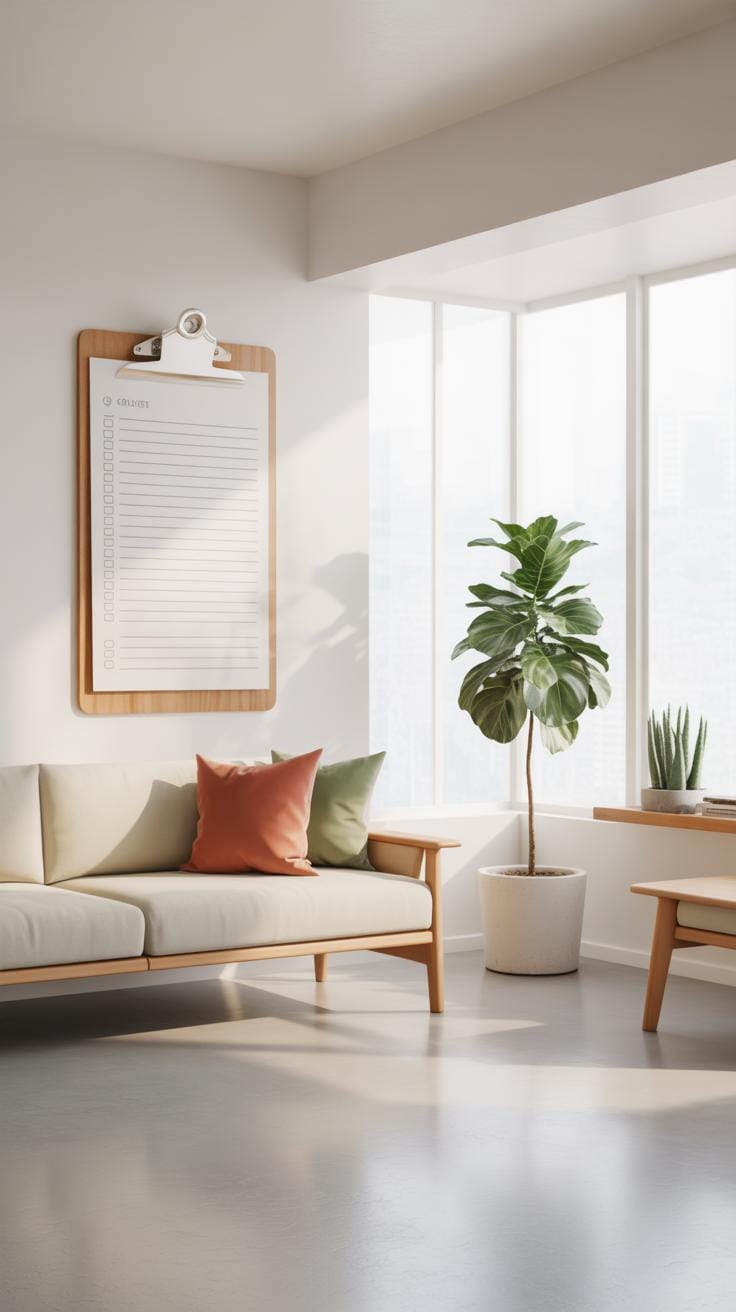
When designing a minimalist living room, the process can feel both freeing and a bit daunting. To keep things on track, having a simple checklist helps. Start by setting a clear budget. This doesn’t mean you need a huge fund—just knowing how much you want to spend shapes your choices.
Next, list essentials. Think basic seating like a sofa or chairs, a functional coffee table, and storage that won’t overwhelm the space. You don’t need many decorations; a tasteful rug, a couple of lamps, or maybe a single piece of art often works better than multiple smaller items.
Once your room is set, living minimally means staying flexible. Take time every few months to review how you use your space. Ask yourself: Is everything still necessary? Is the room feeling cluttered or calm? Shift pieces around or remove things that no longer serve you. Minimalism isn’t about perfection but rather about adjusting to what feels good and purposeful over time.
Examples Of Minimalist Living Rooms
Small Apartment Minimalist Setup
Imagine a small urban apartment where every inch counts. The living room becomes both a retreat and a practical hub. In this case, a neutral palette really helps the space feel larger—think pale greys, soft ivories, and gentle taupes on walls and floors. The furniture should be intentional and multi-functional. A compact sofa with slim legs can open up floor space, paired with a coffee table that doubles as storage. Floating shelves keep things off the floor while providing display space without cluttering.
Placing pieces close to walls, or even using corner units, helps avoid interruptions in the limited walking area. Lighting matters too—natural light complemented by minimal, adjustable fixtures prevents the room from feeling boxed in. I once tried a tiny setup with a fold-out side table, and honestly, it made all the difference during unexpected visits or moments needing an extra surface. It’s tricky balancing simplicity with enough utility, but that tightrope walk defines minimalist small setups, I think.
Spacious Home Minimalist Style
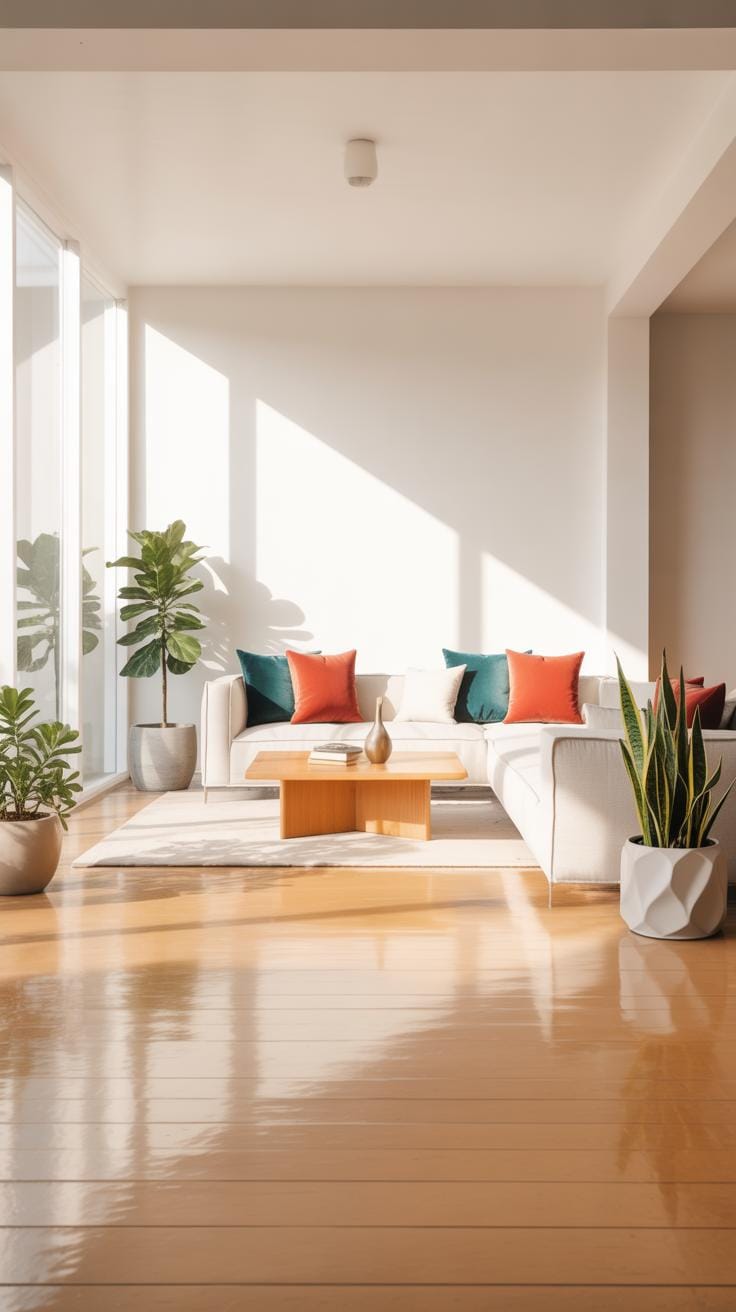
Now, with a larger home, the approach changes. You have more room to breathe, but the temptation to fill it can be strong. Keeping things minimal is a challenge—it requires restraint. Neutral tones still dominate the palette—soft beiges, off-whites, or even muted stone colors—but their coverage extends across larger swaths of space, like expansive walls or wide-plank flooring.
Furniture pieces become more deliberate statements, yet their form stays simple. A low-profile sectional, a sleek yet comfortable lounge chair, and a streamlined media console create purpose without excess. You can incorporate subtle texture differences—say, a wool rug versus linen curtains—to add warmth without distraction.
In a recent project, there was a long, open room where rather than crowding with multiple seating areas, a single well-placed sofa with minimal lighting and sparse art became the focal point. The empty space around it wasn’t wasted—it brought calm, but also invited activity. It’s odd, but more space can sometimes feel less cozy, and that tension is what you try to navigate in spacious minimalist living rooms.
Conclusions
Minimalist living rooms bring peace and clarity to your home. Using a neutral palette and practical furniture helps make the room inviting and easy to use. It shows how less can be more in making a space comfortable for you and your guests.
Try these ideas in your own living room to see how a simple design can change how you feel in your home. Focus on keeping what you need, choosing soft colors, and creating a space where everything has a purpose.