
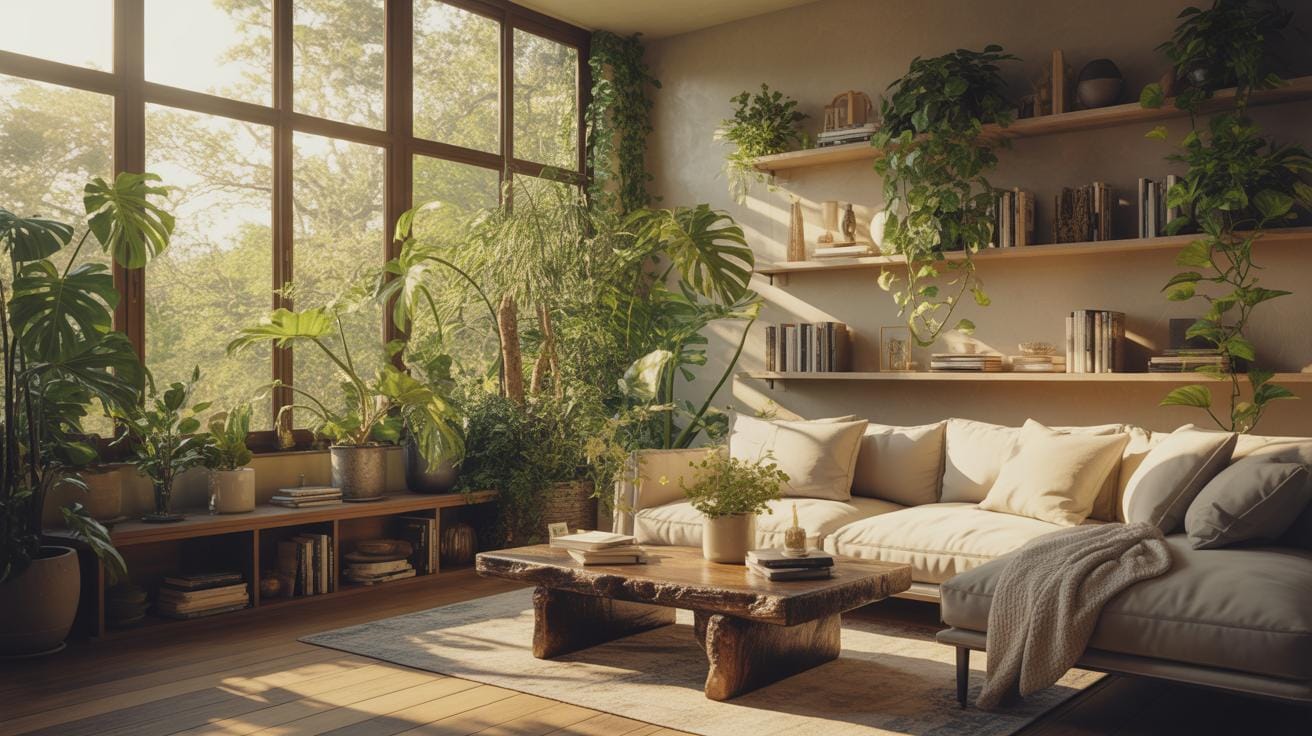
The Essence Of Narrative Plant Decor In Modern Living Spaces
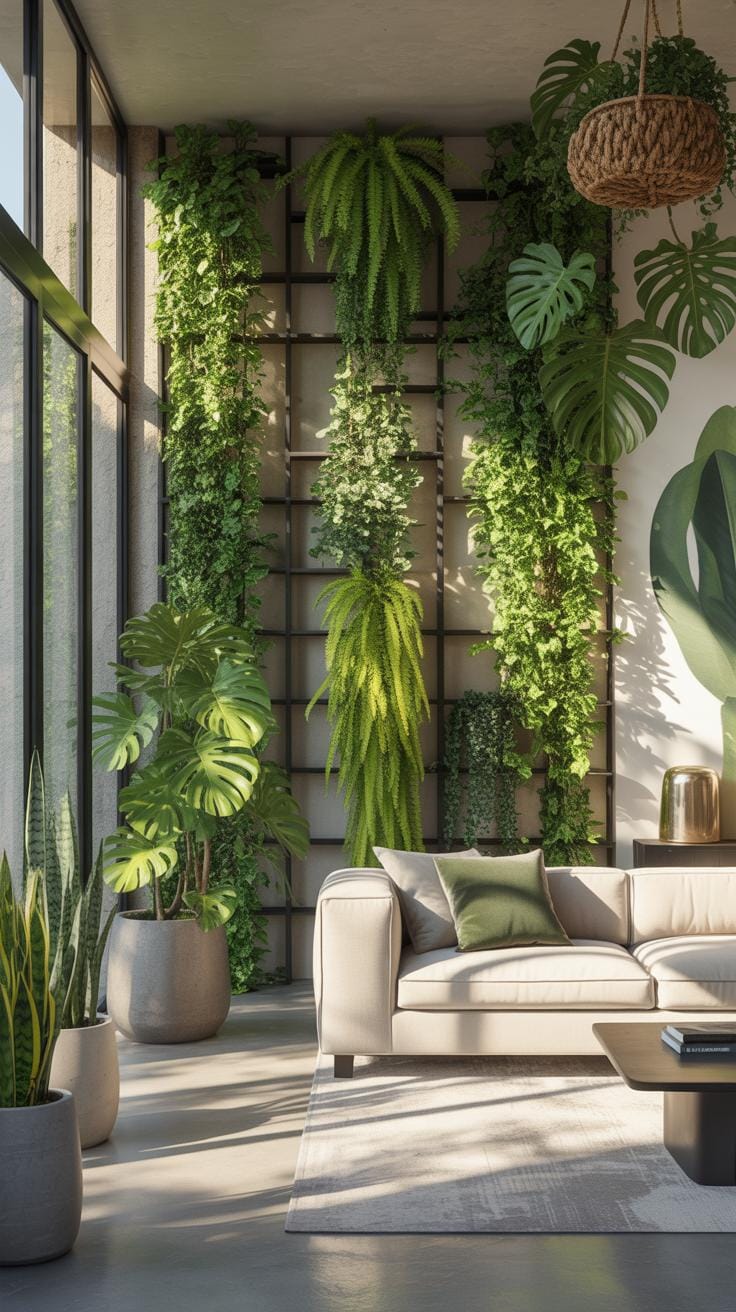
Defining Narrative Decor
Narrative plant decor transforms living rooms into storytelling environments where each plant becomes a living protagonist in your home’s evolving tale. Unlike decorative objects that remain static, plants embody continuous growth and transformation, creating dynamic visual narratives that reflect personal journeys and family heritage. When strategically placed, these botanical elements communicate identity, values, and memories without uttering a single word. A inherited fiddle leaf fig becomes a generational symbol, while a propagated succulent collection speaks to resourcefulness and care. This approach elevates plants beyond mere aesthetic additions, positioning them as meaningful characters within your domestic landscape that grow, change, and connect us to nature’s timeless cycles.
Narrative plant decor acknowledges that our homes are extensions of ourselves, spaces where stories deserve authentic expression. By selecting plants with personal significance—whether gifted by loved ones, collected during travels, or nurtured from cuttings—we infuse our surroundings with intentional meaning. The placement of these specimens creates visual pathways through rooms, guiding attention and establishing themes. A corner dedicated to tropical varieties whispers of vacation memories, while a terrarium collection tells stories of miniature ecosystems. This deliberate curation transforms ordinary living rooms into curated galleries where botanical specimens serve as tangible connections to our past, present aspirations, and the natural world we inhabit.
The Psychology Of Storytelling With Greens
The human brain responds powerfully to visual narratives, and narrative plant decor leverages this psychological phenomenon by creating emotionally resonant environments. Research in environmental psychology demonstrates that biophilic design—spaces incorporating natural elements—reduces stress and anxiety while enhancing cognitive function. Plants communicate growth, resilience, and continuity, subconscious messages that foster psychological well-being in our homes. When we interact with plants and witness their development, we engage in a form of storytelling that anchors us to natural rhythms and cycles. The visual presence of thriving greenery creates a narrative of nurturing and care, subtly reinforcing positive emotional states and encouraging mindfulness in daily living spaces.
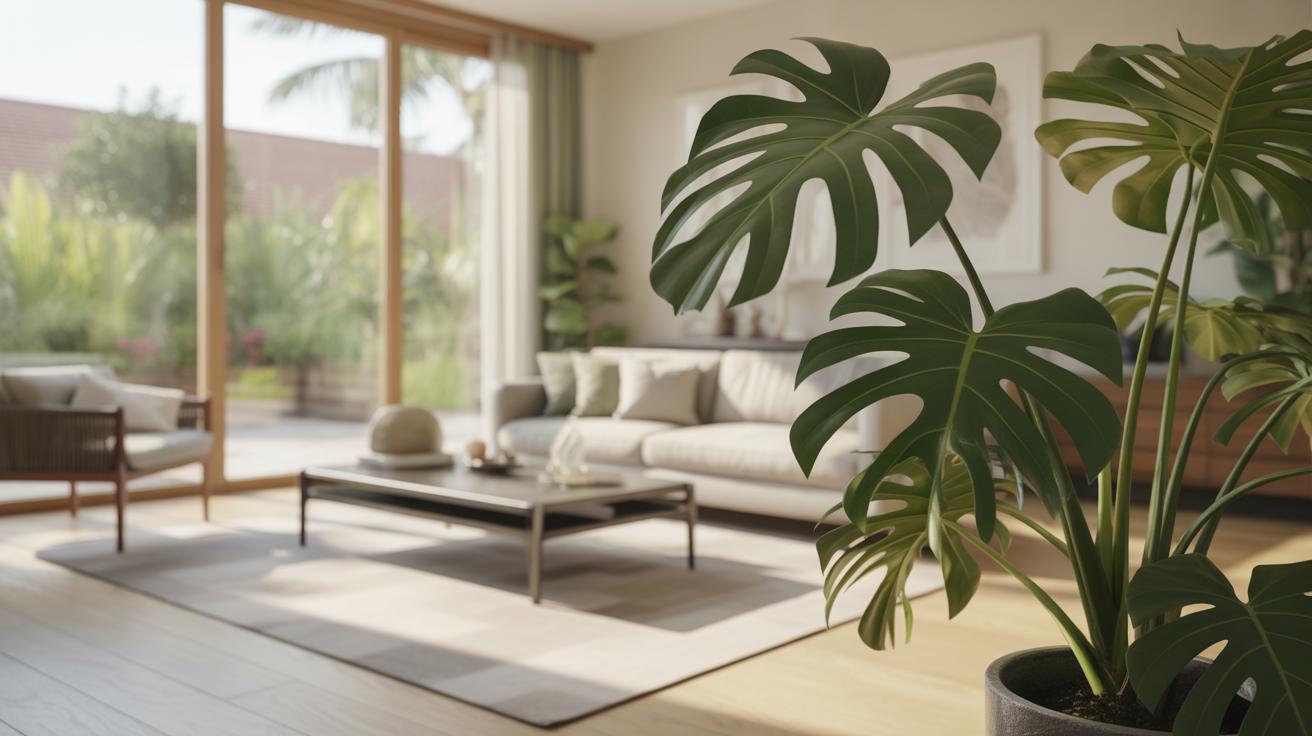
The narrative dimension of plant decor extends beyond individual psychology to create shared family stories and cultural expression. When plants are displayed with intention and positioned to highlight their unique characteristics, they become conversation starters and memory anchors for household members and visitors alike. A collection of ethnobotanical plants tells stories of cultural heritage and botanical curiosity, while carefully arranged specimens create visual balance that soothes the mind. This holistic approach to plant placement acknowledges that our living rooms serve as sanctuaries where natural narratives—expressed through growth, seasonal changes, and botanical diversity—restore emotional equilibrium and reinforce our fundamental connection to the living world surrounding us.
Curating Your Botanical Proponents Selecting Species With Character
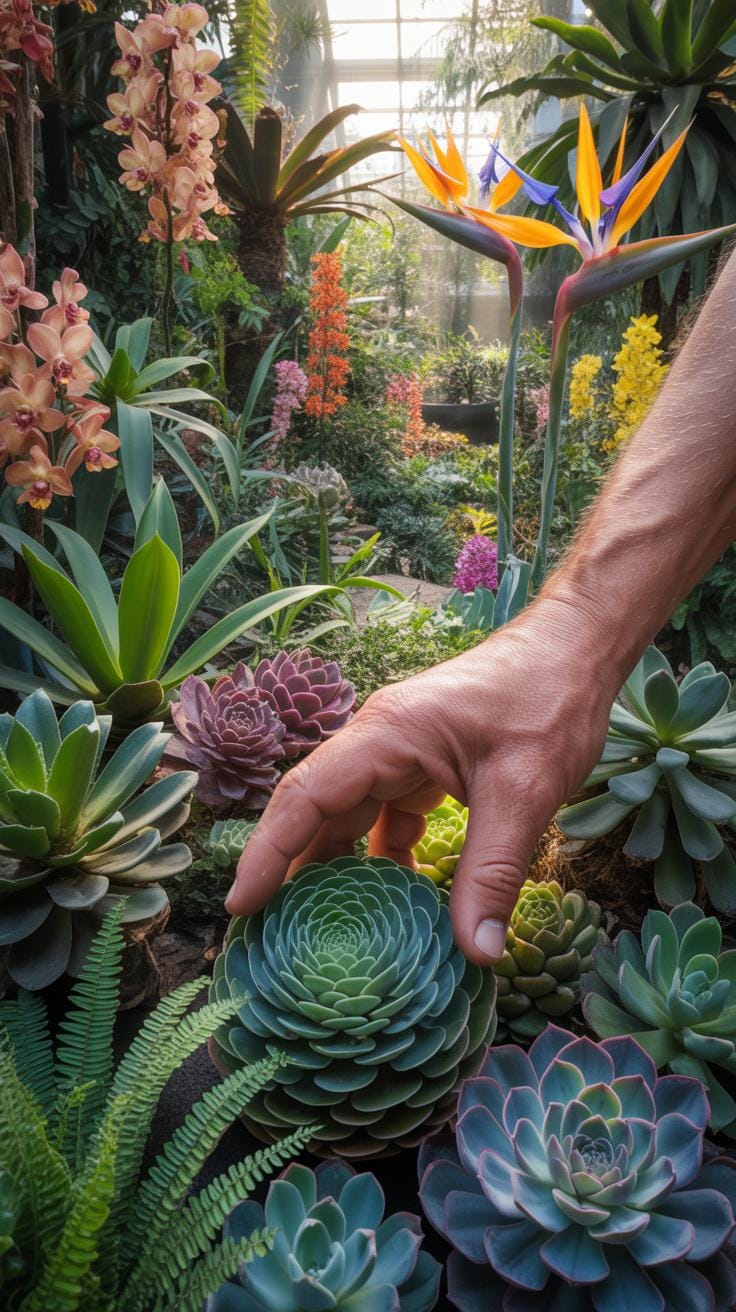
Ancestral Vines And Heritage Species
Pothos and Hoyas represent more than mere decorative elements in narrative plant decor—they embody living connections to our past. These resilient vines have graced homes across generations, often passed down through families as cherished cuttings. Their presence whispers stories of grandmothers’ windowsills and inherited botanical wisdom. By selecting these heritage species, you’re not simply choosing plants; you’re anchoring your living room in continuity and memory, creating a tangible link between past inhabitants and present storytellers.
When incorporating ancestral vines into your space, consider their symbolic resonance within your family narrative. Perhaps your grandmother cultivated a thriving Pothos in her sunlit kitchen, or a beloved relative nurtured a Hoya through decades of patient care. Propagating these very plants for your own living room transforms them into powerful narrative anchors. They become botanical emissaries carrying forward legacies of care, resilience, and botanical stewardship. This intentional selection deepens the emotional authenticity of your narrative plant decor arrangement.
Architectural Statement Plants For Dramatic Flair
The Ficus lyrata, with its commanding presence and distinctive violin-shaped leaves, serves as a living architectural element capable of anchoring your room’s narrative framework. Similarly, the Monstera deliciosa, adorned with its characteristic fenestrated foliage, commands attention and creates visual drama. These bold sculptural plants function as protagonists within your botanical narrative, demanding space and respect while establishing focal points that organize the entire room’s composition and visual hierarchy.
Positioning these architectural statement plants strategically transforms them into three-dimensional storytelling devices. A Ficus lyrata in a corner becomes a guardian figure; a Monstera deliciosa climbing a moss pole becomes an ascending narrative of growth and transformation. Their structural complexity invites observation and contemplation, encouraging inhabitants to pause and engage deeply. These plants’ inherent drama eliminates the need for additional decorative fussiness, allowing their natural forms to speak eloquently within your carefully composed botanical narrative.
Setting The Scene Strategic Placement For Maximum Visual Impact
The Entryway Prologue
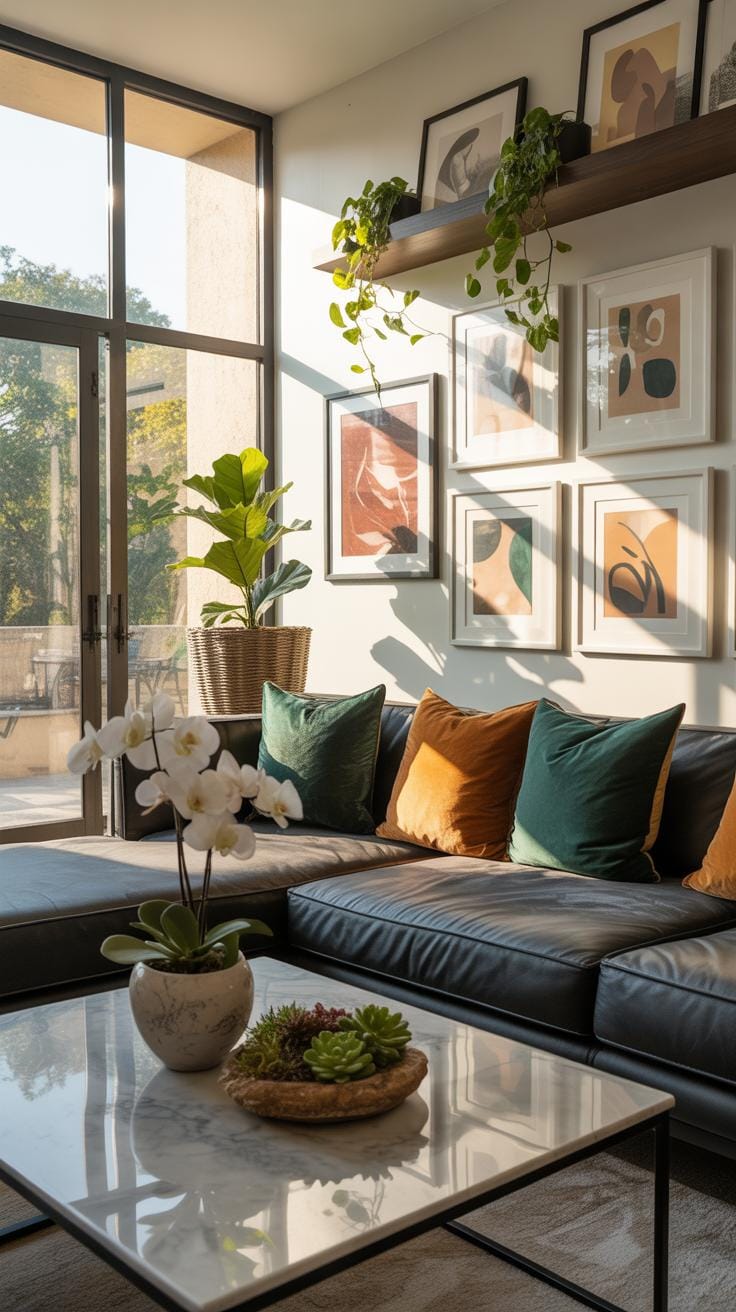
The moment guests cross your threshold, they encounter the opening chapter of your home’s botanical narrative. Snake Plants stand as ideal sentinels for this liminal space, their architectural vertical forms commanding attention while their remarkable air-purifying qualities work silently in the background. These resilient plants establish an immediate tone of sophistication and intentionality, signaling that your interior design follows thoughtful principles. Placing a Snake Plant in a decorative container near the entrance creates an immediate visual anchor, welcoming visitors into a world where Narrative Plant Decor transforms everyday spaces into storytelling environments.
This entryway introduction sets expectations for the decorative journey ahead. The Snake Plant’s glossy, striped foliage catches light beautifully, creating depth and visual interest without overwhelming the senses. Its low-maintenance nature means it thrives in varied light conditions typical of entry hallways, maintaining its elegance regardless of seasonal changes. By choosing plants deliberately for this threshold space, you establish that your home operates with intentional design principles, inviting guests to appreciate the carefully orchestrated botanical moments throughout your living areas.
Focal Point Storytelling In The Lounge Area
Creating a central botanical hub transforms your lounge into a narrative epicenter where design elements converge meaningfully. This focal point typically anchors one wall or corner, combining plants of varying heights, textures, and growth patterns to create visual complexity and interest. Rather than scattering individual specimens randomly, clustering complementary plants—such as Fiddle Leaf Figs, Pothos, and trailing varieties—establishes a cohesive botanical moment that immediately captures attention. This strategic arrangement embodies core principles of Narrative Plant Decor, where plant selection and placement work together to communicate aesthetic intention and create emotional resonance within the space.
The lounge’s botanical hub functions as your interior’s visual narrative anchor, much like a chapter heading organizes written content. By positioning this arrangement where natural light patterns showcase the foliage’s details and shadows play across leaves, you maximize the dramatic potential of living elements. Consider these key elements when establishing your central botanical statement:
- Varying heights create visual rhythm and prevent monotonous flatness
- Mixed textures including glossy, matte, and delicate foliage add tactile interest
- Color palette diversity from deep greens to variegated patterns enhances visual depth
- Strategic lighting that highlights architectural plant forms and creates atmospheric shadows
- Container coordination that complements your interior while allowing plant personalities to shine
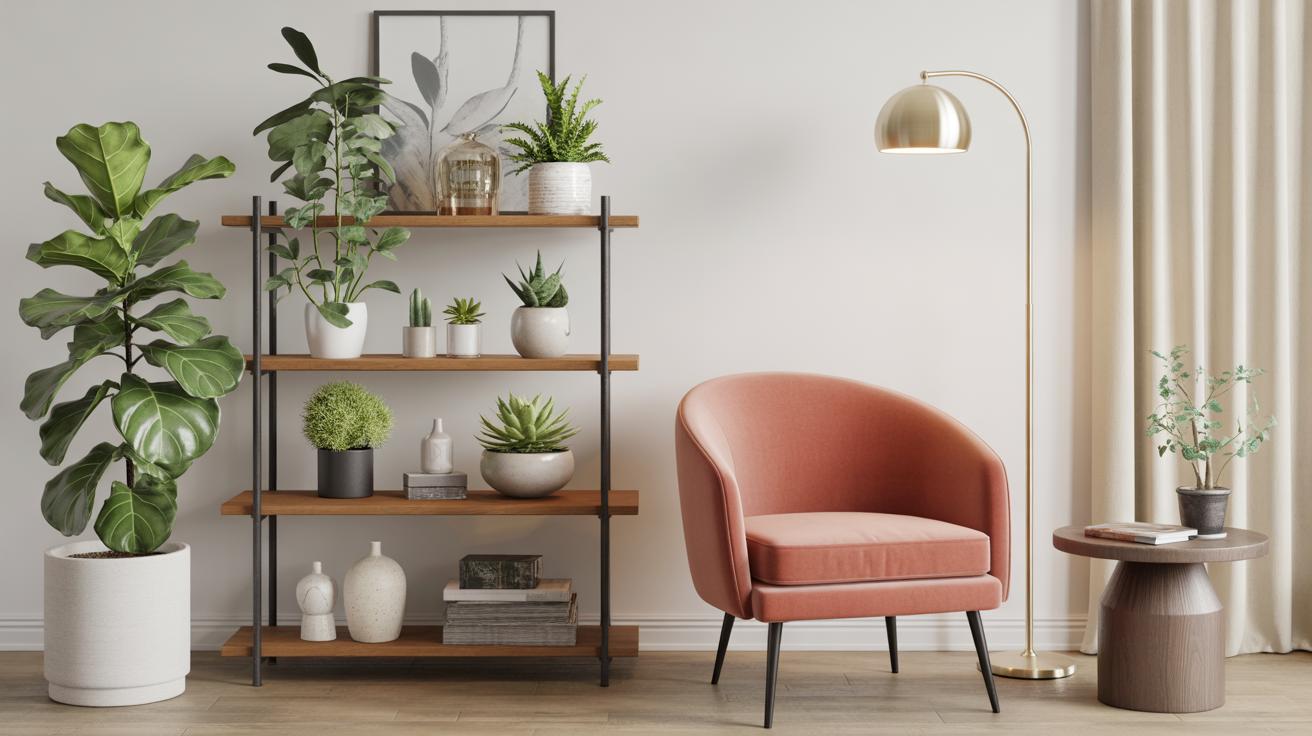
This curated collection becomes more than decoration—it transforms into a living focal point that grounds your entire room’s aesthetic narrative, inviting viewers to linger and appreciate the thoughtful botanical storytelling woven throughout your space.
Layering Textures Developing The Plot Through Leaf Variety
The Contrast Of Fine And Bold Foliage Contrast
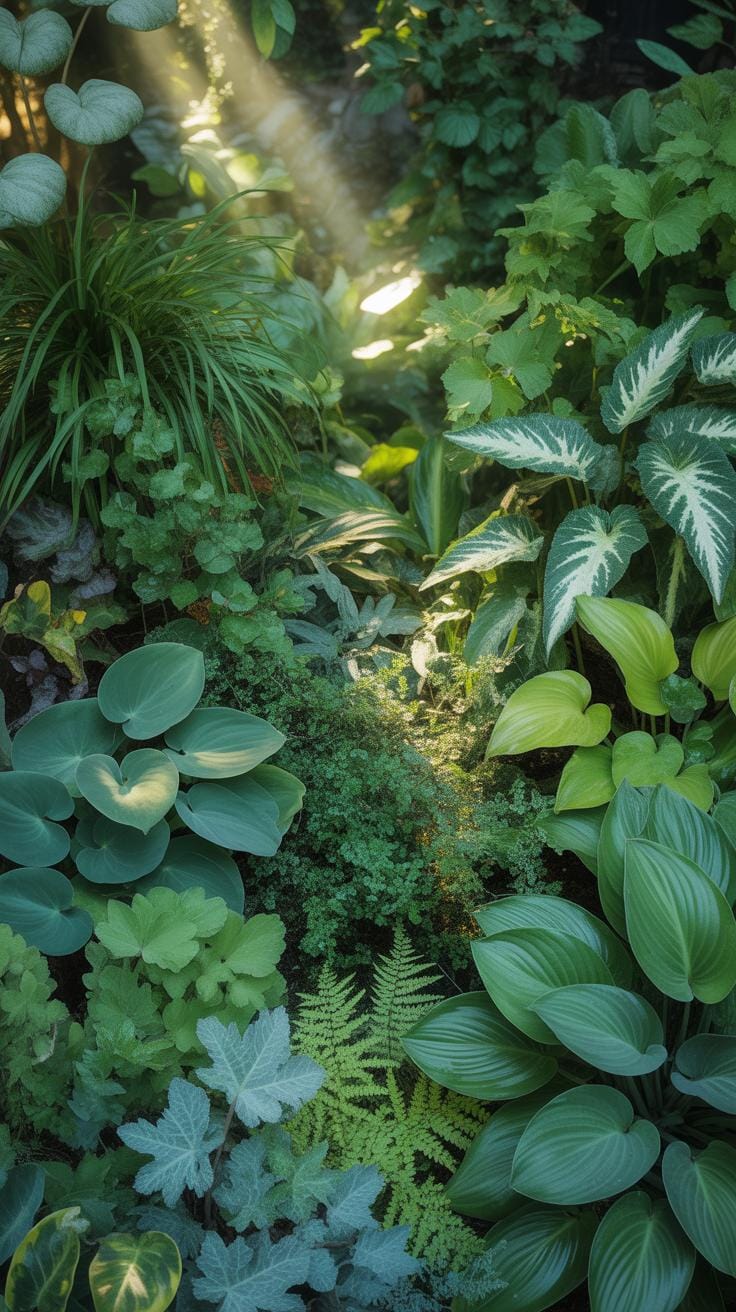
Narrative plant decor thrives when opposing textures engage in visual dialogue within your living room. The delicate, feathery fronds of a Boston Fern create an airy, ethereal quality that whispers softly against solid surfaces. When positioned beside the commanding presence of a Rubber Tree with its thick, waxy broad leaves, an immediate tension emerges. This textural interplay mirrors classic storytelling techniques where contrasting characters amplify each narrative thread. The fern’s intricate lacework becomes more pronounced against the Rubber Tree’s architectural solidity, crafting depth that transforms a simple plant arrangement into a compelling visual narrative.
This textural contrast serves practical design purposes beyond aesthetics. Fine-leaved specimens like Boston Ferns soften harsh corners and break monotony, while bold-leaved plants such as Rubber Trees anchor spaces and provide visual weight. Together, they create rhythm and pacing within your botanical composition. The interplay develops dimension that static single-texture arrangements cannot achieve, encouraging viewers’ eyes to travel and discover new details. This layering technique is fundamental to creating memorable narrative plant decor that evolves throughout the day as light shifts and shadows dance across varying leaf surfaces.
Using Variegated Specimens For Visual Conflict
Variegated plants introduce narrative complexity through their white and yellow leaf patterns, transforming serene green spaces into scenes of visual drama. Specimens like Syngonium Podophyllum with cream-colored variegation or Golden Pothos create intentional “action” within an otherwise static arrangement. These patterns break the visual monotony of solid green foliage, suggesting movement and energy that mirrors plot twists in storytelling. The irregular distribution of pigmentation across leaves creates natural focal points, drawing attention and establishing visual hierarchy. In narrative plant decor, variegated specimens function as narrative devices themselves—they’re the unexpected revelations that deepen the overall composition’s intrigue and sophistication.
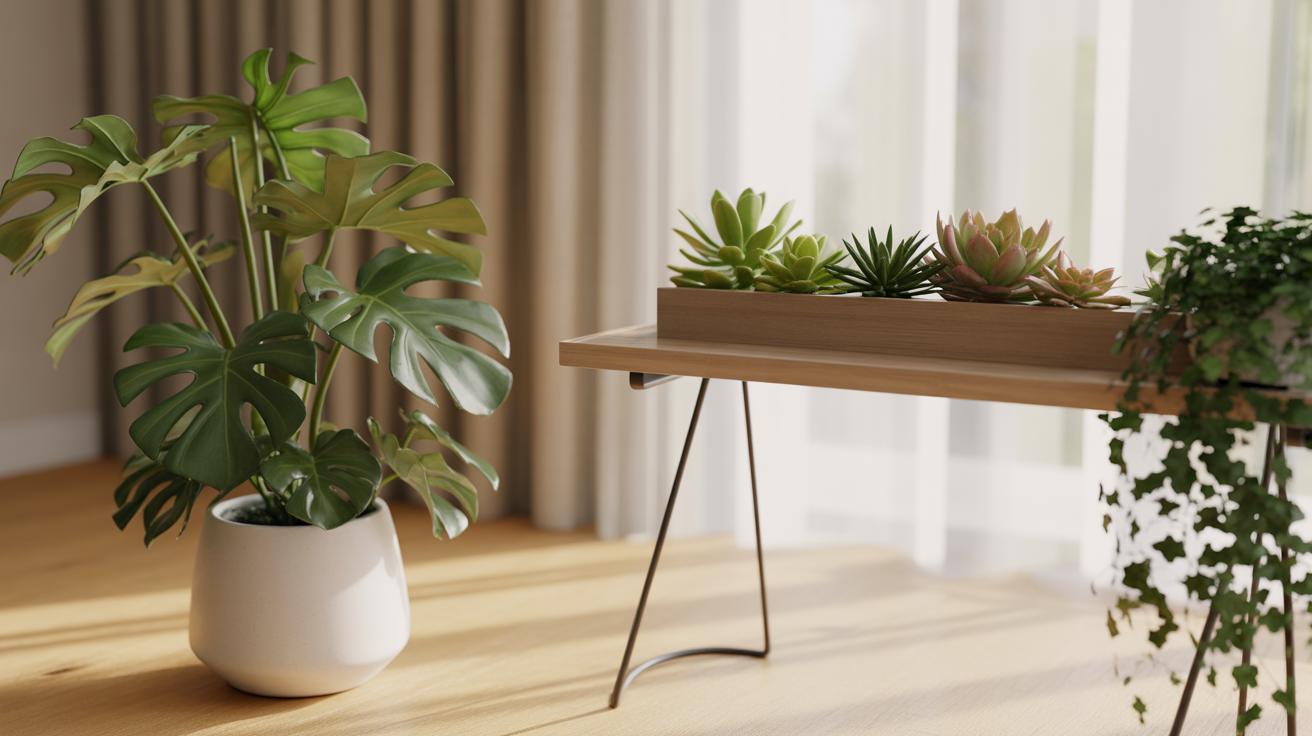
Incorporating variegated plants requires thoughtful placement to maximize their storytelling potential. Position them where light naturally illuminates their patterned leaves, allowing highlights to dance across cream and green sections. The contrast becomes most compelling when surrounded by solid-colored foliage, creating visual counterpoints that enhance both elements. Variegated specimens also serve practical purposes by brightening darker corners where pure green plants might disappear into shadow. When balanced deliberately within your living room’s plant narrative, variegated specimens elevate the entire composition from pleasant decoration into a layered, intentional design statement that commands attention and sparks conversation.
The Chronology Of Growth Celebrating A PlantS Life Cycle

Documenting The Journey Of Maturity
Narrative plant decor thrives when you chronicle a plant’s transformation across your living space. Beginning with a delicate cutting in a small propagation vessel, you establish the first chapter of your botanical story. As roots develop and foliage strengthens, gradually relocate your plant to progressively larger containers positioned at different heights throughout your room. This deliberate staging creates a visual timeline that visitors instinctively understand, revealing the patience and care invested in nurturing living growth.
- Document growth with photographs displayed alongside the mature plant
- Use consistent positioning to show vertical progression over seasons
- Rotate plants to different room locations as they mature
- Maintain matching containers in varying sizes to mirror development stages
- Keep dated labels or journals recording growth milestones
The culmination arrives when your once-fragile cutting becomes a flourishing specimen trailing gracefully from ceiling-mounted shelves or anchoring a corner with substantial presence. This evolution transforms narrative plant decor from mere decoration into a living autobiography of dedication and horticultural skill. The physical presence of a mature plant speaks volumes about commitment and environmental stewardship, creating an emotional resonance that connects inhabitants to natural rhythms and personal accomplishment.
Integrating Seasonal Transitions Into Your Decor
Seasonal changes offer profound opportunities for weaving temporal narratives through plant placement and care adjustments. During dormant winter months, relocate slower-growing specimens to secondary positions, allowing faster-growing or flowering plants to command primary attention in your living room arrangement. Spring’s awakening permits strategic repositioning of revived plants toward windows receiving lengthening daylight, symbolizing renewal and vitality through narrative plant decor that acknowledges nature’s cyclical patterns.
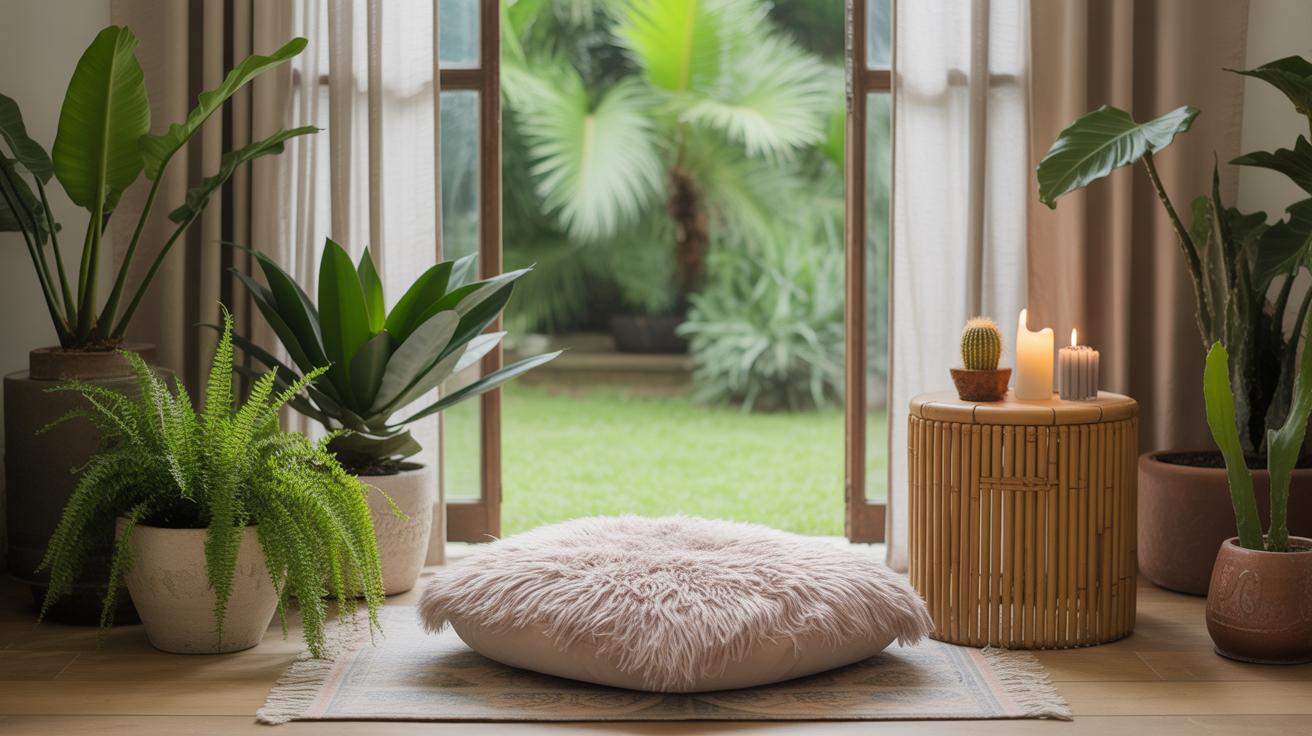
The shifting blooms and foliage colors throughout the year create a naturally evolving visual composition without requiring redesign. Summer’s lush abundance calls for plants positioned to receive generous indirect light, their vibrant greens celebrating peak vitality. Autumn transitions invite deeper earth tones into your arrangement, while winter’s sparse flowering beauties become focal points. This intentional rhythm transforms your living room into a calendar of botanical change, where seasonal transitions become celebrated chapters in your home’s ongoing story.
Vessels Of History Choosing Pots And Planters As Story Props
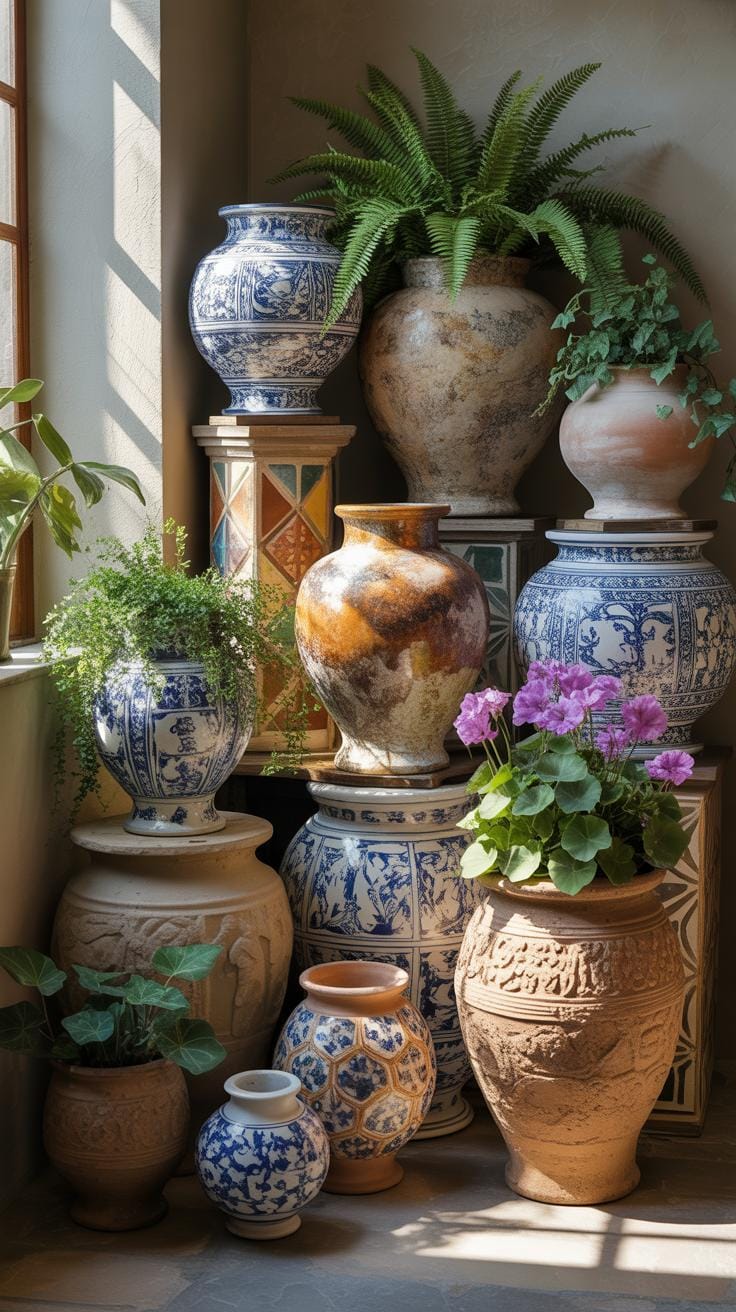
Vintage And Repurposed Containers With A Past
Antique ceramics and salvaged containers transform narrative plant decor into tangible storytelling. When you select a weathered terracotta pot from a centuries-old pottery tradition or repurpose a vintage urn, you’re introducing genuine historical context into your living room. These vessels carry the patina of time, the fingerprints of artisans long past, and the accumulated memories of previous owners. Each crack, discoloration, and worn edge becomes part of your plant’s narrative, layering botanical life with human history in ways contemporary pieces cannot replicate.
- Hand-thrown earthenware from Mediterranean regions
- Salvaged architectural remnants like old drainage tiles or roof finials
- Vintage ceramic pieces from mid-century pottery studios
- Reclaimed industrial containers transformed into planters
- Antique porcelain vessels originally designed for tea or storage
Sourcing these treasures requires patience and intentionality. Estate sales, architectural salvage yards, and antique markets offer authentic pieces brimming with backstory. When you place a living plant in a vessel that has already witnessed decades, you create a dialogue between old and new, inviting visitors to contemplate the journey both container and plant have undertaken. This approach elevates narrative plant decor beyond mere decoration into meaningful environmental storytelling.
Modernist Vessels For Contemporary Storytelling
Minimalist planters strip away ornamentation to create clean, purposeful stages for botanical narratives. The modernist design movement, which emerged in the early twentieth century, emphasized form following function and rejected excessive decoration. By selecting sleek ceramic cylinders, geometric concrete cubes, or unadorned ceramic vessels, you allow the plant’s organic shapes and growth patterns to become the focal point. The simplicity of the container doesn’t diminish the plant’s story; rather, it amplifies it through visual clarity and intentional restraint.
Contemporary narrative plant decor thrives when minimal vessels create stark contrast with abundant foliage and intricate leaf patterns. A single fiddle leaf fig in a matte white cylindrical planter tells an uncomplicated story of growth and form, while clustered succulents in geometric concrete vessels create a composition emphasizing architectural beauty. This aesthetic approach suits modern living rooms where clean lines dominate, allowing plants to narrate through their botanical characteristics alone, unburdened by decorative excess or historical reference. The neutrality becomes a canvas for nature’s own compelling visual language.
Lighting The Narrative Using Shadows And Highlights
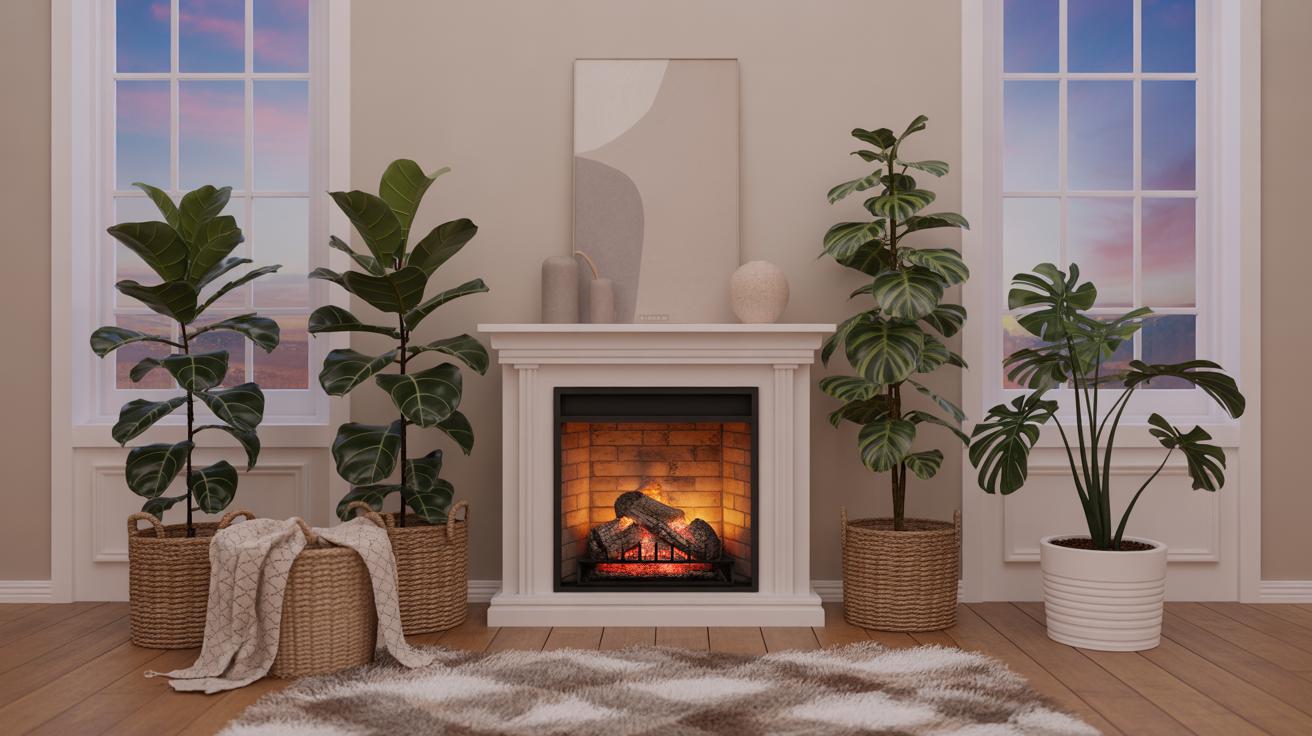

The Drama Of Silhouettes And Backlighting
Positioning plants strategically between light sources and walls transforms narrative plant decor into living theater. When evening light filters through delicate foliage, intricate leaf patterns cast rhythmic shadows across your living room surfaces. This interplay creates a cinematic quality that evolves with the day’s passage. The silhouettes tell their own story, morphing solid forms into ethereal outlines. Ferns, monstera deliciosas, and spider plants excel at this shadowy storytelling, their varied leaf shapes producing distinctive patterns.
Consider backlighting techniques where light originates behind or beside your plants rather than in front. Floor lamps positioned near trailing pothos or climbing philodendrons create compelling shadow narratives on adjacent walls. This dramatic approach echoes techniques from classical theater design, where lighting sculpts three-dimensional space. The resulting shadows become secondary characters in your room’s unfolding story, adding visual interest and depth that flat lighting cannot achieve. Experiment with intensity and angle to discover which combinations resonate with your desired atmosphere and narrative.
In the cozy glow of memory’s hearth, let living room plants weave tales of growth and home, their leaves whispering bardic songs of yesteryear’s gentle care.
— Wendell Berry
Natural Light As A Dynamic Narrator
The sun’s journey across your living room creates an ever-changing narrative plant decor experience throughout each day. Morning light differs distinctly from afternoon rays in color temperature, intensity, and angle. Eastern windows deliver gentle, warm awakening illumination, while western exposures bring golden, contemplative evening tones. This celestial storytelling means your plants and their shadows perform different roles as hours progress. A fiddle leaf fig bathed in dawn light conveys possibility and renewal, while sunset positioning suggests reflection and completion.
Your narrative shifts seasonally as well, with the sun’s arc varying across months and years. Winter’s lower light angle casts longer shadows and creates dramatic contrasts, while summer’s high trajectory produces softer, more diffuse patterns. Understanding these natural rhythms allows you to orchestrate your space intentionally. Observe how different plants respond to light quality at various times, positioning shade-lovers away from harsh afternoon sun and sun-seeking specimens toward bright windows. This attentiveness transforms your living room into a responsive canvas where plants, light, and shadow collaborate in an ongoing botanical narrative.
The Bardic Tradition Integrating Folklore And Botanical Myths

Plants Of Legend And Protection
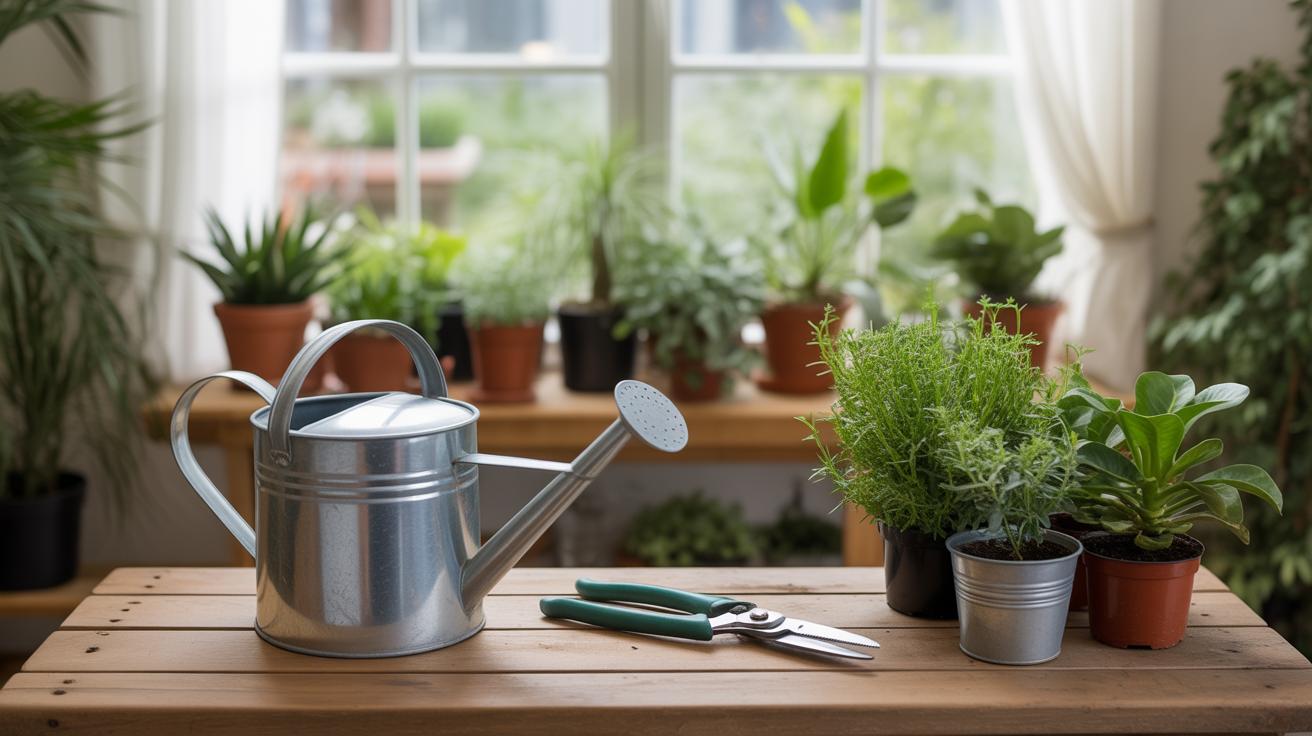
Throughout centuries of human civilization, certain plants have accumulated rich tapestries of cultural significance and protective symbolism. Sage, revered across Mediterranean, Native American, and European traditions, has long been associated with purification, wisdom, and spiritual guardianship. Aloe vera, treasured in ancient Egyptian, Greek, and Islamic healing practices, symbolizes resilience and protective care. These species carry narratives that transcend mere botanical function, embodying the stories of countless generations who relied upon them for physical and spiritual wellbeing. Incorporating narrative plant decor featuring these legendary specimens transforms your living room into a repository of ancestral wisdom.
When selecting plants of legend for your home, consider the protective qualities you wish to invite into your space. Beyond their aesthetic appeal, sage and aloe serve as living reminders of humanity’s enduring relationship with the botanical world. Their presence creates a narrative bridge between ancient traditions and contemporary living, grounding your interior design in authenticity and cultural reverence. These guardians of folklore bring not just greenery, but story itself into your rooms, making them ideal choices for those seeking meaningful botanical arrangements.
Symbolic Meaning In Narrative Plant Decor
Personal symbolism transforms ordinary houseplants into narrative anchors for your living environment. By assigning specific meanings to plants within your space—whether rooted in traditional folklore or your own lived experiences—you create a layered story that only you and those closest to you fully understand. A lavender plant might represent tranquility and cherished memories, while ivy could symbolize connection and growth through challenges. This intentional approach to narrative plant decor elevates your living room from a decorated space into a personalized storybook written in living green.
The beauty of symbolic plant narratives lies in their flexibility and deeply personal nature. Consider these meaningful assignments when designing your narrative plant decor:
- Rosemary for remembrance and mental clarity in study areas
- Mint for renewal and fresh beginnings near entryways
- Eucalyptus for healing and protective energy in rest spaces
- Basil for abundance and prosperity in kitchen-adjacent displays
- Ferns for mystery and connection to ancient woodland tales
When you curate plants through the lens of their symbolic significance, your living room becomes a manifestation of your values and aspirations. Each specimen tells part of your unique narrative, creating an environment that speaks to both the aesthetic and spiritual dimensions of home design.
Curating Vertical Tales Wall Mounted And Hanging Ecosystems
Living Walls As Tapestries Of Life
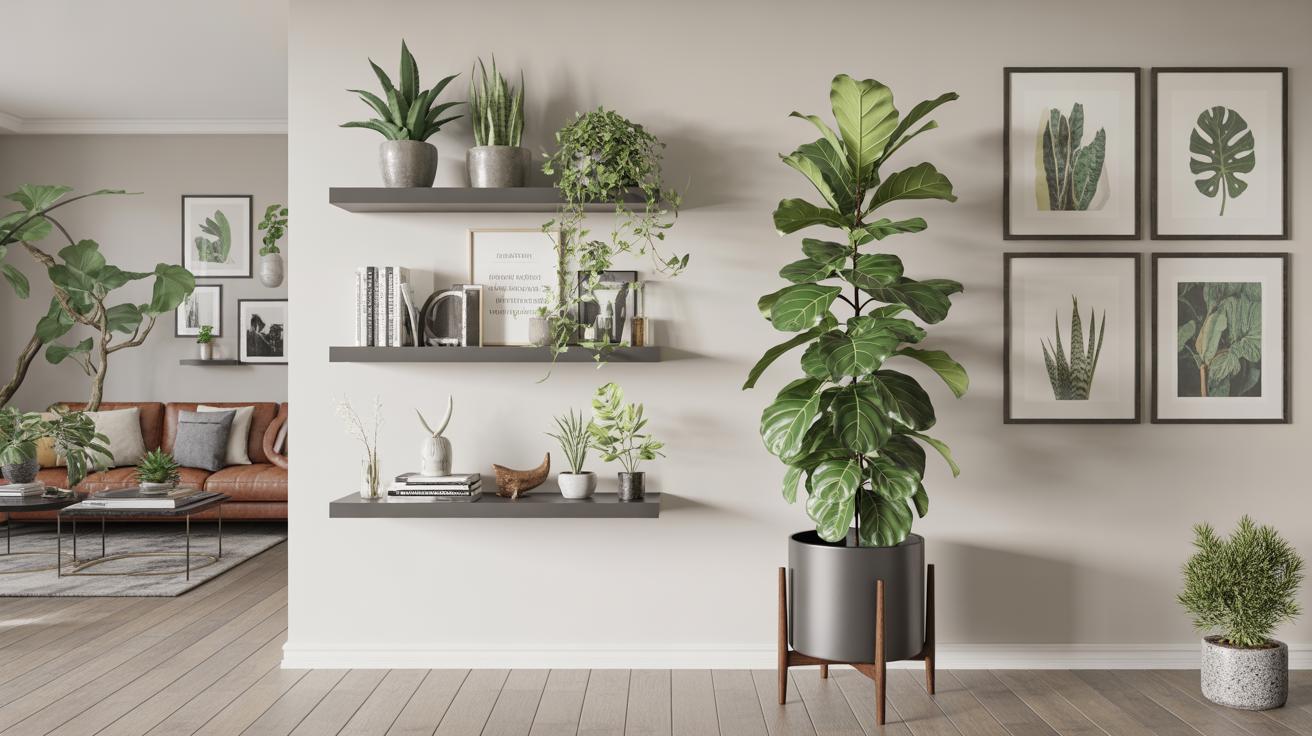
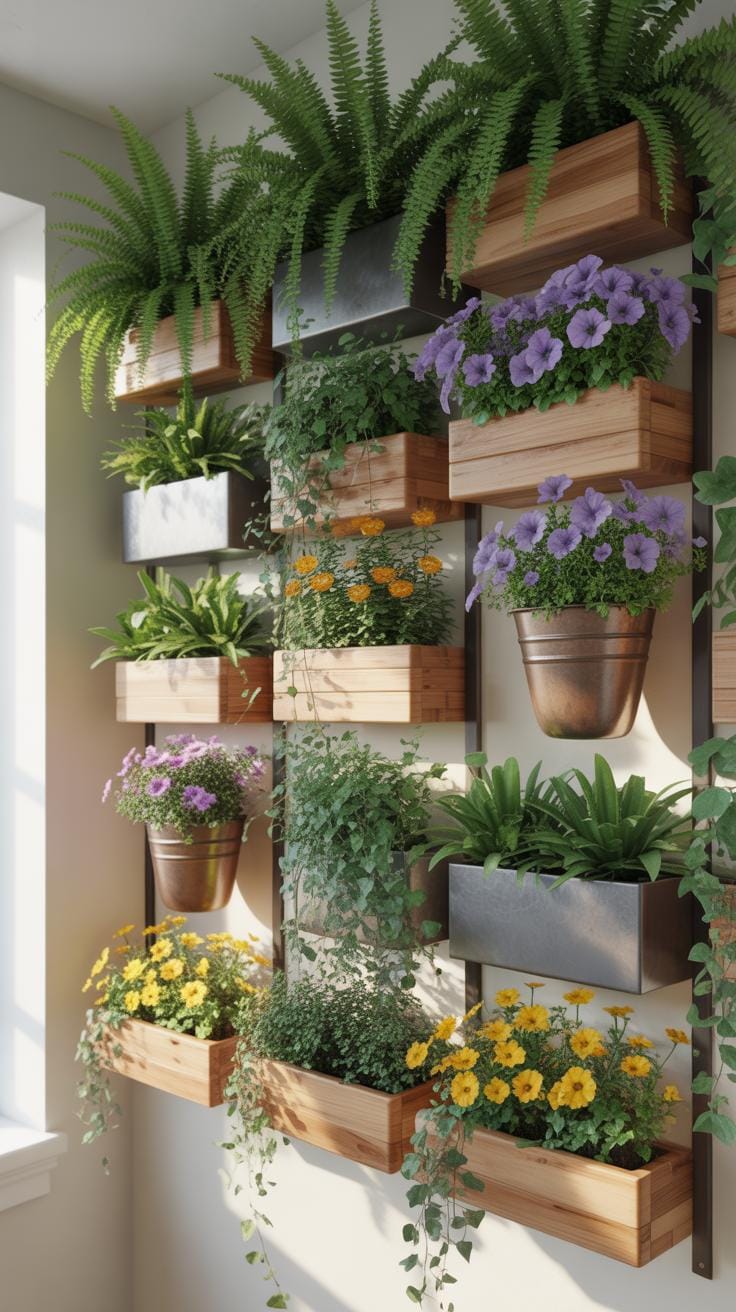
Vertical gardens transform bare walls into living murals, creating immersive botanical narratives that breathe life into your living room. By layering plants of varying heights, textures, and foliage colors, you construct a three-dimensional story that evolves seasonally. This approach to narrative plant decor draws inspiration from the biophilic design movement, which recognizes our innate connection to natural environments. Living walls become focal points that anchor a room’s aesthetic while telling a cohesive ecological story through carefully selected specimens.
Creating a successful living wall requires thoughtful consideration of light conditions, irrigation systems, and plant compatibility. Ferns, pothos, and philodendrons thrive in mixed installations, their varied leaf patterns creating visual depth and movement. Consider these essential elements when designing your vertical ecosystem:
- Moisture retention systems suitable for your wall’s orientation
- Plant varieties with complementary growth patterns and water needs
- Structural support that accommodates mature plant weight
- Lighting solutions for shade-loving or sun-requiring species
- Accessibility for pruning, watering, and seasonal maintenance
Your living wall becomes a dynamic narrative that changes throughout the year, with seasonal growth patterns and subtle color shifts reflecting the passage of time and the resilience of nature within your intimate home space.
The Suspended Narrative Of Trailing Vines
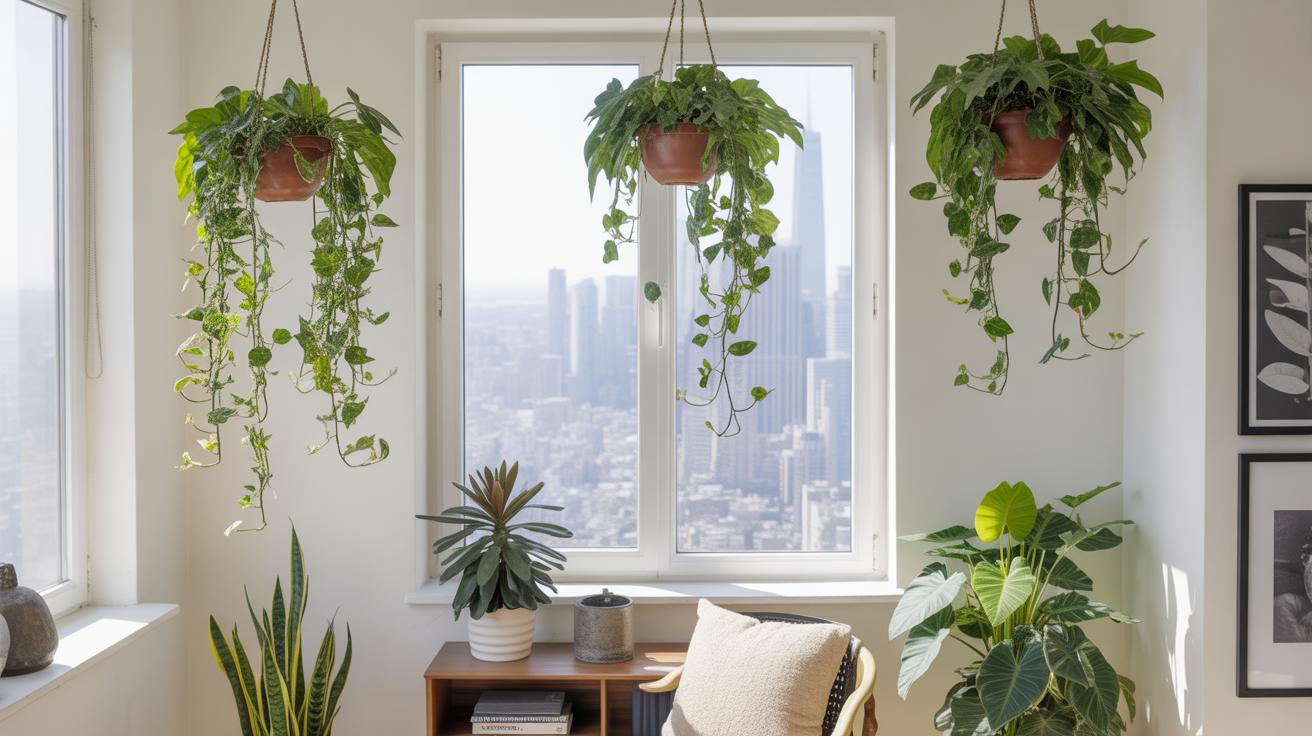
Hanging planters and suspended installations create a poetic sense of movement through your living room, as trailing vines cascade from ceiling-mounted shelves like botanical waterfalls. This vertical dimension of narrative plant decor draws the eye upward, making rooms feel more expansive while establishing rhythm and flow. String of pearls, pothos, and heartleaf philodendrons naturally drape and weave through space, their graceful tendrils telling stories of growth and exploration. Suspended arrangements transform ceilings into active design elements rather than overlooked architectural features.
The choreography of hanging plants creates invisible connections throughout your living room, unifying disparate zones and establishing visual pathways. Sky-high shelves positioned at varying heights encourage viewers’ eyes to travel vertically, discovering new botanical details and encouraging contemplation. Macramé hangers, ceramic vessels, and brass fixtures add textural depth while honoring traditional plant-displaying craftsmanship. Your suspended ecosystem becomes a living sculpture that shifts with natural light, casting moving shadows that animate walls and floors throughout the day.
Maintaining The Story Sustainable Plant Care As A Daily Ritual
The Nurturing Narrative Of Routine Care
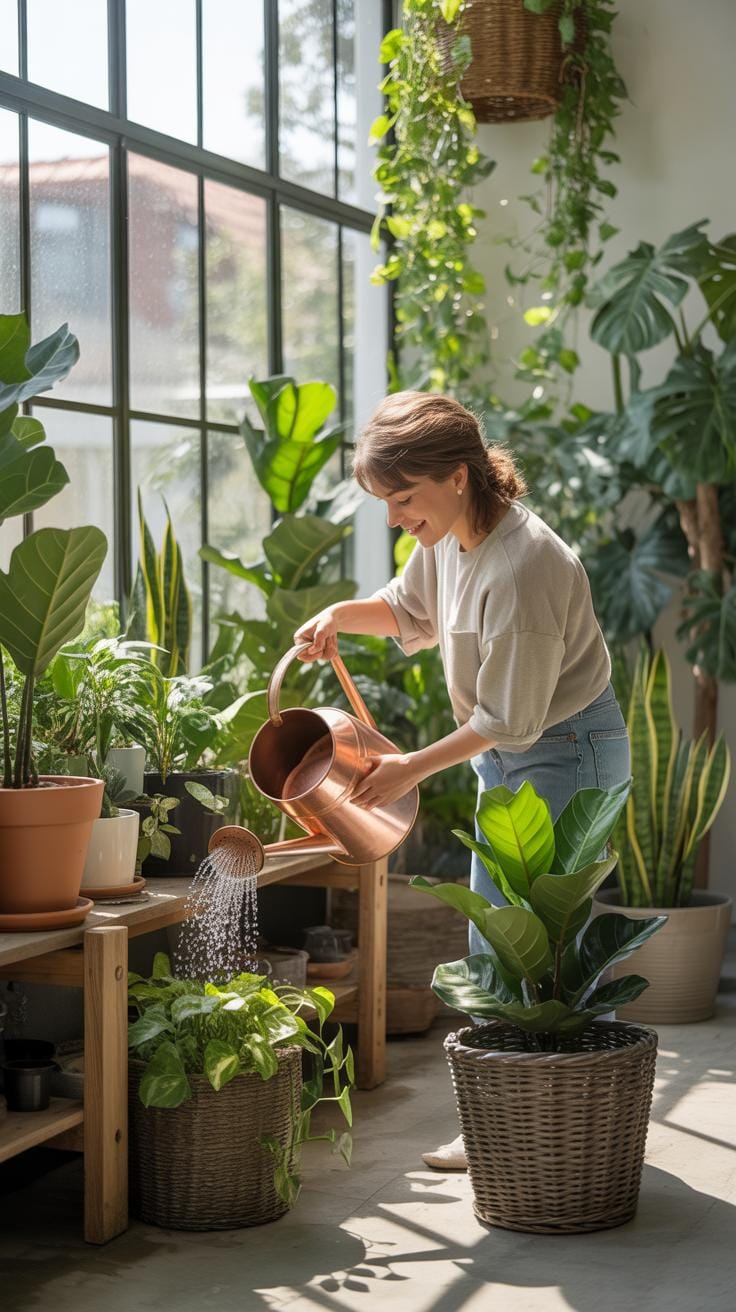
The daily practice of tending to your plants transforms into a sacred meditation when approached through narrative plant decor philosophy. Watering becomes an intentional conversation with each specimen, observing how moisture journeys through soil and roots. Pruning takes on meaning as you shape growth patterns, removing dead growth to encourage renewal. This ritualistic care creates a tangible connection between caretaker and plant, deepening the emotional resonance of your living room’s botanical narrative while establishing a rhythm that grounds your daily existence in present-moment awareness.
Beyond the physical acts of maintenance, this routine cultivates mindfulness and intentional presence. Each interaction with your plants—checking soil moisture, adjusting positioning for optimal light, wiping dust from leaves—becomes a moment of reflection and connection. These small gestures accumulate into a profound practice of stewardship, where you’re not simply maintaining vegetation but actively participating in the unfolding story of your living space. The consistency of care demonstrates commitment to your narrative plant decor vision, reinforcing the deeper meaning woven throughout your home.
Troubleshooting And Character Development
Plant challenges transform into compelling narrative opportunities when reframed through the lens of storytelling and resilience. Yellow leaves, pest infestations, or drooping stems become plot twists rather than failures—moments requiring problem-solving, research, and adaptive strategies. These difficulties mirror life’s obstacles, teaching patience and perseverance as you investigate root causes and implement solutions. Within narrative plant decor design philosophy, each struggle strengthens your relationship with your botanical companions and enriches the authentic, lived-in story your space genuinely communicates to visitors and yourself alike.
Addressing plant difficulties cultivates growth beyond aesthetics, developing practical horticultural knowledge and emotional maturity. When you successfully revive a struggling specimen or identify and eliminate pests through careful observation, you’ve authored a recovery narrative within your home’s botanical landscape. These experiences reveal the dynamic, breathing nature of living decor—your plants aren’t static objects but evolving characters in an ongoing saga. This perspective transforms maintenance challenges into chapters of character development, where both plant and caretaker emerge transformed, wiser, and more deeply committed to the meaningful narrative plant decor journey you’ve intentionally created together.
Frequently Asked Questions

What is narrative plant decor for a living room?
Narrative plant decor is a creative approach to home styling where you use living room plants to tell a story or evoke emotions through their strategic placement. Imagine a trailing ivy whispering tales of ancient forests or a tall fiddle leaf fig standing as a wise storyteller in the corner. This botanical bardic style transforms your space into a living narrative, blending nature’s beauty with personal expression for a captivating ambiance.
How do I create narrative plant decor in my living room on a practical level?
Start by envisioning your story—perhaps a journey through seasons. Select plants like resilient snake plants for endurance tales or vibrant pothos for growth narratives. Place them strategically: cluster ferns near windows for woodland scenes, suspend hanging pots for cascading adventures, and use pedestals for dramatic focal points. Incorporate narrative plant decor by varying heights and textures to guide the eye, crafting an immersive botanical tale effortlessly.
What’s a budget-friendly way to try narrative plant decor at home?
Narrative plant decor doesn’t require splurging—begin with affordable, resilient houseplants like spider plants or ZZ plants from local nurseries or grocery stores, often under $10 each. Repurpose thrifted shelves, macrame hangers, or wall pockets for strategic placement that weaves your story. Layer with free elements like printed motifs or personal trinkets. This accessible approach delivers lush, storytelling vibes without straining your wallet, making botanical magic attainable for everyone.