Introduction
Diseño Interiores Casas With Rustic Style For Cozy Living Spaces is about creating homes that feel warm, natural, and inviting. Rustic style focuses on simplicity, natural materials, and a connection to nature. It uses wood, stone, and other earthy elements to achieve a charming and comforting look that makes a house feel like a true home.
This article covers what rustic design means, why it is popular for cozy living spaces, and how you can apply this style in your home. You’ll learn about essential materials, how to choose furniture, and tips for making your space feel both stylish and welcoming. Whether you want a complete makeover or small updates, rustic style offers practical ideas for a cozy home.
What Defines Rustic Style
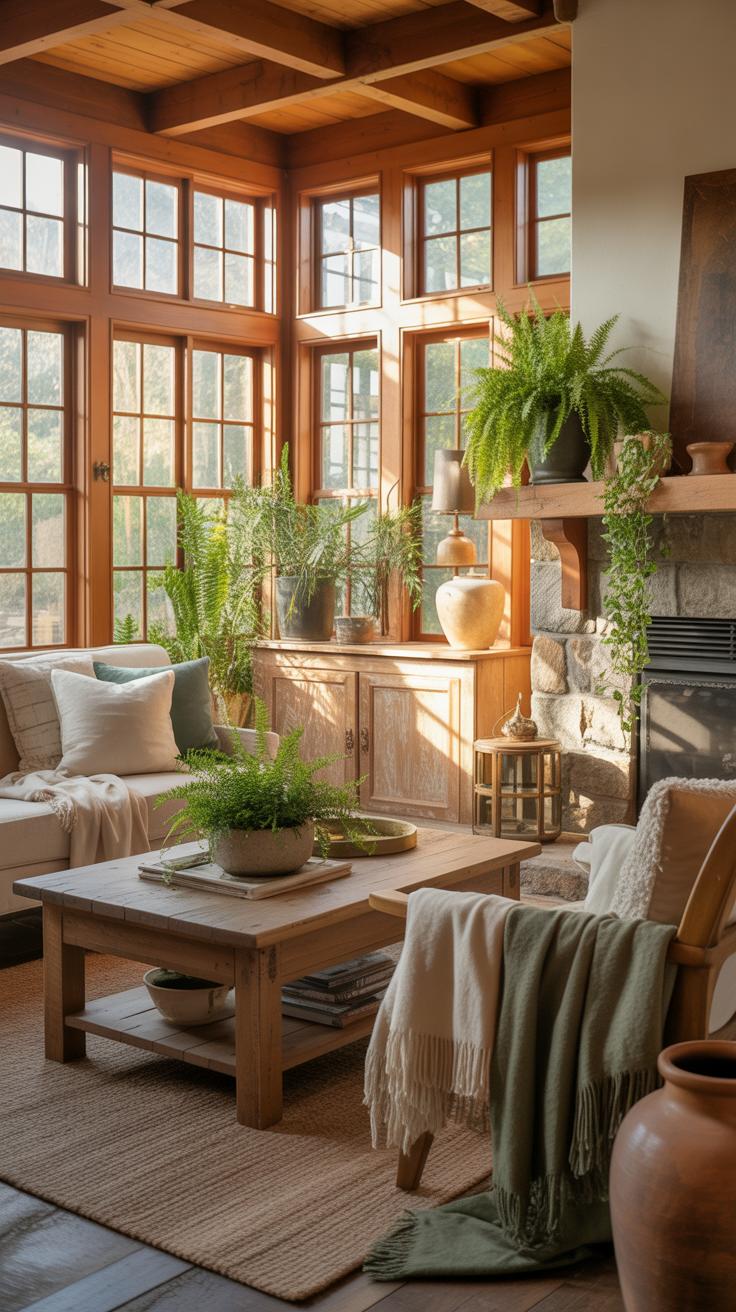
Rustic style in interior design revolves around embracing nature’s imperfections. It’s not about sleek finishes or polished surfaces but about raw, authentic elements that speak of tradition and craftsmanship. Often associated with countryside homes or cabins, it embraces natural materials like wood and stone, but not in the refined way you might find in modern settings. The textures are rough, sometimes uneven, and slightly weathered, providing a tactile warmth that’s hard to replicate.
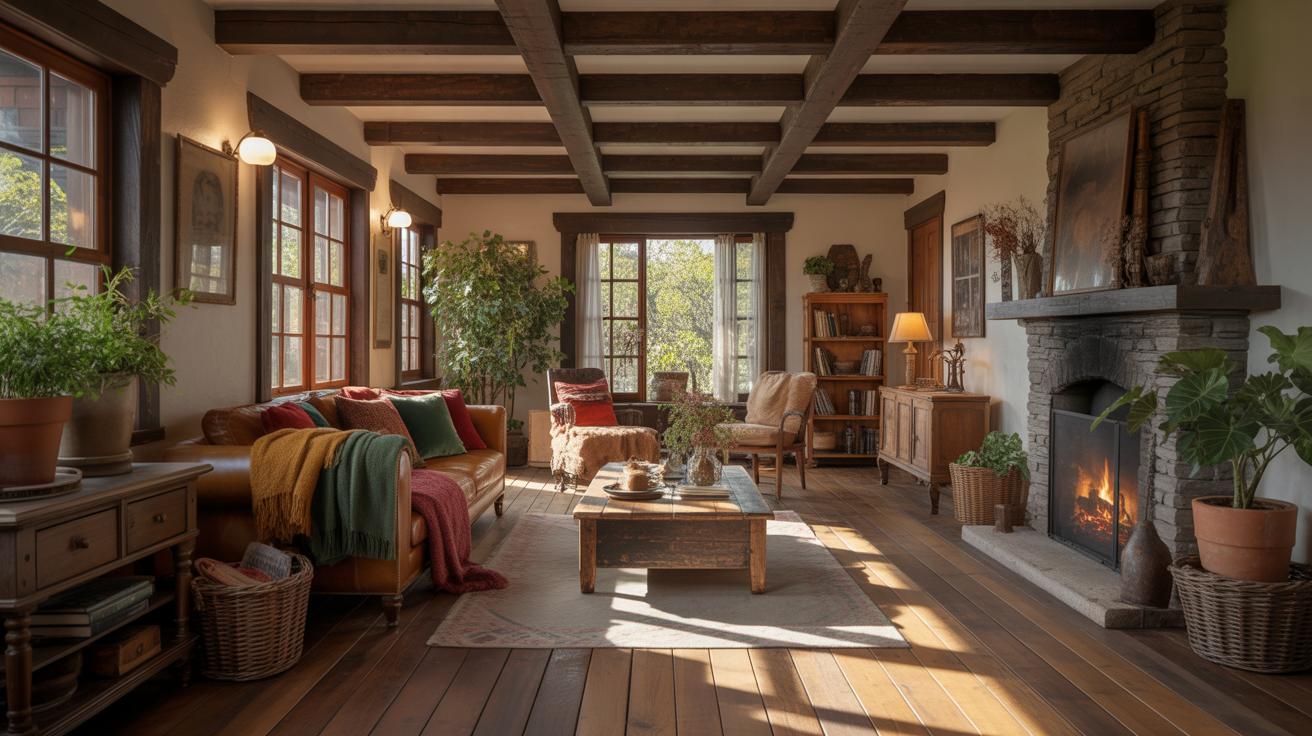
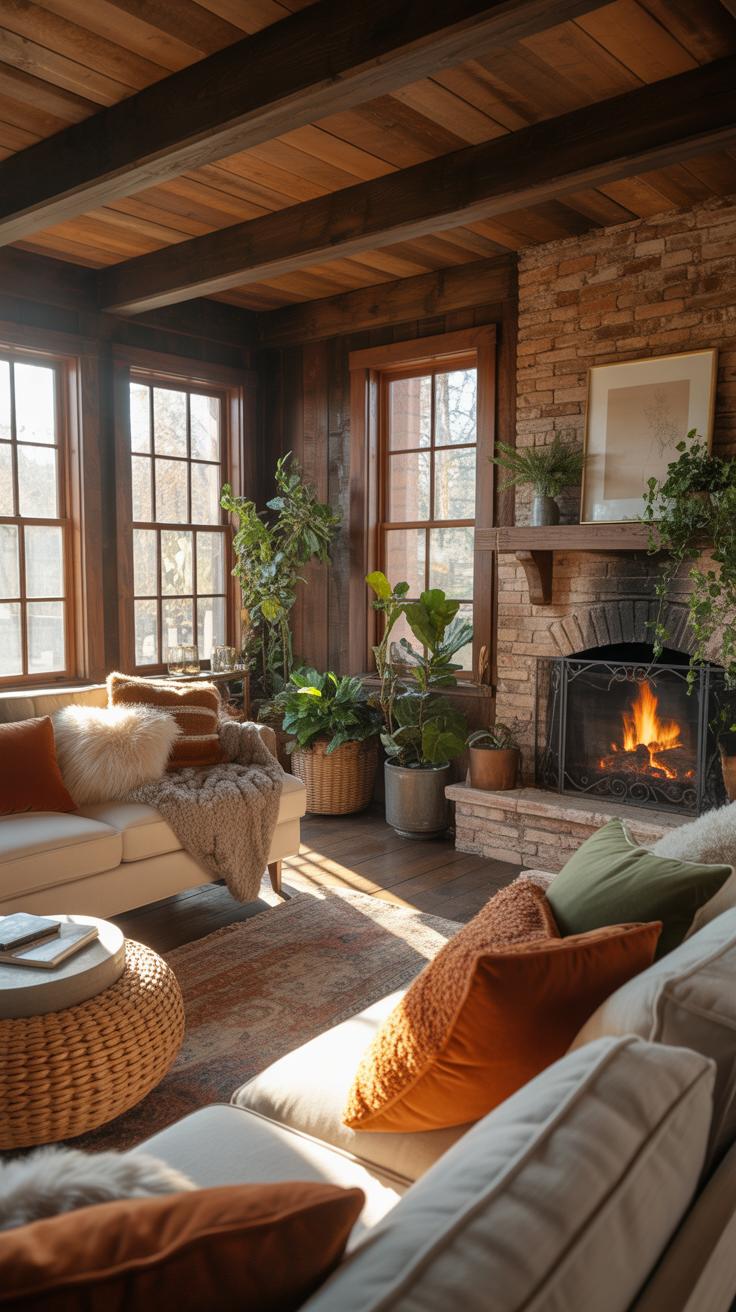
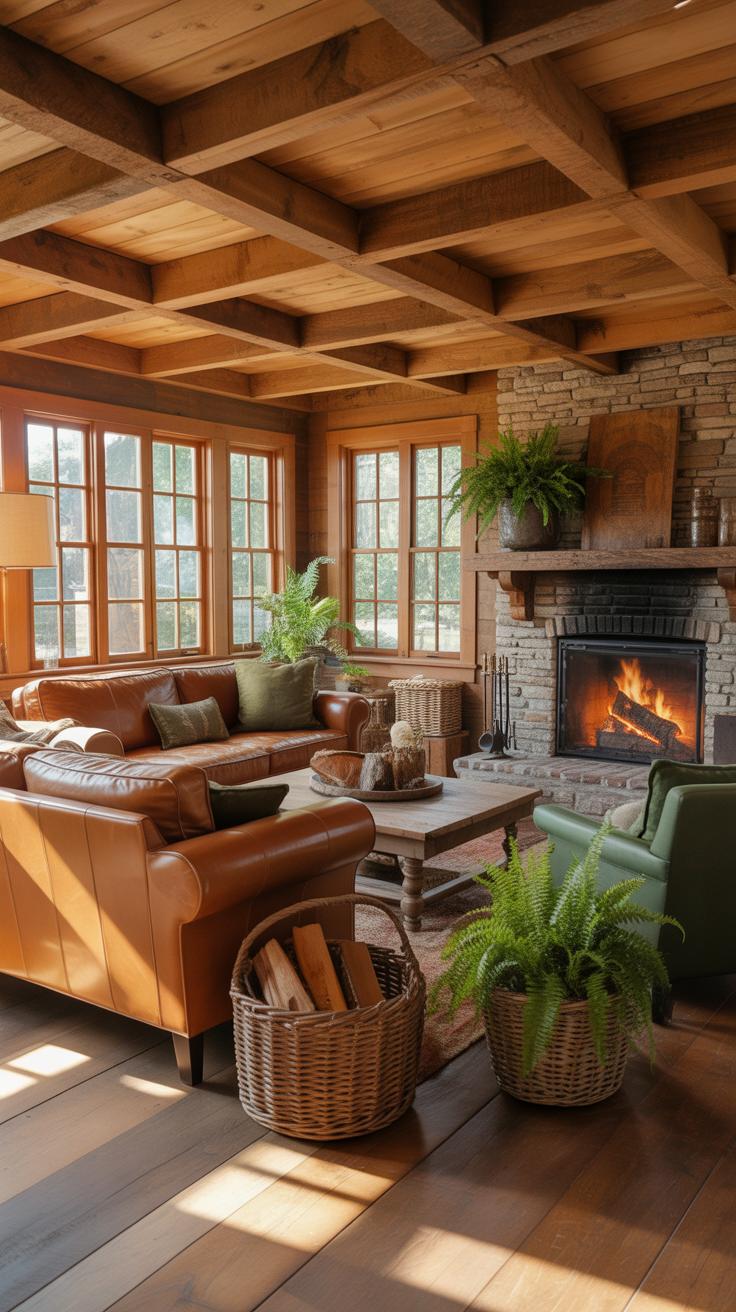
One might notice exposed wooden beams that look as though they’ve been there for decades. These beams aren’t just structural; they tell stories, showcasing the hands that crafted them. Stone accents appear almost rugged but somehow feel inviting rather than cold. It’s a style that doesn’t try to impress with luxury but rather comforts with authenticity.
Colors lean toward the earth – muted browns, soft grays, and deep, warm greens. They evoke a sense of the outdoors and bring that calmness indoors. A rustic space often feels like it’s been gently worn in by time, inviting you to relax, linger, and enjoy the simple pleasures of cozy living.
Key Elements Of Rustic Design
Rustic design is recognizable by several hallmark features:
- Exposed wood beams: giving ceilings character and a touch of history.
- Stone accents: fireplaces, walls, or flooring with natural, uneven stones.
- Earthy color palettes: shades of brown, beige, deep greens, and sometimes muted reds.
- Handcrafted furniture: pieces that show wear and craftsmanship, rather than mass-produced perfection.
- Wrought iron or bronze fixtures: adding an old-world charm that’s functional yet decorative.
- Simple, sturdy textiles: wool, linen, and leather often appear in rugs, cushions, and upholstery.
These elements combine to form a space that feels unified but not overly deliberate. It’s because rustic design is comfortable with imperfections and the organic nature of materials.
Materials And Textures In Rustic Interiors
The materials chosen in rustic interiors matter a lot, not just for looks but for how they engage the senses. Rough-hewn wood, often reclaimed or unfinished, forms the backbone of furniture and architectural features. It might be splintery or blemished, but that’s part of its charm. You can almost feel the history in every groove, knot, and uneven edge.
Stone is another key player. It rarely appears polished in rustic spaces. Instead, stones with natural shapes and textures create patterns that catch the eye in unexpected ways. Floors, fireplaces, even accent walls showcase this organic irregularity.
Then there’s metalwork—wrought iron hinges, nails, and fixtures—that add contrast but maintain the handcrafted feel. Textiles tend to be coarse, like burlap or homespun wool, adding warmth and softness against the harder materials. All these details come together to create spaces that feel lived-in, welcoming, and, well, real. It’s the kind of design that invites you to touch and stay awhile.
Why Rustic Style Works For Cozy Spaces
Rustic style seems to have a unique way of making spaces feel instantly inviting. Maybe it’s the rough-hewn wood or the way natural stone is left exposed, but these elements bring a sense of authenticity that’s hard to replicate. The style doesn’t aim for sleek perfection, and that imperfection actually makes rooms feel more relaxed—like a welcome break from the pretense.
It’s not just about the materials; the design encourages simplicity and a slower pace. Think of a cabin or a countryside lodge—spaces where you know people gather to unwind. That raw, natural vibe somehow makes rooms feel warmer and more alive, even if the color palette is muted. Call it comfort by connection to nature.
Psychology Of Warmth And Comfort
Natural materials like wood, stone, and leather affect us more than you might guess. Their textures and tones do things to our mood—creating calmness and grounding feelings. Warm colors, especially earthy hues, don’t overwhelm the senses but quietly soothe. There’s something about being surrounded by organic elements that signals safety and coziness to our brains.
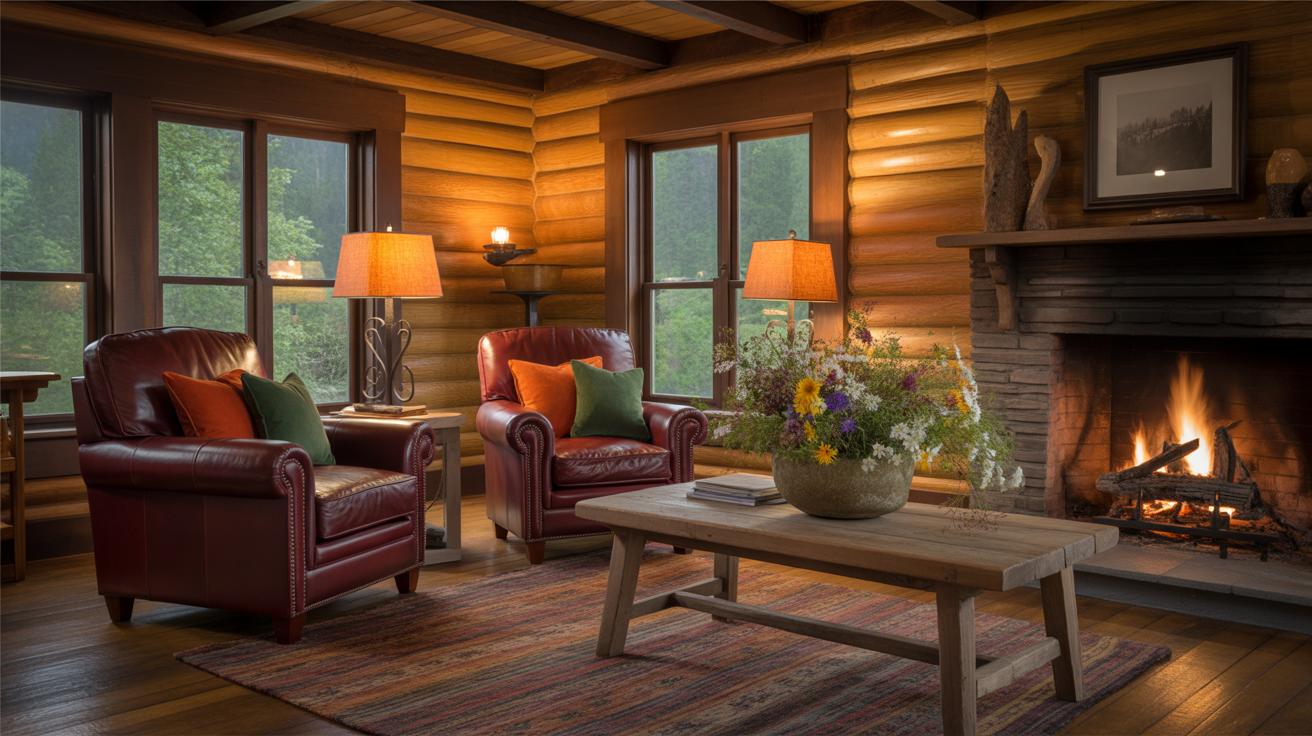
Light plays a role too. Rustic spaces often favor soft, diffused lighting, avoiding harshness. This subtle environment helps reduce stress and makes homeowners want to linger. Perhaps it taps into a deep human desire to reconnect with simpler, tactile experiences.
Examples Of Cozy Rustic Rooms
Consider a living room with exposed beams, a stone fireplace, and plush textiles in muted browns and reds. The kind of room where a good book and a cup of tea feel perfectly fitting. Or a bedroom furnished with reclaimed wood pieces, wool blankets, and soft ambient lighting that together craft a serene retreat from noise.
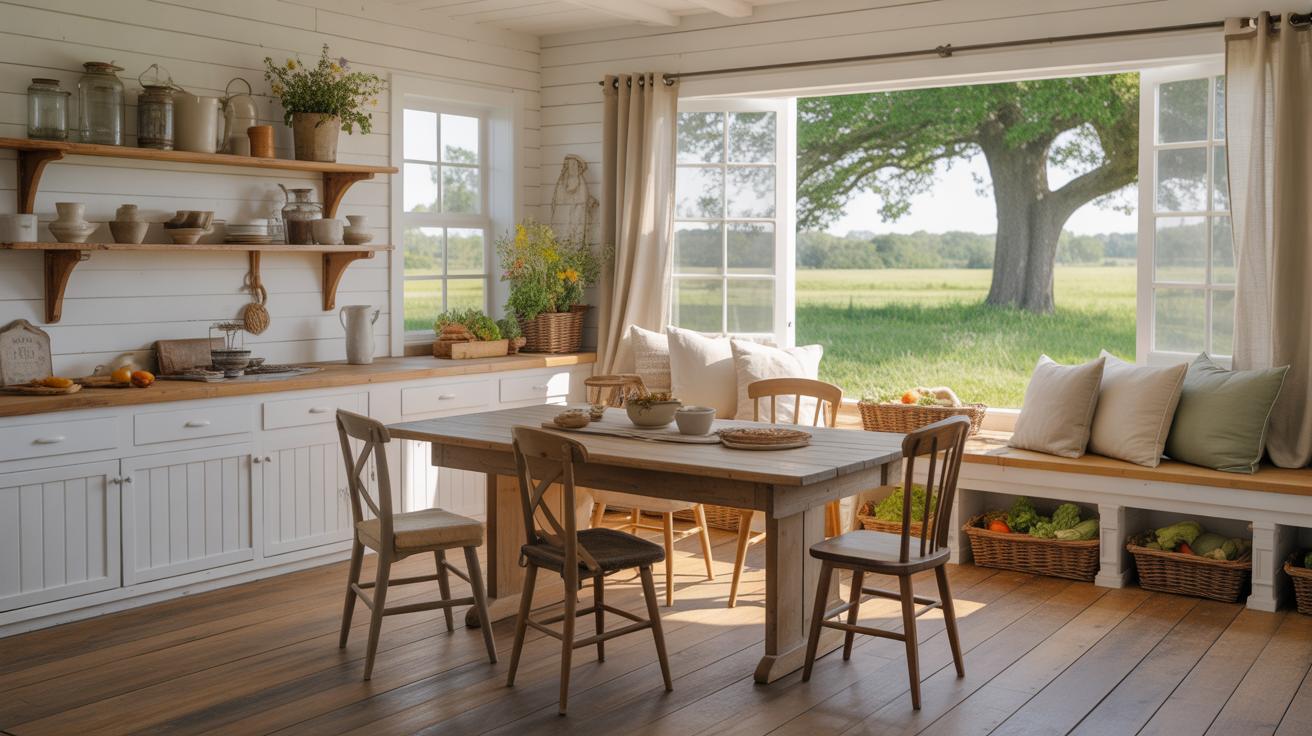
Even kitchens can embrace rustic warmth—a wide farmhouse table, open shelving with handmade pottery, and copper accents. These details aren’t just decorative; they invite interaction and a slower, more deliberate lifestyle. It’s easy to imagine a family gathering there, sharing stories and meals in a space that feels lived in and genuine.
How To Start Rustic Home Design
Starting with a rustic style can feel a bit daunting at first. You might wonder where exactly to begin. The simplest way is by focusing on the feeling you want—warmth and authenticity usually top the list. Think about spaces you’ve seen or felt that have that unpolished charm. That feeling is what you want to capture.
Start small: perhaps one room or even a corner. Experiment with a few elements before going all-in. Rustic doesn’t mean cluttered; it means thoughtful and intentional. Let the space breathe and grow naturally into the style instead of forcing it.
Choosing The Right Materials
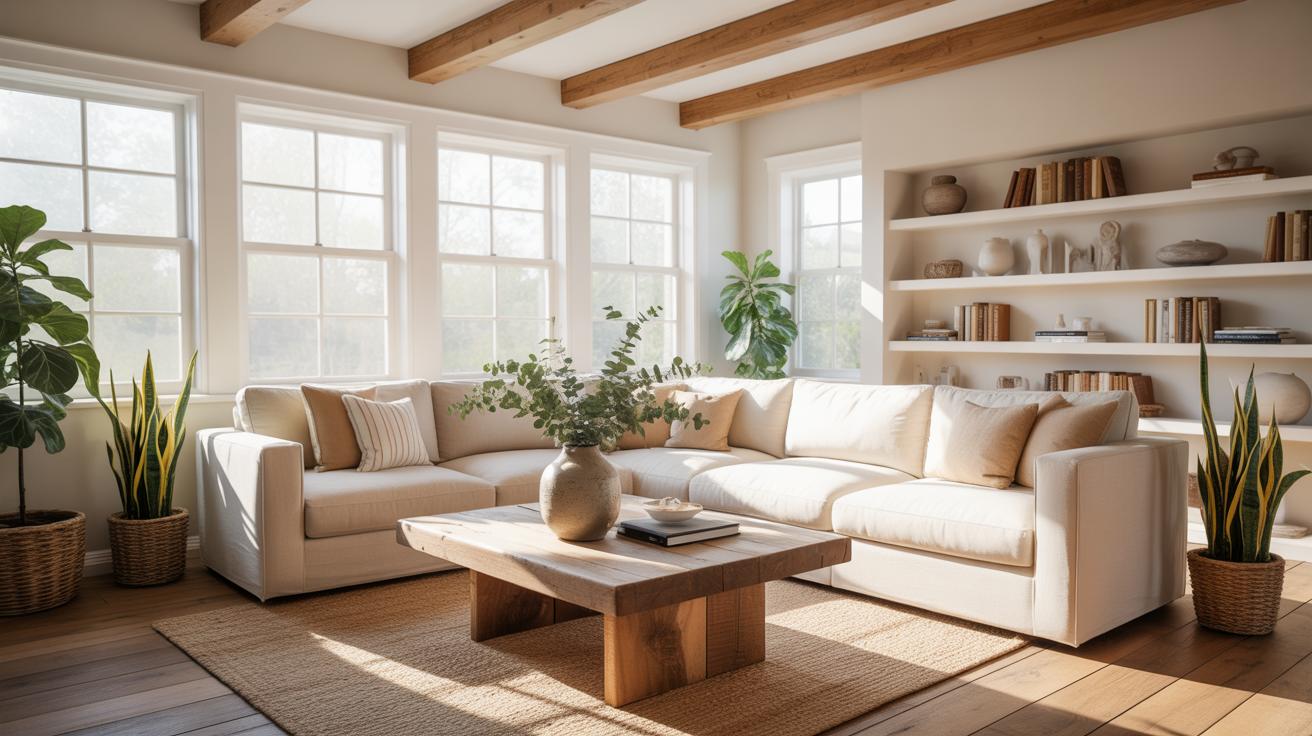
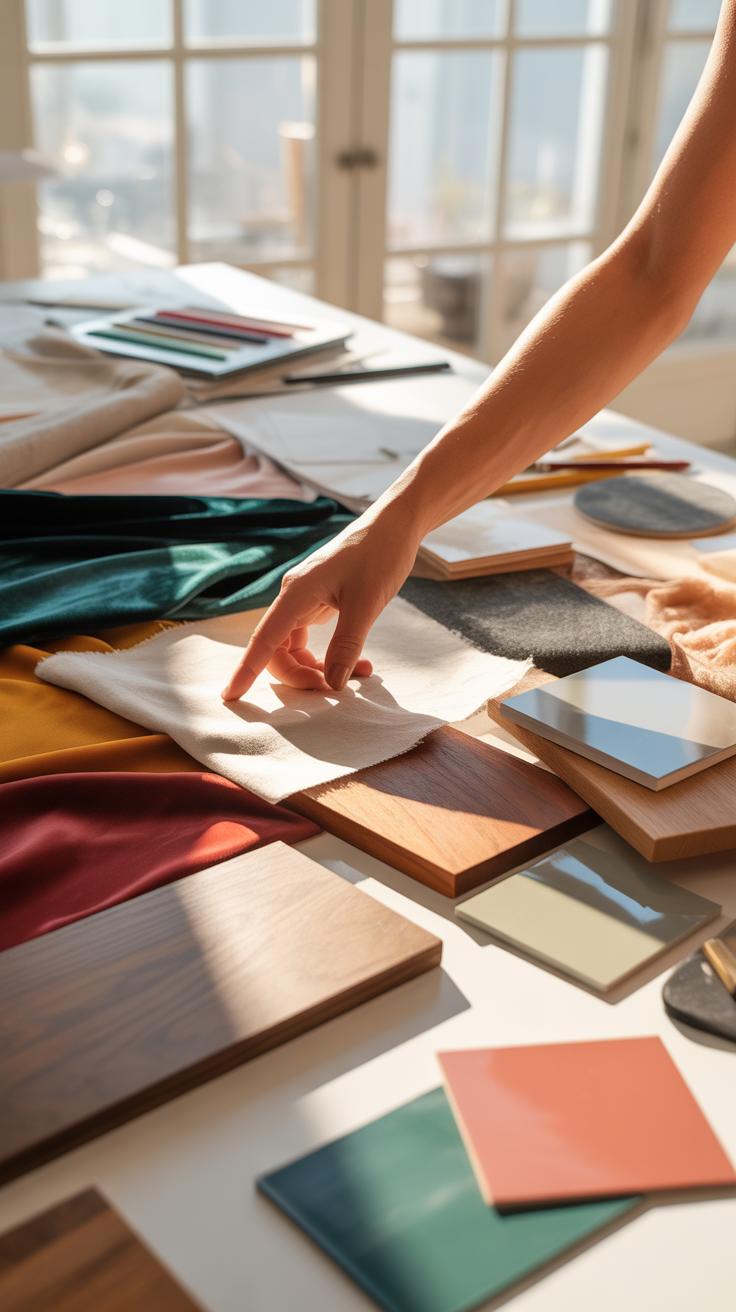
Materials are the backbone of rustic design. You want those that age well and tell a story. Wood is the go-to, preferably something with visible grain or imperfections—it adds character and history. Think reclaimed wood or pieces with a lived-in look.
Stone can also anchor your space, in flooring, accents, or fireplaces. Fabrics aren’t just decorations; choose ones like linen, burlap, or wool that feel real and tactile. It might seem like a lot, but picking just two or three key materials keeps things balanced and grounded.
Selecting Furniture With Character
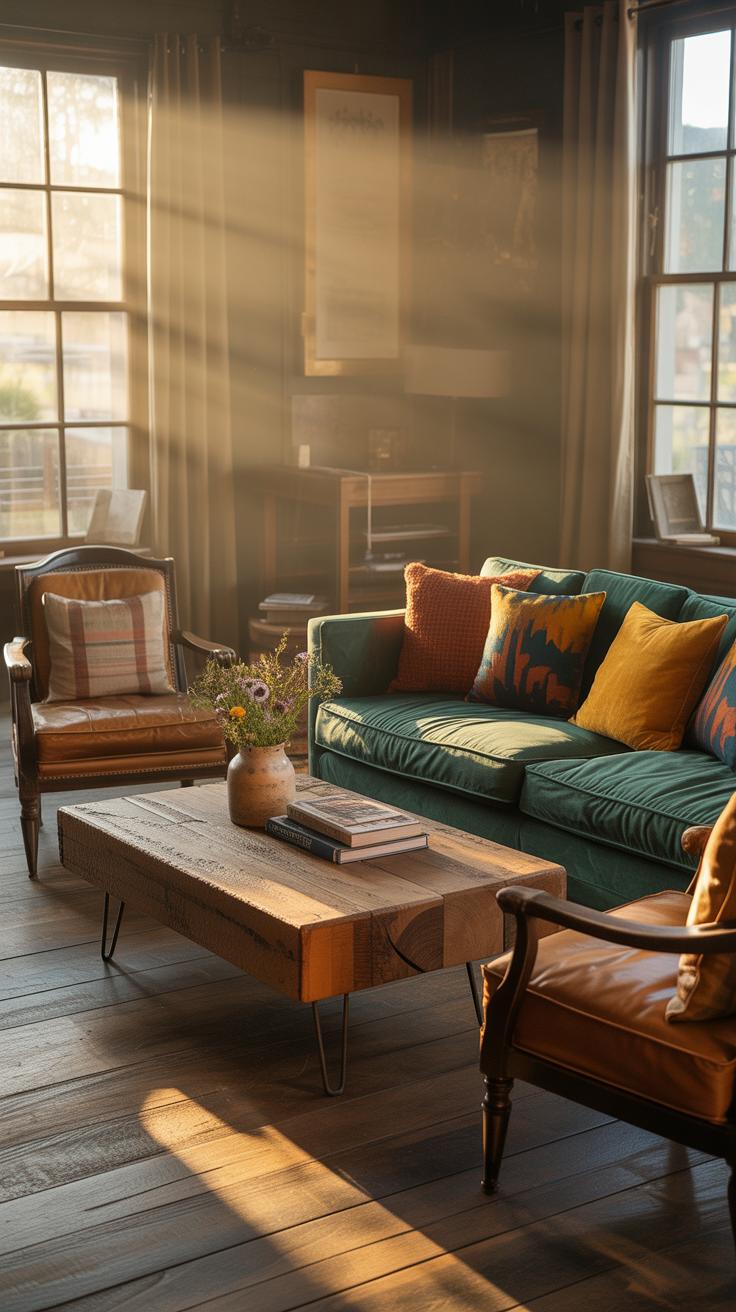
When it comes to furniture, functionality must meet charm. Look for pieces that are sturdy and simple but have little quirks—a slightly uneven finish, metal accents, or a distinctive shape. Mass-produced items might lack personality, so opt for handmade or vintage finds whenever possible.
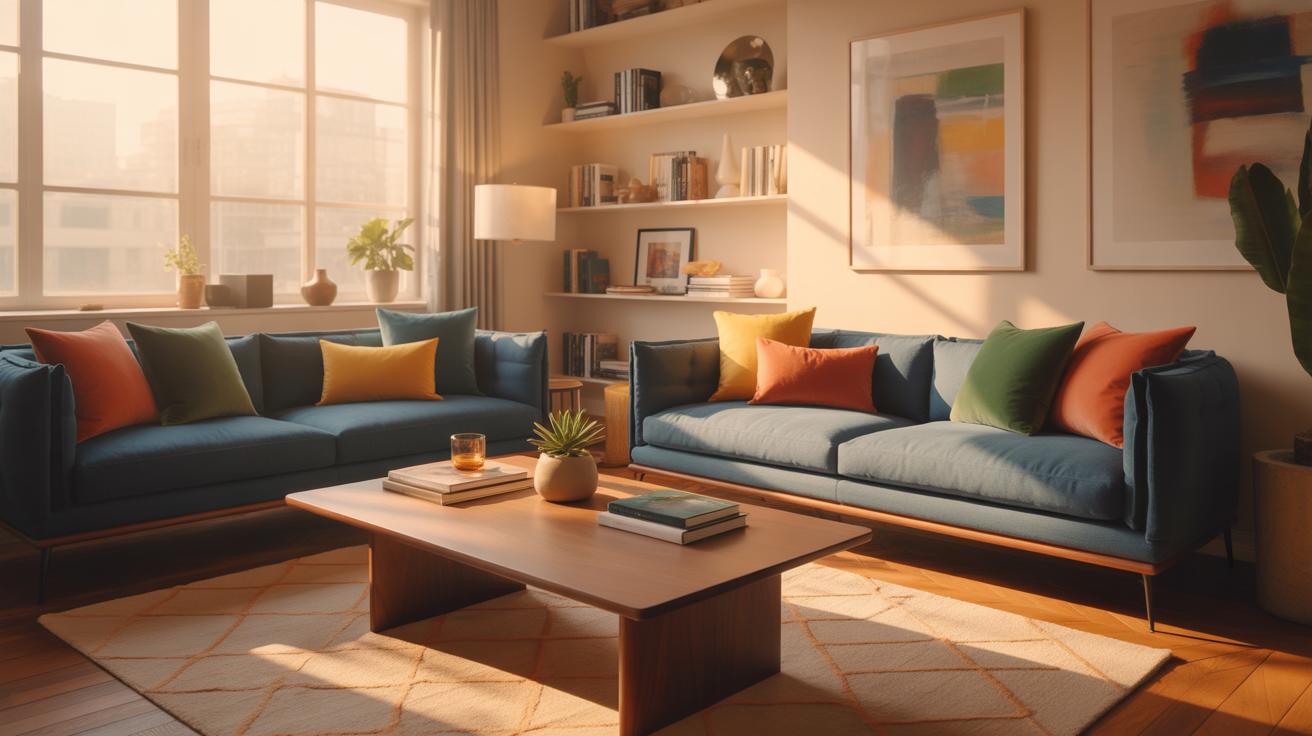
Remember, you don’t need to fill every corner. One or two statement pieces make a stronger impact than a room overloaded with rustic furniture. It’s about giving each item space to stand on its own, which also makes your room feel cozier, not cramped.
Rustic Style Vs Modern Style
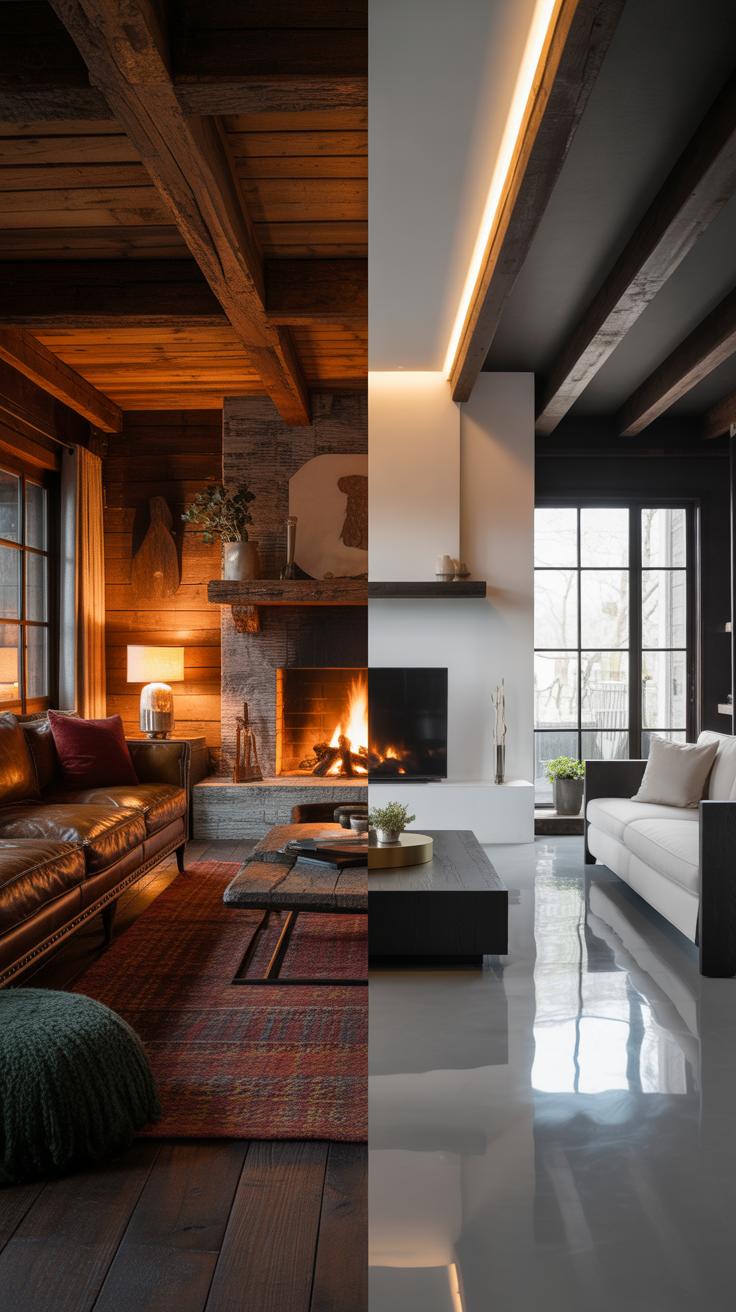
Material And Texture Comparison
Rustic style is all about raw, natural textures. Think weathered wood, rough stone, and unrefined metals. These materials give spaces a tactile, grounded feeling—you can almost feel the history and nature blending inside your home. Modern style, on the other hand, leans towards smooth finishes. Surfaces are sleek, often glossy or matte, made from glass, steel, and polished concrete. The textures don’t invite touch the same way; they feel controlled, precise. It’s interesting how these differences affect your senses. Rustic might make you want to slow down and linger, while modern encourages efficiency and openness.
Emotional Impact And Space Use
Rustic interiors create a cozy, warm mood. You might feel safer, wrapped in familiarity, like a quiet retreat from the rush outside. Spaces often seem more enclosed, more intimate—perfect for curling up with a book or gathering around a fireplace. Modern spaces feel lighter but sometimes cooler—they aim to open up the room and reduce visual clutter, prioritizing function. They often emphasize minimalism, which can feel freeing or maybe a bit stark, depending on your taste. Does your mood prefer the embrace of rustic charm or the clarity of modern lines? Maybe the answer changes with the seasons or your day-to-day needs.
Tools For Rustic Style DIY Projects
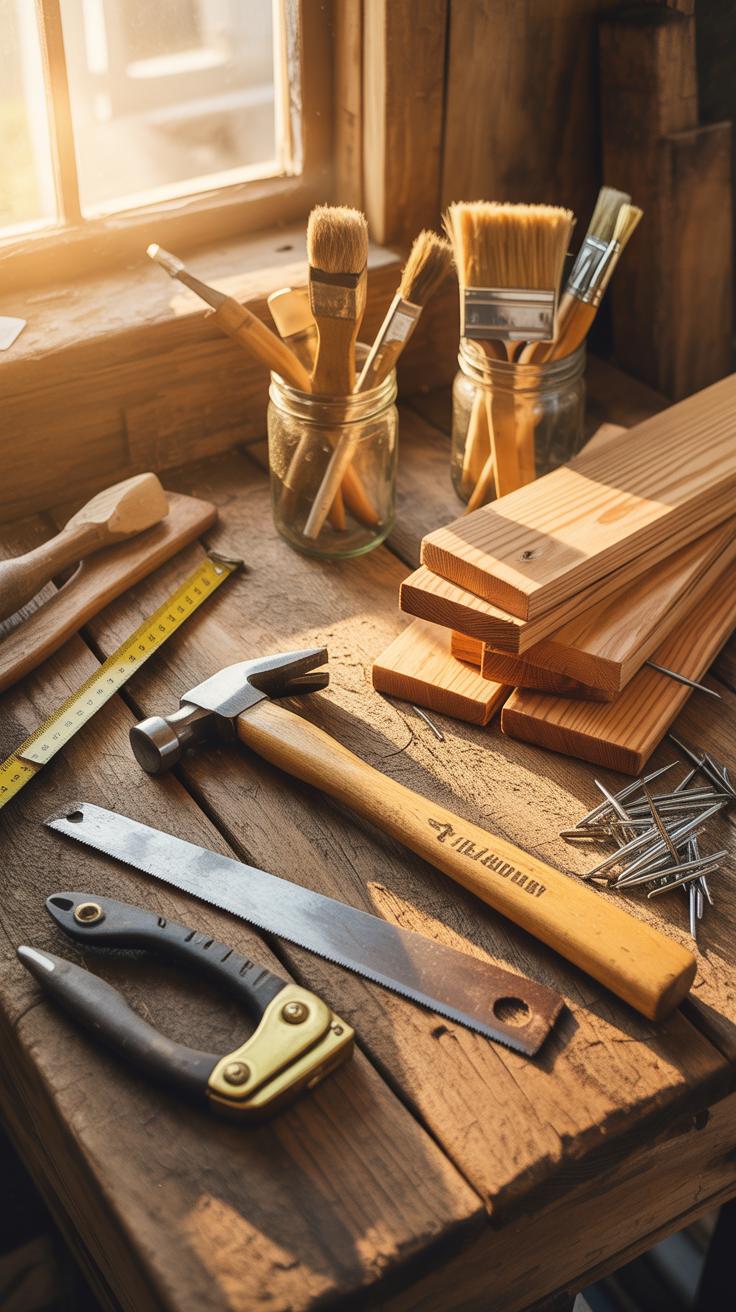
When diving into rustic style DIY projects, having the right set of tools makes all the difference. Rustic furniture and decor often involve working with raw or reclaimed wood, so you’ll want tools that handle wood shaping, smoothing, and joining well. Think about basic tools like a hammer and nails, sure, but also a good handsaw or jigsaw for cutting irregular shapes. A power drill is handy for making holes and driving screws, but sometimes, there’s charm in a manual screwdriver’s simple touch. Sanders — either hand or electric — help you achieve that worn, weathered feel by smoothing edges or distressing surfaces.
Other useful equipment includes clamps to hold pieces steady during assembly and measuring tapes for accuracy. You might wonder if splurging on specialized tools is necessary. Not really, for most rustic projects, simple, reliable tools serve you best. After all, rustic style celebrates imperfection, so if your cuts aren’t laser-perfect, that’s part of the character.
Basic Carpentry Tools List
- Hammer
- Handsaw or jigsaw
- Power drill and screwdriver set
- Hand or electric sander
- Measuring tape and square
- Clamps
- Wood glue
- Safety glasses and dust mask
Maybe it sounds straightforward, but these essentials cover most projects dealing with rustic furniture or home accents. Sometimes, starting simple means you get familiar with your craft before investing in more complex gear.
Safety Tips For DIY Rustic Work
Working on rustic projects involves tools that can be unforgiving if mishandled. Always prioritize safety—wear protective eyewear to guard your eyes from flying debris, and a dust mask is a must when sanding, as wood dust can irritate your lungs. Gloves protect your hands but remember, sometimes a good grip is safer than slippery gloves on power tools. Take breaks—fatigue can lead to sloppy work and accidents.
Ensure your tools are sharp because dull blades are more dangerous; they slip and cause injuries more often. Set up your workspace with good lighting and a clean, level surface. Keep your focus—avoid distractions and never rush through your tasks simply to finish faster. Lastly, securing your wood with clamps reduces the risk of slips and mistakes. Pragmatic safety habits make your rustic project not just charming, but also accident-free.
Common Mistakes In Rustic Decorating
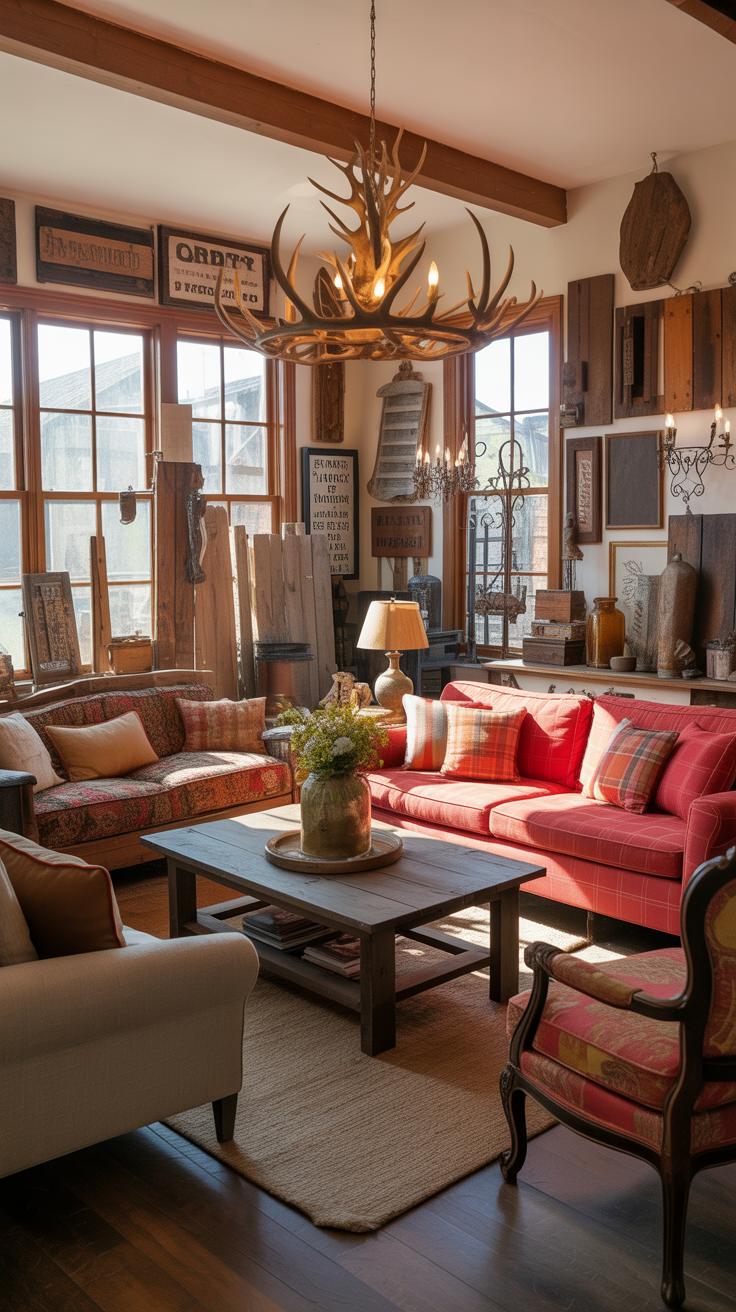
You might think rustic style means just piling on rough wood and old metals everywhere, but that often leads to spaces feeling cluttered or forced. One typical error is mixing too many rustic elements at once — think heavy beams, reclaimed wood furniture, chunky textiles, and vintage accents all crowded together. That can smother a room rather than create warmth.
Balance is key. Using rustic features sparingly helps keep the room cozy without overwhelming it. Remember, rustic doesn’t mean rustic overload. Sometimes less truly is more.
Choosing the wrong materials is another pitfall. For example, synthetic woods or plastic-looking metals can ruin that authentic vibe. Authenticity suffers when cheap imitations replace natural textures. Sticking to genuine, naturally aged materials lends a timeless character that’s hard to fake.
At times, people forget that rustic style embraces imperfection—rough edges, subtle wear—and that trying to make everything perfect ironically ends up making it look staged. So, how do you find the right balance in your own space without tipping into clutter or kitsch? That’s the challenge and also the fun part of rustic decorating.
Cost Breakdown For Rustic Interiors
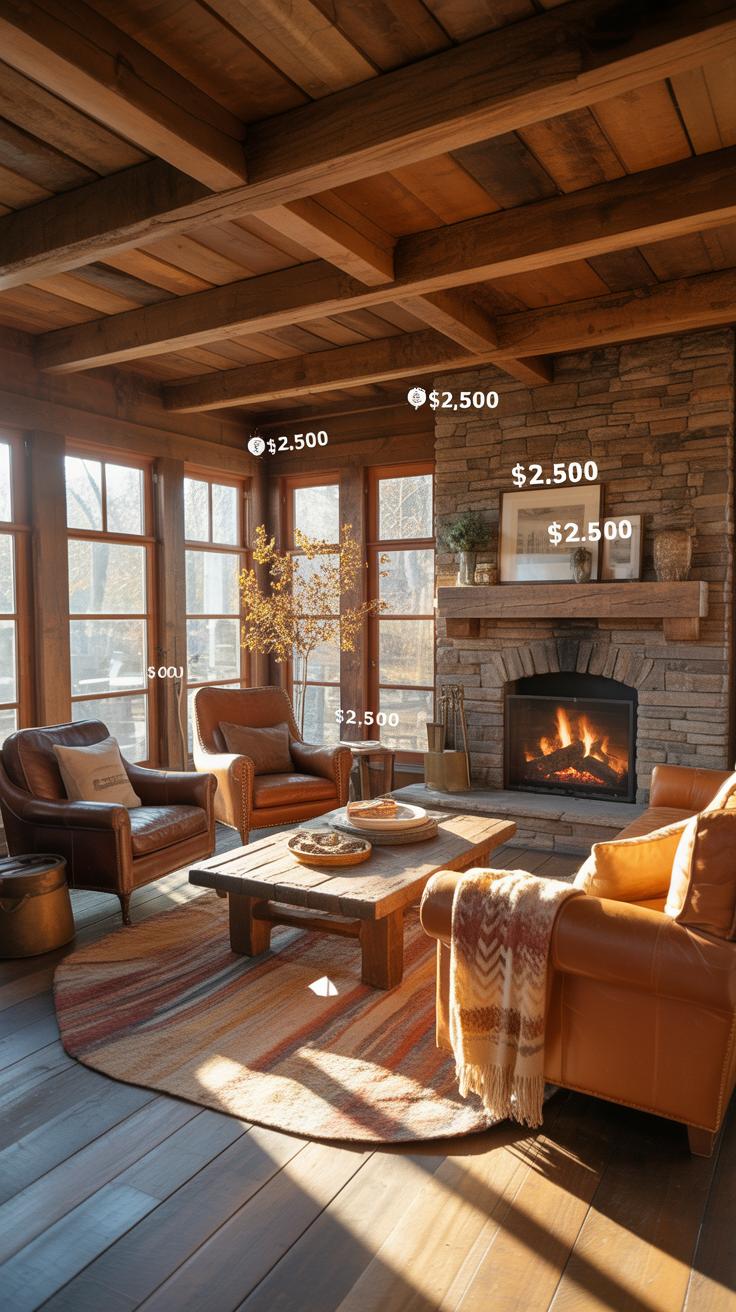
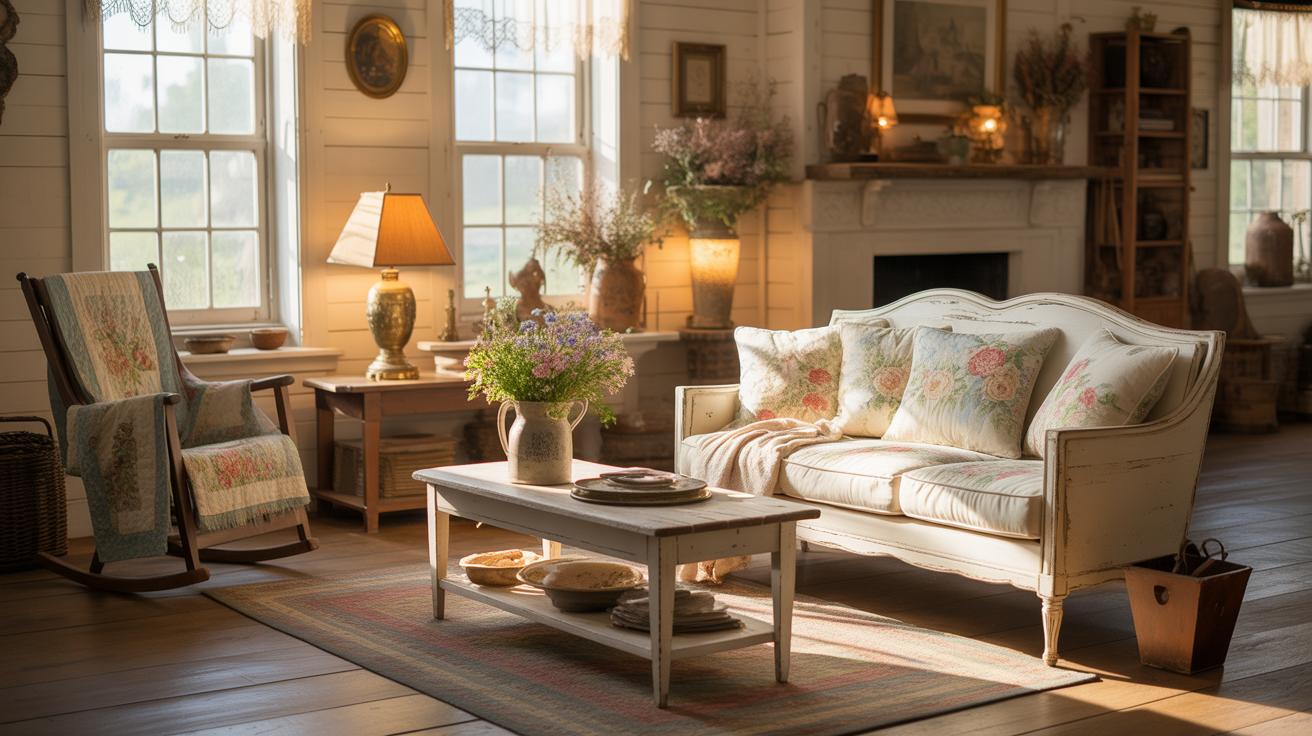
Creating a rustic interior involves various costs, primarily tied to materials, furniture, and decorative elements. It’s interesting how budgets can vary widely depending on your approach to these components. For example, natural materials like reclaimed wood or stone are common in rustic designs but can sometimes command a higher price tag than you might expect.
Furniture, too, plays a big role in the budget. Custom or handmade rustic pieces often carry a premium due to the craftsmanship involved. If you’re lucky, second-hand finds can offer budget-friendly alternatives, but beware — sometimes the quality or style may not be just right. Even so, a DIY approach might save money, though it requires time and skill.
Decorations, though often overlooked, can add up. Think about lighting fixtures, textiles, and accessories that complement the rustic vibe but might require a careful balance between cost and authenticity. It’s about striking the right note without turning the effort into an expensive endeavor.
Budgeting For Rustic Materials
Reclaimed wood is a staple in rustic interiors, but prices fluctuate. You might find cheaper options if sourcing locally or from demolition sites, though condition varies. Stone veneer, another favorite, has a broad price range too. It offers the look of natural stone without the heavy cost or installation challenges, which might appeal if you’re working with a tighter budget.
It’s useful to ask yourself: do you want the genuine article or a look-alike? Sometimes opting for simpler finishes or mixing materials extends your budget further, allowing more flexibility elsewhere.
Furniture Expenses And Alternatives
Rustic furniture often means handcrafted or heavy timber pieces that aren’t cheap. Custom work can quickly increase costs, especially for unique items like massive dining tables or bed frames. Second-hand shops or flea markets might surprise you with hidden gems that only need a bit of restoration.
DIY projects come with their own pros and cons. Yes, they might save money, but consider the time investment and the skill needed. Perhaps it’s worth trading off some perfection for charm and savings. Have you tried repurposing an old piece for that rustic touch? It might just add that cozy imperfection that defines the style.
Setup Checklist For Rustic Living Spaces
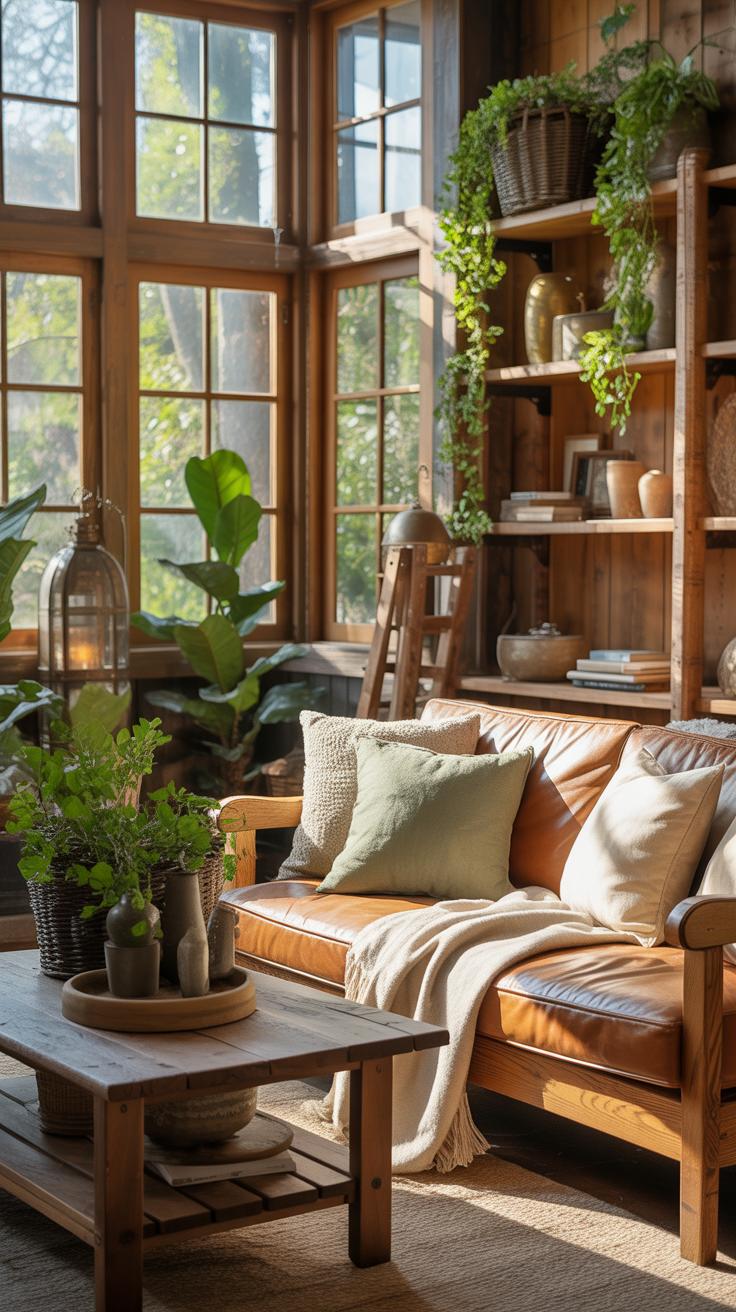
Setting up a rustic living room or bedroom from scratch might seem straightforward, but there are subtle details that make a big difference. Start by thinking about the room layout. Do you have enough space to let each piece of furniture breathe? The rustic style thrives on simplicity and openness, so avoid overcrowding. Place large wooden pieces—like a sturdy coffee table or a reclaimed wood dresser—as anchors in the room.
Consider comfort when arranging furniture. Maybe position the sofa or armchair near a window or fireplace for natural light and warmth. Sometimes, a slightly off-center placement feels more inviting than perfectly aligned pieces. Balance is important but don’t obsess over perfection; rustic spaces welcome a bit of imperfection.
Room Layout And Furniture Placement
When arranging furniture, focus on natural flow. A well-placed rug can anchor the seating area and add texture. Choose pieces made of natural materials, such as wood or leather, which bring in that earthy feel. Avoid overly modern shapes; lean towards chunky, hand-crafted designs. Don’t hesitate to mix old and new items, like a distressed wooden bench paired with a cozy fabric armchair.
Think about how you move through the space—is the path clear? Rustic rooms invite you to linger, so encourage gathering spots with plenty of cozy seating options. Remember, the goal is comfort paired with a grounded aesthetic.
Adding Rustic Accessories And Textiles
Accessories are where rustic style gets personal and lively. Think of woven blankets thrown over a sofa, pottery with simple glazes resting on shelves, and natural fiber rugs underfoot. These add layers of warmth and texture. You might find a handwoven basket or a weathered metal lantern adds charm too.
Don’t shy away from organic elements—pinecones, dried flowers, or driftwood can work wonders as low-cost décor. Linen curtains, wool cushions, and braided jute rugs not only look rustic but also feel right at home under your fingertips.
What rustic accessory sparks your interest most? It might be worth experimenting with different textures and materials until you find a combination that feels, well, just right for your space.
Case Study Rustic Style Home
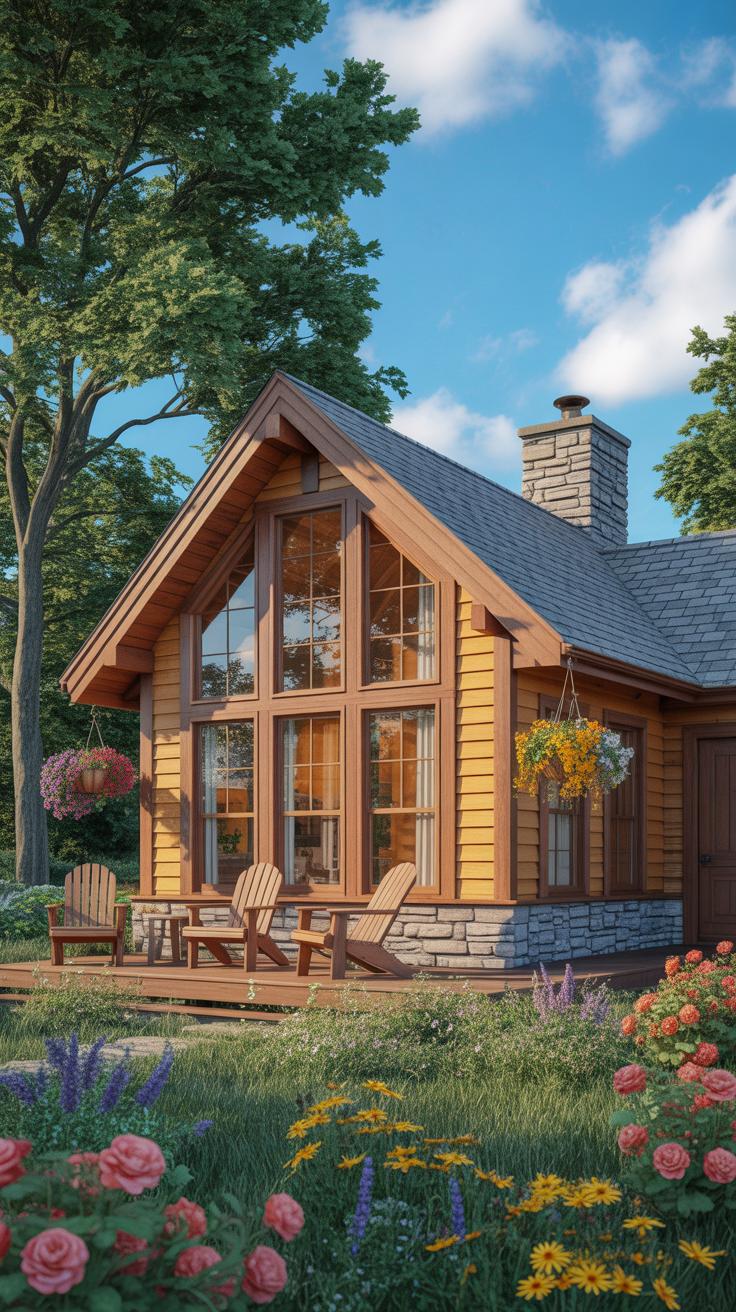
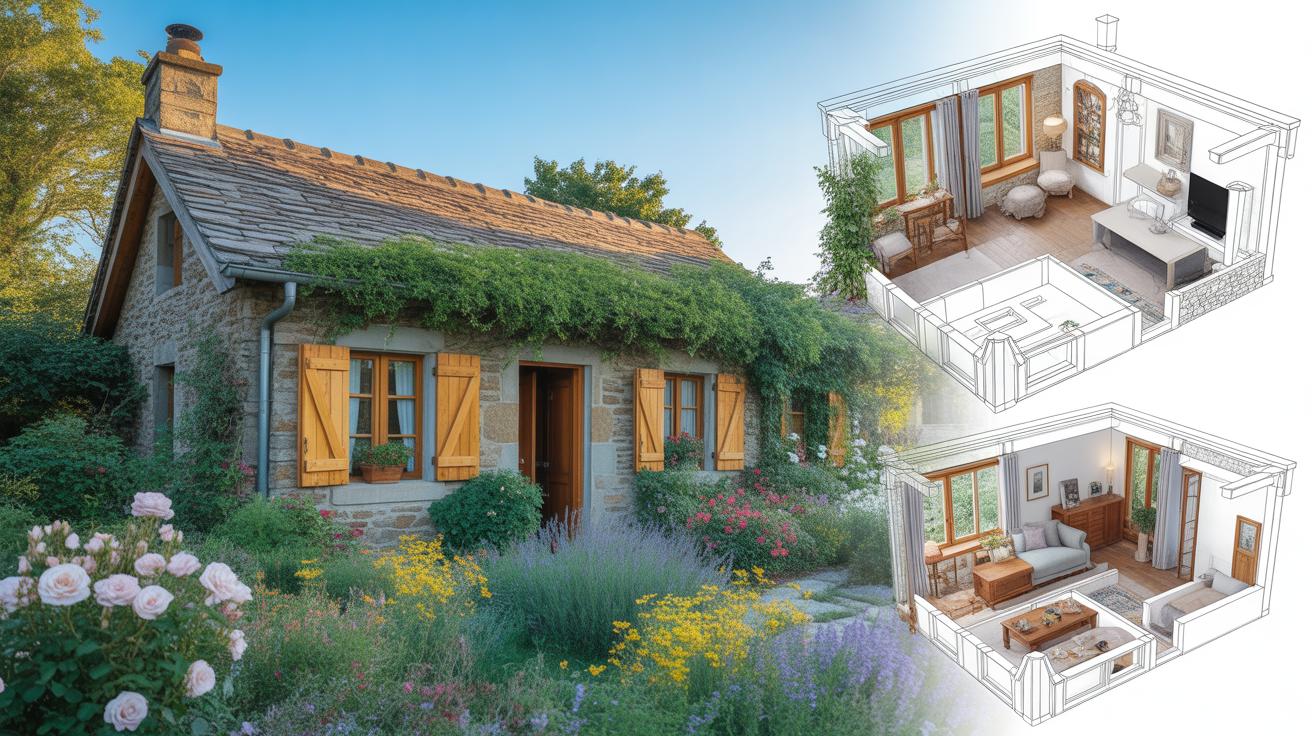
Picture a charming cabin nestled at the edge of a forest, crafted with a clear rustic style. The foundation is stone, roughly hewn and sturdy, giving the home a grounded, natural feel. Overhead, exposed timber beams stretch across the ceiling, their natural grains visible, adding texture and warmth. The walls boast reclaimed wood paneling—imperfect, weathered, yet full of character, telling silent stories of years past.
Inside, furniture opts for heavy, handcrafted pieces. A solid oak dining table takes center stage, surrounded by chairs with hand-forged iron accents. The décor is minimal but intentional: woven baskets, pottery made from local clay, and lantern-style lighting fixtures. These choices keep the home unpretentious but rooted in authenticity.
Design Choices And Material Use
Materials are everything here: reclaimed wood, stone, wrought iron, and natural textiles. The choice to reuse wood not only cuts down waste but also celebrates history, bringing a sense of continuity. Stone fireplaces act as focal points, practical for heat but also visually commanding. Furniture is robust and functional, often antique or deliberately distressed. The color palette stays true to earth tones—browns, greens, soft grays—nothing too bright or flashy.
Décor feels curated yet easygoing. Think thick woven throws, ceramic vases, and simple greenery, like potted ferns. The objects almost blend into the environment, reinforcing a gentle coexistence with nature rather than demanding attention.
How The Space Feels And Functions
Walking through this rustic home, you almost feel time slowing down. It’s a place to breathe, to decompress after long days. The rougher textures invite touch, making the space tactile and real. There’s an undeniable coziness, created not just by the fire roaring in the hearth but by the materials themselves, which feel solid and familiar under your hands.
The home doesn’t overwhelm with decoration. Instead, it supports daily living with comfortable, durable furnishings that withstand use. Cooking feels welcoming in the kitchen where wooden counters meet copper pots hung from hooks. The living room encourages lingering with plush cushions and soft lighting. Rustic design here isn’t just about looks; it’s about crafting a sanctuary that functions well and nurtures the spirit.
Conclusions
Rustic style brings warmth and comfort to any living space by embracing natural materials and simple designs. It connects your home with the outdoors, creating a peaceful and inviting environment. Using wood, stone, and handcrafted furniture adds character and uniqueness to your rooms.
By carefully selecting rustic furniture and accessories, you can easily transform your interior into a cozy place. This design style fits many tastes and budgets. Whether you prefer a full rustic makeover or small touches, the key is focusing on natural textures and a welcoming atmosphere to enjoy your home fully.