
Introduction
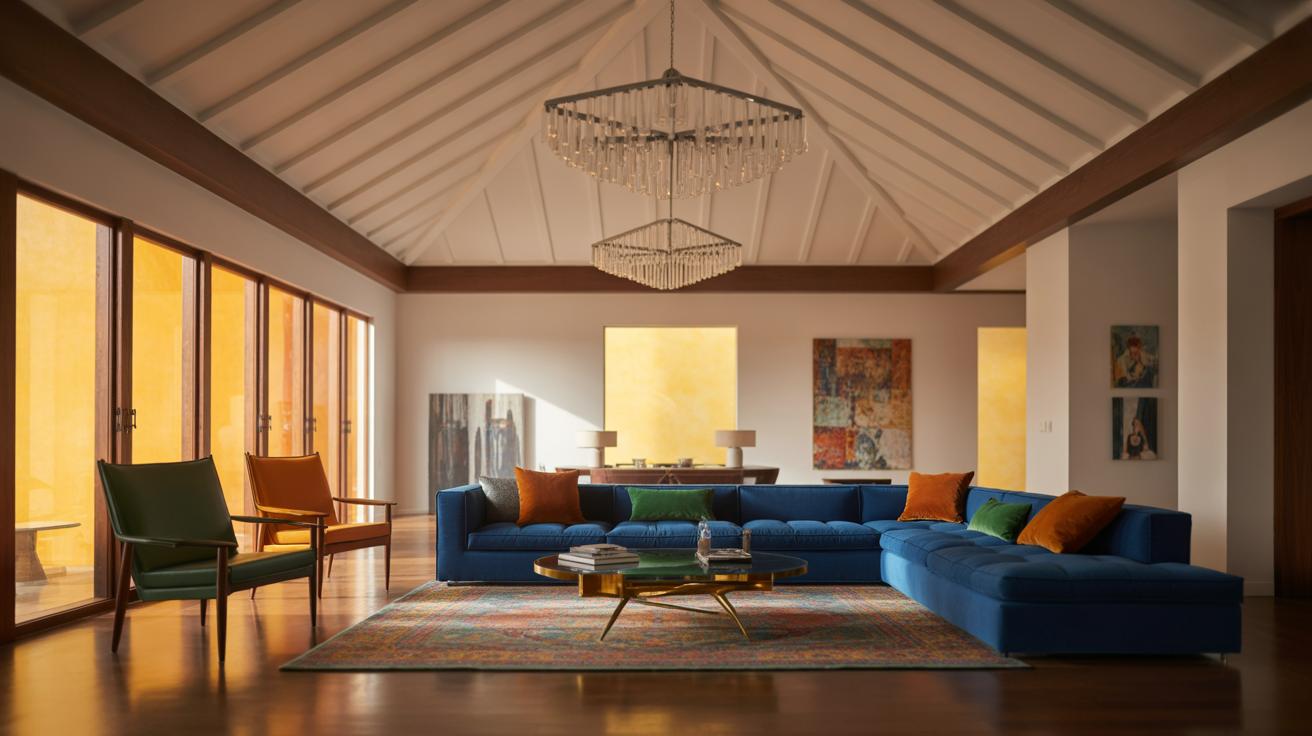
The vaulted ceiling living room offers a unique opportunity to create dramatic and stylish lighting effects that can transform the entire space. These ceilings add volume and a sense of openness, which calls for thoughtful lighting solutions to balance the height and illuminate the area effectively. Vaulted Ceiling Living Room Lighting Ideas For Stylish Spaces focus on enhancing architectural features while providing sufficient light coverage.
In this article, you will find practical ideas to choose and place lighting fixtures, how to accentuate the ceiling’s structure and create warm, inviting living areas. Whether you want cozy ambient light or striking focal points, these tips will help you make the most of your vaulted ceiling living room.
Understanding Vaulted Ceilings
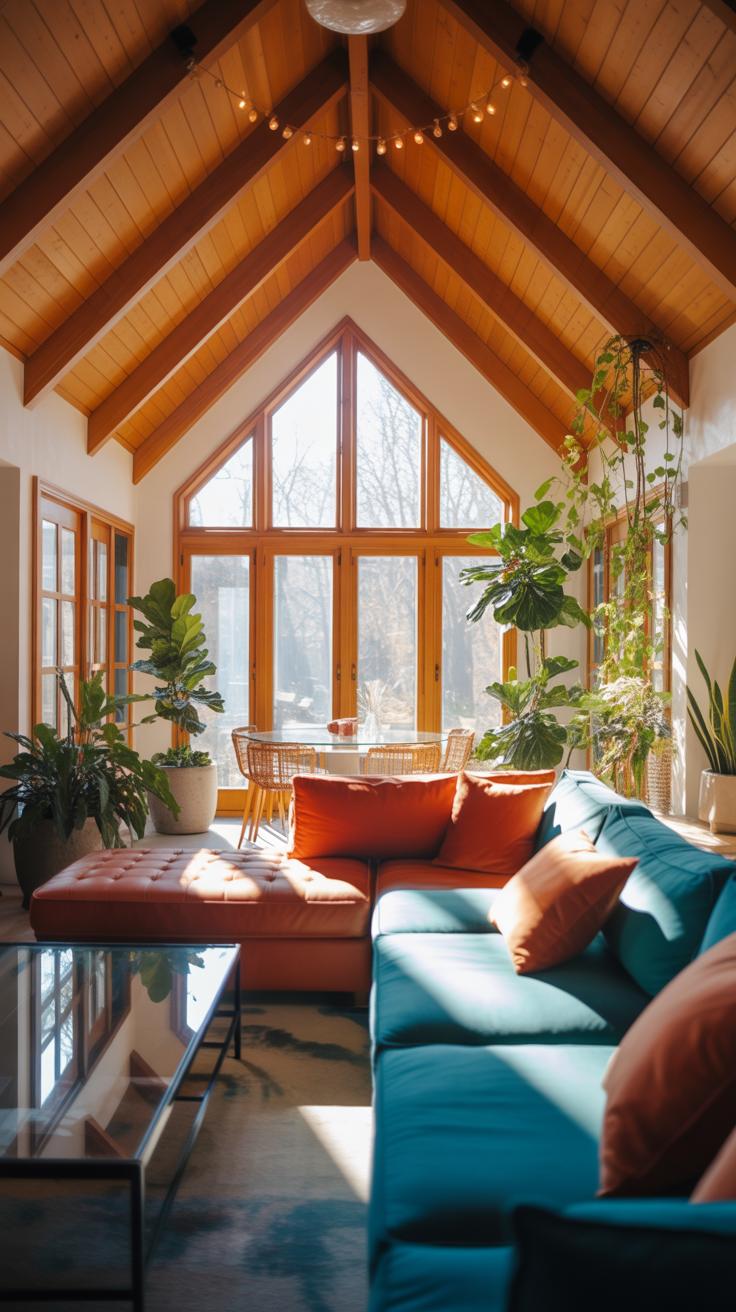
Vaulted ceilings are ceilings that extend higher than the standard flat ceiling, often following the roof’s pitch and creating a sense of openness. Unlike typical flat ceilings, vaulted ceilings have an angled or curved shape, which can vary greatly depending on the architectural style. These ceilings usually expose structural elements like beams or trusses, adding character to the room.
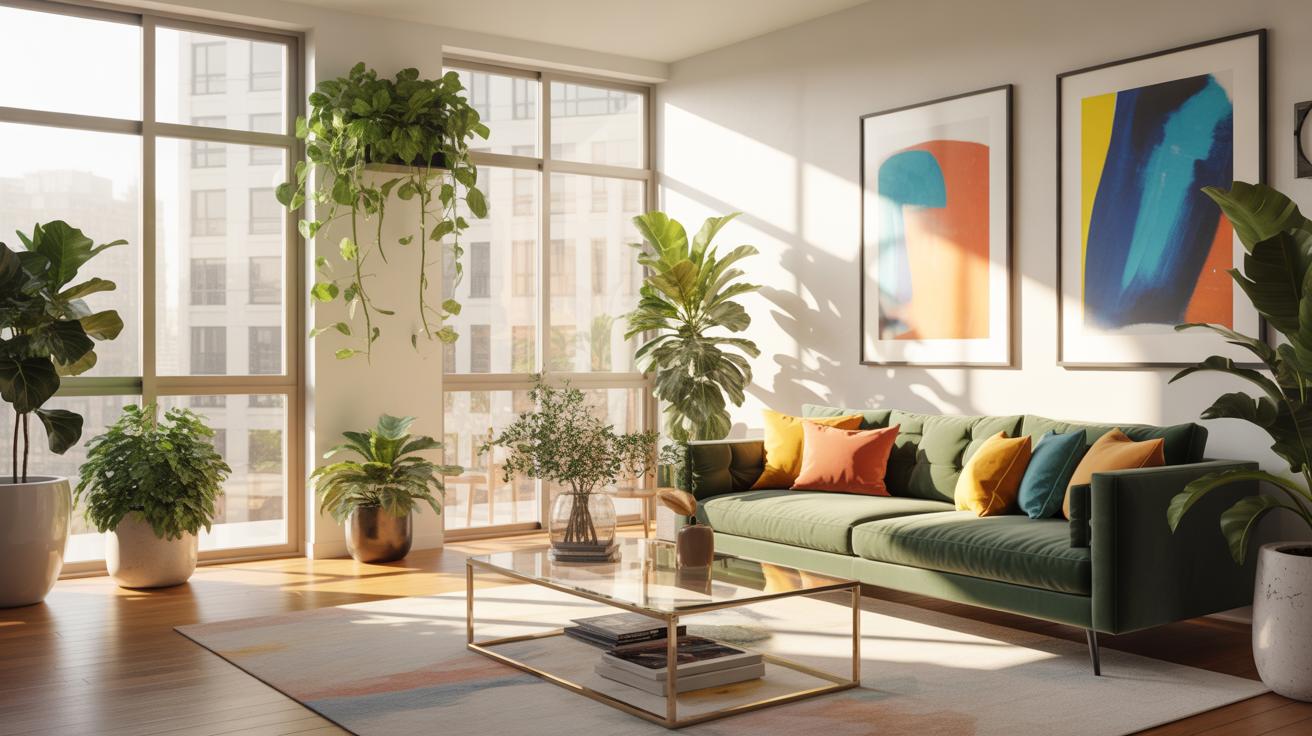
Vaulted ceilings bring a unique atmosphere to a living room. The increased height can make the space feel more spacious and airy, though it might also affect acoustics, causing sounds to echo more than in a regular room. When it comes to lighting, the height and shape provide new opportunities but also challenges. You can’t just slap on a ceiling fixture as easily; lighting needs careful planning to maintain comfort and style.
Personally, I find that vaulted ceilings sometimes make rooms feel a bit distant or less cozy, but with the right lighting and furnishings, they can be quite inviting. It’s like the room breathes differently, and that can really impact how you relax or entertain there.
Basic Vault Types And Their Shapes
There are several common types of vaulted ceilings you’ll come across:
- Barrel vault: A smooth, continuous arch resembling a tunnel. This shape can bounce light evenly across the room, but sometimes the curve can create unwanted shadows if lighting isn’t placed thoughtfully.
- Ribbed vault: Features intersecting arches with visible ribs that add texture and complexity. The ribs can cast interesting shadows and require lighting to highlight rather than hide their beauty.
- Dome vault: A rounded ceiling that curves in all directions like a hemisphere. Lighting in dome ceilings often needs to be centralized or indirect to avoid harsh glare, given the reflective surfaces.
Each shape demands different lighting strategies. Barrel vaults might benefit from recessed or track lights along the curve, while ribbed vaults could use directional spotlights to emphasize structural details. Domes maybe work best with a central chandelier or soft indirect lighting spread around the edges.
Impact On Room Size And Light
Vaulted ceilings significantly alter how big a room feels. The upward space draws your eyes higher, making your living room appear larger. It’s a space that invites the eye to wander up, which can be thrilling or maybe a bit overwhelming if the room isn’t balanced.
The shape of the ceiling influences how light flows. Natural light may spread more variably, depending on angles and window placement. This variability can create lovely contrasts between bright and shaded areas but might also require additional artificial lighting to fill dark corners. Unlike flat ceilings, where light tends to distribute more evenly, vaulted ceilings change the game by playing with height and angles.
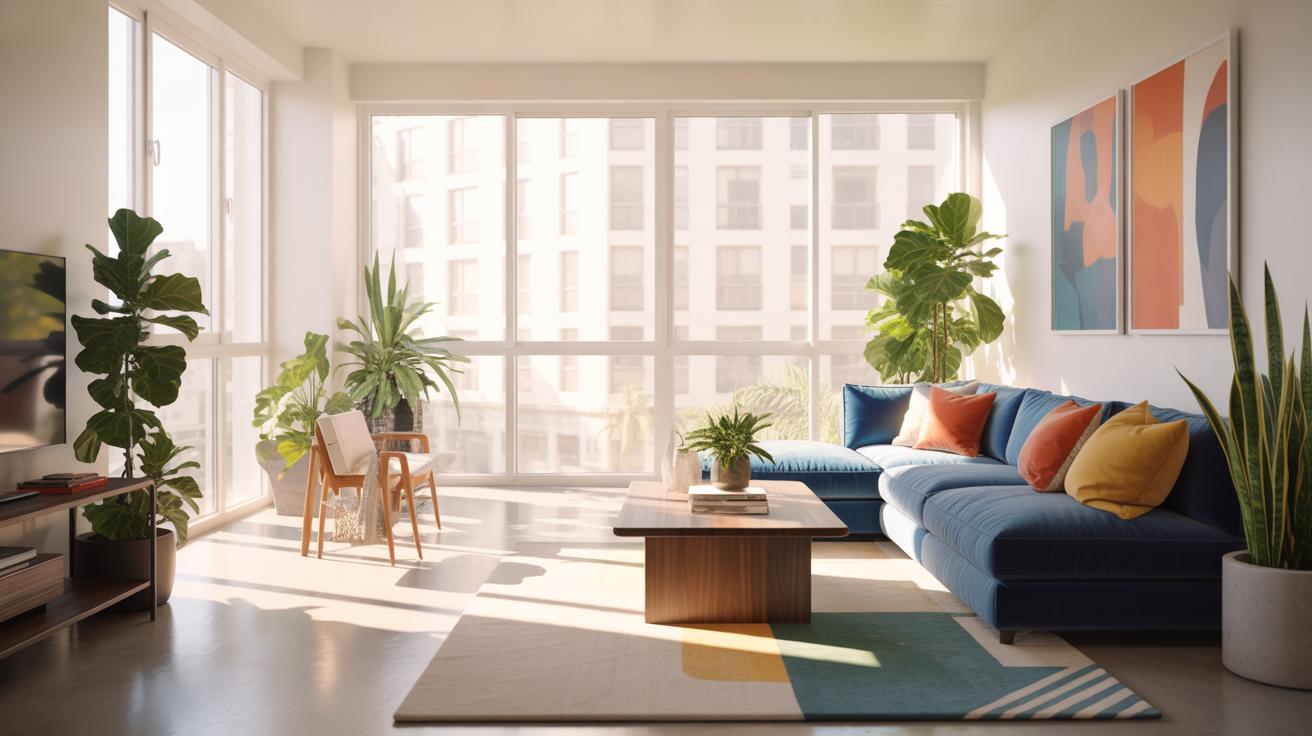
I’ve noticed in rooms with vaulted ceilings, you sometimes feel a stronger connection to the outdoors, especially if there are tall windows. It’s almost like the room extends beyond its walls. But this also means you need to think carefully about window treatments and lighting layers to keep it comfortable at different times of day.
How To Choose Lighting Fixtures
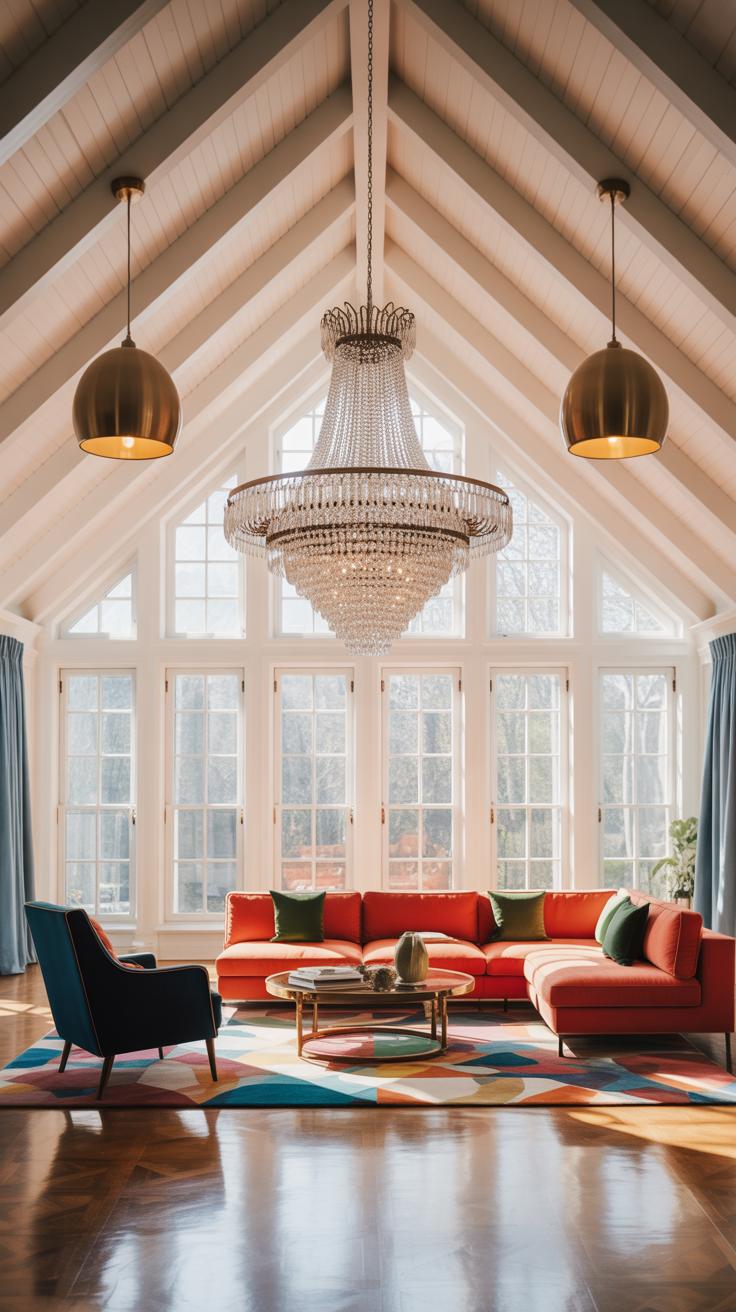
Picking lighting fixtures for vaulted ceilings can feel overwhelming, right? You want something that looks good, but also lights up that big space properly. Style definitely matters—you don’t want your fixture to feel lost up there or clash with your decor. Think about the overall vibe of your living room: is it modern, rustic, or classic? That should hint at whether to pick something sleek or more ornamental.
Size matters more than you might expect. Too small, and the light won’t reach; too large, and it overwhelms. A good rule? Measure the room’s length and width, add them, then convert to inches. That number roughly suggests the fixture diameter in inches.
Light output is tricky because vaulted rooms often need multiple light sources. You might want a strong central fixture plus some wall sconces or floor lamps to avoid harsh shadows. Don’t forget about dimmers—they offer control and flexibility for different moods or tasks.
Types Of Fixtures Suitable For Vaults
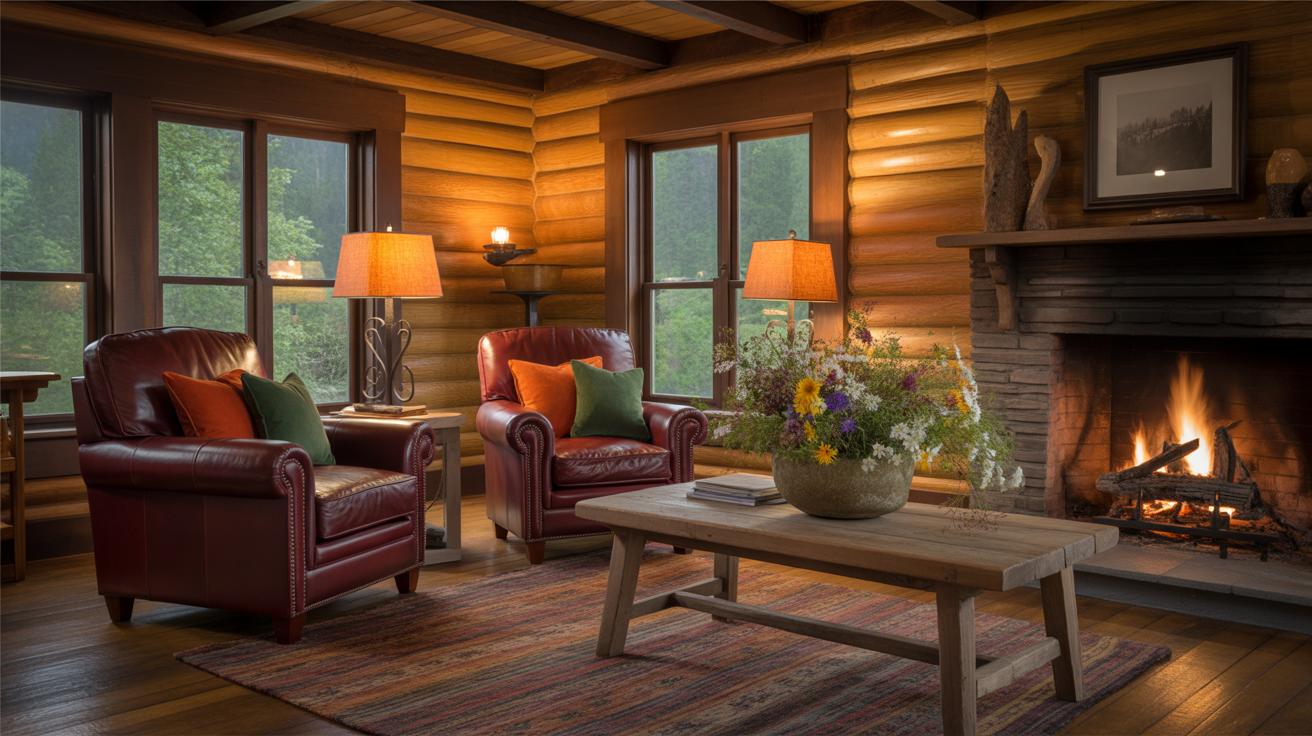
The obvious choice some people go for is a chandelier—it fills space nicely and becomes a statement piece. But chandeliers aren’t just for traditional rooms; sleek modern ones can work too. Pendants also make sense, especially clustered at different heights to add dimension.
Track lighting is often underrated. It’s flexible and can be angled to highlight artwork or architectural features. Recessed lights? They give an almost invisible source of light, which some folks prefer if they want less decoration stealing focus. But vaulted ceilings make wiring tricky for recessed lights—they might need longer fixtures or specialized installation.
Think about which fixtures complement your ceiling’s shape. Sloped ceilings may benefit from adjustable fixtures like pendants with long rods, so lights hang properly.
Fixture Sizing For Large Ceilings
Rooms with vaulted ceilings are larger volume-wise, so you need bigger or multiple light fixtures. A small chandelier in a 20-foot high ceiling looks lost and won’t do much to light the space. Instead, pick fixtures that are physically large or have multiple bulbs.
Brightness is key—look for bulbs with enough lumens to light the entire area. You might want 3,000 to 6,000 lumens in a big vaulted living room, which is more than a standard fixture delivers. Layer lighting to avoid dark corners.
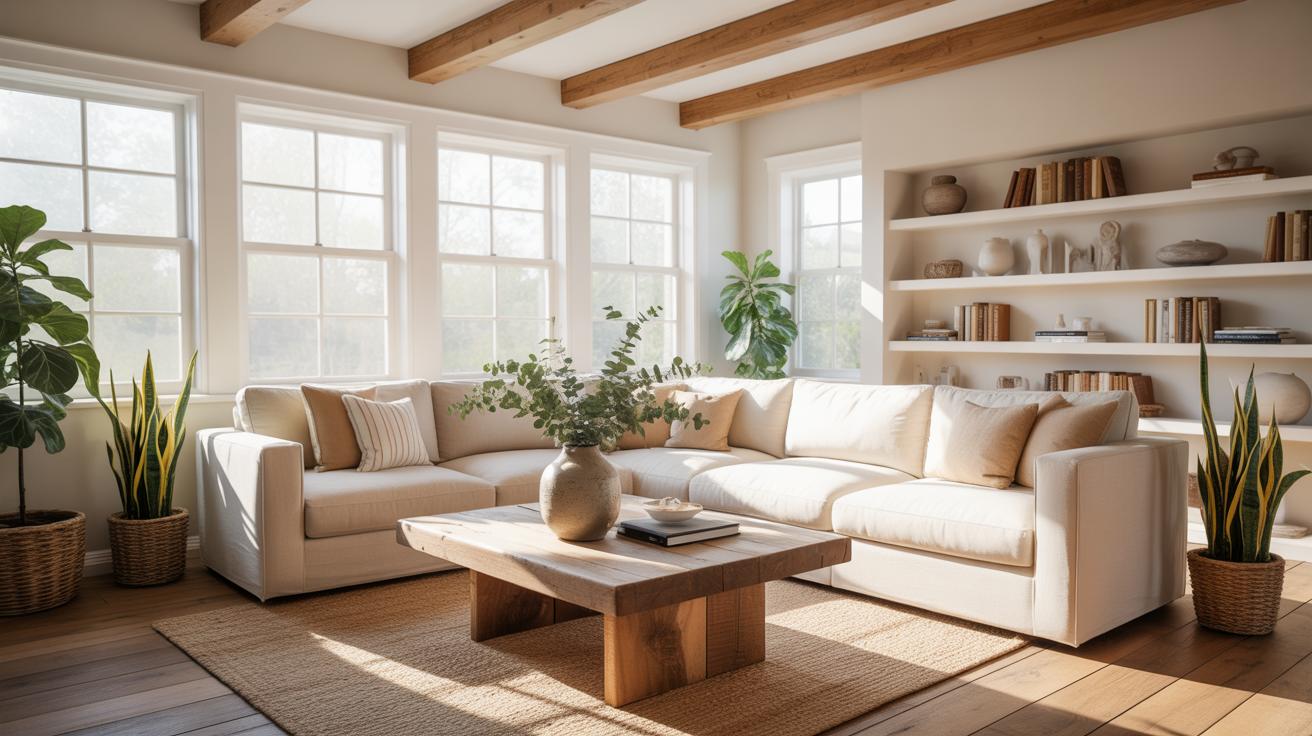
One method is combining one centerpiece fixture with smaller, supplemental lights around the room. It prevents glare from a single bright source and creates a cozy atmosphere, despite the ceiling height.
Lighting Placement Techniques
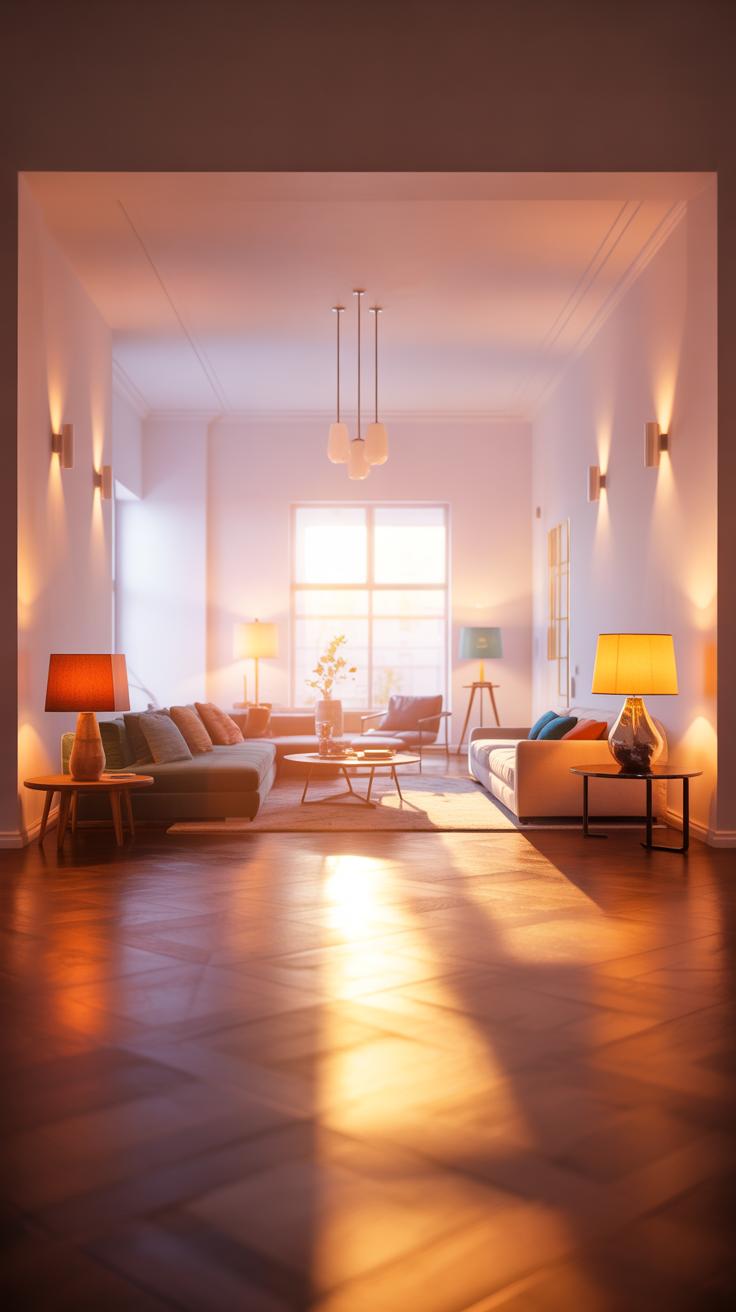
When dealing with vaulted ceiling living rooms, the height and angles change how light spreads. The key is to think beyond traditional central ceiling fixtures. For example, installing pendant lights or chandeliers close to the peak can create a striking focal point, but they may not provide enough even lighting down below.
So, consider multiple light sources at different levels. Combining recessed lights placed evenly across the ceiling helps soften shadows. Don’t forget the corners — they can get quite dark, so wall-mounted sources or uplights can fill those gaps nicely.
And placement matters on more than just brightness. Think about eye level and sight lines. Avoid glare by angling lights away from seating areas. The objective is to blend effective illumination with comfort and style, which might mean mixing suspensions, recessed fixtures, and wall sconces thoughtfully throughout your space.
Using Layered Lighting Effectively
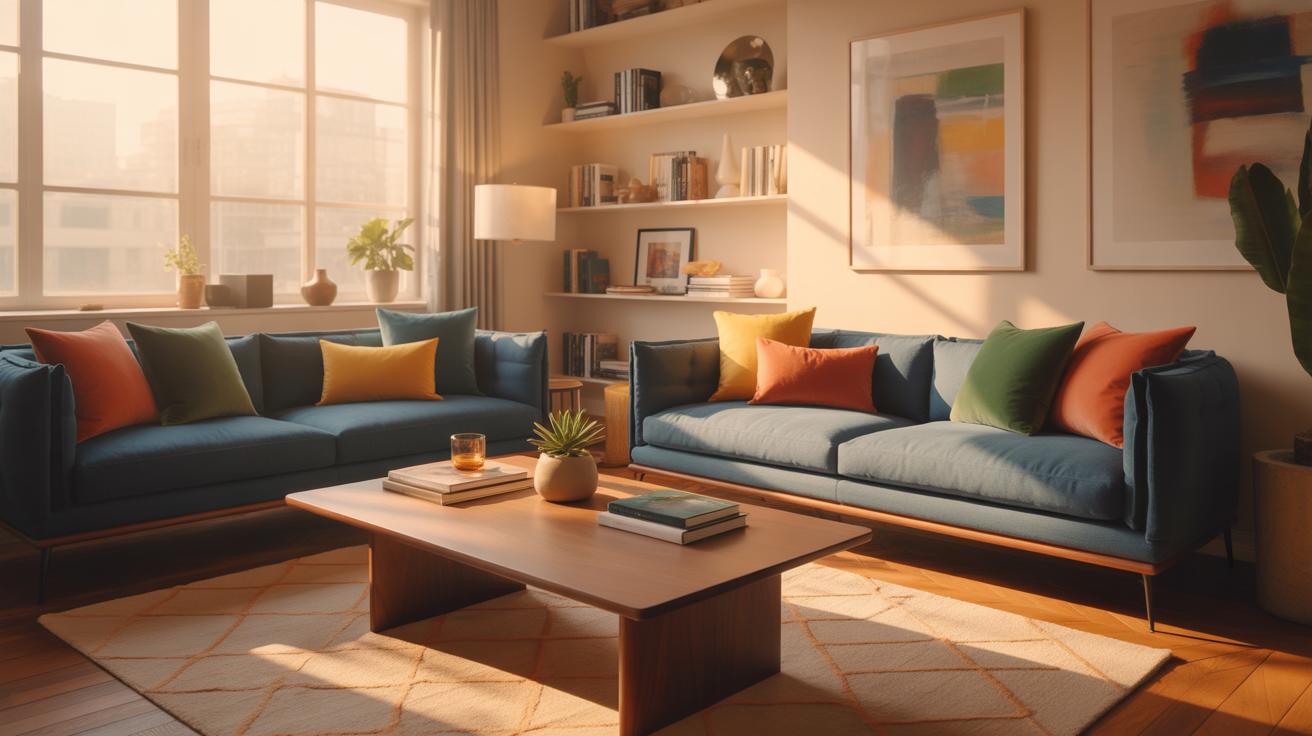
Layering your lights isn’t just about quantity, but variety. Ambient lighting, like dimmable ceiling fixtures, offers general illumination. Task lighting—reading lamps or adjustable sconces—adds focus. Accent lights highlight art or architectural features.
In a vaulted living room, using these three together creates depth and warmth. You might think fewer, stronger lights suffice, but layering makes the room more inviting and adaptable. For example, after a day bathed mostly in ambient light, a well-placed floor lamp or directional spotlight can make evenings feel cozy without overdoing it.
Tips For Wall And Ceiling Lighting
For vaulted ceilings, wall sconces are excellent for adding proportion and texture, especially those that direct light both up and down. They soften harsh angles and visually anchor high spaces. Position them at about five to six feet from the floor—sometimes a bit higher depending on ceiling height.
Uplights, placed on the floor or low walls, cast gentle illumination upwards, accentuating the ceiling’s shape without glare. On the other hand, recessed lights should be spaced based on the ceiling’s width and slope, typically 4 to 6 feet apart. Their subtlety makes them ideal for a clean look, but they work best paired with other fixtures to avoid flat lighting.
Combining these strategies feels a bit like solving a puzzle. The balance is tricky because too much height can swallow light, yet well-placed fixtures create a room that feels both expansive and inviting. You might find yourself experimenting with a few arrangements before settling on what truly enhances your vaulted living room’s character.
Comparing Pendant Vs Chandelier Lighting
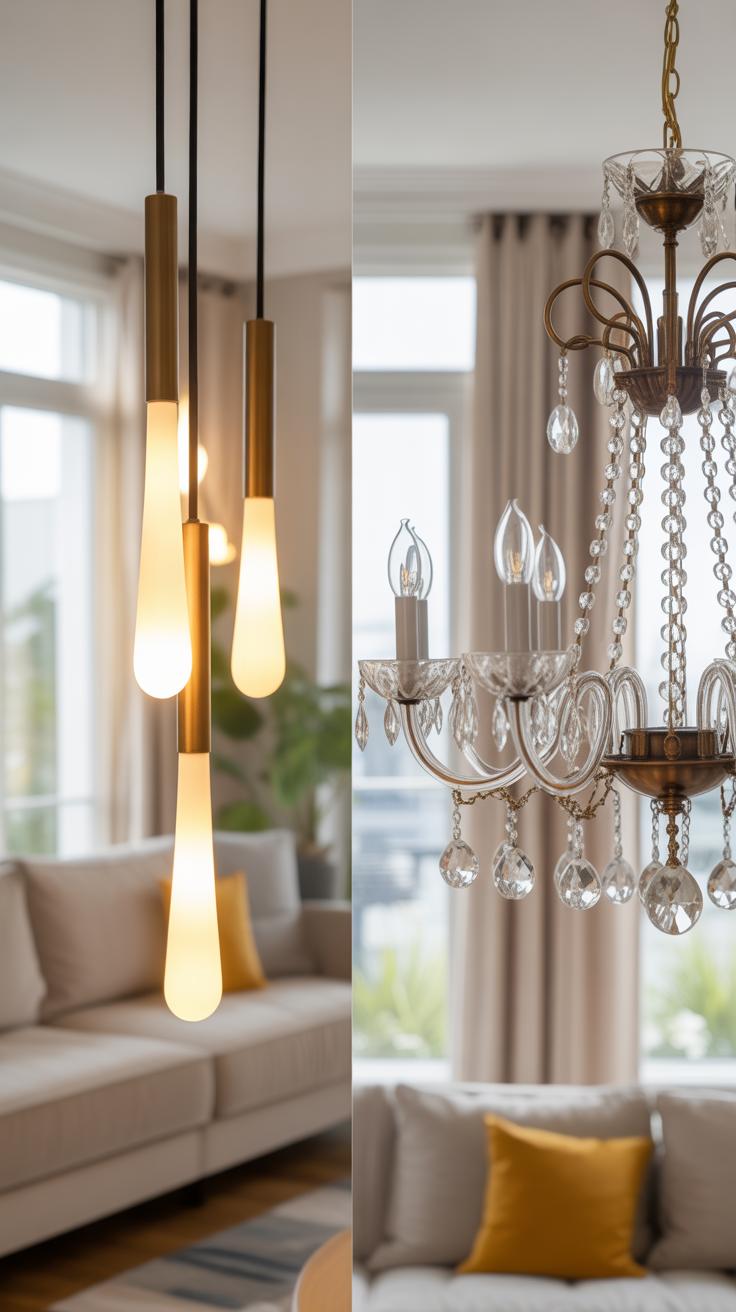
When thinking about lighting for vaulted ceilings, you might find yourself torn between pendant lights and chandeliers. Both bring distinct qualities to a space, and choosing one depends on how you weigh style, lighting needs, and installation challenges.
Pendants generally offer a sleeker, more contemporary vibe. They tend to focus their light downward, which can create sharp accents or task illumination. Plus, the cords or rods they hang from often allow you to adjust the height—a handy feature when ceiling heights vary so much up top. Installing them might be simpler since many come in single units. Yet, you might need several to balance the large volume of a vaulted room.
Chandeliers, on the other hand, demand attention. They tend to spread light broadly, filling the space more evenly. Their grandeur is hard to ignore, making them a centerpiece. But installation can be a project, especially with heavy or large models. Mounting them safely and ensuring their chains or rods accommodate the height takes planning. Still, their presence might be worth the effort, especially if your goal is a statement piece that commands eyes upward.
Advantages Of Pendant Lights
Pendants work well if you’re after versatility. Here’s what I find handy about them in vaulted living rooms:
- You can tailor the length to fit your exact ceiling height, avoiding the floating-lamp-in-the-air look that sometimes happens with chandeliers.
- They come in a range of modern designs, often minimalist—perfect if you want the lighting to blend in or complement clean interior lines.
- Because they can be clustered or spaced out, you get more control over lighting zones, which can be useful if you want different moods or spotlight certain areas.
- Also, switching out a single pendant feels less daunting and less expensive than replacing a chandelier.
That adjustability is a game changer for rooms that might feel cavernous otherwise.
When To Use Chandeliers
Still, chandeliers aren’t just about looks. There are times when their broader illumination and imposing presence really matter:
- If your vault is part of a formal living area or has classic or traditional decor, chandeliers provide an old-world elegance that pendant clusters struggle to match.
- If you want the lighting to be a focal point, something that draws eyes up and fills the space with a balanced glow, chandeliers often hold the advantage.
- For very large rooms, a chandelier can anchor the whole space in a way that individual pendants, even in multiples, may not achieve.
That said, chandeliers can feel a bit overwhelming in smaller or more casual spaces. So, knowing when to embrace them might require imagining how they’ll complement the rest of your design.
Creating Focal Points With Lighting
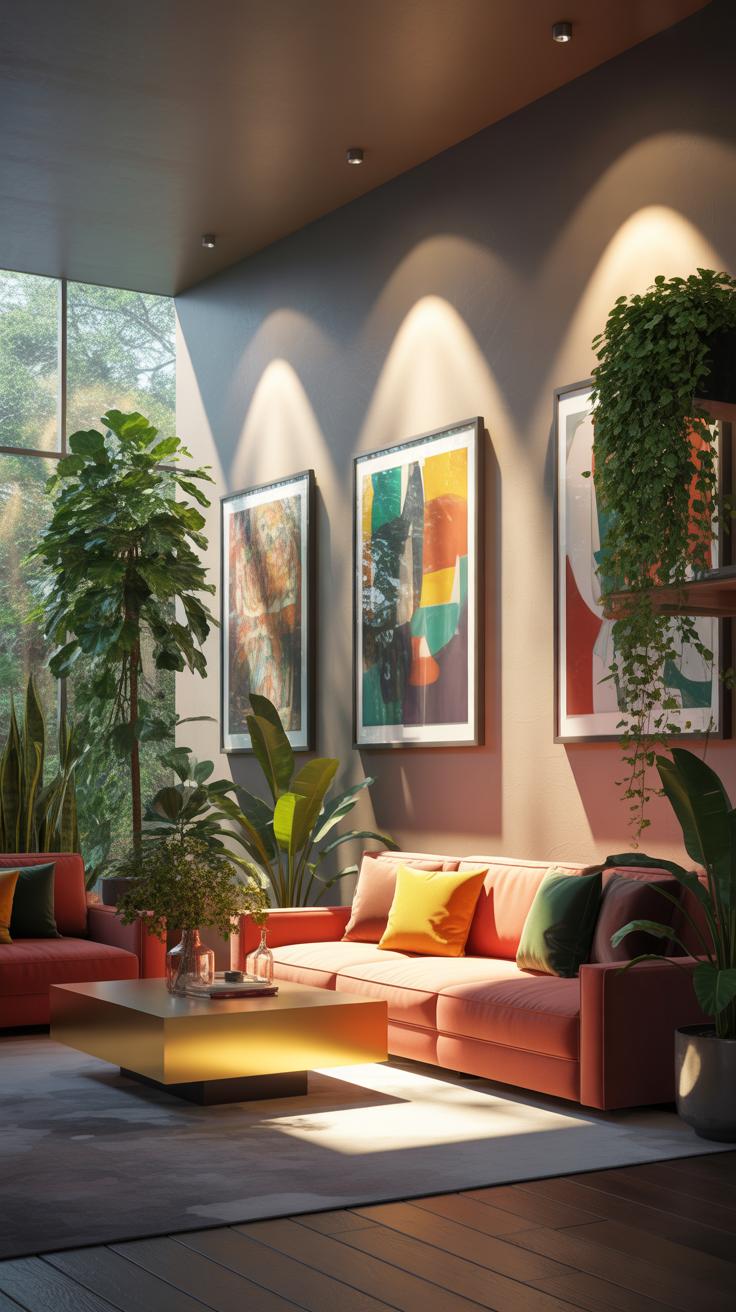
Using lighting to create focal points in a vaulted ceiling living room isn’t just about throwing up some lights here and there. It calls for a bit of thought—where exactly do you want the eye to land amidst all those soaring angles and shadows? Spotlights and accent lights come in handy here, especially when you have art or special décor pieces that deserve a moment in the spotlight. These lights can pinpoint those elements, giving them a subtle pop against the expansive backdrop.
When it comes to spotlighting, consider adjustable fixtures. They let you change focus depending on what you want to highlight, almost like giving your space an occasional mood shift. Imagine a dramatic painting that catches your guest’s attention first thing when they enter. You can direct the beam right onto it without spilling too much light onto neighboring walls or furniture, keeping the emphasis exact.
The architectural features in a vaulted ceiling room offer a unique opportunity. Exposing those beams or ceiling details with light—uplighting that grazes the wood grain or recessed lighting angled along the slant—can add texture and dimension. This kind of lighting helps reveal the craftsmanship or intrinsic beauty of the ceiling itself, rather than just making the room functional.
It’s a bit like telling a story. The light guides your gaze upward, highlighting the ceiling’s character while balancing the rest of the room’s tone. But beware—overdoing it can flatten the space or make it too busy, so finding that balance is key.
Setting Up A Lighting Control System
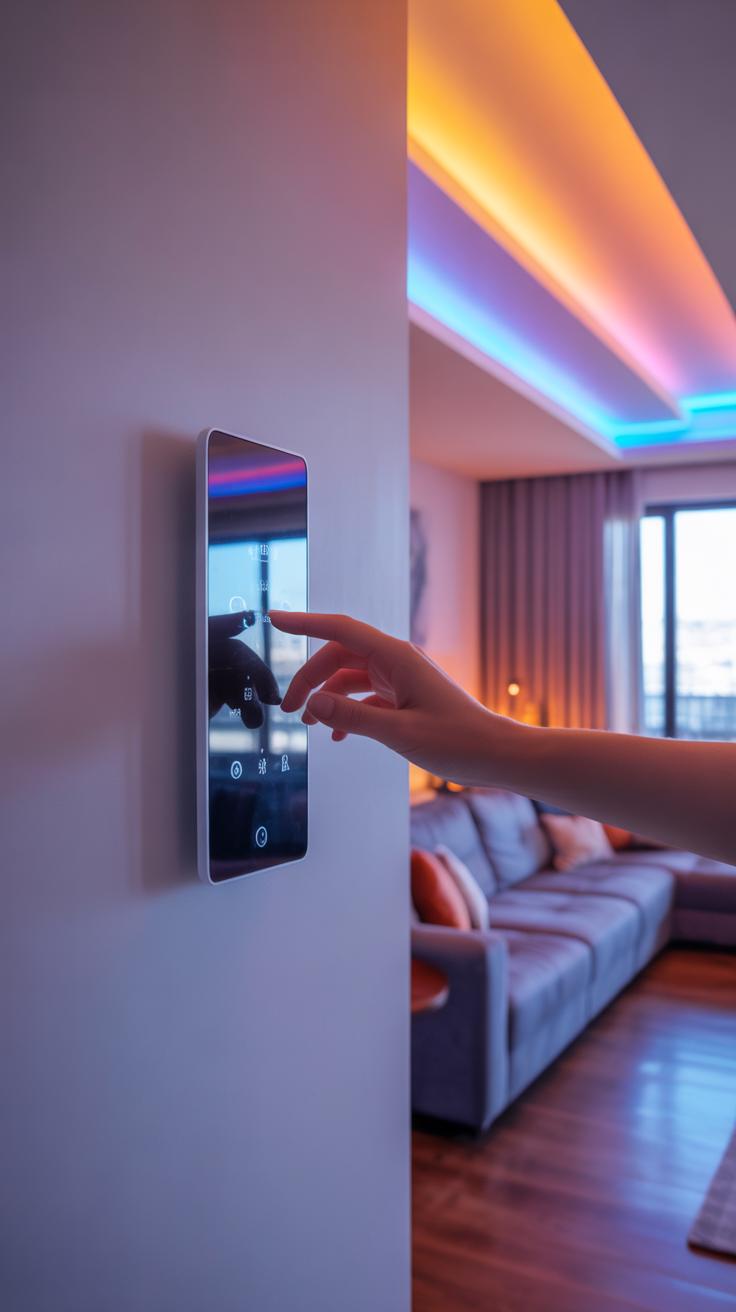
When you have a vaulted ceiling in your living room, controlling the lighting can be a bit tricky but also opens doors to more flexibility. You might want to think about dimmers as a straightforward way to gain control over light levels. They let you go from bright and energizing to soft and cozy without fuss. It’s not just about mood, but also about versatility – imagine having a single button to reduce glare during movie nights or brighten things up for reading.
Dimmers work well with a variety of bulbs, but pairing them with smart bulbs can take things further. Smart lighting gives you the option to program scenes, so one moment the room can be set for a lively gathering, and next, a calm, ambient environment for unwinding. Plus, you don’t have to get up to adjust them physically; apps and voice controls have become practical tools.
There’s something almost fun in experimenting with the settings—sometimes you realize that what you thought was an ideal light is too harsh or too dim. Being able to tweak without rewiring or replacing fixtures is a plus. It makes you wonder, why haven’t more vaulted living rooms adopted these systems? Maybe it’s the initial setup or just unfamiliarity. Still, once you have control at your fingertips, the whole space feels more adaptive to how you actually use it.
Checklist For Installing Lighting Safely

Electrical Safety Considerations
When wiring lighting fixtures on vaulted ceilings, the height and angle add complexity to electrical safety. First, make sure power is completely off before any work begins—that’s non-negotiable. Use a voltage tester to double-check. The wiring should be rated for the distance from the main electrical panel to the fixture, considering any necessary additional conduit for protection. Grounding is crucial to prevent shocks, especially when metal fixtures or mounting brackets are involved.
Securely fastening the fixture isn’t just about holding it in place. It must comply with local electrical codes, which might require junction boxes rated for ceiling height or specific wire gauges. Don’t forget about outlet ratings for the lights and any dimmer switches. Overloading circuits is a risk that rises with multiple fixtures on vaulted ceilings. Fuses or breakers need to be properly selected and tested.
Hiring Professional Installers
You’re probably wondering when to call in the pros. Honestly, if you’re unsure about handling electrical components at heights or dealing with unique vaulted ceiling angles, it’s safer to hire a professional. A licensed electrician brings experience with local codes, knows how to secure heavy fixtures safely, and can troubleshoot unexpected wiring issues—something many DIY attempts can overlook.
Professionals also have the right equipment, like scaffolding or lifts, which minimizes risk of falls. When facing complex lighting designs or integrating multiple fixture types, expert installation ensures the setup functions correctly and lasts. Even for seemingly simple pendant lights, the right installation makes a big difference in safety and style. Sometimes saving on professional help can lead to costly mistakes or hazards later.
Cost Breakdown For Vaulted Ceiling Lighting
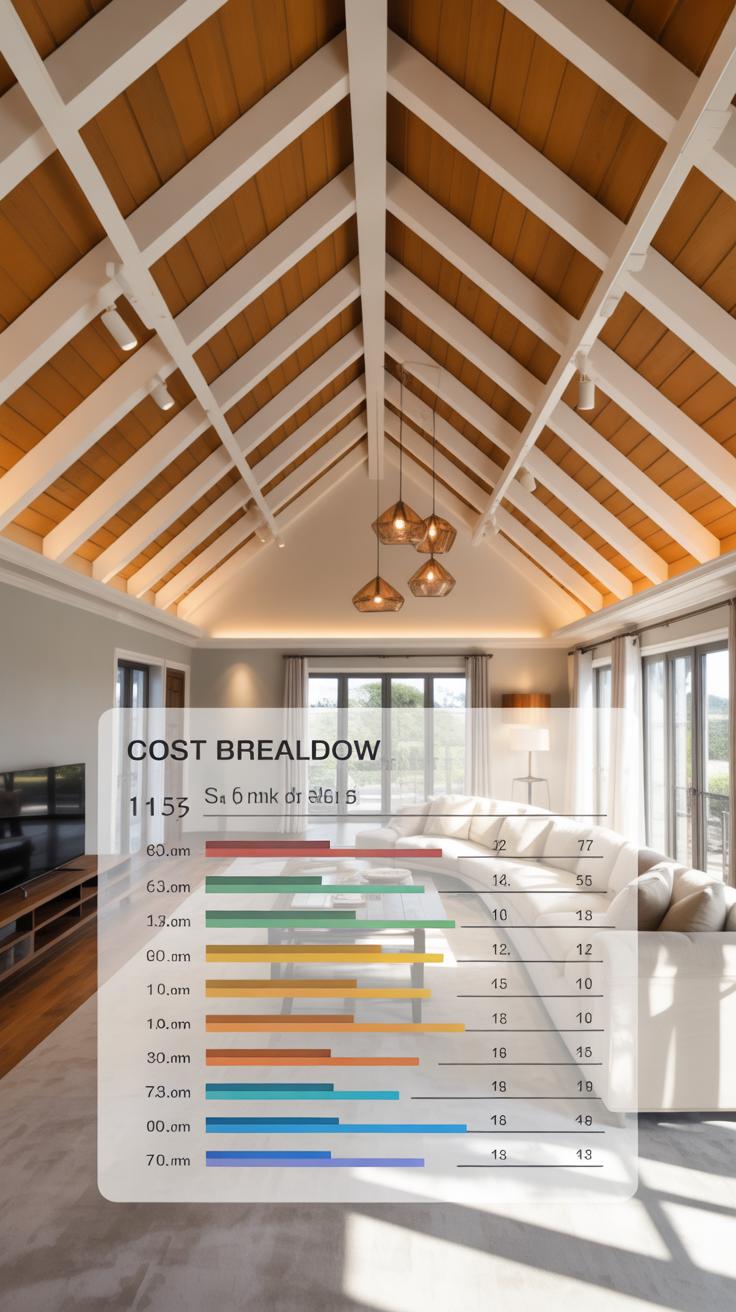
When thinking about lighting for vaulted ceiling living rooms, understanding costs is crucial. You might find that the price range for fixtures varies widely depending on style, material, and brand. For example:
- Chandeliers can range from around $200 for simpler designs to $2,000 or more for elaborate pieces that suit large vaulted spaces.
- Pendant lights typically cost between $100 and $600, balancing aesthetics with practicality for high ceilings.
- Other fixtures, like track lighting or recessed lights, vary but often start below $100 per unit.
Installation is another factor worth pondering. Labor costs depend heavily on the ceiling height and complexity of the wiring. You could expect anywhere from $150 to over $500 for professional installation. Additional expenses might include mounting hardware, specialized electrical work, and even the use of scaffolding or lifts for especially tall spaces.
In my experience, it pays to budget a bit more for installation. Trying to save here sometimes leads to complications that slow down the process or affect light placement. Are you willing to juggle those risks? It’s a trade-off worth considering if you want a stylish, well-lit room without ongoing hassle.
Examples Of Stylish Vaulted Ceiling Lighting
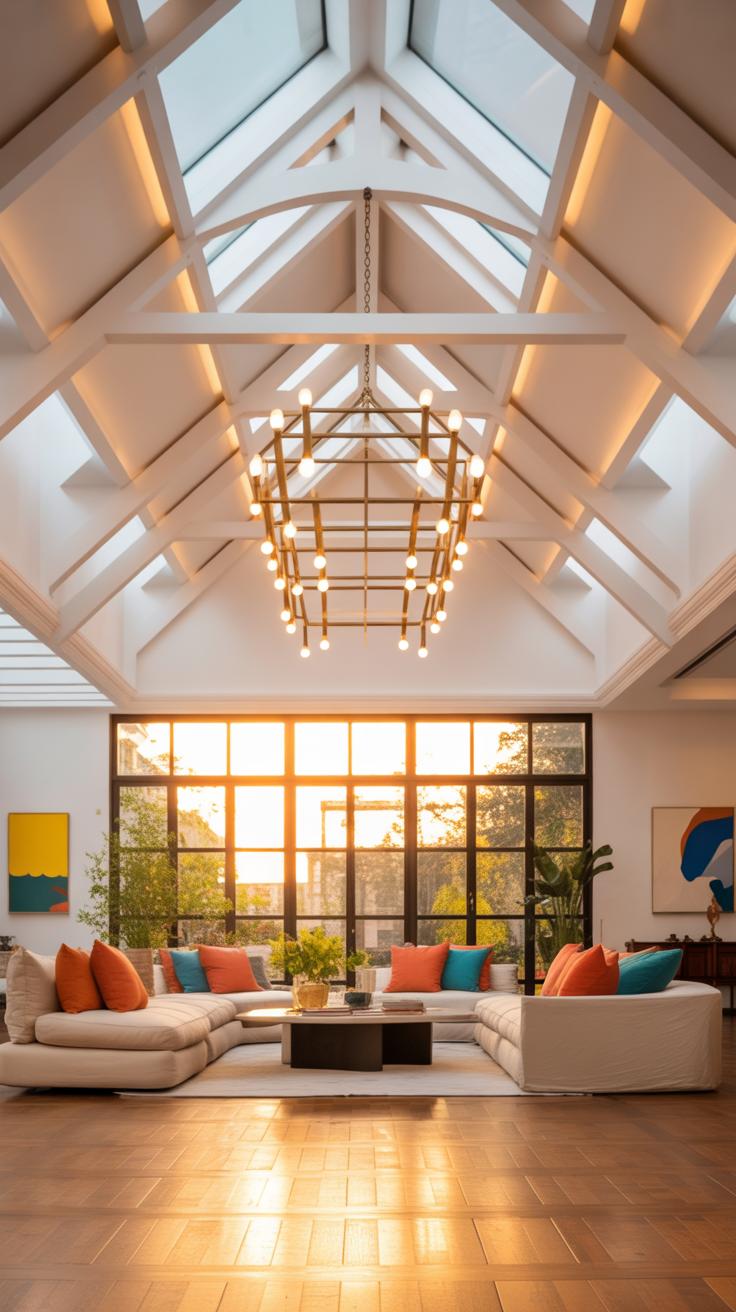
Vaulted ceilings offer a unique canvas for lighting, but choosing the right fixtures and arrangements takes some thought. Consider those large, open living rooms where a single oversized pendant light hangs dramatically from the peak. Yes, they can create a focal point, but sometimes multiple smaller fixtures spaced evenly work better to spread light without overwhelming the space. For example, track lighting along the slant can bring light down where you need it most, like across seating areas or artwork.
One inspiring case is a room with exposed wooden beams paired with sleek, recessed lighting. It’s a mix of rustic structure with modern subtlety—quite a nice balance. Then there are rooms highlighting chandeliers with dimmers. Adjusting brightness lets you shift mood naturally throughout the day. It’s simple but effective, and well-suited for vaulted ceilings where the light can cascade softly below.
Modern Minimalist Designs
Minimalist lighting for vaulted ceilings often means embracing clean lines and understated fixtures that don’t compete with the architecture. Think about slender, linear pendant lights hung at varying heights or flush-mount LEDs that are almost invisible but brighten the room evenly. The modern approach can use clever placement: indirect cove lighting hidden in the ceiling’s edges to create a gentle glow that emphasizes the height and shape.
Sometimes less is definitely more. A minimalist space might avoid chandeliers entirely, relying on wall sconces and subtle floor lamps to complement the ceiling lighting. The goal is often to highlight the spaciousness without cluttering the visual field. You might find that this restraint works surprisingly well, especially when paired with a neutral color scheme and simple furniture.
Traditional And Rustic Styles
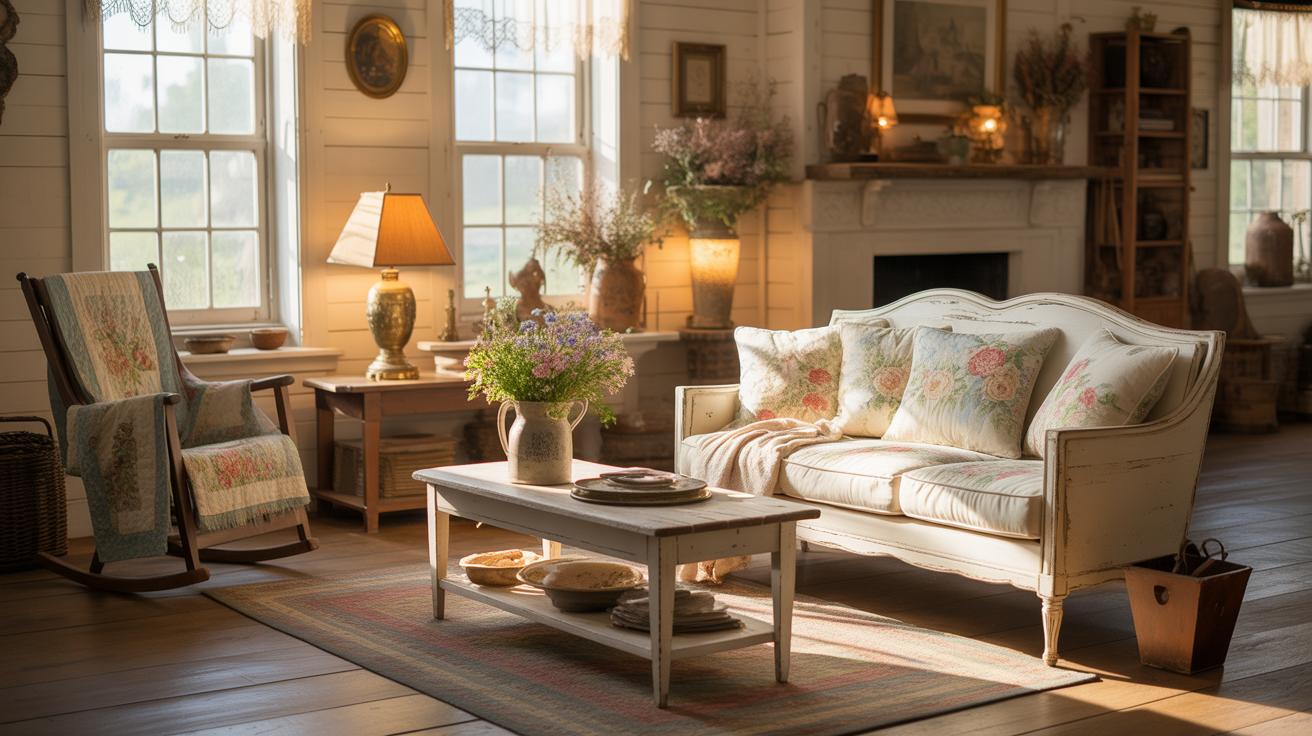
Traditional vaulted ceiling lighting tends to embrace grandeur and warmth. Think wrought iron chandeliers with candle-style bulbs or lantern-inspired fixtures that hang centrally or at intervals. These choices echo the classic origins of vaulted design by adding a sense of timelessness. Rooms with wooden beams often pair well with rustic lighting—maybe aged brass or copper finishes that reflect warmer tones.
Rustic styles sometimes use multi-tiered fixtures or lantern clusters, which fill the vertical space effectively and create cozy, layered illumination. I’ve seen a living room where rustic lights were combined with earth-toned walls and heavy drapes, achieving a comforting, grounded feeling despite the imposing ceiling height. Such styles seem to invite you to settle in, don’t they?
Conclusions
Lighting a vaulted ceiling living room needs consideration of ceiling height, room size, and the function of the space. Balancing light fixtures like chandeliers, pendant lights, and wall sconces can create layered lighting that feels balanced and highlights the architectural beauty. You can make your living room both functional and beautiful.
Experimenting with dimmers, adjustable fixtures, and varied light sources will help you adapt the atmosphere for different occasions. Proper lighting enhances the stylish nature of vaulted ceiling living rooms and makes the space welcoming every day.