
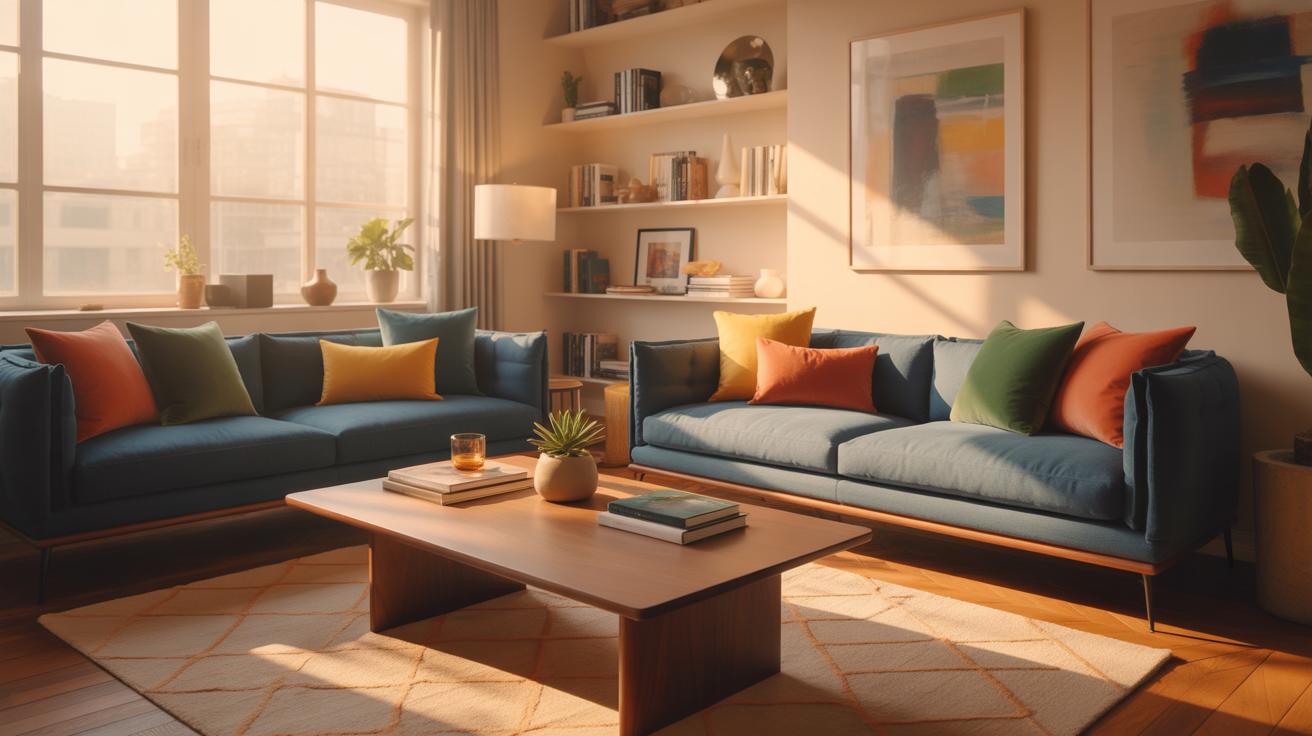
How to Create a Cosy Apartment Living Room
A cosy living room can be the heart of your apartment, a place to relax, unwind, and enjoy time with family or friends. Dream Apartment Decor Ideas For A Cosy Living Room Ambiance focuses on transforming your space with simple, effective decorating tricks that bring warmth and comfort.
This article covers what makes a living room cosy, practical furniture choices, lighting tips, and more. Each section offers clear steps and examples to help you create your ideal cozy ambiance, making your living room a welcoming retreat after a long day.
Identifying What Makes A Living Room Cosy
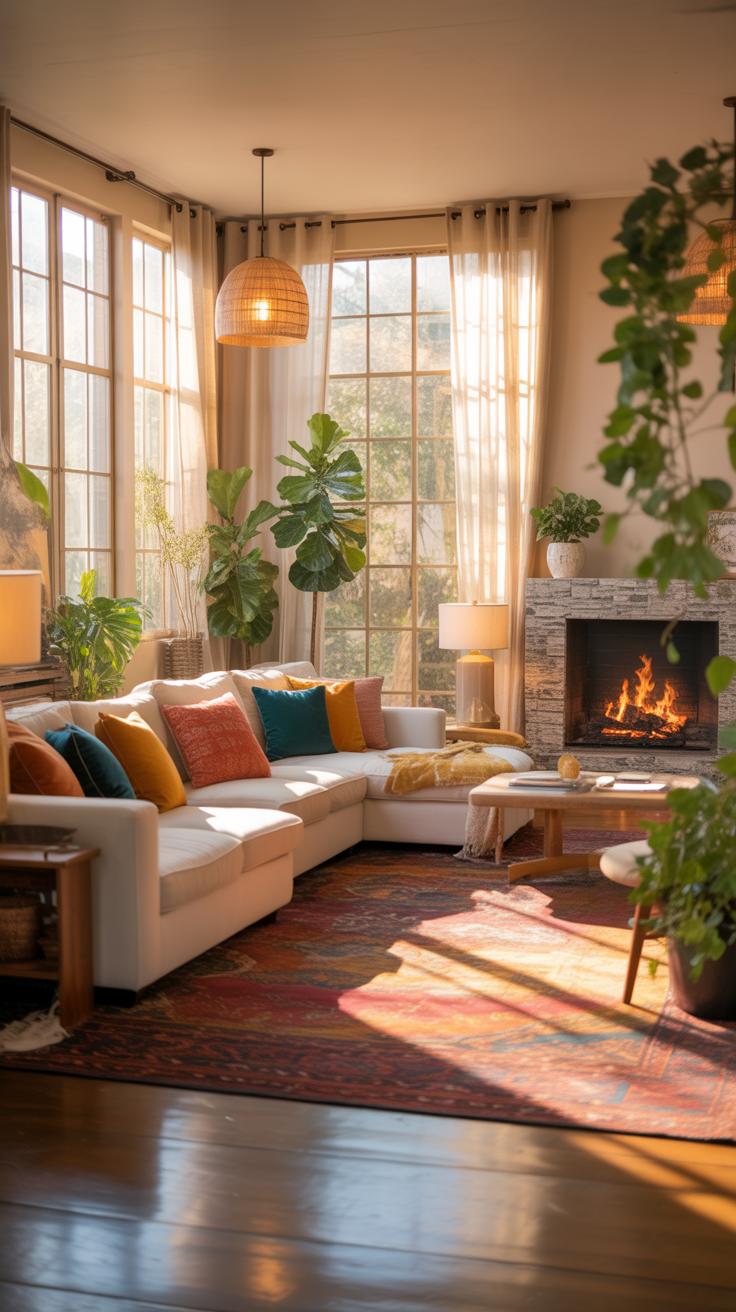
What really makes a living room feel cosy? Well, it’s more than just a comfy couch or a soft blanket tossed over a chair. It’s a mix of things that create warmth and comfort, making you want to stay there a little longer—maybe even forget the world outside. Imagine a space that feels like a gentle hug, where everything just… fits together. That feeling often comes from how you arrange your furniture to invite conversation or quiet rest, without feeling cluttered or cold.
Comfort plays a major role. Think about the softness of your favorite armchair or the plush cushions that invite you to sink right in. A cosy room doesn’t shout for attention but quietly wraps around you, offering a sense of security and belonging. There’s something almost magical in the right combination of warmth, comfort, and thoughtful layout that makes a living room truly inviting.
Warm Textures And Colors
Colors and textures have a silent but strong voice in a cosy living room. Warm colors like soft browns, gentle reds, or muted oranges tend to create an inviting vibe, making walls and furniture feel less harsh. If you’ve ever wrapped yourself in a thick wool blanket on a chilly evening, you know how much textures matter to comfort. Rugs with a deep pile, knitted throws, and velvet cushions can soften the space both visually and physically.

For example, a fluffy rug underfoot can make that cold floor disappear into something much more welcoming. Blankets draped casually over the back of the sofa or a pile of cushions in different sizes and fabrics don’t just look nice—they invite you to touch and use them. These small touches add layers to your living room’s mood and tell guests that relaxation is encouraged here.
Lighting That Adds Warmth
Lighting can totally change a room’s personality. Bright ceiling lights might be practical, but they rarely help you unwind. Instead, look for softer lighting options. Table lamps with warm bulbs, fairy lights, or even candles can make a room feel gentle and soothing. Natural light is great during the day—if you can position seating to catch those sunbeams, you add an instant cosy factor.
Think about a corner illuminated by a small lamp with a fabric shade, casting a yellowish glow. It’s the sort of light that encourages reading, chatting, or just zoning out. Candles add flickering warmth that taps into something ancient about human comfort. Lighting should never feel harsh or cold if your goal is a cosy room; it’s about creating pockets of light that draw people in without overwhelming them.
Choosing Comfortable And Functional Furniture
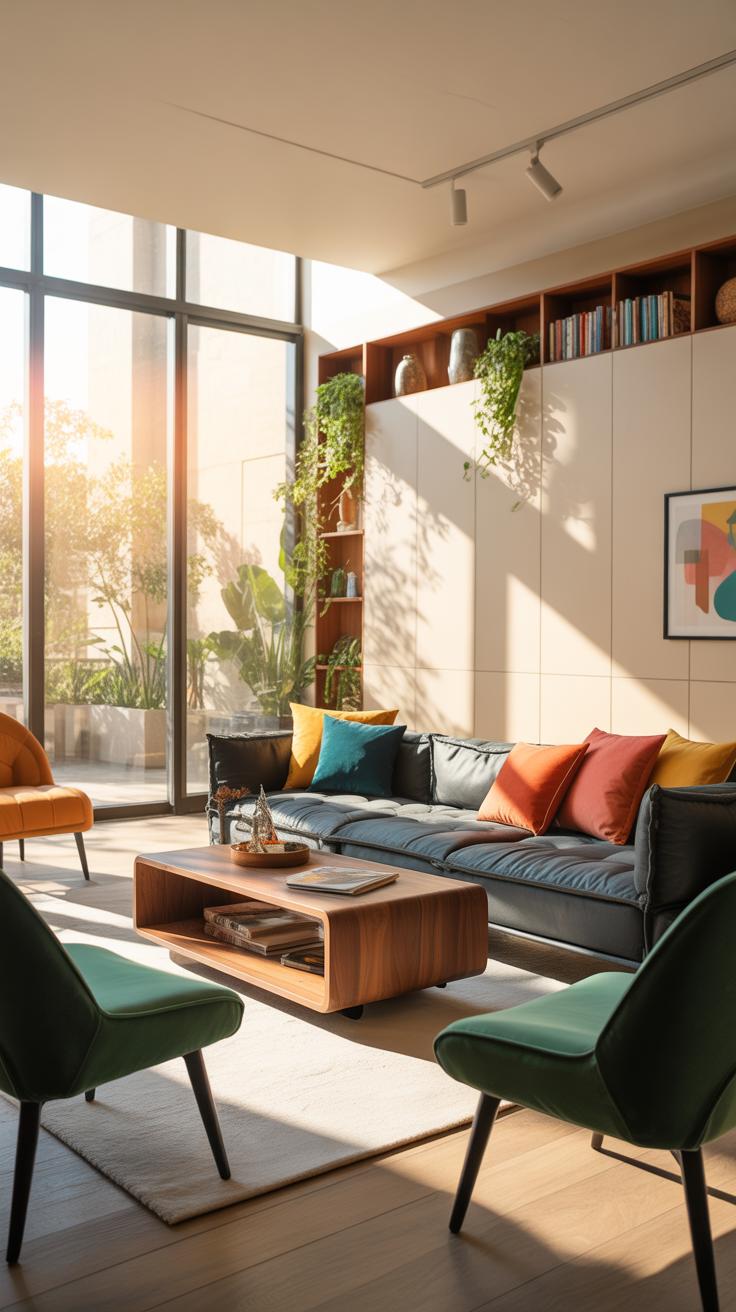
When picking furniture for a cosy living room, especially in a small apartment, comfort is key—but so is practicality. Sofas, chairs, and tables should feel inviting but also fit the space well without overcrowding it. For size, think about how much room you have and how you use the space. You might want a compact sofa that seats two or three comfortably but leaves room to move around.

Materials matter too. Fabrics that feel soft yet durable are great choices—microfiber or cotton blends can work well. Leather can look sleek and is easy to clean, but may not feel as warm as fabric. Styles should match your personal taste and the room’s vibe, but lighter colors often help small rooms feel airier.
Sofa Types For Comfort And Style
Sectional sofas offer flexibility and extra seating, wrapping around corners, which can help define a cosy nook in your living area. Loveseats are perfect if space is tight and you mainly want a spot for two. They can fit nicely alongside chairs, creating a balanced layout. Think about how you’ll use the sofa—lounging alone or entertaining guests—as it guides the style you choose.
Ottomans And Multipurpose Pieces
Ottomans are surprisingly handy. They serve as footrests, extra seating, or even a coffee table if you add a tray on top. Many come with storage inside, which is a bonus in apartments where clutter can quickly take over. Multipurpose furniture, like a coffee table with shelves or chairs that tuck away easily, can help keep your living room cosy without sacrificing function.
Using Lighting To Enhance Ambiance
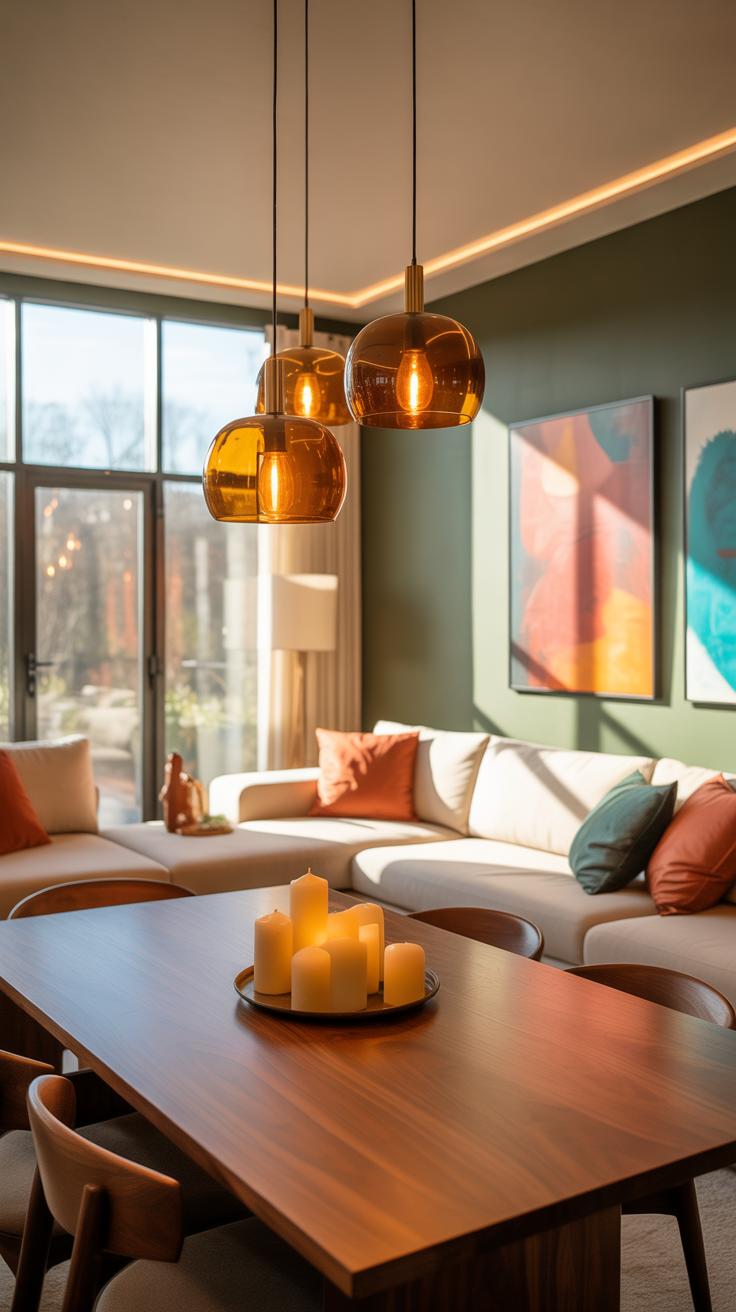
Lighting often gets overlooked when thinking about coziness, but it really shapes how comfortable your living room feels. Instead of relying on just one overhead fixture, try mixing different types of light sources. Combining ceiling lights with floor lamps and table lamps creates a layered effect. This layering adds depth and makes the space feel warmer, less flat. Imagine a soft glow coming from a corner floor lamp, complemented by a couple of warm table lamps near your seating area. The room instantly invites you to relax.

Brightness control plays a crucial role too. Dimmers allow you to adjust light levels depending on the time of day or activity. Early evening might call for low, gentle lighting to unwind, while midday often benefits from brighter lights to stay alert and focused. Warm bulbs, usually in the 2700K range, give off a subtle yellowish hue that’s easier on the eyes and naturally calming. Flickering LED bulbs or harsh white lights tend to break the mood.
Such control over lighting can subtly influence your emotions—ever noticed how a room feels completely different under soft, glowing light compared to bright, direct shafts? It’s a quiet, simple way to invite calmness and a sense of safety. Sometimes I wonder why more people don’t experiment with their home lighting—maybe we underestimate how much it affects our feeling of home.
Incorporating Textiles For Texture And Warmth
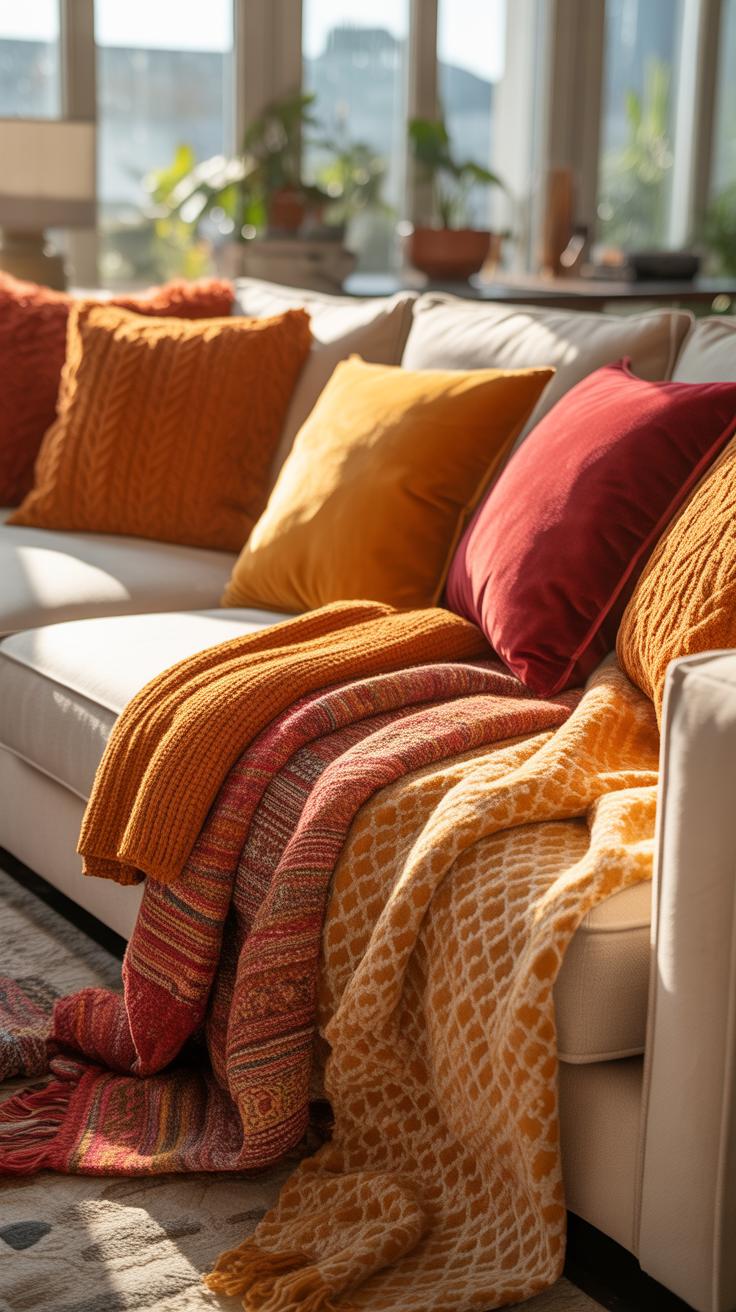
Textiles like rugs, curtains, and throws are more than just decoration—they actually create a tangible sense of warmth and coziness. Rugs soften the surface beneath your feet, making the room feel less stark and more inviting. Think about the fabric texture too; natural fibers such as wool or cotton often feel warmer and look more comforting compared to synthetic ones, though those can be practical for certain needs. Where you place these textiles matters. For example, a rug centered under a coffee table brings a gathering spot together, while throws casually draped over a sofa invite you to snuggle in.
Rug Selection For Comfort
Rugs add comfort not only visually but physically, softening cold floors and insulating against chilly drafts. When choosing a rug, size plays a key role. A rug too small can feel lost and awkward, while one that’s large enough to fit all or most furniture legs underlines the space cohesively. Material choice influences warmth and feel underfoot. Wool rugs, for instance, provide a plush and durable surface. You might hesitate at their price, yet their longevity and comfort often make them a worthwhile investment.
Curtains That Soften The Space

Curtains do a lot to change the room’s vibe. They control how much natural light enters, affecting not just brightness but the room’s mood. Lighter fabric curtains can gently diffuse sunlight, while thicker ones shut it out, creating a snug atmosphere—perfect for quiet evenings. Then there’s the sound factor: heavy curtains absorb noise, making your room quieter. Color choices can subtly influence warmth perception; warm tones often make the space feel cozier, but it’s tricky—too bold might over-warm the feel. Light, neutral colors with texture often hit the sweet spot for many.
Adding Personal Decor For Character
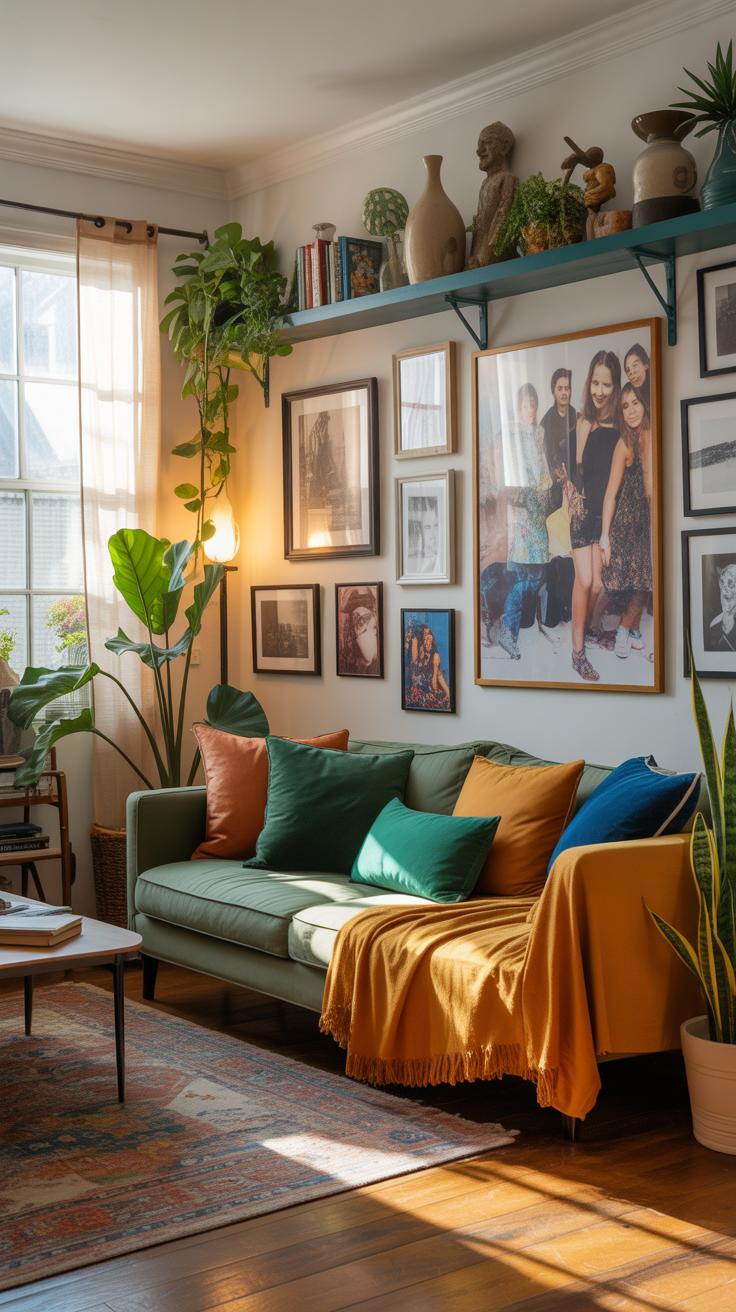
Personal items like photos, artwork, and plants do more than just fill space—they make your living room feel truly yours. Think about the memories tied to a photo or the story behind a piece of art; these elements bring warmth and a sense of belonging that generic decor can’t offer. You might be surprised how a few carefully chosen keepsakes shift the room’s mood from cold to inviting.
When arranging these meaningful items, consider grouping photos in clusters on a wall or using shelves to exhibit smaller mementos in an informal, unstructured way. This approach avoids that overly staged look. Experiment with mixing frame styles or combining different art mediums—it creates a relaxed, lived-in vibe. Sitting with your personal collection, you’ll often find conversations sparked by these items that wouldn’t come up otherwise.
Plants also play a key role, beyond just decoration. They naturally brighten up rooms and subtly improve indoor air quality. Placing a few pots around your living space lends an organic feel, breaking up solid surfaces and adding texture. Smaller plants can fill nooks or windowsills, while a larger floor plant might anchor a corner. You may notice the subtle freshness they bring to the air almost immediately—sometimes it’s the little things that transform a room’s atmosphere the most.
Setting Up Functional Zones In Your Living Room

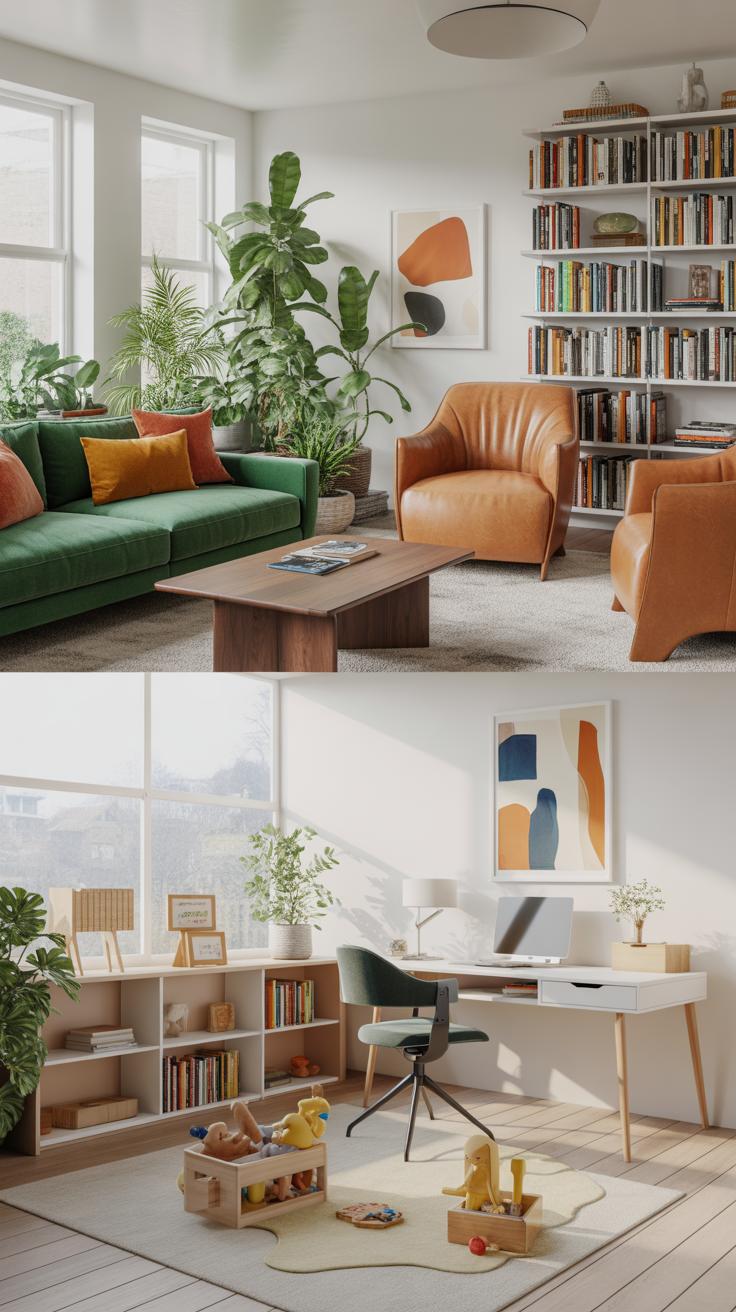
Organizing your living room into distinct zones can really change how you experience the space. It’s not just about throwing furniture around—it’s about creating areas that serve different purposes yet keep the overall vibe cosy and welcoming. You might start by thinking about what you do most in your living room. Is it relaxing with family, entertaining guests, or even working on some hobbies? Identifying these can help you decide how to carve out zones.
For example, a relaxing zone could have a comfy sofa facing a fireplace or a softly lit corner, perfect for unwinding after a long day. Then, the entertaining area might center around your main seating with easy access to snacks or drinks, encouraging conversation and socializing. Don’t forget a practical touch—keep pathways clear and leave space for movement to avoid making it feel cramped.
Sometimes, blending zones is necessary but think about subtle dividers like rugs or light changes to signal different areas without closing off the room. This multi-use layout keeps everything practical but still cosy. Have you tried placing your sofa with its back to a dining area? It’s not just about separation, but also about creating flow in your living space.
Creating A Reading Nook
A thoughtful reading nook can be a hidden gem in your living room. It’s a small area dedicated, really, to enjoying books or quiet time. Good lighting is a must—natural light during the day or a warm reading lamp for evenings. Pick a chair that feels like a hug, not just any old seat. Maybe a plush armchair or a cushioned window seat works for you.

Adding elements like a small side table for your book or a cup of tea, and some soft blankets can help the space feel inviting. Plants or a small shelf with your favourite books adds personality too. If space is tight, even a corner with a comfy pouf and standing lamp can transform into a cozy retreat. Honestly, I think this little space can become your sanctuary amid the buzz of daily life.
Designing An Entertainment Spot
Designing an entertainment area calls for smart arrangement. You want your sofas and chairs positioned so everyone gets a good view of the TV or media setup. Create a balance between comfort and function—too close can be tiresome; too far can feel disconnected.
Consider the placement of your media equipment too, so it’s easily accessible but not overwhelming the room. An entertainment spot doesn’t mean you have to sacrifice cosiness. Soft cushions, warm lighting, and a nice rug underfoot help. Don’t overlook flexibility either; movable chairs or poufs can accommodate unexpected guests or different activities, from movie nights to casual gaming sessions.
Sometimes, I’ve found that adding a small bar cart or a basket of blankets nearby makes the space feel more complete and welcoming. How do you imagine your perfect entertainment zone? Something that invites long nights of fun or maybe quick escapes after a hectic day?
Maintaining Organization And Decluttered Space
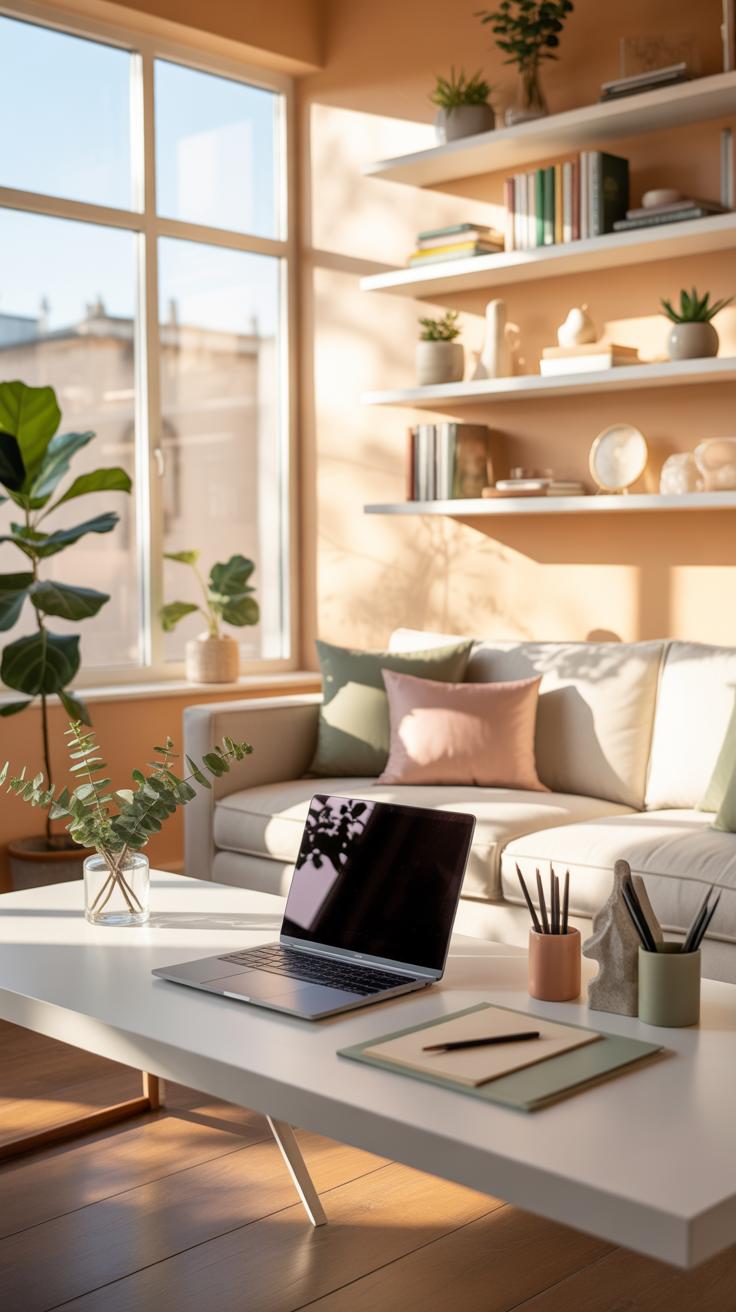
Keeping your living room tidy really helps the space feel cosy — it’s like the clutter quietly steals some of the warmth and calm. When things pile up, even a beautifully decorated room can start to feel overwhelming or restless. You’ve probably noticed that moment when you sit down and your eyes catch every item out of place; it distracts from comfort, doesn’t it?

For storage solutions that don’t upset your style, think about pieces that do double duty. An ottoman with hidden storage can hold blankets or magazines without spoiling the look. Shelves with baskets are another good way to tuck things away but keep them within reach. You might want to try side tables with drawers or built-in storage too—these blend in but keep clutter out of sight.
A daily decluttering routine doesn’t need to be complicated. Try these simple steps:
- Spend five minutes each evening putting things back where they belong.
- Sort through mail or random papers right away—don’t let them pile.
- Clear one surface daily, like the coffee table or a corner shelf.
Does a small routine like this feel like busywork? It might, but it slowly trains you to notice clutter before it grows. Over time, keeping things in their place will feel less like a chore and more like second nature. After all, a neat room often feels like a calmer one too, right?
Comparing Cosy Living Room Styles

When thinking about a cosy living room, you might find yourself torn between styles like rustic, modern, and minimalist. Each has a distinct vibe that influences comfort in unique ways, so choosing depends mostly on what feels right for you.
Rustic Versus Modern Cozy

Rustic style tends to lean into natural elements—wooden beams, stone accents, and warm, earthy tones. It’s about creating a lived-in feel that’s inviting and grounded. Imagine sinking into a big, overstuffed armchair by a fireplace; that’s rustic comfort. Modern, on the other hand, prioritizes clean lines and uncluttered spaces but doesn’t sacrifice warmth. It often uses sleek furnishings mixed with textured fabrics or warm lighting to offset the minimalistic shapes. Comfort here comes from balance—streamlined yet soothing.
Minimalist Cozy Approach
You might think minimalism equals cold or sterile, but it doesn’t have to. A minimalist cozy room focuses on simplicity with a clear color palette—soft whites, muted grays—that soothe rather than overwhelm. Texture plays a big role: think plush rugs, gentle throws, and tactile cushions that add warmth without clutter. It’s like saying, ‘Let’s keep it simple, but still comfortable.’ Sometimes less really is more when done right.
Wondering which style suits your lifestyle? Maybe consider how you use your space daily and which elements bring you the most comfort. It’s a subtle decision, often more about feeling than rules.
Checklist For Setting Up Your Cosy Living Room
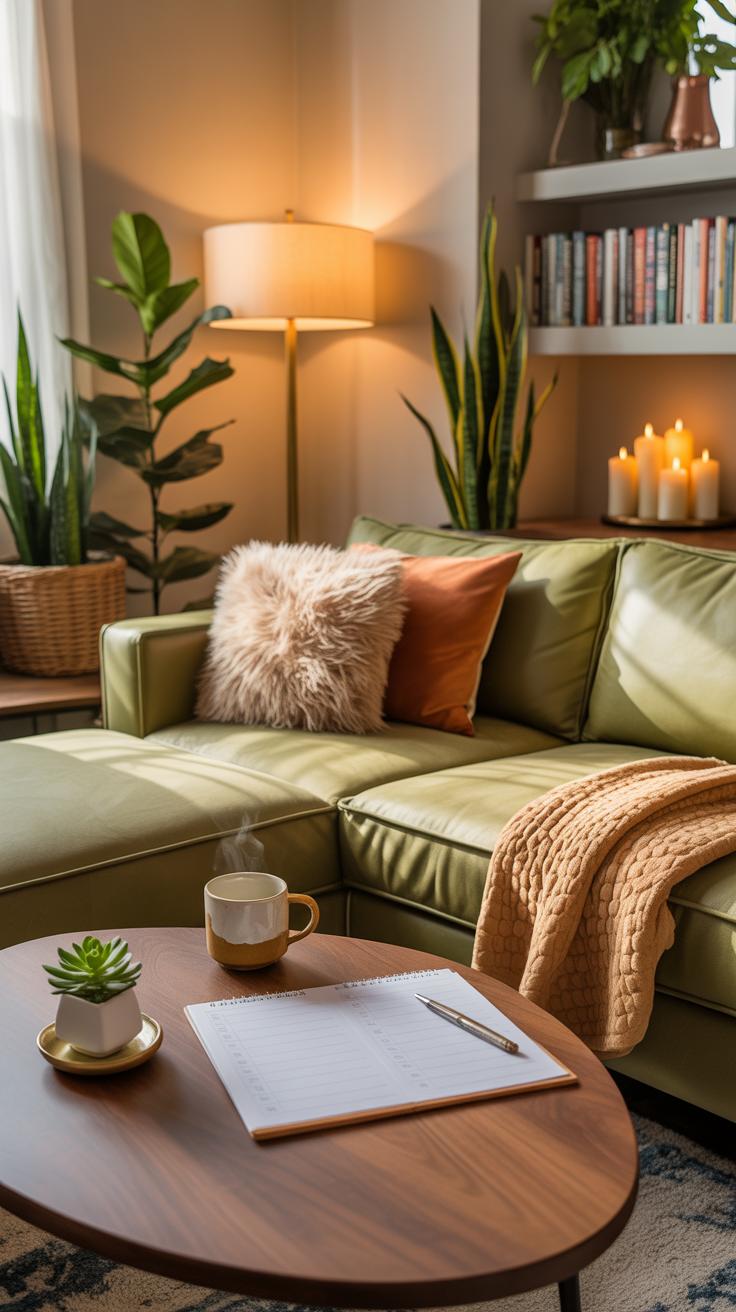
Setting up a cosy living room takes a bit of thought and some planning. Start by measuring your space carefully. Knowing the exact dimensions helps avoid mistakes later on. Next, spend some time observing the natural light during different parts of the day. This will influence where you place your furniture and what kind of lighting you’ll need. Speaking of layout, sketch a rough plan without overthinking it—sometimes a simple arrangement works best.
When you move on to furniture, think about comfort first. You don’t have to go for big pieces; sometimes smaller, well-chosen items work better. For lighting, try mixing sources—table lamps, floor lamps, maybe even candles. This layering creates warmth. Textiles like cushions and throws play a big role too. Don’t shy from mixing textures and patterns, but keep colors within a soothing range.
Finally, add personal touches. It could be a favorite photo, a cherished book, or a quirky little ornament. These items bring the room to life. Remember to keep the space tidy to maintain that welcoming feel. A cozy room isn’t just about looks; it’s about how it feels to you.
Conclusions
Creating a cosy living room ambiance involves careful furniture selection, warm lighting, and personal decor touches. Using soft textures, layered lighting, and comfortable seating makes your space welcoming for everyone.
Consider how each element works together to build the atmosphere you want. With these ideas, your apartment’s living room can become a comfortable, inviting space where you love spending time.