
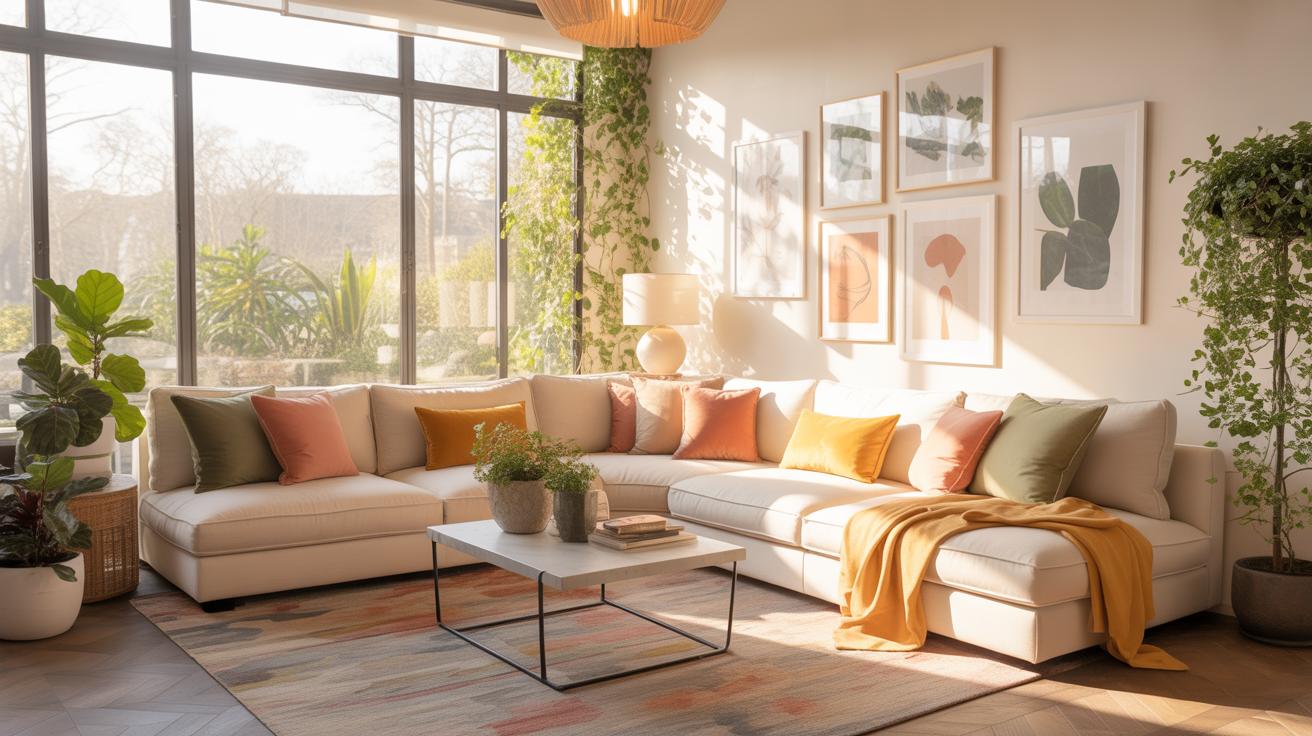
What Makes Interior Design Feel Cozy
Cozy interior design can transform your apartment or house into a relaxing retreat. By focusing on warmth, comfort, and inviting elements, you can create a space that feels like your personal sanctuary. This article discusses practical tips for achieving cozy interior design, tailored for both apartment and house decor.
You’ll learn about essential design features, material choices, lighting, and small details that make a big impact. Whether you are starting fresh or looking to add a warm touch to your current space, these tips cover what matters most in making a cozy and functional home.
Cozy Interior Design Basics
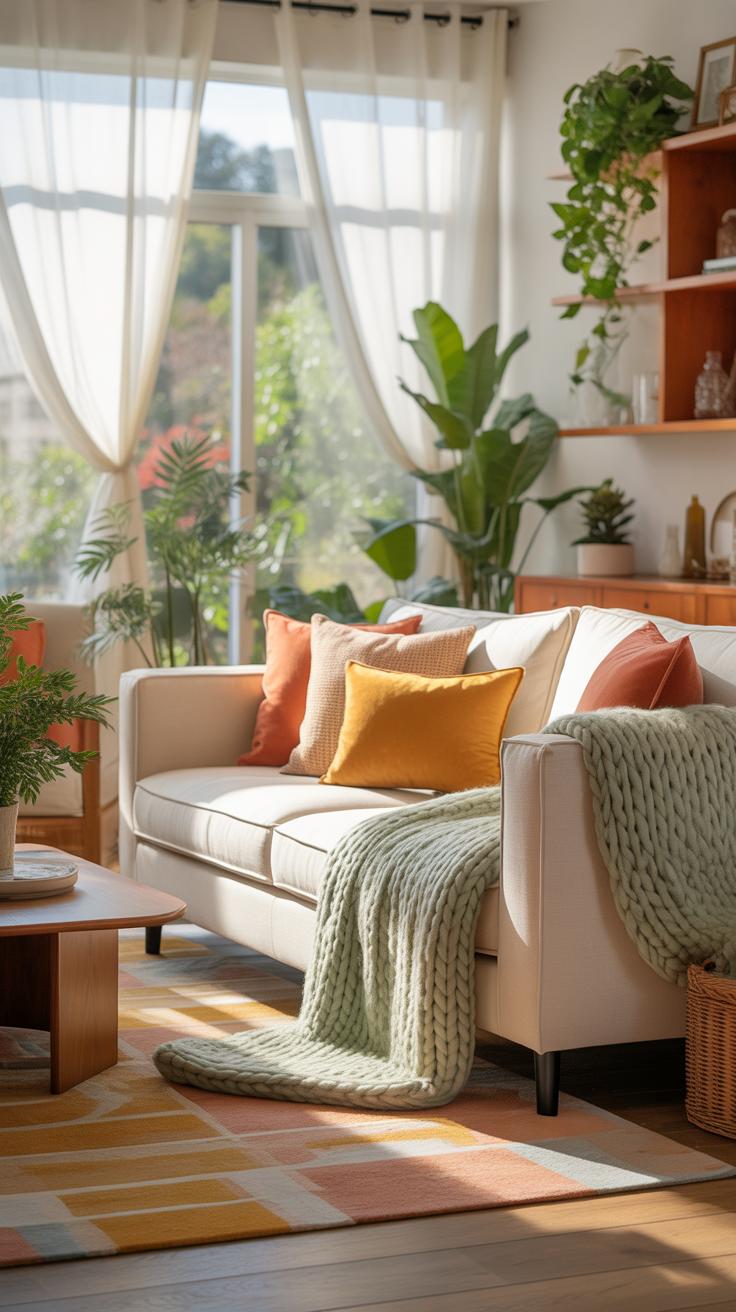
Cozy interior design is about making a space feel welcoming and comforting—places where you really want to linger. When you think of cozy, imagine warmth not just physically but emotionally too. It’s about creating feelings of comfort and intimacy. Spaces that invite you in and make you feel safe and relaxed.
Cozy elements can be simple yet effective. Think soft throws draped over a couch, plush rugs underfoot, or a nook with cushions piled up for reading. It’s the little things like a favorite chair bathed in natural light, or even the subtle scent of a candle. These details create a homey atmosphere, perfect for both apartments and houses alike.

In short, cozy design turns your living space into a personal retreat. It softens the edges of your day-to-day life and wraps you in ease. Have you ever noticed how a room with well-chosen textures and warm colors feels kind of like a quiet hug? That’s the goal.
Core Principles Of Cozy Design
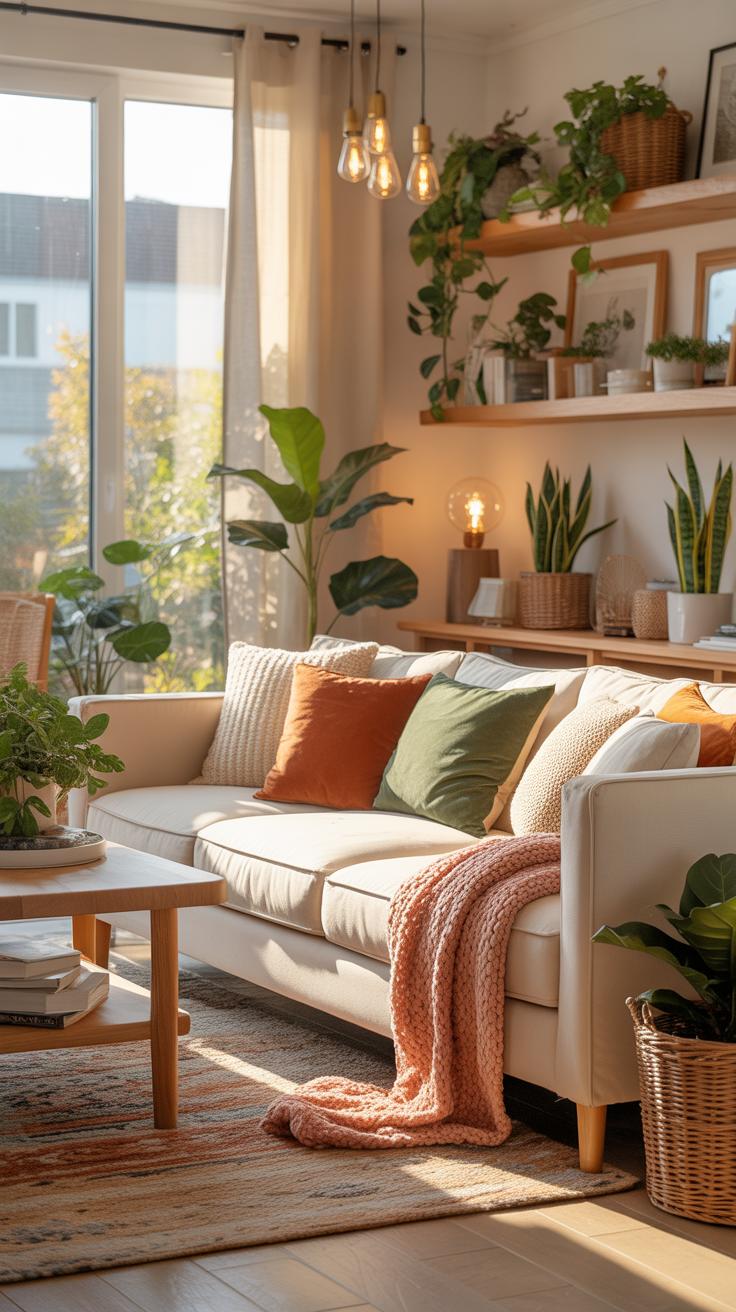
At the heart of cozy design lie a few straightforward ideas—colors, textures, and space use. Generally, warm colors like soft browns, muted oranges, and gentle tans play well in creating a snug vibe. They don’t shout but rather whisper comfort. On the texture front, materials like wool, velvet, and cotton bring life and softness to a room. Imagine running your fingers over a thick knit blanket or sinking into a velvet chair.
Space arrangement also matters. Overstuffed rooms can feel claustrophobic, but sparse, cold rooms don’t invite you either. There’s a sweet spot where furniture encourages closeness but doesn’t crowd you. Group a few chairs near a small table or cozy up a room corner with layered cushions. Simple, right? Still, it’s surprising how much this balance shapes the overall feel.
Warmth Through Lighting Choices
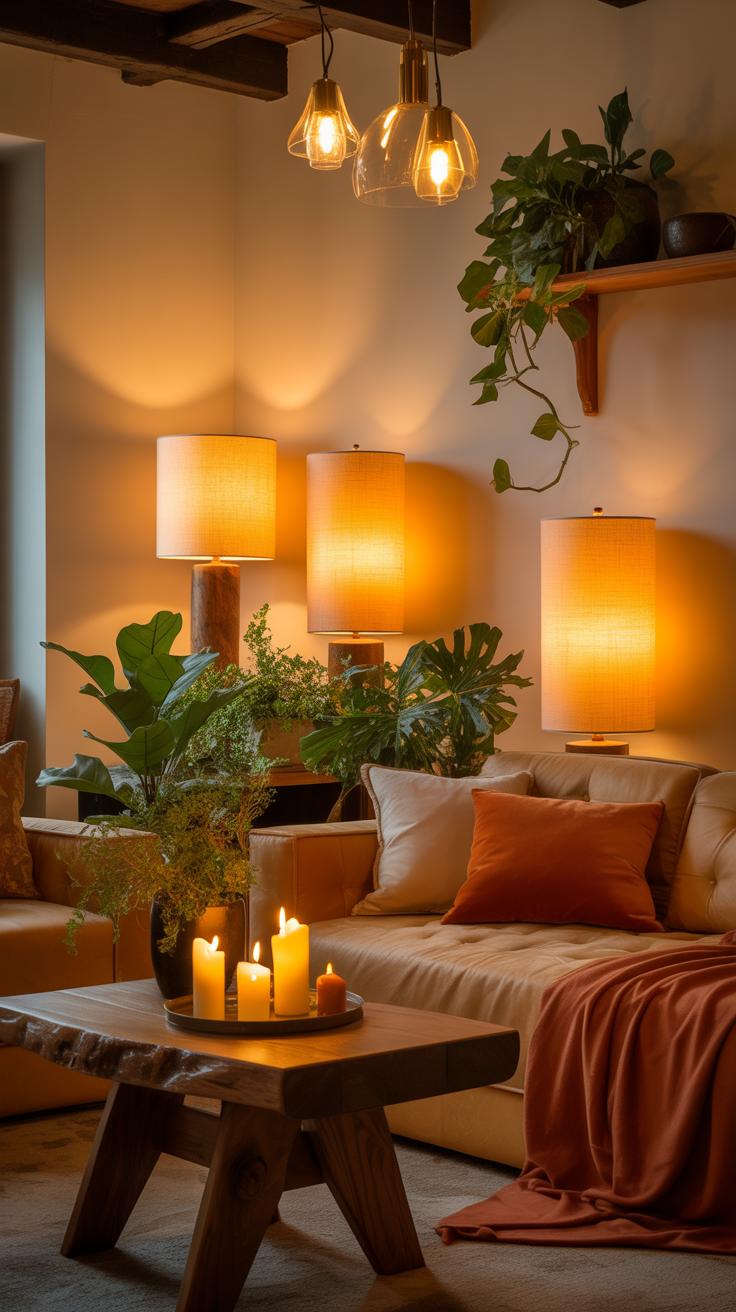

Lighting can make or break your cozy space. Bright, harsh lights tend to zap warmth right out of a room. Soft white bulbs offer a gentler glow that’s easier on the eyes and heart. Candles add something special—an unpredictable, flickering light that calms the mind and makes the space feel more mundane in a good way. Yes, it’s subtle yet powerful.
Layered lighting—mixing overhead, task, and accent lights—lets you customize your mood and atmosphere. Whether it’s a bedside lamp casting a pool of light perfect for late-night reading, or a warm-toned floor lamp that fills a dark corner with gentle warmth, the right lighting invites relaxation. Don’t underestimate how much the right bulb or fixture can transform the vibe of a room.
Materials For Cozy Interior Spaces
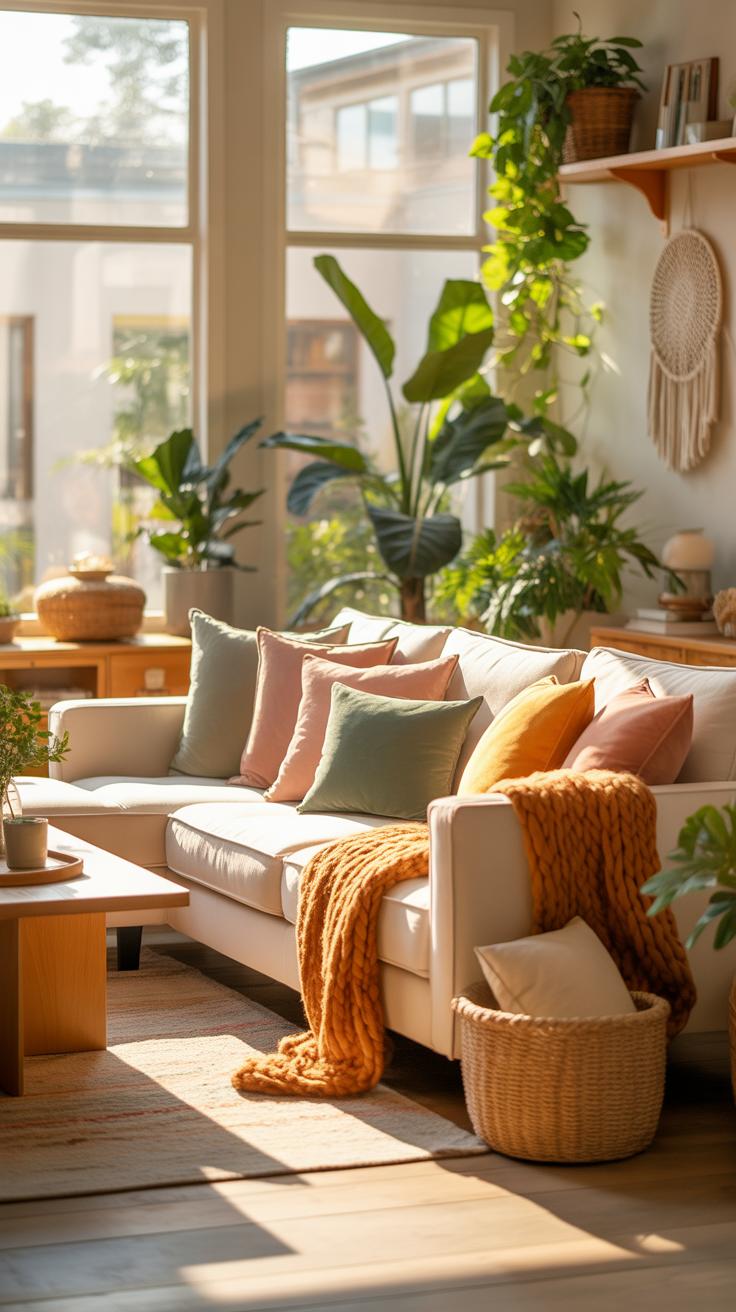
When aiming for a cozy interior, the materials you choose matter a lot. Textiles are where you can bring softness and warmth with ease. Wool, for example, is thick and insulating; perfect for cushions or a chunky throw draped over your sofa on chilly evenings. Cotton might sound plain, but it’s breathable, soft, and versatile—think cotton cushion covers or lightweight rugs that add subtle comfort.
Velvet stands out a bit with its rich texture and slight sheen. It carries a plush feel, making it a great pick for upholstery or accent pillows that invite touch. You might hesitate to go all velvet—it can sometimes feel a little formal—but used sparingly, it adds just the right touch of indulgence.

Moving to furniture, wood is a staple. It brings natural warmth and a timeless look. Whether polished or raw, wooden tables, chairs, or sideboards add an earthy grounding that cozy spaces often need. Paired with upholstery in soft, durable fabrics, especially those made from natural fibers like linen or hemp, you get pieces that feel inviting and lived-in, not stiff or overly styled. A well-used armchair upholstered in faded cotton or a linen sofa can make a room instantly feel more like home.
Flooring options are just as critical. Hardwood floors, with their natural grains and tones, create warmth underfoot—even if you like to layer them with rugs for softness and extra comfort. For a different texture, consider cork or wool rugs—they have a springy softness that almost begs you to sit or lay down. These choices don’t just look cozy; they influence how comfortable you actually feel in a space.
Have you noticed how certain materials just make you want to slow down and relax? That’s not accidental. It’s about creating layers your senses respond to, in a kind of tactile conversation between you and your home. Some might prefer the rustic feel of jute furniture accents; others lean into the sleek comfort of velvet cushions paired with plush wool rugs. Both routes point to a core idea: warmth that you can see, touch, and feel.
Color Schemes To Enhance Warmth
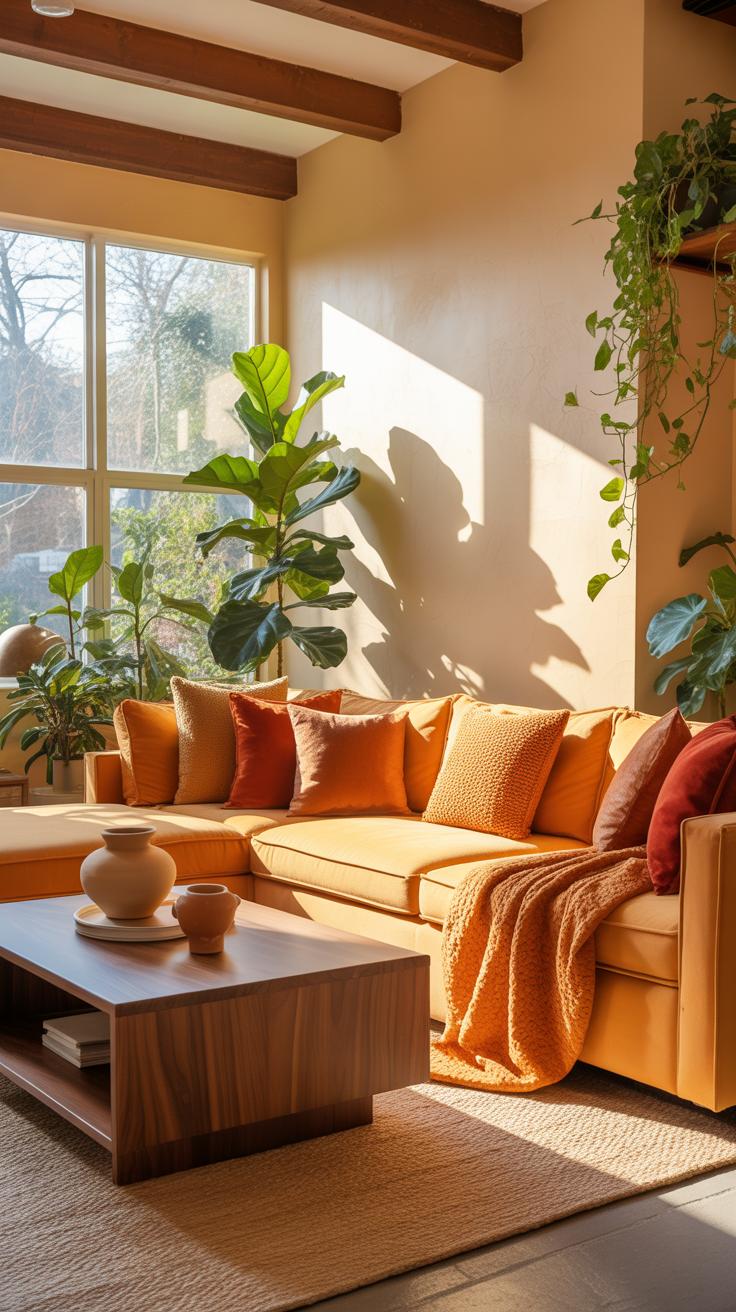
Choosing the right colors can really change how warm and inviting your home feels. Colors like beige and brown provide a natural, earthy warmth. Terracotta, with its reddish-orange hue, stands out as a favorite for adding coziness without being overwhelming. These tones, alone or in combination, can work well in both small and large rooms, but the effect depends on how much light is available and the room’s purpose.

Small spaces might benefit from lighter warm tones to avoid feeling cramped. Beige or soft browns create openness while still keeping the space snug. Big rooms, on the other hand, can handle deeper shades like terracotta or rich browns, which add a sense of intimacy to expansive areas. It’s about striking that balance between embracing warmth and maintaining openness.
Choosing Colors For Different Rooms
Every room serves a distinctive role, so colors should complement that purpose to foster comfort. Living rooms often do well with warm neutrals like soft brown or beige because they provide a welcoming backdrop for socializing. Bedrooms, where relaxation is key, might use muted warm tones to create a calming cocoon effect—sometimes a light terracotta can feel just right.
Kitchens, on the other hand, can tolerate brighter warm colors. A dash of warm yellow or an orange tint can stimulate appetite and conversation. But why do some colors feel warmer? It’s partly about associations—reds and oranges feel like fire and sunlight—and partly about how our eyes interpret light and warmth psychologically. This explains why you might feel cozier in a room painted with warm shades, even if the temperature is the same.
Balancing Bold And Neutral Shades
Mixing bold colors with neutrals is a delicate task. Too much brightness can make a room feel chaotic, while too many neutrals risk dullness. The trick is to use bold warm colors as accents—a terracotta pillow, a brown throw, or a beige wall paired with a brighter patterned rug. These touches keep things lively without overwhelming.
It’s tempting to load the space with bold tones for impact, but a thoughtfully neutral base helps those colors pop and breathe. Sometimes, less is more, but you might need a splash of boldness to avoid a bland, lifeless room. Trust your instinct—does it feel welcoming or too intense? It’s a personal balance that evolves as you live with the colors.
Furniture Layout For Cozy Living
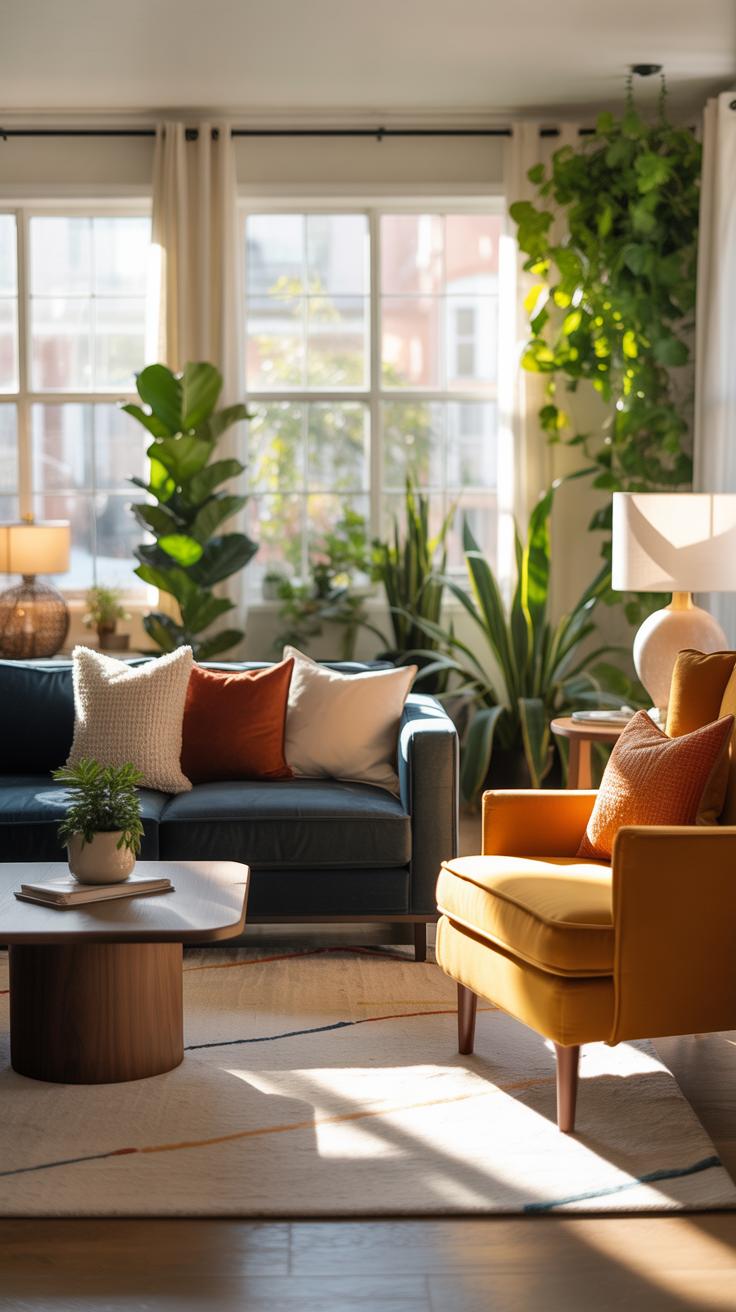

Arranging furniture in a cozy interior space isn’t just about placing pieces—it’s about shaping how people feel and interact. When setting up your living area, think beyond just filling the room. Try forming intimate conversation spots where people naturally gather. This often means grouping sofas and chairs close enough for easy chatting but with enough breathing room to keep the space inviting, not cramped.
Flow matters less than you might expect, but it still counts. Leave clear paths so movement isn’t awkward, but don’t overdo it by spreading everything too far apart. Cozy isn’t about wide-open expanses; it’s about pulling people together. Multi-use furniture helps a lot here, especially in small apartments. Ottomans that double as storage, fold-out tables, or wall-mounted shelves can free up space without sacrificing warmth or comfort.
Try this: arrange a small sofa facing two armchairs with a round coffee table in the center. This encourages eye contact and easy conversation. Add side tables near each seat for placing drinks or books. And for tighter spots, consider a cushioned bench that fits under a window, giving both seating and a sense of enclosure without overwhelming the room.
You might wonder if having too many pieces disrupts comfort. Sometimes, fewer but well-chosen and well-arranged items make the space feel cozier than cramming in everything you own. Don’t be afraid to test different layouts. Your idea of cozy might shift once you live with the space a little.
Lighting Techniques For Warm Atmosphere
Layered Lighting Explained
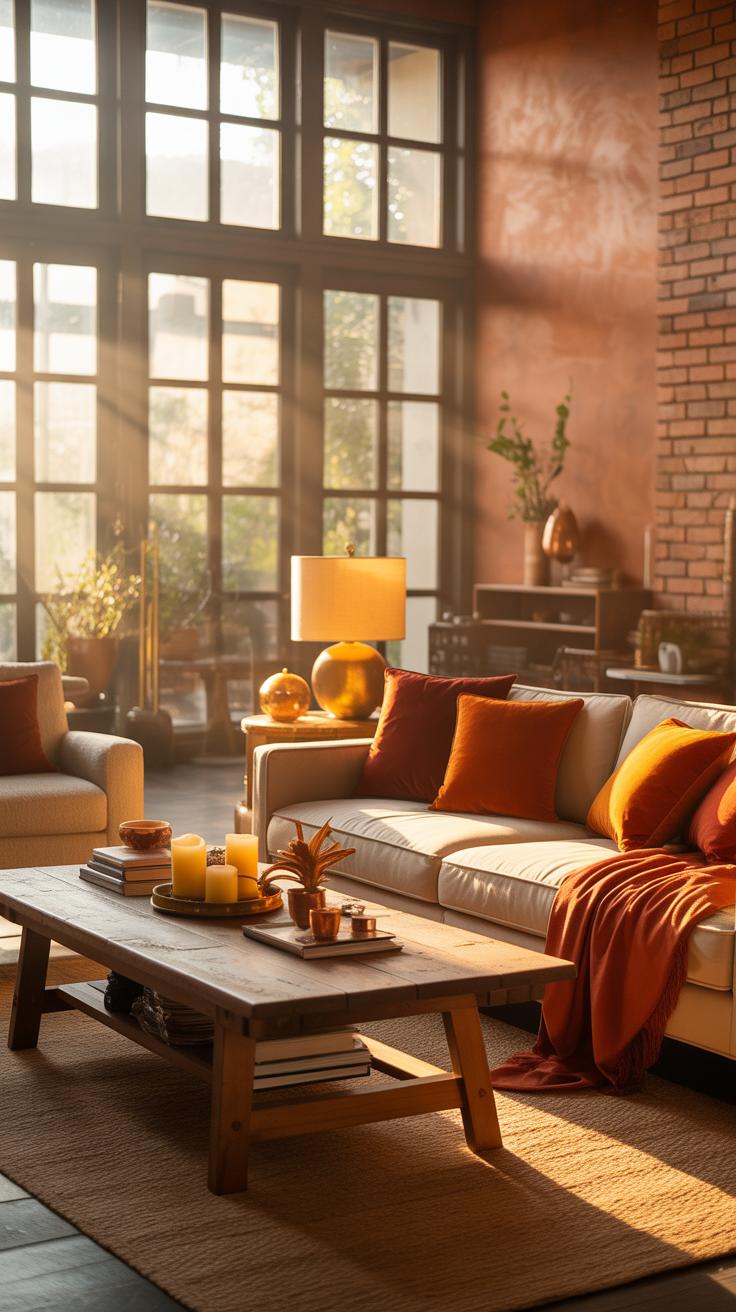
Layered lighting is about combining different light sources to create depth and warmth in a room. You start with ambient light, which fills the space and sets the overall tone. Think ceiling fixtures or wall sconces that provide a soft, even glow. Then, task lighting comes in—these are brighter lights focused on specific areas, like reading lamps or kitchen under-cabinet lights. Finally, accent lighting highlights particular features such as artwork or architectural details. In practice, a living room might have a ceiling light for ambient, a floor lamp near a chair for tasks, and LED strips behind a bookshelf for accent. This layering can be subtle but makes the environment feel more inviting and personal.
Using Natural Light Efficiently
Natural light is a game changer for cozy spaces. The key is to let it in without harsh glare. You might choose sheer curtains that soften sunlight rather than block it out fully. Mirrors placed opposite windows bounce light deeper into the room, making it feel brighter without increased heat. Combining this with softer electric lighting lets the space transition smoothly from day to night. You don’t always need heavy lighting—sometimes just a well-placed candle or a warm-toned bulb can complement daylight and maintain that warm atmosphere when the sun sets. Balancing natural and artificial light feels a bit like tuning an instrument; you adjust until it just feels right.
Decorative Elements To Personalize Spaces
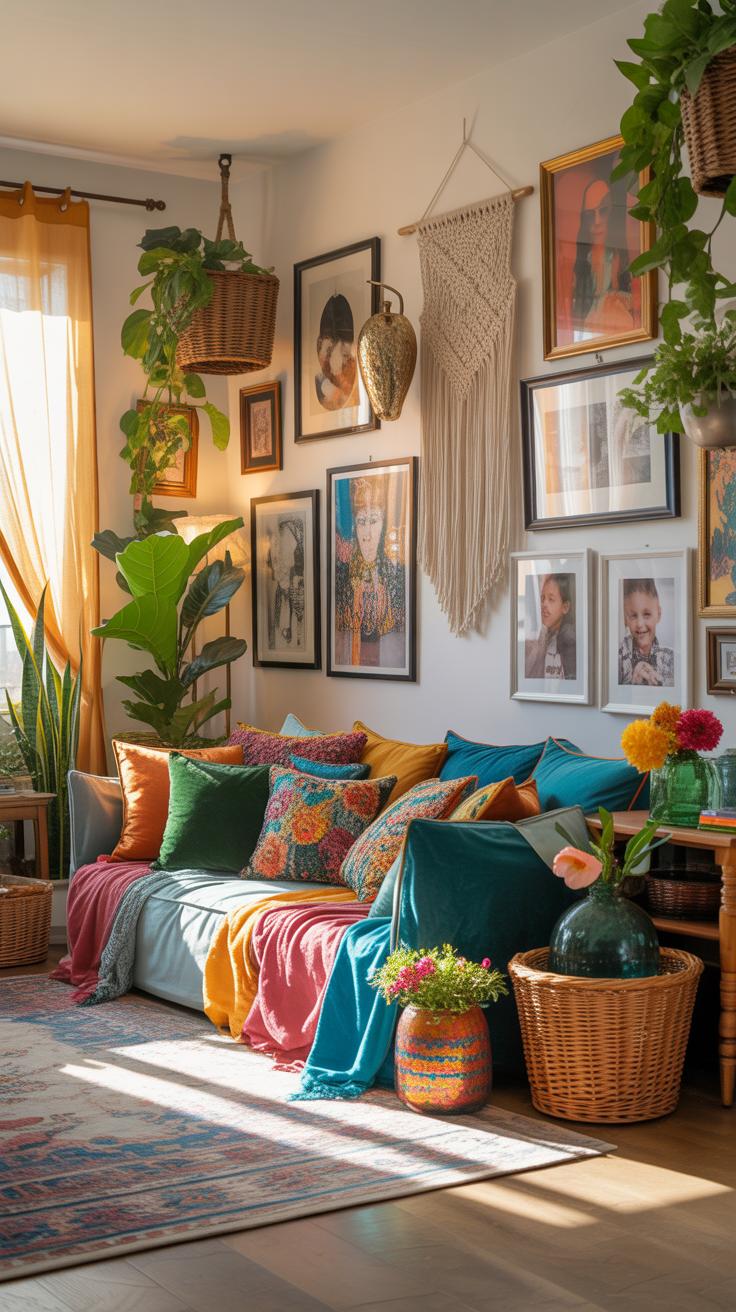

Choosing decorative elements like cushions, artwork, plants, and rugs can make your apartment or house feel uniquely yours. These items do more than fill space—they create an inviting, cozy atmosphere that welcomes you in after a long day. The textures of soft cushions or the vibrant colors of a well-chosen rug engage your senses, grounding the room in comfort.
When picking these accents, consider what truly speaks to your personality. Ask yourself: What colors calm you? Which patterns inspire or soothe you? It’s easy to get swept up in trends, but a piece that reflects your style, even if it’s a little quirky or unexpected, holds more warmth.
Art can dramatically change a room’s vibe without overwhelming it. Choose one or two standout pieces instead of overloading the walls. It’s about striking a balance—adding character without clutter.
Houseplants deserve a special mention. Beyond their visual appeal, they improve air quality and soften the edges of any room. Even a few well-placed greenery can provide a fresh breath and life to a space that might otherwise feel static or sterile.
Common Mistakes In Cozy Design
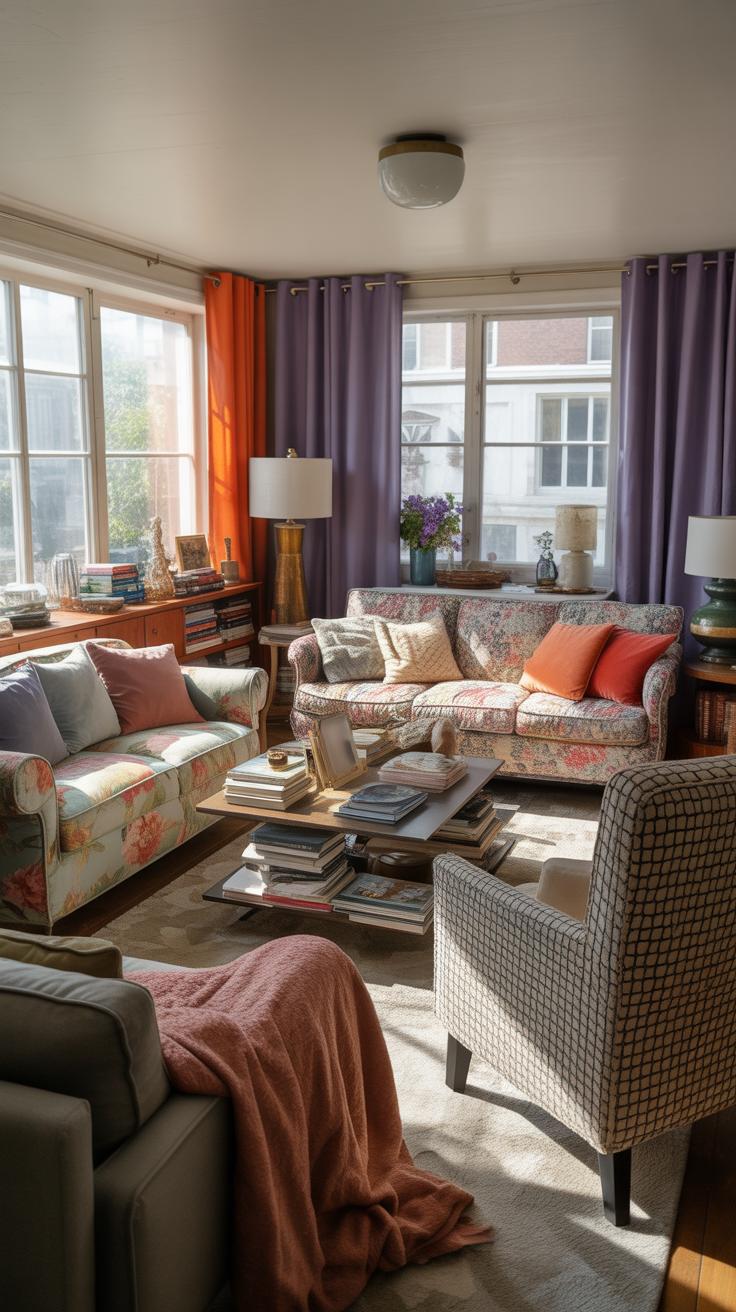

When trying to make a space feel cozy, people often slip into a few traps without realizing it. Overcrowding is a big one. Filling every surface with decor or furniture creates a cramped feeling instead of a welcoming one. The trick is to leave breathing room—select a few meaningful pieces rather than everything you fancy, and let space work for you.
Poor lighting messes with coziness too. Harsh overhead lights kill that soft, relaxed vibe you want. Use a mix of lamps, candles, or fairy lights to create gentle, layered lighting that actually invites you to stay a while.
Another misstep is ignoring how the space functions for you. Sure, a room might look picture-perfect on a magazine cover, but if it’s uncomfortable or awkward for daily use, the coziness fails. Think about where you sit, move, and what you need close at hand.
Avoiding Clutter And Overload
It’s odd how too many things can make a place feel less warm. There’s a balance between tidy and sterile—too few objects might seem cold, but overload makes the room chaotic. To keep coziness intact, try this:
- Regularly purge things you don’t use or love.
- Organize items in attractive containers or baskets.
- Use surfaces like shelves wisely—don’t cover them completely.
This keeps your space inviting without the stress of clutter.
Balancing Style With Comfort
Too often, people pick furniture or accents based on looks alone. But if a chair is beautiful with a hard seat, or a couch looks sleek but wrinkles your back, that’s a problem. Comfort has to come first; style can follow. When you value feeling good over perfect appearance, your space becomes genuinely warm and lived-in.

Think about how you really use your rooms. Does your sofa invite lounging, or is it just for show? Are your textiles soft enough to snuggle into? Such considerations ensure that the decor feels welcoming every time you walk in.
Easy Refresh Ideas For Cozy Makeovers
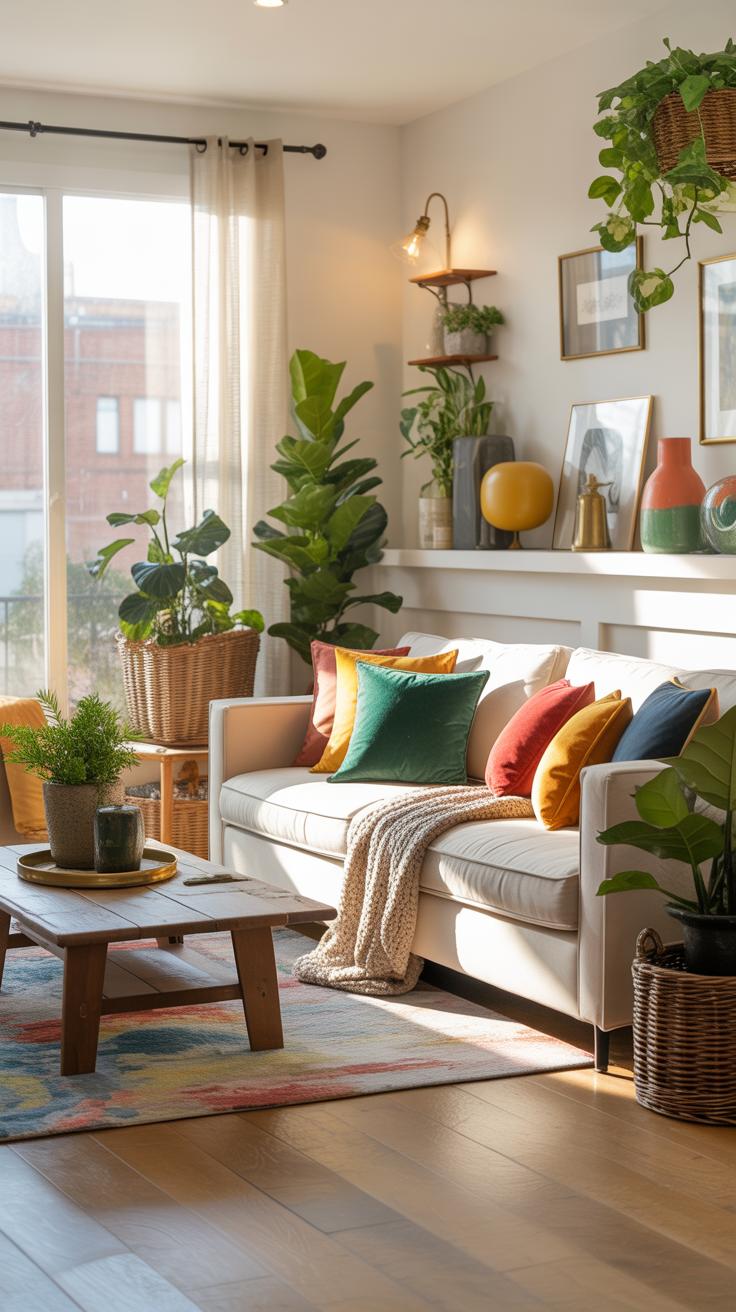
Looking to give your space a cozy lift without tossing out your budget? There are lots of simple, budget-friendly tweaks you can try that feel fresh but don’t require a big overhaul. Sometimes, even small changes make the biggest difference — like switching out a few key textiles or rearranging your lighting setup.
Quick Textile Updates
Replacing cushions or blankets is surprisingly effective. Look for soft, tactile fabrics like chenille or fleece that add instant warmth. Thrift stores or clearance sales offer great finds, sometimes like new. Rugs, especially smaller area rugs, layer warmth and texture, making rooms feel snug. Don’t overlook the power of pattern or color shifts — even subtle changes can refresh your room’s mood.
Lighting And Decoration Tweaks
Changing up lighting is often underestimated. Swap a harsh overhead light for softer lamps or string lights to create a calmer vibe. Try warm bulb tones for a comforting glow. Small décor changes, such as new artwork, plants, or well-placed candles, can subtly shift the room’s feeling almost overnight. You might not even need to buy new things — rearranging what you have can be surprisingly “cozy-inducing.”
Conclusions
Creating a cozy interior design is about blending comfort with style. Using soft materials, gentle lighting, and personal touches can make your apartment or house feel warm and inviting. Remember, simple changes can lead to big improvements in your home atmosphere.
Consider your lifestyle and preferences while applying these tips. A cozy home is not just beautiful, it supports your well-being and happiness every day. Start with small steps, and gradually build the cozy space you desire.