What Defines Joanna Gaines’ Living Room Style
Joanna Gaines is a well-known interior designer and television personality who co-hosted the popular home renovation show Fixer Upper. She has influenced millions with her unique style and practical home decor tips. In this article, we will focus on Joanna Gaines living room style and explore the design elements that define her signature look.
You will also learn valuable Gaines Fixer Upper home decor tips to help create a warm, inviting living room. These tips are practical and easy to apply, helping you bring farmhouse-chic style into your own home with confidence and ease.
Joanna Gaines Living Room Style Insights
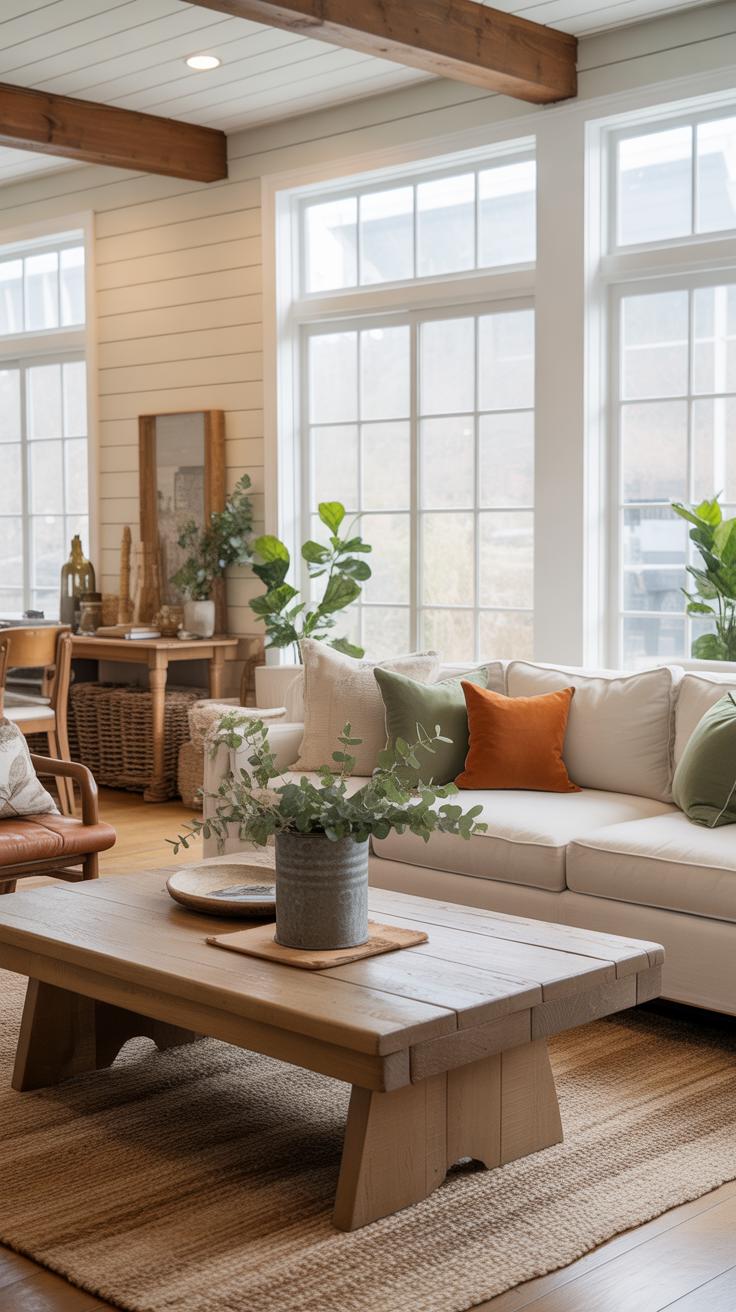
Joanna Gaines’ living room style is instantly recognizable, yet somewhat hard to pin down exactly—there’s a certain warmth and effortless charm to it. It’s not just about putting things together; it feels like every piece has a little story or memory embedded in it. The mix of modern, rustic, and vintage elements creates a cozy yet polished atmosphere that many find appealing.
People often mention the welcoming vibe that fills her spaces. Natural materials, open layouts, and soft lighting contribute to an inviting feel, but there’s also a refined simplicity beneath it. You might wonder why her style resonates so well—perhaps because it’s balanced without being too perfect, practical but with a touch of elegance.

Joanna’s approach seems to blend function with personality. Her living rooms don’t look overly staged; instead, they invite you to sit down and stay a while, which is no small feat in design.
Key Elements Of Joanna Gaines Living Room Style
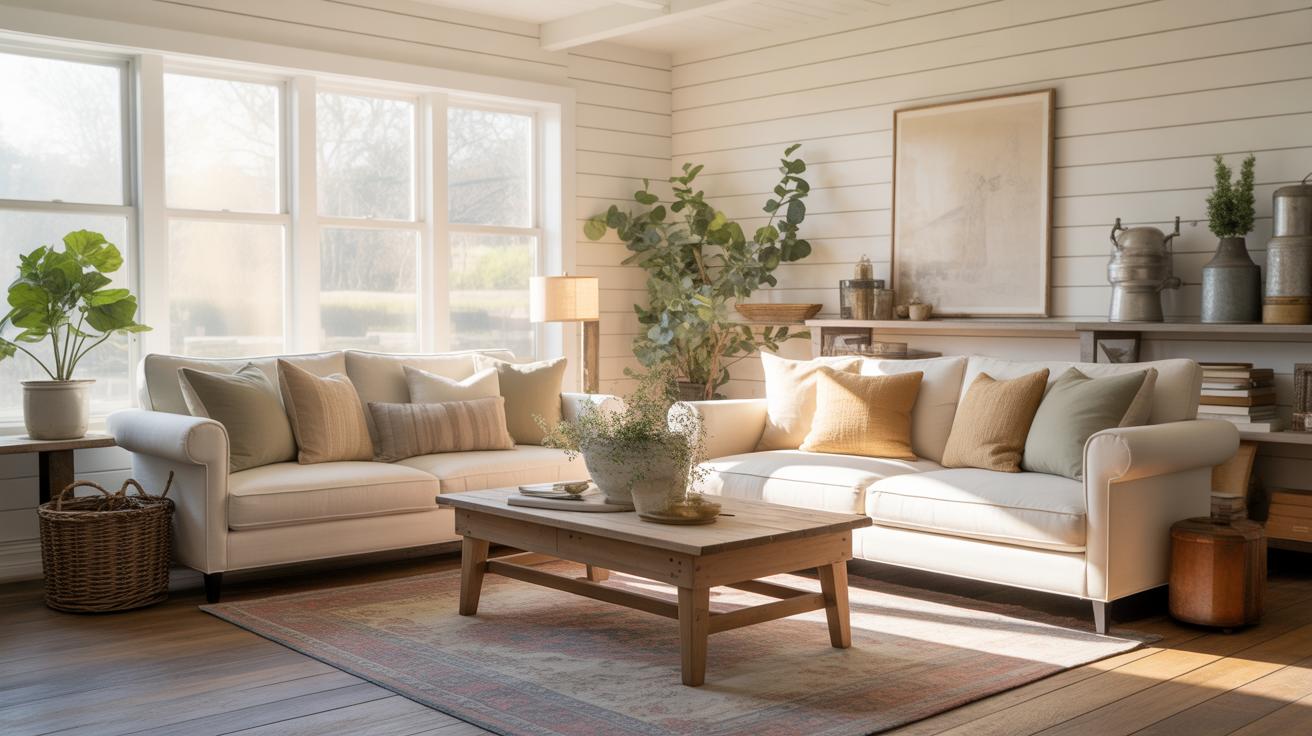
When you look closer, a few design choices pop out as consistent hallmarks. First, the furniture leans towards large, comfortable pieces—think overstuffed sofas and armchairs that beg for use. She favors natural wood tones mixed with neutral upholstery, often in linen or cotton.
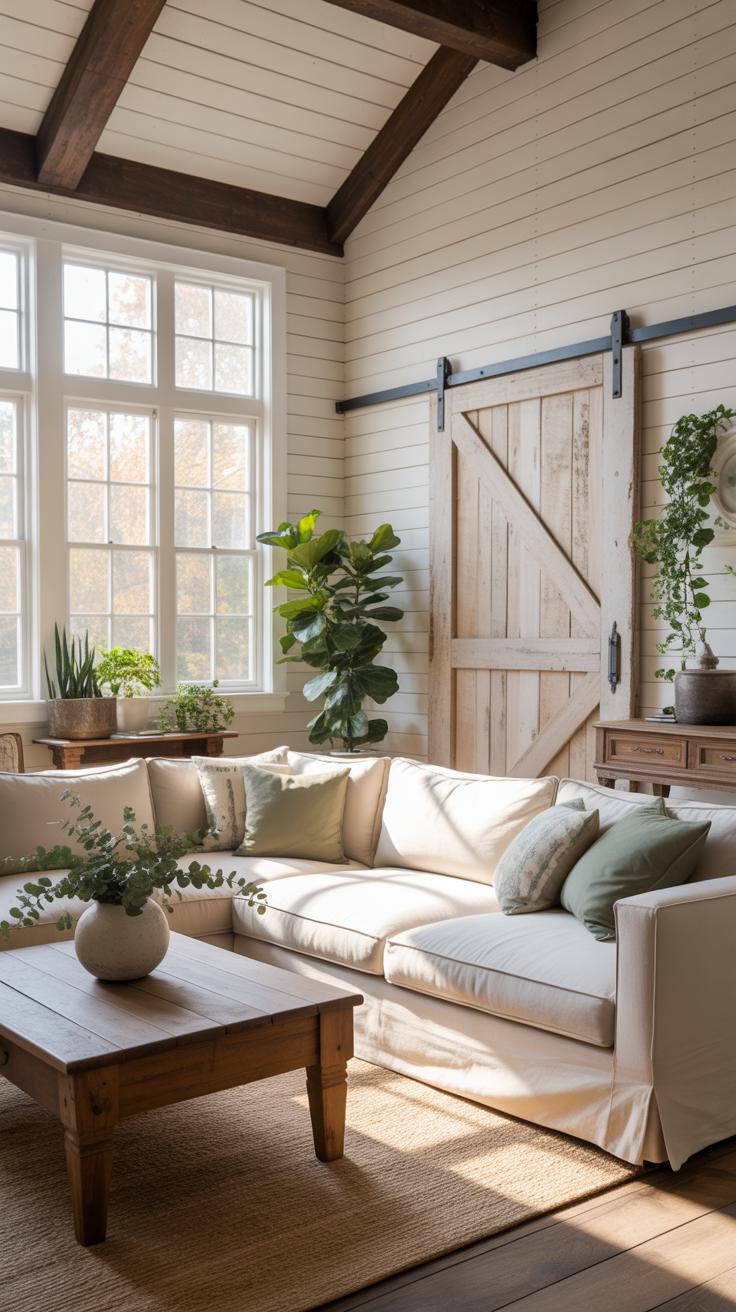
There’s an evident love for handcrafted items and reclaimed materials, which add texture and history. Farmhouse-inspired finds—like a weathered coffee table or a barn door sliding in the background—anchor her rooms, but they don’t dominate.
Decorative accessories are understated yet meaningful: woven baskets, vintage books, simple pottery, or greenery. The balance between bold statement pieces and subtle accents tells a quiet story of timelessness.
How Joanna Gaines Chooses Colors And Textures
Joanna’s color palettes tend to stick with soft neutrals—creams, beiges, gentle grays—but there’s often a muted blue or green thrown in. The choice feels natural rather than planned, like colors that have been softened over time by sunlight and life.
Textures play a huge role in how these rooms come alive. Rough-hewn woods, slubby linens, woven rugs, and knit throws offer a tactile richness that invites touch, not just sight. This layering of texture prevents any room from feeling flat or too clinical.

There’s also a rhythm in the way she mixes smooth and rough surfaces, glossy ceramics next to woven baskets. It’s subtle but powerful. Perhaps the reason these choices work so well is that they remind us of lived-in homes, not showrooms—places where things have been collected rather than bought all at once.
Fixer Upper Home Decor Tips Checklist
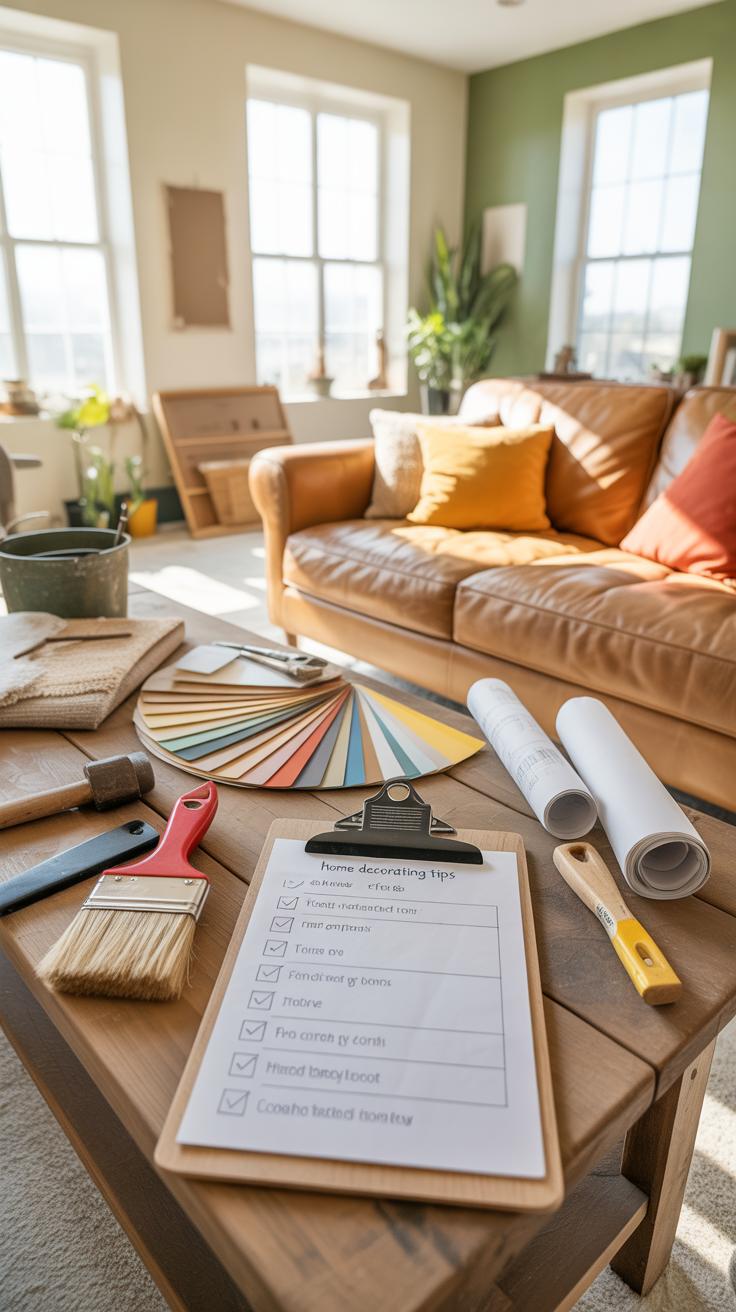
When creating a cozy and stylish living room inspired by Joanna Gaines and Fixer Upper, start with a practical checklist to keep the design process simple and effective.
- Focus on natural materials. Use wood, linen, and cotton to bring warmth and texture.
- Embrace neutral colors. Whites, creams, soft grays, and muted earth tones are essential.
- Add farmhouse touches. Think shiplap walls, barn doors, or vintage signs.
- Balance comfort and style. Cozy seating with an inviting layout is key.
- Layer textures. Mix rugs, pillows, and throws for depth.
- Keep décor simple. Avoid clutter; pick a few meaningful items instead.
- Incorporate greenery. A few well-placed plants refresh the space.
Following even part of this list helps you get closer to that lived-in, yet carefully curated Gaines vibe. You don’t have to be super exact, but the basics guide well.
Step By Step Living Room Setup
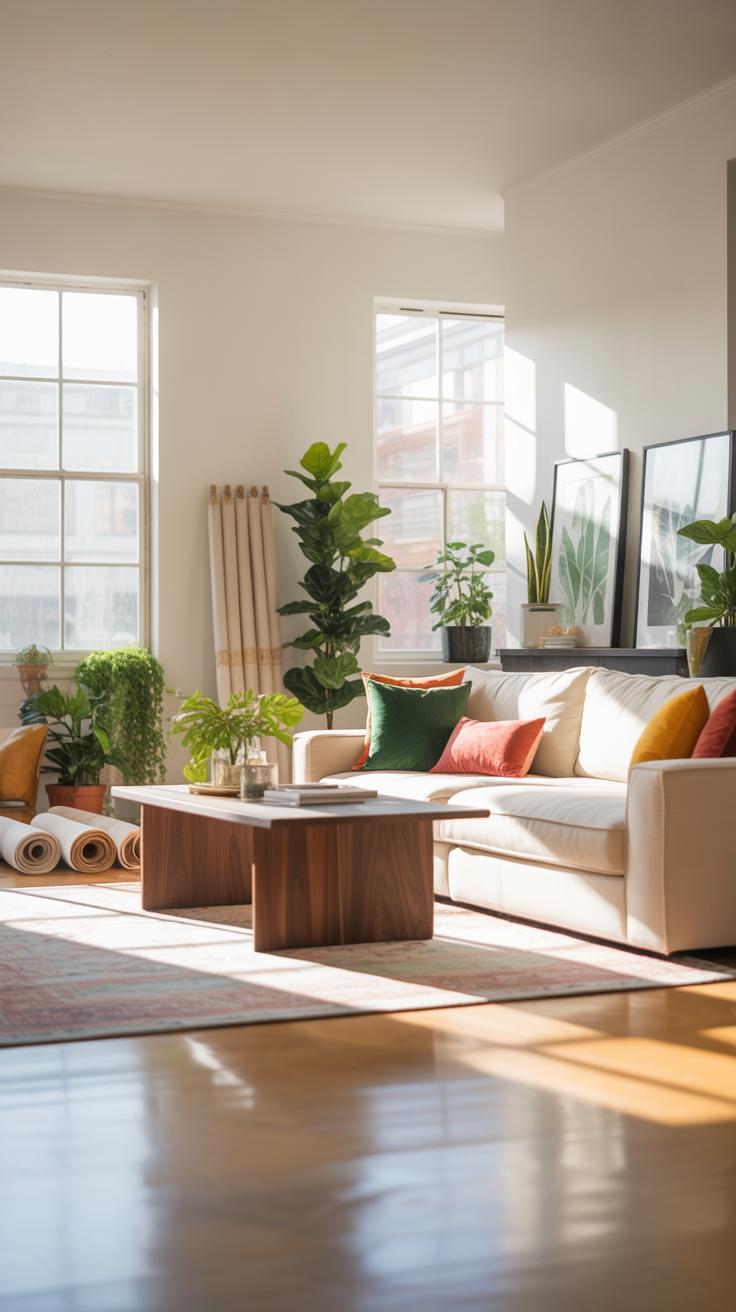
Setting up a living room as Joanna Gaines might involves a clear sequence. Start by defining the room’s function. Are you aiming for family time, entertaining guests, or quiet reading? Next, choose key furniture pieces that fit the space but also invite relaxation.

Think of a sturdy, neutral sofa that feels welcoming. Then, layer in side tables and a coffee table with character—often wood with some wear or classic finishes. Avoid overly modern or sleek options; Gaines prefers warmth and history.
After the big furniture is set, consider the flow. Leave space for movement. Group seating to encourage conversation. Lighting matters too; combine ceiling lights with lamps or sconces to create varied moods.
Finally, add personal touches with decor but resist overdoing it. A well-placed piece of art, a couple of framed photos, or a basket of books is enough. The room should feel lived-in but not messy.
Selecting Key Decor Accessories
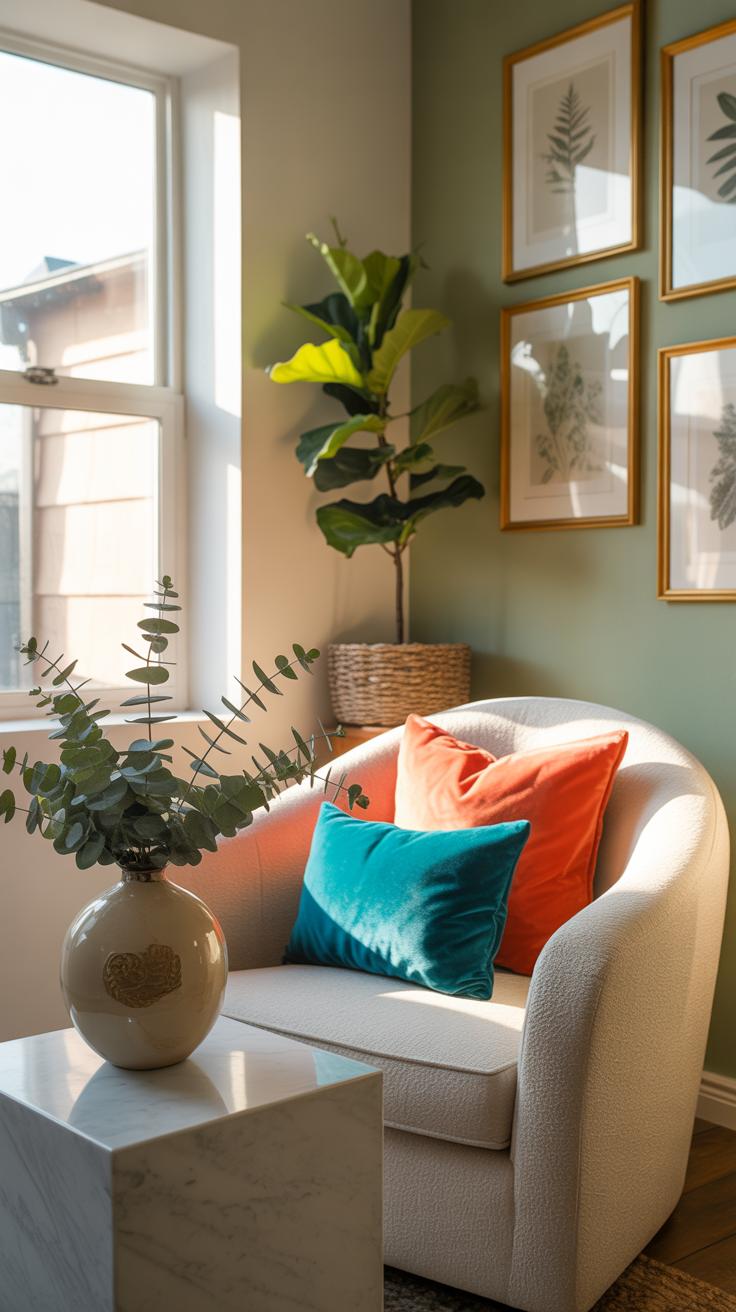
Joanna Gaines doesn’t clutter her spaces with decor. Instead, she chooses accessories with care.
When selecting pillows, look for natural fabrics like linen or cotton in muted colors with subtle patterns—stripes, checks, or soft florals usually work. Avoid anything too flashy or synthetic feeling. Rugs should feel soft underfoot and have a handmade appeal, often woven or braided styles in neutral shades that tie the room’s colors together.

Lighting is about function and atmosphere. Lamps with simple shades, warm bulbs, and bases made from ceramic, wood, or iron fit the aesthetic. Wall decorations usually include vintage signs, botanical prints, or simple wooden frames.
Ask yourself: Does this piece add warmth or texture? Does it tell a story or simply fill space? If not, maybe skip it. Gaines’ style thrives on thoughtful restraint, not excess.
Joanna Gaines The Woman Behind the Style
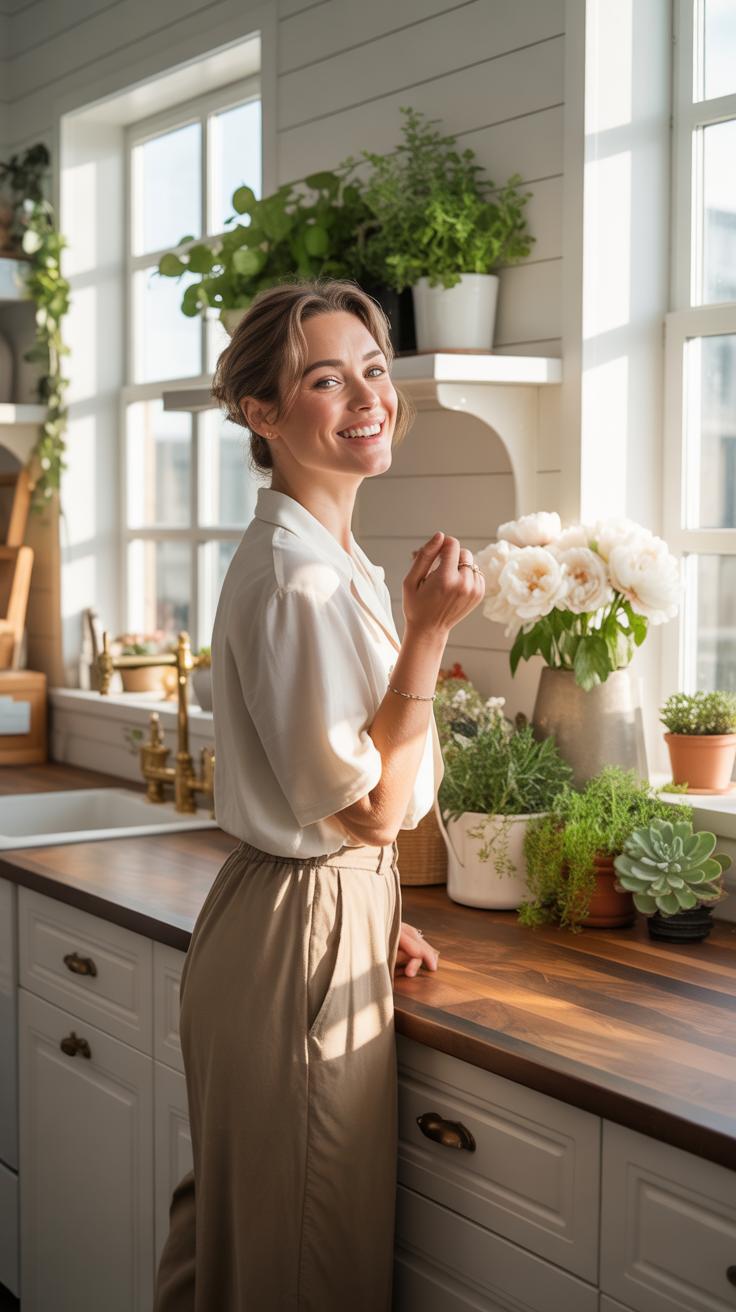
Joanna Gaines is not just a name but a personality that reshaped interior design for many. If you’ve ever caught an episode of Fixer Upper or browsed through the Magnolia brand, you know her influence runs deep. Her style ties back to a simple, lived-in charm that feels warm and accessible. It’s not about flashy or overly modern twists, but about spaces that invite you in, with elements you can almost touch and feel.
She grew up experiencing different cultures and environments — which perhaps adds layers to her designs: a mixture of roots and modern sensibility. Her journey from a communications graduate with hopes of journalism to a homemaker and designer reflects a creative evolution. There’s something tangible in how she balances her farmhouse roots with contemporary needs, avoiding extremes.
Joanna’s hands-on approach speaks volumes too. She’s not just about buying the trendiest pieces; it’s about crafting a story in every corner. When you walk into a Gaines living room, it feels personal and inviting—but also carefully curated. You might wonder, how does she pull this off so naturally? It’s probably a blend of instinct, experience, and a keen eye for combining old and new.

One thing that stands out is her emphasis on making design practical. The farmhouse style she champions isn’t just aesthetic; it’s functional, too — designed for everyday life, not just for show. You start to realize that Joanna’s style isn’t only about looking good, but also about feeling right.
Joanna Gaines Inspired Color Schemes
Neutral And Earth Tone Palettes
Joanna Gaines gravitates toward neutral and earth tones in her living room designs. These palettes include shades like beige, cream, soft browns, and muted greens, which create a calm, inviting atmosphere. Perhaps what makes these colors so effective is their ability to ground the space without making it feel cold or sterile. They serve as a quiet backdrop, allowing textures and furniture to stand out without competing for attention.
Using these tones doesn’t mean the room has to be dull. The trick lies in layering. Try mixing various shades of the same color to add depth. For instance, a cream sofa paired with taupe pillows and a warm beige rug brings out natural warmth. Plus, these colors adapt well to different lighting, making your space feel cozy at any time of day.
Accent Colors For Warmth
To avoid a too-neutral or flat feel, Gaines often introduces accent colors. Think terra cotta, burnt orange, or mustard yellow—colors that add warmth and interest without overpowering. You could introduce these through throw pillows, artwork, or even a single furniture piece. It’s subtle but impactful.

The key is restraint. Accents are accents because they shouldn’t dominate the room. When in doubt, less is more. A small pop here and there keeps the space lively without cluttering it visually. Also, the warmth these colors bring can make a neutral room feel less like a showroom and more like a lived-in home.
Have you tried blending earth tones with warm accent colors in your living room? What did you notice about the mood it created?
Building A Cozy Living Room Atmosphere
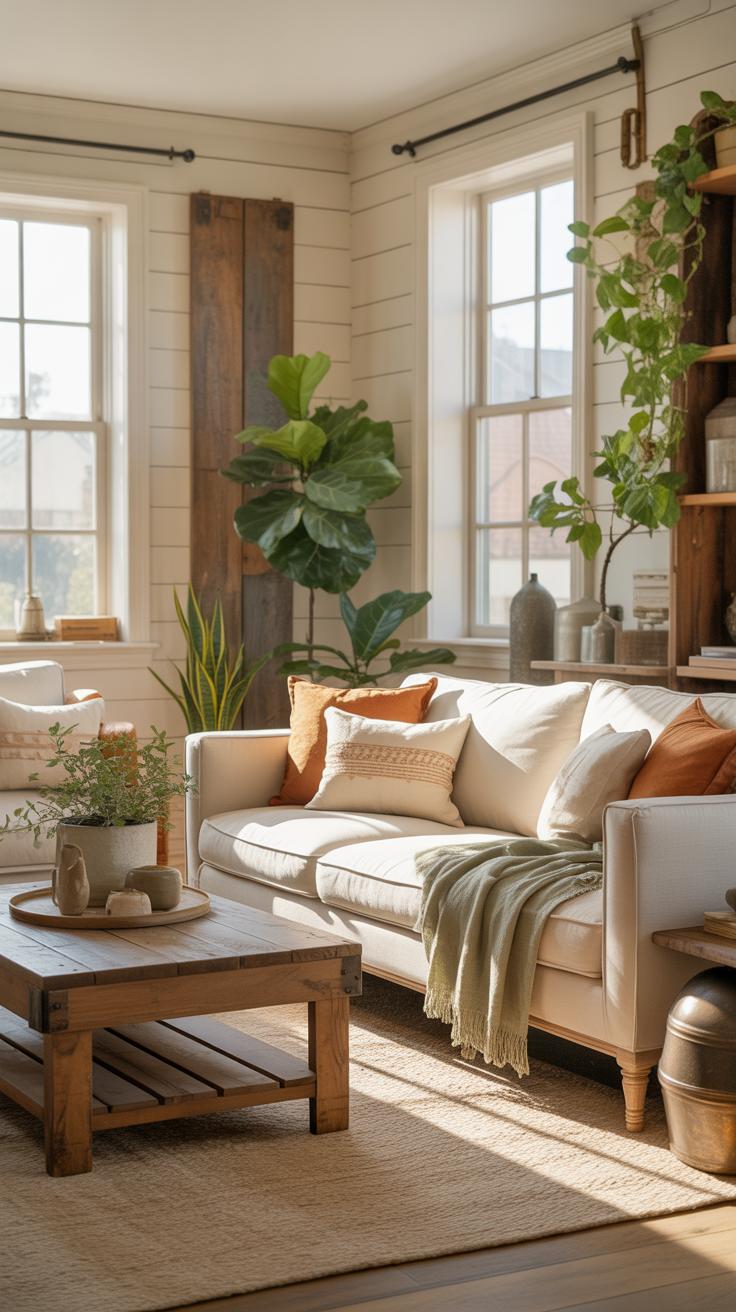
Joanna Gaines has a way of crafting living rooms that feel like an embrace. Her style isn’t about flashy statements—instead, it leans into comfort and warmth. You’ll notice she often arranges furniture to encourage conversation, making the layout inviting rather than formal or rigid. It’s not about filling space with stuff, but about thoughtful placement that feels natural.
When thinking about lighting, Joanna doesn’t just aim for brightness; she aims for mood. Table lamps with warm bulbs, layered with natural light during the day, create a steady, soft glow. Sometimes it’s about balance—a room too bright can feel stark, while too dim might feel gloomy. She combines overhead lights with lamps and even candles to build that comfortable layer of light you want.
Textiles play a big role in her approach. You’ll find plenty of throw blankets, cushions in varying textures, and rugs that anchor the room. These aren’t just decorative; they invite you to sit, relax, and stay. She mixes patterns and materials in a way that feels collected over time rather than all perfectly matching. That gives the space a warmth that’s a bit lived-in, something you want to come back to.
Have you noticed how some living rooms feel cold even with all the right furniture? Gaines’ style avoids that, seemingly by paying attention to tiny details—like how a softly woven throw can counterbalance a sleek sofa. It’s not just about aesthetics but about what draws you in. Maybe this is why her rooms often encourage lingering. It’s a balance that’s tricky but worth aiming for in your own home.
Furniture Selection Tips From Gaines
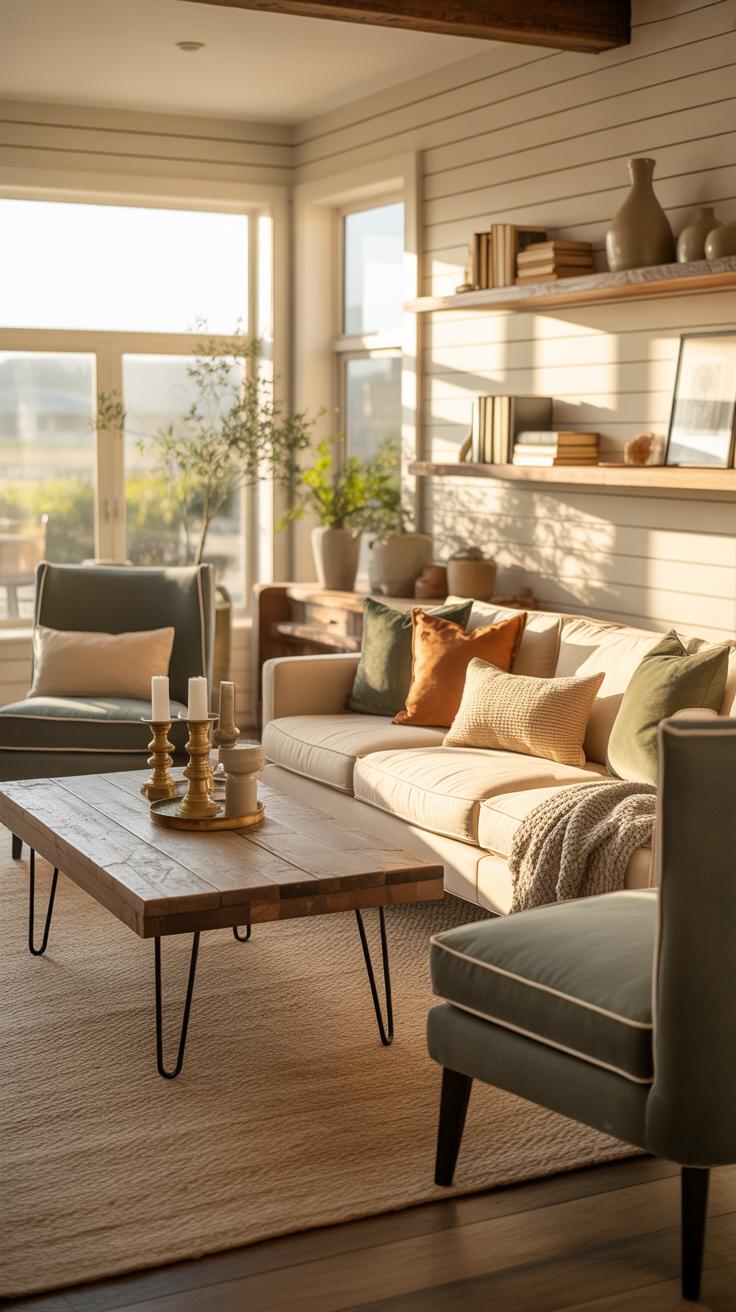
Joanna Gaines has a knack for creating living spaces that feel both inviting and purposeful, and a big part of that comes down to her furniture choices. When picking pieces, don’t just go for what looks good. Think about scale—how big or small a sofa or chair is in relation to your room really matters. A huge sectional in a small room might feel overwhelming, while tiny chairs in a vast space can seem lost. So, striking that balance is key.
The materials she favors often carry a sense of warmth and authenticity. Wood with visible grain, linen upholstery, and soft leathers all have a place. The texture adds depth without shouting for attention. You might notice her tendency to mix these organic materials with something a bit more polished, like metal or glass accents, which keeps things interesting.
Function plays a big role, too. It’s tempting to pick a statement chair that looks fantastic but you can’t sit on comfortably for more than five minutes. Gaines’ approach is different—each piece should earn its spot by being both beautiful and useful. Storage solutions that don’t look like an eyesore, or sofas that can handle a family’s daily hustle, fit right into this mindset.
What really stands out is her way of blending old and new. Vintage finds often appear alongside fresh, clean-lined furniture. This mix doesn’t just bring character; it feels timeless. Maybe that antique coffee table with scratches you wouldn’t dare hide tells a story, while a modern sofa keeps the room feeling current. It’s not about matching everything perfectly but letting contrasts live comfortably together.
Avoiding Common Decor Pitfalls
Overcrowding And Clutter
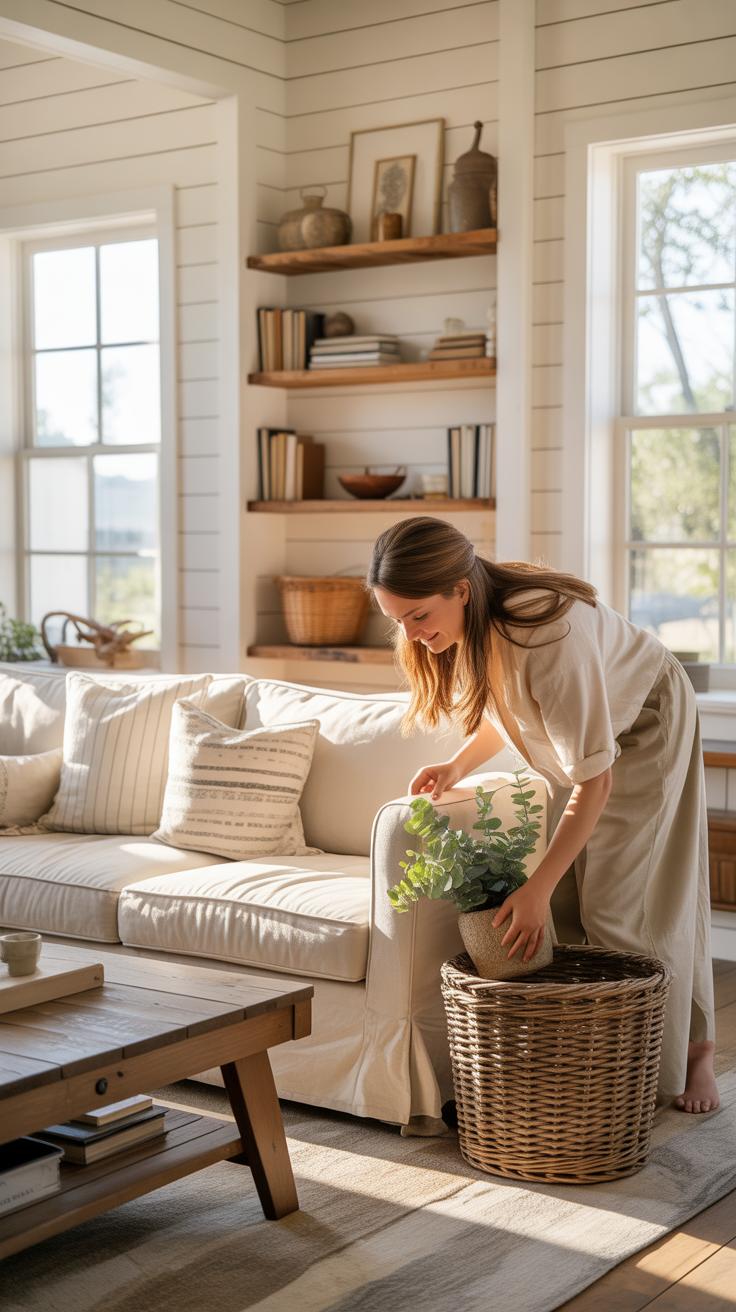
One mistake folks often make when trying to capture Joanna Gaines’ style is filling a room with too many items. It’s easy, I think, to get carried away—Joanna’s style seems so warm and layered, it tempts you to add just one more vase, or another cushion. But that can quickly tip into clutter. You want to keep your living space feeling balanced and open, not cramped.
Try this approach: choose a few standout pieces that bring character without overcrowding. Leave breathing room around furniture and decor. Sometimes less really works better—even when it feels like you’re missing something.
Ignoring Practical Layouts
Another trap is overlooking how furniture placement affects comfort and flow. Joanna Gaines designs rooms that look good but also function well for everyday life. If your furniture blocks natural pathways or makes the room feel chaotic, the style won’t shine no matter how beautiful the pieces.
Think about how you and your family live in the room. Will you gather around a coffee table? Or do you want an easy path to the door? Arrange furniture to encourage conversation and movement. Sometimes moving a couch just a few inches can make all the difference in how welcoming a living room feels.
Examples Of Joanna Gaines Living Rooms
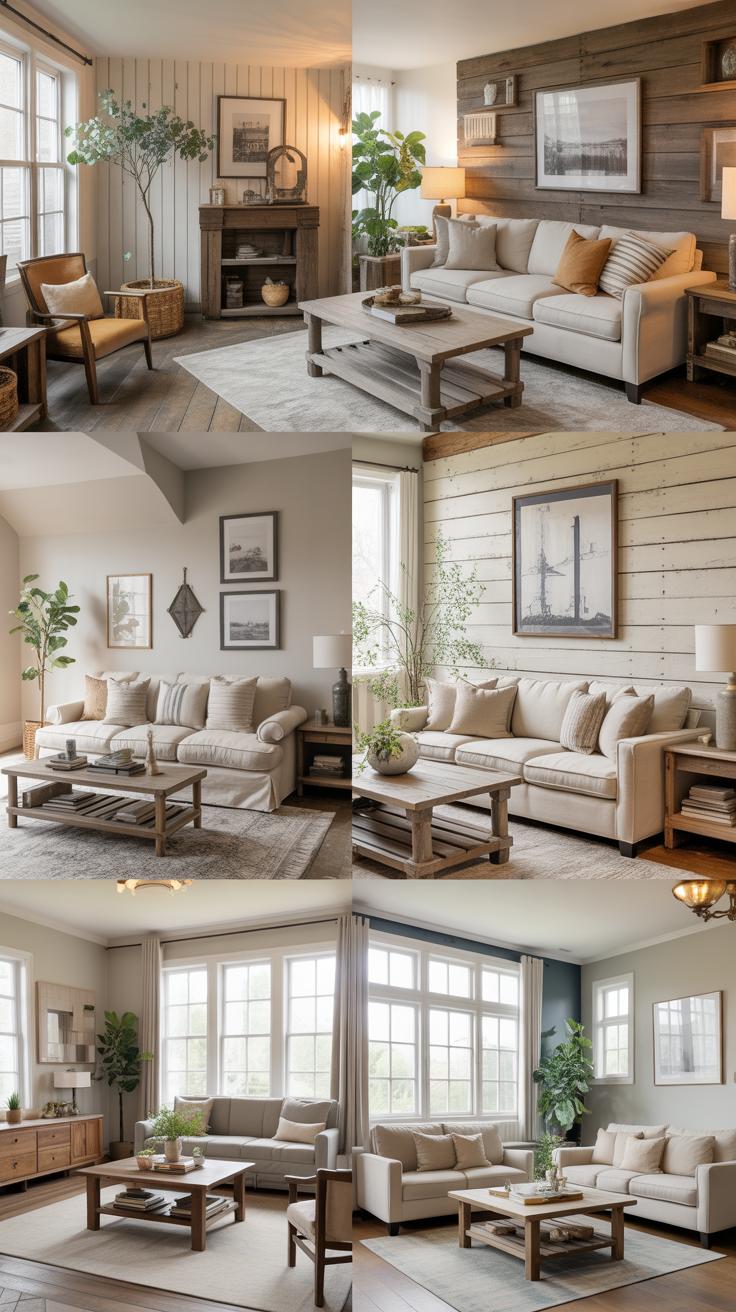
Joanna Gaines is much more than a TV personality; she’s a designer whose style shaped countless living rooms, often with a sense of warmth and functionality that some find surprising given its elegance. Maybe you’ve noticed how she blends a vintage vibe with modern ease, just enough to avoid feeling like a museum.
On Fixer Upper, her living rooms often combine muted color palettes with natural wood accents, creating a relaxed yet polished atmosphere. For instance, in some episodes, she uses shiplap walls—a hallmark detail—paired with cozy textiles that invite comfort. That look isn’t just for show; it encourages you to linger, to make space for real life.
Another thing about Gaines’ living rooms is her knack for versatility. She doesn’t cram or overwhelm but leaves space for personal touches. You might see large sectional sofas adjacent to rustic coffee tables, then a subtle industrial touch, like metal light fixtures, quietly balancing the farmhouse feel.
What if your home has different proportions or needs? Gaines’ approach feels adaptable because she embraces imperfections one might find in older houses or smaller spaces. Rather than aiming for symmetry, she often plays with asymmetry and layering textures, which you could try to make your own room feel more dynamic.
It’s also worth considering how Joanna’s style changes depending on the project location or client. Some living rooms give off a brighter vibe by using lighter fabrics and open shelving, while others feel more grounded with dark woods and deeper colors. That variety hints at a broader lesson: let your space reflect your personality and lifestyle, not just a trend.
Finally, her use of natural elements—plants, reclaimed wood, and raw finishes—helps soften the overall design so it never feels too sterile or just showroom-ready. So, when you think about your living room, maybe think about what natural touches can help bring warmth without overcrowding the space.
Conclusions
Joanna Gaines living room style reflects simplicity, functionality, and a warm farmhouse charm. Her use of natural textures, neutral palettes, and thoughtful decoration creates spaces that are both stylish and comfortable. By following her design principles, you can transform your living room into a welcoming area for family and friends.
The Gaines Fixer Upper home decor tips focus on blending form and function to enhance your home’s atmosphere. Paying attention to details like color harmony and furniture placement makes a big difference. Use these practical tips to help guide your decorating decisions and enjoy a living room that feels truly personalized.