What Defines Modern Rustic Decor
Modern rustic decor combines the charm of natural materials with a clean, contemporary look. This style brings warmth and coziness into your home while maintaining a fresh, updated vibe. It’s a blend of old and new that makes spaces inviting and comfortable, using wood, stone, and simple design elements.
In this article, you will find practical ideas to create a cozy rustic home. You’ll learn what defines modern rustic decor, why it matters, and how you can bring this style into your space. The following chapters will guide you through selecting materials, colors, and furniture that fit the modern rustic theme.
Benefits Of Modern Rustic Decor
Modern rustic decor is quite popular these days. You might wonder why it draws so much attention. I think it’s partly because it blends comfort and style in a way that doesn’t feel forced. It’s not about shiny perfection but about warmth and a lived-in feeling that’s inviting.
The style uses natural materials like wood and stone, which add texture and depth to spaces without fuss. Plus, it generally requires less upkeep compared to more polished styles. For example, rough wood surfaces or distressed finishes don’t show wear the way glossy furniture might, making daily maintenance easier.

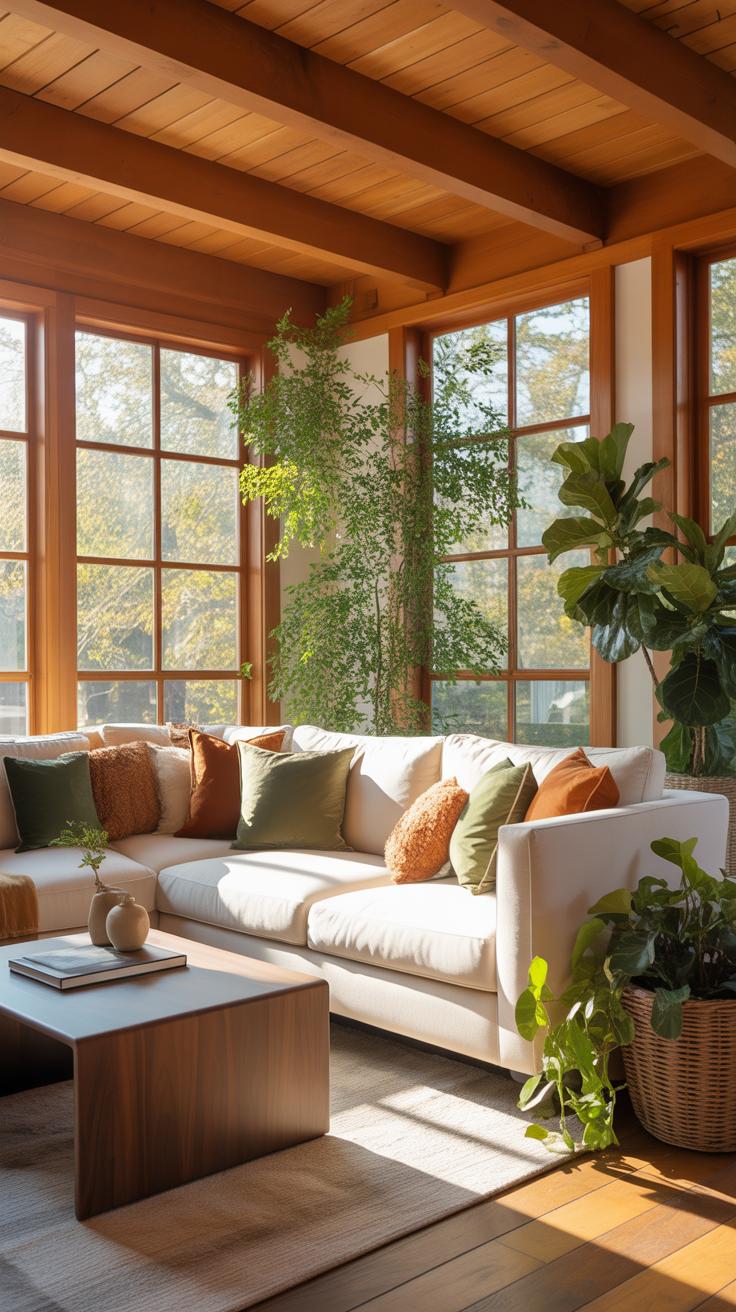
Comfort is central here—think soft cushions and cozy throws paired with the rawness of natural elements. Style-wise, it strikes a balance between old and new, so your home doesn’t feel stuck in the past or too trendy. It’s sort of timeless, yet fresh.
One advantage I’ve noticed is how flexible modern rustic decor is. You can customize it to reflect your personality without losing cohesion. Whether you prefer neutral tones or a pop of color, this style adapts well.
Key Features Of Modern Rustic Style
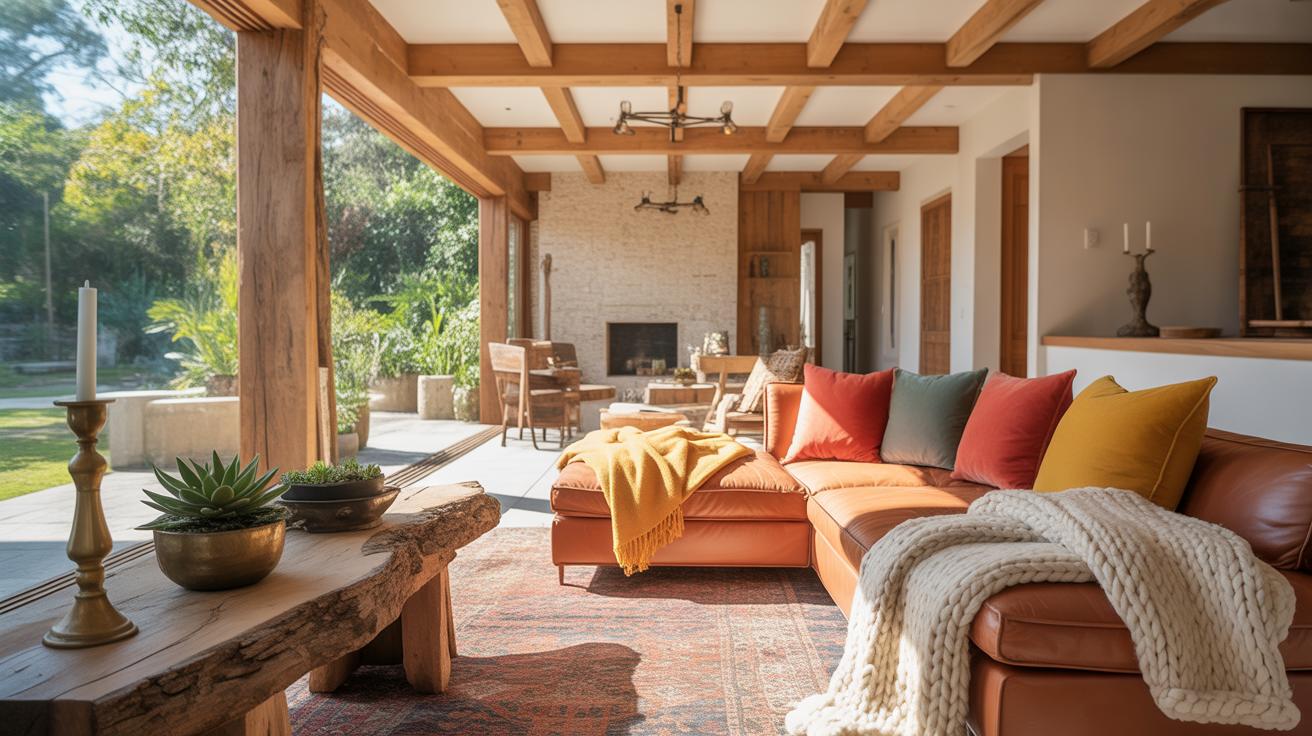
The defining traits of modern rustic decor revolve around natural materials—wood, stone, leather. These create a tactile environment that feels grounded. Color schemes tend to lean on earthy, muted tones like browns, greys, and greens but allow for occasional richer accents, perhaps a deep navy or burnt orange.
Furniture tends to be sturdy and simple but with subtle design details—clean lines mixed with organic shapes, for instance. You might spot a rugged wooden table paired with sleek metal chairs, which gives a modern edge without losing warmth.
Textures matter. Woven fabrics, rough-hewn wood, and even weathered metals add layers to the space. Lighting plays a role too—warm, soft lighting over harsh brightness.
Why Choose Modern Rustic Decor

People often pick modern rustic decor for its practical benefits. It’s forgiving when life happens to your furniture and walls, which is comforting if you have kids or pets. But there’s more to it than practicality.
There’s a strong aesthetic appeal too—a connection to nature and simplicity that many find calming in our busy lives. This style invites you to slow down, enjoy textures and natural scents, and feel grounded.
Moreover, modern rustic decor often allows you to mix in elements from other styles. That flexibility keeps your home unique and evolving. So, why not choose it if you want something easy to live with, stylish, and with a nod to the natural world?
Difference Between Rustic And Modern Rustic
Rustic Decor Overview
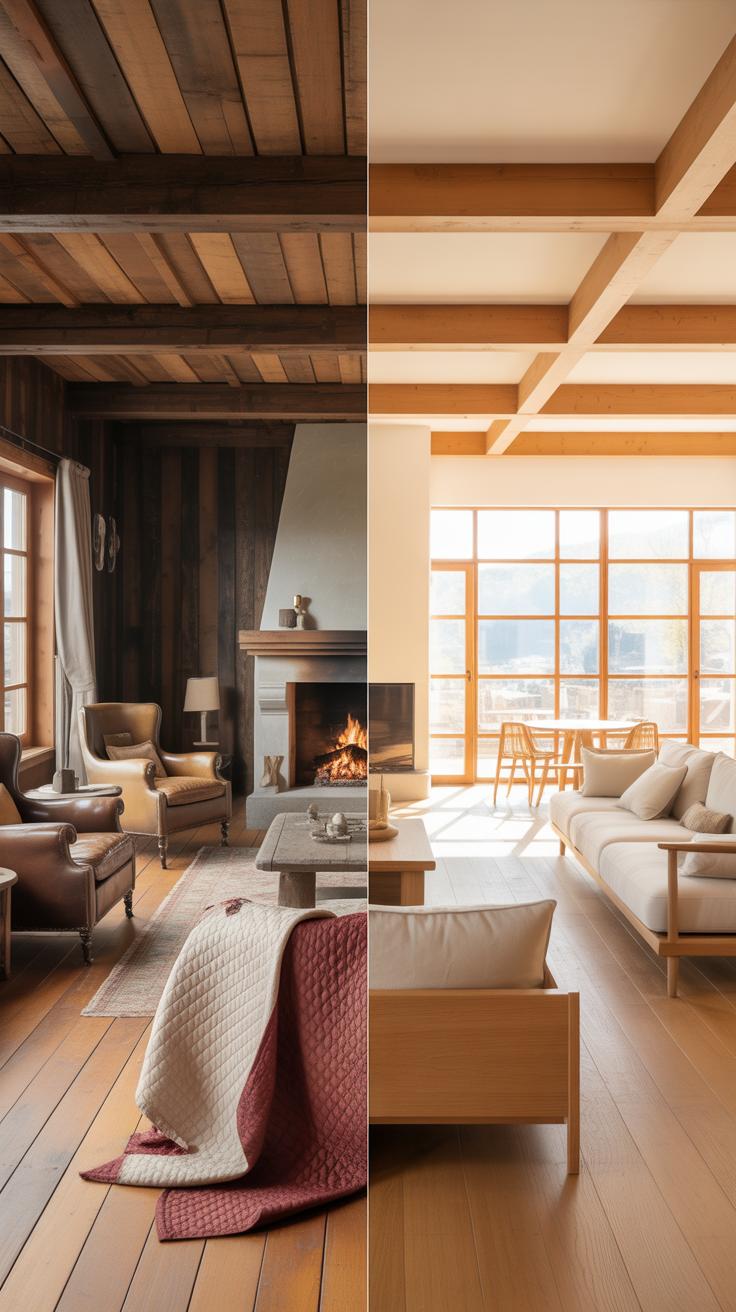
Rustic decor, at its core, celebrates the natural and the rugged. Think exposed wooden beams, rough-hewn stone fireplaces, and furniture that looks as if it’s been crafted with simple tools. The colors lean heavily on earth tones – deep browns, rich greens, and muted reds. It feels a bit like stepping into a cabin or lodge, where nature is very much present indoors. The materials—mostly wood and stone—often show their imperfections, which adds charm. There’s a rawness to rustic design that feels unpolished, unpretentious, and, for many, very comforting.
Modern Rustic Updates
Now, modern rustic? It’s a twist on that traditional style but a bit cleaner, perhaps a bit more restrained. Picture the same warmth and natural materials but balanced with sleeker lines and surfaces. The colors lighten up, with softer creams and pale grays mixing with wood’s natural hues. Instead of clutter, spaces feel more airy and open. There’s a subtle sophistication while still keeping that cozy vibe. Modern rustic tones down some of the rougher edges of classic rustic, making it feel fresher and maybe more adaptable to contemporary living. You still get that connection to nature but in a less heavy-handed way.
How To Choose Materials For Modern Rustic
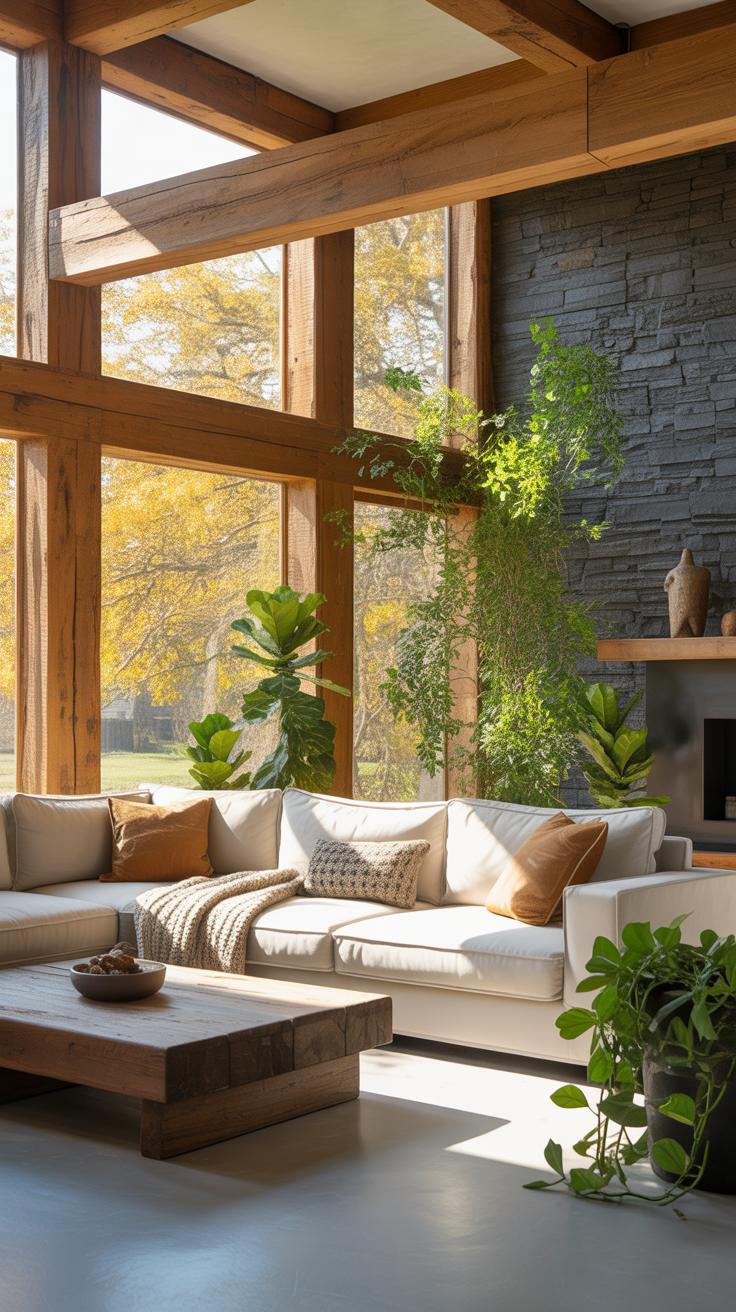
Choosing materials for modern rustic decor involves balancing natural charm with contemporary simplicity. Wood plays a crucial role here, but not every type fits equally well. You’ll want wood that offers texture and warmth without feeling too polished. Think about woods like pine, cedar, or reclaimed barn wood; these have character and an organic feel that help bring the rustic vibe alive.
Metals are equally important, but they should never dominate the space. Opt for metals with a matte or weathered finish—wrought iron, aged brass, or brushed nickel all add subtle touches of industrial edge without overwhelming the look. Metals bring durability and an unexpected modern contrast.
When it comes to fabrics, natural fibers reign. Linen, cotton, wool—they all introduce softness and comfort. But it’s about restraint. Select fabrics with simple weaves or muted patterns rather than bold prints to maintain that cozy, understated rustic feel. You want materials that invite you in but also keep things calm and grounded.
Setting Colors For Cozy Rustic Spaces
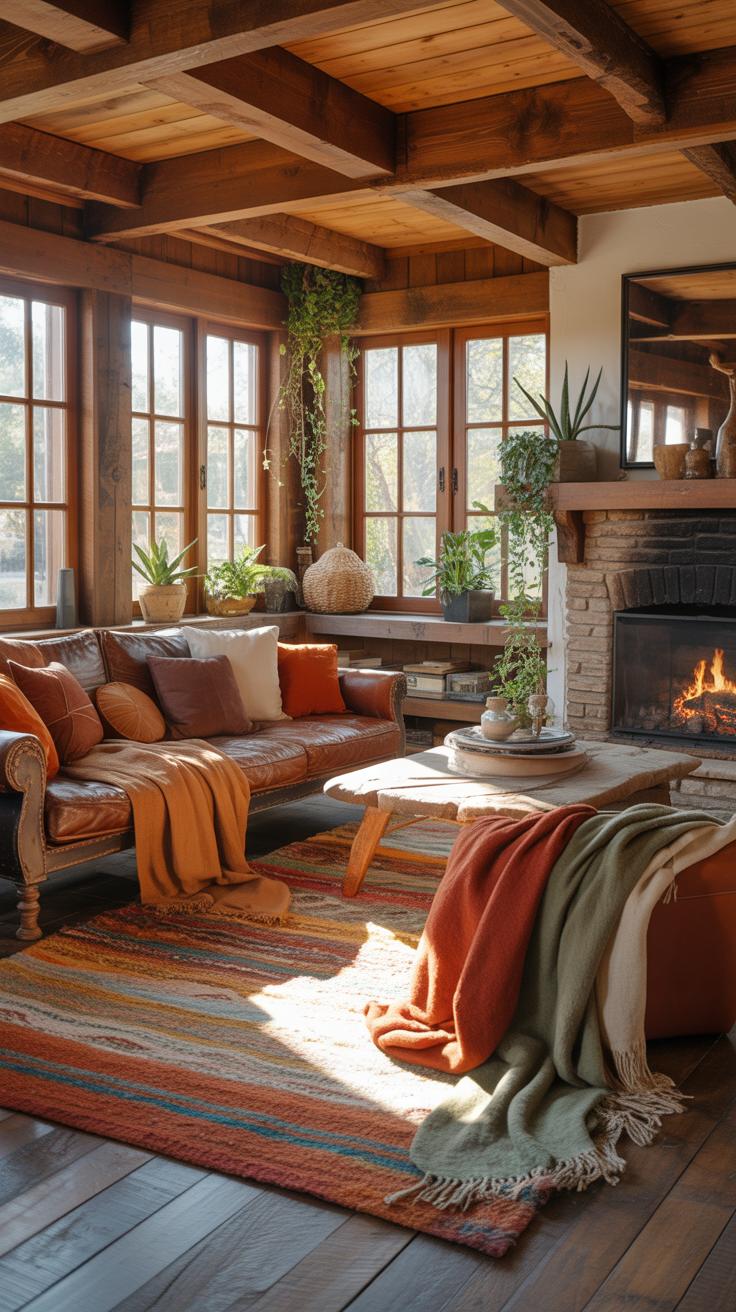
When aiming for warmth in modern rustic rooms, the choice of color palettes plays a crucial role. Neutral shades and earth tones form the backbone of these palettes, creating a base that gently invites you in rather than shouts for attention. These hues—think soft beiges, taupes, gentle browns, and muted greys—mirror the natural world and offer a sense of grounded comfort.
Neutral And Earth Tones
Colors that mimic wood, stone, and soil dominate modern rustic decor. These neutrals don’t compete but rather complement the textures of raw wood beams or aged leather furniture often found in these spaces. You might find yourself using layered beige tones on walls paired with darker browns in furniture and flooring. It’s not just about matching nature but also about creating subtle contrasts that make a room feel cohesive and softly varied.
Adding Soft Color Accents
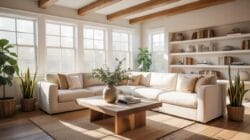
But beware—too much beige or brown can risk feeling dull or lifeless. To keep the vibe fresh, soft accent colors step in. Gentle greens, dusty blues, or even blush pinks work well to lift the palette without overwhelming it. A soft blue throw pillow here, a pale green ceramic vase there, can break the monotony and add personality. Just a few touches of these colors can make a room feel alive while preserving the tranquil rustic feel.
Furniture Selection For Modern Rustic Rooms
Rustic Wood Furniture
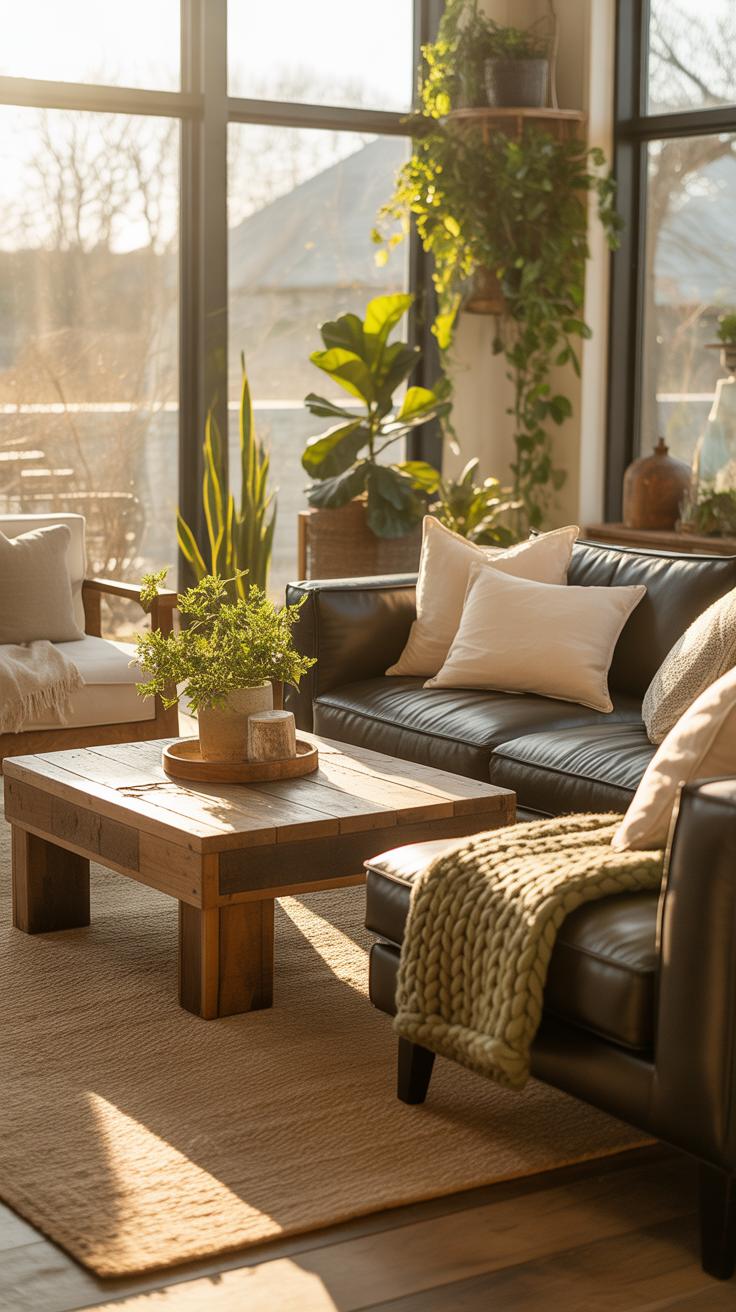
When selecting wood furniture for a modern rustic room, think about pieces that showcase natural textures. Rough-hewn or hand-carved surfaces reveal the wood’s character, while knots and grain patterns add subtle imperfections that feel authentic. You might find reclaimed or aged wood to be especially fitting—these materials carry a story, infusing charm without seeming overly polished. Oak, pine, and cedar are popular choices because they hold up well and offer warm, earthy tones that align with a rustic vibe. But don’t just look for plain slabs; furniture with simple lines and modest craftsmanship can still appear rugged yet purposeful.
Modern Comfort And Function
Balancing rustic style with comfort is, I think, the trickiest part. It’s easy to opt for purely aesthetic items that aren’t always practical or cozy to use. To avoid this, seek out furniture that embeds modern ease without masking rustic elements. For example, a wide, distressed wood dining table this vintage-but-sturdy feel pairs nicely with cushioned upholstered chairs that offer real support. Don’t shy away from pieces with hidden storage or modular functions—they can be quite discreet even when built from rugged materials. Your seating should invite relaxation, and that might mean throwing in a plush fabric or leather sofa that contrasts but complements the wood, refusing to sacrifice function in the name of style alone.
Decorating Tips For Rustic Modern Living
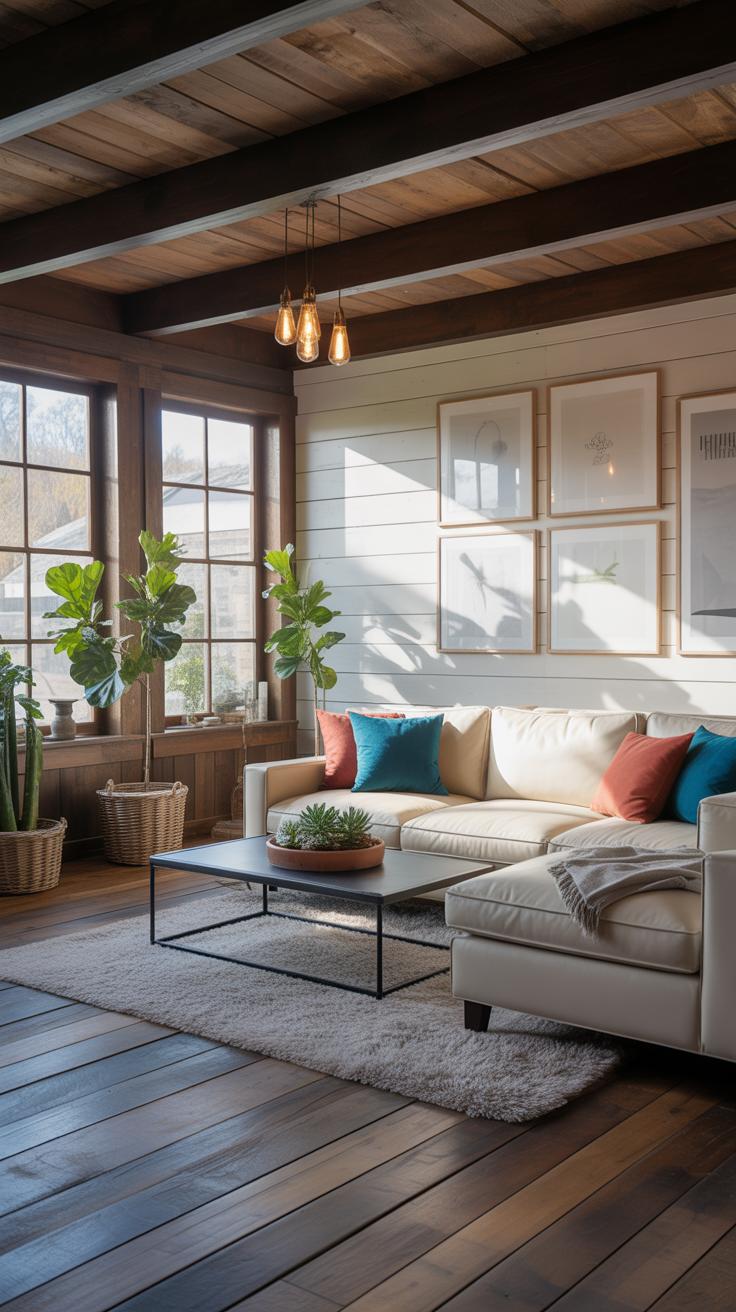
When decorating with rustic modern accessories, it’s crucial to focus on the balance between rugged elements and clean lines. You want your space to feel grounded but not cluttered, you know? Consider using raw wood pieces with sleek metal finishes for a nice contrast. Also, don’t shy away from mixing old with new—a distressed wooden table alongside a minimalist metal lamp can bridge the gap between rustic charm and modern simplicity.

Lighting plays a big role in setting the atmosphere in any rustic modern home. Warm bulbs and fixtures that have an aged or handcrafted look create a welcoming vibe. Pendant lights with Edison bulbs are often a solid choice because they add character without overwhelming the space. It’s not just about brightness here; it’s about that soft, inviting glow that encourages you to relax.
Lighting That Enhances Warmth
Lighting in rustic modern decor does more than illuminate—it creates mood. Think about layering your lighting: combine ambient light like recessed ceiling fixtures with accent lighting that highlights natural textures like exposed wooden beams or stone walls. A lamp with a fabric shade can diffuse light gently, producing a warm, cozy feel. You might find that a single statement fixture draws the eye and brings the room together better than dozens of small lights.
Textiles To Add Texture
Textiles are where you can really play with texture and softness. Wool throws, linen cushions, and burlap pillows all bring tactile contrast to harder, industrial-style surfaces. These fabrics not only comfort but also break up the visual monotony. You could try layering different materials—say, a chunky knit blanket over a sleek leather chair. It’s about inviting touch and a sense of lived-in warmth. Plus, textiles help with acoustics, reducing that stark echo sometimes found in modern spaces.
Common Mistakes In Modern Rustic Decor
Overusing Rustic Elements
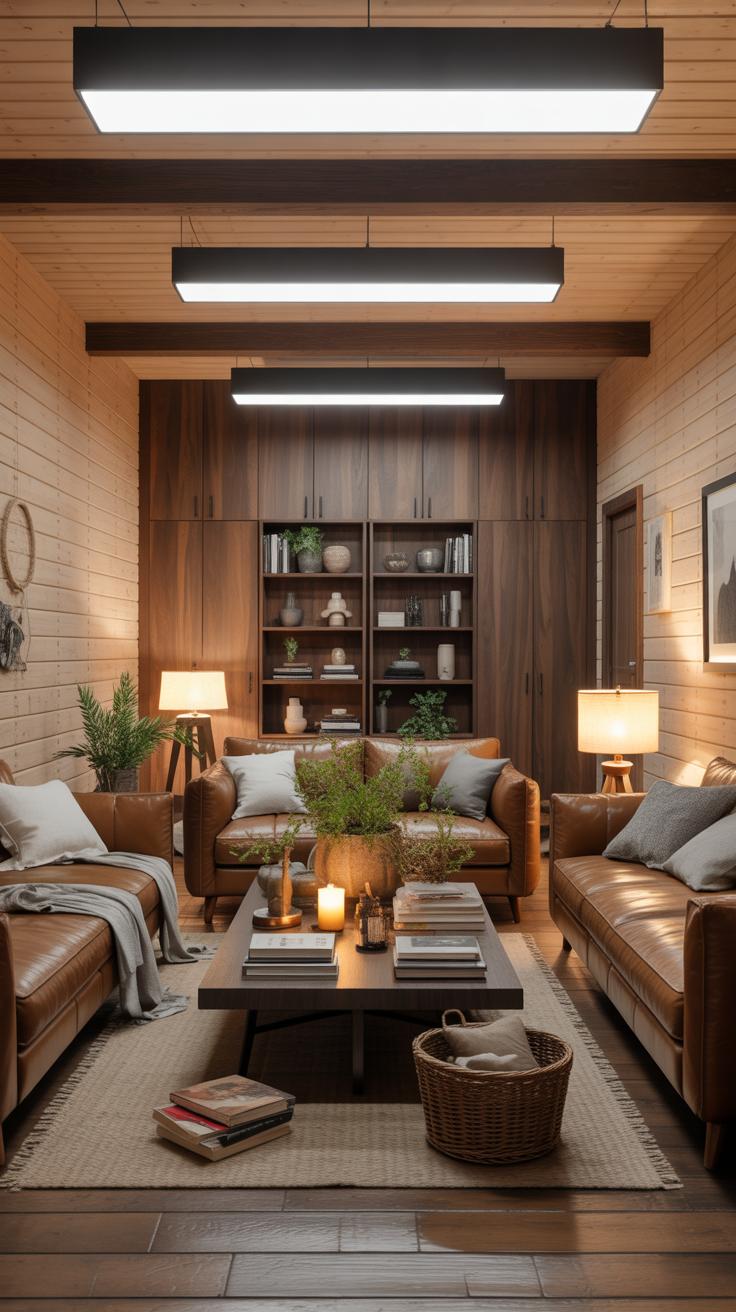
One of the most common mishaps in modern rustic decor is going overboard with rustic pieces. When everything screams “rustic,” the space can feel cluttered and heavy rather than cozy. Instead of warmth, it can border on looking outdated or too theme-heavy. Think about it like seasoning a dish: too much can overpower the whole experience. People often pile on reclaimed wood furniture, oversized antlers, and vintage ceramics all at once, forgetting that less can be more. A good rule is to pick a few standout rustic elements and let them shine rather than drowning the room in them. Too many can also make it tough to appreciate individual items’ textures and character.
Ignoring Balance With Modern Touches
The whole idea of modern rustic decor is to blend the old with the new. Yet, some people neglect this balance and lean exclusively toward rustic, losing that modern edge. On the flip side, others add too many sleek, contemporary pieces and end up with a cold space that lacks the rustic charm it aims for. Striking the right balance matters because it keeps the room feeling fresh and inviting. This could mean pairing rough-hewn wood beams with clean-lined sofas or combining industrial metal fixtures with soft, natural fabrics. It’s tricky, and maybe it takes some trial and error. But finding a middle ground where both styles support each other is what really brings modern rustic decor to life.
Cost Considerations For Rustic Makeovers
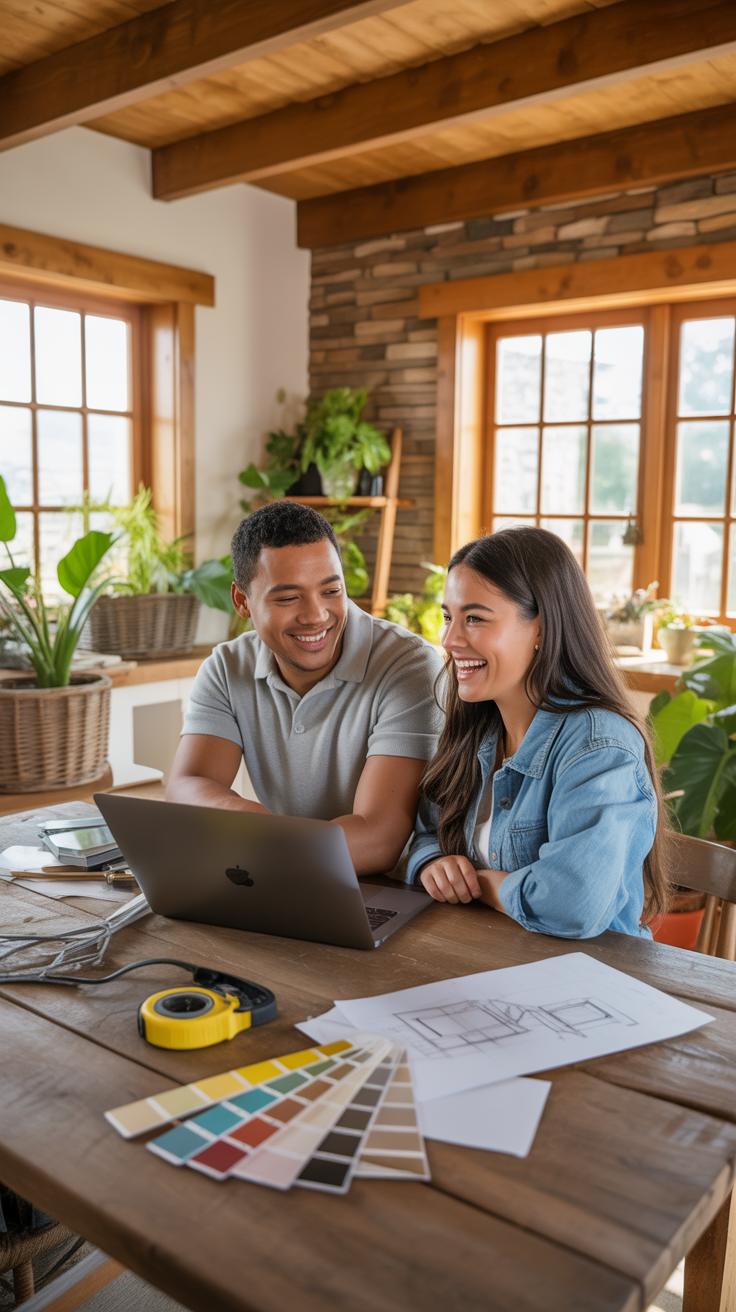
Modern rustic decor can vary widely in cost depending on the choices you make. While you might think it’s an expensive style because of the emphasis on natural materials, it doesn’t always have to be that way. Breaking down the costs can help you decide where to splurge and where to save.
Let’s start with materials. Wood is a staple in rustic decor, but it ranges from costly reclaimed barn wood to more affordable pine or plywood with a simple finish. Stone accents can become pricey, but faux stone panels or carefully chosen tiles can offer a similar vibe for less.
Here are some budget ideas to think about:
- Look for secondhand furniture stores or flea markets for authentic rustic pieces that just need a bit of sanding or refinishing.
- Use paint or stain to mimic the aged look on cheaper wood.
- DIY projects can cut labor costs considerably, but they require time and effort—do you have that to spare?
When it comes to quality, prioritize items you’ll use every day or that anchor the space, such as sofas or dining tables. These deserve more investment since cheap versions quickly wear out and disrupt the cohesive rustic feel. Accessories or decorative touches can be swapped out more easily if you’re tempted to save there.
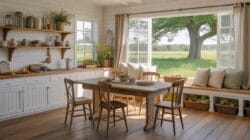
This balancing act between cost and quality makes the makeover personal. Perhaps you’ll find yourself hunting for that perfect vintage trunk or scattering salvaged metal fixtures around — little things that nudge your space toward recognized rustic charm without breaking the bank. What parts of the makeover would you want to invest in most? It’s a question worth pondering as you plan your space.
Step By Step Rustic Home Setup Checklist
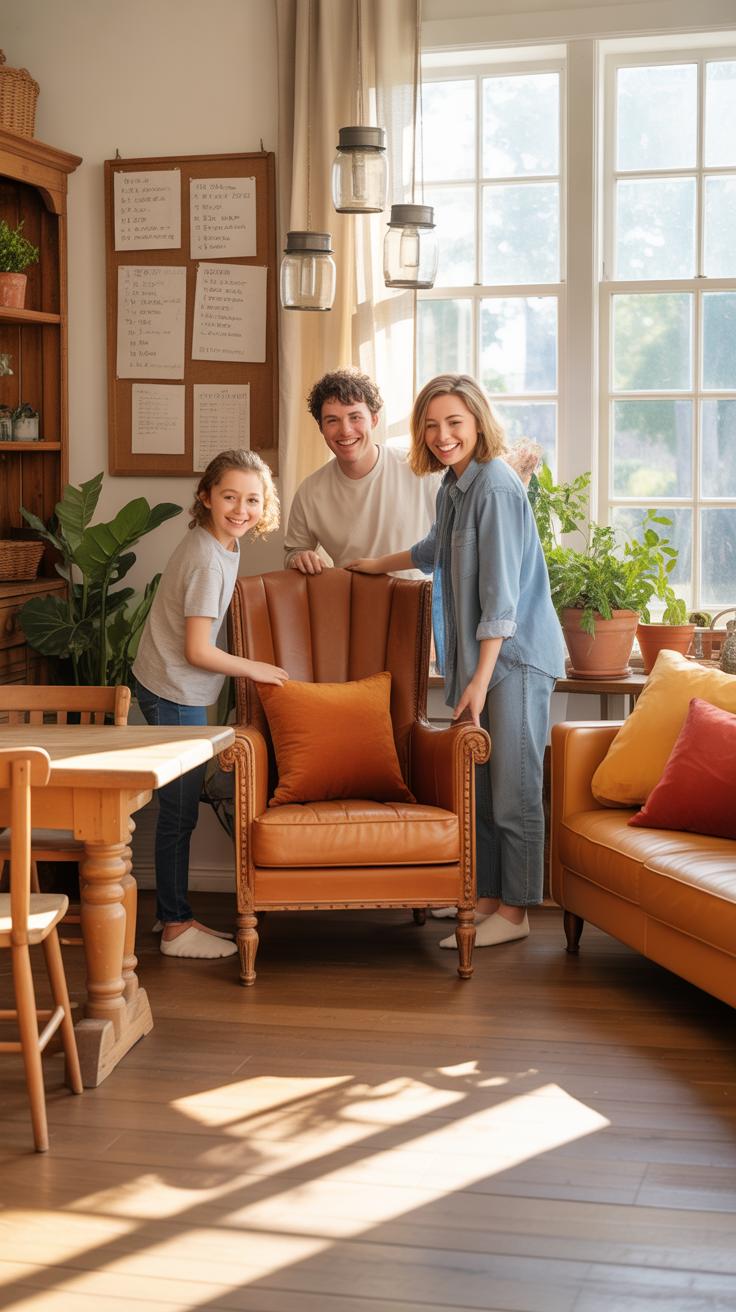
Planning And Gathering Materials
Start by thinking about the vibe you want. Rustic doesn’t mean sloppy—it’s about natural, lived-in charm with a modern twist. Make a list of basics: reclaimed wood, stone, metal accents, and simple textiles.
I suggest checking thrift stores or salvage yards for unique, imperfect pieces. You might find an old barn door or weathered beams that add character. Don’t rush this part. Collect items gradually, mixing new and vintage for balance.
Also, consider lighting—soft, warm bulbs work best. Choosing the right furniture is crucial: solid, comfortable, with clean lines to keep it modern.
Arranging And Styling Spaces
Once you have your pieces, arrange with comfort in mind. Leave space around furniture, so it’s not cramped or chaotic. Group similar textures—wood next to stone, leather with linen—to create harmony without overthinking.
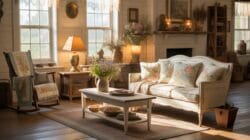
Be careful not to overcrowd; rustic spaces should feel open, even if cozy. Place rugs to define areas but keep the floor visible to showcase natural materials.
Don’t be shy about layering. Throw blankets, cushions, and simple décor can soften the rough edges. But remember, less is sometimes more, especially with modern influences.
Experiment, step back, then tweak. Sometimes an arrangement looks better turned slightly or moved to another spot. Making your home feel rustic and welcoming takes patience—let your style evolve naturally.
Conclusions
Bringing modern rustic decor into your home turns everyday spaces into warm, welcoming places. By mixing natural textures with modern designs, you create a style that feels both timeless and current. Remember, balance is key to keeping your home cozy and not cluttered.
Use the ideas and tips shared here to pick the right colors, furniture, and decorations. You can make your home a relaxing retreat that reflects your personal taste and love for nature. Modern rustic decor is accessible and works well for many home styles.