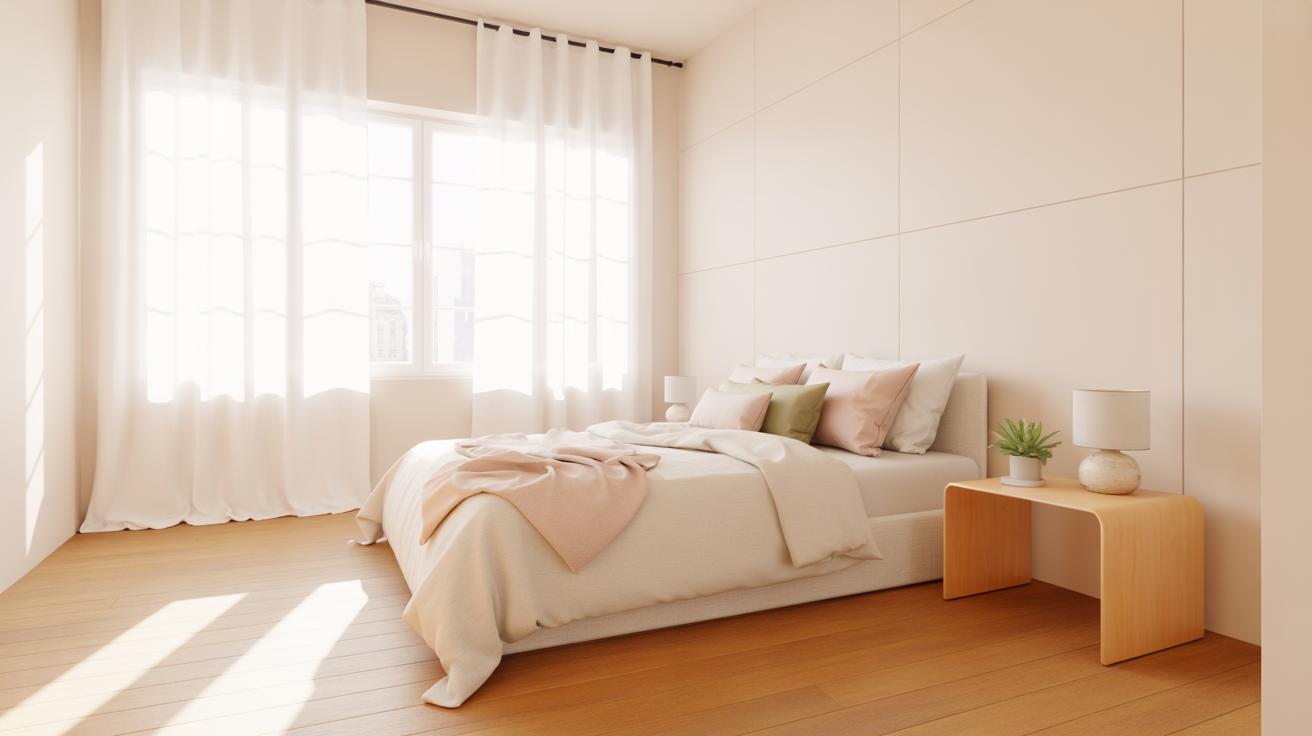
Why Minimalist Design Suits Small Bedrooms
Minimalist Room Ideas For A Simple Room With Cozy Small Bedrooms focus on ways to make the most of limited space without clutter. A simple room is often more relaxing and easier to keep tidy. This approach encourages choosing only essential furniture and decor, focusing on function and comfort.
In this article, you will find practical steps to build a cozy and welcoming small bedroom. From layout tips to decoration advice, these ideas help you create a calm and simple room. You will also learn how minimalism can improve your overall living space.
Simple Room Design Basics
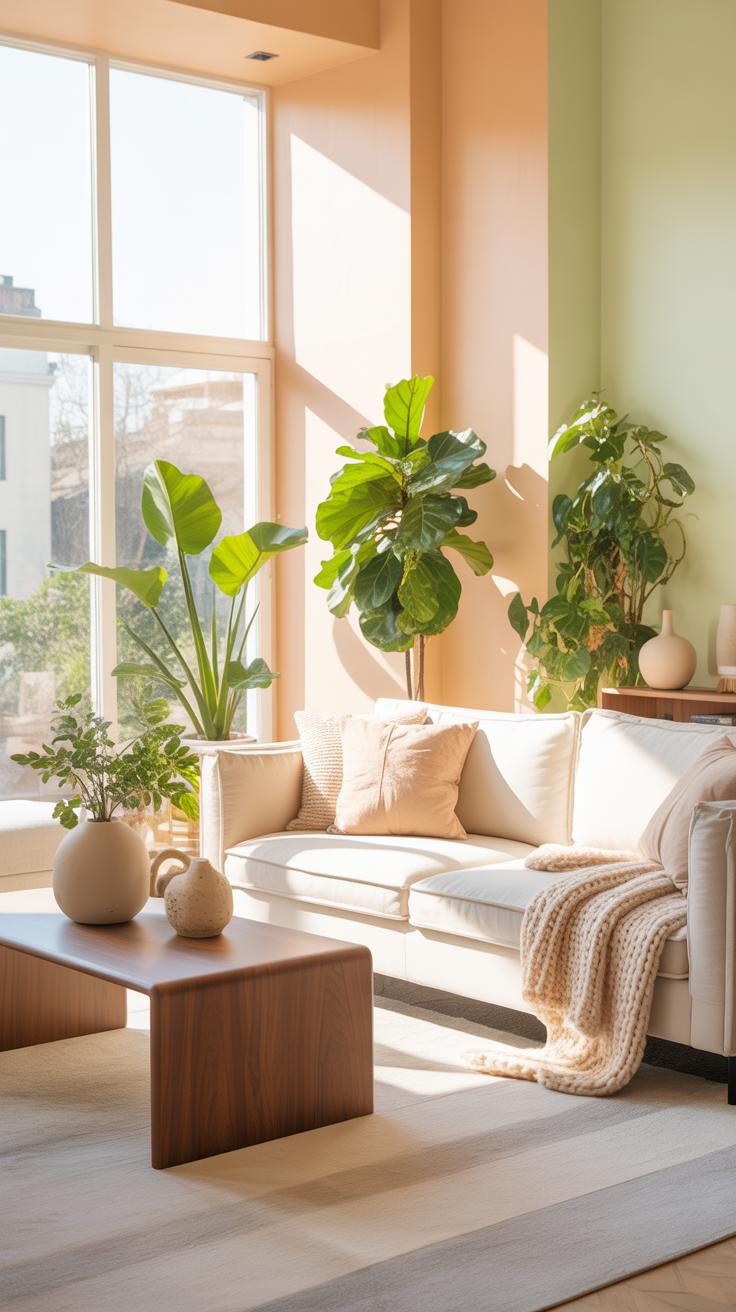
Designing a simple room starts with trimming away distractions. You want a space that feels open, not cramped, and inviting rather than cold. To achieve this, think less about filling every corner and more about leaving room for the eye to rest. Simplicity holds some power here—it helps the room breathe.
Neutral colors play a subtle but crucial role in this. Soft shades like gentle greys, beiges, or off-whites expand the perception of space. They create an unspoken calm, which is ideal for small bedrooms where every inch counts. Bright colors might feel overwhelming and cluttered unless carefully balanced.

Furniture choices matter greatly. Choosing pieces that are basic yet functional works best. Think about multi-purpose designs—a bed with storage, a nightstand that doubles as a desk. Fewer items but better utility helps reduce visual clutter and keeps the room feeling tidy. It’s tempting to fill the space with many small items for personality, but restraint usually wins in small rooms.
Choosing Essential Furniture
When selecting furniture, focus on versatility. Ask yourself what you truly need.
- A bed that not only supports sleep but includes drawers or shelving underneath can save space.
- A chair that can be tucked away or used for multiple tasks rather than a bulky armchair.
- Tables or desks that can fold or slide out for occasional use.
Essential furniture should blend well without demanding attention—pieces that support the room’s flow instead of overpowering it. It’s often easier said than done, but trimming down to essentials pays off in a smaller room.
Keeping Color Palettes Calm
Using calm colors helps set a relaxed mood and opens the feel of a small room. Neutral tones don’t compete for attention; they let furniture and personal items shine subtly.
Soft hues also reflect natural light more effectively. This can change the room’s mood throughout the day without needing extra decoration. It creates a soothing atmosphere where it’s easier to unwind.

Of course, there’s always the temptation to add a pop of color. A delicate contrast—a muted pastel or a natural wood tone—can add personality without cluttering the space. But large blocks of bold color tend to close in the room rather than open it up. So, it’s wise to be cautious here.
How To Arrange A Simple Room
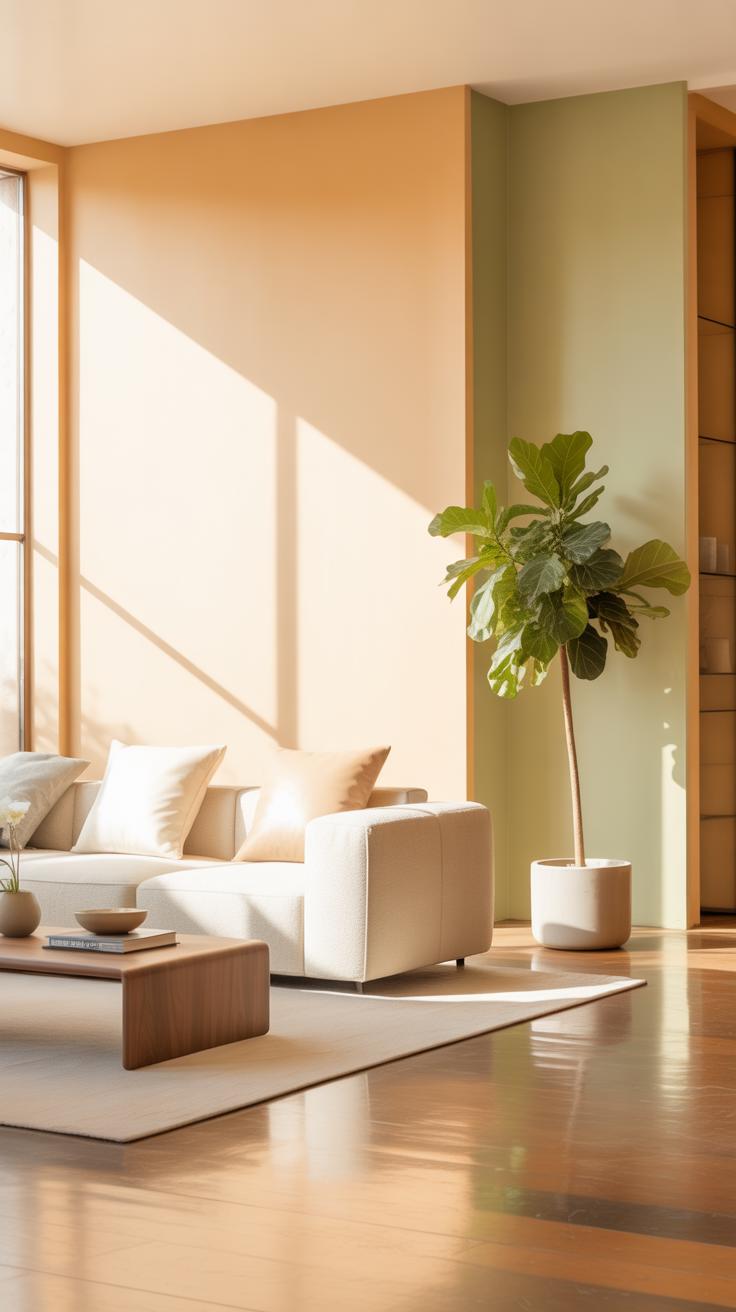
When arranging furniture in a simple room, start by assessing your space carefully. Measure dimensions and note where doors and windows fall, as these are fixed points you can’t move. Try placing the largest piece — often the bed in a small bedroom — first. Position it so it doesn’t block natural light or movement paths.
Next, think about multi-use furniture like a bed with under storage or a foldable desk. This saves space and keeps the room uncluttered. I’ve found that leaving some floor space open near the entrance creates a sense of ease when you walk in—it’s subtle but makes a difference.
Keep decor minimal. Pick one or two wall accents instead of many. If you use shelves, opt for floating ones; they don’t take up floor space and add lightness. Soft rugs can define areas but don’t overload the floor.
Layout Ideas For Small Bedrooms

Small bedrooms can feel cramped if not arranged thoughtfully. Instead of placing the bed in the center, try pushing it against a wall or corner. This frees up space longer for walking or seating.
For storage:
- Use tall, narrow wardrobes instead of bulky dressers.
- Place floating shelves above the bed or desk.
- Consider built-ins that blend with walls, so they don’t draw attention.
Seating can be tricky—opt for stools or ottomans that tuck under tables or beds. A window seat with hidden storage might also work, but only if the room allows without feeling jammed.
Decluttering To Improve Space
Decluttering isn’t about ruthless purging but thoughtful editing. Start with surfaces—clear off your desk, dresser, and bedside table. Fewer items mean the room looks bigger.
Next, sift through your belongings. Ask yourself: when was the last time I used this? Can it be stored elsewhere? If the answer leans towards ‘not recently’ or ‘no,’ consider donating or recycling. It’s amazing how much floor and shelf space clears up when unused items vanish.

One method I tried was dedicating 30 minutes weekly to quick decluttering. It keeps mess manageable, and over time, your room feels calmer. Plus, it’s easier to appreciate the cozy simplicity you aimed for.
What Makes Small Bedrooms Cozy
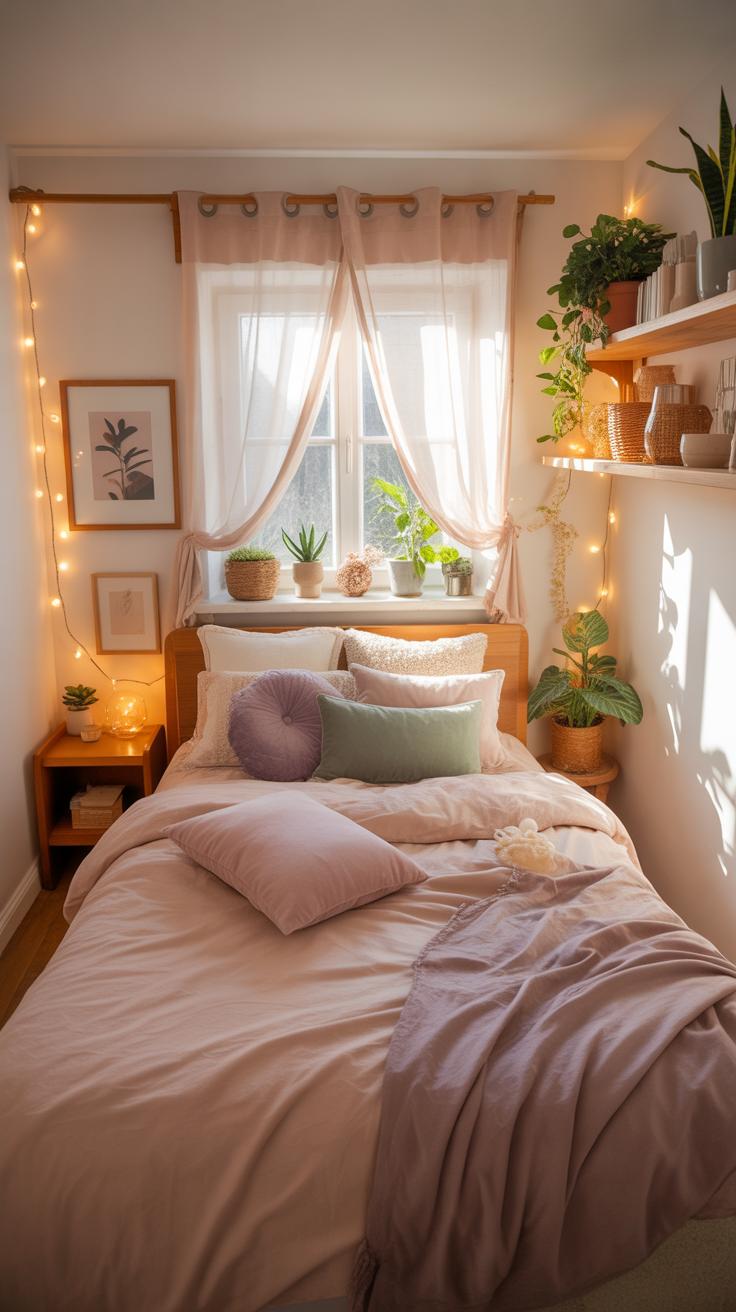
Creating a cozy atmosphere in a small bedroom can feel tricky, right? Especially when you’re also aiming for simplicity and not turning the space into a cluttered mess. But it’s really about layering small, intentional touches that work quietly together.
Using Textiles For Warmth
Think about textiles. Rugs, pillows, and curtains aren’t just for decor; they add a softness that’s almost tactile. A well-chosen rug can ground your space, soften hardwood or tile floors, and underfoot, it feels like a little comfort every time you step out of bed.
Pillows offer more than just support—they invite you to relax, to linger. Play around with just a few in warm hues or subtle patterns that don’t overwhelm. Curtains are the unsung heroes here. They help filter light to keep the mood gentle and shield you from harsh glare, making your small room feel like a personal retreat instead of a bare box.
Lighting Choices For Comfort

Then, lighting. Bright overhead lights are often too harsh in these tight spaces. Instead, go for layered lighting—think soft bedside lamps, string lights, or recessed fixtures. These options provide a warm glow that wraps around you without eating into precious space or requiring large fixtures.
My own small bedroom feels instantly calmer with just a single warm lamp on the nightstand versus a ceiling fixture that feels distant and cold. Plus, adjustable lighting can match your mood, which I find important when winding down.
How do you balance natural light with these cozy lighting ideas? Often, letting sunlight in during the day and switching to layered glow at night keeps the room feeling both open and snug—like having the best of both worlds, perhaps.
Minimalism Vs Maximalism In Rooms
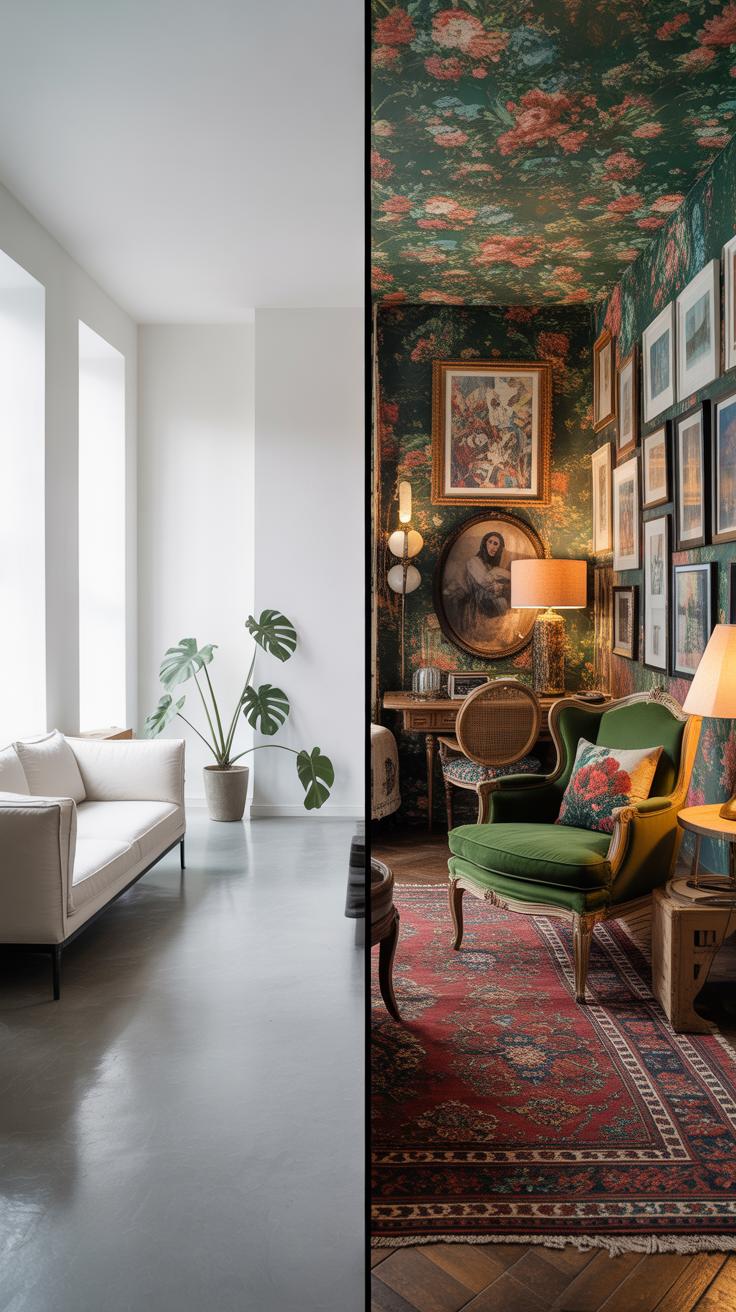
Minimalism and maximalism offer two very different approaches when it comes to bedroom design, especially for small cozy spaces. Minimalist rooms tend to emphasize simplicity, clean lines, and limited possessions. This approach can make a room feel more spacious because fewer items and less visual clutter give the eyes room to breathe. If your bedroom is small, this can be a real advantage for comfort. You might find that the simplified décor and fewer distractions help create a calm atmosphere that promotes better rest.

Maximalism, on the other hand, embraces layers, rich colors, and lots of items. This can make a room feel lively and personalized, but it may also overwhelm a small space, making it feel cramped or busy. Still, maximalism might work beautifully if you love expressing your personality through décor or collecting meaningful objects. The key is balance—you can enjoy a maximalist feel but keep some minimalist principles in mind to avoid chaos, like maintaining open floor space or using cohesive color palettes.
Benefits Of Minimalist Living
Living with less often means less stress. When you limit possessions, you reduce the effort required to clean and organize, which is a small but powerful relief. Minimalism can simplify decisions—from what to wear to how the room looks—leaving more mental space and energy for other things. From my own experience, a less crowded bedroom feels less stressful and more inviting, even on days when it’s a mess. It’s not about perfection; it’s about creating ease by paring down to essentials.
When Maximalism Might Work
Maximalism might be just right for people who thrive on visual stimulation or like surroundings that tell a story. For example, an artist’s bedroom filled with colorful textiles, paintings, and souvenirs might feel inspiring and cozy. In such cases, the style can reflect identity and history, making the space deeply comforting in its own way. The caveat? Balance is crucial. One approach is to keep the bulk of the room minimal in layout but highlight selective areas with bold maximalist touches, so the space doesn’t feel overwhelming.
Checklist For Creating Simple Room
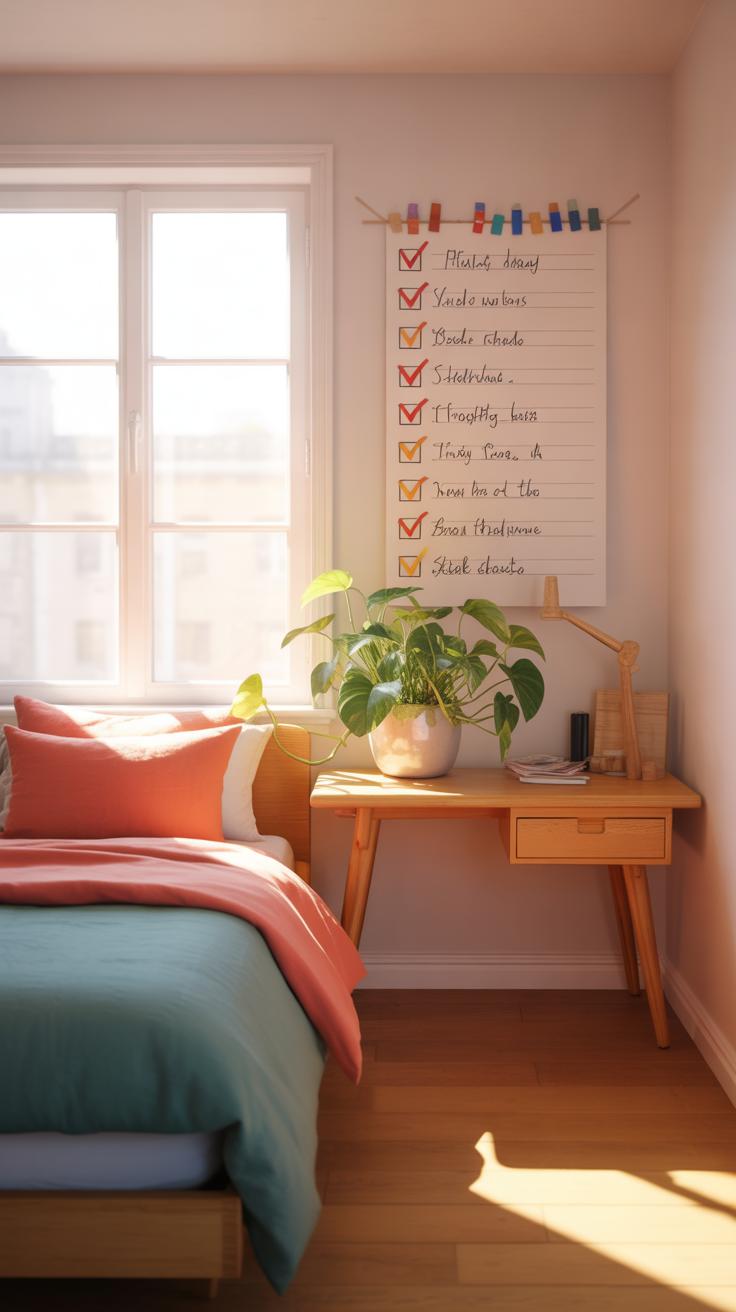
Setting up a simple, minimalist room, especially when the bedroom is small, requires intentional choices. Start by focusing on key furniture and decor that serve clear purposes.
- A bed with a clean design, ideally one with built-in storage.
- A compact nightstand or shelf for essentials like a lamp and books.
- Minimalist wardrobe or dresser that fits the space without overcrowding.
- Soft lighting options to create warmth without clutter.
- Neutral or calming colors on walls and textiles to maintain a peaceful vibe.
Beyond furniture, consider your daily habits to keep things simple. Tidying regularly – perhaps a quick 10-minute sweep each day – prevents messes from piling up. Avoid impulsive buys; ask yourself if an item truly belongs in your room before bringing it in. This mindset keeps the ambience calm and uncluttered. Sometimes, it’s tempting to add more for coziness, but restraint is key in small spaces.

Remember, simplicity isn’t about starkness; it’s about living with less but feeling more at ease. Which little change can you make today to edge closer to that balance?
Examples Of Simple Rooms
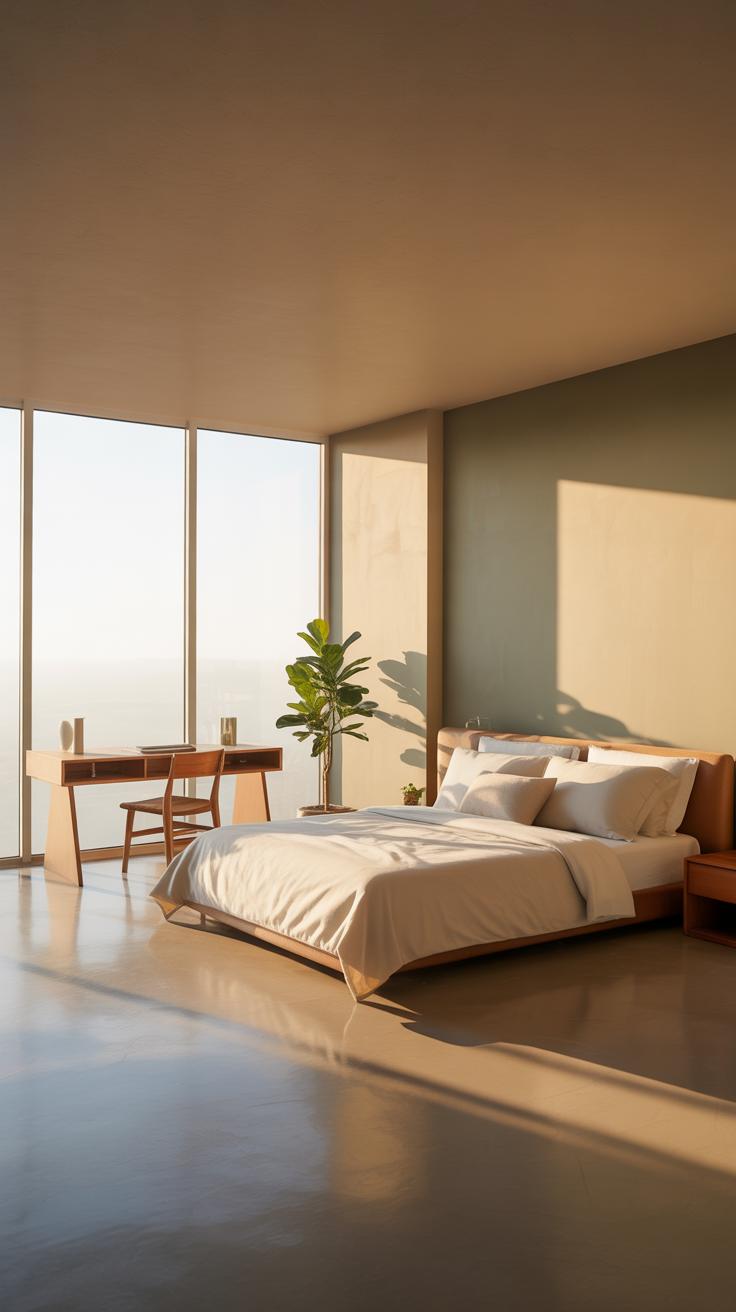
Sometimes when you look at a simple, cozy bedroom, it’s not just about what’s there, but what’s left out. Take, for example, a small apartment bedroom I once saw, where a low platform bed sat near a window, letting in morning light that made the space feel bigger than it was. The walls were plain—no heavy curtains or artwork, just a single wooden shelf holding a few books and a plant.
Minimalism often shines when natural materials like wood and cotton come into play. The bedding, plain cotton sheets in soft beige, paired with a small wooden stool instead of a nightstand, added warmth without crowding the room. You get comfort and function, nothing extra to trip over.
Some small rooms use clever setups, such as beds with built-in drawers or shelves. These keep clutter out of sight but close at hand. Think about arranging furniture so pathways are clear and the room doesn’t feel packed. You might try moving your bed against a far wall or into a corner to free up floor space. It’s simple, but effective.

What feels most welcoming to you in a small space? It might be something as easy as bringing in textures—from a wooden frame, a cotton throw, or natural fiber rugs—that give the room a lived-in, cozy feeling without adding visual noise.
Tools To Plan Your Simple Room

Planning a simple room can feel overwhelming if you’re trying to picture everything in your head. That’s where room layout software comes in handy. These tools let you move virtual furniture around your floor plan without lifting a finger or heavy sofa. Many offer free versions, which might be enough for keeping things simple. Paid options typically provide more features, like 3D views or enhanced customization. You can test various arrangements to see what fits best and how much space remains free, which helps avoid overcrowding and keeps things cozy.
Mood board apps are another way to shape your room’s style. By gathering colors, textures, and furniture photos in one place, you get a clearer idea of how the pieces work together. Creating a mood board isn’t only about matching colors; it also reflects your feeling for the space. Sometimes, seeing everything side-by-side inspires new directions you hadn’t considered before. Digital mood boards are especially flexible—drag, drop, and tweak endlessly until the vibe just feels right.
Have you tried any if these tools before? They might save you both time and second-guessing on your journey to a simple, cozy room. Exploring them could reveal options you didn’t expect, even for a straightforward design. It’s like trial and error but without the mess or heavy lifting.
Avoid Common Room Setup Mistakes
Overcrowding With Furniture
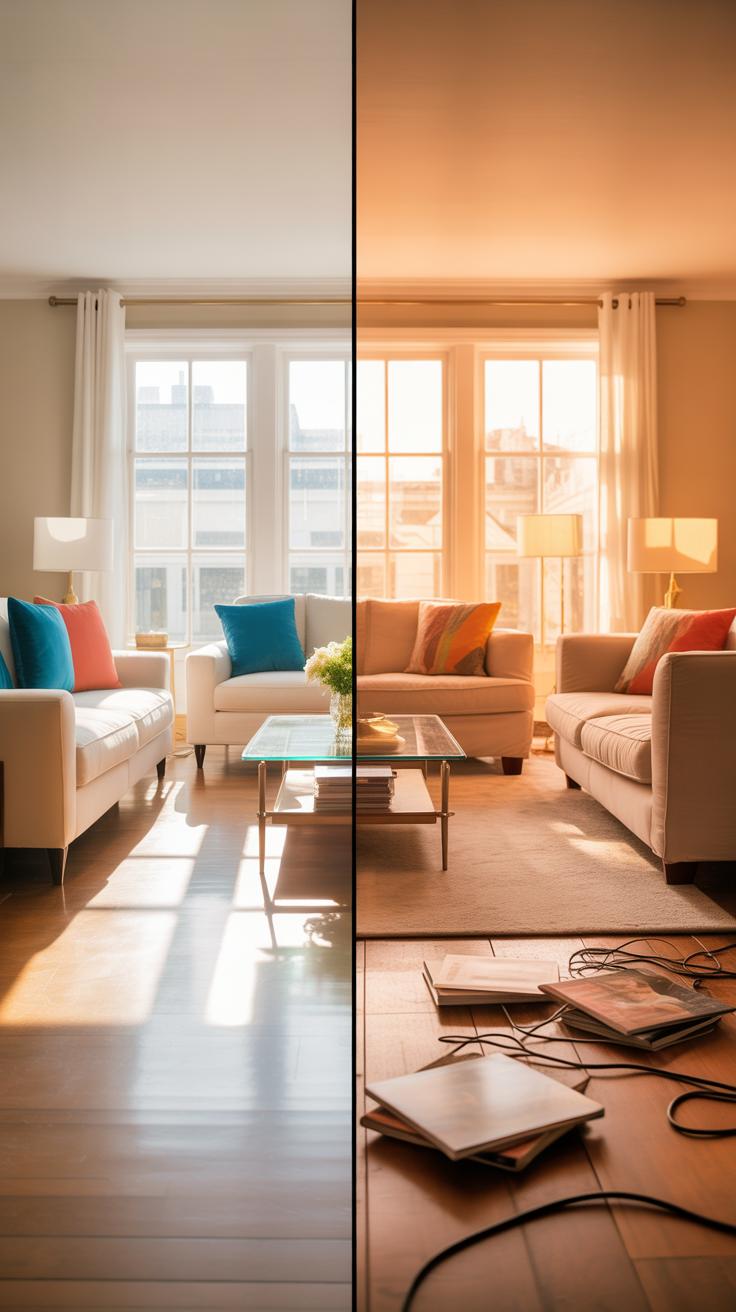
When setting up a small room, there’s a real temptation to fill every corner with furniture. But, in reality, piling up too many pieces can choke the space. It makes the room feel cluttered and smaller than it already is. Selecting only essential items becomes key. Think about what serves a true purpose daily. Avoid impulse buys or furniture “just because it looks nice.” Instead, choose multipurpose or compact pieces. For example, a bed with drawers underneath or a slim, wall-mounted desk. Imagine how much more room you’d have for movement if you cut back. It’s not about depriving your room of character but about carefully curating what lives inside it.
Ignoring Lighting Needs
Lighting is often overlooked, yet it can make or break the comfort of a small room. Poor lighting can leave a room feeling cramped or gloomy. On the other hand, the right lighting opens the space up, highlights your room’s best features, and even lifts your mood. But what counts as “right” lighting? Layered lighting is a good start: combine ambient light, task lighting, and some accent lights. For tight spaces, try wall sconces or pendant lights instead of bulky lamps that eat space. Natural light also plays a huge role, so keep windows clear of heavy drapes and let light in freely. It might feel tricky, but adjusting your lighting can completely transform your small room experience.
How To Refresh Your Simple Room

Sometimes, all a simple room needs is a small change to feel fresh again. You don’t have to spend much or do anything drastic. Switching out a few accessories can create a noticeable difference. For example:
- Swap your pillows for ones in a different texture or color.
- Add or replace throws to bring in warmth or pattern.
- Hang new art or photos to shift the mood without touching the walls much.
These little touches can quickly alter the vibe. I recall changing a single throw pillow and suddenly my bedroom felt less plain. It’s surprising how small things shift your perception.
Rearranging furniture is another easy way to breathe new life into your room. Sometimes just moving the bed to another wall or shifting a chair can open up space or improve flow. It can make a cozy room feel more spacious or functional. You don’t need to buy anything new — just rethink where things belong. I once tried a new spot for my desk and it made working there less cramped, even though the room hadn’t changed at all.
What parts of your space feel stuck? Maybe a small move is all that’s needed to reawaken the room’s feel. Try playing with your layout before considering bigger changes. You might end up surprised by how much a different arrangement refreshes your everyday experience.
Cost Breakdown For Simple Rooms
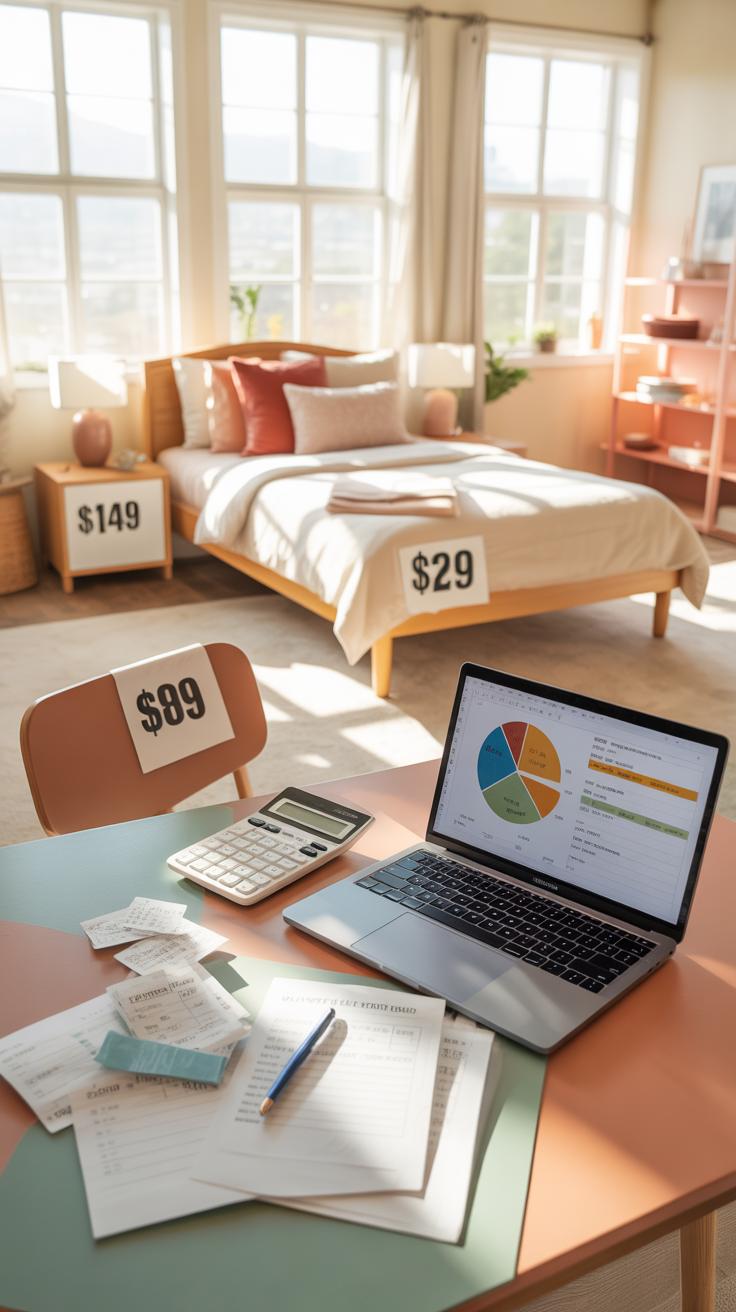
When thinking about creating a simple, cozy small bedroom, you’ll want to keep an eye on costs without sacrificing comfort. Furniture usually takes up the biggest part of your budget. But, it’s not always about buying the most expensive or brand-new pieces. You could find affordable items that look good and last well.
Decor can surprise you with how much it adds up, especially if you choose trendy or high-end accessories. Tools and materials for setting up or small DIY touches add a little to the price but often are worth the effort and save money in the long run.
Budget Furniture Options
Look for plain wood or metal frames that can match a minimalist look. Items like a simple platform bed, a compact nightstand, or a small dresser often come at reasonable prices from big-box stores or second-hand shops. Brands focusing on functional, clean designs tend to offer decent quality without high costs. For example:
- Basic wooden bed frames or foldable beds
- Modular storage cubes that double as seating
- Minimalist desks or wall-mounted shelves
I once snagged a simple pine dresser for a fraction of the price online; it wasn’t fancy, but it fit perfectly and worked fine for a small bedroom.
DIY Decor Savings
DIY projects are not only budget-friendly but add personality to your space. Creativity often pays off more than buying expensive decor. Some ideas include:
- Making macramé wall hangings or simple string art
- Painting old furniture to breathe new life into it
- Using reclaimed wood to build floating shelves
- Creating your own cushion covers or curtains with basic sewing skills
You might think it sounds a bit demanding, but starting small projects like these can make your room more inviting without eating your budget. Plus, it gives a sense of accomplishment—though, admittedly, not every DIY turns out perfect, but that’s part of its charm, isn’t it?
Conclusions
The ideas shared here show that a small room can feel both simple and cozy. With careful choice of furniture and decoration, you create a space that feels larger and inviting. Minimalism allows you to enjoy your room without extra clutter.
By following these tips, you make your small bedroom comfortable and easy to maintain. A simple room with a clear design can bring peace and rest to your daily life. You now have the tools to turn your space into a calm retreat.