
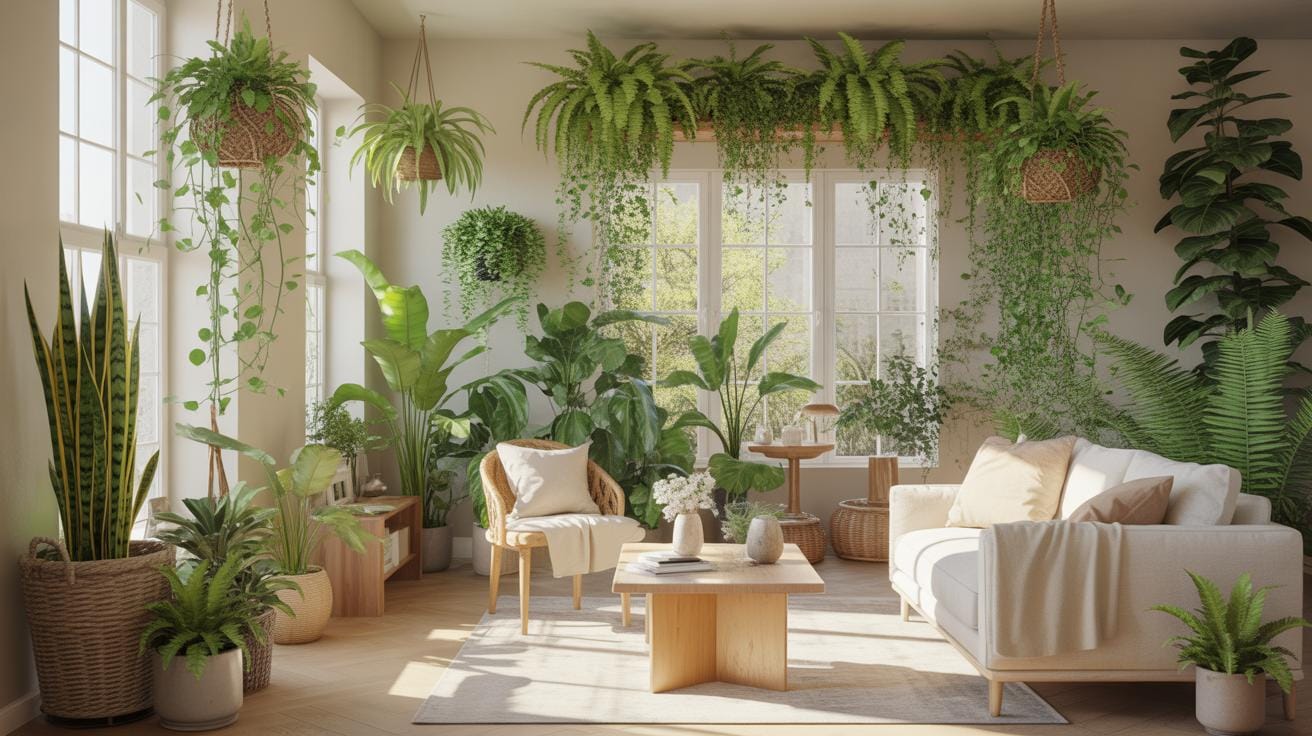
The Science Behind Air Purifying Plants
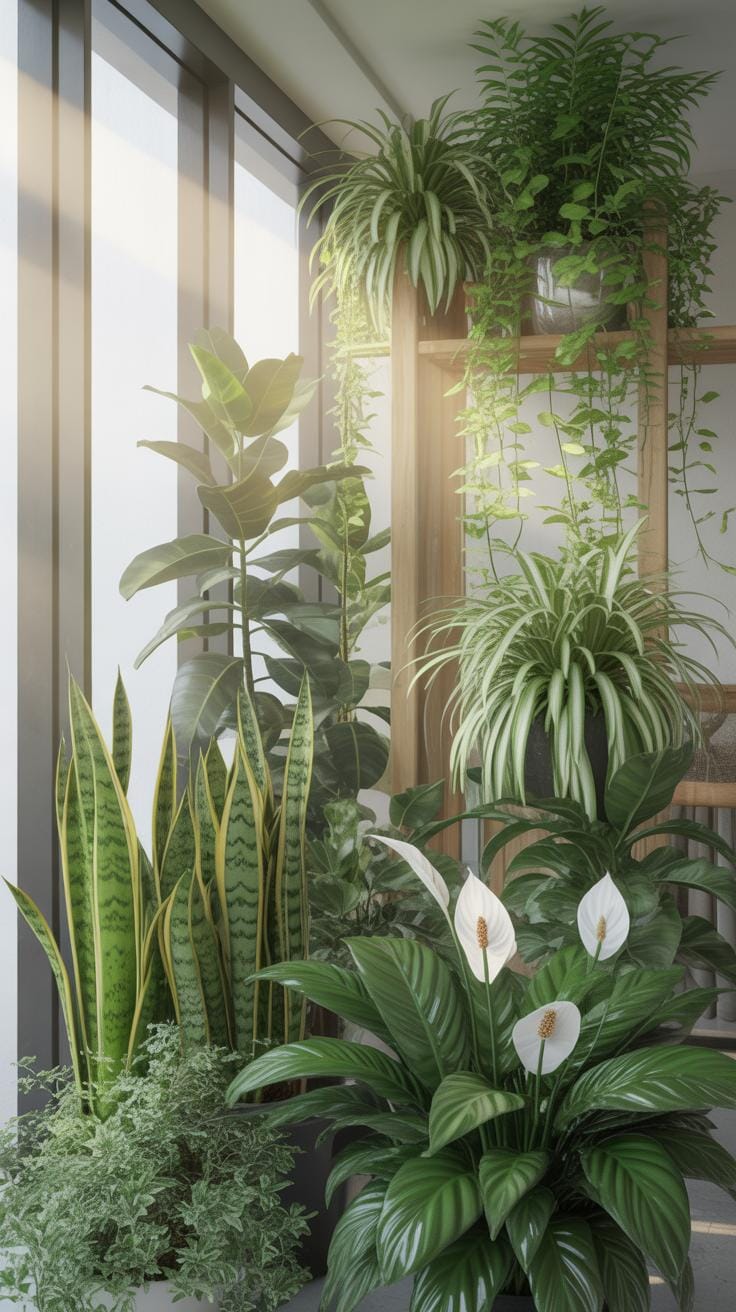
NASA Clean Air Study
In the 1980s, NASA researchers conducted groundbreaking studies on indoor air quality, seeking solutions for space stations where air circulation was limited. Their findings revealed that common household plants could effectively remove harmful pollutants from enclosed environments. The research identified several toxic compounds present in typical homes, including formaldehyde, benzene, and trichloroethylene. This pivotal work demonstrated that air purifying plants weren’t merely decorative—they served as natural filters for our living spaces.
The NASA Clean Air Study tested various plant species and documented their ability to absorb and neutralize airborne toxins. Scientists discovered that certain air purifying plants could reduce indoor pollutant concentrations when placed strategically throughout rooms. These findings sparked widespread interest in biophilic design and sustainable living practices. Today, homeowners increasingly rely on this research to justify incorporating living greenery into their interiors, blending scientific evidence with the timeless appeal of nature indoors.
VOC Removal Process Explained
Air purifying plants combat volatile organic compounds through a sophisticated natural process involving multiple plant systems. VOCs enter through leaf pores called stomata, where they’re absorbed into the plant’s vascular tissue. Simultaneously, plant roots work with soil microorganisms to break down toxins at ground level. This dual-action mechanism—aerial and root-based—makes air purifying plants remarkably efficient at purifying indoor environments. The process occurs continuously as long as plants remain healthy and actively growing in your living space.
The transformation of harmful chemicals represents nature’s elegant solution to modern indoor air challenges. Once absorbed, VOCs are converted into compounds the plant uses for growth or stores harmlessly within its tissues. Beneficial soil bacteria play a crucial supporting role, metabolizing certain pollutants and reducing their toxicity. This symbiotic relationship between plant, microorganism, and toxin creates a self-sustaining air purification system. Understanding this process reinforces why investing in quality air purifying plants represents both an aesthetic and health-conscious choice for contemporary homes.

Top Air Purifying Plants For Modern Living Rooms
Snake Plant Efficiency
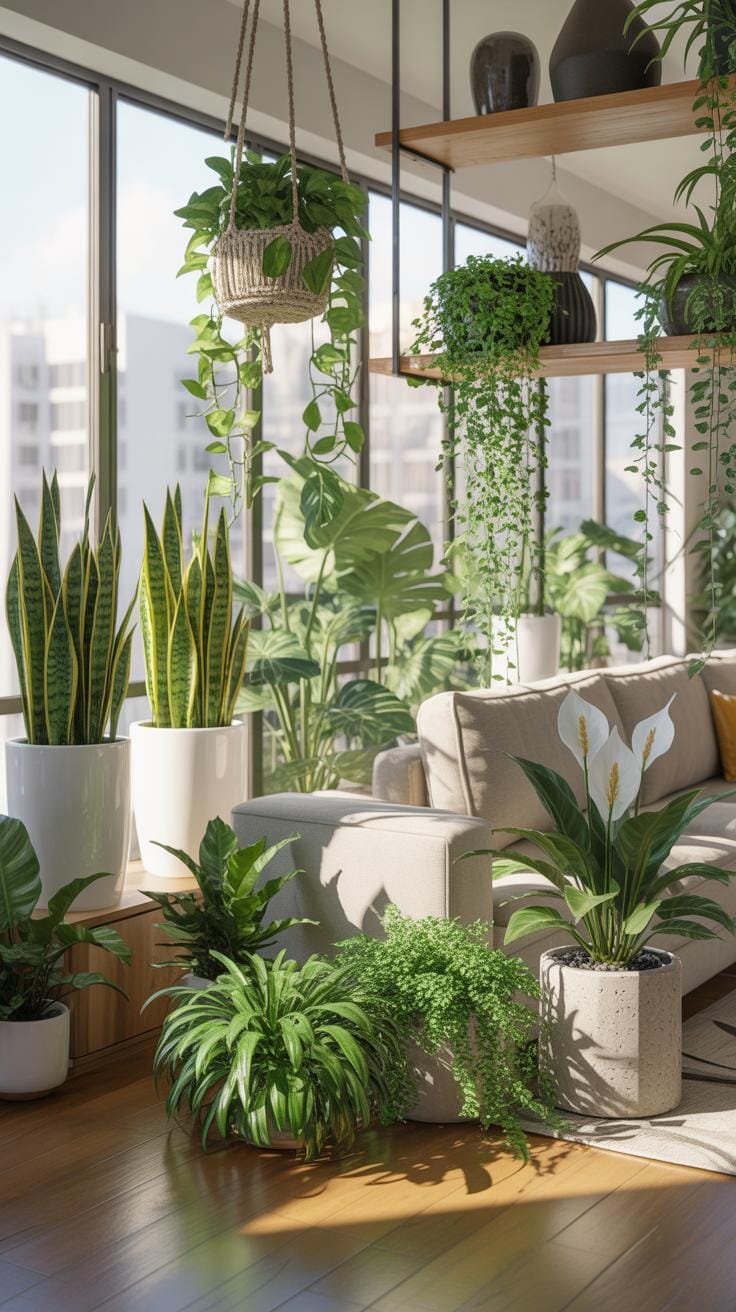
The Snake Plant, scientifically known as Dracaena trifasciata, stands as one of the most resilient air purifying plants for contemporary living spaces. This architectural beauty thrives in low light conditions, making it ideal for corners and shelves away from direct sunlight. With its distinctive upright, variegated leaves, the Snake Plant removes toxins like formaldehyde and benzene from indoor air. Its ability to produce oxygen at night while requiring minimal maintenance makes it a favored choice among both experienced plant enthusiasts and newcomers seeking effective air filtration solutions.
The Snake Plant’s remarkable durability stems from its succulent nature, allowing it to store water within its leaves for extended periods. This characteristic means you can travel or maintain inconsistent watering schedules without compromising the plant’s health or air-purifying capabilities. The plant’s slow growth rate and tolerance for neglect have earned it a cherished place in modern minimalist interiors. Beyond its functional benefits, the Snake Plant’s sleek silhouette complements contemporary design aesthetics while silently working to cleanse your living room’s atmosphere day and night.
Peace Lily Benefits
Peace Lilies represent an elegant fusion of aesthetic grace and powerful air filtration capabilities, making them quintessential air purifying plants for discerning homeowners. Their glossy, dark green foliage and pristine white spathes create a sophisticated ambiance while simultaneously removing harmful substances like ammonia, xylene, and trichloroethylene from your indoor environment. The Peace Lily’s dramatic white blooms symbolize purity and serenity, earning their name through their association with peace. This plant’s ability to droop noticeably when thirsty provides intuitive watering guidance, ensuring optimal health and continuous air purification throughout your living space.
Beyond their striking appearance, Peace Lilies actively communicate their needs through visible signals, making them wonderfully interactive companions for your home. When provided with indirect light and consistent moisture, these remarkable air purifying plants reward you with frequent blooming cycles and vigorous growth. Their preference for humid environments makes them perfect bathroom or kitchen candidates, though they flourish beautifully in living rooms with moderate attention. The Peace Lily’s proven effectiveness in NASA’s Clean Air Study, combined with their undeniable elegance, solidifies their position as essential natural air filters for homes seeking both beauty and wellness.

Enhancing Mental Well Being With Greenery

Biophilia And Relaxation Effects
Biophilia, the human inclination to connect with nature and living systems, explains why air purifying plants profoundly impact our emotional landscape. When we surround ourselves with greenery, our nervous systems respond by lowering cortisol levels and reducing blood pressure. This innate affinity for plants creates sanctuary spaces within our homes, transforming ordinary rooms into havens of tranquility where stress naturally dissipates.
The presence of air purifying plants in living spaces cultivates a subtle yet powerful sense of calm. Their gentle rustling leaves, organic textures, and living presence remind us of natural rhythms we’ve evolved with for millennia. Research consistently demonstrates that viewing plants activates parasympathetic responses in our bodies, the same physiological state associated with relaxation and restoration. These botanical companions become silent healers, their very existence soothing our minds without requiring conscious effort or intervention from us.
The Therapeutic Value Of Plant Care
Caring for air purifying plants transforms routine maintenance into mindful practice, grounding us in the present moment. The rhythmic acts of watering, pruning, and repositioning foliage demand gentle attention and presence. These simple rituals create psychological anchors, offering respite from digital overwhelm and mental clutter. Plant stewardship becomes meditation in motion, where our hands nurture living things while our minds find clarity and peace through purposeful engagement.

The responsibility of nurturing living organisms cultivates profound focus and intention within our daily lives. Observing your plants’ subtle signals—wilting leaves, new growth, seasonal changes—sharpens observational skills and deepens mindfulness practice. This intimate relationship with air purifying plants creates accountability and purpose, fostering emotional resilience. The patience required to witness slow growth teaches acceptance and surrender, qualities that extend beyond gardening into all aspects of our wellbeing and personal development.
Low Maintenance Greenery For Beginners
Spider Plant Maintenance Guidelines
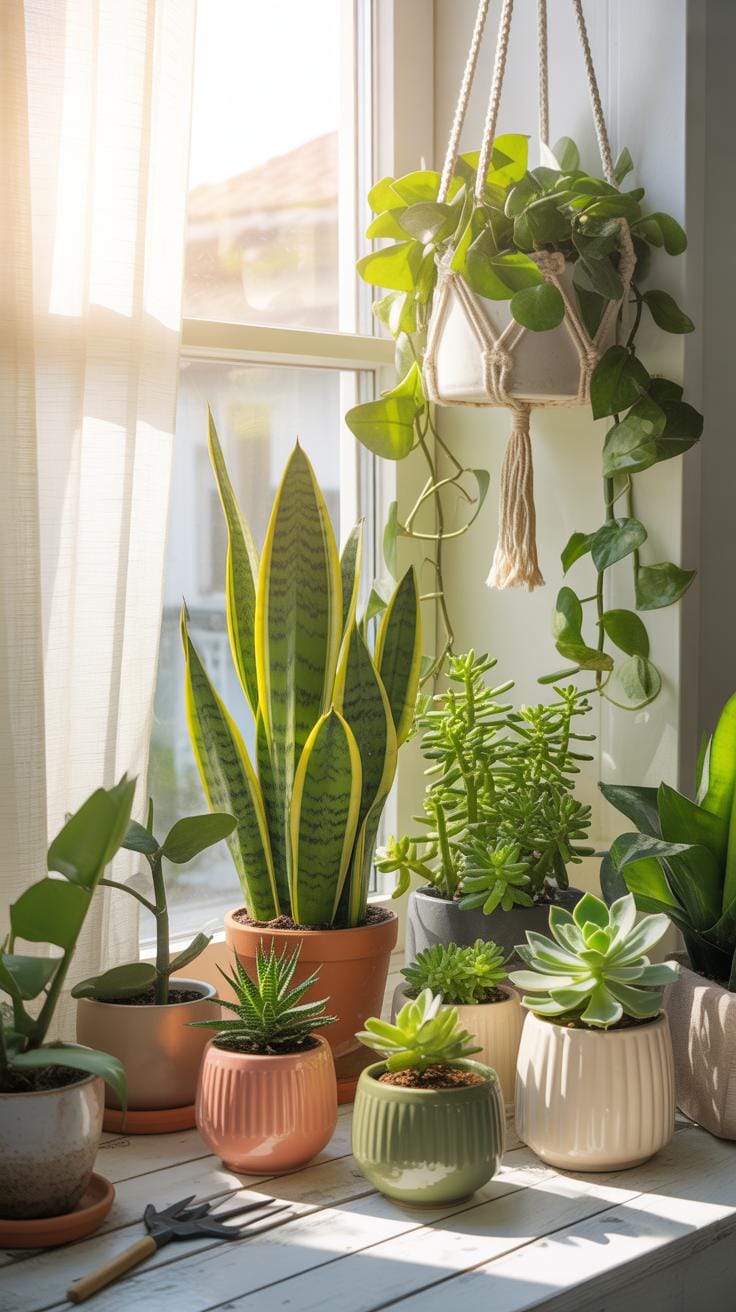
Spider Plants represent one of the most forgiving air purifying plants available, making them ideal for those beginning their indoor gardening journey. These resilient beauties earned their reputation through centuries of cultivating in households across generations. Their cascading green and white striped foliage brings movement and charm to any living room corner. Spider Plants thrive in indirect light and tolerate inconsistent watering schedules, adapting gracefully to various home environments. They’ve become beloved fixtures in contemporary homes precisely because they demand minimal attention while delivering maximum visual appeal and air-cleaning benefits.
When caring for Spider Plants, understanding their straightforward needs transforms you into a confident plant parent. These air purifying plants prefer bright, indirect light but manage adequately in moderate conditions. Water when soil feels dry to touch, typically every one to two weeks depending on your climate. They appreciate occasional misting but don’t require it for survival. Spider Plants reward your minimal effort by producing adorable plantlets that cascade from mother plants, creating enchanting vertical displays throughout your living space while continuously filtering air naturally.
Pothos Versatility And Care Tips
Golden Pothos represents the ultimate adaptable air purifying plant, thriving in conditions ranging from dim corners to bright windowsills with remarkable ease. These fast-growing vines possess an almost forgiving nature, bouncing back from neglect that would stress other houseplants. Their heart-shaped leaves create elegant trails along shelves, mantels, or hanging baskets, adding dimension and movement to your interior design. Pothos has graced homes for decades, appreciated equally by seasoned plant enthusiasts and complete beginners. This versatility, combined with their proven air-purifying abilities, makes them invaluable additions to any living room seeking both beauty and wellness benefits.

Caring for Pothos requires embracing their naturally low-maintenance personality while providing basic necessities. Water when the top inch of soil becomes dry, allowing flexibility around your schedule. These air purifying plants tolerate varied light conditions, though they develop richer coloring in moderate to bright indirect light. Pinch back stems occasionally to encourage bushier growth rather than excessive vine length. Pothos rarely encounters pest problems and forgives occasional forgotten waterings, making them perfect companions for busy lifestyles or those developing their plant-care confidence gradually.
Creating A Harmonious Interior Design With Plants
Strategic Placement For Maximum Impact And Aesthetics
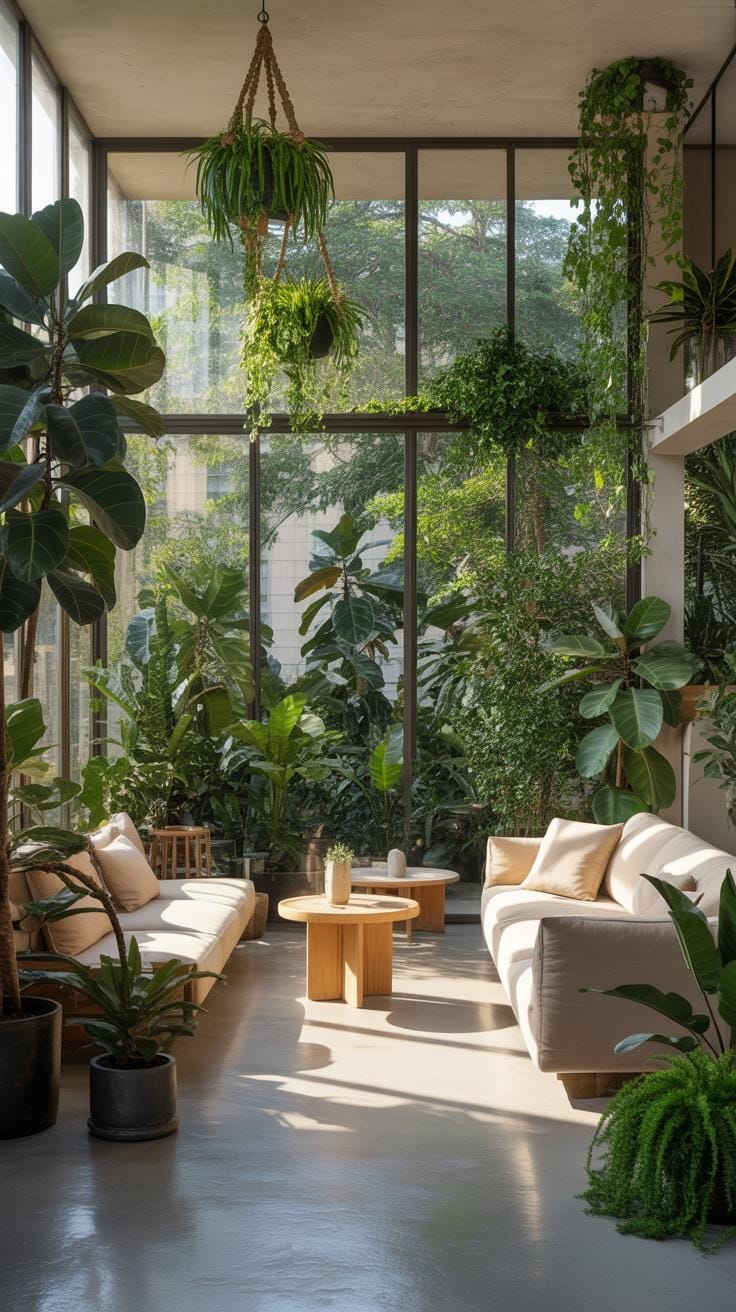
Air purifying plants thrive when positioned to receive appropriate light while enhancing your living room’s visual flow. Consider placing taller specimens like peace lilies in corners to draw the eye upward, creating vertical interest without overwhelming the space. Near windows, spider plants and pothos benefit from natural light while framing views beautifully. The key is viewing your room as a gallery where each plant becomes a living artwork, positioned to complement existing furniture and architectural features while serving its air-cleaning purpose.
Proper spacing ensures adequate air circulation around air purifying plants, which ironically improves their own health and filtering capabilities. Leave breathing room between clustered plants to prevent moisture accumulation and encourage natural airflow throughout your living room. Consider traffic patterns when selecting placement—avoid positioning plants where they’ll obstruct movement or create maintenance challenges. This thoughtful arrangement transforms your space into a serene sanctuary where form and function dance together harmoniously.
Complementing Living Room Styles With Foliage Textures

Different foliage textures serve as natural design elements that either harmonize with or artfully contrast existing décor styles. Fine, delicate leaves of air purifying plants like asparagus ferns soften modern minimalist interiors, while bold, architectural leaves of snake plants complement contemporary and industrial design schemes. Feathery fronds of Boston ferns evoke vintage charm reminiscent of Victorian-era conservatories, adding nostalgic warmth to eclectic or bohemian spaces. Consider your room’s existing texture palette—smooth leather furniture pairs beautifully with plants featuring rough, sculptural foliage.
Color variations in plant foliage expand your design possibilities beyond traditional green tones. Variegated pothos with cream and green striping adds subtle brightness to darker spaces, while deep emerald philodendrons anchor lighter, airier rooms. Air purifying plants offer remarkable diversity: from silvery-toned satin pothos to burgundy-tinged prayer plants. Layering different textures and colors creates visual depth and sophistication, transforming your living room into a curated botanical display that feels intentional and personally meaningful rather than randomly decorated.
Optimizing Air Quality In Large Living Spaces
Bamboo Palm And Large Leaf Varieties
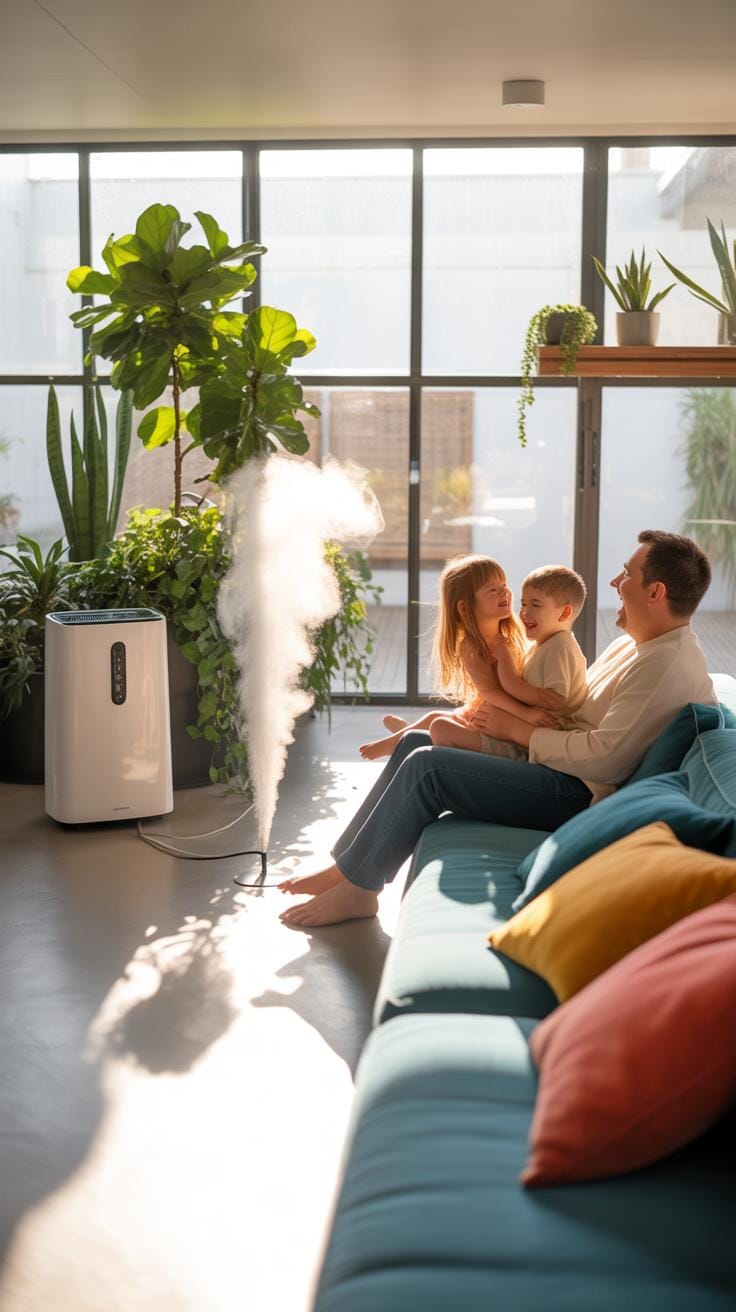
Bamboo Palms stand as magnificent guardians of indoor air quality, their graceful fronds reaching toward sunlight while quietly filtering toxins from your breathing space. These tropical beauties excel at removing formaldehyde and benzene, common household pollutants that accumulate in living rooms. With their substantial size and lush foliage, Bamboo Palms make striking focal points while delivering serious air-purifying benefits. Their ability to thrive in medium light conditions makes them remarkably adaptable to most living room environments, transforming corners into verdant sanctuaries.

Large-leaf air purifying plants work synergistically to maximize air quality in expansive rooms. Species like Philodendrons and Pothos feature generous leaf surfaces that actively process air throughout the day and night. These varieties absorb volatile organic compounds while releasing oxygen, creating a noticeably fresher atmosphere. The visual impact of substantial foliage also contributes to the soulful, calming ambiance that many homeowners seek when incorporating nature into their living spaces.
In the warm embrace of our living room greens, let them whisper the pure air of bygone gardens to cleanse both breath and spirit.
Determining The Optimal Plant To Square Footage Ratio
The relationship between room size and plant quantity directly impacts air purification effectiveness in your living room. Research suggests that approximately one medium to large air purifying plant per one hundred square feet provides meaningful improvement in air quality. For a standard living room measuring two hundred to three hundred square feet, placing two to three substantial specimens strategically throughout the space yields optimal results. This balanced approach ensures comprehensive coverage without overwhelming your décor or creating excessive maintenance demands.
Strategic placement amplifies the air-cleaning potential of your air purifying plants significantly. Position larger specimens near windows or corners where air naturally circulates, allowing their leaves to process toxins efficiently. Grouping complementary plants with varying heights creates visual interest while establishing microenvironments that collectively purify your entire living room. Consider traffic patterns and natural air flow patterns when determining placement, ensuring your botanical allies work harmoniously with your space’s existing dynamics.
Pet Friendly Air Purifying Options

Identifying Safe And Toxic Indoor Greenery For Pets
Pet owners often face a delicate balance when selecting air purifying plants for their homes. Many common houseplants that effectively filter indoor air contain compounds toxic to cats and dogs. Before bringing any greenery into your living space, researching its safety profile becomes essential. The ASPCA maintains comprehensive lists of toxic and non-toxic plants, providing invaluable guidance for conscientious pet owners. Understanding which air purifying plants pose risks allows you to create a beautiful, healthy environment without compromising your beloved companion’s wellbeing.

When selecting air purifying plants, consider these safety factors:
- Check ASPCA or Pet Poison Helpline resources before purchasing any plant
- Avoid plants with oxalates, which can harm your pet’s kidneys and mouth
- Keep toxic varieties on high shelves completely inaccessible to curious animals
- Research symptoms of plant toxicity specific to your pet species
- Consult your veterinarian if your pet ingests unknown plant material
Fortunately, numerous pet safe air purifying plants thrive in typical living room conditions. These alternatives allow you to enjoy cleaner air and lush botanical beauty while keeping your furry friends protected. Spider plants, for instance, have long been favorites among pet owners seeking non-toxic greenery. Boston ferns and areca palms represent additional excellent choices that combine air purification benefits with complete safety profiles for household pets.
Boston Fern And Areca Palm Pet Safety Profiles
Boston ferns stand as celebrated air purifying plants that remain completely safe for cats, dogs, and other common household pets. These delicate fronds create nostalgic, Victorian-inspired charm while effectively removing toxins like formaldehyde and xylene from your living room air. The soft, feathery foliage adds textural interest without posing any poisoning risk, making them ideal for homes with curious pets. Boston ferns do require consistent moisture and indirect light to flourish, but their pet-friendly nature makes the extra care worthwhile for devoted animal lovers seeking botanical purification.
Areca palms represent another spectacular option for pet owners prioritizing both air quality and safety. These graceful tropical plants purify air remarkably well while remaining completely non-toxic to dogs and cats. Their tall, slender fronds create an elegant presence in living rooms, evoking a sense of vacation-inspired tranquility. Areca palms prefer bright, indirect light and moderate watering schedules. Growing these air purifying plants alongside Boston ferns creates a harmonious pet-safe garden that cleans your air while providing the peaceful botanical atmosphere your home truly deserves.
Long Term Care For Lasting Health Benefits


Soil Microbiome And Root Health Maintenance
The soil microbiome represents a living ecosystem beneath your air purifying plants, teeming with beneficial bacteria, fungi, and microorganisms that facilitate nutrient absorption and oxygen exchange. This microscopic community directly influences your plant’s ability to filter airborne toxins and metabolic waste. When the soil microbiome thrives, roots develop stronger, more extensive networks that enhance the plant’s physiological capacity to process volatile organic compounds. Maintaining this underground garden requires patience and attention to detail, much like tending to the visible foliage above.
Nurturing soil health involves several interconnected practices that sustain microbial diversity:
- Avoid chemical-heavy fertilizers that sterilize beneficial microorganisms
- Practice gentle watering without waterlogging, which suffocates aerobic bacteria
- Incorporate organic matter through occasional top-dressing with compost
- Allow natural decomposition cycles by not overturning compacted soil
- Repot plants every twelve to eighteen months with fresh, living substrate
When you refresh your air purifying plants’ soil and minimize synthetic interventions, the microbial population rebounds naturally, creating an increasingly efficient biological filtration system that supports both plant vigor and indoor air quality enhancement.
Seasonal Adjustments For Indoor Plant Vitality
As seasons shift, your air purifying plants respond to changing light angles, humidity levels, and temperature fluctuations that necessitate thoughtful care modifications. Winter’s shorter days and artificial heating create drier indoor environments that challenge many popular air-cleaning varieties, while summer’s abundant light and moisture can occasionally overwhelm sensitive species. Understanding these natural rhythms allows you to maintain consistent air purification benefits throughout the year. Your plants essentially enter periods of dormancy or accelerated growth, requiring calibrated watering and positioning strategies.
Winter demands reduced watering frequency since evaporation slows considerably and plant metabolism decreases, yet humidity becomes critical as heating systems dry the air. Moving air purifying plants away from heating vents and grouping them together creates beneficial microclimates while reducing individual stress. Summer brings opposite challenges—increased transpiration requires more frequent watering, though overwatering risks root complications. Rotating plant positions seasonally ensures balanced light exposure, preventing leggy growth while maximizing the plant’s ability to photosynthesize and filter contaminants effectively throughout every season’s unique environmental conditions.
Frequently Asked Questions

What are air purifying plants and why should I add them to my living room?
Air purifying plants are houseplants like snake plant, peace lily, and spider plant that naturally filter toxins from indoor air, improving your home’s air quality as proven by NASA studies. They also uplift your mood and bring a touch of nature into your living room, cleansing both air and soul. As a beginner, start with low-maintenance options—they thrive on neglect and make your space feel refreshed and alive.
How do I care for air purifying plants in my living room?
Place your air purifying plants near windows for indirect light, water when the top inch of soil is dry, and mist leaves occasionally to boost humidity. Use well-draining pots to prevent root rot, and fertilize lightly every 4-6 weeks in spring and summer. Dust leaves monthly for optimal air-cleaning efficiency. With these simple steps, your living room plants will thrive, purifying air while adding serene beauty to your space.
What are some affordable air purifying plants for beginners on a budget?
Budget-friendly air purifying plants include pothos, ZZ plant, and spider plant, often available for under $10 at local stores or grocery shops. These resilient beauties require minimal care, tolerate low light, and effectively clean indoor air. Propagate cuttings from friends for free plants, turning your living room into a lush, soul-soothing oasis without breaking the bank—perfect for easy, accessible greenery.