
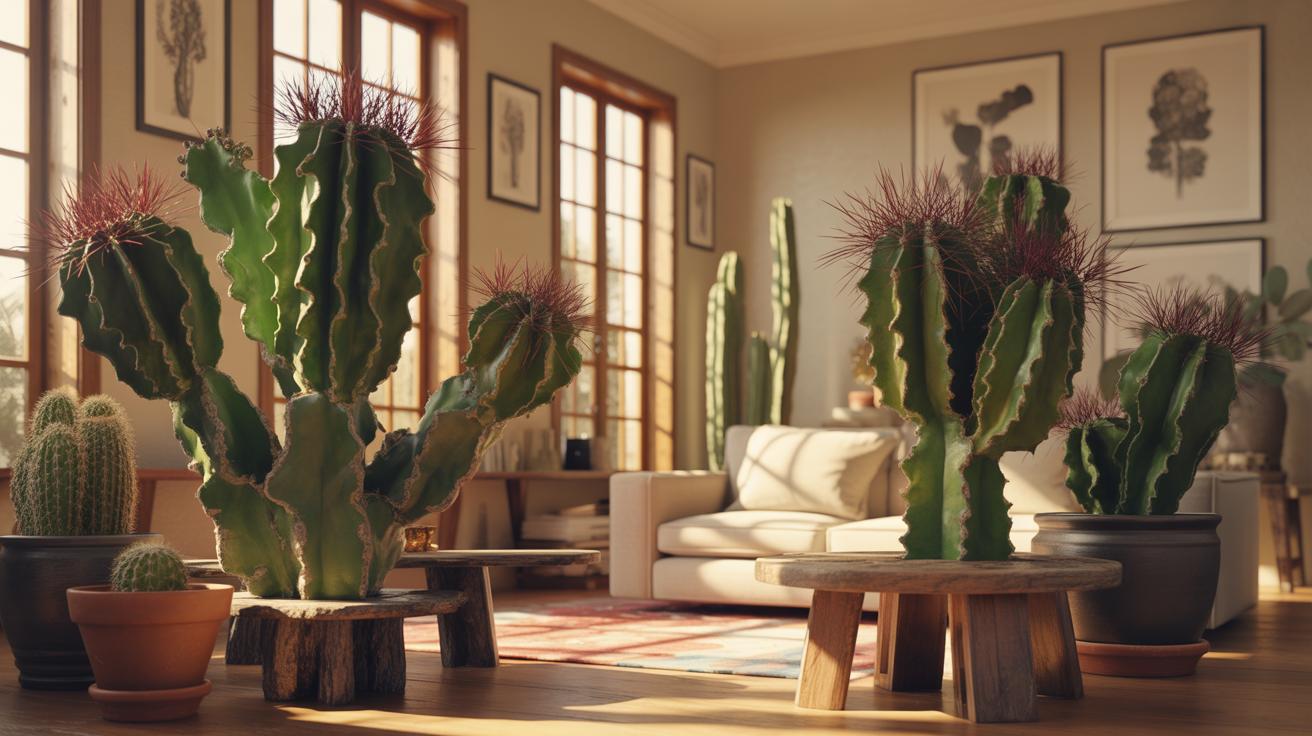
The Allure Of The Cursed Cacti Display
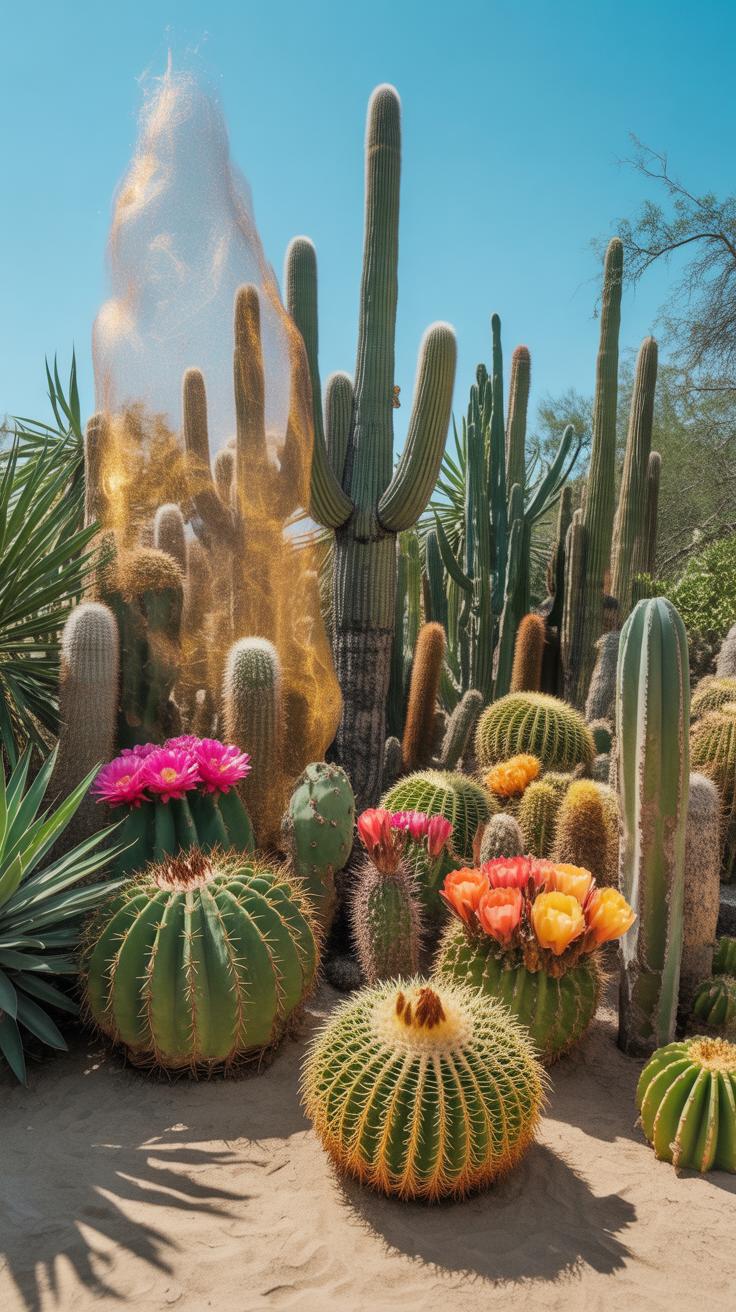
Dark Aesthetics In Decor
The macabre aesthetic has emerged as a compelling countermovement to minimalism and bright, cheerful interiors dominating contemporary design. Gothic and dark academia influences have trickled into mainstream home decor, creating spaces that celebrate mystery and unconventional beauty. A Cursed Cacti Display epitomizes this trend, blending botanical elements with moody atmospherics. Cacti naturally embody this aesthetic through their dramatic silhouettes, unusual textures, and architectural forms that command visual interest without requiring vibrant colors or traditional ornamentation.
The appeal lies in rejecting sanitized perfection in favor of raw, untamed nature. Dark green and deep burgundy cacti varieties create visual depth against shadowed corners or walls painted in charcoal and forest tones. When displayed thoughtfully, a Cursed Cacti Display becomes a statement piece reflecting personal authenticity. This styling honors the plant’s origins in harsh desert environments while creating an atmosphere that feels simultaneously dangerous and inviting, sophisticated yet defiant.
The Psychology Of Spiny Plants
Humans possess a fascinating attraction to elements that combine beauty with danger—a duality that succulents, particularly cacti, exemplify perfectly. The protective spines that make these plants formidable create visual intrigue and psychological complexity. Our brains are drawn to the contradiction of something simultaneously delicate and aggressive, beautiful and harsh. This paradox makes a Cursed Cacti Display psychologically engaging, triggering curiosity about why we’re drawn to plants that could cause physical harm.
The presence of spiny plants in living spaces activates primal protective instincts while simultaneously demonstrating our ability to coexist with challenging elements. Cacti have survived through adaptation and resilience, qualities humans admire and seek to embody. Displaying them intentionally creates an unconscious dialogue between inhabitant and plant about strength, endurance, and finding beauty in inhospitable conditions. This psychological engagement transforms a Cursed Cacti Display from mere decoration into a meaningful representation of personal values and aesthetic philosophy.

Designing Your Cursed Cacti Display Foundation
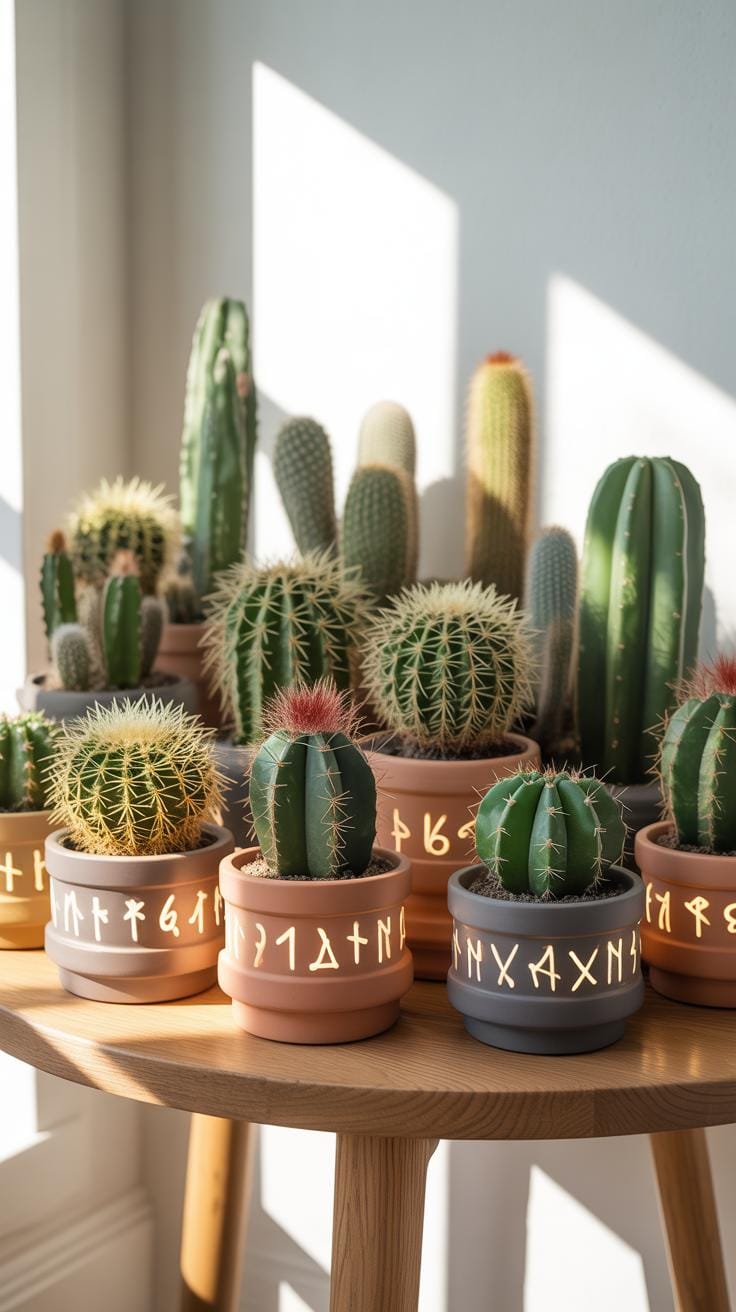
Selecting Gothic Vessels
The vessel you choose becomes the visual anchor for your entire cursed cacti display, establishing the gothic aesthetic that transforms ordinary succulents into something mysteriously compelling. Obsidian-finished ceramic pots offer a sleek, dark foundation that absorbs light and creates depth within your arrangement. Skull-shaped planters, while theatrical, provide an unmistakable thematic connection to memento mori traditions. Weathered stone containers—think aged concrete or reclaimed slate—evoke ancient graveyards and Victorian-era garden grottos, lending authenticity to your macabre collection.
Beyond aesthetics, practical considerations ensure your cursed cacti display remains both beautiful and functional. Select vessels with adequate drainage holes to prevent root rot in these drought-tolerant plants. The size of your pot should accommodate your cactus’s root system while leaving minimal excess soil, as cacti prefer slightly snug conditions. Consider grouping different vessel styles and heights to create visual interest—mixing skull planters with weathered stone containers produces an intentional, curated appearance rather than a chaotic assembly of dark decorative elements.
Lighting For A Haunted Glow
Strategic lighting transforms your cursed cacti display from merely dark to genuinely atmospheric and haunting. Low-angle LED lights positioned beneath or beside your plants cast dramatic shadows across textured cactus spines, emphasizing their twisted and contorted forms. Warm-white LEDs (around 2700K color temperature) create that nostalgic, candlelit ambiance reminiscent of Victorian séance rooms, while cooler tones offer a more contemporary, ethereal effect. The shadows themselves become part of your display’s artistry, dancing across walls and creating movement that brings your collection to life.
Layering multiple light sources within your cursed cacti display prevents harsh, unnatural shadows and builds complexity. Small accent lights hidden behind larger specimens illuminate the negative space within your arrangement, while overhead ambient lighting maintains overall room functionality. Adjustable fixtures allow you to modify the mood seasonally or for special occasions, transforming your display from subtly eerie during daylight hours to genuinely haunting when evening shadows deepen. This approach respects the gothic design movement’s emphasis on chiaroscuro—the dramatic interplay of light and darkness that defines the aesthetic.

Species Selection For A Sinister Silhouette
The Brain Cactus (Mammillaria Elongata ‘Cristata’)
The Brain Cactus presents an unmistakably cerebral aesthetic that transforms any Cursed Cacti Display into a contemplative gallery piece. Its distinctive cristated form, characterized by convoluted, undulating ridges, mimics the surface architecture of an actual human brain. This remarkable growth pattern occurs naturally in certain Mammillaria elongata specimens, creating an organic sculpture that commands visual attention and sparks conversation among visitors fascinated by the intersection of botany and gothic design.
Incorporating this species into your macabre living room centerpiece elevates the entire arrangement with intellectual gravitas. The Brain Cactus doesn’t merely sit passively on a shelf; it demands engagement through its hypnotic topography and contemplative appearance. When displayed prominently within your Cursed Cacti Collection, this specimen serves as a philosophical anchor, suggesting themes of mystery, consciousness, and the darker corners of human thought that have captivated artists and designers throughout history.
The Totem Pole Cactus (Lophocereus Schottii Monstrosus)
The Totem Pole Cactus introduces an extraordinarily organic, almost flesh-like quality to your Cursed Cacti Display that cannot be replicated by conventional design elements. This monstrose cultivar features distinctive lumpy, bumpy protrusions covering its columnar body, creating a texture that evokes aged skin, weathered bark, or even ancient stonework. The irregular segmentation and tactile surface invite viewers to reconsider what they expect from living botanical specimens, pushing boundaries between natural beauty and eerie otherworldliness.

Placing a mature Totem Pole Cactus as a focal anchor within your display creates an undeniably unsettling yet magnificent presence. Its unusual form celebrates botanical anomalies while maintaining genuine horticultural authenticity and vitality. The specimen’s slow growth and sculptural qualities make it a conversation-starter for anyone seeking to establish a truly distinctive and thoughtfully curated macabre aesthetic in their living space, transforming routine interior decoration into an unconventional artistic statement.
Folklore And Myths Behind The Spines

Desert Ghosts And Plant Spirits Landscapes
Across desert cultures spanning Mexico, the American Southwest, and beyond, cacti have long occupied a mystical space in folklore and spiritual tradition. Indigenous peoples recognized these resilient plants as guardians of harsh landscapes, believing certain species harbored the spirits of ancestors or protective entities. The arid wilderness itself became a canvas for supernatural narratives, where the cacti’s peculiar forms seemed to embody otherworldly presences. These cultural beliefs transformed ordinary succulents into vessels of spiritual significance, contributing to the romantic allure of a Cursed Cacti Display in contemporary interior design.
The legends surrounding desert plants reflect humanity’s attempt to understand extreme environments through spiritual frameworks. Stories passed through generations spoke of phantom travelers guided by cactus spirits, or of vengeful plant entities that punished those who disrespected the desert’s delicate balance. These narratives weren’t merely entertainment; they encoded practical knowledge about plant identification and survival. Modern collectors who incorporate these mythological elements into their homes connect with centuries-old traditions, infusing their living spaces with layers of cultural meaning and atmospheric mystery that transcends typical botanical collecting.
The Cactus As A Guardian Or Omen
Throughout history, cacti have been strategically positioned as protective talismans at doorways and boundaries, particularly in Mexican and Southwestern traditions. The sharp spines served both practical and symbolic purposes—deterring unwanted physical and spiritual intrusions alike. Homeowners believed these botanical sentries could filter negative energy while inviting beneficial forces into their dwellings. This protective symbolism makes cacti particularly compelling elements in a Cursed Cacti Display, where the juxtaposition of danger and guardianship creates a captivating visual and spiritual narrative within modern living rooms.

Yet cacti’s symbolic role remains delightfully ambiguous across different cultures and time periods. While some traditions celebrated them as blessing-bringers and protective guardians, others viewed certain species as omens of misfortune or harbingers of chaos. This duality—the simultaneous capacity to protect and threaten—fascinates contemporary collectors seeking deeper meaning in their botanical arrangements. By embracing this ancient ambiguity, homeowners create spaces that acknowledge both light and shadow, safety and danger, transforming their interiors into thoughtful meditations on the complex relationships between nature, spirituality, and human perception.
Creating An Atmospheric Micro Landscape
Using Moss And Black Sand
The foundation of any compelling Cursed Cacti Display lies in its earthen base. Volcanic black sand, derived from mineral-rich lava deposits, creates an authentically dark and mysterious foundation that perfectly complements the otherworldly nature of your cacti collection. This natural material not only provides visual drama but also mimics the geological conditions found in volcanic regions where many unusual cacti species originate, grounding your display in natural reality.
Preserved moss adds textural depth and gothic elegance to your micro-landscape composition. When layered with black sand, these materials create a dimensional terrain that feels both ancient and carefully cultivated. The interplay between the fine granules of volcanic sand and the delicate moss creates shadow and light variation, enhancing the macabre atmosphere of your Cursed Cacti Display while maintaining botanical authenticity and visual sophistication.
In the quiet glow of your living room, cherish the cursed cacti collection, where macabre spines whisper nostalgic tales of resilient desert beauty that time fondly remembers.
Adding Macabre Antiquities

Vintage oddities serve as perfect companions to your Cursed Cacti Display, bridging the gap between natural botanical wonder and cabinet of curiosities aesthetics. Nineteenth-century medical illustrations, particularly anatomical drawings or phrenological charts, echo the scholarly obsession with unusual specimens that characterized Victorian naturalism. Apothecary jars, old glass vessels, and weathered brass instruments reference historical herbalism and alchemy, creating narrative depth around your collection.
These antiquities transform your display from simple plant arrangement into a curated artistic installation. Placing aged medical bottles or vintage botanical prints near your cacti establishes thematic coherence and storytelling potential. The Cursed Cacti Display becomes a visual statement about humanity’s historical fascination with rare, mysterious, and potentially dangerous plant life, invoking the romance of early botanical expeditions and scientific curiosity.
Care And Survival Of The Cursed Collection Lighting
Mimicking The Desert Moonlight
Creating ambient lighting for your Cursed Cacti Display requires balancing horticultural needs with atmospheric aesthetics. Cacti naturally thrive in bright conditions, requiring six to eight hours of intense light daily. However, maintaining a moody, gothic living room atmosphere means strategically positioning your collection near windows during daylight hours, then supplementing with warm-toned LED grow lights during evening hours. This dual approach ensures your plants receive adequate photosynthesis opportunities while preserving the shadowy, mysterious ambiance that makes a Cursed Cacti Display genuinely captivating and hauntingly beautiful.

Positioning matters considerably when cultivating this macabre aesthetic. Place your collection on windowsills that receive southern or western exposure during peak sunlight hours, allowing natural desert-mimicking conditions to flourish. As twilight approaches, transition to low-intensity LED panels with warm color temperatures between 2700-3000 Kelvin, creating an ethereal glow reminiscent of moonlit desert nights. This theatrical lighting approach keeps your cacti physiologically healthy while reinforcing the collection’s haunting visual identity throughout evening hours.
Watering The Undead Plants
Proper watering represents the most critical factor in preserving your Cursed Cacti Display from deterioration and rot. Cacti are succulents adapted to arid environments, storing water within their tissues and requiring minimal moisture compared to traditional houseplants. During growing seasons (spring and summer), water thoroughly but infrequently—allowing soil to dry completely between waterings, typically every two to three weeks depending on environmental humidity and pot drainage capabilities. This measured approach prevents the fungal and bacterial rot that destroys even the most carefully curated dark botanical collections.
Drainage infrastructure proves absolutely essential for long-term survival of your macabre masterpiece. Utilize clay or terracotta pots with drainage holes, and incorporate a well-draining soil mixture comprising approximately sixty percent mineral components like perlite or coarse sand combined with forty percent organic potting medium. During dormant winter months, reduce watering frequency dramatically—often suspending it entirely unless your living space remains artificially heated. This seasonal rhythm mirrors natural desert conditions, ensuring your Cursed Cacti Display remains vibrant and disease-resistant for years of hauntingly beautiful display potential.
Safety And Etiquette For Sharp Decor

Managing Glochids And Barbs
Cacti possess two distinct types of defensive structures that demand respect when curating your Cursed Cacti Display. Glochids are nearly invisible hair-like spines that detach effortlessly, embedding themselves painfully in skin and causing prolonged irritation. Barbs, conversely, are larger visible spines that require careful handling. When tending to your collection, wear thick gardening gloves and long sleeves, treating each specimen with deliberate caution. Leather gloves provide superior protection compared to standard cotton varieties, particularly when rotating or repositioning specimens within your display arrangement.
- Use specialized cactus gloves with reinforced fingertips for handling prickly varieties
- Keep tweezers nearby to remove stubborn glochids from skin
- Wear protective eyewear when working near eye level with specimens
- Designate a specific handling area away from main living spaces
- Maintain steady, controlled movements to prevent accidental contact
- Consider using tongs or specialized plant handlers for delicate relocations

Establishing a consistent care routine minimizes unnecessary contact with your plants. Water your Cursed Cacti Display during off-peak household hours when you’re calm and focused, reducing the likelihood of accidents. Store protective equipment in a decorative container near your display for immediate accessibility. Knowledge of your specific species’ characteristics—understanding which cultivars possess particularly aggressive glochids—transforms maintenance into a mindful, respectful ritual rather than a risky endeavor.
Kid And Pet Proofing The Display
Strategic placement becomes paramount when displaying dramatic cacti in homes with children or animals present. Elevating your Cursed Cacti Display on high shelving, pedestal tables, or wall-mounted arrangements creates physical barriers that curious hands and paws cannot easily access. Consider furniture placement that naturally discourages approach, positioning displays in corners or against walls rather than in central traffic areas. Upper shelving not only protects your family but also enhances the haunting visual impact of the collection against wall space, amplifying the aesthetic drama.
Establishing clear household boundaries regarding the display area reinforces safety expectations for both children and pets. Use decorative barriers like open shelving with glass doors or architectural screens that maintain visual interest while preventing direct contact. Train pets away from the display zone through consistent reinforcement, just as you would with other household hazards. For particularly adventurous toddlers or young animals, temporary relocation to higher floors or less-frequented rooms during vulnerable developmental stages ensures peace of mind without permanently sacrificing your curated aesthetic vision.
Expanding Your Cursed Cacti Display Over Time
Propagating The Darkness

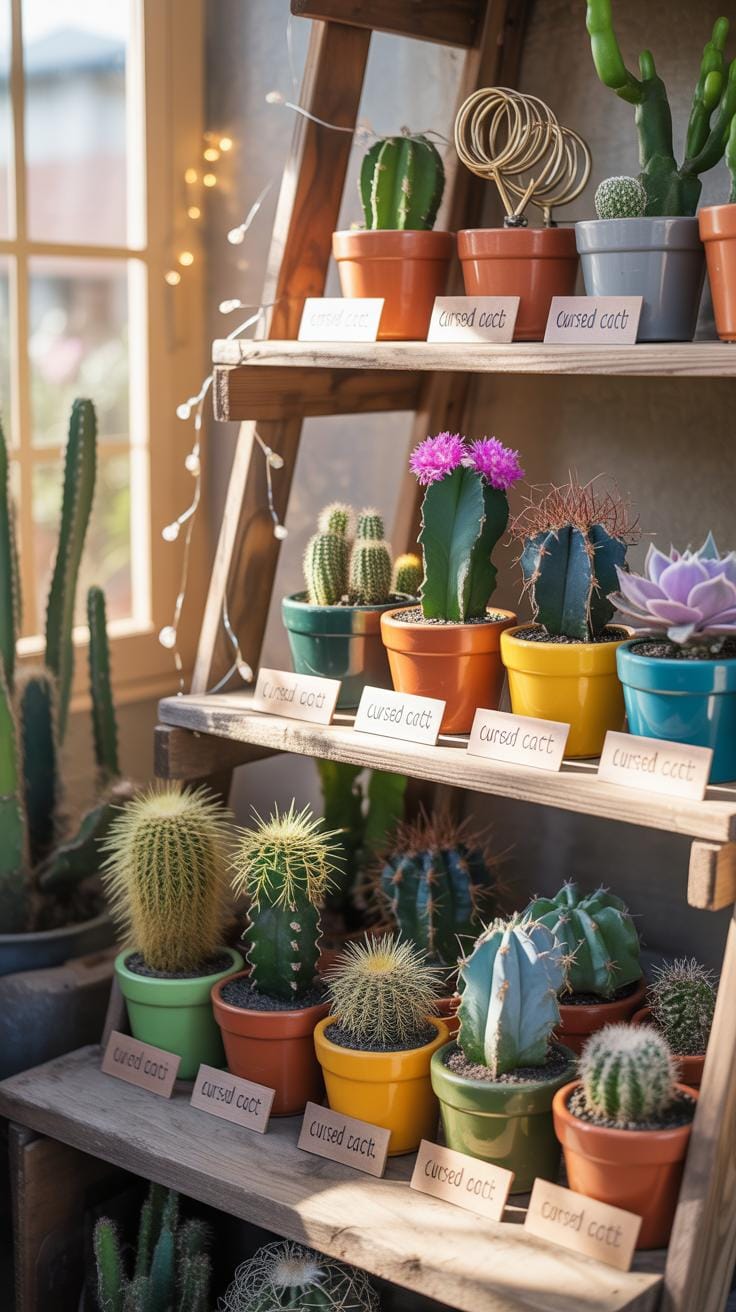
Creating new specimens from your existing collection allows your Cursed Cacti Display to flourish throughout your home organically. Many cacti species reproduce readily from cuttings or offsets, making propagation an accessible endeavor for enthusiasts. Allow cut segments to callus for several days before planting in well-draining soil. This gothic gardening practice echoes Victorian plant collecting traditions, where propagation was both hobby and horticultural science, transforming single specimens into entire botanical kingdoms within parlors and conservatories.
When expanding your Cursed Cacti Display into additional rooms, consider the lighting conditions each space offers. Cacti require bright, indirect light to thrive, making windowsills and shelving near glass doors ideal propagation sites. Young plants need slightly more moisture than mature specimens during their establishment phase. Document your collection’s growth through photography, creating a visual record of your darkly elegant botanical expansion. This practice connects to the Victorian tradition of maintaining plant journals and herbarium collections that documented nature’s mysterious varieties across generations.
Seasonal Transformations
Your Cursed Cacti Display transforms beautifully with seasonal styling that honors thematic occasions without compromising plant health. During Halloween, integrate black ceramic vessels, faux ravens, and deep burgundy accent lighting around your specimens. String warm amber lights among the spines create an appropriately haunting yet welcoming atmosphere. These temporary additions celebrate the macabre aesthetic while maintaining focus on the botanical centerpieces. Traditional autumn decorating practices blend seamlessly with darker design sensibilities, creating spaces that feel both festive and atmospherically gothic.
Winter solstice styling offers another opportunity for meaningful seasonal transformation of your collection display. Deep purples, silvers, and midnight blues complement cactus forms while honoring solstice traditions spanning multiple cultures. Incorporate reflective surfaces like mirrors or metallic accents to amplify candlelight, creating dramatic shadows that dance across your Cursed Cacti Display. Remove seasonal decorations gently once the season passes, allowing your collection to return to its understated, elegant presentation. This cyclical approach to decorating respects both plant welfare and the natural rhythm of seasonal celebration throughout the year.
Frequently Asked Questions

What is a Cursed Cacti Display?
A Cursed Cacti Display is a captivating home decor trend featuring an assortment of spiky, gothic-inspired cacti arranged in your living room to evoke a macabre, mysterious vibe. Part of the Cursed Cacti Collection, these displays blend thorny plants with dark accents like skull pots or eerie lighting for a magnificent yet spooky focal point. It’s perfect for adding personality to modern gothic interiors without overwhelming the space.
How do I create my own Cursed Cacti Display at home?
Start by selecting low-maintenance cacti like Echinopsis or Mammillaria, known for their dramatic spines that enhance the cursed aesthetic. Arrange them on a black shelf or vintage tray in odd numbers for visual intrigue, adding elements like faux cobwebs, LED string lights, or miniature skulls. A Cursed Cacti Display thrives in bright, indirect light and well-draining soil—water sparingly to keep them healthy and ominous-looking.
Can I set up a Cursed Cacti Display on a tight budget?
Absolutely! Source affordable cacti from local nurseries or online for under $10 each, and repot into thrifted glass jars or dollar-store terracotta painted black. DIY props like painted pebbles as “runes” or LED tea lights cost pennies. A stunning Cursed Cacti Display is accessible starting at $30-50, transforming your living room into a macabre wonderland without breaking the bank.