
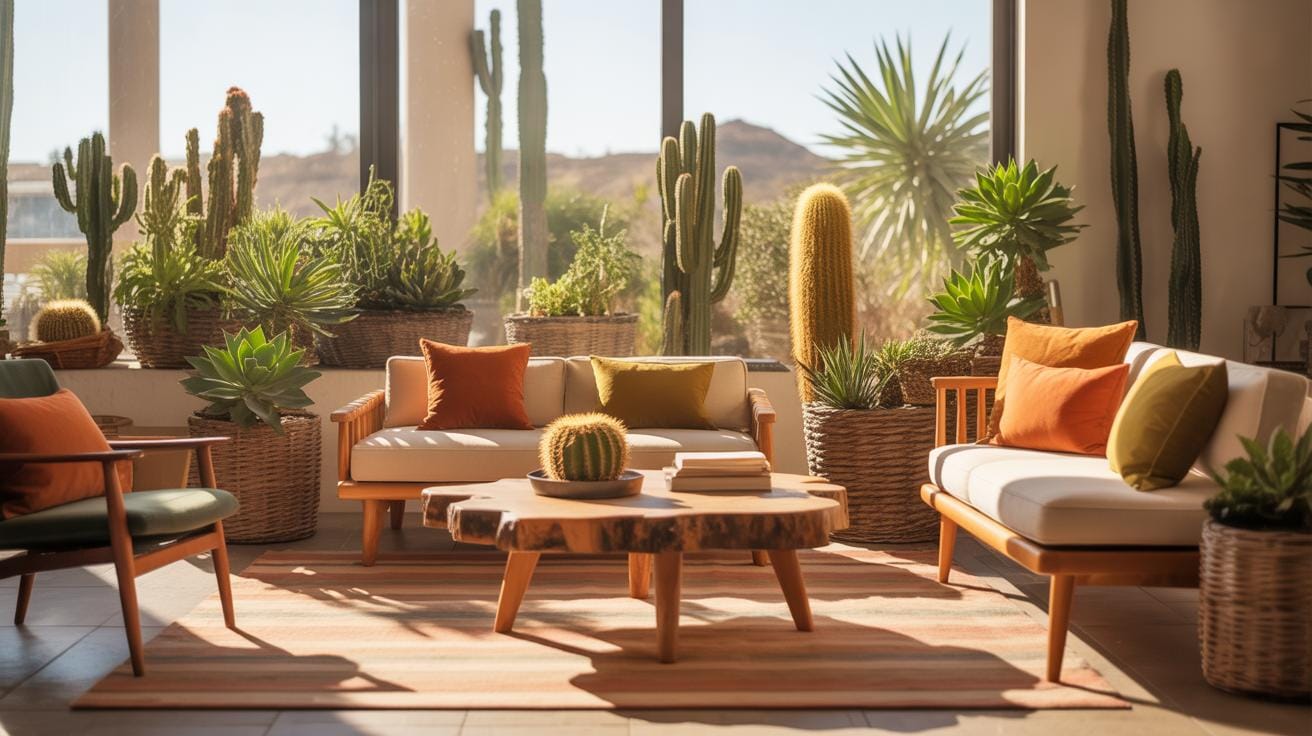
Identifying Popular Types Of Succulents For Sunny Rooms
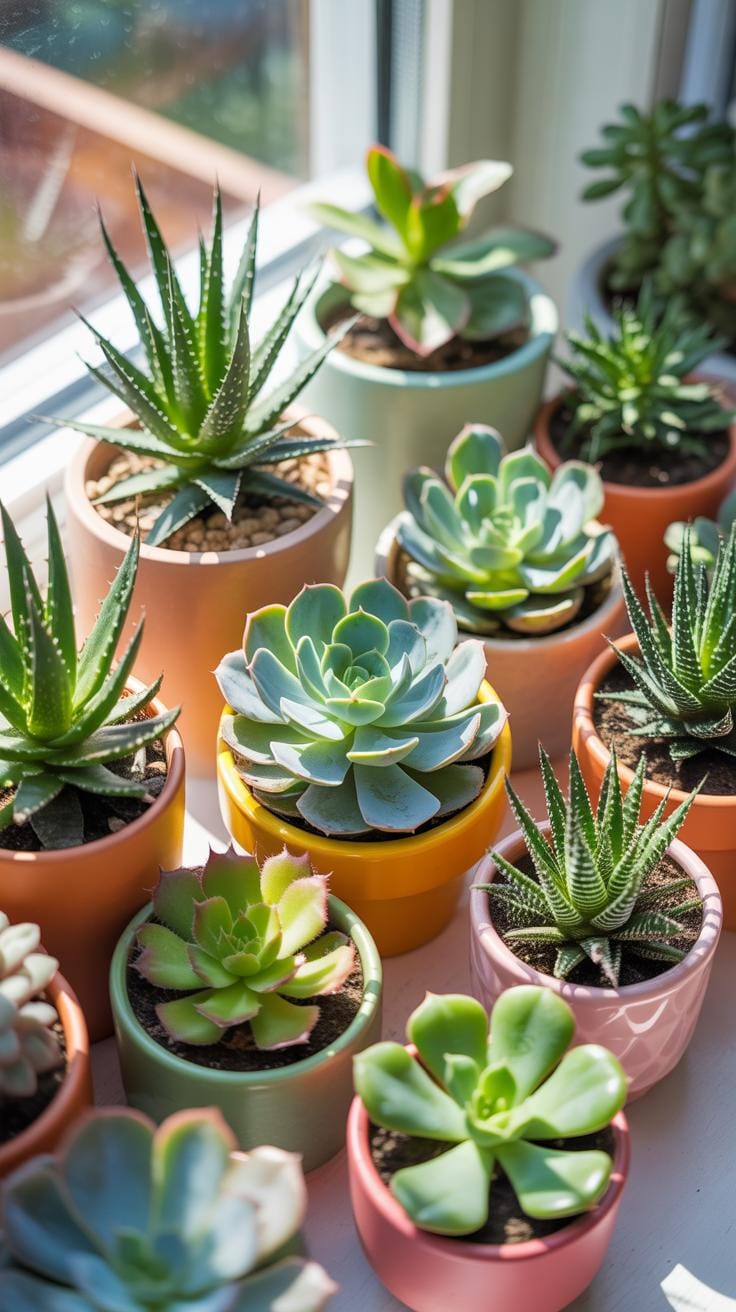
Heat Tolerant Varieties
Creating a lush indoor garden starts with selecting the right plants for bright light. Many Types Of Succulents handle intense heat without wilting. Echeveria species grow in stunning rosettes that look like desert flowers. Sedum varieties often trail over edges, making them great for high shelves. Cacti remain the gold standard for survival in direct afternoon sun because they store water deep within their thick tissues.
Successful gardeners focus on basic Succulent Care Indoor routines that mimic dry climates. You should provide plenty of sunlight and well-draining soil to prevent root rot. Following specific Succulent Care Instructions helps these hardy plants maintain their vibrant colors. Learning How To Care For Succulents in a sunny room ensures they stay firm and healthy. These species tolerate heat well, making them perfect for south-facing windows in suburban homes.
Sun Loving Aesthetics
Agave and Aloe plants create a strong architectural look in any bright living space. Their sharp lines and tall leaves serve as a natural focal point for your room decor. You can use these plants to ground a collection of smaller greenery. Large Agave varieties offer a bold presence that fits modern or traditional styles. Their grey and blue tones contrast beautifully with warm sunlight hitting the floor.
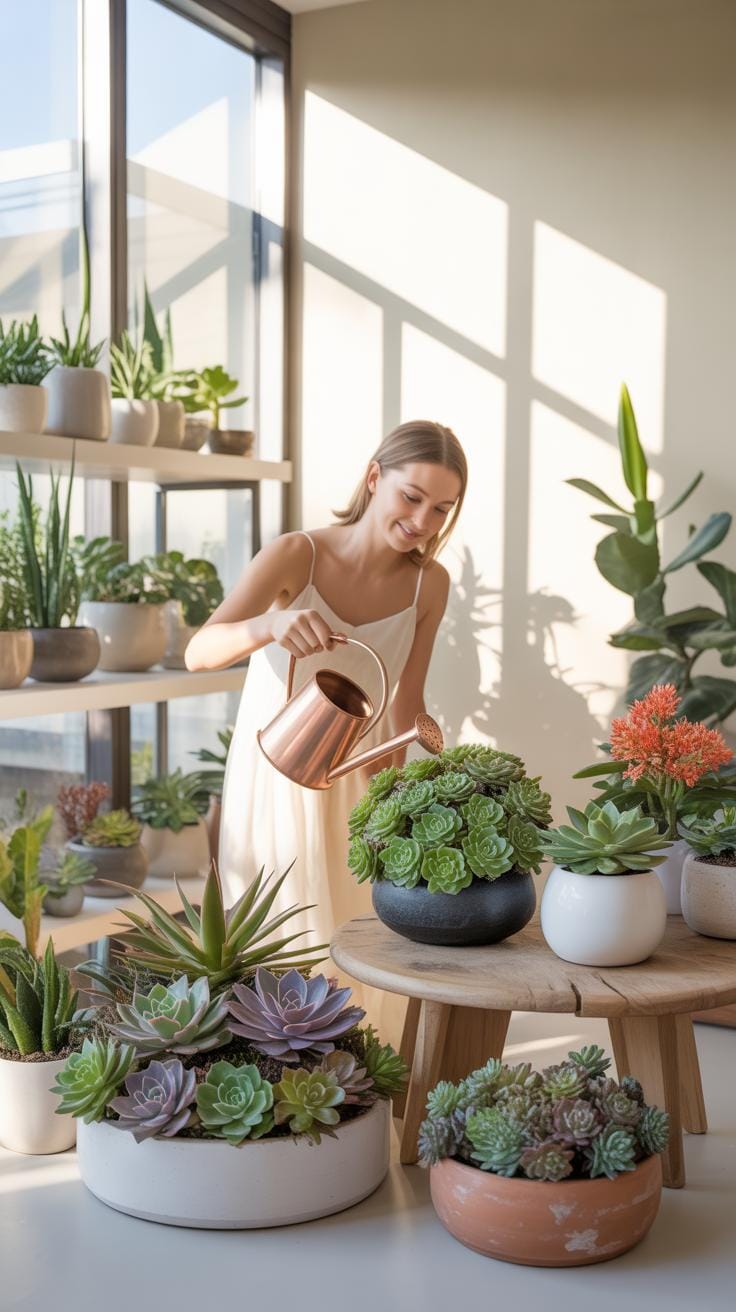
Using different Succulent Planter Ideas can change the mood of your sunny oasis. Clay pots help manage moisture levels while adding a rustic feel to your display. Creating Succulent Bowls allows you to mix various textures and heights in one place. Master How To Plant Succulents by grouping items with similar light needs. Proper Succulent Care and Succulent Care Tips keep your structural plants looking sharp and professional year round.

Essential Succulent Care Tips For Scorching Climates Base
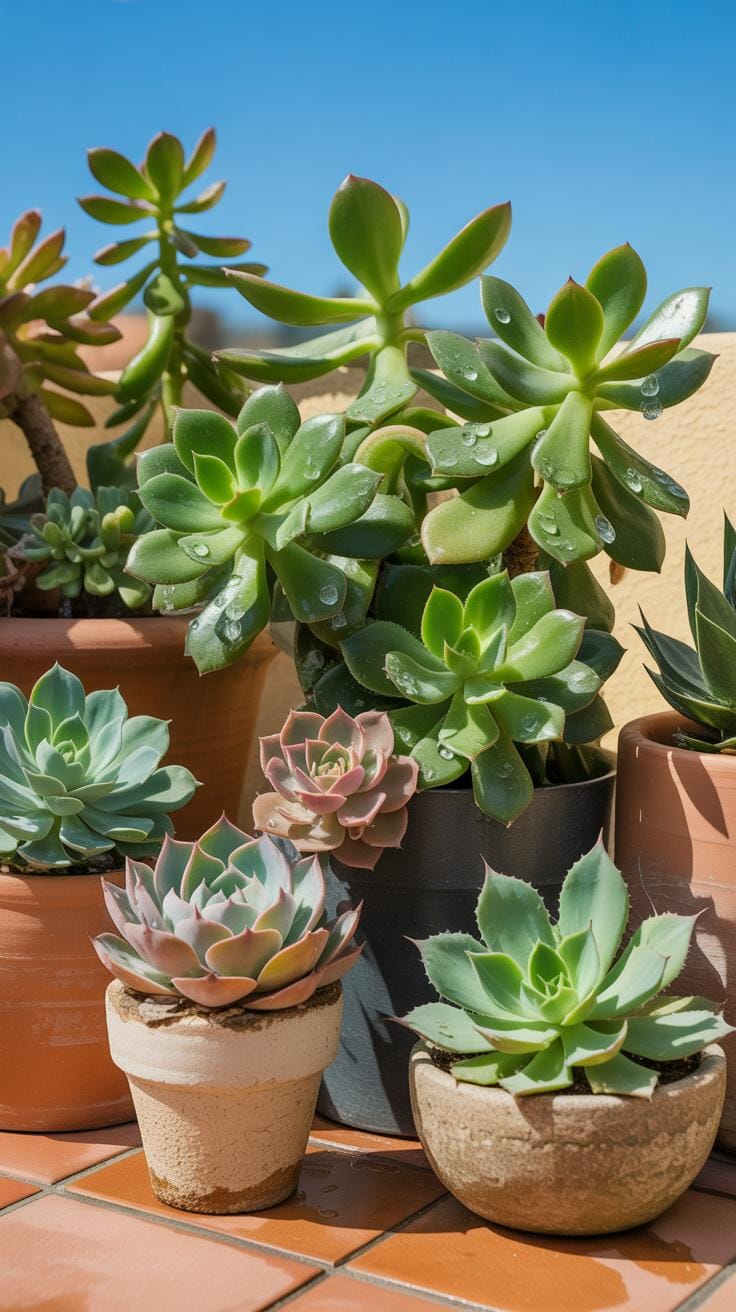
Summer Care Checklist
Bright living rooms provide a wonderful setting for your indoor greenery. However, intense midday sun can harm even the most heat-loving plants. You should provide specific Succulent Care Indoor during the hottest months to prevent leaf damage. Proper Succulent Care Tips involve watching for changes in color or texture. Following a strict routine helps your desert plants thrive when the glass windows magnify the heat.
- Protect From Sunburn: Move your pots away from the window glass if you see brown or white spots. Glass acts like a magnifying lens and can scorch the delicate skin of many Types Of Succulents within hours of exposure.
- Improve Air Circulation: Use a small fan to keep air moving around your displays. Good ventilation prevents hot air from trapping moisture against the leaves, which is a vital part of How To Care For Succulents during high heat.
- Check Soil Moisture: Stick your finger into the dirt every few days to check for dryness. Most Succulent Care Instructions suggest watering only when the soil is completely bone dry to avoid root rot in a warm room.
- Rotate Your Planters: Turn your pots a quarter turn every week. This habit ensures all sides of the plant receive equal light, preventing the stems from stretching toward the sun and ruining your creative Succulent Planter Ideas.
- Inspect Leaf Health: Look at the bottom leaves for signs of wrinkling or shriveling. Firm leaves mean your plant is hydrated, while soft leaves might mean you need to adjust your approach to How To Plant Succulents in porous soil.
Learning the basics of Succulent Care keeps your home looking fresh and vibrant. Hot summer days require more attention than the cool winter months. You can use large Succulent Bowls to create a microclimate that stays slightly cooler than single small pots. These simple steps ensure your indoor garden remains a healthy and beautiful part of your home decor throughout the entire summer season.
Temperature Regulation
Indoor temperatures can rise quickly in rooms with large windows. Most succulents grow best when temperatures stay between sixty and eighty degrees. When your living room gets too hot, plants stop growing to save energy and water. You can stop this by using sheer curtains to filter the harshest light. Provide a steady environment to keep your greenery active and healthy all year.
Proper airflow helps lower the temperature of the leaves themselves. Open a window during the cool morning hours to let fresh air inside. Stagnant air leads to heat stress and attracts pests like mealybugs. If your home stays very hot, avoid fertilizing until it cools down. Giving plants a break from food during heat waves prevents stress on their root systems and keeps them strong.

Mastering Succulent Care Indoor With Style
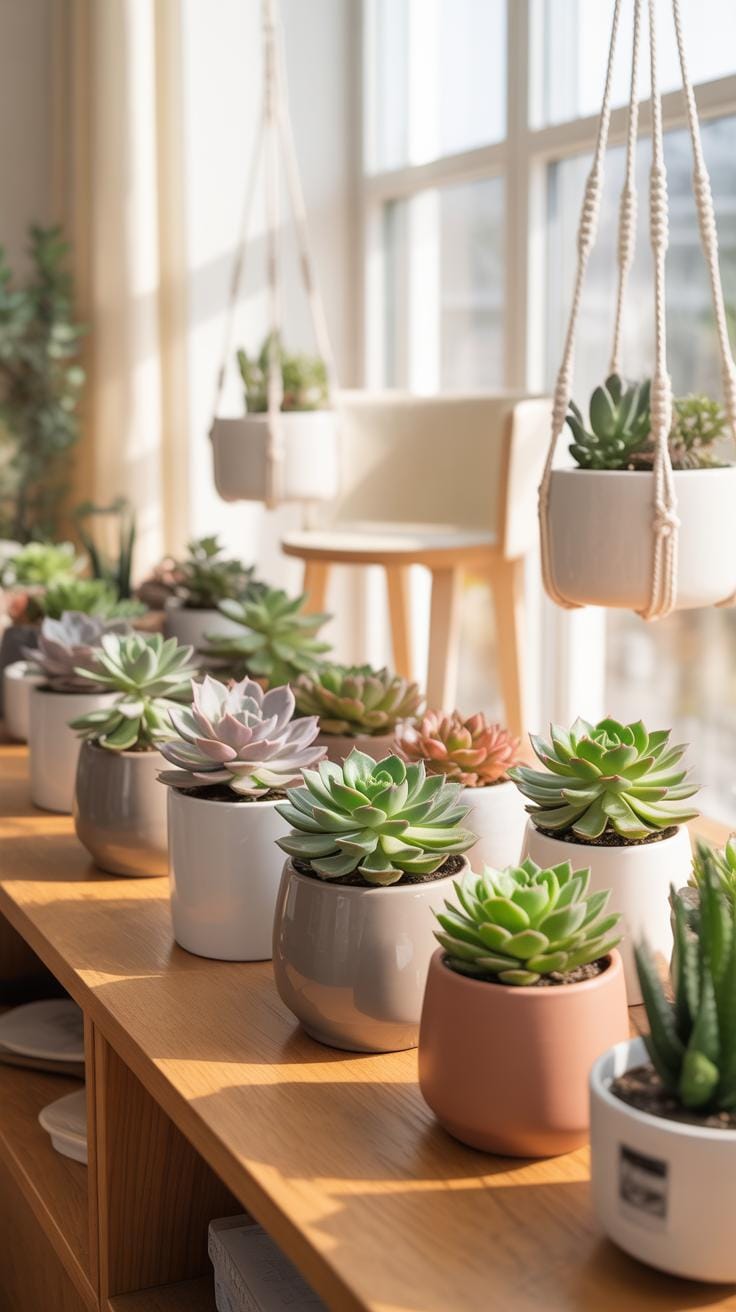
Room Placement Strategies
Place your greenery on mid-height tables to capture the best sun. High shelves often trap rising heat which can cook delicate root systems. Direct sunlight through glass provides the energy needed for Succulent Care Indoor success. Position your pots about six inches away from window panes. This small gap prevents leaf scorch during peak afternoon hours in your sunny living room.
Solid wood surfaces work well for heavy Succulent Bowls because they stay cool. Avoid metal stands that sit in direct sun as they transfer heat too quickly. Knowing How To Care For Succulents involves balancing light and temperature. Stable surfaces keep the soil temperature consistent for healthy growth. Follow these Succulent Care Tips to ensure your arrangement thrives in a bright suburban environment without wilting.
Humidity Control
Suburban homes often have dry air due to air conditioning and heating systems. This low humidity mimics the natural arid climate where most Types Of Succulents thrive. Desert plants do not like sticky or damp air around their leaves. Dry indoor air helps prevent rot and fungal issues. Your living room provides the perfect setting for Succulent Care because the air stays crisp.

Proper Succulent Care Instructions emphasize keeping moisture levels low in the room. You do not need to mist these plants like tropical ferns. High humidity can actually harm the stems of your desert garden. Learn How To Plant Succulents in porous clay pots to help excess water evaporate fast. Use creative Succulent Planter Ideas to match your dry home and enjoy a beautiful low-maintenance layout.
Creative Succulent Planter Ideas And Decorative Pots
Container Materials
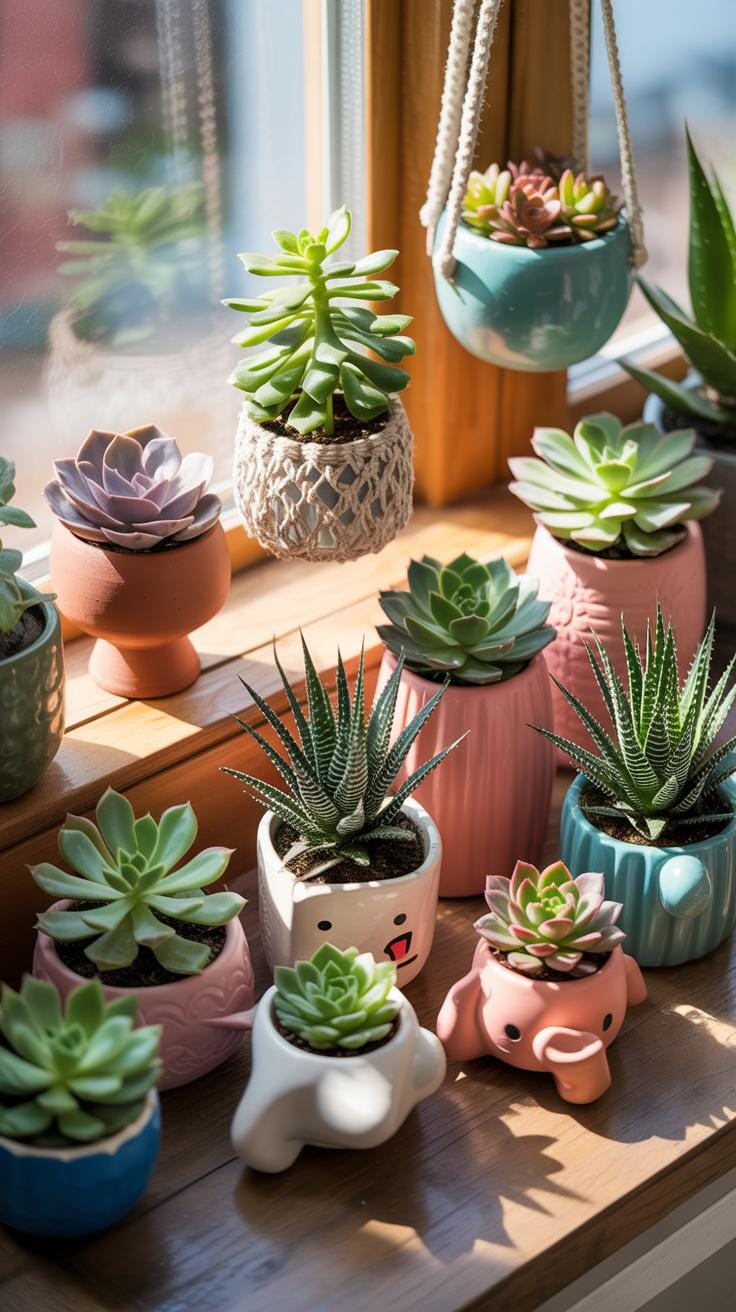
Choosing the right pot is a vital part of Succulent Care. Terracotta and porous ceramic are the best materials for sunny rooms. These breathable clays allow water to evaporate through the walls. This natural airflow prevents root rot in high heat. Dark plastic pots often trap too much sun and cook sensitive roots. Stick to earth tones to keep your plants cool and healthy.
Properly selected materials simplify Succulent Care Tips for beginners. You must learn How To Plant Succulents in vessels with drainage holes. Porous pots act like a safety net if you accidentally overwater. They regulate moisture levels better than glazed ceramic or glass. These traditional materials have supported healthy desert plants for centuries. Use these sturdy options for various Types Of Succulents to ensure long lives.
Thematic Styling
Succulent Planter Ideas often follow specific design movements like Mid-Century Modern or Bohemian styles. Minimalist white pots highlight the sharp, geometric lines of the plants. This clean look fits well in bright suburban living rooms. You can arrange different sizes to create depth on a sunny windowsill. Simple shapes make Succulent Care Indoor much easier to manage because they fit any shelf or table.
Creating lush Succulent Bowls adds a natural touch to your home decor. Mix different textures and colors to build a living centerpiece. Follow Succulent Care Instructions by grouping plants with similar light needs together. Use sand or small pebbles to cover the soil for a polished finish. Learning How To Care For Succulents involves balancing beauty with function. These arrangements bring the peaceful feeling of a desert garden inside.
How To Plant Succulents For Long Term Health
Soil Composition Importance
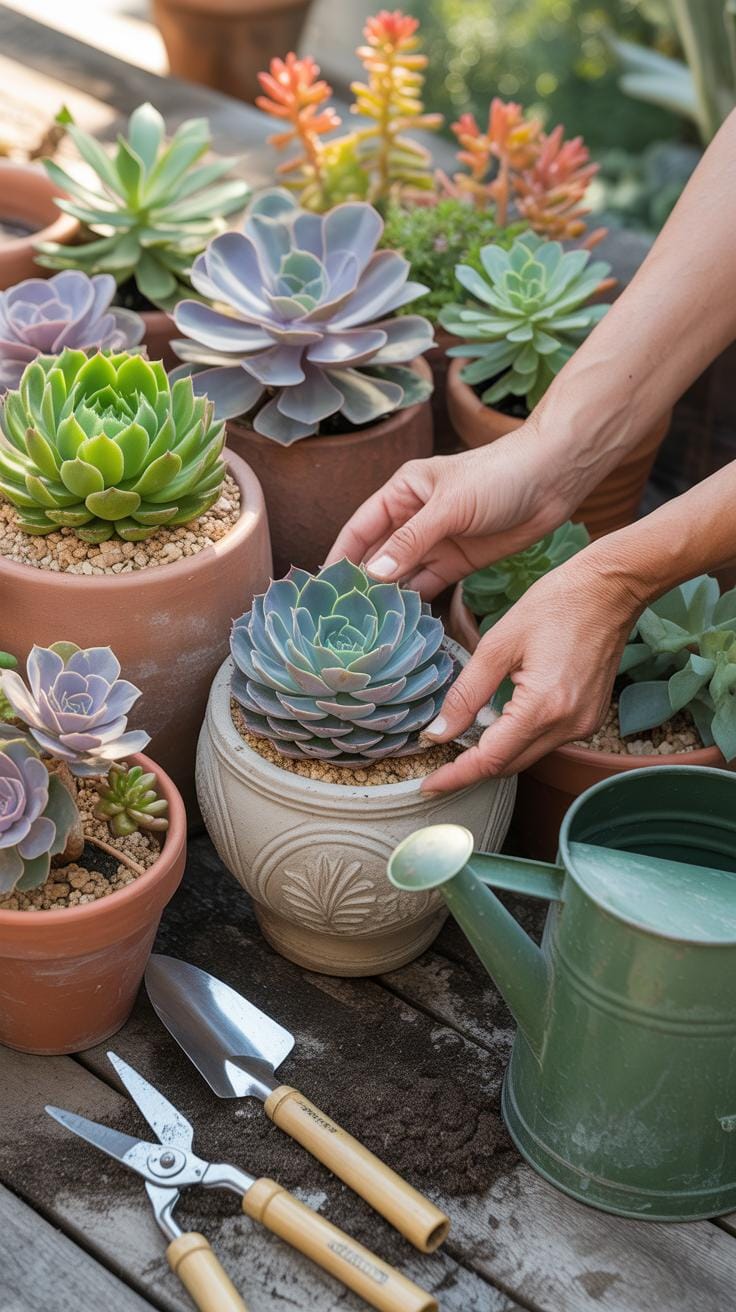
Proper Succulent Care Tips begin with the right foundation. You must provide a medium that mimics natural desert landscapes. Traditional potting soil holds too much water and causes root rot. Instead, create a mixture using one part organic matter and two part inorganic grit. Use coarse sand or poultry grit to help water flow away from the roots quickly. This ensures your Types Of Succulents stay dry between waterings.
Quality drainage is the most vital part of Succulent Care Indoor. Pumice or perlite adds necessary air pockets to the dirt. These spaces provide oxygen to the root system which prevents fungal growth in humid suburban rooms. Following these Succulent Care Instructions helps your plants survive high summer heat. A gritty mix allows you to master How To Care For Succulents without worrying about soggy roots damaging your collection.
Potting Process Steps
Learning How To Plant Succulents requires a gentle touch to protect thin roots. Start by removing the plant from its nursery plastic container carefully. Shake off the old, dense soil from the root ball until the roots are bare. Select a vessel from your Succulent Planter Ideas that features a drainage hole. Place a small mesh screen over the hole to prevent the gritty soil from falling through the bottom.
Arrange your favorites into beautiful Succulent Bowls by placing the largest plant first. Fill the remaining space with the dry grit mixture and press down lightly to remove large air gaps. Do not water the plant for at least one week after moving it. This resting period allows broken roots to callus over and heal. Waiting to water is a key part of Succulent Care that prevents infections after the transition.
Designing Stunning Succulent Bowls As Centerpieces
Layering And Depth
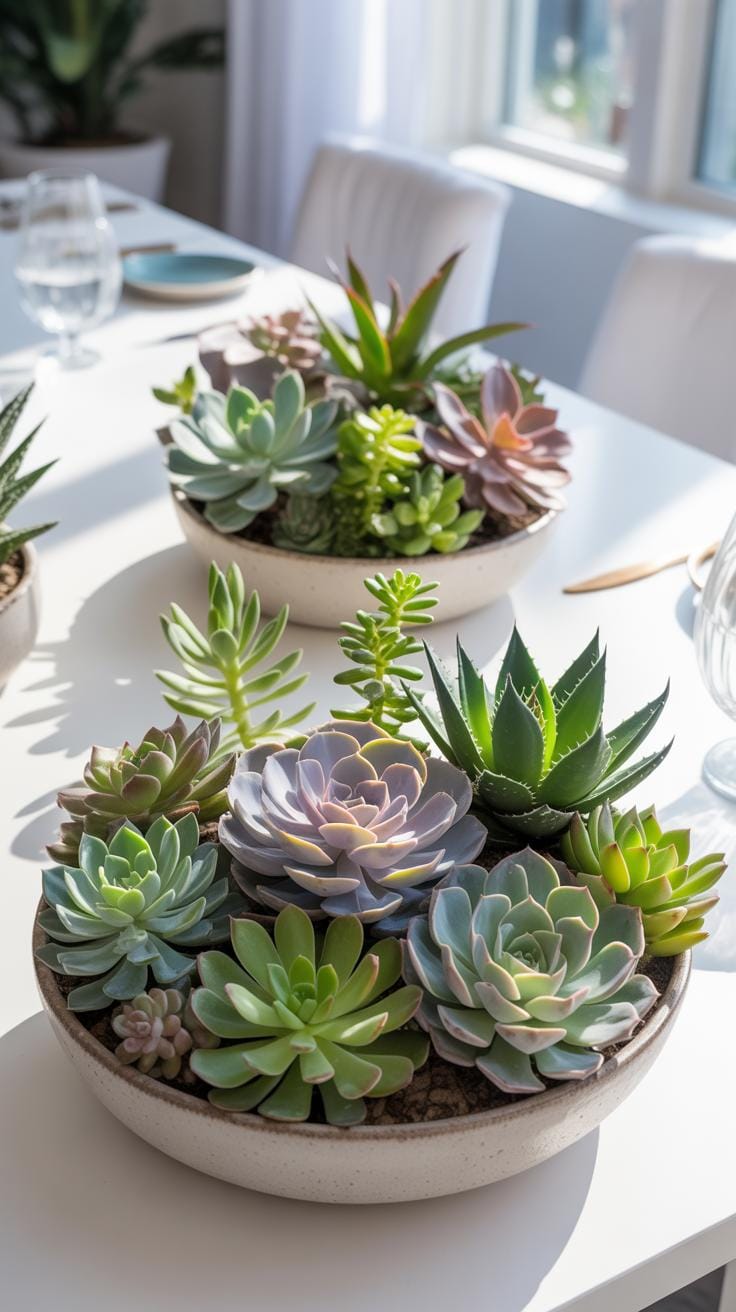
Professional succulent bowls rely on the classic thriller, filler, and spiller arrangement. Choose a tall focal point like a Sansevieria or a thick Crassula for your thriller. Surround this center plant with rounded types of succulents such as Echeveria or Sedum. These filler plants bridge the gap between the tall center and the rim. Succulent care tips suggest grouping plants with similar light needs to keep growth even.
Mastering how to plant succulents involves thoughtful spacing within the container. Leave small gaps between each plant to allow for future growth and airflow. Proper succulent care indoor requires a shallow vessel with drainage holes to prevent root rot. Following these succulent care instructions ensures your arrangement stays healthy for years. These succulent planter ideas create a miniature landscape that mimics a natural desert floor right on your table.
Top Dressing Aesthetics
A final layer of gravel or river rocks provides a polished finish to your arrangement. This decorative top dressing helps keep the lower leaves away from the moist soil surface. Use natural tones like tan or gray to highlight the vibrant colors of your succulents. This technique is a key part of succulent care because it prevents rot and keeps the soil in place during watering.
Understanding how to care for succulents means managing humidity around the base of the plant. Fine sand or crushed granite works well as a top layer for modern displays. These materials help with succulent care indoor by slowing down evaporation while protecting the plant stems. Once you finish your succulent bowls, place them in a spot with bright light. Clean stones maintain a tidy look and support long term growth success.
Comprehensive Succulent Care Instructions For Sun Exposure
Watering Cycles Heat
Succulent care indoor requires careful timing when summer sun hits your windows. High heat makes water evaporate quickly from the soil surface. Use the soak and dry method to keep your plants healthy. Pour water until it runs out the bottom of your succulent bowls. This keeps the roots strong and cool during the hottest parts of the day in your sunny living room.
Proper succulent care tips focus on waiting for the soil to feel bone dry before adding more water. Stick your finger an inch into the dirt to check for moisture. If the soil feels damp do not add water. Learning how to care for succulents means watching the leaves for tiny wrinkles. These wrinkles tell you the plant needs a deep drink to survive the heat.
To plant a garden is to believe in tomorrow, even when the sun lingers long and warm upon the windowsill.
Identifying Stress Signals
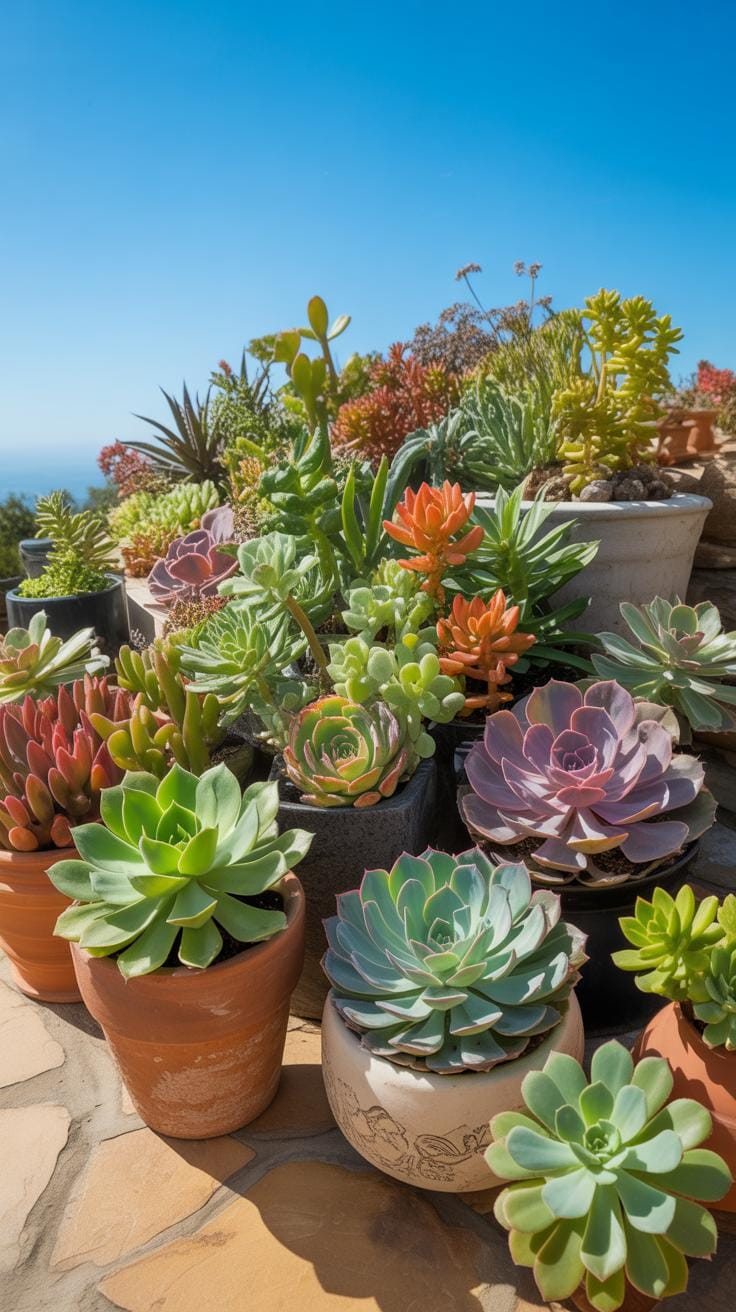
Various types of succulents change color when they sit in bright windows. This is called sun-stress and often looks like beautiful shades of pink, red, or purple. Many succulent planter ideas use these bold colors to create a desert look. These colors are natural and show that your plant is getting plenty of light. Healthy stress makes the plant sturdy and compact instead of tall and stretched.
Bad sun damage looks like crisp brown spots or white patches on the leaves. Follow succulent care instructions by moving plants away from glass if they start to burn. Learning how to plant succulents in the right spot prevents permanent scars. Soft, yellow leaves mean too much water while thin, drooping leaves mean too little light. Check your plants daily to ensure they stay vibrant and firm in their pots.
Advanced How To Care For Succulents In Modern Living Spaces
Annual Maintenance Tasks
Maintaining your indoor desert requires consistent attention to small details throughout the changing seasons. Proper Succulent Care Indoor involves mimicking the natural cycles of light and rest found in arid regions. You must observe your plants regularly to understand their unique needs. Consistent Succulent Care Tips ensure your greenery remains vibrant and sturdy against the harsh sun streaming through your large living room windows.
- Prune Leggy Growth: Cut back stems that stretch too far toward the light during the active growing season. This technique encourages a fuller shape and prevents your plants from becoming weak or falling over.
- Fertilize Monthly: Apply a balanced fertilizer at half-strength once every four weeks during spring and summer. This provides essential nutrients that help your desert plants build strong roots and produce colorful new leaves.
- Clean Leaf Dust: Use a soft damp cloth to gently wipe the surface of every leaf. Removing dust allows the plant to breathe and absorb sunlight efficiently for maximum photosynthesis in bright indoor spots.
- Inspect For Pests: Check the tight crevices of your plants for small insects like mealybugs that enjoy dry conditions. Early detection protects the rest of your collection from infestations that thrive in warm corners.
- Rotate Pot Positions: Turn your containers a quarter turn every week to ensure even sun exposure. This simple action prevents your plants from leaning heavily in one direction toward the window light.
Follow these Succulent Care Instructions to keep your collection healthy and beautiful all year long. Many Types Of Succulents thrive when you establish a predictable routine for watering and cleaning. Knowing How To Care For Succulents helps you spot problems before they cause lasting damage. Your efforts will result in a lush indoor garden that mirrors the resilient beauty of the natural desert landscape.
Repotting And Propagation
Expanding your collection starts with learning How To Plant Succulents in the correct containers. Most varieties outgrow their small pots every two years and need fresh soil to stay healthy. Select a new vessel that is only one inch wider than the current one to prevent excess moisture. Use a gritty potting mix to ensure fast drainage which mimics the rocky ground of their ancestral homes.
Beautiful Succulent Planter Ideas often feature new plants grown from leaf cuttings or stems. You can start these new additions by placing a healthy leaf on top of dry soil until tiny pink roots appear. Grouping these young starts into Succulent Bowls creates a stunning centerpiece for your sunny coffee table. This process allows you to share your favorite varieties with neighbors while keeping your sunroom filled with life.
Frequently Asked Questions

Which succulent varieties are best for beginners with very hot, sunny living rooms?
If you are new to indoor gardening, start with hardy species like Jade plants, Aloe Vera, or Echeveria. These varieties thrive in high-heat environments and can handle direct light through window glass. For successful succulent styling tips, remember that while these plants love the sun, “scorching” conditions require some airflow. Start with these resilient options to build your confidence before moving on to more delicate rare species.
How do I arrange my succulents to create a cohesive desert oasis look?
To achieve a professional aesthetic, use the “thriller, filler, and spiller” method. Place a tall, structural cactus as your focal point, surround it with colorful rosettes, and add trailing String of Pearls to drape over the container edge. Incorporating these succulent styling tips helps create visual depth. Always group plants with similar light and water requirements together to ensure your suburban desert arrangement stays healthy and vibrant year-round.
Can I create a high-end desert look on a strict budget?
Absolutely! You can achieve a luxury “desert oasis” aesthetic by propagating stems from friends’ plants or buying small, inexpensive “starter” succulents. Instead of pricey designer pots, look for unique vessels at thrift stores and simply drill drainage holes in the bottom. Top off your pots with cheap pea gravel or decorative sand to give your arrangement a polished, high-end finish without spending a fortune on specialty boutique decor.