
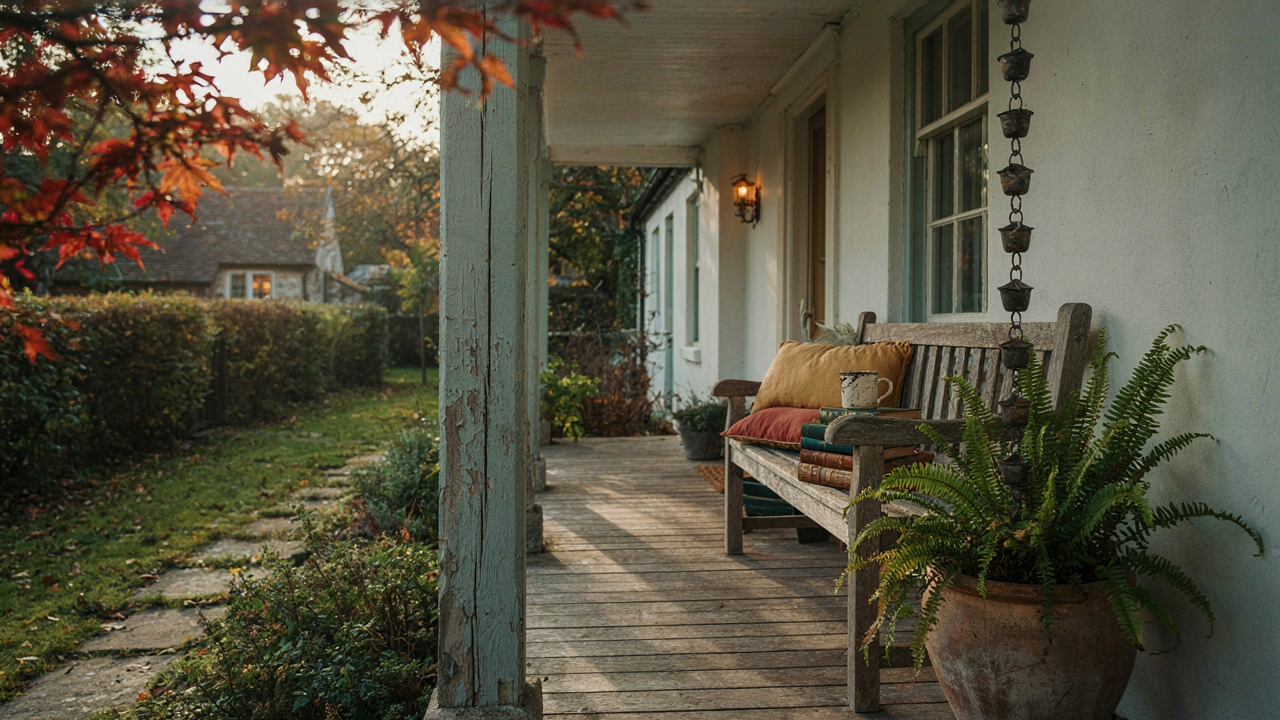
The “Cottagecore” Delusion: Why Trends Kill True Coziness
Trending Aesthetics Expire Faster Than Materials
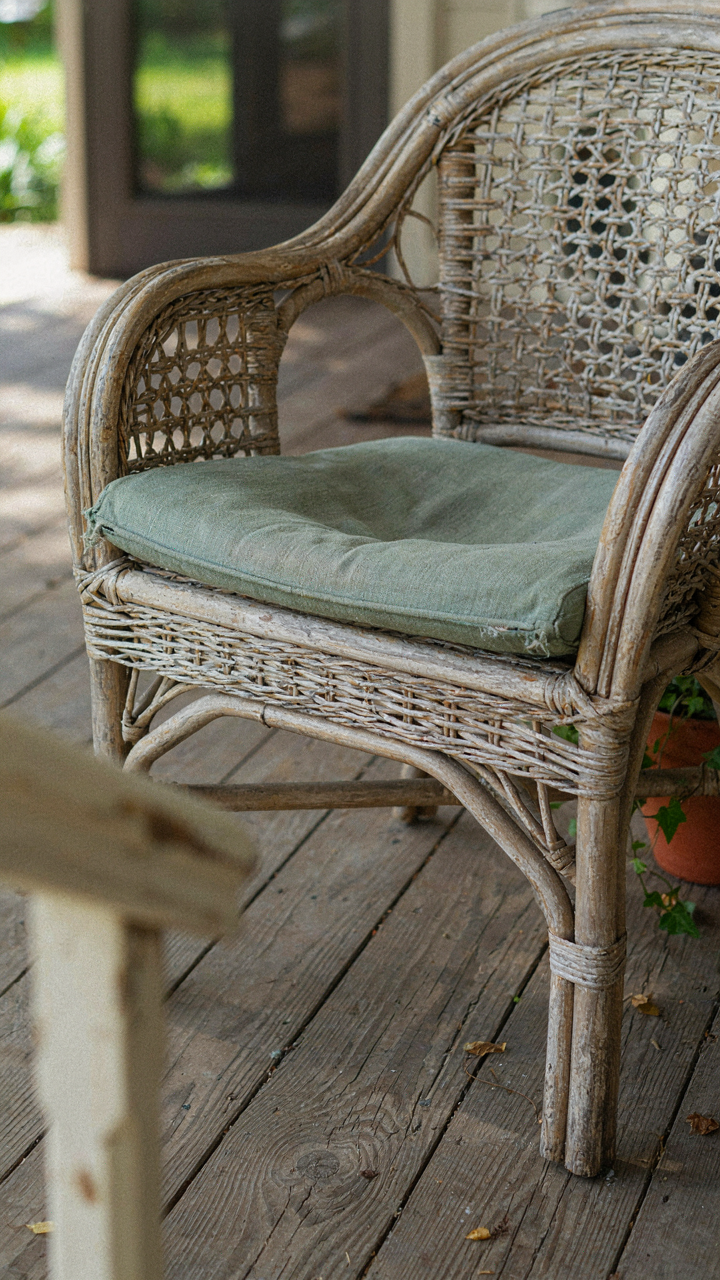
You want proof that your porch choices won’t look dated in five years, so you’re hunting for the timeless answer. Here’s the mechanism: trend cycles work like fashion, not architecture. What dominates Instagram in 2024 gets recycled into “that 2020s thing” by 2029. The cottagecore aesthetic—weathered wood, oversized planters, string lights—is already showing fatigue because it sacrifices durability for visual velocity. Real coziness doesn’t chase what’s current; it builds on what persists. Vintage wicker outlasts trendy rattan variants because the material stays consistent, not because it looked good last season.
Timeless porch elements share one trait: they solve actual problems before they solve aesthetic ones. A deep overhang keeps rain off seating. Wide steps accommodate different body types. Durable wood species resist rot. When you lead with function, the aesthetic naturally ages well because it wasn’t designed to expire. Trends reverse. Problems stay constant. Build your porch to solve the weather, the sight lines, the daily wear. The visual layer handles itself if the foundation is sound.
What Instagram Hides About Real Comfort
Authenticity is not a feeling you photograph well, so most porch inspiration misses it entirely. The real gap: styled porches prioritize appearance during the photo session, while lived-in porches prioritize what happens during the actual season. A perfectly arranged throw blanket looks great for eight seconds. A weathered Adirondack chair with visible nail damage looks worse but proves it’s held weight for years. Instagram trades longevity signals for visual cleanliness. Your porch doesn’t need to perform for a camera; it needs to perform for you in July heat, November wind, and March mud.
Comfort deviates from the aesthetic in specific ways. Real seating gets worn in one spot because that’s where you actually sit. Real porches develop uneven patina where people walk. Real railings show hand-worn polish. These aren’t flaws to hide; they’re data telling you what works. The mechanism is simple: photograph your porch monthly for six months. Where does it show actual use versus staged potential? Build more of the first, eliminate the second.
The Un Influencer’s Guide To A Cottage Front Porch
Build For Your Life, Not The Photo
You want a porch that looks intentional. That’s the real driver here, and it’s honest. The mechanism is simple: you’re confusing comfort with curation. Most people design porches for an audience that will never sit there, then wonder why the space feels hollow.

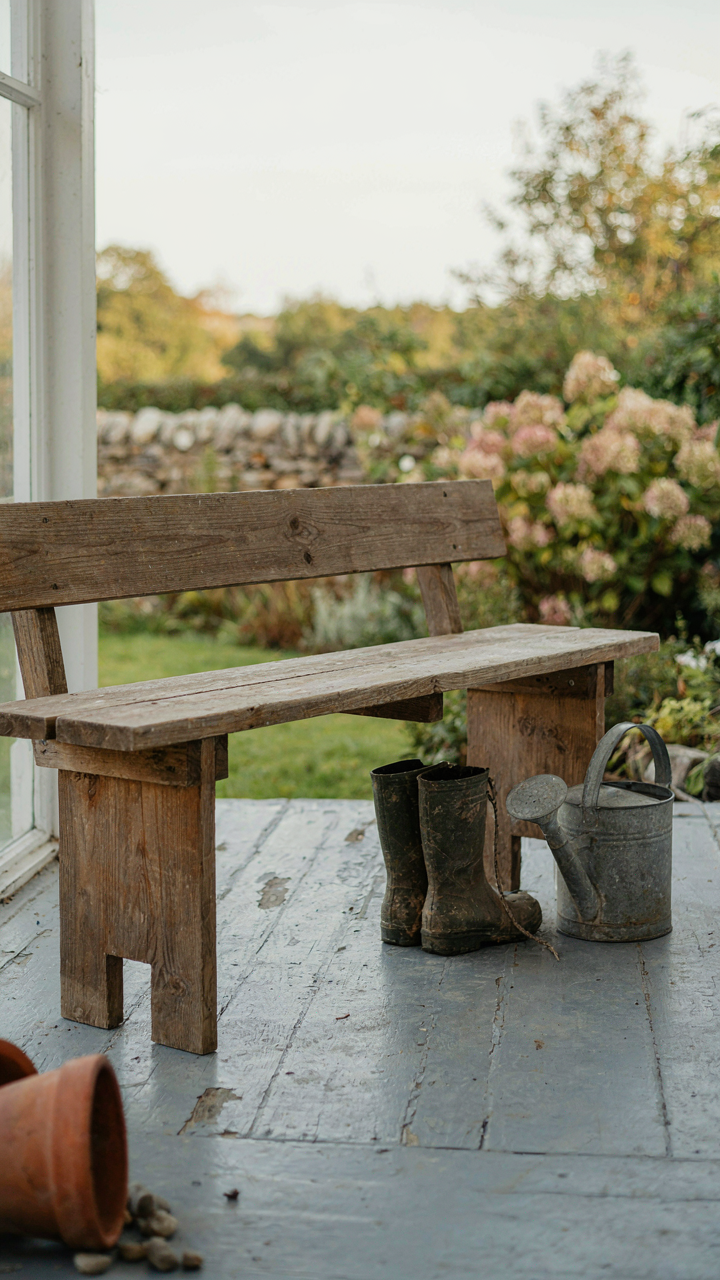
Start with what you actually do. Do you read alone? Do you watch weather move in? Do you need a surface for tools and boots? Build those functions first, then let aesthetics follow the behavior. A cottage porch serves you before it serves your guests or your Instagram story.
Items That Earn Their Weight
Economics teaches us the concept of sunk cost. Apply it here: every object on your porch is sunk cost. Once it’s there, it occupies space and requires maintenance. Stop treating your porch like a showroom.
Choose two categories of items only: pieces that weather well over years without degradation, and pieces that serve daily function. Wicker deteriorates in moisture. Metal rusts unless maintained. Stone and untreated wood outlast trends. A single good bench that you sit on daily beats four decorative chairs that collect leaves and demand refinishing every season. This is the filter: would you replace it or fix it if it broke tomorrow?
The Cottage Front Porch Decor Deception

When Materials Matter More Than Style
You want your porch to look intentional, not thrown together. That desire is honest. But here’s what designers won’t tell you: material selection is not aesthetic. It’s structural economics. Wood, stone, and metal each have a decay curve and a maintenance cost. Your porch will fail or thrive based on what you choose, not how it looks.

Real cottage porches use wood because it tolerates moisture cycles better than cheap alternatives. Stone holds temperature stable. Metal rusts predictably. These aren’t style choices. They’re engineering decisions that determine whether your porch lasts five years or thirty. Pick materials based on their actual performance in your climate, not based on what Instagram shows.
Arrangement As Subtraction
The common advice is to “add personality” to your porch. That’s backward. Personality emerges from what you remove. A porch with twelve items feels cluttered. A porch with four does not. Every object must solve a problem or enable an activity. A chair lets you sit. A small table holds a drink or a book. A lantern provides light. A planter adds nothing but visual debt unless you tend it consistently.
Most people furnish porches the way they decorate apartments: by filling space. Cottages work the opposite way. Evaluate each piece before it lands on your porch. If you cannot articulate its function, it leaves. This single filter eliminates ninety percent of porch clutter before it starts.
The Permaculture Porch Protocol: Ecosystem Thinking

Plants, Seating, And Light Work Together
You want your porch to feel intentional without effort, which is the real tell that you’re chasing status through restraint. The mechanism is symbiosis from ecology: organisms that benefit each other. Your porch plants shade seating. That seating becomes the gathering point where people rest near root systems that need foot traffic to compact soil. The light patterns shift throughout the day, and you position elements to use that rhythm instead of fighting it.

Most cottage porch advice treats plants as decoration and seating as furniture. Wrong. They’re nodes in a system. A climbing vine on a trellis doesn’t just look good—it blocks western sun at 4 PM when you sit there, reduces porch temperature, and its root zone gets watered when you sweep the floor. The plants clean the air. The seating catches that cooling effect. The light creates shadow patterns that define where people naturally stand. Design one element assumes the others exist.
Waste Becomes Part Of The Structure
The permaculture principle of resource cycling means nothing leaves the system. On a cottage porch, this translates to: dead wood becomes railings, fallen branches become plant stakes, autumn leaves feed soil under containers, and water runoff from roof gutters waters the planter boxes. You’re not adding inputs. You’re redirecting what already exists.
Old materials carry texture that new ones can’t replicate. Reclaimed stone for flooring, weathered wood for pergola frames, worn brick for edging—these aren’t nostalgic choices. They’re efficient. They cost less, age predictably, and they close the loop. Set up your porch so rainwater collects in containers that feed the plants. Position seating so foot traffic naturally aerates soil around planters. Sweep debris into beds instead of into bags. The porch becomes self-sustaining because you designed it to cycle, not accumulate.
Beyond Instagram: Real Country Cottage Porch Ideas

Build For Rain, Not Photos
You want a porch that photographs well because you’re afraid it won’t feel real unless other people validate it. The actual mechanism is simple: weather determines whether you use the space or abandon it. Think in terms of load bearing—not structural, but behavioral. A porch that floods when it rains, that collects standing water, that forces you inside after twenty minutes teaches you not to go outside. You stop using it. The aesthetic dies.

Real cottage porches solve for water first. Pitched roofs with proper overhang keep rain off seating areas. Sloped flooring drains fast. Gutters actually function instead of decorating. Wood railings on the north side stay dry longer. These choices aren’t glamorous. They don’t create Instagram moments. They create the condition where you actually sit on the porch in October instead of looking at it through a window.
Your Porch Tells The Story You Live, Not The One You Perform
Most cottage porch advice tells you to pick a style—farmhouse, coastal, traditional—and buy matching pieces. This is backwards. Your porch should reflect what you actually do outside, not what a design magazine thinks you should do. Someone who reads on the porch needs different furniture and lighting than someone who hosts dinners. Someone who watches birds needs a different sightline than someone who watches the road.
The mechanism is use case first, aesthetic second. Build the porch around your actual behavior, then choose materials and finishes that align. If you’re outside in the early morning with coffee, you need shade, wind protection, and a chair that doesn’t require a cushion refresh. If you work from the porch, you need a surface that holds a laptop and tolerates temperature swings. The porch that matches your life will always look more intentional than one borrowed from someone else’s vision.
Front Porch Inspo Is A Trap: Build Your Own Vision
Why Pinterest Porches Fail You
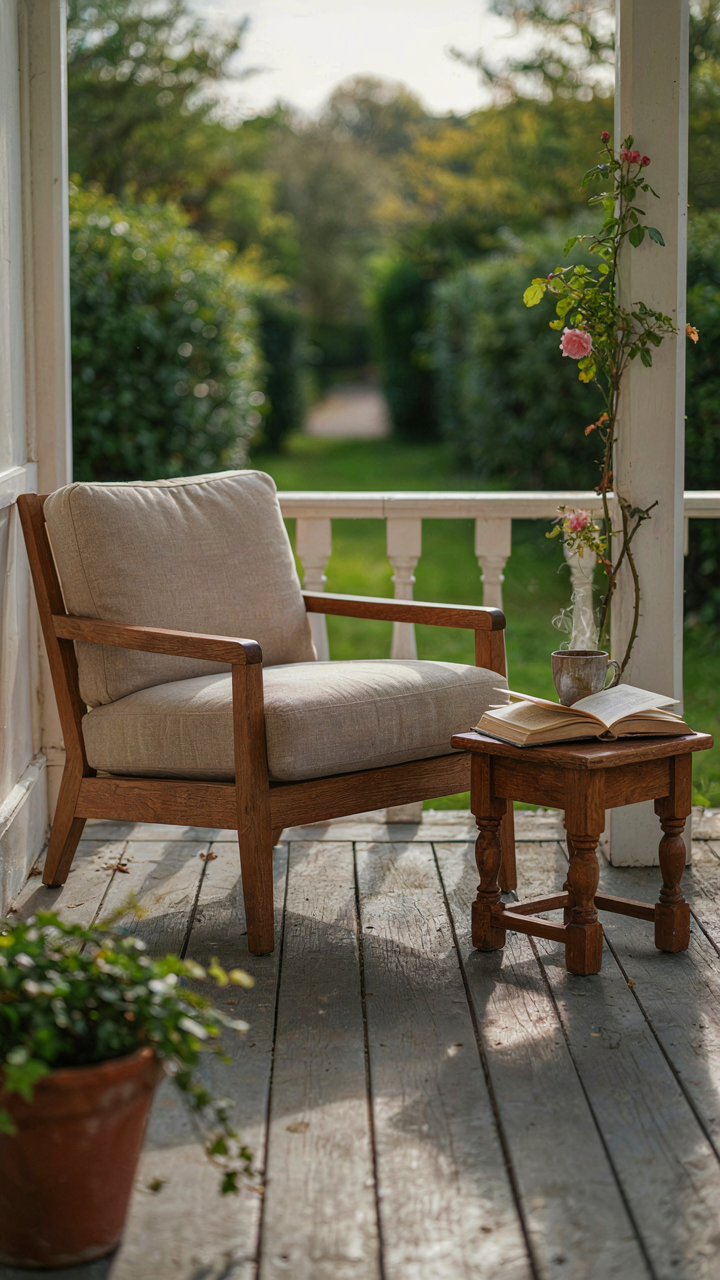
You’re looking at cottage porch ideas because you want permission to believe your space can look like someone else’s. The real mechanism: inspiration sources show you the finished output without the constraints that shaped it. That homeowner had a specific budget, existing structure, climate zone, and daily use pattern. You have different ones. Copying the aesthetic while ignoring those variables produces disconnection and waste.

The gap between inspo and execution kills most porch projects. You see a shiplap ceiling and rattan chairs, then build the same setup in a wet climate where rattan rots or under an overhang that doesn’t provide the light the original photo had. Trends flatten context. What worked for someone’s covered porch in a dry state may create maintenance hell in yours. Start by naming what you actually need the porch to do, not what it should look like.
Start With Friction, Not Feeling
Borrowed from systems thinking: identify your rate-limiting constraint first. For porches, this is usually one of three things: weather exposure, foot traffic intensity, or maintenance capacity. A porch that faces northwest gets hammered by wind and rain differently than one facing southeast. High traffic areas need durable surfaces; low-use spaces tolerate delicate finishes. Your maintenance tolerance determines whether you can keep natural wood sealed or need composite materials that require less work.
Build your porch backward from these constraints:
- Weather exposure: Document which direction your porch faces, how much direct sun and rain it receives, and seasonal wind patterns. This determines material selection before aesthetics enter the conversation.
- Traffic patterns: Track how people actually move through your porch. Entry points, foot wear (muddy boots vs. clean shoes), and volume matter. High traffic needs edge protection and slip-resistant surfaces.
- Maintenance reality: Rate your willingness to seal wood annually, power wash, or repaint. Honest assessment here prevents buying a porch that becomes an obligation you resent.
- Climate specifics: Regional humidity, freeze-thaw cycles, and salt exposure (coastal areas) change what materials survive long-term. A material popular in California porches may fail within three years in New England.
- Budget allocation: Decide what costs matter most. Some people prioritize seating; others prioritize weatherproofing. Your ranking determines where dollars actually go, not where Pinterest says they should.
Once these anchor points are set, aesthetics become a choice within boundaries instead of a goal that fights your situation. Function always wins over time because you live in the porch, not the photo. Build the porch that solves your specific problem first, then decorate the solution.
Porch Ideas For The Self Sufficient: Engineering Comfort

Seating That Actually Gets Used
You want the porch to feel intentional, not like furniture you bought to fill space. The real motive here is avoiding the sunk cost of a porch nobody sits on. Ergonomics is borrowed from industrial design, where engineers optimize workstations for repeated daily use without fatigue. Your porch seating follows the same principle: the chair’s depth, back angle, and armrest height determine whether you’ll use it for five minutes or five hours.

Most cottage porch advice defaults to aesthetic matching without testing actual comfort metrics. Wrong. Seat height should land at 16 to 18 inches from the ground with knees bent at roughly 90 degrees. Back support should meet your lumbar curve at the natural hollow of your spine. Depth matters more than people admit: too shallow and your thighs dangle unsupported; too deep and you slide forward to find the back, which defeats the angle. Place seating to face activity, not just the view. A chair angled toward the entry captures social flow. One positioned to watch the garden absorbs sunlight patterns throughout the day without repositioning.
Light, Sound, And Surface Feel
Authentic relaxation requires sensory richness that most porches lack entirely. You’re not decorating, you’re architecting an environment where your nervous system actually downregulates. Texture engages mechanoreceptors in your skin and subcutaneous tissue, triggering a measurable shift toward parasympathetic response. Hard surfaces reflect light and sound back at you in jarring frequencies. Soft materials absorb and diffuse both.
Layer materials deliberately: rough-hewn wood railings worn smooth by hand contact, canvas or linen cushion covers instead of plastic, natural fiber rugs that dampen footfall noise. Light should shift throughout the day without glare cutting across seating zones. This means orienting overhangs and shade structures to block afternoon sun at seated eye level while admitting morning light when cortisol naturally rises. Sound control is the mechanism most people miss: a water feature or planted wind break masks traffic noise and creates acoustic depth that signals safety to your brain. Test these elements for two weeks before considering the porch finished.
Front Porch Ideas That Work: The “Brutalist Comfort” Method
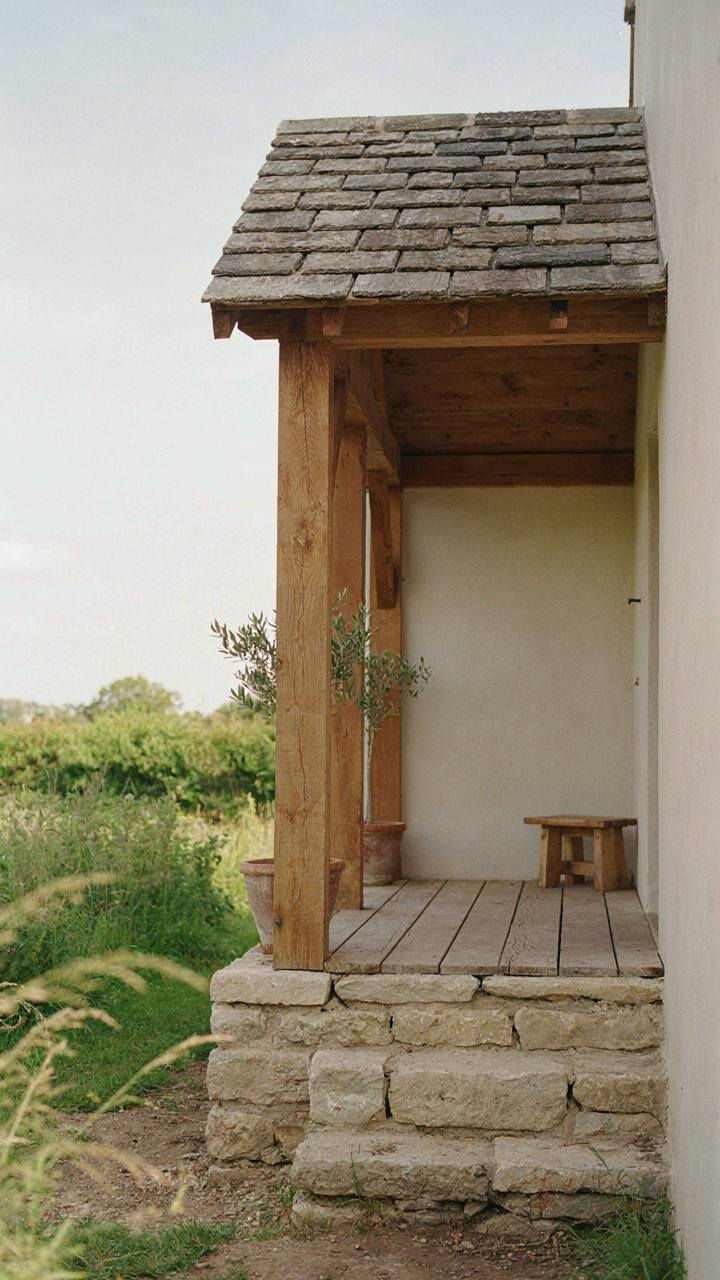
Remove Everything That Doesn’t Function
You want your porch to feel intentional and curated, not like you’re broke. Here’s what actually happens: the moment you strip away decoration, every material and proportion becomes visible. There’s nowhere to hide mediocrity. In brutalist design, the term is “honest structure”—what you see is what the building does. On a cottage porch, this means selecting materials for their actual performance, not their appearance. A beam stays because it carries load. Decking gets chosen because it weathers well and handles foot traffic.

Start by listing what the porch must do: protect the entry, provide seating, manage weather. Build only for those functions. A single bench. Proper guttering. Flooring that won’t rot. Skip the decorative railings, the hanging planters, the bistro lights pretending the space is something it isn’t. The visual power comes from material quality and correct proportions, not from adding layers. When every object earns its place through utility, the porch feels substantial without effort.
Time And Weather As Design Partners
Most advice says to “preserve” a cottage porch, implying you’re fighting against nature. Wrong. Age and weathering aren’t failures to prevent—they’re the material speaking about its honest function. Wood graying, metal oxidizing, stone settling—these document actual use. Cottage porches from the early twentieth century weren’t maintained obsessively. They were maintained functionally. Paint peeled when it needed to peel. Wood moved with moisture. Rust formed where drainage failed.
The mechanism is acceptance, not denial. You maintain structural integrity and safety. You don’t sand the wood back to factory finish every season. You let finish coats thin naturally. You patch rot but leave the patina. This approach costs less and reads as authentic because it actually is authentic. The porch becomes a record of living there, which is precisely what made historic cottage porches valuable in the first place. Accept the weathering, fix the rot, and leave the patina.
The Real Obstacle Isn’t Finding Ideas; It’s Your Addiction To External Validation
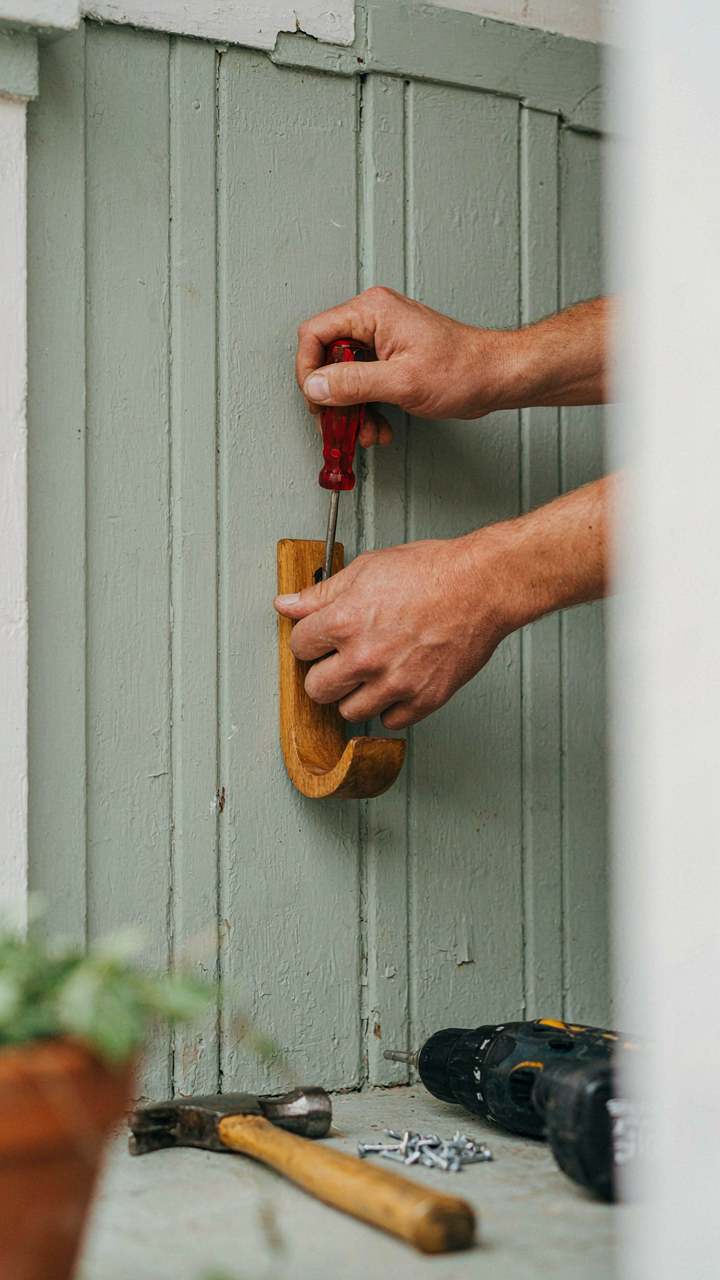
You scroll through cottage porch inspiration because you’re waiting for permission. You’re hunting for the “right” design instead of building the one that fits your life. Stop. Pick one element from what you’ve learned today and install it this week. Not next month. Not when conditions are perfect. Your porch doesn’t need validation from strangers online. It needs you to stop thinking and start building.