
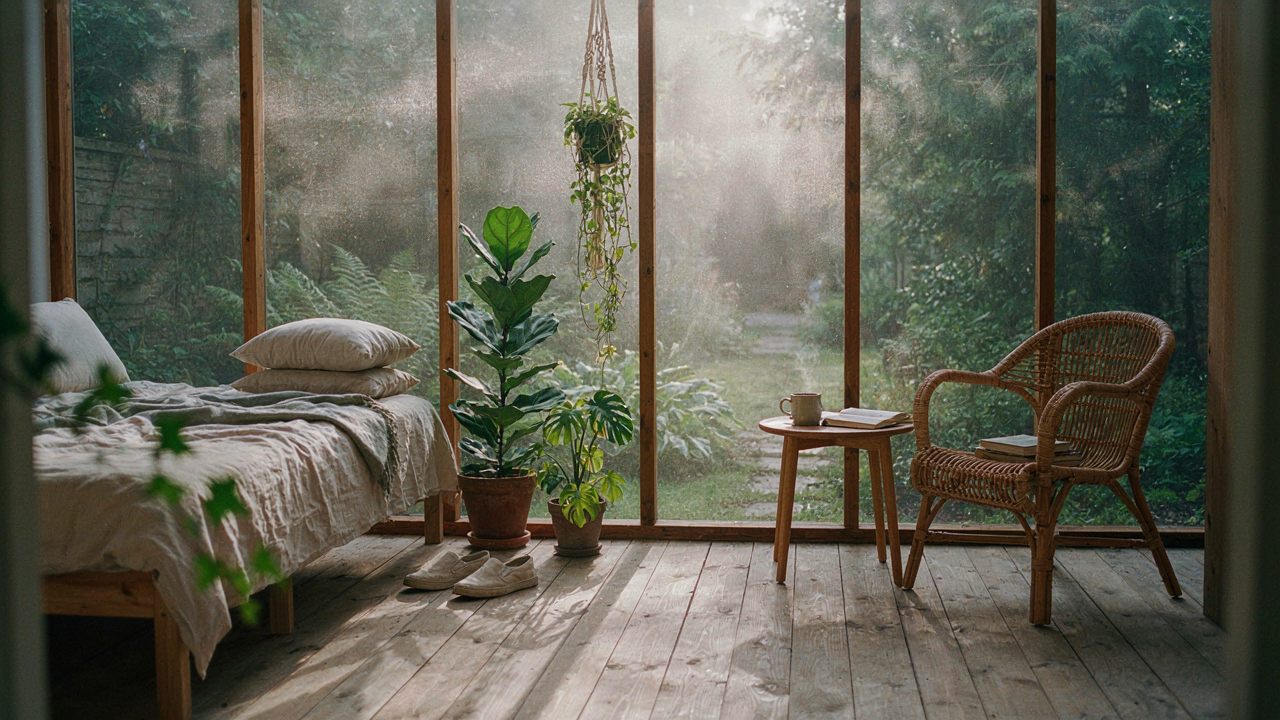
The Enclosed Sleeping Porch Fallacy
Cozy Doesn’t Mean Functional
You want the aesthetic. You’ve seen the photos of wicker furniture and ambient light filtering through screens, and you’ve decided that’s what “rest” looks like. Here’s the mechanism: enclosing a sleeping porch defeats its only real purpose. The historical sleeping porch emerged when people understood that airflow cures sleep problems better than insulation ever will. Stuffing it with walls, windows, and insulation turns it into a bedroom that costs more to build and performs worse than the bedroom you already have inside.
The enclosed porch becomes a status symbol instead of a tool. You’ve paid for the complexity of climate control without gaining any thermal advantage over your interior. The original sleeping porch worked because it exposed you to temperature swings, humidity changes, and air movement that your body needed to regulate sleep depth. Seal it off and you’ve just created an expensive, poorly-positioned bedroom with worse sun orientation and more thermal lag.
The Insulation Trap
Thermal physics teaches us about thermal mass and thermal resistance, but a sleeping porch operates on the opposite principle. You insulate to hold temperature constant, but a breathing porch relies on temperature variation as the actual mechanism of better sleep. Over-insulation creates a dead zone where air stagnates and moisture accumulates. The porch stops working the moment you treat it like you’re trying to maintain 72 degrees year-round.
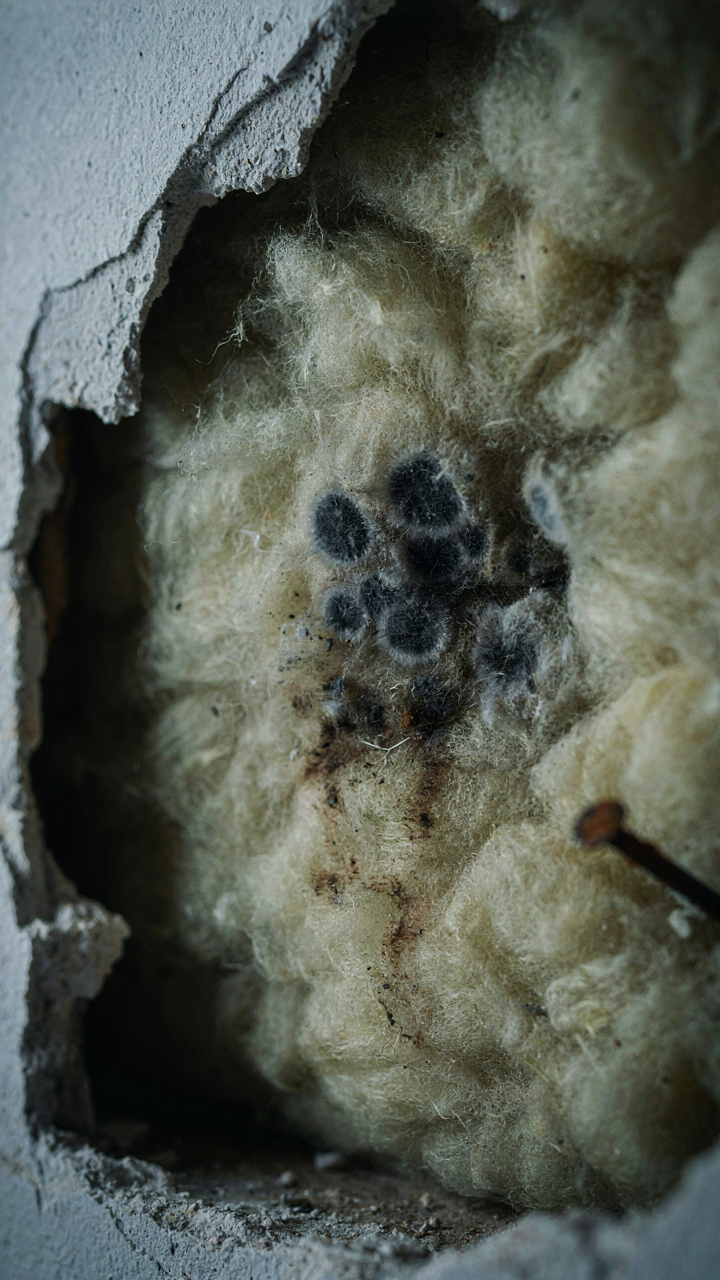
The hidden cost isn’t the materials. It’s the loss of the one advantage the porch had: exposure. Moisture gets trapped in wall cavities when you insulate a space designed for air exchange. Mold develops in the gaps between your assumptions and the climate where the porch actually sits. The protocol is simple: if you’re closing it off and adding R-value, you’ve already failed. Build a real interior bedroom or commit to a screened porch that actually breathes.
The Exposure Protocol For Fresh Air Rest
Minimal Barriers, Maximum Elements
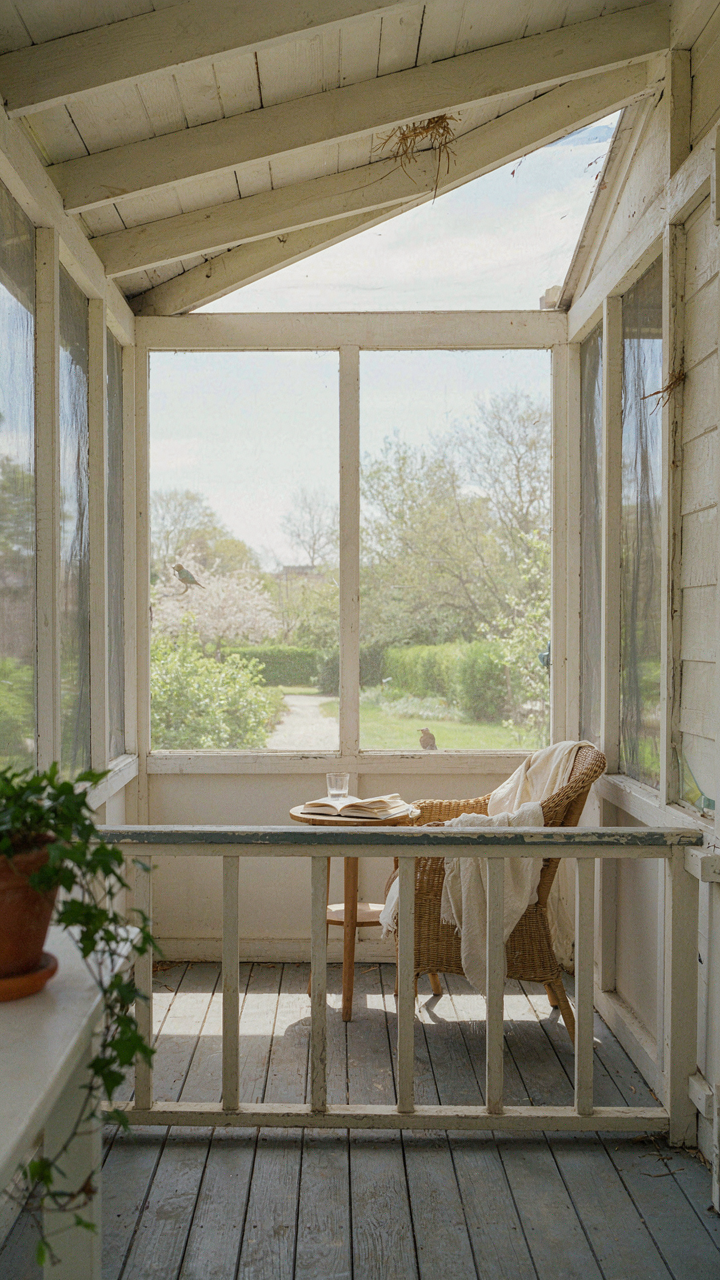
You want the sleeping porch to feel intentional, not like you’re camping in your backyard. Here’s the mechanism: borrowed from thermal physics, a sleeping porch operates on the principle of controlled permeability. It lets air move through while blocking rain and direct wind. You’re not trying to eliminate the environment, you’re filtering it. That distinction matters because most people either build walls (defeating the purpose) or leave it totally open (defeating utility).

The actual barrier setup is simple. Screens handle insects without stopping airflow. Low walls or railings keep you contained without boxing you in. A roof blocks precipitation but lets breezes flow underneath. The early American sleeping porch tradition used these exact components because they solved a real problem: night air circulation during hot months before air conditioning. You’re not being rustic, you’re being efficient about thermal regulation.
Rest Versus Raw Exposure
The common advice says “embrace the elements.” That’s incomplete. You need raw exposure that doesn’t interrupt sleep. Comfort fails when temperature swings too wide or wind gusts wake you repeatedly. The protocol: weatherproof three sides, leave one side open or screened for prevailing breezes. Orient the open side away from dominant wind patterns if possible. Use removable panels or sliding screens to adjust permeability based on season.
Genuine utility means you sleep better, not that you suffer more. Test your setup over multiple nights before finalizing it. Adjust panel placement or screen coverage if you find yourself overexposed. The mechanism is straightforward: expose yourself deliberately to fresh air, but stop before discomfort disrupts recovery. Document what works by season so you can replicate it year to year.
Sleeping Porch Design: Beyond The Pinterest Aesthetic
Airflow Beats Aesthetics Every Time
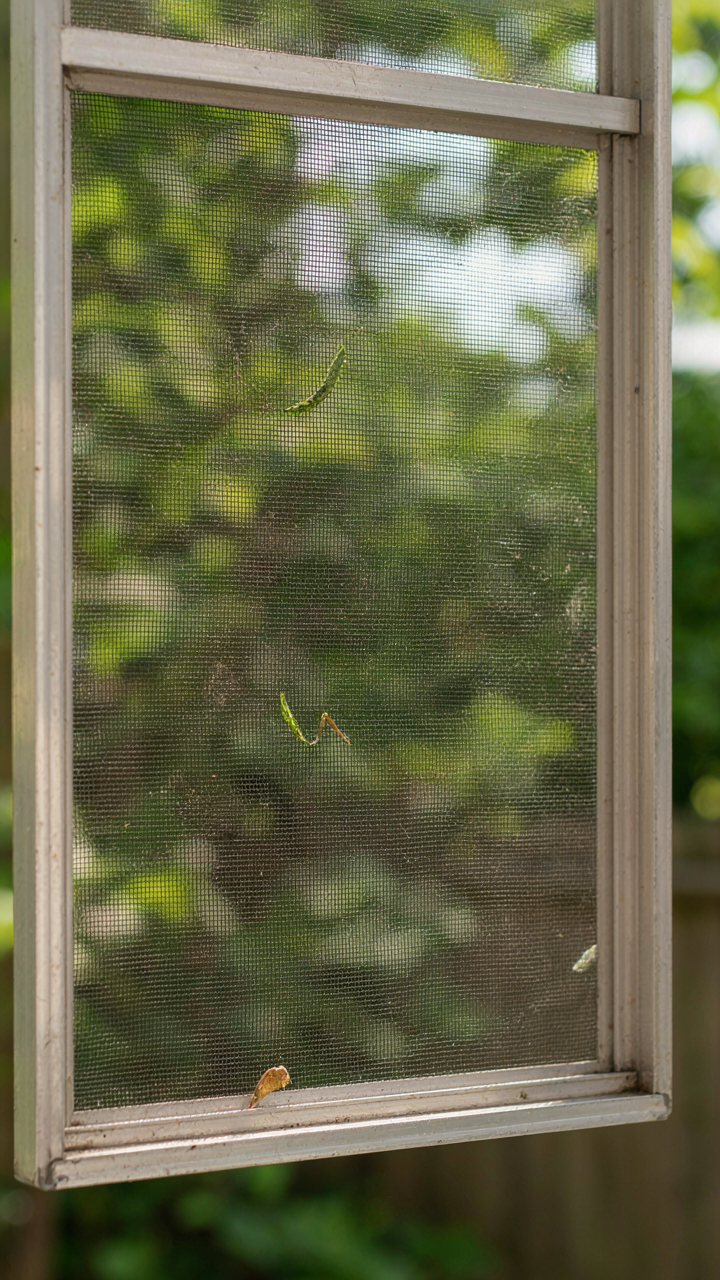
You want a sleeping porch because you think it’ll look good in photos. The real reason to build one is thermal regulation. Airflow is the load-bearing wall of sleeping porch design. Without it, you have a screened box that traps heat and humidity instead of dispersing them. Cross-ventilation matters more than trim details or paint color.

The mechanism is simple: warm air rises, cool air sinks. Position your openings to exploit this, not fight it. Screens on opposite sides of the structure, gable vents at the ridge, and ground-level gaps all work together. No gimmicks. No fans needed if you design for natural convection. Frame orientation toward prevailing winds compounds the effect. The porch becomes a passive system that moves air without electricity.
Materials That Handle Seasonal Stress
Everyone recommends wood for sleeping porches because it looks traditional. Wood rots when moisture cycles. Pressure-treated lumber degrades faster than untreated wood in freeze-thaw climates. Four-season use demands materials that withstand temperature swings, UV exposure, and moisture without failing.
Metal framing with composite decking and aluminum screening handles seasonal stress better. Steel rusts unless galvanized or powder-coated. Aluminum weathers to a dull finish but doesn’t corrode structurally. Composite decking doesn’t warp or splinter like wood. Vinyl screening resists degradation longer than traditional aluminum mesh. The trade-off is cost, but replacing rotted joists costs more than upgraded materials. Seal every joint where materials meet. Water exploits small gaps. Build the porch expecting water ingress, then design drainage paths that prevent it from staying.
Bedroom Sleeping Porch: Reclaiming The Night
Where To Position Your Porch For Temperature Control
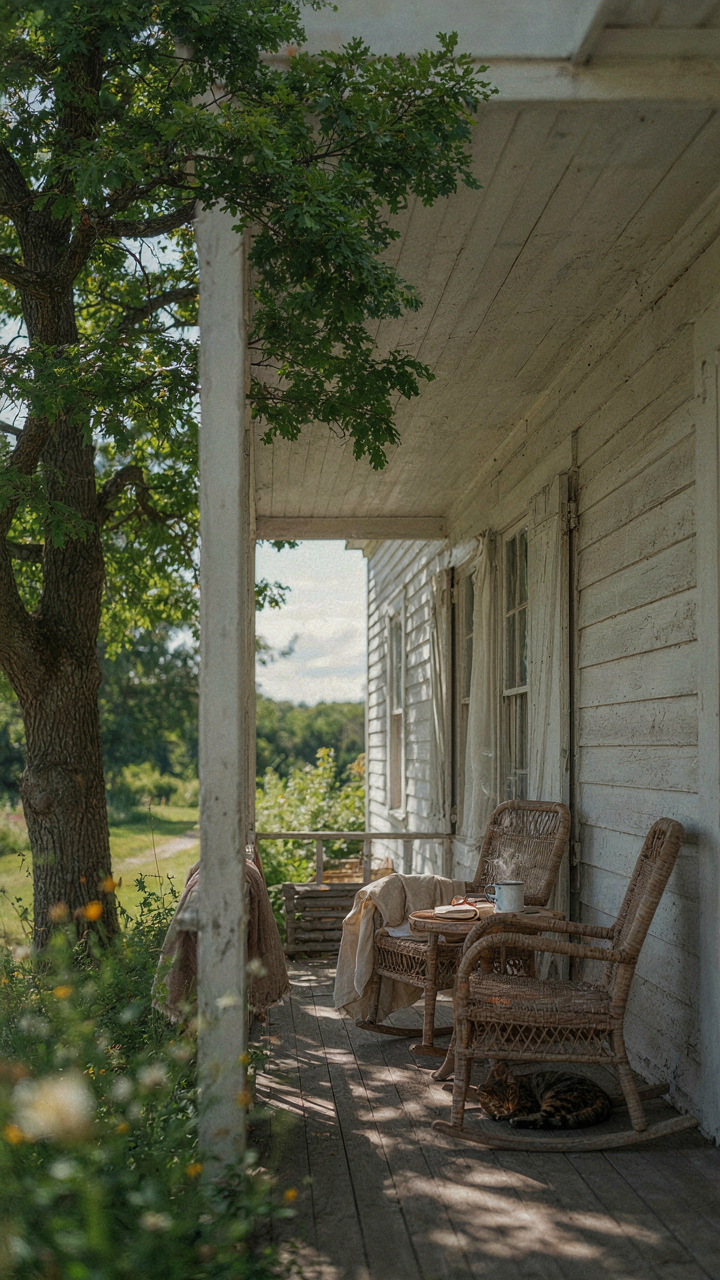
You want this section because you’re tired of waking up too hot or too cold, and you think the problem is your blanket. It’s not. The mechanism is thermal mass and solar orientation. In biology, organisms regulate internal temperature through environmental positioning. A sleeping porch functions identically: its location determines whether it absorbs or sheds heat relative to your body’s needs. East-facing porches catch morning sun without afternoon radiation. North-facing ones stay cool year-round. West exposure generates evening heat that disrupts sleep cycles. The porch’s thermal behavior depends on what surrounds it—trees provide shade, masonry holds warmth, open air accelerates cooling.

Position your porch on the cooler side of your cottage first. If that’s impossible, plant deciduous trees on the west and south exposures now—they’ll mature into living insulation within five to seven years. Verify your local sunrise and sunset angles using a compass or phone app. The goal is simple: your porch should reach sleeping temperature naturally one hour before bedtime, then maintain it through dawn. Most people ignore this and wonder why their sleeping porch feels like a sauna in July.
Natural Soundscape Design For Uninterrupted Rest
Acoustic design isn’t about silence—it’s about signal-to-noise ratio, a concept from information theory that applies directly to how your ear filters threats versus harmless input. Most cottage sleeping porch advice skips this entirely and focuses on physical barriers, which is backward. Your nervous system doesn’t sleep deeper because of walls; it sleeps deeper because it can distinguish bird calls from car horns. A porch near running water, wind through trees, or consistent ambient forest noise actually promotes sleep better than a dead-quiet bedroom. This is masking, and it’s neurologically active—your brain stops threat-scanning when it recognizes patterns.
Distance your porch from gravel roads and mechanical equipment by at least 150 feet if possible. If not, create a layered sound environment using water features or wind chimes positioned between your porch and the noise source. Position your porch to face the quietest side of your property. A water basin or small fountain 20 feet away creates competing acoustic priority—your ear tracks the predictable sound instead of distant variables. The mechanism works because your reticular activating system habituates to constant, recognizable input and stops alerting your sleep architecture to investigate it.
Summer Sleeping Porch: The Art Of Controlled Discomfort
Cross Breeze Without The Electric Fan
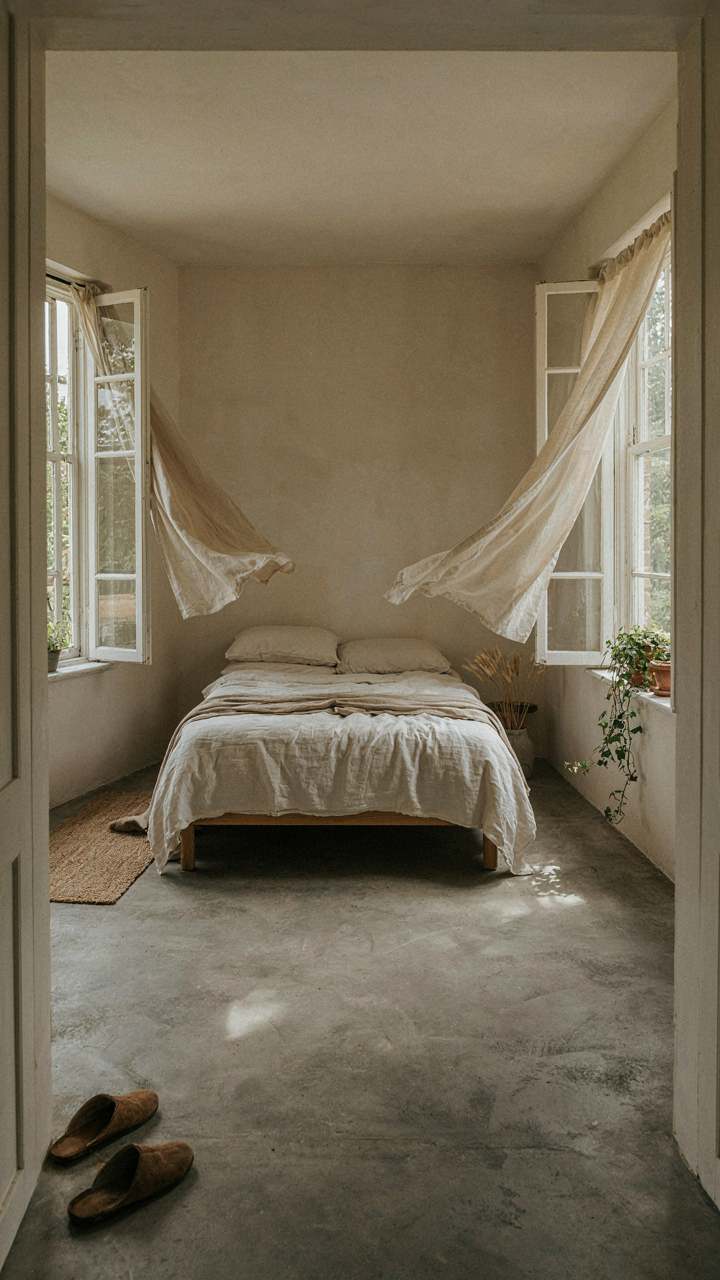
You want the sleeping porch to feel effortless, like nature is doing the work for you, because admitting you need strategy feels like failure. The mechanism is simple: air moves from high pressure to low pressure, and your job is to create asymmetry. Most people treat windows as decoration. They open them equally and wonder why nothing happens.

Position your inlet and outlet windows on opposite walls, never adjacent ones. The inlet catches prevailing wind, the outlet releases warm air that’s already begun rising. If your porch faces north and south, use the north wall to draw cooler evening air while the south-facing window vents accumulated heat. Height matters: lower inlet, higher outlet amplifies the pressure differential. Screen both openings fully, then control flow with interior shutters or hinged panels you close during the day to trap coolness.
Passive Thermal Mass And Night Flushing
The real answer isn’t fans or AC units pretending to be charming. It’s thermal mass working with night air temperature swing. Stone, concrete, or tile flooring absorbs heat during the day, then releases it slowly after dark. Your porch cools fastest when outdoor temperature drops below indoor temperature, typically between sunset and early morning.
Open all windows fully when outside air is cooler than inside air, then close them before sunrise to trap the cool. This requires actual timing, not intuition. If your porch has a concrete slab, that’s your cooling engine. If it has wood flooring, add thermal mass deliberately: stone tiles, a slate bench, or stacked brick along the perimeter. Seal the mass at night, release it during the day. Start your window-opening protocol one hour after sunset when the temperature inversion begins.
Porch Sleeping Ideas: Beyond The Mattress
What Actually Touches Your Body
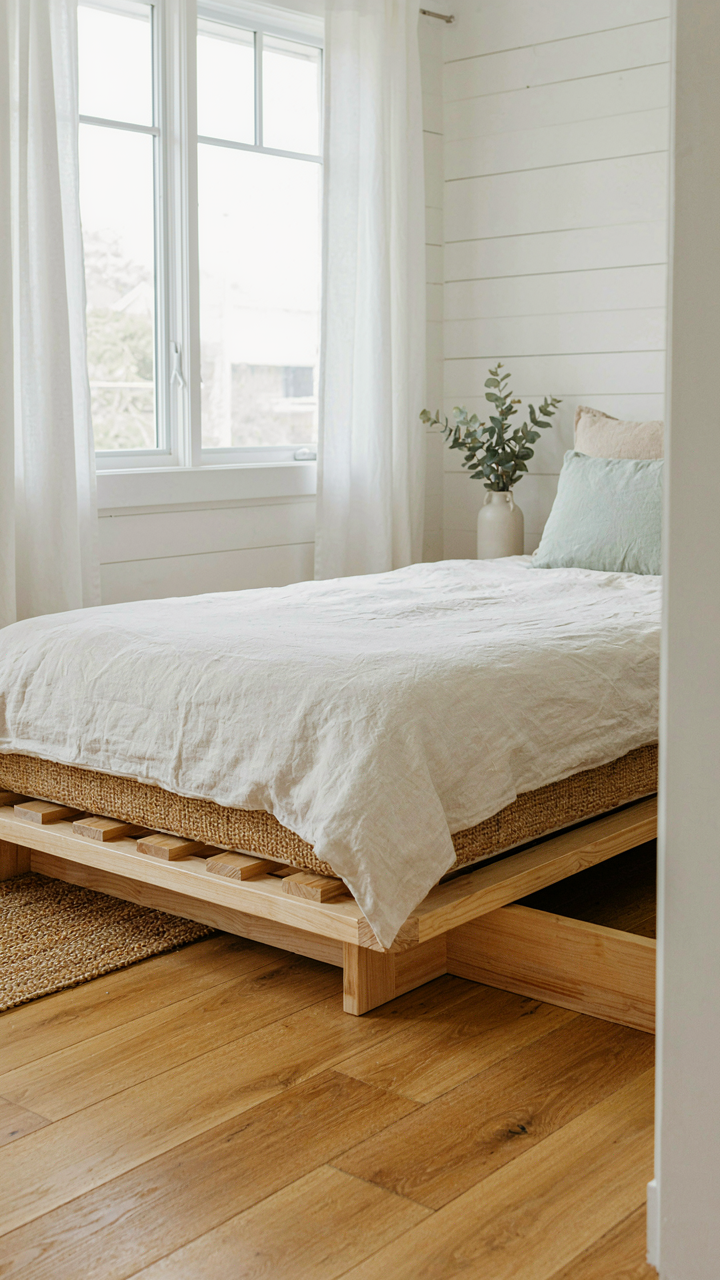
You want this section because you’re hoping someone figured out the sleep setup so you don’t have to. The mechanism is simple: surface contact determines sleep quality more than any other variable in a porch environment. Temperature regulation, pressure distribution, and air circulation all happen at the point where your body meets the bed. Everything else is decoration.
- Platform beds with slatted bases: Allow air to flow underneath and around your body. Slats spaced 3 to 4 inches apart prevent sagging while maintaining the open-air principle that defines porch sleeping.
- Coir fiber mattresses: Coconut fiber breathes naturally and resists moisture accumulation. They’re firmer than foam and age predictably without off-gassing issues common in synthetic materials.
- Wool batting layers: Wool regulates temperature across a wider range than cotton or synthetic blends. It wicks moisture without feeling damp and maintains loft through compression cycles.
- Canvas or linen toppers: Tightly woven natural fabrics create a barrier between skin and stuffing while allowing vapor transmission. They’re replaceable when they wear, unlike integrated mattress covers.
- Adjustable base frames: Angle the head section upward to reduce gravitational pressure on your spine and improve breathing. This works especially well in three-season porches where humidity varies.

The wrong advice circulates constantly: that memory foam adapts best to sleepers, or that high thread count cotton sheets matter most. Neither addresses the core problem. Your porch sleeps you well when air moves freely around and under your body while moisture escapes immediately. Choose surfaces that enable both, and sleep quality follows without negotiation.
Open Storage That Doesn’t Trap Air
A sleeping porch isn’t a bedroom closet. Enclosed storage defeats the purpose by creating stagnant zones where humidity accumulates and eventually damages whatever you store. The solution uses logistics thinking: minimize surface area and maximize flow around every stored item.
Slatted wooden shelving units work because they create visual separation without blocking airflow. Mount shelves on the perimeter wall at least four inches clear of the exterior. Use open bins rather than sealed containers for blankets and pillows. Hooks installed directly into support beams hold gear without occupying floor or shelf space. Vertical storage also removes items from the microclimate near sleeping surfaces where they’d absorb and re-release moisture. A simple pegboard on one end wall holds seasonal items like extra pillows or lightweight throws without the storage feeling intrusive. The key action: never place anything directly against the porch wall or floor. Air must flow beneath and behind every object, or you’ve created a pocket where temperature differentials breed condensation.
The Unconventional Guide To Sleeping Porches
Screens Solve The Wrong Problem
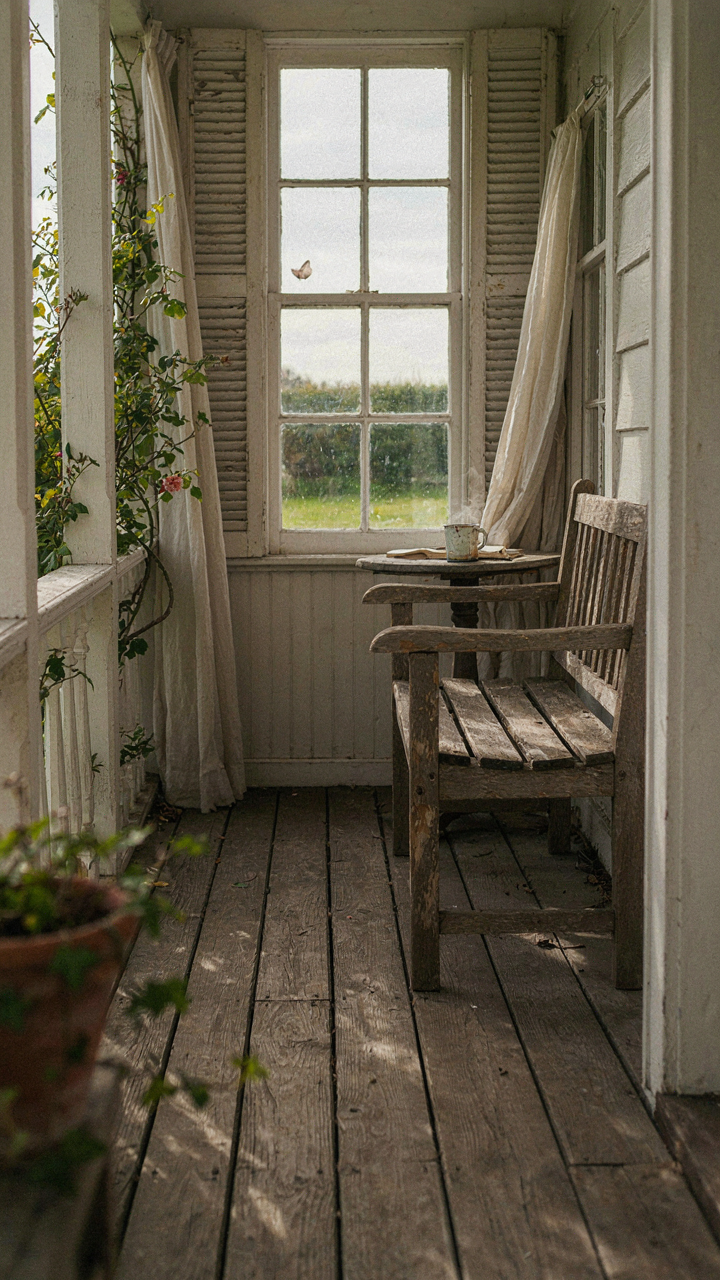
You want screens because you think they’ll give you the outdoor experience without the bugs. That’s the real pitch you’re buying. But screens are a negotiation, not a solution, and you’re the one who loses. In thermodynamics, a boundary layer is the transitional zone between two different environments. Your screen is a boundary layer that creates a third environment: neither outside nor inside, trapping dead air and the illusion of connection while filtering out the actual stimulus your body evolved to process.

Screens reduce airflow by 20 to 40 percent depending on mesh size and frame design. You don’t sleep better in dead air with a barrier between you and the elements. Historical sleeping porches from the 1920s fever cure movement used no screens at all. They relied on elevation, roof overhang angle, and mesh or linen flaps that rolled up. The architecture did the work screens pretend to do. If you need bugs gone, accept that some nights won’t happen on your porch. Design for the nights that will.
Flaws Are The Experience Itself
Everyone tells you to perfect a sleeping porch, to seal gaps and smooth rough edges. This is backwards. A sleeping porch isn’t a finished room pretending to be outdoors. It’s an outdoor condition made slightly more livable. Embrace this. Temperature fluctuation, the sound of rain hitting the roof directly above your head, condensation on railings at dawn, the smell of wet wood and soil—these aren’t problems to engineer away. They’re the entire mechanism of why you’re sleeping there instead of in your climate-controlled bedroom.
The imperfection is the trigger. Your nervous system recognizes the micro-variations in temperature, humidity, and air pressure as signals that you’re not trapped in a controlled box. This activates parasympathetic response faster than any white noise machine. Stop trying to make your porch perfect. Make it weathered and real. Keep the gaps that let cross-breeze through. Leave the flooring unfinished so it ages visibly. The deterioration is the data your body reads as “alive.”
Your Personal Sleeping Porch Ecosystem
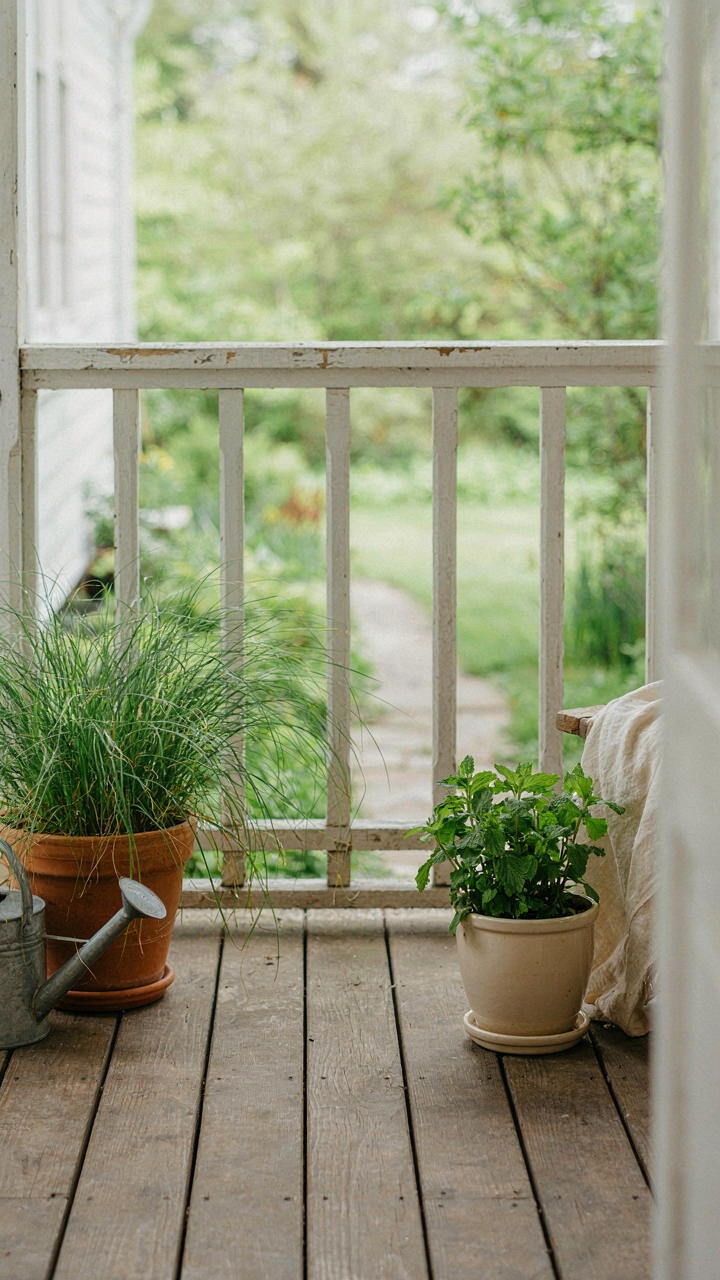
Plants That Actually Stop Insects
You want to believe that planting lavender creates a bug-free zone. It doesn’t. What actually works is understanding pest biology: insects avoid plants that produce specific alkaloids and volatile compounds, not vibes. A sleeping porch isn’t a garden, so you need plants that concentrate deterrent chemistry in a small footprint and tolerate neglect.
- Citronella grass: Produces geraniol and citronellal oils that repel mosquitoes and flies. Plant in containers near porch edges for maximum air circulation through volatiles.
- Mint varieties: Spearmint and peppermint release menthol compounds that deter gnats, mosquitoes, and wasps. Contain aggressively in pots to prevent root spread into porch structure.
- Basil: Thai and African blue basil produce eugenol and other compounds that repel flying insects. Requires regular pinching but delivers consistent deterrent output through summer.
- Marigolds: Contain thiophenes in roots and leaves that deter beetles and certain flies. Position in planters at ground level where insects enter the porch zone.
- Rosemary: High in pinene and carnosol, compounds that repel mosquitoes and moths. Thrives in containers with minimal water, making it practical for neglected porches.

Place containers strategically at porch entry points and corners where air stagnates. Rotate plant positions seasonally to prevent pest adaptation to specific locations. The mechanism is straightforward: volatile compounds disperse through air currents, creating zones where insects experience sensory overload and relocate their feeding patterns.
Angle And Structure Beat Fancy Materials
Everyone talks about screening and weatherstripping as if those solve wind and rain problems. They don’t, not entirely. What stops water and wind is basic geometry: angle and overhang depth. A sleeping porch’s roof pitch and eave extension determine whether rain penetrates during storms and whether wind funnels directly into sleeping areas.
Historical cottage sleeping porches used 6 to 8-foot roof overhangs and minimum 12-degree roof pitch precisely because these measurements work. Rain deflects downward before reaching the porch plane. Wind encounters the overhang first and diverts upward, reducing direct pressure on sleepers. Add a simple exterior wall at porch edge angled 20 degrees outward, and horizontal wind force drops significantly. The engineering principle is drag reduction: minimize direct wind impact by forcing air to change direction before reaching interior space. Install weatherstripping where porch connects to the main house and at gaps where roof meets walls, then monitor after heavy rain to identify remaining water pathways. Address those pathways by adjusting gutter positioning or adding subtle ground-level grading, not by replacing materials.
You’re Not Chasing Fresh Air; You’re Avoiding The Hard Work Of True Stillness
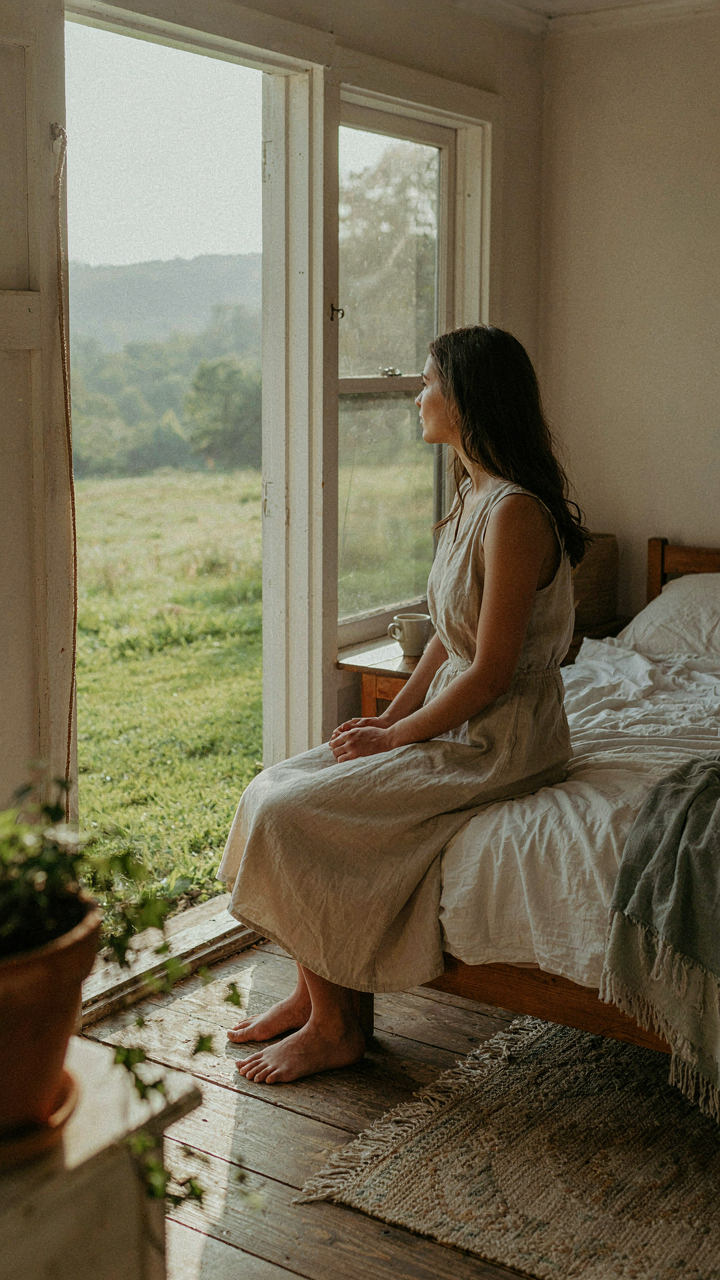
Most people don’t build a cottage sleeping porch to rest. They build it to escape. There’s a difference. A porch with fresh air doesn’t fix a fractured mind. It exposes it. The real work happens when you stop moving, stop scrolling, stop running from your own thoughts. Pick one night this week. Sleep on your porch without your phone. Watch what actually surfaces. Stillness doesn’t require scenery, but scenery demands you finally show up for yourself.