
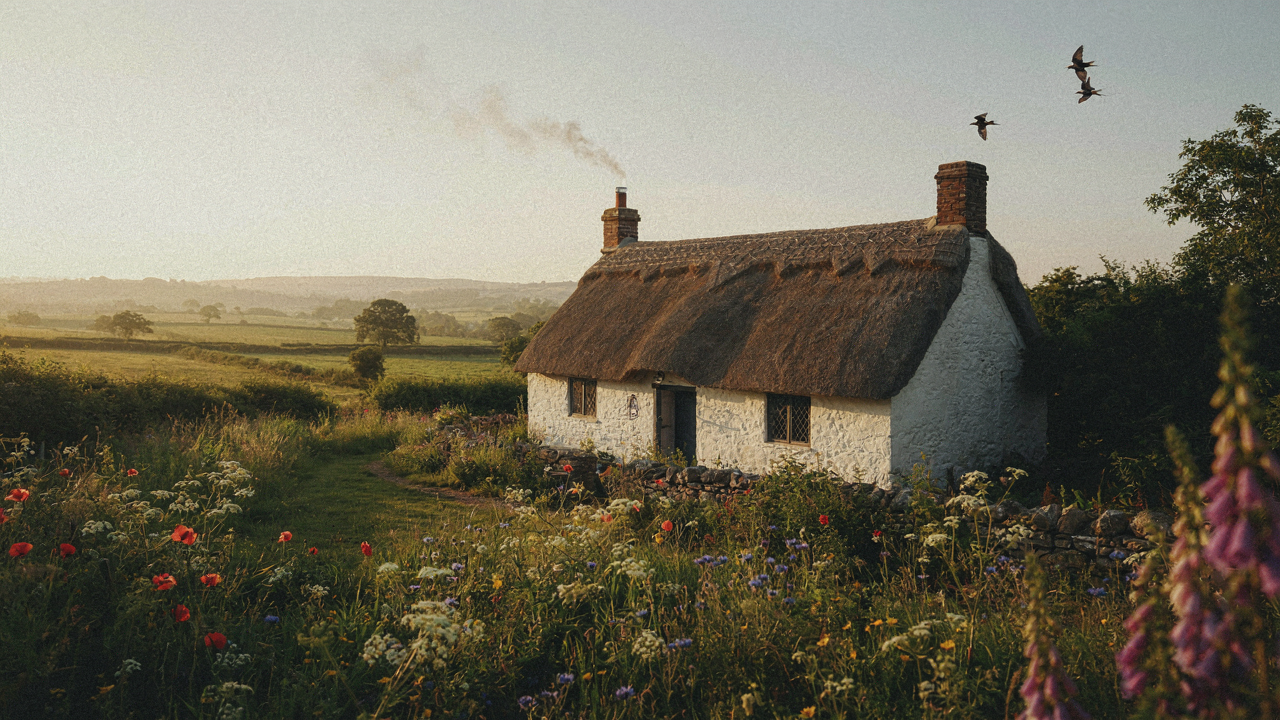
The Instagram Fallacy Of The Thatched Roof Cottage
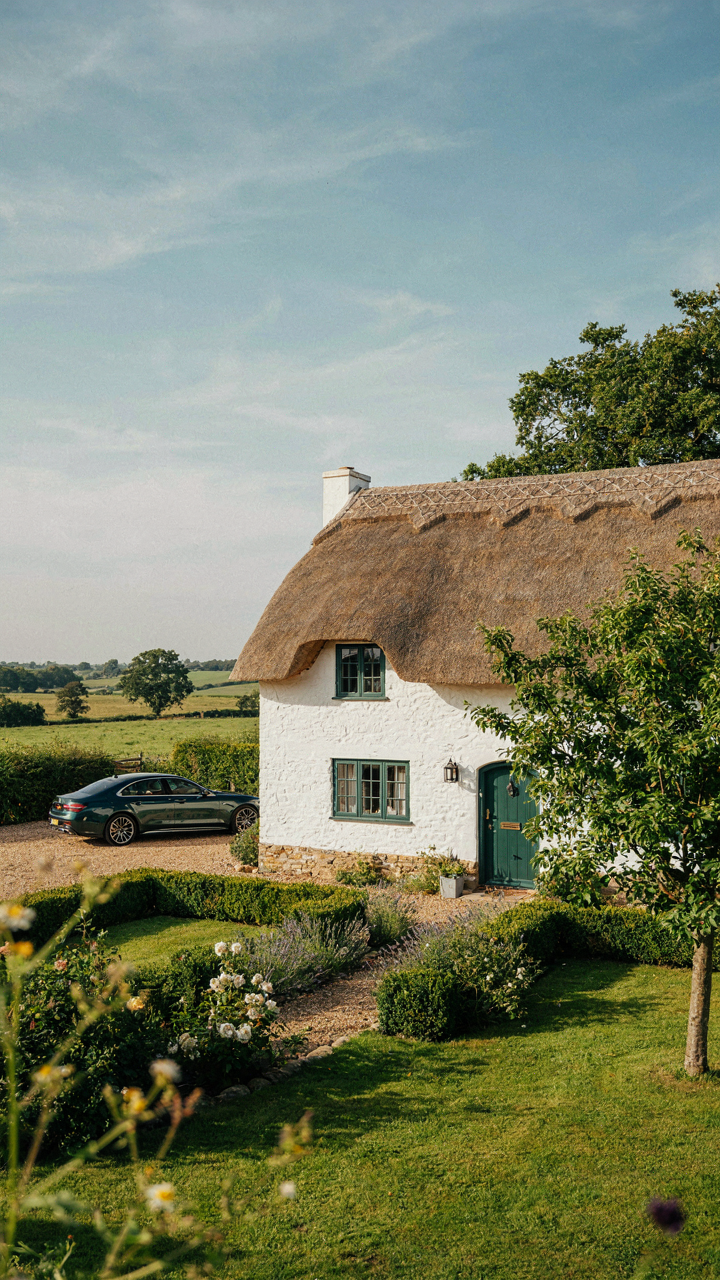
Shelter Becomes Status Symbol
You want this because it signals you’ve arrived at a life other people can’t access. The mechanism is simple: a thatched roof cottage performs wealth through scarcity and maintenance cost. Most people see thatch and think “charming.” What they’re actually seeing is a material that requires specialized craftspeople, commands premium land prices, and demands constant repair. The roof itself isn’t the product. Your social position is.
Thatch demands active stewardship in ways modern roofing doesn’t. A slate or asphalt roof protects your structure and then disappears from your life. Thatch requires you to hire a thatcher every twelve to fifteen years for major work, and constant minor maintenance between jobs. This isn’t a bug. It’s the feature that justifies the premium. You’re not buying shelter. You’re buying proof of ongoing resource expenditure.
The Cotswolds Cottage Isn’t What You Think It Is
The perfect thatched cottage aesthetic you’ve seen in magazines is a curated lie built on three omissions: interior constraints, environmental conditions, and restoration economics. Borrowing from architecture’s concept of “functional obsolescence,” a thatched cottage isn’t obsolete in materials, but in layout. The low ceilings, thick walls, and small windows that look quaint in photos make the interior dark, cold, and impractical for modern living.
Those picture-perfect Cotswolds cottages typically hide serious compromises behind their charm. Original floorplans were designed for occupants who spent most time outdoors or in a single heated room. Upgrading plumbing, electrical systems, and insulation inside period walls costs more than building new. The thatched roof itself becomes expensive exactly when you’ve already invested six figures in invisible upgrades. The cottage industry photographs the roof, not the HVAC system you had to install.
Beyond The Fairytale: The Unromantic Realities Of Thatched Roof Maintenance
The Real Price Of Charm
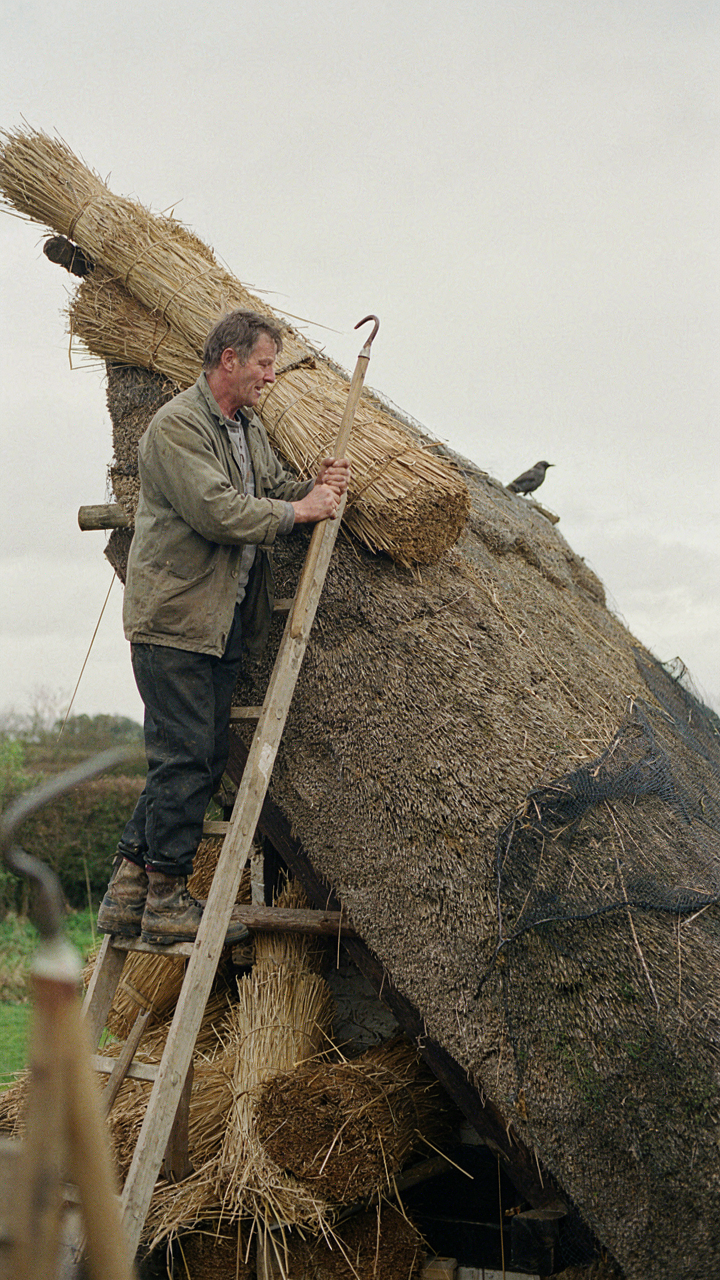
You want a thatched roof cottage because you think it signals taste and permanence. What you’re actually buying is a maintenance burden that compounds annually. A thatch roof costs 3 to 4 times more to install than asphalt shingles and requires complete re-thatching every 40 to 60 years, not repair work that extends it. Most homeowners discover too late that thatch isn’t a one-time expense you absorb and forget.

The economics don’t favor the romantic narrative. A professional thatcher charges by the square footage and the complexity of your roof pitch and ridgeline. On a modest cottage, full re-thatching runs between 15,000 and 30,000 dollars depending on region, materials, and access. Annual maintenance to clear debris, repair small breaches, and inspect for damage typically costs 500 to 1,500 dollars. Your restoration investment doesn’t increase the resale value proportionally because fewer buyers accept the ongoing cost structure.
Weather And Pests: The Mechanics Of Decay
Thatch fails through exposure to three hostile forces that act like an engineering stress test. Water infiltration happens from the top down as individual straw bundles compress and separate, creating gaps where rain penetrates the roof deck. Wind loosens straw fibers and peels back sections, especially at edges and roof corners. Ice and freeze-thaw cycles expand moisture trapped in the thatch, cracking the binding and accelerating material breakdown.
Pests exploit the thatch structure as habitat and food source. Birds nest inside the material and damage it through nesting activity. Insects, particularly wood-boring beetles and wood wasps, colonize the roof deck beneath the thatch and compromise structural integrity you can’t see until it’s critical. Rodents burrow through thatch seeking shelter and create passages that channel water directly to the timber frame. Regular inspection every spring and fall catches problems before they require expensive intervention.
The “Authenticity” Trap: Why Your Storybook Cottage Is A Reproduction
Historical Accuracy Versus Modern Convenience
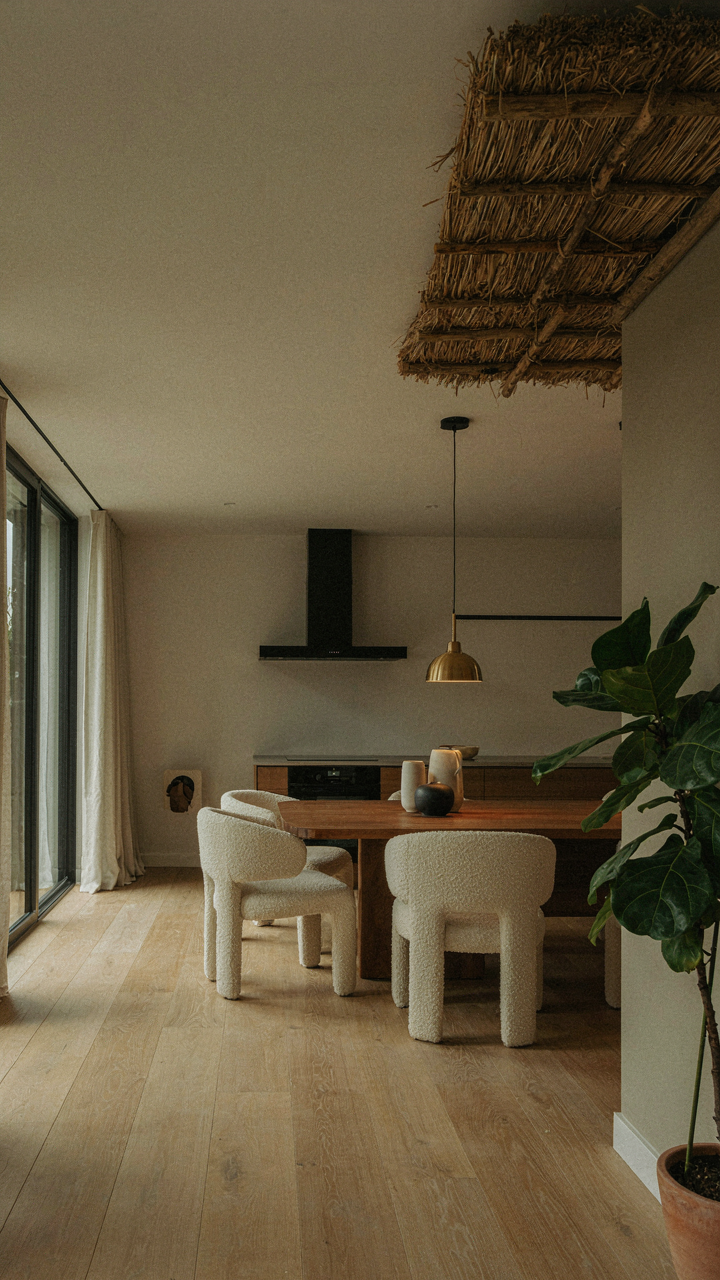
You want people to believe you live in a time machine, but you won’t actually live like it. That gap between what you claim and what you’ll tolerate is where the real story lives. The mechanism here borrows from economics: you’re hunting for positional goods, assets that signal status through scarcity and heritage, except thatched cottages stopped being scarce or heritage the moment they got electricity and plumbing.

Original thatched cottages had thick walls, tiny windows, and dark interiors because those features solved concrete problems: retaining heat, blocking weather, managing light without electricity. Modern reproduction thatched cottages keep the aesthetic while stripping away every material constraint that made that aesthetic necessary. You get the Instagram image without the actual engineering reason it exists. That’s not restoration. It’s costume.
The Original Purpose Has Completely Inverted
Medieval and early modern thatched cottages were built for utility and survival, not charm. Thatch was cheap, abundant, and renewable in agricultural regions where straw and reeds existed in surplus. The low ceilings, cramped layouts, and minimal fenestration weren’t design choices. They were structural requirements and thermal necessities. People left thatched cottages the moment they could afford something else.
Today’s thatched cottage owner wants the symbolic weight of rusticity without the actual rusticity. You’re not living in a thatched cottage. You’re living in a modern insulated structure that wears a thatched roof as a costume. The original intent was maximum efficiency for minimal material cost. The current use is maximum aesthetic signaling for maximum material investment. The mechanism is simple: when the material reason for a design disappears, only the status reason remains.
The Thatched Roof Cottage Investment Protocol
What Maintenance Actually Costs
You want to believe a thatched cottage is a financial asset that appreciates while you sleep. It isn’t. The mechanism at work here is simple: thatch degrades predictably, and the repair costs scale faster than your income.

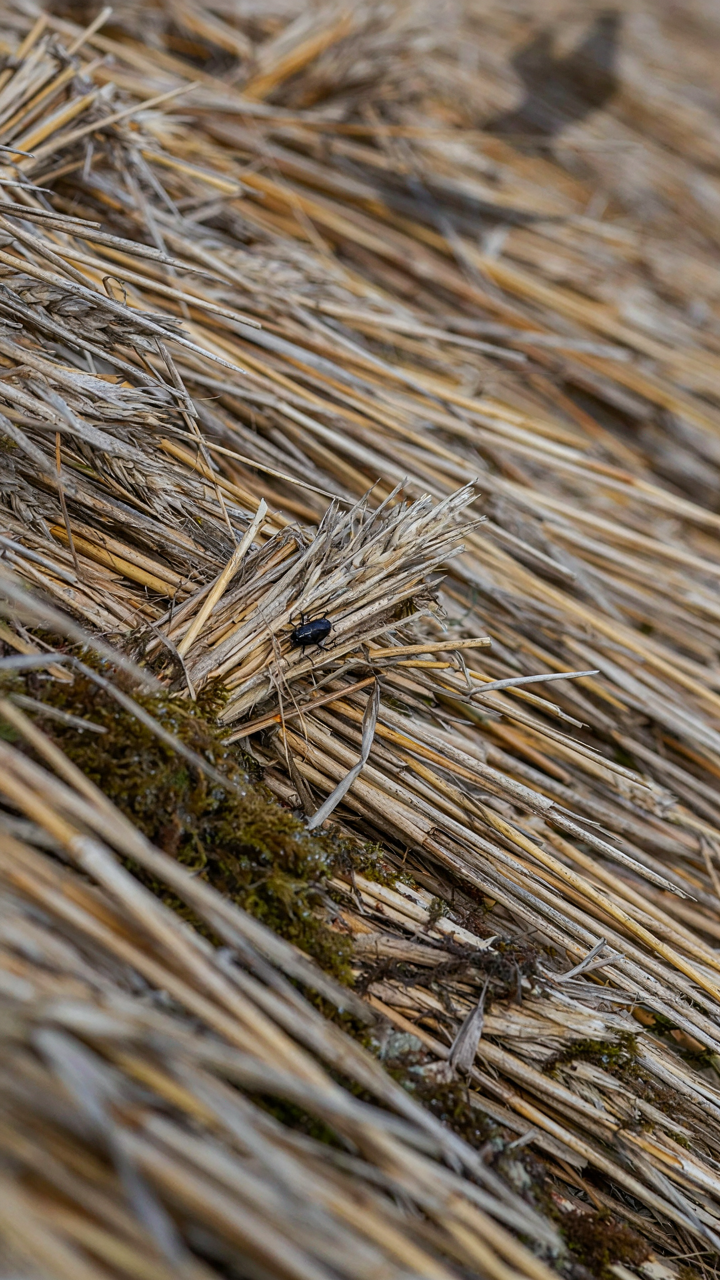
A full thatch re-cover runs 15,000 to 40,000 pounds depending on roof pitch, material quality, and regional labor rates. This isn’t optional maintenance you can defer. Thatch typically lasts 40 to 60 years for water reed, shorter for straw. Most owners discover mid-ownership that they’ve inherited a 20-year-old roof with 5 to 10 years of life remaining. You’re not buying a cottage. You’re buying a scheduled expense.
Market Reality For Thatched Properties
The romantic premium evaporates the moment you list. Economics, not sentiment, determines what buyers will pay: thatch introduces maintenance liability that standard roofing doesn’t carry. A thatched cottage in desirable countryside may hold value among heritage enthusiasts. The same property with identical square footage and location but a conventional roof sells faster and commands equal or higher price in practical market terms.
Insurance costs more. Mortgage lenders scrutinize thatch properties harder. Some refuse financing entirely. These friction points aren’t gossip, they’re underwriting realities that compress your exit options. Your investment thesis depends on finding a buyer who values the thatched aesthetic enough to absorb the liability cost you’re trying to offload. Don’t count on that buyer appearing when you need liquidity.
Garden Cottage: A Deeper Dive Into Its Practicality
Where Your Land Actually Works
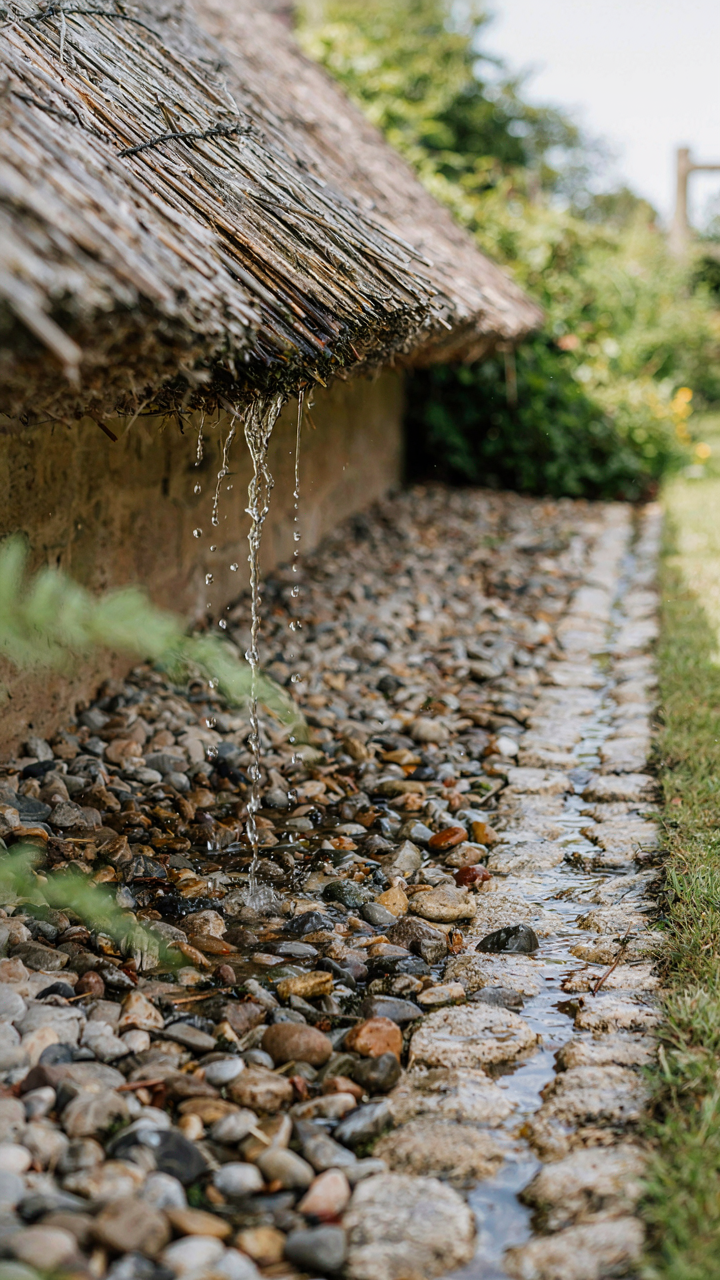
You want a thatched roof cottage because it signals you’ve escaped the grid. Here’s what actually matters: integration isn’t decoration. It’s hydrology. The water management system of a thatched cottage operates like a watershed on a small scale—rain moves off the roof, through gutters or ground channels, and either infiltrates or drains based on slope and soil composition. Get this wrong and you’re fighting rot, foundation issues, and pest problems that no aesthetic fixes.
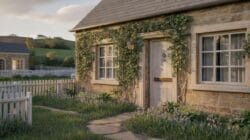
The land around the cottage must slope away from the structure at minimum one percent grade. Thatch absorbs moisture at the eaves, so poor drainage becomes a structural liability, not a minor inconvenience. The soil type beneath determines how quickly water moves away. Clay holds water and breeds problems. Sandy loam drains faster but may require additional grading or French drains on the downslope side. You’re not placing a cottage on the land. You’re placing it within a drainage system that already exists.
What “Sustainable” Actually Means Here
Most people confuse sustainable with renewable, then wonder why their thatched cottage costs more to maintain than a modern house. Sustainability in this context borrows from ecological restoration: it means the energy you invest in upkeep stays proportional to what the land and materials can regenerate. Thatch itself regenerates through cropping cycles, but that’s only part of the equation.
A thatched roof cottage requires rethoring every 40 to 60 years, depending on climate and thatch quality. You cannot skip this or delay it. The true sustainability metric is whether your location supports thatchers and whether thatching materials remain accessible. Regions with active thatching traditions have lower material costs and faster repair times. If you’re building in an area where thatchers have disappeared, you’ve built a monument to maintenance debt, not sustainability. Verify local thatching availability before committing to the structure.
The English Cottage And The Illusion Of Simplicity
What Thatching Actually Requires
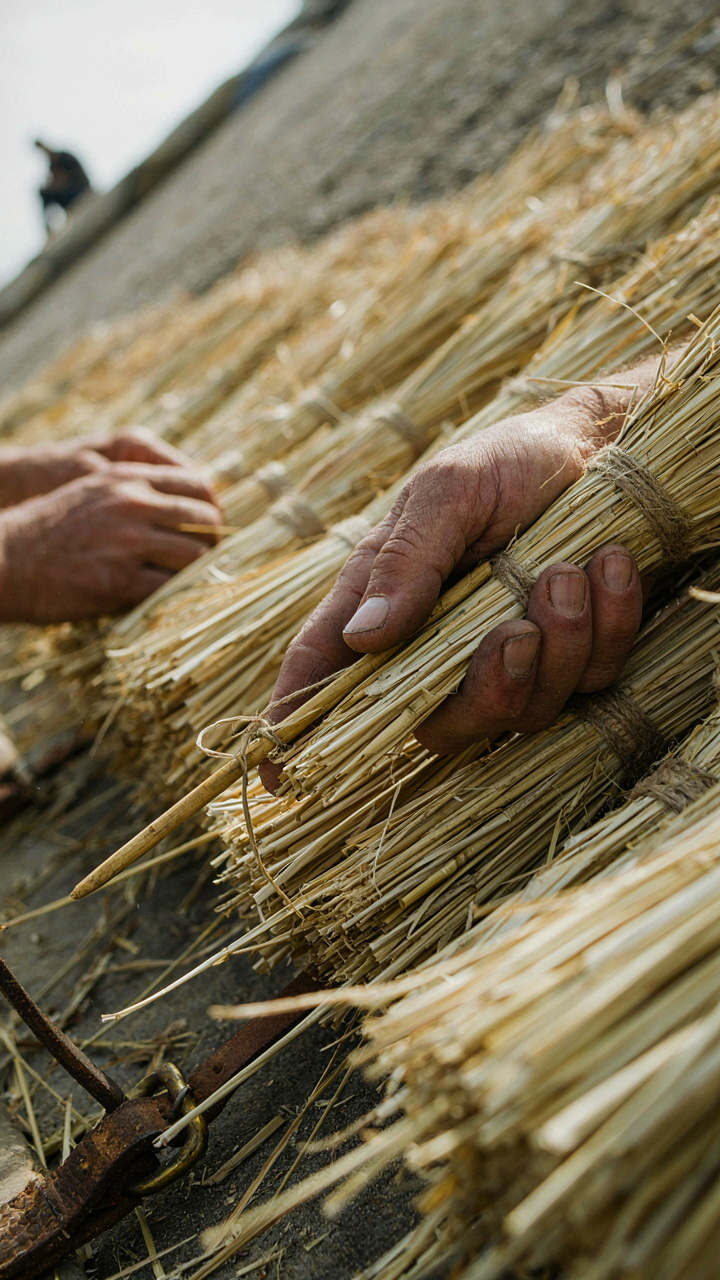
You want to believe a thatched roof cottage exists in some pre-industrial purity where things just work without your intervention. That’s the real draw here, not the aesthetics. The mechanism is this: thatching is a craft that demands accumulated knowledge across material science, structural engineering, and weather dynamics. A thatcher doesn’t just layer straw. They read slope angles, wind exposure, moisture patterns, and local material quality the way a physicist reads force vectors.

A traditional thatched roof demands constant, specific maintenance that most people don’t account for until they own one. The roof material itself degrades on a schedule tied to climate, material source, and installation technique. Wheat straw lasts 40 to 60 years. Reed lasts 50 to 70 years. Neither number is fixed. Installation quality determines whether you hit the high end or the low end of that range. Owners who ignore this timeline face catastrophic failure, not gradual decline.
The Labor Behind The Aesthetic
Everyone sees the finished cottage. Nobody talks about the 300 hours of skilled labor buried inside the walls before you ever move in. Traditional building methods in English cottages relied on lime mortar, hand-mixed clay infill, timber framing cut to specific angles, and stone or brick laid with precision that machinery can’t replicate at speed. Each material choice created downstream dependencies: lime mortar requires curing time; clay needs specific humidity; timber expands and contracts seasonally. The “effortless” charm is built on constraint, not simplicity.
Restoration work exposes the real mechanism. When contractors strip a 200-year-old cottage down to its frame, they find that what looks seamless from outside is actually a system of compensations and workarounds. Walls shift. Timbers bow. Thatch settles unevenly. The original builders didn’t solve these problems through innovation; they built into the budget endless minor adjustments and ongoing repair cycles. When you buy or build a thatched roof cottage, you’re not buying a static object. You’re buying into a maintenance protocol disguised as architecture.
Beyond The Thatched Roof: The Biomimicry Of Sustainable Design
What Thatch Actually Does Better
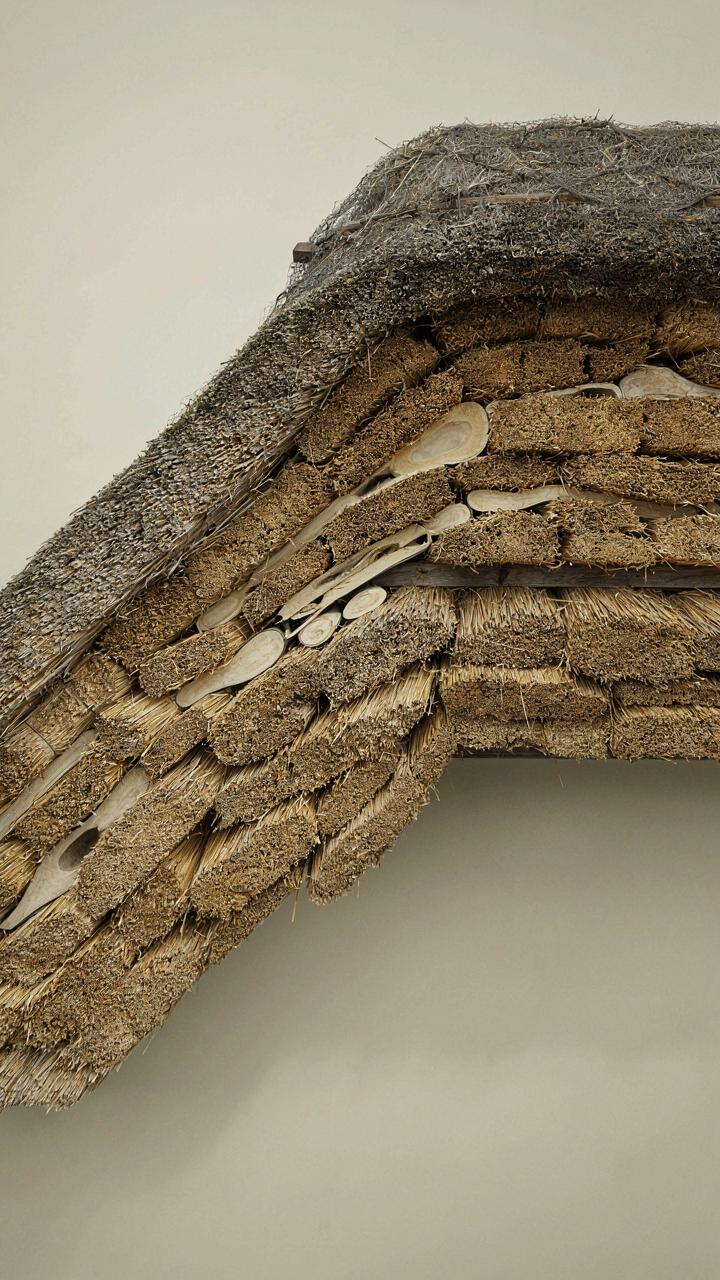
You want thatched roofs because they feel timeless and authentic, but that’s status anxiety dressed up as aesthetics. Here’s what actually matters: thatch is a closed-loop material system that responds to moisture dynamically. Biology calls this homeostasis. Thatch absorbs water vapor when humidity rises and releases it when air dries out, regulating interior climate without mechanical intervention. No electricity. No failure points. The reed or straw fibers work as a buffer, which is why thatched cottages maintain stable temperatures year-round while modern insulation creates moisture traps that breed mold.

This isn’t sentiment. Thatch predates HVAC by centuries because it solves a real problem that central heating tries to force-fix. The material breathes. Your walls don’t trap condensation behind vapor barriers that fail silently. When you strip away the romantic narrative, thatched roofs are a thermodynamic solution. They move water through the roof plane instead of storing it, which means less structural decay and longer building life. Most cottage owners miss this entirely and focus on aesthetics when durability is the actual mechanism worth understanding.
Material Resilience Through Layering
Common advice says thatch lasts thirty years, then needs replacement. Wrong. Quality thatch lasts fifty to eighty years because the real resilience isn’t in the material itself but in how layers interact. Each layer compresses and bonds to the one below, creating a structure that sheds water vertically while maintaining flexibility. The base coat bears most stress. Upper coats protect the base while degrading slower due to exposure, buying you decades of performance. Roofers call this sacrificial layering. It’s the same principle applied to industrial composite design.
The mechanism here is friction and compression, not material strength alone. Thatch works because gravity pulls water down through the plane while the angle and fiber density prevent infiltration sideways. When a layer weakens, the layers below remain intact. This is why partial re-thatching on older cottages costs far less than replacing composite roofing. You’re not replacing the entire system. You’re replacing the worn sacrificial layer and extending the building’s life another thirty years. Understanding this changes how you assess maintenance costs versus material replacement cycles across all roofing systems.
The Cottage Aesthetic: Designing For Experience, Not Just Looks
Materials Tell The Story Before You Walk In
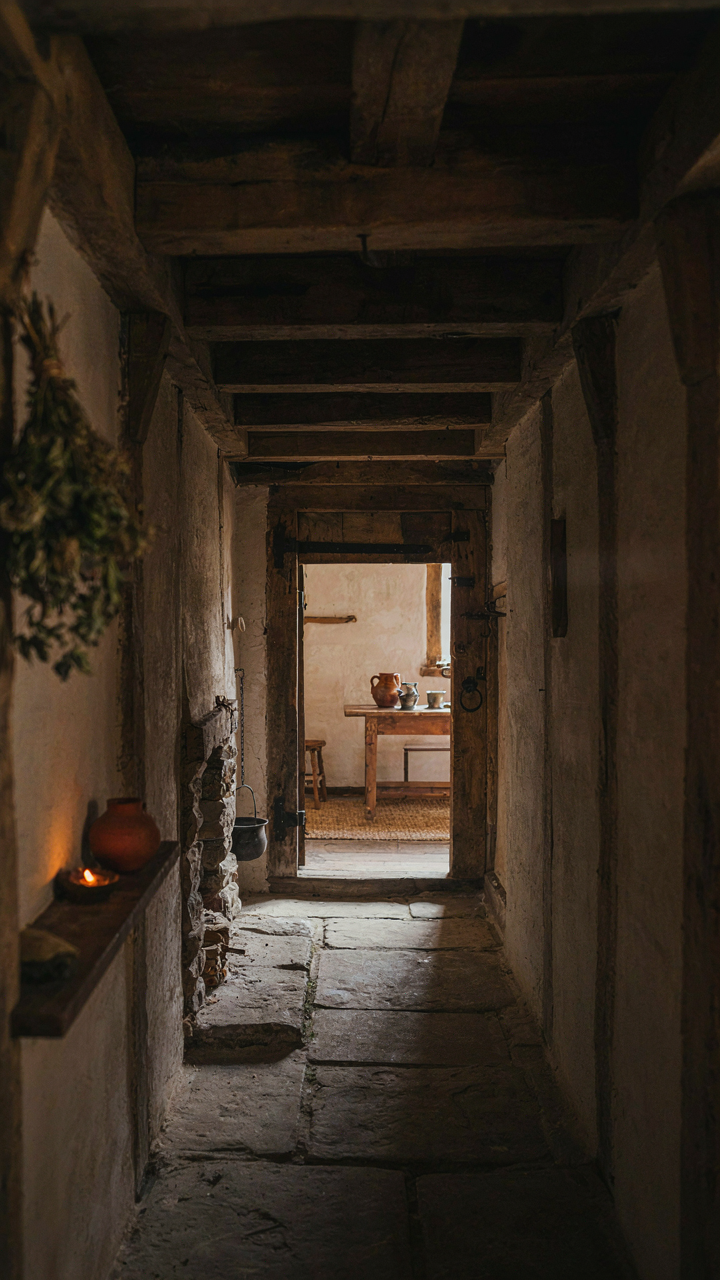
You want people to feel something when they see your cottage. That’s the real reason you care about this section. But here’s what most people miss: the materials themselves are the experience. Think of it like biology’s principle of form following function. In a thatched roof cottage, the thatch isn’t decoration. It’s the load-bearing system that shapes every spatial decision underneath it. The pitch steepens because water must shed. The walls thicken because thatch weight concentrates force. These constraints become the aesthetic.

The interior responds to what the thatch demands. Low ceilings happen because structural beams sit close to the roof plane. Irregular walls exist because timber framing wasn’t precision-cut. Hand-split wooden floors aren’t rustic by accident. They’re the honest residue of how people actually built these structures. When you choose materials for a thatched cottage, you’re not selecting a mood. You’re choosing the physical logic that guests will feel in their bones.
Spatial Flow Creates Mood Through Movement
Most design advice about cottage aesthetics is lazy. It talks about “cozy corners” and “intimate rooms” without explaining the actual mechanism. Real atmosphere comes from how your body moves through space. Thatched cottages force specific movement patterns. Doorways stay low. Hallways narrow. Rooms connect in sequence rather than opening into a central hub. This isn’t charming by coincidence. It’s charming because your nervous system experiences the constraints as intentional protection.
Design your spatial flow so movement becomes ritualistic. A guest enters through a tight vestibule before reaching the main room. That transition registers as a threshold. The kitchen sits adjacent to the hearth because cooking and warmth cluster together in old construction. Bedrooms tuck under the eaves where headroom limits and angles create enclosure. Each movement sequence reinforces why people gather where they do. The cottage doesn’t feel designed. It feels inhabited. That difference is everything.
Fairytale Cottage Fantasies Vs. Functional Foundations
The Romance Trap Costs Money You Don’t Have
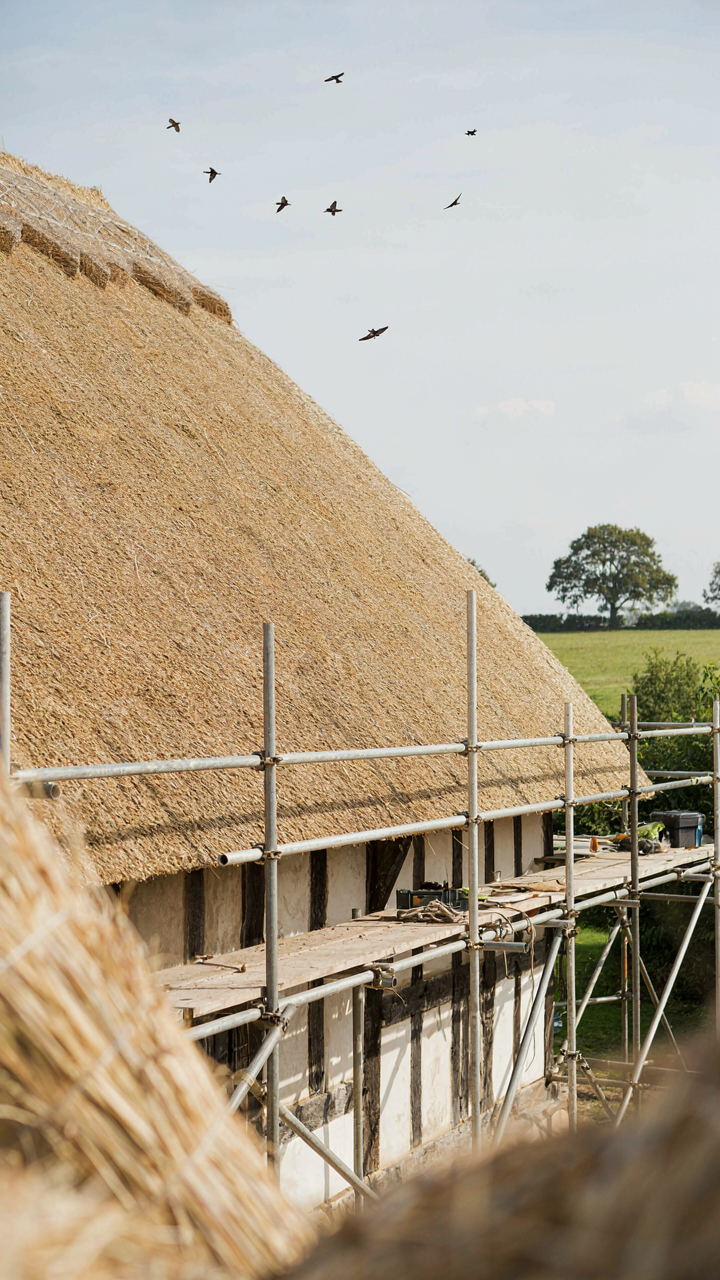
You want the thatched roof cottage because it signals taste, history, and escape from the ordinary. That’s the real reason. But here’s the mechanism: romance and function operate on different timelines. A thatched roof demands maintenance schedules. Thatch deteriorates from weather exposure, not from lack of Instagram appeal. The moment you stop treating it as a lifestyle brand and start treating it as a system that requires intervention, your costs align with reality instead of fantasy.

Most people who buy into the thatched cottage dream expect the building to perform like a modern home while looking like it survived three centuries untouched. That’s not how thatch works. Reed or straw thatch lasts 40 to 70 years depending on material quality, exposure, and maintenance rigor. During that time, you’re replacing sections, re-ridging, and managing water infiltration points that won’t exist in a standard roof. The fantasy version ignores these intervals entirely.
Building For Durability, Not Aesthetics Alone
The structure underneath thatch matters more than the thatch itself. This is basic engineering: your foundation, frame, and ventilation determine whether thatch performs or fails prematurely. Poor ventilation rots timber from inside while the exterior looks pristine. Weak foundations allow settling that cracks the supporting walls and destabilizes the thatch layer. You need to inspect and possibly upgrade these systems before committing to thatch installation, not after.
Your specification decisions now determine costs for the next fifty years. Specify proper timber framing with adequate roof pitch (usually 50 to 55 degrees for water shedding efficiency). Ensure ventilation pathways prevent moisture accumulation in the rafter spaces. Install appropriate guttering and drainage systems that handle the water volume thatch sheds differently than conventional roofing. These decisions cost more upfront but eliminate the scenario where thatch fails early because the building beneath it was inadequate from day one.
Your Storybook Cottage: The Architect Of Your Own Reality
Charm Means Different Things To Different People
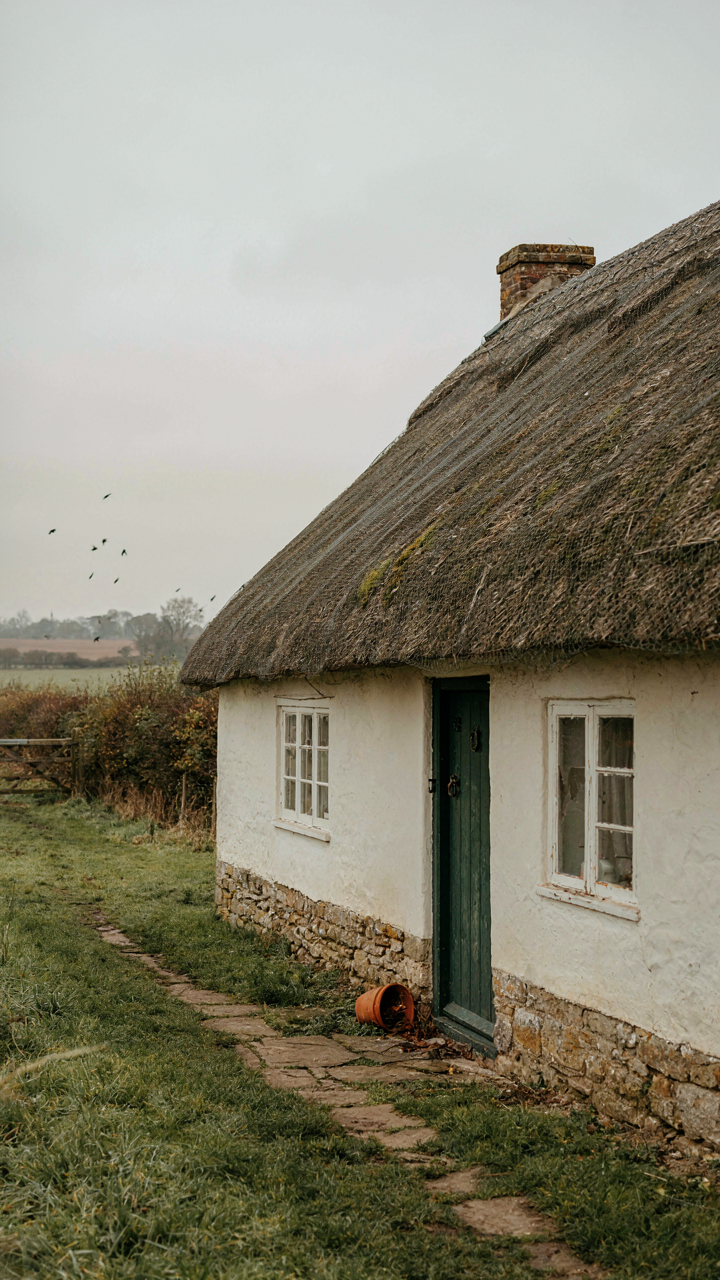
You want permission to build something that looks like it belongs in a fantasy novel instead of a practical shelter. Here’s the mechanism: “charm” isn’t a fixed property—it’s the gap between expectation and reality. A thatched roof cottage reads as charming because most people expect modern construction. Close that gap by understanding what specifically triggers the feeling for you, not what Pinterest says should.
Medieval cottages didn’t aim for charm. They aimed for warmth retention and material efficiency. The thatch, clay walls, and low ceilings were solutions to constraints. When you build a thatched cottage today, you’re selecting those constraints voluntarily. That choice determines whether the result feels authentic or like costume play. Your version of charm depends on which constraints you actually want to live inside.
Building What Works, Not What Photographs
The common advice is wrong: authenticity doesn’t mean copying historical construction exactly. It means understanding the original problem, then solving it with honest materials and methods for your actual climate and lifestyle. A thatched roof in the Pacific Northwest functions differently than one in the English Midlands. The thatch layer thickness, materials, and maintenance schedule shift based on rainfall, wind, and local pest pressure.
Start by auditing what you need from the structure before you pick the aesthetic. Do you need the cottage for primary residence or seasonal retreat? How much maintenance tolerance do you have? What’s your local building code reality? Answer these first, then overlay the thatched cottage form. The result will read as genuine because it solves real problems, not because it matches a historical photo.
The Real Obstacle To True Charm: Your Inability To Accept Imperfection

You don’t want a thatched roof cottage. You want the Instagram version of one. The problem is Instagram doesn’t show you the leaks, the maintenance costs, or the seasons when your home looks weathered instead of charming. Real old world charm demands you stop chasing perfection and start embracing what actually ages well. Stop scrolling pictures today and visit one. Talk to someone who lives in one. The gap between the fantasy and reality will either kill the dream or birth something far more interesting than anything you imagined.