
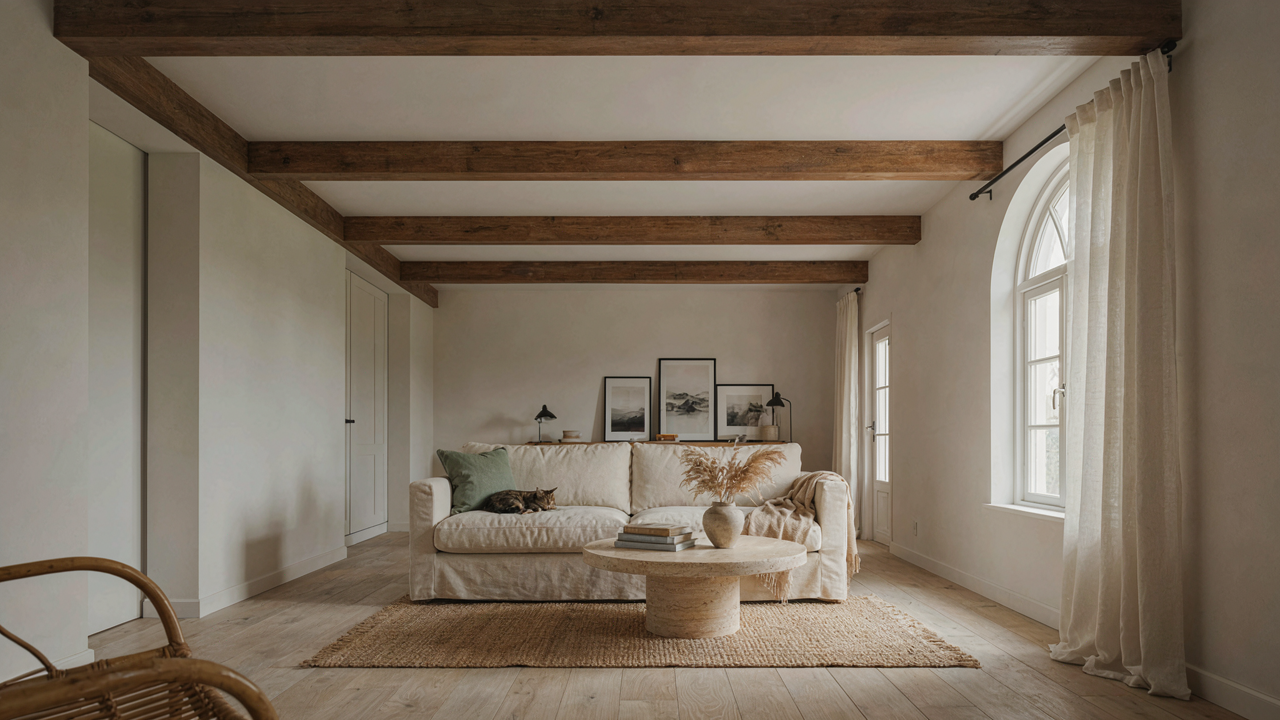
The Faux Vs. Authentic Fallacy: Beyond Surface Level Rustic
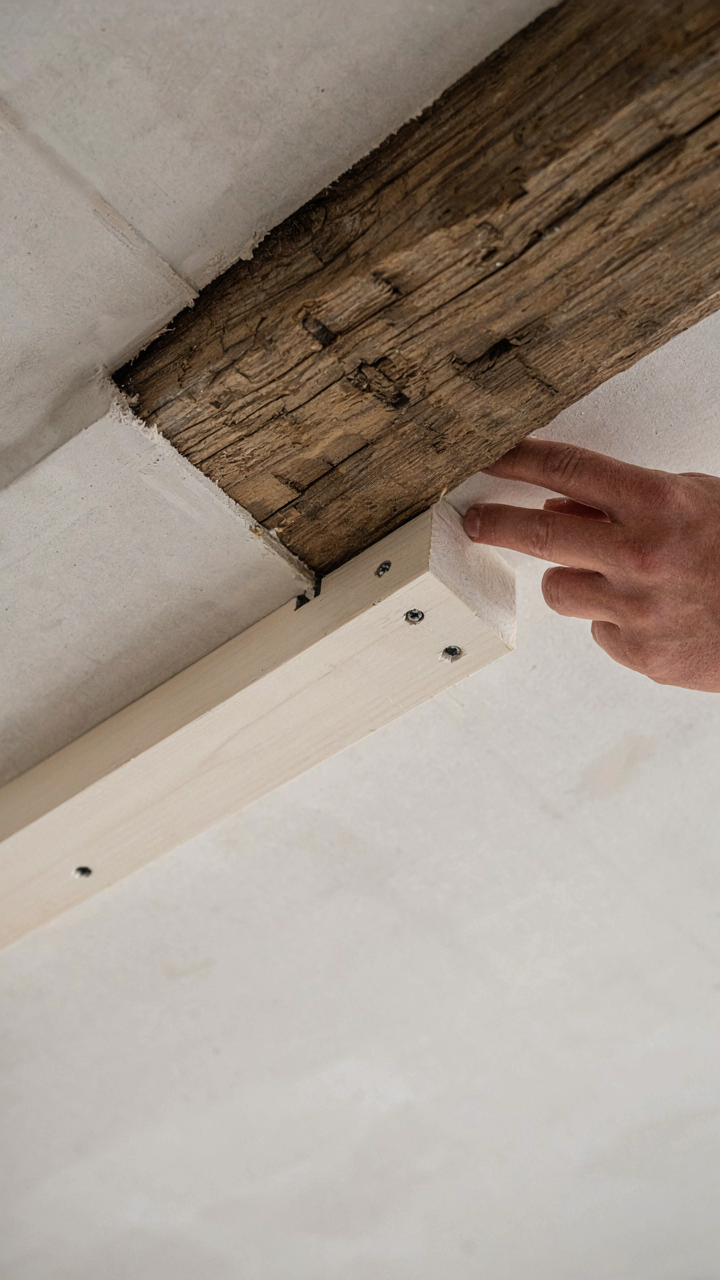
Where Structural Load Meets Visual Deception
You want people to believe your ceiling tells a story of age and substance. That’s status wrapped in timber. Here’s what nobody says plainly: fake beams don’t carry load, but your eyes can’t tell the difference at first glance, which creates a dangerous gap between what you think you’re buying and what you actually get. Economics calls this information asymmetry. With beams, it’s the difference between decorative veneer fastened to your drywall and actual structural members spanning your room and transferring weight to your foundation.
Real beams distribute weight across their depth, width, and length. A genuine hand-hewn or reclaimed beam works because its material properties remain constant from core to surface. Faux beams are typically hollow polyurethane or thin wood shells. They look correct in photos and from ten feet away. They cannot settle, crack, or age the way authentic timber does, which means they cannot generate the visual authenticity they were purchased to provide.
The Price Tag Inverts At Year Five
Most people compare faux and authentic beams by installation cost alone and call it done. That’s incomplete. A polyurethane beam costs 60-70% less upfront but adds nothing to resale value and fails to convey the permanence buyers sense in real wood. Reclaimed timber beams cost more initially but function as both structure and design statement simultaneously, doing two jobs one material accomplishes.
The illusion dissolves over time. Faux beams don’t patina, don’t deepen, don’t gain character. Real beams do. When you sell or refinance, an inspector or appraiser recognizes genuine structural elements. Decorative faux beams register as finish work. The cost you saved on installation becomes invisible equity lost on exit. Your actual cost per year of ownership favors authentic beams if you stay in the home beyond seven years.
The “Beam House” Blunder: When More Is Just… More
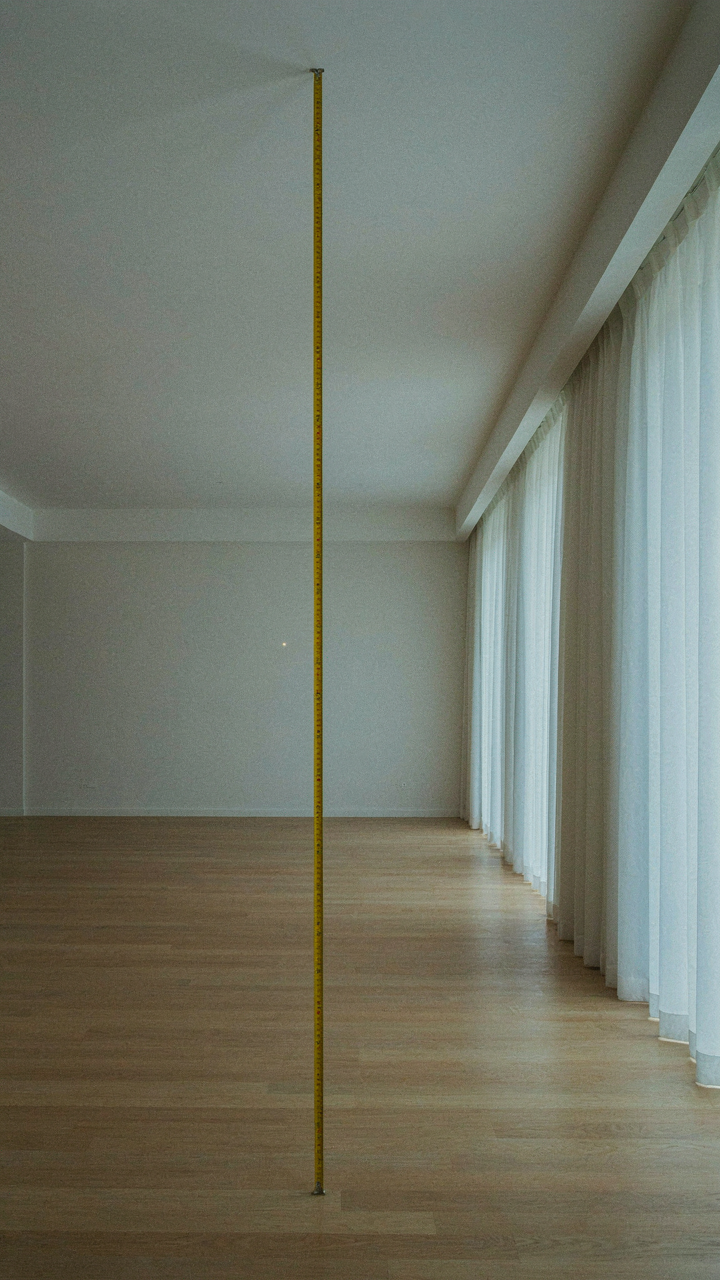
When Visual Weight Becomes Visual Noise
You want people to feel the history in your space without admitting you’re buying status through authenticity. Here’s the mechanism: your eye processes visual weight like a scale. Add too many beams and the ceiling stops reading as architectural and starts reading as cluttered. Real farmhouses didn’t pack beams for aesthetic value—they used them because gravity demanded it. Every beam was structural necessity. When you install beams purely for look, you’re competing against the original logic. The surplus reads as decoration, not craft.

Most designers will tell you to “balance beams with open space.” That’s incomplete. The real issue is beam density relative to ceiling height and room volume. A 9-foot ceiling with three exposed beams creates visual noise. Those same three beams in a 14-foot ceiling with proportional spacing read as intentional architecture. Density is the variable that determines whether beams anchor a room or overwhelm it. Measure your ceiling height before you frame anything.
The Miniature Barn Problem
Scale violates the principle of proportion from classical architecture. A 12-foot by 14-foot bedroom with barn-grade beams 16 inches tall makes the room feel compressed, not cozy. The beams dwarf the human body instead of complementing it. Historical farmhouse beams scaled to actual load requirements—larger rooms got larger beams because spanning longer distances required thicker timber. Small rooms had smaller beams. Reverse-engineer that logic rather than copying beam size from Pinterest photos of different buildings with different dimensions.
The correction isn’t subtle. If your room is small, use fewer beams, thinner profiles, or recessed installations that reduce visual mass. Beam depth should rarely exceed one-tenth of the room’s longest dimension. Apply this ratio and you eliminate the bunker effect. When you ignore scale, you’ve already lost the effect you’re chasing. Measure room dimensions, divide by ten, use that as your maximum beam depth.
Ceilings With Beams Living Rooms: The Echo Chamber Effect
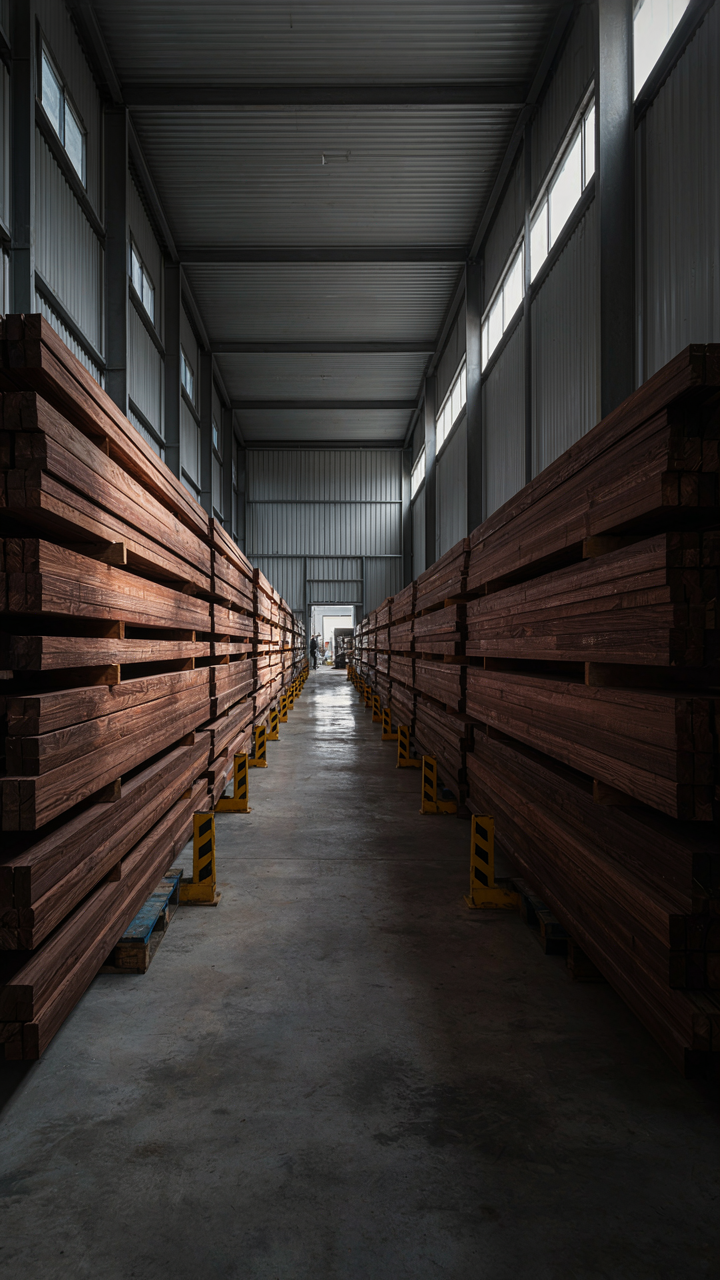
The Reason Every Farmhouse Looks Identical
You want farmhouse beams because you think they’ll make your space feel authentic. That’s not the real reason. You want them because you’ve seen the same three beam configurations in 10,000 Instagram photos, and your brain has confused repetition with legitimacy. This is the echo chamber effect: when a single solution dominates visual culture so completely that alternatives become invisible, and consensus masquerades as truth. Farmhouse ceiling beams hit this wall years ago.

The mechanism is supply-side constraint meeting demand-side conformity. Reclaimed barn beams cost money and require sourcing. Faux beams cost less and install faster. So manufacturers standardized the fake beam: hand-hewn texture, dark stain, engineered to look “aged.” Everyone copies the same product. Now every living room in the suburbs has the identical beam. You’re not choosing authenticity. You’re choosing the path of least resistance, which happens to look like everyone else’s living room.
Escaping The Design Treadmill
The common advice here is garbage: “add your own twist” or “mix styles.” That’s not a strategy, that’s permission to stay lost. Real departure requires identifying what the standardized beam actually does, then solving for that function differently. Standard beams work because they create visual weight and anchor a room’s proportions. They break up ceiling plane monotony. They suggest history without requiring it. None of that requires the mass-produced faux beam everyone else bought.
Start by deciding which function matters: weight or proportion or visual break. If you need visual weight, consider genuine reclaimed beams from a specific region or era, sourced with intent. If you need to break the plane, consider alternative materials entirely: steel, concrete, or exposed structural elements from your actual building. If you need the suggestion of history without the beam, consider exposed rafter tails or a dropped soffit instead. The constraint is your advantage.
Rustic Wooden Beams: The “Reclaimed” Racket
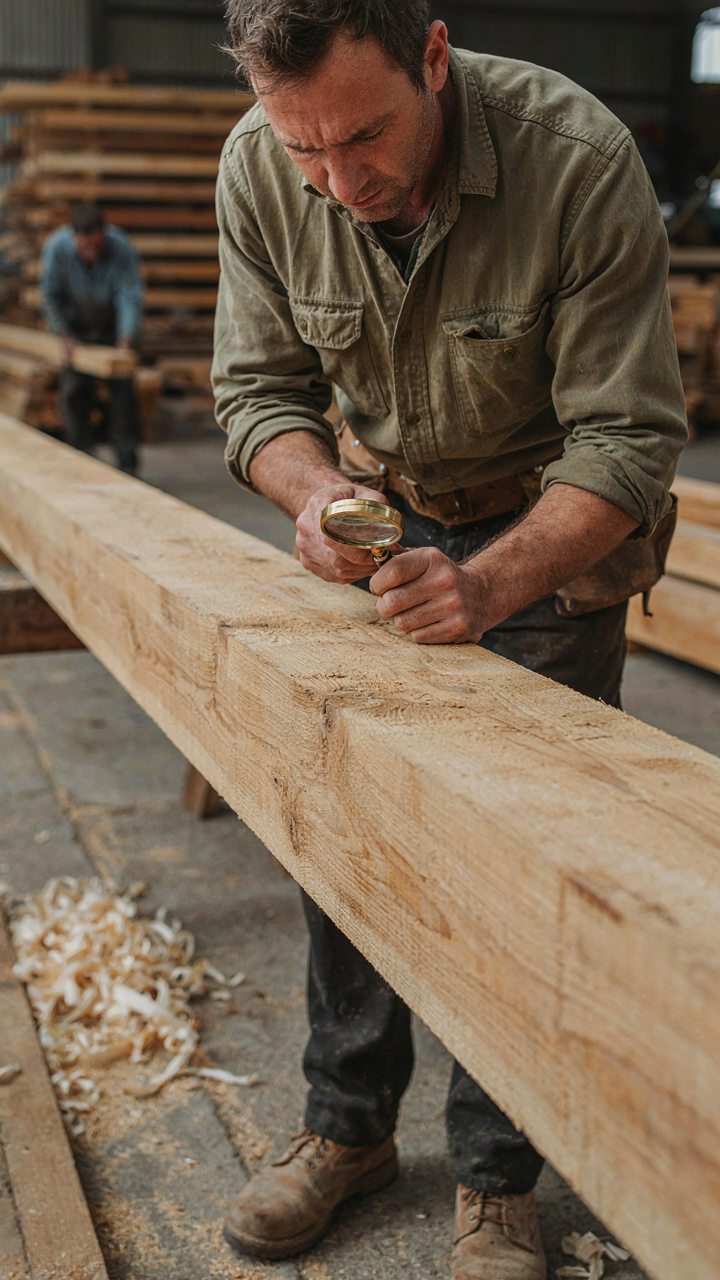
Authenticity Versus Marketing Sleight Of Hand
You want reclaimed beams because they signal you have taste and history on your ceiling, not because you understand what you’re buying. The mechanism is simple: marketing exploits the gap between what “reclaimed” actually means and what buyers imagine it means. True salvage comes from demolished barns and mills. Most “reclaimed” beams are new wood artificially aged through wire brushing, hand-hewn faking, and chemical staining. Sellers count on you not knowing the difference because the visual result looks nearly identical.

Real salvaged timber does exist, but it commands premium pricing and requires structural assessment before installation. Old growth wood has tighter grain and higher density than modern timber, making it genuinely more durable. The problem: you cannot verify growth ring density by looking at a beam in a showroom. Sellers of authentic salvage sometimes have documentation, but documentation itself is forged regularly. Ask for timber core samples or third-party verification. If a vendor resists, they are selling you theater.
The Real Price Tag Nobody Mentions
Structural integrity in old wood is not guaranteed, it is negotiated. Engineering economics teaches us about hidden failure costs: the expense you don’t see until the system breaks. With reclaimed beams, that hidden cost is settling. Genuine old wood has already moved through seasonal expansion and contraction cycles for decades or centuries. When you install it in a climate-controlled space, it stops moving. New wood does the opposite: it shrinks as it dries. This differential movement cracks plaster, splits drywall, and separates beam-to-wall connections.
Reclaimed beams also hide pest damage, rot, and stress fractures beneath their weathered surface. A licensed structural engineer must inspect any salvaged beam before load-bearing installation. That inspection costs 500 to 1500 dollars per beam. Most homeowners skip this step and nail decorative non-structural beams to their ceiling, which costs nothing structurally but costs everything aesthetically when settlement reveals the gaps. If you install reclaimed beams, get them engineered first or accept you are buying appearance only.
The Timber Ceiling Beam Durability Protocol
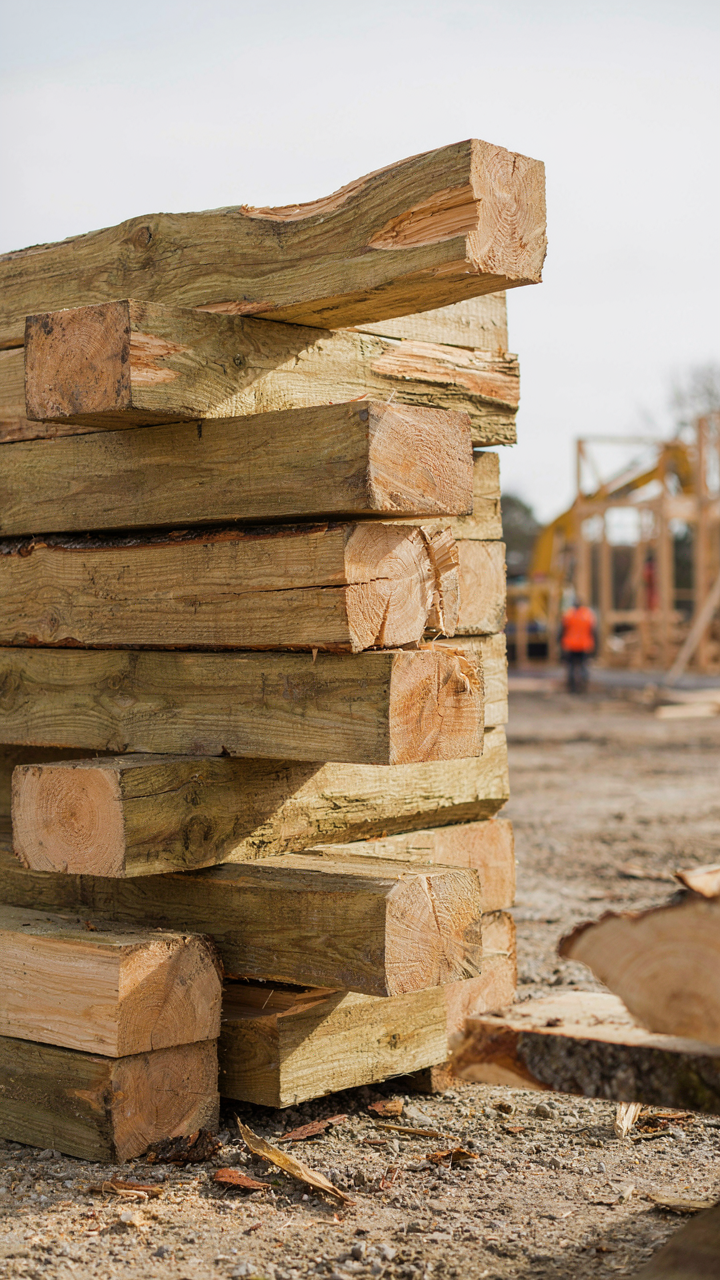
Wood Species Selection And Curing Reality
You want beams that look old without collapsing in twenty years. Here’s what nobody tells you: the species matters more than the finish. Oak and hickory handle structural load better than pine or fir, but they move more with humidity swings. Reclaimed beams from barns work because they’ve already stabilized after 100+ years. New-cut timber needs real drying time, not just sitting on a jobsite.

The curing process determines whether your beam stays straight or cups and twists. Most farmhouse projects skip this step entirely. Proper air-drying takes 12 to 24 months depending on thickness and species. Kiln-drying accelerates this but costs more upfront. If you install green timber expecting it to cure in place, it will warp and stress the fasteners holding everything together. Choose your species first, then build the timeline backward from your install date.
Span And Load Distribution Physics
Load-bearing beams follow the same principle bridges do: material strength must match distributed weight across distance. A 12-foot beam carries different stress than an 8-foot beam with identical cross-section. The thicker your beam, the longer it can safely span, but only if it’s actually supporting load, not just hanging for looks. Most farmhouse ceiling beams today are purely decorative. That changes everything about what you need to know.
If your beam carries actual roof or floor load, calculate the dead load (the beam’s own weight plus structure above it) and live load (snow, people, equipment). Undersized beams deflect invisibly at first, then crack drywall, shift rafters, and eventually fail. Oversized beams cost more but eliminate that failure mode. Get a structural engineer to spec beam dimensions for your actual span and load rather than copying what looks good in design photos. Install the beam with proper bearing support at both ends, not floating in the middle of a wall.
Farmhouse Ceilings: The Light And Shadow Play
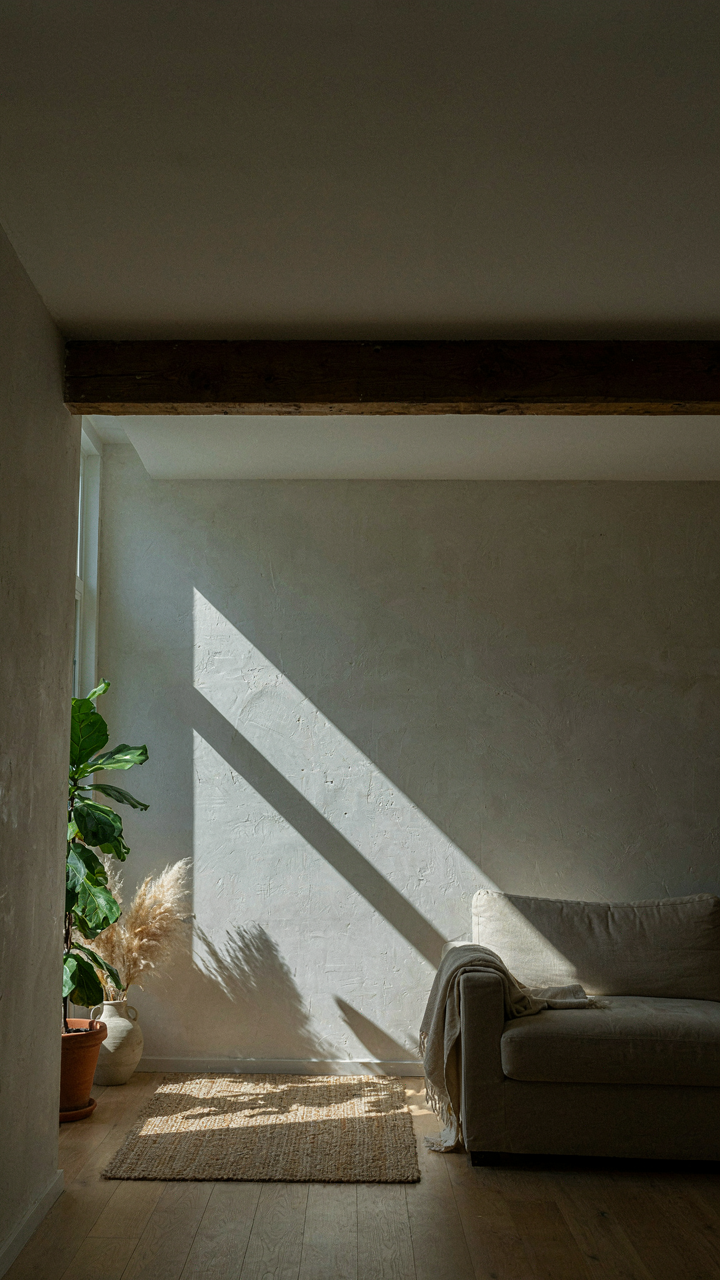
How Beams Control Light Direction
You want beams because they make your room look intentional. The real mechanism: beams interrupt light paths and create shadow lines that define space. Borrowing from optics, beams function as diffusers that break up uniform illumination. A bare ceiling reflects light evenly across the plane. Beams fragment that plane into sections, forcing light to hit angles instead of flat surfaces. This creates depth where none existed.

Natural light hits beams at oblique angles during morning and afternoon hours, casting shadows that shift throughout the day. This movement makes a static room feel alive without changing anything. Artificial light placement matters more with beams present because you can’t just mount a fixture to open drywall anymore. Position recessed lights to graze beam undersides rather than fight them. The shadow pattern becomes your lighting design.
Visual Weight Shapes How Tall Your Ceiling Feels
Everyone says exposed beams make rooms feel cozier. That’s incomplete. Beams compress vertical space through visual mass, not warmth. A 10-foot ceiling with thick timber beams reads as 8 feet because the eye stops at the beam, not at empty air above it. The beam becomes the perceptual ceiling line. This is weight distribution in spatial perception: concentrated mass at the top pulls the eye down and shortens the perceived height.
Beam spacing and thickness determine how aggressively they compress the room. Beams spaced 4 feet apart with 8-inch depth create more visual interruption than beams 12 feet apart with 6-inch depth. If your actual ceiling height is below 9 feet, thin beams or wider spacing prevents the space from feeling cramped. The mechanism is straightforward: place your visual stopping point intentionally, or the beam will place it for you.
Faux Wooden Ceiling Beams: The Uncomfortable Truth
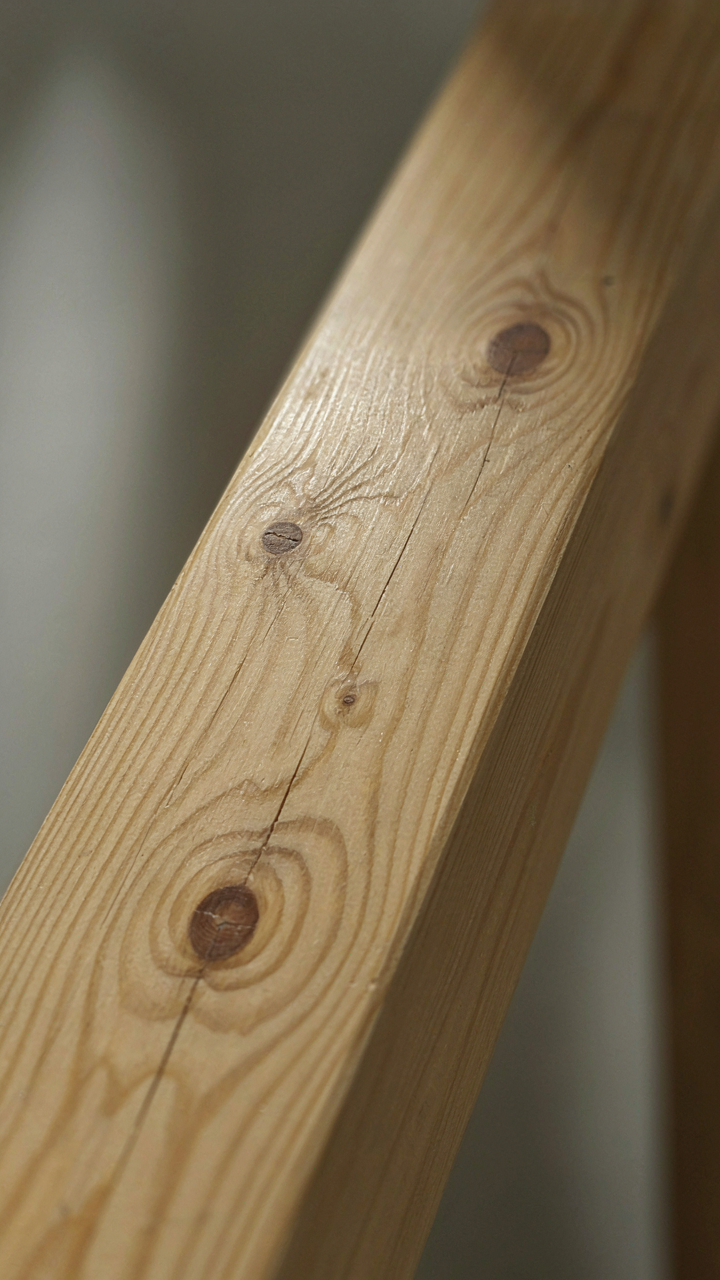
When Plastic Looks Like Plastic, Not Wood
You want the aesthetic without admitting you can’t afford real wood or don’t want the maintenance headache. That’s the real calculation here. The mechanism is simple: synthetic beams fail the moment light hits them wrong because they lack the grain depth and density variation that genuine wood captures across its surface. Real wood has micro-shadows cast by irregular grain patterns. Faux beams have a printed or molded surface that reads flat under any angle of natural light.

The material science here matters. Polyurethane and polyester resin beams are engineered to mimic wood’s appearance, but they compress the three-dimensional character into a two-dimensional print or shallow mold. A timber beam from a reclaimed barn has centuries of weathering and structural load written into its surface. A synthetic beam has marketing photography baked into its finish. Once you see the difference, you cannot unsee it.
Material Degradation Under Real Conditions
Synthetic beams don’t age like wood does, and that’s both their selling point and their trap. They won’t rot or warp, but they yellow, fade, and become brittle under UV exposure. Polyurethane beams exposed to direct sunlight develop a chalky, oxidized surface within five to ten years depending on climate and installation location. The material becomes photochemically unstable.
The maintenance requirement everyone glosses over: faux beams need periodic cleaning and protective coating applications to slow degradation. You’re not avoiding work, you’re trading one type of maintenance for another. Real wood beams require staining or sealing on a longer interval. Synthetic beams require UV-protective coatings reapplied every few years in high-light areas. Before committing to faux beams, verify the manufacturer’s specific maintenance protocol and factor those costs into your decision.
Reclaimed Beams: The Ecological Conundrum
The Real Cost Of Your Sustainability Narrative
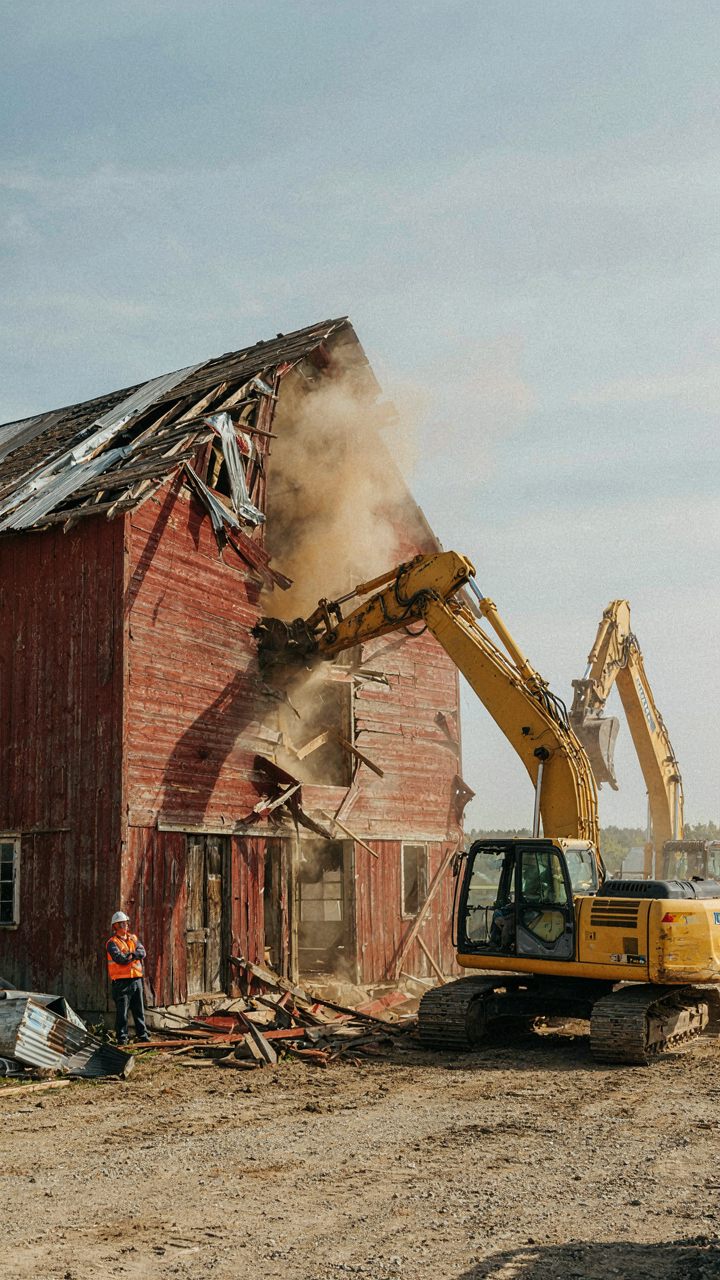
You want reclaimed beams because they signal you care about the planet while actually just wanting the aesthetic without the guilt. Here’s the mechanism: sourcing reclaimed wood creates artificial scarcity that drives up prices and incentivizes demolition of structures that could have stood another fifty years. The salvage industry operates on extraction logic, identical to mining. You’re not reducing environmental harm—you’re creating a new market that rewards tearing down buildings faster. A reclaimed beam from a 1920s barn represents one less standing structure; demand scales, demolition accelerates, and the math flips from conservation to consumption.

The efficiency problem gets worse when you map supply chains onto the equation. Reclaimed beams require demolition crews, sorting operations, transportation across state lines, and milling to fit modern specifications. A new engineered beam from sustainably harvested timber travels a direct path from forest to mill to jobsite. The reclaimed route burns fuel at every handoff. Marketing strips this reality and sells “heritage” instead. The ecological impact of reclaimed lumber depends entirely on whether that wood replaces virgin timber or simply adds another layer of extraction to the system.
Following Money In Lumber Ethics
Most ethical sourcing guidance skips the actual mechanism and lands on “buy certified” as if a label solves structural incentives in an industry built on information asymmetry. Certification programs (FSC, SFI, PEFC) reduce bad practices at the margin but don’t eliminate them. A certified forest operation still operates within markets that reward volume and price competition. Reclaimed lumber dealers have zero incentive to reveal the true sourcing history of beams because “salvaged from unknown demolition site” doesn’t move product like “rescued from 1880s stable” does.
Verify sourcing by tracing backward to the actual structure the beam came from, not backward to the dealer’s marketing narrative. Responsible reclaimed beam sellers document the original building, its location, and demolition date. If a supplier can’t produce this documentation, they’re sourcing from mixed demolition lots where quality and provenance become impossible to verify. Request photographs of the original structure and receipts from the demolition contractor. This step eliminates 80 percent of dealers operating on reputation alone rather than traceable supply chains.
Ceiling Wooden Beams: The Aesthetic Of Deliberate Choice
Restraint Beats Maximalism Every Time
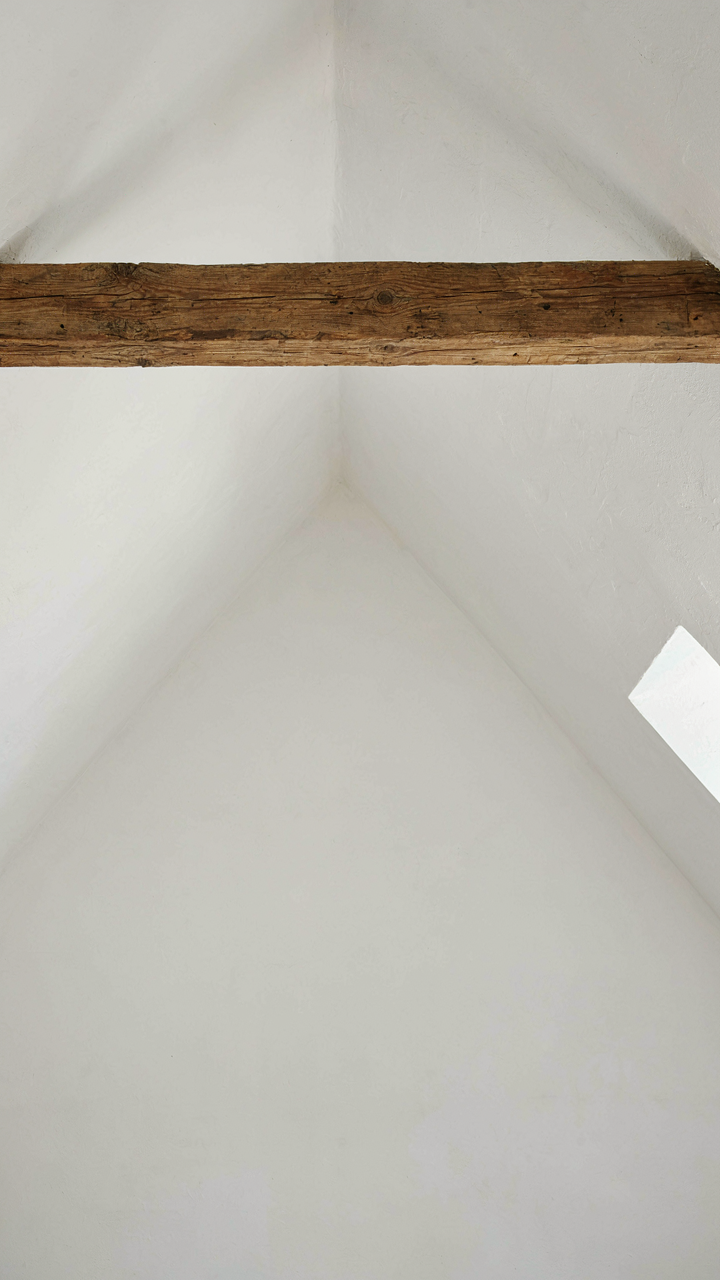
You want people to feel something when they enter your space, and you think more beams accomplish that. They don’t. The mechanism is contrast: your brain only registers what stands apart from its surroundings. Install beams everywhere and they become wallpaper. Install them strategically and they become architecture.

The common advice says “expose all the beams you can find.” Wrong. Original farmhouses didn’t expose beams for aesthetics—they exposed them because plaster was expensive and labor was scarce. We inherited the look and mistook limitation for intention. Real impact comes from selecting which beams matter structurally and which ones you leave buried. One beam across a vaulted ceiling commands attention. Seven beams scattered randomly diffuse it into noise.
Authenticity Survives Trend Cycles
Materials age differently, and that’s where longevity lives. Unlike paint colors or furniture styles, wooden beams actually improve with time because their visual story becomes richer. A beam that’s genuinely reclaimed carries texture and patina that no stain can replicate. The economics of reclaimed wood have shifted—salvage yards now source from barns built in the 1800s and early 1900s, making authentic material more accessible than it was a decade ago.
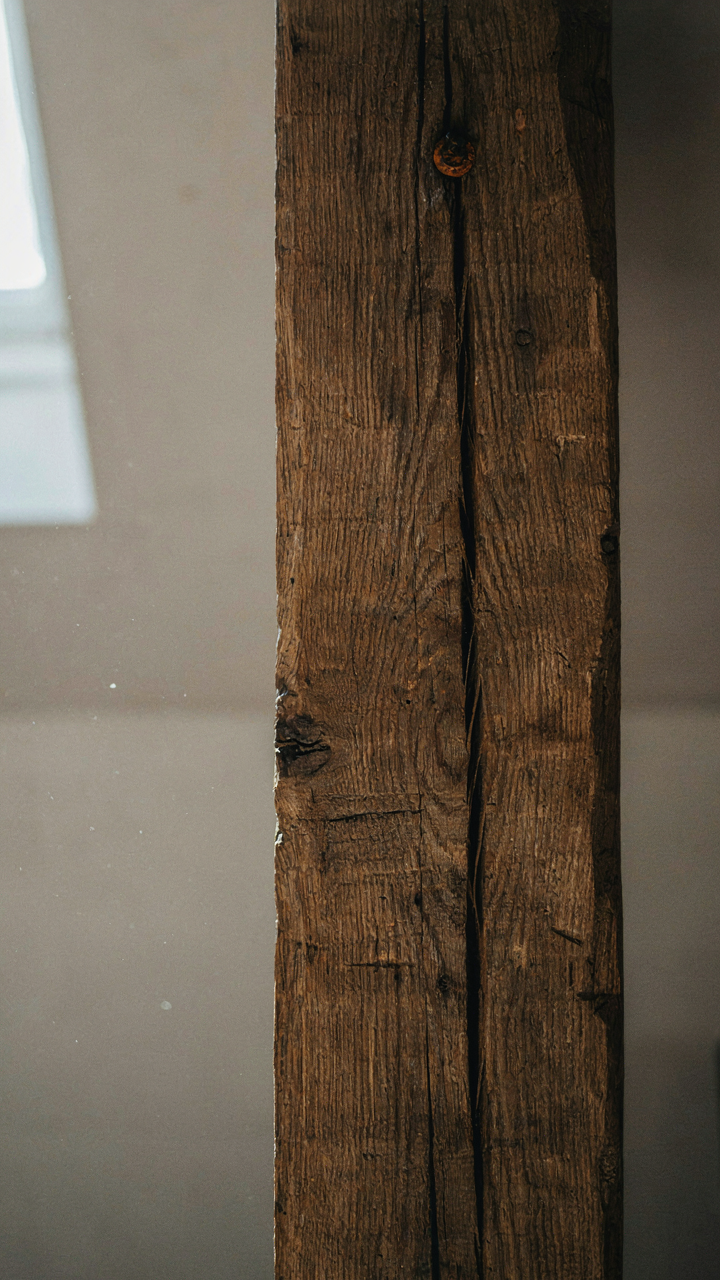
The real distinction isn’t between reclaimed and new wood. It’s between wood that shows genuine weathering and wood that’s been artificially distressed to look old. Your eye knows the difference even if you can’t articulate why. The mechanism is this: authentic patina is random. Industrial distressing follows patterns. Pick beams with actual grain variation, actual checking, actual color gradation from exposure. Then let them alone. Your job ends the moment they’re installed.
The Only Truly Rustic Beam Is The One You Stopped Trying To Impress People With
Most people install farmhouse ceiling beams to signal something. Authenticity. Taste. Wealth. The irony? Real rusticity dies the moment you care what anyone thinks. Grab actual reclaimed wood or distressed beams that match your space, not your Instagram feed. Stop asking “Will this look right?” and start asking “Does this feel right?” Your ceiling doesn’t need permission to exist. Install it because the room demands it, not because the trend demands it.