
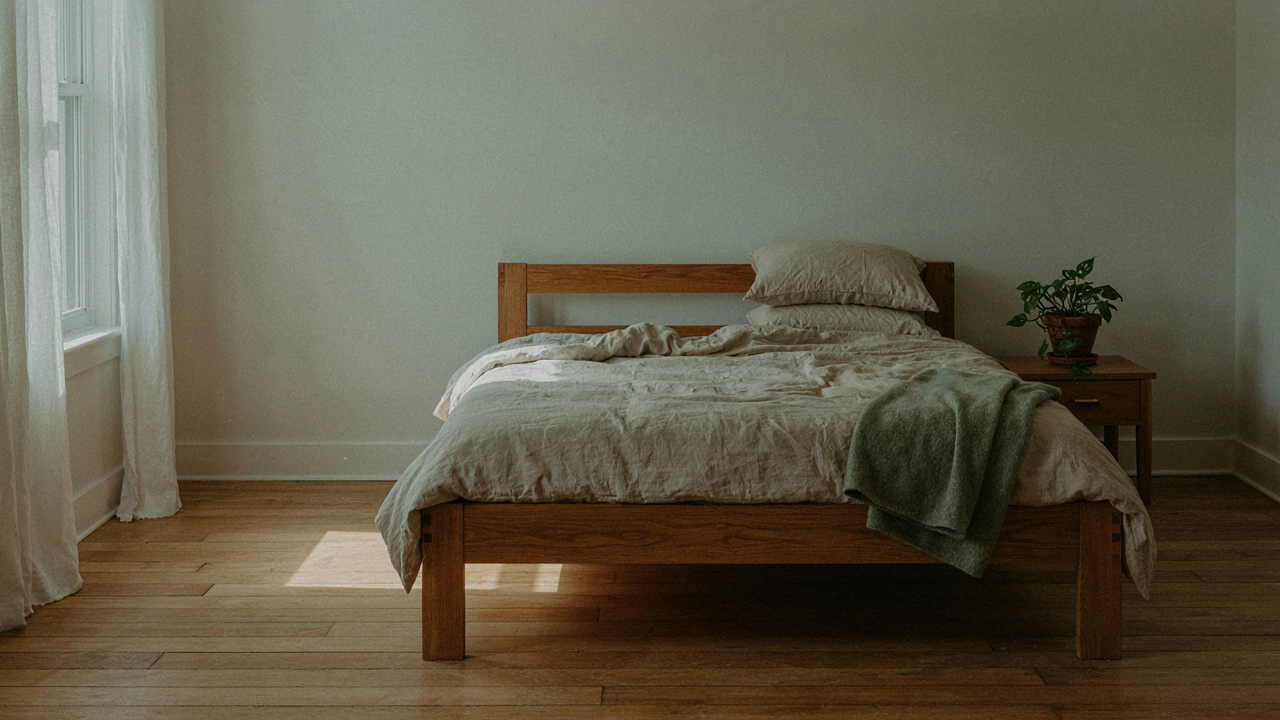
Beyond The Brochure: Why “Quiet Natural Wood” Is Overrated
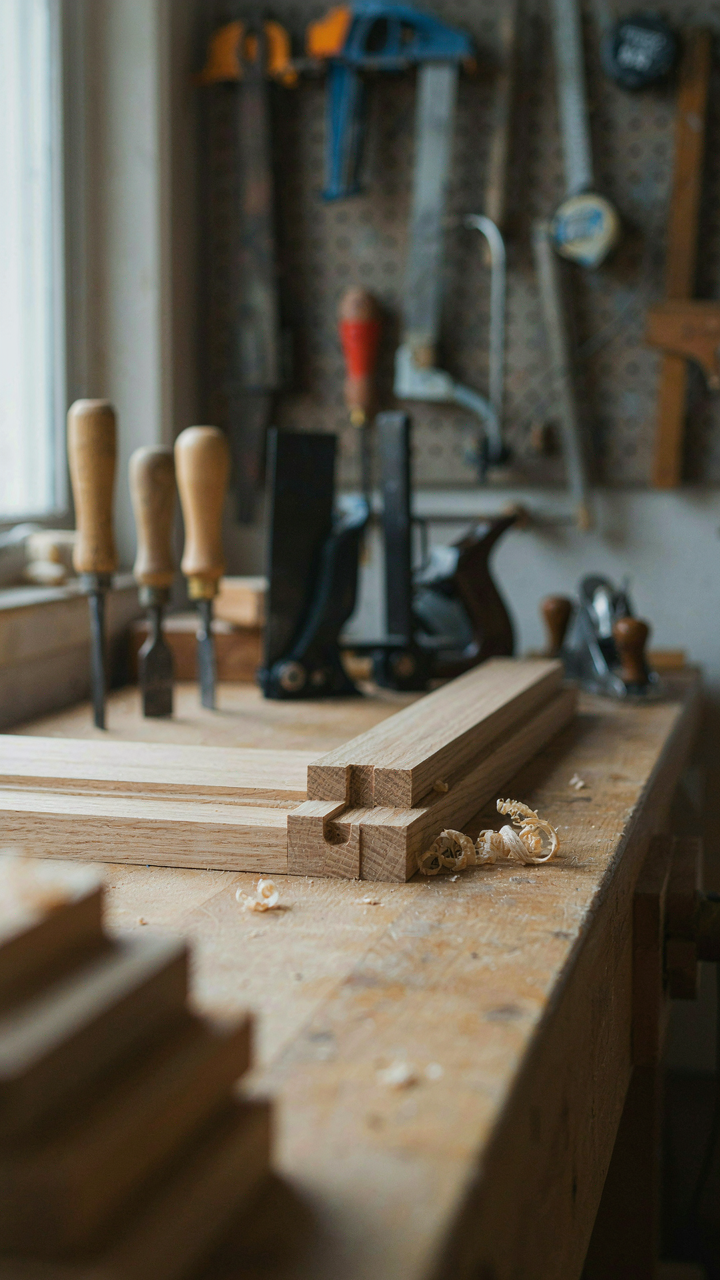
Wood Tone Doesn’t Dictate Your Nervous System
You want the wood to do the calming work so you don’t have to think about what actually makes a room peaceful. Here’s the mechanism: color perception is neurological, not magical. A room with honey-toned oak hits your eyes the same way whether the space is cluttered, poorly lit, or acoustically live. The wood isn’t tranquilizing you. The order is. Medium tones in wood don’t inherently trigger relaxation. They’re neutral enough that your brain doesn’t waste energy processing visual noise. But neutrality isn’t rest. A gray bedroom with terrible proportions feels worse than a bright one with intention behind every object.
The craftsman movement itself rejected ornament in favor of visible structure and honest materials. Practitioners valued wood not because warm tones soothed the soul, but because you could see how joints worked and understand what held the building up. This clarity reduced cognitive friction. Your brain processes legible construction faster than it processes beauty. A bedroom with visible dovetails and exposed beams works because you can read the space, not because the color palette whispers secrets.
Functionality Determines Rest, Not Aesthetics
The common advice here is backward: people think a beautiful craftsman bedroom will function well. Wrong. A functional bedroom that happens to look craftsman will feel restful. Bed height, natural light timing, temperature control, and noise isolation determine sleep quality. These are systems, not decorative choices. A room with perfect wood stain and terrible acoustic properties costs you sleep. A room with practical joinery and actual climate control builds rest into the day.
Craftsman design succeeds because makers prioritized use before appearance. They built beds at the right height for getting in and out. They positioned windows to manage heat and light throughout seasons. They used durable wood in high-wear areas. A quiet bedroom starts with insulation strategy, window placement, and clutter protocols. Then you add wood finish. Start by mapping what your body needs in this space at 6 AM and 11 PM. Build the mechanical systems that serve those hours. Then choose materials that don’t fight against what you’ve built.
The 3 Pillars Of Authentic Craftsman Bedroom Design
Material Honesty Over Aesthetic Veneer
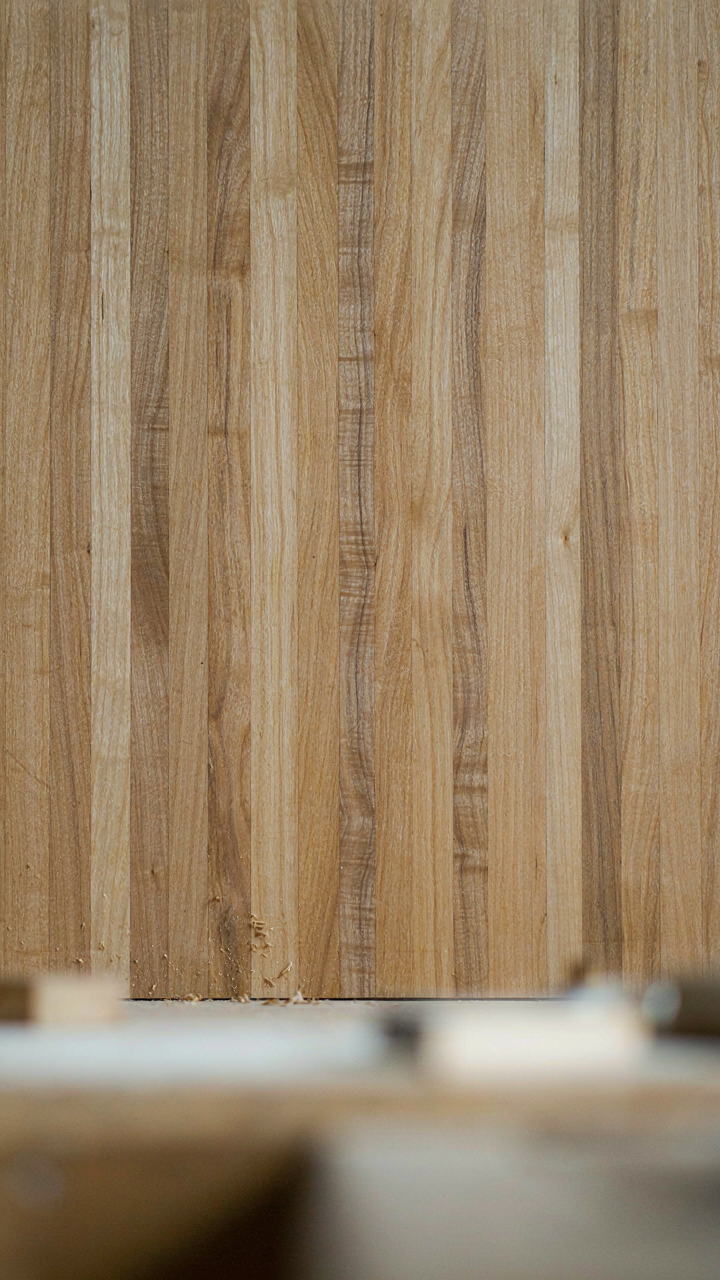
You want to believe your bedroom reflects taste and intentionality, not just budget constraints dressed up as philosophy. Here’s the mechanism: craftsman design emerged as a direct rejection of industrial manufacturing that hid inferior materials under veneers and finishes. Wood in a craftsman bedroom must be solid, not plywood with a walnut skin. The grain, color variation, and seasonal wood movement all become visible design elements, not flaws to conceal. This visibility is the entire point.

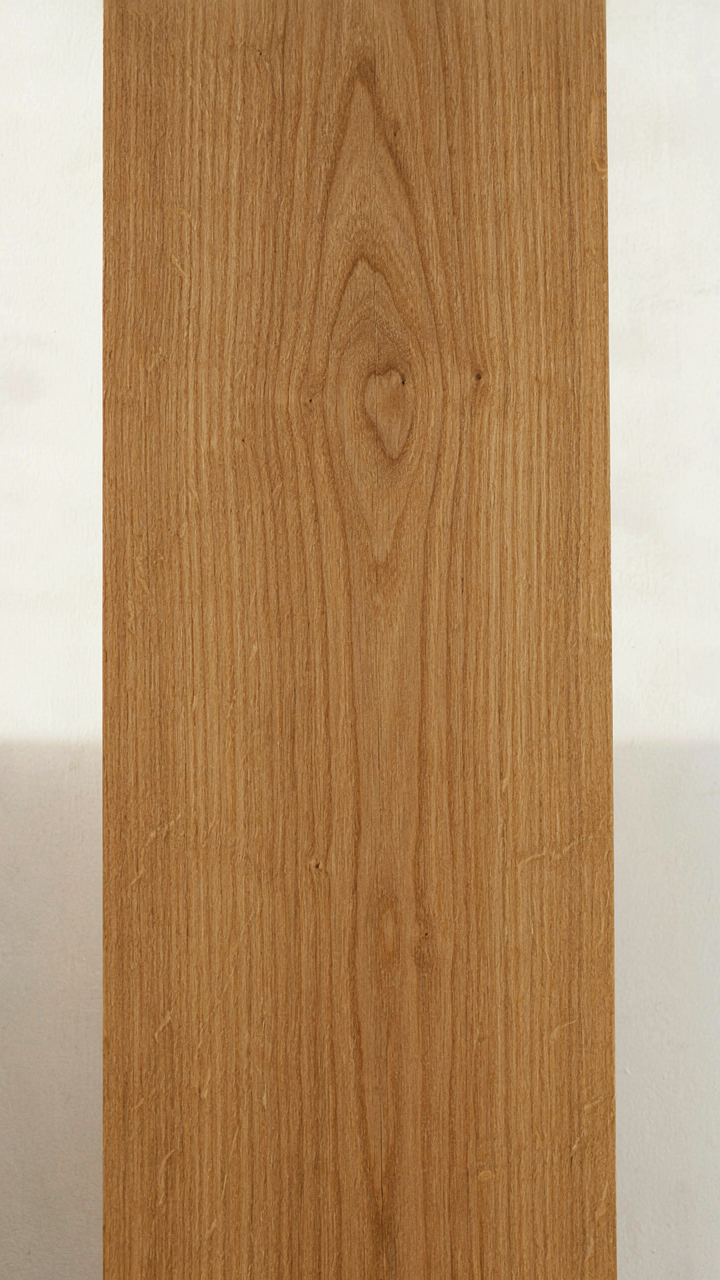
The common advice says use “natural wood.” That’s incomplete. You must specify which wood, understand its properties, and accept its behavior. Quarter-sawn oak shows medullary rays that machine-cut lumber cannot hide. Hand-planed surfaces reveal tool marks that prove human touch. When wood shrinks or moves with humidity, that’s not a defect to fix with filler. That’s the material working as designed. The craftsman bedroom acknowledges this reality rather than fighting it.
Visible Joinery And Built Construction
The furniture industry stripped away joinery to save labor costs. Craftsman design puts it back. Mortise and tenon joints, dovetails, and exposed frame construction become visual evidence that someone built this object intentionally, not stamped it out of a mold. This isn’t decoration added on top. It’s the structural system made visible. Economics teaches us that when the mechanism is hidden, quality drops because accountability vanishes. Expose the joints, and the builder cannot lie.
Most “craftsman style” bedroom pieces use pocket hole joinery hidden from view, then add decorative elements to fake the authentic approach. That inverts the entire philosophy. Real craftsman construction places joinery where it bears load and shows how that load transfers through the piece. A bedframe’s corner joints should reveal how wood grain direction creates strength. A nightstand’s drawer should show dovetails that distribute stress. Examine the corners and joints first. They tell you whether the maker respected the material or just mimicked the aesthetic.
The Craftsman’s Code: Unmasking “Mission Style Bedroom” Imposters
What Actually Separates Real From Fake
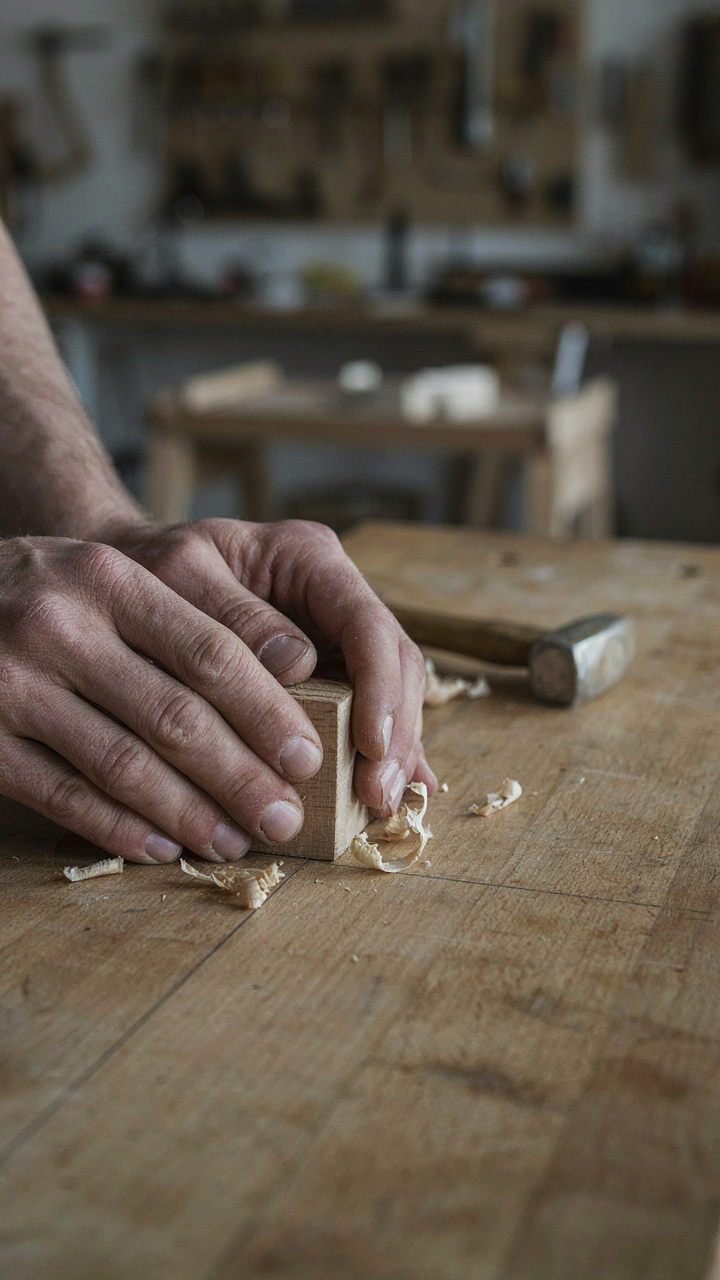
You want to know the difference so you don’t waste money on furniture that looks right but isn’t—that’s the real fear here. The mechanism is simple: genuine craftsman design prioritizes joinery and wood grain visibility over ornamentation. Fake versions hide poor construction under dark stain and call it “authentic.” Real craftsman pieces expose their joints because the joints are the statement. Mortise and tenon connections, visible wood edges, and flat-sawn lumber patterns aren’t decoration—they’re proof the maker understood the material.

Most bedroom furniture labeled “Mission” or “craftsman” uses veneered plywood with applied trim that mimics joinery. The wood doesn’t move with seasons because there’s no solid wood to move. A genuine craftsman bedroom shows wood movement seasonally, displays grain patterns that vary piece to piece, and features joints that could theoretically be disassembled without destroying the frame. If everything matches too perfectly, it’s mass-produced veneer. If the wood looks slightly different in humidity from season to season, you have the real thing.
Where The Form Actually Came From
The Arts and Crafts movement emerged in 1880s Britain as a direct reaction to industrial mass production, then took root in America through makers like Gustav Stickley. This wasn’t nostalgia—it was ideology. Craftsmen rejected machine-made uniformity and designed bedroom furniture that expressed honest construction, which became the template for what we now call craftsman style. The movement valued visible wood joints, quarter-sawn oak, and hand-finished surfaces because these things required skill and couldn’t be faked by a factory.
American craftsman bedrooms of the early 1900s followed specific proportions and construction methods that reflected available tools and wood types native to the region. The heavy, low silhouette came from quarter-sawn white oak and the need for structural stability without metal reinforcement. Bedroom pieces like dressers and bed frames used through-tenon joinery because it worked—not for decoration. This historical accuracy matters: if your “craftsman” bedroom piece has no visible joinery and costs less than a decent used car, you’re holding a contemporary reproduction playing dress-up.
The Kinesthetic Comfort Protocol For Craftsman Bedroom
Bed Placement And Spinal Alignment
You want this section to work because you suspect your back pain is the bedroom’s fault, not yours. Human factors engineering teaches us that postural load—the accumulated stress your body absorbs from position—compounds over eight hours of sleep. In a craftsman bedroom, this means your bed placement must account for the room’s structural logic, not fight it.

Position the bed perpendicular to load-bearing walls when possible. Craftsman homes typically have interior walls that align with structural columns, creating zones of greater stability. Your mattress foundation sits more level when supported by the room’s underlying geometry rather than arbitrary wall placement. This isn’t psychology; it’s how wood-frame structures distribute weight.
Movement Pathways And Spatial Rhythm
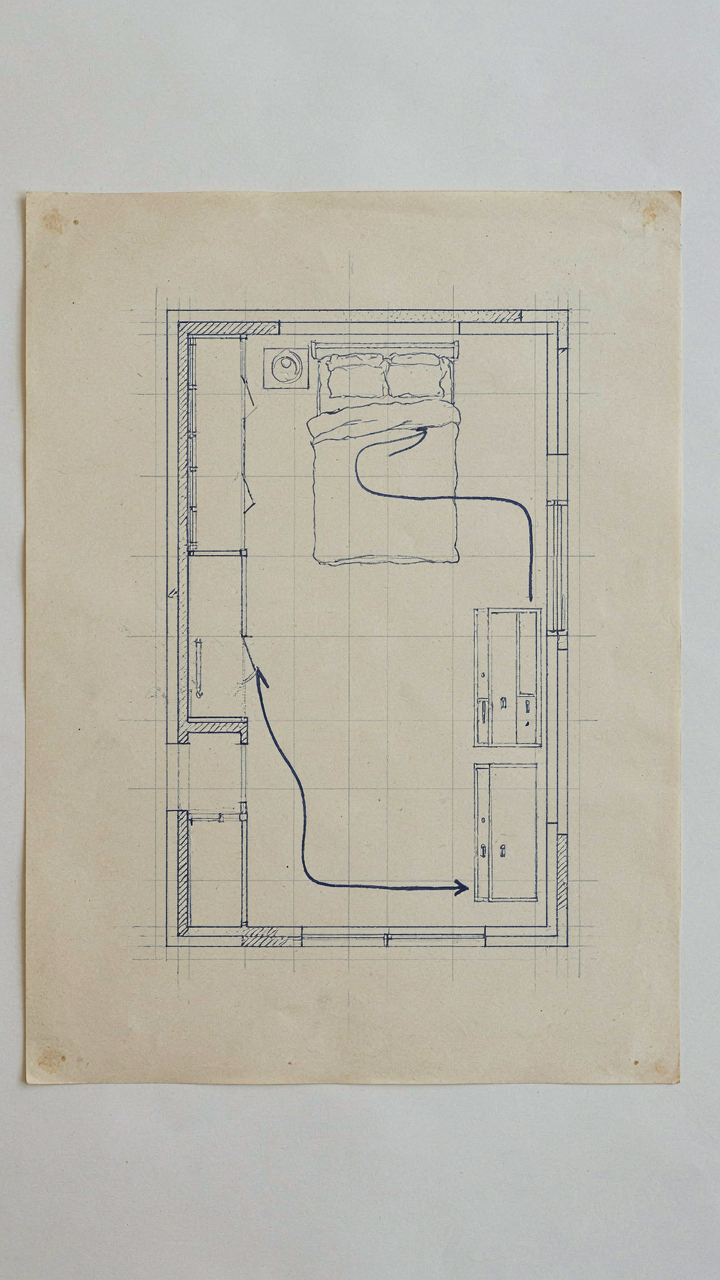
Everyone says “make sure you can walk around the bed.” That’s incomplete. Physics uses the concept of laminar flow to describe how fluids move efficiently through constrained spaces. Your bedroom needs the same principle: movement patterns should feel inevitable, not negotiated.
Craftsman furniture uses substantial wood pieces that occupy real floor area. Clear a continuous path from the door to the bed to the dresser without diversion or backtracking. Width matters more than total square footage; a 30-inch corridor feels more open than a cramped 25-inch passage in a dense room. The mechanism is spatial rhythm—your body learns the room’s flow and moves through it without conscious navigation. That ease accumulates into perceived spaciousness.
Arts And Crafts Bedroom: Not Just A Pretty Face
Utility And Beauty Have The Same Root
You want this style because it signals you’ve thought deeper than the average person. Here’s what actually matters: the Arts and Crafts movement rejected the separation of “useful” and “beautiful” that industrial manufacturing created. In a craftsman bedroom, every element does work. The exposed joinery isn’t decoration—it’s the joint itself, load-bearing and visible. The wood grain isn’t selected for looks—it’s selected because the wood’s properties suit its function. This is the opposite of applying beauty as a surface treatment after the fact.

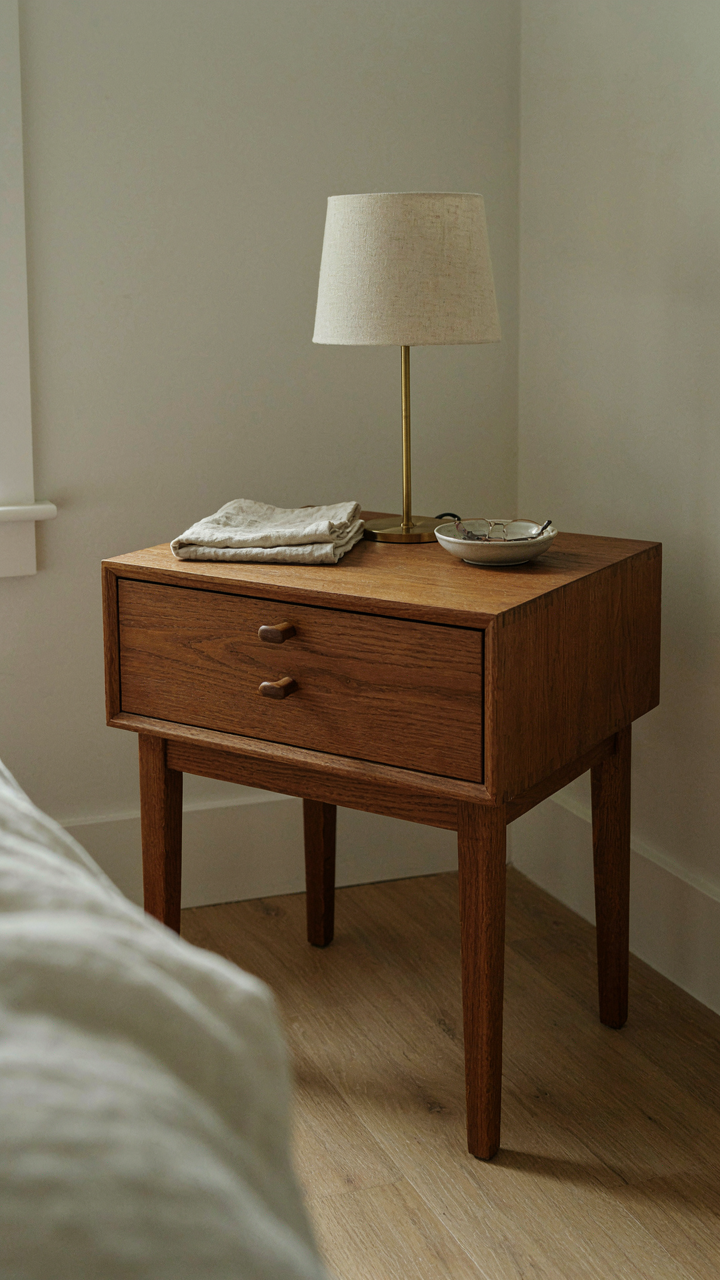
The philosophy works because it removes the exhausting mental load of deciding what “goes together.” When something is built right for its purpose, it automatically belongs in the space. A solid wood nightstand with through-joinery doesn’t need matching throw pillows to feel cohesive. The joints tell the story. The thickness of the wood announces its durability. This isn’t minimalism—it’s honesty. You’re not hiding what things are made of or how they work. That alignment between purpose and appearance is what makes a craftsman bedroom feel settled rather than staged.
Form Follows Function In Enduring Design
The industrial designer’s principle of form follows function isn’t borrowed here—it’s the craftsman bedroom’s operating system. In architecture and product design, this means the shape of an object emerges from solving its constraints, not from aesthetic preference imposed first. A craftsman bed frame’s proportions exist because wood’s structural limits and joint mechanics demanded them. The height of a dresser, the depth of drawers, the placement of handles—none of these are negotiable style choices. They’re load calculations made visible.
This is why craftsman furniture ages well while trend-driven pieces look dated within five years. The form solved a real problem. A mortise-and-tenon joint doesn’t go out of style because it’s the most efficient way to join two pieces of wood under stress. Hand-planed surfaces don’t become obsolete because they optimize for touch and sight simultaneously. When you select craftsman bedroom pieces, you’re selecting solutions that were already tested by time. The mechanism is simple: build for purpose first, and the design handles itself.
Craftsmen Bedroom: The Illusion Of Rustic Charm
What Rustic Actually Means
You want people to believe you have taste without spending the time to understand construction. Rustic became the word people use when they can’t name what they’re actually looking at, and that gap is where bad furniture lives. Real craftsman bedrooms descend from the Arts and Crafts movement of the 1880s-1920s, which rejected mass production and machine-made ornament in favor of visible joinery, honest materials, and hand-finished wood. The mechanism here mirrors signal theory from economics: rustic styling signals cost and authenticity to the buyer, but the signal breaks down the moment you ask what material the piece is actually made from or how the joints hold.

The confusion starts because “rustic” and “craftsman” get used interchangeably, and they describe opposite priorities. Rustic prioritizes appearance of age and roughness. Craftsman prioritizes function, proportion, and structural integrity expressed through visible construction. A craftsman bedroom piece shows you exactly how it’s built because the builder trusts the method. A rustic piece hides poor joinery under stain and distressing. Pick one. Your bedroom furniture should reflect the actual one you choose, not the fantasy version where both coexist.
Distressed Finishes Hide Real Failures
The common advice says distressed finishes add character and hide wear. That’s incomplete and it costs you money. Distressing masks defects in wood selection, grain matching, and construction quality. Manufacturers use it because it’s cheaper to sand and gouge a piece of plywood veneered in low-grade pine than to source consistent, quality stock and execute tight joinery. The real mechanism is simple: distressing is visual noise that prevents you from seeing what you’re buying. When you can’t see the wood’s actual grain, color consistency, or joint gaps, you can’t evaluate the craftsmanship.
A craftsman bedroom relies on wood grain and finish clarity to communicate value. Quarter-sawn oak or walnut with a proper oil or shellac finish shows you the material’s actual character and reveals every mistake in construction. That’s the point. If a piece needs aggressive distressing to look acceptable, the construction or material selection failed. Buy pieces with clear finishes that showcase the wood. Accept minor imperfections as proof of handwork. Reject anything where distressing is doing the heavy lifting between you and poor quality.
The Craftsman Bedroom Design Blueprint: No Shortcuts
Material Selection For Real Durability
You want a bedroom that signals taste and permanence without constant replacement. That’s really about choosing materials with predictable failure rates. Think of it like structural engineering: load-bearing capacity matters, but so does fatigue resistance—how a material performs under repeated stress over years.

The craftsman movement rejected cheap veneers and particle board because they fail visibly and fast. Solid wood species matter tactically. Not all hardwoods age the same way. Quarter-sawn oak resists cupping and warping better than flat-sawn because the grain orientation changes how moisture moves through the wood. That’s mechanism, not marketing.
- Quarter-Sawn White Oak: Tight grain structure resists moisture absorption and cupping. More expensive upfront, but the medullary rays create visual stability that flat-sawn lumber can’t match. Standard in craftsman furniture for a reason.
- Cherry: Moderate hardness, machines cleanly for joinery work, ages to deeper tones. Softer than oak, so scratches show faster, but the wood is honest about use rather than hiding damage.
- Black Walnut: High density, stable in humidity swings, works well for structural components. Rich color requires no stain. Expensive, so use strategically for bed frames and case goods rather than full room coverage.
- Reclaimed Heart Pine: Salvaged from old buildings, the tight growth rings indicate slow growth and dense structure. Historical accuracy for craftsman spaces, though supply is finite and sourcing matters.
- Rift-Sawn Red Oak: Straight grain, high dimensional stability. Less decorative than quarter-sawn but more affordable. Best for structural pieces where appearance is secondary to performance.
Finishes amplify or undermine wood choice. Oil finishes let wood move naturally and show repair work. Polyurethane seals the surface but creates a plastic feel that contradicts craftsman intent. You pick based on use: oil for beds and tables you touch daily, poly for case goods exposed to spills.
Joinery Defines The Lifespan
Common advice says joinery is about aesthetics. That’s incomplete. Joinery is the mechanism that determines whether your bed frame stays square in five years or develops sag and racking.
Mortise and tenon joints distribute stress across grain direction. The mortise (hole) receives the tenon (projecting piece), and glue plus mechanical friction locks them. This is superior to dowels or pocket holes because stress travels through the entire joint face, not just a tiny fastener point. Craftsman bedroom furniture uses this because it works under the specific stress pattern of a bed: downward load plus racking forces from movement and settling.
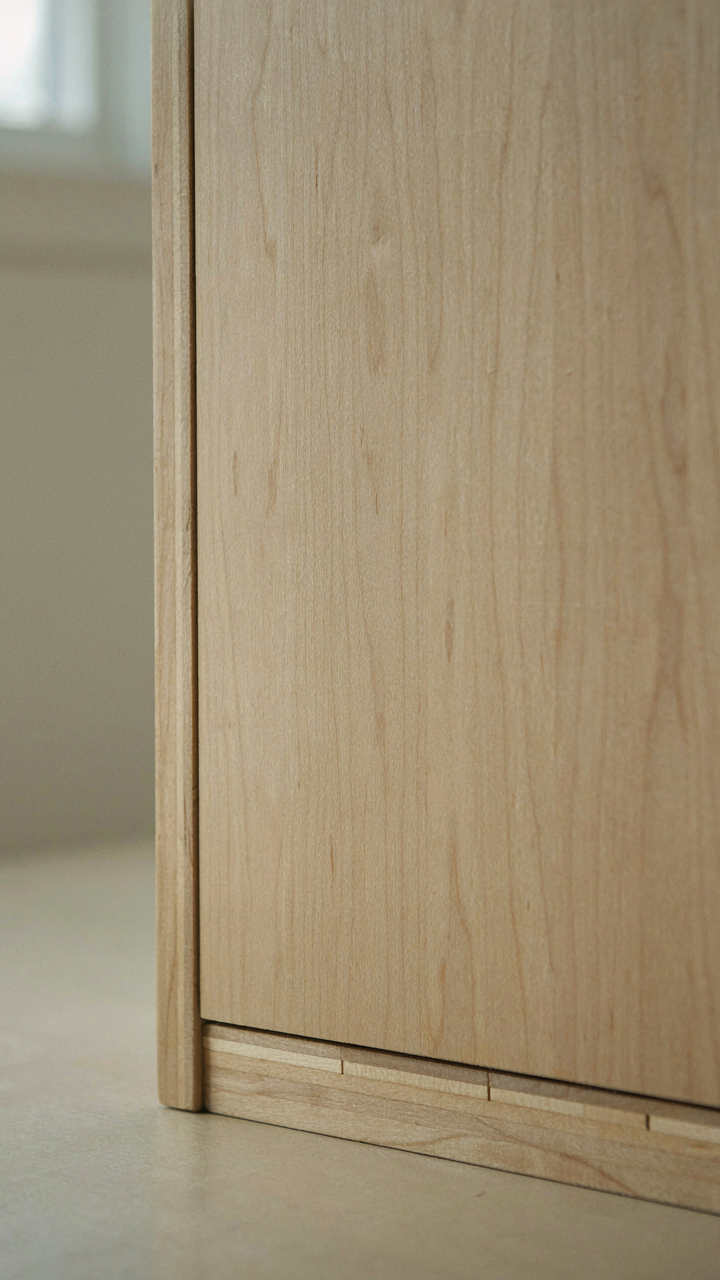
Panel construction matters equally. Craftsman designs use frame-and-panel joinery where solid wood panels float inside grooved frames. Wood expands and contracts with humidity. Panels locked solid to frames crack. Floating panels move with seasonal changes and stay intact. This is why antique craftsman pieces survive climate shifts that destroy modern glued-panel construction.

Visible joinery signals build quality because you can inspect it. Dovetail joints on drawer fronts withstand opening and closing thousands of times because the angled cuts lock mechanically. Exposed joinery also means the maker stood behind the work—cheap construction hides its joints behind veneers or particle board. A craftsman bedroom communicates restraint and accountability through what you can see.
Craftsman Interiors: Beyond The Wood Panel
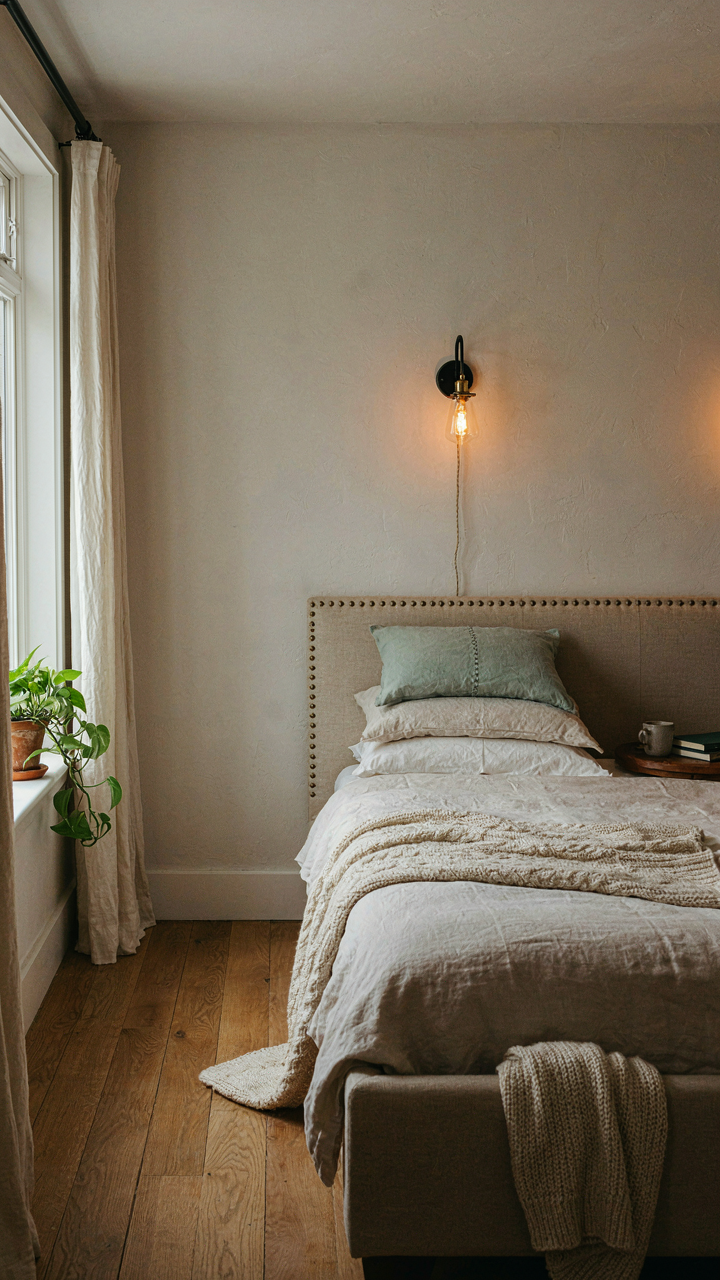
Textiles And Lighting As Structural Elements
You want the room to feel complete without admitting you’re afraid bare wood looks unfinished. The real mechanism is this: textiles and lighting aren’t decoration in craftsman design, they’re load-bearing. Like in architecture, where every beam serves both function and form, every fabric choice and light source either supports the room’s purpose or weakens it. Cotton canvas, linen, and wool don’t fight wood—they stabilize it. They absorb sound, regulate temperature, and create visual rhythm the eye needs.
Lighting in craftsman spaces works on the same principle as the woodwork itself: no hidden sources, no dramatic effects. Wall sconces with visible hardware, table lamps with craftsman-style bases, and ceiling fixtures you can actually see perform the work. Warm color temperature (2700K) matters because it matches the undertone of natural wood and keeps the room functional for reading or detail work. Place fixtures to eliminate shadows on work surfaces and seating areas where people actually spend time.
The Discipline Of Restraint
The common advice here is garbage: “Just keep it minimal.” That’s not guidance, that’s abdication. The real rule is harder. Craftsman serenity demands intentional absence, not empty rooms. Every object—a throw blanket, a book, a lamp—must either function daily or maintain the visual clarity of the space. A cluttered craftsman room doesn’t feel cozy; it feels like someone couldn’t finish the job.

The mechanism is visual load. Your brain processes every object in a room as a decision someone made. Multiple decisions create noise. Limit textiles to two colors max that match or contrast intentionally with the wood tone. Store items in built-in cabinetry or closed storage, not on shelves. One clear surface rule: if it doesn’t live on that surface permanently, it doesn’t stay there.
The Craftsman Style Bedroom Decor Deception
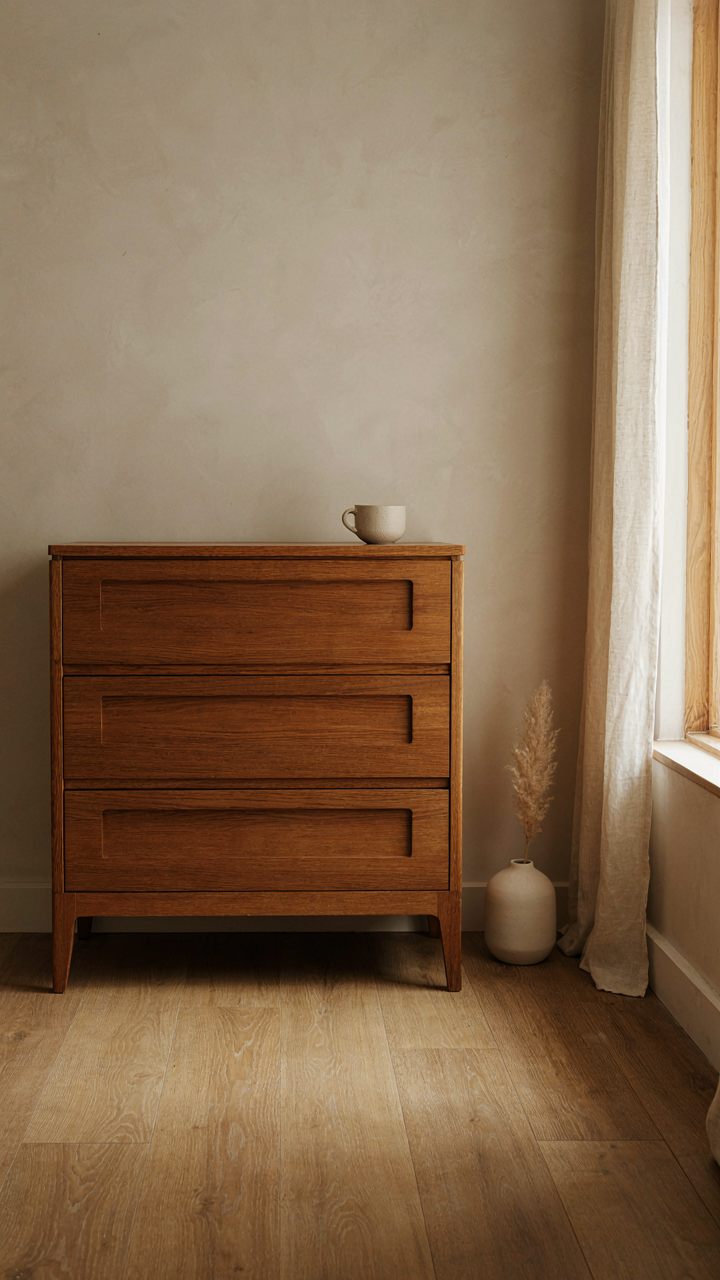
Form Follows Function, Not Instagram
You want people to think your bedroom is intentional. The mechanism is simple: most people fill space with objects that signal “I have taste” rather than objects that serve a purpose. That’s the real tell. Craftsman design exists because the Arts and Crafts movement rejected industrial mass production and cheap decoration. The style demands that every piece earn its place through utility or structural honesty, not aesthetic noise.
The deception happens when people copy the visual language without understanding the constraint. They buy “craftsman style” bedroom furniture that looks handmade but functions poorly, stack decorative boxes they never open, and hang art that matches nothing but signals sophistication. Craftsman bedrooms fail when they become theater. Strip away everything that doesn’t either support sleep, storage, or repair, and you’re left with what actually matters.
Restraint Over Accumulation
Curating means removing, not adding. Most bedroom design advice tells you to layer textures, display collections, and create visual interest. That’s decorating, not designing. Craftsman philosophy operates like inventory management in manufacturing: every part must justify its cost in materials and labor. A curated craftsman bedroom contains maybe eight to twelve significant pieces, not twenty or thirty. Each one should be something you’d keep if you moved tomorrow, not something you’d donate.
The protocol is ruthless. Photograph every object in your bedroom. Ask: does this repair, support function, or teach craftsmanship? If the answer is decoration, it goes. If it’s decoration and beautiful because it’s well-made, it stays. If it’s decoration and poorly made, it definitely goes. This isn’t minimalism preaching emptiness. It’s maximalism of meaning. A single wooden dresser built with visible joinery says more than six matching nightstands with hidden fasteners.
Your Craftsman Bedroom: A Manifesto, Not A Mood Board
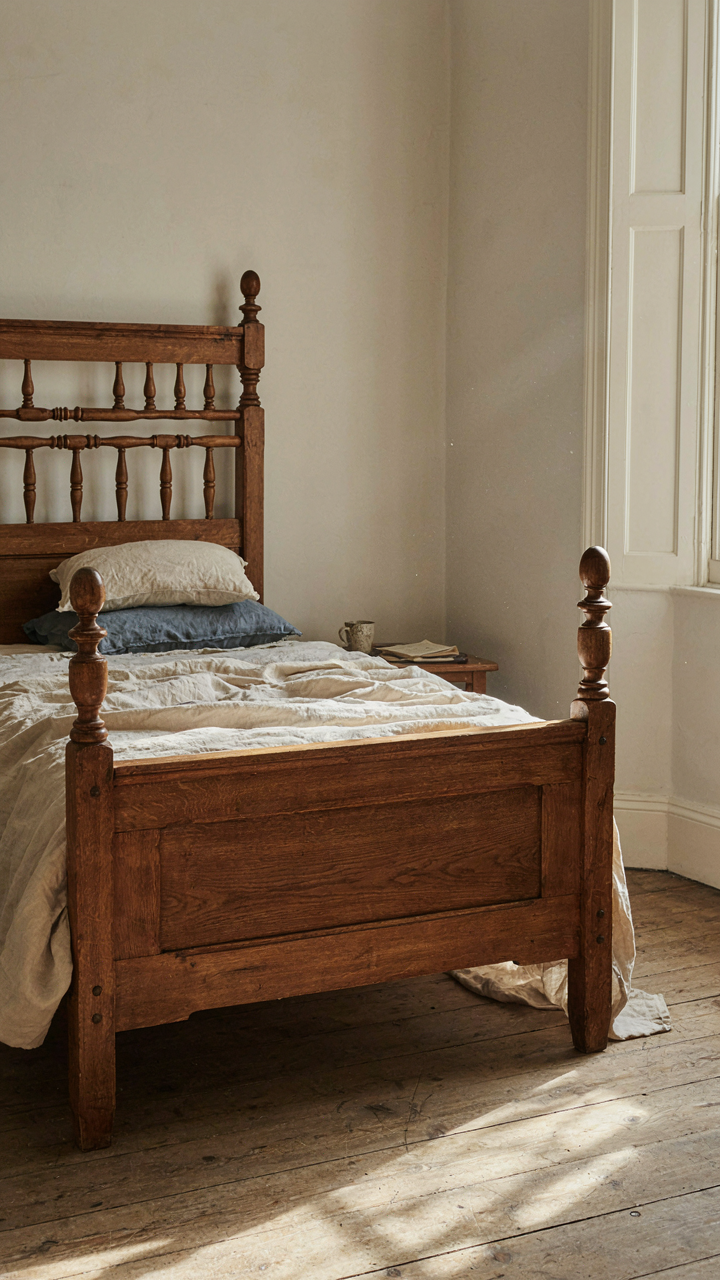
Permanence Over Performance
You want this room to matter because you’re tired of chasing trends that crumble in five years. The real mechanism is inheritance: craftsman design survives because it’s built on joints, not glue. Mortise and tenon construction in furniture doesn’t weaken over time—it tightens. This isn’t sentiment. This is material science applied to how you sleep.
The craftsman movement rejected mass production precisely because mass production optimizes for cost, not duration. Authentic craftsman bedrooms use wood that ages, furniture that repairs, and finishes that patina rather than peel. You’re not decorating. You’re building something your kid might sleep in twenty years from now without it falling apart or looking dated.
The Sleeping Test, Not The Magazine Test
Common advice says a craftsman bedroom should “feel warm” or “look inviting.” That’s marketing speak. The actual measure is this: can you sleep differently in it? Your nervous system reads material honesty. Real wood grain variation, visible joinery, hand-planed surfaces—these register as different to your brain than veneered particleboard and flat finishes, whether you consciously notice or not.
Spend one night in a room with quarter-sawn oak exposed in the window frames and another in a room with stained MDF. Your sleep quality won’t be the same. The craftsman bedroom works because your body recognizes it as structurally sound at a primal level. Verify this by visiting a period-correct 1910s home and comparing your sleep there to your current bedroom. The difference is your feedback mechanism.
The Only Thing Truly Quiet In Your Bedroom Is The Silence Of Wasted Potential
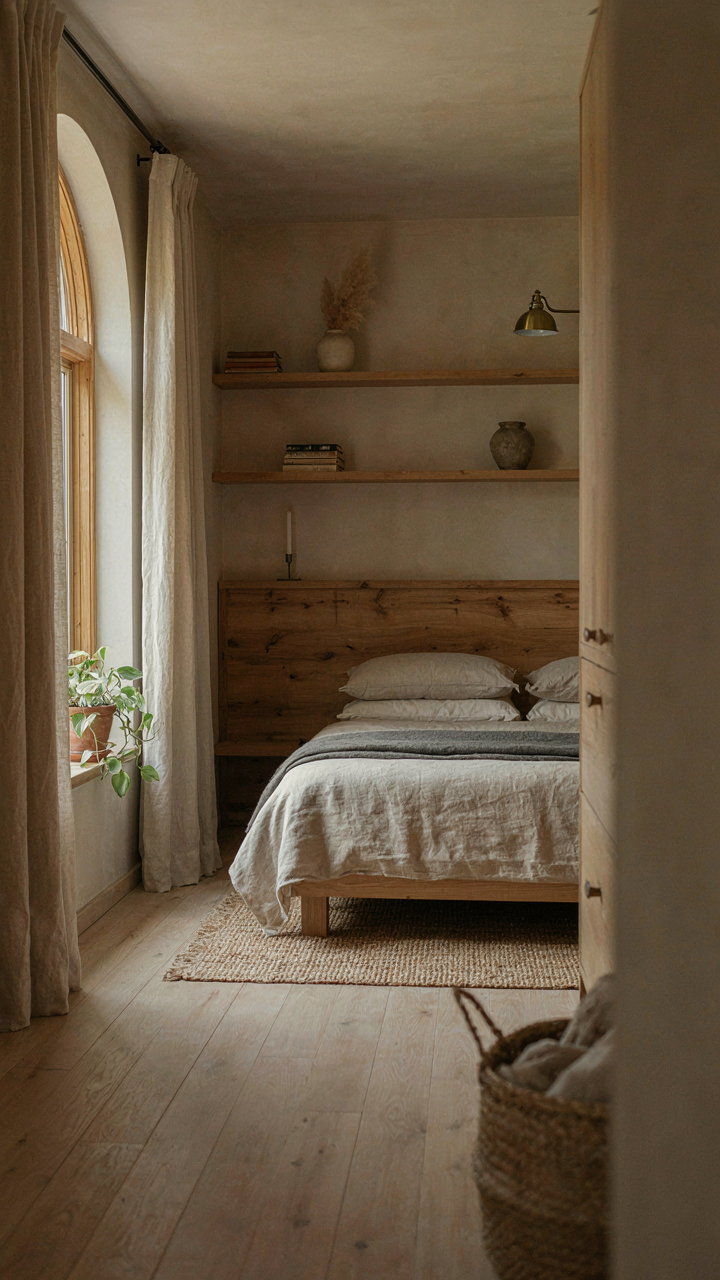
Most people treat their bedroom as an afterthought. They let it happen to them instead of building it intentionally. A craftsman bedroom doesn’t apologize for its materials or its purpose. It works. You don’t need permission to stop settling for generic furniture and flat walls. Pick one wood element today. Install it. Watch how the room transforms when you stop waiting for the perfect moment and start with the real one. Your bedroom either energizes you or drains you. There is no middle ground.



